HSPA Glossary I-O
 Call Kai
 Learn
Learn Practice Test
 Spaced Repetition
 Match
Match Flashcards
 Knowt Play
1/75

There's no tags or description
Looks like no tags are added yet.
Name | Mastery | Learn | Test | Matching | Spaced | Call with Kai |
|---|
No analytics yet
Send a link to your students to track their progress
76 Terms
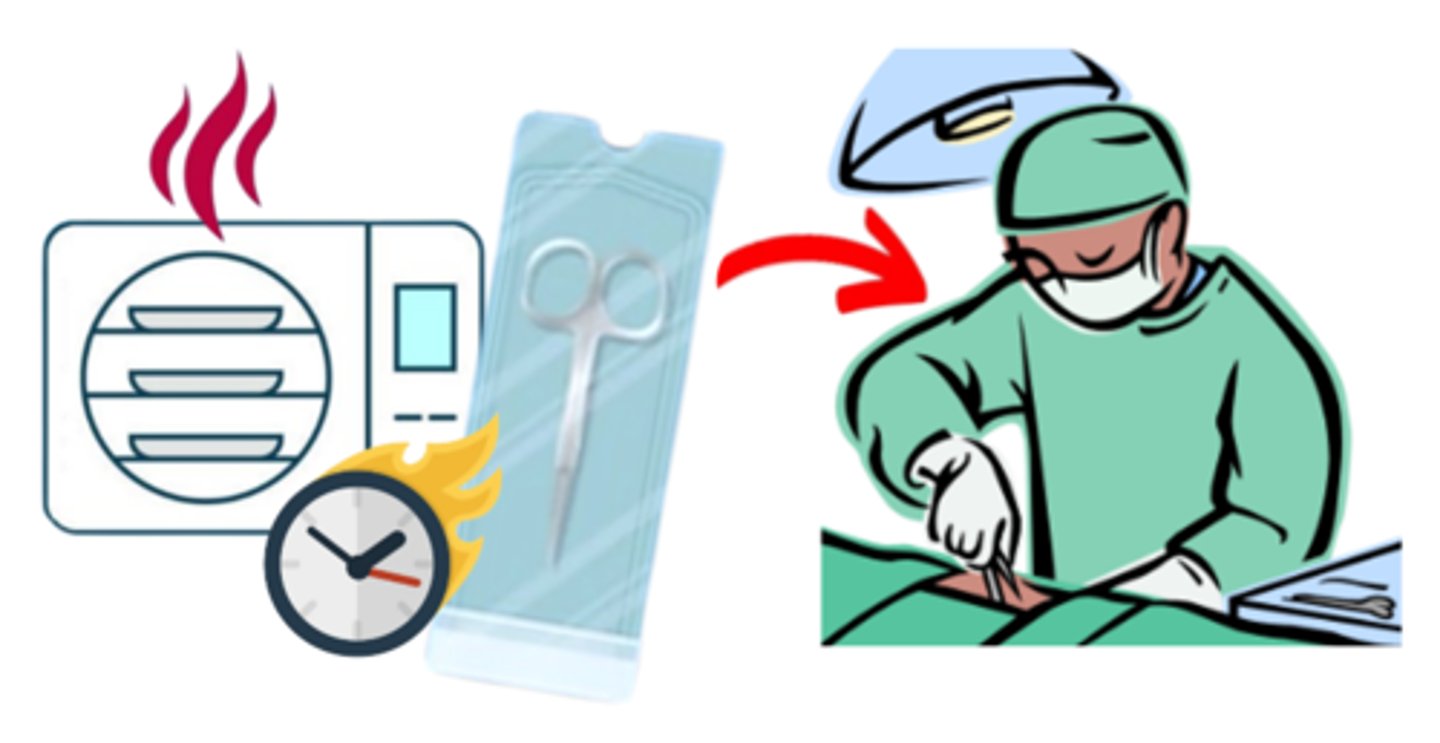
immediate-use steam sterilization (IUSS) (n)
a process designed for the cleaning, steam sterilization, & immediate delivery of heat-resistant items for use in patient care
impingement (n)
the spray-force action of pressurized water against instruments being processed to physically remove bioburden (used in washer-disinfectors)

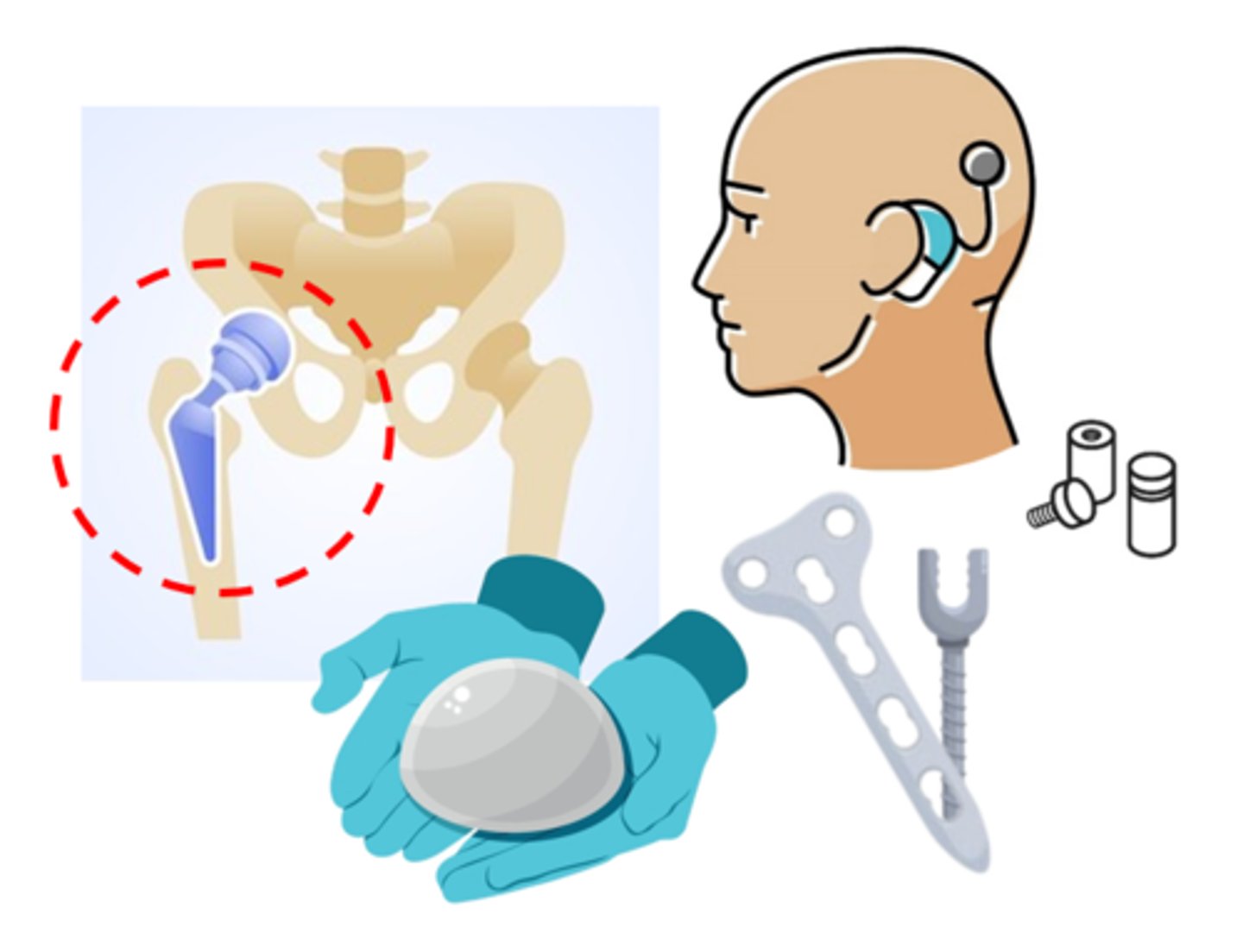
implantable devices (implants) (n)
instruments that are fully or partially introduced into the body (called explants once they're removed)
instructions for use (IFU) (n)
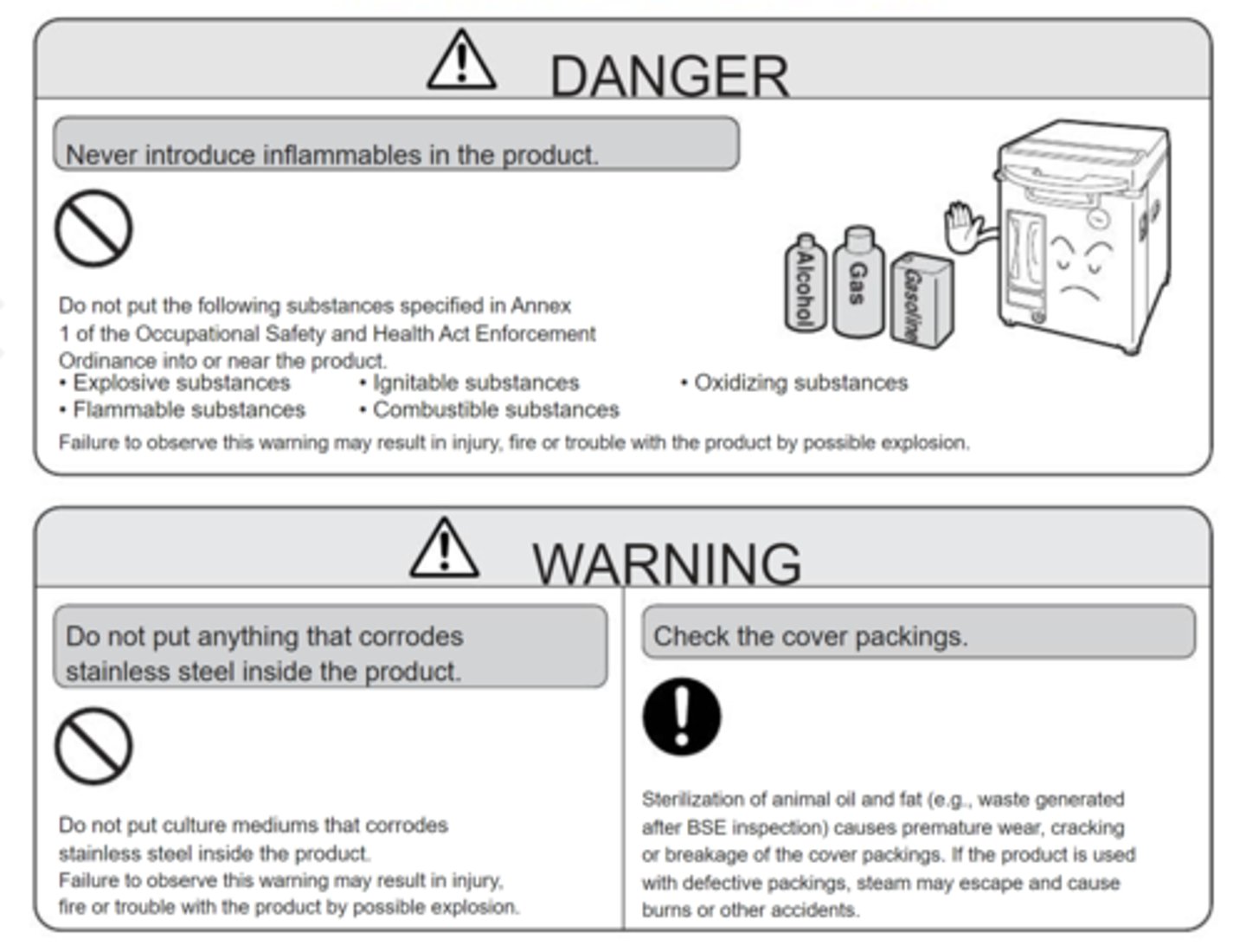
information provided by a device manufacturer that gives detailed instructions on how to properly use and/or process the device
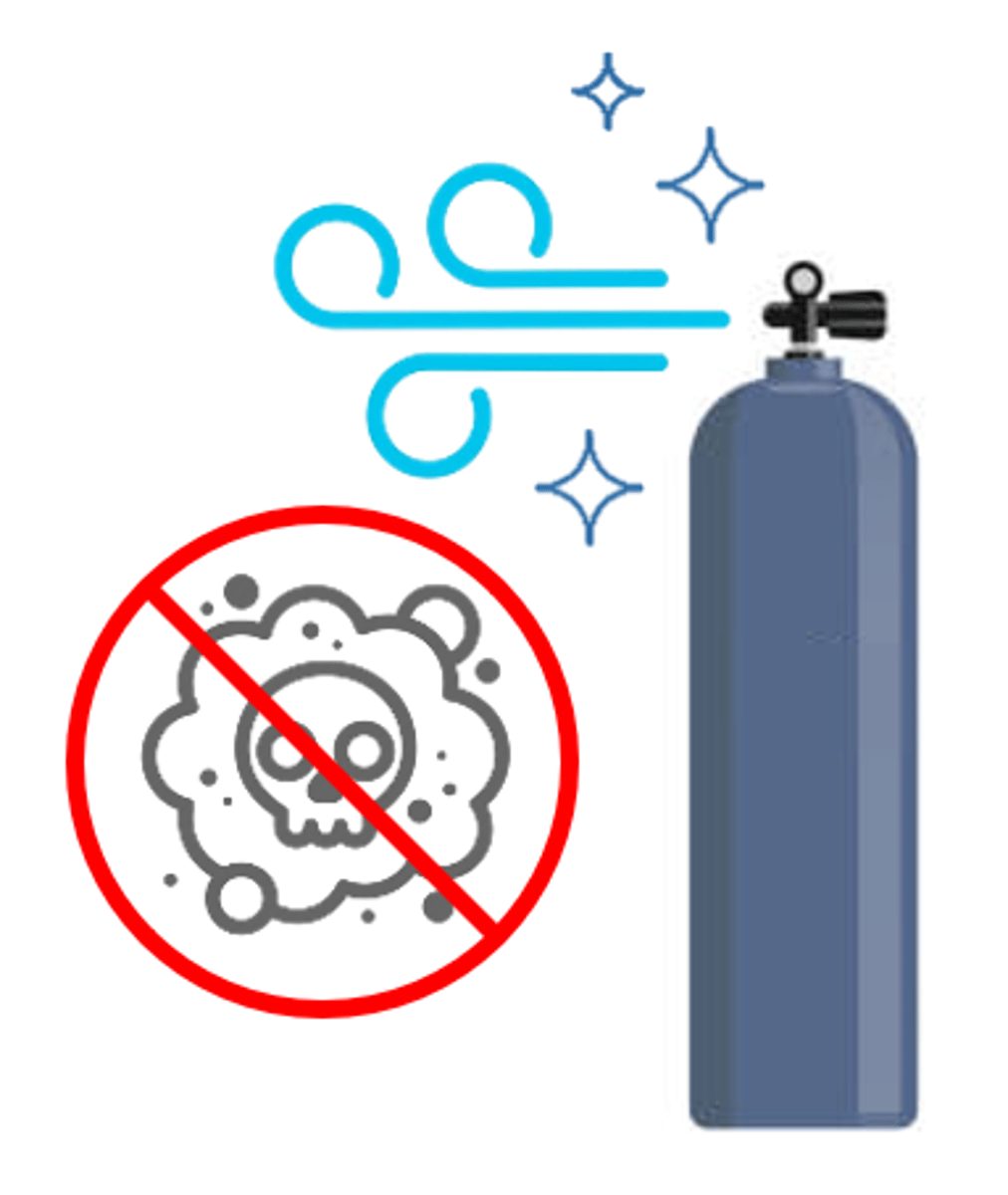
instrument air (n)
compressed air that has had dust, dirt, & other pollutants removed
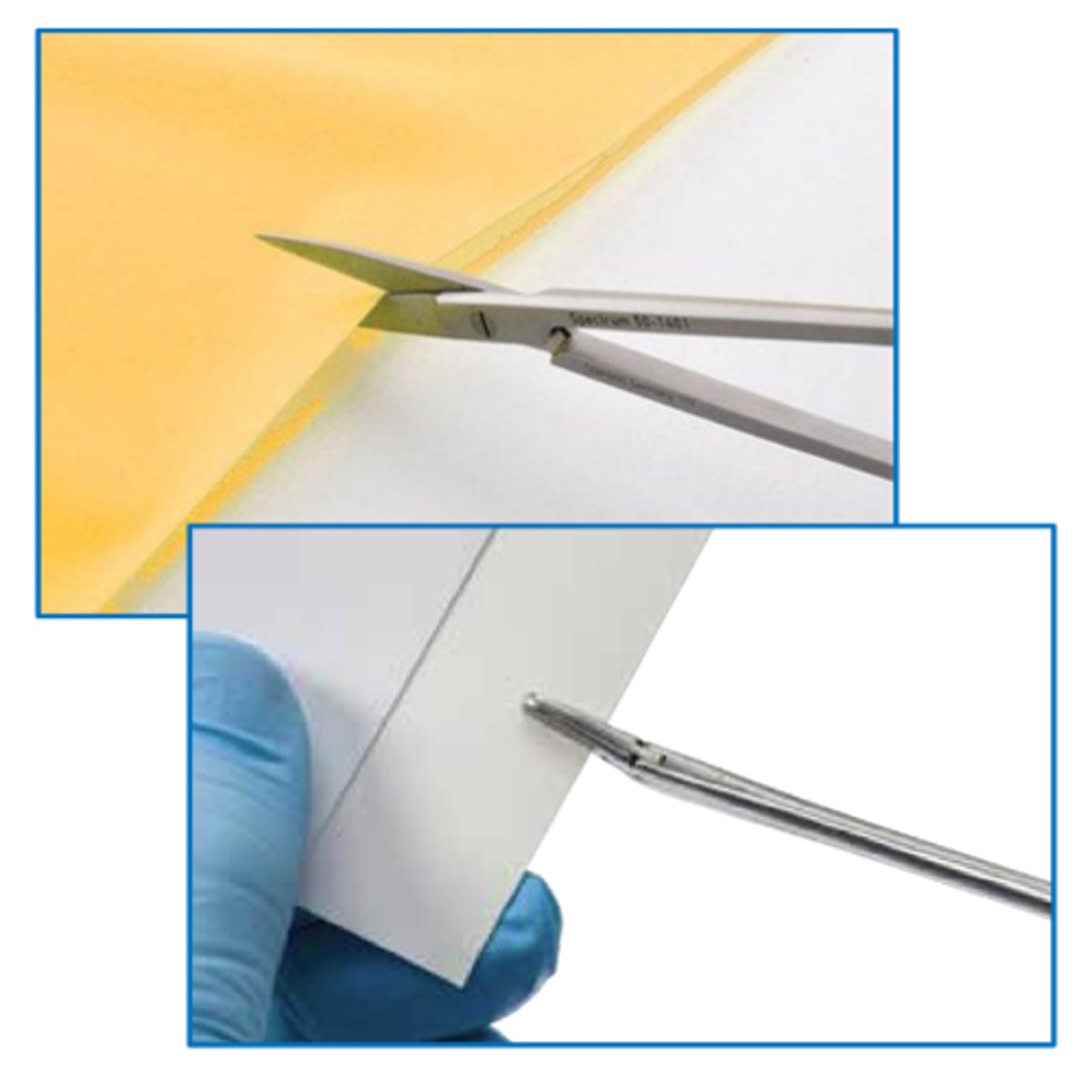
instrument sharpness testing (n)
various methods used to monitor the sharpness of surgical instruments (done using latex, latex-free material, index cards, or plastic dowel rods)
insulin (n)
a hormone that reduces the level of sugar in the blood

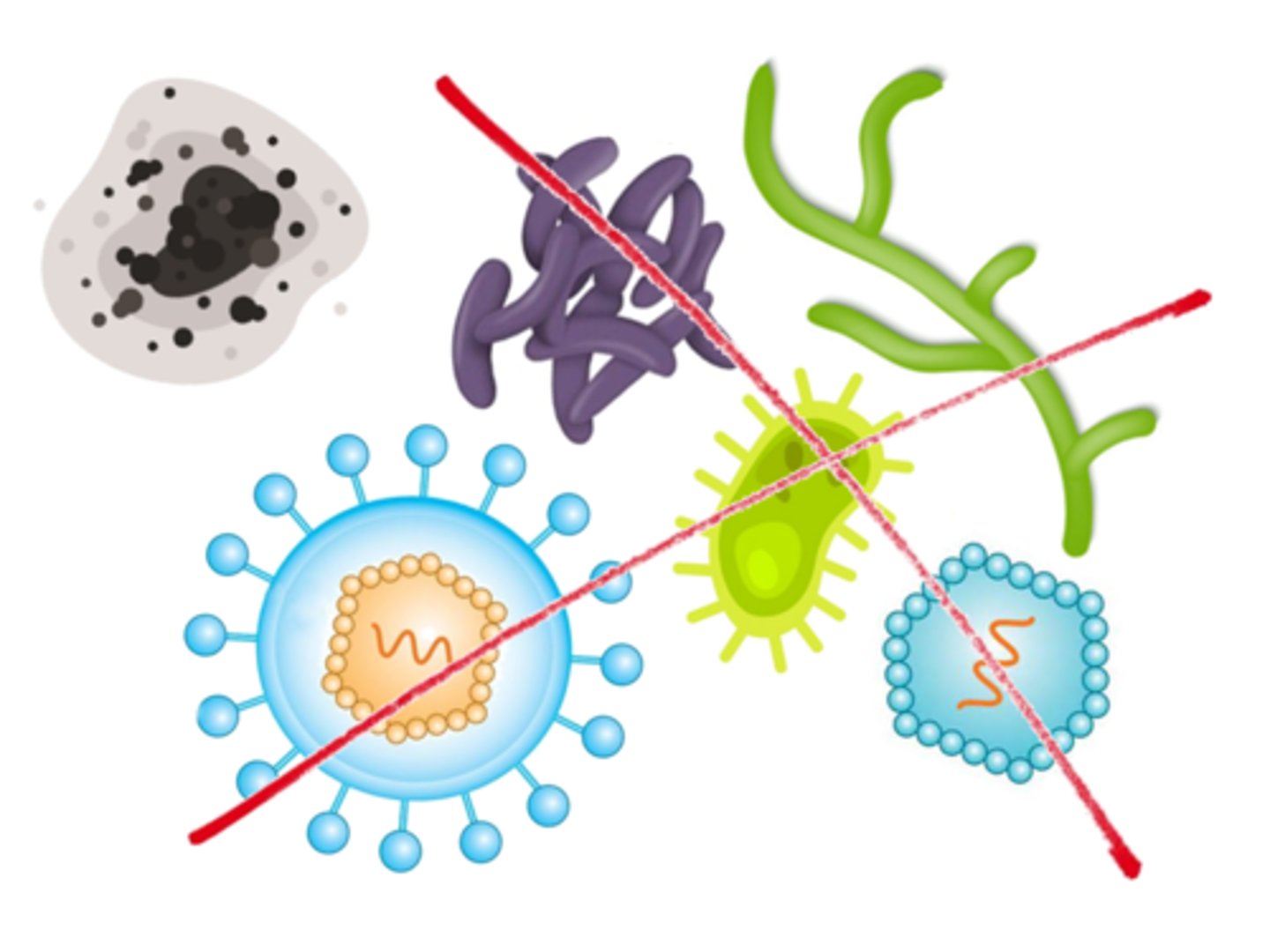
intermediate-level disinfection (n)
the destruction of viruses, mycobacteria, fungi, & vegetative bacteria (but not bacterial spores)
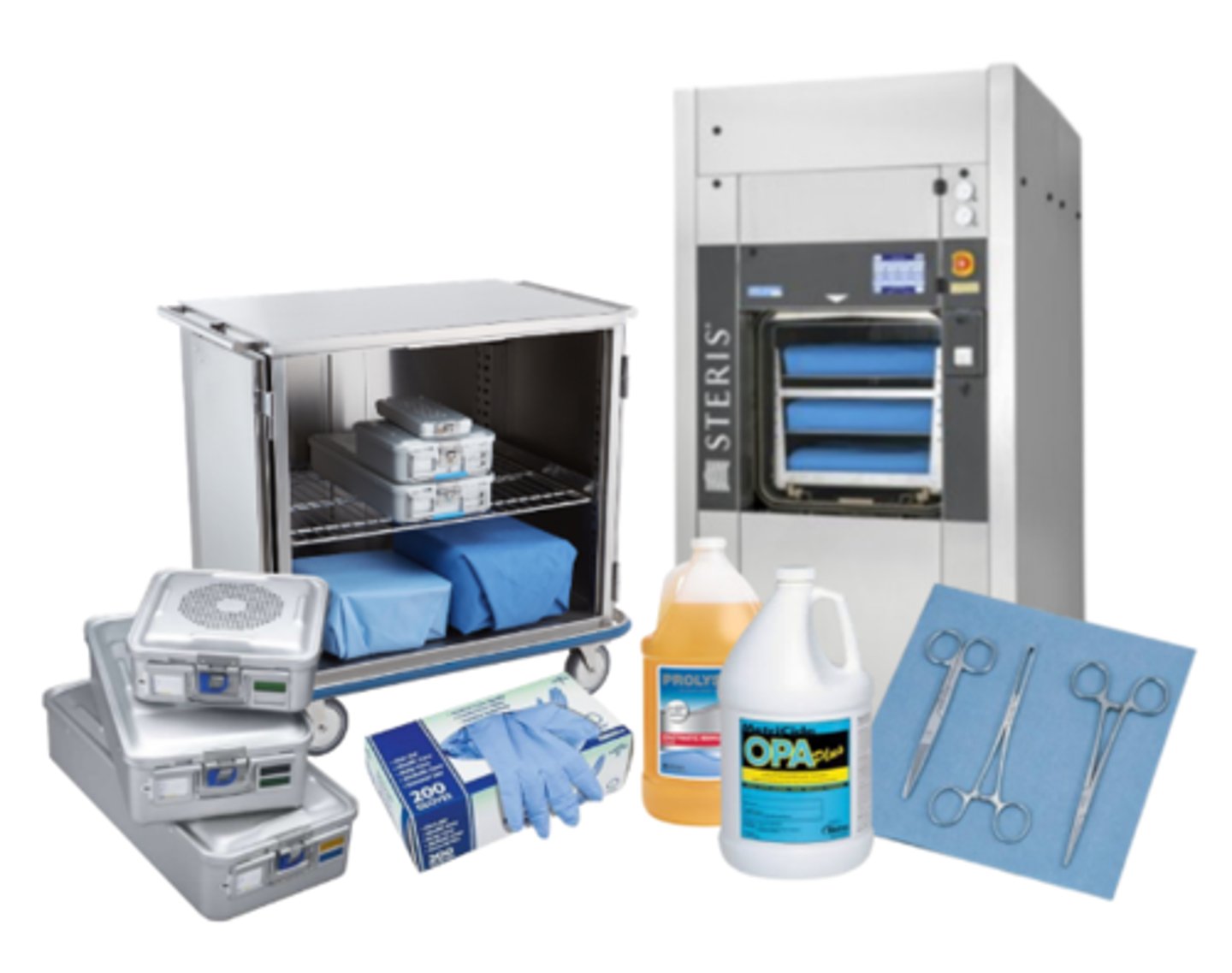
inventory (n)
reusable equipment & consumable items used to provide healthcare services to patients
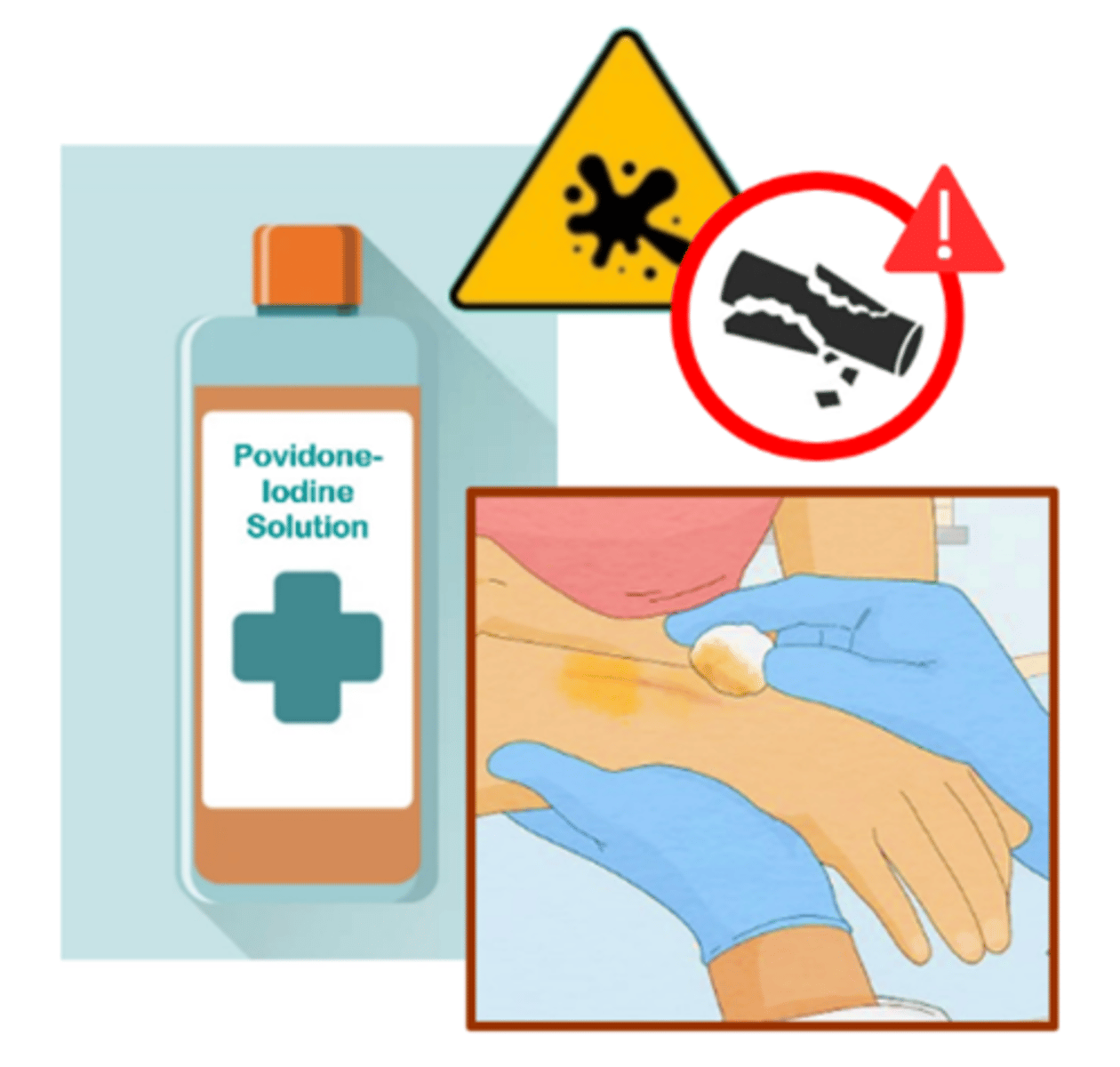
iodophors (n)
buffered iodines that are intermediate-level antiseptics & disinfectants; not used on surgical instruments because they cause corrosion & staining (part of halogen family)
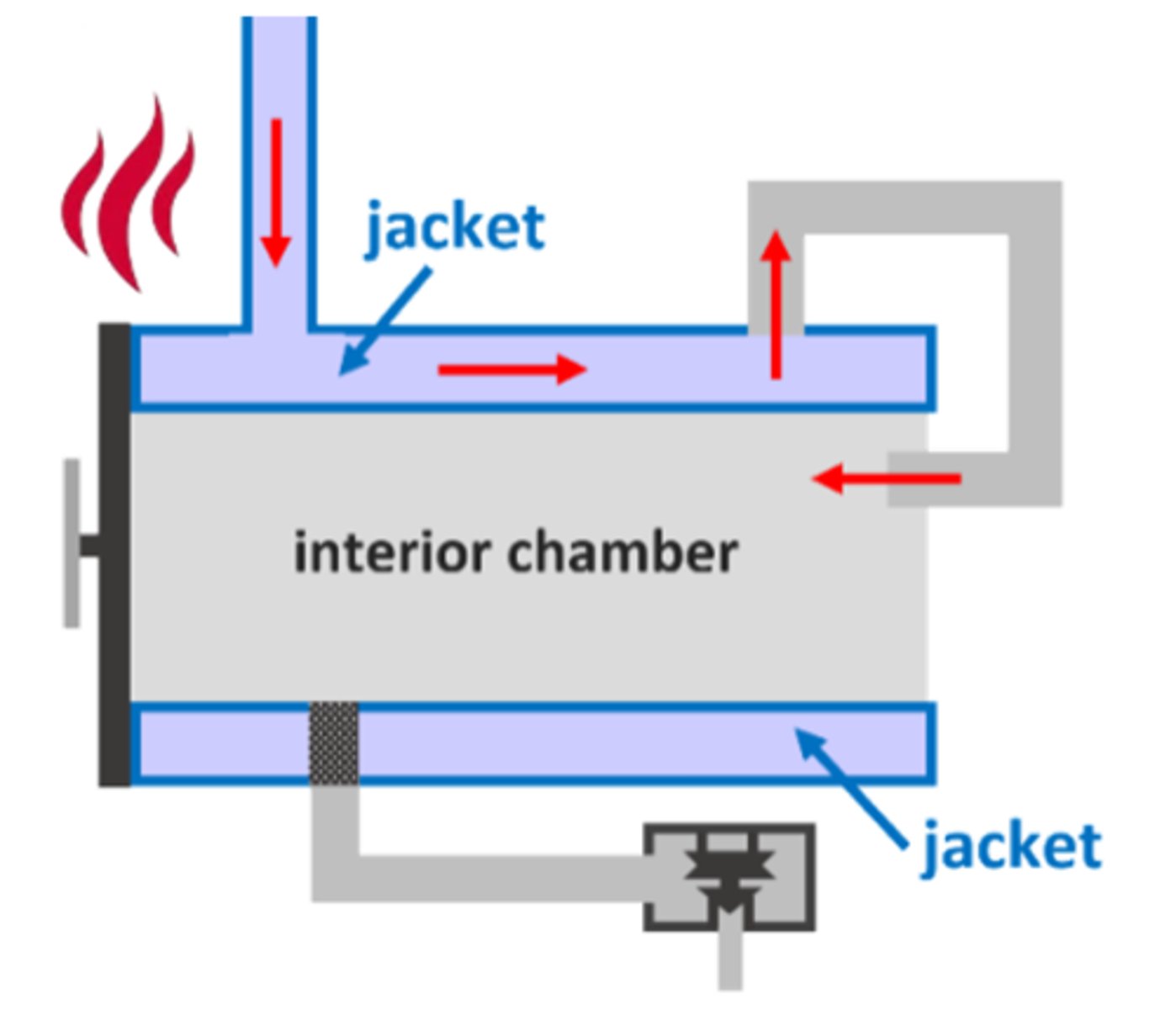
jacket (n)
a metal, insulated shell that surrounds a steam sterilizer & carries steam from an external source to heat the sterilizer's interior chamber
jargon (slang) (n)
specialized words or phrases used in the workplace, known only by people working in a certain position (informal communication)

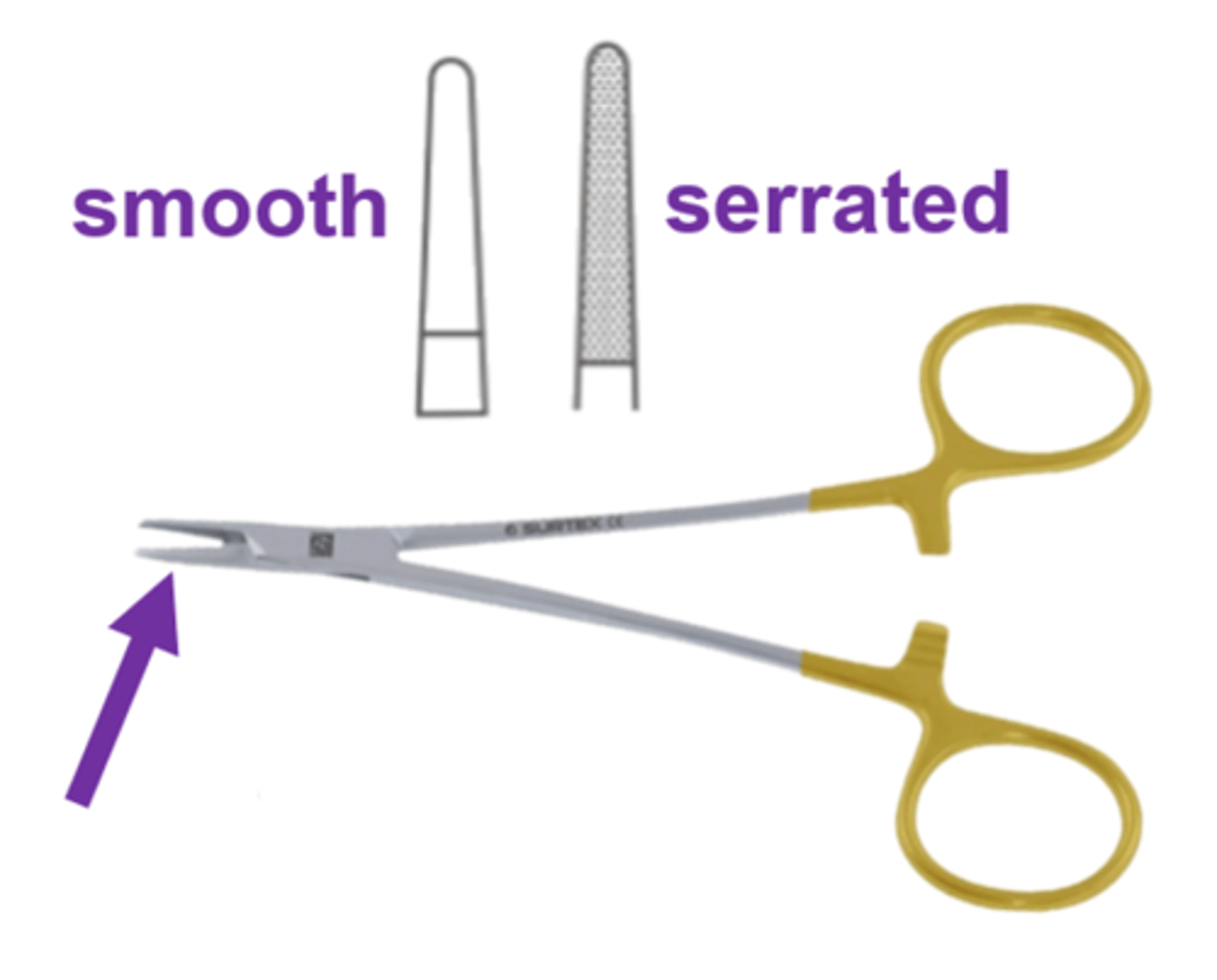
jaws (n)
two or more opposable parts that open & close; used for holding or crushing something between them (can be smooth or serrated)
job description (n)
a human resources tool that identifies the major tasks performed by individuals in specific positions
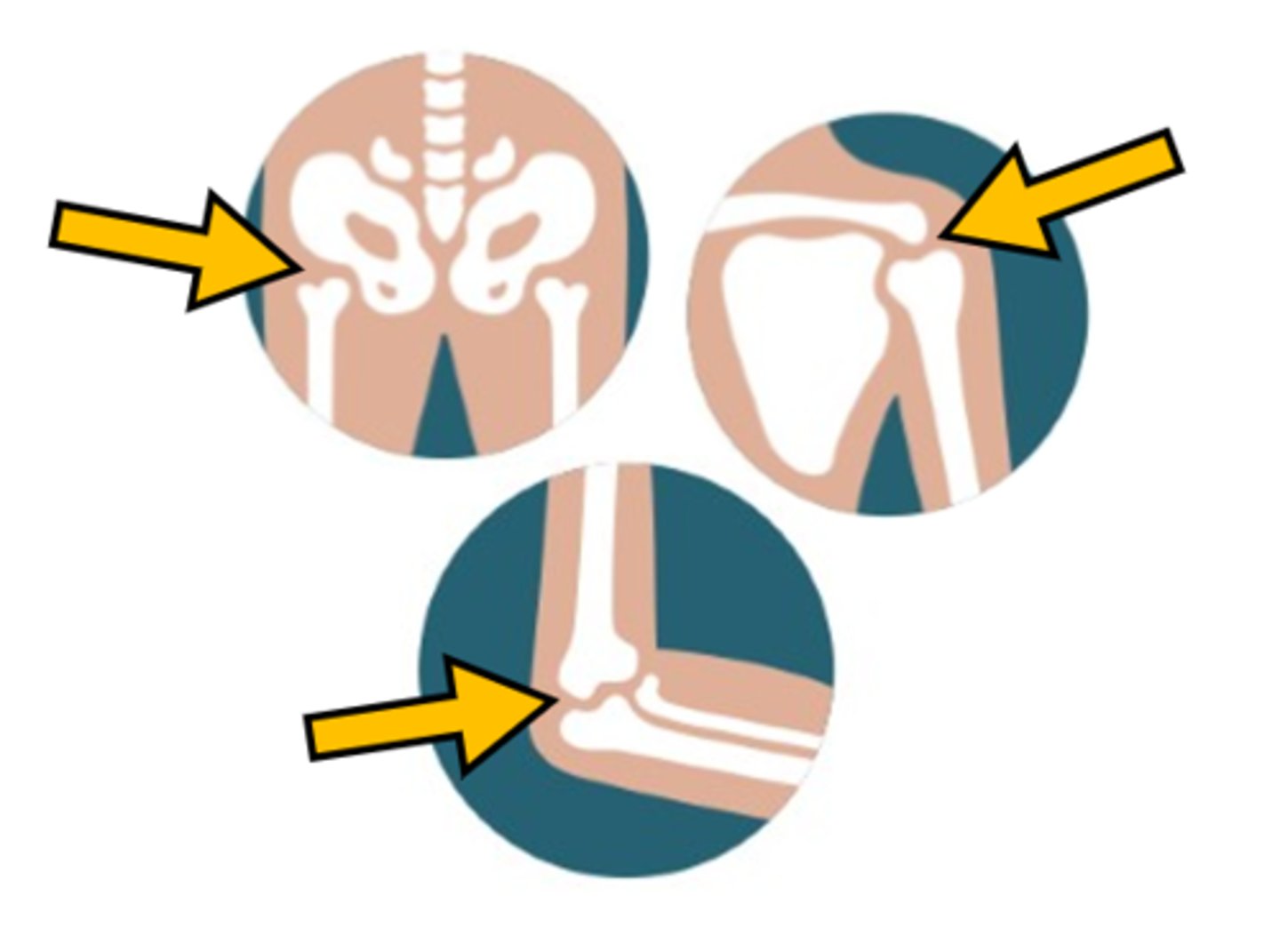
joint (n)
a place where two bones meet
Julian date (Julian day number/JDN) (n)
the number of days that have elapsed (passed) since January 1

Kraft-type paper (crepe paper) (n)
a medical-grade paper commonly used for sterilization packaging, available as pouches or flat wraps (non-woven, disposable)

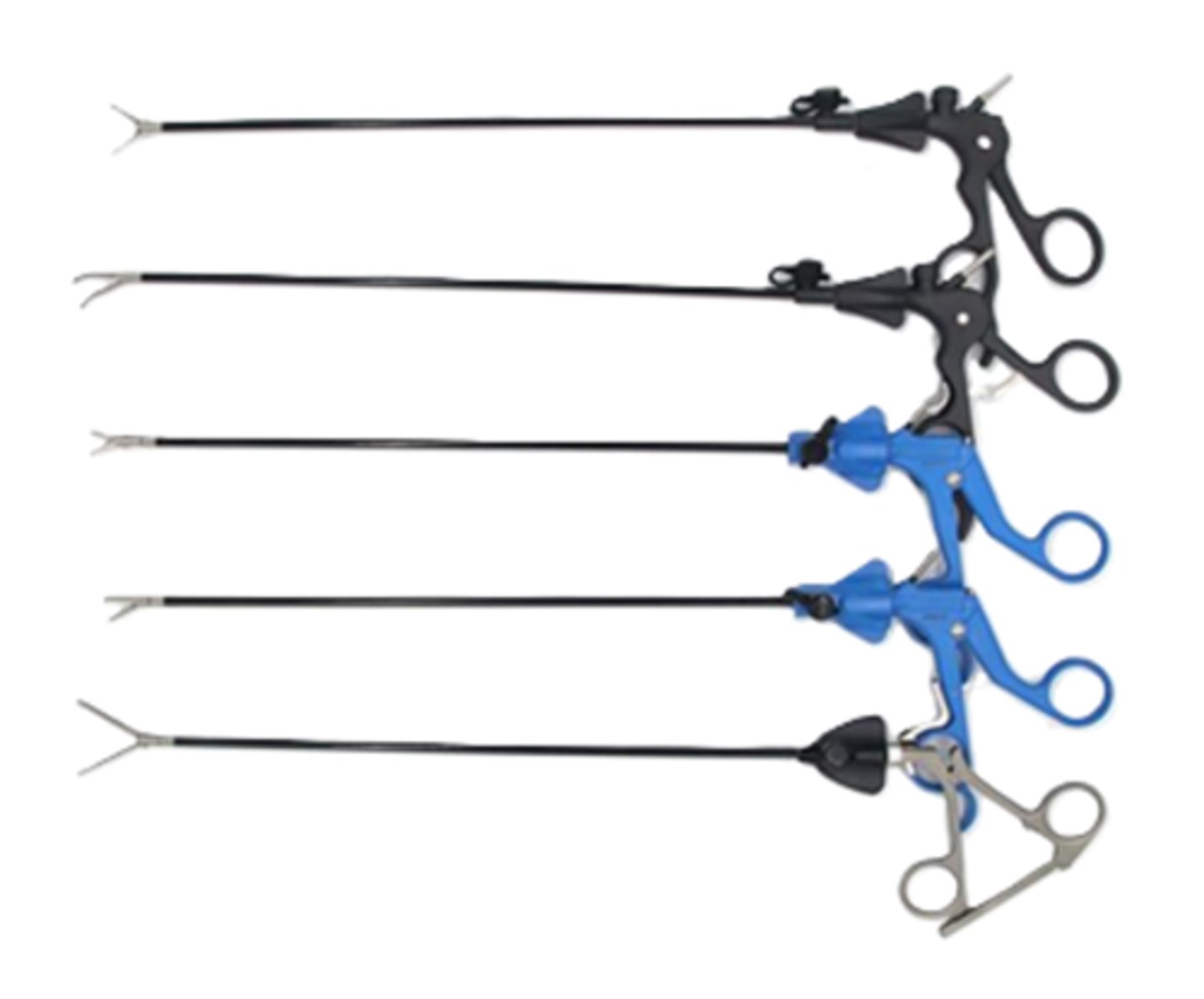
laparoscopic instruments (n)
very long, slender instruments (3-10 mm in width) that can be used with operative endoscopes to cut or cauterize during surgery
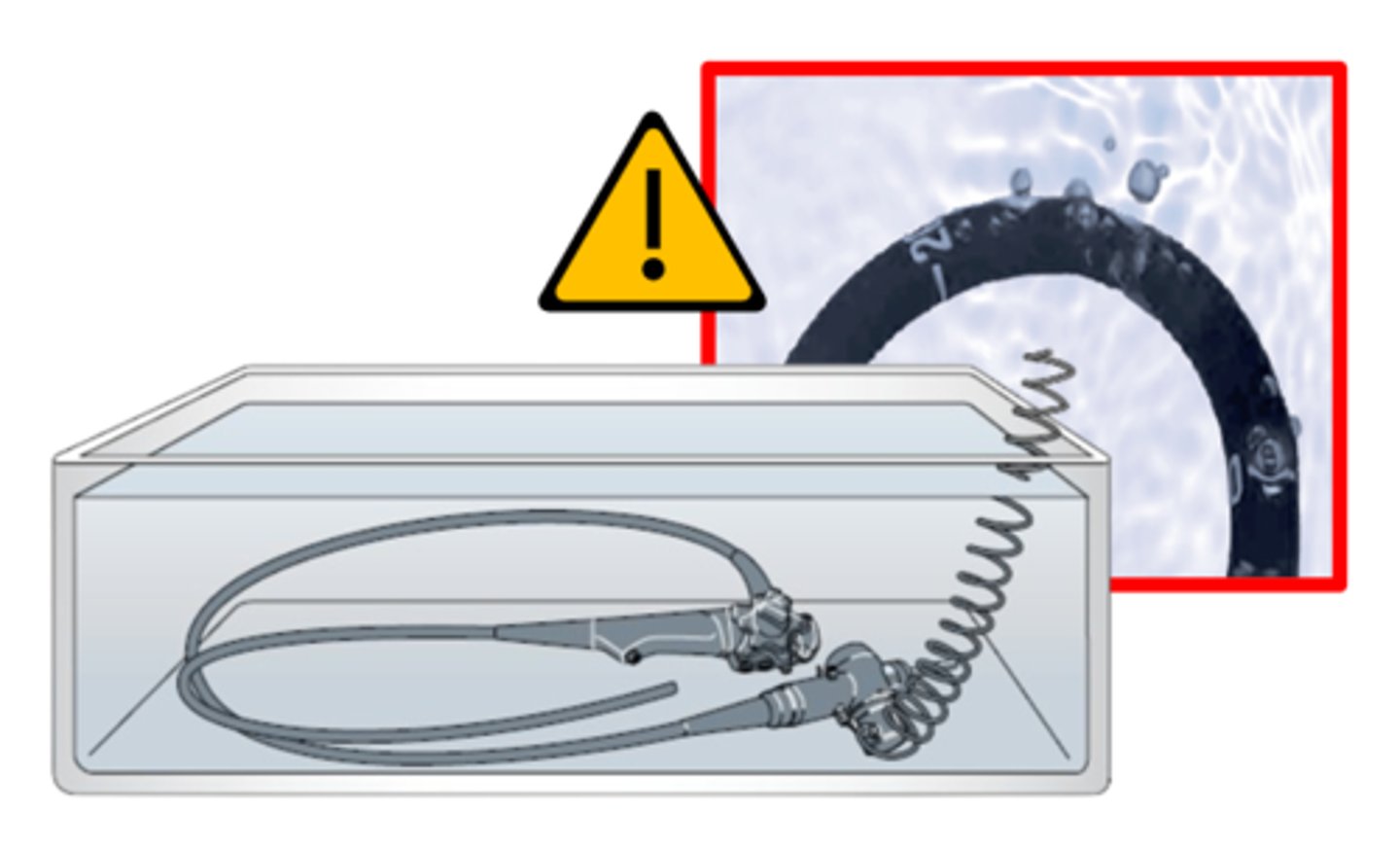
leak testing (n)
a required test to ensure that an endoscope is watertight, required before submerging the device during cleaning & prior to HLD or sterilization
Lean (n)
a quality assurance program that focuses on eliminating waste in the production of products
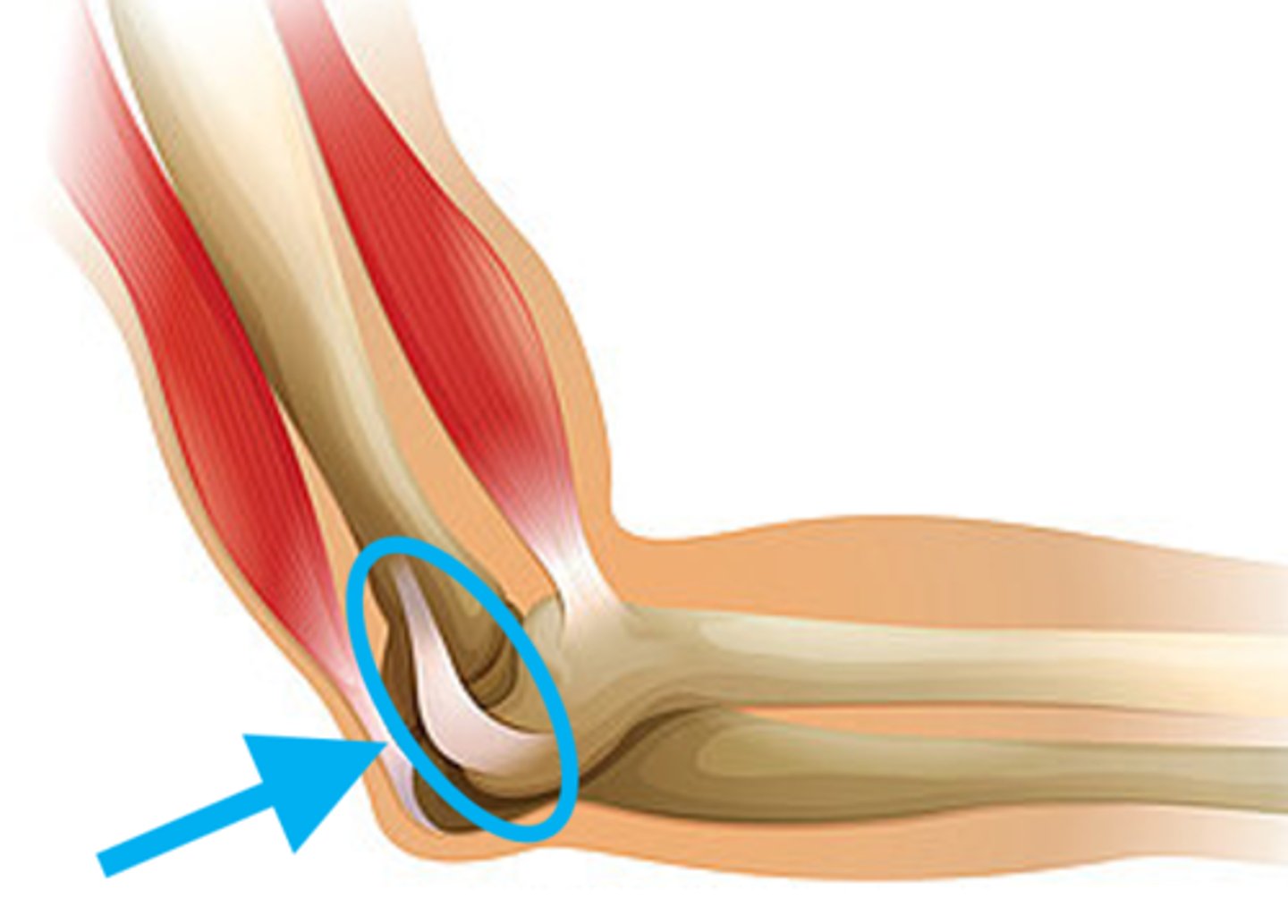
ligament (n)
a band of connective tissue that connects a bone to another bone
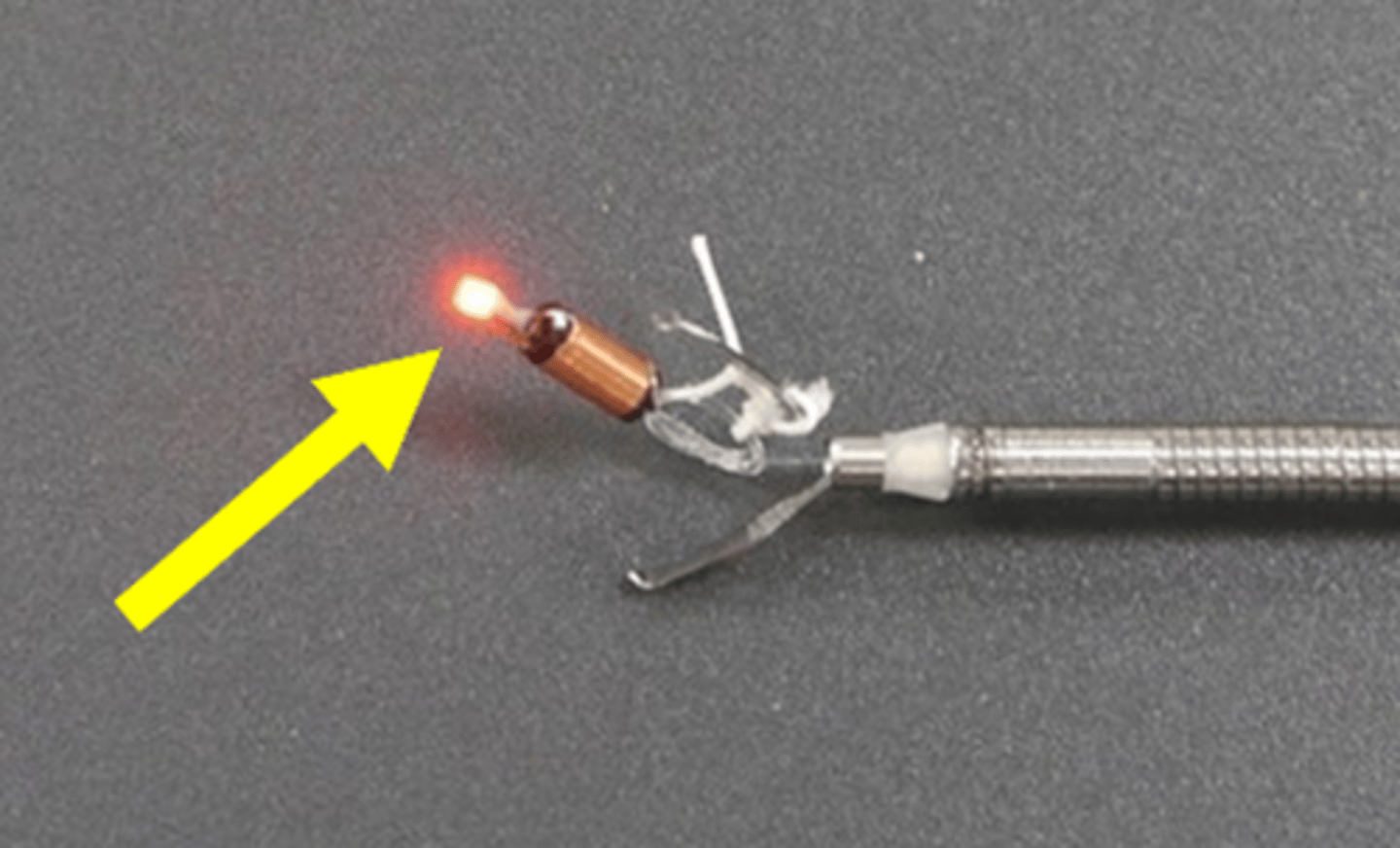
light-emitting diode (LED) (n)
a semiconductor diode that emits light when voltage is applied (like a tiny light bulb)
lint (n)
fine fibers that separate from items such as wraps, textiles, paper, etc., that can settle into a wound & cause infection

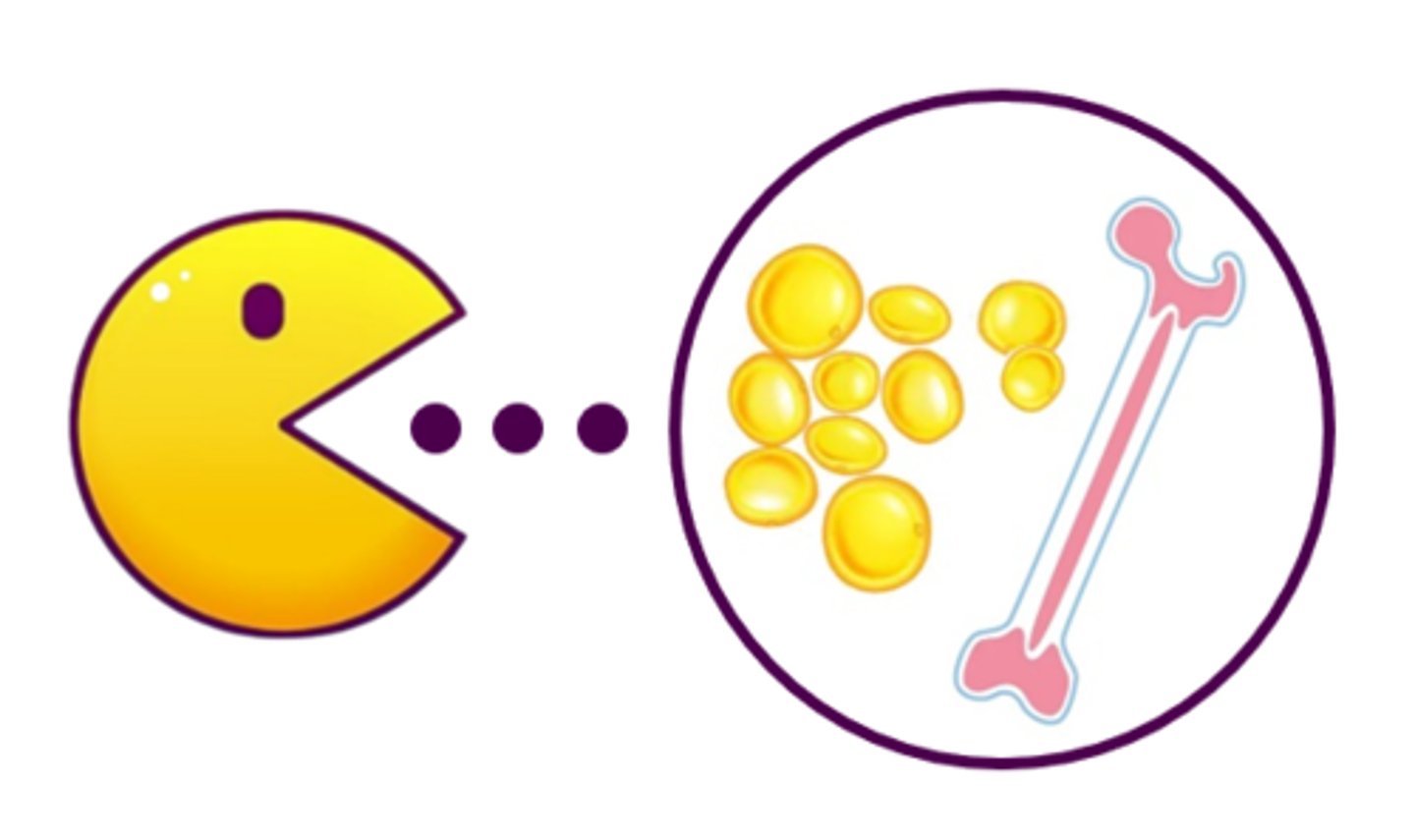
lipase enzymes (n)
enzymes that break down fatty deposits like bone marrow & adipose tissue (body fat)
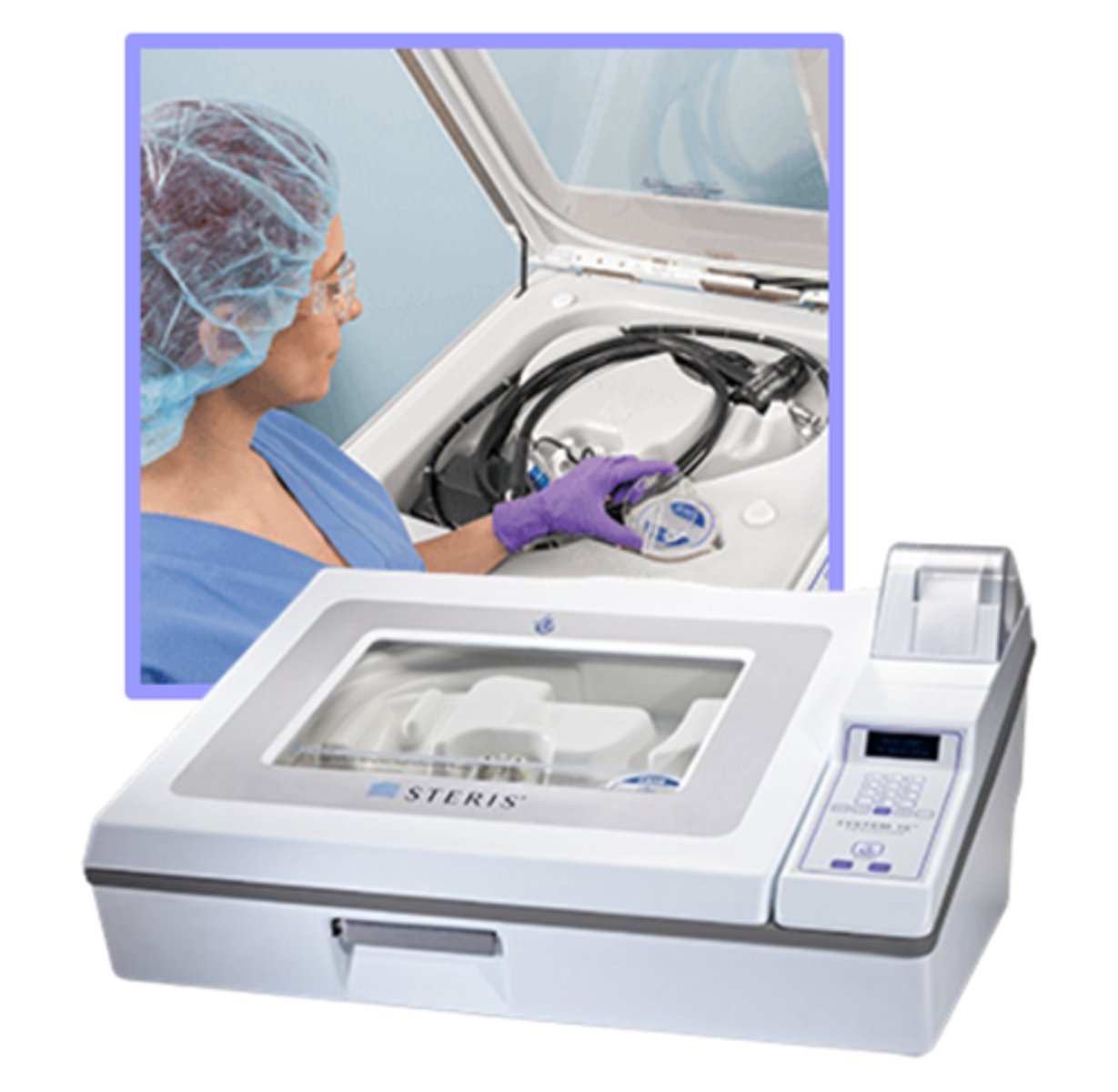
liquid chemical sterilant (LCS) processing system (n)
a mechanical cleaner that reprocesses heat-sensitive critical & semi-critical devices through a liquid chemical sterilization process that uses a specific type of sterilant concentrate
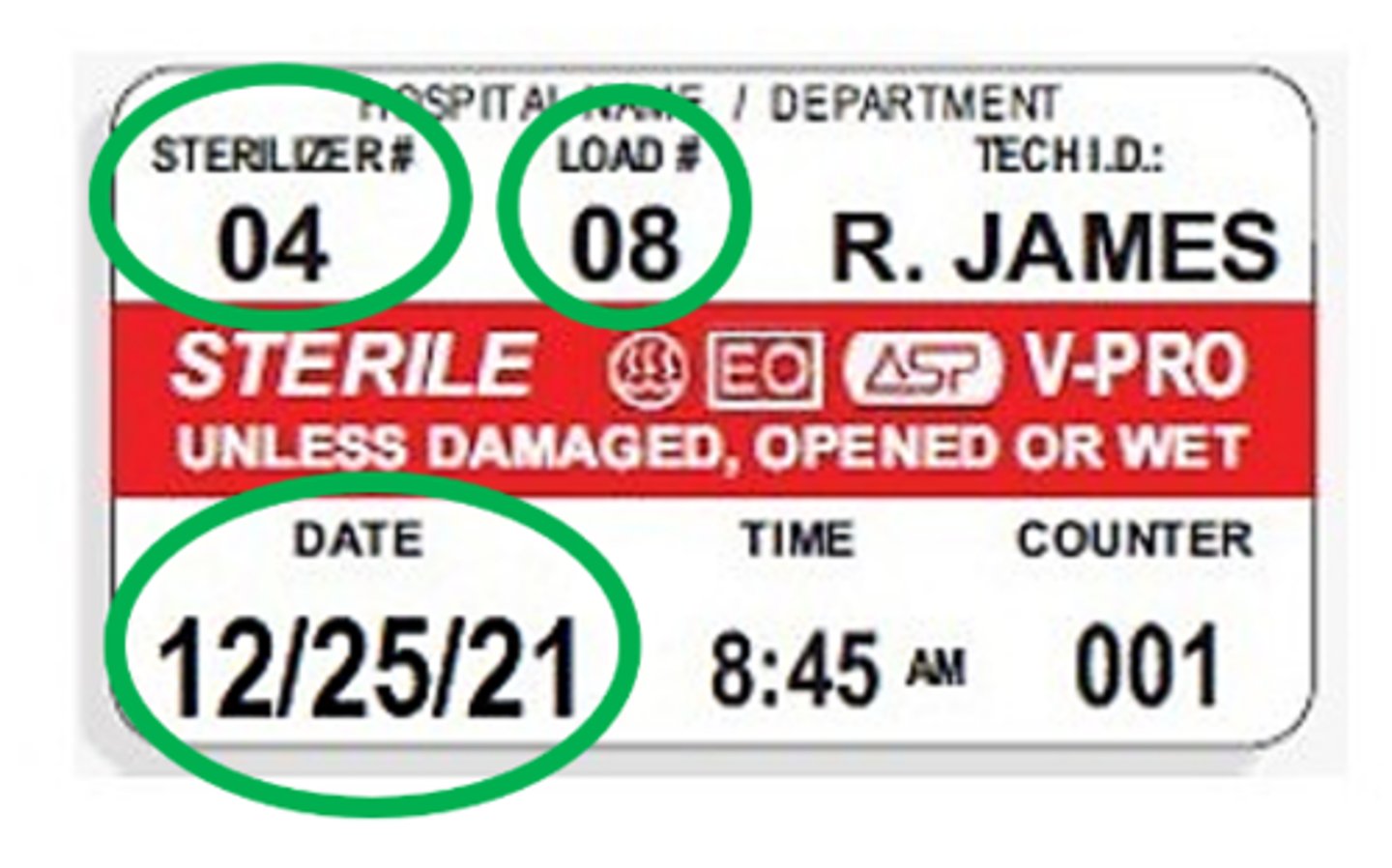
load control (lot) number (n)
label information on sterilization packages, trays, or containers that identifies the sterilizer, cycle run, & date of sterilization
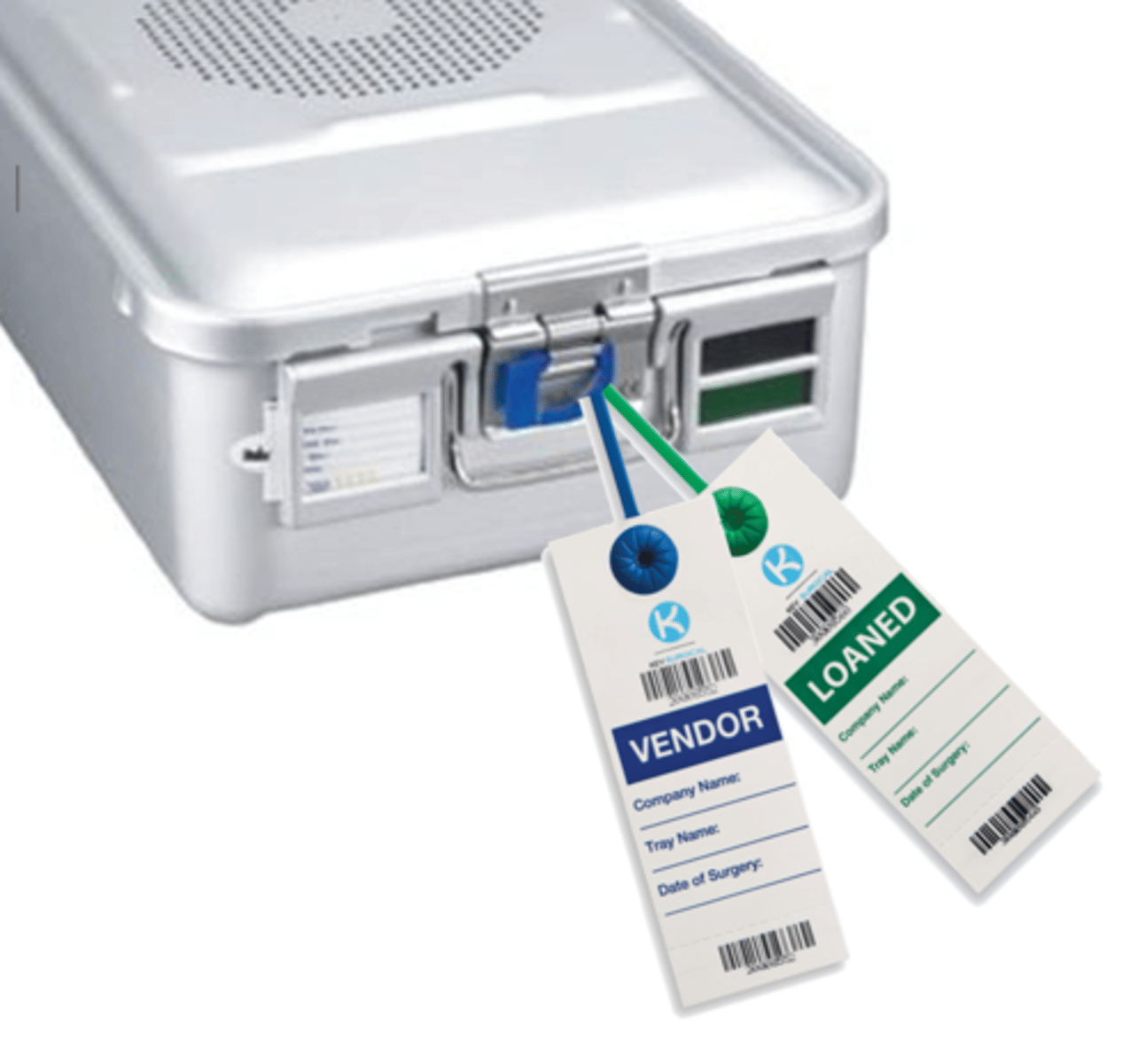
loaner instrumentation (n)
instruments or sets borrowed from a vendor or other facility for emergency or scheduled surgical procedures (will be returned after use)
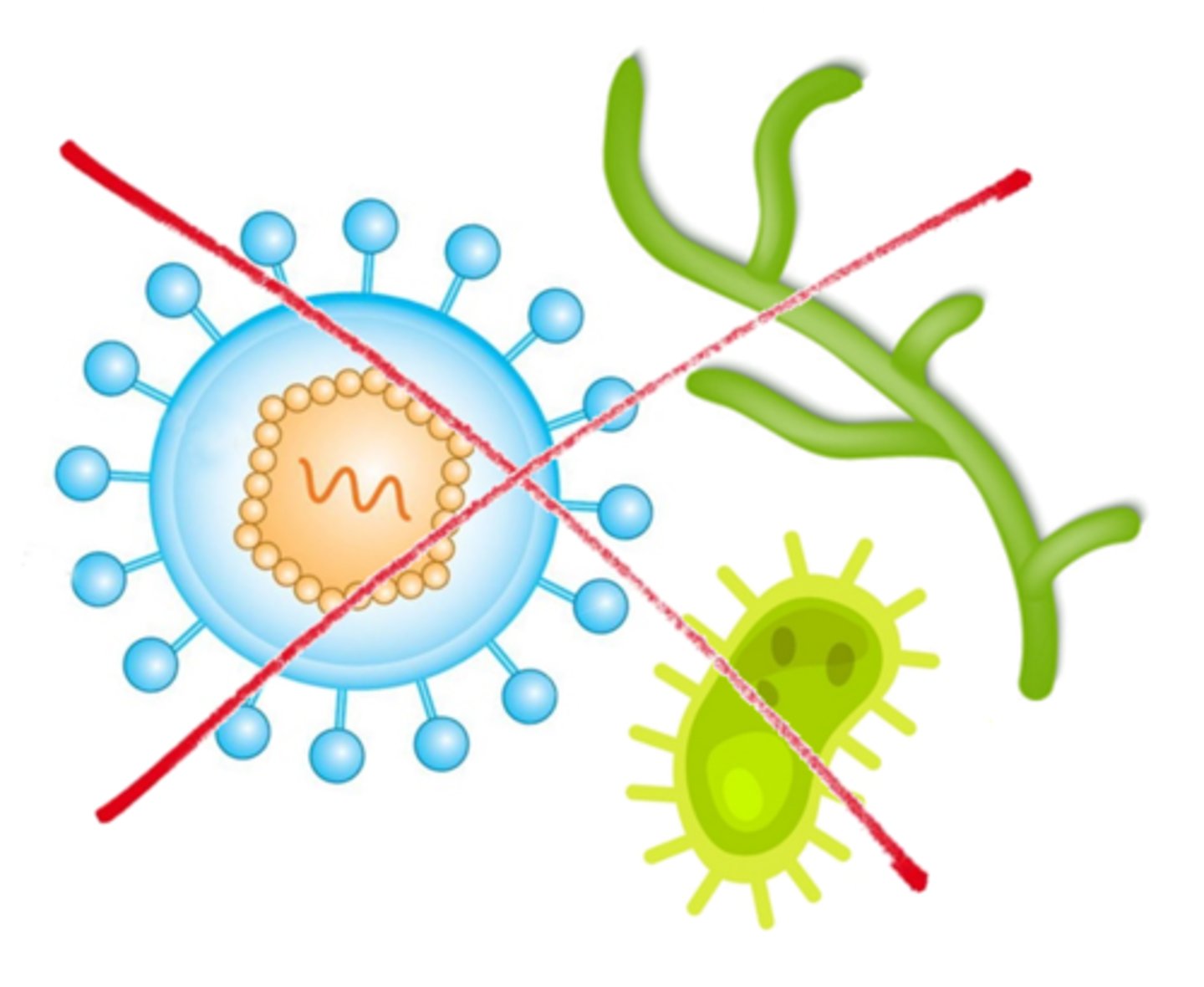
low-level disinfection (n)
the destruction of some vegetative forms of bacteria
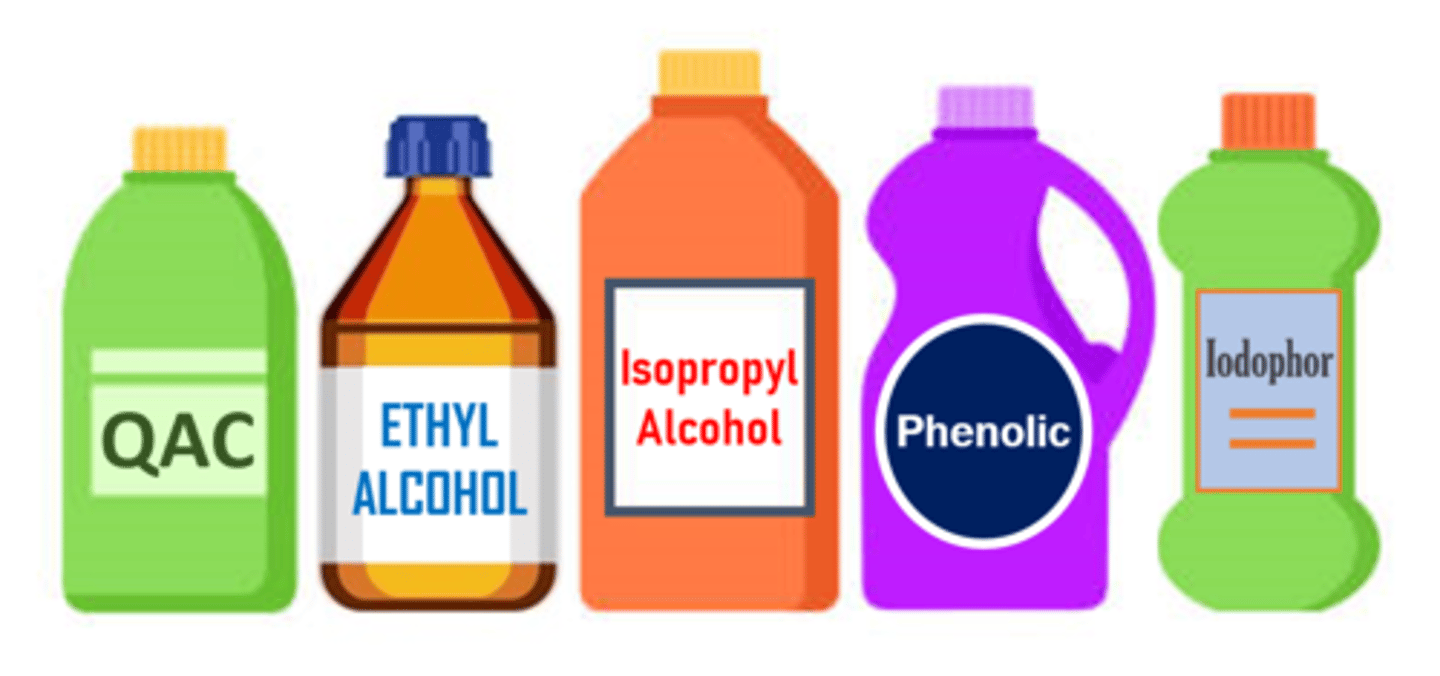
low- to intermediate-level disinfectants (n)
disinfectants that are only used on non-critical items & are deactivated by organic materials (blood, fluids, tissue, etc.)
low-temperature sterilization (n)
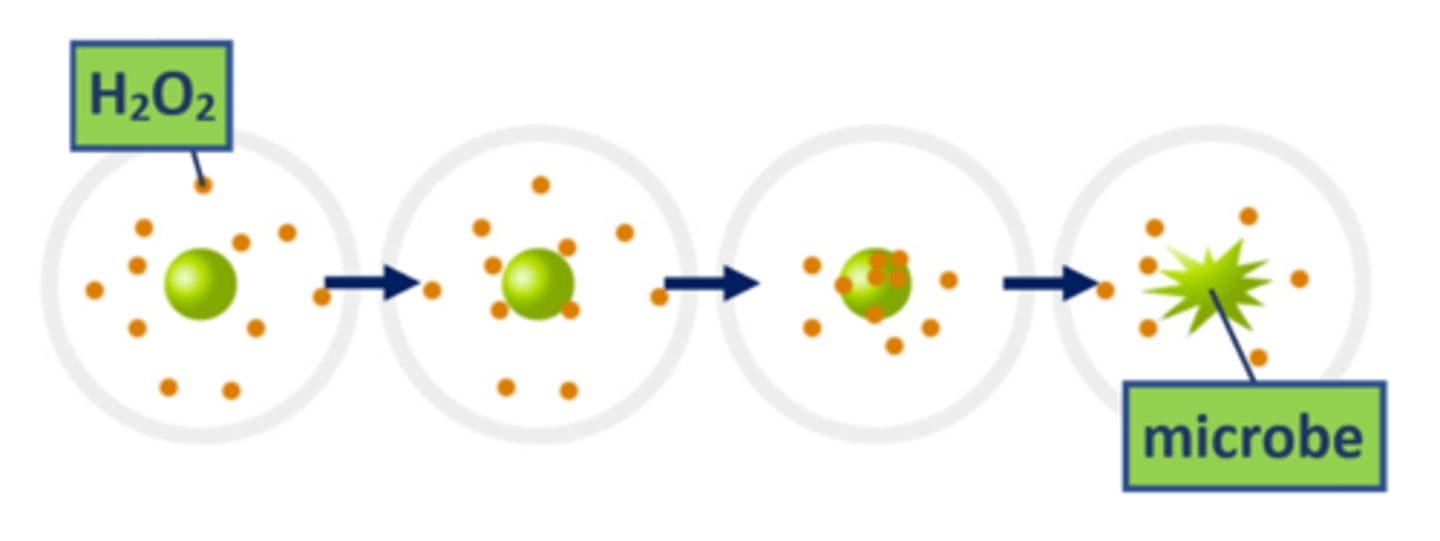
a sterilization method for processing delicate, heat-sensitive, & moisture-sensitive devices; ethylene oxide (EO) & hydrogen peroxide (H2O2) are the most commonly used sterilants

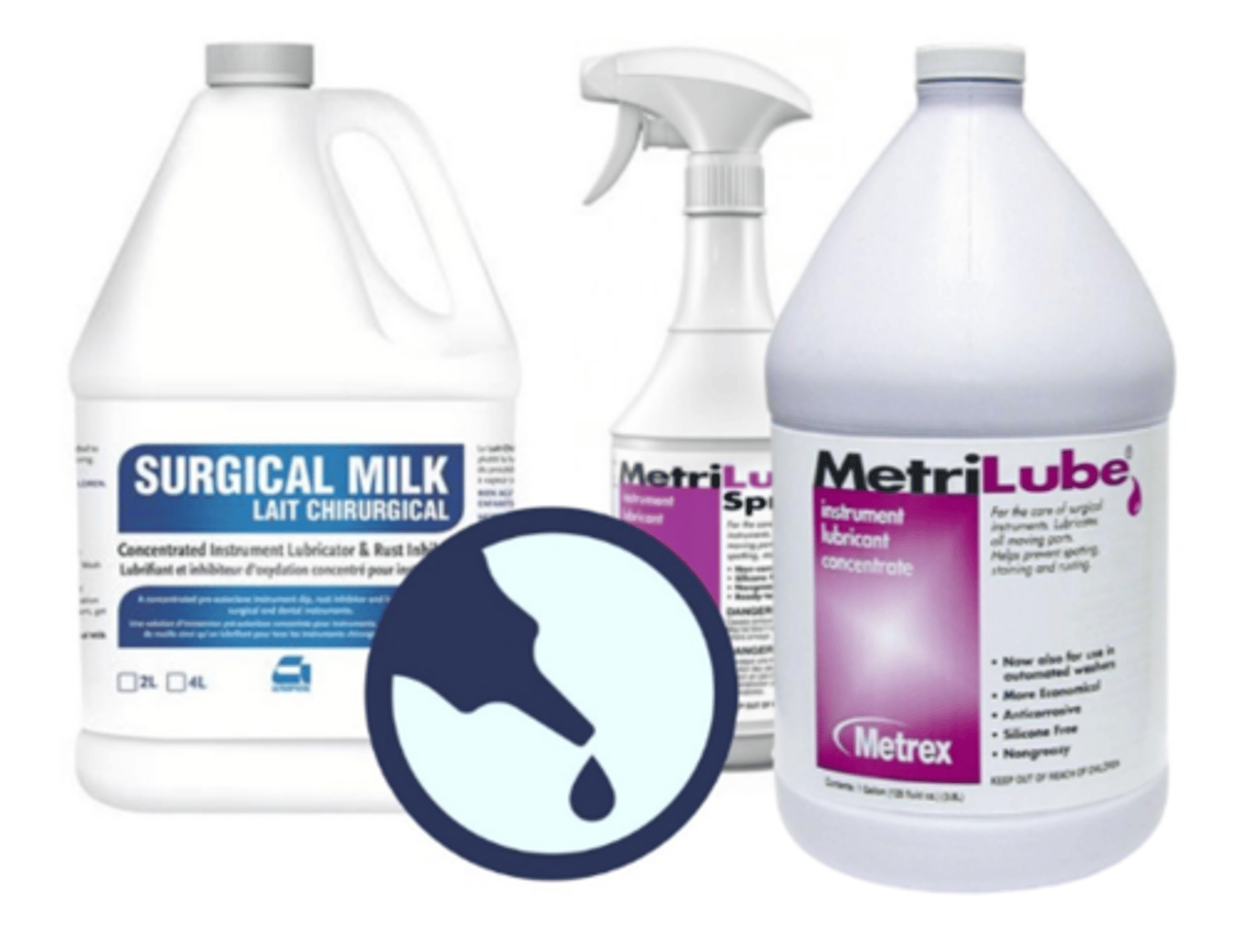
lubricants (n)
chemicals applied after cleaning as the final step in the mechanical wash process (or applied manually using a spray bottle), used to keep instruments in good working order; also called "instrument milk"
lumen (n)
the interior path through a needle, tube, or surgical instrument
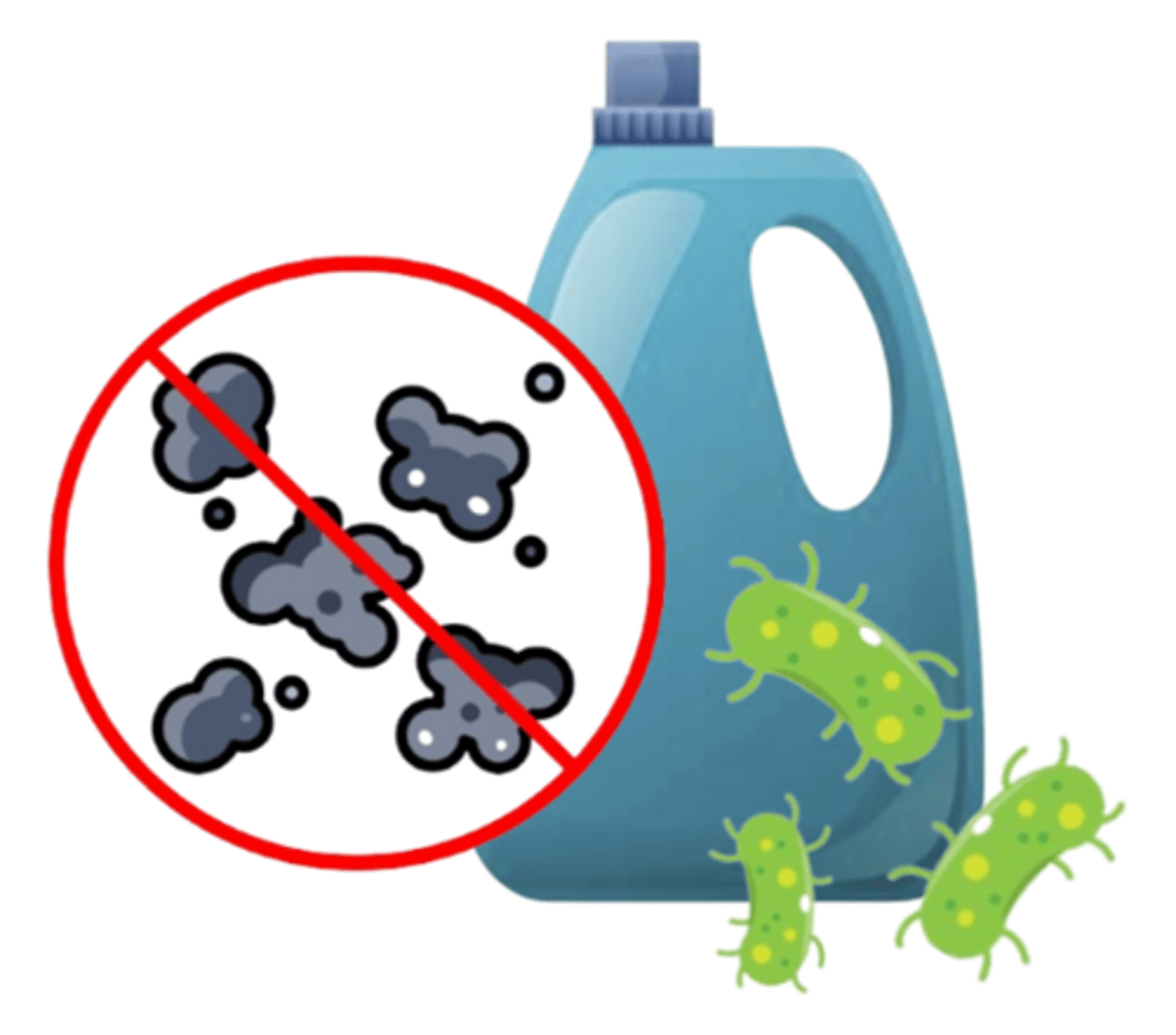
manual cleaning chemicals (n)
cleaners whose main purpose is removing soil (not killing microorganisms) by penetrating under the soil & breaking the bond that attaches it to instruments; should be low-foaming & free rinsing, usually neutral or alkaline
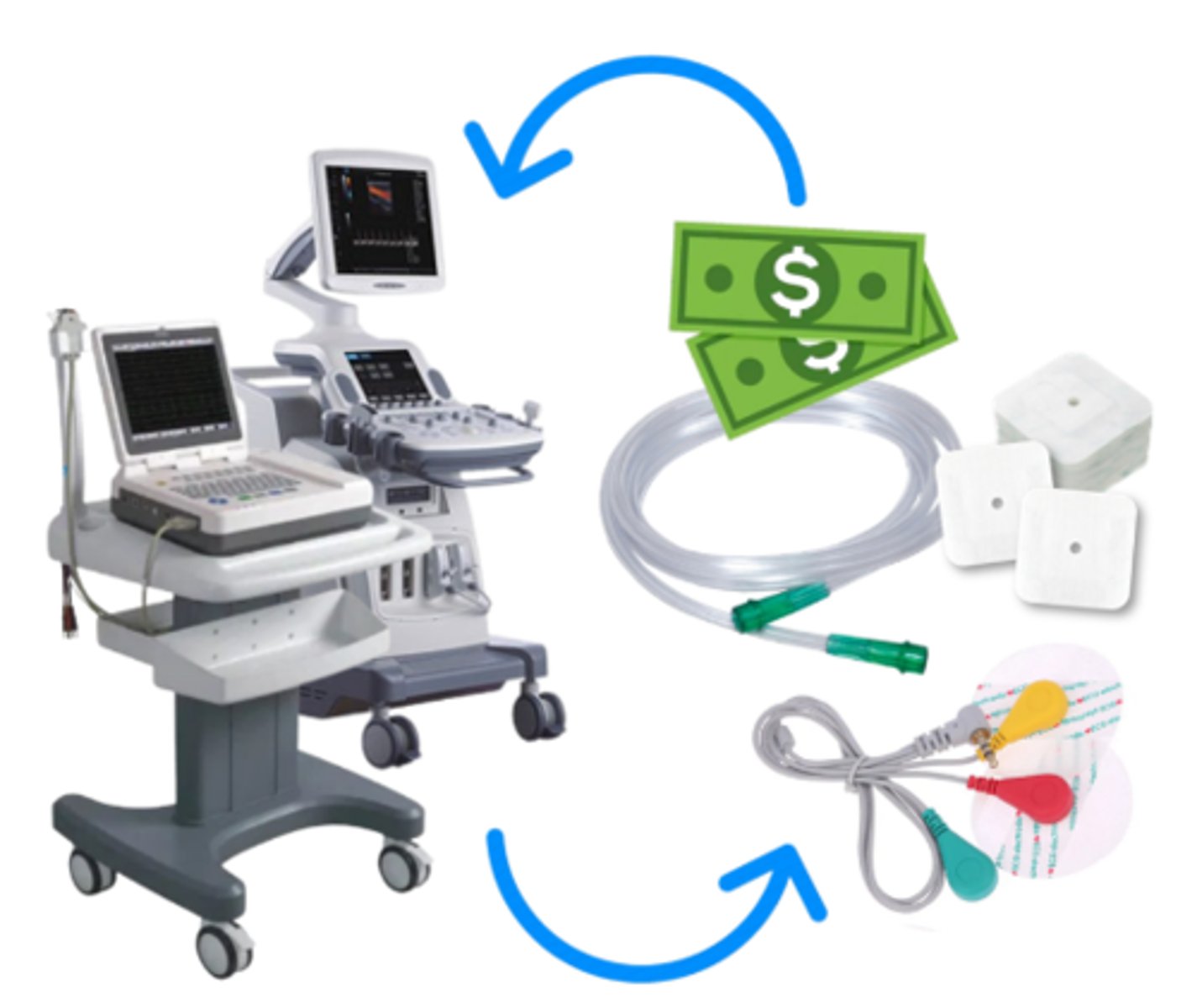
manufacturer's loan (n)
an agreement between a healthcare facility and a manufacturer in which the manufacturer provides necessary equipment & the facility uses the manufacturer's disposable products (pads, tubing, sleeves, etc.)
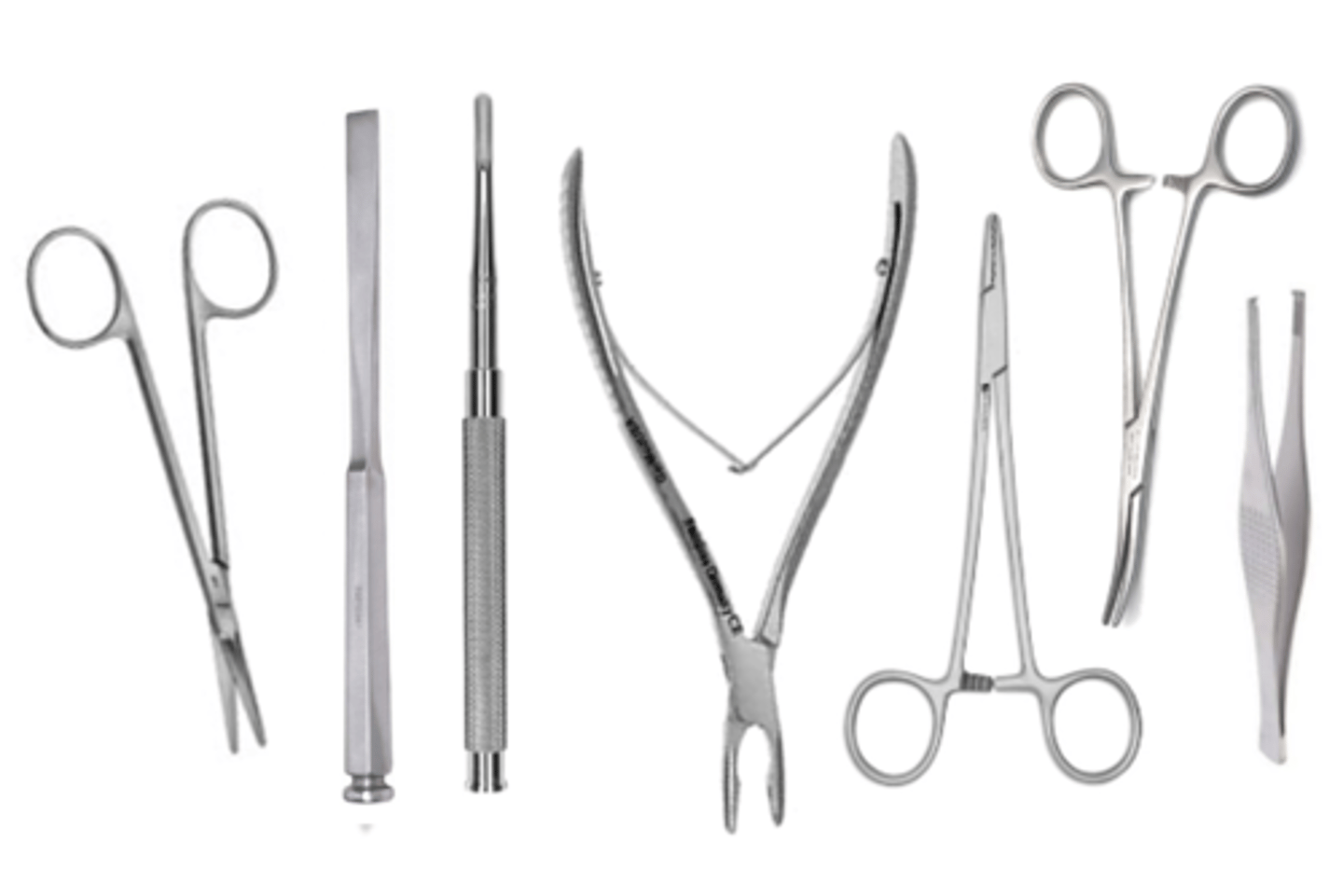
martensitic (400 series) stainless steel (n)
a hard, magnetic steel that may be heat-hardened, used when sharp cutting edges are needed (used for scissors, osteotomes, chisels, rongeurs, forceps, hemostatic forceps, & needle holders)
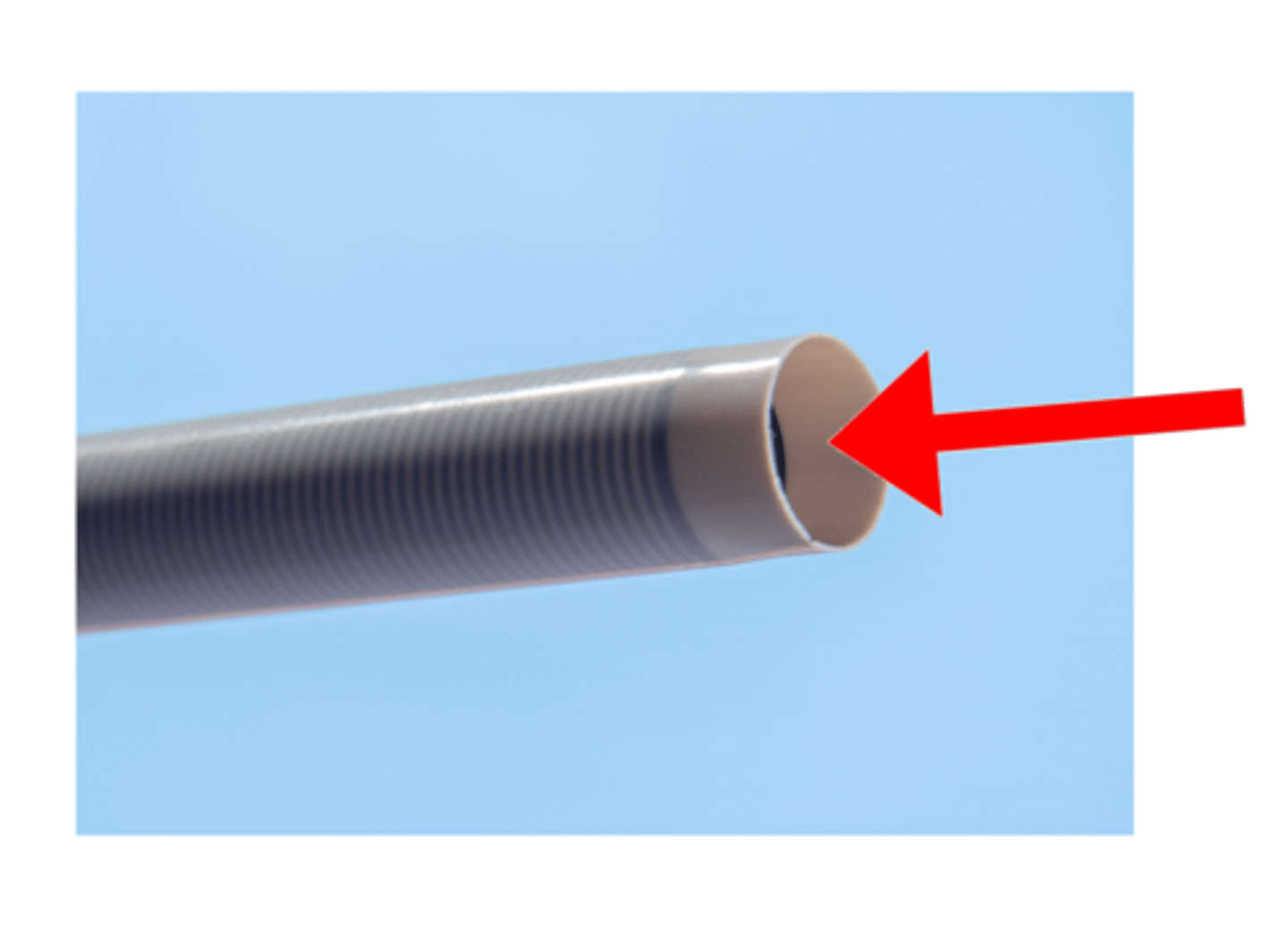
material compatibility (n)
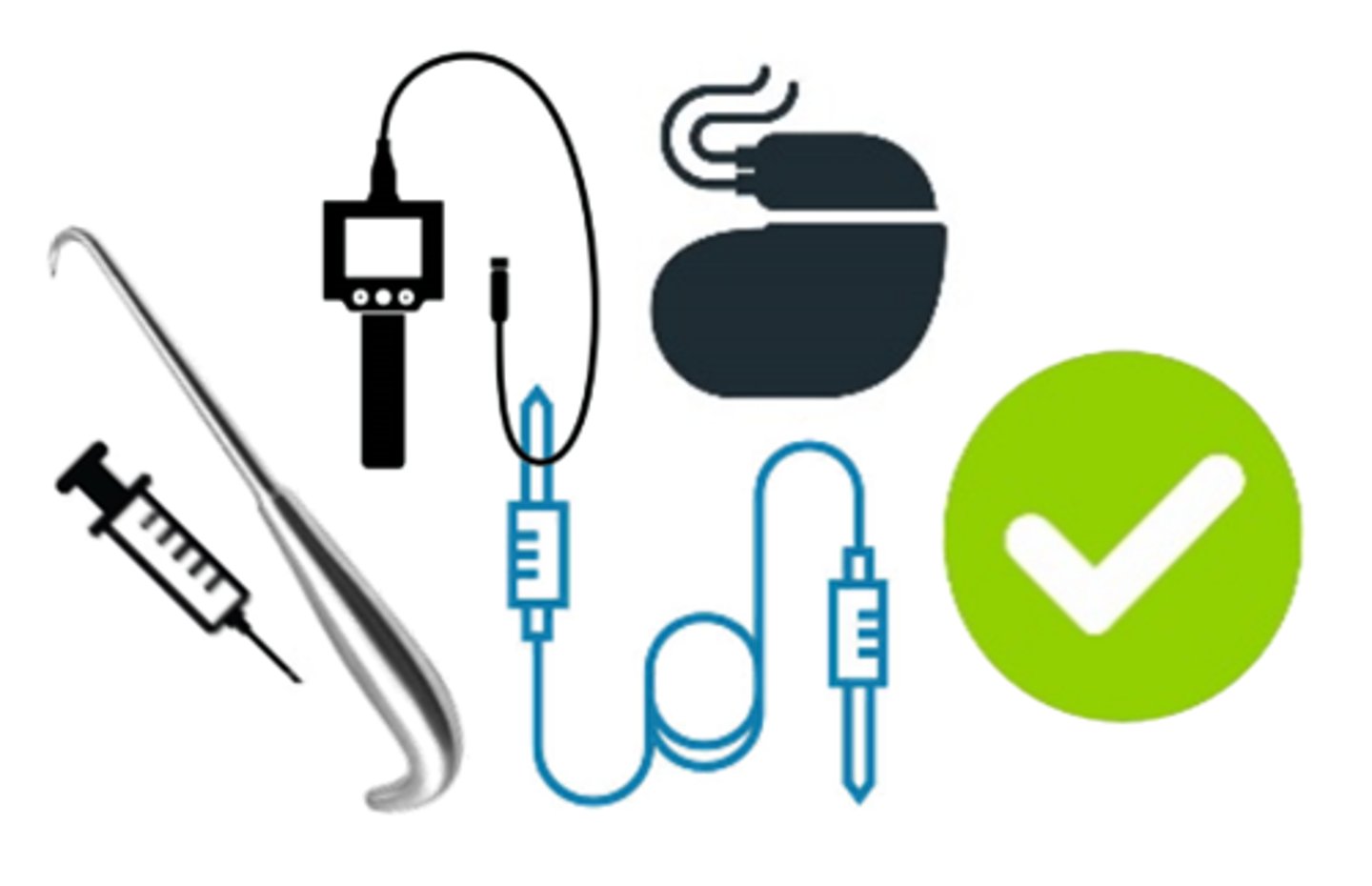
there are no changes in device functionality after sterilization (no damage to materials) (basic requirement for low-temperature sterilization)
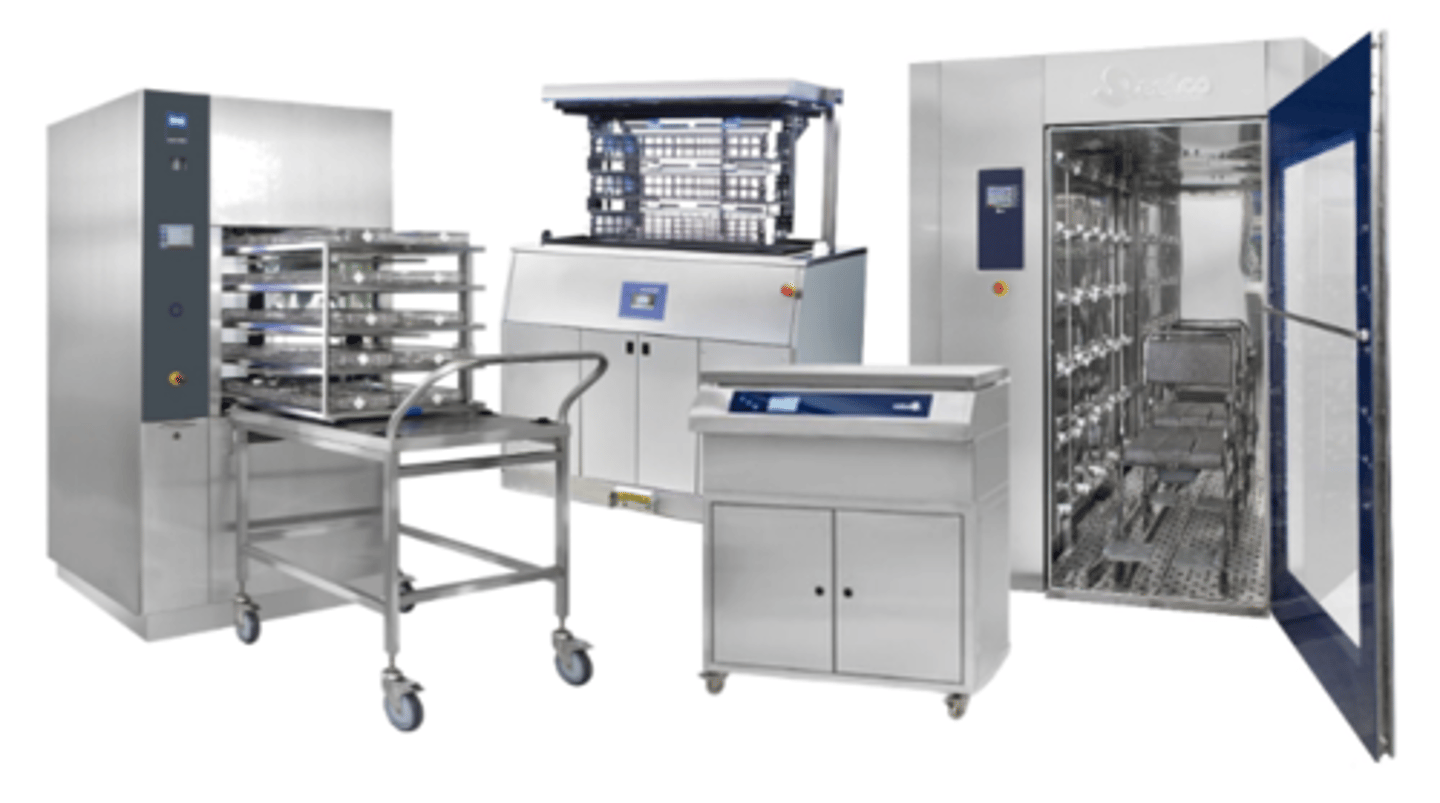
mechanical cleaners (n)
specialized machines that remove soil & microbes using automated cleaning, which reduces time & labor
mechanical cleaning chemicals (n)
low-foaming chemicals designed to work with specific mechanical cleaning equipment (i.e. an ultrasonic cleaner); careful attention must be paid to the manufacturer's IFU

medical countermeasures (MCMs) (n)
FDA-regulated products (drugs, devices, vaccines, etc.) that may be used in the event of a potential public health emergency
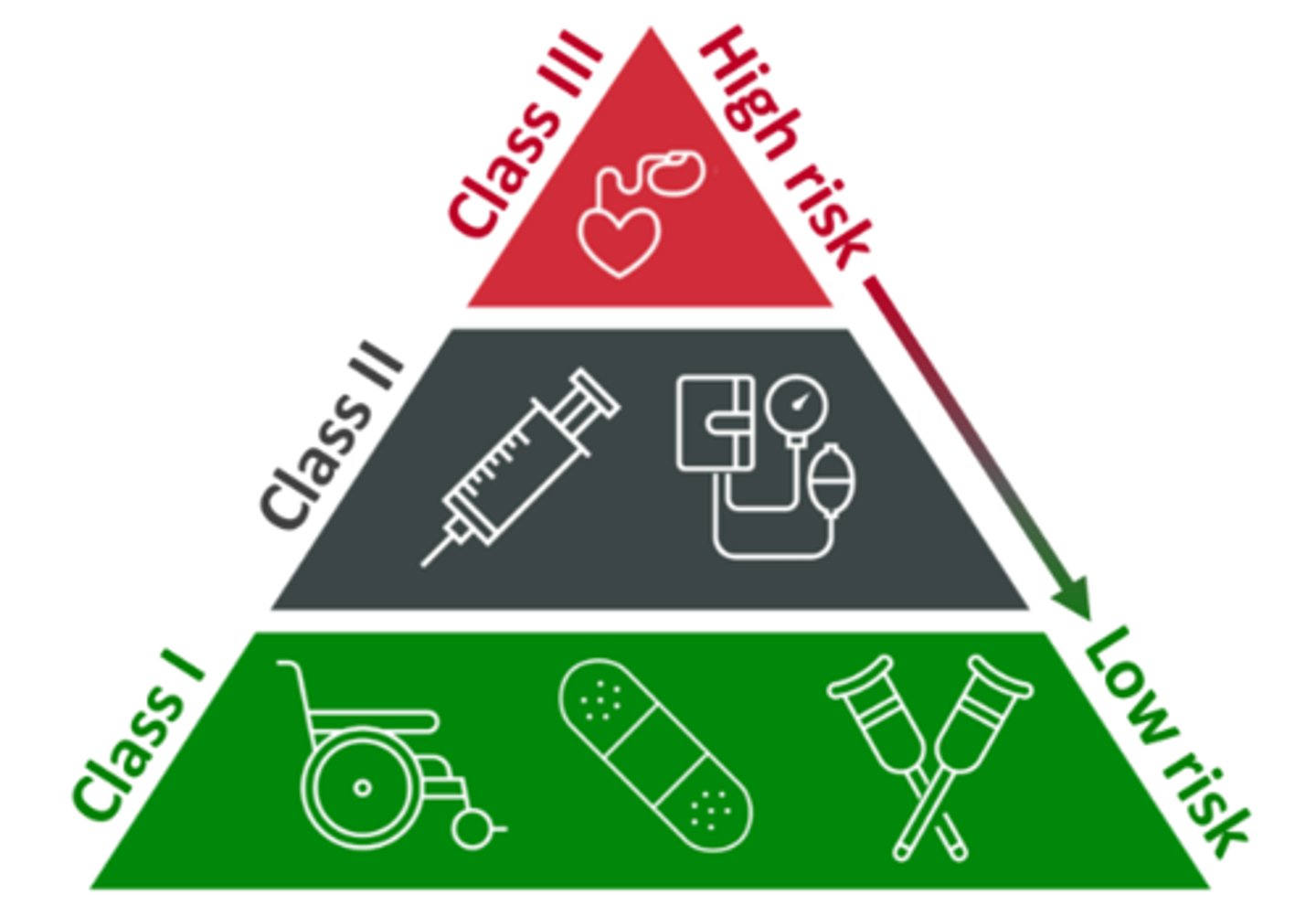
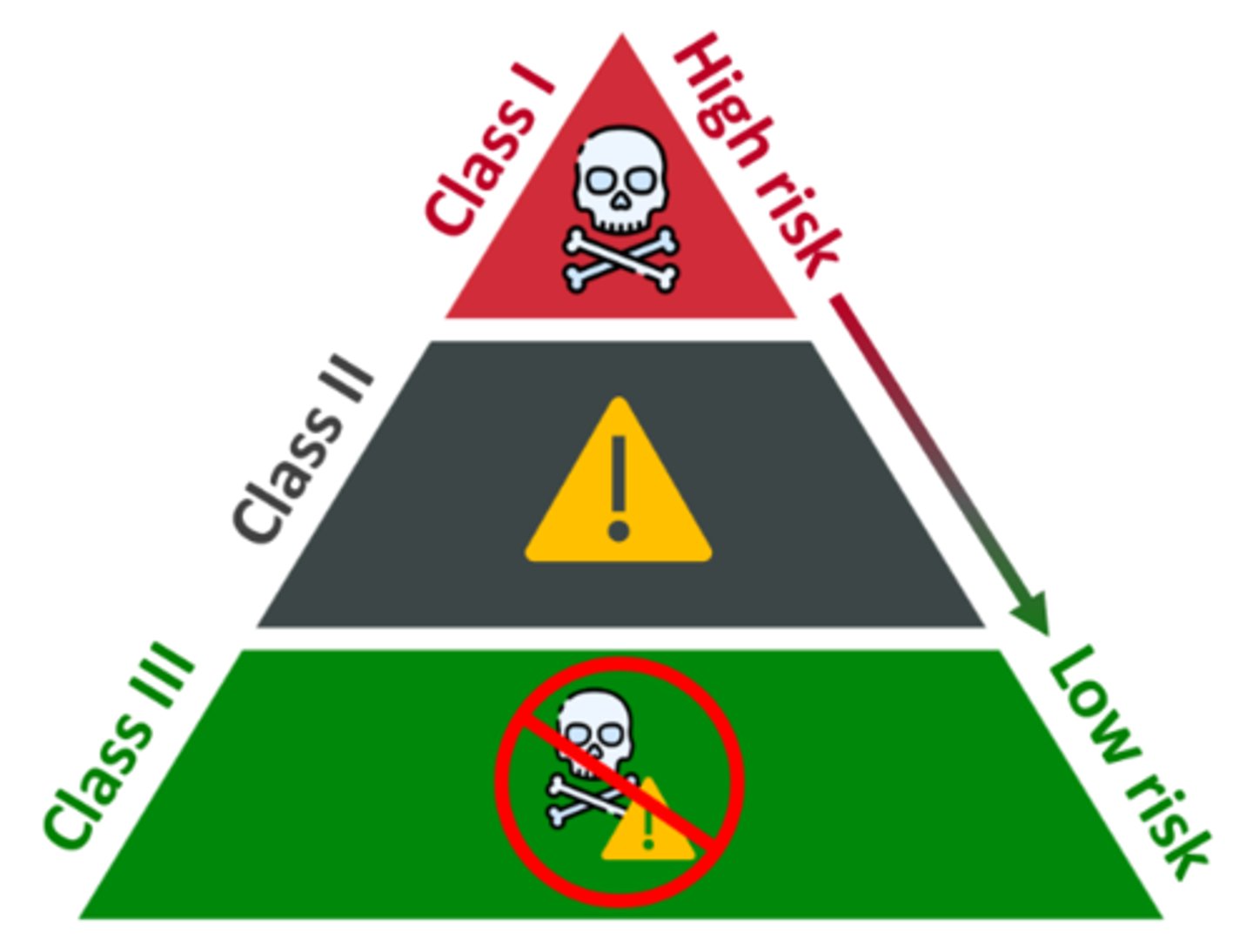
medical device classification (n)
a system used by the FDA to categorize & regulate medical devices; the higher the device risk, the higher its level of regulation
medical device recall classification (n)
an FDA system that organizes recalled devices into three categories based on their potential to cause harm; the higher the risk, the greater the notification requirements
Medicaid (n)
a federal & state assistance program that pays covered medical expenses for low-income individuals, run by state & local governments within federal guidelines

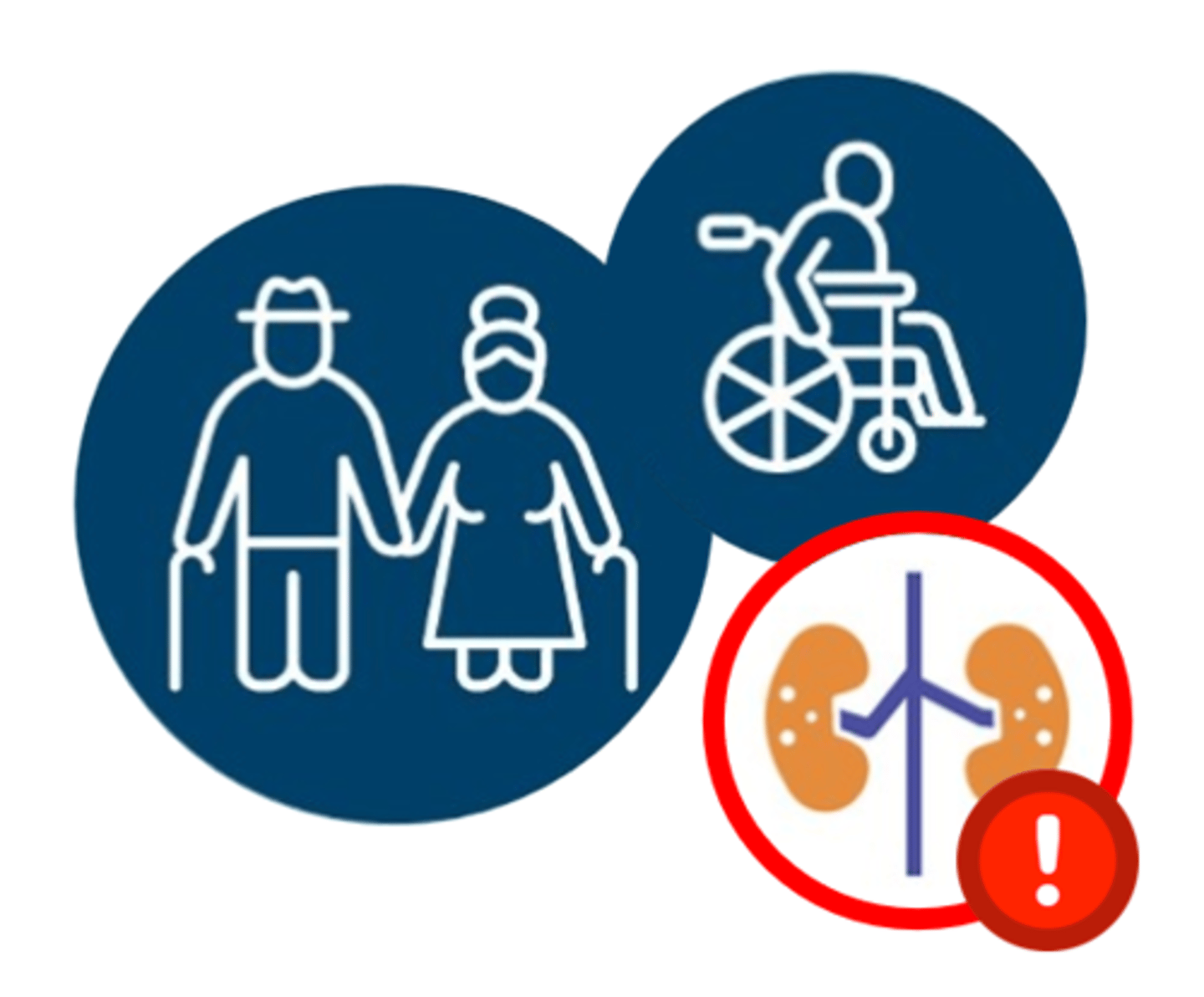
Medicare (n)
a federal medical insurance program that primarily serves those over 65 (regardless of income), people under 65 with certain disabilities, & people of all ages with end-stage renal disease
MedWatch (n)
the FDA's safety information & adverse event reporting system that serves healthcare professionals & the public by reporting serious problems suspected to be associated with the drugs & medical devices they prescribe, dispense, or use

metabolism (n)
the total chemical changes by which the nutritional & functional activities of an organism are maintained

microbiology (n)
the scientific study of the nature, life, & actions of microorganisms

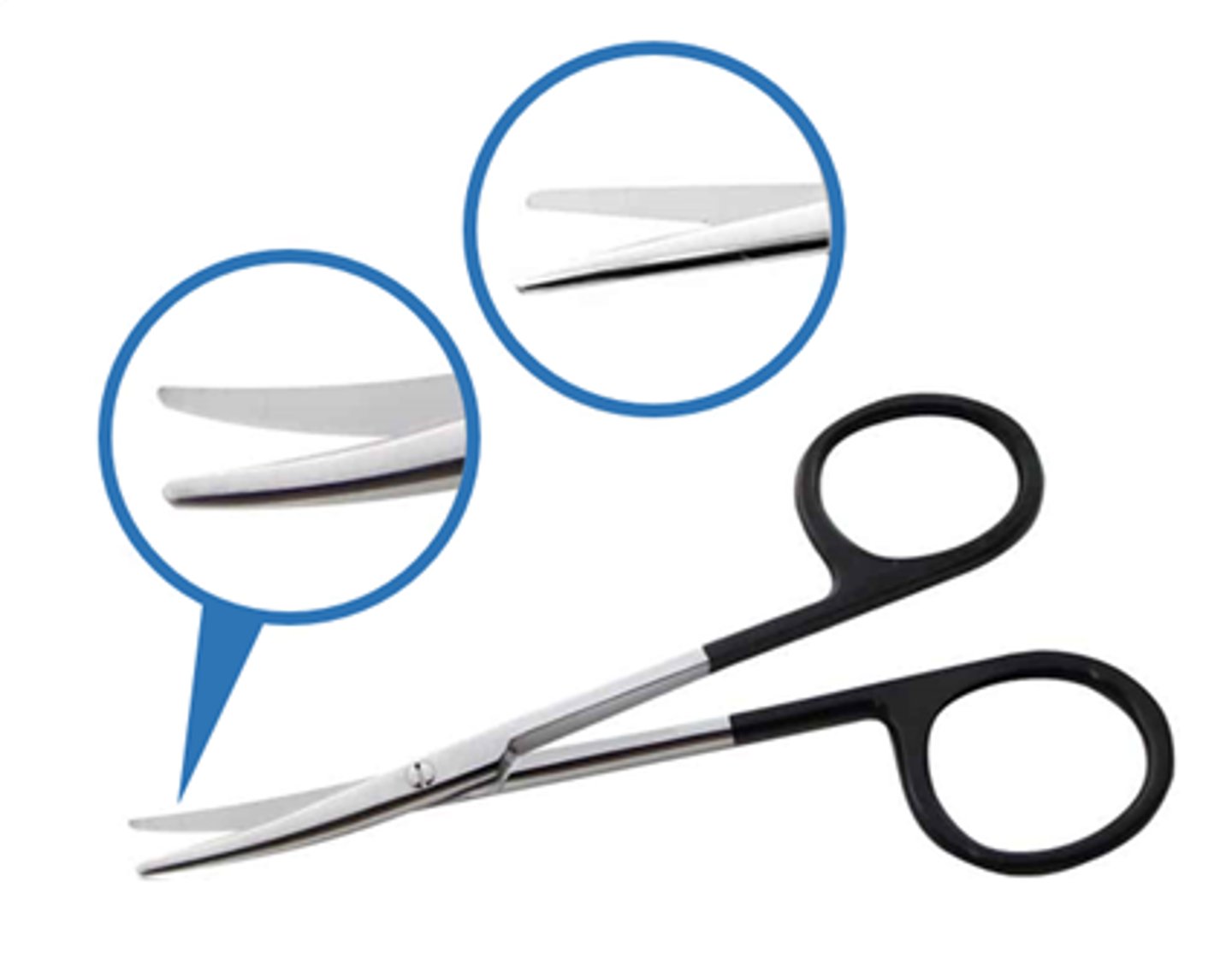
microgrind or supercut scissors (n)
scissors that have one standard blade and one sharpened like a knife to slice tissue (identified by black handles/rings)
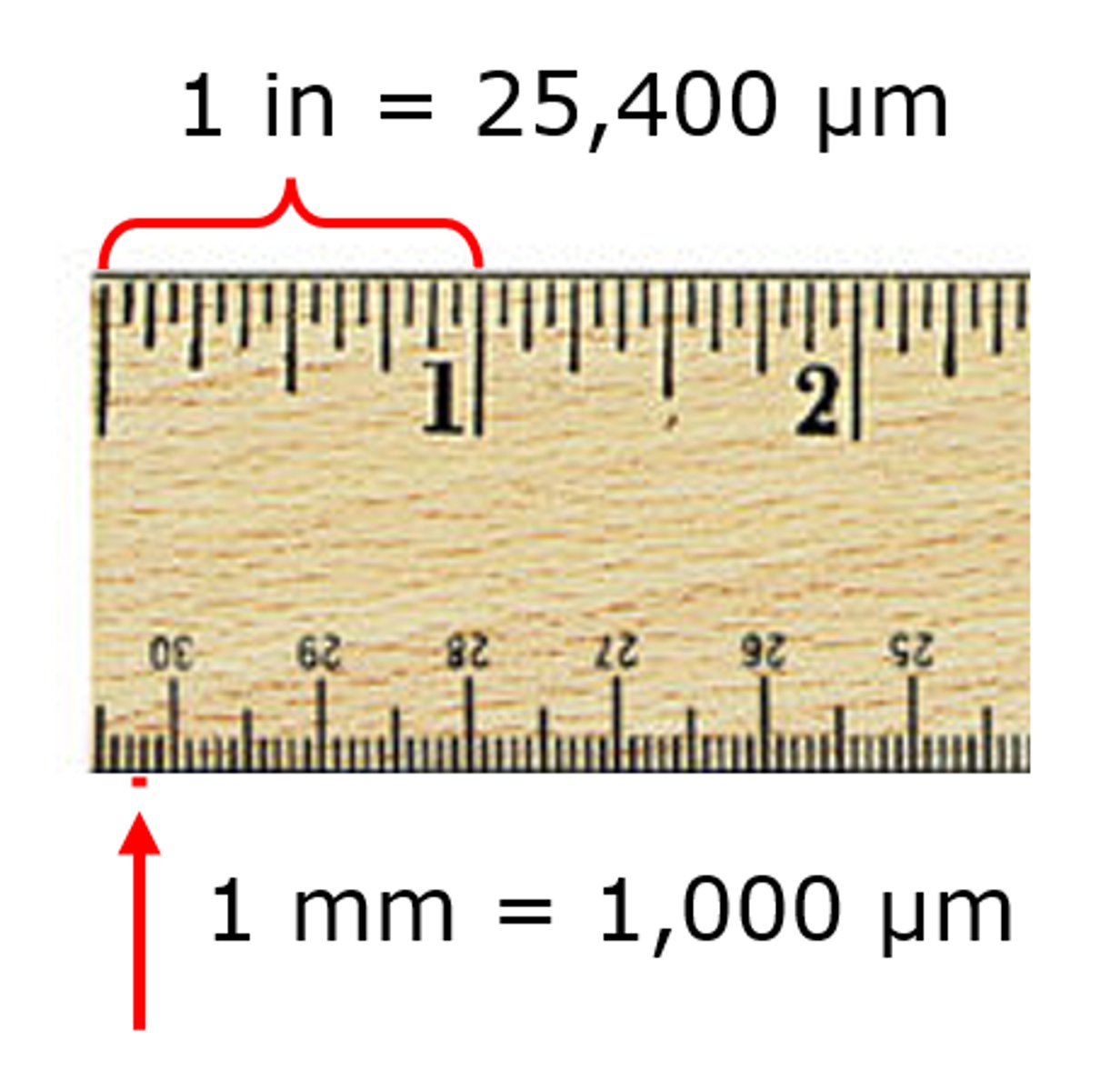
micron (n)
a unit of length used to measure bacteria, equal to 1/25,000 of an inch or 1/1,000 of a millimeter
microorganisms (n)
forms of life that are too small to see with the naked eye (ex: bacteria, viruses, fungi); also called germs & microbes

minimally invasive surgery (MIS) (n)
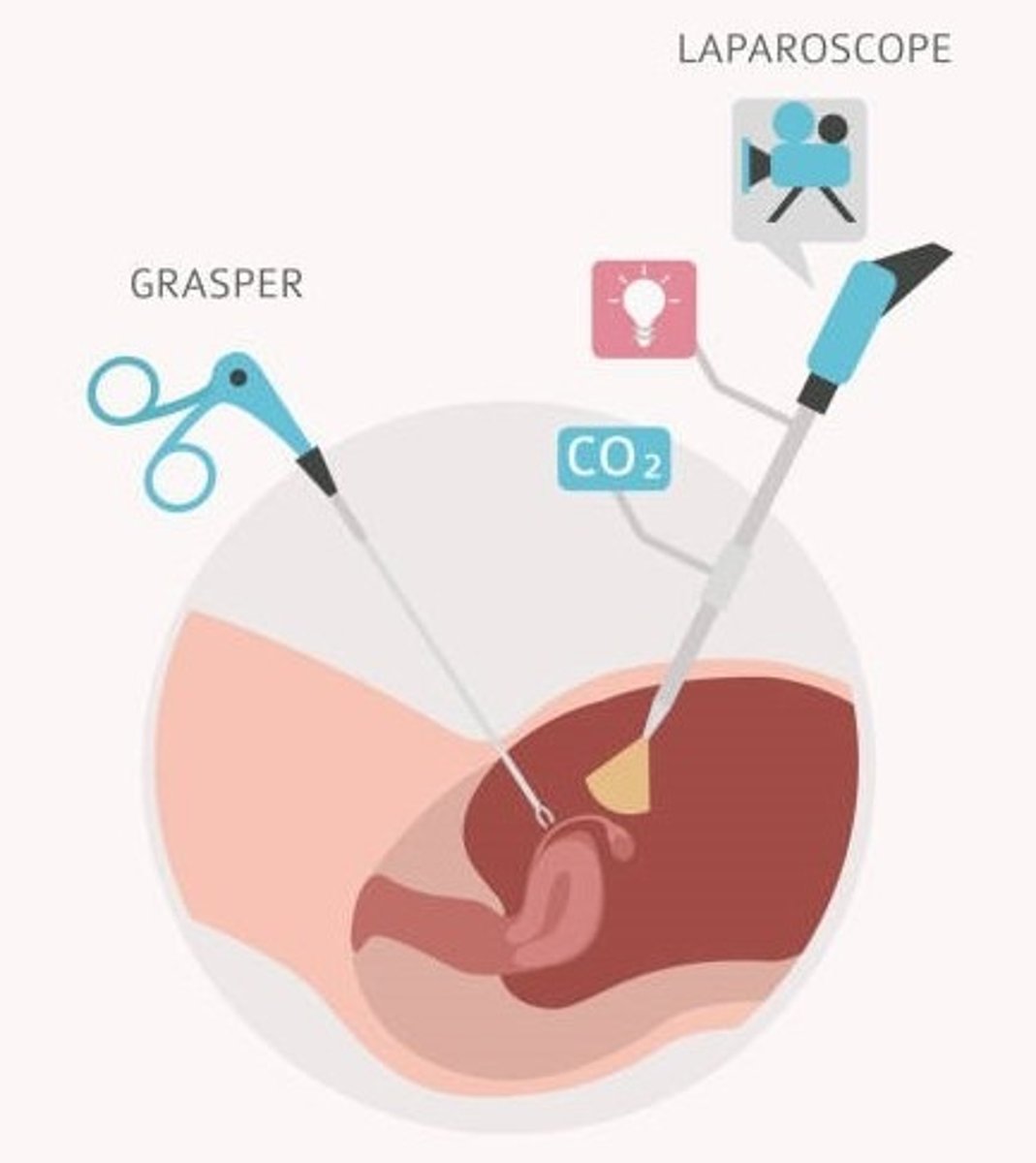
a surgical procedure done in a manner that causes little or no trauma or injury to the patient, often performed through a cannula using lasers, endoscopes, or laparoscopes; it involves smaller incisions & minimal scarring with less tissue damage, bleeding, anesthesia, & pain
minimum effective concentration (MEC) (n)
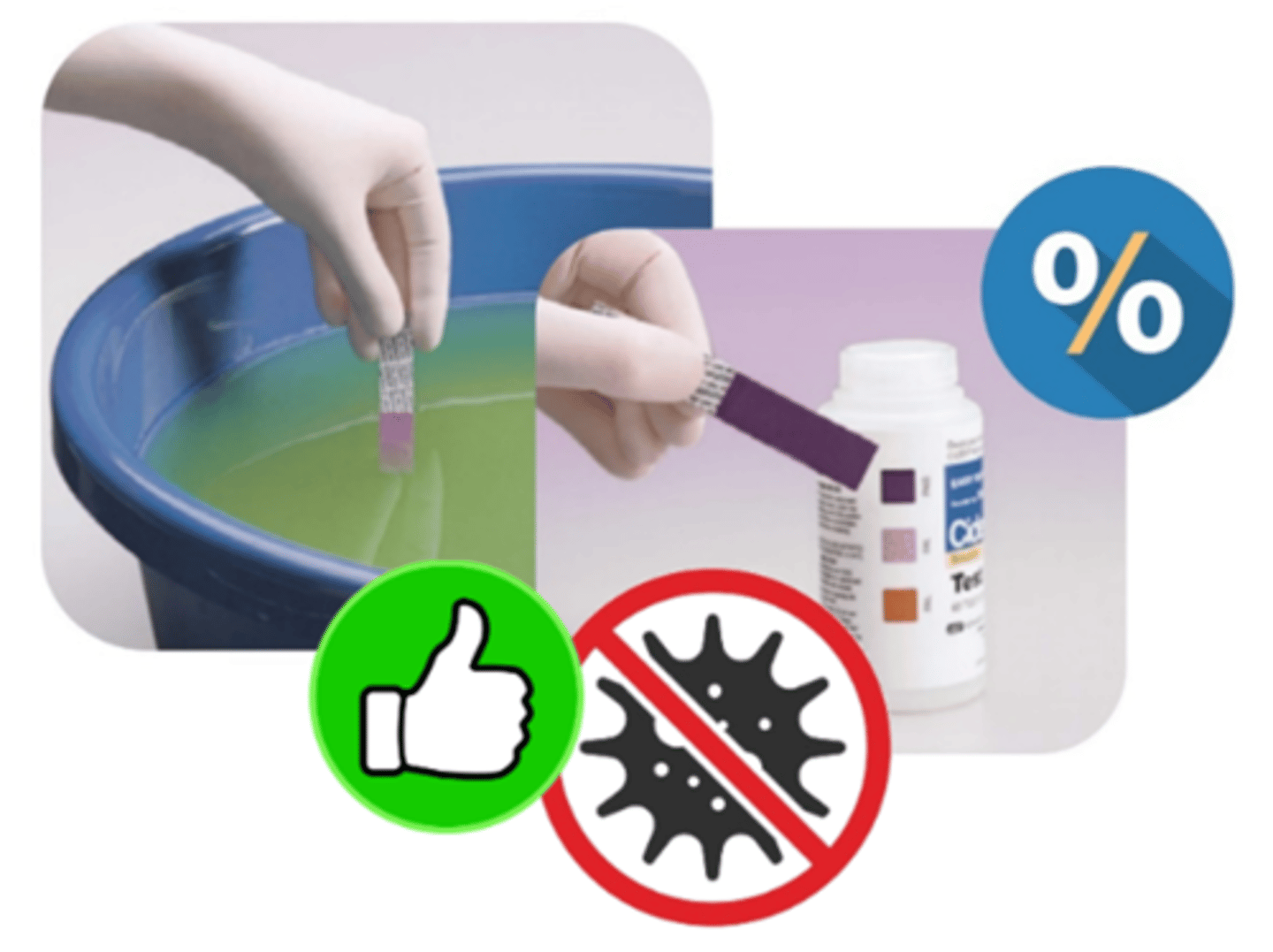
the percentage concentration of the active ingredient in a disinfectant or chemical sterilant that is the minimum amount needed to meet all label claims for activity against specific microorganisms
mode of transmission (n)
the method of transfer of an infectious agent from a reservoir to a susceptible host (chain of infection element #4)

monitor (v)
to watch, observe, listen to, or check (something) for a specific purpose over a period of time
multidrug-resistant organisms (MDROs) (n)
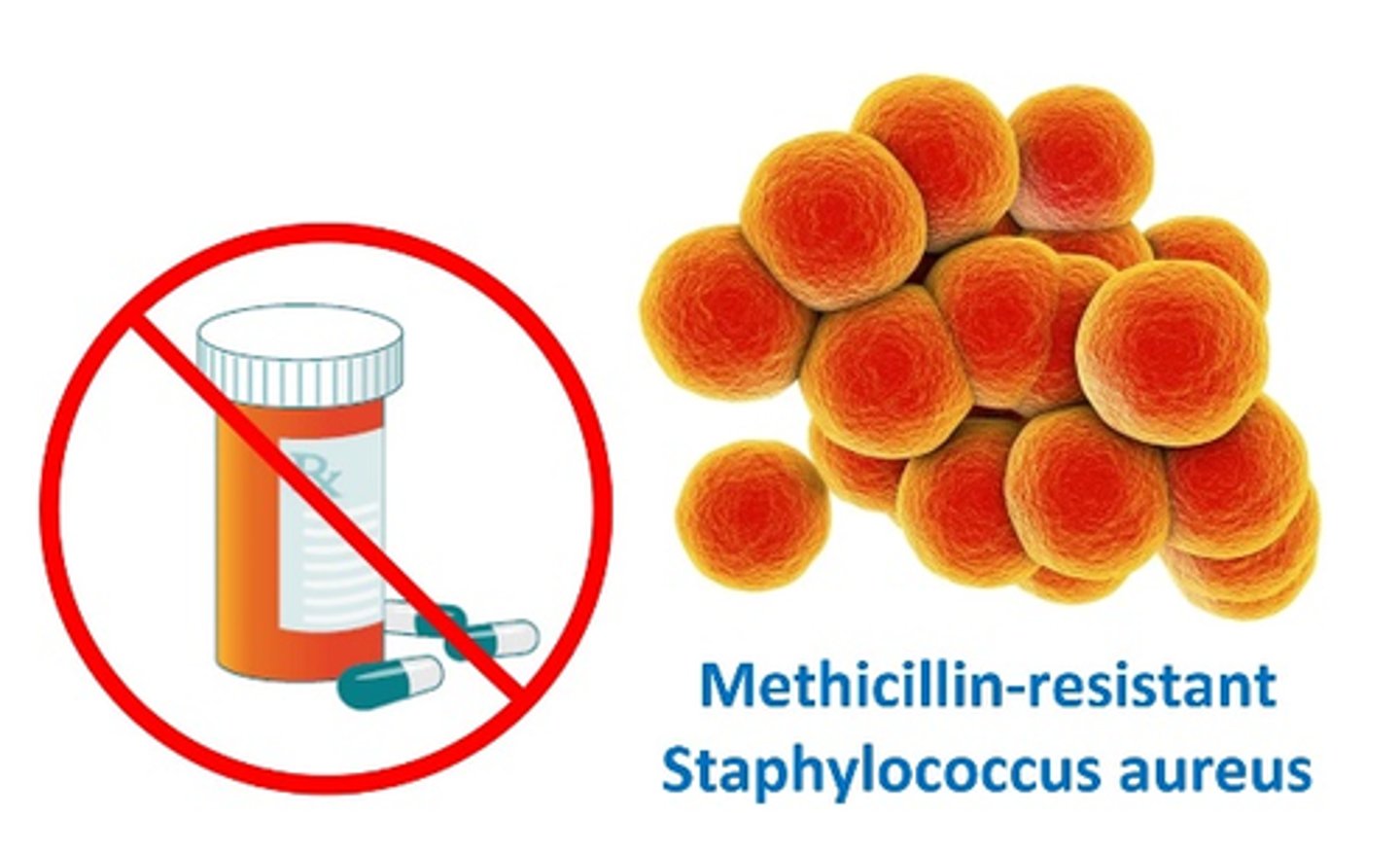
bacteria that cause infections which are very difficult to treat because they've adapted to survive against common antibiotics (ex: MRSA, VRE)
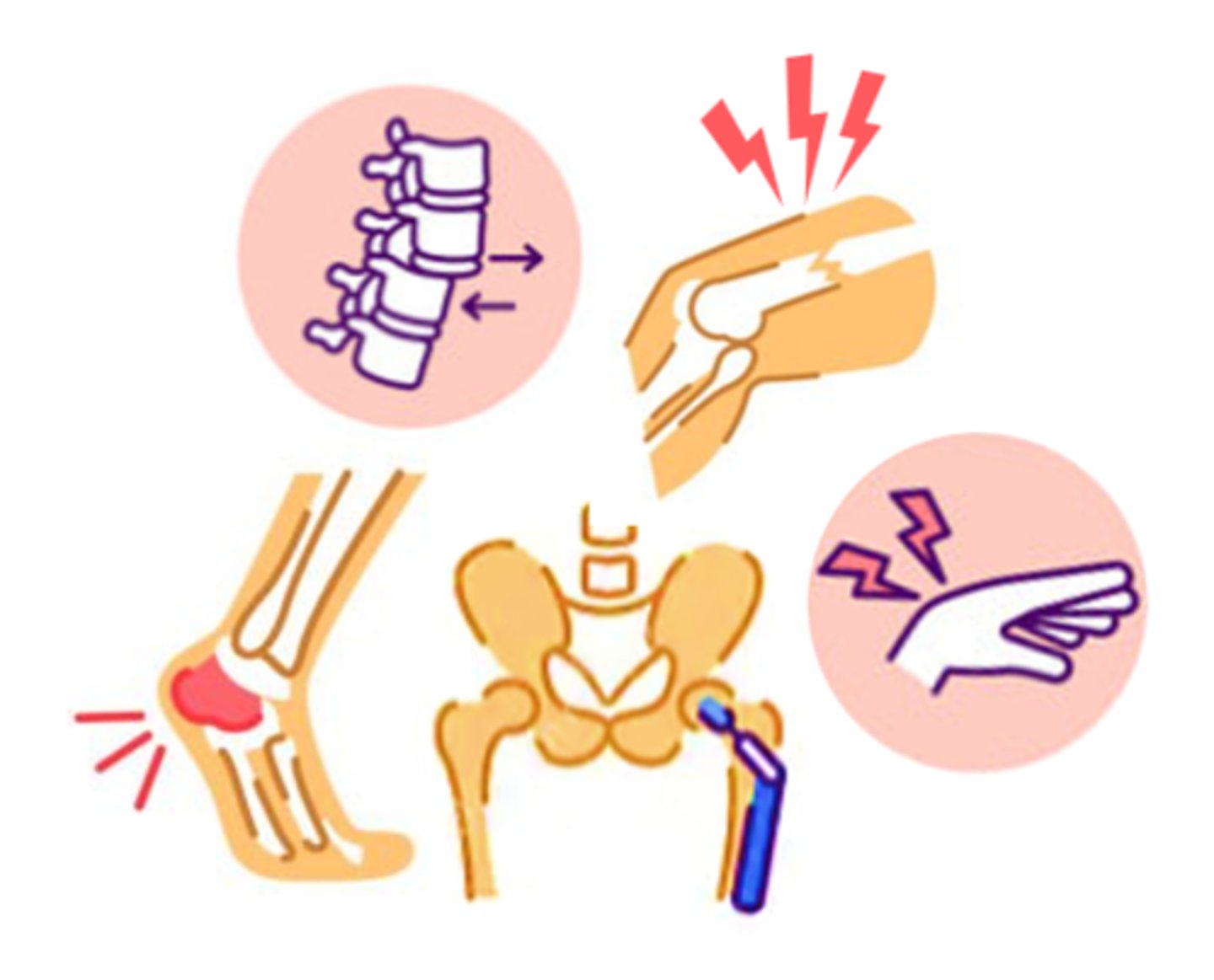
musculoskeletal disorders (MSDs) (n)
injuries or disorders of the muscles, nerves, tendons, joints, cartilage, & spinal discs
muslin (n)
a reusable fabric (textile) packaging material made of 100% unbleached, loosely-woven cotton fibers (also called type 140 cotton, calico, & barrier cloth)

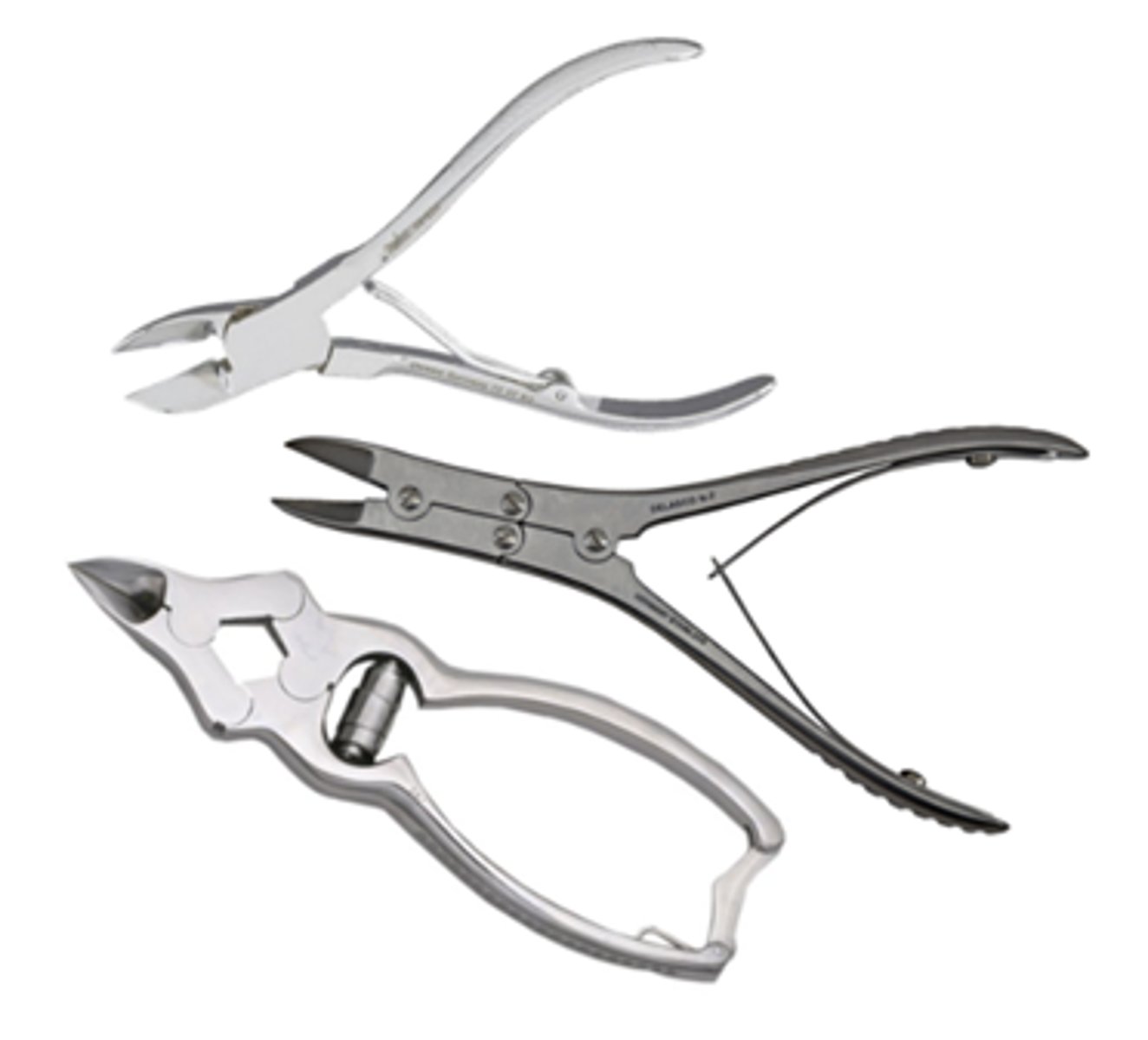
nail nippers (n)
an instrument used to cut toenails & fingernails, & occasionally used to trim small bone fragments
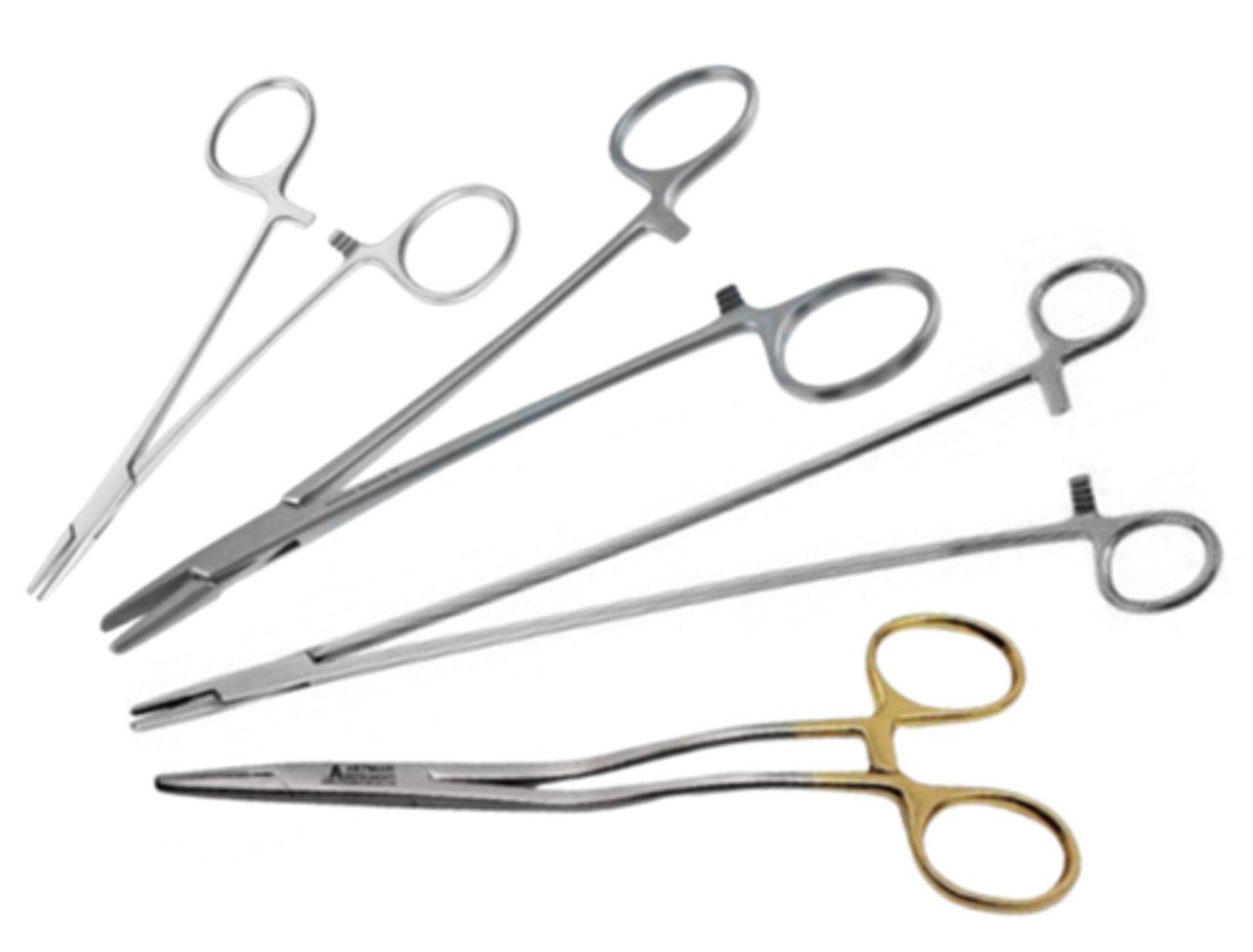
needle holders (needle drivers) (n)
surgical instruments designed to drive suture needles to close or rejoin a wound or surgical site (400 series or tungsten carbide)
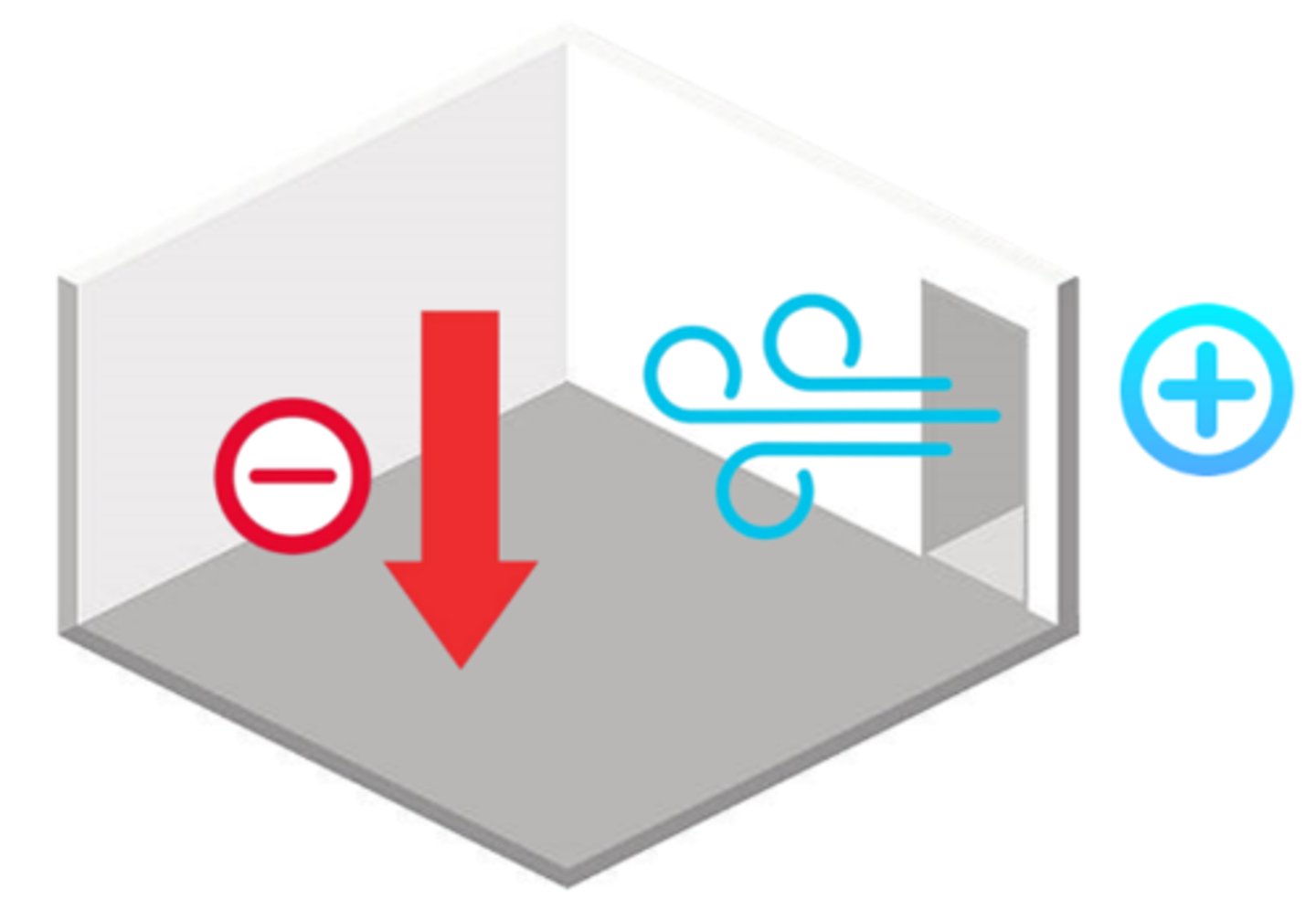
negative pressure (n)
air pressure inside the room that is lower than air pressure outside the room, causing the outside (positive) air to flow in
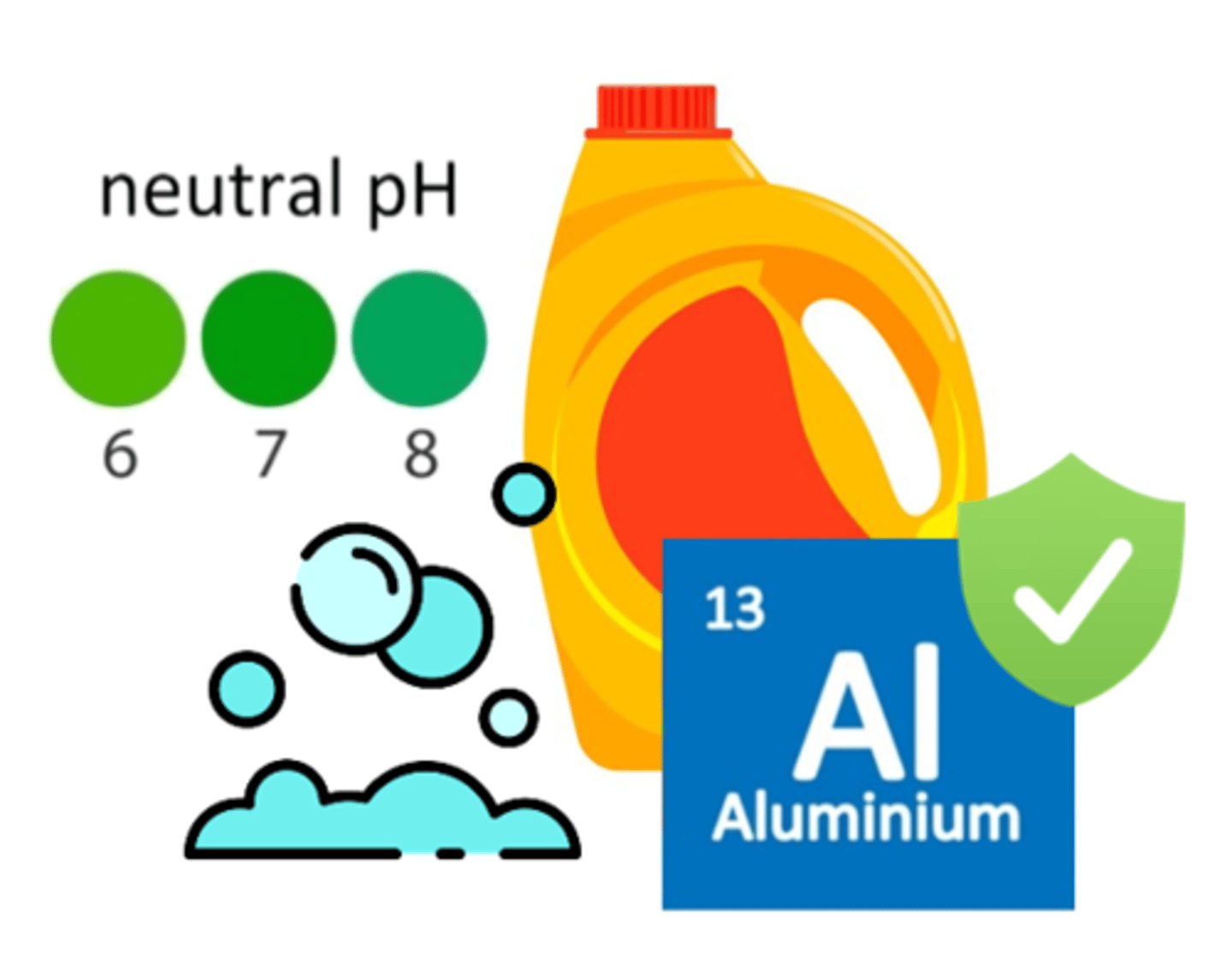
neutral detergents (n)
the most commonly used detergents, with a pH of 6-8
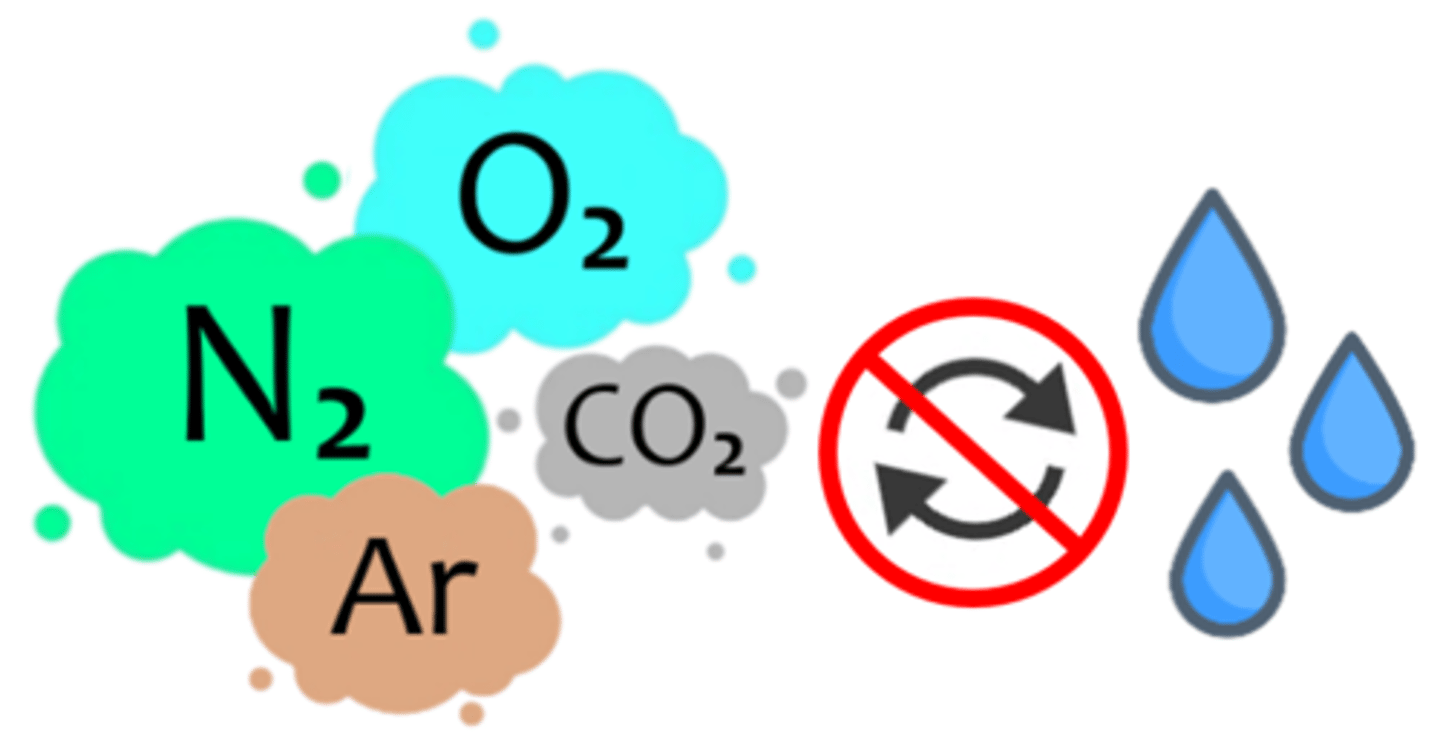
non-condensable gases (n)
air or other gases that will not condense (change from vapor to liquid) under the conditions of temperature & pressure used during the sterilization process
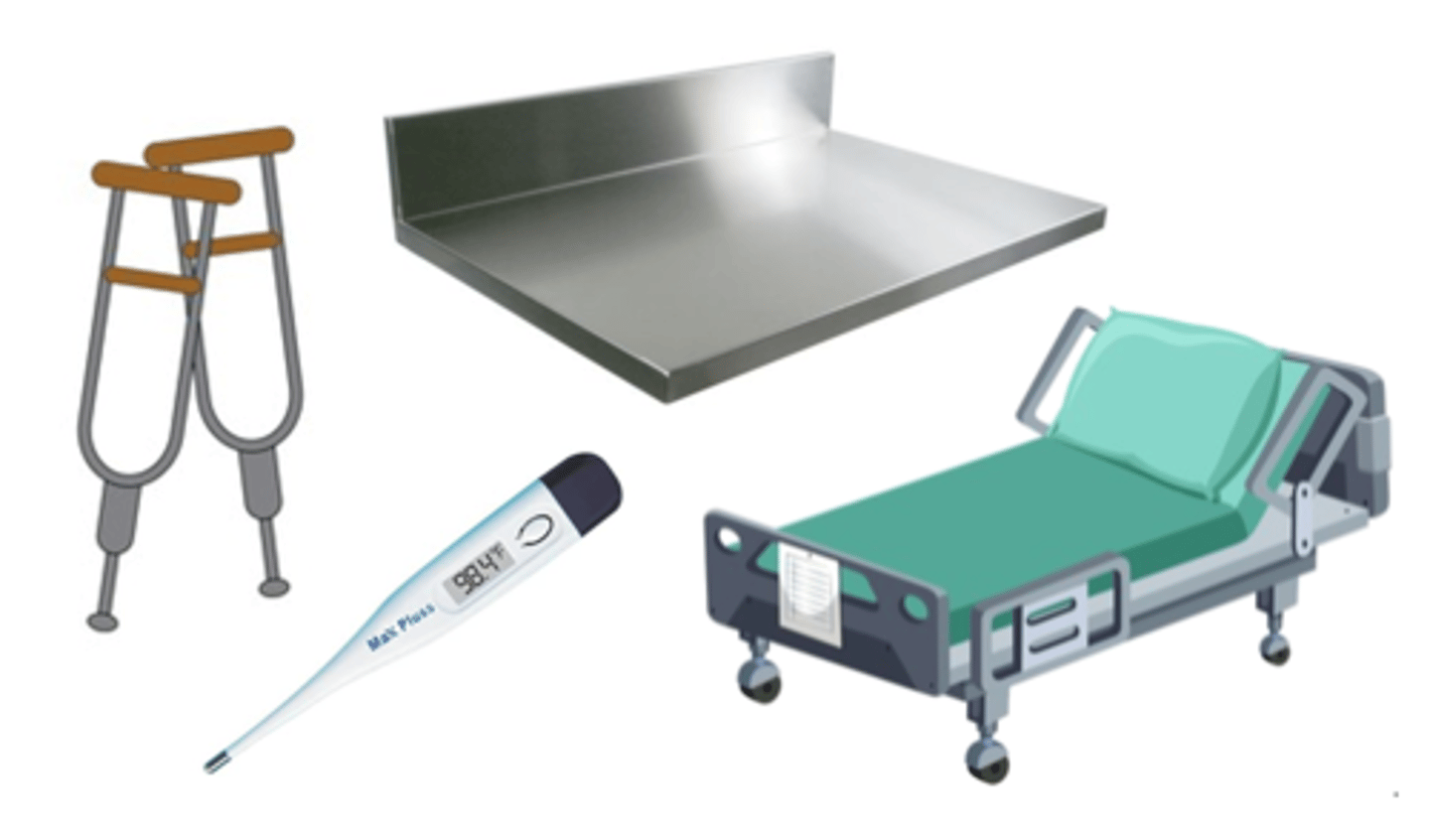
non-critical items (n)
items that come into contact with a patient's unbroken skin; require thorough cleaning & may need low- to intermediate-level disinfection
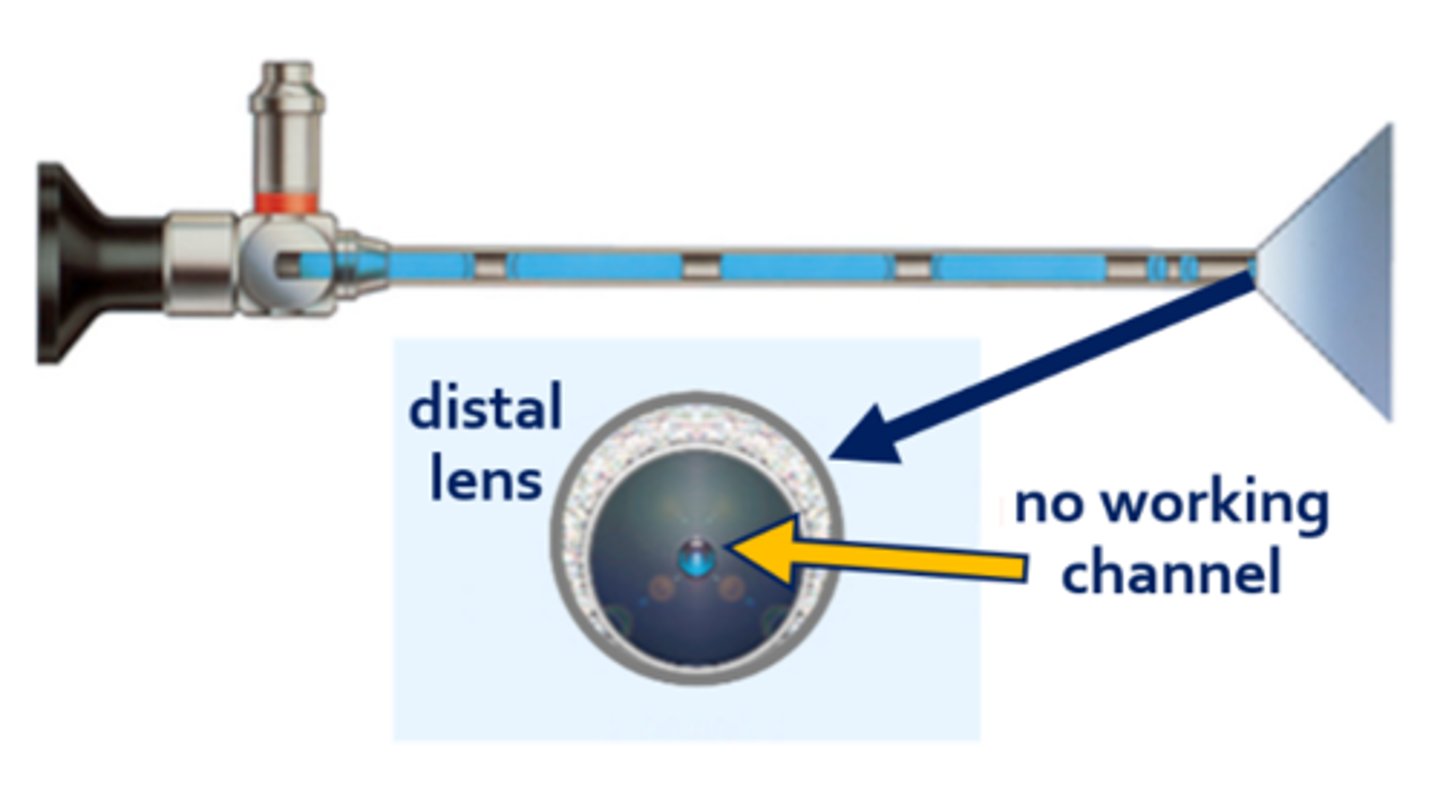
non-operative endoscope (n)
an endoscope that can view anatomy but cannot be used to perform surgical procedures
non-stock items (n)
items not carried in the central storeroom or in SPD storage; they are purchased from an outside vendor as needed & delivered to the requesting department

nucleus (n)
the control center of a cell that governs activity & heredity

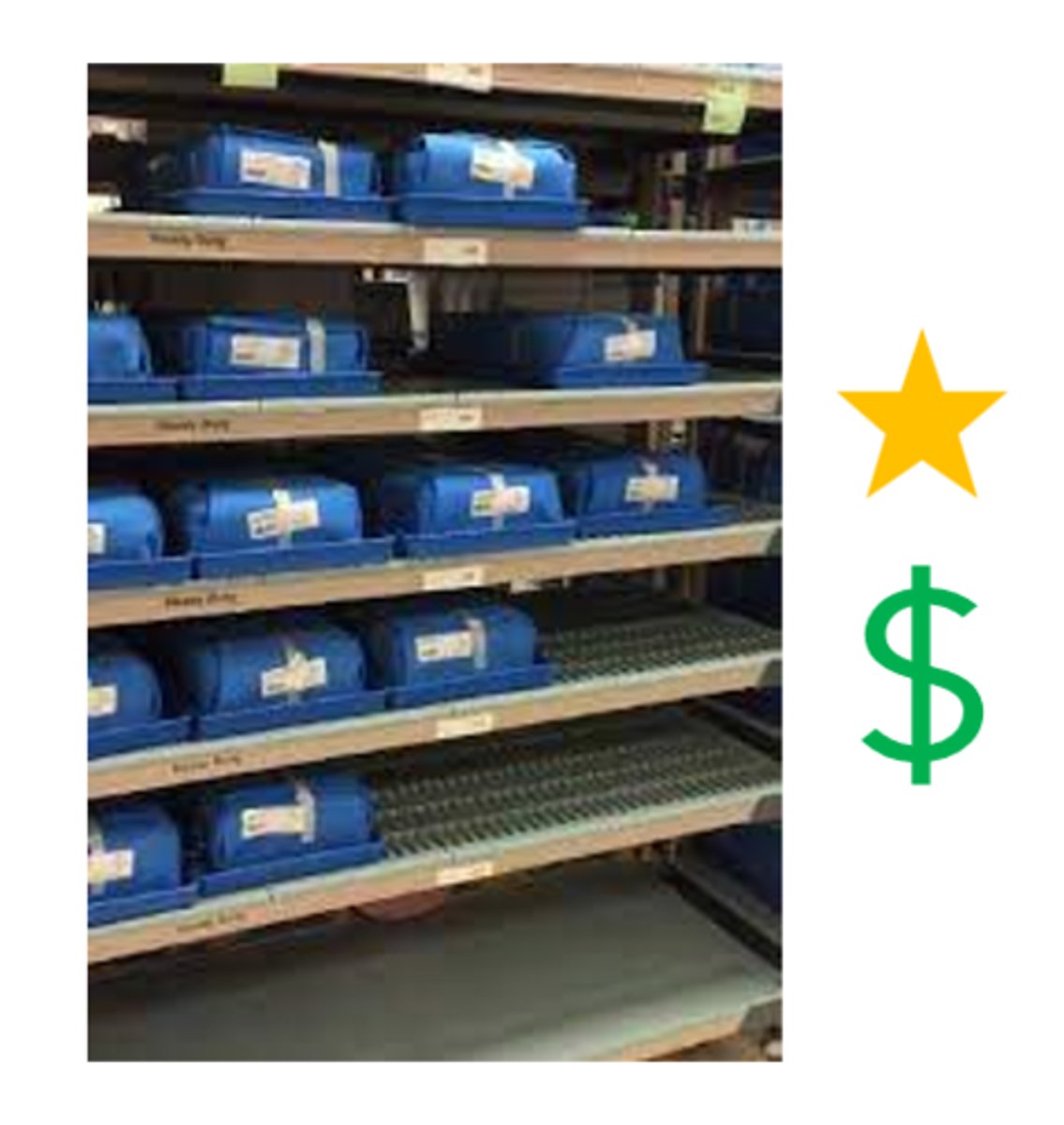
open shelving (n)
storage shelving that is not enclosed, with open racks to prevent dust accumulation & a solid bottom shelf to protect items from contamination, though packages are still vulnerable to hazards
open-ended questions (n)
questions that cannot be answered with a simple "yes" or "no" but instead require a longer, more elaborate response

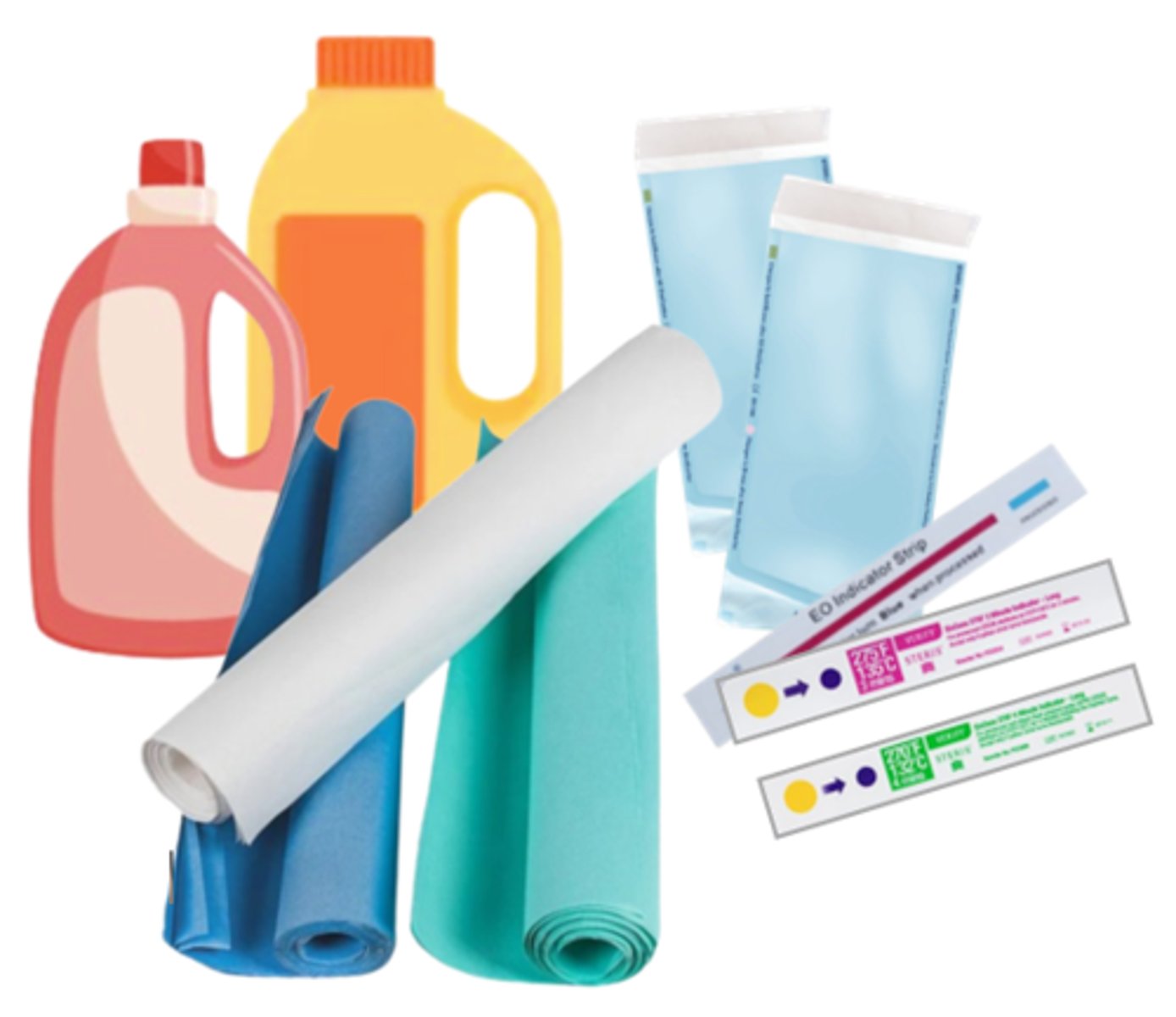
operational supplies (n)
supplies needed for SPD operations (detergents, sterilization wrap, sterilization testing products, etc.)
operational systems (n)
computerized systems that manage various functions within a facility that are not directly related to patient care (email, supply chain management, staff scheduling, etc.)

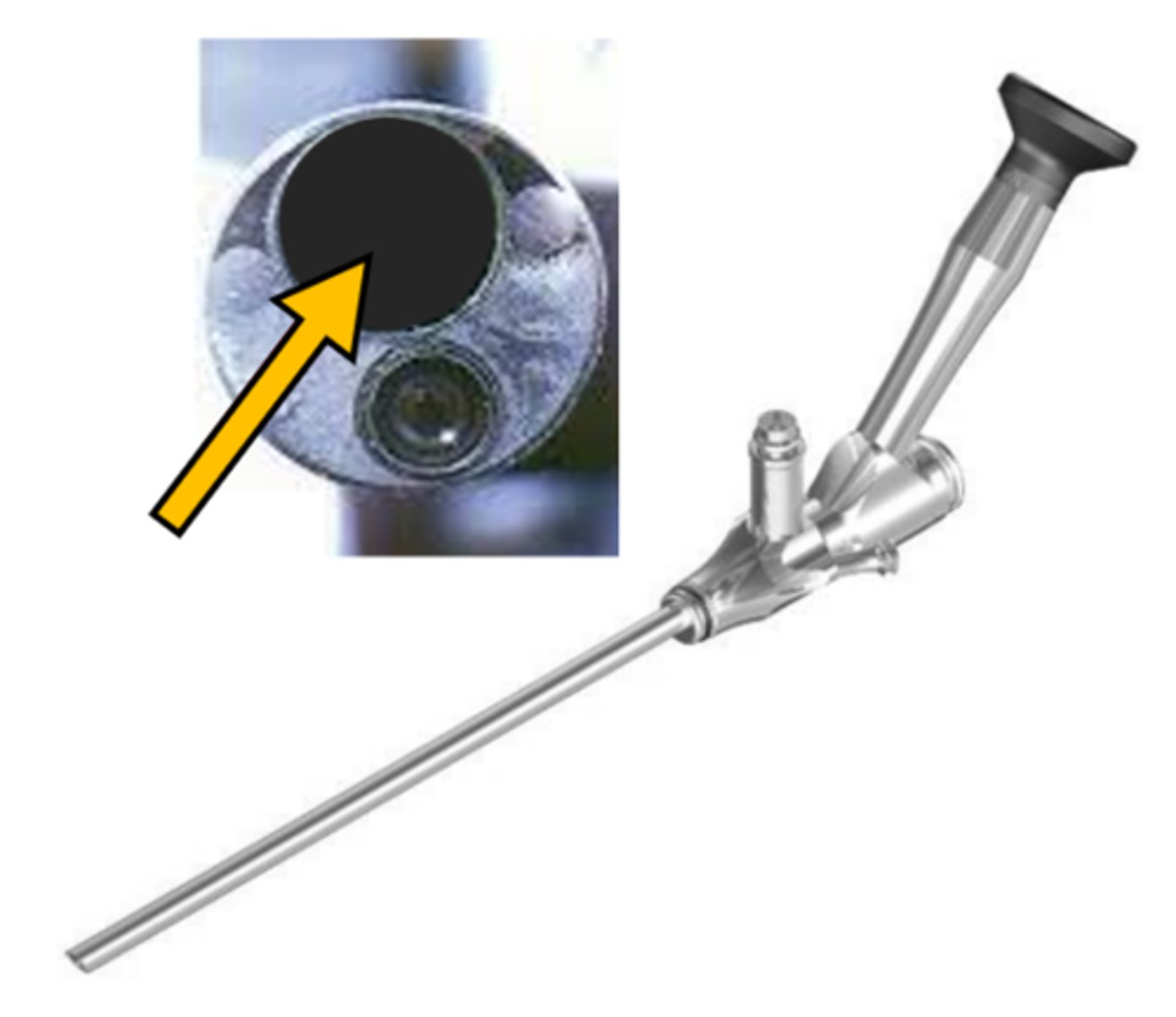
operative endoscope (n)
an endoscope with a working channel (lumen) that instruments or accessories can pass through to perform surgical procedures
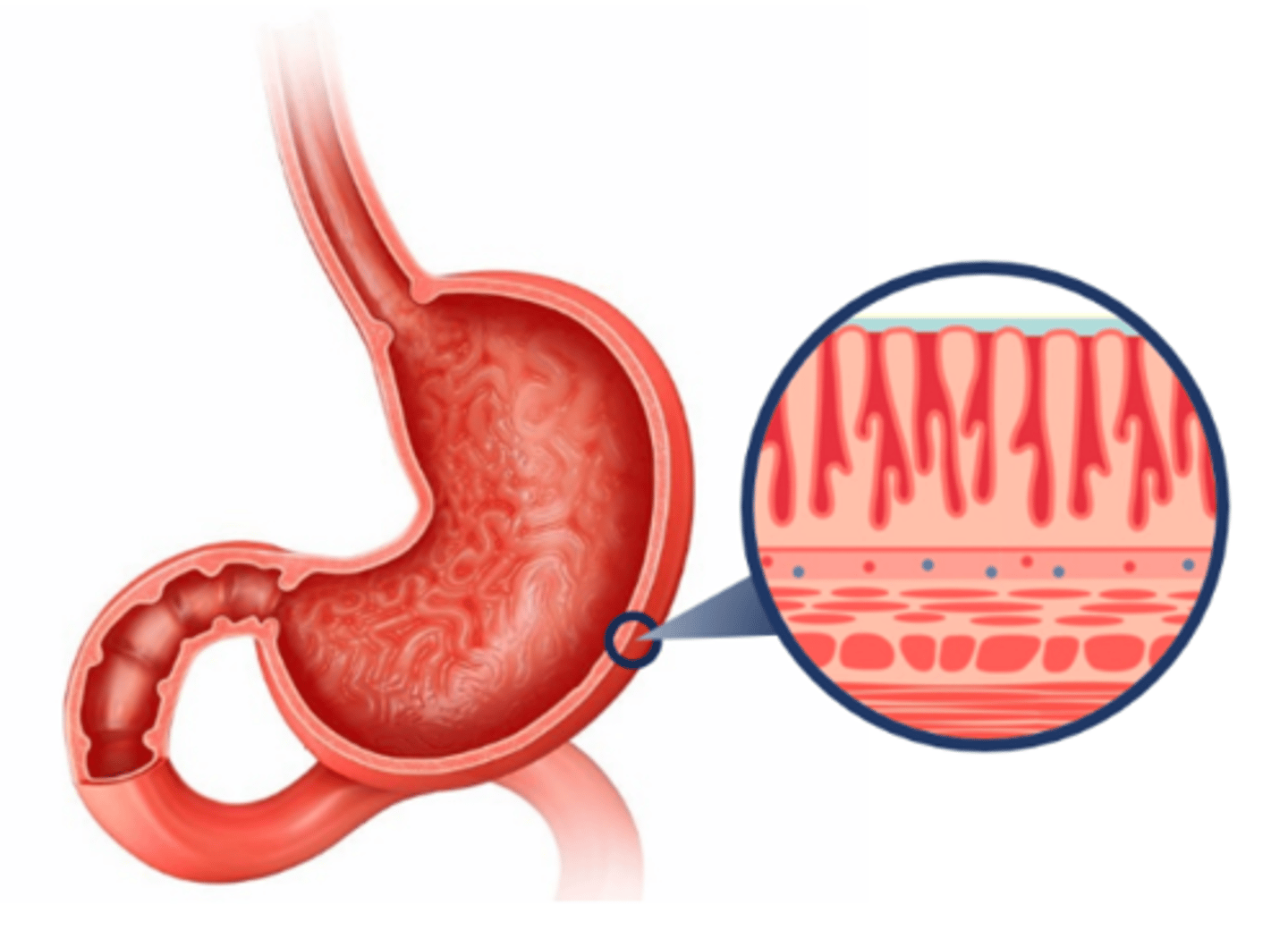
organ (n)
a part of the body containing two or more tissues that function together for a specific purpose
organic materials (n)
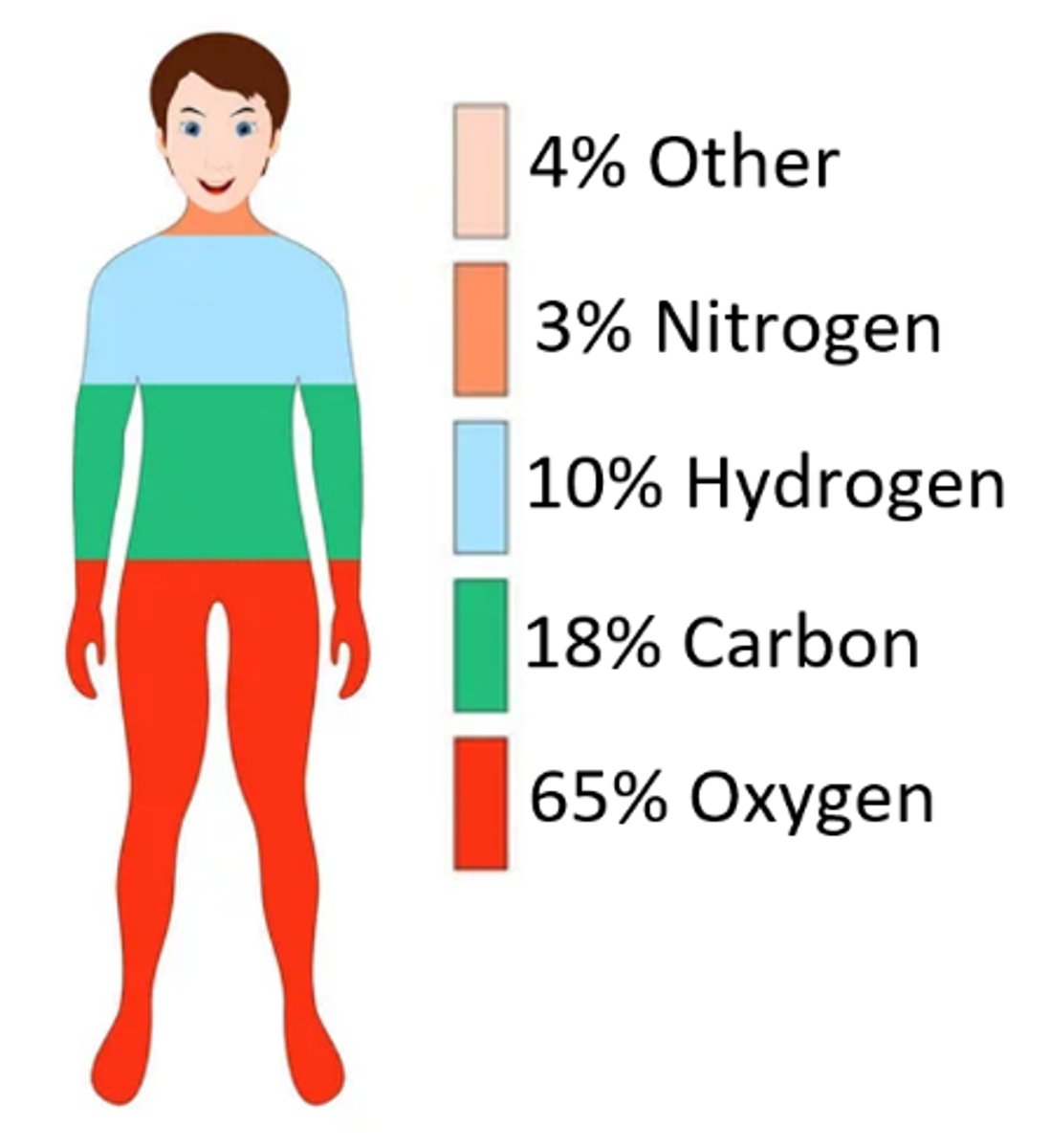
compounds containing oxygen, carbon, & hydrogen; materials derived from living organisms
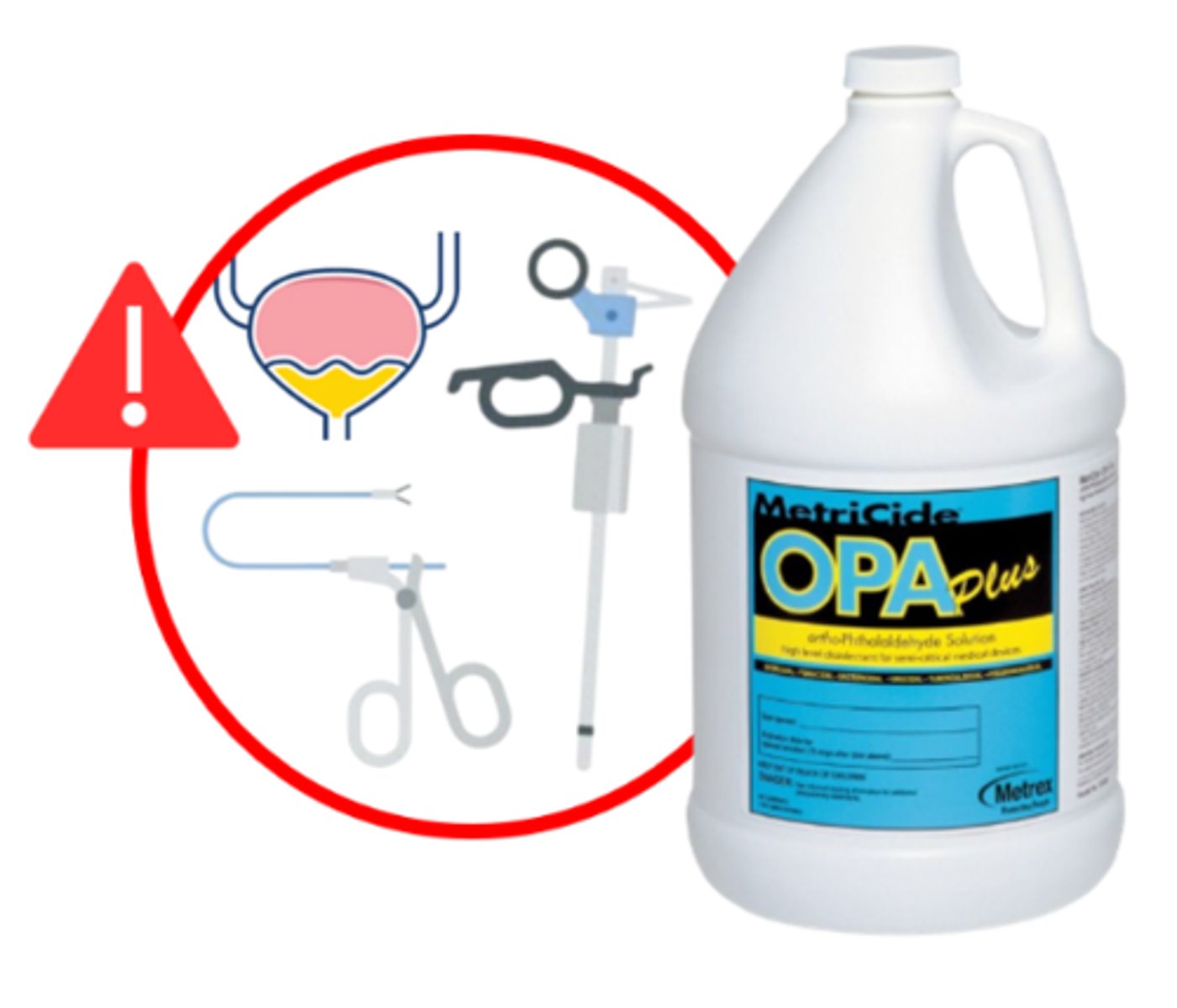
ortho-phthalaldehyde (OPA) (n)
an HLD that's fast & effective at disinfecting a wide range of devices, though IFU should be consulted before it's used on urological instrumentation (associated with anaphylactic-like reactions in bladder cancer patients)
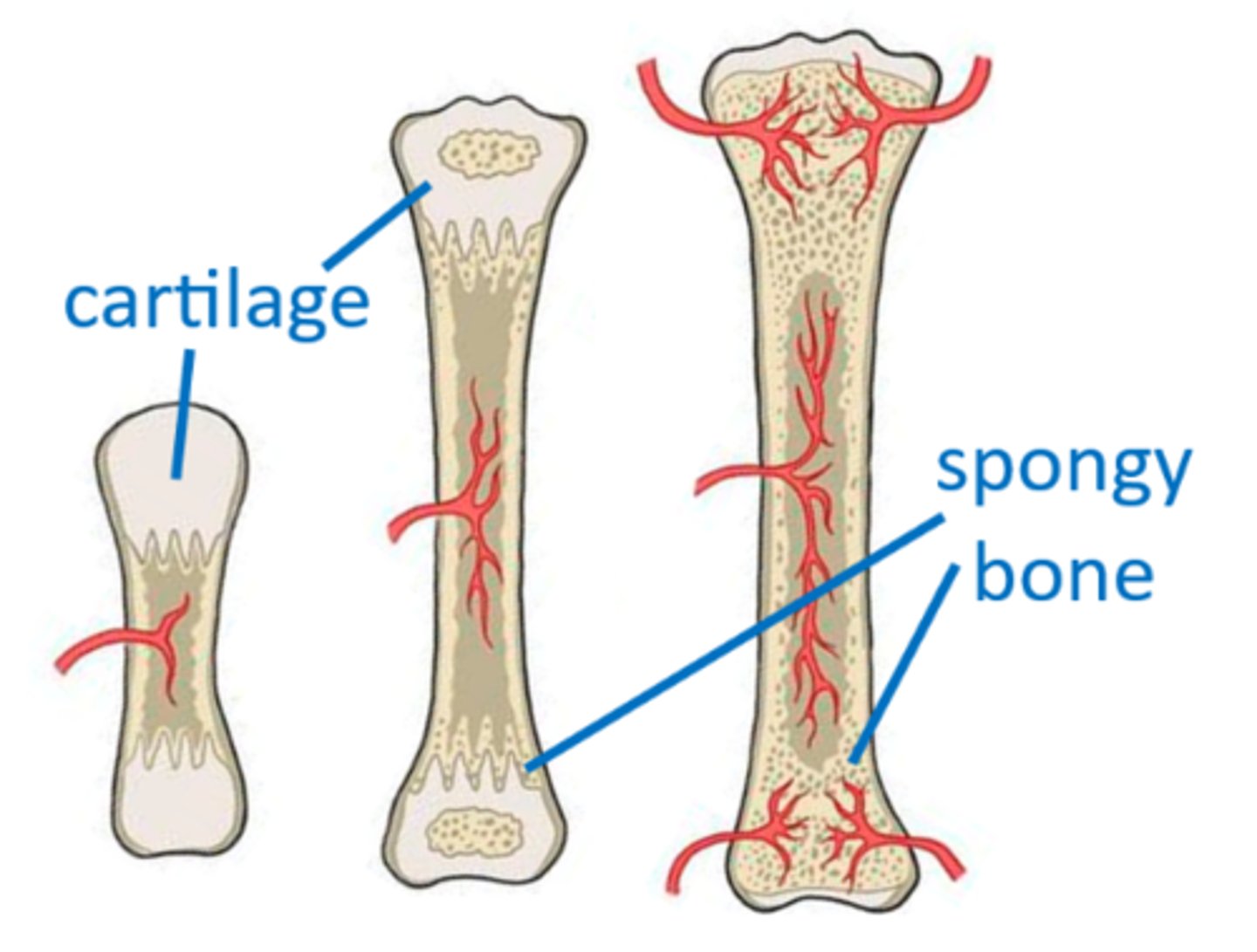
ossification (n)
the process by which cartilage is replaced by bone
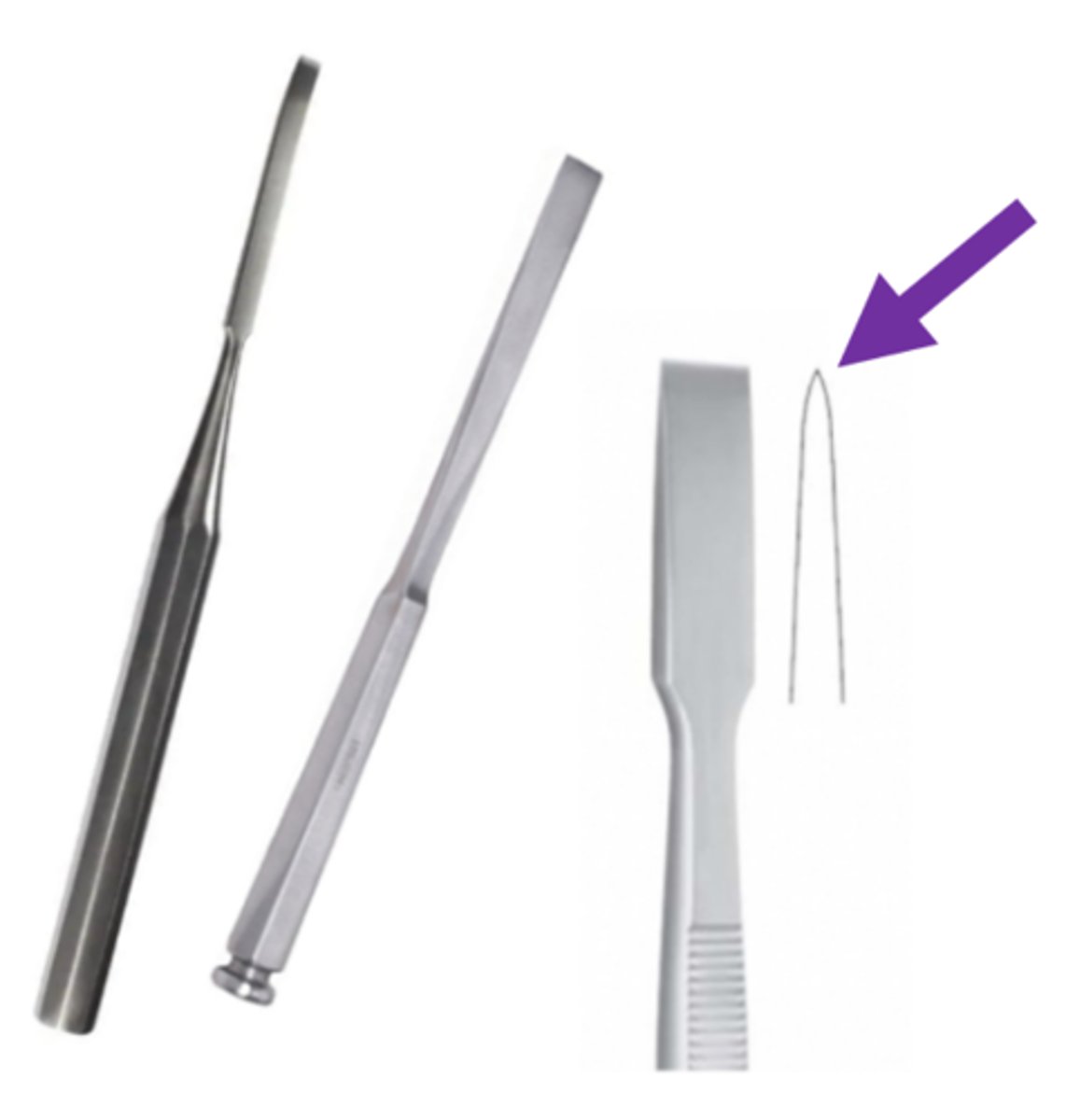
osteotomes (n)
chisel-like instruments used to cut or shave bone (400 series)
oxidation (n)
the chemical reaction that kills microbes during hydrogen peroxide sterilization (destroying them through the addition of oxygen & a loss of electrons)