Week 13 - Ancestral Pueblo in the Southwest
 Studied by 2 people
 Call Kai
 Learn
Learn Practice Test
 Spaced Repetition
 Match
Match Flashcards
 Knowt Play
1/44

There's no tags or description
Looks like no tags are added yet.
Name | Mastery | Learn | Test | Matching | Spaced |
|---|
No study sessions yet.
45 Terms
Southwestern presence
farming, pottery styles, villages with multi-room architecture
Southwestern absence
large cities/monuments, social stratification, writing
Southwest agriculture
maize (1750 BC)
squash (1000 BC)
beans (500 BC)
Upper Sonoran Agricultural Complex
Fullt fledged argiculture can be identified in parts of the SW about 800 BC, but it does not take off everywhere until __
AD 600
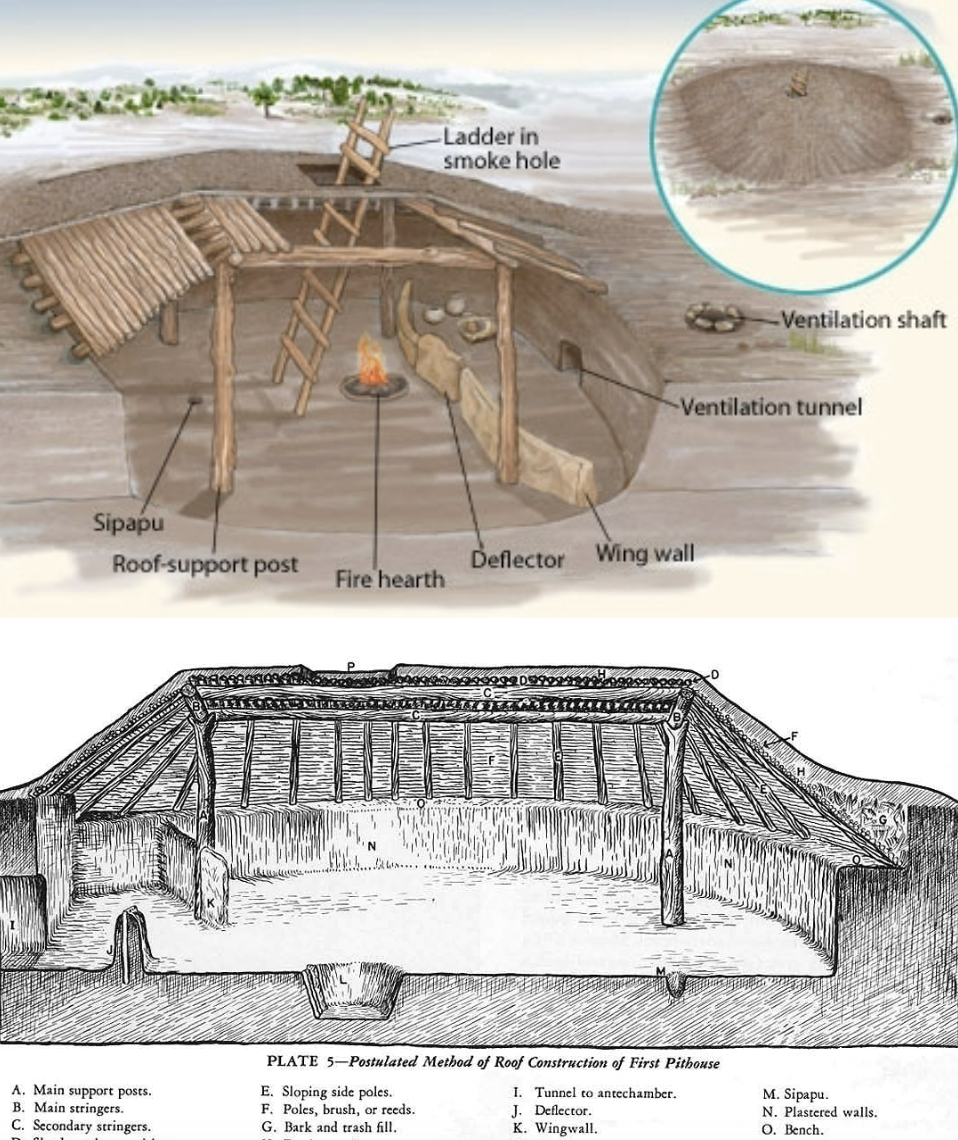
Sedentism accelerate AD 200 - 900 with advent of __
pithouses
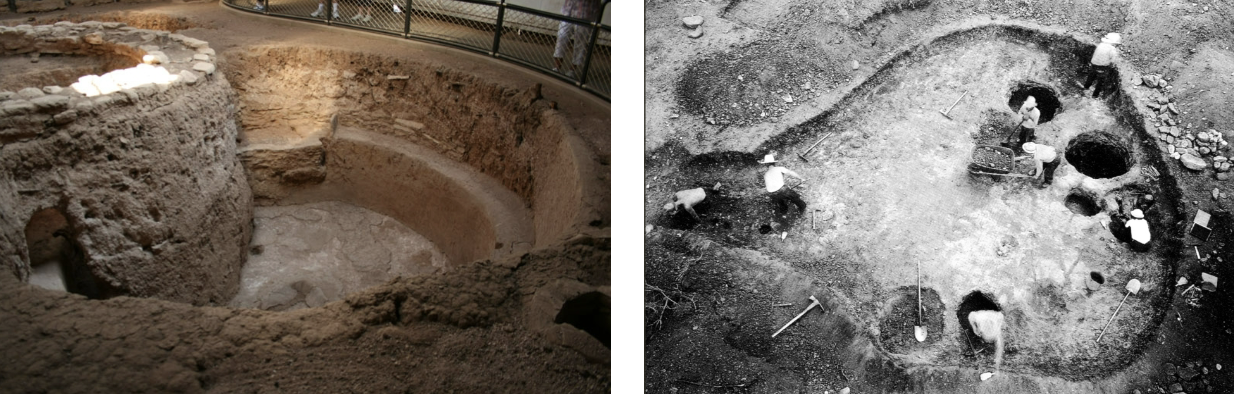
AD 700 - 900, some pithouses were larger and had specialized features. These may have been early __ - communal ritual structures
kivas
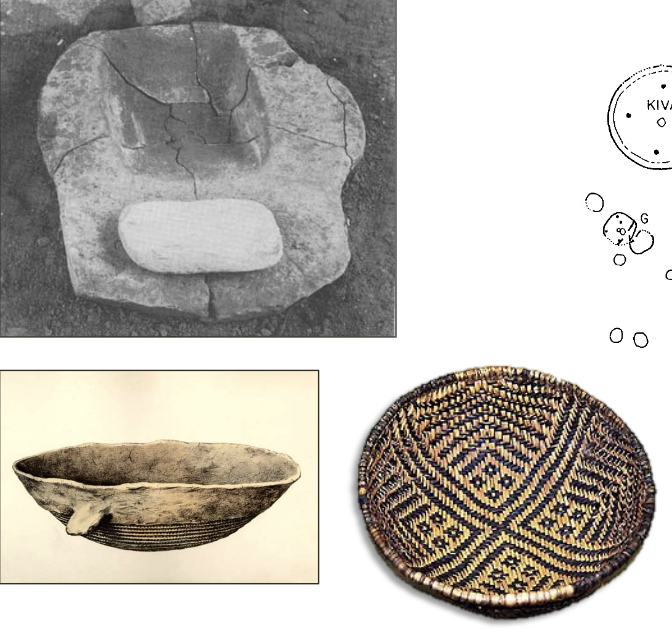
basketmakers
begins in AD 900, corresponding with an increase in exchange
transition is well-documented (but still enigmatic) at Chaco Canyon, New Mexico
pithouses to pueblos
“mouth of the wash”, used captured rainwater run-off to irrigate fields
ak-chin
Chaco Canyon location and time frame
arid canyon in northern New Mexico
occupied AD 500 - 1500
Chaco Canyon significance
center of a major cultural phenomenon in the Southeast
features:
long-distance exchange networks for goods and ideas
great house construction: large, multi-room stone buildings
kiva ceremonialism: the roots of ancestral and modern-day Pueblo culture
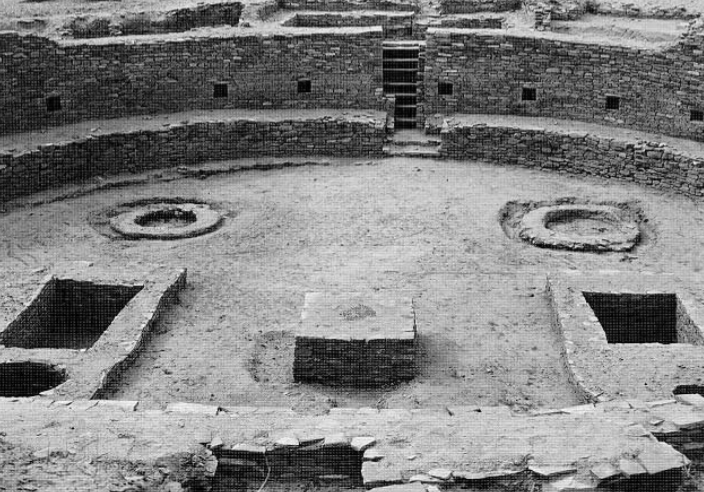
great kivas
large, circular, subterranean ceremonial structures used for community-wide rituals
ex: bottom of great kiva in Chetro Ketl (Chaco Canyon)
clan kivas
smaller kivas associated with specific family or clan groups within the pueblo
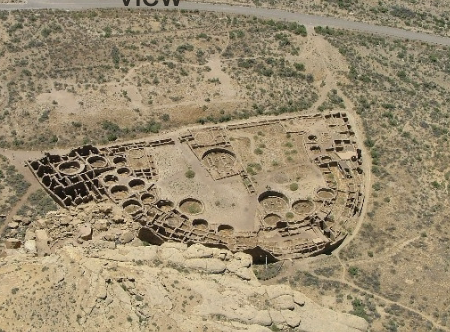
pueblo bonito
aerial views show complex multi-room arrangements surrounding kivas
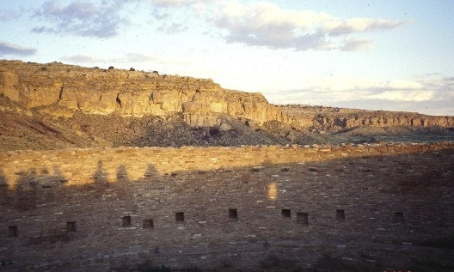
casa rinconada
contains a possible summer solstice marker on the wall of the Great Kiva, suggesting astronomical and ceremonial significance
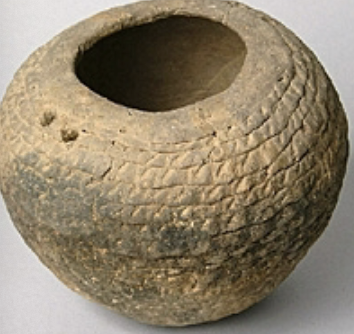
grayware
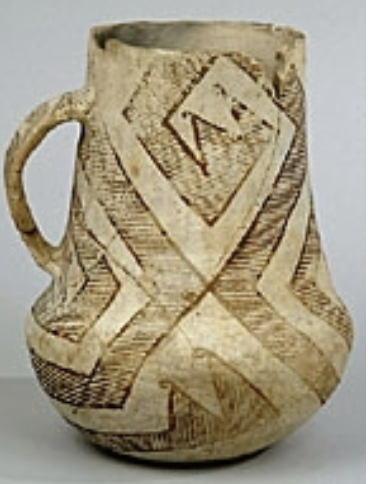
Chaco Black-on-White
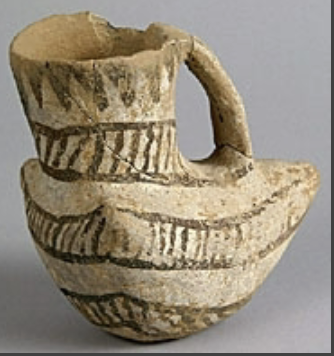
duck effigy vessels
Chaco was a ___ location; they needed regional and long-distance trade
resource-poor
__ brought in and crafted into ornaments; workshops were common at Chaco
mascaws, shell, and copper also came into Chaco Canyon
turquoise
Chaco Road Network
Extensive system of roads connecting Chaco to outlying communities and distant trade partners
Jackson Stairway
example of road integration with the landscape, alllowing access between canyon levels
petroglyphs and markings along roads suggest they may have served as __ or guides within the Chacoan landscape
road signs
extensive network connecting Chaco Canyon’s major great houses (___) with surrounding settlements
Pueblo Alto and New Alto
equal constituencies with shared power; some gain status by performing activities that support the collective
communalism model
elites controlled staple (food) economy through irrigation and importation, and reinforced status with prestige goods. Leadership required for growing population
inequality model
Chaco controls the ritually salient turquoise exchange system, and becomes ritually important in itself
ritual exchange model
chaco essentially functioned as a pilgrimage site with monuments and feasts
pilgrimage model
Mesa Verde, Colorado location
San Juan Basin, north of Chaco Canyon
Mesa Verde, Colarado: Time Frame and Significance
Became a center of Puebloan culture after Chaco Canyon was abandoned.
Mesa Verde, Colorado Community and Lifestyle
Emphasis on defense: cliff dwellings suggest protection from potential threats.
Focus on ritual and ceremonial life, with kivas and communal spaces.
Archaeological assemblages indicate everyday domestic life, showing people were living there without significant social inequality
__ area not great to agriculture, adn very vulnerable to environmental fluctuations. Drought and resulting competition over resources likely contributed to the abandonment these sites in AD 1300
Mesa Verde
Cliff Palace (Mesa Verde, Colorado)
Largest cliff dwelling in North America, with ~150 rooms and ~23 kivas.
Multi-story stone construction integrated into natural alcoves for protection and insulation.
Reflects both domestic life and ceremonial use, combining living spaces with communal kivas
Wampum is":
strings or belts of shell beads that were often used for storytelling, ceremonial gifts, and for recording important agreements
The Haudenosaunee League (also known as the Iroquoian Confederacy) was made up of what five nations?
Seneca, Cayuga, Oneida, Mohawk, and Onondaga
When the Haudenosaunee moved their villages every decade or so, they would rebury their dead in an elaborate community ritual known as:
Feast of the Dead
fast, durable, and lightweight way to travel in the Northeast and easy to carry over land
birchbark canoe
heavier cooking vessels made of steatite, trade and produced widely in the Terminal Archaic
soapstone bowls
ceremonial items produced in the Woodland/ Meadowood phase, made of polished slate
birdstones
Iroquoian large structure that housed many families within the same clan
longhouse
Native peoples in the Northeast never farmed any cultigens like maize because it was too cold and the growing season was too short.
false
Archaeologists use differences in pottery styles, burial practices, and house forms, along with changing settlement patterns, to interpret when Iroquoian groups divide into different factions and nations.
true
What tribe assisted the colonists at Plymouth, Massachusetts and had 90 warriors share in the "first" Thanksgiving feast in 1621?
wampanoag
Archaeologists in the documentary "Pocahontas Revealed" found the location of what type of feature at Werowocomoco, that signaled the separation of the secular and sacred space and indicates this was a sacred, powerful place on the landscape? (Also discussed in the Gallivan 2007 article)
a pair of parallel ditch enclosures
Estimates indicate the Native American population was reduced approximately 90% in the 16th century by:
epidemics such as smallpox and influenza
 Note
Note  Flashcards (79)