1 cell cycle + mitosis exam qs
 Call Kai
 Learn
Learn Practice Test
 Spaced Repetition
 Match
Match Flashcards
 Knowt Play
1/38

There's no tags or description
Looks like no tags are added yet.
Name | Mastery | Learn | Test | Matching | Spaced | Call with Kai |
|---|
No analytics yet
Send a link to your students to track their progress
39 Terms
describe binary fission in bacteria
replication of circular DNA and plasmids
division of cytoplasm to produce daughter cells
each with a single copy of circular DNA
and variable number of copies of plasmids
explain why preventing formation of spindle fibres stops the cell cycle
centromeres can’t attach to spindle so no metaphase
when observing an onion root, why did the student only use the 5mm at the tip?
because thats where dividing cells are found/mitosis occurs
when observing an onion root, why did the student press down firmly on the cover slip
thin layer of cells so light can pass through
what is the name given to the division of the cytoplasm during the cell cycle
cytokinesis
describe and explain what the student should have done when counting cells to make sure that the mitotic index he obtained for this root tip was accurate.
examine many cells to ensure a representative sample
When preparing the cells for observation the scientist placed them in a solution that had a slightly higher (less negative) water potential than the cytoplasm. This did not cause the cells to burst but moved the chromosomes further apart in order to reduce the overlapping of the chromosomes when observed with an optical microscope. Suggest how this procedure moved the chromosomes apart.
Water moves into the cytoplasm by mitosis so cell gets bigger
The dark stain used on the chromosomes binds more to some areas of the chromosomes than others, giving the chromosomes a striped appearance. Suggest one way the structure of the chromosome could differ along its length to result in the stain binding more in some areas.
differences in base sequences
What is a homologous pair of chromosomes?
2 chromosomes that carry the same genes
name the process by which bacterial cells divide
binary fission
“Push down hard on the cover slip, but do not push the cover slip sideways.” Explain why the student was given this instruction
push hard to squash tissue, don’t push sideways to avoid rolling cells together
When does interphase occur?
Before mitosis
What does interphase look like?
Nucleus appears spherical and is surrounded by a nuclear envelope
What happens during interphase?
Cell growth, DNA + organelle replication
What is the order of the 5 stages of mitosis?
Prophase, metaphase, anaphase, telophase, cytokenesis
what is a chromatid
each of a pair of identical DNA molecules after DNA replication, joined at the centromere
chromatin
protein/dna complex making the chromosome
chromosomes
molecules of DNA complexed with specific proteins responsible in eukaryotes for storage + transmission of genetic information
what are histones
5 kinds of proteins forming complexes with eukaryotic DNA
cytokinesis in plant cells (4)
Spindle fibres don’t disappear- form phragmoplasts.
many organelles congregate in this area + some fluid filled vesicles budded off from golgi apparatus containing material needed to build new cellulose cell wall.
vesicles join to form cell plate which grows across middle, eventually separating the 2 daughter cells
in certain regions vesicles don’t fully form, forms cytoplasmic connection = plasmodesma
how can uncontrolled cell division cause cancer
Mitosis + the cell cycle are controlled by genes. Normally when cells have divided enough times to make enough new cells, they stop, but if there’s a mutation in a gene that controls cell division, the cells can grow out of control. The cells keep dividing to make new cells which forms a tumour. Cancer is a tumour that invades surrounding tissue.
What does cancer treatment often involve
Killing dividing cells by blocking part of the cell cycle, which prevents growth of tumours
What 2 things can chemotherapy be
Inhibiting enzymes needed for DNA replication so cell can’t enter synthesis phase. Inhibit metaphase by disrupting spindle formation
what is g1
gap phase 1- cell grows and new organelles and proteins are made
what is S
Synthesis- cell replicates its DNA, ready to divide by mitosis
what is g2
Gap phase 2- cell keeps growing and proteins needed for cell division are made
what is mitosis
the process by which identical body cells are produced for: growth e.g. tissues/embryo, replacing damaged or old cells, asexual reproduction in some organisms
what happens in prophase (4)
chromosomes start to condense + spindle starts to form
chromosomes become visible, each divided into identical chromatids held by centromeres.
nuclear envelope breaks down and nucleolus disappears.
spindle fibres develop from centrioles at poles + attach to centromeres
what happens in metaphase
Chromosomes align at centre of cell, aka metaphase plate. Chromosomes attached to spindle fibres by their centromeres
what happens in anaphase
spindle fibres shorten to pull sister chromatids to opposite poles of cell. results in separation of the chromatids to form 2 daughter chromosomes. energy provided by mitochondria.
what happens in telophase
chromosomes begin to lengthen + in doing so appear indistinct. spindle fibres disintegrate. separate nuclear envelopes and nuclei reappear so their movement is complete.
what happens in cytokenesis
Follows telophase. Other organelles e.g. ribosomes + mitochondria become evenly distributed around each nucleus + cytoplasm begins to divide.
What is the splitting of the cytoplasm in cytokinesis called in animal cells?
Cleavage
describe and explain what the student must have done when counting cells to make sure the mitotic index he obtained for the root tip was accurate
more detail, e.g. large number to produce a more representative sample
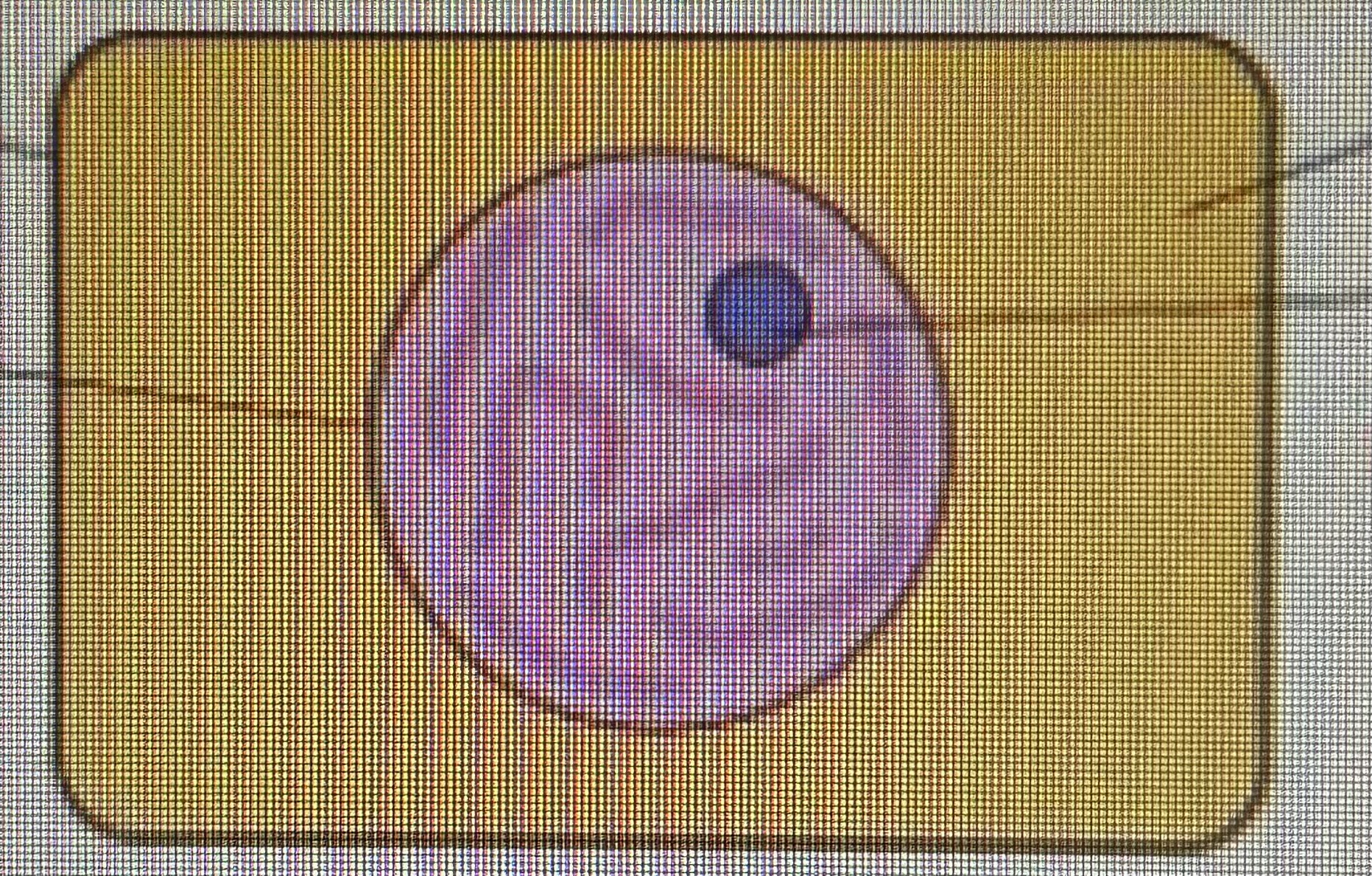
what is this
interphase
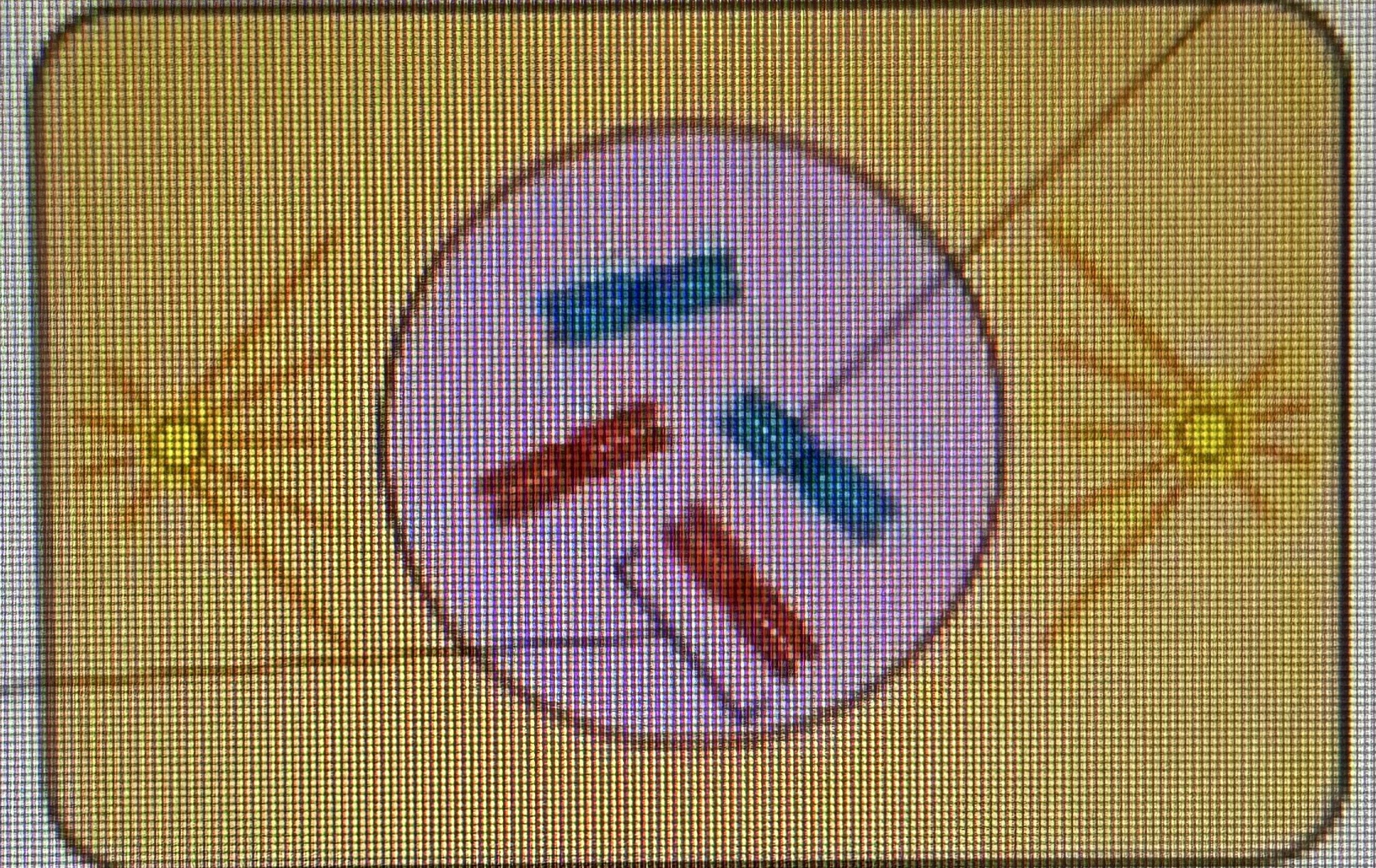
what is this
prophase
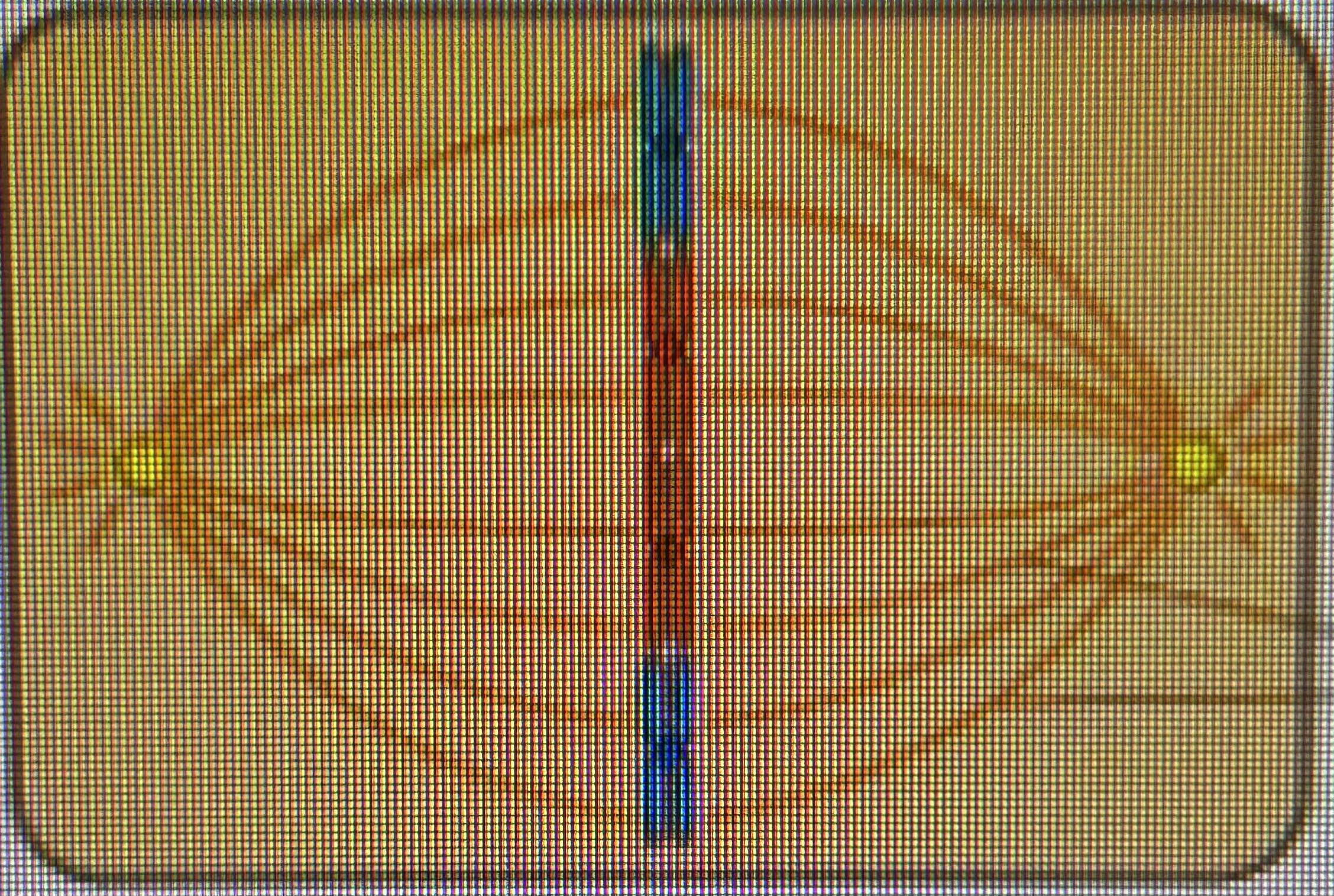
what is this
metaphase
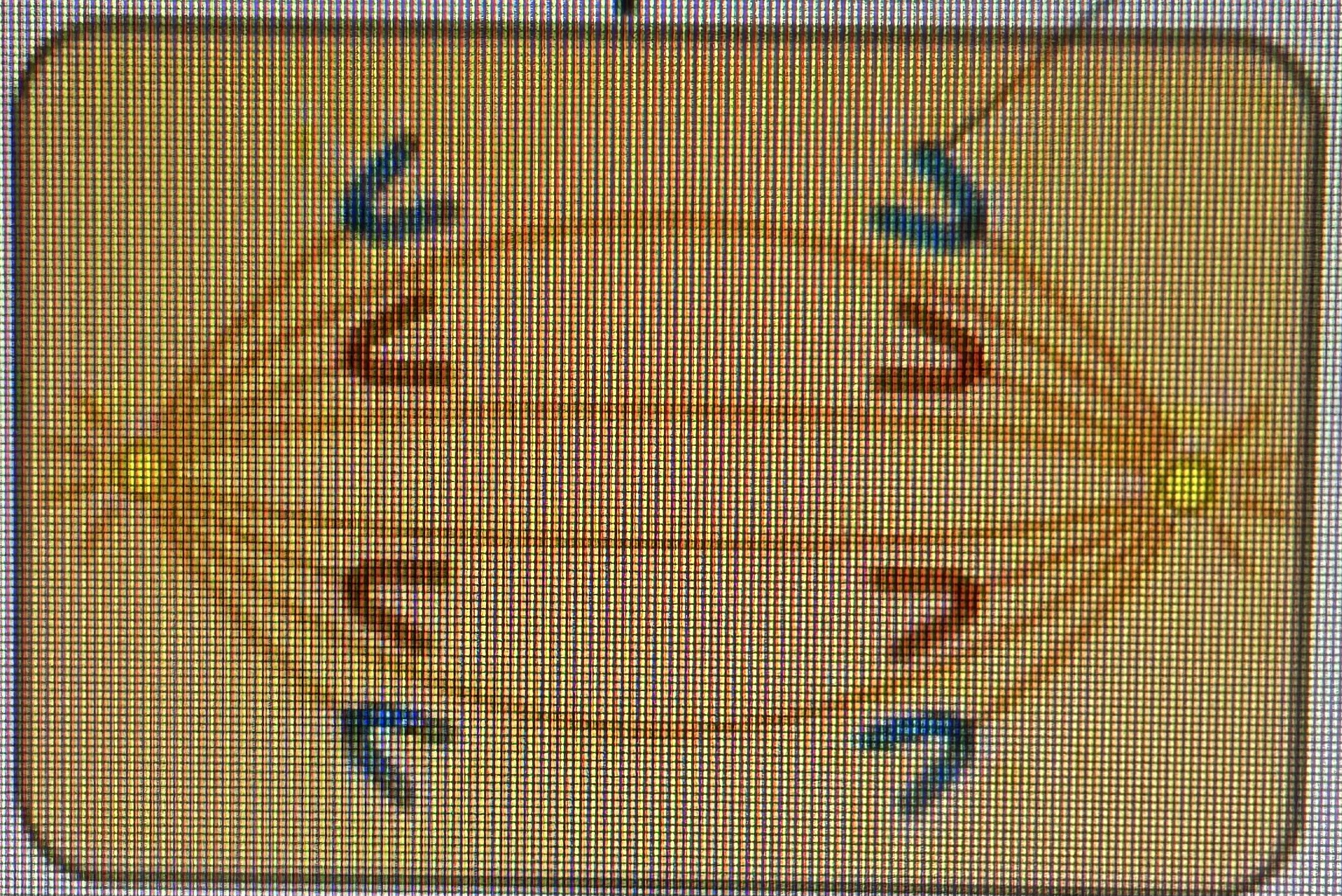
what is this
anaphase
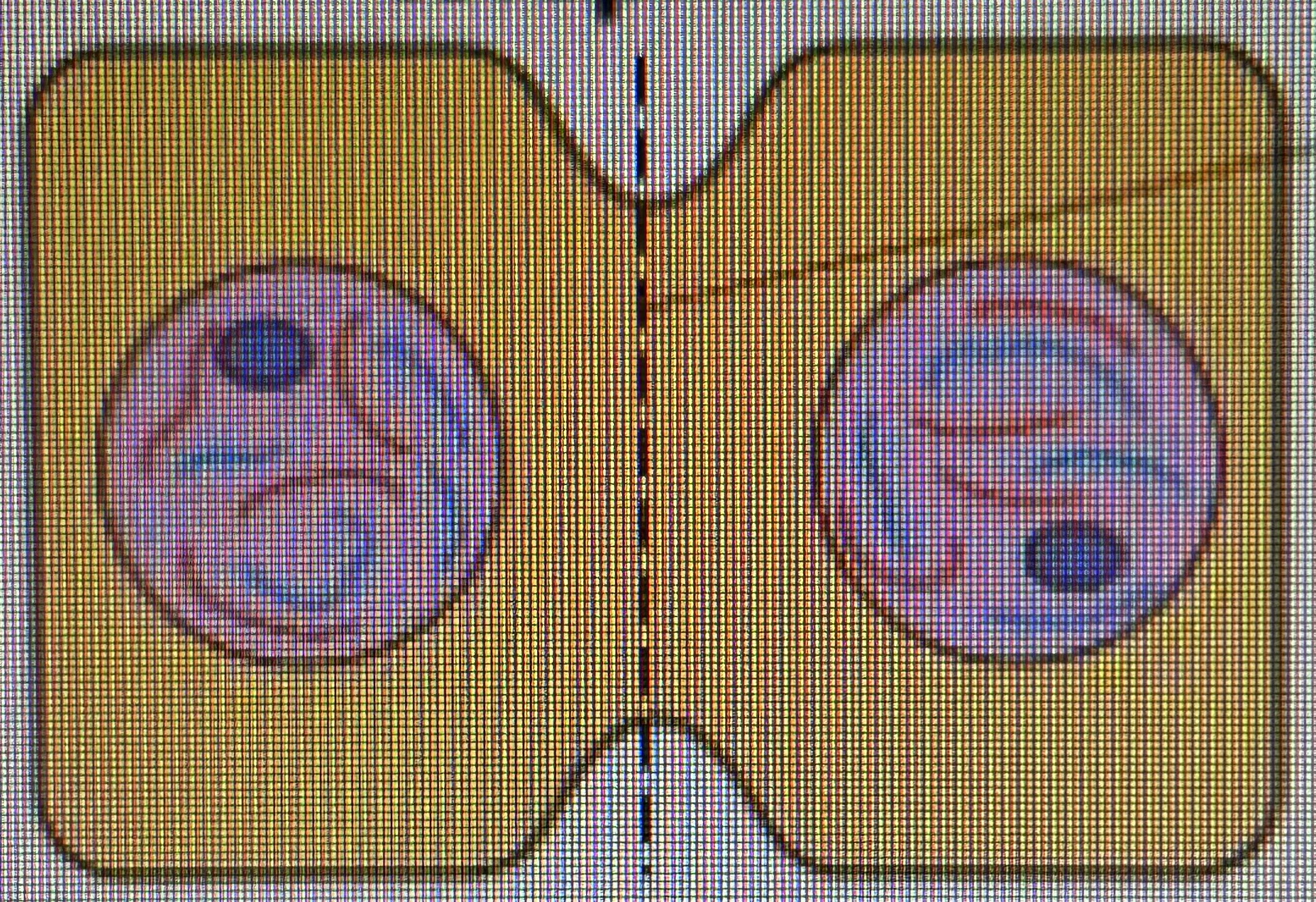
what is this
telophase

