digital imaging foundations #1
 Call Kai
 Learn
Learn Practice Test
 Spaced Repetition
 Match
Match Flashcards
 Knowt Play
1/92

There's no tags or description
Looks like no tags are added yet.
Name | Mastery | Learn | Test | Matching | Spaced | Call with Kai |
|---|
No analytics yet
Send a link to your students to track their progress
93 Terms
imaging in dentistry steps
1. determine if x-rays are necessary
2. postition the patient
3. place sensor in the patient's mouth
4. line up the x-ray machine
5. push button
6. generate x-radation
7. radiation goes through the patient
8. radiation hits the sensor
9. image generated
10. interpret the image
4 types of interactions
1. no interactions
2. photoelectric absorption
3. coherent scattering
4. compton scattering
what color is enamel in xray
white
what color is dentin in xray
light gray
what color is pulp in xray
dark gray
radioopaque
dense and resist the passage of x ray beams
Radiolucency
less dense region where radiation is passed through the tissue
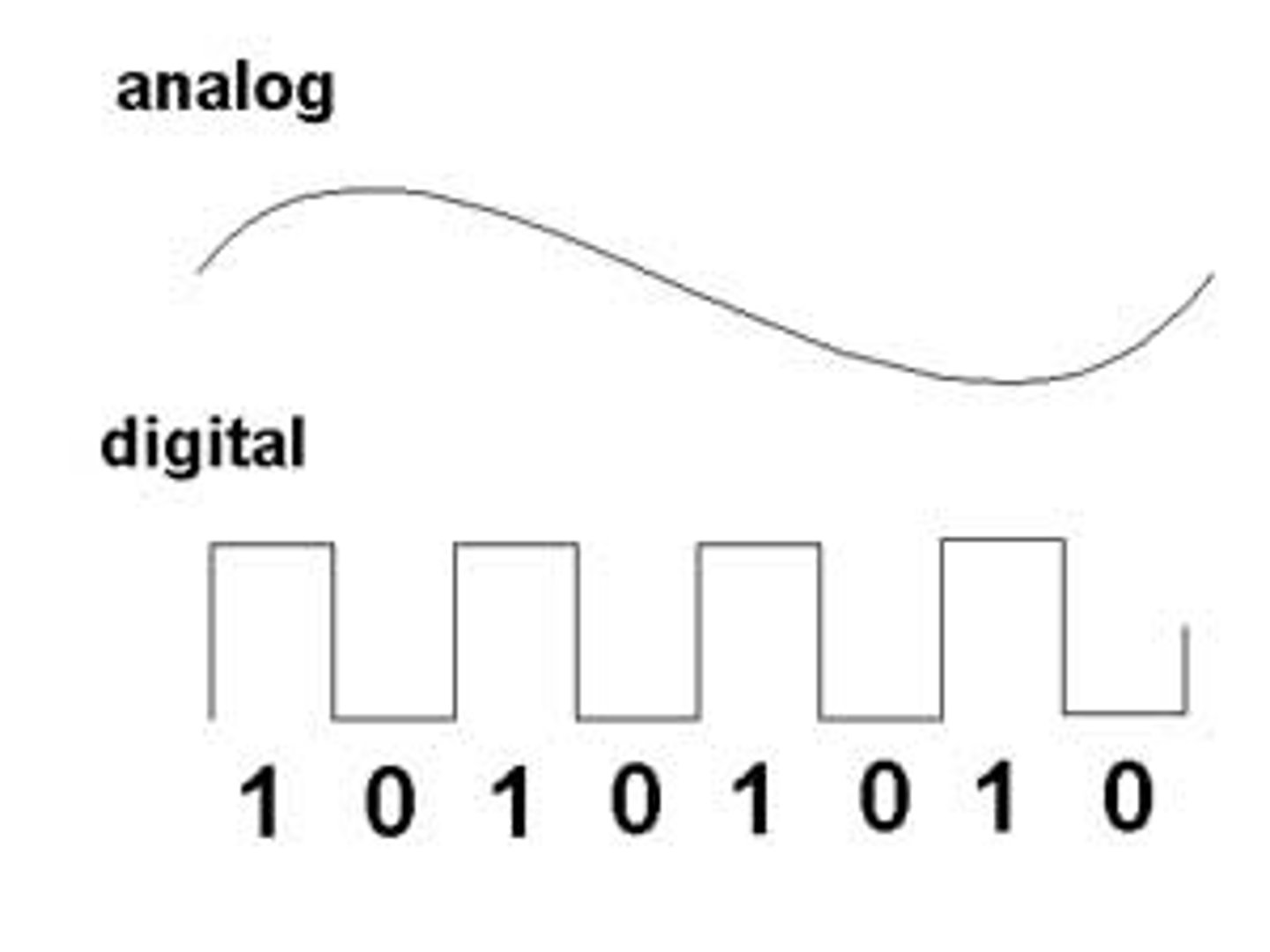
analog
data has an infinite set of possible values
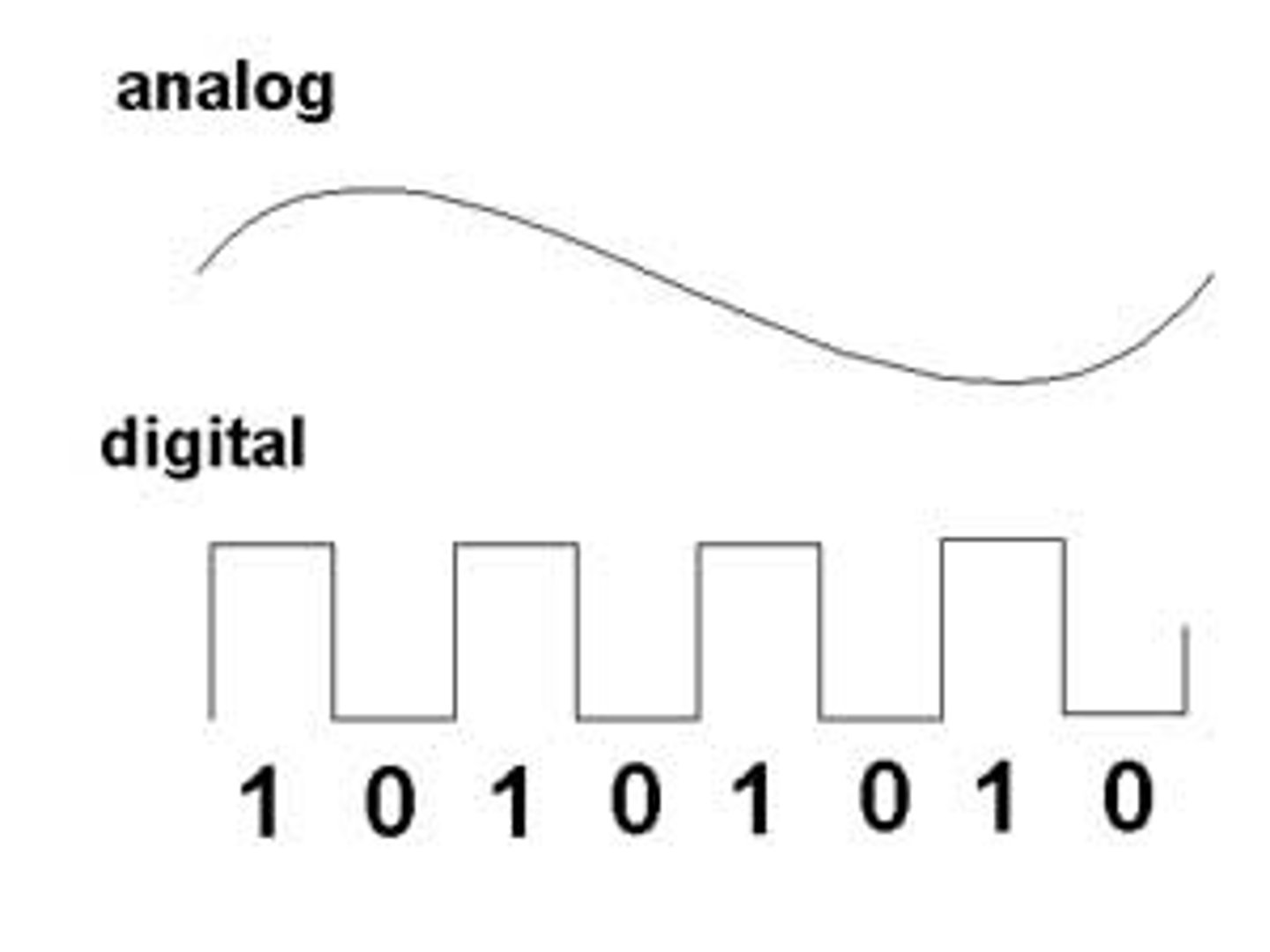
digital
data must have a defined set of possible values (expressed in discrete units)
types of analog radiology
film imaging
types of digital imaging
sensor and phosphor plates
phosphor plates
similar fashion to traditional x-ray film whereby the plate (housed in a special cassette) is positioned into in an x-ray film holder and placed in the patient's mouth ready for them to bite down on
who discovered xrays
Wilhelm Röntgen
cons of film xrays
cannot be exposed to light
what is used to process film xrays
chemical processing
layers of film
1. protective layer
2. emulsion
3. adhesive
4. base
5. adhesive
6. emulsion
7. protective layer
inner paper purpose
protect the film from light
lead foil backing purpose
on the back of film to protect patient (absorbed into the lead)
when processing, the film is ____ of package wrapping
pulled out
what is in the emulsion layer
silver crystals
silver crystals in emulsion layer are exposed to radiation or light, the crystals undergo what kind of change
photochemical change
developer solution changes the exposed crystals to
dark (metallic black)
fixer solution removes all the crystals
not exposed to light
in film imaging, resolution depends on ___ of crystals
size
smaller the crystals, the ___ radiation is needed
more
the smaller the crystals, the resolution is ____
increased
pixel (shorten word for)
picture element
each pixel can only have one what
color
pixel matrix
set of rows and columns
the larger the matrix, the ____ the pixel size
smaller
pixels are always going to be what shape
squares
why has digital imaging gotten better overtime
smaller pixels (bigger matrices)
larger matrix = able to _____ more images
enlarge
larger matrix = ____ file size
larger
shades of grey in xray are important for
differentiate structures with different densities
binary digits (BIT) = 0
no electric current
binary digits (BIT) = 1
presence of electric current
bit depth
number of bits used to represent the color or grayscale value of a single pixel
how to determine the number of available shades of gray
2^bit depth
when determining the whitest number, make sure to what
subtract 1 from the equation (you are including 0 in the numbers)
a number closer to 1 is
more white
a number closer to 0 is
more black
sampling
process of measuring the intensity of an analog signal at regular intervals in space
quantization
takes the measured intensity at each sample point and rounds it to the nearest available digital level
increased sampling = _____representation of analog signal
better
direct digital imaging
solid state sensor
indirect digital imaging
photostimulable phosphor technology
Sampling determines how many "dots" make up the picture like
sharpness
chat explanation:
Low Sampling: You use 10 giant tiles. The result is blocky; you can’t tell if that’s a sun or just a big yellow square.
High Sampling: You use 1,000 tiny tiles. Now you can see the curve of the sun and the wisps of the clouds.
Quantization determines how many ___ each dot can be
shades
chat explanation:
Low Quantization (Small Crayon Box): You only have a 4-pack of crayons (Red, Blue, Yellow, Black). The sunset looks harsh
High Quantization (Big Crayon Box): You have the 128-count box with every possible shade of orange and pink. The transition from sky to sun looks perfectly smooth.
solid sensors characteritics
1. silicon crystal chips
2. rigid
3. thick
4. connected directly to your computer
5. active area
active area
region of the sensor that is capable of capturing an image
what size sensor has a larger active area
size 2
the active area is ____ than overall size of the sensor
smaller
how are xray sensors similar to cameras sensors
using light to make images
layers of solid sensor
1. scintilator
2. optical fiber
3. sensor
4. electronic circuits
CCD stands for
charge-coupled device
CMOS stands for
complementary metal oxide semiconductor
both CCD and CMOS image sensors covert light into
electrons
the sensor then reads the ____ of each pixel in the image
accumulated charge (value)
new technologies are now able to use
direct conversion silicon
direct conversion silicon bypass the need for a
scintillator layer (convert directly into electronic signal)
cons of CCDs
1. more expensive
2. uses more power
pro of CCDs
less digital noise
pros of CMOS
1. less expensive
2. uses less power
cons of CMOS
more noise
direct acquisition methods
1. USB
2. WIFI
3. Bluetooth
4. wireless
indirect acquisition method
photostimulable phosphor (PSP) technology
steps of photostimulable phosphor technology
1. absorption and storage of the energy of xrays
2. plate reading
PSP characteristics
1. flexible (pro)
2. thickness (thin) (pro)
3. different sizes (pro)
4. active area is the same as plate size (pro)
5. relatively fragile (con)
Is PSP reusable or disposable?
reusable
how to clear the PSP plate
active face exposed to bright light
big con of PSP
infection control
contrast resolution (aka bit depth)
ability to distinguish different densities

human visual ability
50-150 different shades of grey (in an ideal situation)
spatial resolution
ability to accurately distinguish details
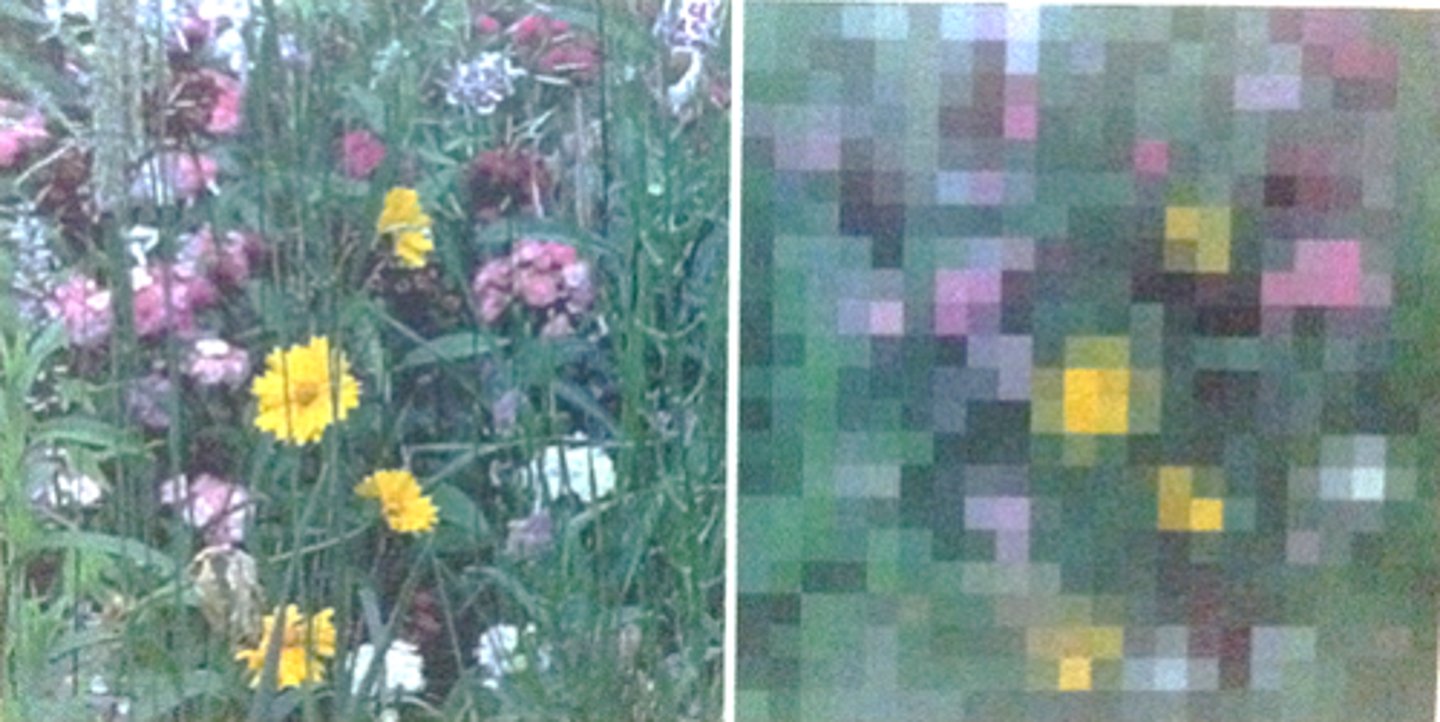
the smaller the pixel size, the ____ the spatial resolution of the image
better
PPI
pixels per inch
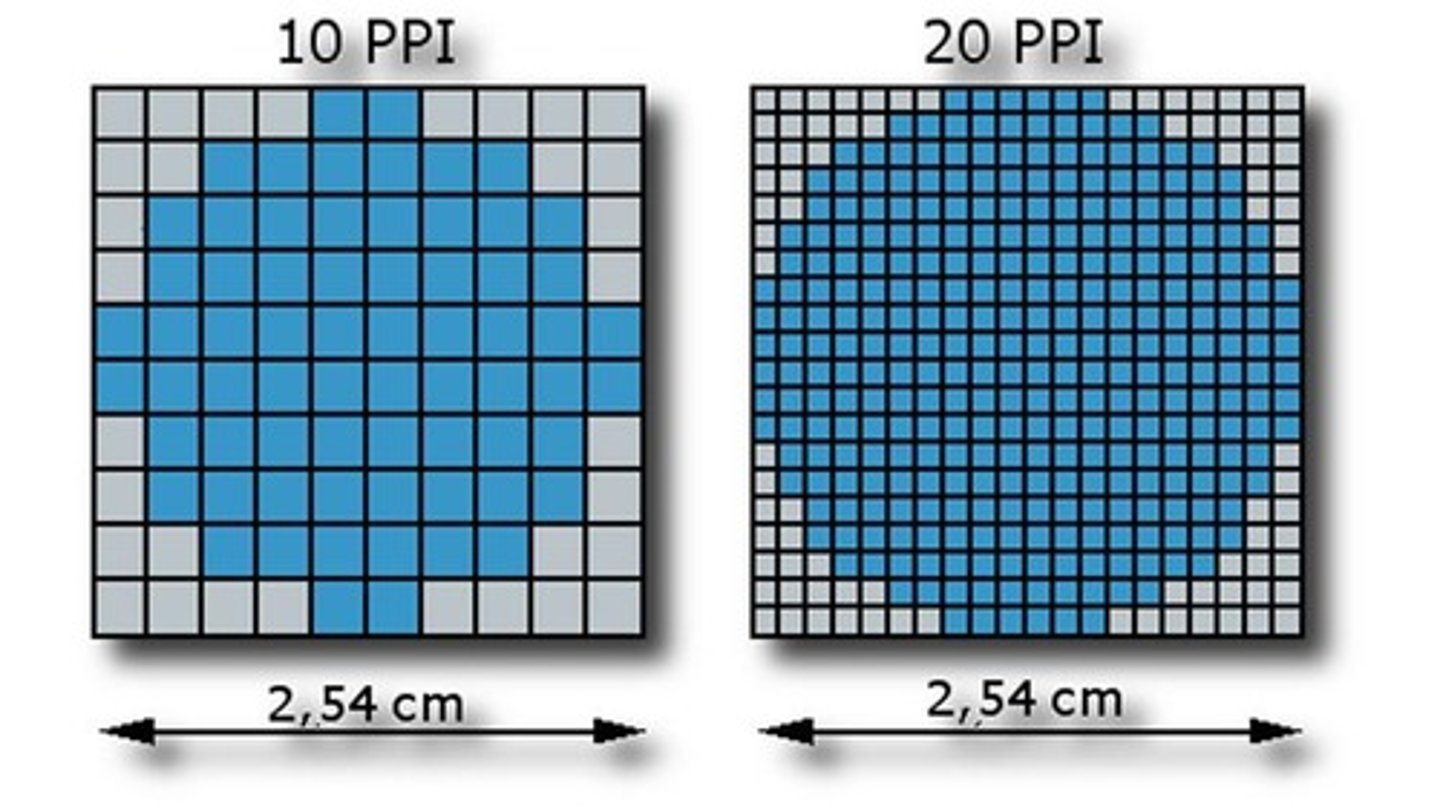
line pairs/mm (lp/mm)
1. how many distinguishable line pairs fit within a millimeter (black, white)
2. more lines= sharper image
3. less lines = blurry
what is considered a line pair
one white and one black line
dynamic scale
describes the spectrum of X-ray intensities a detector can accurately capture in a single exposure
(PSP > CCD = CMOS > conventional film)
what type of sensor has the best dynamic scale
PSP (can be used to get an accurate image at many exposures)
sensitivity
ability to absorb the radiation
increased sensitivity ___ dose of radiation
lower
what type of sensor has the best sensitivity
CCD and CMOS
resources are
tools designed to faciliate the diganotic process
What resources can you adjust to help see the image more clearly?
1. brightness
2. contrast
3. magnification
4. filters
5. positive-negative inversion
6. colorize
recommendation 11 states that
radiographic examinations shall be performed when patient history and physical examination, prior images, or laboratory finding indicate a reasonable expectation of health benefit to the patient
recommendation 12 states that
for each new or referred patient, the denist shall make a good faith attempt to obtain previous, pertinent images prior to acquiring new patient images
what does DICOM stand for
digital imaging and communications in medicine
what are the types of image printing
1. thermal printing
2. regular color printer (photographic paper)
what is a legal aspects of xrays that needs to be consistered
making sure the image is not edited in any way
advantages of digital radiography
1. lower radiation dose
2. easier image acquisition
3. eliminates chemical processing
4. possibility of using resources
5. easier coping and sharing
6. easier to store
disadvantages of digital radiography
1. Initial cost is higher
2. rapid evolution of digital technologies (could lead to obsolete system faster)

