National 5 Physics - Electricity
 Call Kai
 Learn
Learn Practice Test
 Spaced Repetition
 Match
Match Flashcards
 Knowt Play
1/35

There's no tags or description
Looks like no tags are added yet.
Name | Mastery | Learn | Test | Matching | Spaced | Call with Kai |
|---|
No analytics yet
Send a link to your students to track their progress
36 Terms
(Electric) Current
the electric charge transferred per unit of time.
I = Q/t
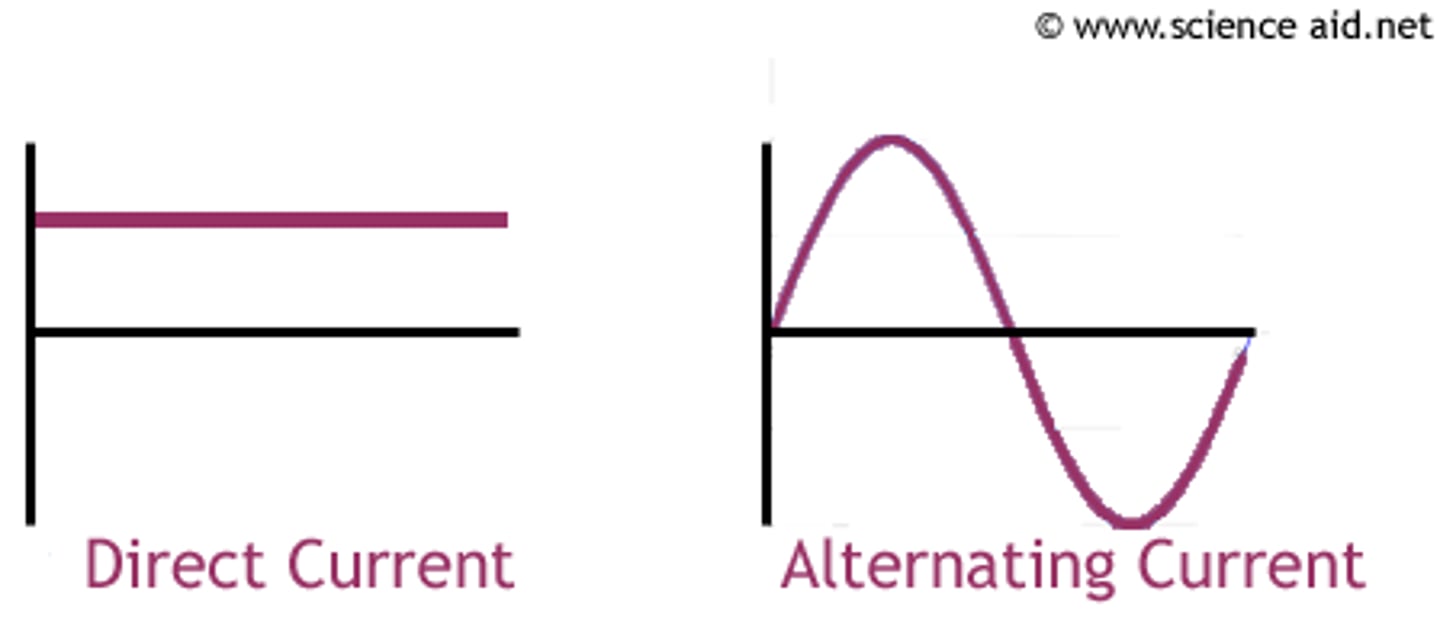
Alternating current
a current in which the direction of the flow of charge continuously changes
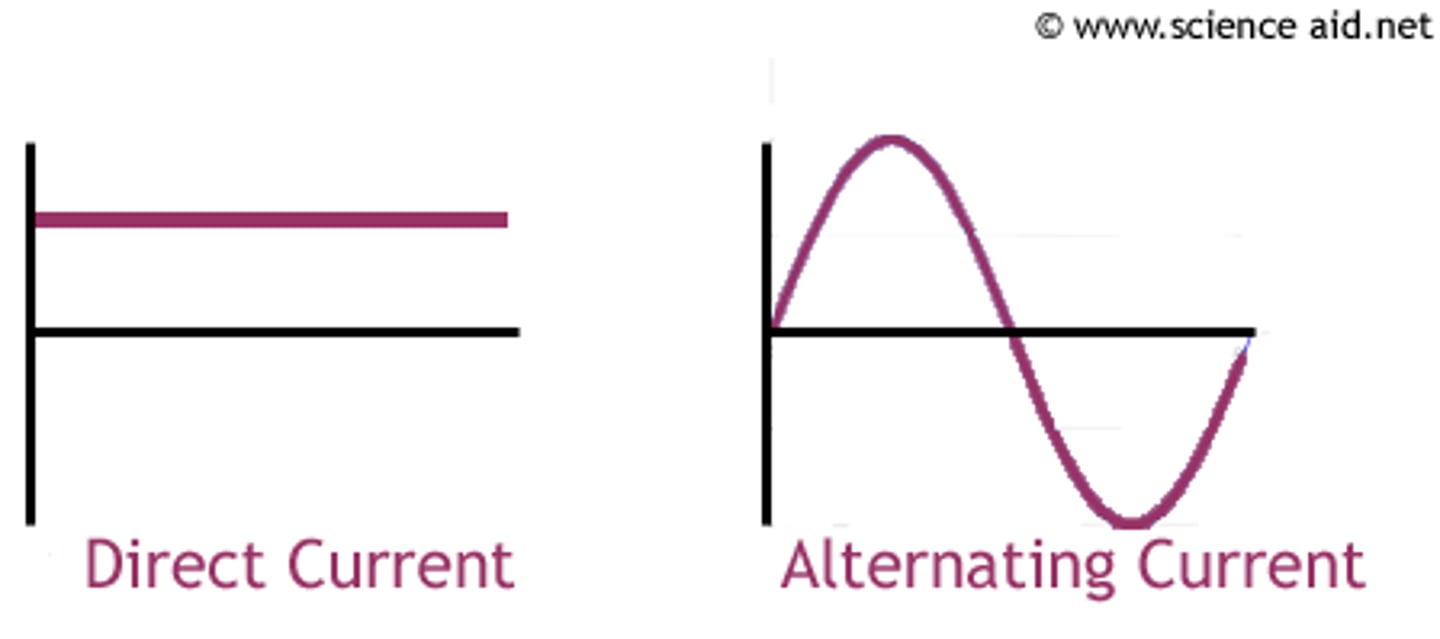
Direct current
a current in which the direction of the flow of charge does not change
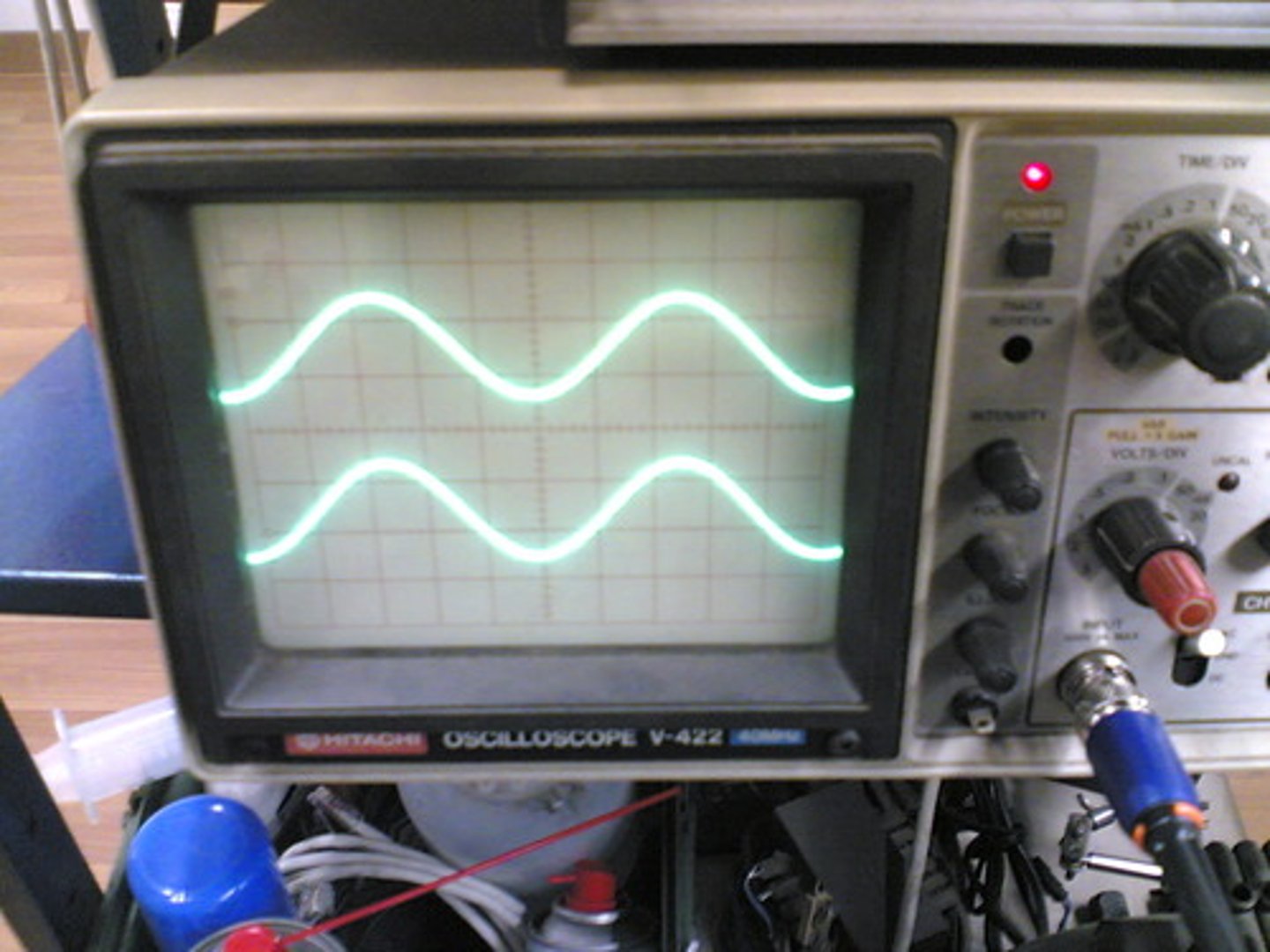
Oscilloscope
a device which allows the observation of varying voltage signals over time, typically used to study alternating currents and waves.
Electric field
region of space around a charged object in which another charge will experience a force.
Point charge
a charge which occupies a single point in space with zero volume.
Uniform field
an electric field which does not change strength or direction
Potential difference (voltage)
the energy per unit of charge
Ohm's Law
the voltage across a component is directly proportional to the current through it.

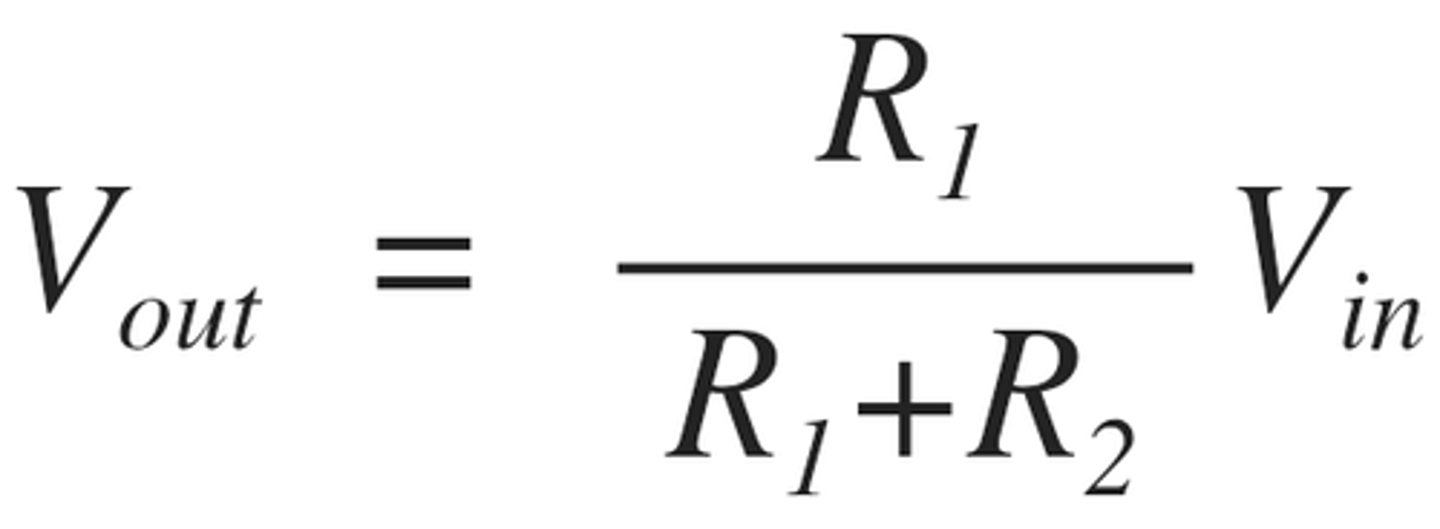
Potential divider
a circuit consisting of two resistors in series which split the potential difference between them in proportion to their resistance.
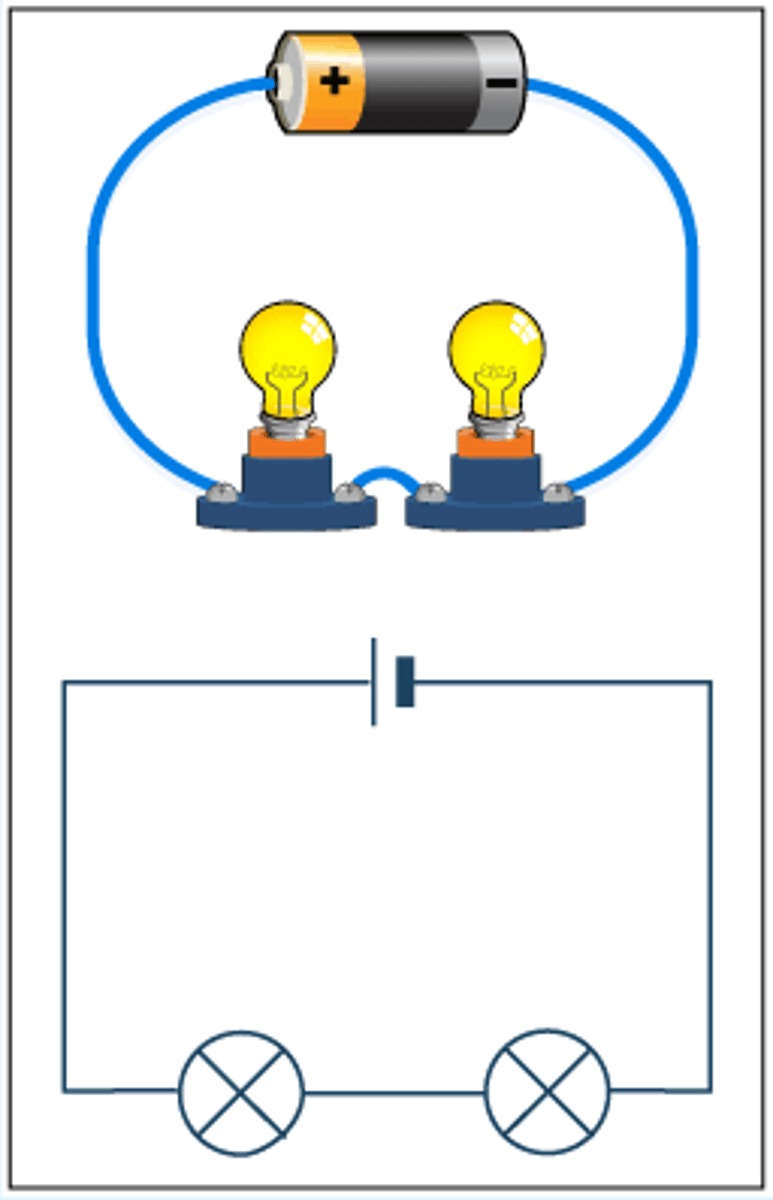
Series circuit
a circuit with only one path the current can follow around it.
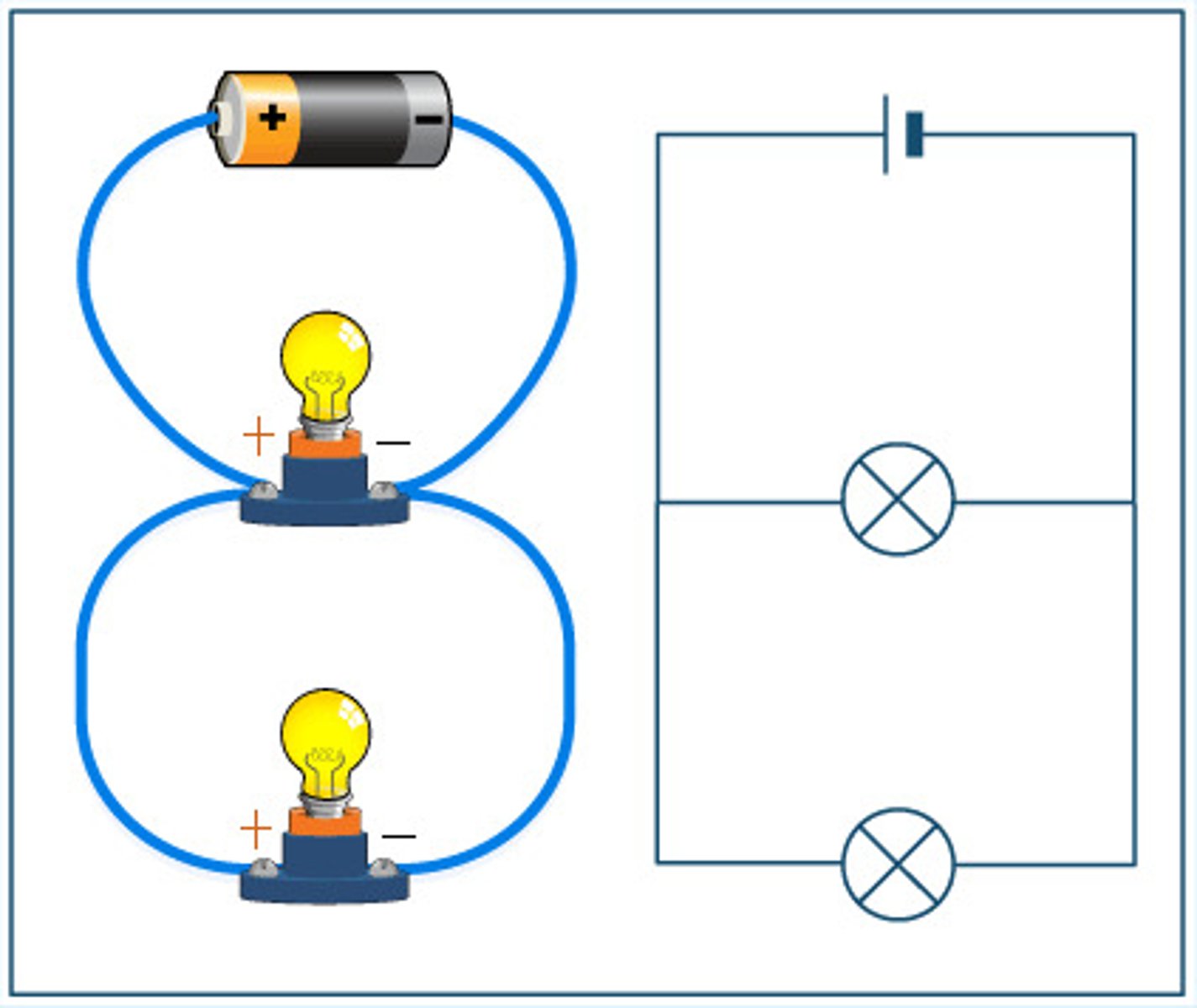
Parallel circuit
a circuit with more than one path the current can follow around it.
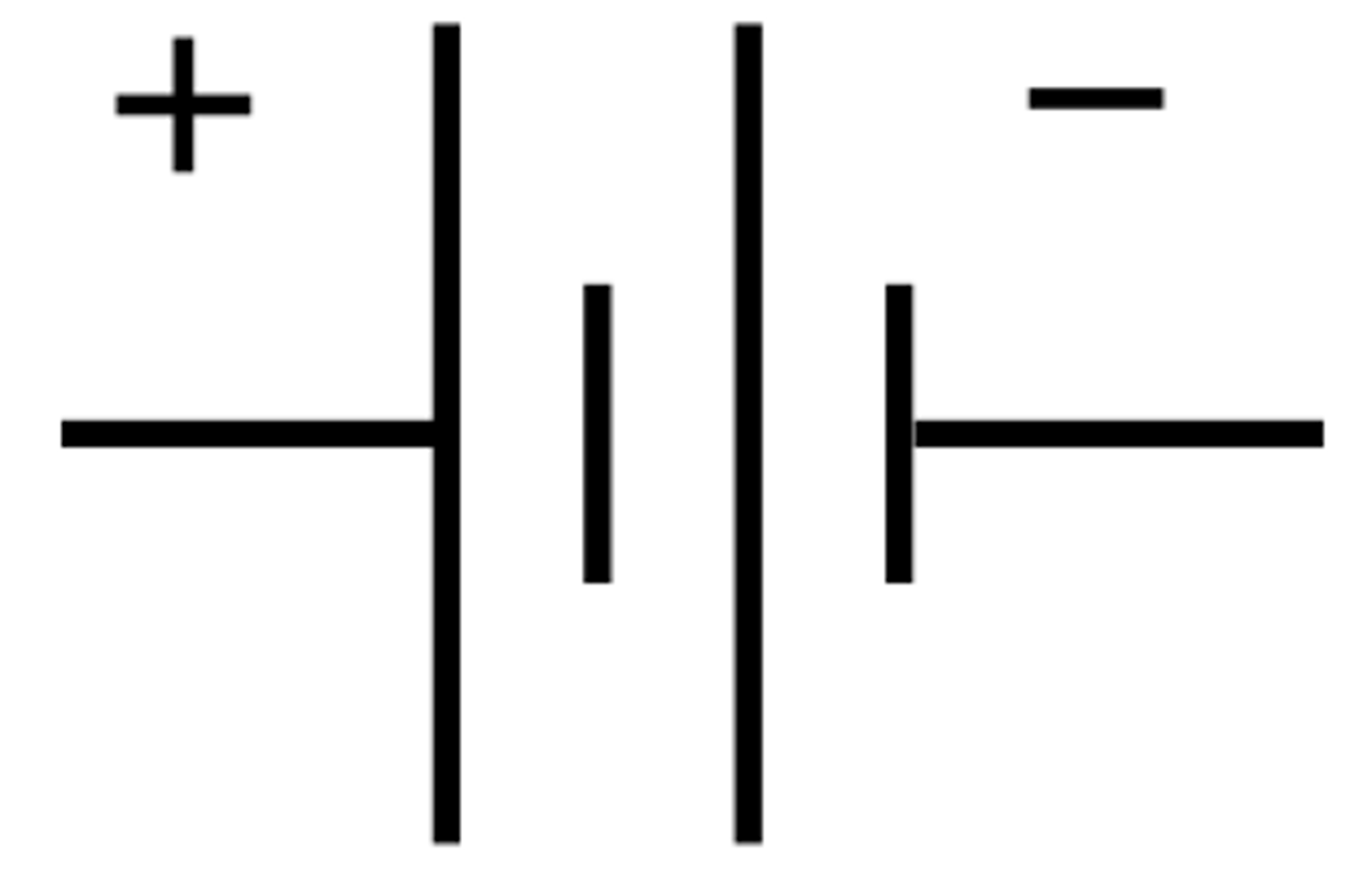
Cell
converts chemical energy to electrical energy
Battery
converts chemical energy to electrical energy, made of more than one cell joined together
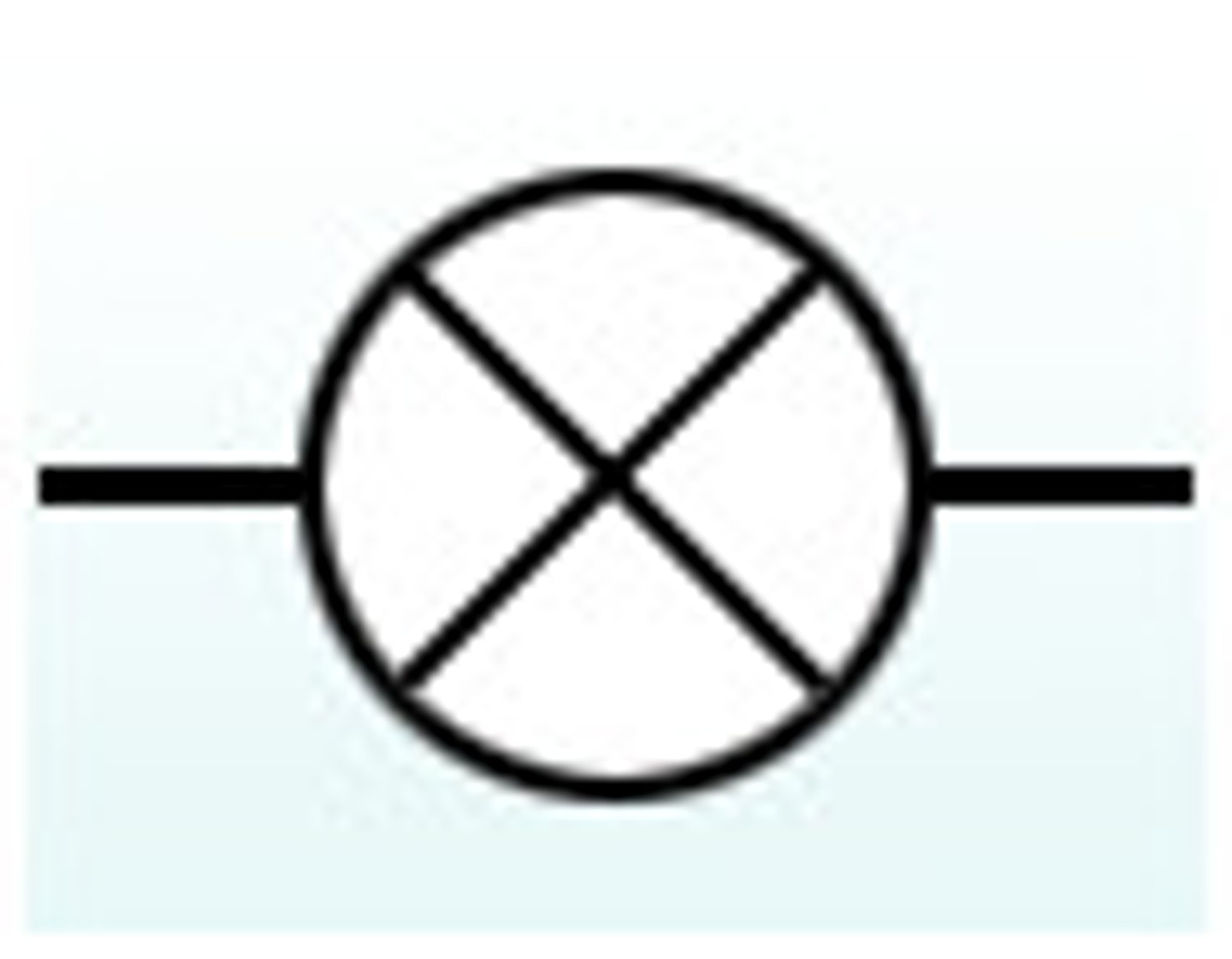
Lamp
converts electrical energy to light (and heat)
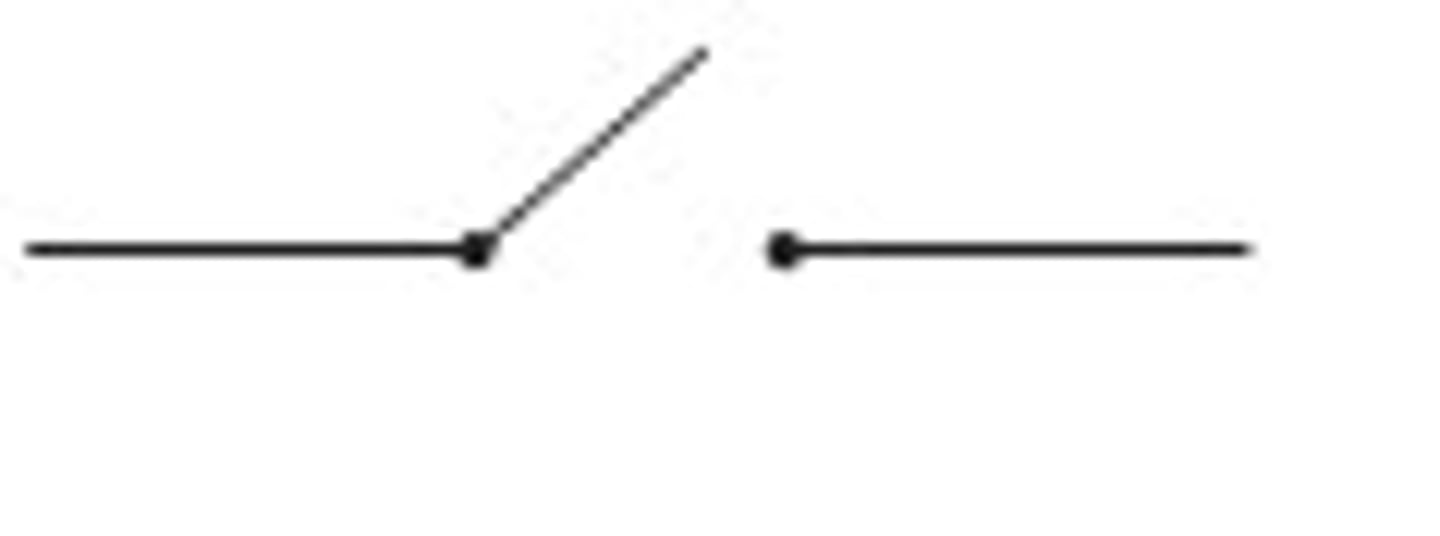
Switch
used to turn a circuit on or off
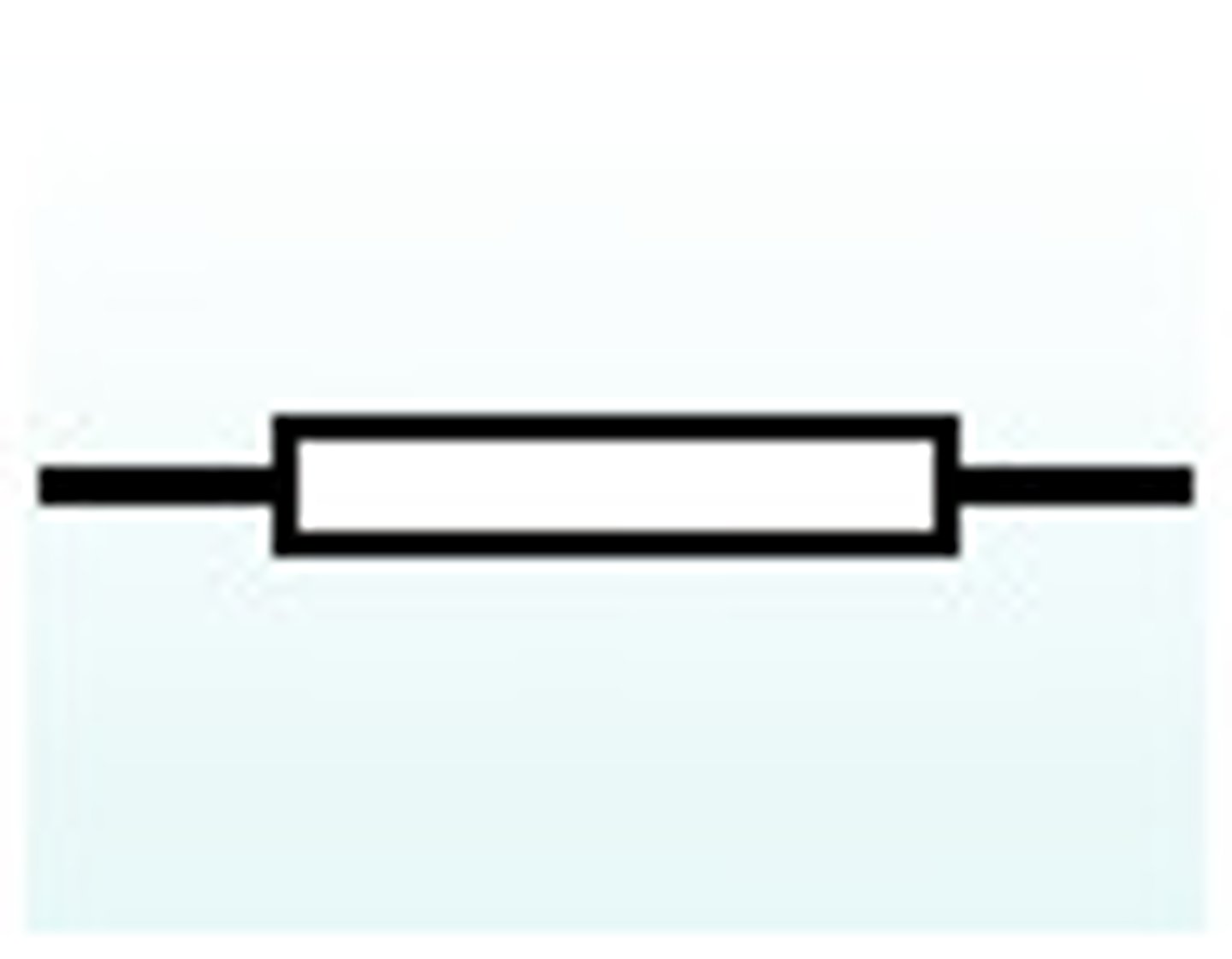
Resistor
used to control the size of current and voltage for other component, converts electrical energy into heat
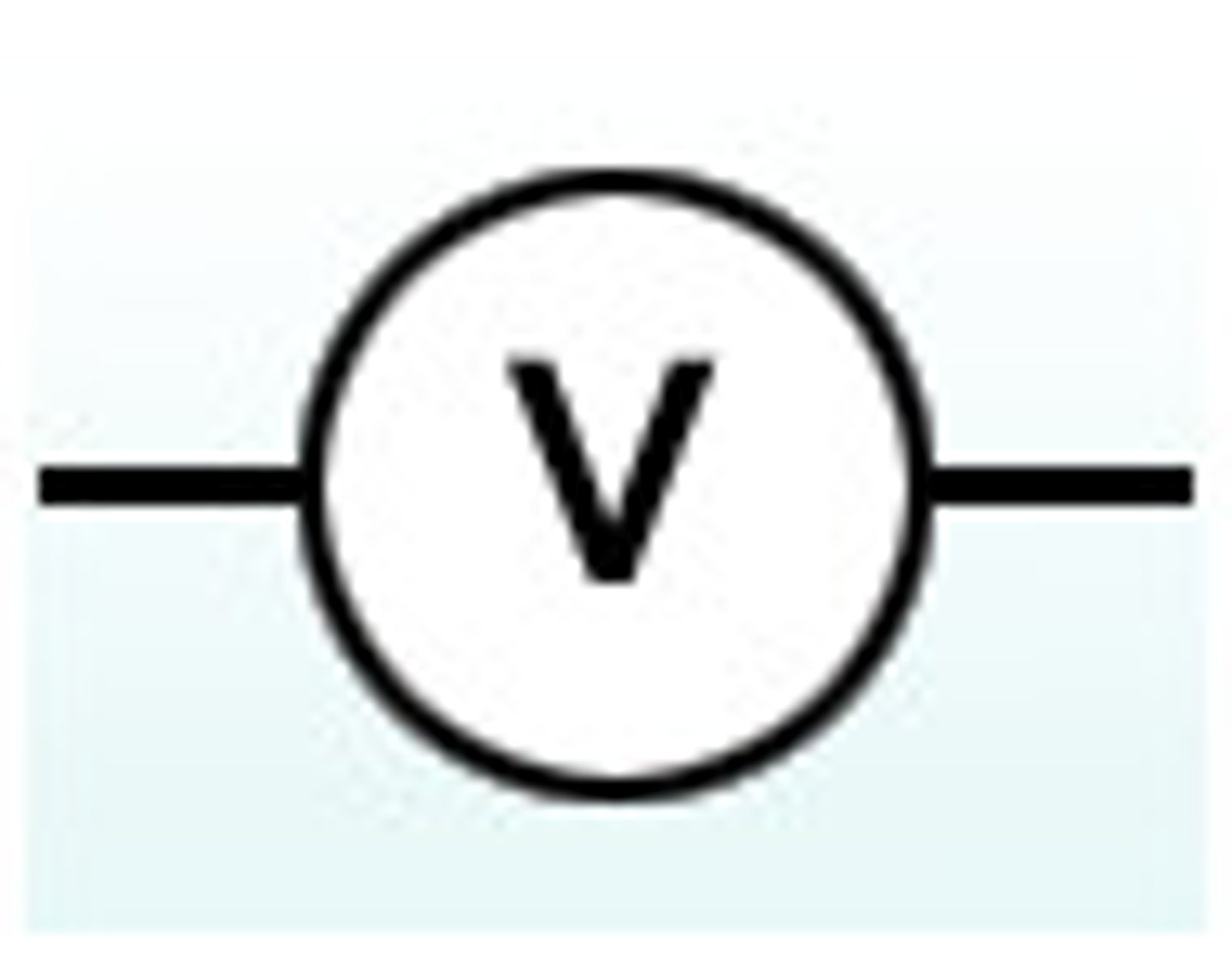
Voltmeter
used to measure the potential difference across a component, needs to be connected in parallel
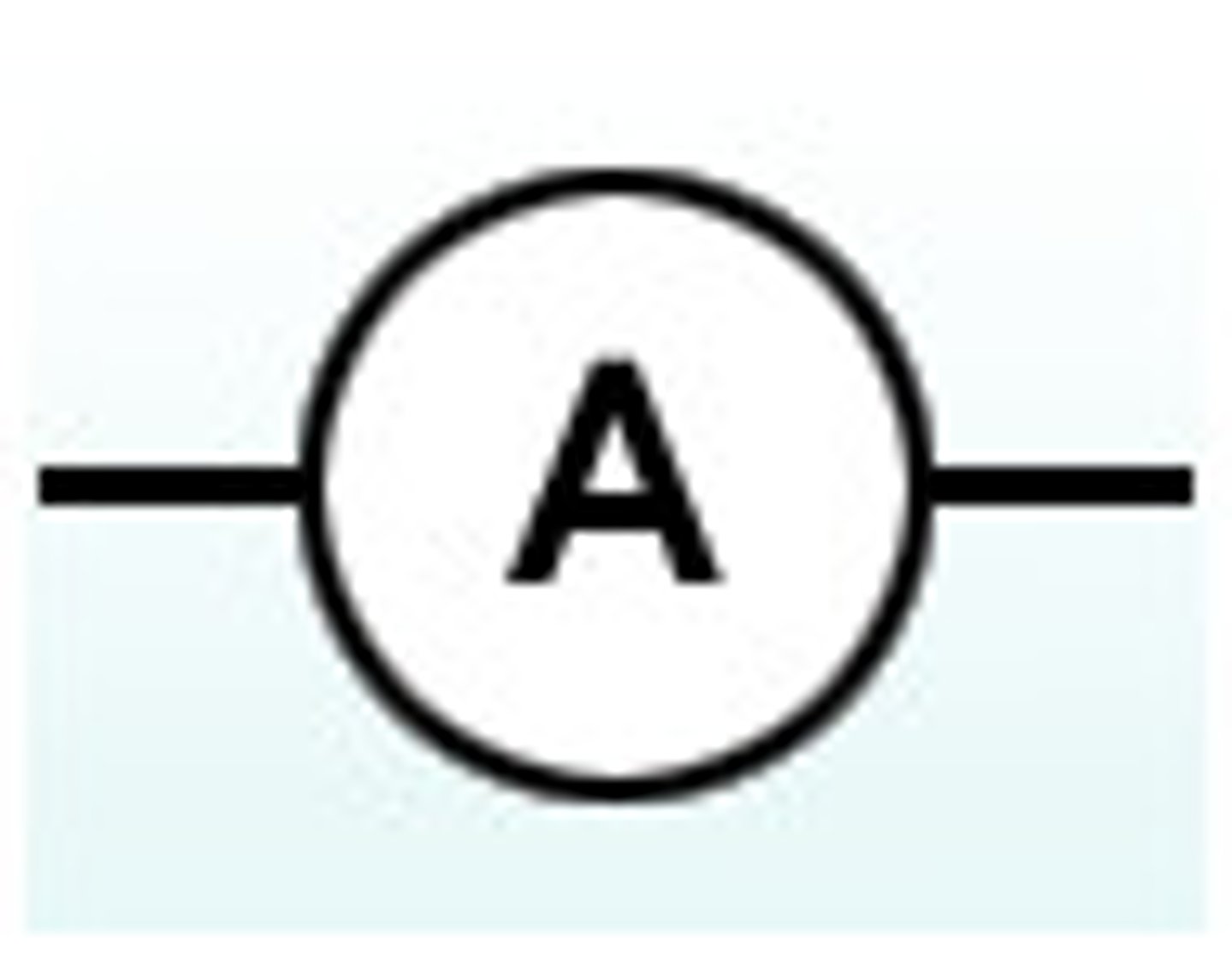
Ammeter
used to measure the current through a component, needs to be connected in series
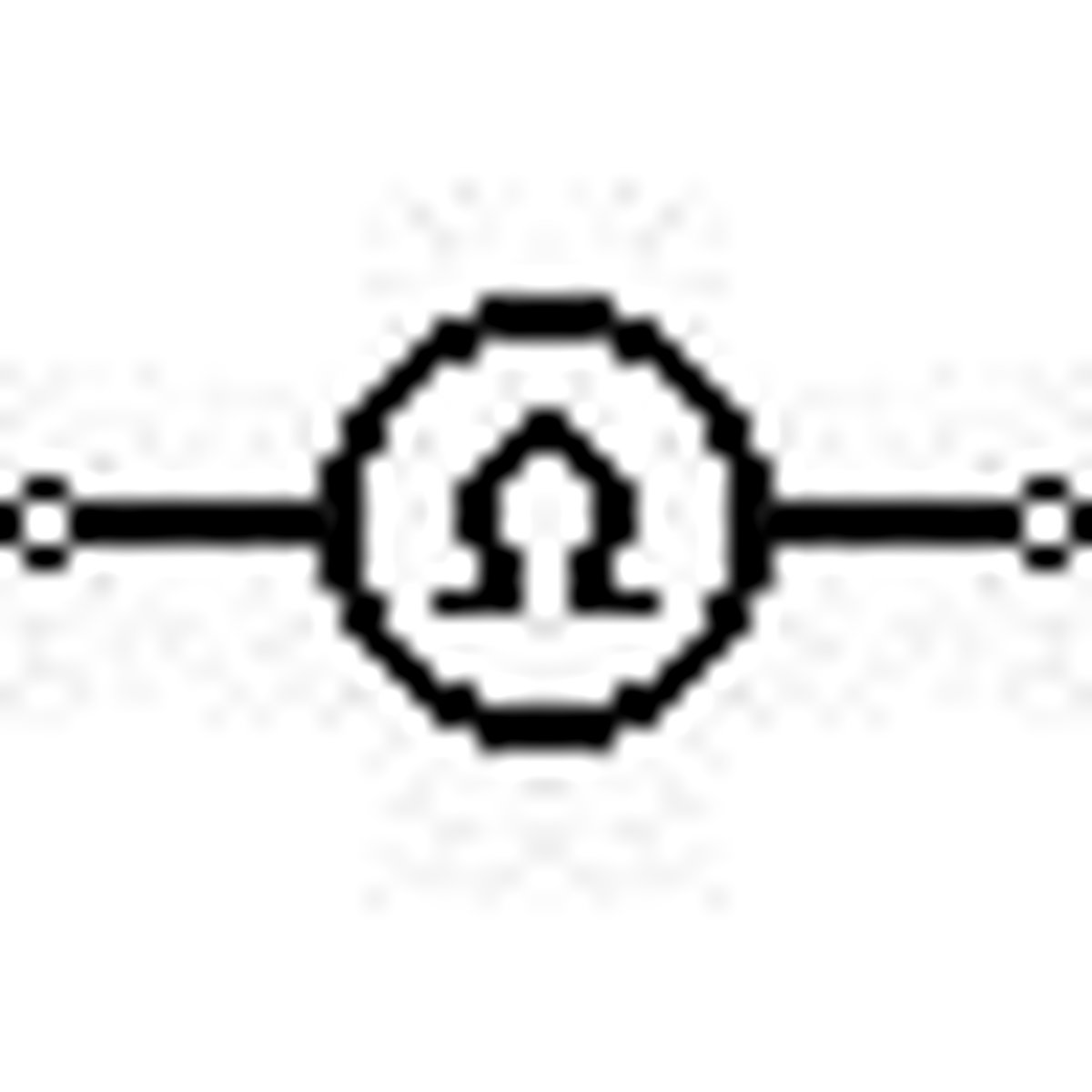
Ohmmeter
used the measure the resistance of a component, needs to be used without a power supply
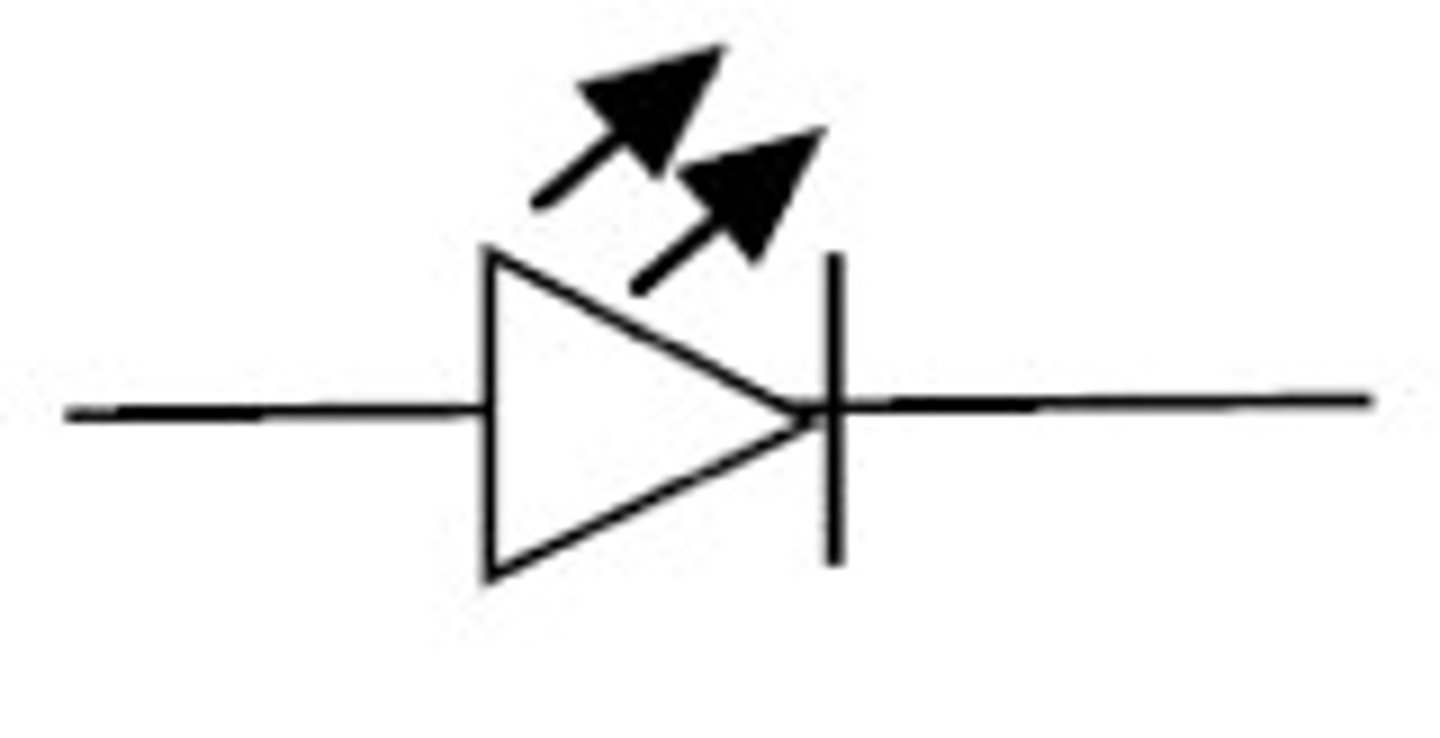
LED
semiconductor device that converts electrical energy to light, much more efficient than a lamp
Motor
converts electrical energy to kinetic (and heat), spins

Microphone
converts sound energy into electrical energy
Loudspeaker
converts electrical energy into sound energy (and heat)
Photovoltaic cell
converts light energy into electrical energy
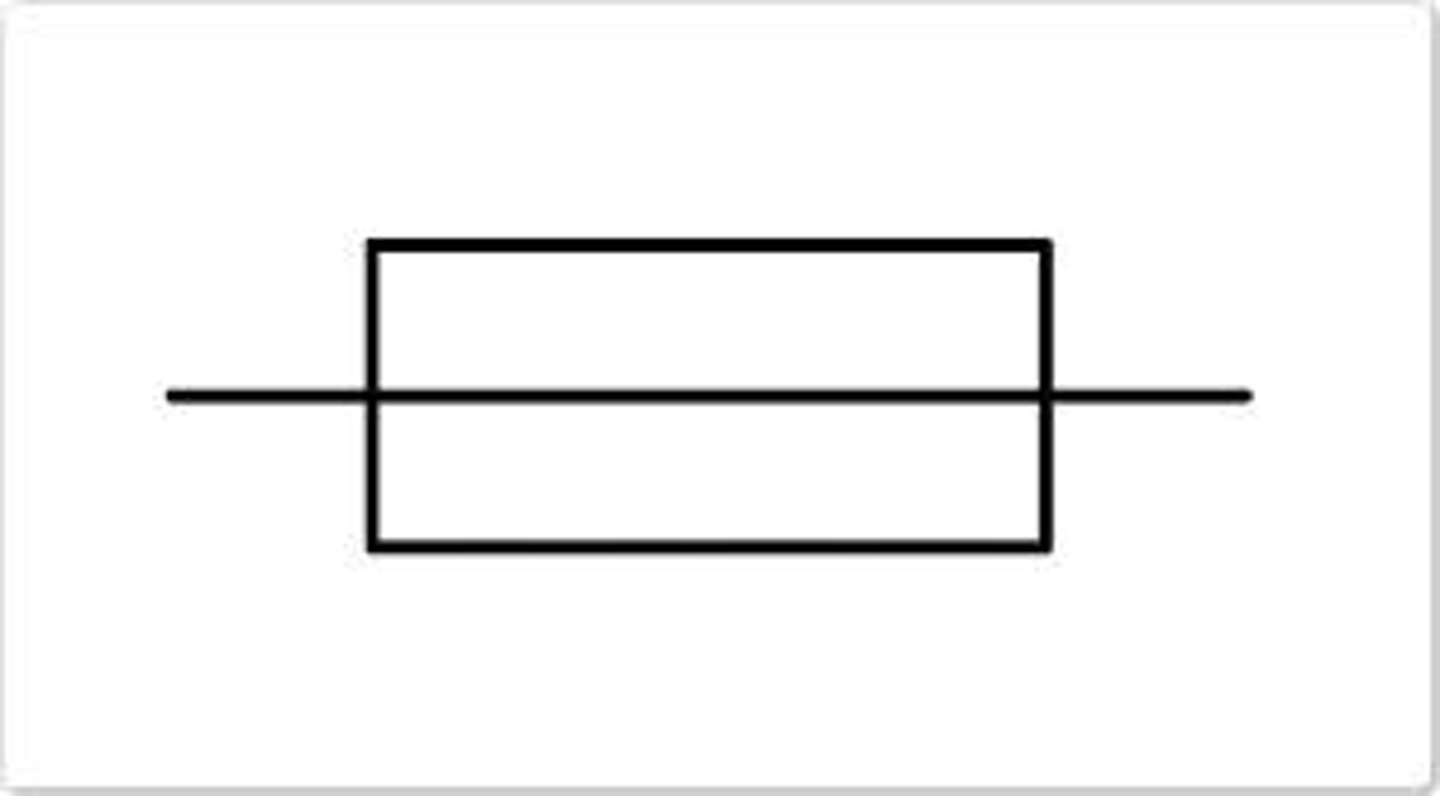
Fuse
safety device that breaks the circuit if the current through it gets too high
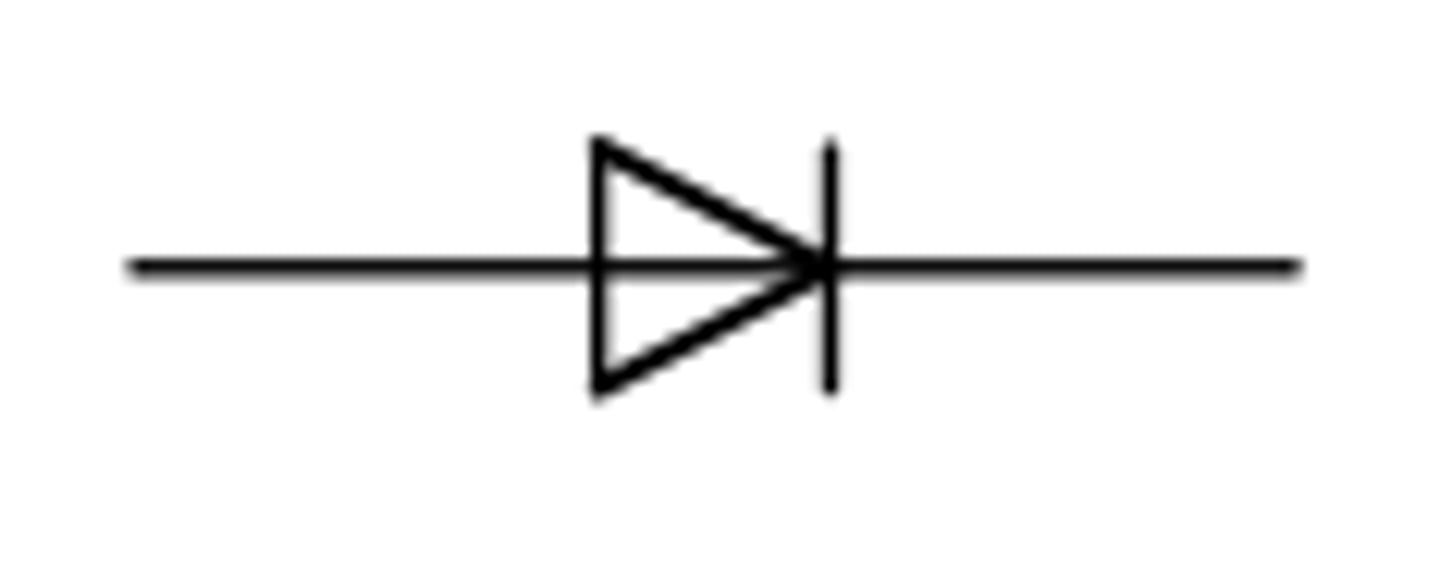
Diode
device that allows current to flow through it in one direction only.
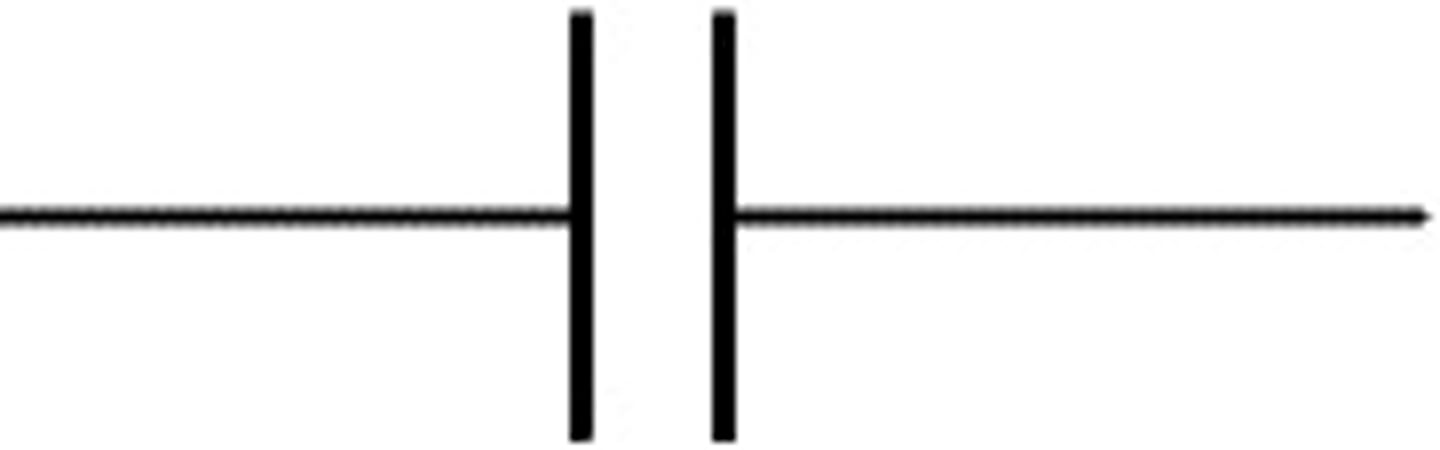
Capacitor
device that stores electrical charge and energy
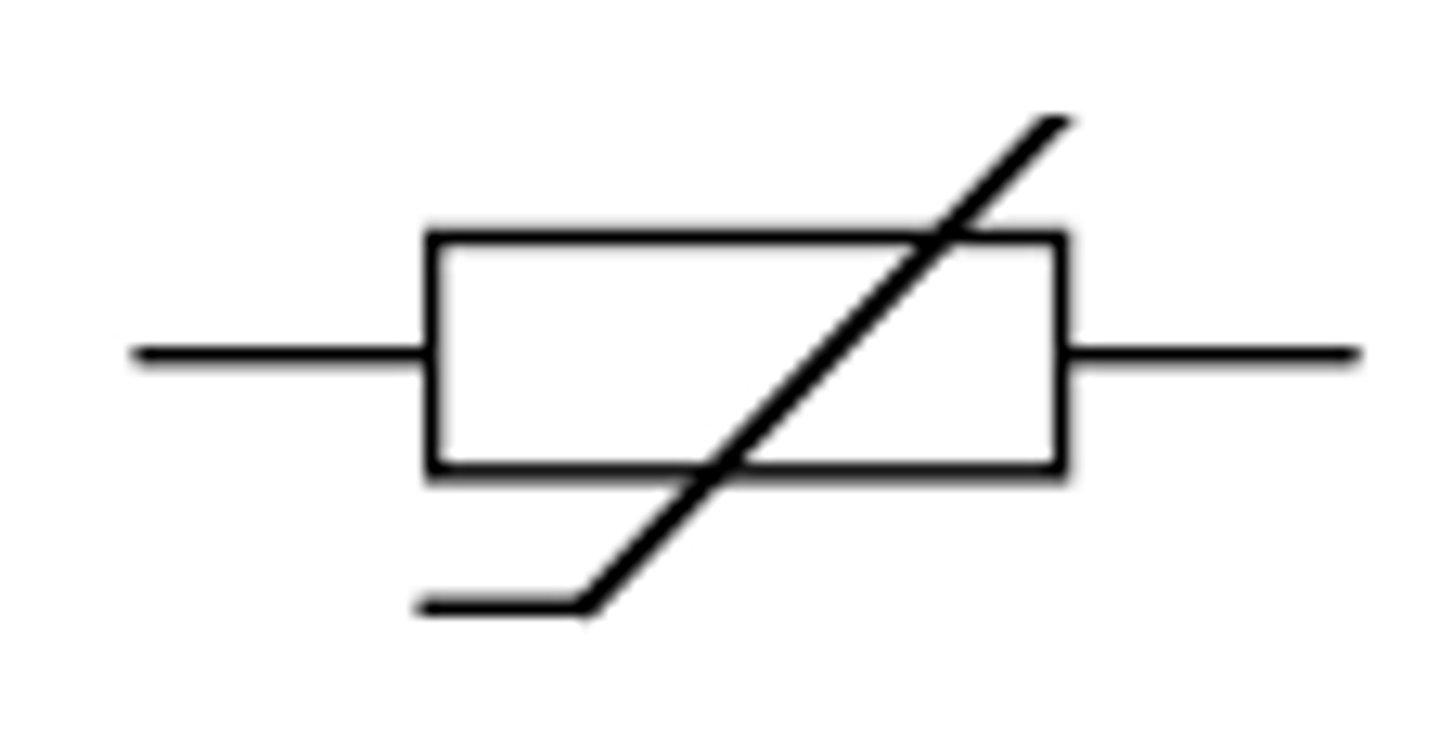
Thermistor
a variable resistor whose resistance increases when the temperature decreases
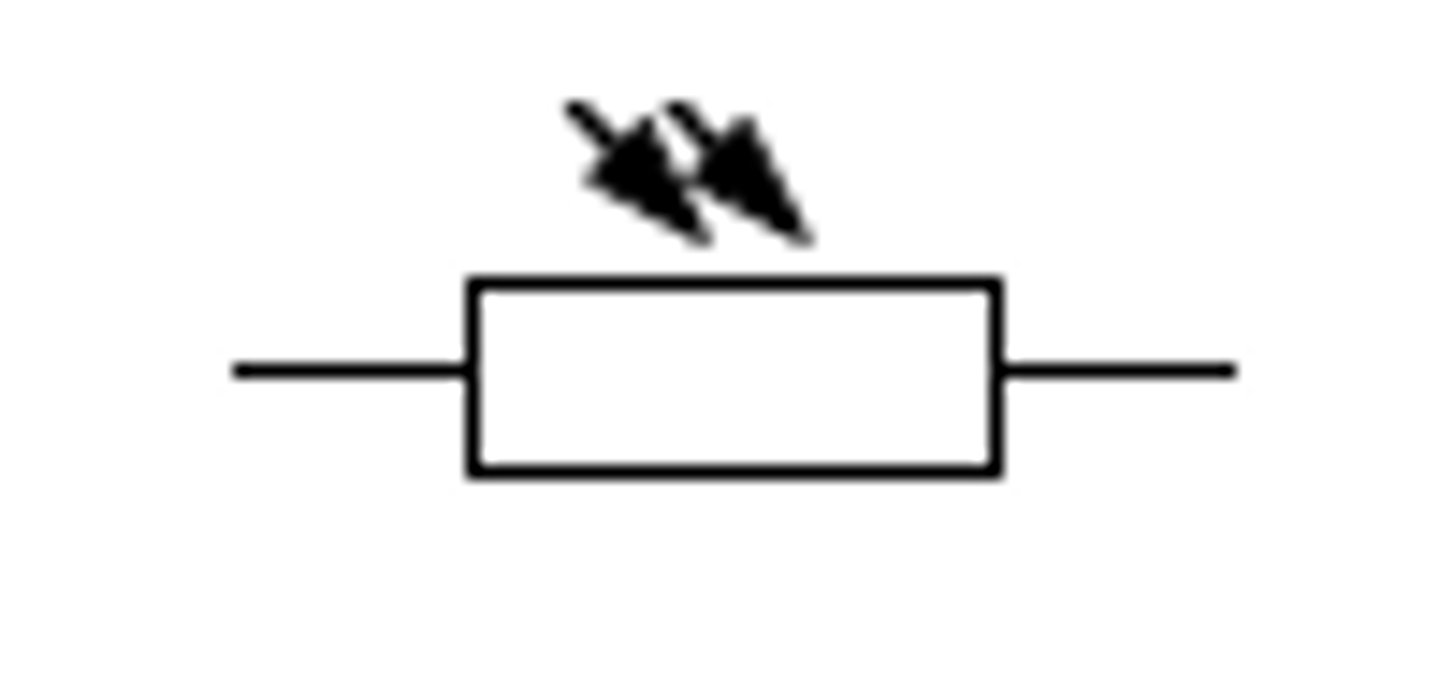
LDR
light dependent resistor, a variable resistor whose resistance increases when the light level decreases
Relay
an automatic electromagnetic switch, used to safely switch on a high voltage/high current circuit using a low voltage and current
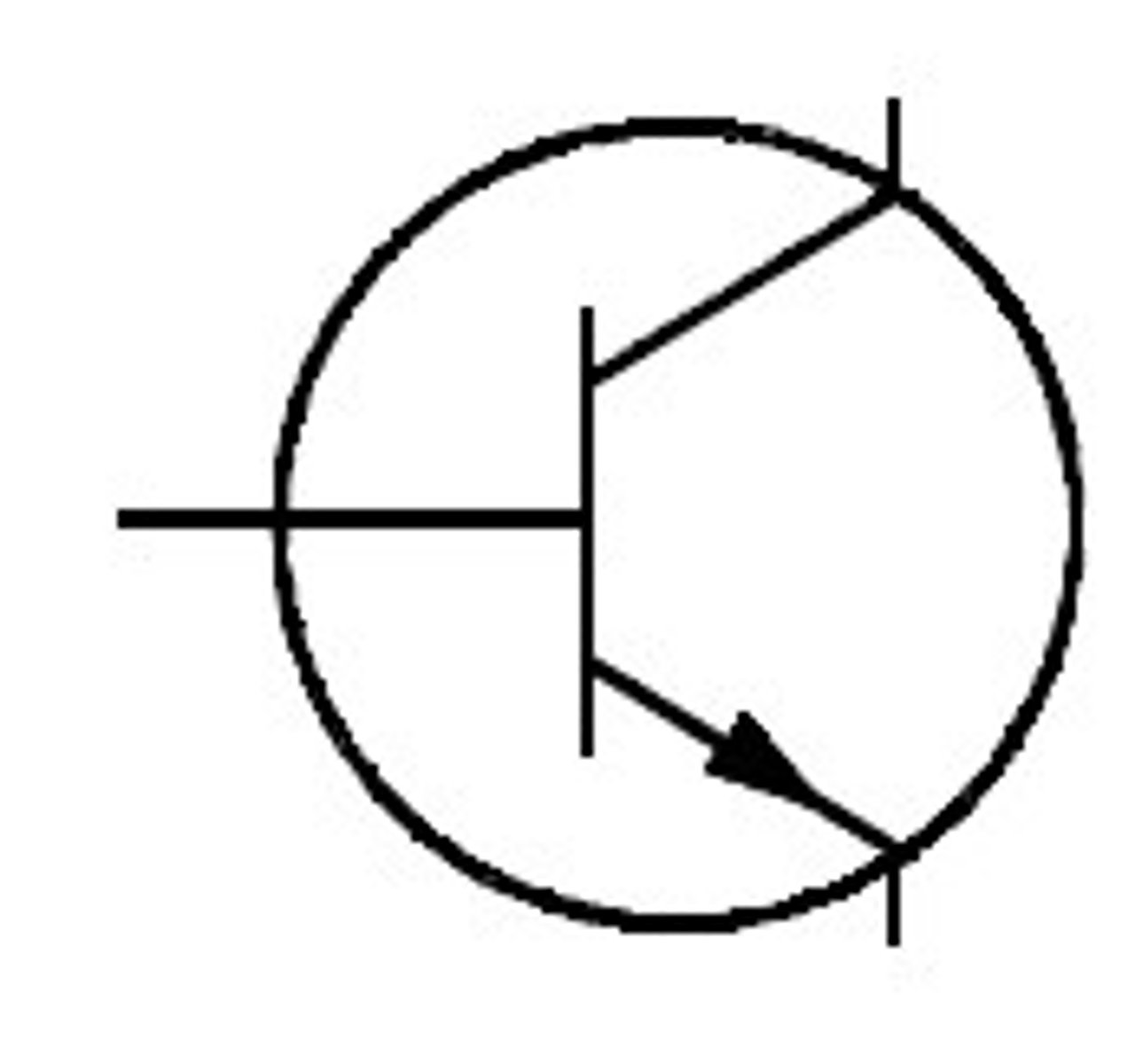
(NPN) Transistor
an electronic switch, switches on automatically if the voltage increases above a set value
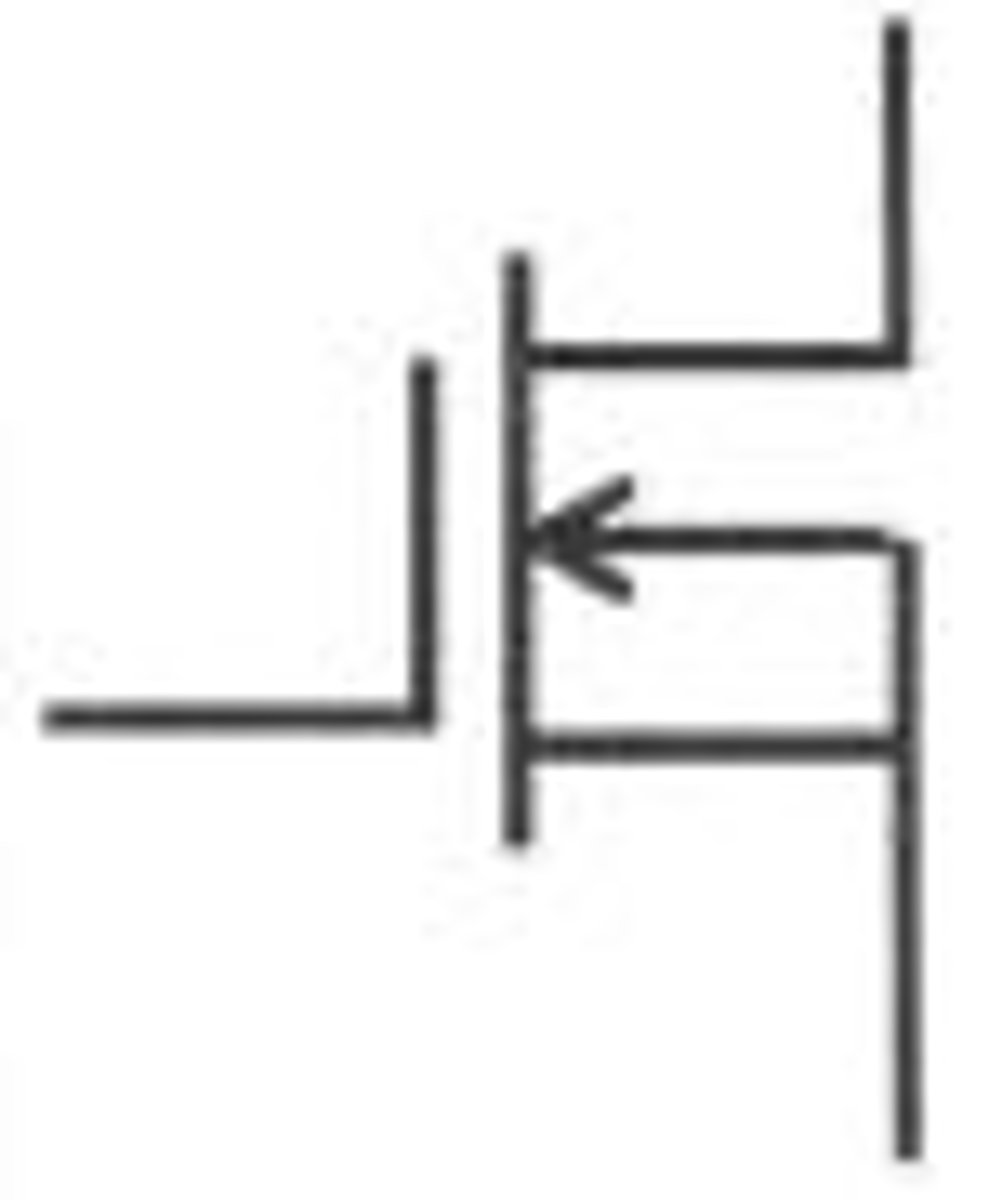
MOSFET
an electronic switch, switches on automatically if the voltage increases above a set value
Switching circuit
a circuit that combines a potential divider and transistor to switch on output device on and off automatically.
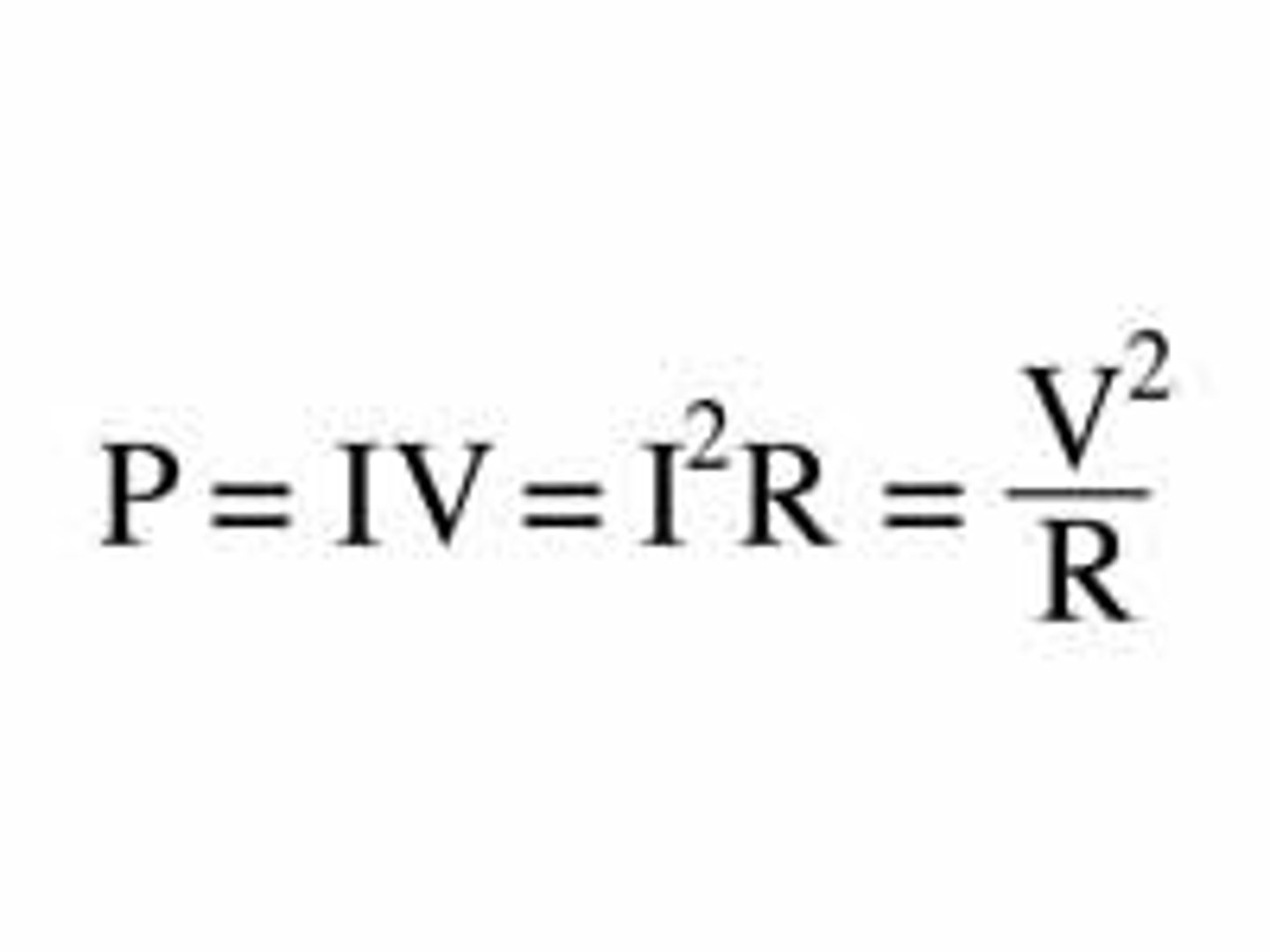
(Electrical) power
(electrical) energy transferred per unit of time
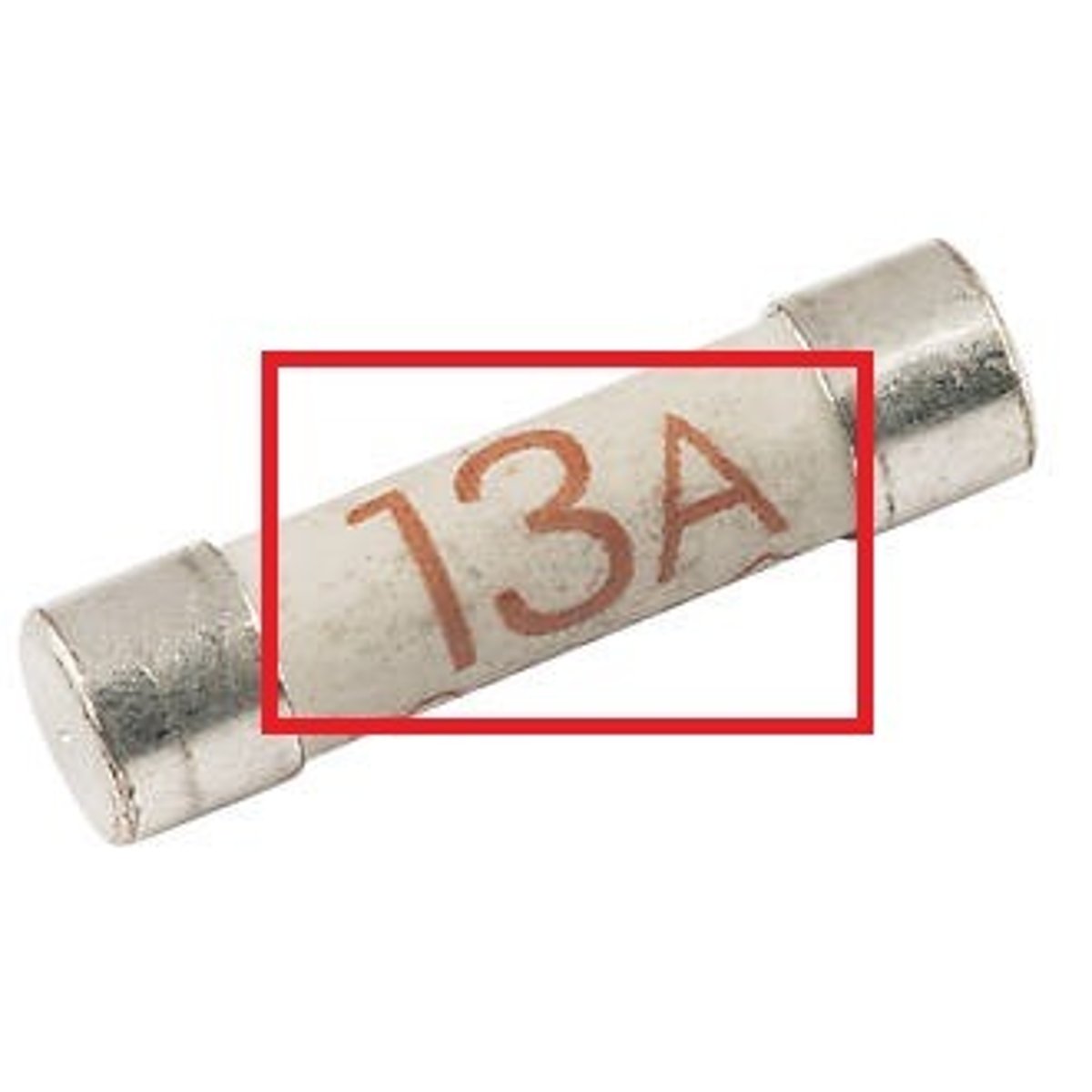
Fuse rating
the maximum current that can flow through a fuse before it will blow and cut the current.
Explore top notes

