Field Bio - Macros Orders/Classes/Families
 Call Kai
 Learn
Learn Practice Test
 Spaced Repetition
 Match
Match Flashcards
 Knowt Play
1/15

There's no tags or description
Looks like no tags are added yet.
Name | Mastery | Learn | Test | Matching | Spaced | Call with Kai |
|---|
No analytics yet
Send a link to your students to track their progress
16 Terms
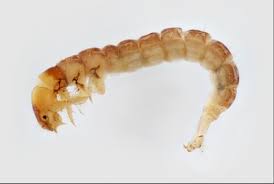
Trichoptera
Caddisflies, worm/stick like, 6 segmented legs, some build webs, some build cases
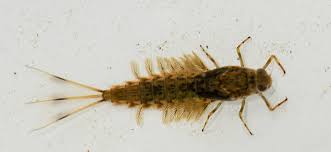
Ephemeroptera
Mayflies, always 3 tail filaments, gills on the abdomen, look like they’re flexing their muscles
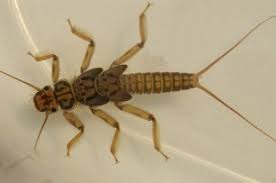
Plecoptera
Stoneflies, really pretty colors, distinctly marked, always hair-like tail filaments, gills at their joints
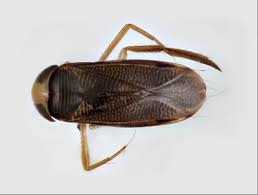
Hemiptera
True Bugs, always an X on their back, they’re a vibe, if they’re not anything else, it’s this
Diptera
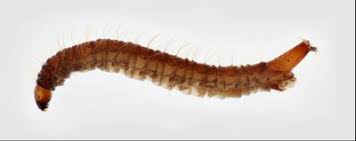
Midges, Mosquitos, Black Flies, True Flies, look like worms, no legs
Odonata
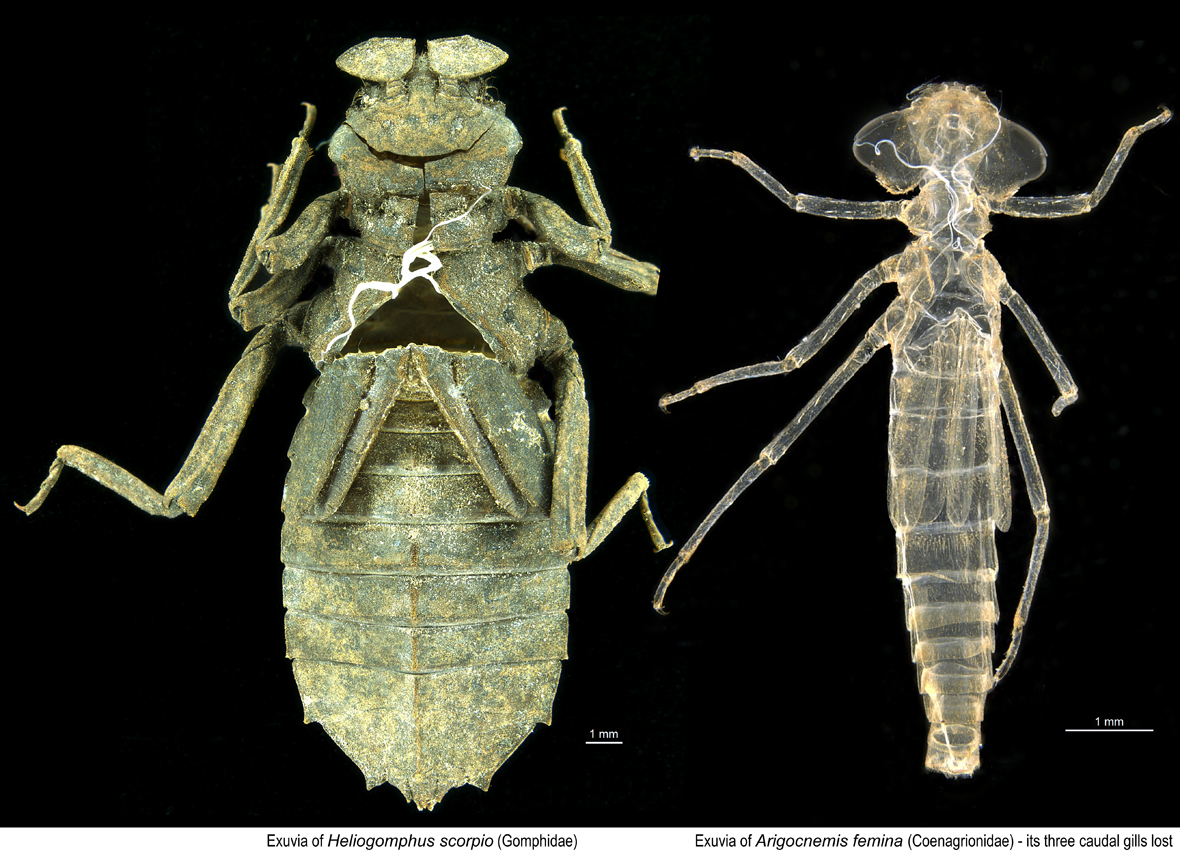
Dragonflies; chunky, flat wings when still, no tail filaments. And Damselflies, gills on their tail filaments, long and dainty, fragile looking, sometimes tail pointed up when sitting
Coleoptera
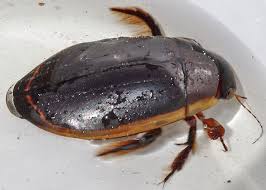
Aquatic Beetles, hard shell, straight line when wings meet, big and beetle like
Megaloptera
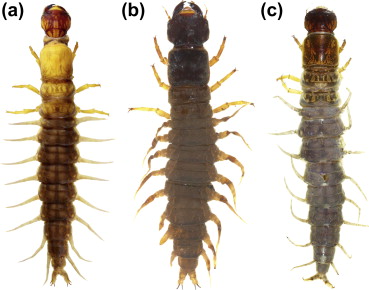
Dobson Flies, Fish Flies, Alder Flies. Big pinchers on their head, lots of legs, gills on their abdomens
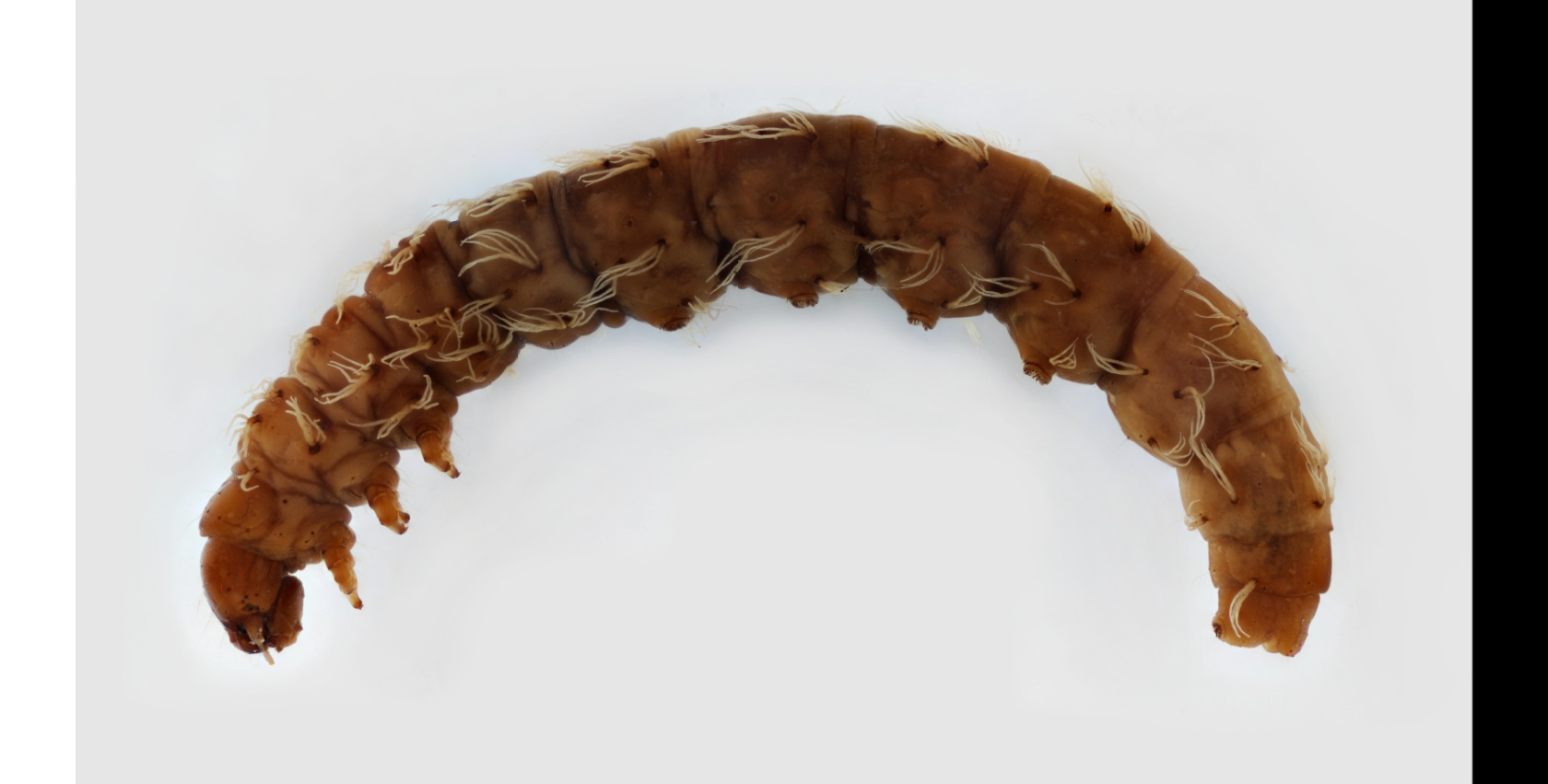
Lepidoptera
Butterflies and Moths, aquatic caterpillars, elongated, somewhat cylindrical bodies, distinctive heads with at most simple eye spots, three pairs of legs on the thorax, and short pairs of prolegs along the bottom of the abdomen.
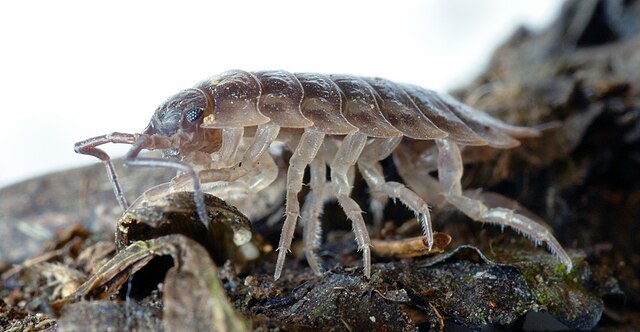
Isopoda
Includes things like woodlice, pill bugs, and roly-polies, known for their seven pairs of legs and two pairs of antennae.
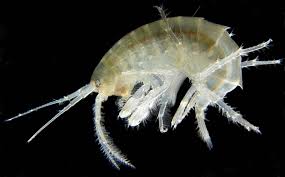
Amphipoda
Laterally compressed, comma-shaped body with no carapace. Three body regions—head, thorax, and abdomen—with 13 segments in total. Two pairs of antennae, sessile (unstalked) compound eyes (in most species), and seven pairs of thoracic appendages called pereiopods.
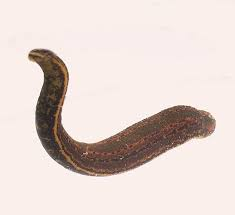
Hirudinea
Leeches. Characterized by their elongated, flattened bodies, lacking segmentation, and possessing suckers at both ends for locomotion and feeding.
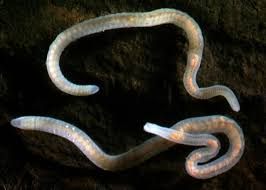
Oligochaeta
Aquatic Worms. Characterized by segmented bodies, a clitellum, and generally lack of parapodia. Typically found in freshwater, marine, and terrestrial environments.
Cambaridae
Crayfish. A family of freshwater crustaceans characterized by their segmented bodies, pincers, and ability to thrive in various aquatic habitats.

Bivalvia
Freshwater Mussels. Mollusks with a two-part shell that filter feed by drawing in water to extract food. They are important for ecosystem health.

Gastropoda
Snails. Mollusks known for their spiraled shells and muscular foot for movement. They inhabit various environments and are key decomposers in ecosystems.


