History of Architecture Exam 3 Kim Sextion
 Studied by 0 people
 Call with Kai
 Learn
Learn Practice Test
 Spaced Repetition
 Match
Match Flashcards
 Knowt Play
1/138

There's no tags or description
Looks like no tags are added yet.
Name | Mastery | Learn | Test | Matching | Spaced | Call with Kai |
|---|
No analytics yet
Send a link to your students to track their progress
139 Terms
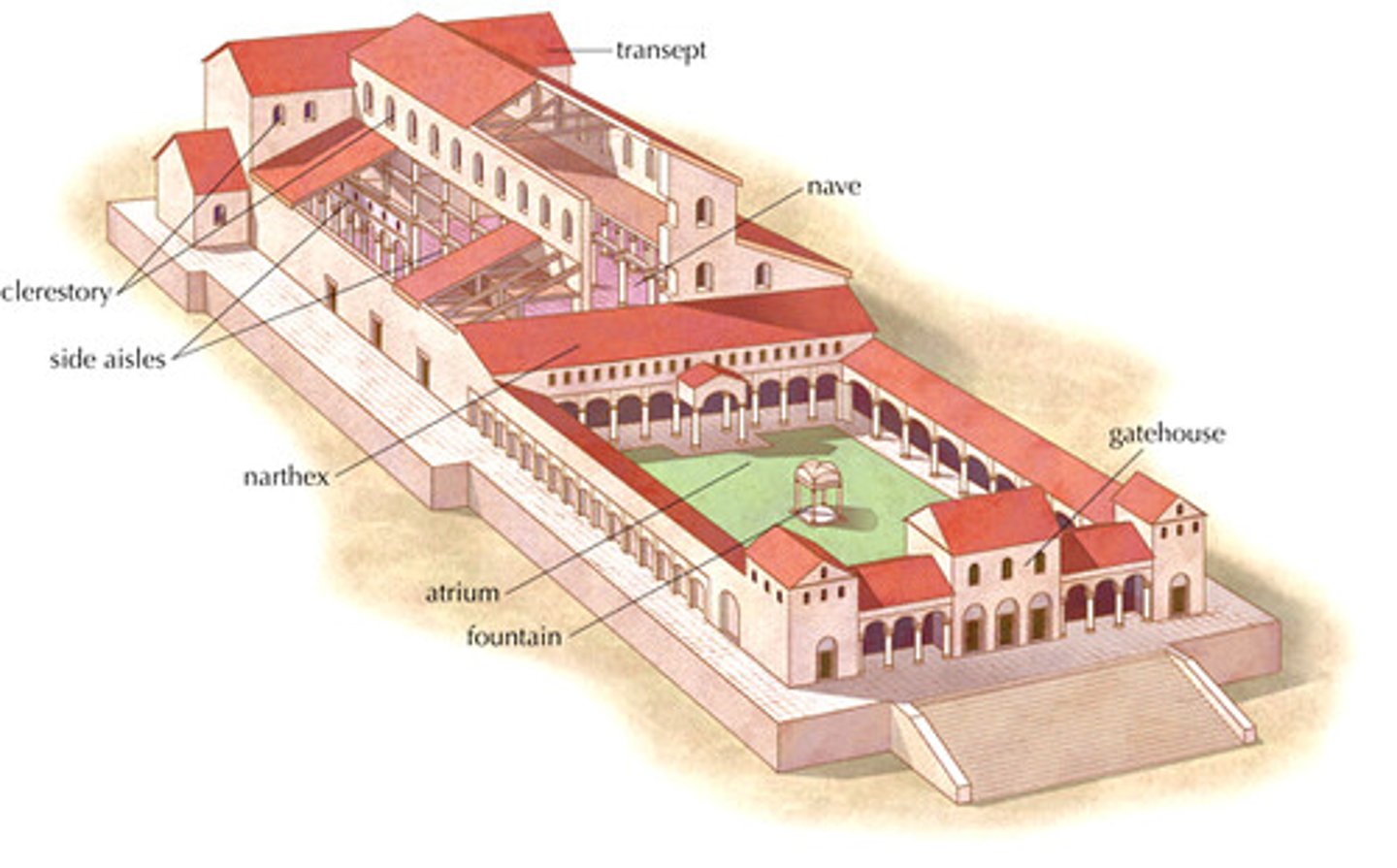
Old St Peters Basilica
(Background)
Rome, Italy, 4th Cen CE, Early Christian
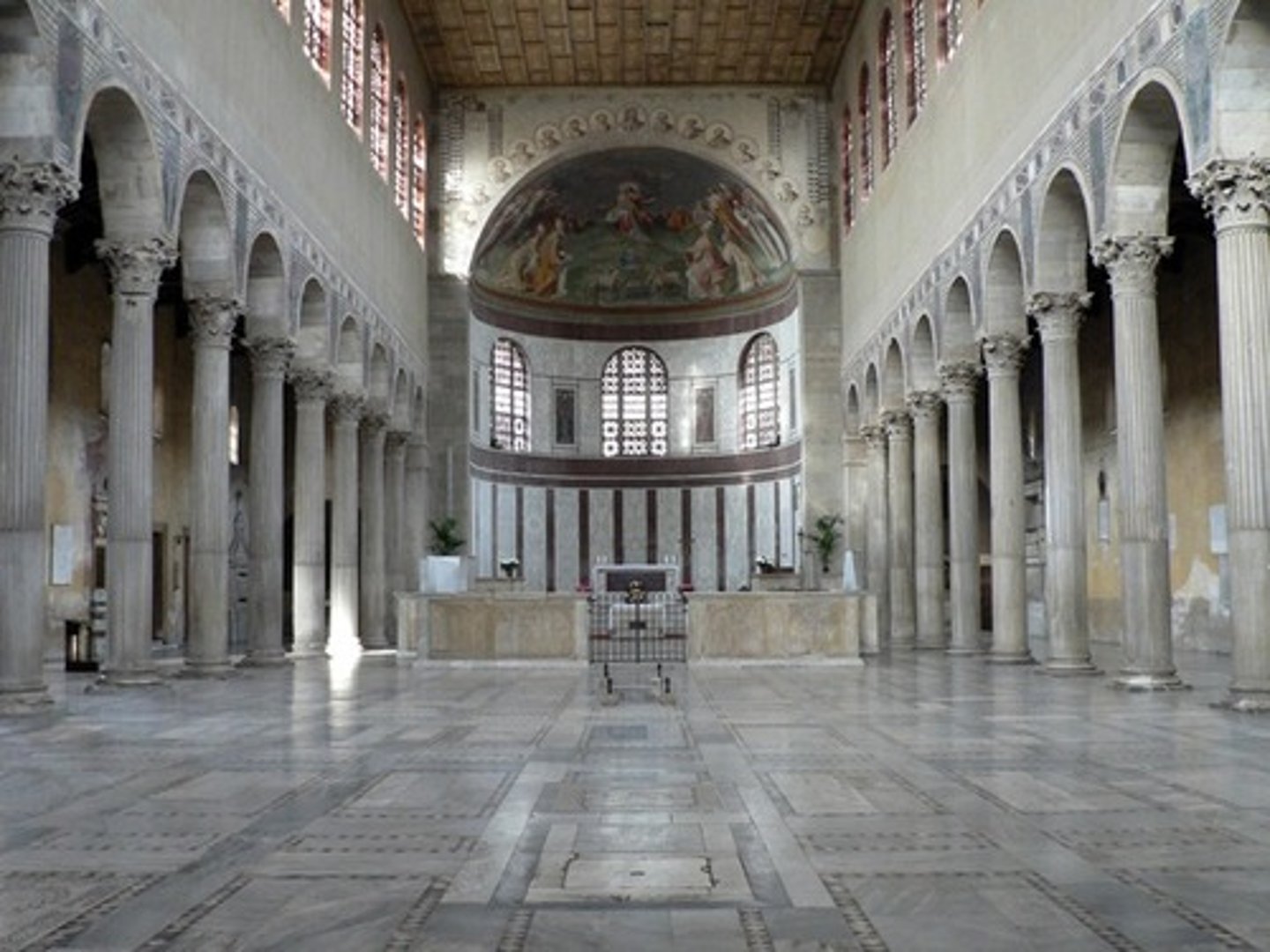
Santa Sabina Basilica
(Background)
Rome, Italy, 5th Cen CE, Early Christian
I. Old St. Peters + St. Sabinas
A. Context
Architecture still heavily roman
- Late Antiquity/ Late Ancient/ Late Roman = 284-632 CE
- Diocletian to Muhammad
Noncolumnar aesthetic of Late Roman Architecture in 4th Cen
- moving to more and more concrete architecture
Late ancient style in a civil basilica
- rhythms of voids in a smooth wall plane
- windows punched in
- windows grouped and banked in progression
- generous illumination
- columns subordinated to vaulting
Nero + Caligula build a Circus
- Acropolis of city of the dead
- Persecution of Christians here
Emperor Constantine
- Legalized Christianity in Roman Empire in 313 CE
- built basilicas
- battle of Milivan Bridge
- Constantine takes over
Neros Circus goes into ruins so Constantine builds St Peters
- memorial to Peter the Apostle
I. Old St. Peters + St Sabina
B. Precedent
Precedent is Roman Basilica
- basilica in trajans forum
- About Assembly
Old St Peters + St Sabina
C. Features of Early Christian Basilica
Atrium - A peristyle courtyard in front of a buildings transition space
Nave - Naos (greek) middle vessel of basilica
Apse - A vaulted semicircular or semi-polygonal space usually found at the 2 aisles on either side of nave
Axis urges down to apse
- longitudinal
Not always an altar in apse
Transept - the transverse arm crossing the main body of a Christian Church
- Memorial to St Peter located in transept
St Peters Shrine - people would drop things down into box
- Gain power from Apostle Bones
Transept becomes symbolic of the cross of crucifixion
Orientation of early christian basilicas will turn the liturgical focus (apse) to the East
- St Peters is oriented east
- St Sabina has no orientation
Old St Peters + S. Sabina
D. Early Christian Style
Brick faced concrete
smooth continuous plane
load bearing wall (internal self buttressing)
Revealing of interior shape
WIndows punched in
generous illumination
Interior
- horizontal nave articulation
- lots of columns
- continuous nave colonnade
- St Peters - trabeated nave colonnade
- S. Sabina - Arcuated nave colonnade
Spolia - conspicuous reuse of building material = rightful heir of a past legacy.... Christianity is rightful heir to Roman Culture
St Peters - jeweled style of columns, frescoes for the illiterate, apse had an expensive mosaic
S. Sabina - matching spolia columns, apse mosaic (marble intarsia, different insignias of christ)
1. ARCHITECTURAL LANGUAGE
Christian Architecture adapts arched lintel
old St Peters + S. Sabina
E. Ritual
Atrium for preparation physiologically
St Peters had a fountain + was a place for pilgrimage
S. Sabina - aisles for people not baptized but interested in Christianity, between columns had curtains
St. Peters - processional days to close off nave from aisles, sequential/ management of multitudes
Hagia Sophia
(background)
Istanbul, Turkey, 6th Cen CE
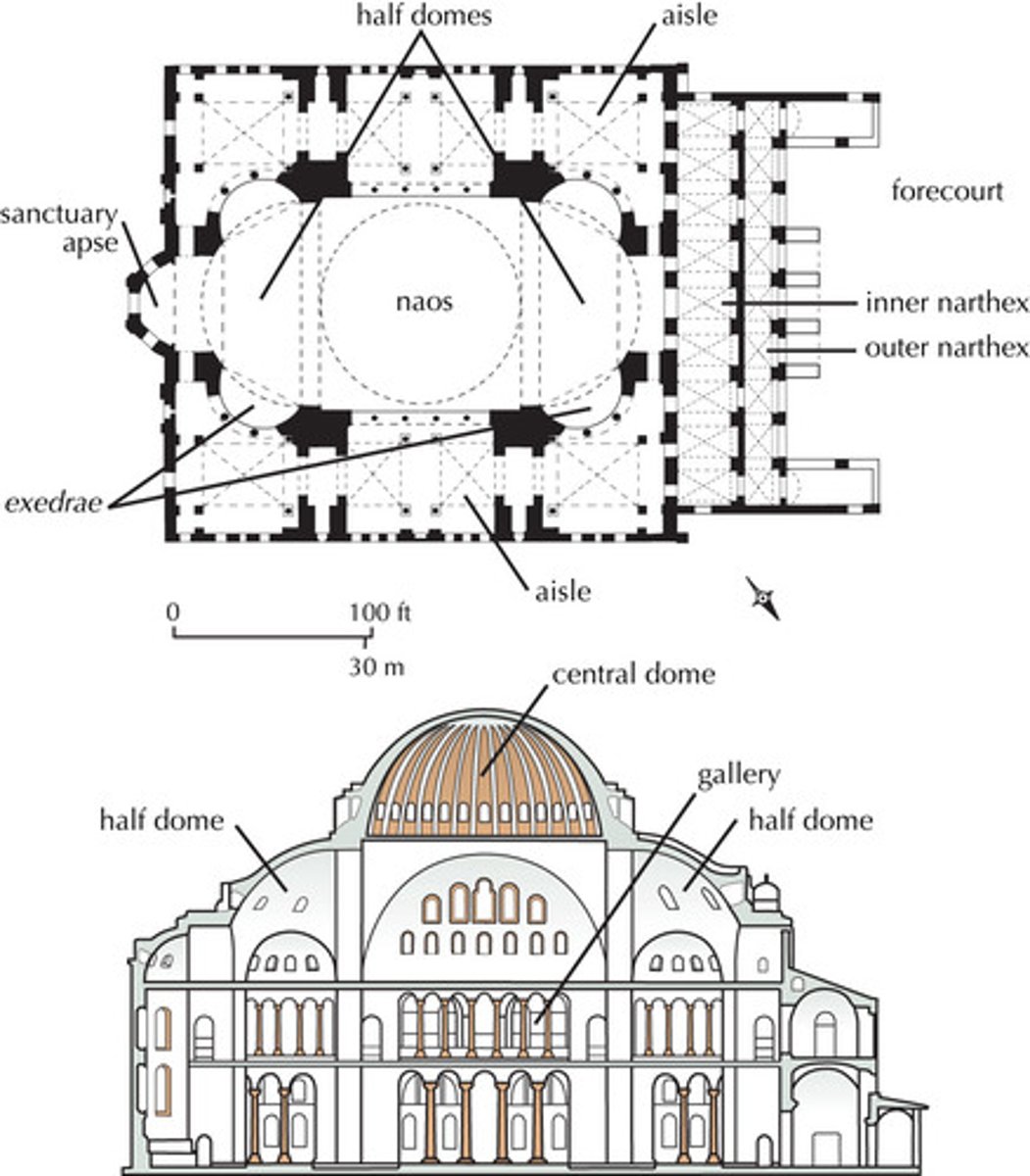
Hagia Sophia
A. COntext
analogue of Heaven + Earth
Virgin marys throne of Wisdom (sophia)
- container of the incontainable
Emperor Justinian
- Symbolic of Christian belief in eternal paradise in heaven
- purged everyone who wasnt Christian
Hagia Sophia
B + C. Ritual + Formal Analysis
1. THE CONCEPT = CONGREGATIONAL BASILICA
elongation of nave
- stretched out
Apse oriented east
2. ATRIUM
preparation
patriarch and people would walk into nave together
3. NARTHEXES
2 Narthexes
- transitional space porch
1st inner narthex
- gleaming, glowing
- doors are hierarchical
- center door aligns you with mosaic
4. DOMED BASILICA INTERIOR
Emperor has no fancy place to sit
Nave Arcade
upstairs to aisle
- more close to action
- spolia here
columns are all spolia
porphyry columns from egypt
dome lifts edges up
follow patriarch through door
glimpse of an otherworldly order inside
center apse has most windows
imperial box/ private oratory for the emperor - metatorian
-not centered, off to the side
Hagia Sophia
D. STRUCTURE
Dome Comes from roman architecture
good geometrically
oculus
brick facing, rubble fill
its not concrete
Hagia Sophia
E. Theory
Metaphysical order - beyond the physical
Byzantine hagia sophia
Hagia Sophia
F. BYZANTINE STYLE
1. SPATIAL EFFECTS
side spaces
exedras
straight line becomes something else
billowing space
in a forest of columns
2. BYZANTINE LIGHT
a lot of light
- to see paintings
Clerestories put in lunettes
40 windows around dome
- light sometimes erase architecture
- floating
3. SURFACE DECORATION + MOSAIC
marble + gold
material seen coming from them
- highly polished
- glittered mosaic
marble revetment of walls
- lacy molding
marble fretwork, screen panel in the gallery
basket capital
- looks like an empty basket
4. MODULATION OF CLASSICAL ARCHITECTURE
Basket capital
- basically a composite capital
- made to appear weak
Stilted arch
- intuitive understanding of load and support
- springings begin above impost block
ISLAM AND ITS NEED FOR CONGRGATIONAL ARCHITECTURE
A. KABBA AND ITS IMPORTANCE
Dont need architecture, just a proper rug for prayer
Prophet Muhammad
revelations (Quran)
About one god (allah)
Islam
Muslim
Pray five times a day, on friday, congregational prayer
The Hajj: make a pilgrimage to Mecca at least once in a lifetime
Kabba is axis mundi
The Kabba, the house of God
Empty room
Black Stone in corner is holy
ISLAM AND ITS NEED FOR CONGRGATIONAL ARCHITECTURE
B. ARAB CONQUESTS AND EARLY ARCHITECTURAL FORMS
Mosques of mecca
- mosques spread from there
Umayyads build first monumental architecture
Dome of the Rock
(background)
Jerusalem, Israel, 7th Cen CE, Umayyad
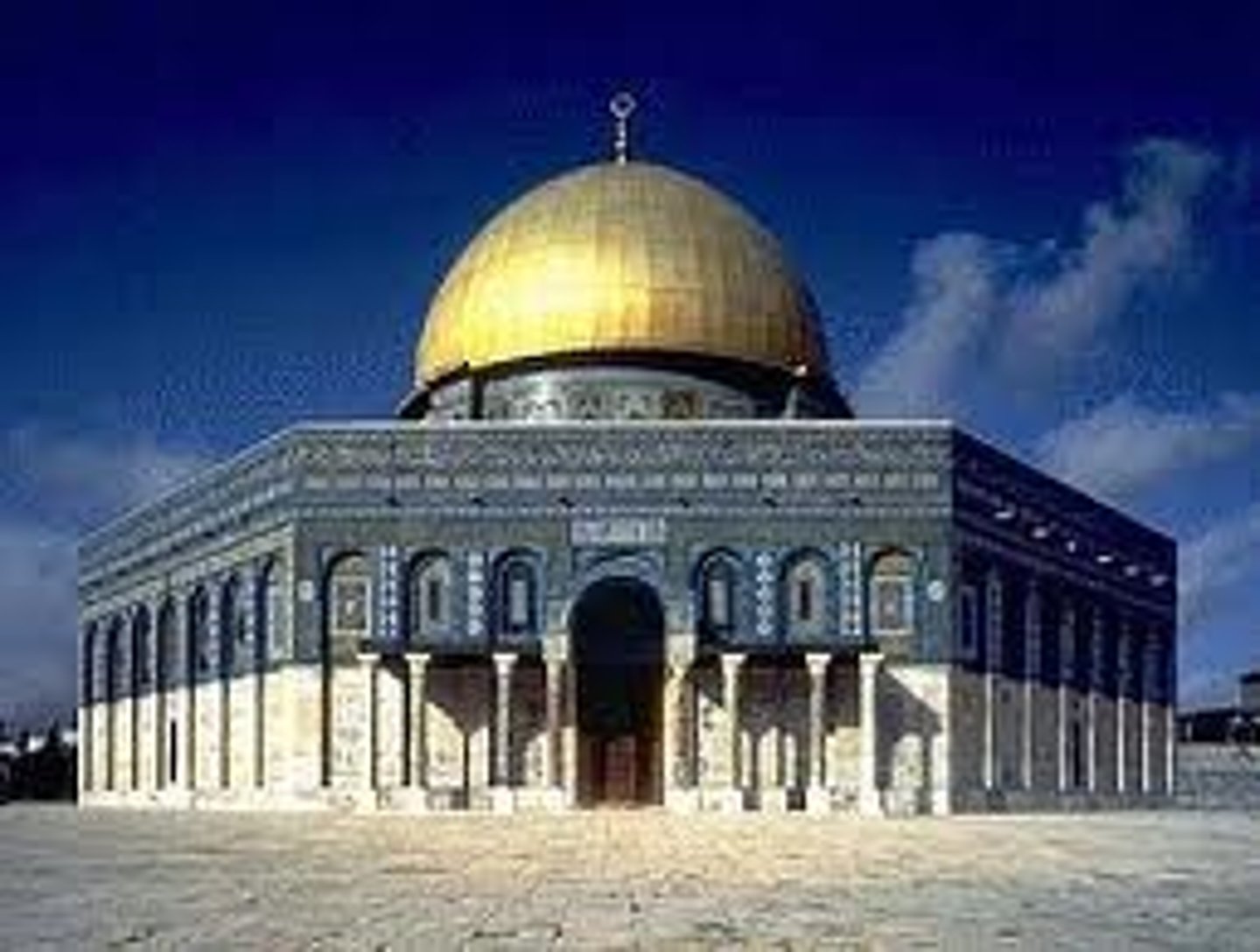
Dome of the Rock
A. Context
Super byzantine
- gold mosaic
Temple built after Titus destroyed area
found rock over area
- rock where Abraham almost sacrificed Isaac
Medina - Jerusalem then Celestial Voyage
Visuals from other cultures implemented to building
Dome of The Rock
B. Program
Central plan
martyrium
Dome of the Rock
C. SYMBOLISM OF 8 SIDES
8 is the number of initiation, beginnings
- starting of a new thing
Dome of the Rock
D. Triumphialistic display
Many material columns
immensely detailed exterior
Circumambulating
People of the book are priviliged
Dome of the Rock mosiac iconography
Dome of the Rock
E. Aesthetics
Early use of a pointed arch
The Great Mosque
(background)
Cordoba, Spain, 8th - 10th Cen CE, Umayyad
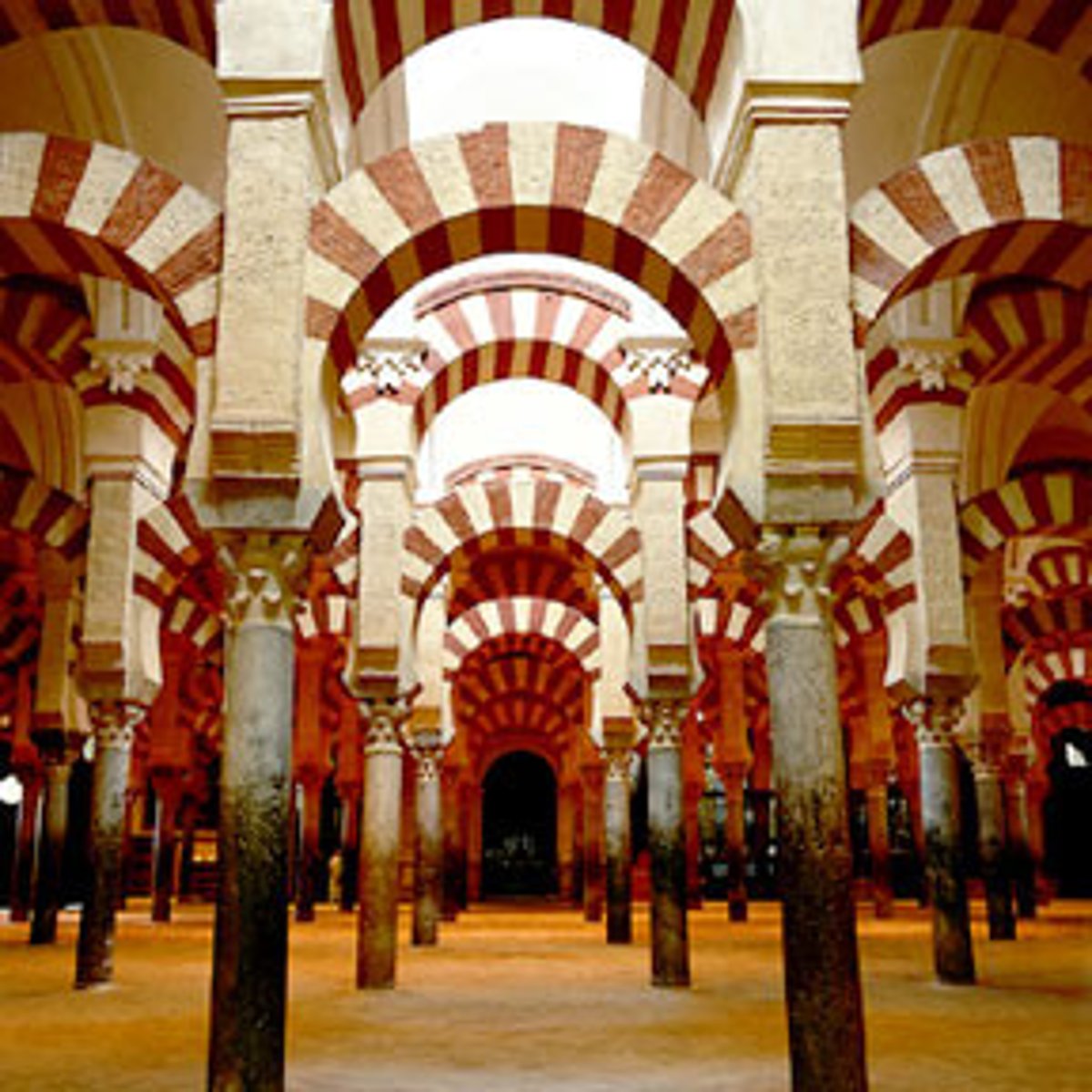
The Great Mosque
A. Context
A Great Mosque = congregational mosque/friday mosque
Classical roman columns
visigothic capitals
umayyad captials
The Great Mosque
B. Precedent
Architecture suspended from heaven
No precedents
Sanctification of the house as an ideal
The Great Mosque
C. Ritual
1. PURPOSE OF MINARET
Tower used to call prayer
fairly close on axis with Mosque
2. PLAIN EXTERIOR
architecture experienced from within
- people belonged inside
Massive unpierced temeos walls
3. ISLAMS NON PROCESSIONAL GATHERINGS
non-hierarchical
non-ceremonial
various points of entrance to mosque
4. RITUAL PREPARATIONS
ablution fountain
- washing
5. INDICATIORS OF DIRECTIONALITY
qibla = the direction of prayer toward Kabba in Mecca
columns parallel that direction
6. QIBLA AXIS PRESENT IN ARCHITECTURE
mirab niche seen on qibla axis
- door to beyond
6A. MIHRAB NON FIGURAL ORNAMENT
classical elements
is an arch
horseshoe arch
voussoirs have mosaics
- fretwork
non figural
- detach from everyday world
The Great Mosque
D. Style
Horseshoe Arch
- seen in visigothic churches
- different roots
Modulated with 180 degree arch
- inherent circle
Ceiling needs to be high enough to see mihrab niche
copying roman aqueduct architecture
1. PRIZED NON TECTONIC AESTHEITCS
ambiguity in alternating voussoirs
- signaling architectonic
- seeing a field of them is a pattern, not architectonic
1A. PATTERN IN LATER GATES
non tectonic values
exterior less anonymous
vocab from inside to outside
Door of the Ministries
- interlinked horseshoe arches, become pointed
- textiles become an inspiration
- weaving tiles on facade
- patterns of lace
- covering up construction qualities
IB. Maqsura
- privileged space in front of niche
- ribs to create geometrical pattern
The Great Mosque
E. SYMBOLISM
immeasurable distance, infinity conquered by prayer
Mihrab niche has no relics, just pointer to mecca
sense of longing
symbolism is abstract
Carolingian Royal Palace
(background)
Aachen, Germany, 8th-9th Cen CE, Carolingian
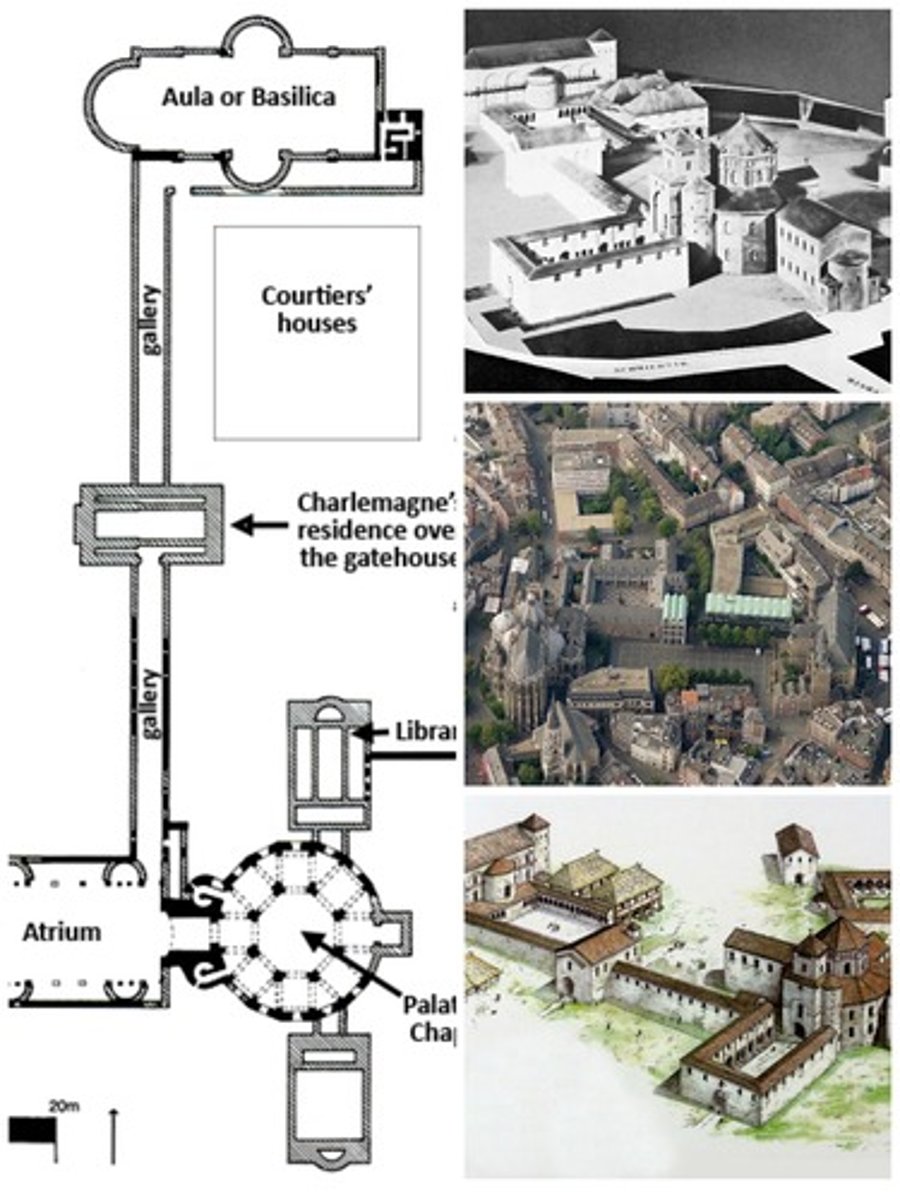
Carolingian Royal Palace
A. Context
Carolingian Kingship
- charlemagne
- frankish (Germanic Christian tribe)
Charlemagne crowned Holy Roman Emperor
Converter North German tribes to Christian
- genocide?
- militaristic
Tomb was under Palatine Chapel
Carolingian emperor to govern his subjects as Gode Lieutenant
Renovatio Romae
- renovation of Rome
idea of monasteries were invented by Carolingians
lots of wood chapels
plan of St Gall (850)
Carolingian Royal Palace
B. Features and Their Orgins
Aachen is Roman City with Cardo and Decumanus
Charlemagne reorganized buildings to Cardinal Direction
- church faces east
Aula Regia
- royal hall
Palatine Chapel of St Marys
Gallery
residence
Atrium
Courtiers houses made of wood
baths
Carolingian Royal Palace
C. Evidence of Romanness
Aula Regia has ties to Roman architecture
- differences
- 3 apses
- triconch (3 shell) hall having 3 labeled tricliniums
1. FUNCTIONS IN AULA REGIA
Charlemagne = guarantor of Justice
- big daddy
2. ATRIUM = ROMAN FORUM
Aachens atrium
exedras remind people of Trajans Forum
2 basilicas on either side of atrium
- hypothesis
3. SCOPIC EYE
gatehouse (solarium) - og security camera
Carolingian Royal Palace
D. GERMANIC TRADITION
Courtiers Hall raised
- found all over Europe
Towers are vertical expressions of power
- tower isnt just a point of access
- steps meant to be occupied
- each room with a cloister vault
Palatine Chapel
(background)
Palatine Chapel, Aachen, Germany, 8th - 9th Cen CE, Carolingian
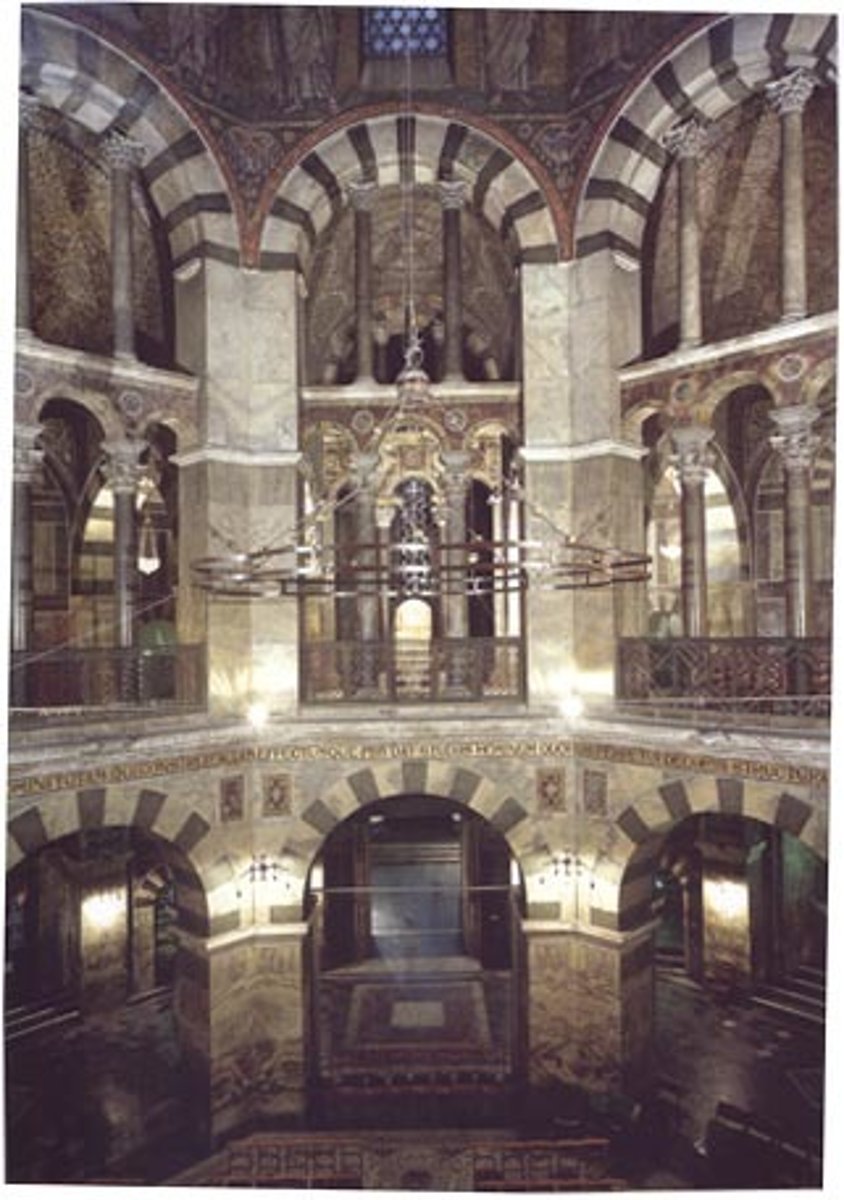
Palatine Chapel
B. Program
Arrival point is 2nd point of tower
Members of court is on lower level
Collected relics from Rome for Chapel
Palatine Chapel
C. Style
Masonry built not ashlar
- suggests Roman ties
Bronze fixtures
- bronze doors + railing
Voussoirs are green and white
- From Dome of the Rock
Columns are from Ravenna
- spolia
8 straight sides
- 8 inside, 16 outside
- mentality of timber thinking
Palatine Chapel
D. RITUAL
Very tall and narrow
- bronze chandelier
- scopic eye down from chapel to nave
ideological verticality in chapel
pyramid of power
- dome is God
- charlemagne in his throne on 2nd floor
- people on first floor
cosmology inserted in theology
Palatine Chapel
E. Symbolism and Theory
1. SYMBOLISM OF NUMBER 8
Imperial coronations took place here
burial of charlemagne in this chapel
2. OTHER NUMEROLOGICAL SYMBOLISM
circumfrence of inner octagon is 144 carolingian feet
walls of the heavenly jerusalem are 144 cubits high
- giving god credit to design
MAYA IN MESOMERICA
A. basic architectural strategies
Pyramids with stairs on one side = temple or mausoleum temple
Radial pyramids = cosmological shrines
typical of maya interiors: scant space and corbel vaults
MAYA IN MESOAMERICA
B. Maya Religion and practice
Underworld, earth, and heavens
Kings duty to safeguard his community by reinventing cosmos after death
world tree
Nobles duty: safeguard community through blood letting to contact the beyong
Lots of blood in the penis
Very intricate ritual
cosmological
Temple of the Inscriptions
(background)
Palenque, Mexico, 7th CEN, Mayan
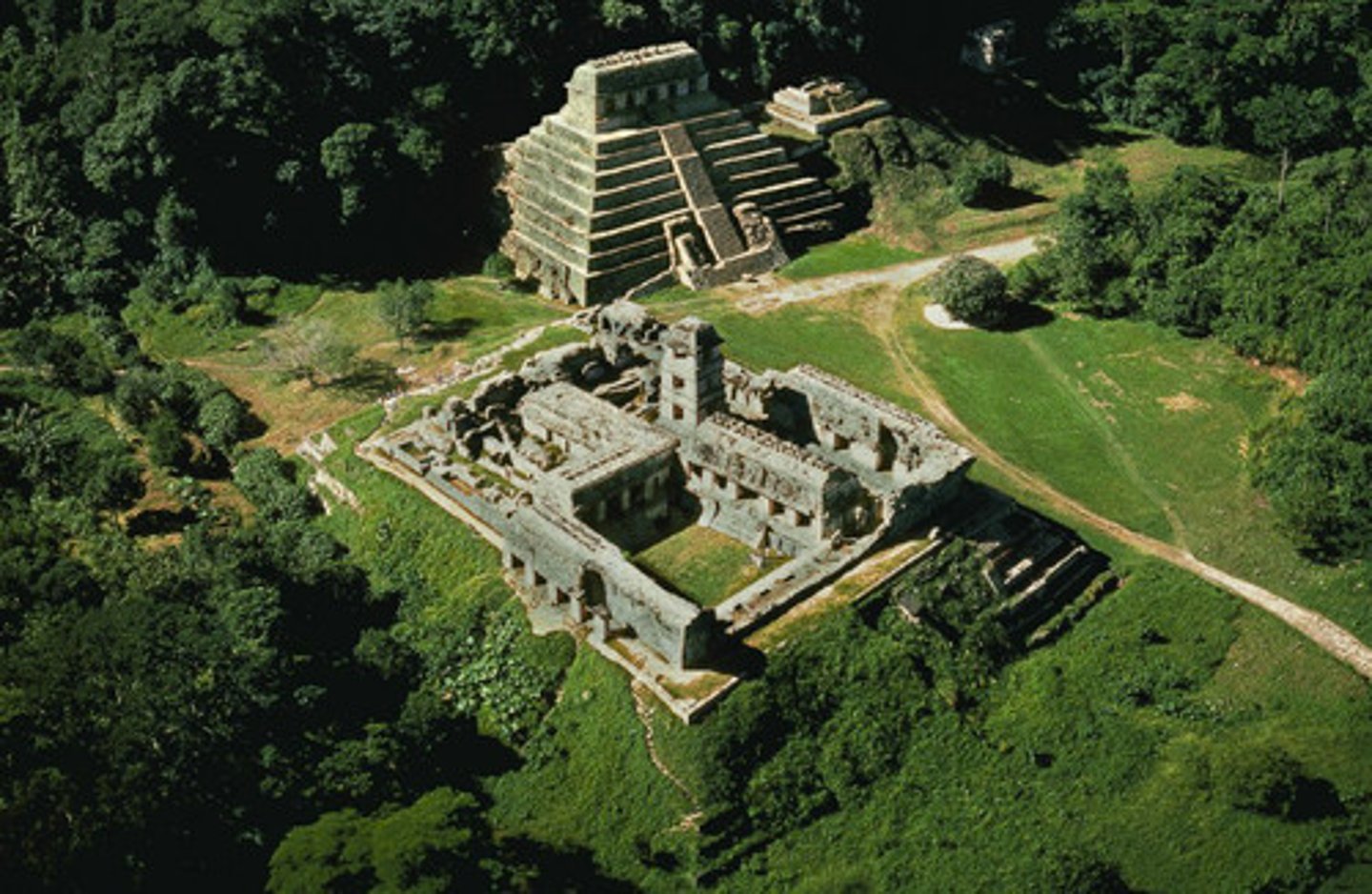
Temple of the Inscriptions
A. Context
total organic organization
- on platforms + terraces
Built of limestone
9 levels = 9 layers of the underworld
monarchy
pacal descended from mother
- was a patriarchal society
Temple of the Inscriptions
B. Ritual
Ritual King does in underworld
Corbelled arch shaft
Sarcophagus surrounded by portraits of king
Top of sarcophagus shows underworld
Vision serpent
Temple of the Inscriptions
C. SYMBOLISM
Numerology
13 corbelled vaulted arches = 13 levels of the heavens
Royal Palace of Palenque
(background)
Royal Palace of Palenque, Mexico, 7th - 8th Cen CE, Mayan
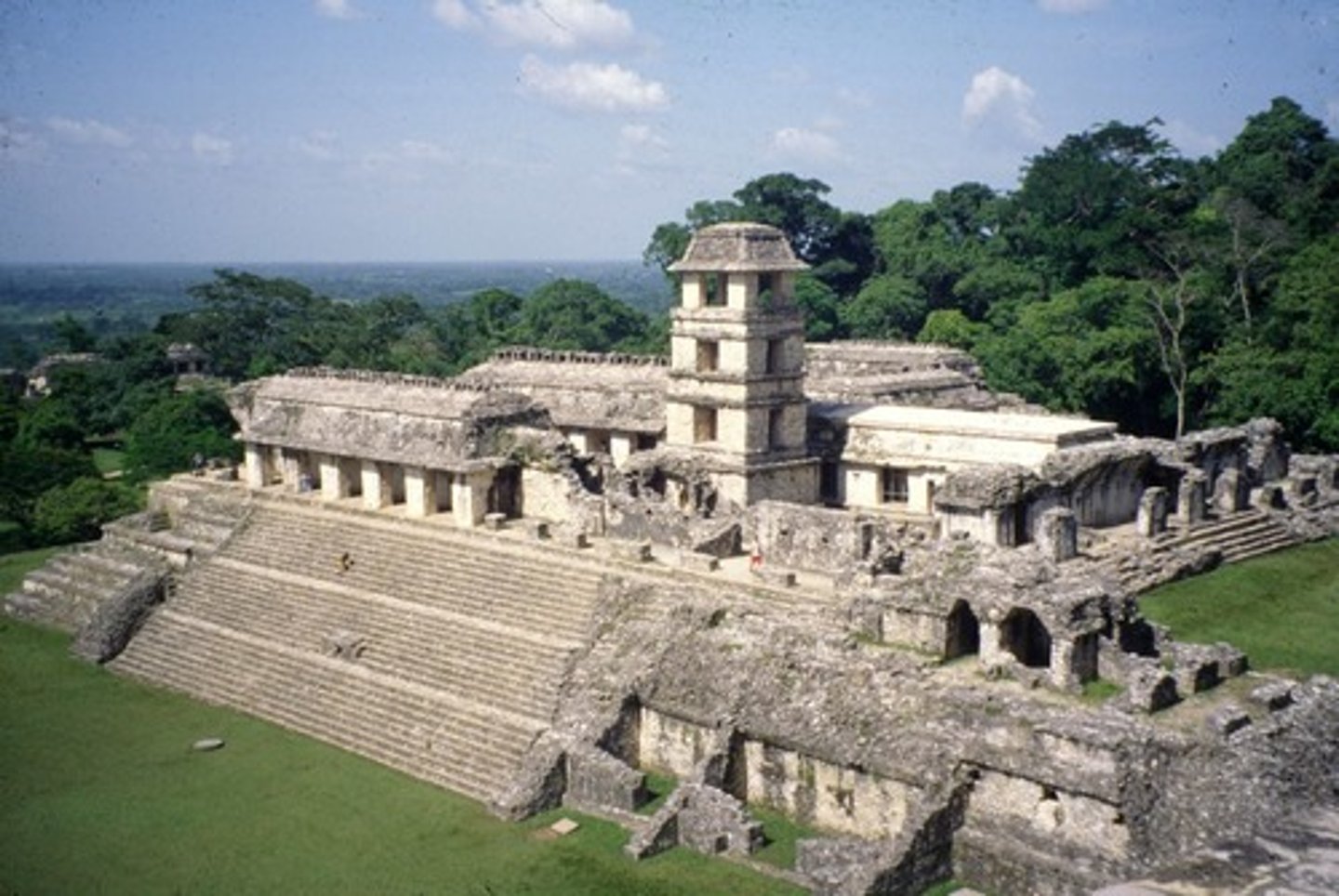
Royal Palace at Palenque
A. Context
narrating defeat against city-states on stairs
had their own trinity in gods?
Royal Palace at Palenque
B. Origins
Courtyards
houses comprised of 2 parallel galleries
- entrance on long side
An important cast court
Pinwheel design
outer colonnade or portico has little doors inside
Underlying typology = the pyramid
Biggest plaza faced the north side
Royal Palace at Palenque
C. Style
domestic dwellings but with roof combs
- elaborated versions of Mayan house
Translate perishable materials - into stone - hip roof over a corbelled vault
Royal Palace at Palenque
D. Religious Symbolism
subterranean structure is underworld
- 2 headed cosmic monster
Royal Palace at Palenque
E. Legitimacy
stairs on north side
- bringing home sacrificial victims
- bleachers
display of power
1. LITERAL LEGITIMACY
east court, SE corner
House C - ancestor portraits
2. WHERE TO EXCERCISE ROLE OF JUSTICE
House E
- Position of opening + bench
- medallion
Death Eyes
- floral motifs with eye in center
Medallion
- pacal crowned by Mama
3. EAST COURT AND DISCIPLINE TO SUBORDINATED
When destiny waits for them
Below my feet
tower and its court
shell enclosing a narrow inner stairway
Upper room has bench
- ceremonial
watchtower
Ste Foy
(background)
Conques, France, 11th Cen, Romanesque
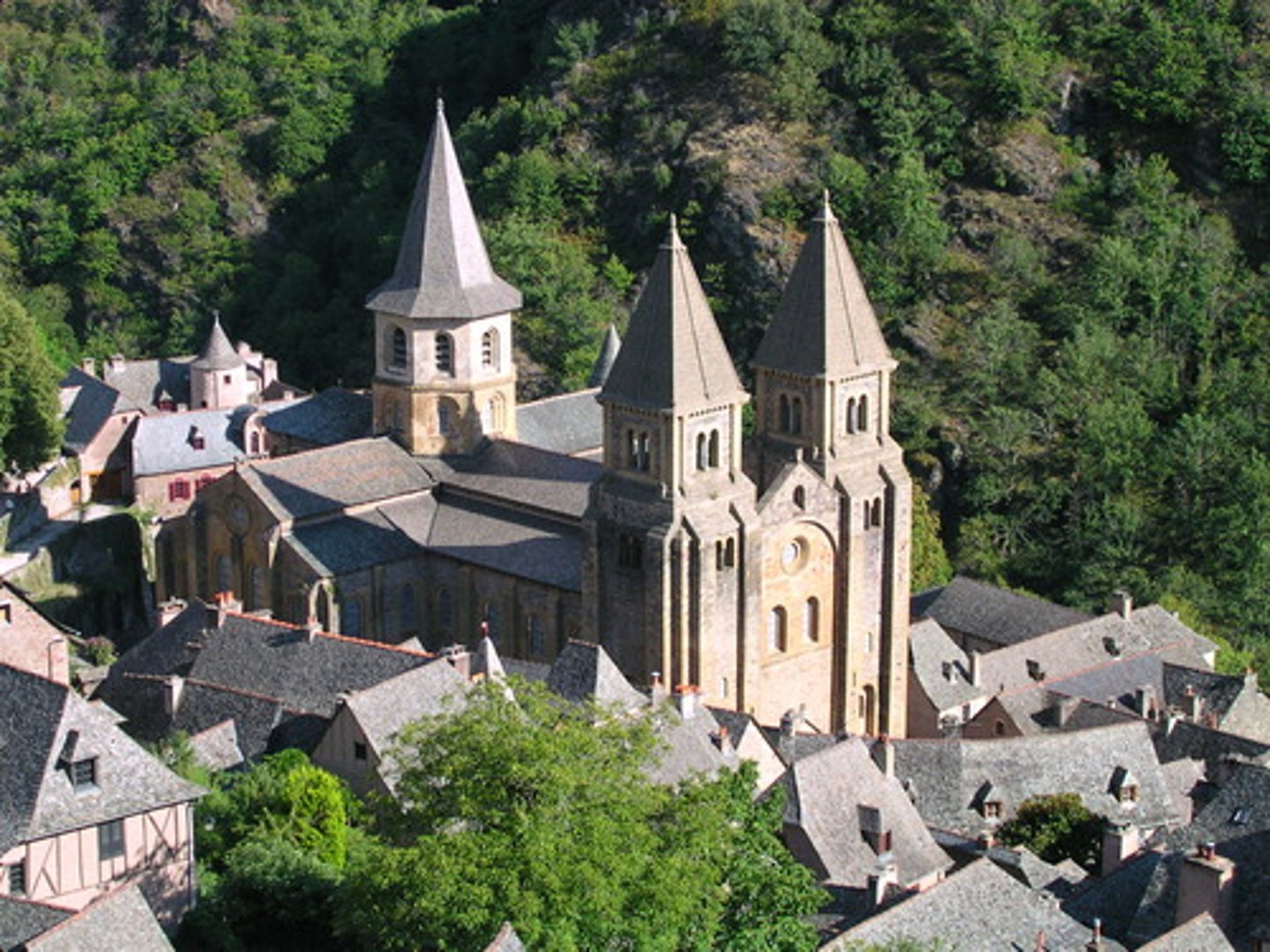
Ste Foy
A. Context
1. aiming to surpass all others in the splendor of construction
2. new churches on pilgrimage roads
pilgrimage chruch type
Ste Foy
B. Ritual
transept has its own aisles
- facilitates circulation
Tribune gallery
- people slept here
ambulatory around apse with radiating chapels
- radiate out of apse
Ste Foy
C. STYLE AND ARCHITECTURAL LANGUAGE (EXTERIOR)
1. OVERALL APPEARANCE
towered exterior reaching for heaven
2. FACADE DESIGN
twin tower facade
sculpture all over facade
Large Door
- bronze
Grand threshold
3. EXTERIOR WALLS
chevet - elaborate east end
Heavy emphasis on exterior walls
- more than an apse
Reveals thickness through layers + planes
blind arcade - columns carrying arches
archivolts
spur buttresses - left articulated on outside
engaged columns
crossing - transept + nave meeting
tribune gallery looks like clerestory
4. INTERIOR NAVE ELEVATION
compound pier - a pier transformed into a multiform vertical support my many of attached engaged columns, shafts, and or colonnettes
Dividing space into vertical units
Funneling lines of sight up to vaulted ceiling
Historiated capitals
- moment of important transitions
- has gestures to communicate stories
- atlas figures
Ste Foy
D. Theory
neoplatonic philosophy - neoplaonic medieval architecture theory
- emanation of divine force of energy
- beauty is found in number
- idea goes to Plato
- Platinus
- very monotheistic thinkin
- the one - souls - physical
Divine illumination
- some people can "look back" and discern the order of Gods creation
- most common quadratine: 1 to radical 2; based on manipulating a square
Revealing thickness of walls
- creating lines + divisions relating to simple geometry
pairing of arches under bling arcade in the cloister
Ste Foy
E. Structure
Load bearing stone masonry
- not with concrete but with weak mortar
Barrel vault will have long line of thrust
wall or spur buttresses pushed outside to aisles
Quadrant vaults - half barrel vault
Masonry isnt super precise
1. ROMANESQUE BARREL VAULTS WITH BANDS
transverse arches - banded barrel vault
for aesthetics and structures
Medieval construction required centering for barrel vaults
advantage: transverse arches help the barrel vault maintain its form
2. BANDED VAULTS FOR AESTHETICS
continue vertical articulation on vault
- carries it down
- unified interior logic
3. PROBLEMS WITH VAULT
church is a bit dark
- bring a dust like vibe
fairly translucent glass
half light - half dark
Speyer Cathedral
(background)
Speyer, Germany, 11th - 12th cen CE
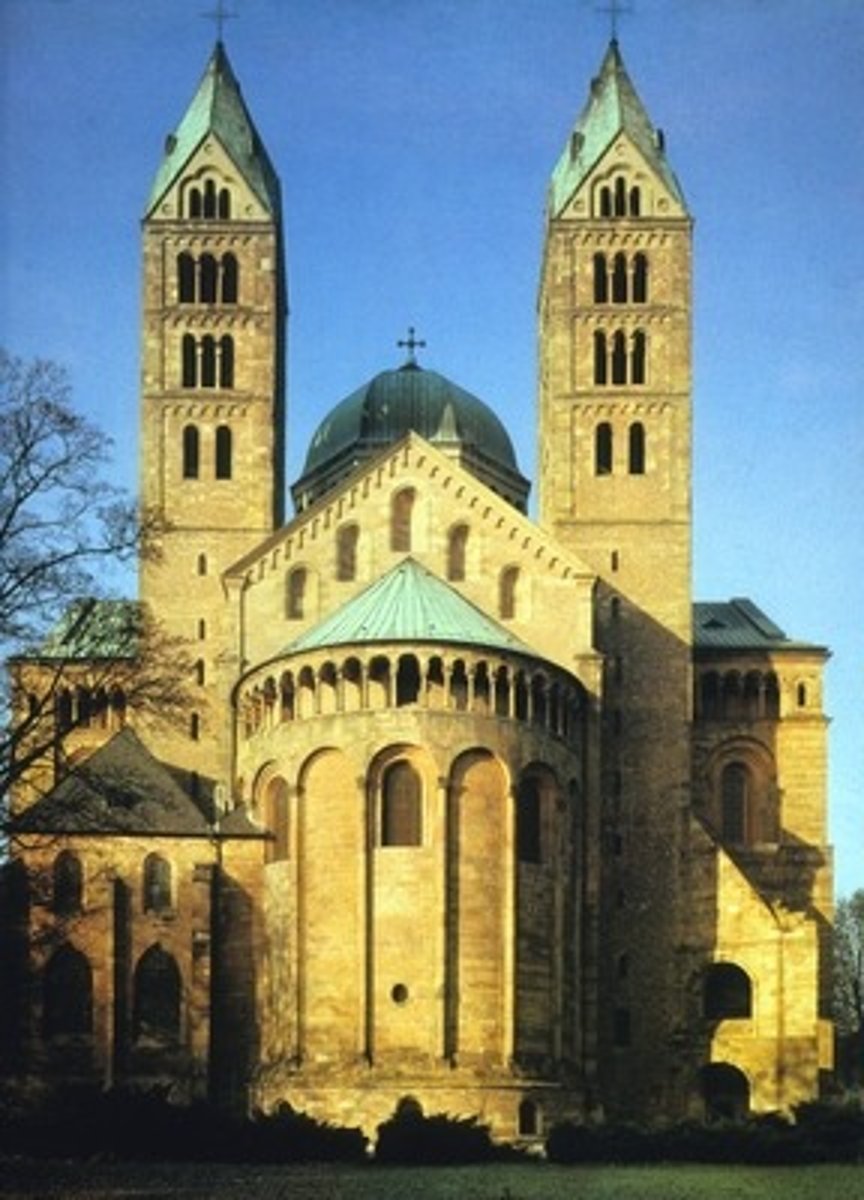
Speyer Cathedral
A. Context
Cathedral - the principle church in a diocese, the seat of its bishop or archbishop
Carolingian empire existed
Holy Roman Empire under German Ottonian Dynasty
Then to Holy Roman Empire under German Salian Dynasty
- when a new dynasty begins, they wanna make a statement
A big European desire for better churches
- competing with other towns for better churches
1. IMPERIAL SCALE
Humongous
2. IMPERIAL MODELS
verticality + constant rhythm recalled from Late Antique period
Speyer Cathedral
B. Style/Architectural language
1. IMPRESSION OF REVEALED EXTERIOR LAYERS
2 crossing domes, 4 towers
Blind arcades help reveal thickness of walls
2. NAVE ELEVATION
drawing your eye upward
- compound piers
Speyer Cathedral
C. Ritual
Sarcophagus in crypt
Alternating voussoirs in red and white in crypt
Speyer Cathedral
D. Structure
Every bay had a lunette
Narrow
Groin vault
- for illumination
1. INTERIOR OF BAYS RATIONALIZED
2 bays together, groin vault over 2
Alternating piers thickened
2. RIB VAULTS
rib vaults yay
Speyer Cathedral
E. Theory
Articulated hierarchical subdivisions
- whole to part relationships
Le Thoronet Abbey
(Background)
Le Thoronet Abbey (Cistercian), Provence region, France 12th Cen CE, Romanesque
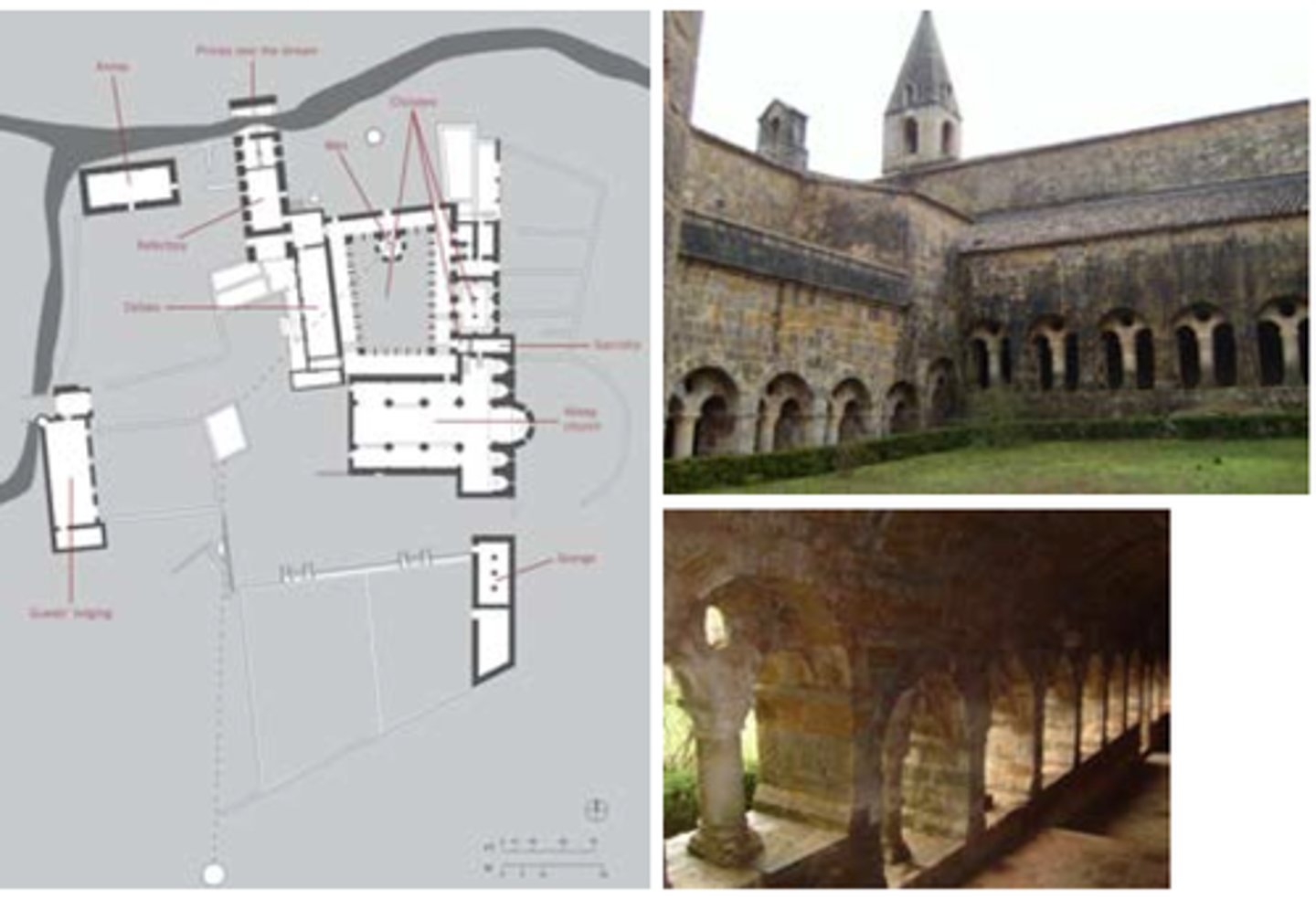
Le Thoronet Abbey
A. Context
no central door
- rejecting extravagance
Cistercian order found in 1098
- robert of molesme
Door is rejection to major door
- side door
- voussoirs are different sizes
Le Thoronet Abbey
B. Program
ora et labora (manual work)
the laity (lay people) - people who are not clergy
novices - people who are studying to become monks, nons, often live in a novitiate
Dining Hall
Grange - blacksmithers
Cistercians have strong feeling of purity (in architecture)
Cloister feels heavy
- a cloistered paradise
- glimpse of paradise
Groups of people slept together in dormotories
Columns of cloister sit on low wall
- pericut
Dorm is all ashlar masonry
- pointed barrel vault
- banded vault
Le Thoronet Abbey
C. Style
No Romanesque features
very early christian basilica
tower here was a sign of pride
round apse
Ashlar Masonry with minimal grooves
Walk into aisle, step down into apse
Details of chapter house + cloister
Le Thoronet abbey
D. Structure
Banded pointed barrel vault
No clerestory, no tribune gallery
rib vaults in chapter house
Le Thoronet Abbey
E. Theory
Cistercians love 1:2
Square for proportions
God described laws of nature
Le Thoronet Abbey
F. Symbolism
lavabo - fountain for drinking water
- attached to cloister walk
kept building immaculate
- water is between material + spiritual
Daily Walking practices, theology of the infinite
Choir of St Denis
(background)
Choir of St Denis, Paris, France, 12th Cen CE
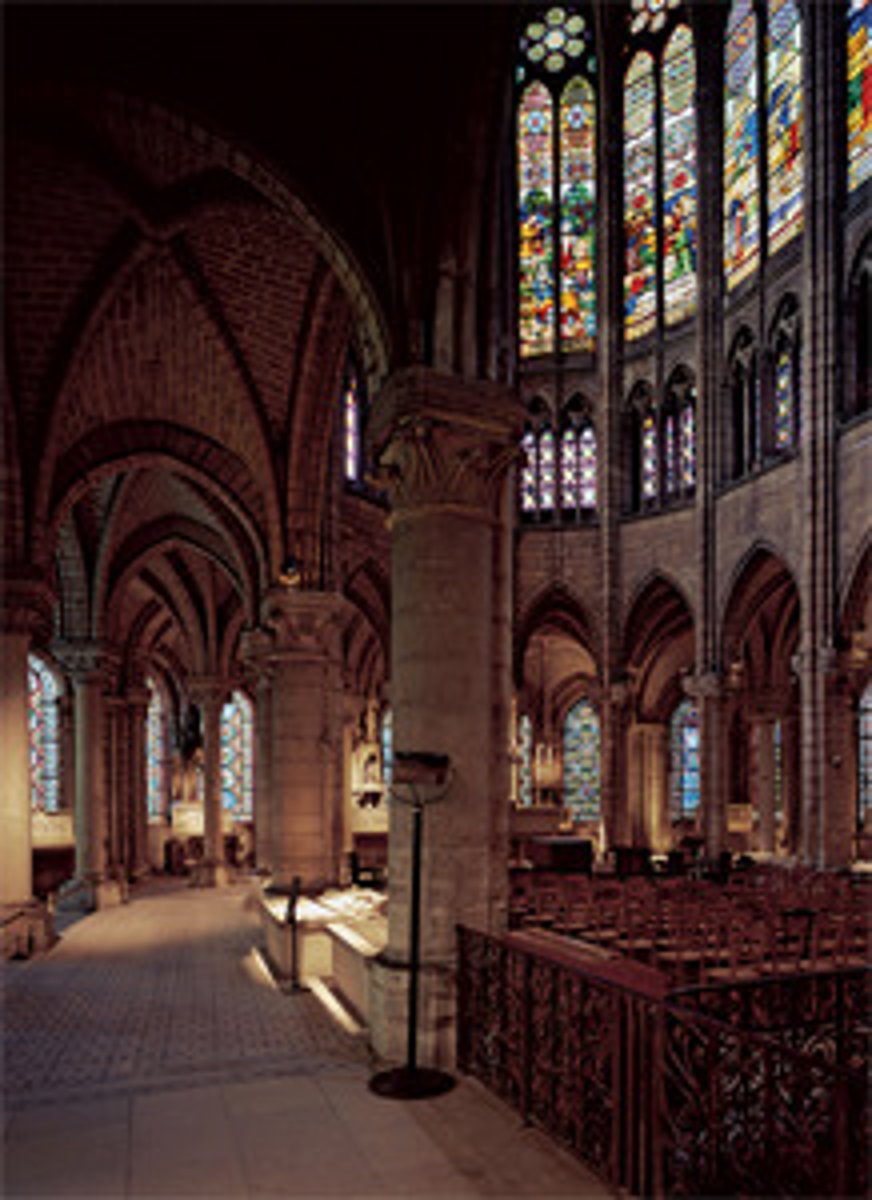
Choir of St Denis
A. Context
Gothic Architecture
- skeletal frame
- dematerialized walls
- other substitutes for masonry planes
- colored light transforms architectural forms
- flying buttresses
A royal abbey + royal necropolis
associated with kings and kingship
citizens interested in quality items
Choir of St Denis = a crown of light
- windows = a crown
Choir of St Denis
B. Structure
1. POINTED ARCHES
helped point thrust down
- wider windows
2. RIB VAULTS
all arch crowns at same space, space unified
walls can be thin or simply glazed
Choir of St Denis
C. Style
ambulatory + radiating chapels
intense linearity
otherworldly aesthetics - masonry minimized, luminous color, linear energy
Aristotle's natural sciences
Choir of St Denis
D. Theory
Aristotle thinking
- understanding certain objects
- colored light to appeal senses
Chartes Cathedral
(Background)
Chartes, France, 12th-13th Cen CE
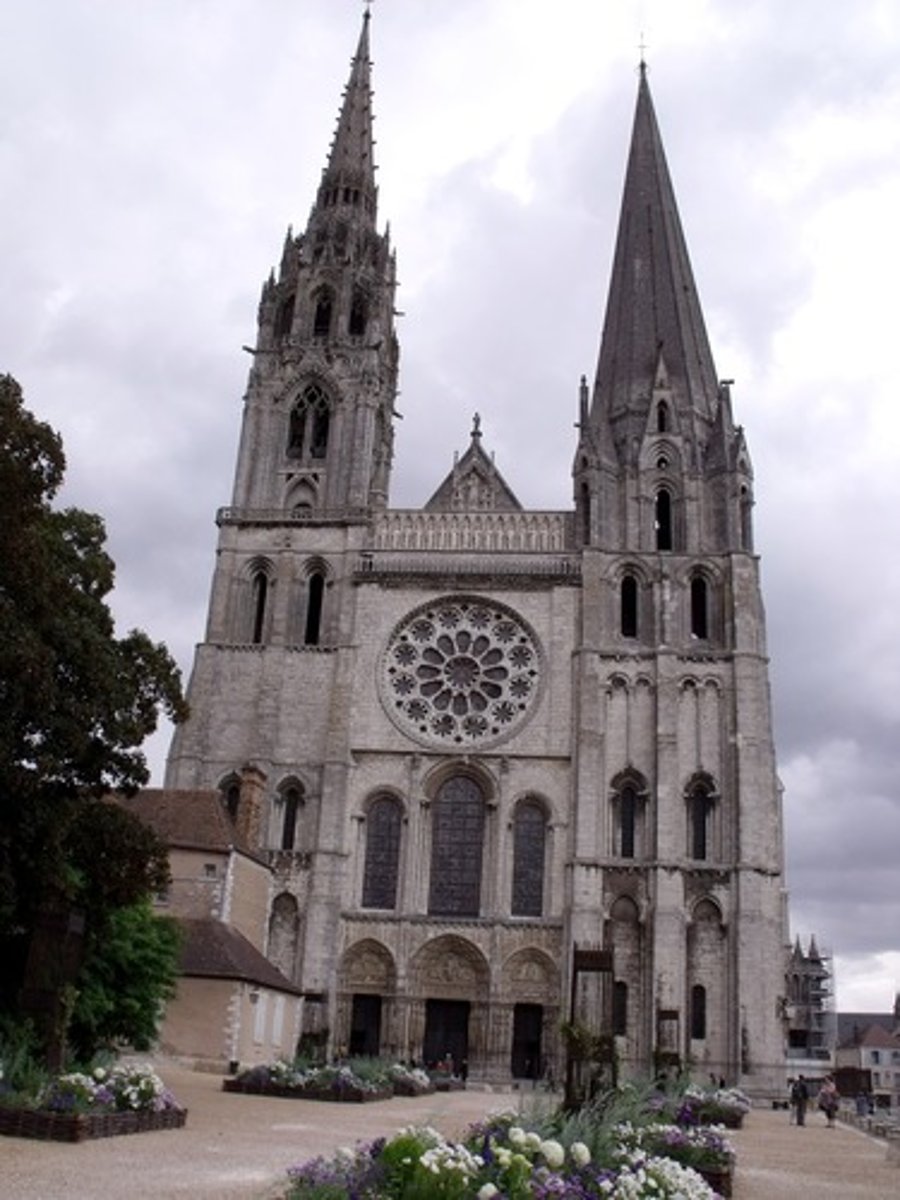
Chartes Cathedral
A. Context
Race for taller churches
Chartes Cathedral
B. Theory
from material to immaterial
Chartes Cathedral
C + D. Aesthetics and Structure
Greater spatial unity
- spatial height
- transparency of layers
Stuff needs to be bigger and taller in Chartes
1. SPATIAL UNITY
2 front west towers
- no care for uniformity
Flow of unified space
sweep of a way
2. DIAPHANEITY
plate tracery in clerestory
poking hole in wall to let light in
a. STRUCTURE
POINTED ARCHES
rib vaults completes skeletal frame, walls are thin
b. CLERESTORY WINDOWS MADE LONGER
eleminate tribune gallery
- trifornium instead
c. TRIFORNIUM INCREASING DIAPHANEITY
enlivens the blank zome where the pent roof is
3. HEIGHT
race for height means learning to use flying buttresses
had to predict wind velocity
Chartes Cathedral
E. Style/Architectural Language
represent style in linearity
walls dematerialized with glass
colonettes
pointed arches all over the church (broken arches)
Pocket capital (crocket)
bar tracery - antithetical to wall surface
rose window is linear
round window
Chartes Cathedral
F. GOTHIC EXTERIOR
Structural exhibition
support system is pushed outside
- flying butresses
facade began as romanesque
correspondence between exterior and interior
flying buttresses are visualized inside mentally
- correspondence with trifornium
transparent shell
1. UNIFIED GOTHIC EXTERIOR
low aisle, high nave
towers make look like everything is taller
towers are just facade builders
2. FACADE RECONCILE TWIN TOWER IDEA IN SECTION
model of the city of the heaven Jerusalem
Ascension of Christ, Last Judgement, Assumption of the Virgin
Biblical scenes represent each entryway
Old testament, kings and queens as door jambs
naturalistic figures = Aristotelian natural world
Chartes Cathedral
G. Symbolism
1. CATHEDRAL AS CITY OF JERUSALEM
looks like a city wall or gate
portals are a city wall or gate
church was strongest building in town
The Ste Chapelle
(background)
Paris France, 13th Cen CE
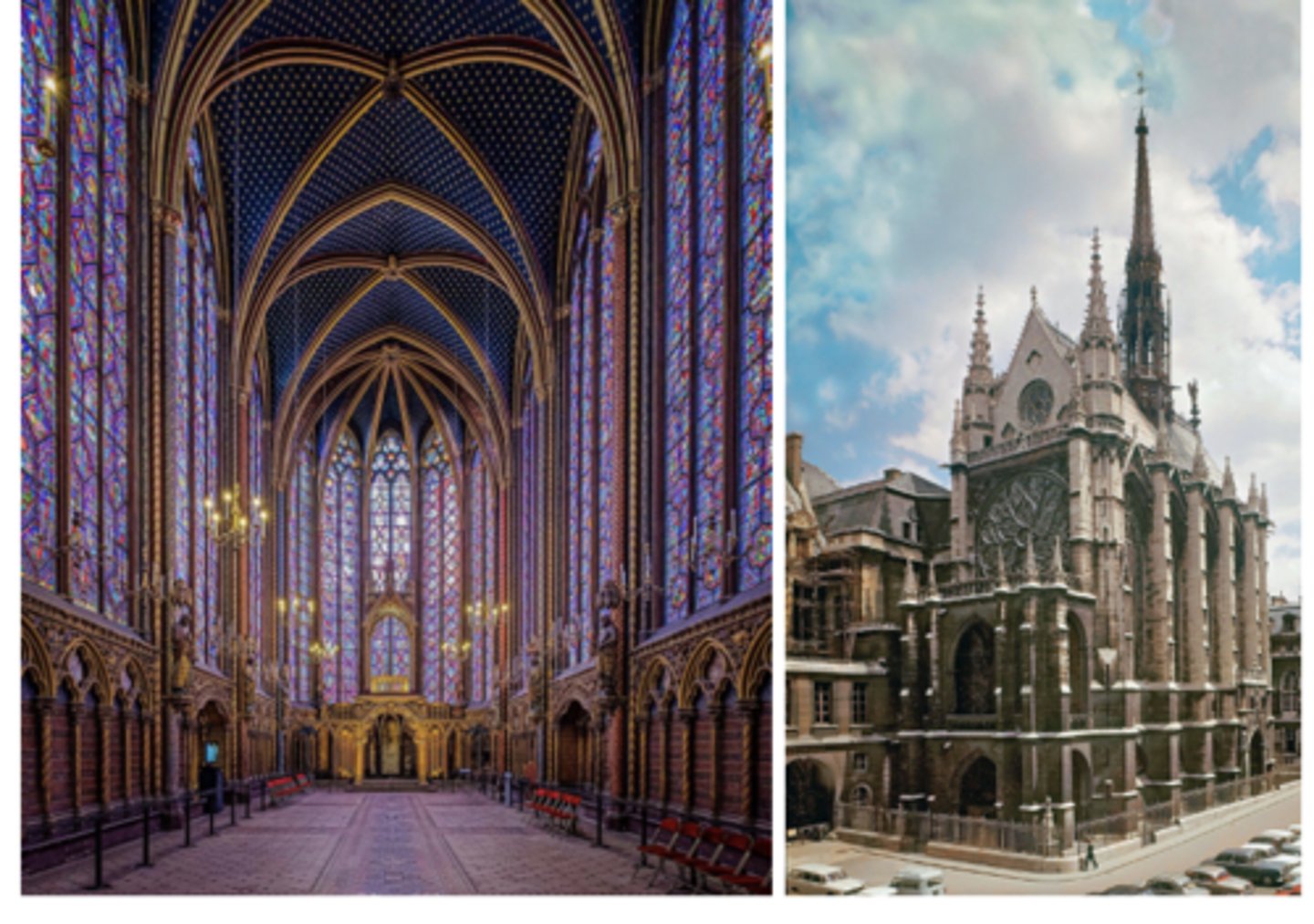
Ste Chapelle
A. Context
otherworldly aesthetics through urbanity
bishop and king pushed different style to stand out
trusting sight as gateway to immaterial
King Louis IX
1. RELICS
a great reliquary chest
crown of thorns and nails
chapel was built for relics
Ste Chapelle
B. Program
in service of the king
direct access to royal palace by upper level walkway
1. SENSE OF HOVERING
king hovering in total clerestory
lower chapel = nave arcade
trifornium + upper chapel = upper chapel
trifornium = dado zone
dado zone is solid
Ste Chapelle
C. Aesthetics
1 - 4. INNER ELEVATION, VAULTING, ELEVATIONAL SYSTEM, BUTTRESSING, BAR TRACERY
piers clustered with responds
- piers cluster, not compound
structure disappears behind stained glass
4 part rib vault
vaults painted with gold
- firmament of heaven
- goes with jewel like interior
wall or spur buttressing
aggressive buttresses
interior chapel is 20 meters
tubular bar tracery creates an antithetical relationship between framework and wall surface
rayonnant gothic
Ste Chapelle
D. Symbolism
whole building is considered a reliquary
- a story element
Ste Chapelle
E. TRIMPHIALISTIC DISPLAY
1. NEW JERUSALEM REPRESENTED IN PARIS
holy sepulcher to temple of solomon
Ste Chapelle to notre dame
2. SCULPTURE SUGGEST LOUIS NEW KING OF NEW JERUSALEM
windows are decorated to old testament scriptures
ones around relics are different
last window is about Louis IX
Dado zone has enamels + gold leaf
Nestled chapels for King and Queen
- oratories
- pictures of early martyrs
12 apostles represented in pillars
- to evangelize the others
- transition zone
- halfway up from dado zone
Wells Chapter House
(Background)
Wells Chapter House, Wells, England, 13th Cen CE
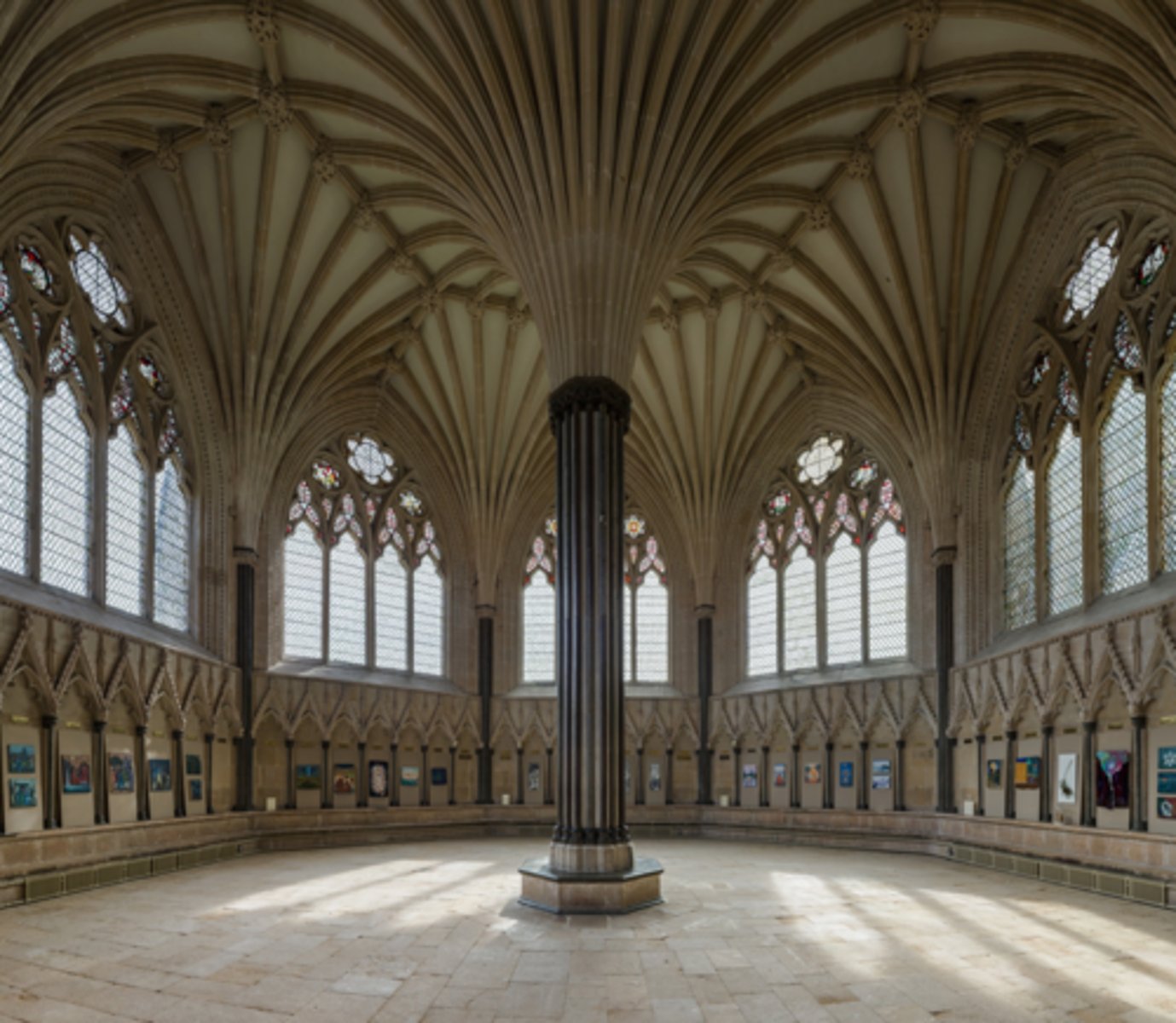
Wells Chapter House
A. English Reception of French Gothic Style
westminster Abbey
St stephens chapel
English had a very long nave
- transept felt in middle
Octagonal chapter house
- where disputes are discussed
3 part nave elevation
Wells Chapter House
B. English innovation and program
Wells Cathedral
- super long nave
vertical elements look very tall
scissor vaults
no vertical elements
has linearity
cluster piers
inside scissor arches
tierceron - addition of not structural ribs, decorative ribs, looks structural
lierne - make pattern in ribs, connect rib to rib
- creating star patterns
Door has tracery with no glass
Wells Chapter House
C. Style
Decorated style tracery
tracery starts to have curvy elements
octagon shape room with ridge ribs
outer geometry determined by piers
people used wood putting in ridges of nave
- english idea
1. TIERCERON AND GOTHIC EFFECTS
patterns
grow and slightly taper
hard to get perfect joints, so focuses are added
2. Ogee arch
imported from the East
ogee arch
Gloucester Cathedral
(background)
Gloucester, England, 14th - 15th Cen
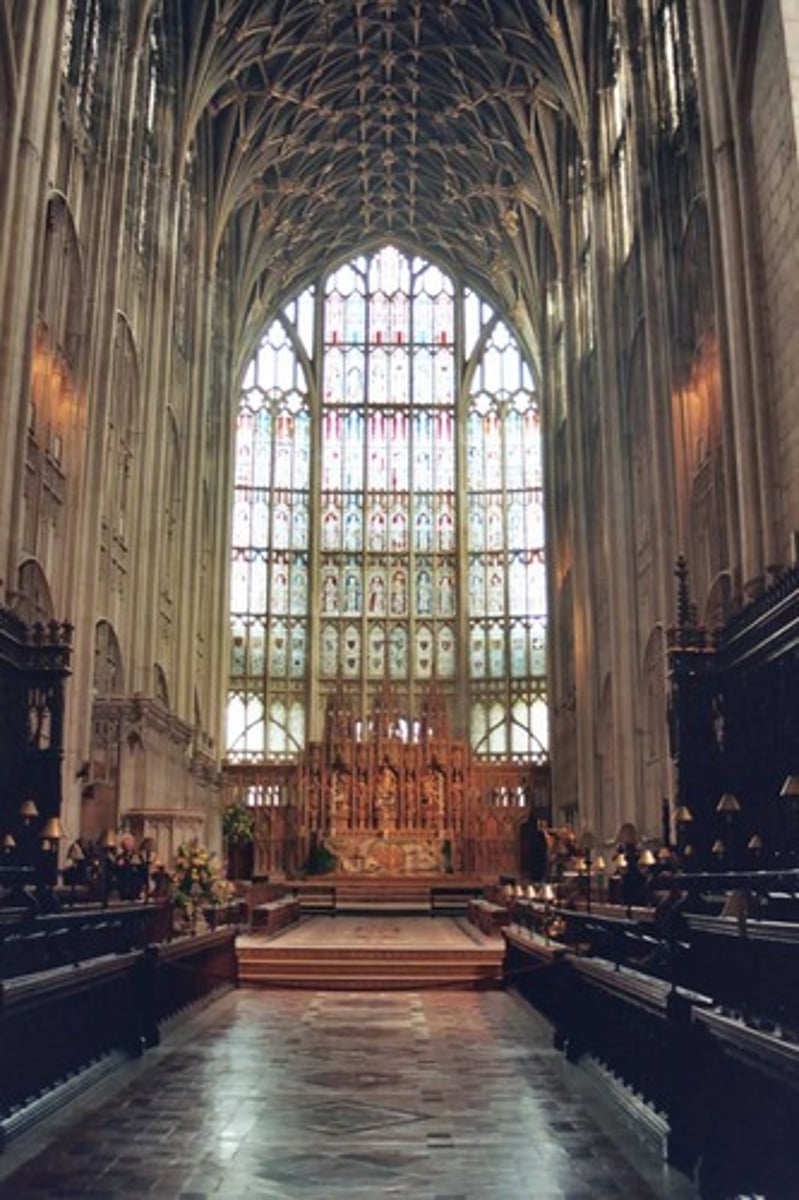
Gloucester Cathedral
A. Context for Late Gothic
more ethereal, transparency, otherworldly, christian space
designs for micro-architecture
english craftsman brought back idea from crusades
Edward III
- hundred years war
- fought off france
didnt want nobility to turn against him, so made him close to him
- created new positions in nobility
- nobility felt in place in royal + duties
Gloucester Cathedral
B. Appearance of Exterior
A lot more varied in profile
perpendicular choir is 86 feet tall
closer translation to interior to exterior
windows are quite dark, not transparent
Gloucester Cathedral
C. Ritual
choir screen
eastern part reserved for clergy
4 part lofted vault
- conservative architecture
Gloucester Cathedral
D. Aesthetics
1. COMPOSITIONAL UNITY
reticulated cage of mullions + tracery
compositional unity
tracery is cage like boundary between 2 spaces
Kept a thin level - verticals
- thicker when reaching the bottom
3 rib ridges
Diagonals overlap
Lierne vault
No hierarchy in ribs
Fan vaults in cloister
- continuity of wall + vault
- borrowed from Rose window tracery
2. DIAPHANEITY
blind tracery gives way to deep space
variety of textures kept in a single plane
diaphaneity is vertical rather than real
light dematerializes stone in cloister hall
3. VERTICALITY
verticals are more present
piers have strong colonnettes, in rayonnant style
at some point, horizontal members shy away
piers do all the work
Gloucester Cathedral
E. Structure
Four Centered arch and vault
- tudor arch
mortar joints cross over ribs
looks structural
Gloucester Cathedral
F. Theory
CLearish glass
more white glass is better
layering of celestial hierarchy
fauces, celestial concert, gold elements
The Phoenix Hall
(background)
Uji, Japan, 11th Cen
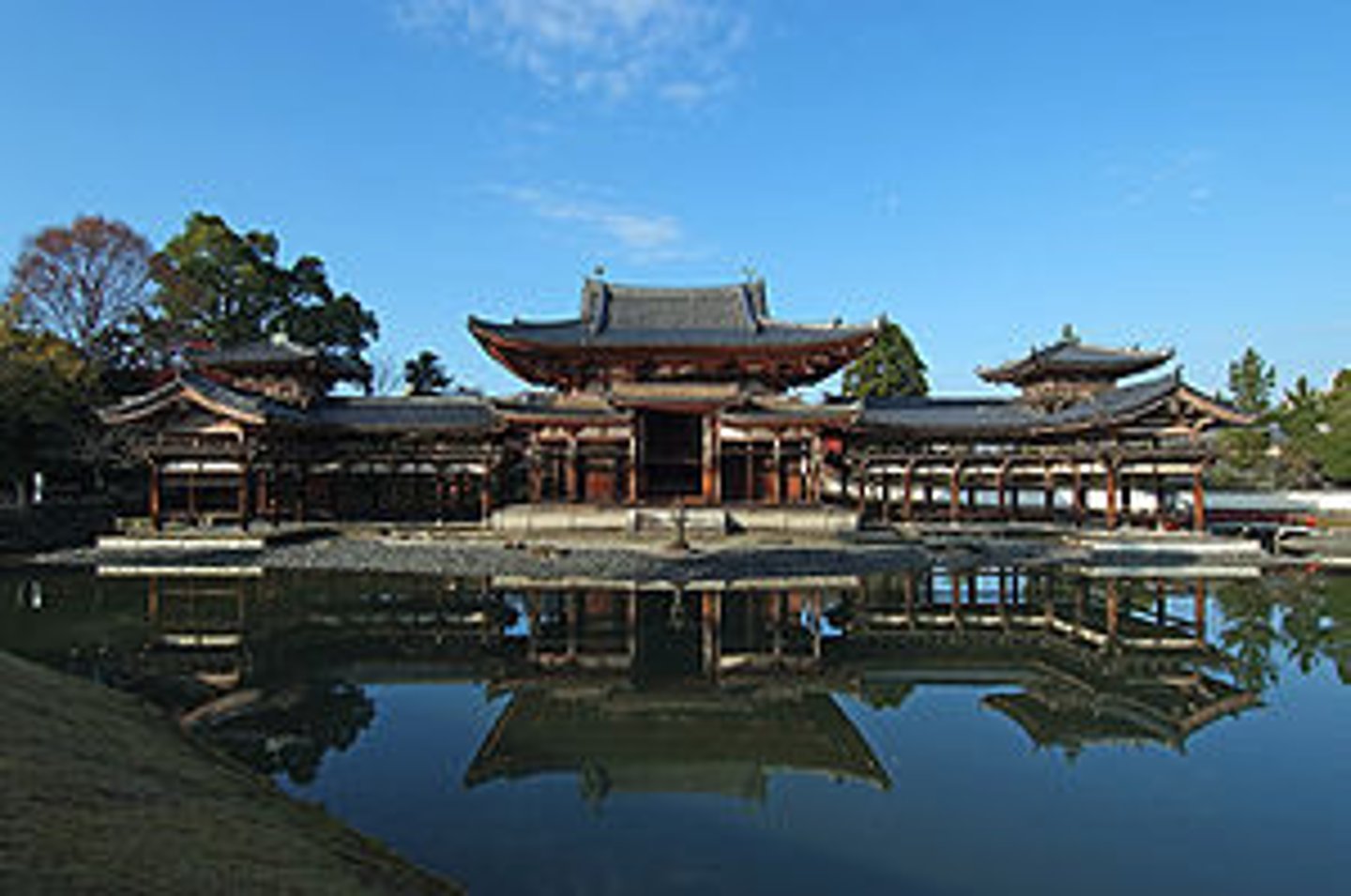
Japans Heian Architecture
A. Origins
in urban city
shinden - principal hall in a Heian palace
Heian Period (794-1185)
Prospering times in Japan
Precedent is Chang'an
- southern gate
- symmetrical wall boundary into palace
- overall order
Japans Heian Architecture
B. Context
rigid space for emperor
detached imperial porches
aristocrats could be casual
outer palaces are more relaxed
 Note
Note  Flashcards (179)