The Great Depression and the New Deal
 Studied by 26 people
 Call Kai
 Learn
Learn Practice Test
 Spaced Repetition
 Match
Match Flashcards
1/41

There's no tags or description
Looks like no tags are added yet.
Name | Mastery | Learn | Test | Matching | Spaced | Call with Kai |
|---|
No analytics yet
Send a link to your students to track their progress
42 Terms
Great Depression
economic hard times that lasted from 1929-1940s
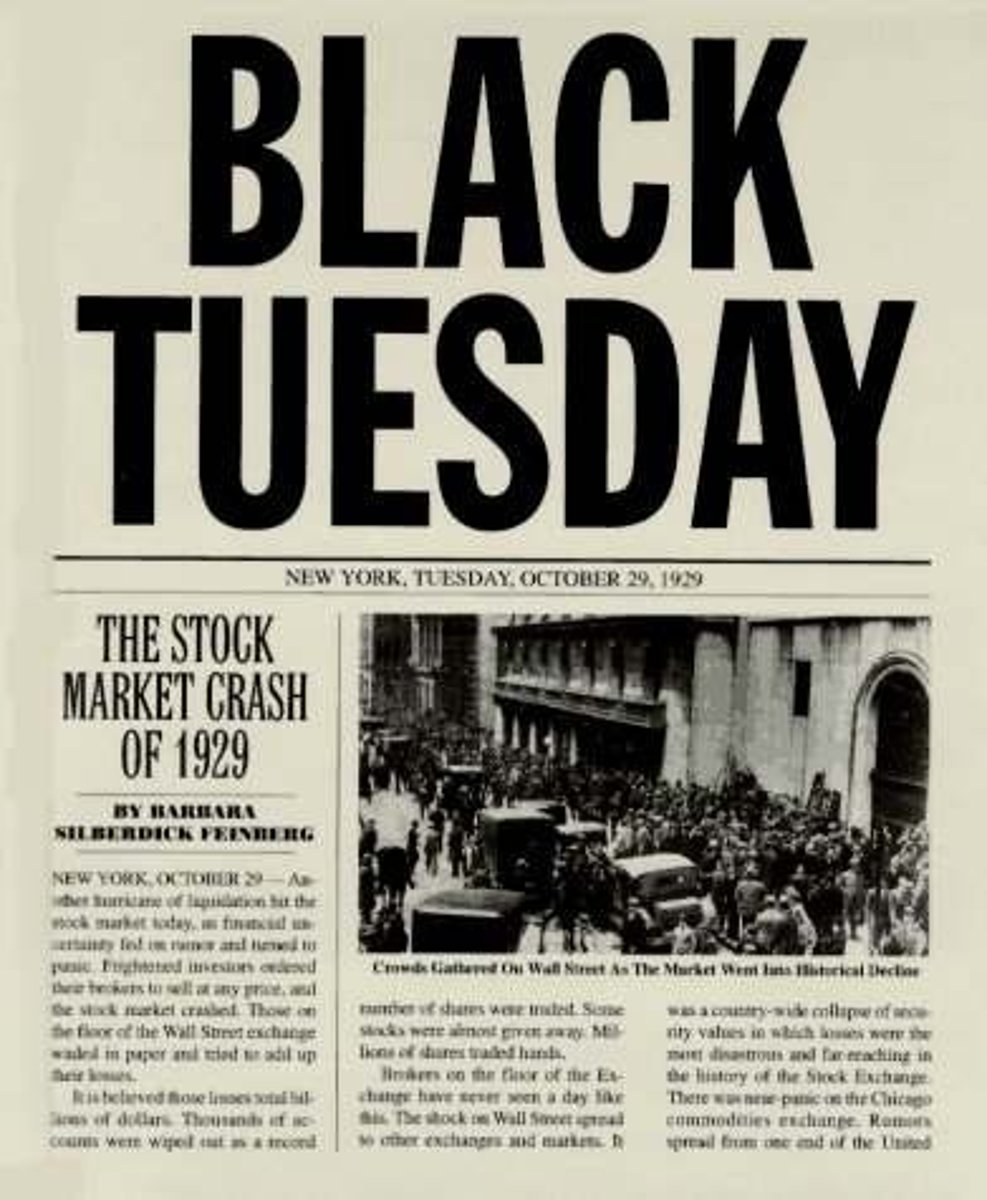
Black Tuesday
October 29, 1929; the day the stock market crashed
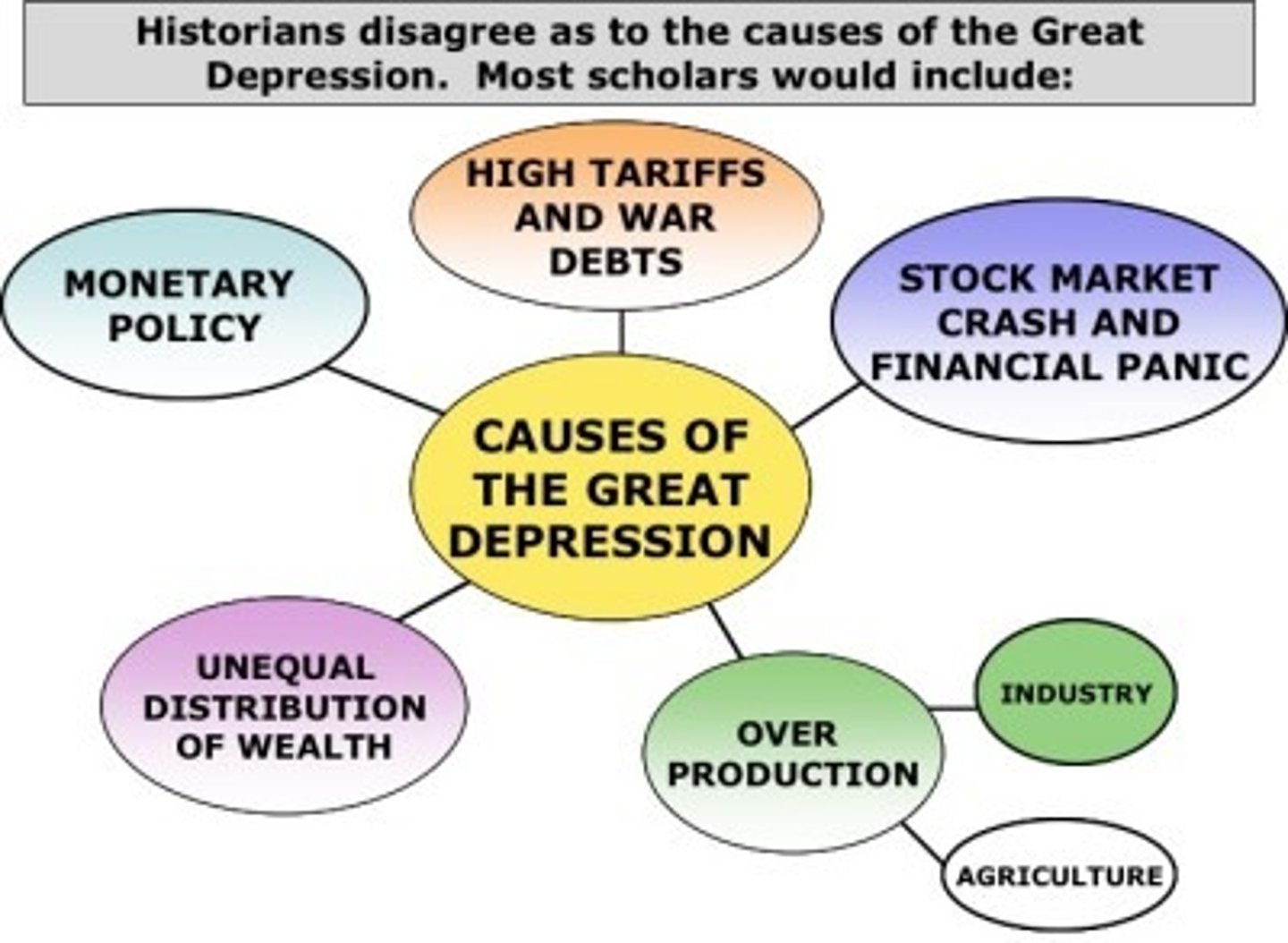
Causes of the Depression
overproduction, underconsumption, poor banking system, unwise loans, overspeculation, buying on credit/ installment plans, high tariffs
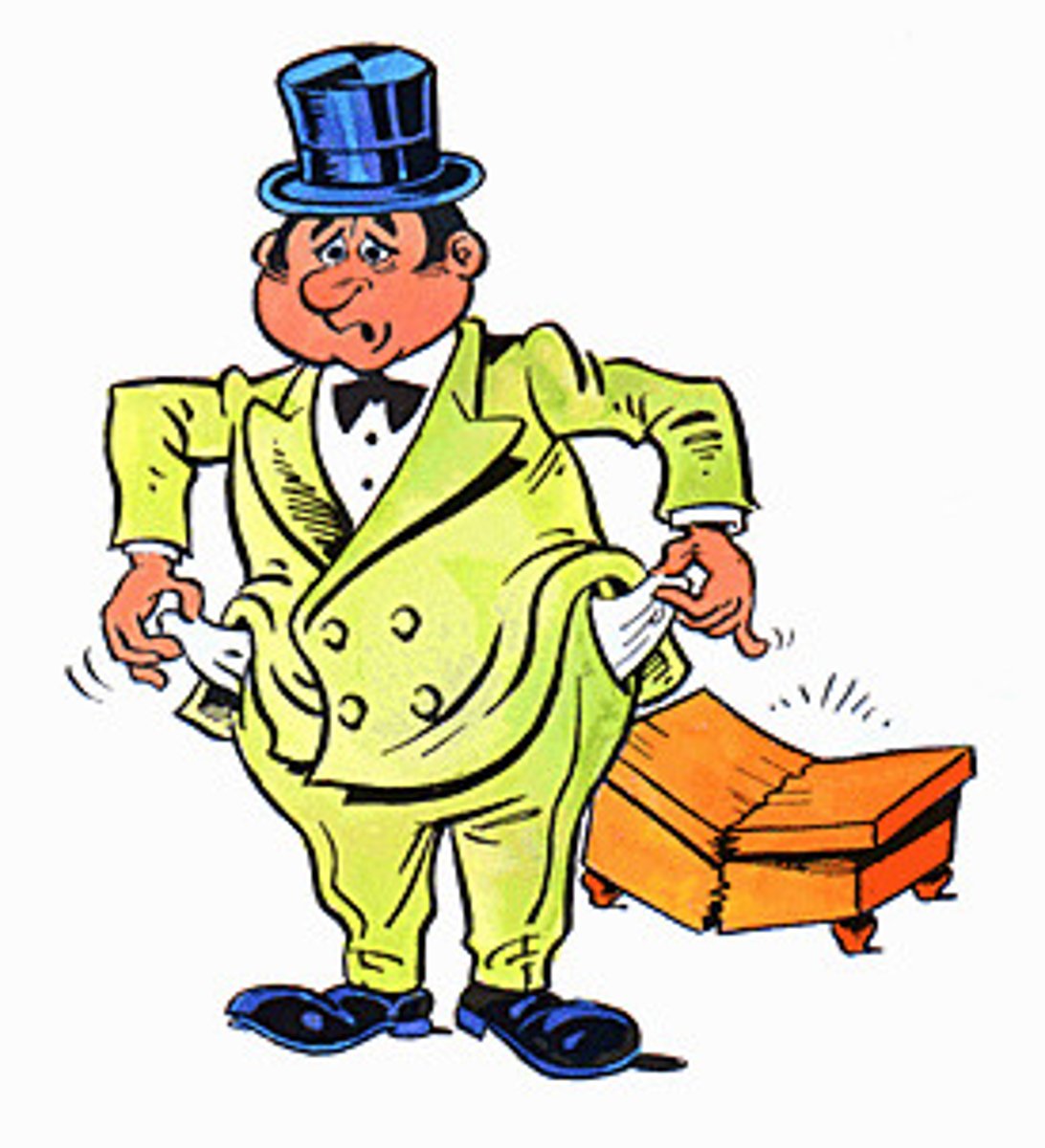
bankrupt
unable to pay debts
hard times
unemployment, decreased marriage rates and birth rates, starvation etc.
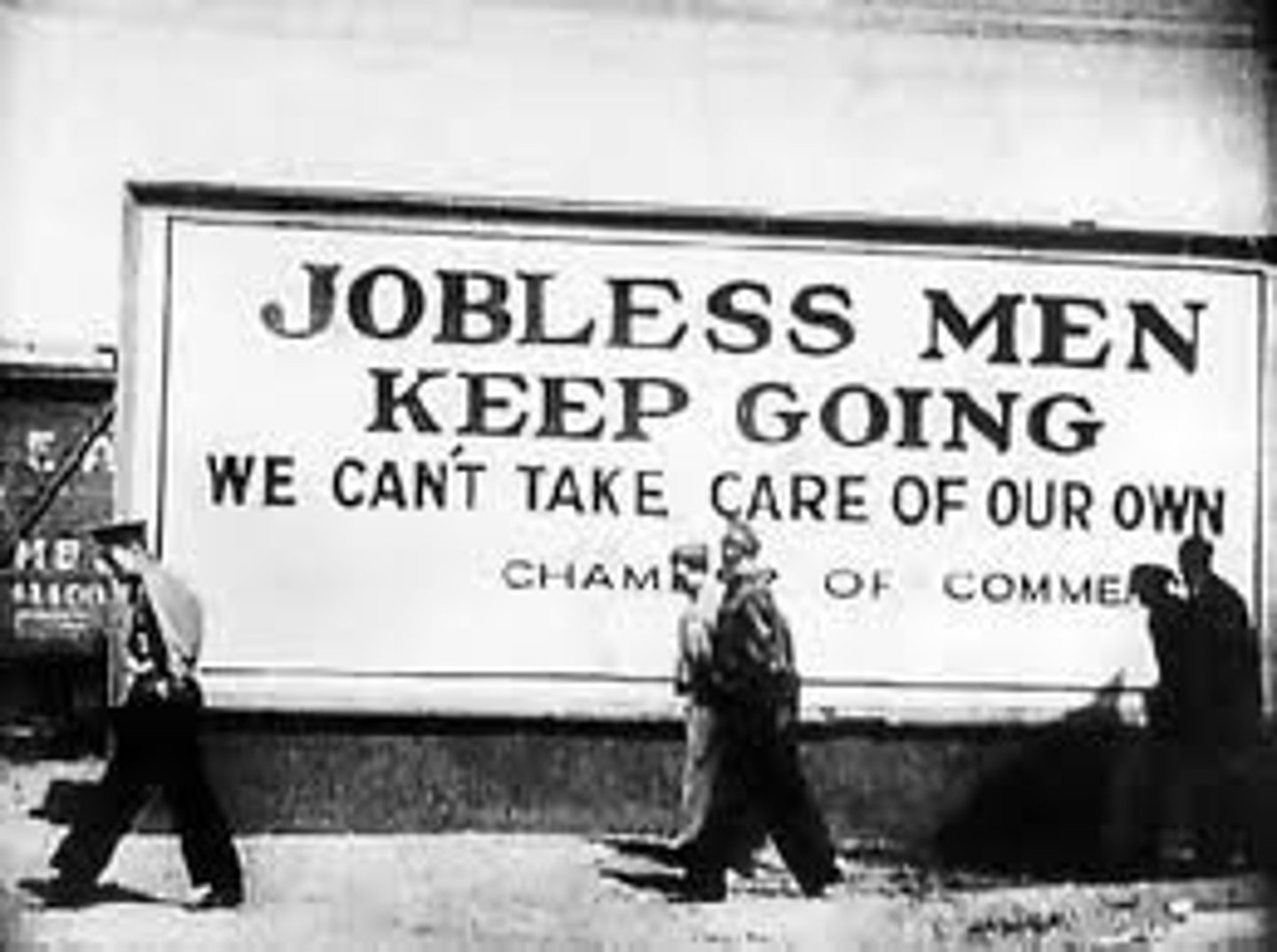
soup kitchens
set up by Herbert Hoover as a relief program to help feed the poor, unemployed

public works
programs created by the government to benefit the public
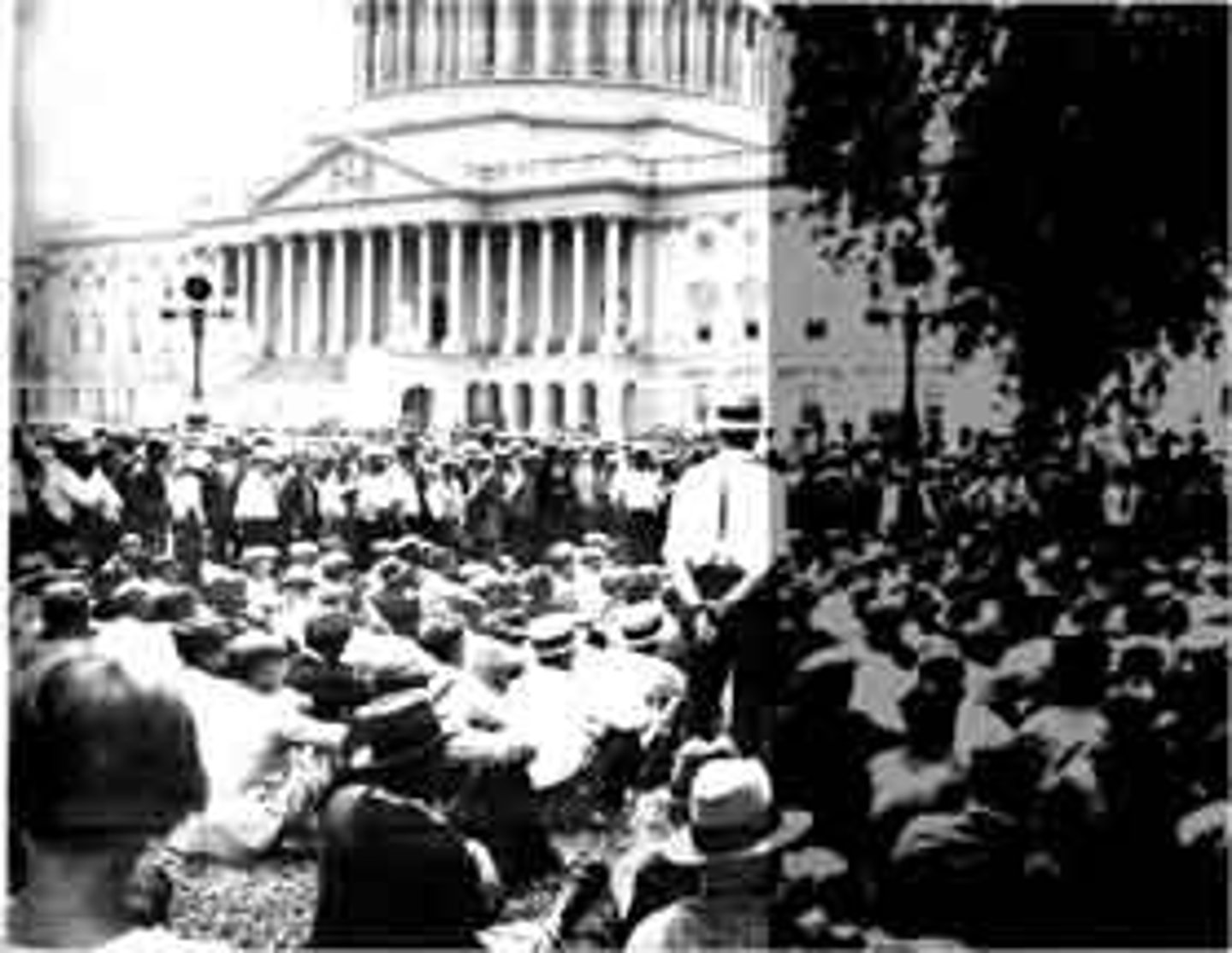
Bonus Army
WWI veterans who marched to Washington DC to demand the bonus they were promised; Hoover called out the National Guard; a baby was killed.
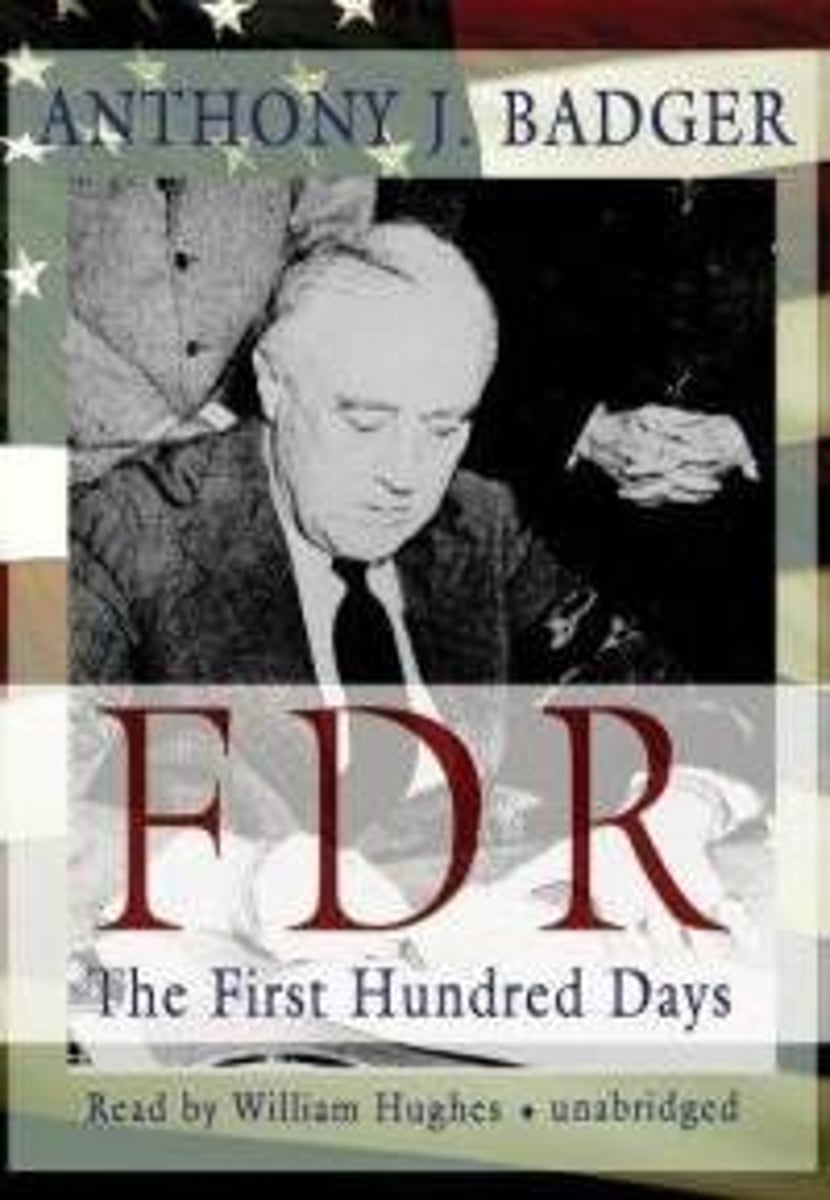
Franklin Roosevelt
32nd President (1933-1945)
Presented the American people with a New Deal to solve the problems of the Great Depression

100 days
FDR's first 100 days in office; first action was to close all banks on a "bank holiday"
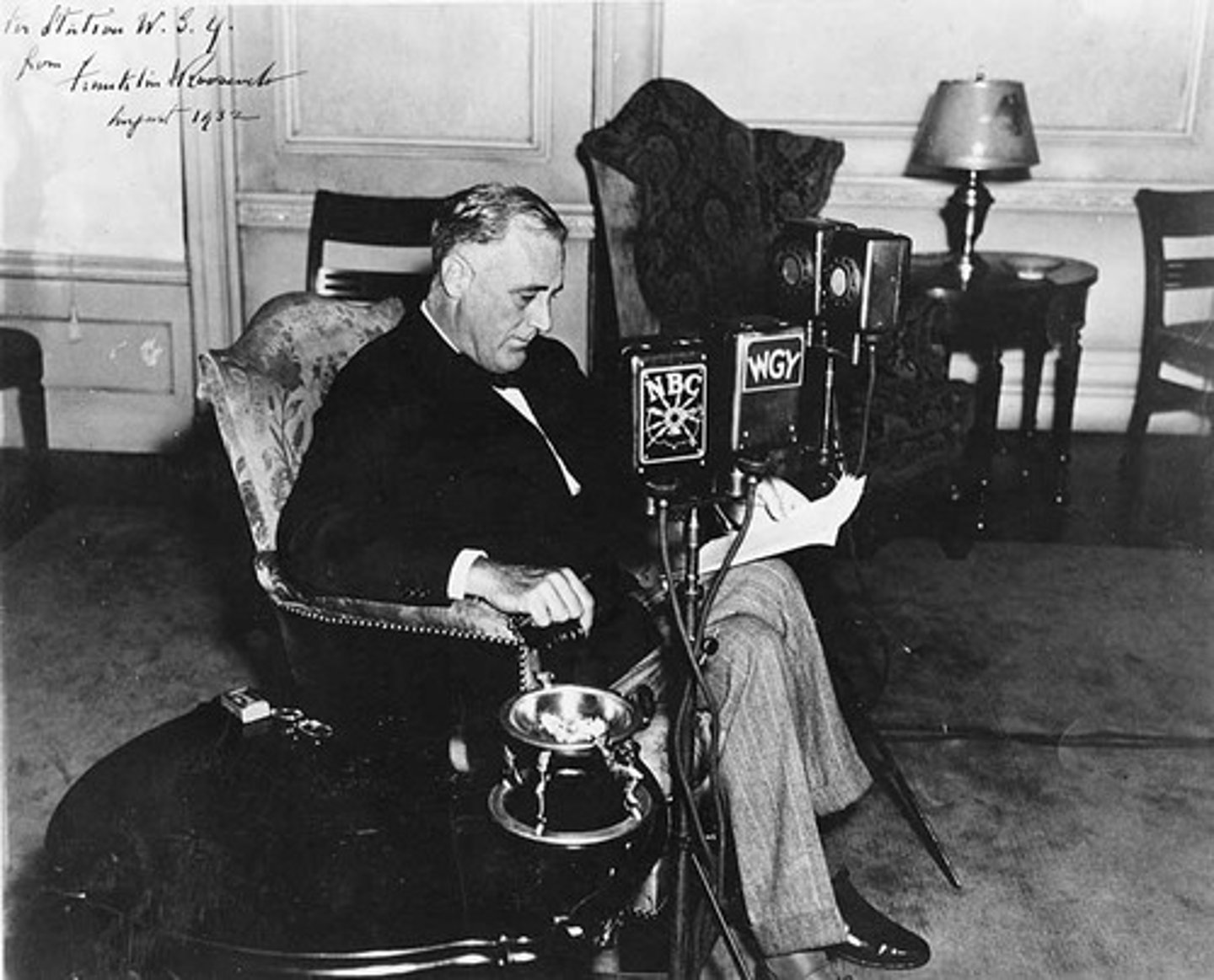
Fireside chats
Speeches given by FDR to keep the American people updated about the progress of the New Deal and help reassure them in uncertain times.
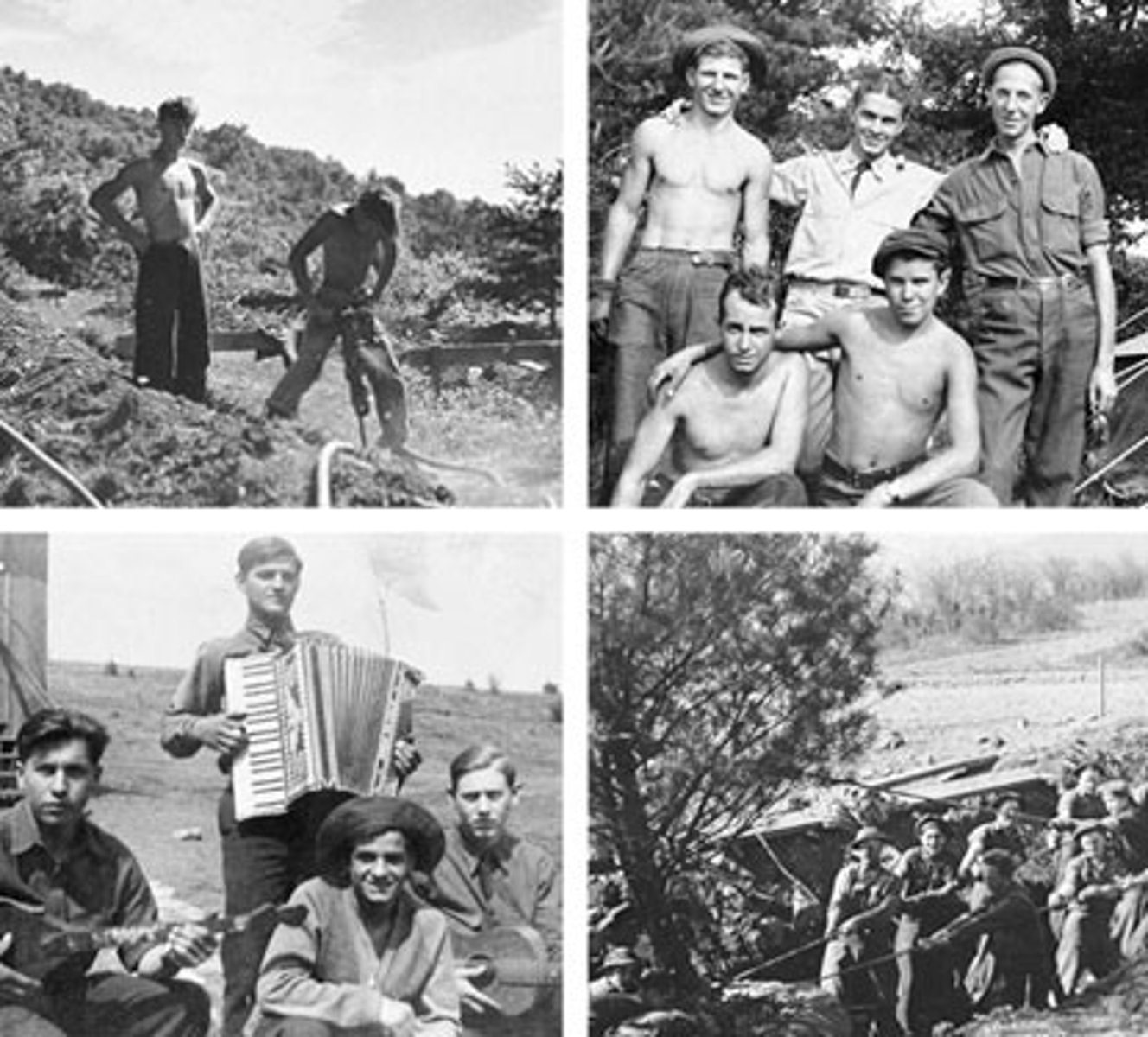
CCC-Civilian Conservation Corps
Jobs for young men doing things to conserve the environment, like planting trees and creating parks.
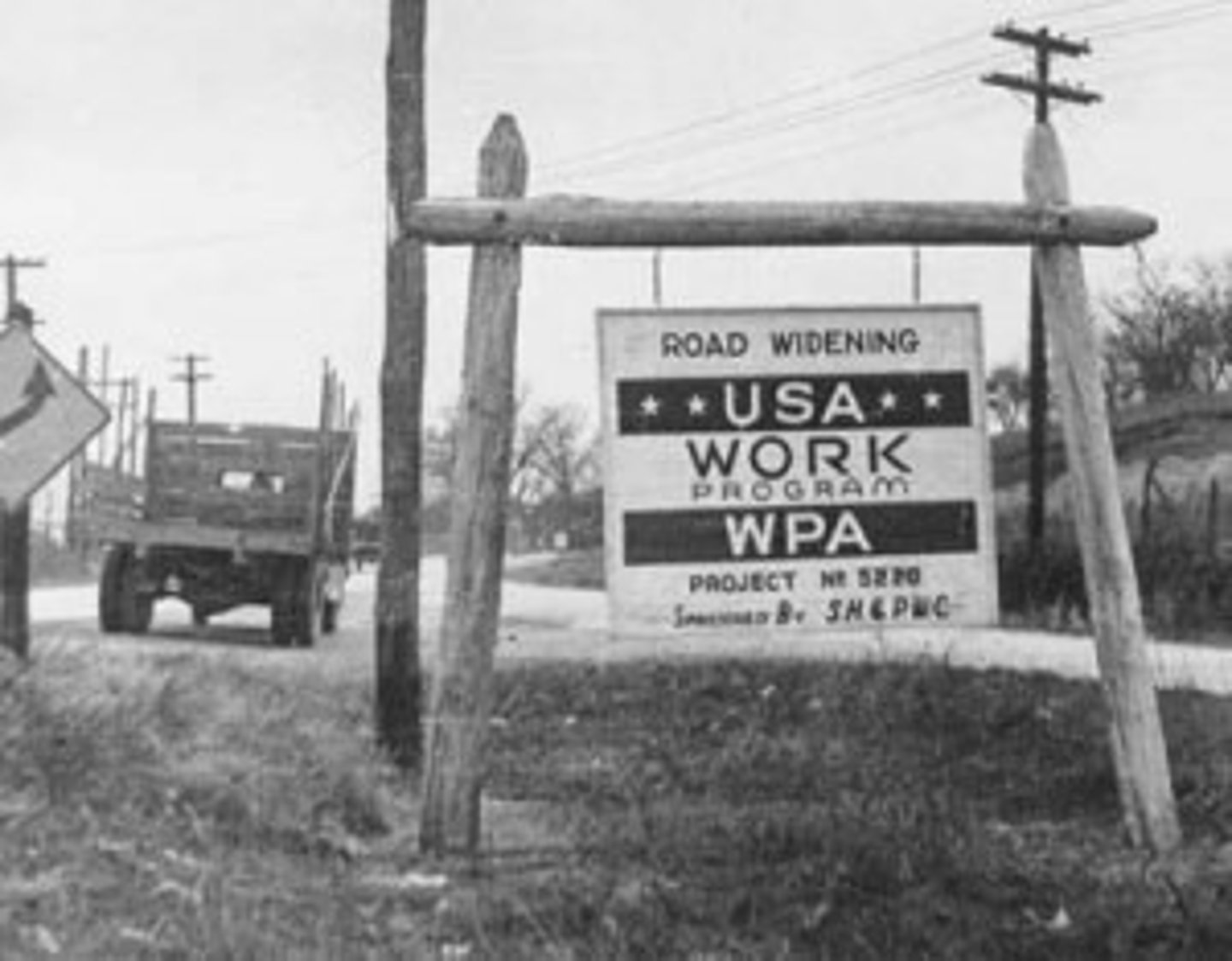
WPA-Works Progress Administration
Put the jobless to work building hospitals,schools, parks, and airports.
National Industrial Recovery Act
set standards in wages, production,and prices
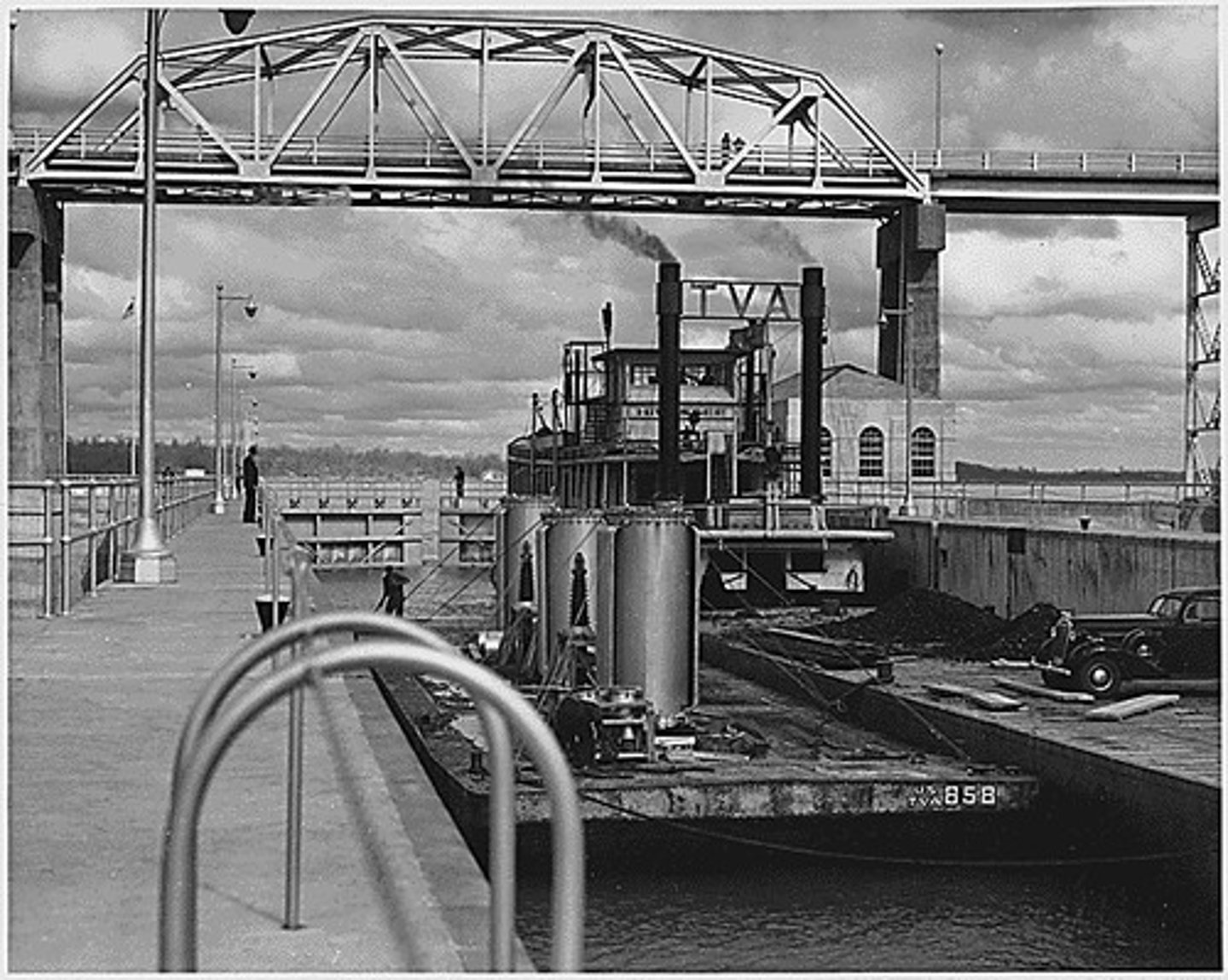
TVA-Tennessee Valley Authority
gave jobs rebuilding an important region in TN; brought flood relief and hydroelectric power to the area
AAA-Agricultural Adjustment Act
asked farmers to reduce production and destroy surpluses to make price of farm goods go up; later ruled unconstitutional
FDIC-Federal Deposit Insurance Corporation
provides insurance on bank accounts, so that if a bank failed, depositors could still get some of their money back

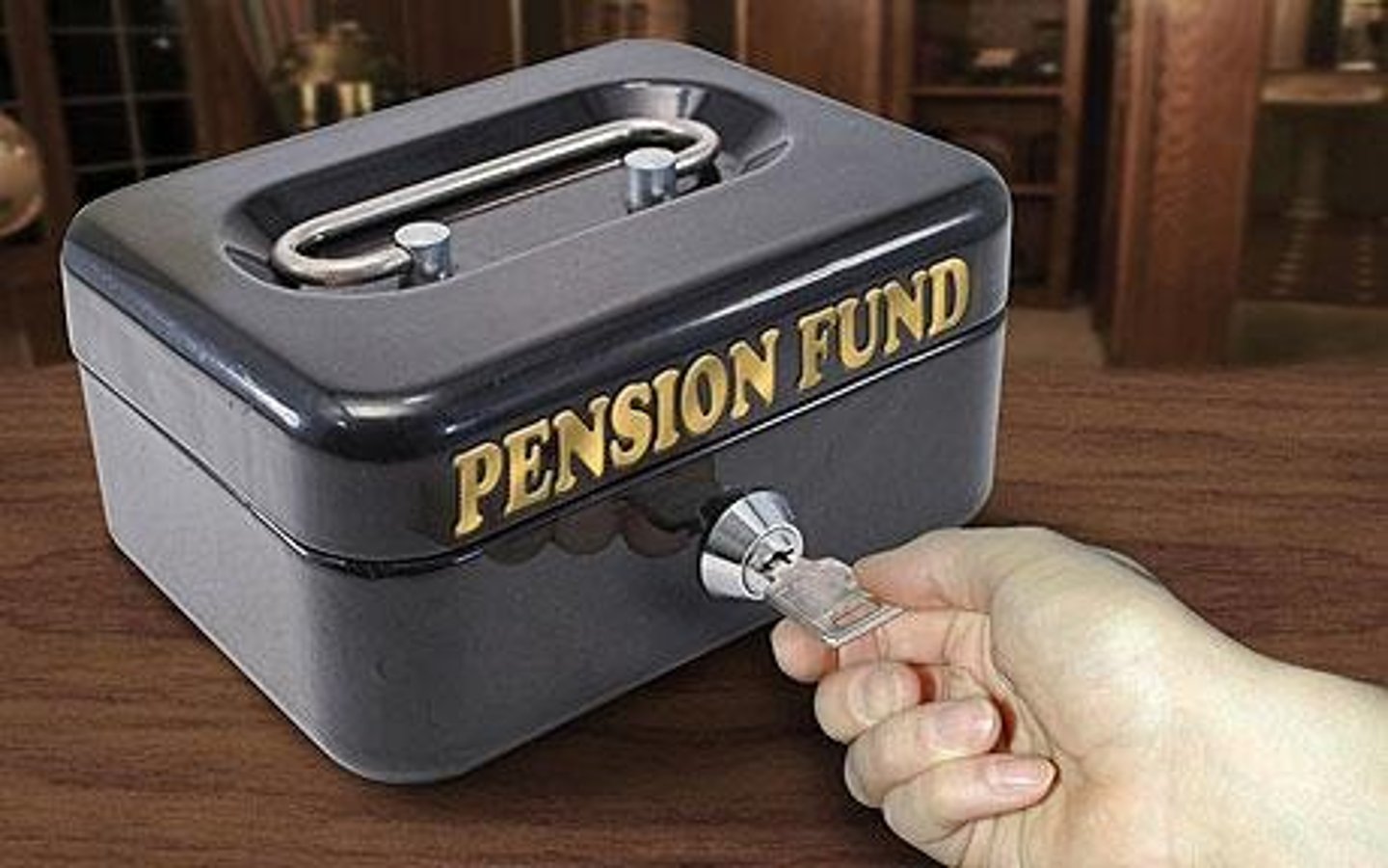
Pension
Sum of money paid to a person on retirement
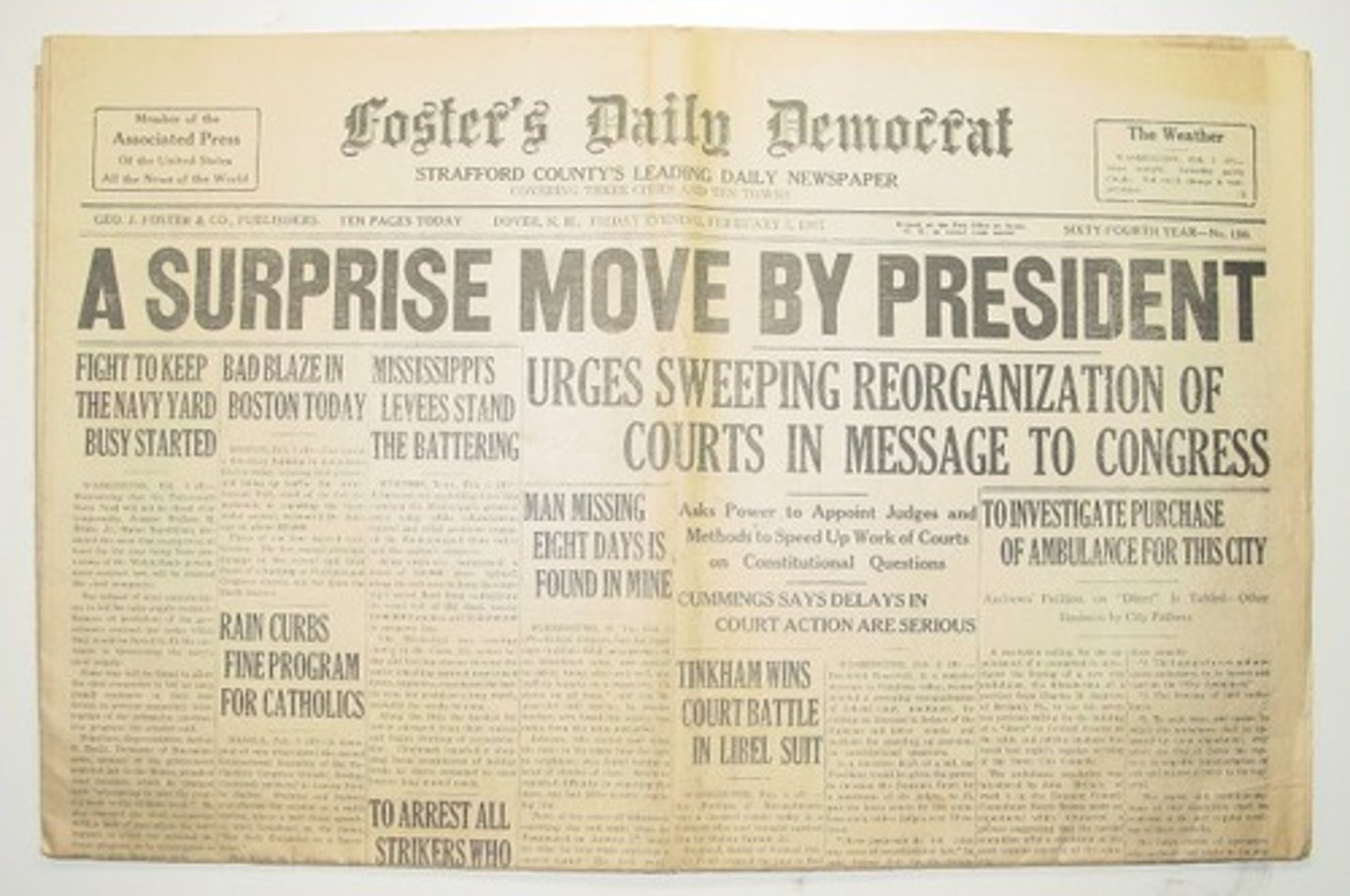
Court packing scheme
FDR's plan to "pack" the Supreme Court with supporters to keep his New Deal programs from being declared unconstitutional
Collective bargaining
Union representatives negotiate with managment.

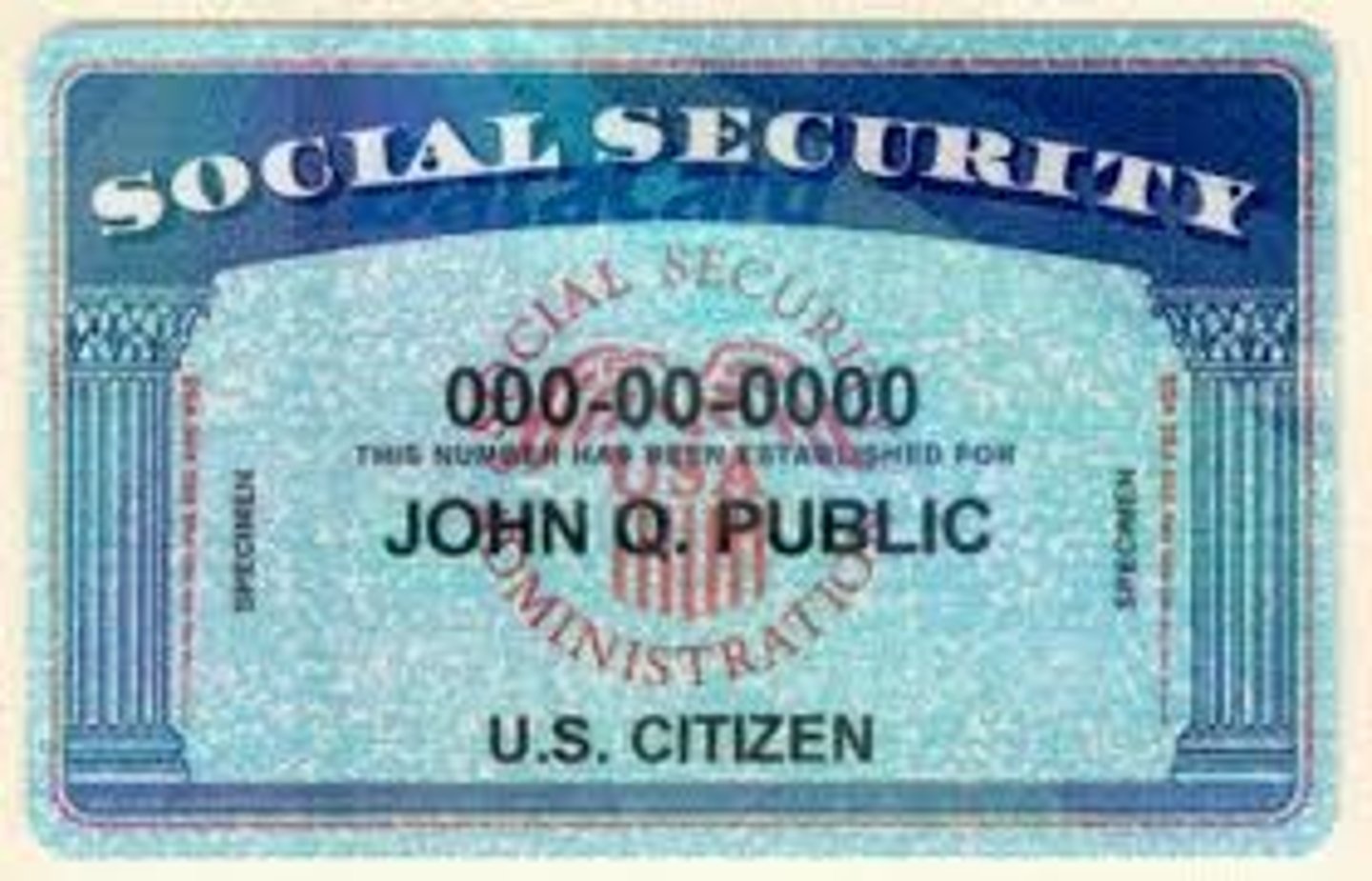
Social Security Act
1935, guaranteed retirement payments at 65; unemployment insurance, care for dependent mothers, children, and the handicapped.
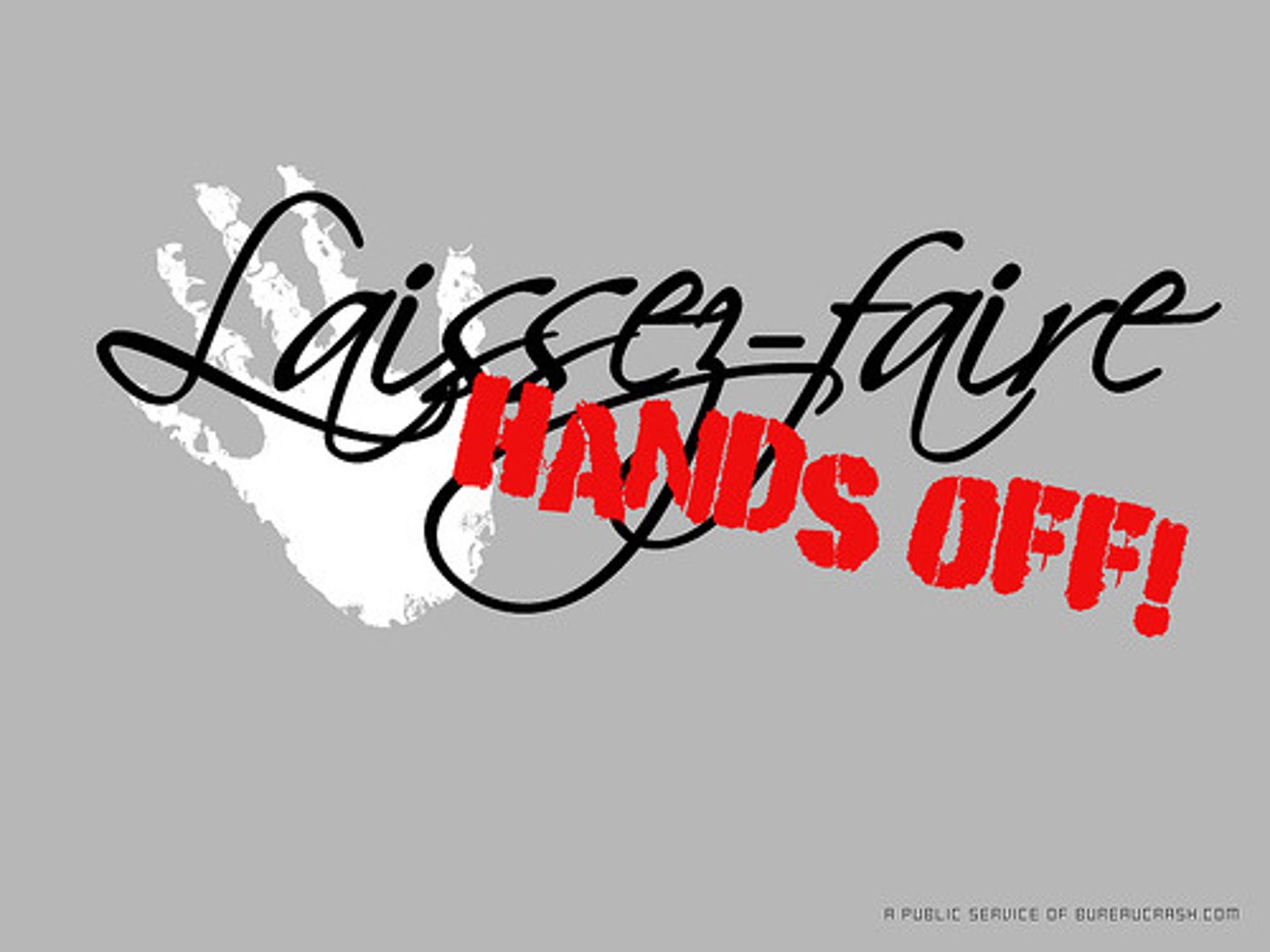
Laissez-faire
Idea that government should play as small a role as possible in economic affairs.
Opposite of the New Deal.
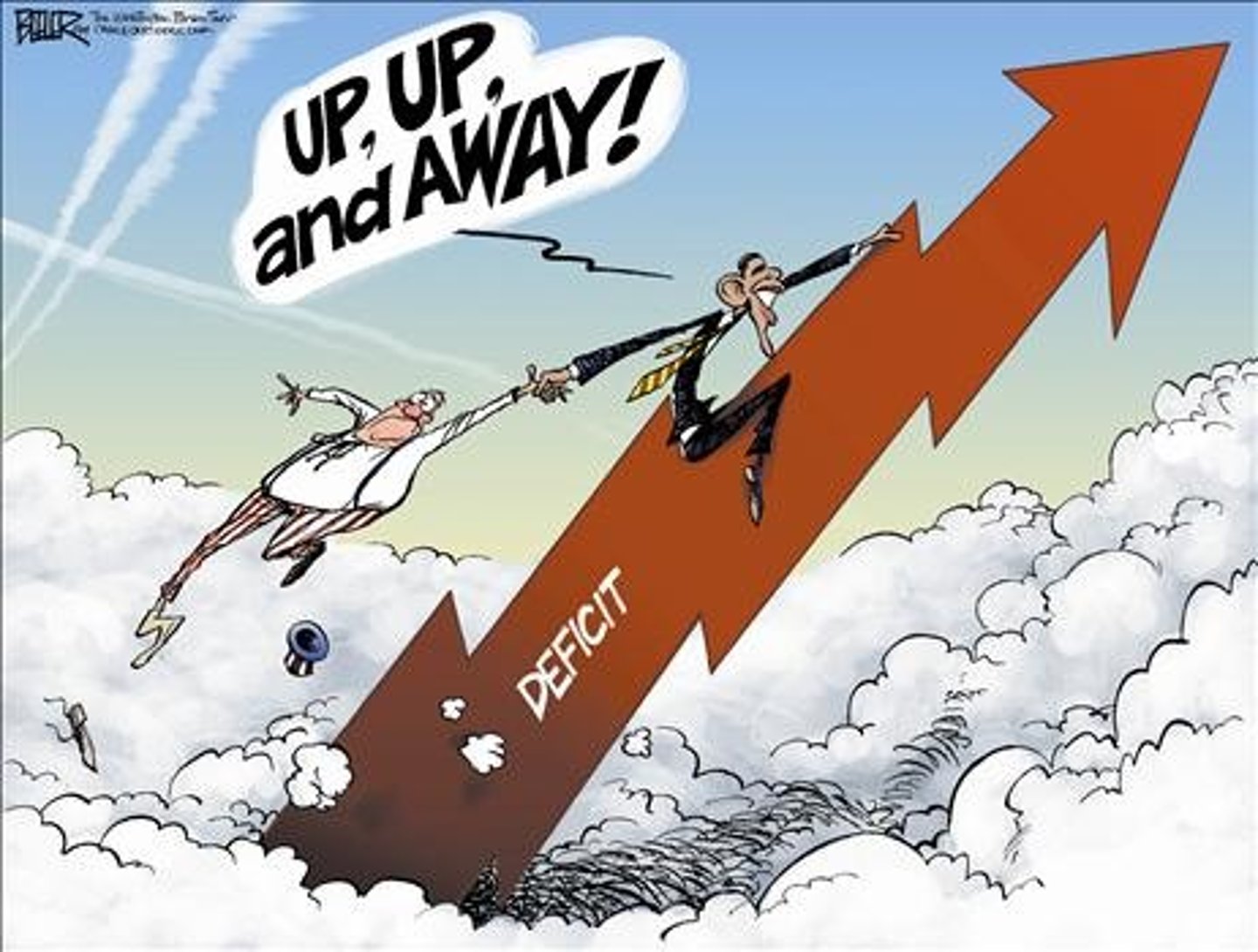
Deficit spending
Spending more money than the government has.
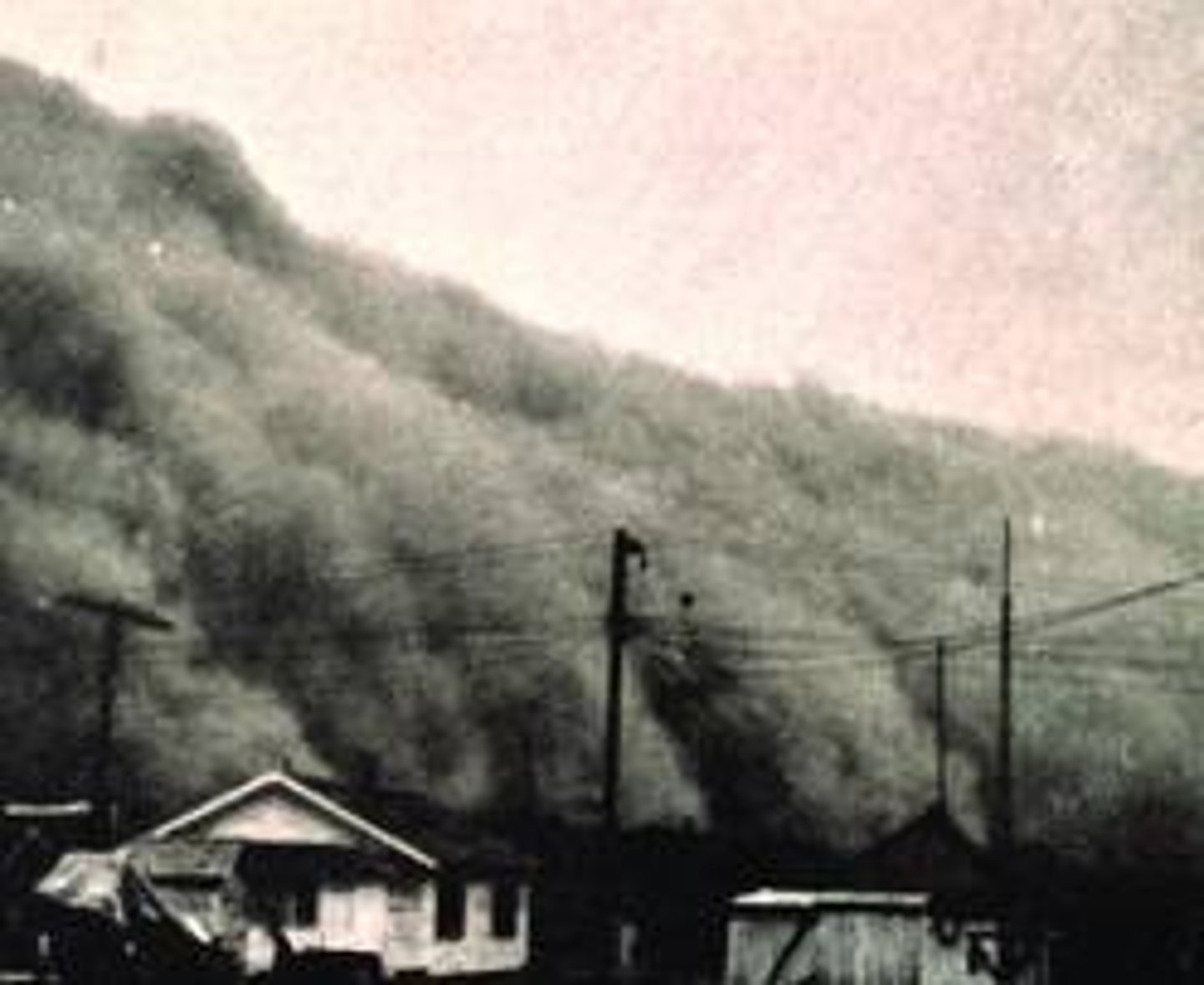
Dust Bowl
Severe drought that worsened the Depression for people in the Midwest.
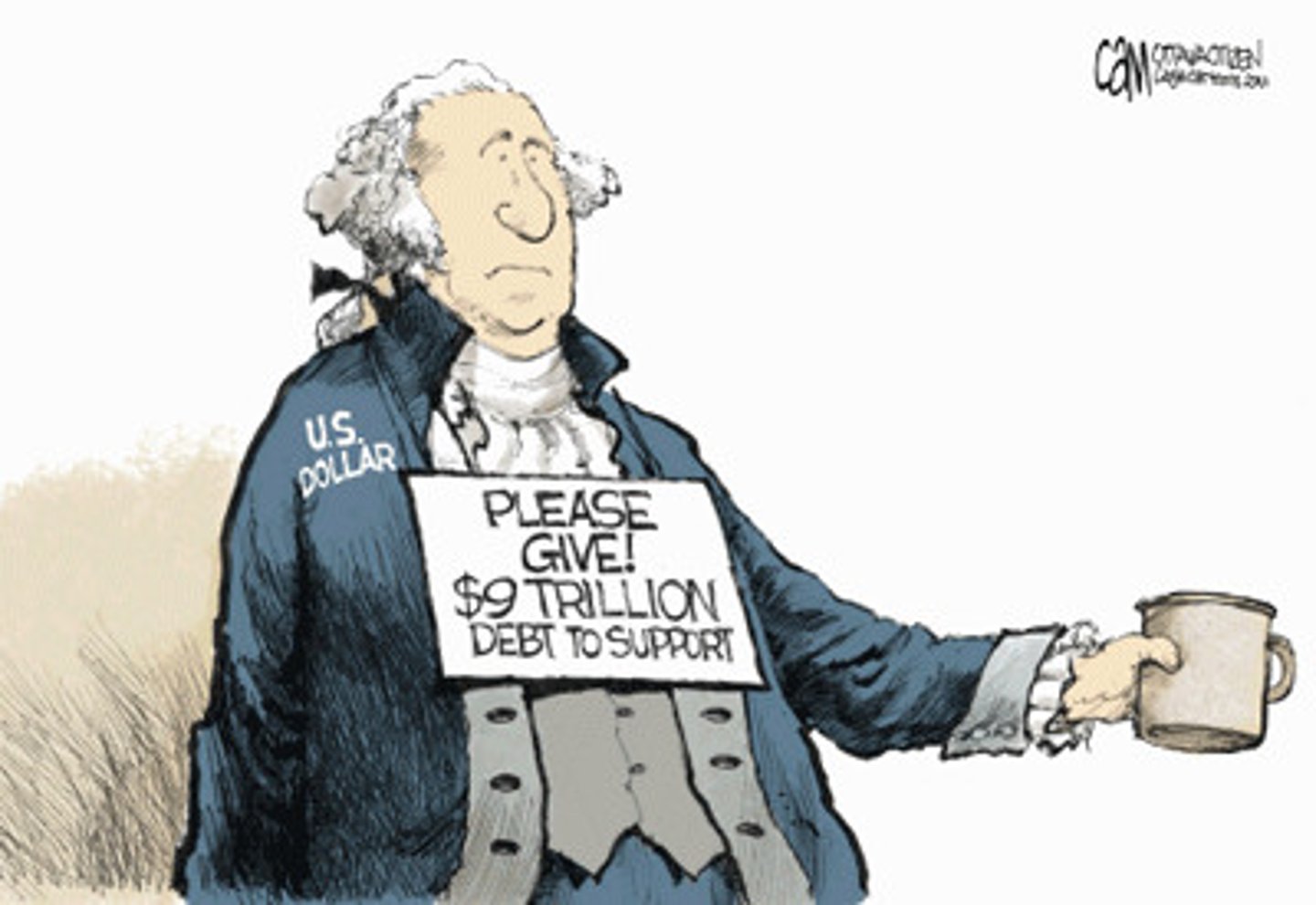
National debt
Total sum of money that the government owes.
Three R's
Relief, Recovery, Reform; the three ways FDR tried to address the depression.
Relief
aid for the needy; welfare; job programs
Recovery
A rise in business activity to get out of a depression and increase production
Reform
To change practices to ensure another depression would never happen.
Buying on the Margin
Purchasing stocks with borrowed money with the intent of making a profit and repaying the loan when the stock prices rise
Hoovervilles
Depression shantytowns, named after the president whom many blamed for their financial distress
Hawley Smoot Tariff
High tax on imported goods to stimulate American manufacturing, but triggered retaliatory tariffs from other countries.
Public Works Administration (PWA)
Helped construction workers get jobs doing public projects (highways, bridges, sewers)
Securities and Exchange Commission (SEC)
monitors the stock market and enforces laws regulating the sale of stocks and bonds
National Labor Relations Act
Established National Labor Relations Boar to protect the rights of workers to organize labor unions and to take part in strikes.
Dr. Francis Townsend
American physician and social reformer whose plan for a government-sponsored old-age pension was a precursor of the Social Security Act of 1935.
Huey Long
"Kingfish" Rep. senator of LA; pushed "Share Our Wealth" program and make "Every Man a King' at the expense of the wealthy; assassinated
Father Charles Coughlin
Roman Catholic priest who used popular radio sermons to criticize Roosevelt. Blamed Jews for the Depression.
National Recovery Administration (NRA)
New Deal agency that promoted economic recovery by regulating production, prices, and wages
Herbert Hoover
31st President of the United States (1929-1933)
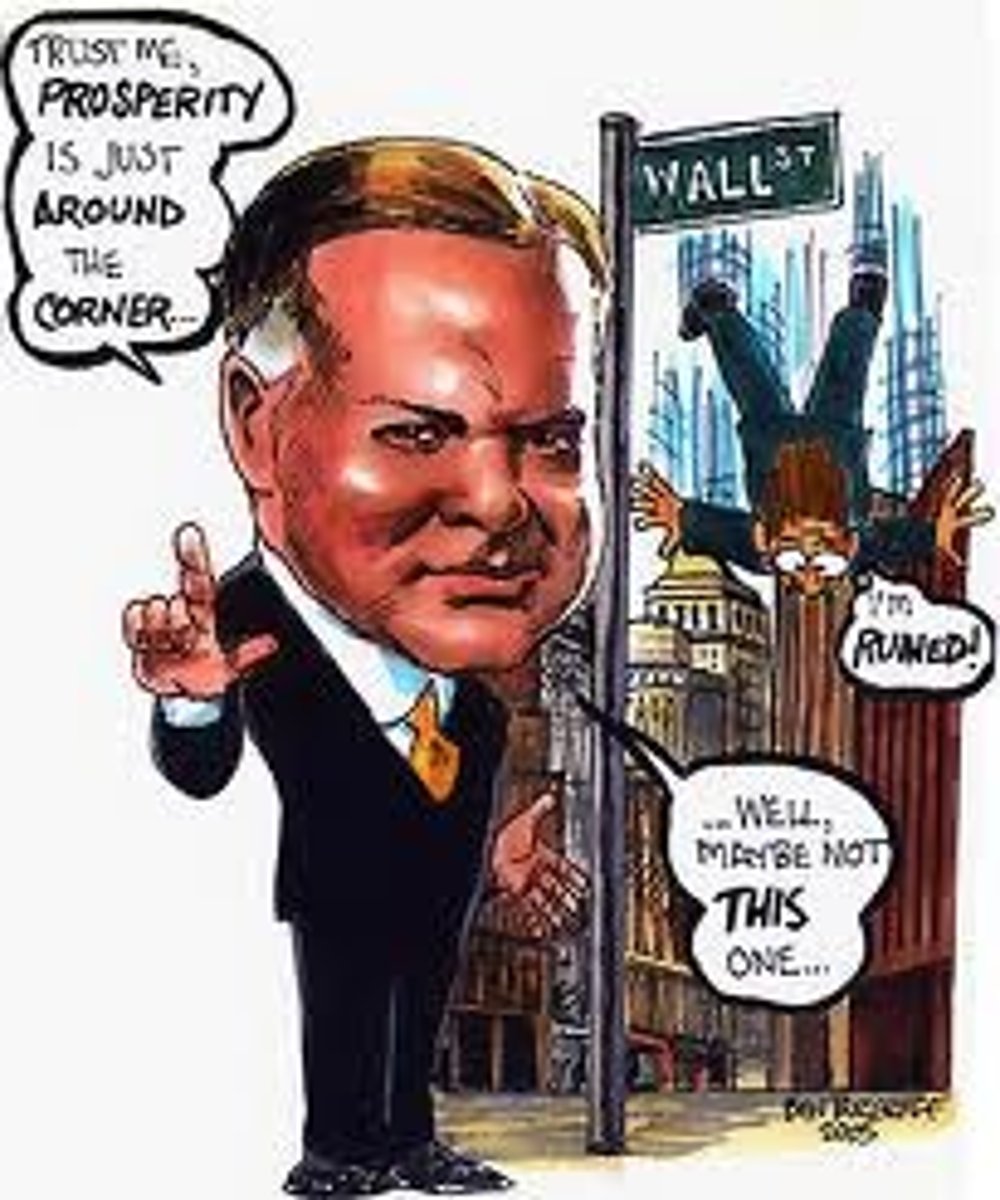
Blamed for the Great Depression.
Rugged Individualism
Herbert Hoover's belief that people must be self-reliant and not depend upon the federal government for assistance.
Government
Who FDR and the New Deal programs relied on to help achieve social and economic change; different from laissez-faire policies of the 1920s
 Note
Note  Flashcards (22)