Medical Botany Test 3
 Call Kai
 Learn
Learn Practice Test
 Spaced Repetition
 Match
Match Flashcards
 Knowt Play
1/153

Earn XP
Description and Tags
3/10/26 to #/##/26 | Contains: Class 21, Class é is used, copy it
Name | Mastery | Learn | Test | Matching | Spaced | Call with Kai |
|---|
No analytics yet
Send a link to your students to track their progress
154 Terms
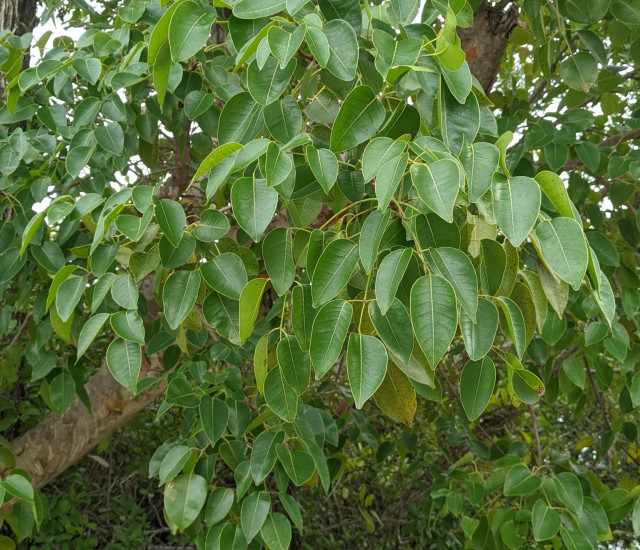
What is this? This could cause type ____ allergies via ____
Poisonwood; 4; contact dermatitis
When were allergies first recognized? What were they called then? Why? What was the actual cause?
Late 1800s; Hay fever; Middle and upper class would go to the countryside in spring at the same time farmers harvested hay and associated their fever-like symptoms with hay; Grass and tree pollen
What were the symptoms of hay fever?
Runny nose, watery eyes
How common/severe are allergies in the U.S.?
Sixth leading cause of illness in the U.S.
_____ and _____ trigger the most common and widespread allergies.
Pollen; fungal spores
Spring starts earliest in the year in _____ and can be seen in ________ that moves ____ over the course of the year.
The southern U.S.; a horizontal band of high tree pollen; upward
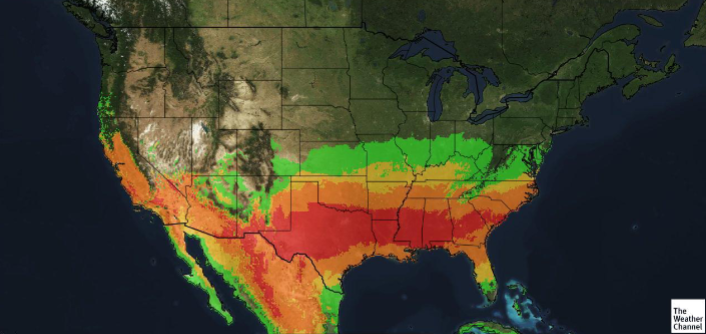
What plants produce lots of pollen
Oak, some maple relatives, elm, pine, ragweed
Another horizontal wave of pollen from ____ comes ____ from the ____. This happens _____ in the spring. It is the cause of allergies, but ____ that blooms at the same time is often blamed for the reaction.
Ragweed; up; south; later; goldenrod
What is an allergy? How are they classified?
Immune system response to a foreign substance; How quickly the response appears and what it’s doing
What is a Type 1 immune response doing biologically?
What are the symptoms?
How long does the response take to appear?
Name THREE examples.
What is one of the most common causes?
B-cell exposure to antigen causes secretion of histamine and prostaglandin; Runny nose, watery eyes, anaphylaxis; Seconds to a minute; Hay fever, asthma, insect stings; Pollen
What is a Type 2 immune response doing biologically?
What are the symptoms?
How long does the response take to appear?
Name two examples.
Antigen enters the system and antibodies attack it; Blood clots, clogged capillaries, potential death; Hours to days; Mismatched blood transfusions, quinine
What is a Type 3 immune response doing biologically?
What are the symptoms?
How long does the response take to appear?
When might this happen?
How are you generally exposed to a Type 3 allergen?
Immune response to spores in lungs or blood serum; Antibodies bind to antigens, coagulate and clog small capillaries, lung damage; Minutes to days; Mold in cheeses or flooded houses; inhalation
What is a Type 4 immune response doing biologically?
What are the symptoms?
How long does the response take to appear?
Name four examples.
Delayed hypersensitivity; Skin rashes; Hours to days; Poison ivy, contact dermatitis, transplant rejection, autoimmune diseases
How does tuberculosis cause damage?
Enters the lungs, walls itself off, immune system starts attacks tissue the bacteria is in, causing holes and lesions
How does leprosy cause damage?
Enters capillaries and damages nerves and capillaries. People lose their sense of touch and don’t feel injuries in time to clean them and prevent severe infection
How is Type 5 different from Type 2? How does it cause illness? What system do antibodies affect? What is produced (vaguely)?
Type 2 is the immune system attacking the cells themselves, Type 5 attacks the receptors on the cells; impaired cell signaling; Endocrine; hormones
Why are allergies thought to become more prevalent? What are doctors doing?
They used to be direct at parasites and those are no longer there to suppress the immune system. Focusing on exposing children to allergens to reduce the possibility of a drastic immune response to an otherwise unfamiliar substance
What hypotheses involve introducing allergens to young children to “train” the immune system early?
Hygiene hypothesis and old friends hypothesis
Which immune system response is thought to be evolved for parasites? Why would it have been helpful then? Why is it mostly unhelpful now?
Type 1; Provides an immediate immune response for invader; We don’t have many parasites anymore, so it’s usually just an overreaction to a tree
What is a B-cell? What does it do? What chemicals is it associated with to produce what symptoms?
Memory cell;
When the immune system is exposed to something, the B-cells will be searching for it from now on and will trigger the response to the next exposure;
Histamine and prostaglandin for congestion, watery eyes, and runny nose, possible anaphylaxis
In short, what are all five immune system responses?
Type I: _____
Type II: ______
Type III: ______
Type IV: _____
Type V: _____
Immediate hypersensitivity; Cell death due to antibody attack; Response to spores in lungs or blood serum; Hypersensitivity delayed to next exposure; Attack receptors on cells
What is anaphylaxis? What is the solution and what is it? How does this fix work?
Rapid vasodilation causing severe blood pressure drop, anaphylactic shock, kidneys stop functioning, possible organ damage and death, possible airway restriction; Epinephrine, essentially adrenaline; Causes the opposite effects of anaphylaxis
Why did peanut allergies increase?
People did not expose their kids to peanuts out of fear they would have a severe reaction, when this increased the likelihood the immune system would overreact
What is an antigen? What does it do? How does the name give it away?
Particle recognized by the antibody; Generates an antibody response; Antibody generating
What is an antibody?
Immune system part produced in response to foreign particle
Innocuous
Not harmful
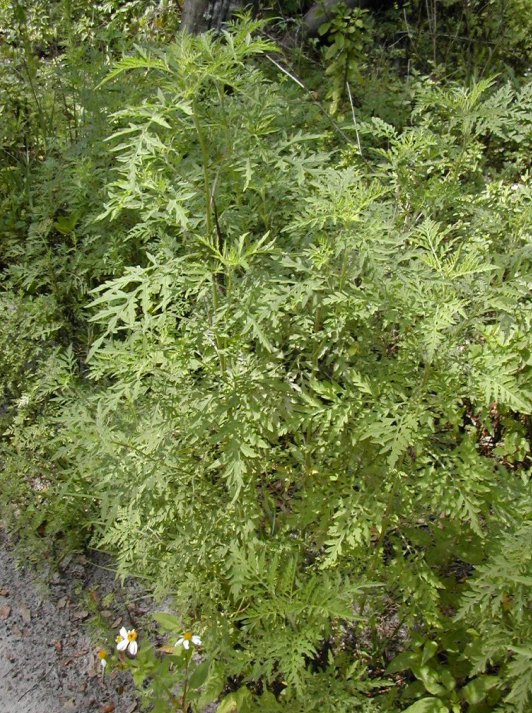
What is this? This could cause type ____ allergies due to ____
Ragweed; 1; pollen
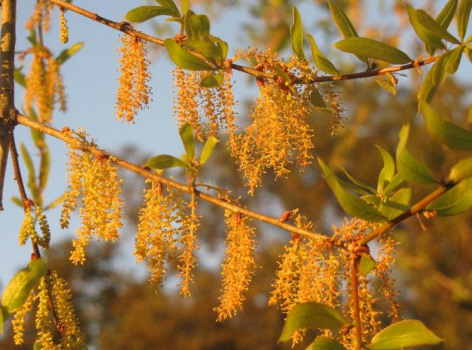
What is this? This could cause type ____ allergies due to ____
Oak flower; 1; pollen
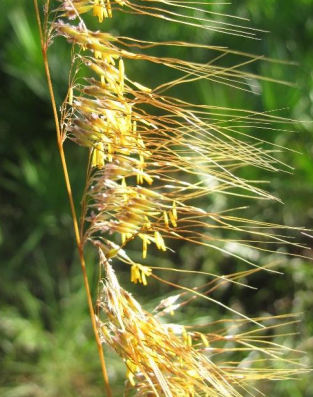
What is this? This could cause type ____ allergies due to ____
Grass flower; 1; pollen
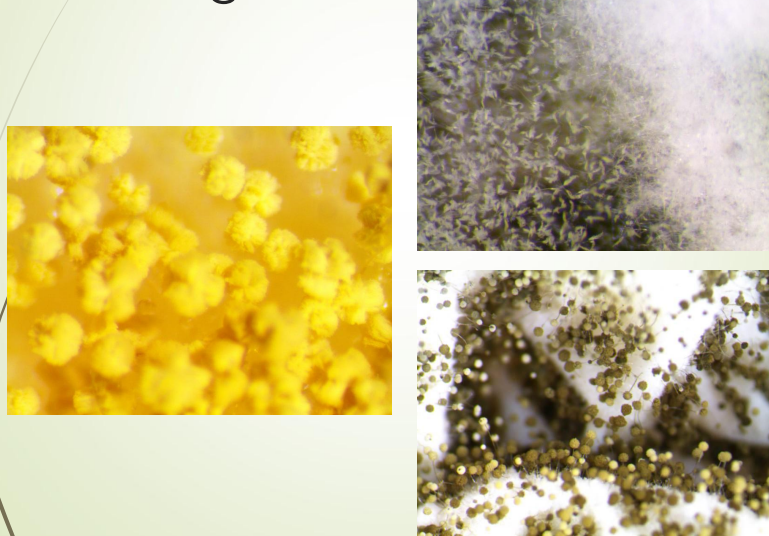
These are _______ and can cause type _____ allergies.
Fungal spores; 1 and 3
What type of pollinated plant is most problematic for people with allergies? What part of the pollen is the issue?
Wind-pollinated; The surface protein that indicates the species of pollen to the plant stigma triggers our immune response
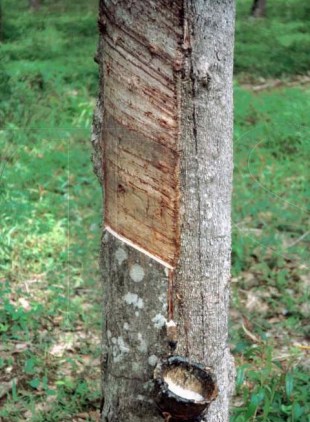
This is a _____ tree. It can cause type ____ allergies and symptoms like _____ and _____.
latex; 1; chronic asthma; anaphylaxis
Mold likes to grow in conditions that are:
Consistently wet or humid, warm conditions
Nuts, latex, mold, insect stings, and pollen are common causes of Type ___ allergies
1
(rarely) Quinine and mismatched blood transfusions can cause Type ___ allergies.
2
An immediate response happens within _____
seconds
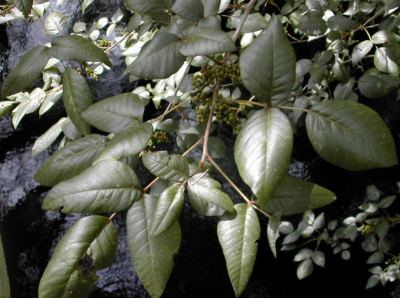
What is this? This could cause type ____ allergies via ____
Poison ivy; 4; contact dermatitis
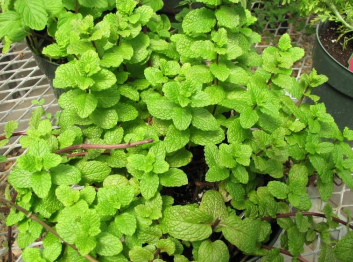
What is this? This could cause type ____ allergies via ____
Mint; 4; contact dermatitis
What is contact dermatitis?
Itchy skin rash
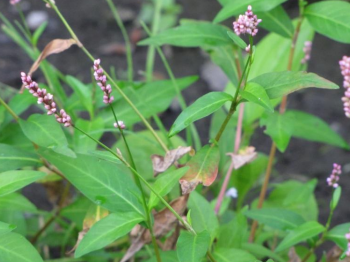
What is this? This could cause type ____ allergies via ____
Polygonum;
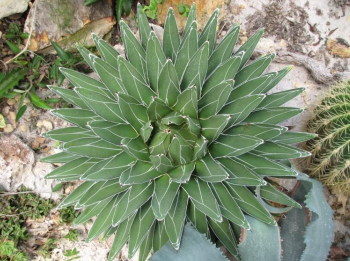
What is this? This could cause type ____ allergies via ____
Agave; 4; contact dermatitis
Name the three types of Type IV allergic responses and what they are
Contact dermatitis; itchy skin rash; photodermatitis; increased susceptibility to sunburn; irritant dermatitis; crystals that will get in your skin and cause irritation
Another danger of contact dermatitis allergens are
When they burn and the smoke can settle on the skin, eyes, and mouth
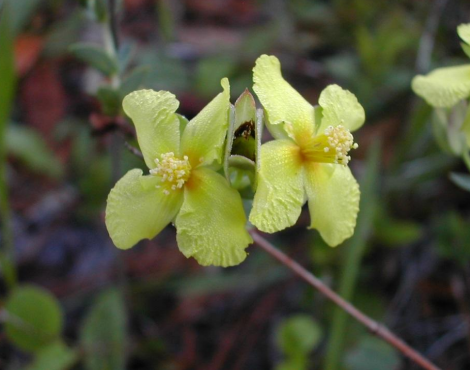
What is this? This could cause type ____ allergies via ____. It is also used for/(as an) ____
St. John’s Wort; 4; photodermatitis; antidepressant
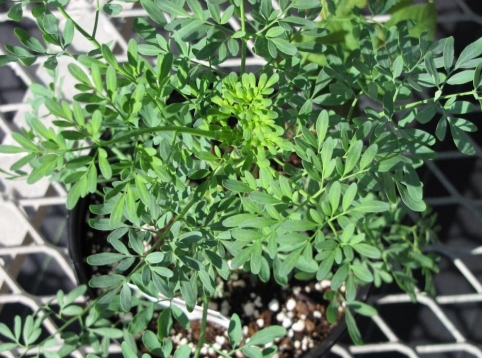
What is this? This could cause type ____ allergies via ____.
Garden rue; 4; photodermatitis
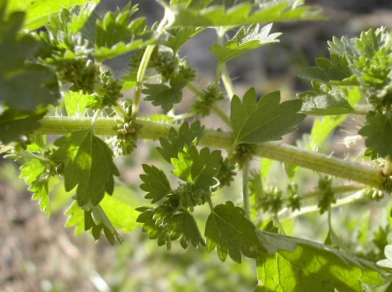
What is this? This could cause type ____ allergies via ____.
Nettle; type 4; irritant dermatitis
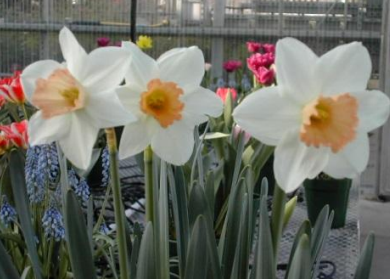
What is this? This could cause type ____ allergies via ____.
Daffodil; 4; irritant dermatitis
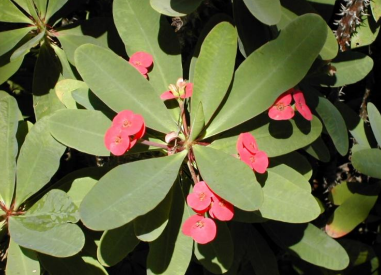
What is this? This could cause type ____ allergies via ____.
Crown of thorns; 4; irritant dermatitis
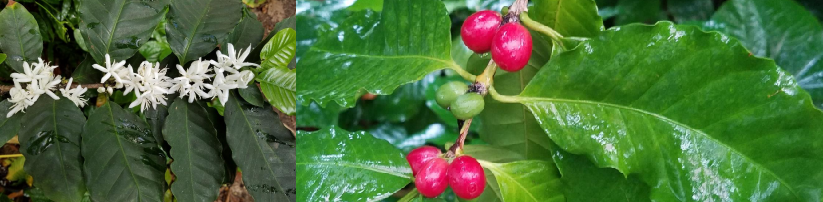
What is this plant? What part of the plant has the relevant compound we discussed? What is the compound?
Coffee bush or tree; beans; caffeine
How does coffee grow? What part of coffee is roasted/ground?
Slowly, as cherries on a bush or tree. Two to three coffee seeds inside of each cherry
Coffee is native to ____. The first group to start brewing coffee were _____. The legend is that:
Ethiopian highlands; Arabs; Some goats were eating berries and were getting excited and the herders discovered the coffee.
Describe the early impact of coffee in England.
Became very popular very quickly. Was worrisome to the government because people were alert, talking and thinking about politics rather than stumbling around drunk. The King put restrictions on it
What is the modern-day East Indies?
Indonesia
How was the Arabic monopoly on coffee trade disrupted? How did coffee become so inbred?
Dutch smuggled seeds to the East Indies to grow. One of those trees grown in Amsterdam became the seed source for European coffee trees, one in Paris for the French West Indies, Martinique tree for Central and South America
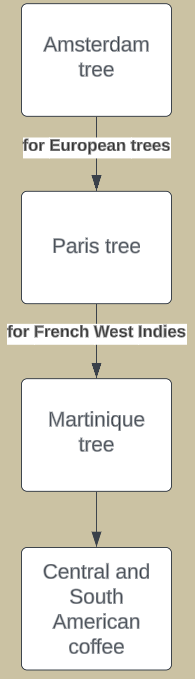
In what way did the coffee inbreeding become an issue? How did this impact us?
Susceptible to coffee rust; The British turned to tea
What are the two methods of coffee growing? Which is more productive? Which is more ecosystem friendly?
Sun-growing and shade-growing; Sun-growing; Shade-growing
How is coffee prepared?
Seeds are removed from the cherries and left to dry. Remove the coating and roast
Instant coffee: How is it made? Why is it flatter?
Brew the coffee, spray it from the top of a tower, evaporate the coffee into solids by the time it gets to the bottom; Some aromas, flavors, and volatile oils evaporate off, too
How is coffee decaffeinated? Name three methods
Organic solvent like methyl chloride is used to soak and dissolve out the caffeine, then poured out and organic solvent can evaporate off; cold water soaking to pull out everything but caffeine, organic solvent to extract caffeine from it; secret “Swiss water process”: using steam and no organic solvents
Which coffee variety has better disease resistance and yields than Arabica, but is more bitter and earthy?
Which variety has superior heat and disease resistance—period?
Which one has the largest seeds and lowest caffeine content?
Which one is typical and quality?
Robusta; Liberica; Liberica; Arabica
What is the main source of stimulants? What stimulant? How important?
Coffee; caffeine; second economically only to petroleum
Caffeine mimics the ____ by also creating a ______ response. It ______ to the same receptors as ______.
Release of adrenaline; fight or flight; does not bind; epinephrine or adrenaline
Caffeine is an ____ and a ____. What are its effects on the human body (symptoms)?
Alkaloid; stimulant; vasoconstrictor, increases heart rate, dilates bronchial tubes, reduces drowsiness, increases alertness, mild analgesic; diuretic
What is caffeine’s method of action?
Blocks the adenosine receptors and reabsorption of adenosine, which is responsible for drowsiness
Name four stimulating beverages we discussed in class.
Coffee, tea, hot cocoa, Mormon tea
Hot beverages and cocoa: Out of the ones we have caffeine dosages for, rank them by highest to lowest caffeine content and include the version with the highest caffeine content
Drip method coffee; 3-5 min brewed black tea; Baker’s chocolate; hot cocoa from canned powder
What energy drink or caffeinated soft drink we discussed has the most caffeine? What is it comparable to?
Red Bull; percolator-brewed coffee
Why do you always want to check the ingredients on your pain relievers? What other types of medications can we implicate?
Could potentially contain a Red Bull’s worth of caffeine and you cannot take that before bed; Weight control and cold remedy
Why is caffeine in high concentrations in some weight control medications?
It is a diuretic and allows you to lose weight from water
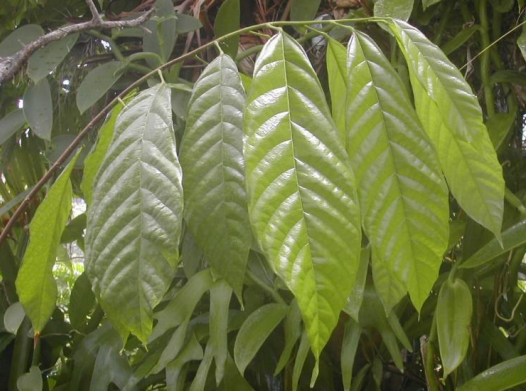
What is this plant? What part of the plant has the relevant compound we discussed? What is the compound?
Cocoa; Seeds; Caffeine
Cocoa contains the two alkaloids
Caffeine and theobromine
Caffeine and theobromine vary by _____
The presence of a methyl group
Theobromine is ______
A mild stimulant and mild euphoriant
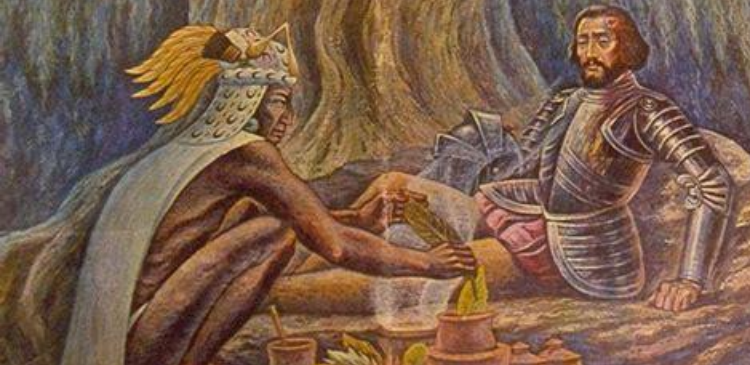
Who is this? Where was he from? What did he do? What was the result? How was this fixed?
Cortez; Spain; Brought cocoa back to Europe; It was not popular because it was bitter; Sugar from East Indies sugar cane
What is the largest producer of cacao today? Of coffee?
Africa; Brazil
The main issue with cacao artisan varieties is…
Disease susceptibility
How is cacao prepared? What is cocoa butter?
Yeast fermentation, lactic acid fermentation, acetic acid fermentation, then dried in sun, roasted, ground into paste; The fats that come out of the cocoa seeds when grinding
What is true white chocolate?
Cocoa butter
What is baker’s chocolate?
Adding just enough cocoa butter into the powder to hold it into a block
The _____ company developed a method of continuous grinding (______) for chocolate-making so that ___________ can be made.
Lindt; conching; a smooth, gritless chocolate liquor
How was cocoa traditionally combined into a drink? By whom? What Mexican dish uses this?
Cocoa, pepper, and cornmeal; the Aztecs; Mole
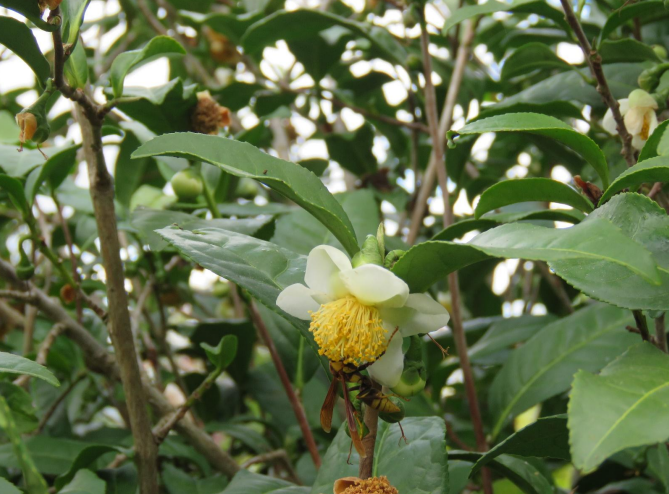
What is this plant? What part of the plant has the relevant compound we discussed? What is the compound?
Tea; leaves?; Caffeine
How was tea supposedly discovered? When?
Over four thousand years ago, a tea leaf blew into a pot of boiling water and the Chinese Emperor enjoyed it
Tea is native to _____, coffee is native to _____, cacao is native to ______
China; Ethiopian highlands; Northern South America
What leaves are the highest quality leaves?
New leaves that are growing?
What is black tea? Where does the flavor come from?
Leaves are withered, crushed, and allowed to slowly dry over time; Enzymes ferment and bring out the flavors
What is green tea?
Leaves are picked, shredded, heated to deactivate enzymes, and dried immediately
What is Earl Grey Tea?
Added bergamot citrus oil
____ is as popular as coffee in South America
Maté
How is maté prepared?
Picked, dried over a fire, crushed and brewed
Coffee, tea, and cacao have many different ____ that may be more ____, _____, _____….
varieties; bitter, fruity, earthy
What is white tea?
Terminal leaf buds and dried
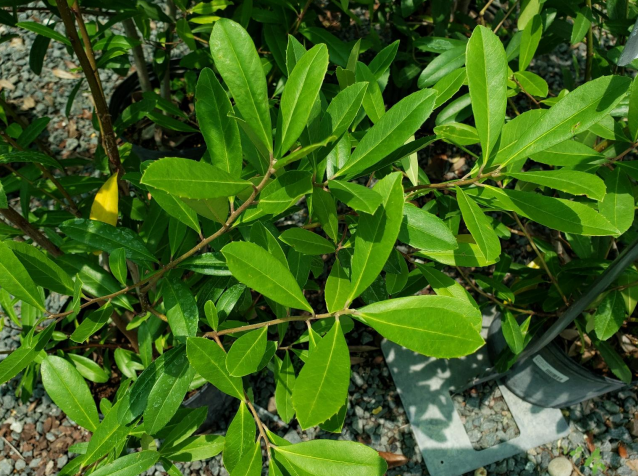
What is this plant? What part of the plant has the relevant compound we discussed? What is the compound?
Maté; leaves; caffeine
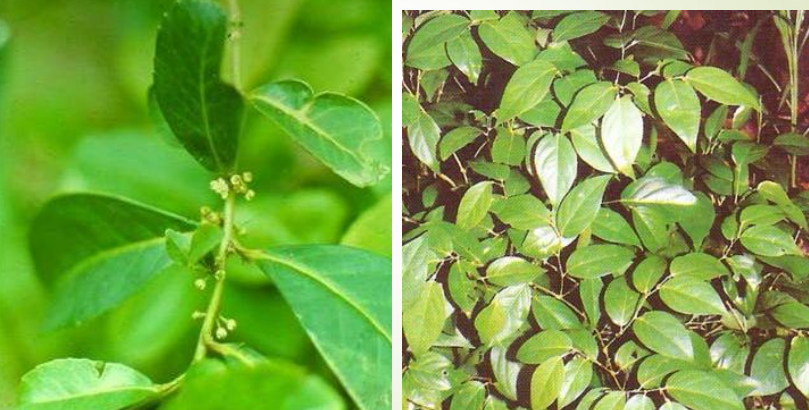
What is this plant? What part of the plant has the relevant compound we discussed? What is the compound?
Wayus holly; leaves; Caffeine
What plant has the highest known caffeine content of any known plant? How much? Where is it native to?
Wayus holly; Up to 2% by dry weight of leaves; Amazon Basin
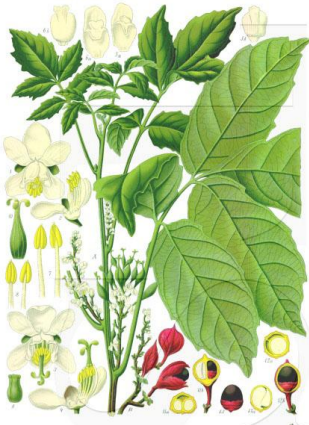
What is this plant? What kind of plant is it (how does it grow: bush, tree, etc.)? What part of the plant has the relevant compound we discussed? What is the compound?
Gurana; vine; seeds; caffeine
What is the source of caffeine for Red Bull? (What plant and what part?)
Gurana seeds
Where is gurana native to?
South American lowlands
____, ____ and ____ are very popular plants used in South American drinks.
Maté; coffee; gurana
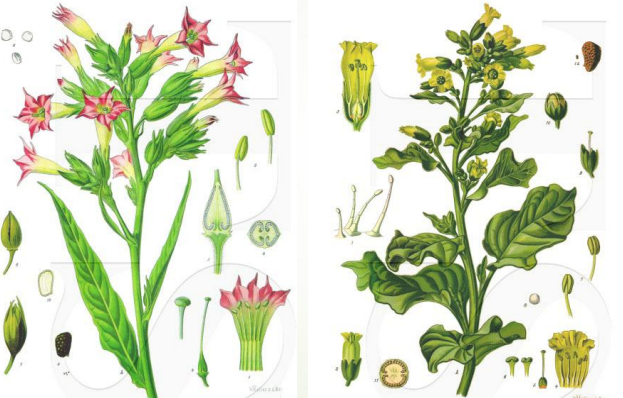
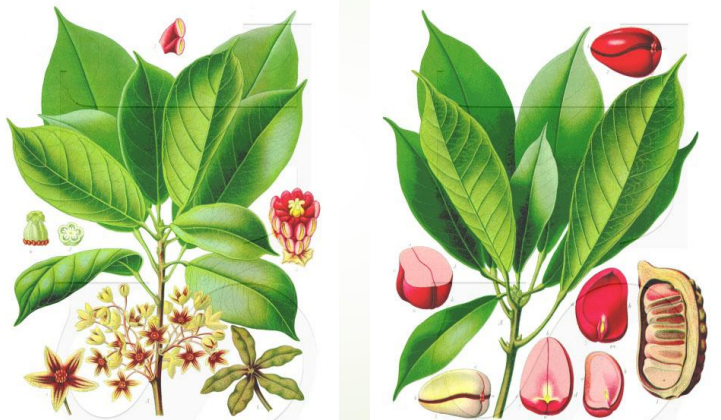
What is this plant? What part of the plant has the relevant compound we discussed? What is the compound?
Kola; nuts; caffeine

