Entomology Q4 to Final
 Call Kai
 Learn
Learn Practice Test
 Spaced Repetition
 Match
Match Flashcards
 Knowt Play
1/30

There's no tags or description
Looks like no tags are added yet.
Name | Mastery | Learn | Test | Matching | Spaced | Call with Kai |
|---|
No analytics yet
Send a link to your students to track their progress
31 Terms
What are the four most diverse and important pollinator orders?
hymenoptera, diptera, coleoptera, lepidoptera
When did pollination evolve and what functional guild became the first pollinators?
130-90 MYA
herbivores (antagonistic interactions)
3-4 reasons why insects are effective pollinators
insects have specialized structures to collect and transport pollen
behavioral preferences: specialization reduces competition
flight enables gene flow across wider distances
3+ ways that insects perceive floral signals
flower color (including UV)
electroreception (sensory setae +, pollen -)
Chemosensory: volatile compounds/fragrances
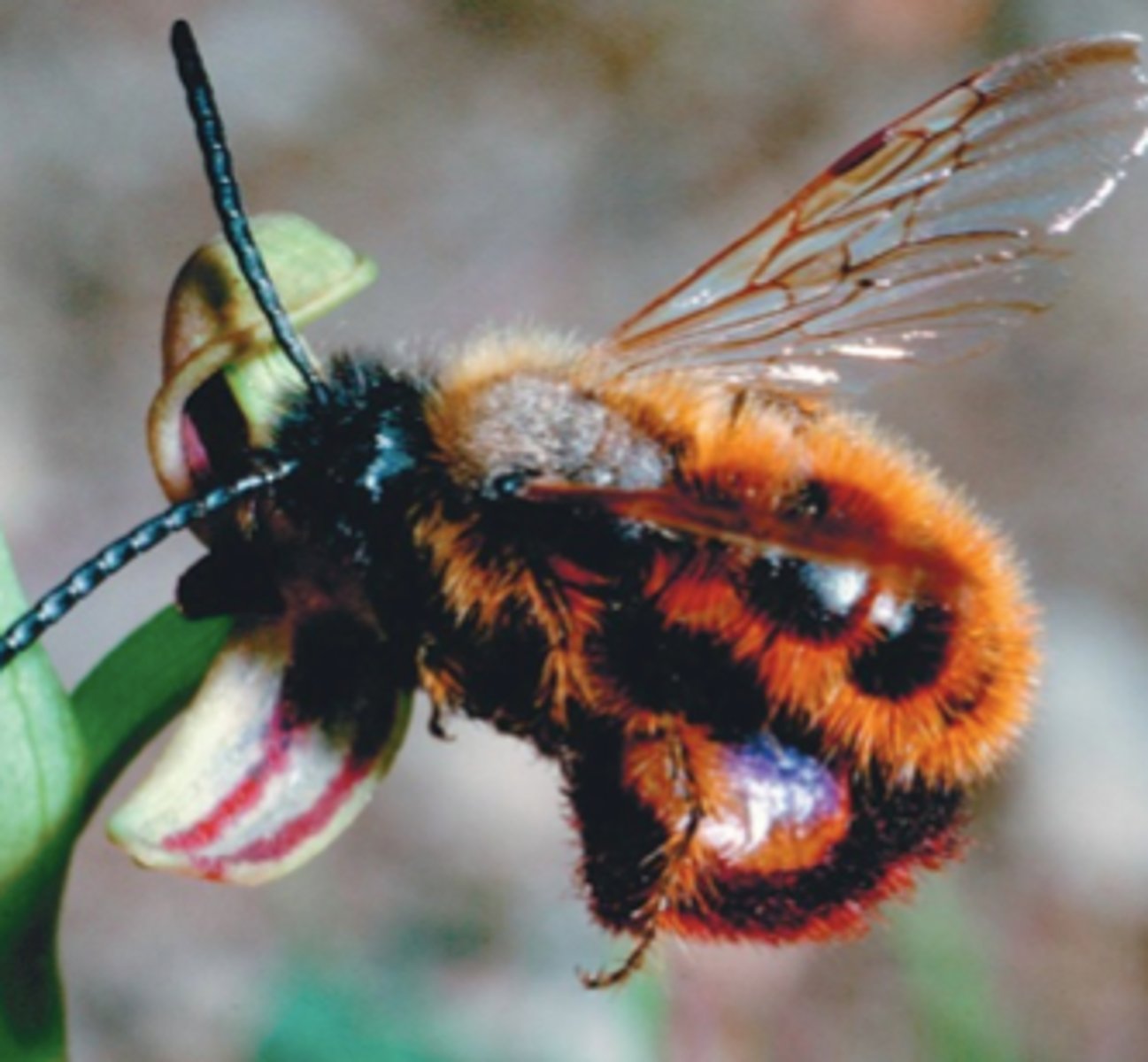
deceit pollination
pollinators attract insects without offering a floral reward
(recall video of flower attracting male by looking like female)
pros and cons of specialization
Pro: reduced competition, small niches, promotes biodiversity
Cons: reduced reliability, increased extinction risk if partner changes distribution/phenology
pros and cons of generalization
Pro: redundancy, abundance of resources
Con: increased competition
(may need to travel further to find food)
exophage
eat the outside of the plant (exo=outer)
Endophage
eat from the inside of the plant
(endo=within)
Folivory
leaf-eating
Most lepidoptera
Most coleoptera adults/larvae
most orthoptera
Granivory
seed eating (and boring)
weevils
sap-suckers
almost all hemiptera
cicadas and allies
scale insects and mealy bugs
aphids
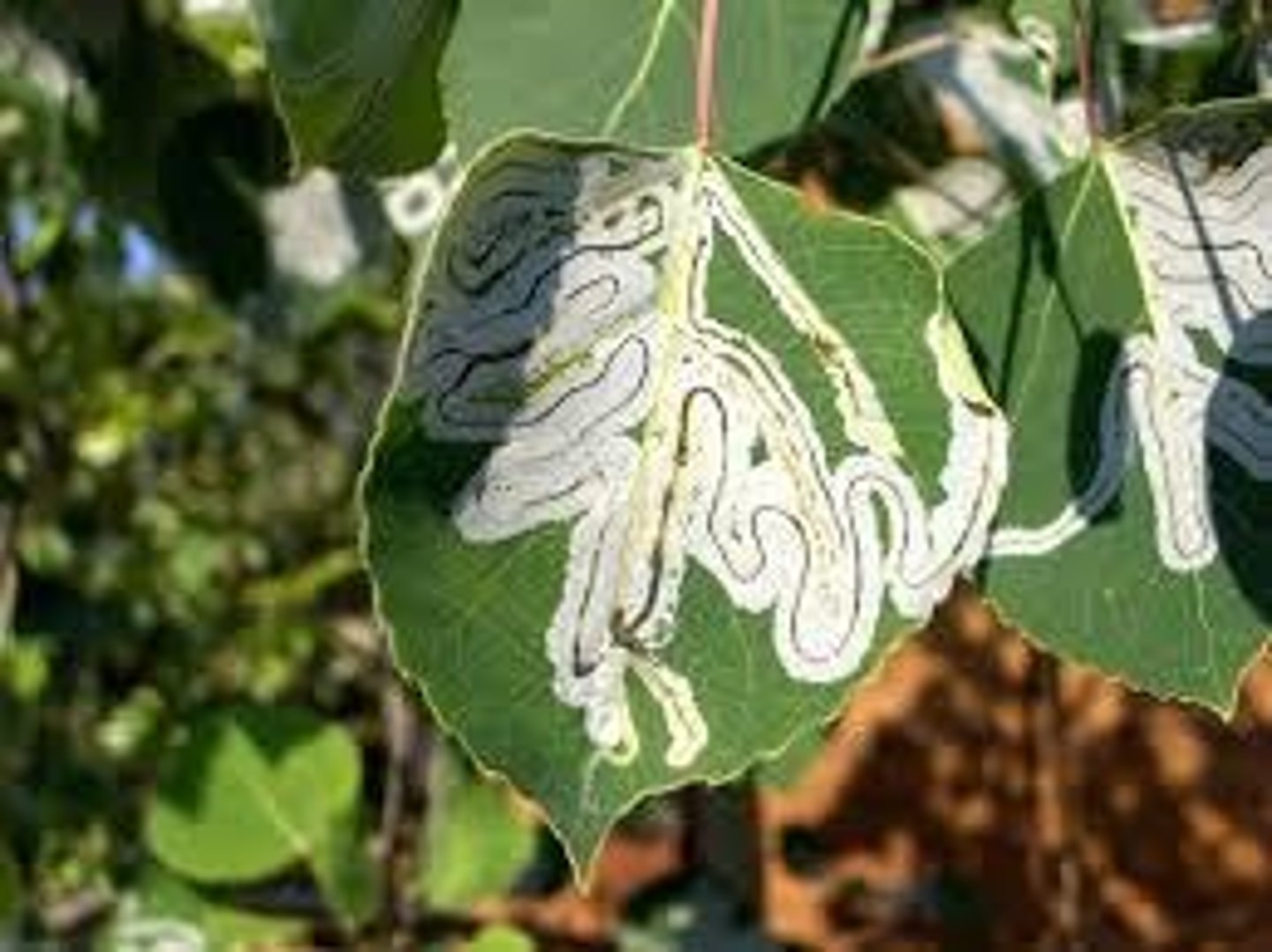
leaf-miners
larvae of diptera, lepidoptera, some hymenoptera, coleoptera
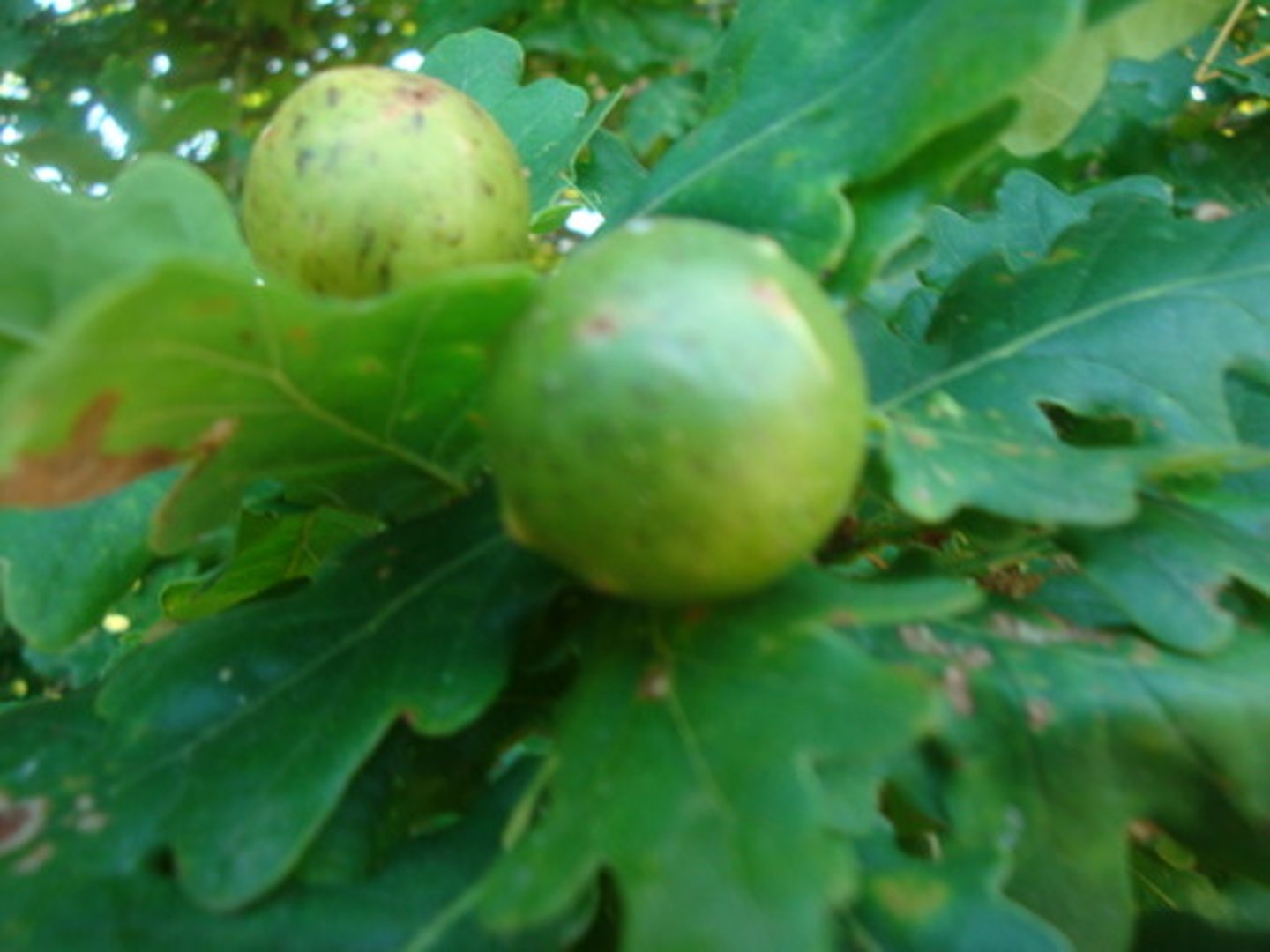
galls
A plant growth formed around eggs and/or larva of parasites on the plant
hymenoptera, diptera, aphids
mechanical plant defenses
(morphological)
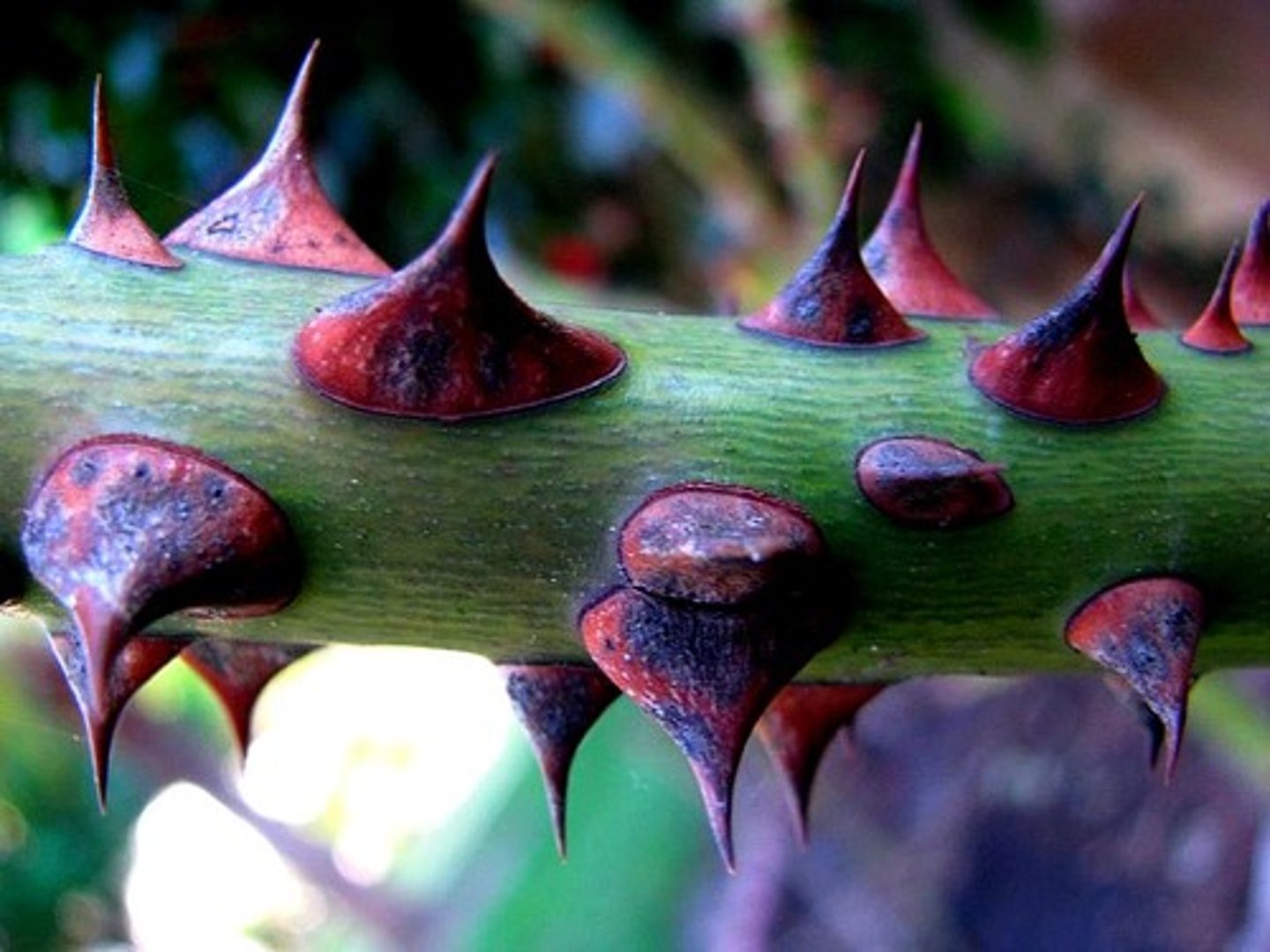
trichomes, pubsecence (hair), spines
Leaf thickness, waxes, serrate/spiny leaf margins
qualitative plant defenses
toxins, secondary chemicals
less costly, don't need as much
alkaloids, pyrethrin, terpenoids, nicotine
quantitative plant defenses
digestibility reducers
reduced nutritional uptake, costly
cellulose, lignins, tannins, silica, latex, resins
reciprocal coevolutionary arms race
most mutualisms (pollination) arose from antagonistic interactions between plants and herbivores
- plants keep evolving anti-herbivore defenses
- insects keep evolving ways to get around those defenses
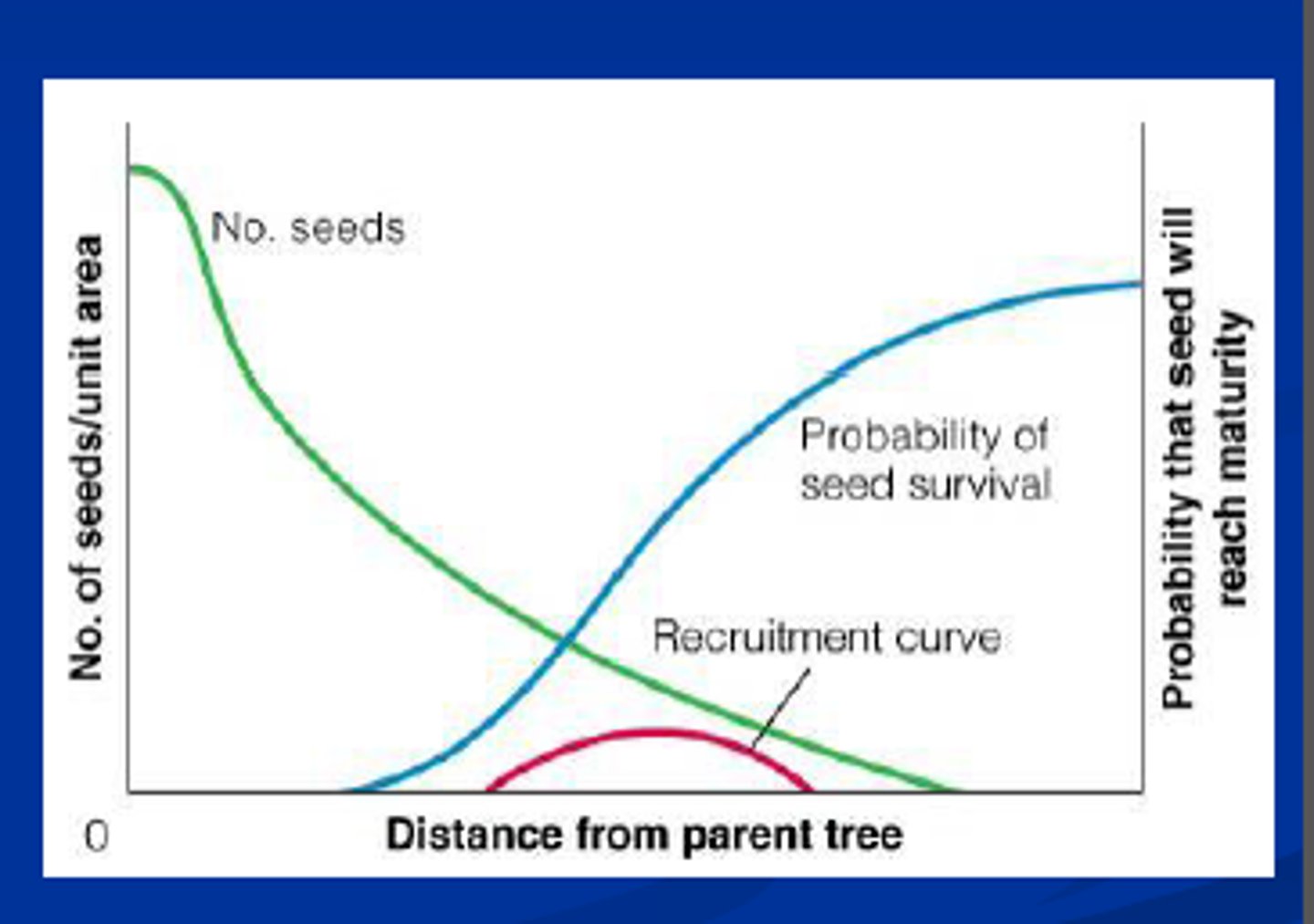
Janzen-Connell hypothesis
probability of seed dispersal decreases as distance from parent plant increases
Major orders of parasitoids
diptera and hymenoptera
koinobiont parasitoids
let host develop until pupation/emergence
usually endoparasitoids
tend towards specialization
idiobiont parasitoids
stop host development
usually ectoparasitoids
tend towards generalization
Superparasitism
one host attacked by multiple parasitoids of the same species
multiparasitism
one host attacked by multiple parasitoid species - can lead to competition within the host body
secondary/hyperparasitism
parasitism of a parasitoid
major strategies to avoid predation
crypsis, minesis, mimicry
crypsis
camouflage - blending into the environment
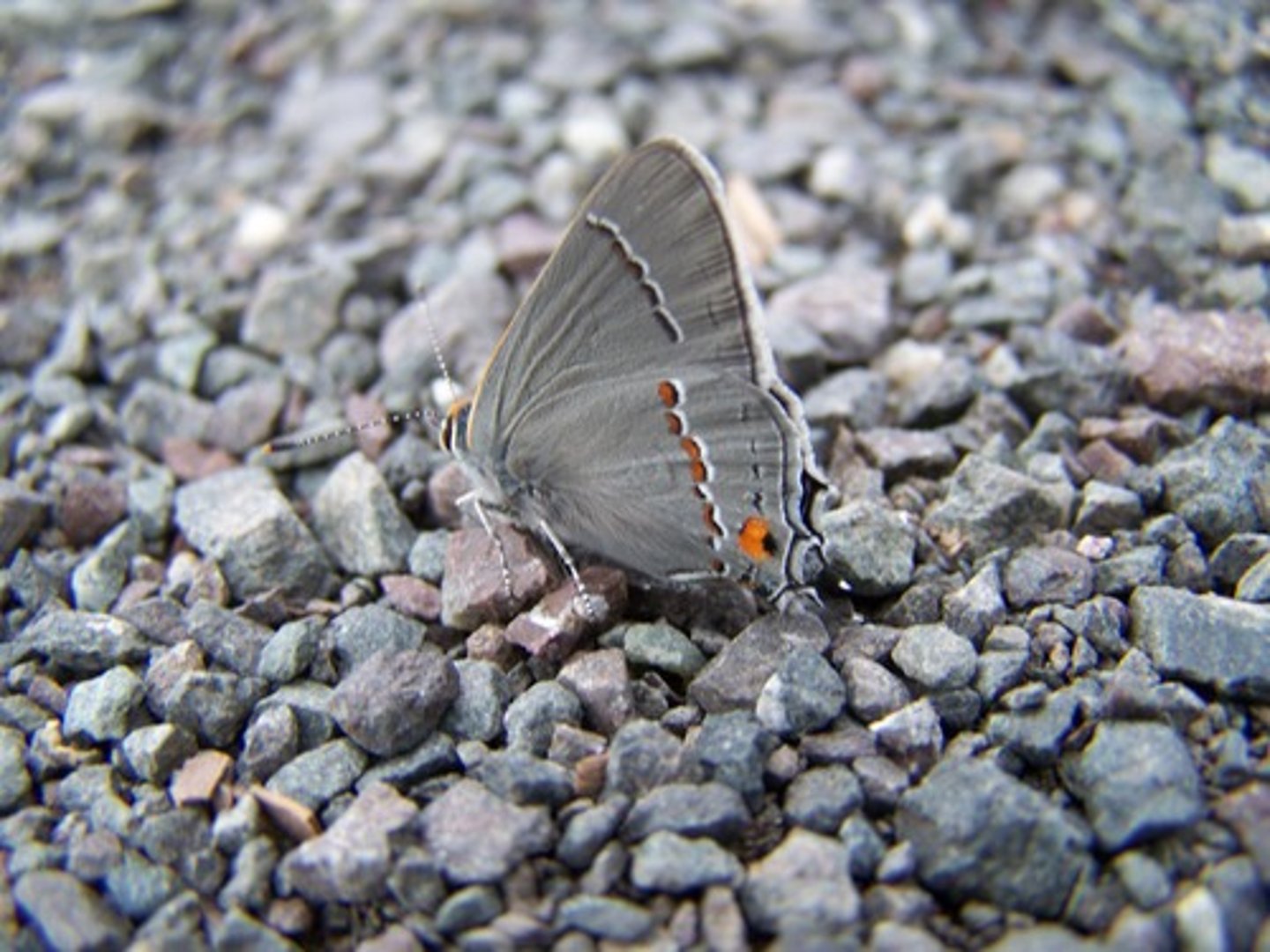
mimesis
mimicry of a specific object in ecosystem
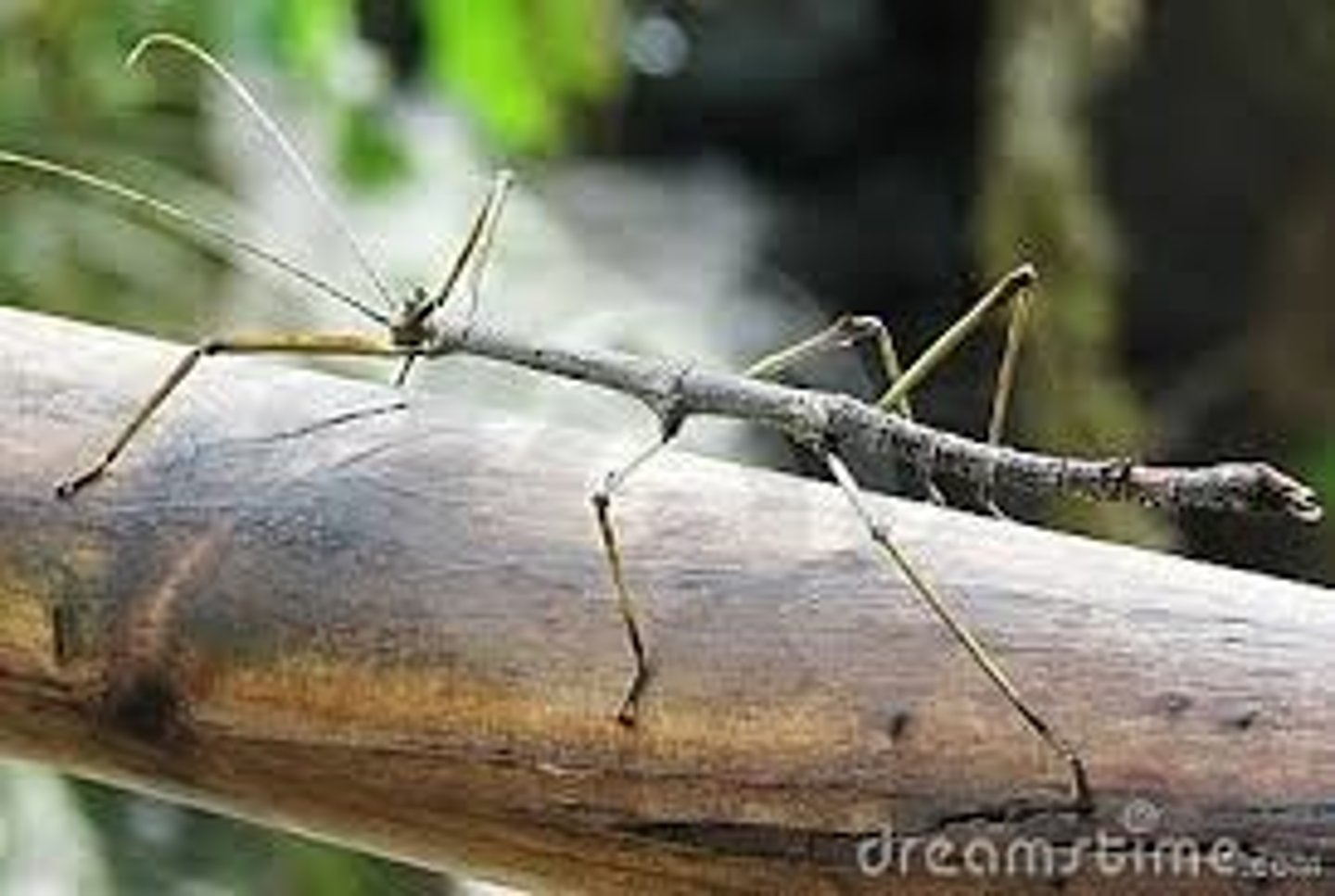
mimicry
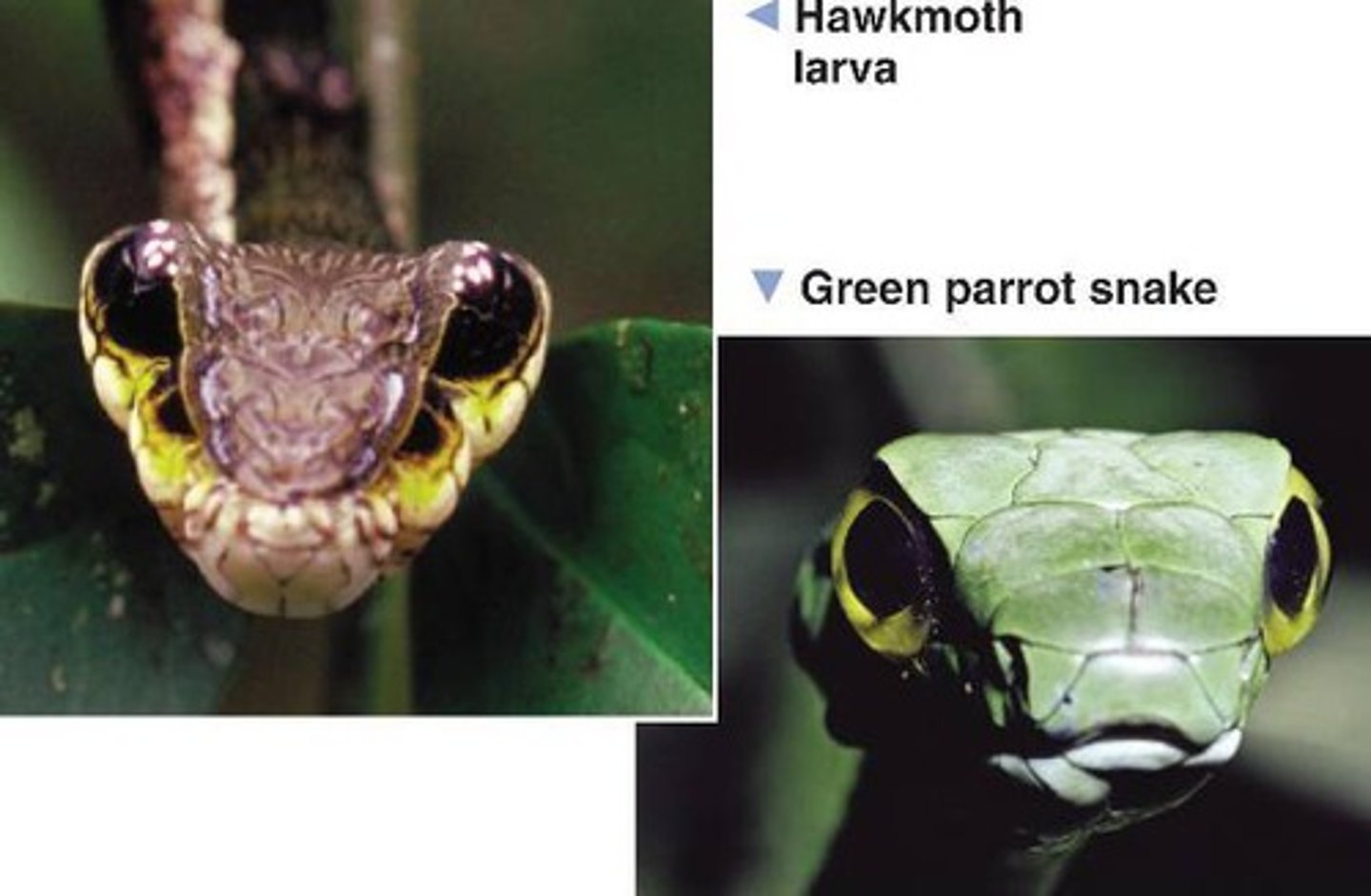
carefully executed evolutionary relationship by mimic with model insect to trick observer
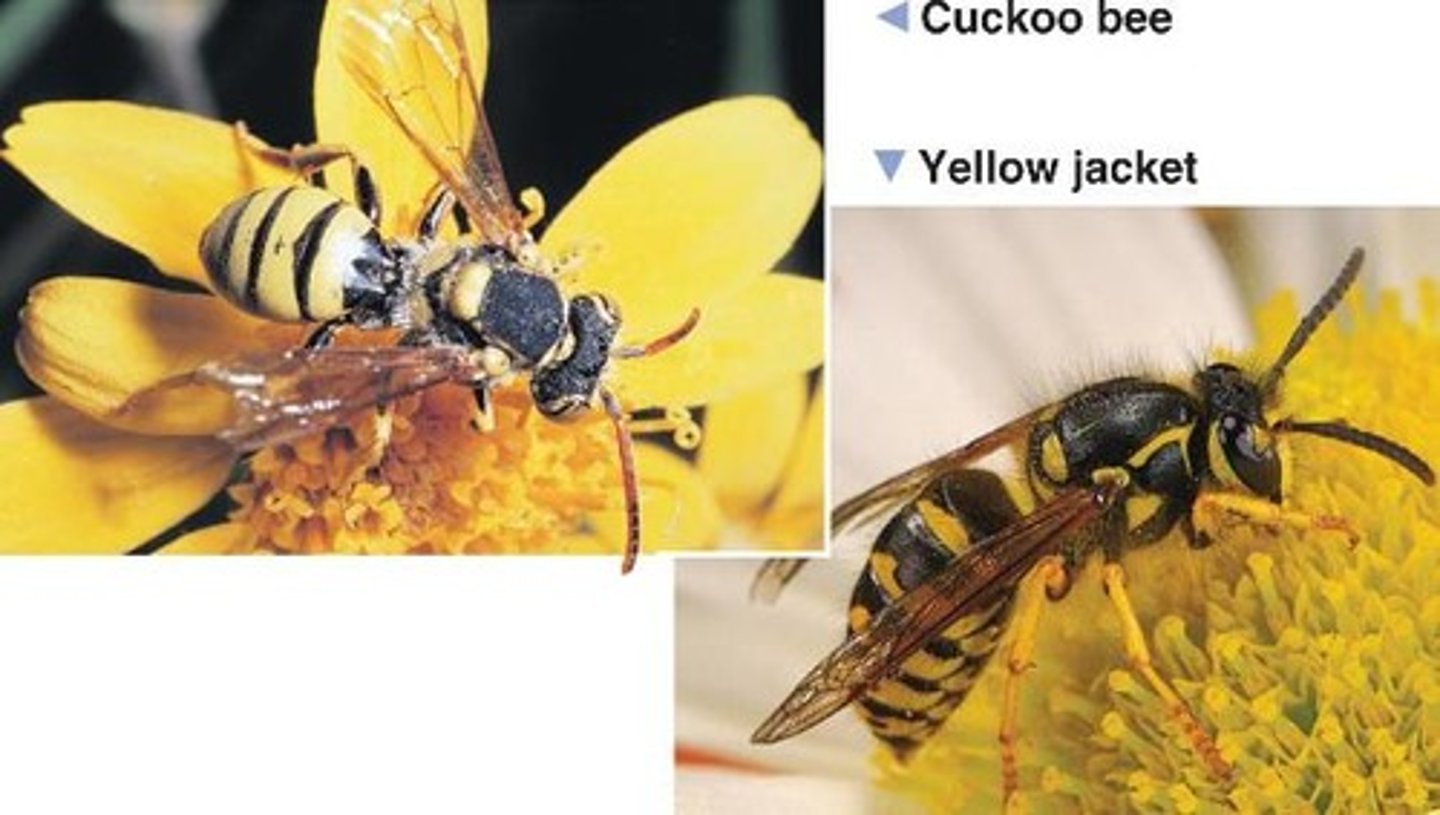
Batesian mimicry
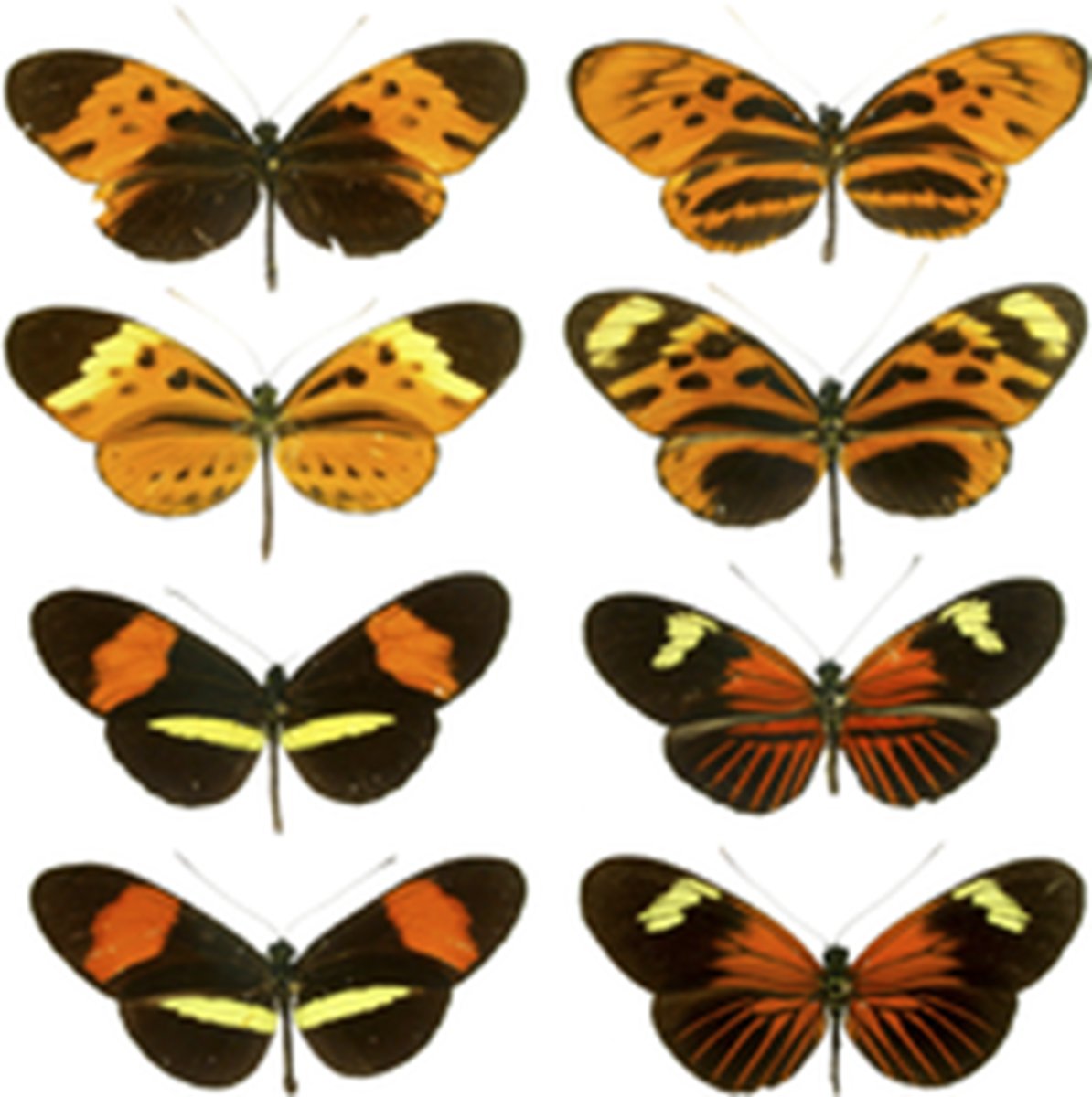
A type of mimicry in which a harmless species looks like a species that is poisonous or otherwise harmful to predators.
mullerian mimicry
two or more unpalatable species resemble each other