CAP Aerospace Module 4 - Rockets
 Call Kai
 Learn
Learn Practice Test
 Spaced Repetition
 Match
Match Flashcards
 Knowt Play
1/31

There's no tags or description
Looks like no tags are added yet.
Name | Mastery | Learn | Test | Matching | Spaced | Call with Kai |
|---|
No analytics yet
Send a link to your students to track their progress
32 Terms
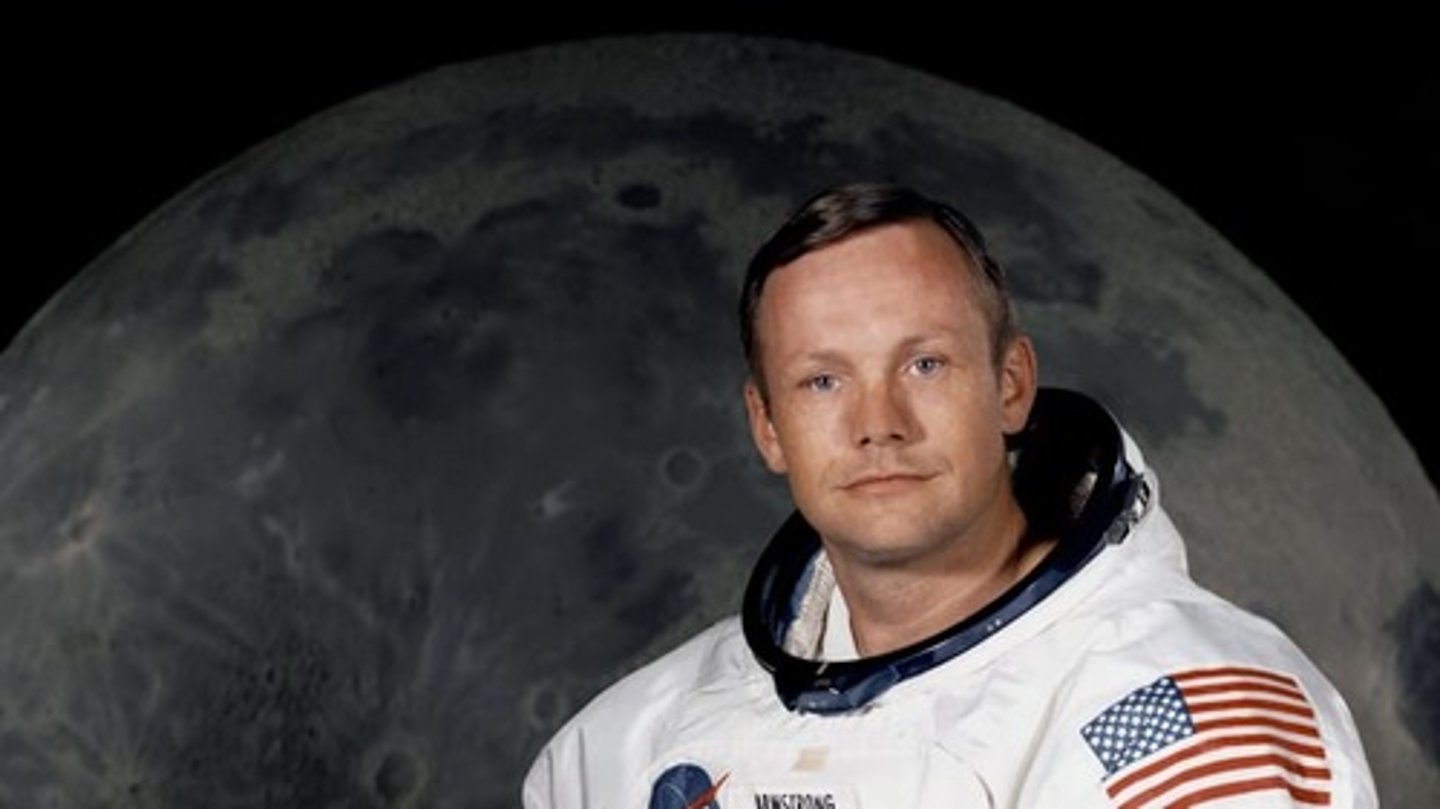
Neil Armstrong
first man to walk on the moon
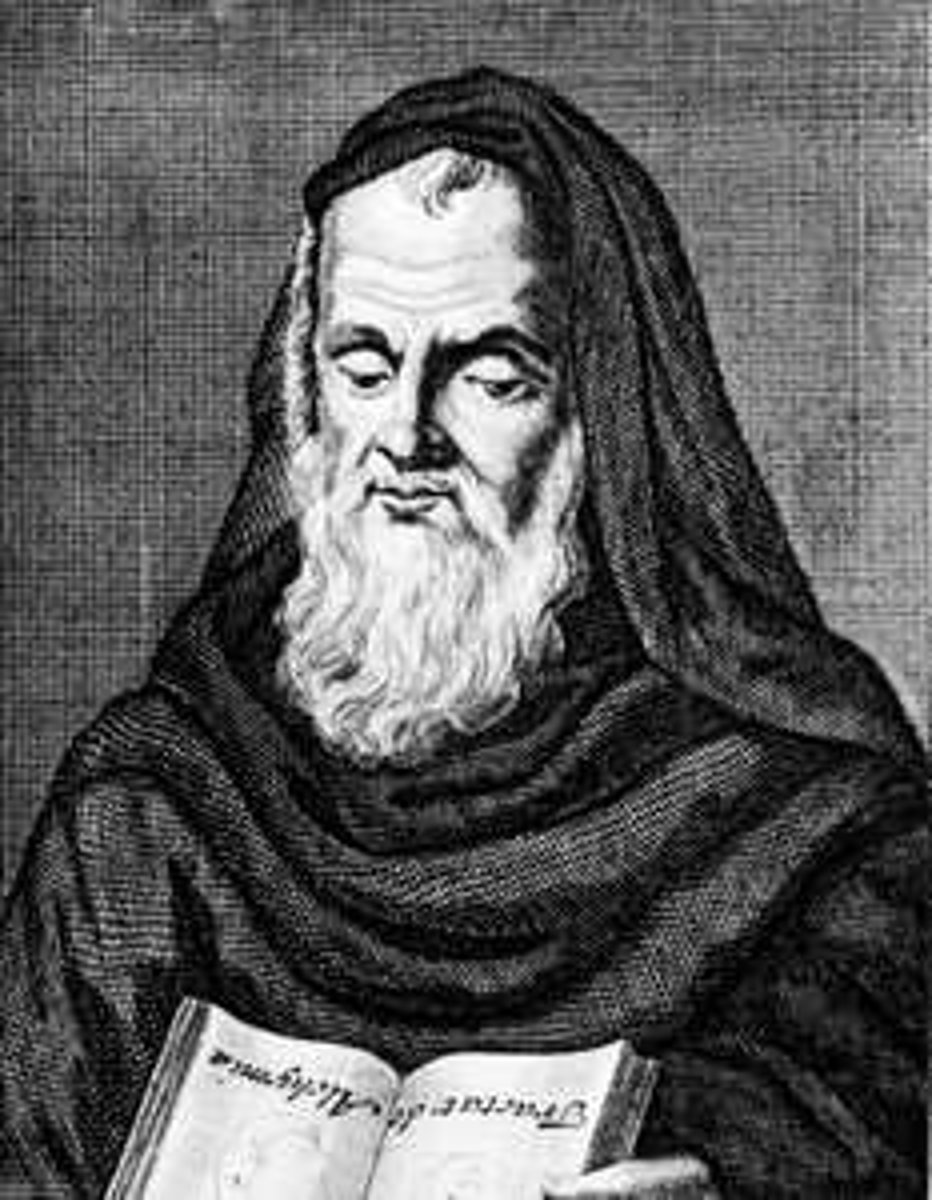
Roger Bacon
increased the range of rockets
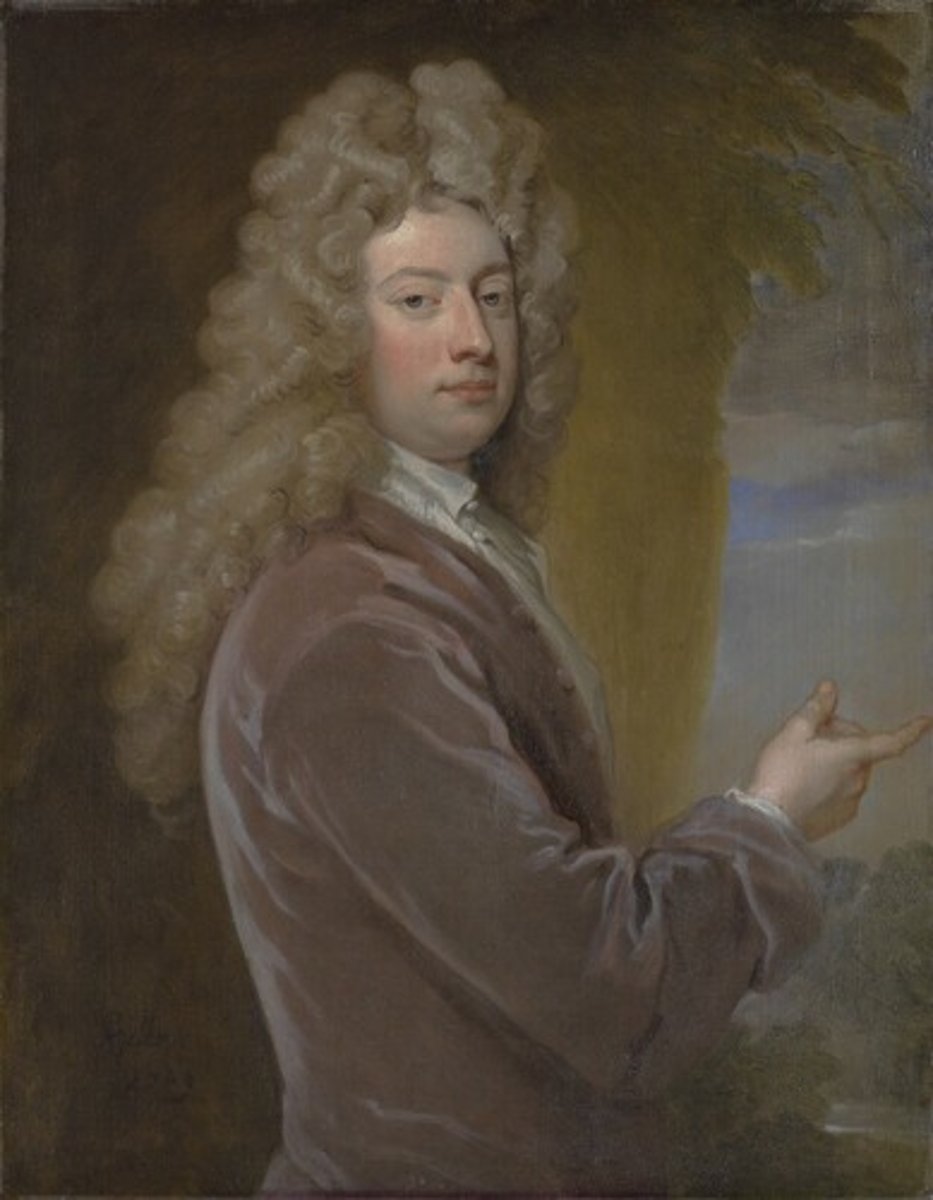
William Congreve
designed rockets for military use
Jean Froissart
improved the accuracy of rockets by launching them through tubes

Yuri Gagarin
a Russian; the first man in space and the first man to orbit earth
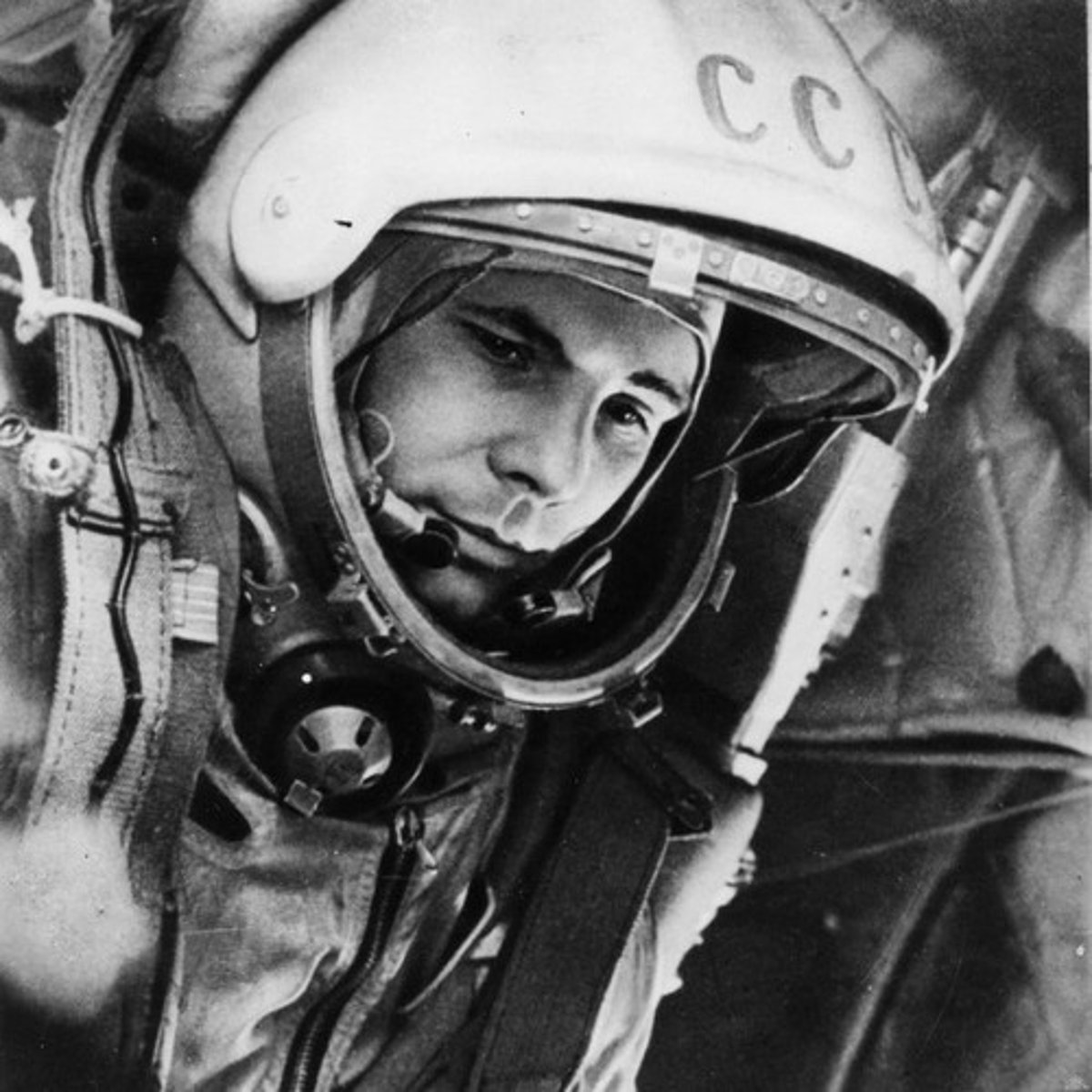
John Glenn
first American to orbit the Earth
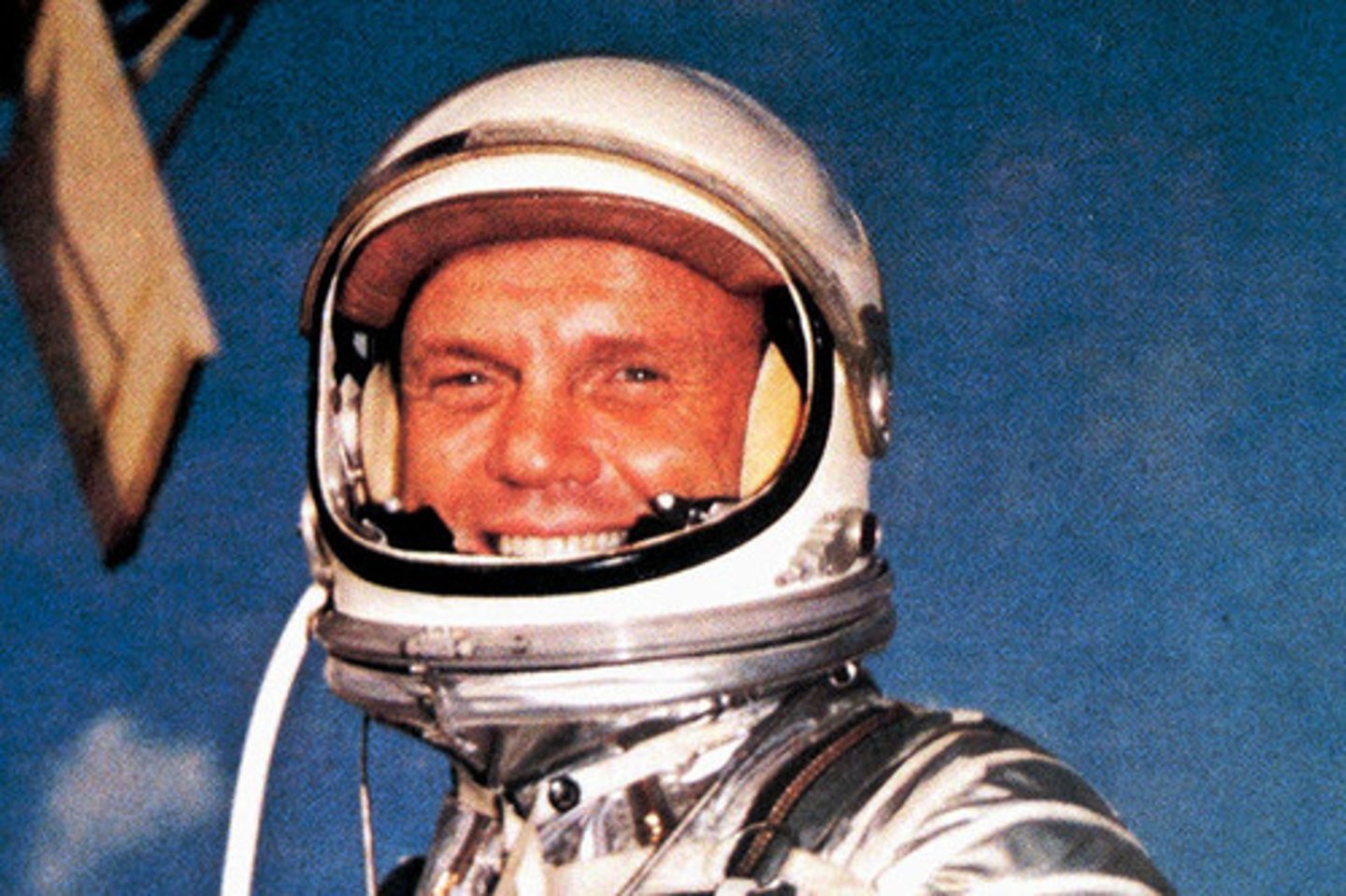
Robert Goddard
experimented with solid and liquid propellant rockets; is called the "Father of Modern Rocketry"
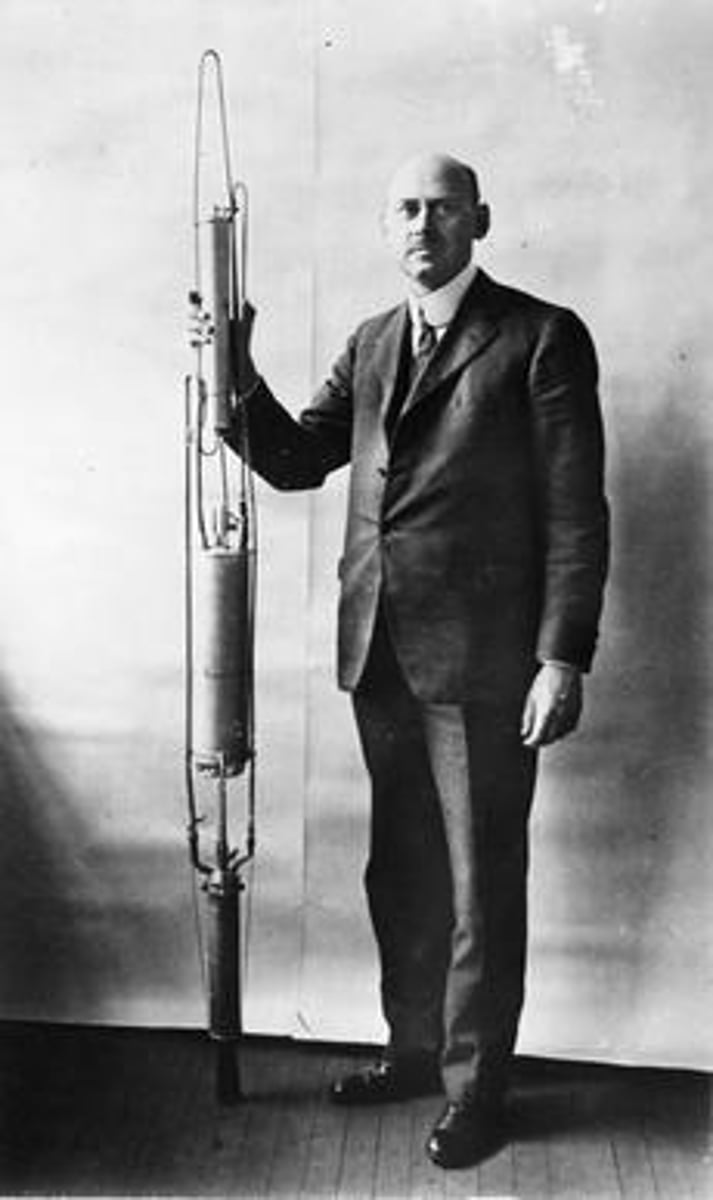
William Hale
developed the technique of spin stabilization
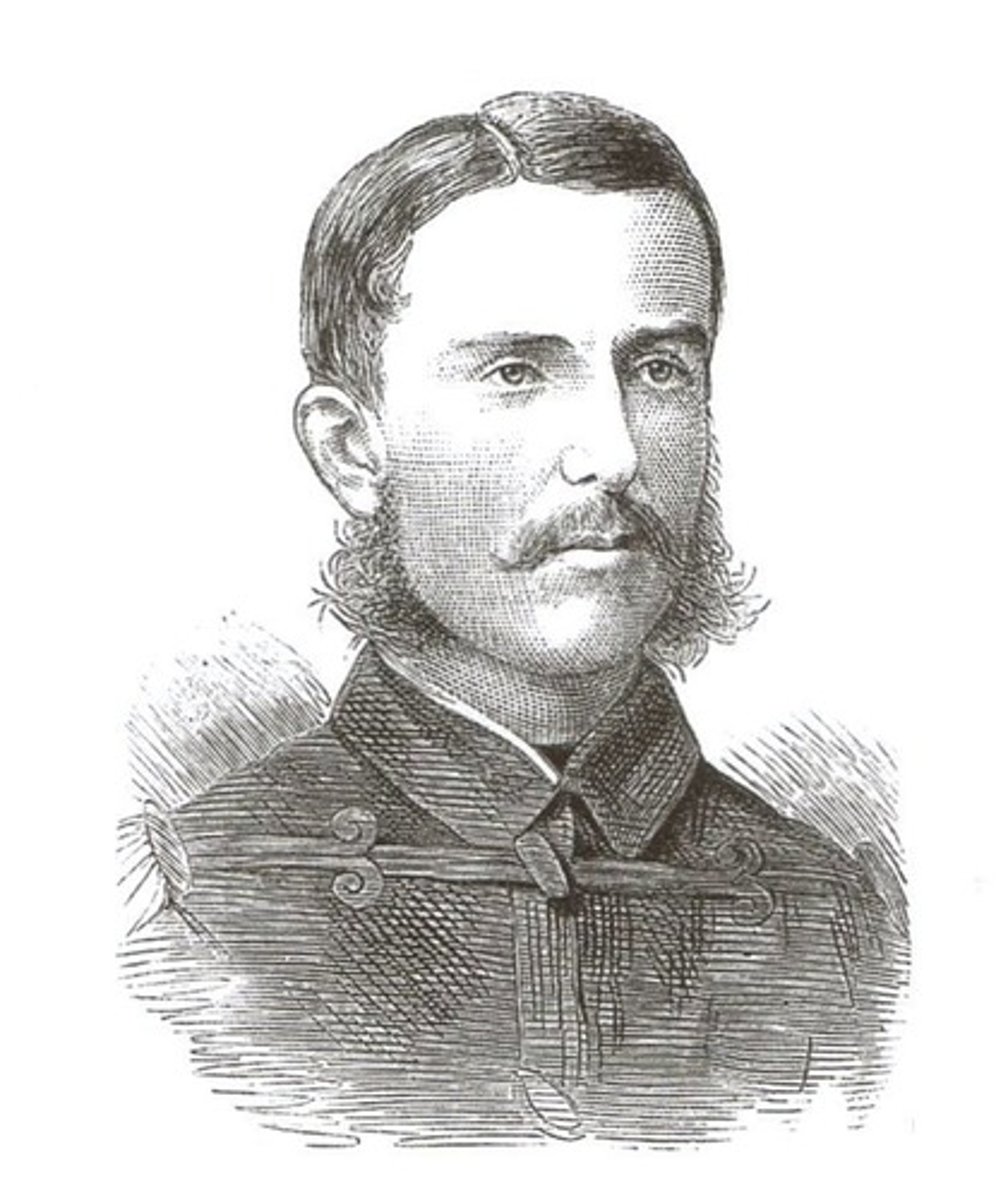
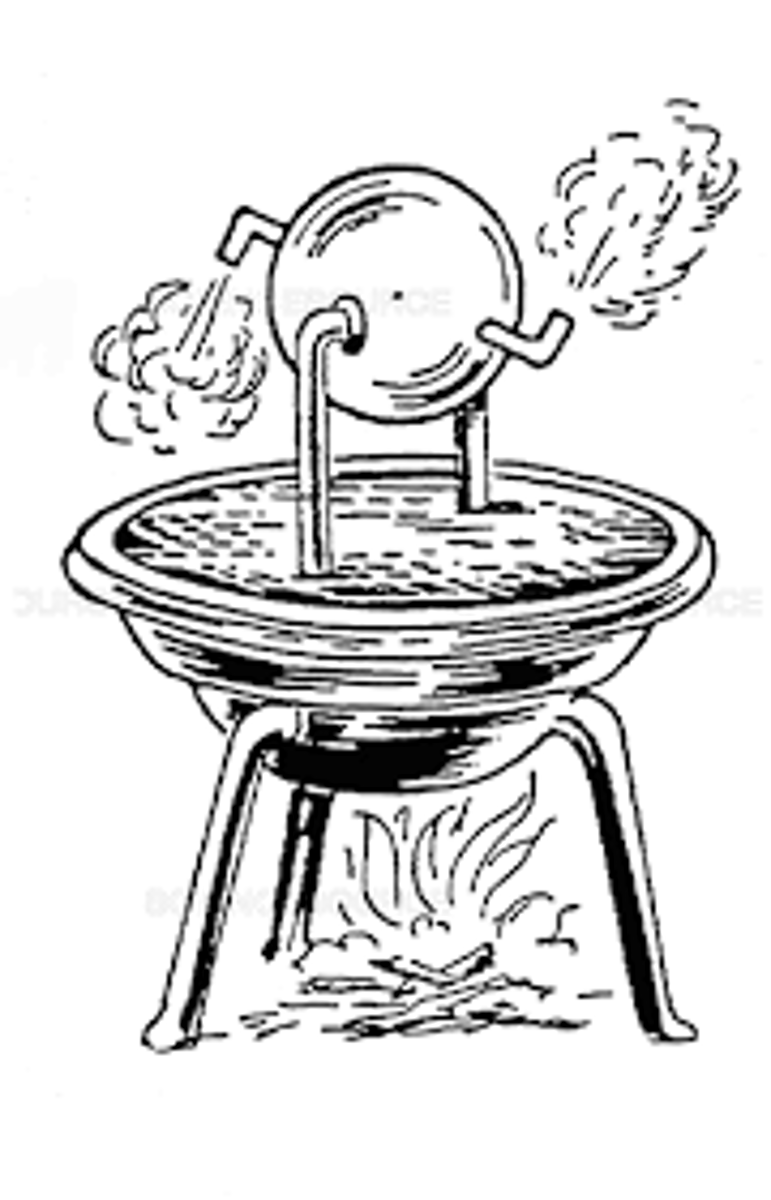
Hero
developed the first rocket engine
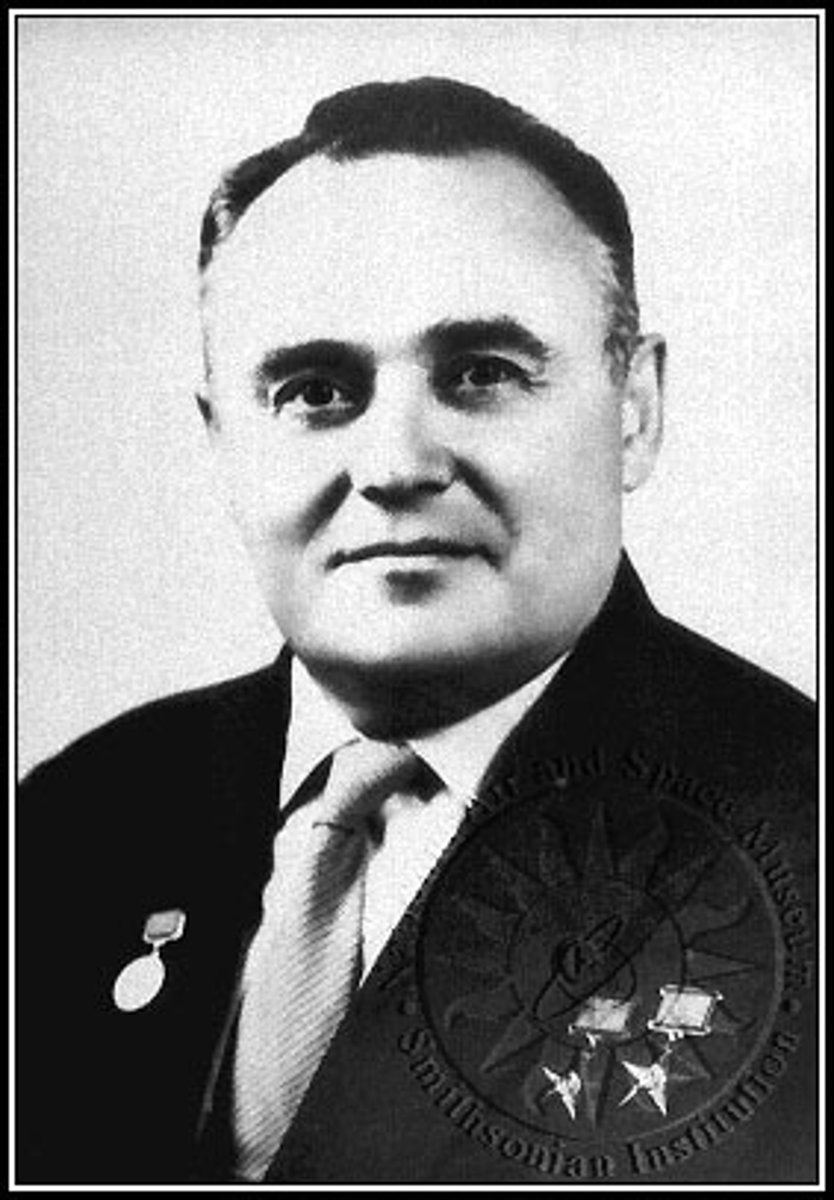
Sergei Korolev
the leading Soviet rocket science; known as the "Father of the Soviet Space Program"
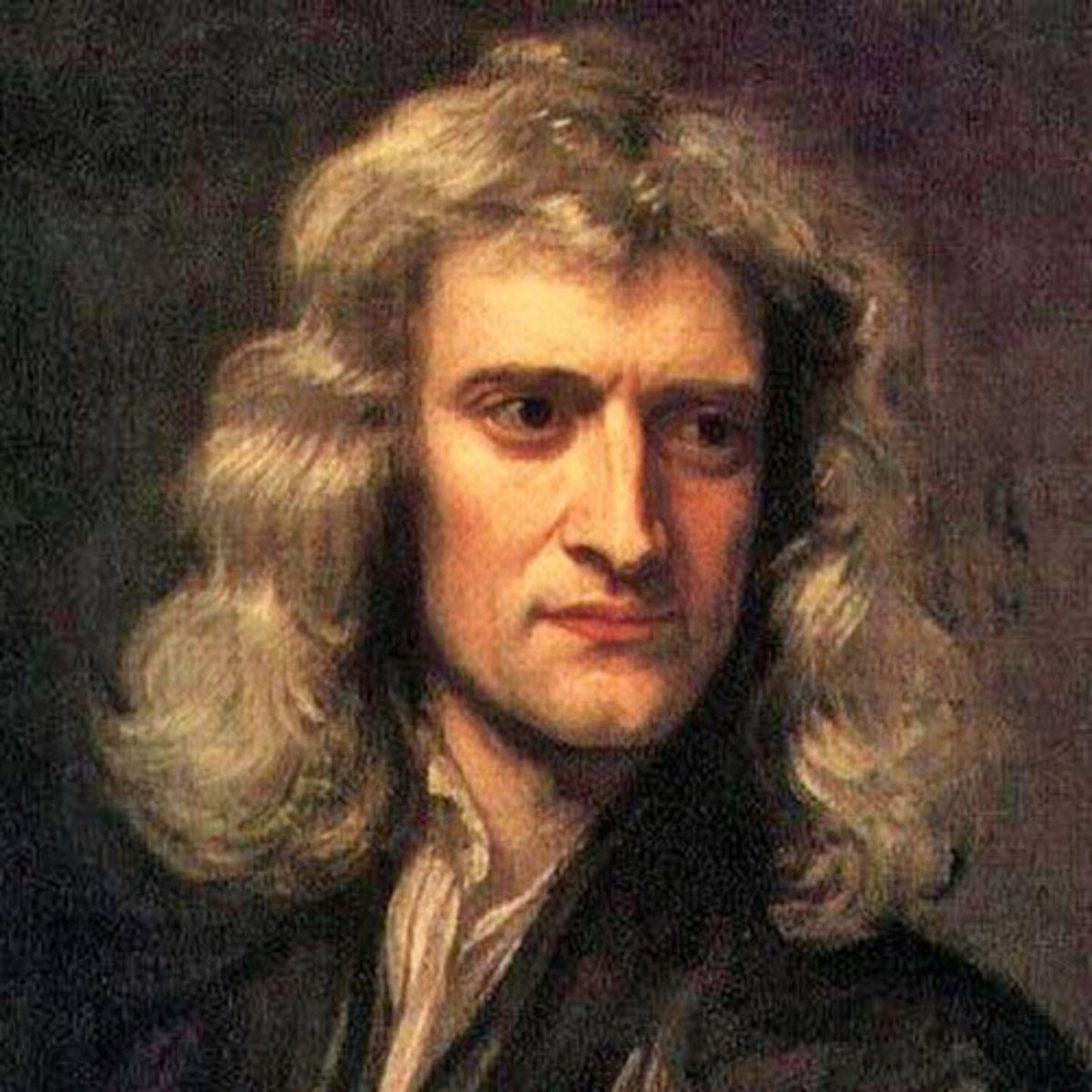
Sir Isaac Newton
laid the scientific foundation for modern rocketry with his laws of motion
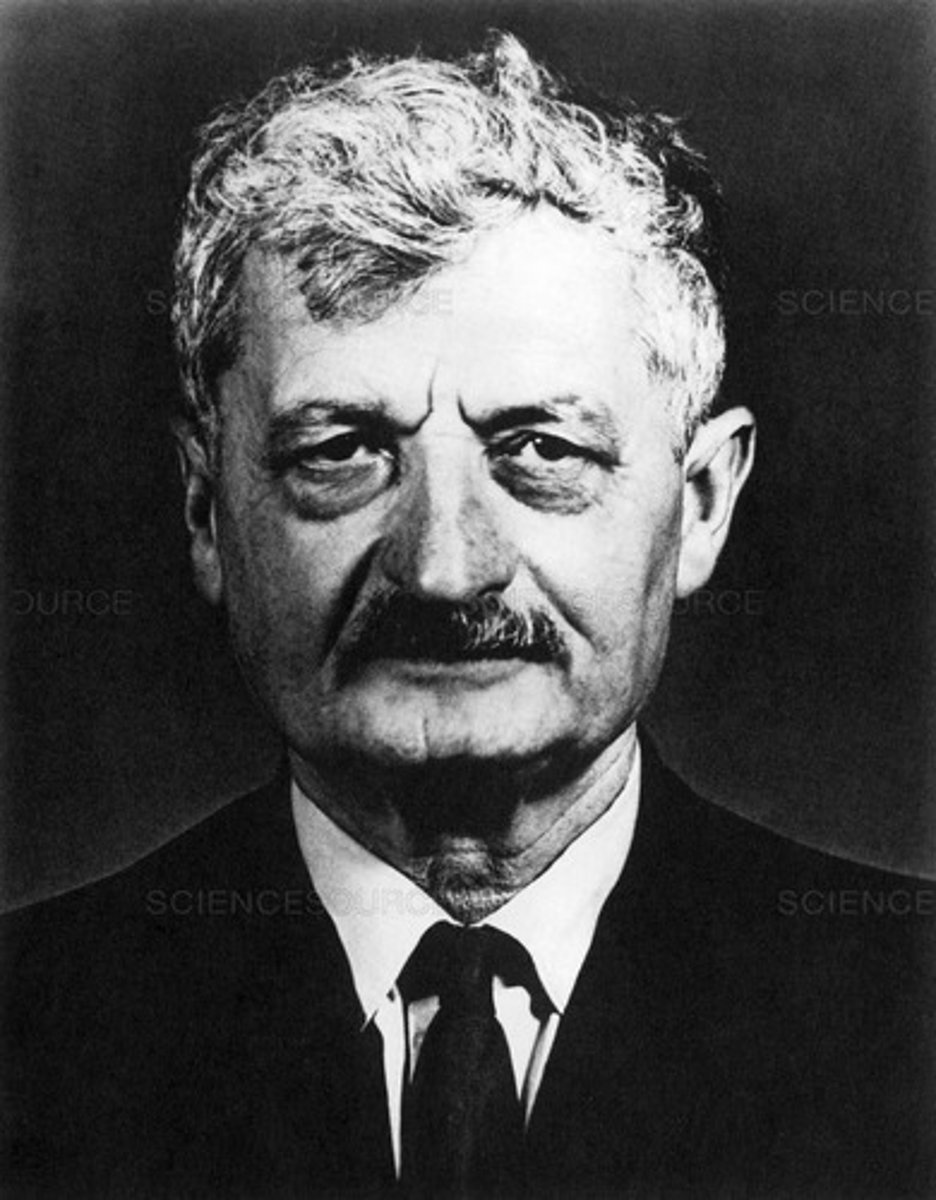
Hermann Oberth
space pioneer; wrote a book about rocket travel into outer space
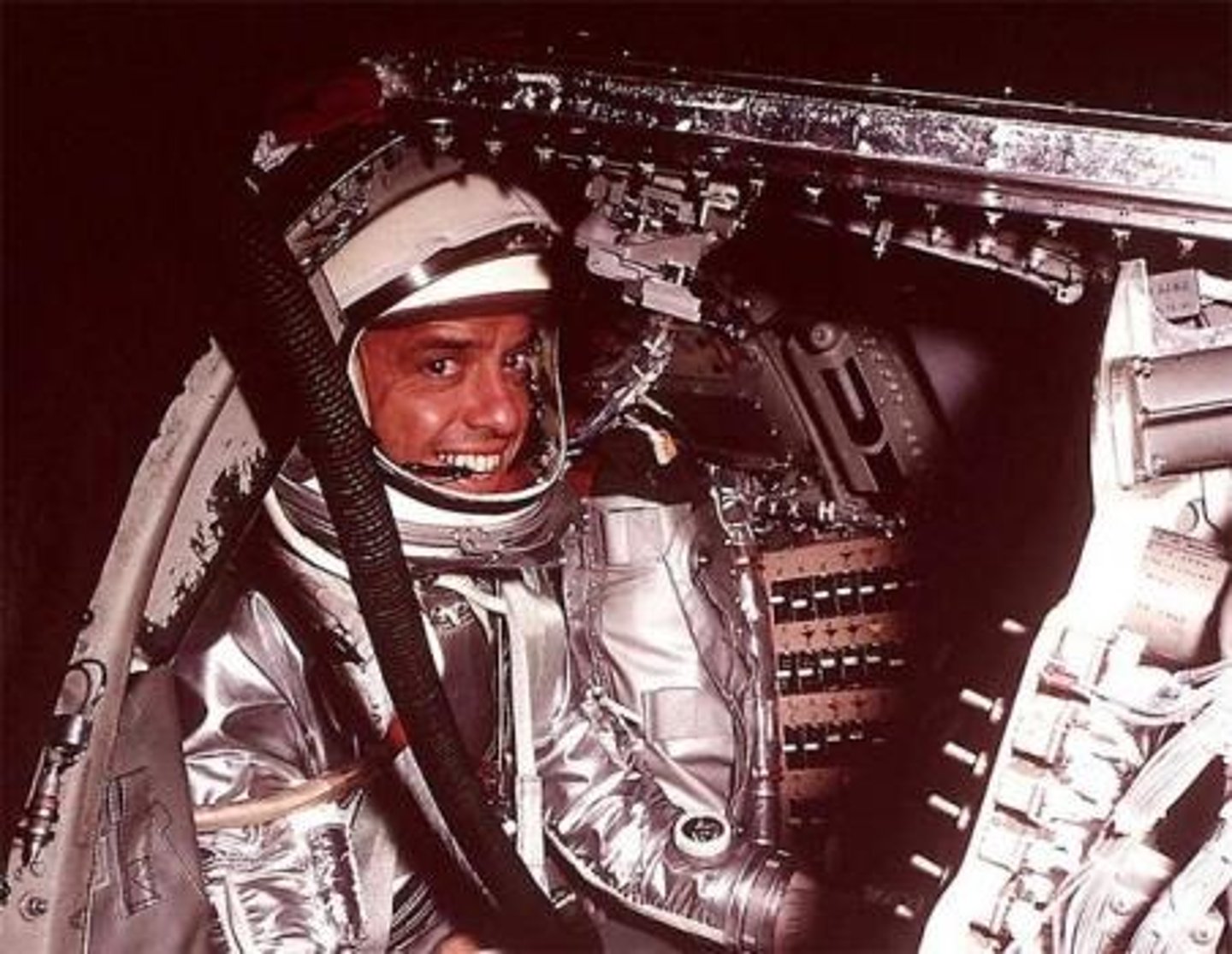
Alan Shephard
first American in space
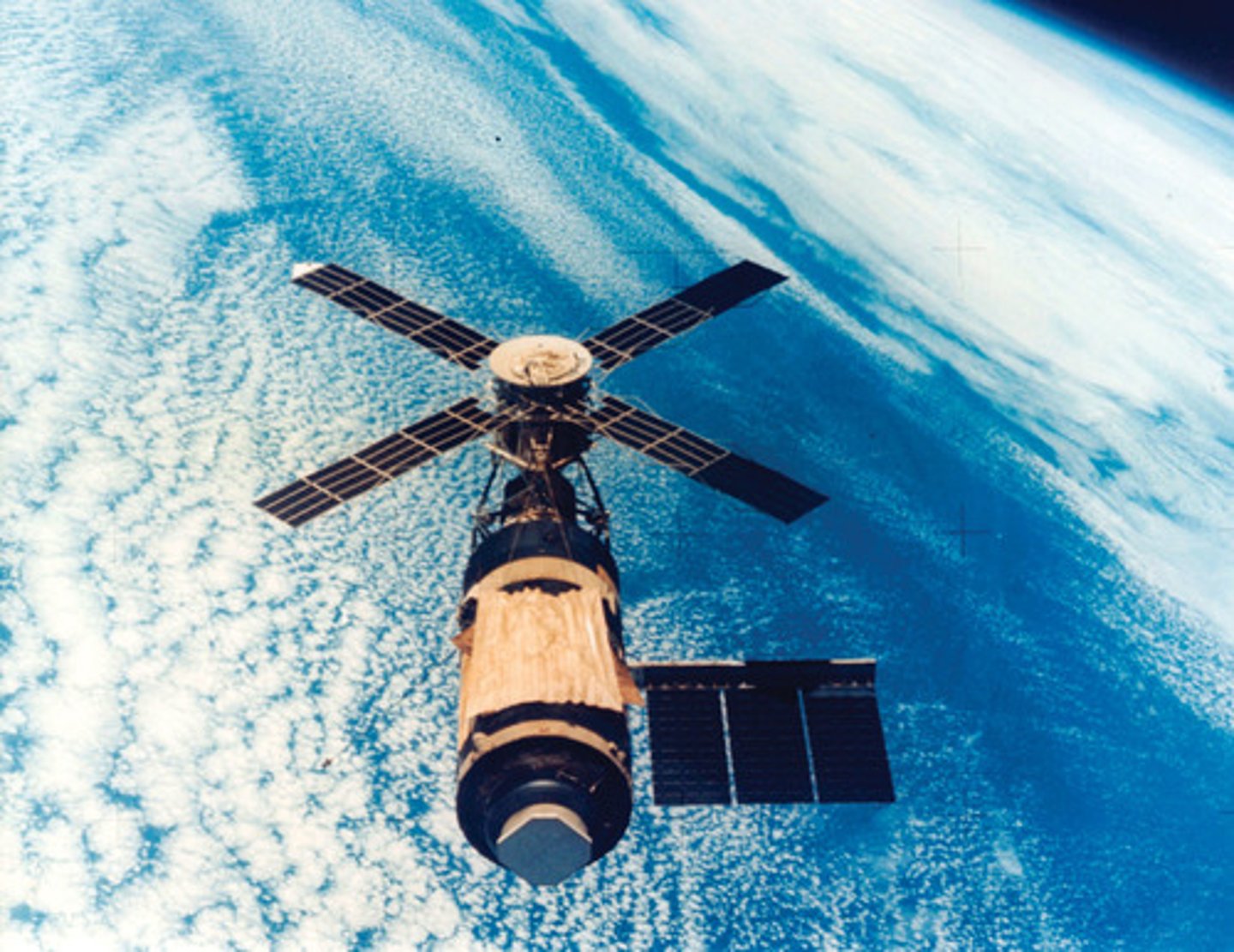
Skylab
first US space station
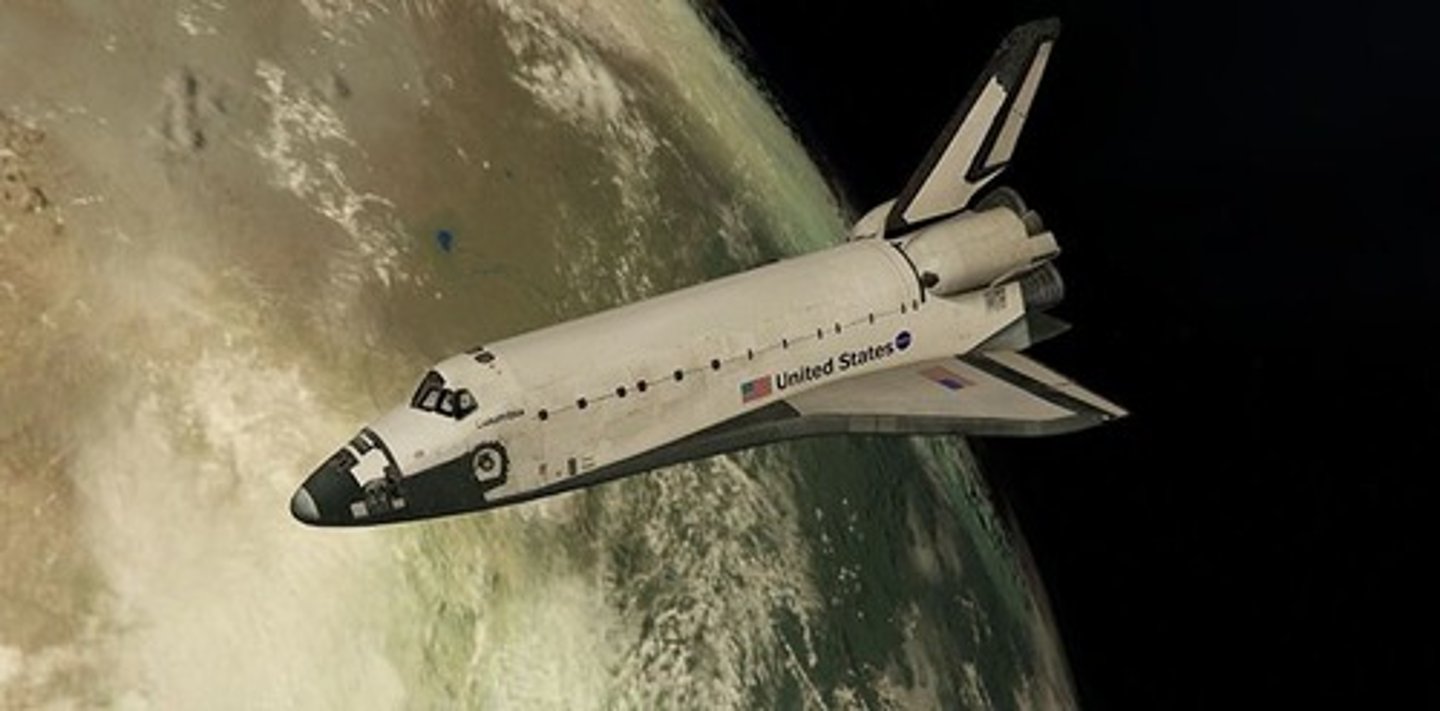
Space Shuttle
a space transportation system for traveling to space and back to Earth
Spin Stabilization
a technique developed by Englishman, William Hale, wherein escaping gases in a rocket hit small vanes that made the rocket spin, and stabilize, much like a bullet in flight
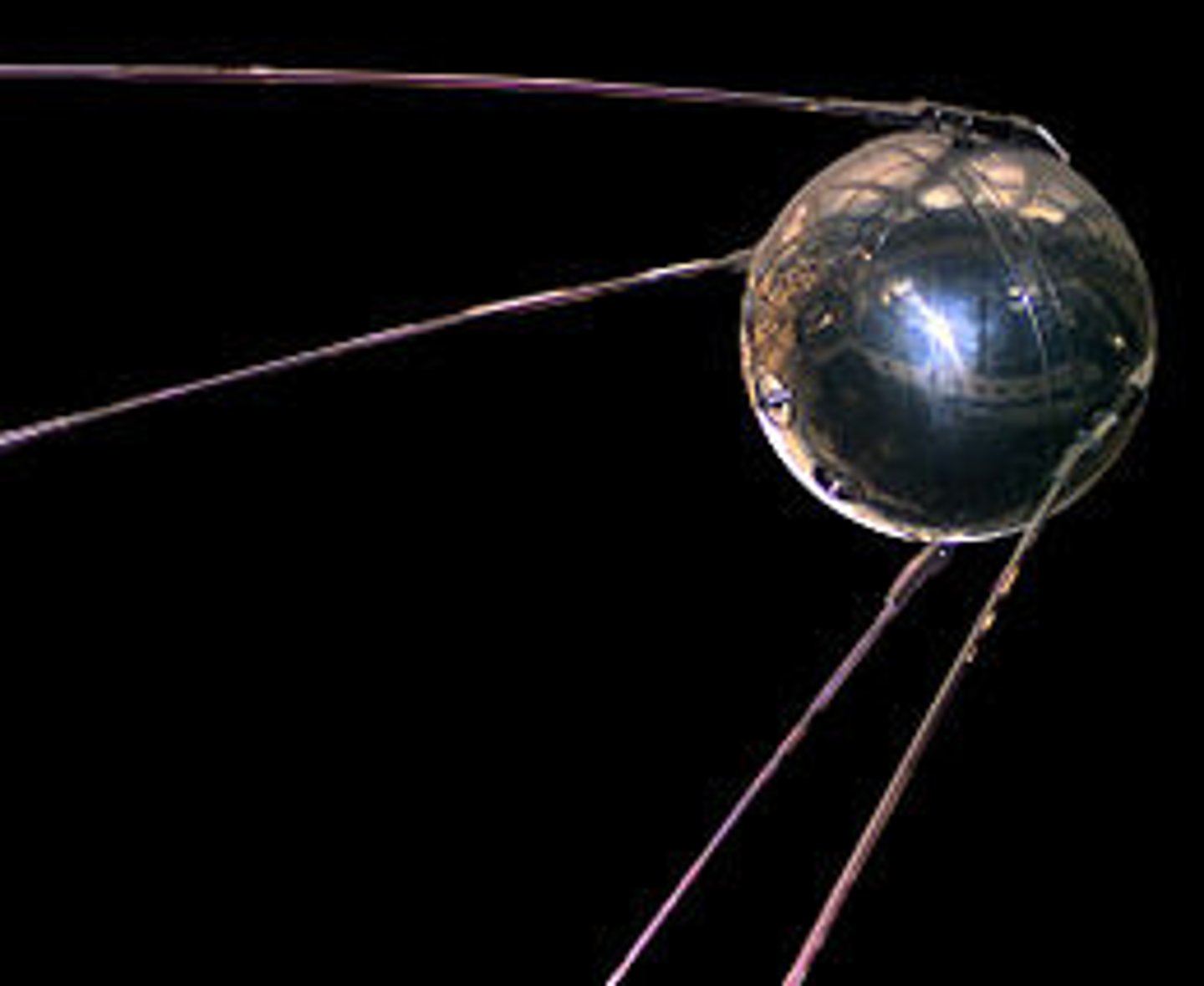
Sputnik I
first artificial satellite; Russian
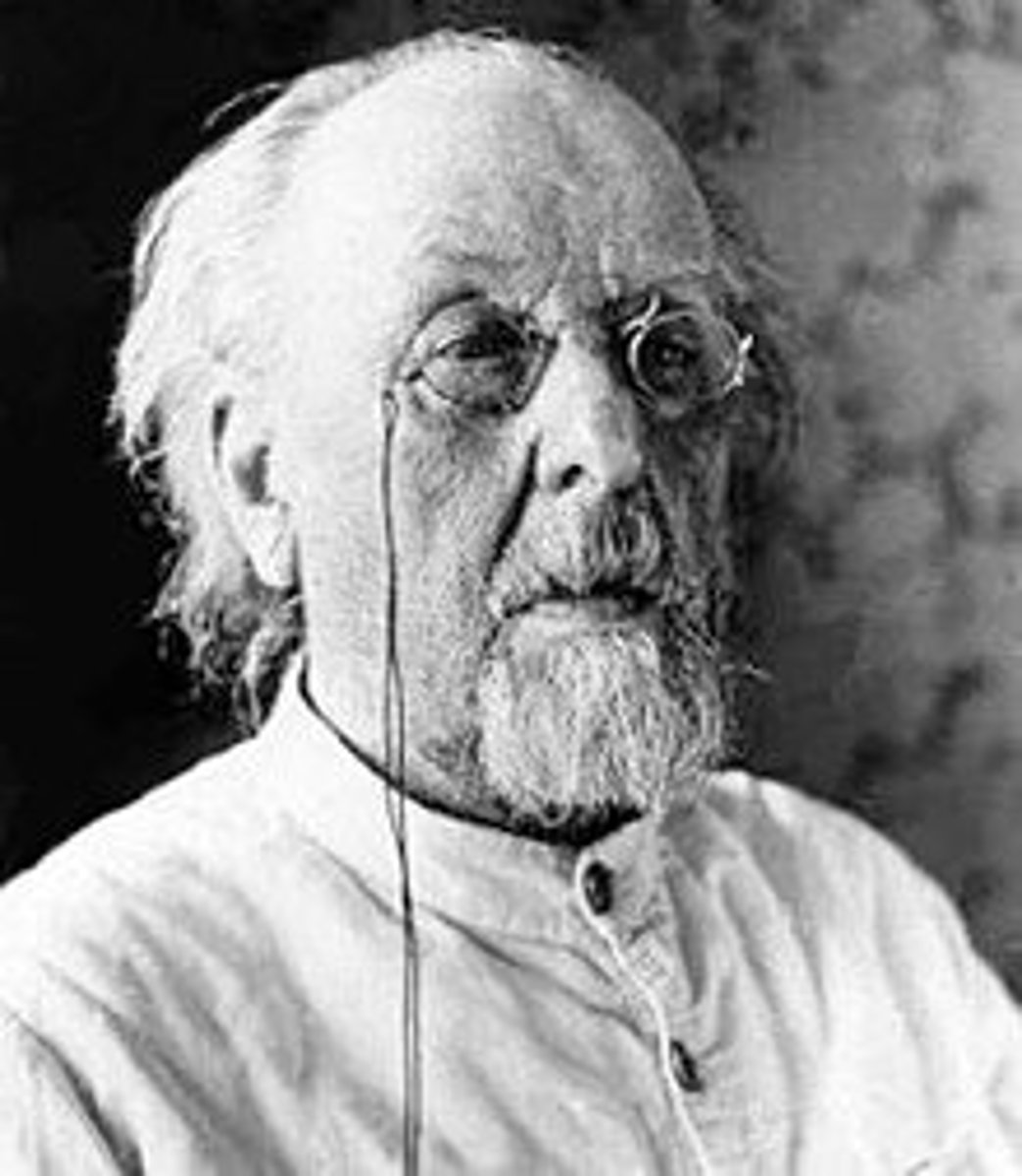
Konstantin Tsiolkovsky
proposed the use of rockets for space exploration and became known as the "Father of Modern Astronautics"
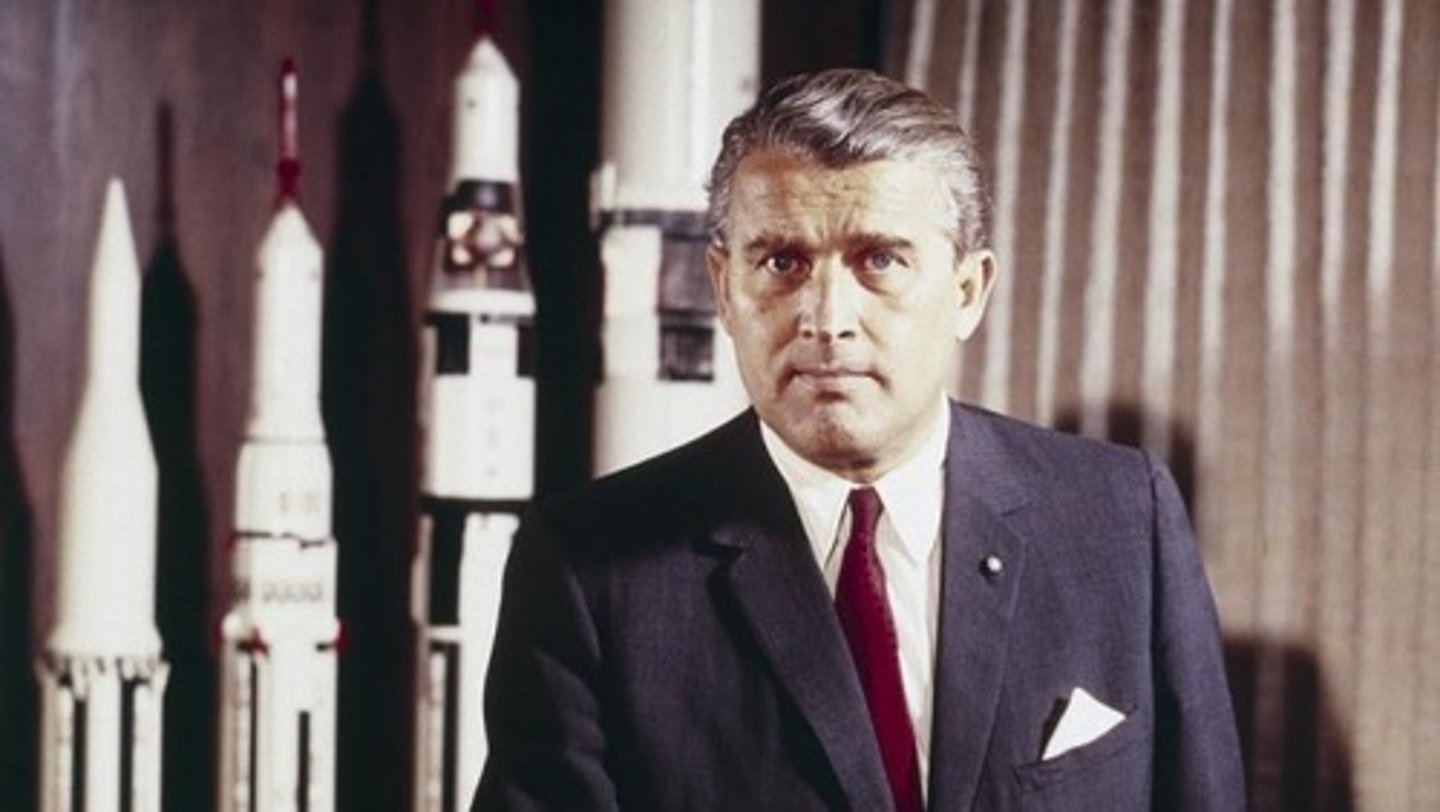
Wernher von Braun
director of the V-2 rocket project
Acceleration
the change in velocity with respect to time
Airframe
provides the shape of the rocket and keeps it stable
Control System
steers the rocket and keeps it stable
Guidance System
gets the rocket to its destination; brain of the rocket
Inertia
the tendency of an object at rest to stay at rest and an object in motion to stay in motion
Newton's First Law of Motion
a body at rest tends to stay at rest and a body in motion tends to stay in motion at a constant velocity unless acted upon by an outside force; inertia
Newton's Second Law of Motion
the rate of change in the momentum of a body is proportional to the force acting upon the body and is in the direction of the force
Newton's Third Law of Motion
for every action there is an equal and opposite reaction
Payload
what the rocket is carrying
Propulsion
everything associated with propelling the rocket
Thrust
the force or push; the amount of push used to get a rocket traveling upwards
SpaceShipOne
aircraft with suborbital capability
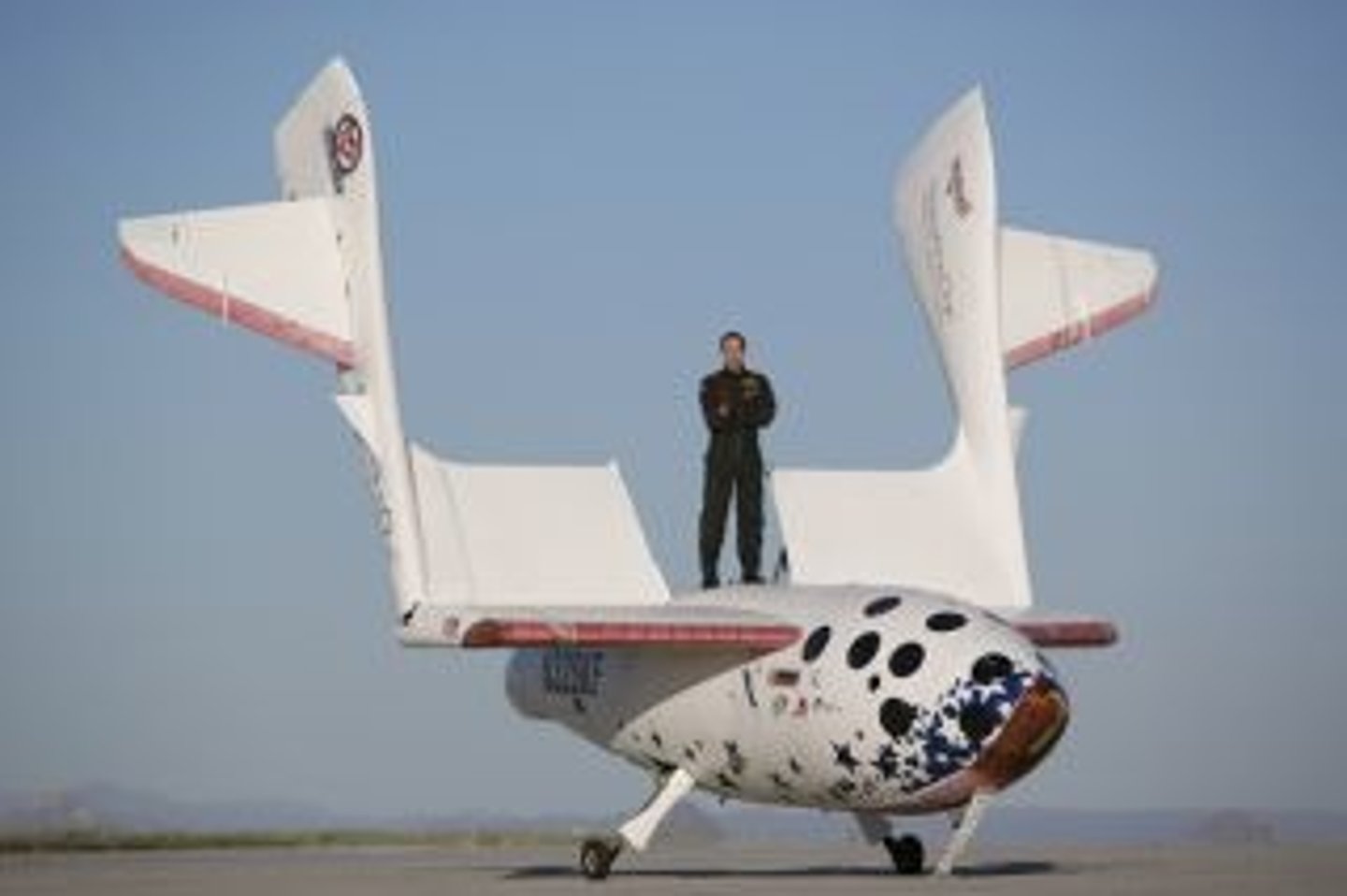
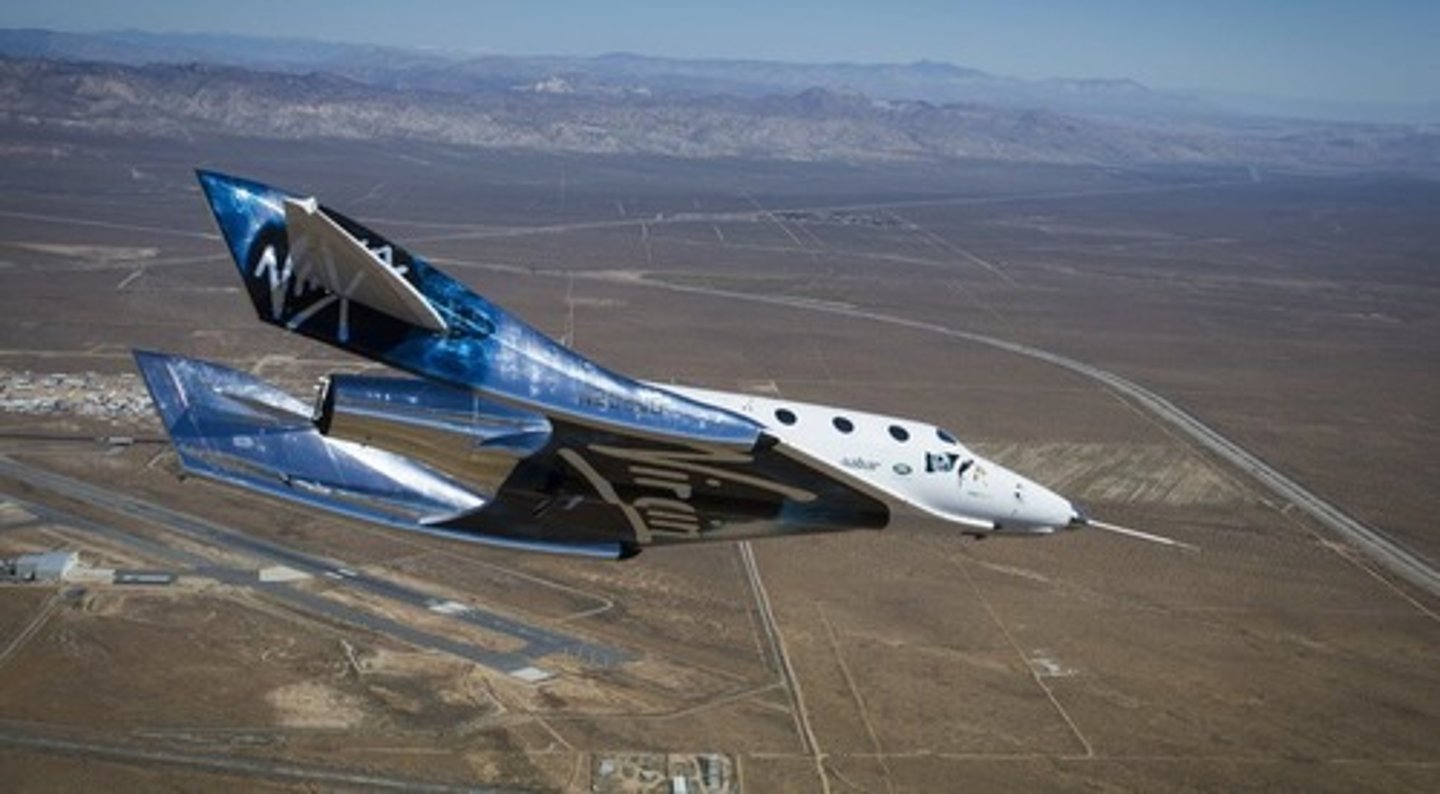
SpaceShipTwo
SpaceShipOne's successor that could possibly offer the general public space travel