human gas exchange and ventilation
 Call Kai
 Learn
Learn Practice Test
 Spaced Repetition
 Match
Match Flashcards
 Knowt Play
1/28

There's no tags or description
Looks like no tags are added yet.
Name | Mastery | Learn | Test | Matching | Spaced | Call with Kai |
|---|
No analytics yet
Send a link to your students to track their progress
29 Terms
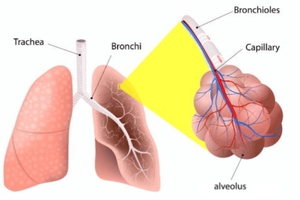
image of structure of human exchange system?
what is the trachea?
the entrance to the human gas exchange system
when you breathe in, air flows through the trachea
ridges of cartilage surround the front of the trachea to provide protection and structure
there is no cartilage at the back of the trachea so that the oesophagus is not constricted (movement)
bronchi?
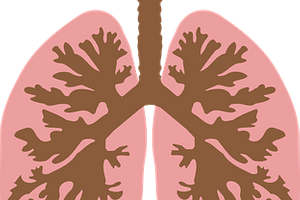
the trachea divides into 2 bronchi
air flows along each bronchus to a lung
the bronchi are made from cartilage and smooth muscle
bronchioles?
each bronchus divides into smaller bronchioles
the many bronchioles branch throughout the lungs into small air sacs called the alveoli
alveoli?
they are sacks that fill with air when you breathe in
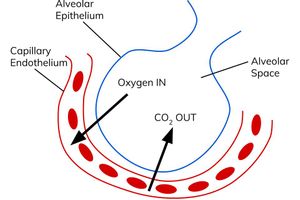
oxygen in the alveoli diffuses into the bloodstream and carbon dioxide in the bloodstream diffuses into the alveoli
there are millions of alveoli in the lungs
the alveoli provide a large surface area for gas exchange
what is ventilation controlled by?
ribcage, intercostal muscles and diaphragm
when you breathe in, these structures move to allow the lungs to fill with air
when you breathe out, these structures move to allow air to leave the lungs
capillaries in the alveoli?
each alveolus is surrounded by a network of capillaries
the many capillaries provide a large surface area for gas exchange between the alveoli and the bloodstream
alveolar epithelium?
the epithelium is made up of a single layer of epithelial cells that line the walls of the alveoli
the epithelium provides a very short diffusion distance from the alveoli to the capillaries, which maximises the rate of gas exchange
concentration gradient of capillaries?
the capillaries supply carbon dioxide to the alveoli and oxygen is rapidly carried away from the alveoli
the quick transport of gases in the bloodstream maintains a steep concentration gradient of oxygen and carbon dioxide
the steep concentration gradient allows quick diffusion of gases into and out of the bloodstream
summary of gas exchange in alveoli?
oxygen from the air moves down the trachea, bronchi and bronchioles, into the alveoli
this movement happens down a pressure gradient
once in the alveoli, the oxygen diffuses across the alveolar epithelium, then the capillary endothelium, ending up in the capillary
this movement happens down a diffusion gradient
how is the alveoli adapted for efficient gas exchange?
thin walls (alveolar epithelium)- short diffusion pathway
large surface area - large number of alveoli means there’s a large surface area for gas exchange
the steep concentration gradient of oxygen and carbon dioxide between the alveoli and capillaries also increases the rate of diffusion
this is maintained by flow of blood and ventilation
moist walls - gases dissolve in moisture before diffusing, more efficient diffusion
permeable walls- gases dissolve freely across the membrane
what happens when you breathe in (inspiration)?
the external intercostal muscles and diaphragm contract
the internal intercostal muscles relax
the diaphragm flattens
this causes the ribcage to move upwards and outwards, increasing volume of thoracic activity
as the volume of the thoracic activity increases, the pressure in the lungs decreases
air will always flow from an area of high pressure to low pressure, so air flows down trachea and into lungs
inspiration is an active process- it requires energy
what happens when you breathe out (expiration)?
the external intercostal muscles and diaphragm muscles relax
the internal intercostal muscles contract
this causes the ribcage to move down and in, causing diaphragm to be a dome shape
the volume of the thoracic activity decreases, increasing pressure in the lungs
air is forced down the pressure gradient and out of the lungs
normal expiration is a passive process, so doesn’t require energy
what is tidal volume?
volume of air in each breath
average is between 0.4dm³ - 0.5dm³
what is ventilation rate?
number of breaths per minute
average is about 15 breaths per minute
what is a spirometer?
piece of apparatus that measure the gas exchange in the lungs
measures volume of air that is inspired and expired
what is forced expiratory volume?
maximum volume of air that can be breathed out in 1 second
this cannot be more than total volume of gas in the lungs
because there is always a small amount of air that cannot be expired (residual air). the residual air ensures that the alveoli do not close
what is vital capacity?
maximum volume of air that can be breathed in and out of the lungs
a spirometer can measure this
how to calculate pulmonary ventilation rate?
PVR = tidal volume x breathing rate
common lung diseases?
asthma
pulmonary fibrosis
tuberculosis
emphysema
what causes gas exchange problems?
when the exchange system is damaged. this could be due to:
decreased surface area
increased diffusion distance
decreased concentration gradient
emphysema and effects?
emphysema is caused by smoking or air polluiton
dirt and bacteria become trapped in the alveoli which damages their walls
the alveoli provide a large surface area for gas exchange
so, damage to the walls decreases the surface area and rate of gas exchange declines
asthma and effects?
asthma increases the production of mucus by the epithelial cells
the increased mucus increases the length of the diffusion distance
the greater diffusion distance decreases rate of gas exchange
an asthma attack also causes the smooth muscle in the bronchioles to contract, making it difficult to breathe
tuberculosis and effects?
tuberculosis can affect the lungs, damaging the lung tissue
the cells of the immune system can also damage the lungs
the damaged lungs lead to a decreased tidal volume
what harmful chemicals does cigarette smoke contain?
nicotine
carbon monoxide
carcinogens
what is bronchitis caused by?
when smoke is breathed in, it damaged the cilia cells of the airways
this means the cilia can not waft away the mucus produced by the goblet cells, and the mucus builds up
this can lead to bronchitis, where the airways are partly blocked with mucus
what are cancers caused by?
the carcinogens can cause tumours to form int he airways
smoking can cause mouth, throat and lung cancers
what does nicotine and carbon monoxide do to the body?
nicotine: very addictive and puts a strain on the heart
carbon monoxide: reduces ability of red blood cells to carry oxygen, which can also put a strain on the heart
both of these substances can cause heart diseases and strokes
correlation vs causation?
correlation: a link between 2 things
causation: a change in one variable directly causes a change in the other
e.g, just because there is a correlation between the number of of males who smoked and the mortality rate, doesn’t mean that one caused the other (causation)
USE THIS WHEN INTERPRETING LUNG DISEASE DATA

