ess topic 6
 Call Kai
 Learn
Learn Practice Test
 Spaced Repetition
 Match
Match Flashcards
 Knowt Play
1/29

There's no tags or description
Looks like no tags are added yet.
Name | Mastery | Learn | Test | Matching | Spaced | Call with Kai |
|---|
No analytics yet
Send a link to your students to track their progress
30 Terms
differential heating of the atmosphere creates
tricellular model — redistributes heat from the equator to the poles. This circulation disperses the heat across the planet, reducing the heat at the equator andincreasing the temperature in higher latitudes.
systems diagram to represent atmospheric system
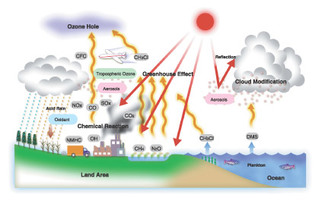
GHGs and the greenhouse effect
GHGs: co2, water vapour, ch4, NOx
the sun emits energy in the form of solar radiation which enters the Earth’s atmosphere.
some thermal energy is reflected from Earth’s surface but most is absorbed and re-emitted back from the Earth’s surface
some thermal energy is absorbed by GHGs which causes thermal energy to be re-emitted in all directions.
reduces the thermal energy lost to space and traps it within the Earth
climate + main factors affecting it
it describes the typical conditions that result from physical processes in the atmosphere.
The main factors impacting climate in an area are seasonal variations in temperature and precipitation.
general impacts of climate change on exosystems
affects the resilience of ecosystems
leads to biome shifts
local impacts of climate change
coral bleaching
cause: increased sea temp causes corals to expel algae, causing corals to lose their color and lose their main food source — leads to bleaching and coral death
impact: loss of biodiversity as many marine species lose their habitat
ex: great barrier reef
desertification
cause: prolonged droughts and higher temperatures. unsustainable land practices like deforestation and overgrazing
effects: loss of arable land and vegetation, leading to soil erosion → reduced agricultural productivity and displacement of communities
ex: sahel region in africa
global impacts of climate change
changes to ocean circulation
cause: melting ice caps and glaciers increase freshwater input into oceans, disrupts normal currents and circulation patterns
effects: altered weather patterns, changes in marine and costal ecosystems, changes in fish migration and distribution which affects fisheries
ex: colder winters in europe, and warmer arctic temps
sea-level rise
cause: melting ice caps and glaciers, thermal expansion of seawater due to higher temperatures
effects: coastal flooding and erosion, impacting ecosystems like magroves and salt marshes. loss of habitats for species.
ex: maldives
regional impacts on natural productivity
increased productivity
northern regions — warmer temp can extend growing season and increase vegetation → expansion of suitable areas for agriculture and forestry
decreased productivity
tropical regions — higher temps and unpredictable rainfall can harm crops
factors affecting ecosystem resilience
biodiversity
high biodiversity: increases resilience, ecosystems can adapt to changes
low biodiversity: decreases resilience, ecosystems become more vulnerable
impact of CC: can lead to habitat loss, altered food webs, weather events → reduce biodiversity
habitat fragmentation
connected habitats: enable species to migrate and adapt to changes
fragmented habitats: isolate species and split populations, reduce ability to adapt
impact of CC: can increase desertification, increase rate of forest fires, melt polar ice caps
biome shifts caused by climate change
cause changes in temperature, precip, and weather events can cause biome shifts
effects: movements of biomes, transformation of existing biomes, loss of unique biomes
impacts of climate change
health impacts
heatwaves — increased frequency and intensity
diseases — warmer temp expand habitats for disease-carrying insects
air quality — poor air quality due to high temp and pollutants
water supply impacts
droughts — longer and more severe droughts reduce water availability
melting glaciers — reduce freshwater availability for downstream communities
flooding — more intense rainfall leads to flooding
water quality — combined with nutrient pollution, warmer water temp, promotes growth of harmful algal blooms
agricultural impats
crop yields — changes in temp and rainfall can affect crop production
pest outbreaks — warmer climates increase prevalence of agricultural pests
food security — less reliable food supply and higher prices
livestock — heat stress affects livestock health and productivity
infrastructure impacts:
extreme weather — can damage infrastructure
transportation — can damage infrastructure
buildings — can damage infrastructure
energy supply — can damage infrastructure
resilience of societies
Resilience refers to a society's ability to withstand, adapt to and recover from climate change impact.
affected by:
economic stability
social equity
adaptive capacity
perspectives on climate change
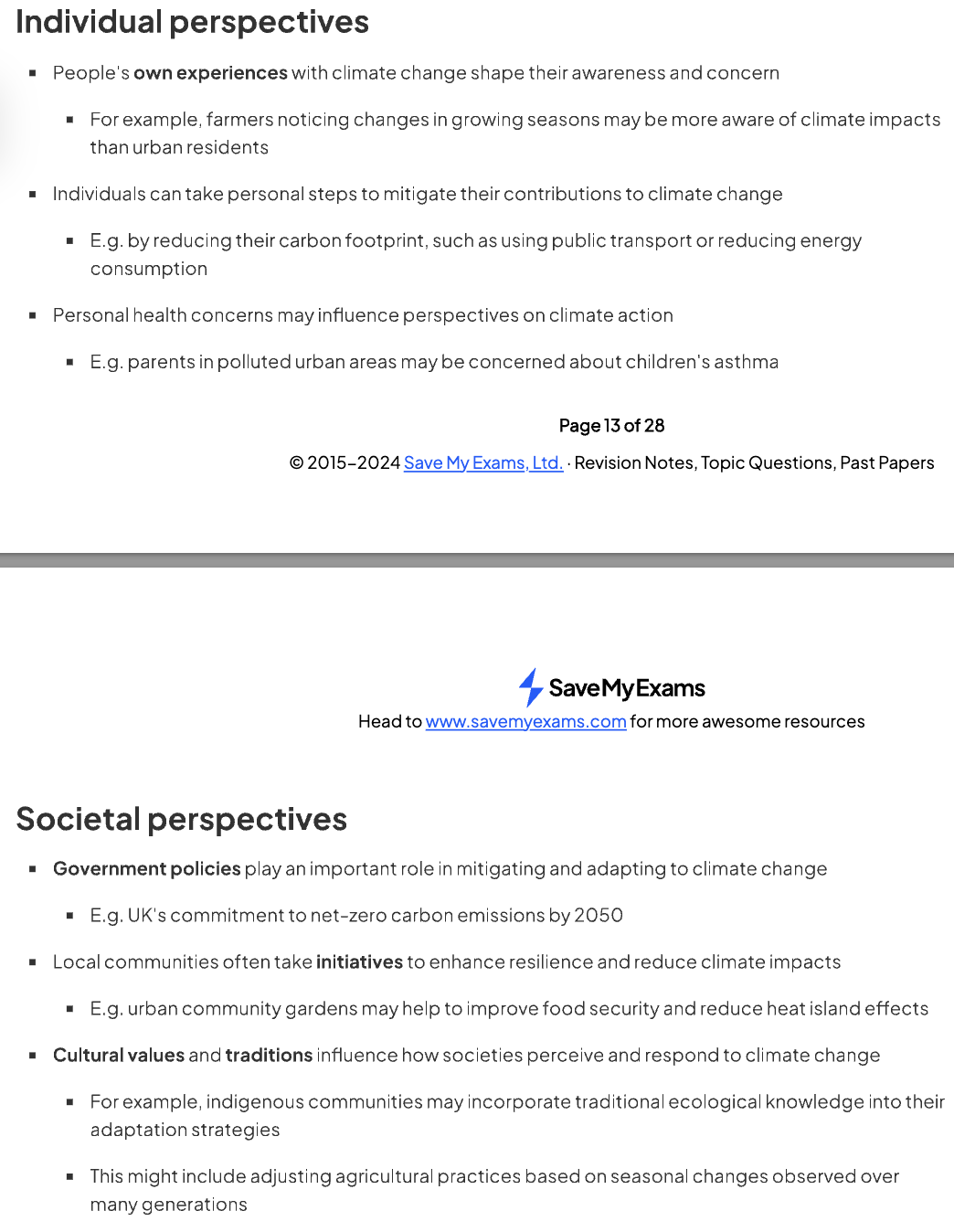
anthropogenic influence on climate
acceleration of co2 emissions from human activity caused by:
industrial revolution
tech advancements
population growth
analysis of ice cores, tree rings, and sediments
ice cores
traps air bubbles containing gases from ancient atmosphere
can show historical co2 levels
tree rings
thicker rings indicate warmer conditions, could be linked to higher co2 levels
sediments
deposits in lakes and oceans contain remians of organisms sensitive to env changes — provides indirect evidence of past climates
state sovereignty
it is the principle that each country has the authority to govern itself without external interference
decarbonisation and carbon neutrality
decarbonisation is the reducing or ending the use of fossil fuels that emit co2 when burned. transitioning to renewable neergy sources.
carbon neutrality is achieving net-zero carbon emissions.
UK: 2050
china: 2060
germany: 2045
steps towards decarbonisation
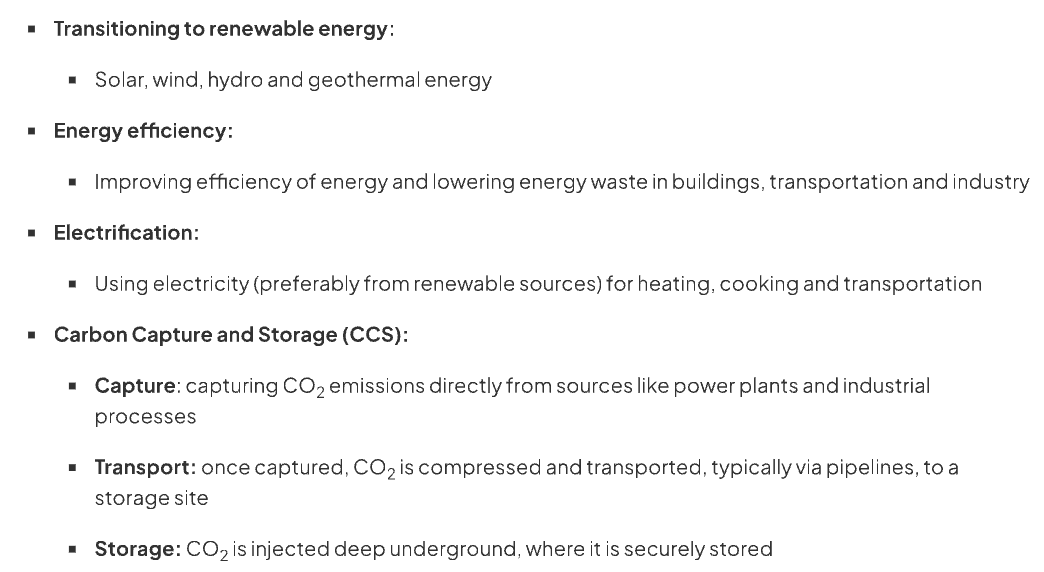
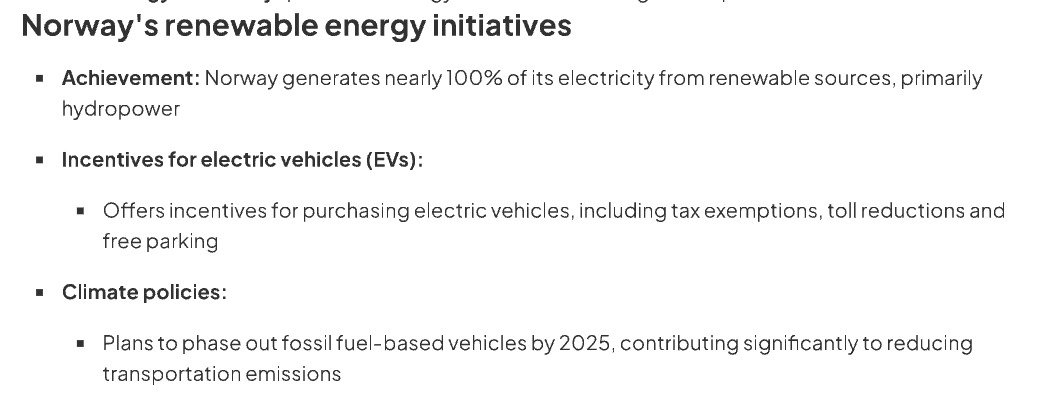
real world example of decarbonisation
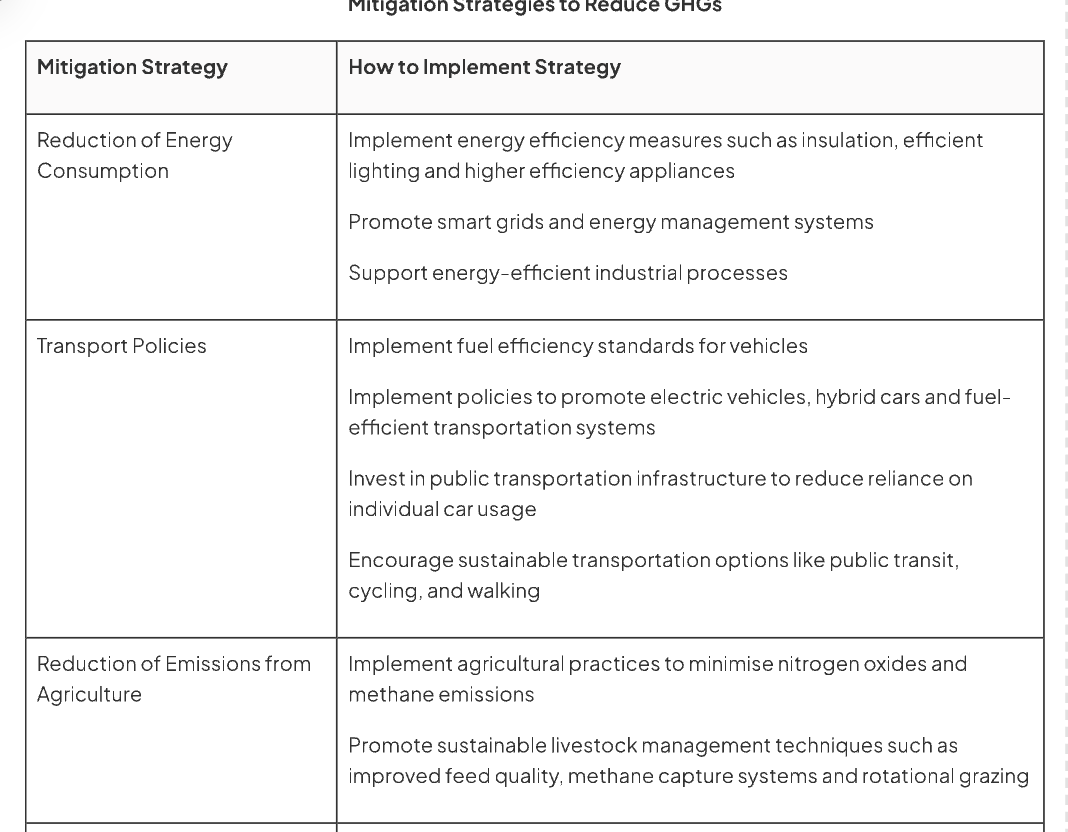
climate change mitigation strategies + examples
includes:
reducing ghg emissions at their sources
developing techniques to remove ghgs from the atmosphere
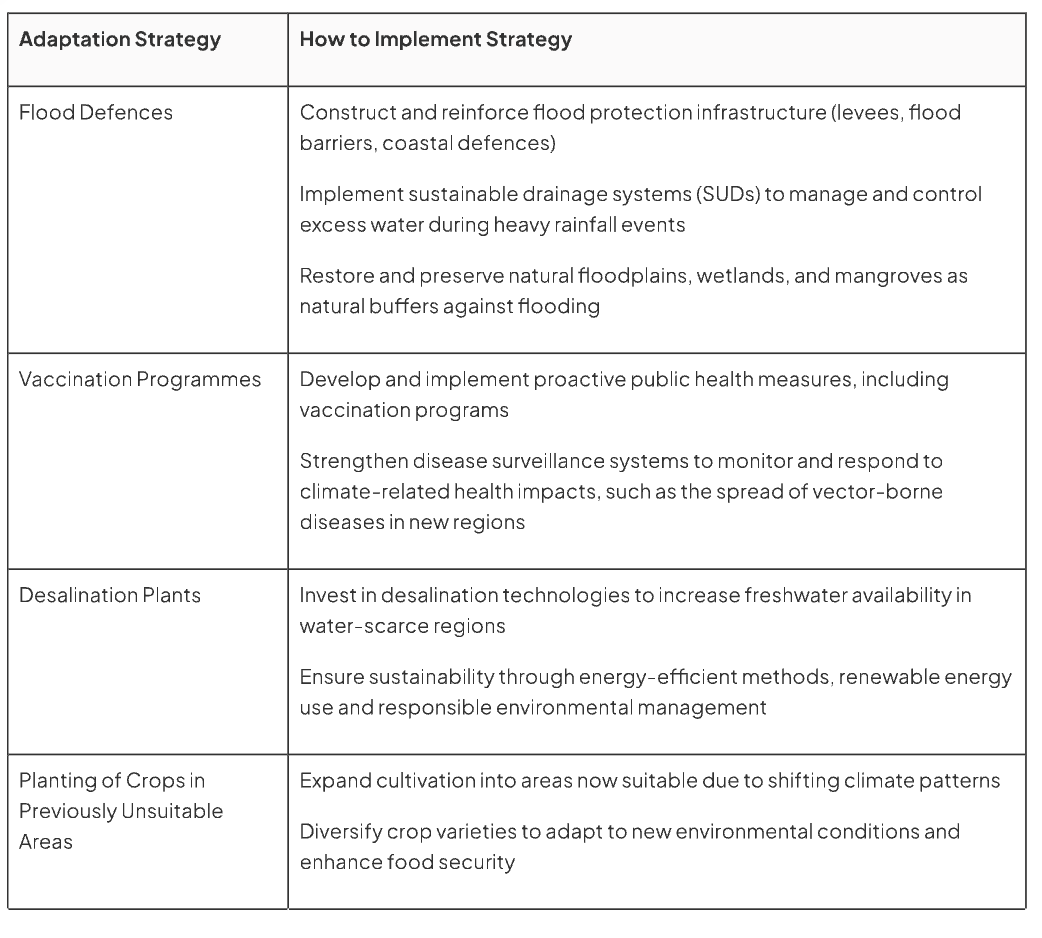
climate change adaptation strategies + examples
focuses on reducing the adverse effects of CC and build resilience + adapting to changing climate conditions
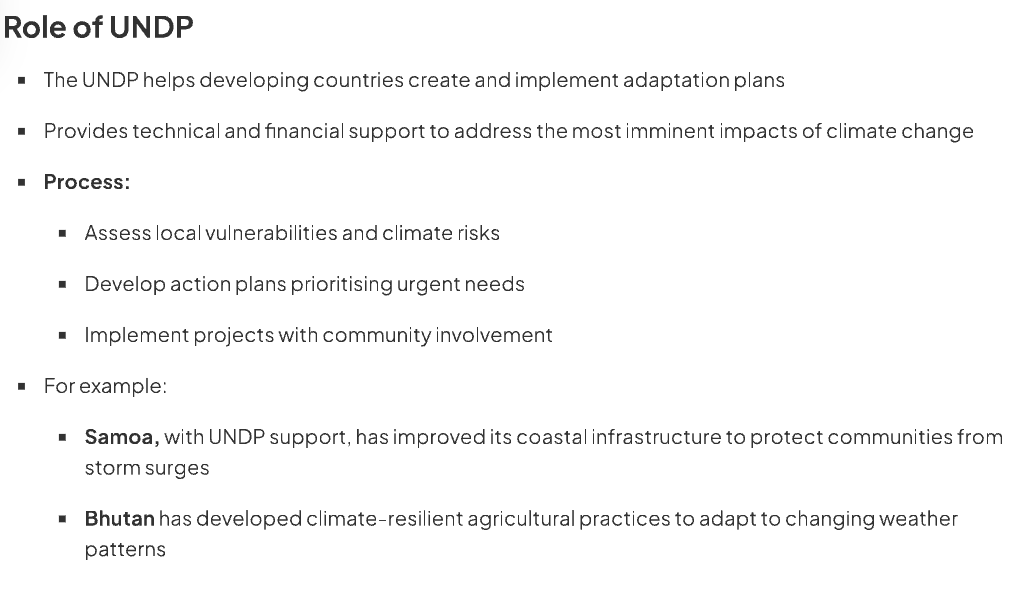
what are NAPAs
NAPAs (national adaptation programmes of actions) are plans developed by LDCs to identify and prioritize urgent adaptation needs. ex: bangladesh has implemented NAPA projects to improve flood forecasting and early warning systems.
role of UNDP
UV radiation
the sun emits electromagnetic radiation. shorter wavelengths of radiation have higher frequences = more energy which damages living organisms (eg UV radiation)
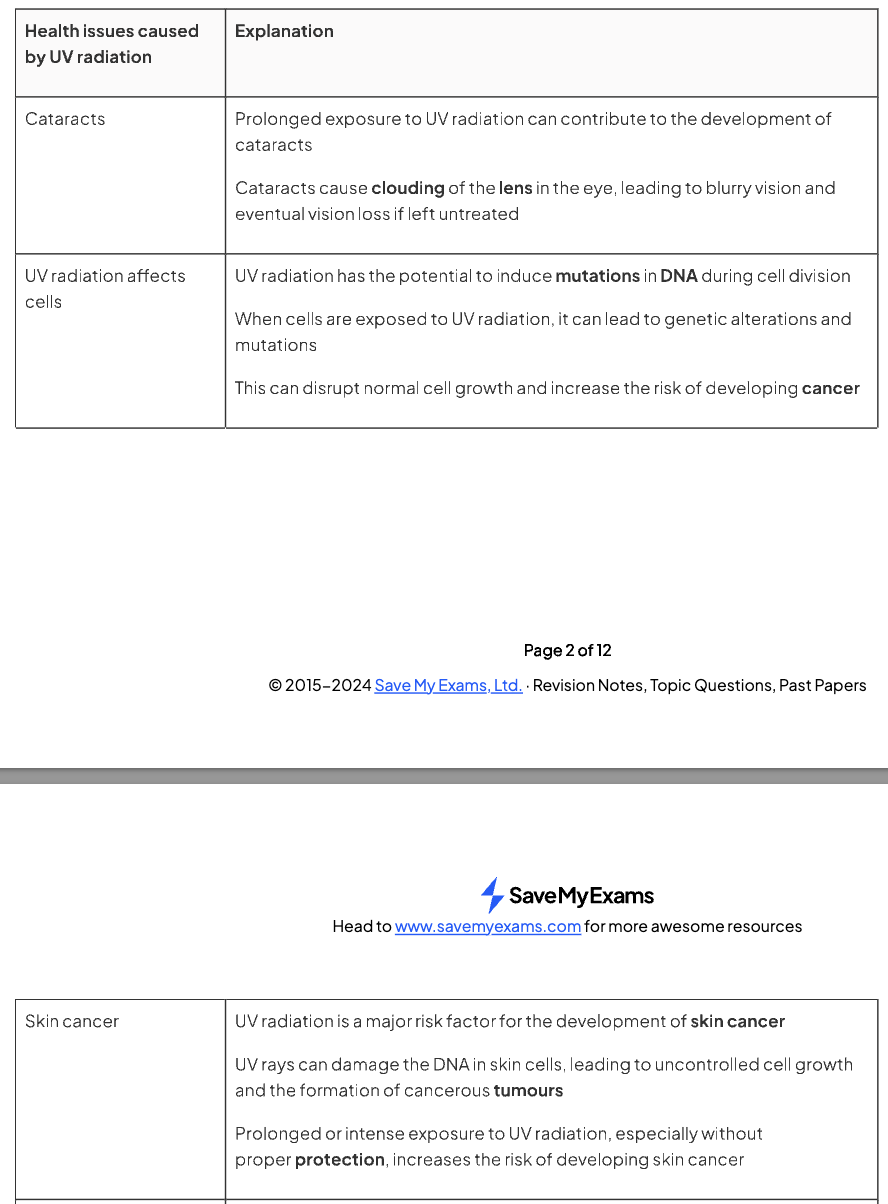
UV radiation effects on human health
effects of UV radiation on biological productivity
can lead to:
reduced photosynthesis rates
altered plant metabolism
decreased crop yields
ex: phytoplankton. they act as producers in aquatic food webs. UV radiation can cause DNA damage and reduced photosynthetic activity. reduced phytoplankton productivity can have cascading effects on higher trophic levels like zooplankton.
ozone equilibrium
concentration of ozone in the atmosphere is relatively constant due to steady state equilibrium.
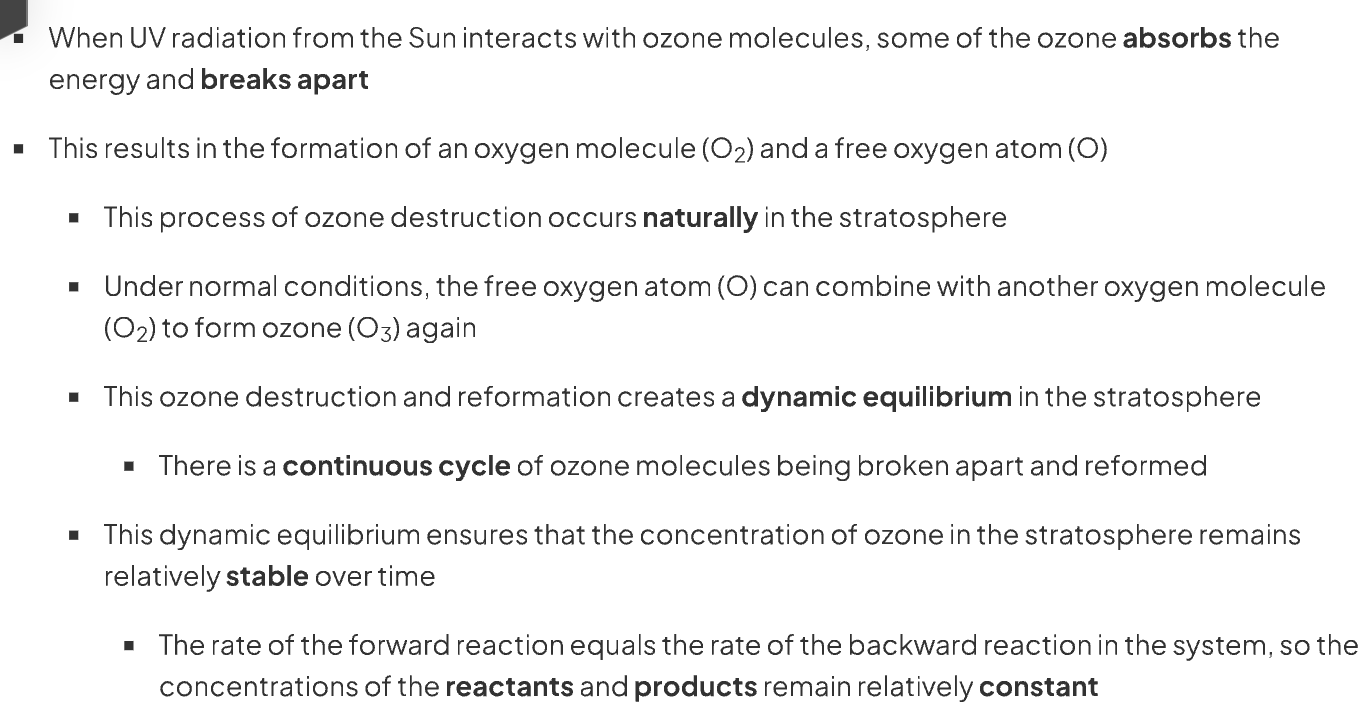
ozone depleting substances and their impacts on equilibrium
ODS are chmicals that can cause stratospheric ozon depletion bcs they destruct ozone molecules (eg aerosols, pesticides, CFCs).
when ozone equilibrium is disrupted, this leads to increased ozone depletion.
increased UVB radiation reaches the Earth, which effcts ecosystems and human health.
the montreal protocol
UNEP played a critical role in the protection of the ozone layer.
the montreal protocol was initiated in 1987 under the guidance of UNEP.
the protocol regulates the production, trade, and use of CFCs and ODSs. implementation of ODS alternatives
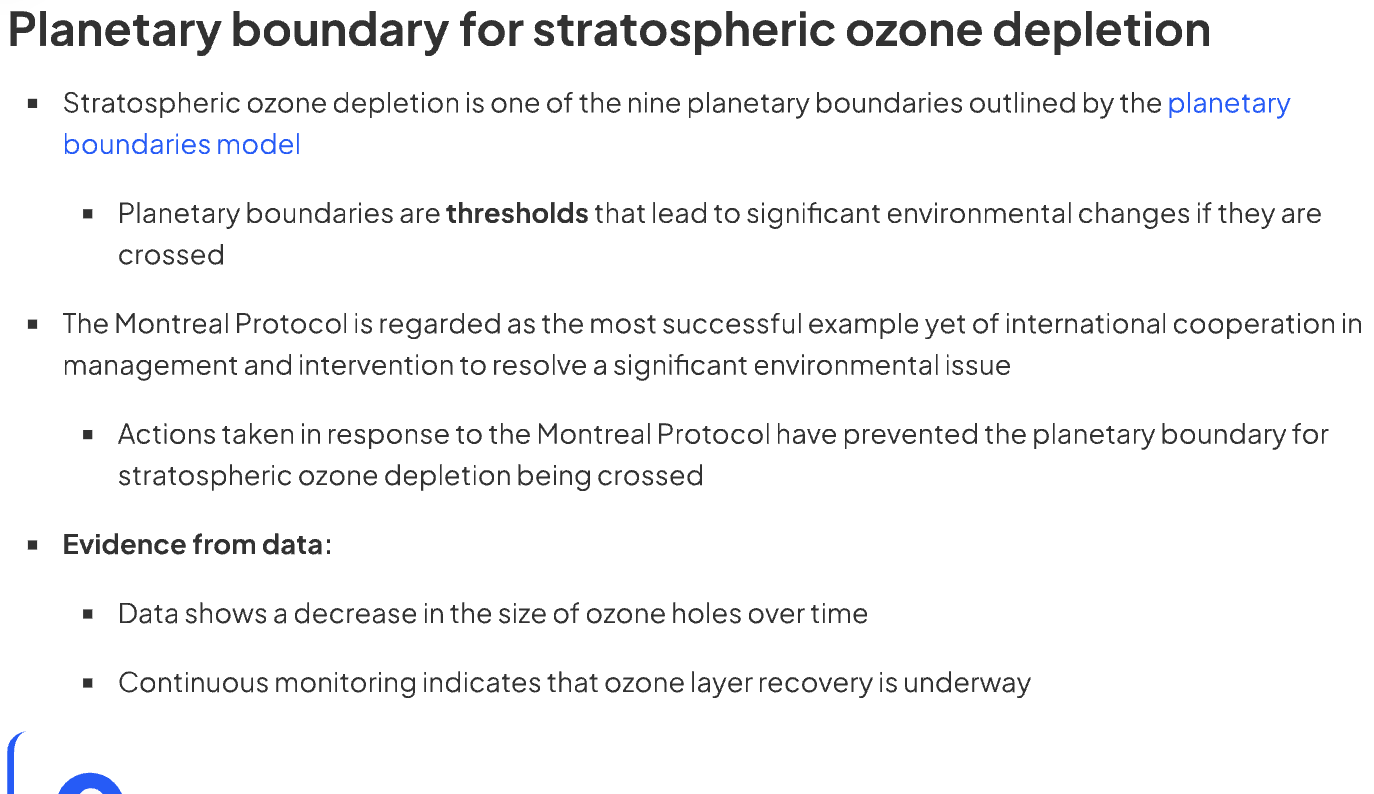
regarded as the most successful example of international cooperation in resolving a significant environment
planetary boundary for stratospheric ozone depletion