I am so tired
 Call Kai
 Learn
Learn Practice Test
 Spaced Repetition
 Match
Match Flashcards
 Knowt Play
1/83

There's no tags or description
Looks like no tags are added yet.
Name | Mastery | Learn | Test | Matching | Spaced | Call with Kai |
|---|
No analytics yet
Send a link to your students to track their progress
84 Terms
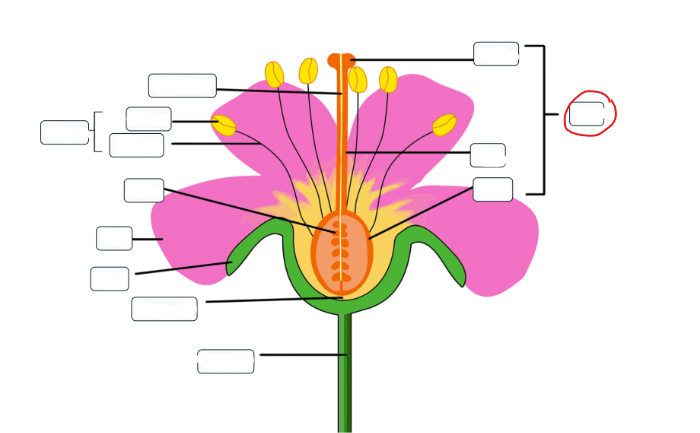
Pistil
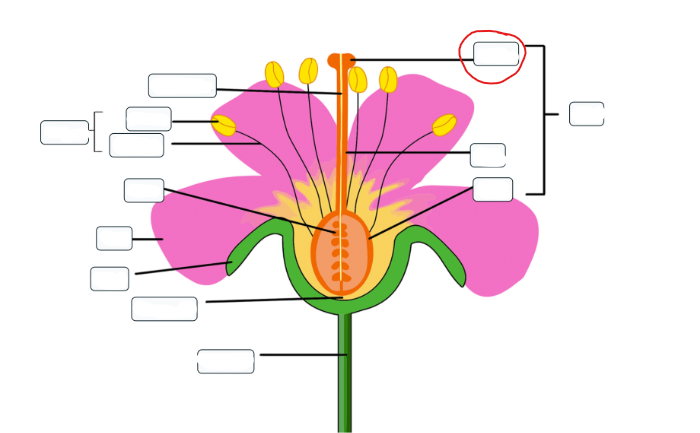
Stigma
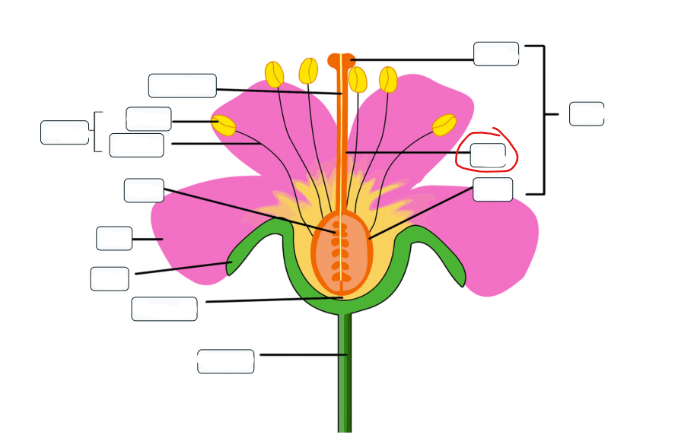
Style
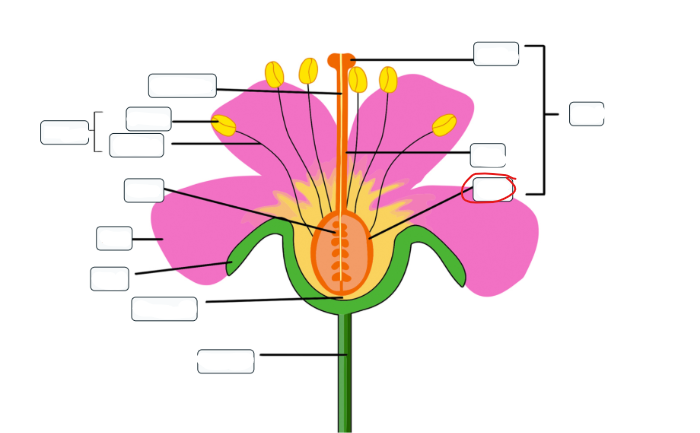
ovary
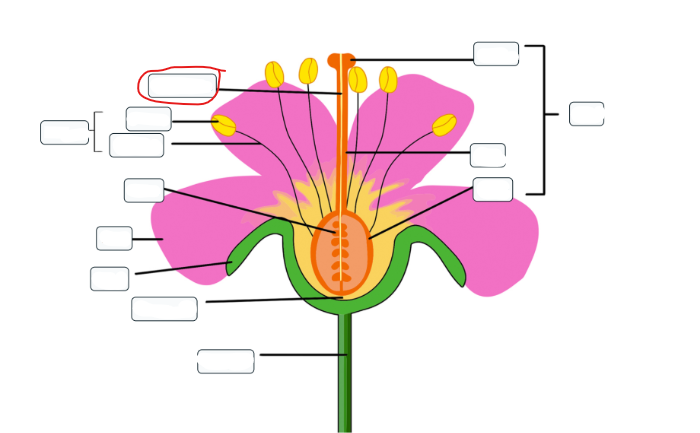
Pollen tube
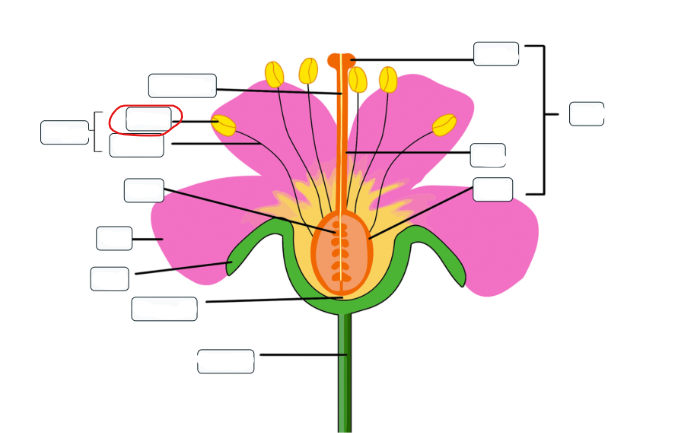
Anther
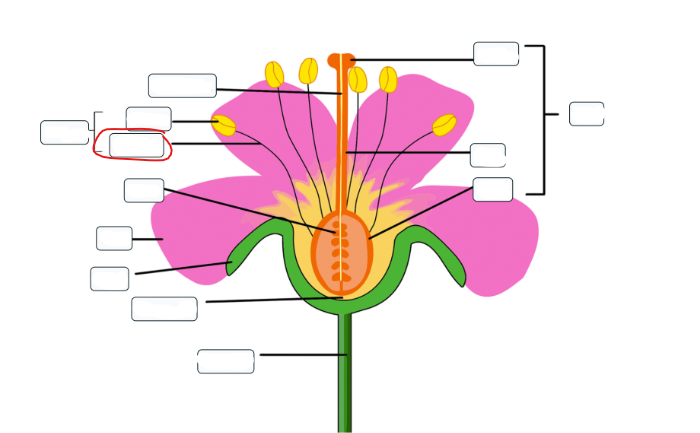
filament
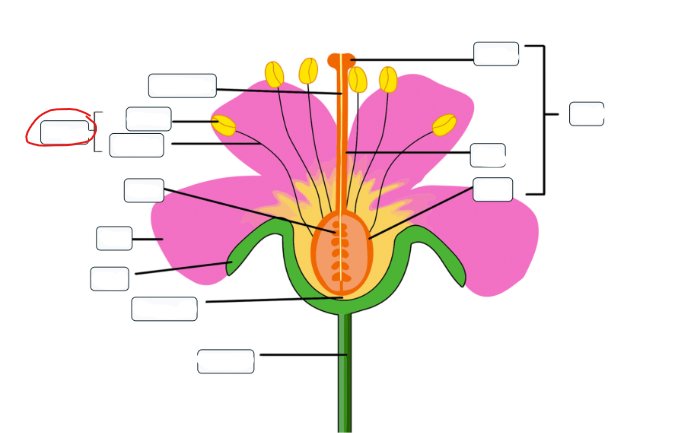
Stamen
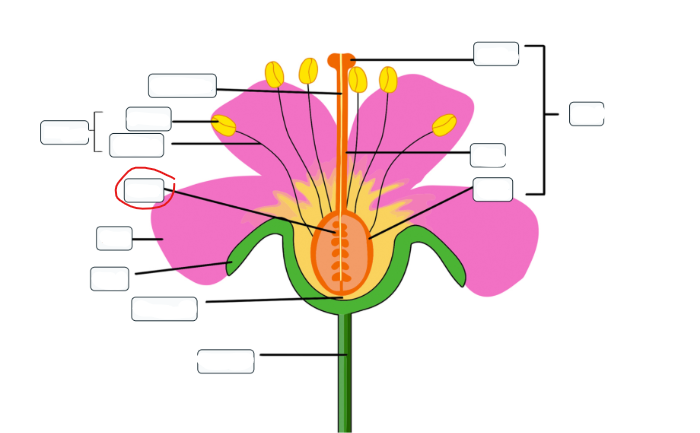
Ovule
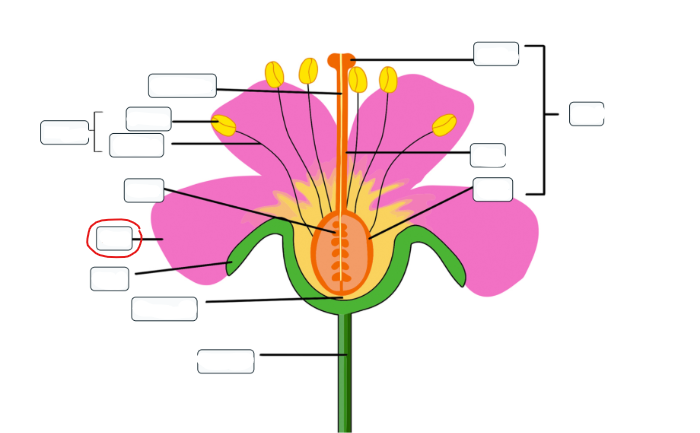
Petal
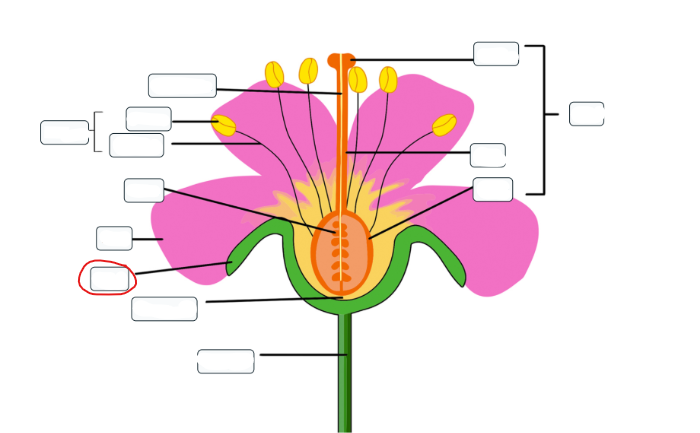
Sepal
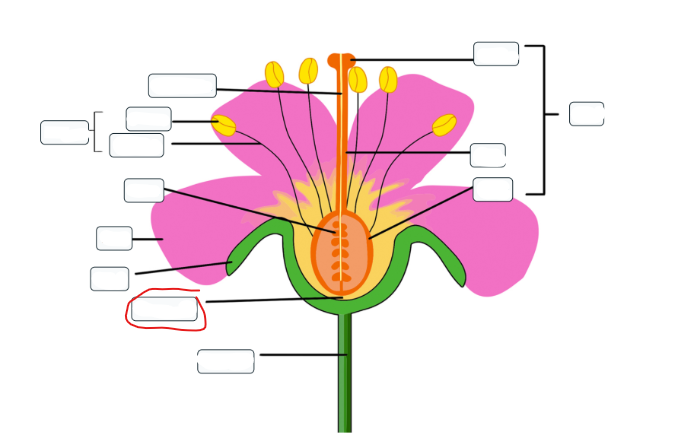
Receptacle
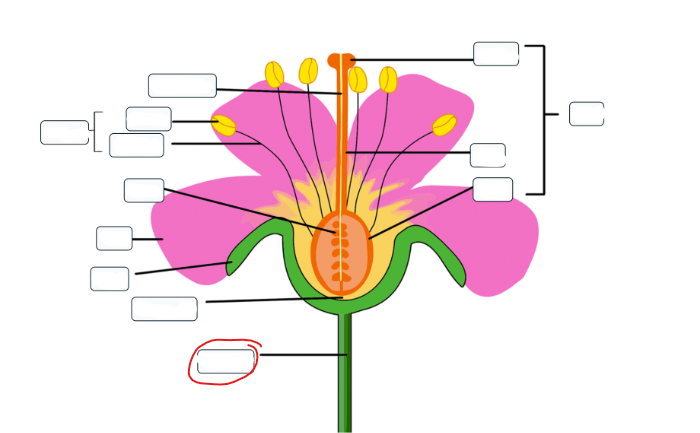
Peduncle
Is found in many dicotyledons such as
carrots and beets
Is derived directly from the first root
emerging from the seed
Has one prominent root
Taproot System
flowering plants with two seed cotyledons
Dicotyledons
Are found in most monocots
Consists of an extensive mass of smaller,
widely spread roots
Fibrous Root System
-single, dominant roots
−grow directly downward
−sprout other fibrous roots
−can be modified for food
and water storage and
uptake
Taproot
• Extend horizontally from the taproot
• Extract nutrients and water from the soil
Lateral Roots
• Form from shoot tissues
• Arise in stems and leaves
• Are used when cloning plants from cuttings
Adventitious Roots
• Are thin, slender roots
• Collect water and nutrients
close to the soil surface
• Sprout from primary roots
Fibrous Roots
• Transports water from the roots up the
plant
• Provides structure and support in the stem
Xylem
• Transports sugars and other molecules
made during photosynthesis
• Is always alive
Phloem
• flower stalk
peduncle
• part of flower stalk bearing floral organs
receptacle
• leaf structures at flower base, protects young buds, all together known as calyx
Sepal
• located in and above the sepals, attracts pollinators, all together known as corolla
petal
• male part of the flower, makes pollen grains
stamen
• stalk of the stamen, contains the anther
filament
• bears pollen
anther
grains containing the male germ cells
pollen
• female part of the flower
pistil
• sticky top of pistil, receptive surface for pollen grains
stigma
• stalk of the pistil, where pollen tube grows
style
• base of the pistil, matures to become fruit
ovary
• located in the ovary, carries female sex cells
ovule
• both stamen and pistil are present and functioning
Perfect
• stamen or pistil is missing
imperfect
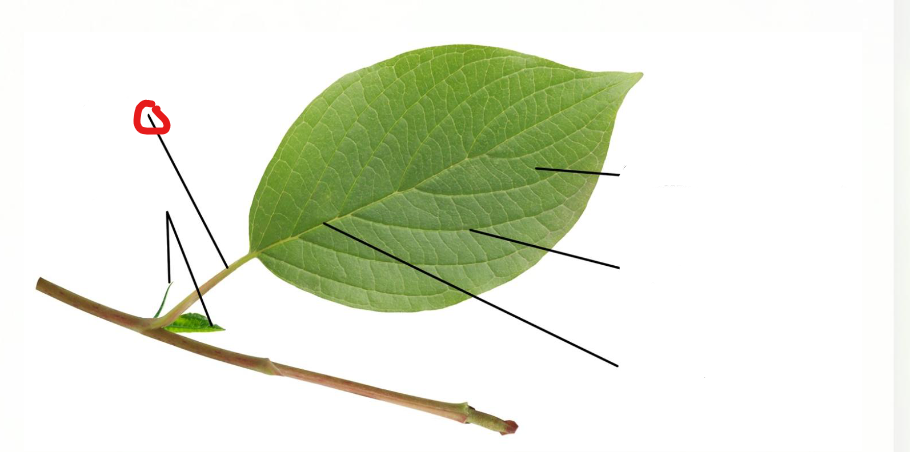
Petiole
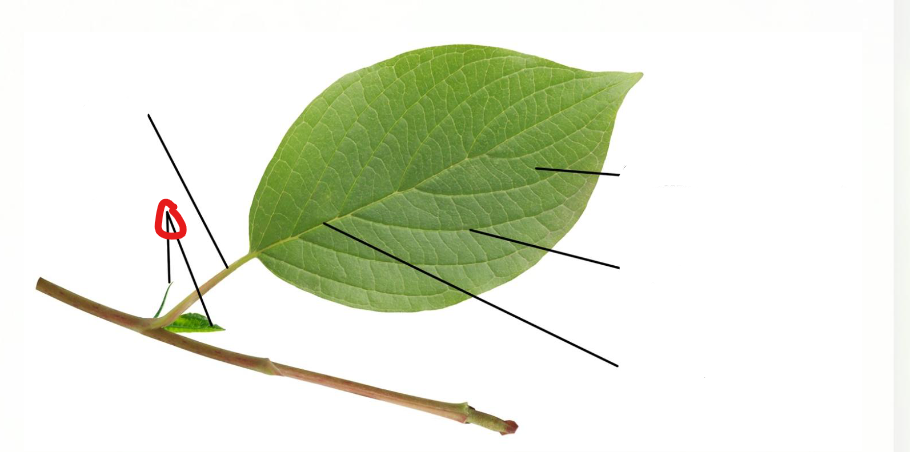
Stipules
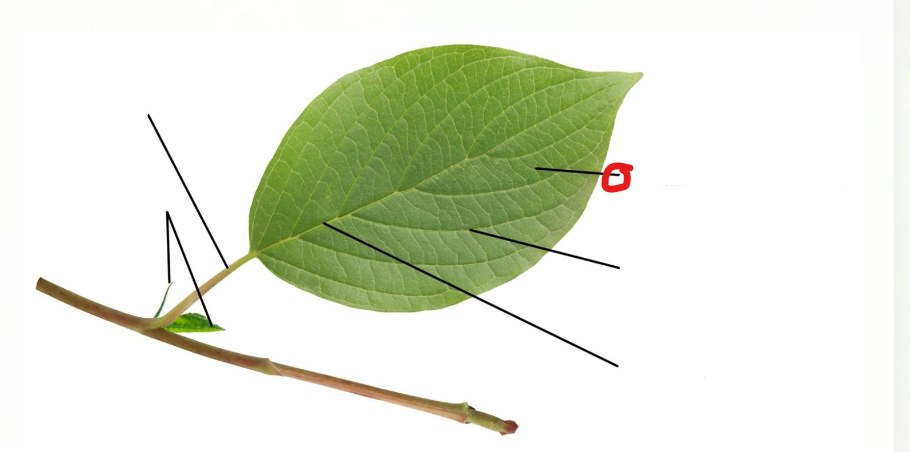
Small netted vein
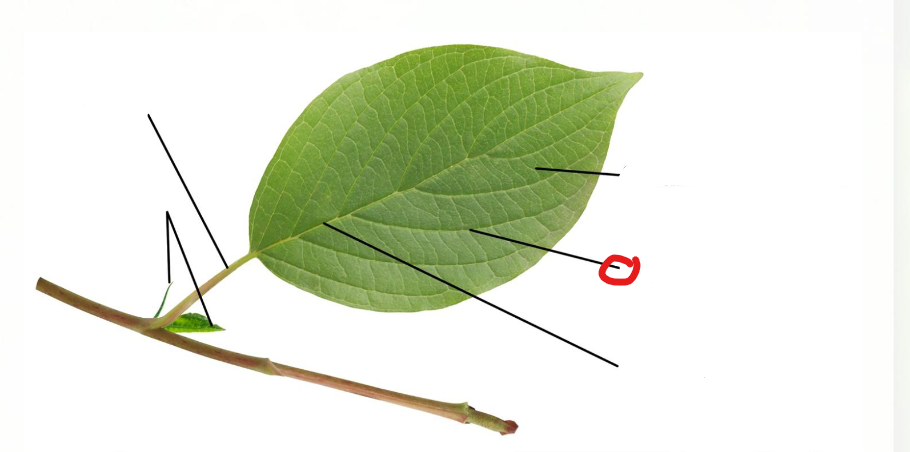
Vein
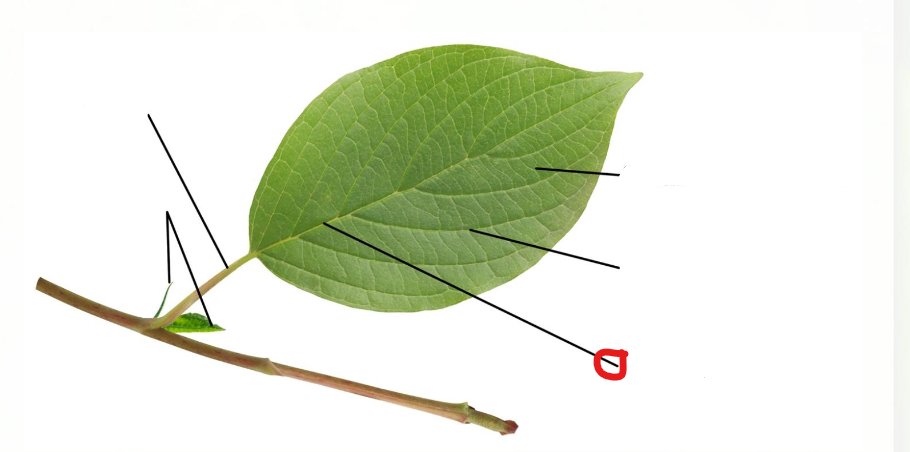
midrib
• main, central vein of a leaf
midrib
• leaf stalk which attaches the leaf to the plant
petiole
main support of the plant
stem
• small, leaf-like appendages at the base of the petiole
stipule
• transports water, minerals and food energy throughout the plant
vein
• leaves not divided into separate units
simple
• leaflets arranged on both sides of an axis
compound
• several large veins run alongside each other from the base of the blade to the tip
(monocots)
parallel
• several main veins of about equal size, all of which extend from a common point at the base of the leaf (dicots)
palmate
• one large, central vein, the midrib, with other large veins branching from the sides
pinnate
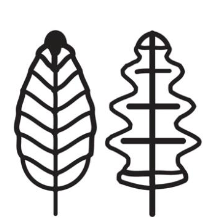
Pinnate
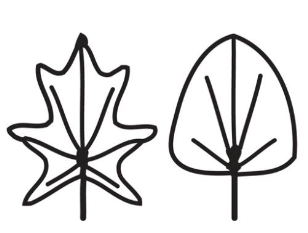
Palmate
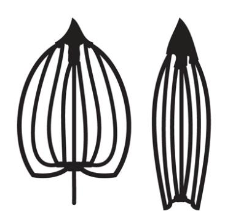
Parallel
• one leaf produced at each node
alternate
• leaves in pairs at nodes
opposite
• three or more leaves per node
whorled
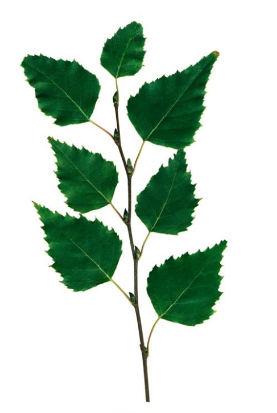
Alternate
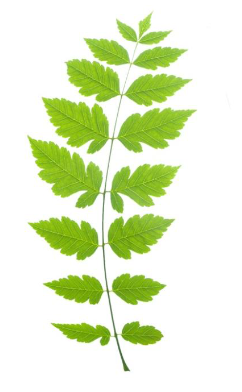
Opposite
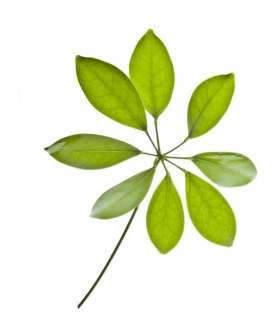
Whorled
• formed from one ovary
simple
• formed from a single flower with many ovaries
aggregate
• developed from a fusion of separate flowers on a single structure
multiple
• protects the embryo
seed coat
• temporary food supply, also known as the seed leaf
cotyledon
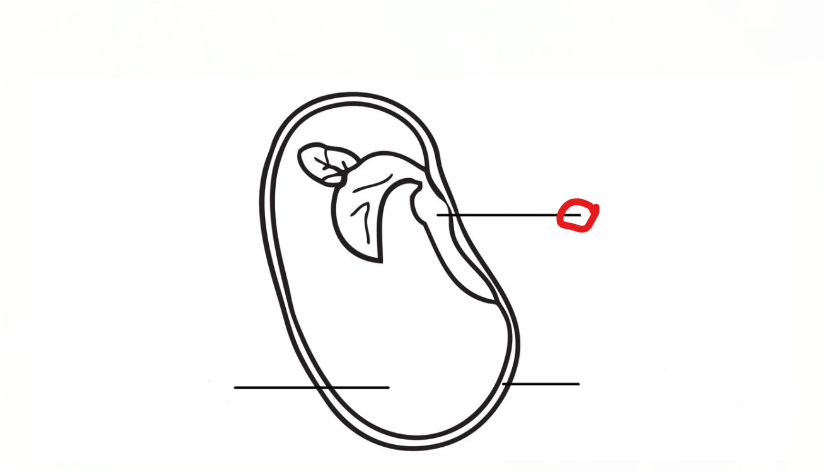
Embryo
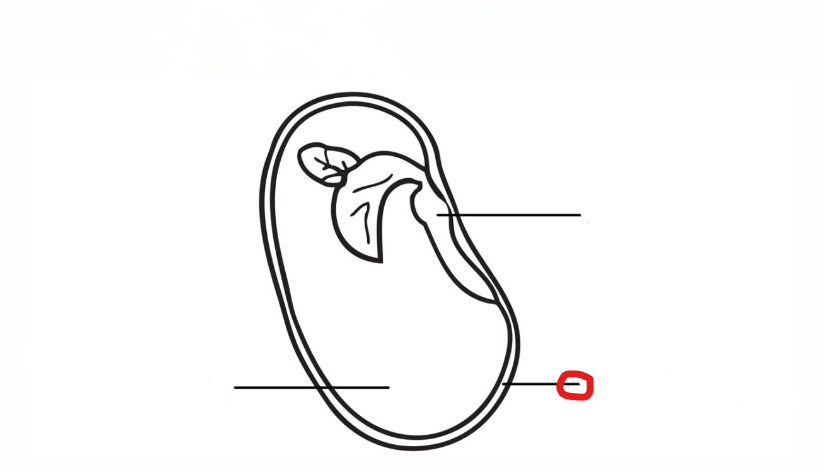
Seed coat
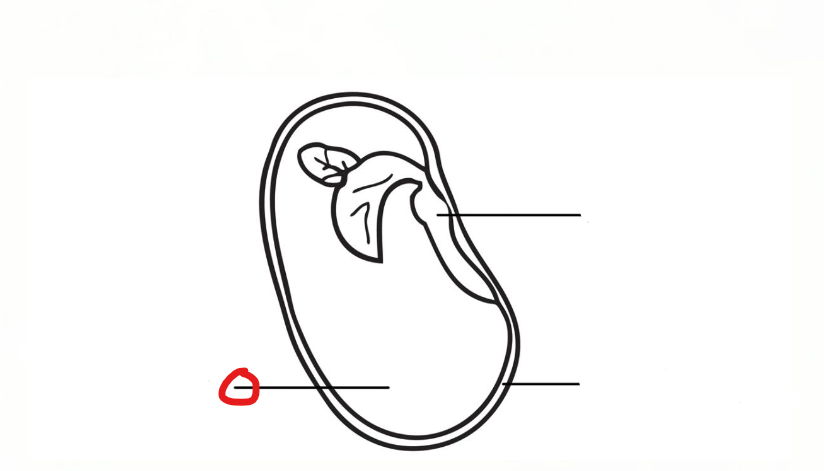
Cotyledon
• Are embryos with a single
cotyledon
• Contain flower parts in
multiples of three
• Have adventitious roots
• Store nutrients in
endosperm
Monocots
• Are embryos with two cotyledons
• Contain flower parts in multiples of four or
five
• Have roots which form from the radical
Dicots
plant roots, stems, or leaves
Vegetables
plant ovaries that develop after fertilization.
Fruits
arise from a single ovary with multiple seeds ex. grapes, bananas, peppers, and tomatoes.
Berries
clusters of small fruits ex, raspberries and blackberries
Aggregate fruits
What part of the strawberry is the true fruit?
Achenes
fruits with hard shells
Nuts
(peaches, plums, walnuts, pecans) have a single seed enclosed in a hard stone.
Drupes
fruits (apples, pears) are accessory fruits where the edible flesh is modified flower parts, not ovary.
Pome
have juice sacs that were once hair-like cells lining the ovary; these sacs swell into the pulpy bits in oranges, lemons, and grapefruits.
Hesperidia (citrus)

