Basic Vocabularly | TGHS Biology Honors G9 25-26
 Studied by 0 people
 Call Kai
 Learn
Learn Practice Test
 Spaced Repetition
 Match
Match Flashcards
 Knowt Play
 Podcast
1/40

There's no tags or description
Looks like no tags are added yet.
Name | Mastery | Learn | Test | Matching | Spaced | Call with Kai |
|---|
No analytics yet
Send a link to your students to track their progress
41 Terms
Observation
The act of noticing or perceiving phenomena and gathering data based on direct engagement with the subject of study.
Prediction
The act of stating the outcome of a future event without prior knowledge.
Hypothesis
A special kind of prediction that forecasts how one variable will affect a second variable.
Analyze
The act of methodically examining something, usually data or information.
Experiment
A scientific procedure to test a hypothesis through the manipulation and control of various different variables.
Conclusion
The process of evaluating results in order to reach a decision concerning the meaning of a particular set of data.
Data
Facts & Statistics grouped for reference and/or analysis.
Length
The longest dimension of an object/Measure of distance.
SI Measurement/Units
Système International. The Global Standard for measurement and equations, based on the metric system.
Metric Units/System
A base 10 system of measurement utilizing different prefixes (kilo, hecto, deka, deci, centimeters, milli, etc.)
Responding Variable
Also known as Dependent variable, is the variable which change is measured from the alteration of the independent (Manipulated) variable.
Control Group
The standard baseline group to which comparisons are made in an experiment.
Manipulated Variable
Is the variable which is deliberately manipulated or altered in an experiment to observe its effect on the Responding variable.
Experimental Group
The group in an experiment which is recieving altered treatment and/or exposed to a variable.
Mass
The amount of matter contained in an object.
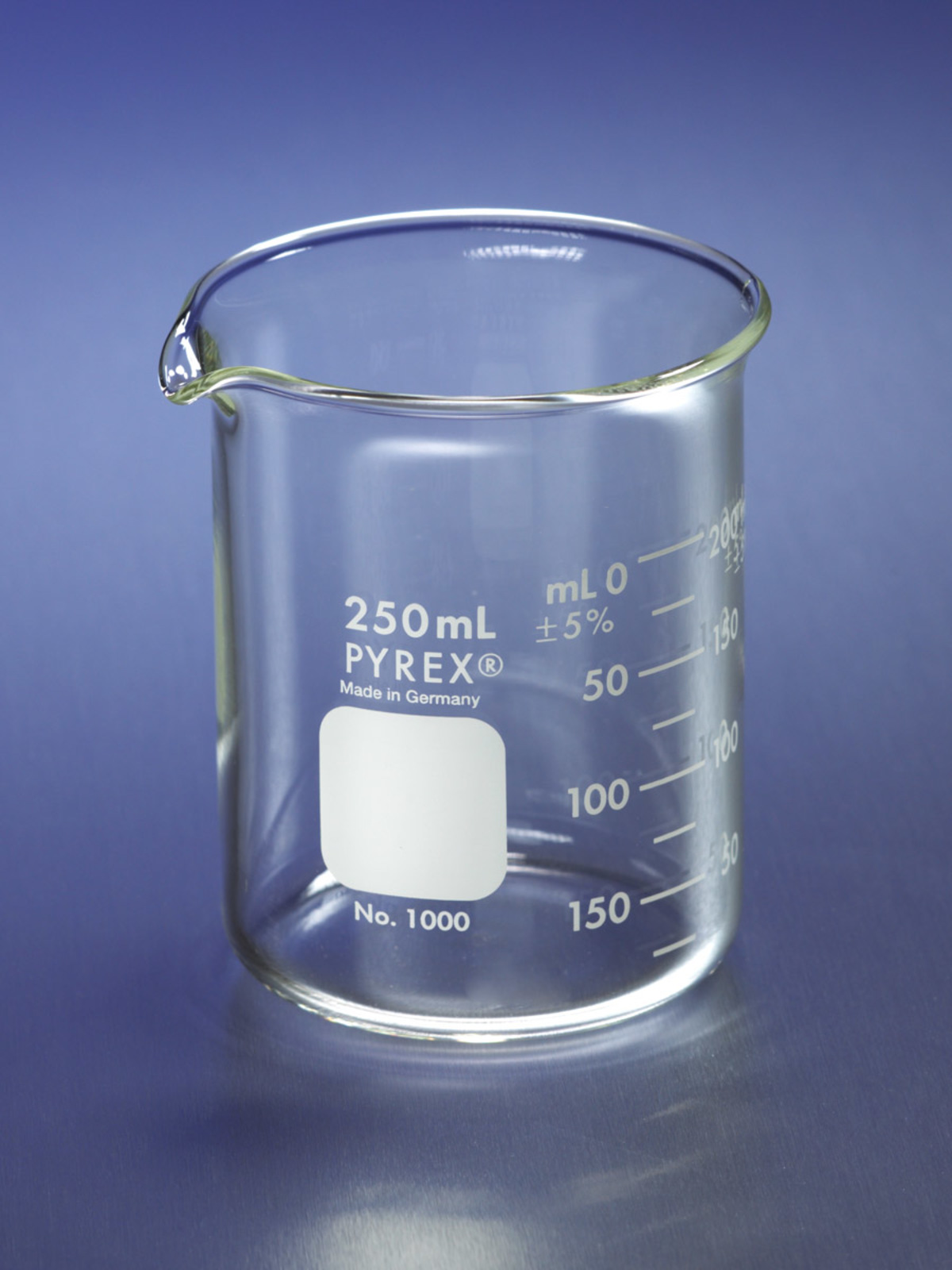
Beaker
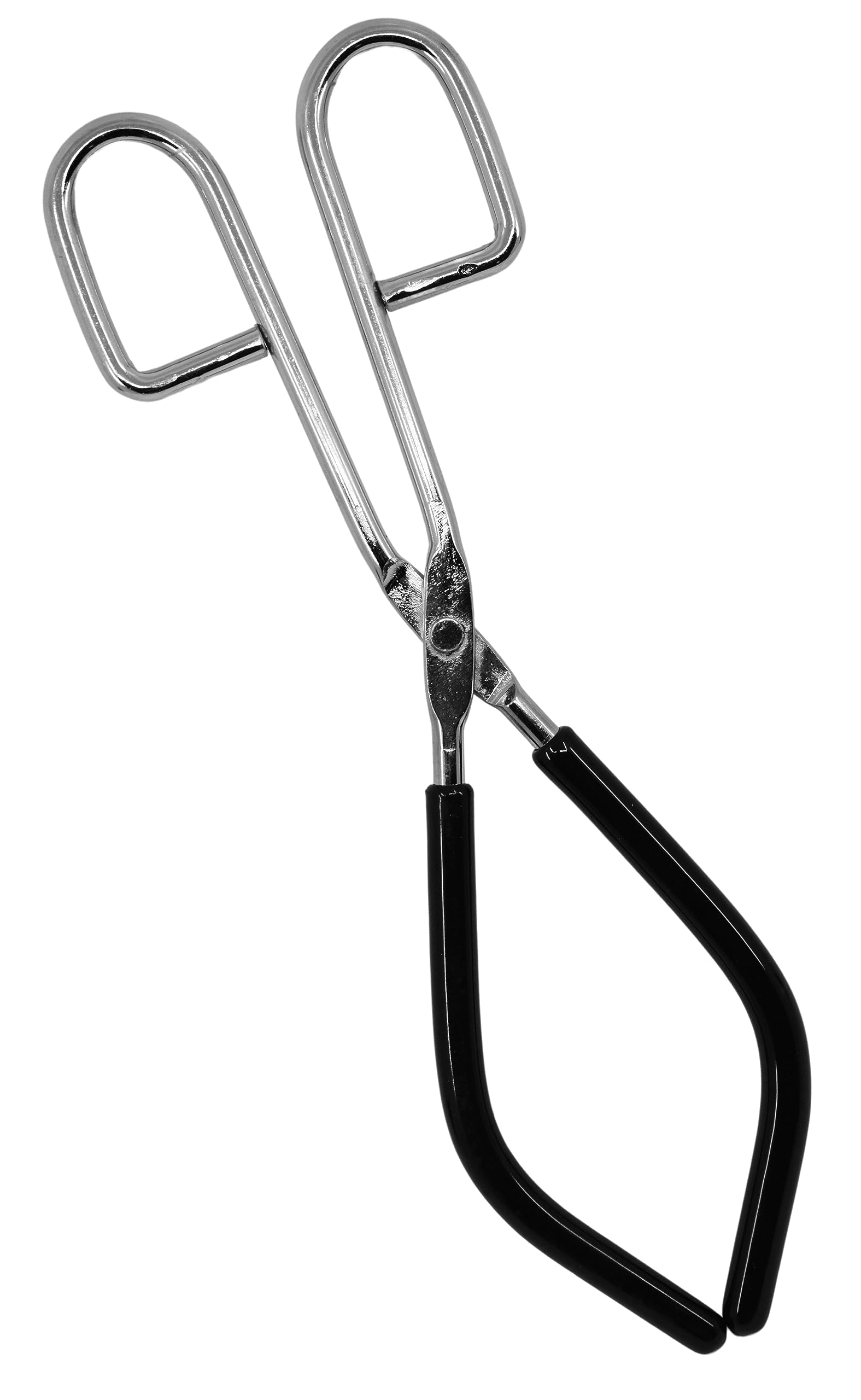
Beaker Tongs
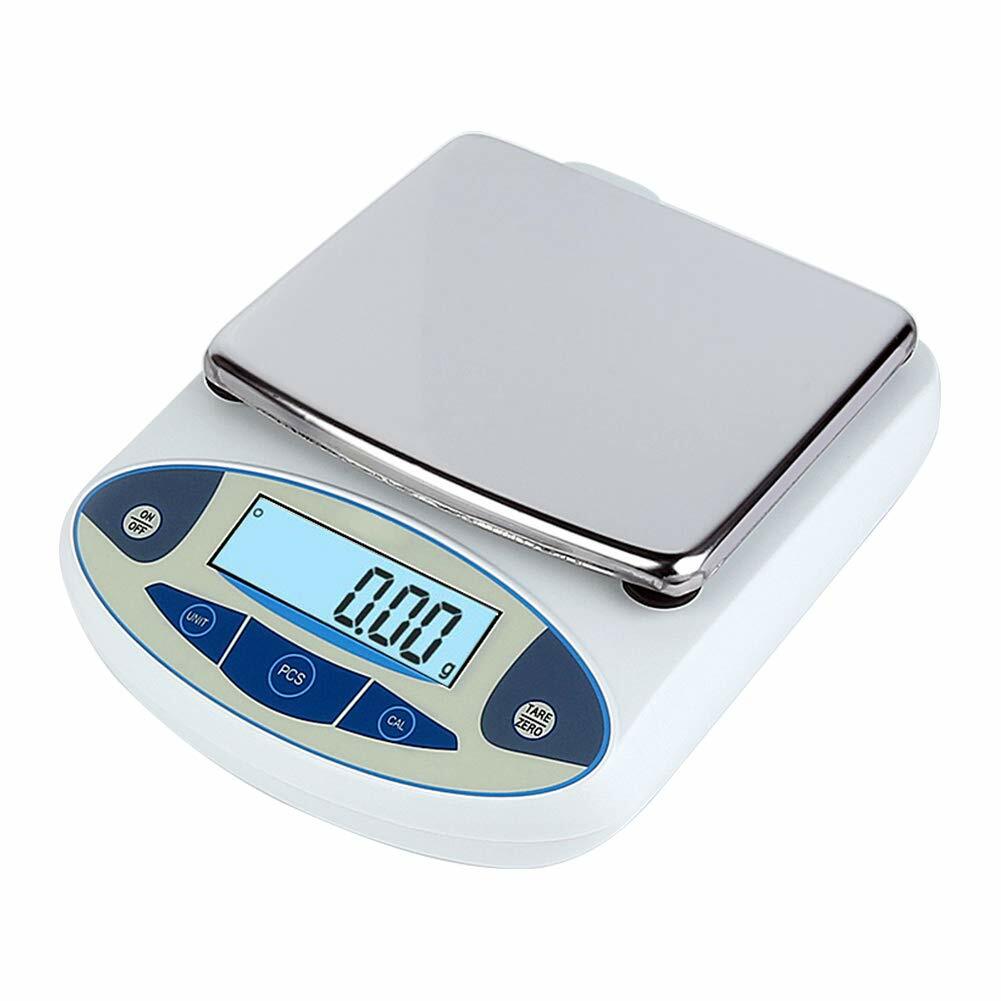
Digital Balance
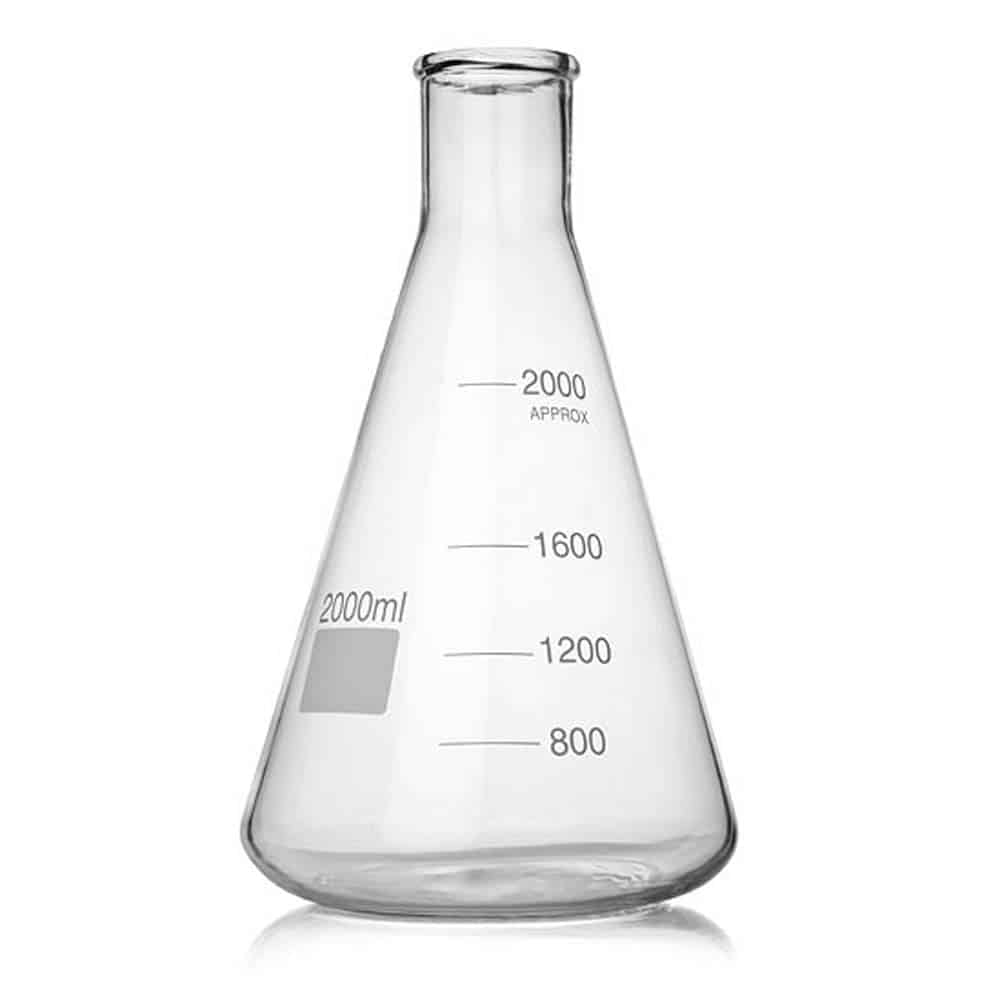
Erlenmeyer Flask
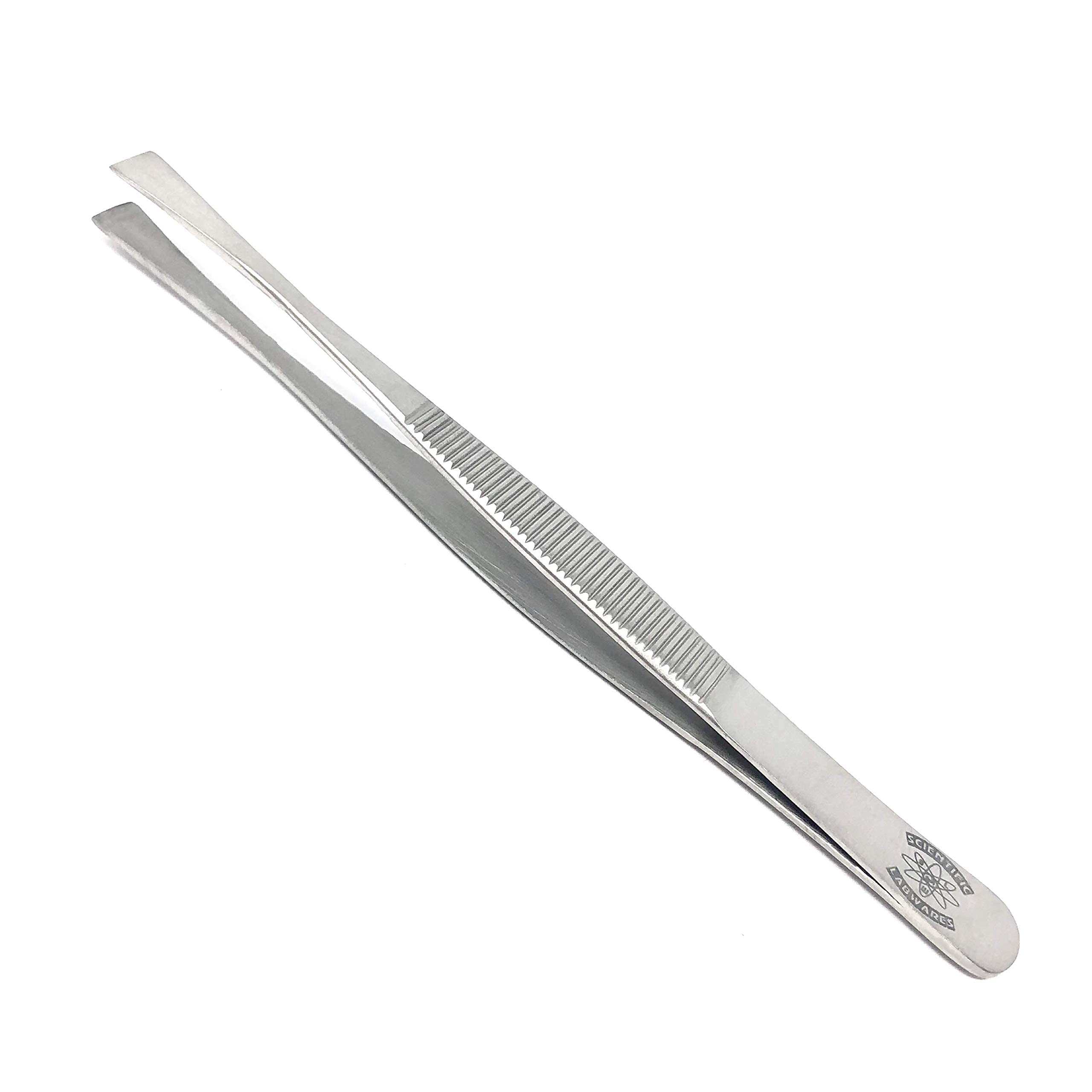
Forceps

Funnel
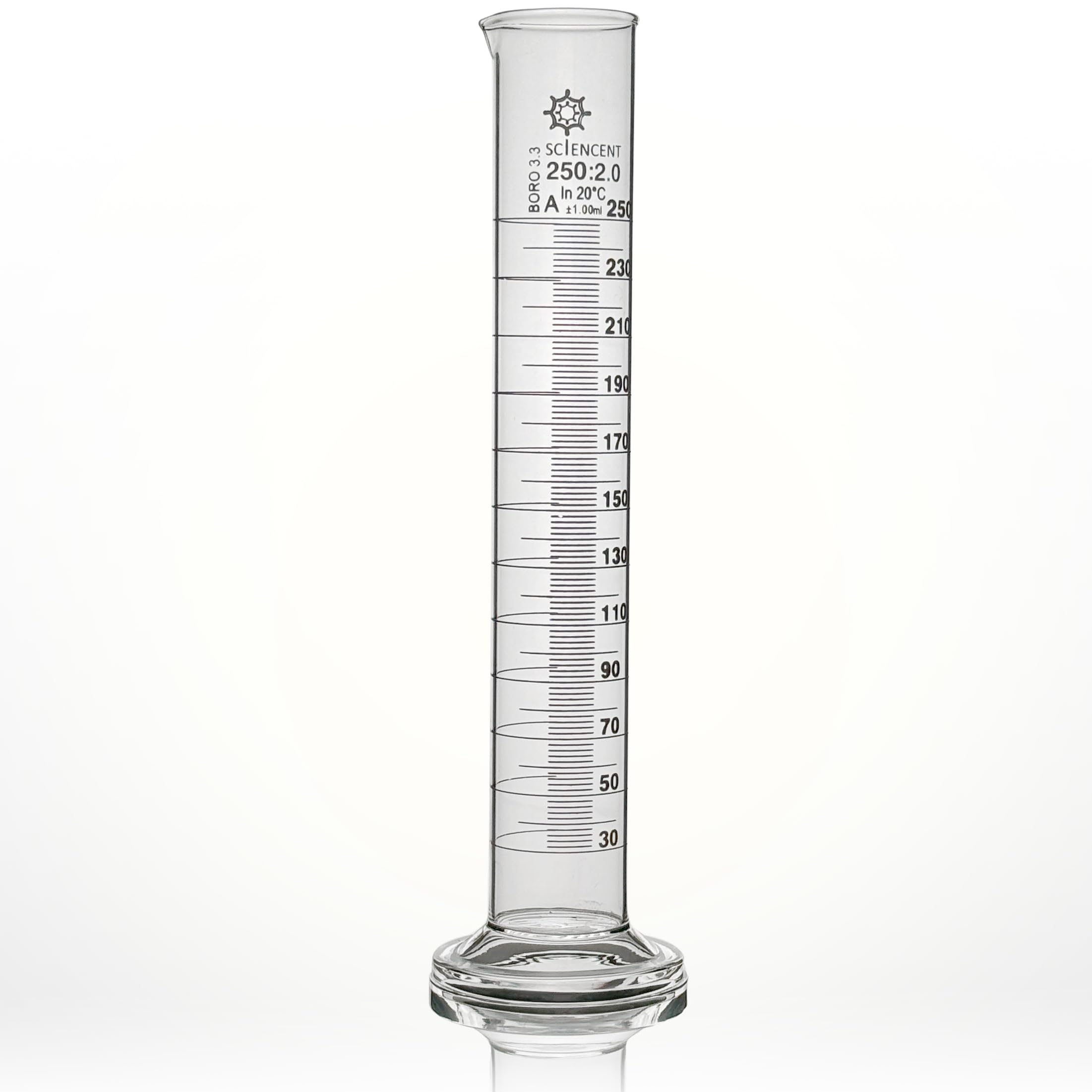
Graduated Cylinder
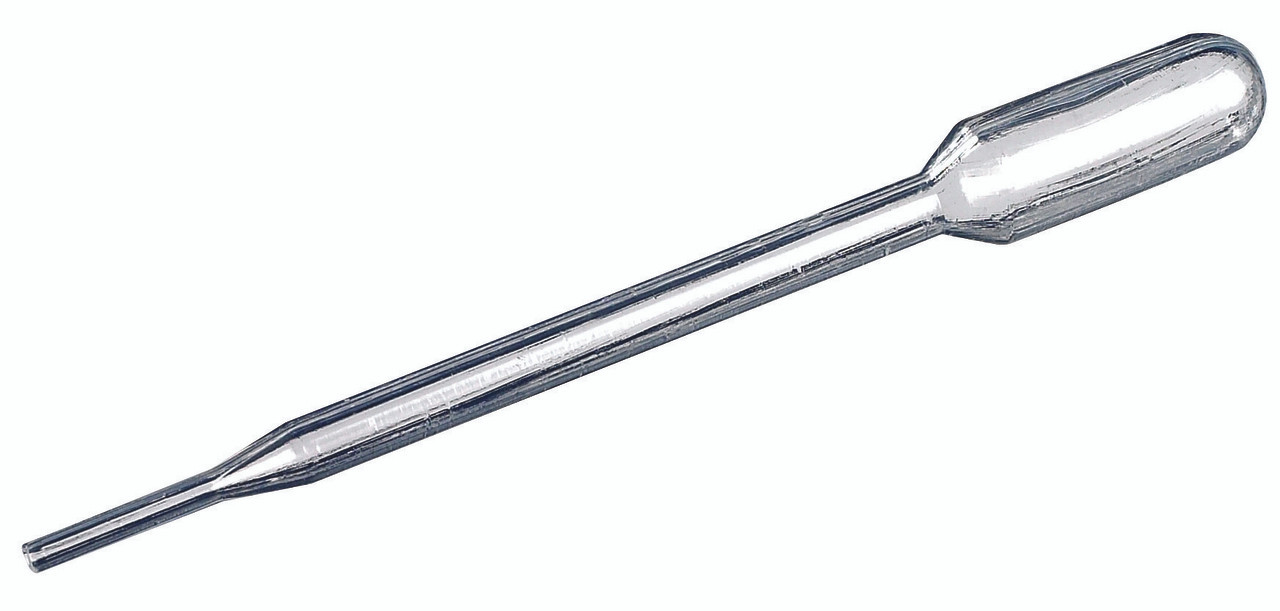
Pipette
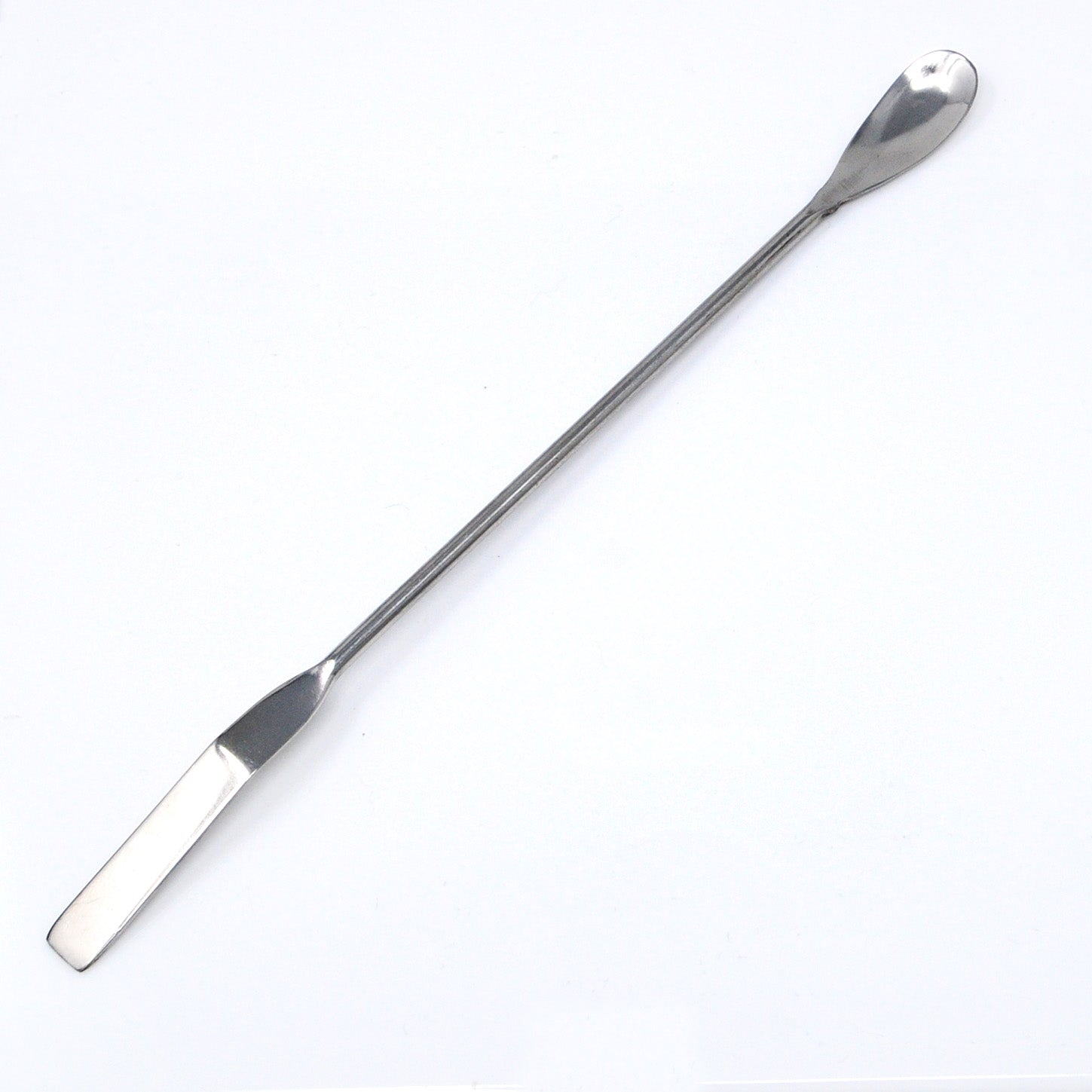
Spatula
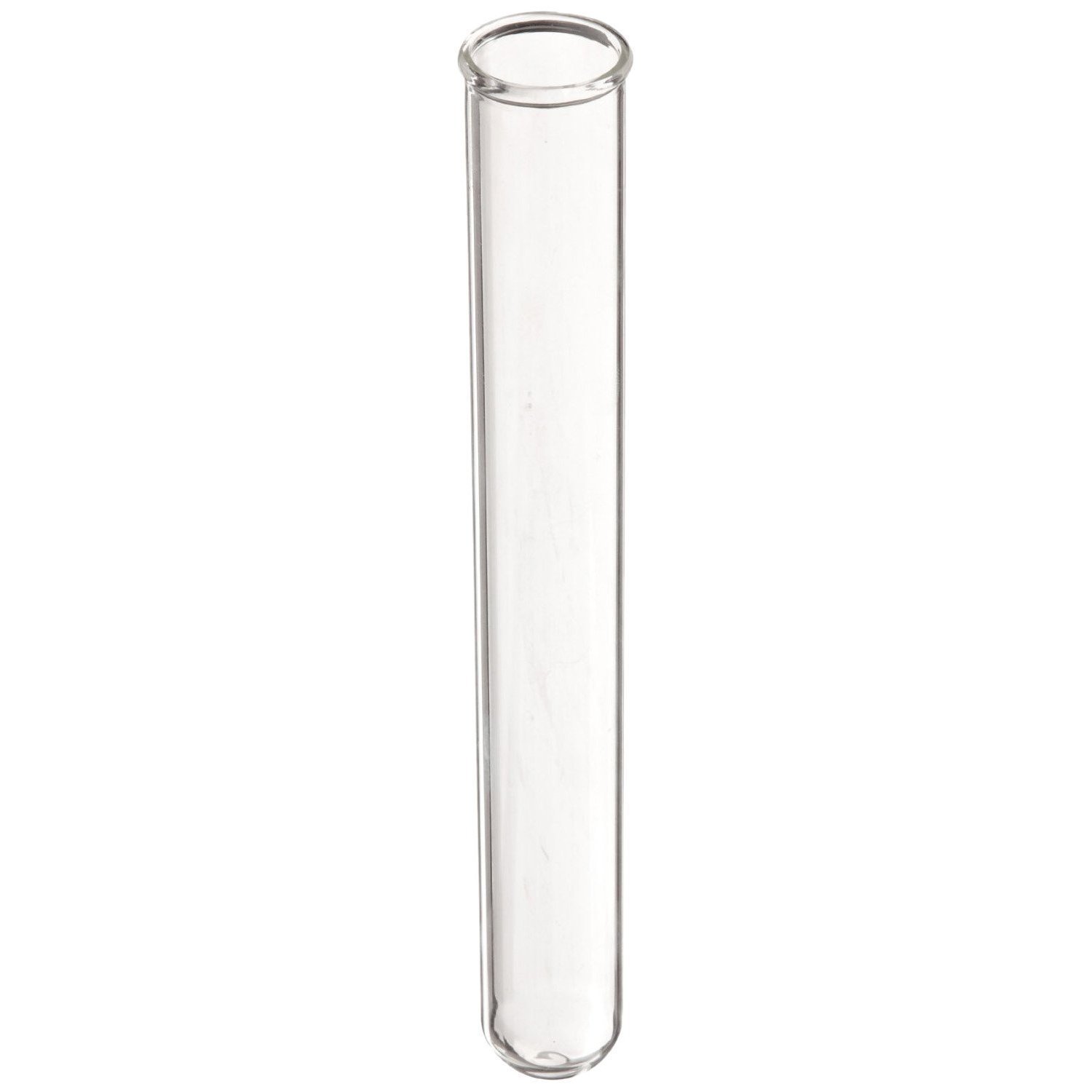
Test Tube
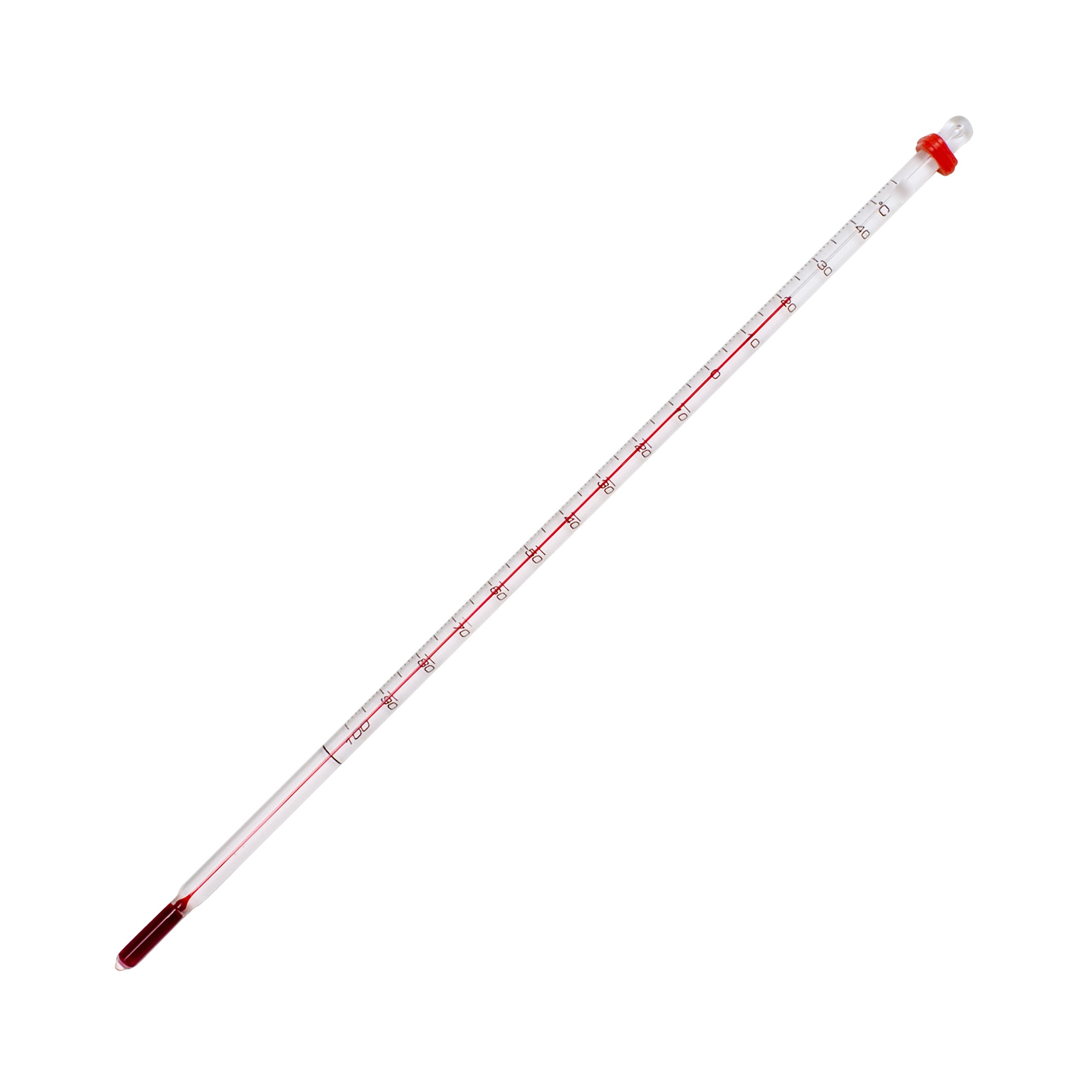
Thermometer
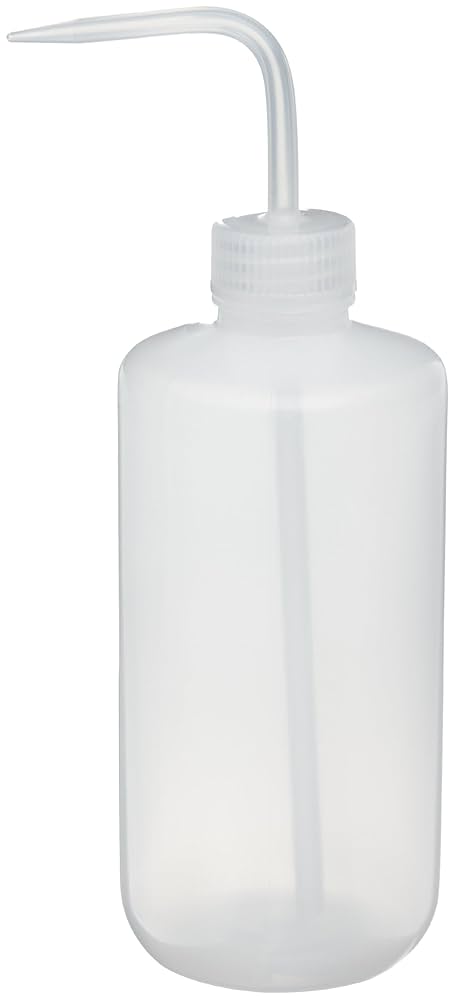
Wash Bottle
Unicellular
Living organisms composed of a single cell.
Multicellular
An organism consisting of more than one cell
Reproduction
The biological proccess of creating new, similar organisms in order to ensure the survival of a species.
Nutrients
A specific category of substances which provides nutrients essential for the growth and nourishment of living organisms.
Energy (Biology Definition)
Thr capacity for work or to do work.
Sexual Reproduction
A form of reproduction where two parents contribute genetic material in order to produce a genetically diverse offspring.
Asexual Reproduction
A form of reproduction where a single parent produces a genetically identical offspring without involving gametes (hapliod cells).
Binary Fission
A method of asexual reproduction where the parent cell divides into 2 genetically identical daughter cells.
Autotroph
An organism which has the capacity produce its own food.
Heterotroph
An organism which consumes other organisms in order to fulfill nutritional requirements.
Homeostasis
The active process of maintaining a stable internal environment within a body to optimize for survival.
Organism
An individual living thing that consists of one or more cells. (Not definition for Multicellular.)
Plasma/Cell Membrane
The other semi permeable membrane of a cell, enclosing the cell's internal environment.
Extinction
The extermination or loss of an entire species.
 Note
Note  Flashcards (21)