Roman Arch 2
 Call Kai
 Learn
Learn Practice Test
 Spaced Repetition
 Match
Match Flashcards
 Knowt Play
1/22

There's no tags or description
Looks like no tags are added yet.
Name | Mastery | Learn | Test | Matching | Spaced | Call with Kai |
|---|
No analytics yet
Send a link to your students to track their progress
23 Terms
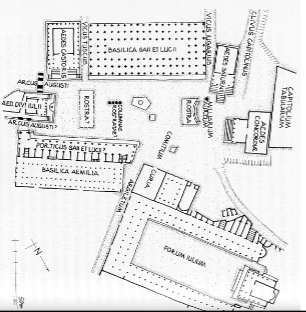
Name, Date, Location, Significance
Roman Forum
Rome
500 BCE
between palatine and capitoline hills
held public meetings, law courts, and gladiatorial combats
held shops and markets
most significant forum
religious ceremonies
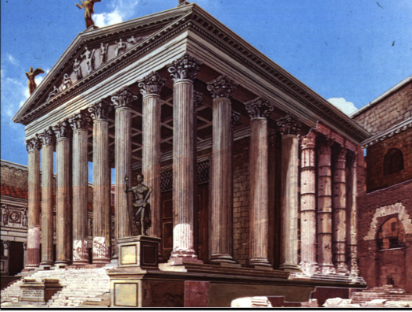
Name, Location, Date, Significance
Forum of Augustus
Rome
1st c. BCE
could only be accessed through Caesar’s forum which connected the family
large colonnaded square with a temple at the far end
dedicated to Mars the Avenger in reference to Augustus’ victories over the murderers of Caesar
porticoes include 2 wide semicircles where there are marble statues
portray characters belonging to mythical past
Exedra (sg)
outdoor semicircular seat with a solid back
opus incertum
irregular wall building/facing technique
opus reticulatum
wall building/facing technique in the shape of a diamond
opus caementicium
Term both used for wattle work and walls of half-timer construction, filled in with stones and/or straw and plastered with mortar
opus testaceum
Brick faced masonry - kiln-backed bricks; the dominant technique throughout the imperial period.
ashlar masonry
stones are cut and worked so they have the same shape, size, and surface texture
laid in horizontal layers and fit together with very little mortar
brick
used in the late 1st century
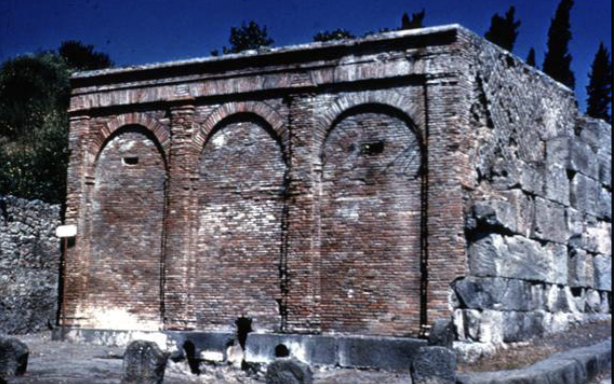
name, date, location, significance
castellum aquarum
pompeii
1st c. AD
water take that helped to distribute water
it was the endpoint of an aqueduct
aqueducts
A form of infrastructure that moves water across cities that is raised and covered so that the water is not contaminated. It is also at a small slant so that the water can flow.
cavea
seating in a theater
Roman roads
connected all of Italy . If you had to get to the east, you had to go back to Rome and then back out to the east because the terrane was not good for roads
Roman milestones
tells you how far you are from a certain area
honor to the emperor and to the person who created the person who created them
helpful to those who can read but most people could not read
amphora
types of container with a pointed bottom that would hold wine, olive oil, and grain for transportation
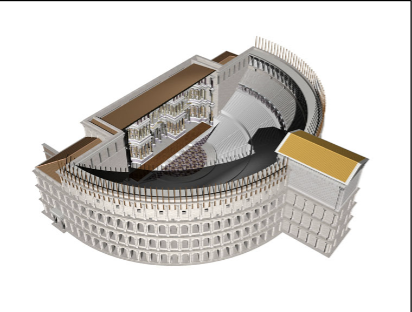
name, date, location, significance
theater of pompey/teatro pompi
Rome
Mid 1st. c. BCE
built from concrete
where caesar got killed
gathering place for the senate
similar layout of late Republican Sactuaries
had arches all around it
the seating was supported by arches and walls
Pompi was caesar’s enemy
temple of Venus at the back
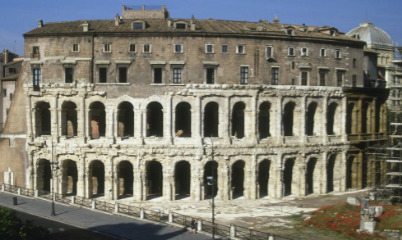
name, date, significance
theater of marcellus
rome
late 1st c. BCE
built by Caesar and completed by Augustus
cultural and social gatherings
roman theaters
arches
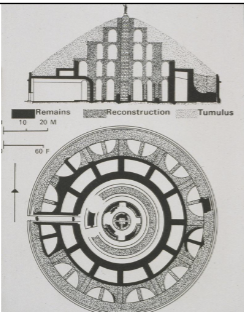
Name, Date, Location, Significance
Mausoleum of Augustus
Rome
built on the banks of the river
round concrete drum that hed the ash urns with a soil mound and a rotunda with a bronze statue on top
very normal to have deification and glorification in the afterlife
creates propoganda even in death
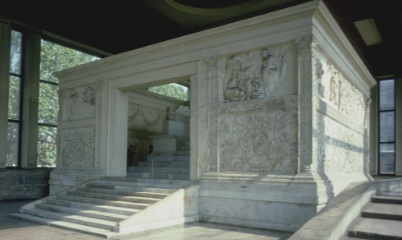
name, date, location, significance
ara pacis
rome
late 1st c. BCE - Early 1st c. CE
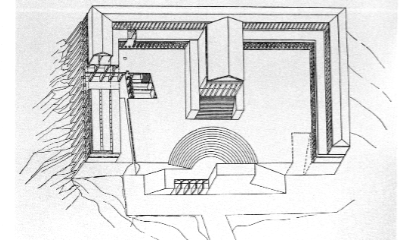
name, date, location, significance
sanctuary of hercules victor
tibur
1st c. BCE
religious and commercial complex
theater, temple, and market
spot for travelers
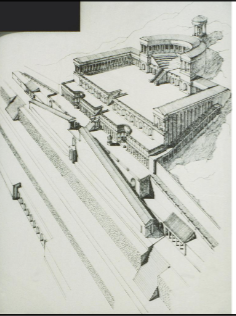
name, date, location, significance
Praeneste. Sanctuary of Fortuna Primigenia.
Rome
Late 2nd – Early 1st c. BCE.
Republican Sanctuary
shows what you can do with concrete
things last, unlike when you only use mud and wood
a lot cheaper to make things with concrete
terrreces and arches
temple at the top
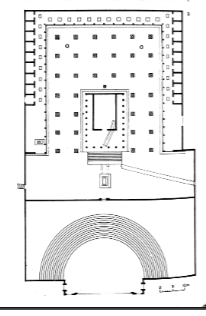
name, date, location, significance
sanctuary of juno
gabii
late 2nd c. BCE
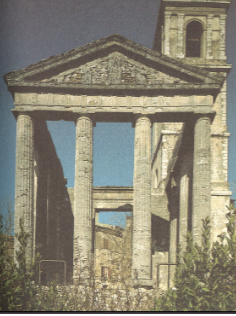
name, date, location, significance
temple of hercules
cori
late 2nd c. BCE

