Patterns of Divesity and Island Biogeography
 Studied by 0 people
 Call Kai
 Learn
Learn Practice Test
 Spaced Repetition
 Match
Match Flashcards
 Knowt Play
1/30

There's no tags or description
Looks like no tags are added yet.
Name | Mastery | Learn | Test | Matching | Spaced | Call with Kai |
|---|
No analytics yet
Send a link to your students to track their progress
31 Terms
biogeography
the study of how species and populations are distributed geographically across the planet
Diversity
Variety of life in an area; includes species richness and evenness.

Continental Drift
Movement of Earth's continents over time due to plate tectonics.
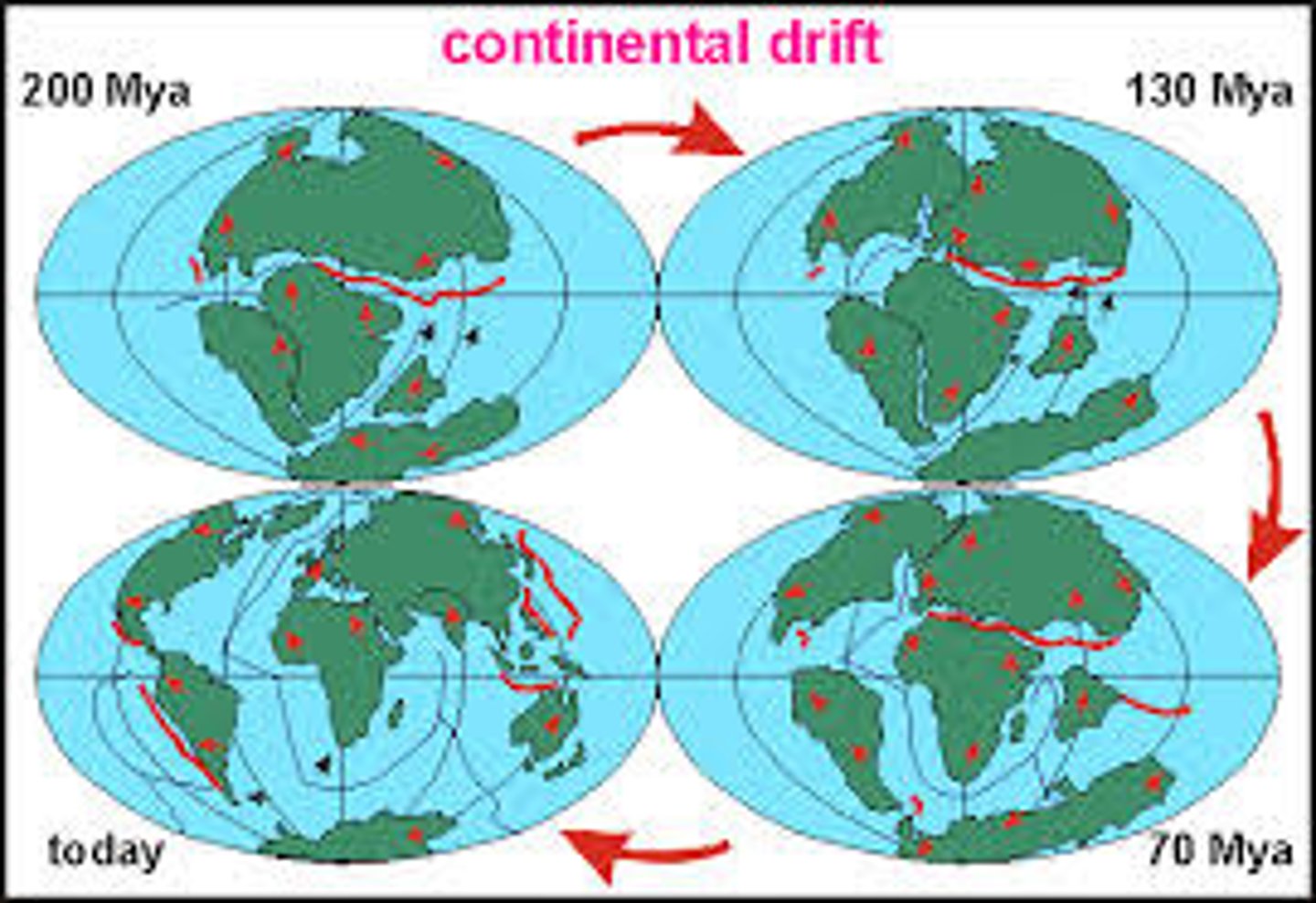
Pangea
A supercontinent containing all of Earth's land that existed about 225 million years ago.
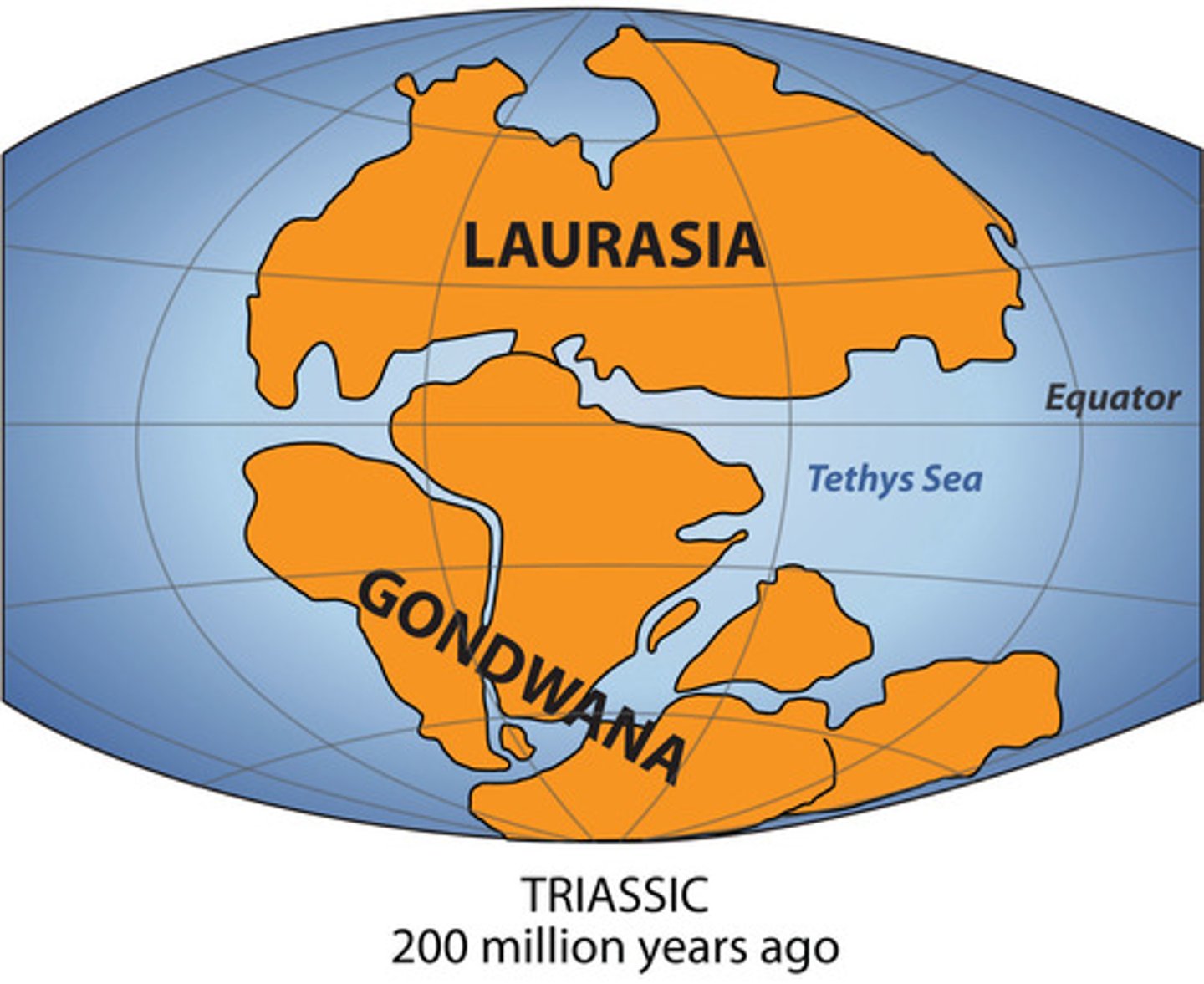
Laurasia
Northern part of Pangea after the split
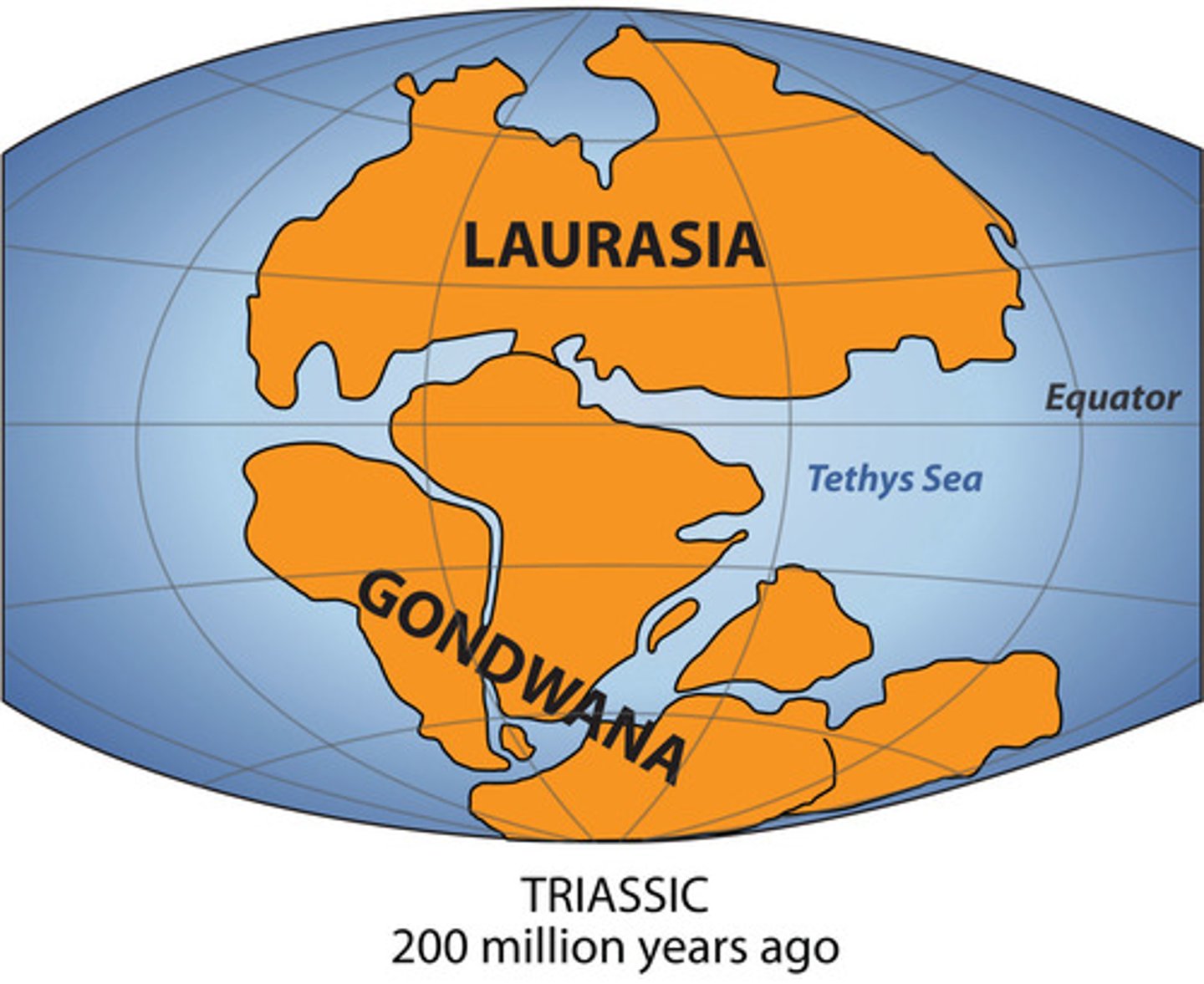
Gondwana
The large southern land mass that existed from pangea. Present-day remnants are South America, Africa, India, Australia, and Antarctica.
Biogeographic Regions
Subdivide earth on basis geographic distributions of related species, genera or families
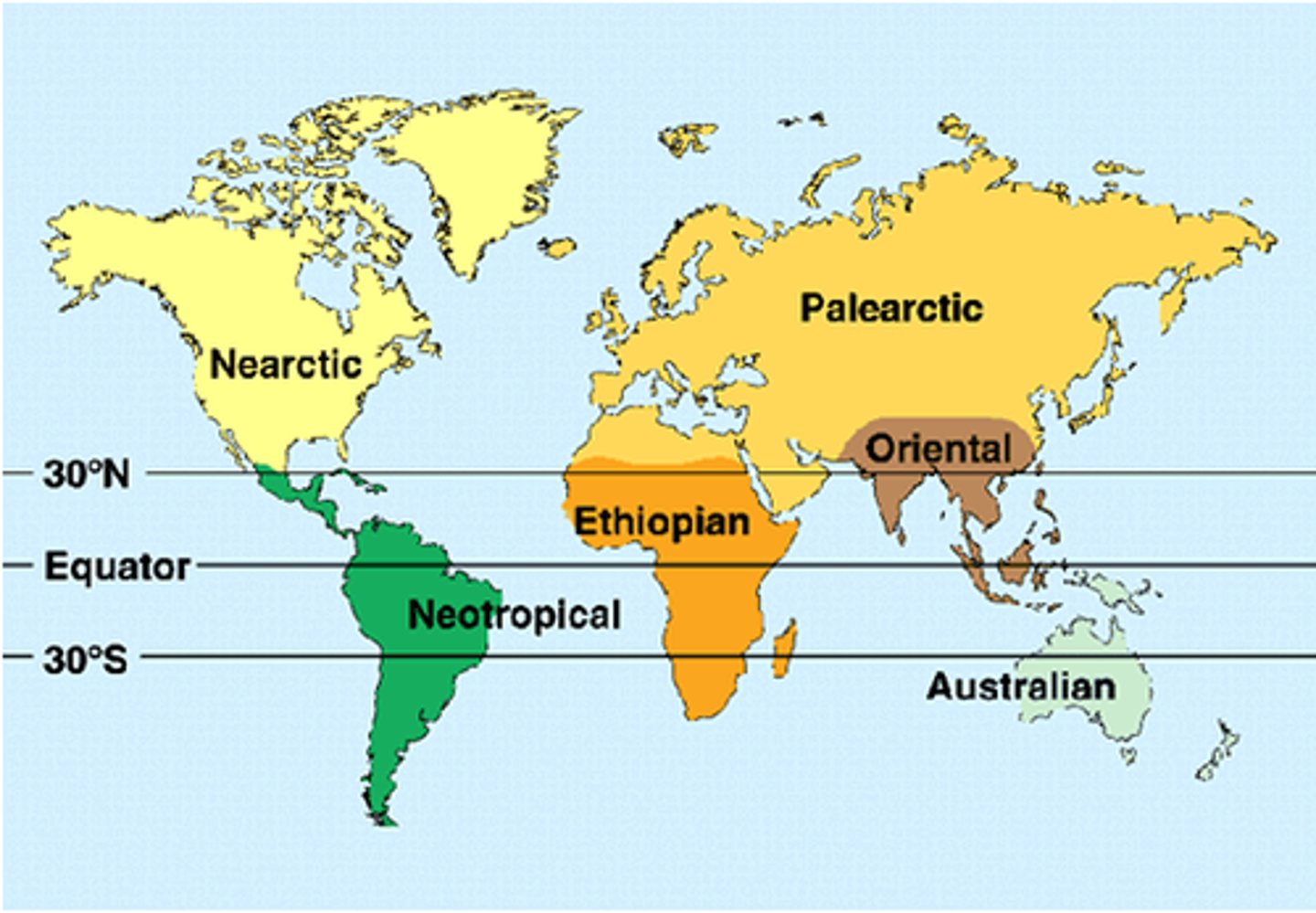
neararctic region
North America
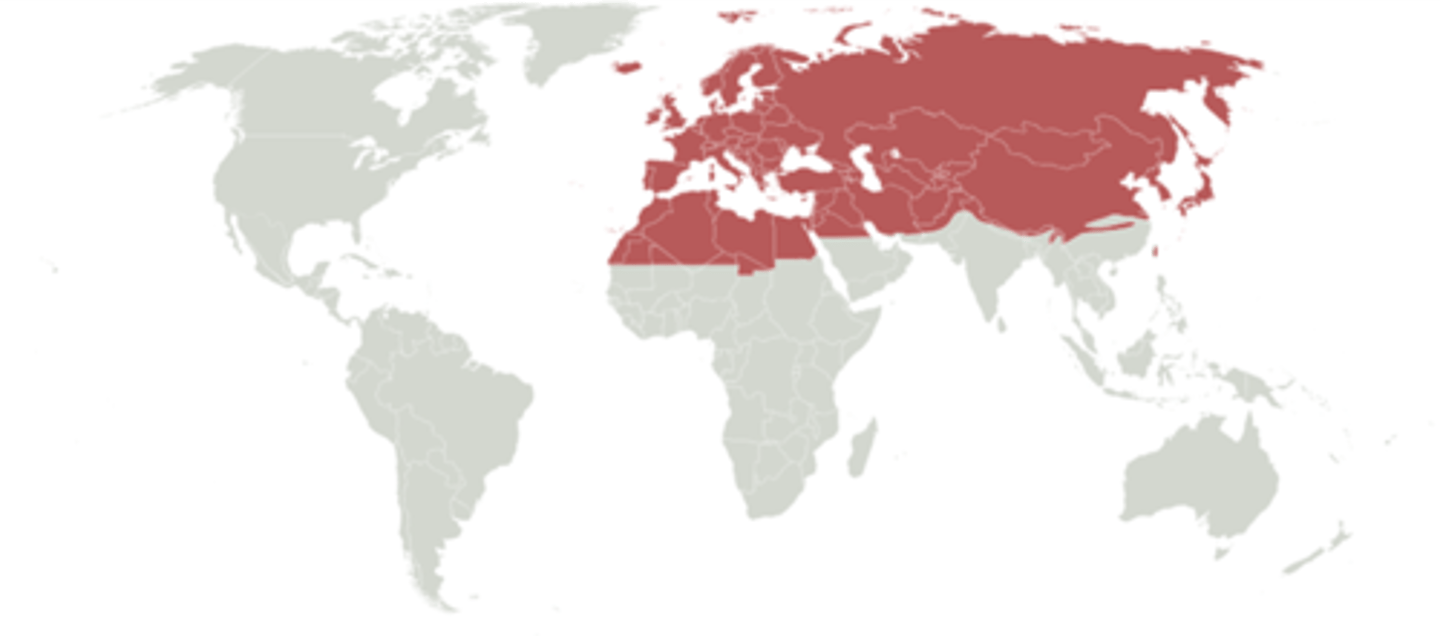
Palearctic
Europe / N. Asia / N. Africa
Neotropical
Central and South America
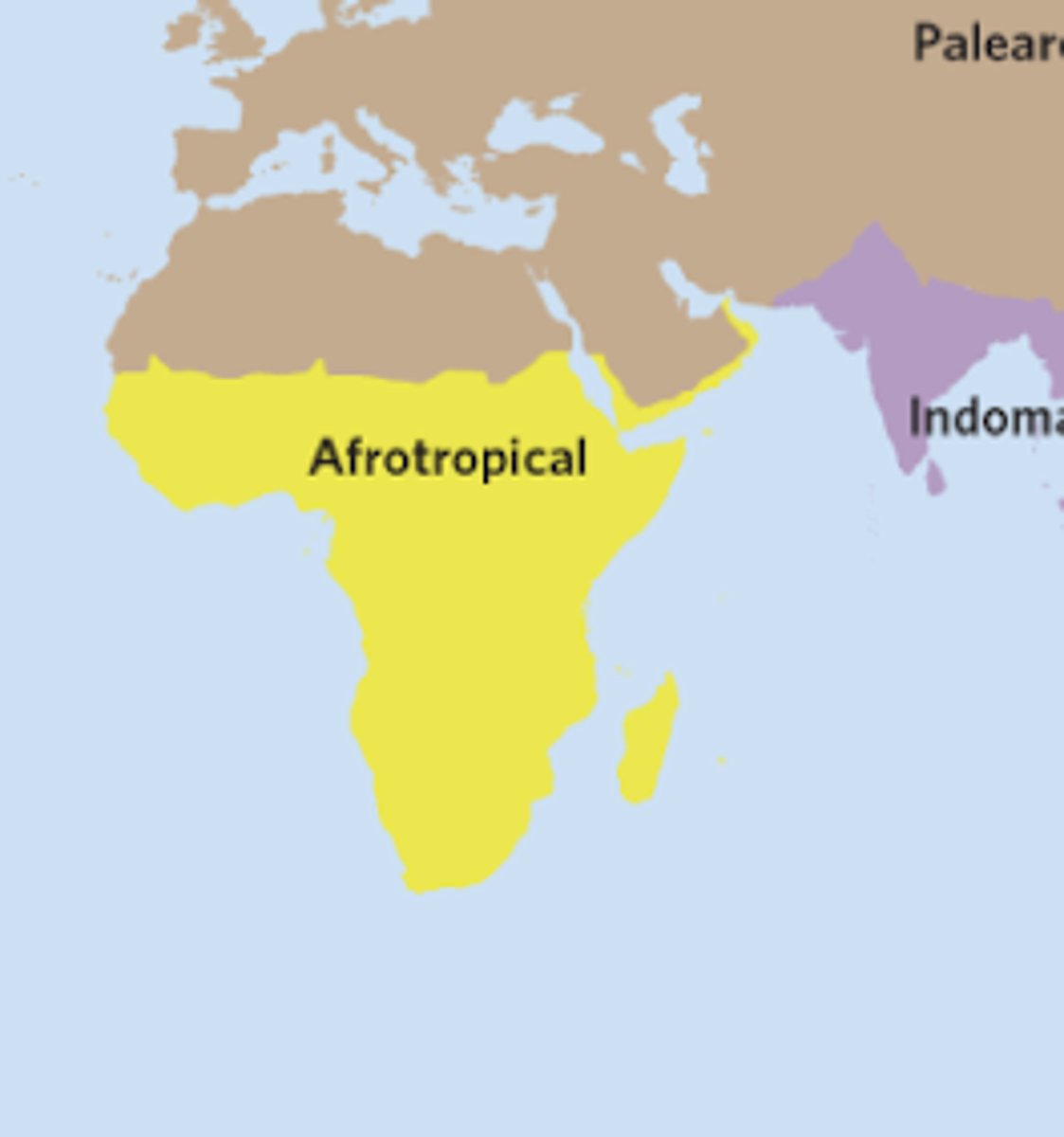
Afrotropical
Sub-saharan africa
Indomalayan
India + Southeast Asia
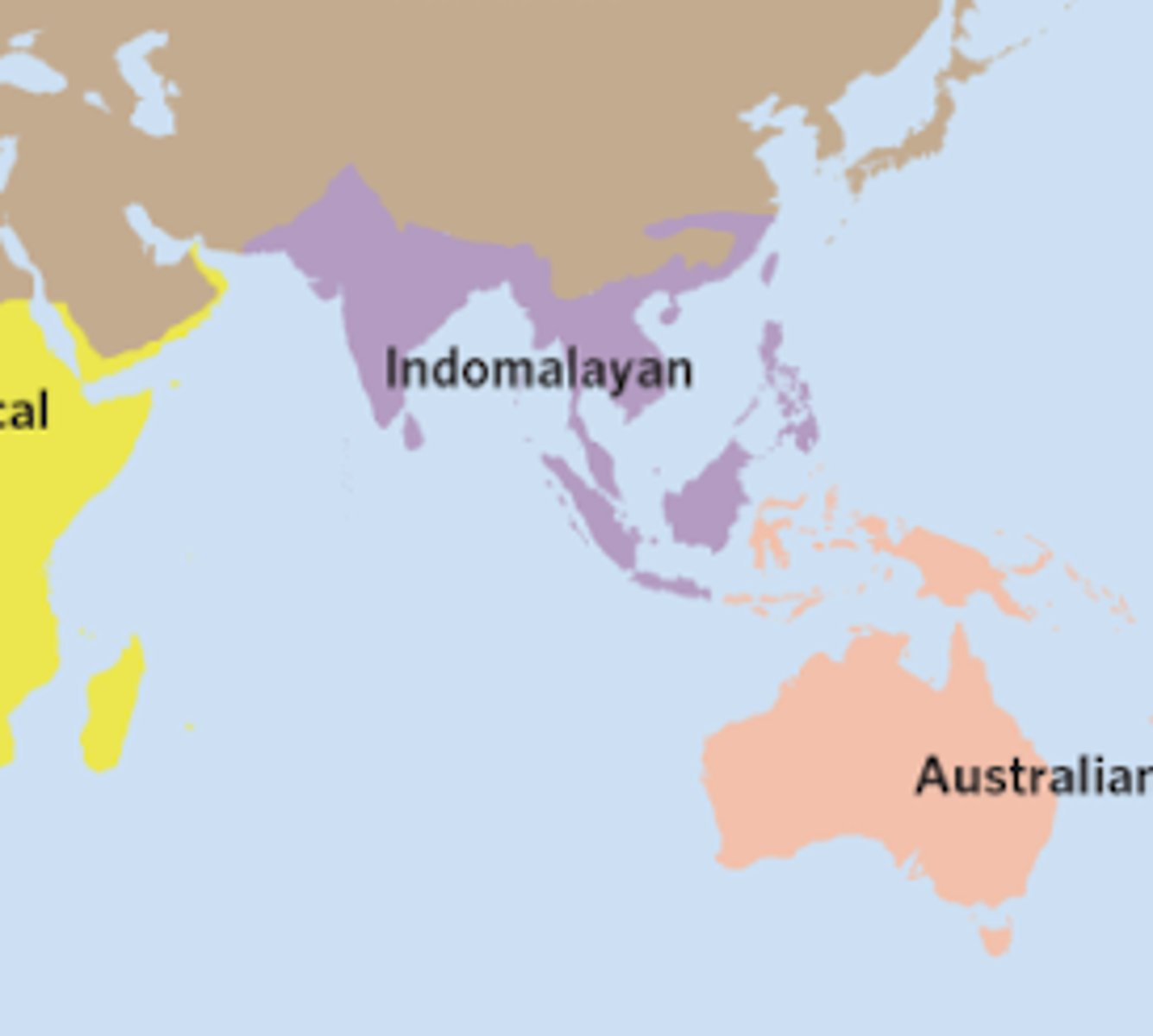
Australian
Australia, New Guinea-- had highly unique fauna
Endemism
species found in only one location and nowhere else
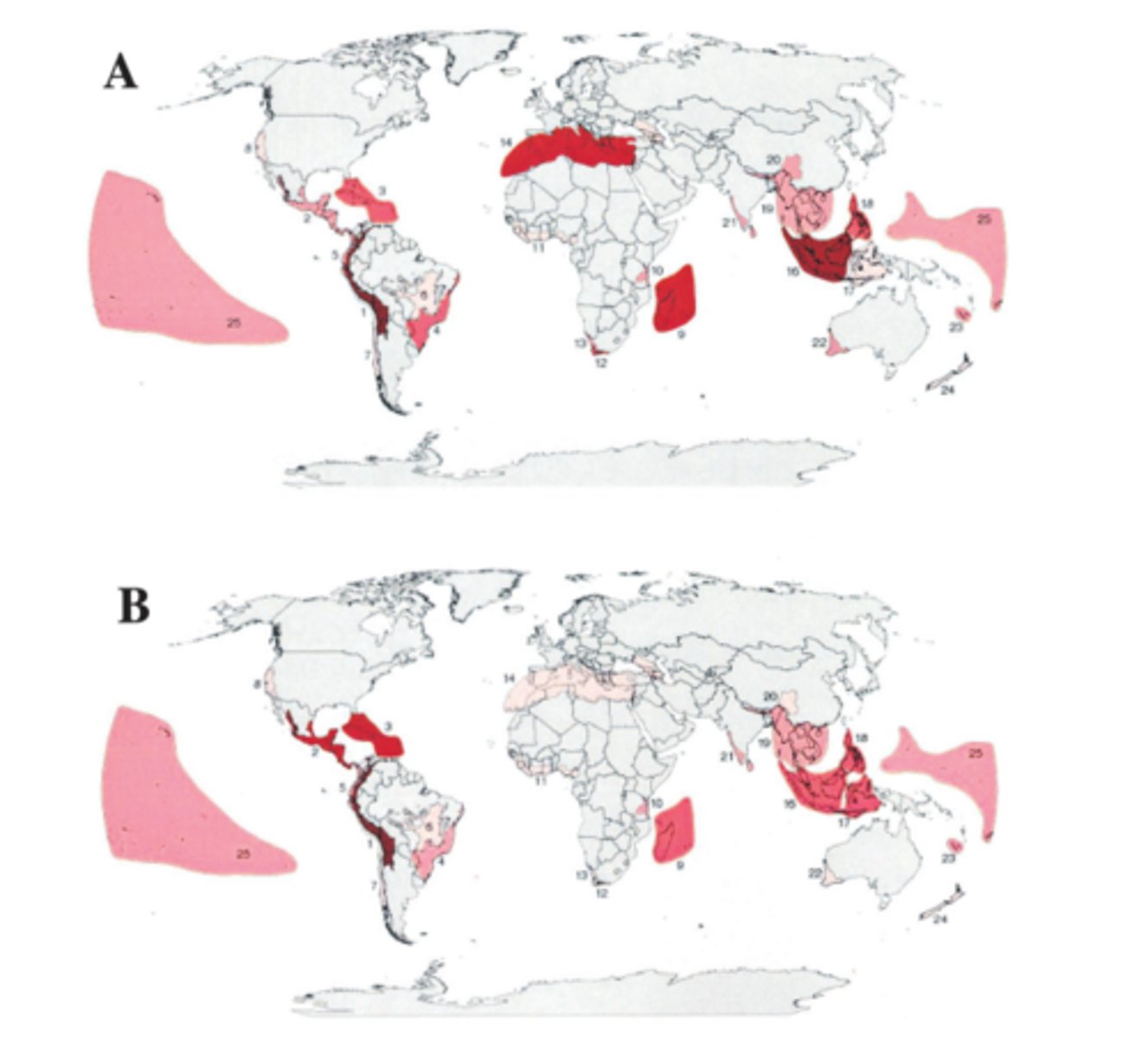
Biodiversity Hotspots
regions with:
Extremely high numbers of endemic species
High threat of destruction
Example: Madagascar, Polynesia, California Floristic Province
Latitude
Distance from the equator. Low latitude = high diversity (closer to equator) especially in tropics.
area
size of habitat
species richness
the number of species in a given area
species-area curve
The larger the geographic area, the greater the number of species.
fragments
small, isolated pieces of habitat left after fragmentation
edge habitats
Border zones between habitats.
Edges have:
More disturbance
More predators
Different light & microclimate
Usually bad for interior-dependent species.
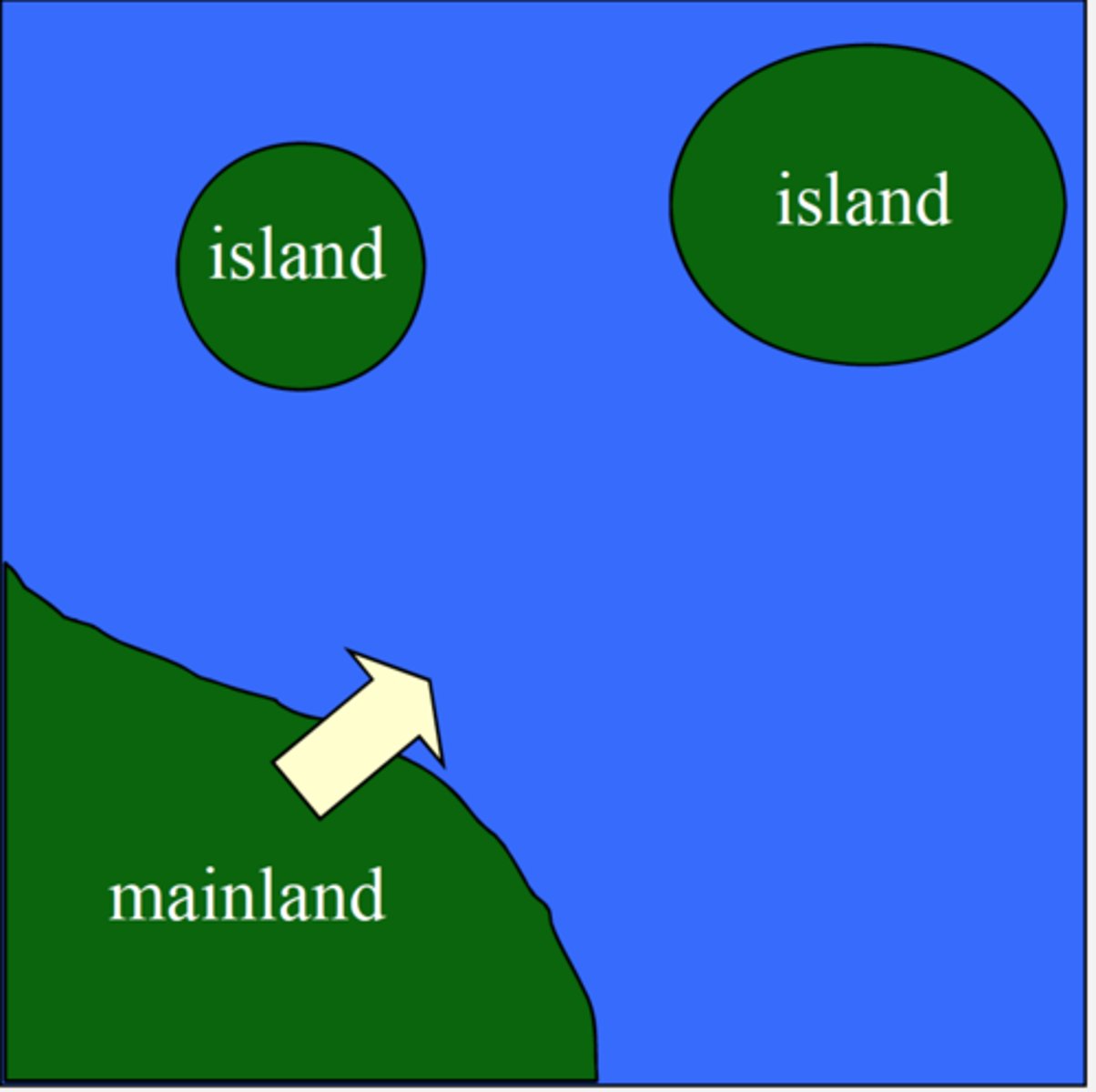
Island Biogeography Theory
Explains species richness on islands using:
Habitat size (bigger = more species)
Isolation (closer to mainland = more species)
Habitat Size
larger habitats contain more species
-lower extinction
- higher immigration
Isolation
closer islands recieve more colonists --> higher diversity
farther island --> fewer species
Equilibrium Point ( Ŝ )
Where immigration rate = extinction rate.Determines the number of species expected on an island.
Discuss evidence for historical influences on regional differences in species richness
Historical events like continental drift, the breakup of Pangea, and long periods of isolation explain why different regions have different groups of species.
Laurasia and Gondwana created distinct northern vs. southern faunas.
Long isolation of places like Australia led to high endemism (marsupials, monotremes).
Past climate shifts and glaciation shaped which species survived or colonized regions.
Key idea: Past geography determines present biodiversity.
Describe the relationship between area of the habitat and the number of species found within that area.
Larger habitats contain more species.
This is the species-area relationship:
Larger areas = more niches
Larger populations = lower extinction rates
Higher probability of colonization
Graph shows a rising curve: as area ↑, species ↑.
What are the predictions of the Island Biogeography Theory?
Species richness is highest on islands that are:
Large (low extinction)
Close to the mainland (high immigration)
Therefore:
Small, far islands have fewest species.
Large, near islands have most species.
Species number reaches an equilibrium where immigration = extinction.
What are the effects of fragmentation of a large contiguous habitat?
Fragmentation results in:
- Smaller habitats (higher extinction risk)
- More isolation (reduced immigration/gene flow)
- More edge habitat (predators, disturbance)
- Loss of interior species
- Smaller, more vulnerable populations
It acts like creating many tiny “islands” in a “sea” of unsuitable habitat.
How can we apply island biogeography theory to design better nature reserves?
Size
Bigger reserves support more species and lower extinction rates.
BEST = one large reserve rather than several small ones.
Number
Fewer, larger reserves generally better than many small ones.
Proximity
Reserves should be close together to allow movement.
Spatial Arrangement
Clustered reserves > widely spaced reserves.
Connectivity
Wildlife corridors (bridges, forest strips, riverbanks) increase immigration and gene flow.
Boosts long-term survival.
Shape
Round or compact shapes are best because they reduce harmful edge habitat.
Long, skinny reserves have more edges → worse.
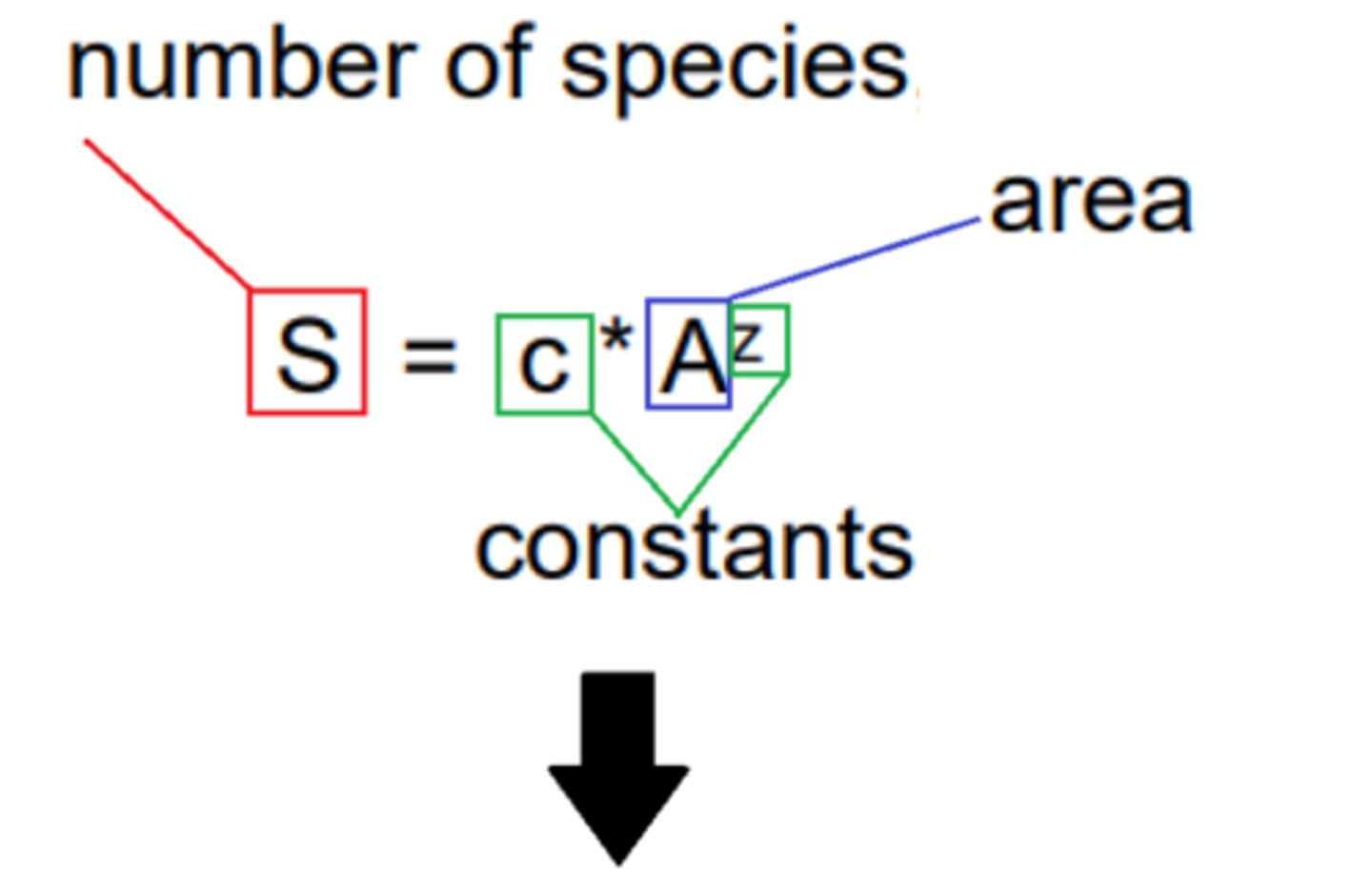
SPECIES AREA CURVE FORMULA
S= cA^z
 Note
Note  Flashcards (421)