Henry V and the conquest of France
 Call Kai
 Learn
Learn Practice Test
 Spaced Repetition
 Match
Match Flashcards
 Knowt Play
1/28

Earn XP
Description and Tags
Name | Mastery | Learn | Test | Matching | Spaced | Call with Kai |
|---|
No analytics yet
Send a link to your students to track their progress
29 Terms
How large was Henry’s army?
Estimated to be around 10,500 to 12,000 fighting men.
Where did Henry’s campaign begin? And when?
August 1415→ Henry’s men surrounded the port of Harfleur both by land and sea and placed it under siege.
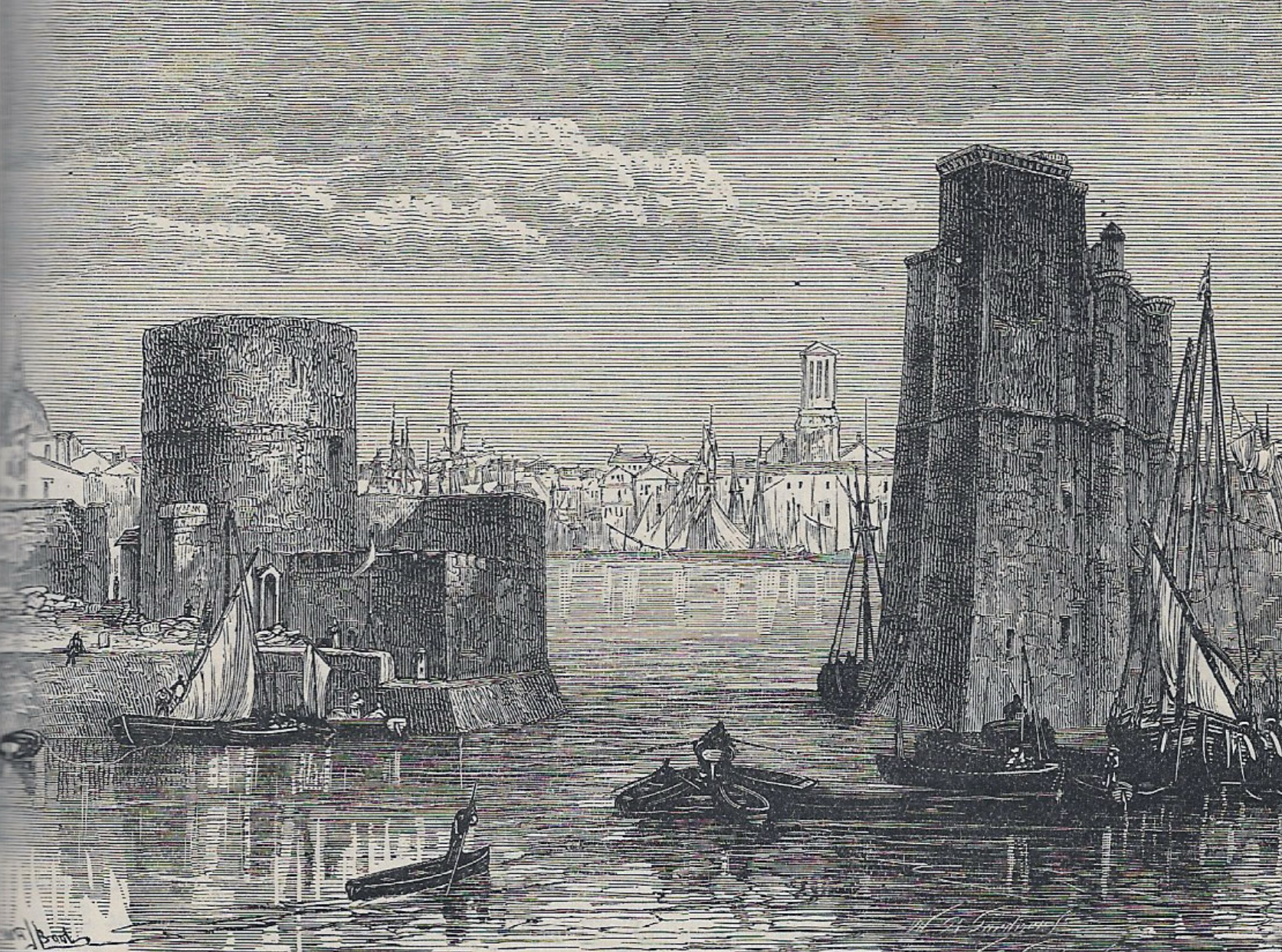
Describe Harfleur
A small fortified town with a moat
How did Henry ensure discipline from his troops during the campaign?
Looting and burning was banned and punishable by hanging.
When did the French surrender Harfleur?
22nd September 1415, after initial resistance
What losses did the English face due to Harfleur?
There was an outbreak of dysentery among their troops which meant that Henry has to ship the sick and wounded back home.
After securing Harfleur where did Henry lead his men?
He marched his troops 150 miles to Calais and conquered any land en route.
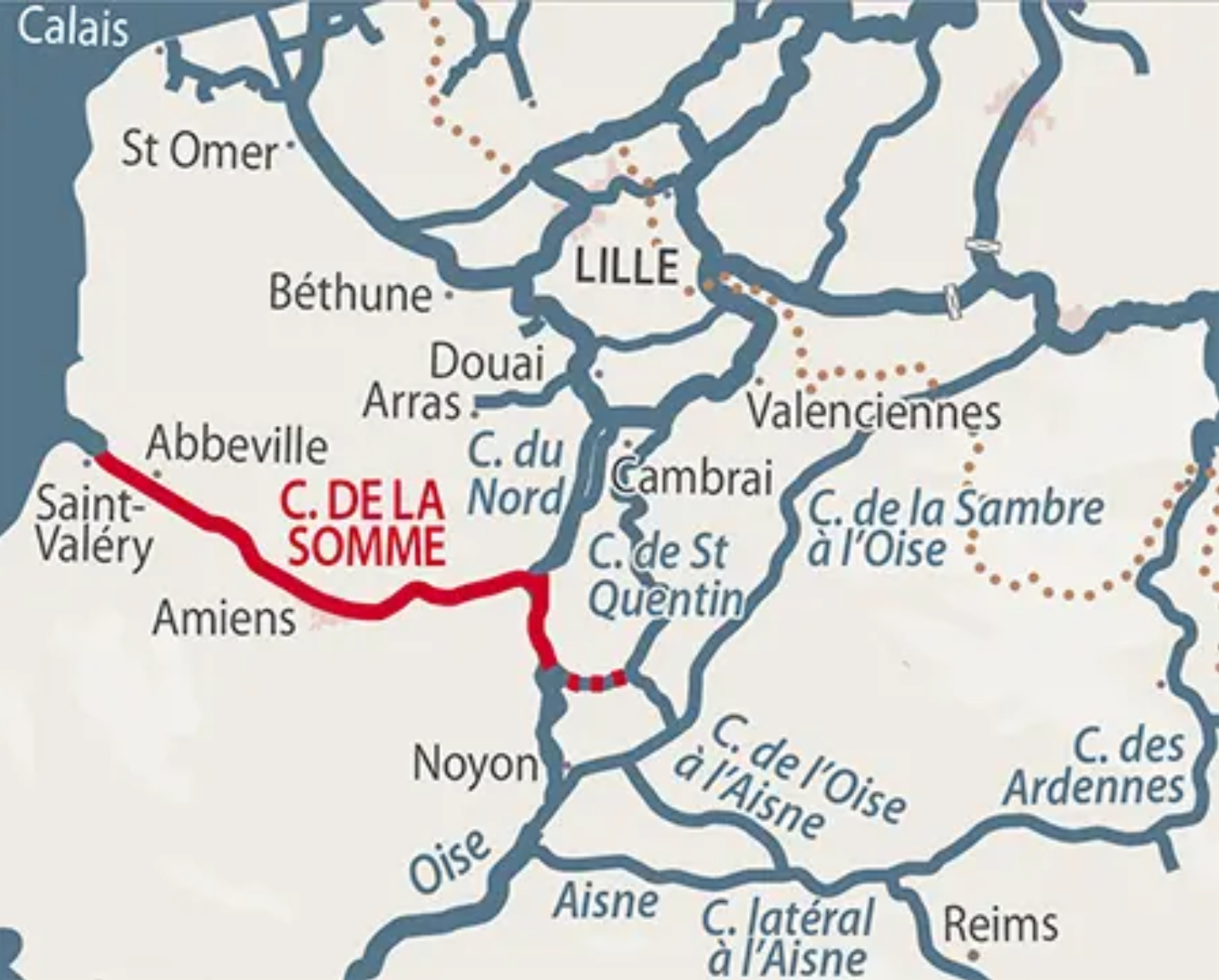
What precautions did the French take to try and prevent the English crossing the river Somme over to Calais? (3 Points)
The French organised a large army to wait at the ford at Blanchetaque, forcing Henry’s army to march upstream towards Amiens
All bridges and crossing points were defended or blocked
The French army tracked their enemy’s progress upstream and mirrored it on the other side of the river which meant if the English did cross they were likely to attacked whilst still wading through the water
How did Henry bypass the precautions of the French?
He found a causeway that had not been protected with stakes like the others but it had been broken so the English army had to rebuild it.
When did the English army cross the Somme?
19th October 1415
When did the battle of Agincourt take place?
25th October 1415
What was Henry’s army made up of largely?
The English army had a high proportion of archers, trained in the use of the longbow, compared to men-at-arms.
80% of the army were archers on leaving England.
How many arrows could an English archer shoot in one minute?
10 or 12
How did Henry strategically place his archers?
He stationed some archers at the front of the men-at-arms to protect them but most were placed on the sides and were protected by sharp stakes. A group were stationed secretly behind enemy lines to attack from the rear.
Where was Henry V stationed during the battle? Why was this important?
Henry and members of his household took central fighting positions.
This was important because it instilled faith and confidence within in his men who were loyal to him UNLIKE the French whose king was not present.
How did the French organise their troops poorly?
They fought in close formation which was a poor choice because the battlefield was relatively narrow meaning the French were grouped too tightly and so had difficulty fighting effectively.
What controversial order did Henry give at the end of the battle?
Henry feared that the rear of his army was being attacked and that French reinforcements were going to arrive.
He ordered that all enemies taken prisoner during the battle should be immediately killed to prevent them giving any assistance to the enemy.
What alliance did Henry V make in August 1416?
Henry made an alliance with Sigismund, King of the Romans, who shifted his allegiance after the English victory at Agincourt.
The Treaty of Canterbury pledged that both parties would provide support to gain back any territories held by the French and it also increased trade between the two lands. Sigismund was inducted into the Order of Garter.
Where did Henry invade after the success of Agincourt and when?
August 1417→ Normandy
Why campaign to Normandy?
Economically valuable
Conquest would strengthen Henry’s reputation as a strong monarch
Strategic geographical location
Securing Normandy ports reduced the threat to English shipping from piracy
How was the Normandy campaign funded?
Loans from the City of London
As security for the loans Crown Jewels were handed over
The king was expecting revenue from taxation and the spoils of war so he could redeem these.
How large was Henry’s army invading Normandy?
10,500 soldiers and several canons
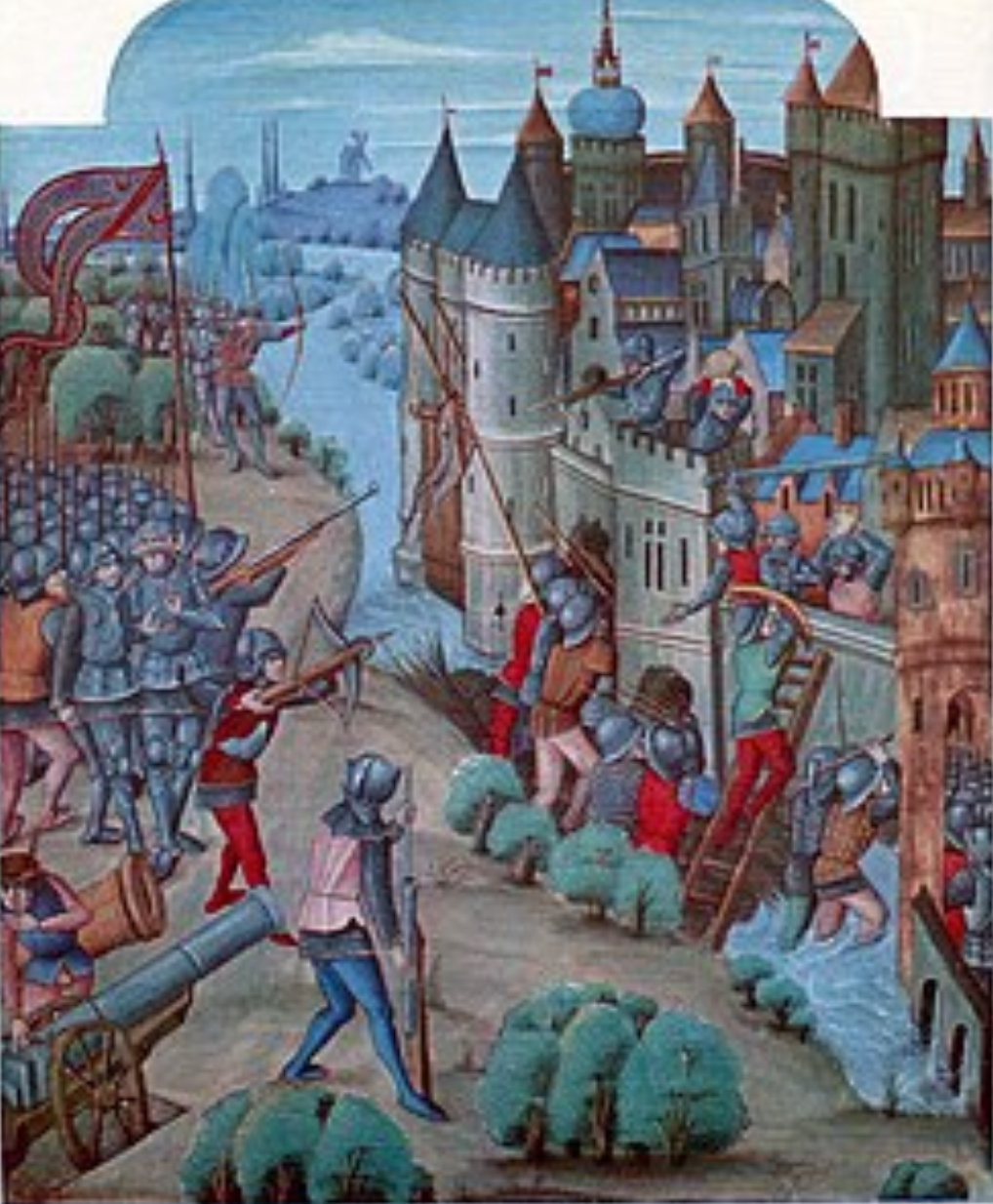
When did the English army land at the Seine estuary? And what city did they hit first?
The army landed at the Seine estuary on 1 August and headed to Caen which fell in September.
Henry set up a new administration at Caen to consolidate his power.
What other key towns did Henry also capture?
Henry and his lieutenant Richard Beauchamp, earl of Warwick, led a series of assaults on key towns such as Alençon and Domfront.
Who captured Cherbourg?
Humphrey, Duke of Gloucester besieged Cherbourg and starved it into surrender in autumn 1418.
What is Rouen?
The capital of Normandy
When did Henry siege Rouen?
Henry besieged Rouen from late July to January 1419.
What did Henry force the people of Rouen to do? (2 things)
The English fined Rouen heavily, the sum being equivalent to £50,000, which the city took many years to pay.
They were also required to recognise Henry as their feudal lord and he took possession of the castle.
What did Henry V’s success in Normandy grant him?
He secured more financial support for Parliament and was granted tonnage and poundage for life