Real stuff to know from AAMC - BB
 Call Kai
 Learn
Learn Practice Test
 Spaced Repetition
 Match
Match Flashcards
 Knowt Play
1/71

There's no tags or description
Looks like no tags are added yet.
Name | Mastery | Learn | Test | Matching | Spaced | Call with Kai |
|---|
No analytics yet
Send a link to your students to track their progress
72 Terms
Simple Squamous
Where:
Alveoli (lungs)
Capillaries
Bowman's capsule
Why: Thin → diffusion
If you see:
Gas exchange
Oxygen diffusion
Filtration
Pick simple squamous.
Simple Cuboidal
Where:
Kidney tubules
Small glands
Why: Secretion + absorption
If you see:
Kidney reabsorption
Small ducts
Think cuboidal.
Simple Columnar
Where:
Small intestine
Stomach
Uterus
Why: Absorption + secretion
If you see:
Nutrient absorption
Microvilli
Digestive enzymes
Think columnar.
Pseudostratified Ciliated Columnar
Where:
Upper respiratory tract (trachea, bronchi)
Why: Moves mucus
If you see:
Cilia
Respiratory tract
Clearing particles
Think pseudostratified.
Stratified Squamous
Where:
Skin
Mouth
Esophagus
Why: Protection from friction
If you see:
Abrasion
Mechanical stress
Protection
Think stratified squamous.
Transitional
Where:
Bladder
That’s basically it.
If you see stretching in urinary system → transitional.
Order of sperm development in seminiferous tubules (outside → inside)
Spermatogonia (stem cells)
Spermatocytes (meiosis)
Spermatids
Spermatozoa
Mnemonic:
Go Create Tiny Zebras
(Gonia → Cytes → Tids → Zoids)
what is a zymogen
an inactive enzyme precursor that requires a biochemical change—typically the cleavage of peptide bonds—to become an active enzyme
What is the difference between heterochromatin and euchromatin?
Euchromatin
Loosely packed DNA
Transcriptionally active (genes are being expressed)
RNA polymerase can access the DNA
Heterochromatin
Tightly packed DNA
Transcriptionally inactive (genes mostly silenced)
DNA is not easily accessible
Mnemonic:
EU = Expressed / Easy to read
HETERO = Hidden
What are the main differences between prokaryotes and eukaryotes, and which organisms belong to each group?
Prokaryotes
No nucleus
No membrane-bound organelles
Smaller and simpler cells
DNA in nucleoid region
Examples
Bacteria
Archaea
Eukaryotes
Have a nucleus
Have membrane-bound organelles (mitochondria, ER, Golgi)
Larger and more complex cells
Examples
Animals
Plants
Fungi
Protists (ex: Plasmodium falciparum)
Shared by BOTH
Plasma membrane
Cytoplasm
DNA
Ribosomes
Mnemonic
Pro = Primitive (simple, no nucleus)
Eu = True nucleus
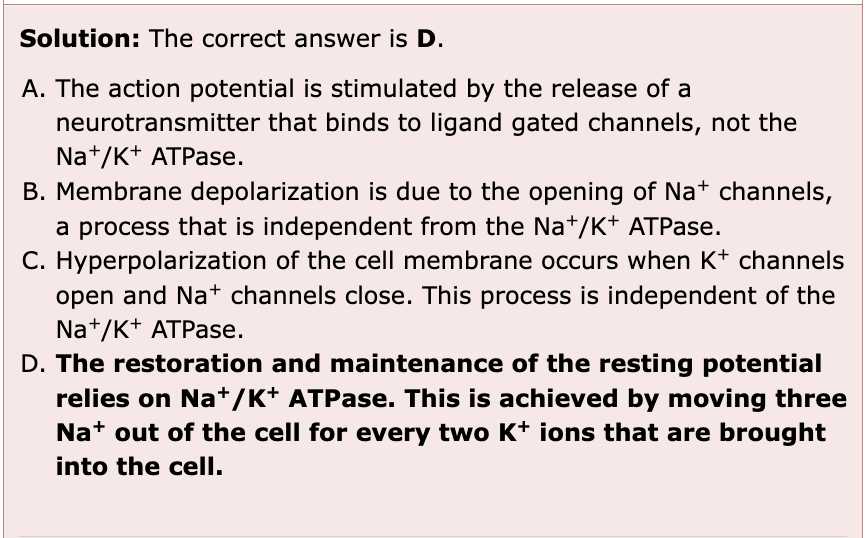
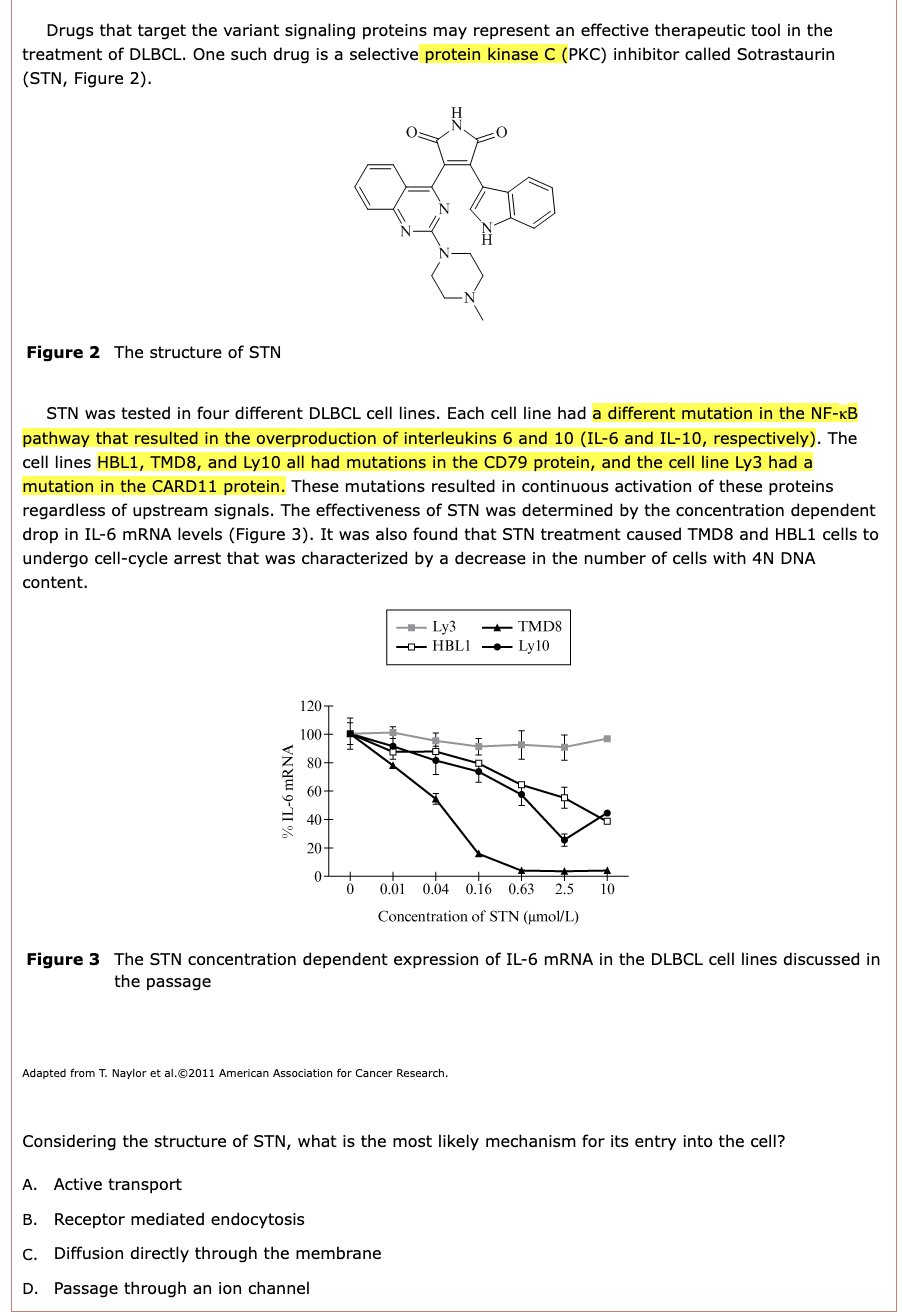
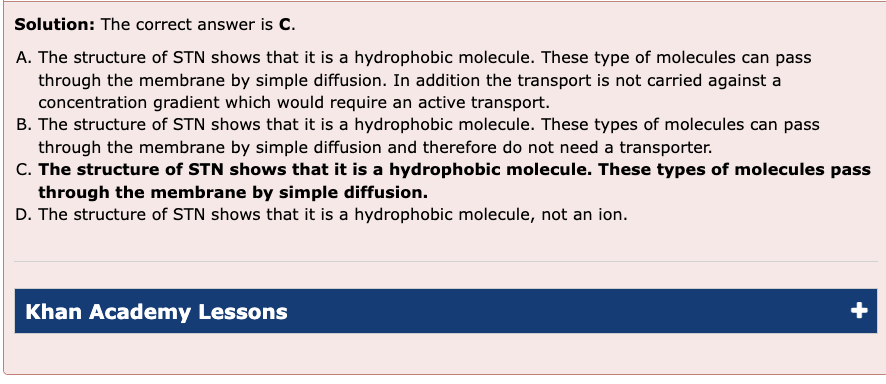
restriction enzymes locate:
Palindromes!
What are the key roles of cholesterol?
Regulates membrane fluidity (buffers against temperature changes)
Stabilizes membranes by fitting between phospholipids
Forms lipid rafts with sphingolipids for cell signaling
Precursor to steroid hormones, bile acids, and vitamin D
If a question says capillary + exchange, think:
endothelial cells
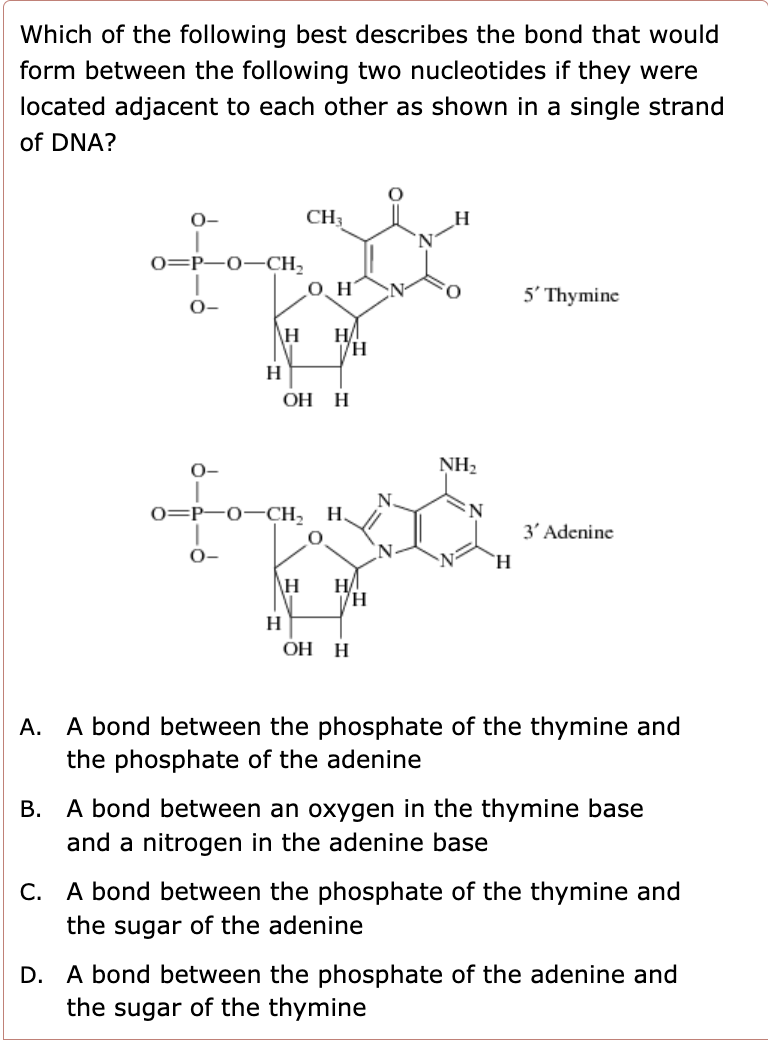
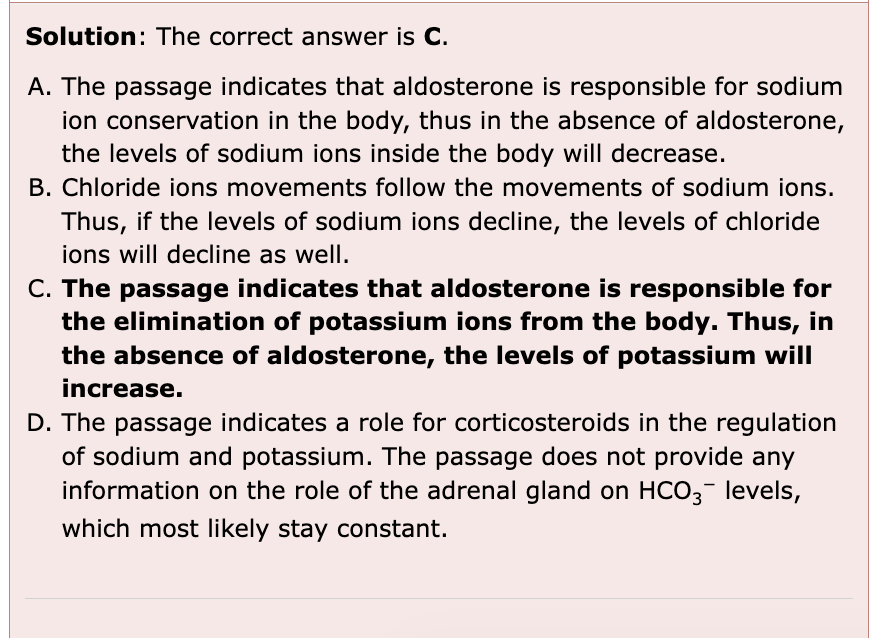
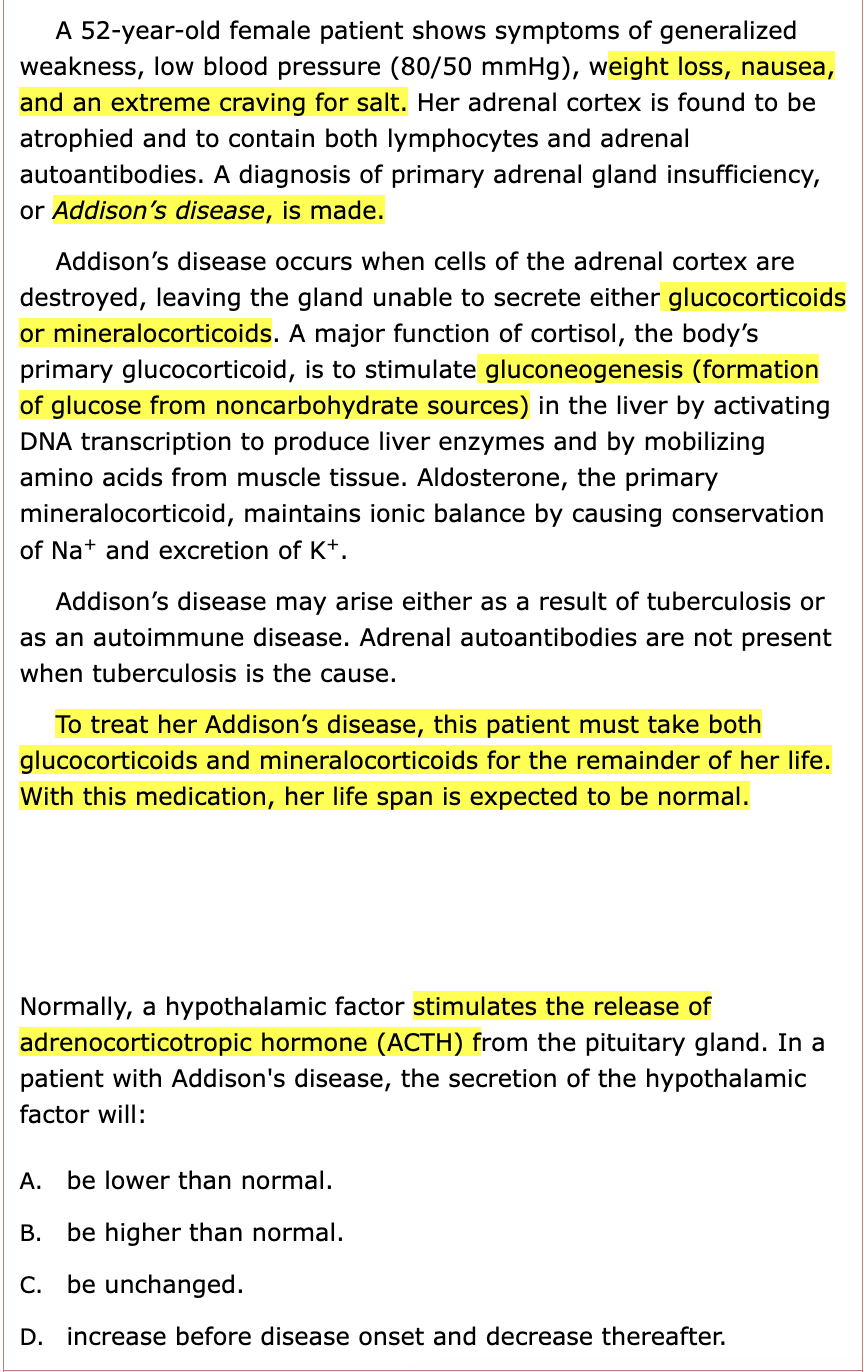
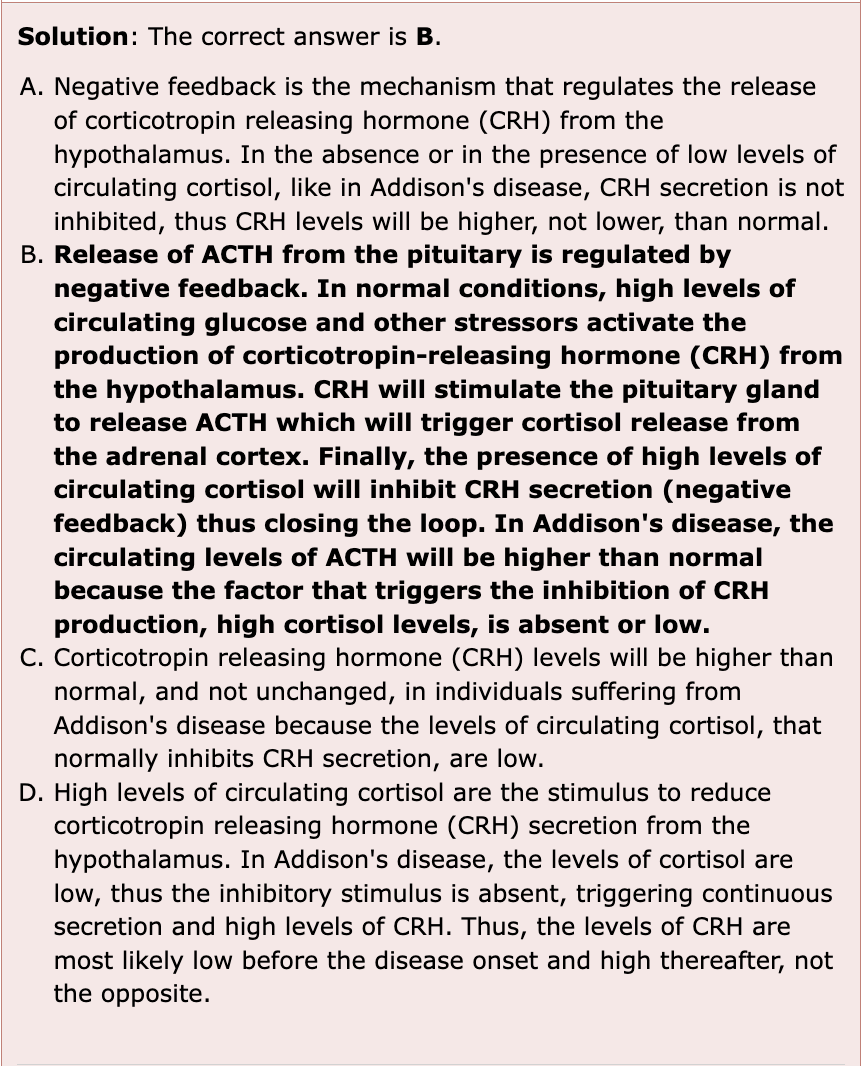
Glucocorticoids (like cortisol):
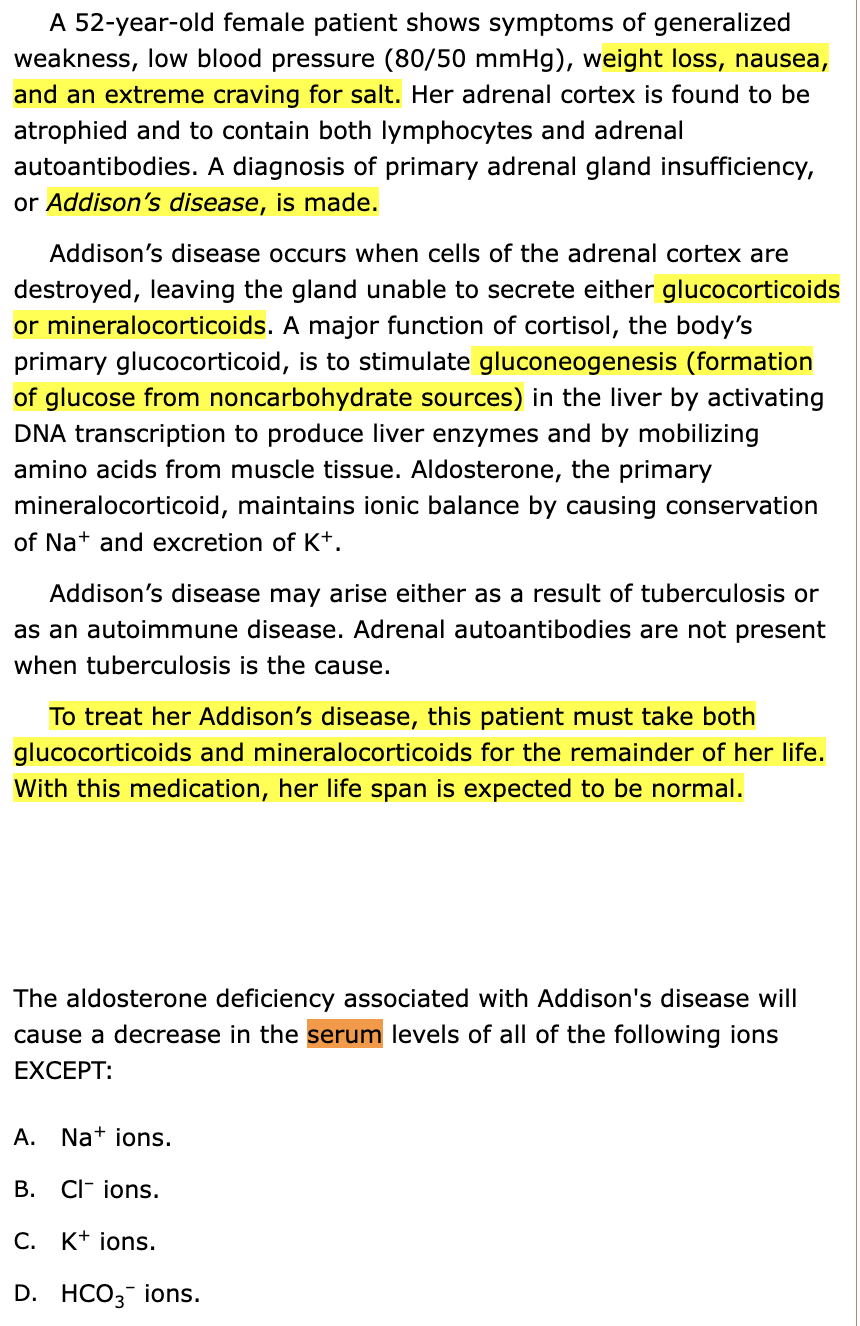
Increase gluconeogenesis in the liver → make glucose from noncarbohydrate sources.
Mobilize amino acids from muscle → this is essentially protein degradation.
Increase lipolysis → mobilize fats for energy.
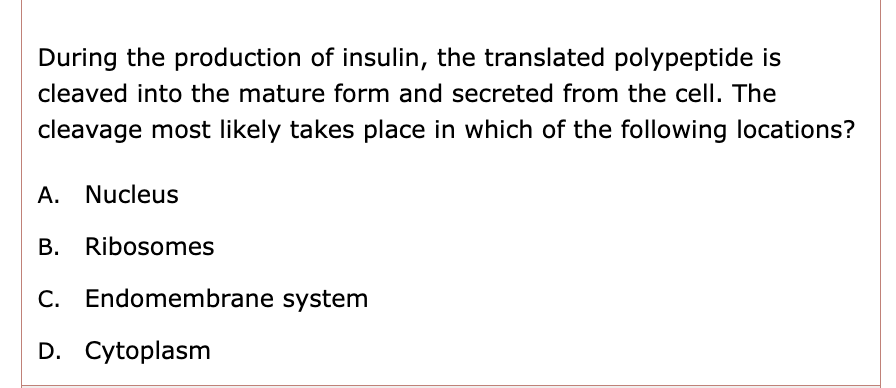
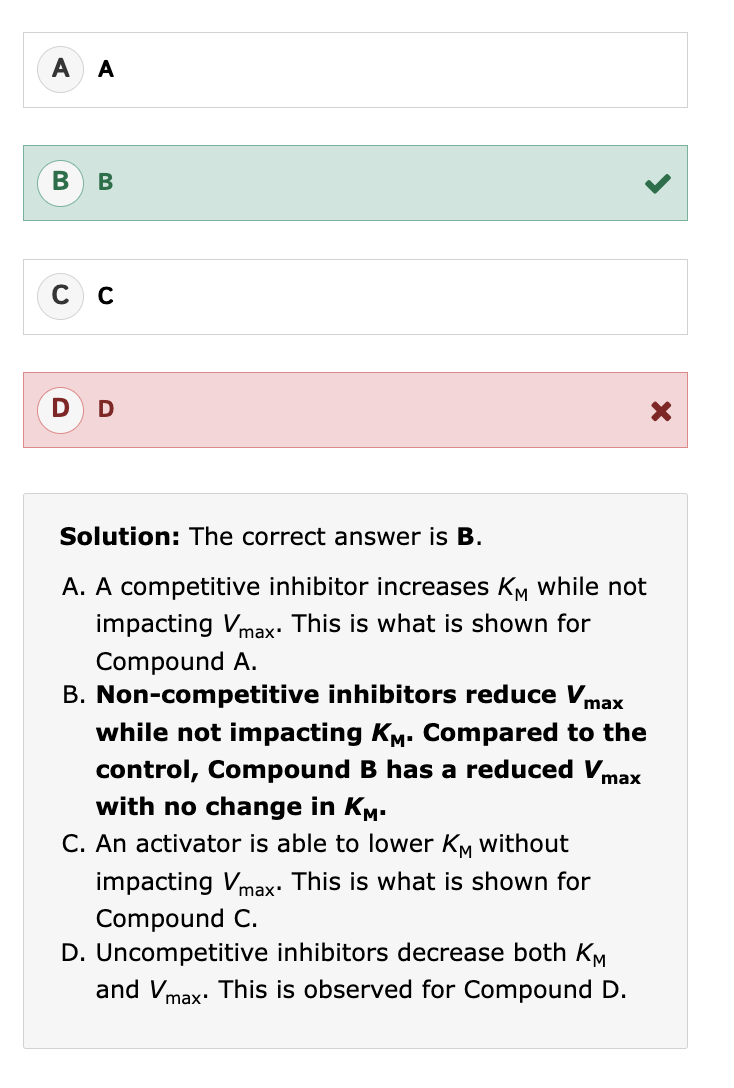
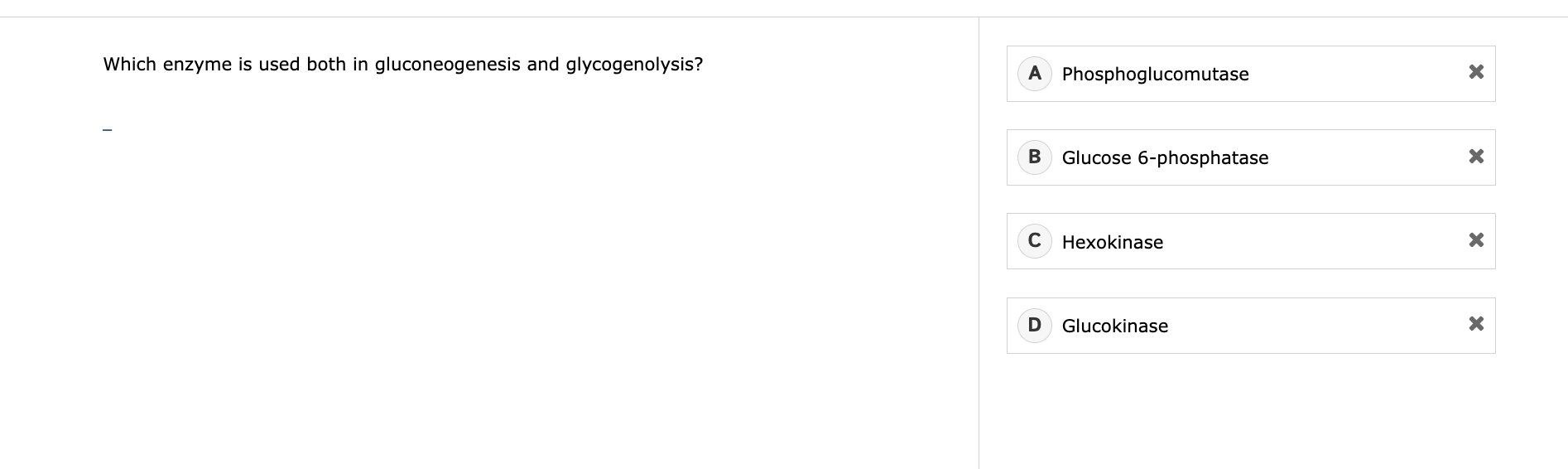
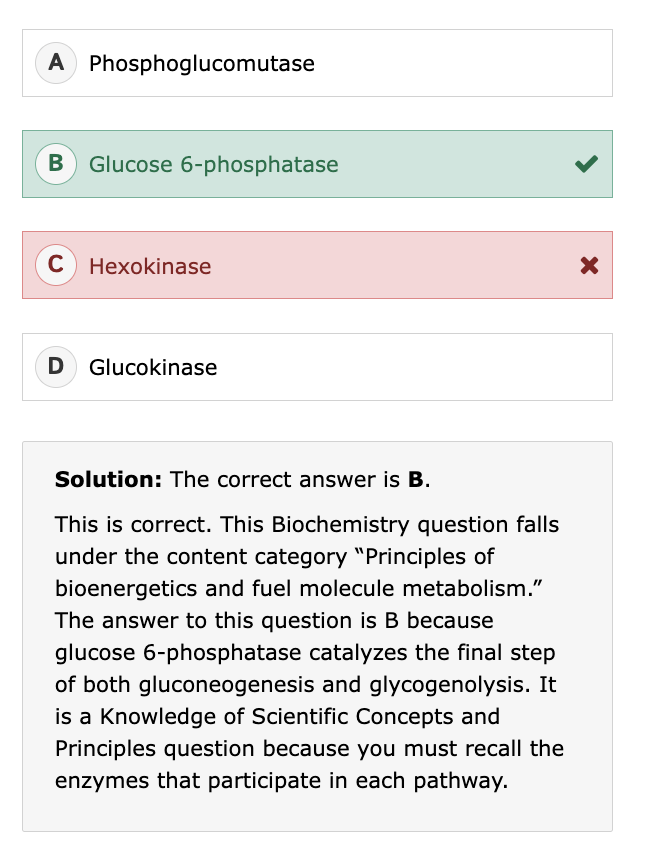
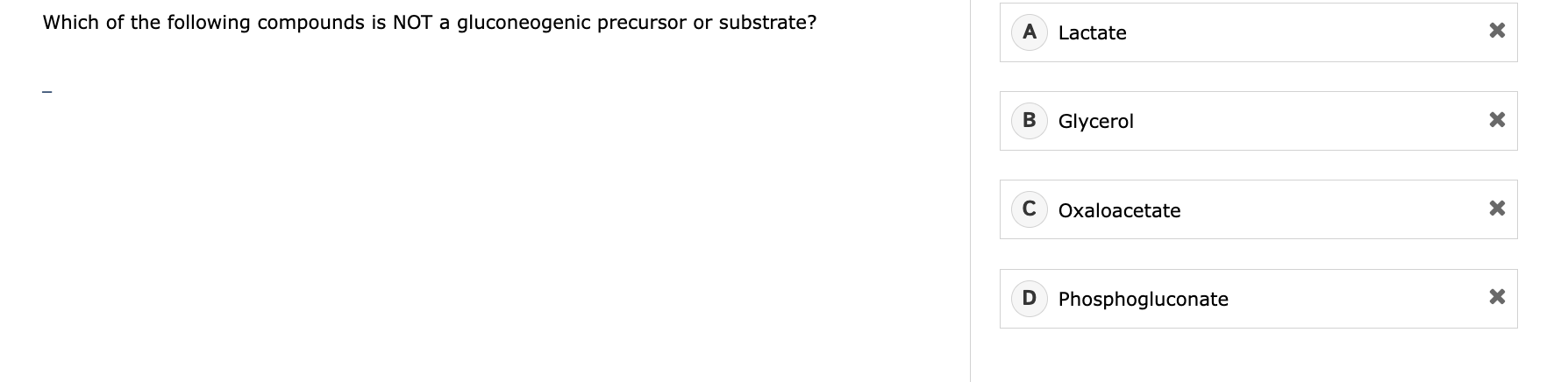
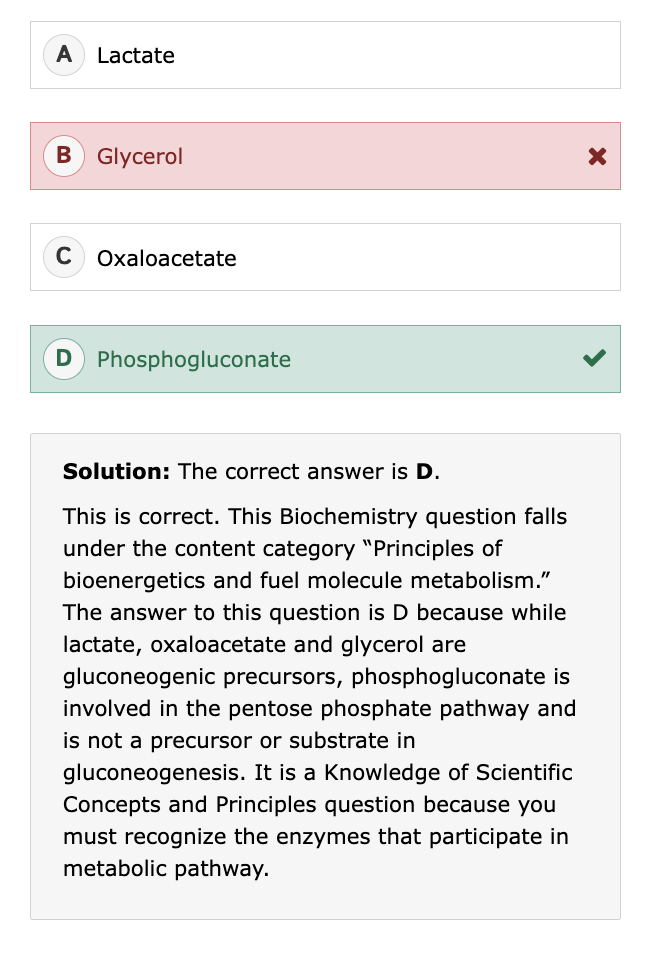
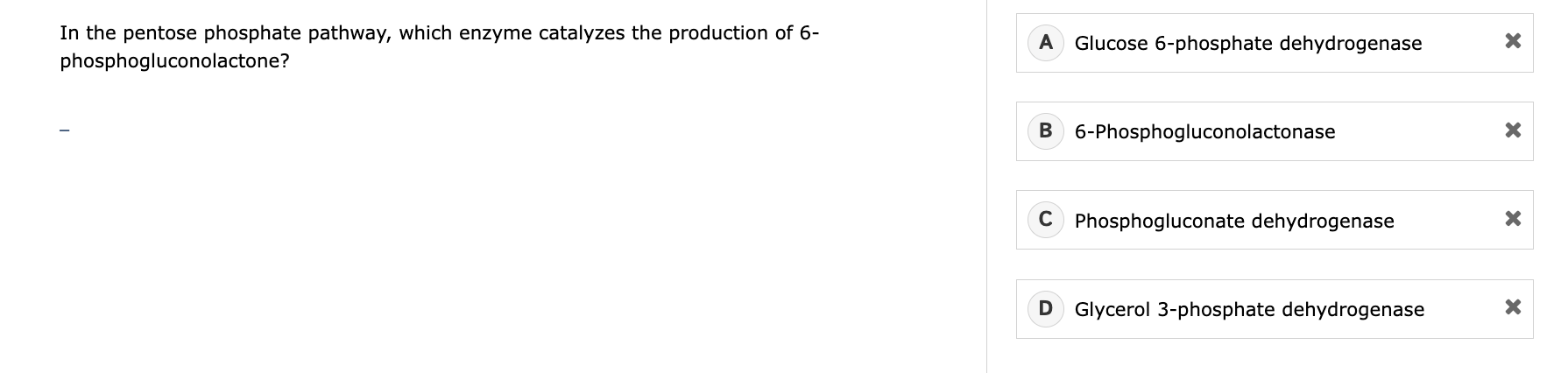
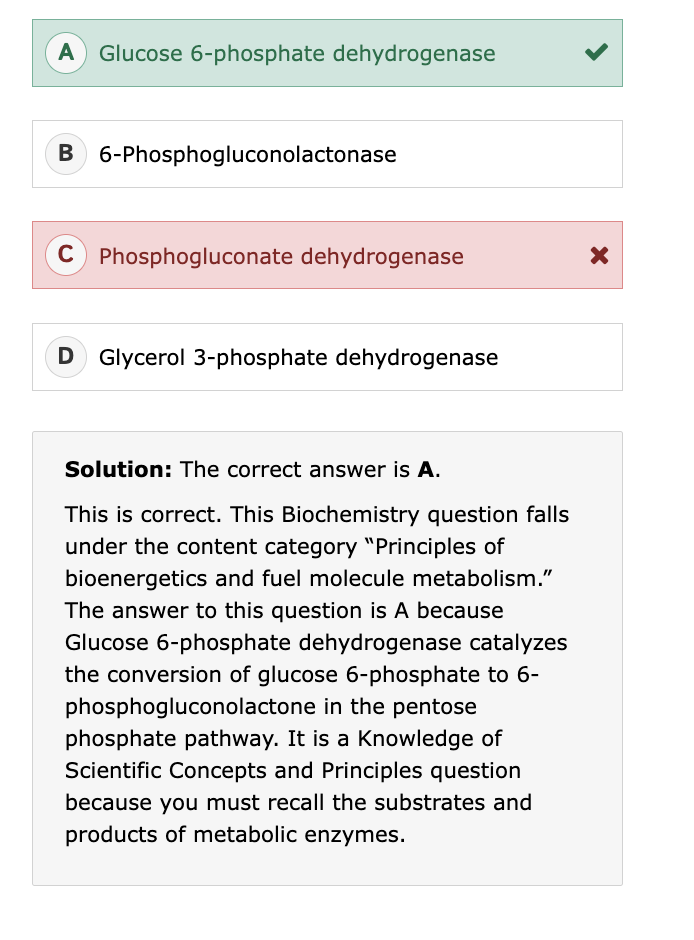
see back
made ya look
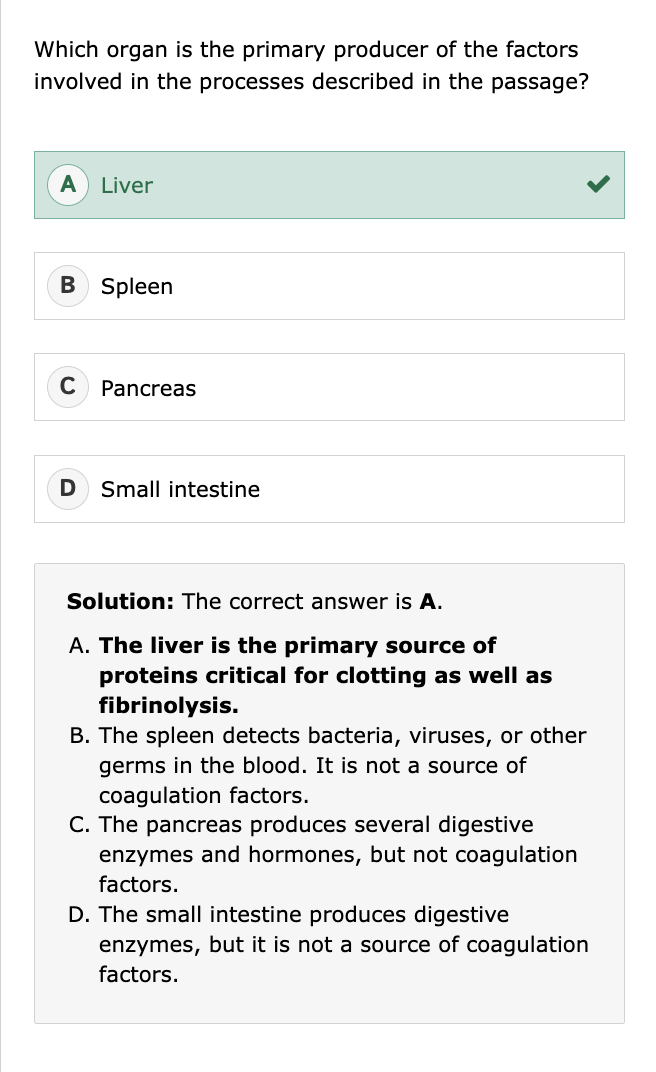
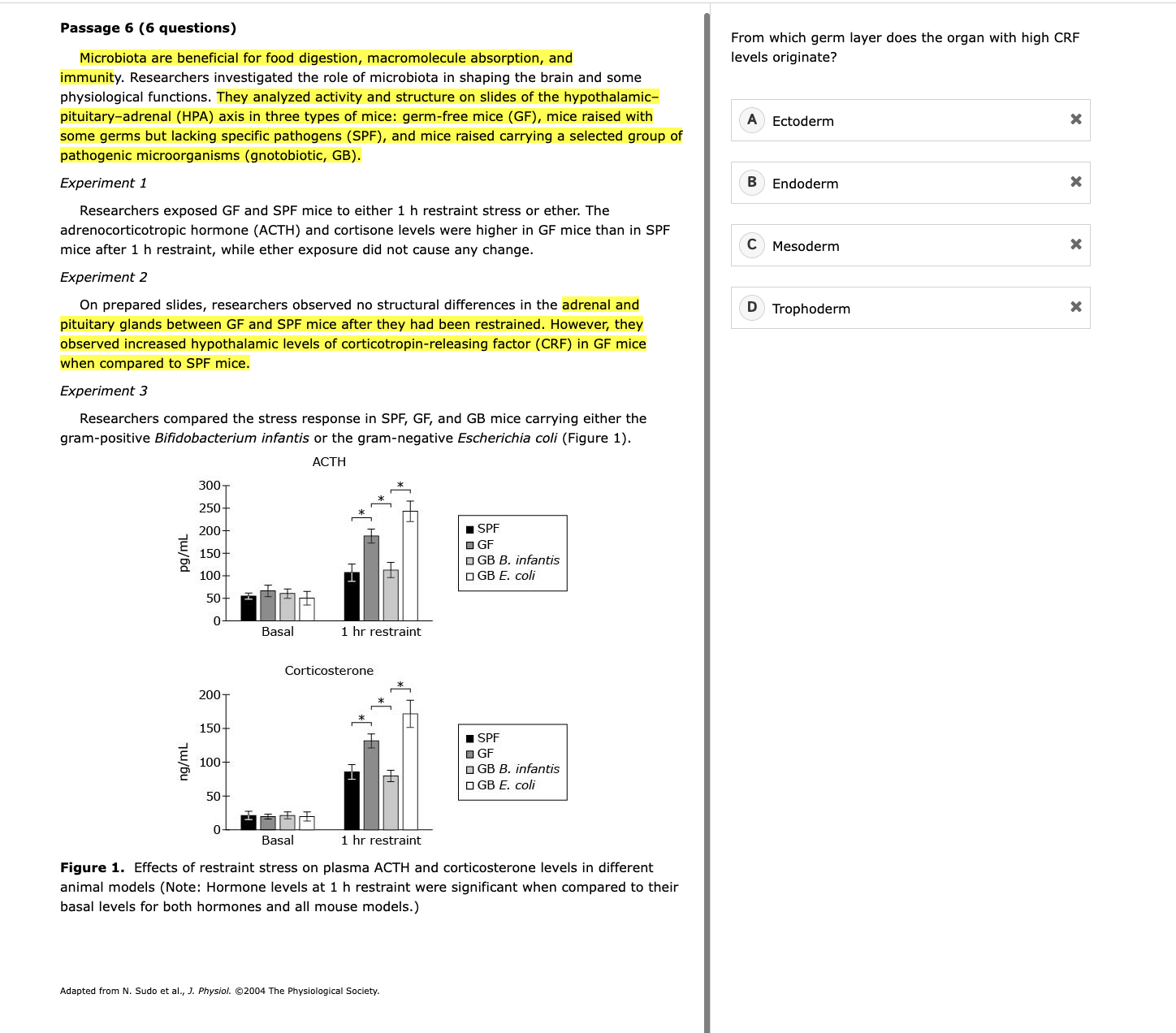
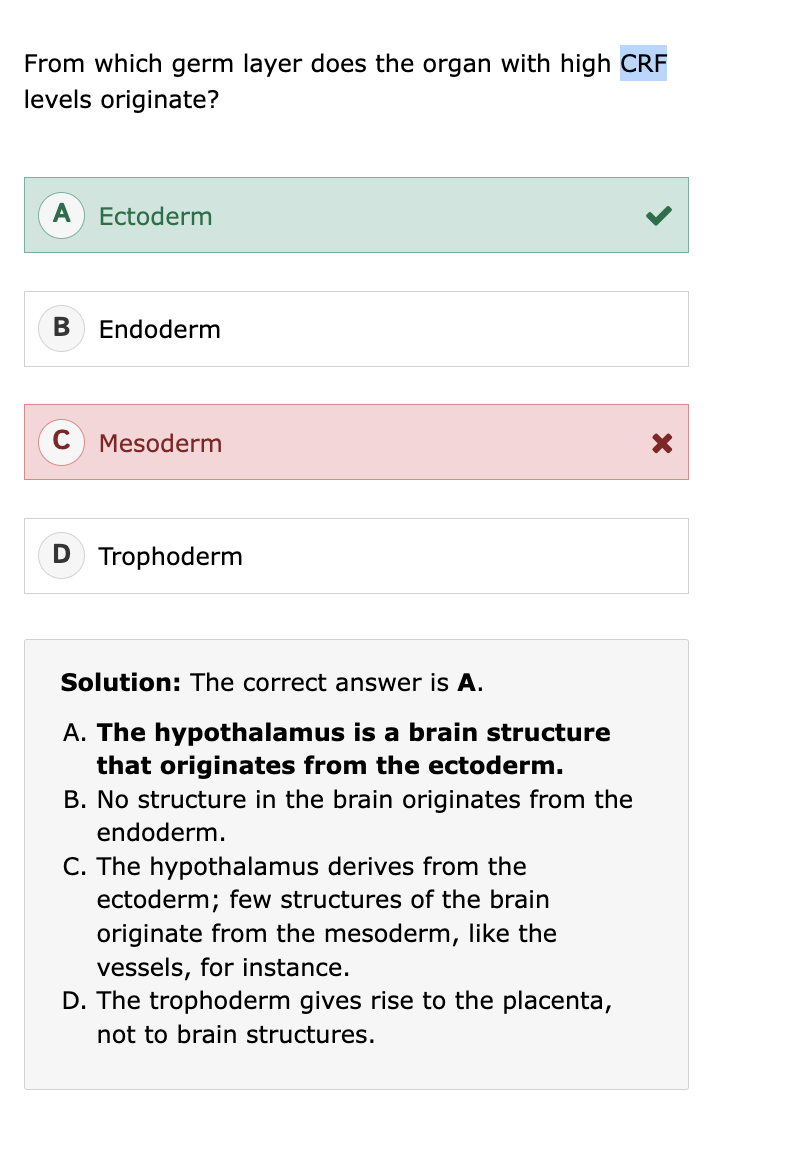
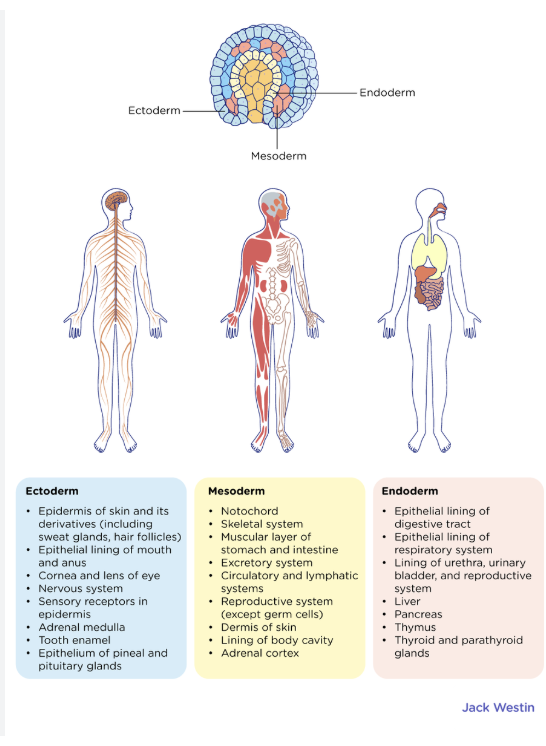
What are the three germ layers, where do they originate, and what do they form?
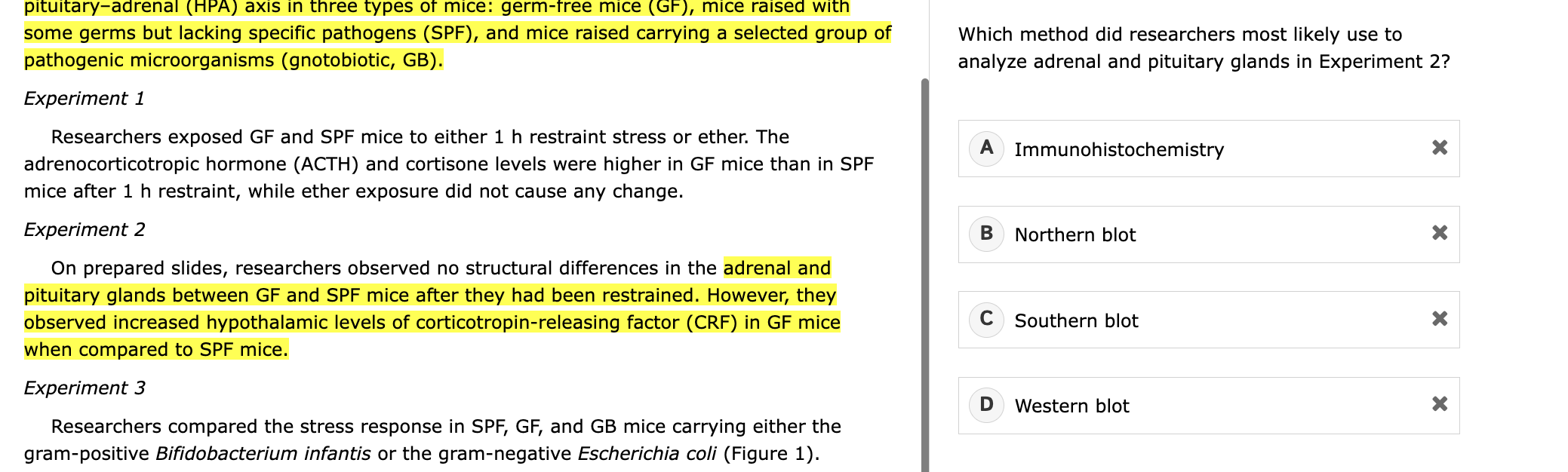
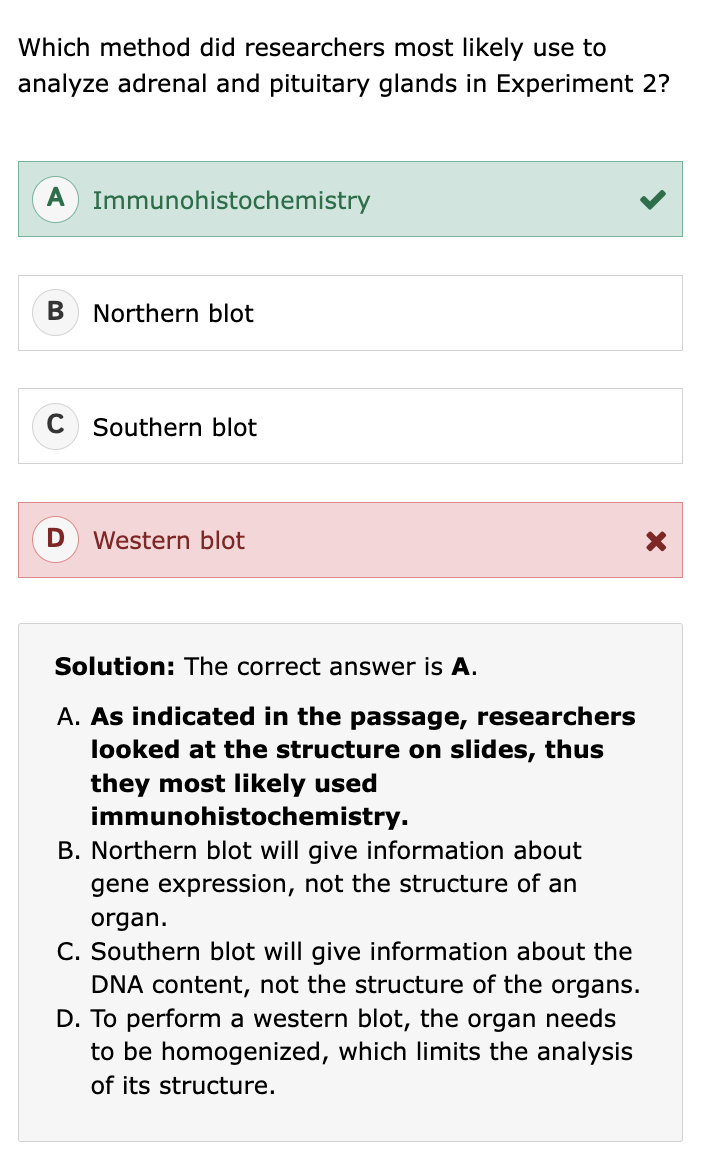
What is immunohistochemistry (IHC) and how is it used?
Definition:
Detects specific proteins in tissue samples using antibodies.
How it works:
Tissue slice is prepared and fixed on a slide
Primary antibody binds the target protein
Secondary antibody (optional) carries a label (color, enzyme, or fluorescent)
Label shows where the protein is located in the tissue
Uses:
Identify protein expression in cells
Diagnose cancers
Research cellular localization of proteins
MCAT shortcut:
“IHC = antibodies + tissue → color shows protein location”
What is aldosterone, and what does it do?
Back (Answer / Explanation)
Source:
Adrenal cortex (zona glomerulosa)
Target:
Kidney distal tubules & collecting ducts
Actions:
Increases Na⁺ reabsorption → water follows → ↑ blood volume & blood pressure
Increases K⁺ excretion → lowers blood potassium
Mechanism:
Binds receptors → ↑ transcription of Na⁺ channels (ENaC) & Na⁺/K⁺ ATPase
MCAT Shortcut:
“Aldosterone saves Na⁺, spits out K⁺ → raises blood pressure.”
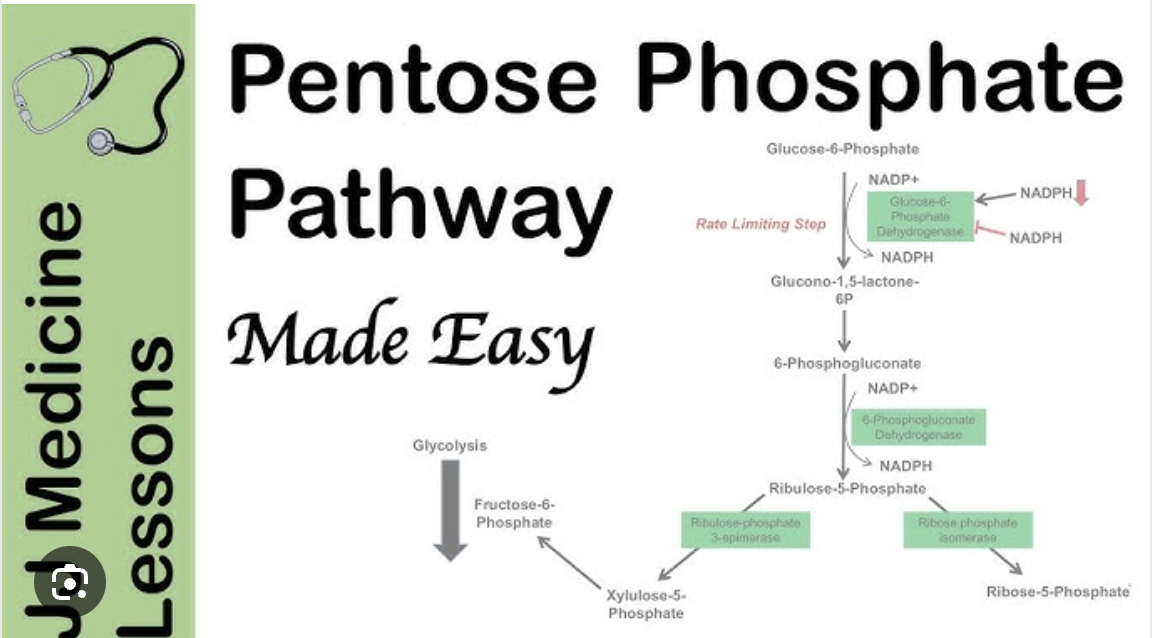
pentose phosphate pathway
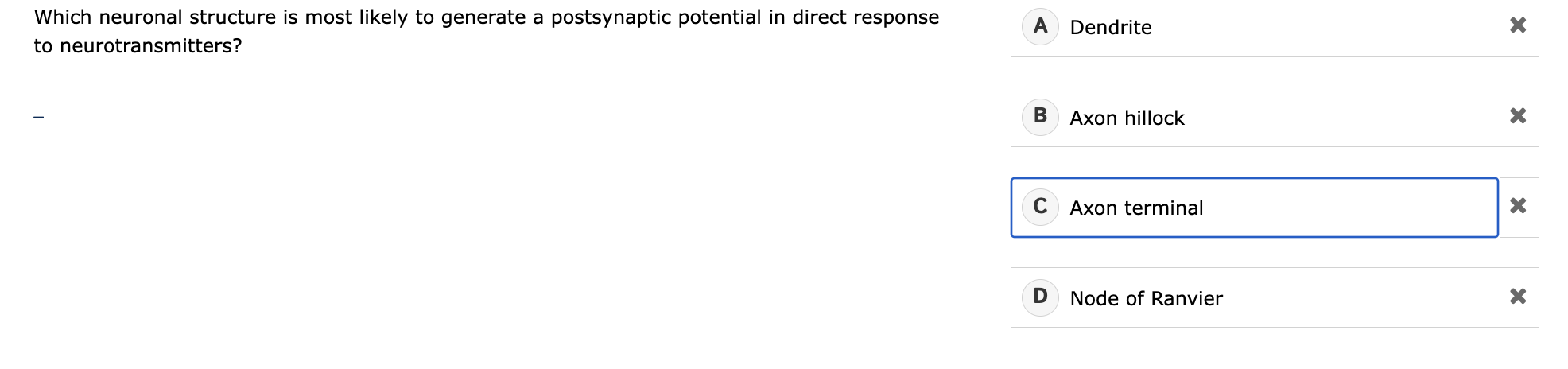
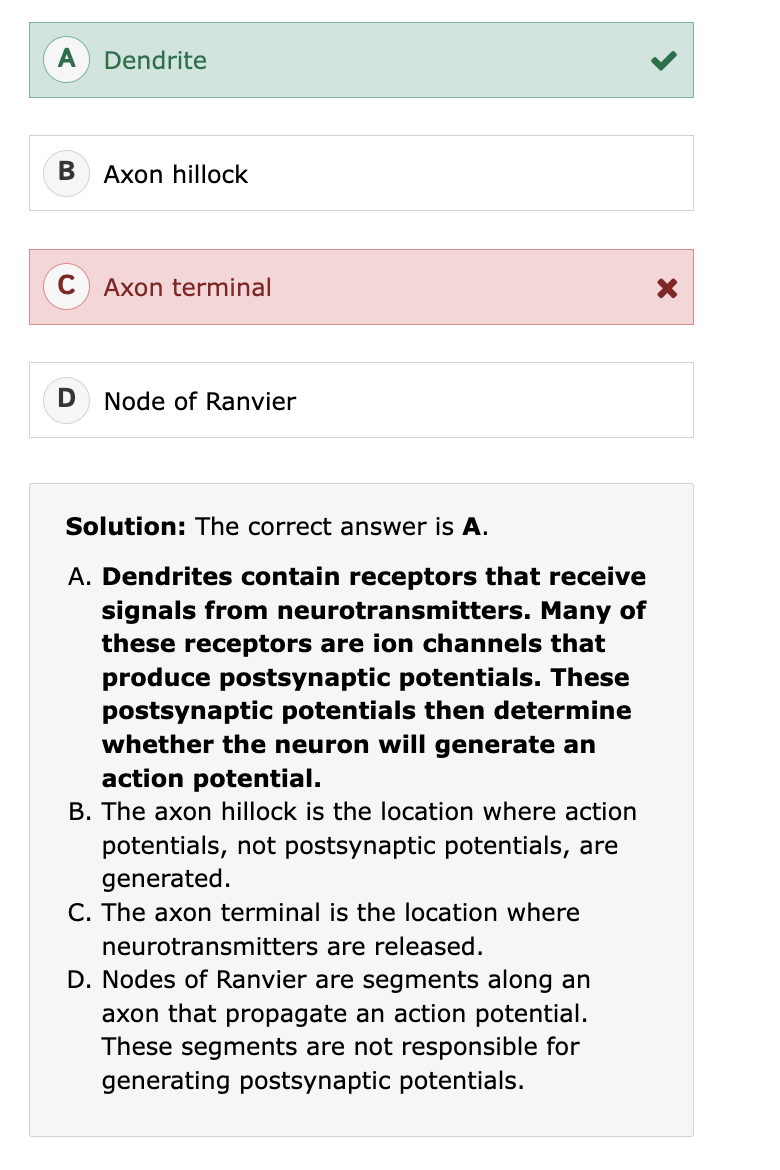
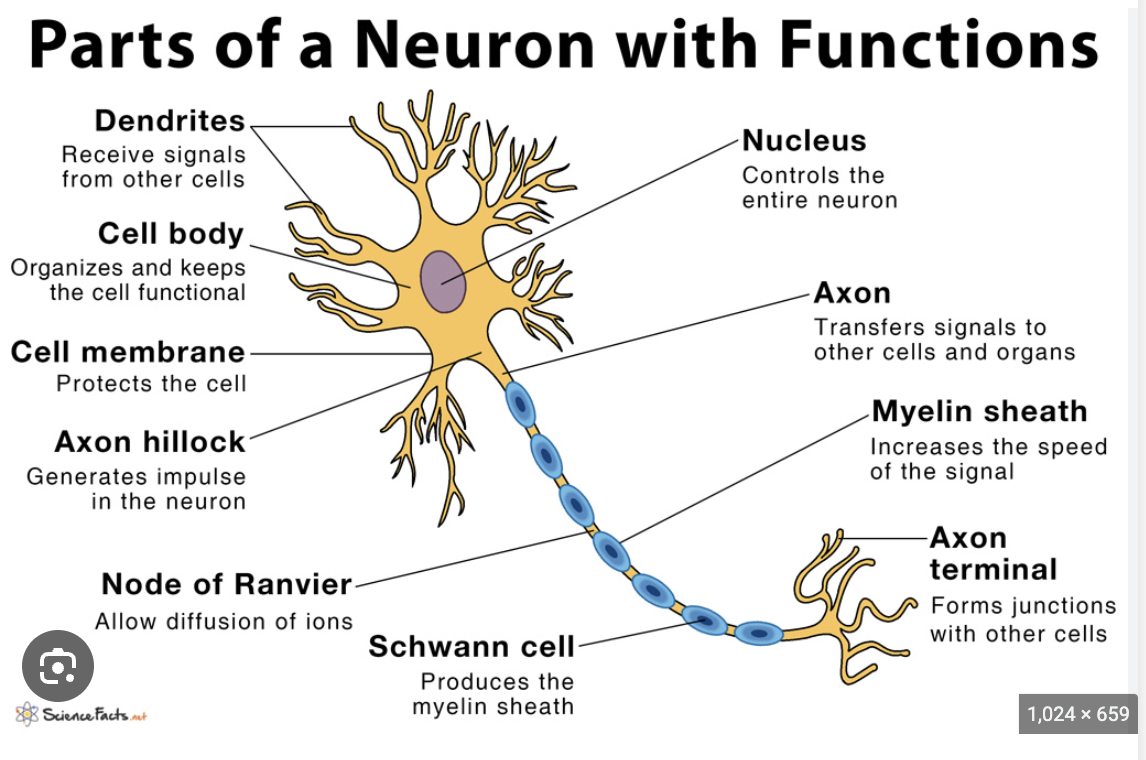
axon anatomy and function
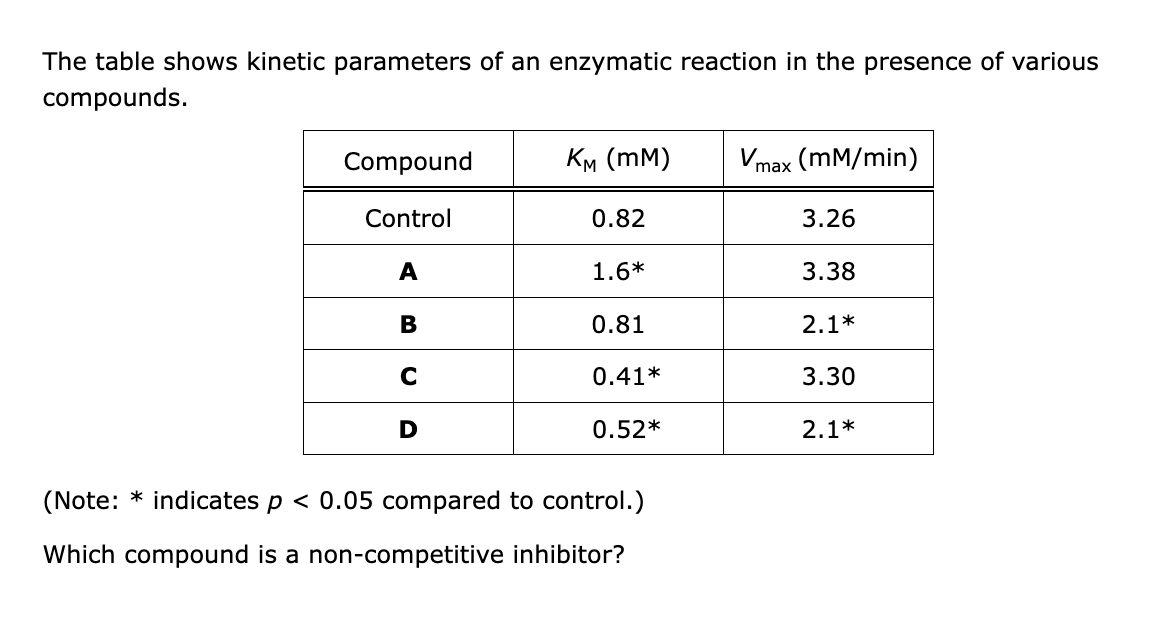
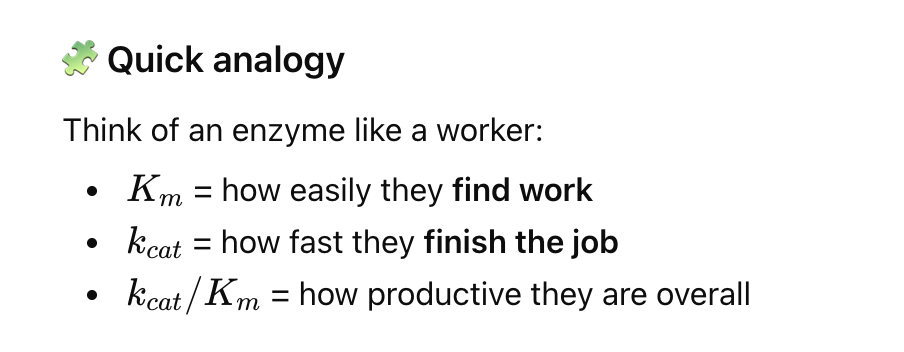
what do each of the enzyme values mean?
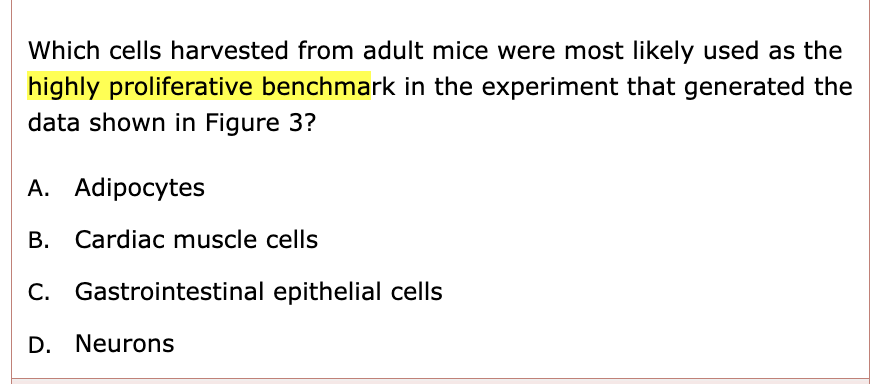
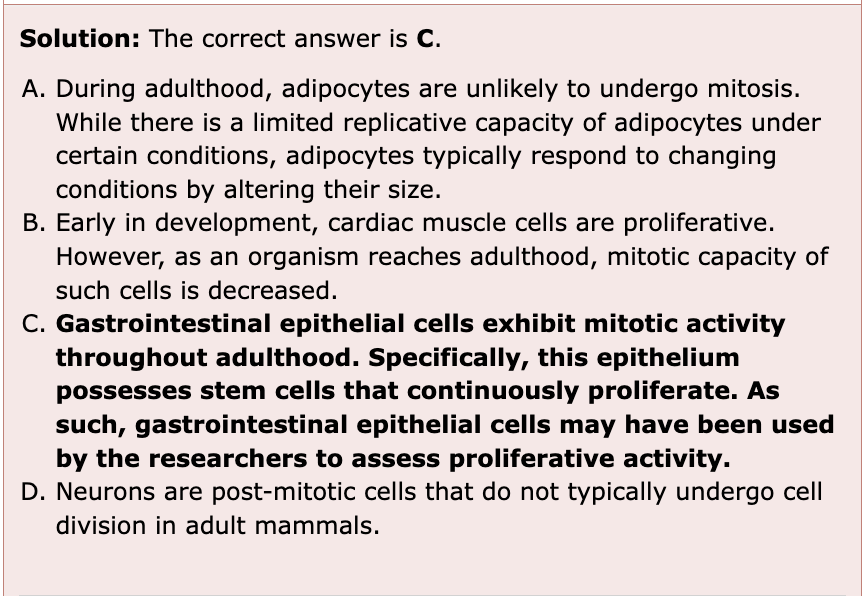
A macrophage becomes a ____ when a particle is injested
phagosome
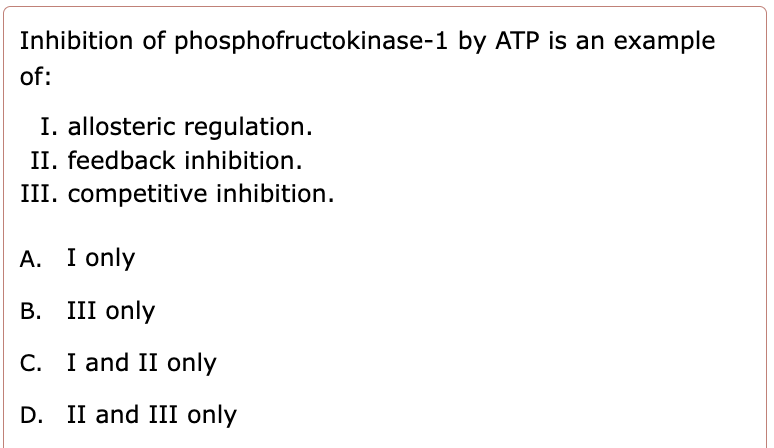
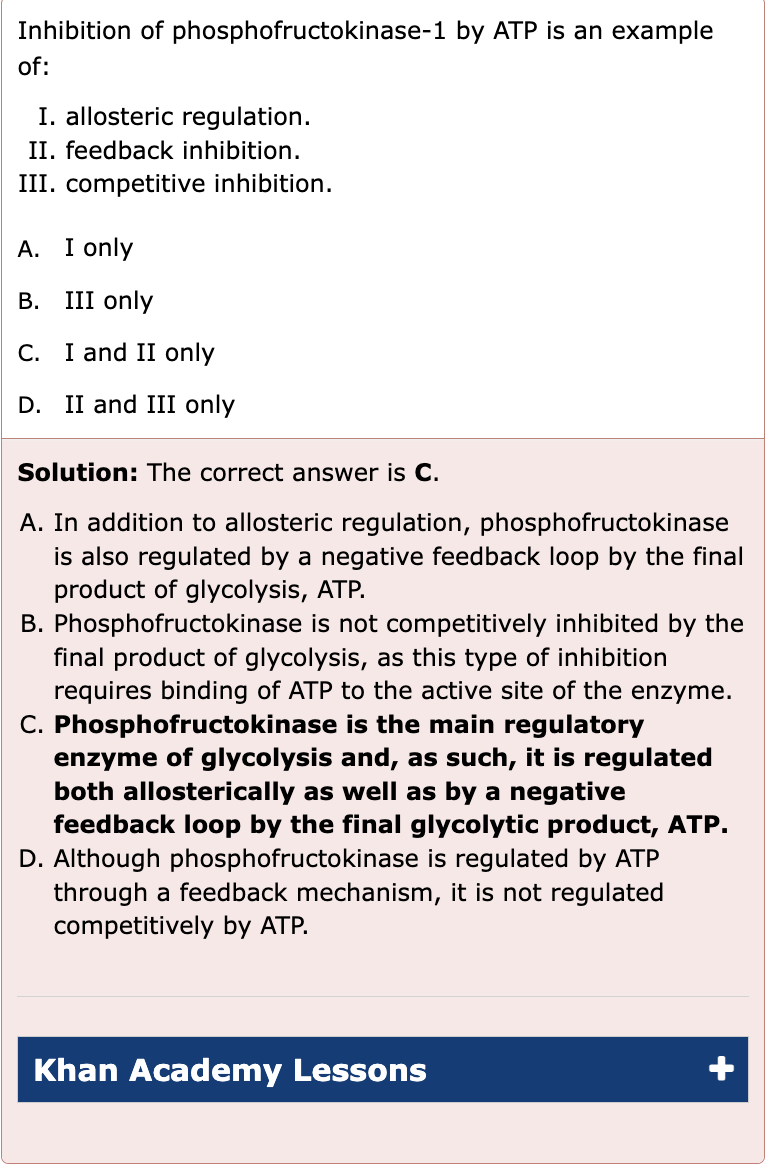
Allosteric Regulation
Definition: Regulation of an enzyme’s activity by a molecule binding to a site other than the active site (allosteric site).
Effect: Binding changes the enzyme’s shape, altering activity:
Activator: increases enzyme activity
Inhibitor: decreases enzyme activity
Key MCAT points:
Different from competitive inhibition (allosteric = other site; competitive = active site)
Often used in feedback inhibition in metabolic pathways
Memory trick: “Allosteric = ‘other site’ button that turns the enzyme up or down”
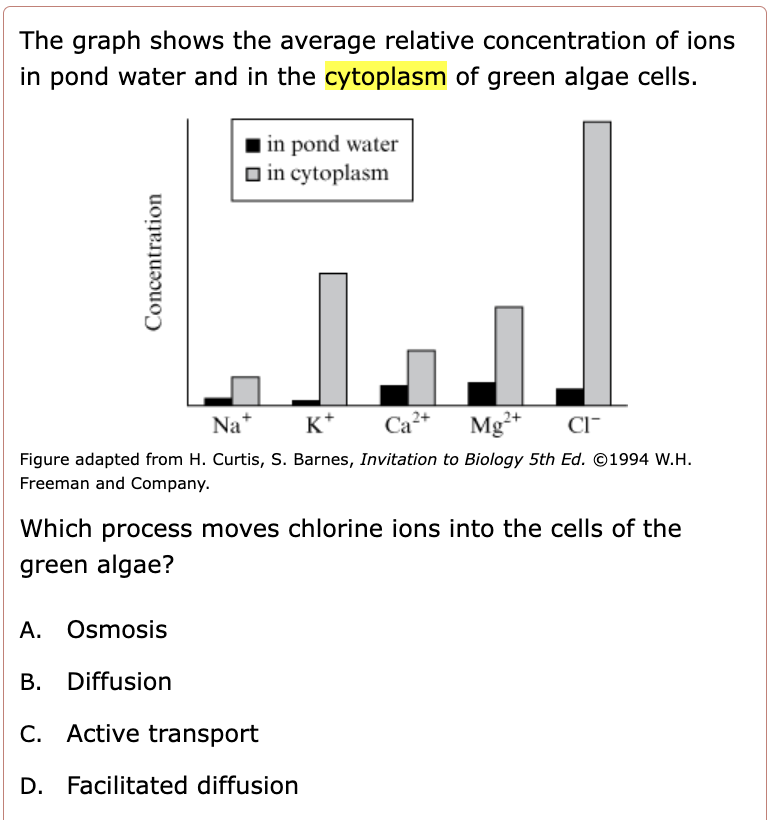
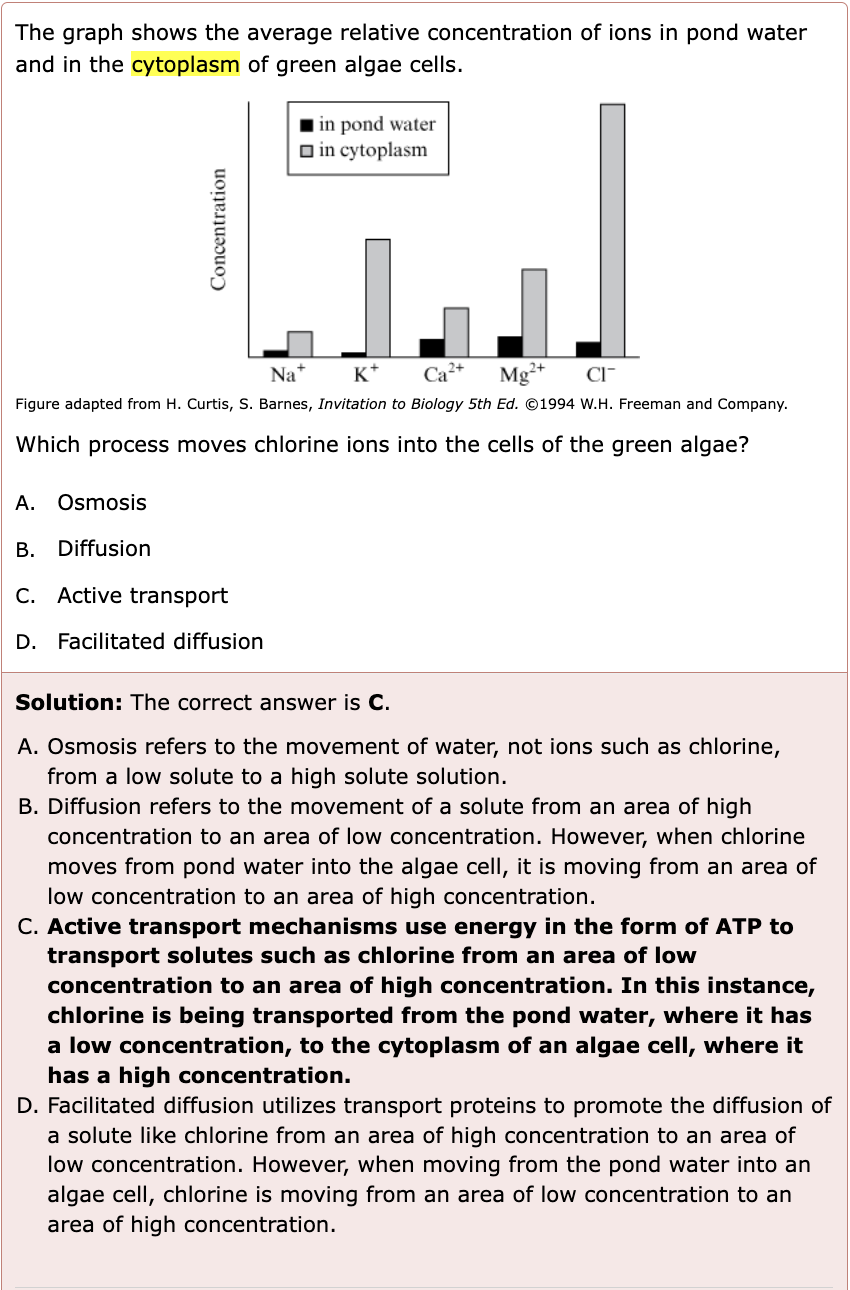
PI
low = acidic
high = basic
ubiquitation means:
marks the thing for degradation
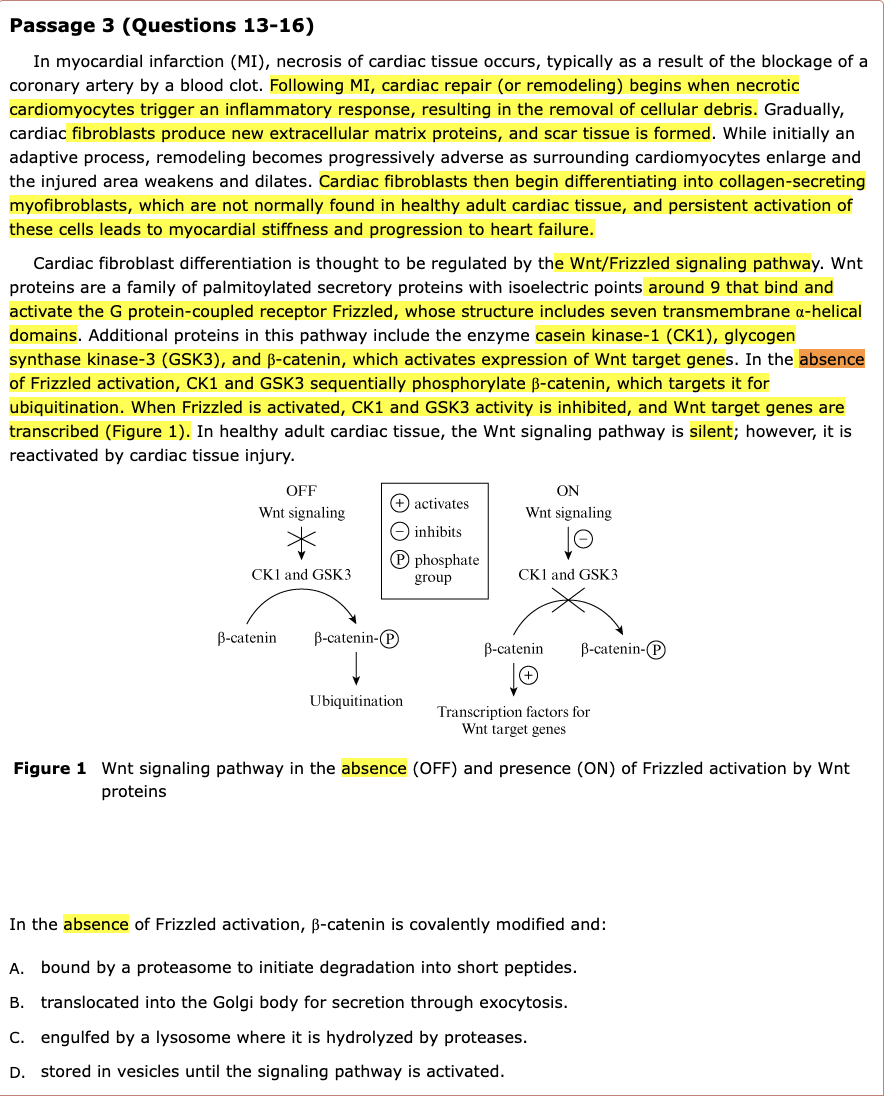
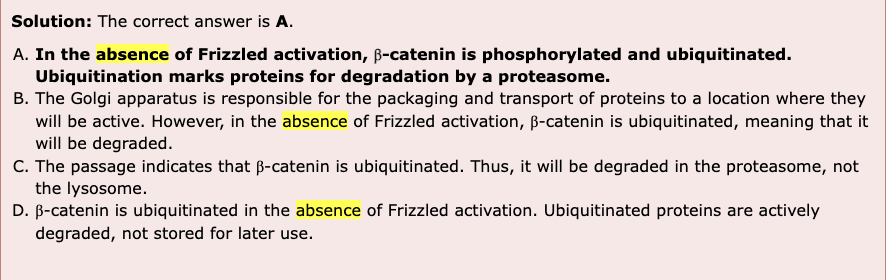
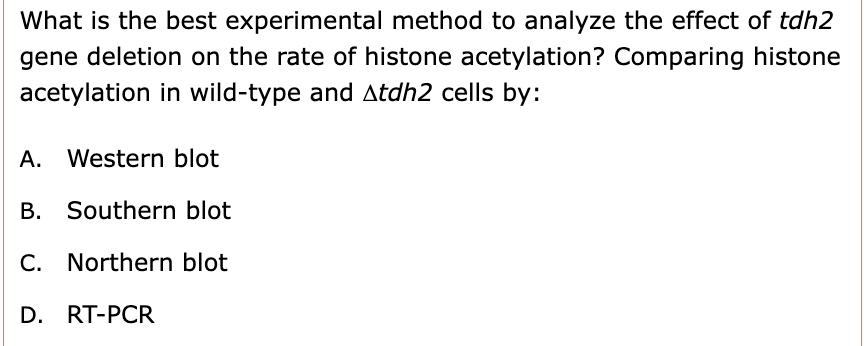
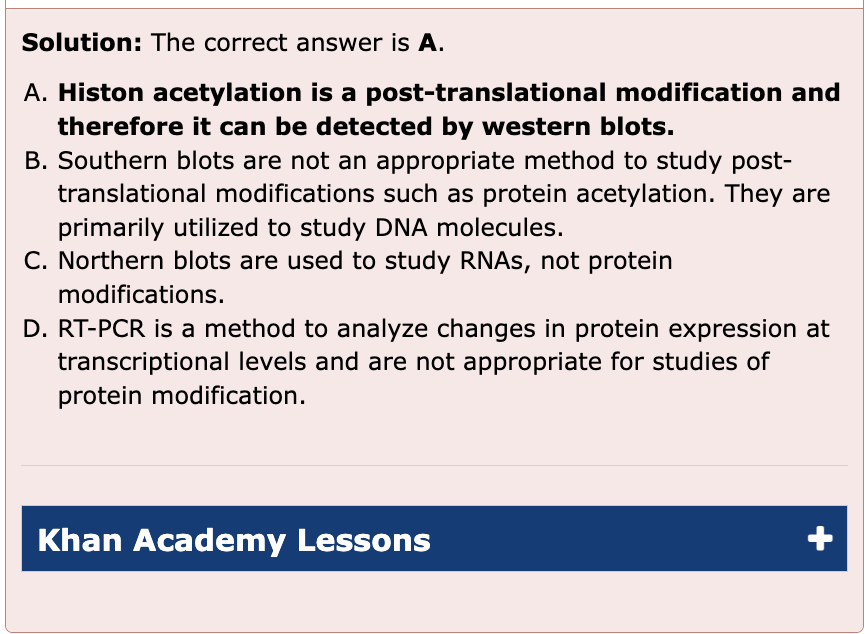
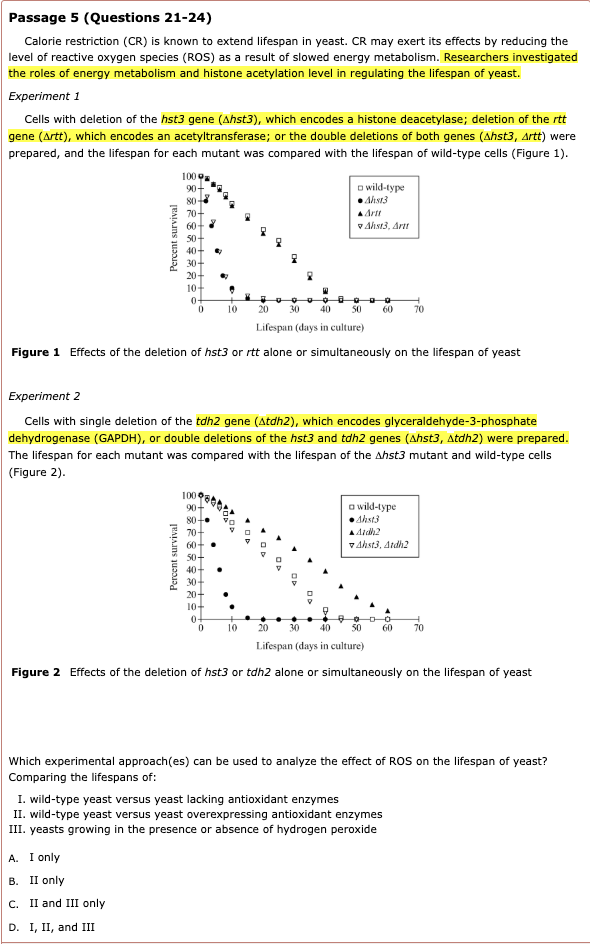
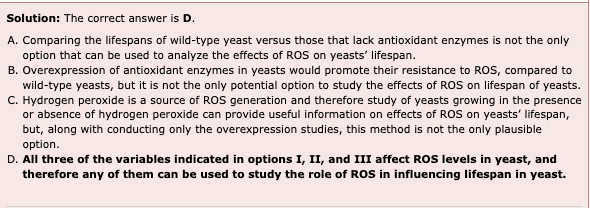
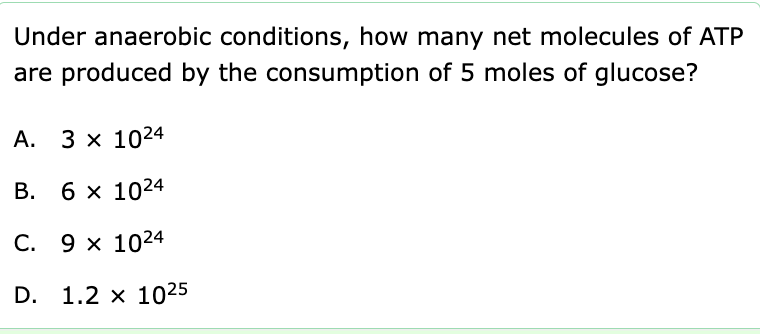
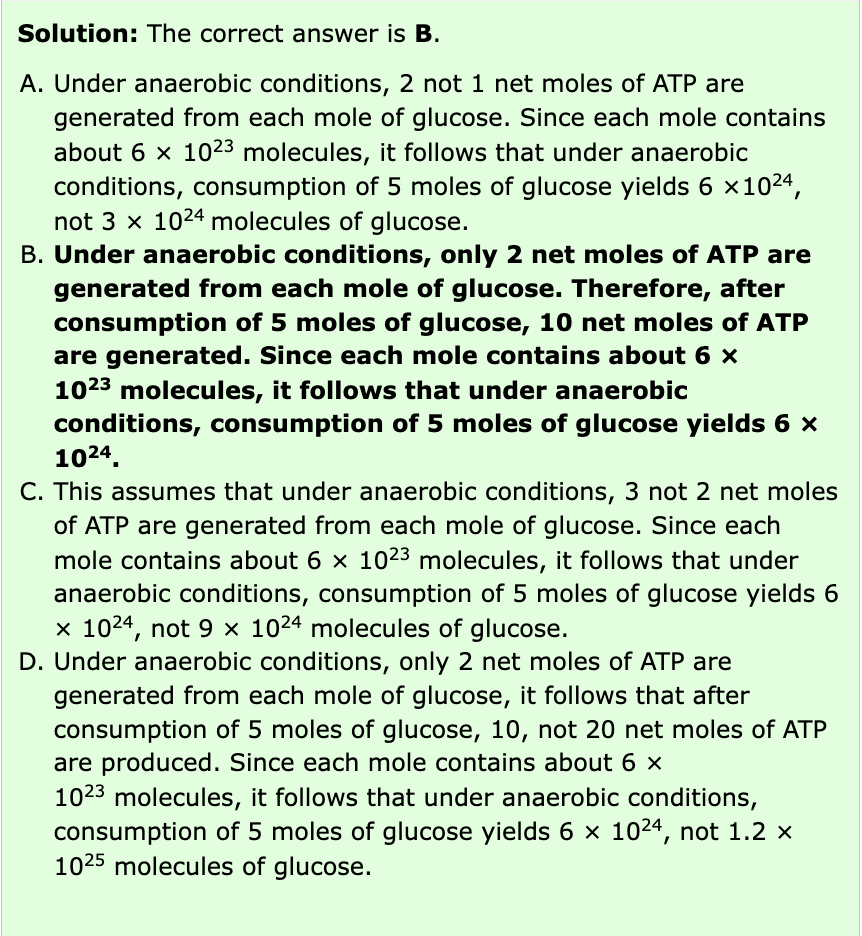
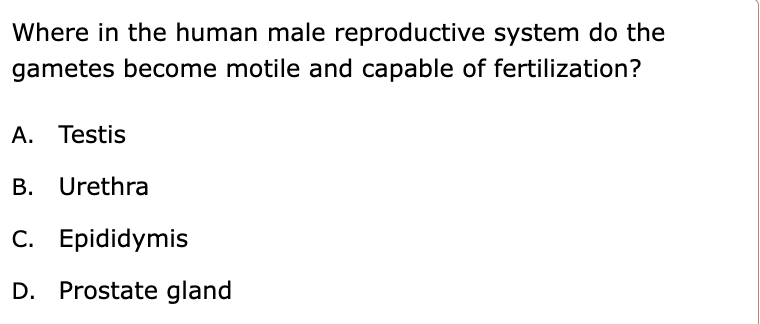
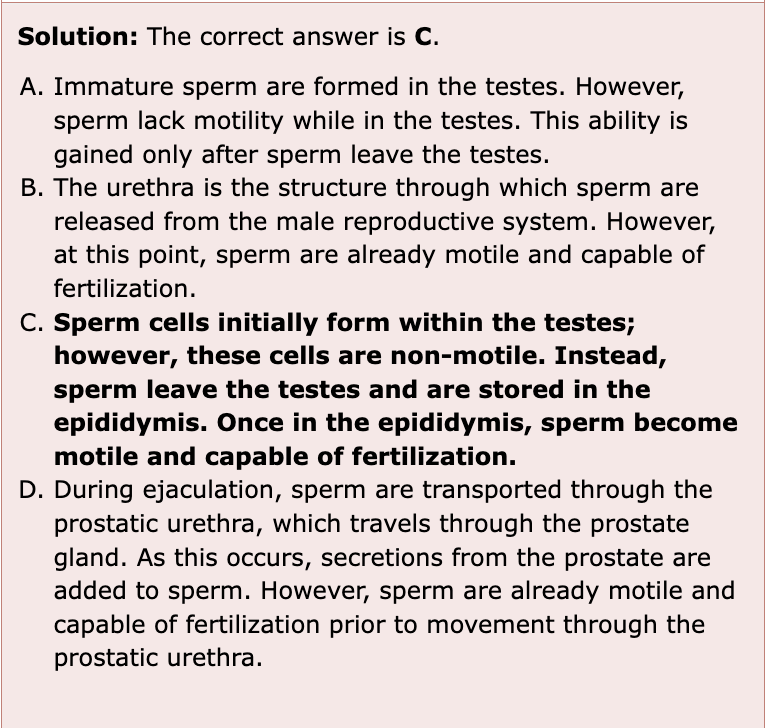
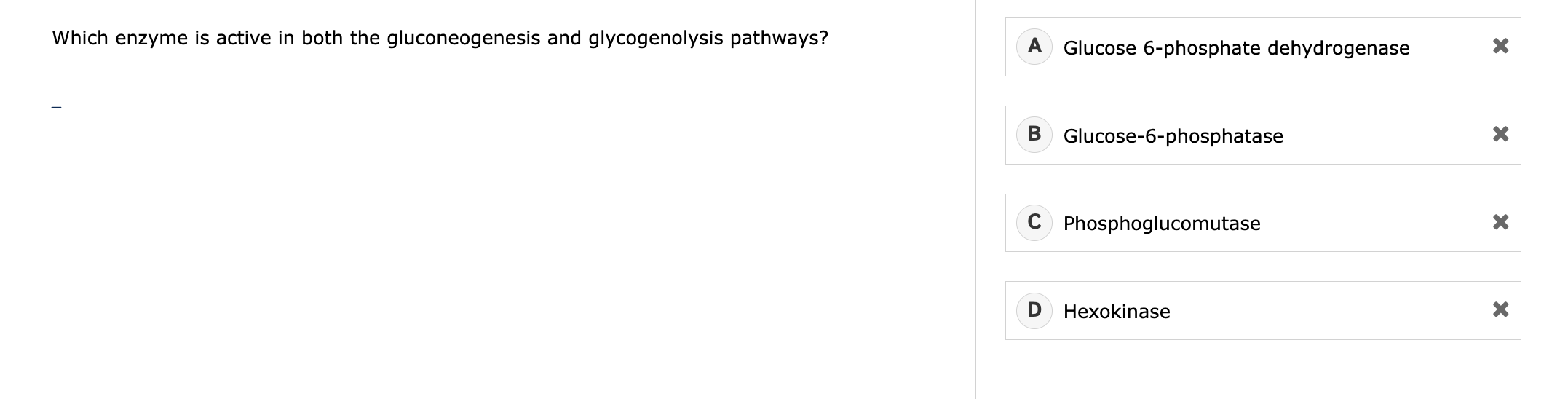
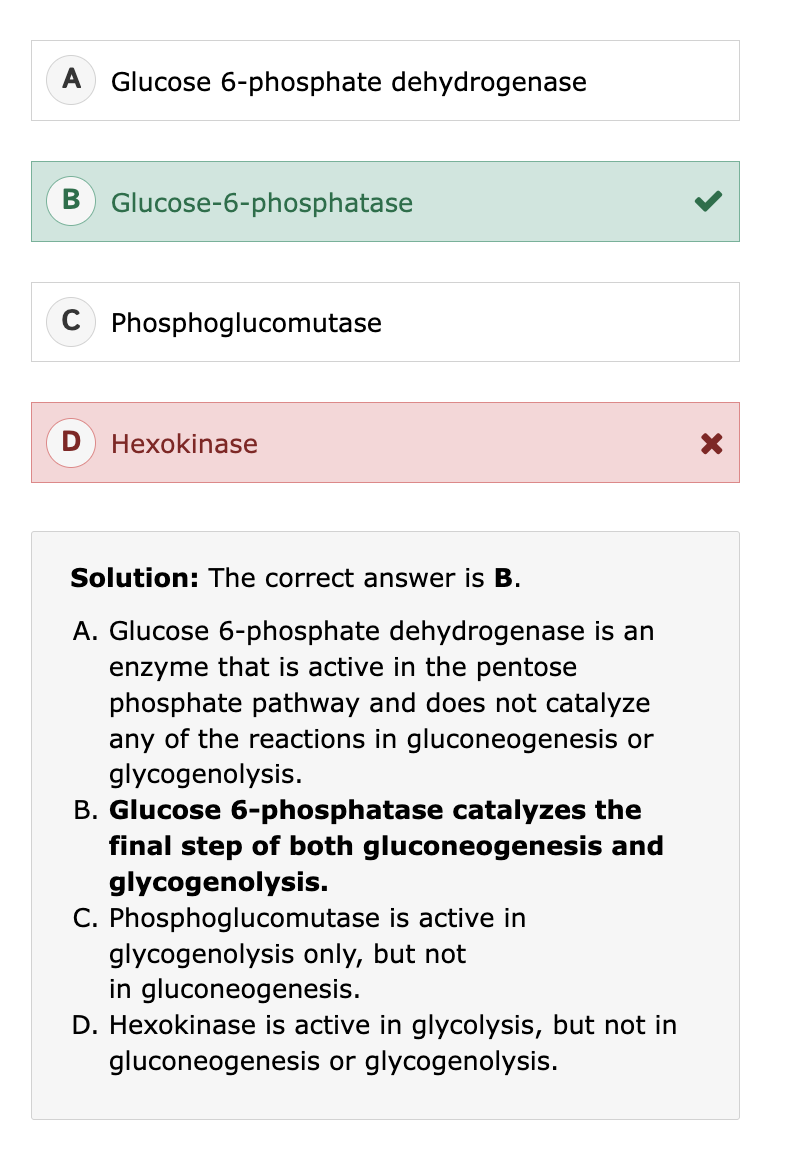
What is the primary function of Pancreatic DUCTS?
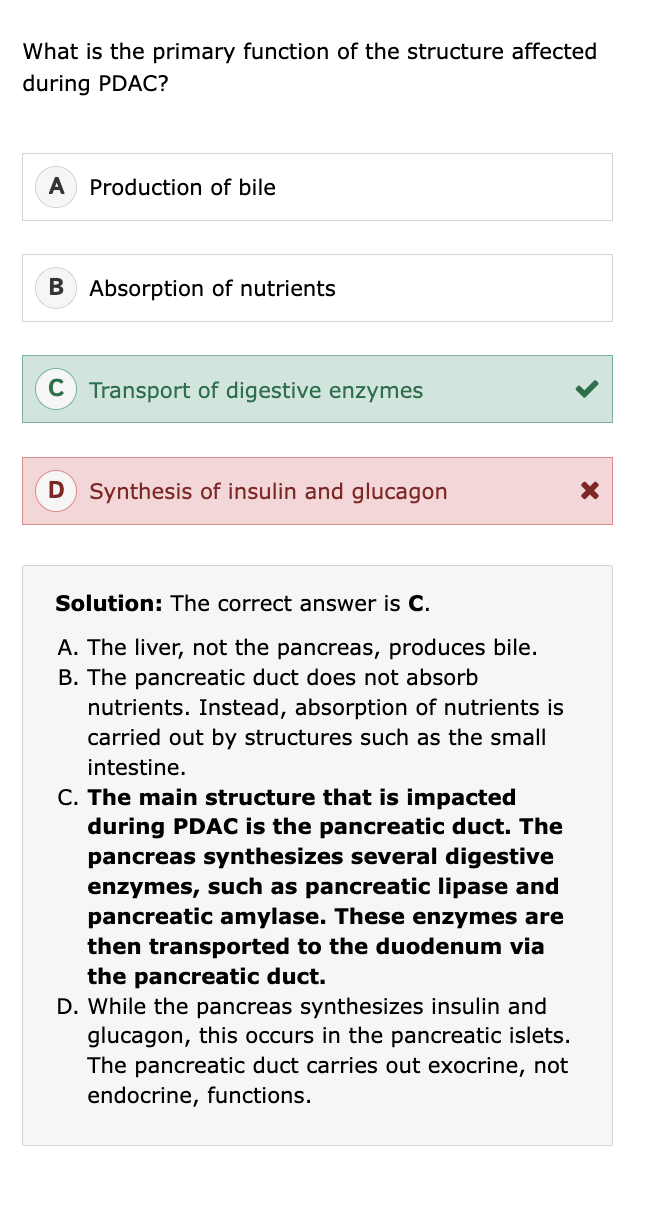
Membrane Proteins – Types, Structure, and Key Features
Transmembrane (Integral) Proteins
Definition: Proteins that span the lipid bilayer one or more times
Structure:
Made of α-helices (common) or β-barrels (bacteria)
Multi-pass proteins weave in and out of the membrane
Loops alternate sides: extracellular ↔ cytoplasmic
N-terminus orientation determines first side:
If N-term is cytoplasmic → first loop outside = extracellular
Every helix flips side → after 12 helices, cytoplasmic C-term if specified
Functions: Transport, signaling, receptors
Examples: Glut5 (12-pass), GPCRs, K⁺ channels
Memory trick: “N-term tells you the start; each helix flips sides”
2. Lipid-Anchored Proteins
Definition: Covalently attached to a lipid in the membrane, do not span
Structure: Protein anchored via fatty acids, prenyl groups, or GPI anchors
Functions: Signaling, membrane localization
Examples: Ras, GPI-linked proteins
Memory trick: “Anchored = tethered, not woven”
3. Peripheral Proteins
Definition: Loosely bound to membrane surface via interactions with lipids or transmembrane proteins
Structure: No membrane-spanning regions
Functions: Cytoskeleton attachment, signaling, enzymatic activity
Examples: Spectrin, some kinases
Memory trick: “Peripheral = surface, removable”
4. Channel & Carrier Proteins (Functional Subtypes of Transmembrane Proteins)
Channel Proteins: Pores → passive ion/molecule transport
Carrier Proteins: Bind substrate → conformational change → transport molecules
Examples: Aquaporins (channel), GLUT transporters (carrier)
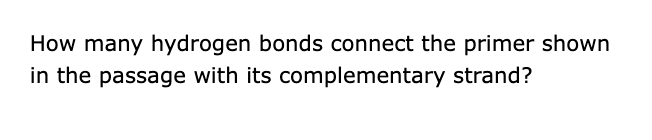
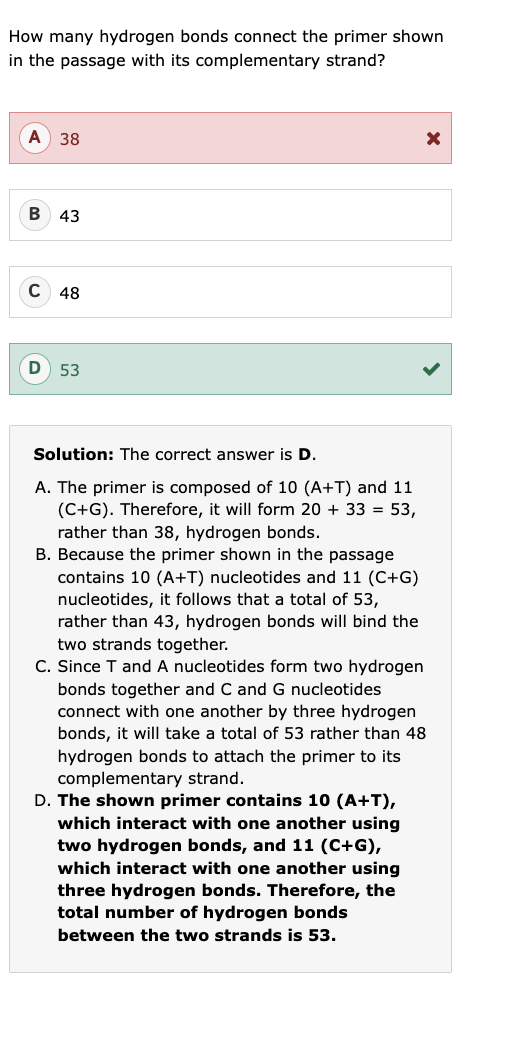
ATGCTCCAGTTCCTGCTTGGA
ATP synthase is located
inner membrane of mitochrondria
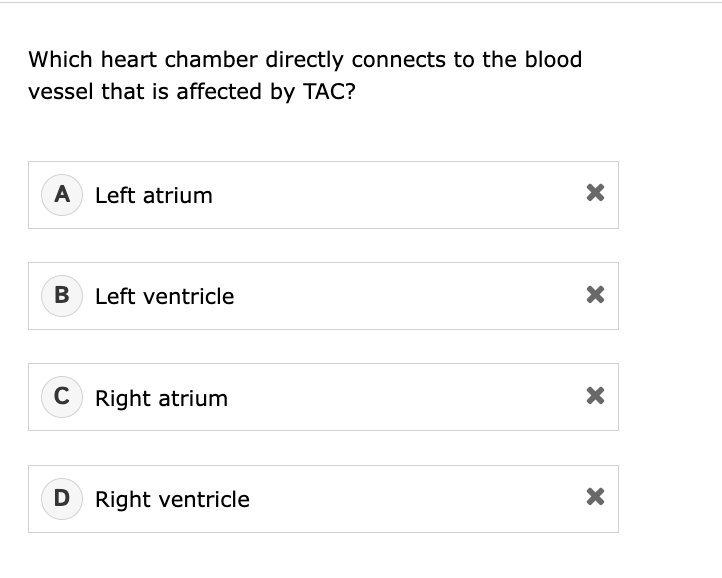
(aorta)