Lecture 1.2 Sanitary Sewer

0.0(0)
Studied by 0 people
call kaiCall Kai
learnLearn
examPractice Test
spaced repetitionSpaced Repetition
heart puzzleMatch
flashcardsFlashcards
GameKnowt Play
Card Sorting

1/22

encourage image

There's no tags or description

Looks like no tags are added yet.

Last updated 7:28 PM on 1/17/26
Name
Mastery
Learn
Test
Matching
Spaced
Call with Kai

No analytics yet

Send a link to your students to track their progress

23 Terms

1
New cards

The Whole System

drain → p-trap → branches & mains → city sewer connection → wastewater treatment

OR

drain → p-trap → branches & mains → septic tank → sprinkler
2
New cards
<p>p-traps definition and importance </p>

p-traps definition and importance

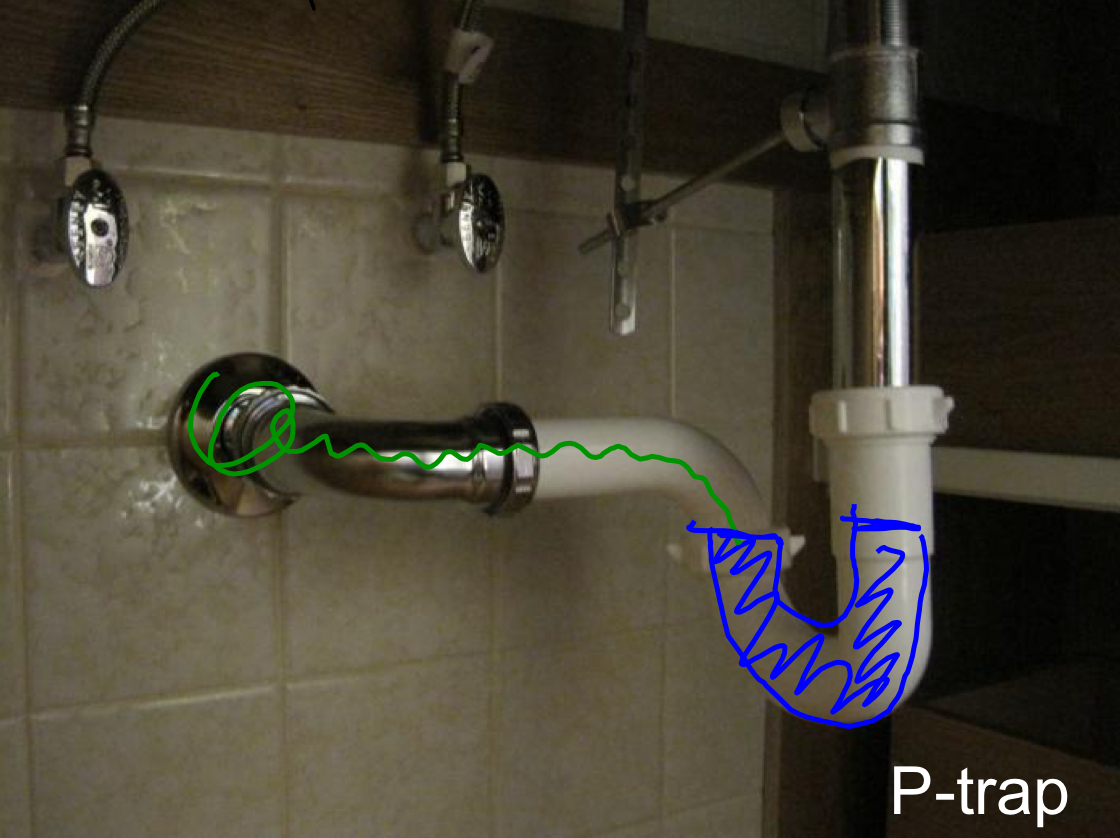
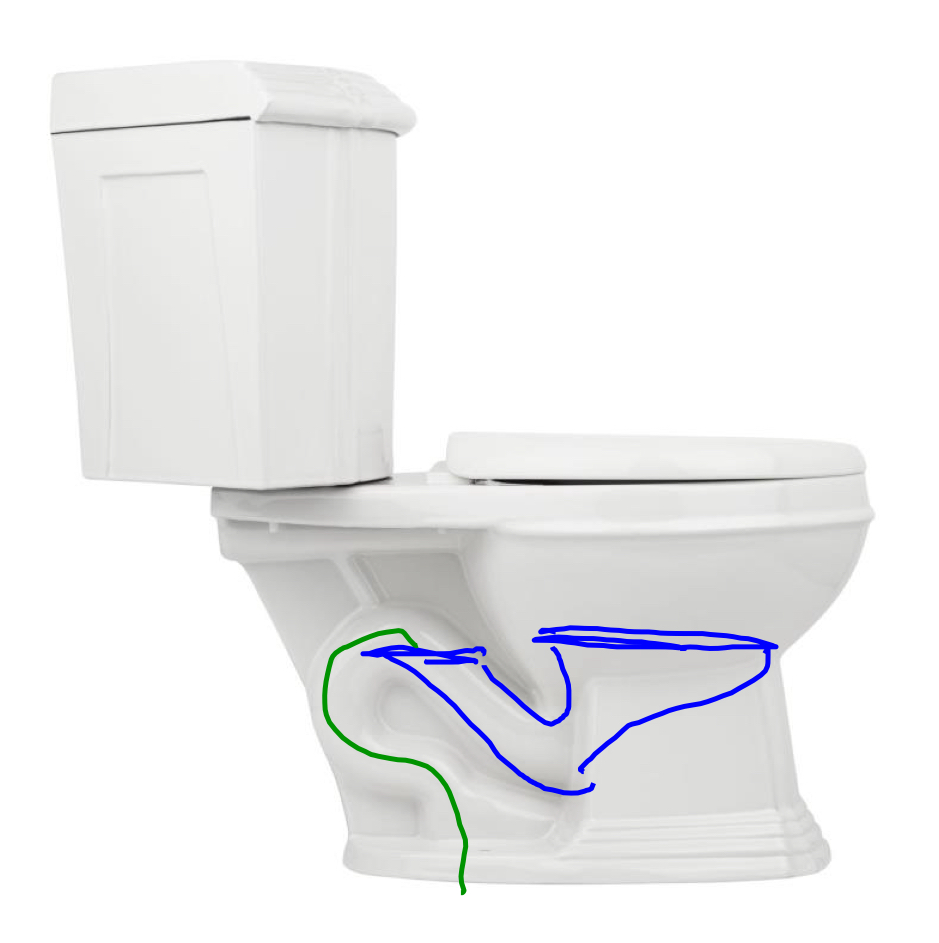
definition: a P-trap is a curved section of plumbing pipe installed beneath sinks, drains, and other plumbing fixtures. Its shape allows it to retain a small amount of water after each use.

importance: prevents sewer gases from entering the building by maintaining a water seal
<p>definition: a <strong>P-trap</strong> is a curved section of plumbing pipe installed beneath sinks, drains, and other plumbing fixtures. Its shape allows it to retain a small amount of water after each use.</p><p>importance: <strong>prevents sewer gases</strong> from entering the building by maintaining a water seal</p>
3
New cards
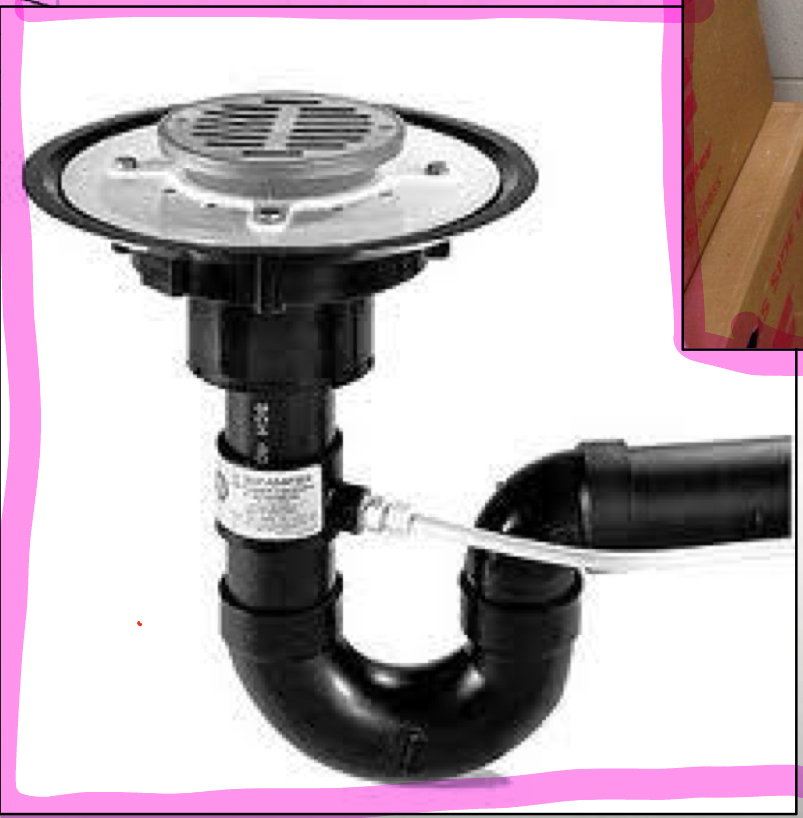
<p>trap primers definition &amp; importance </p>

trap primers definition & importance

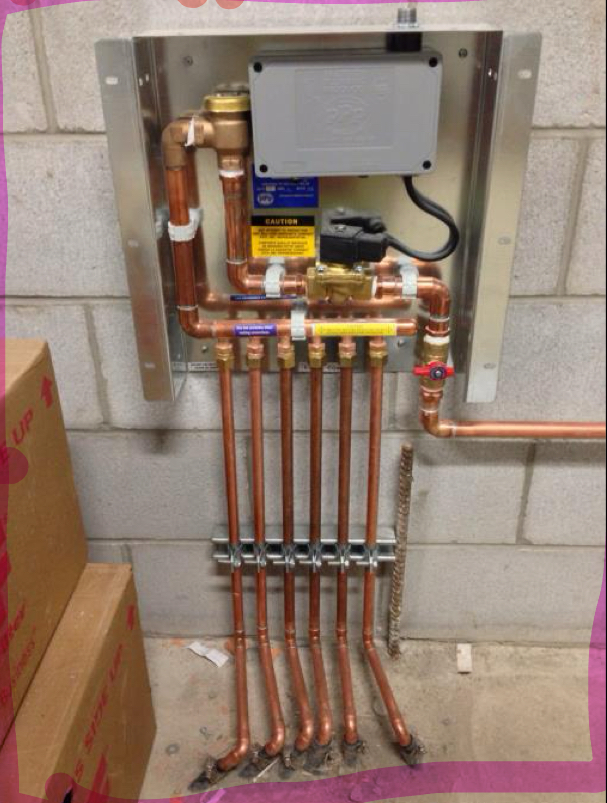
definition: a trap primer is a plumbing device that automatically supplies a small amount of water to a floor drain or other infrequently used trap to maintain the water seal in the trap.

importance:

  • prevents trap seals from drying out due to evaporation

  • blocks sewer gases from entering the building
<p>definition: a <strong>trap primer</strong> is a plumbing device that automatically supplies a small amount of water to a <strong>floor drain or other infrequently used trap</strong> to maintain the water seal in the trap.</p><p>importance:</p><ul><li><p><strong>prevents trap seals from drying out</strong> due to evaporation</p></li><li><p><strong>blocks sewer gases</strong> from entering the building</p></li></ul><p></p>
4
New cards

if a sink with a regular P-trap is used briefly and then not used for a long time, this is what happens:

  • the water sitting in the P-trap slowly evaporates over time

  • as the water level drops, the water seal is lost

  • once the seal is gone, sewer gases and odors can enter the room

  • this can cause unpleasant smells and may allow harmful gases (like methane or hydrogen sulfide) into the space

5
New cards

trap guard definition & importance:

definition: a trap guard is a mechanical insert installed inside a drain or floor drain that acts as a one-way barrier. It allows wastewater to flow out but blocks sewer gases, odors, and pests from coming back up through the drain.

importance: prevents sewer gases and odors when a P-trap loses its water seal
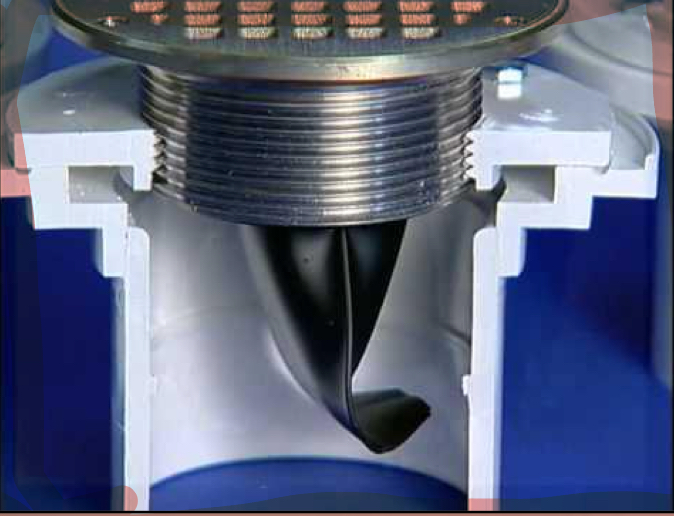
<p>definition: a <strong>trap guard</strong> is a mechanical insert installed inside a drain or floor drain that acts as a <strong>one-way barrier</strong>. It allows wastewater to flow out but <strong>blocks sewer gases, odors, and pests</strong> from coming back up through the drain.</p><p>importance: <strong>prevents sewer gases and odors</strong> when a P-trap loses its water seal</p>
6
New cards

branch lines definition

smaller drainage or piping lines that carry wastewater from individual fixtures (such as sinks, toilets, or floor drains) and connect to a larger pipe.
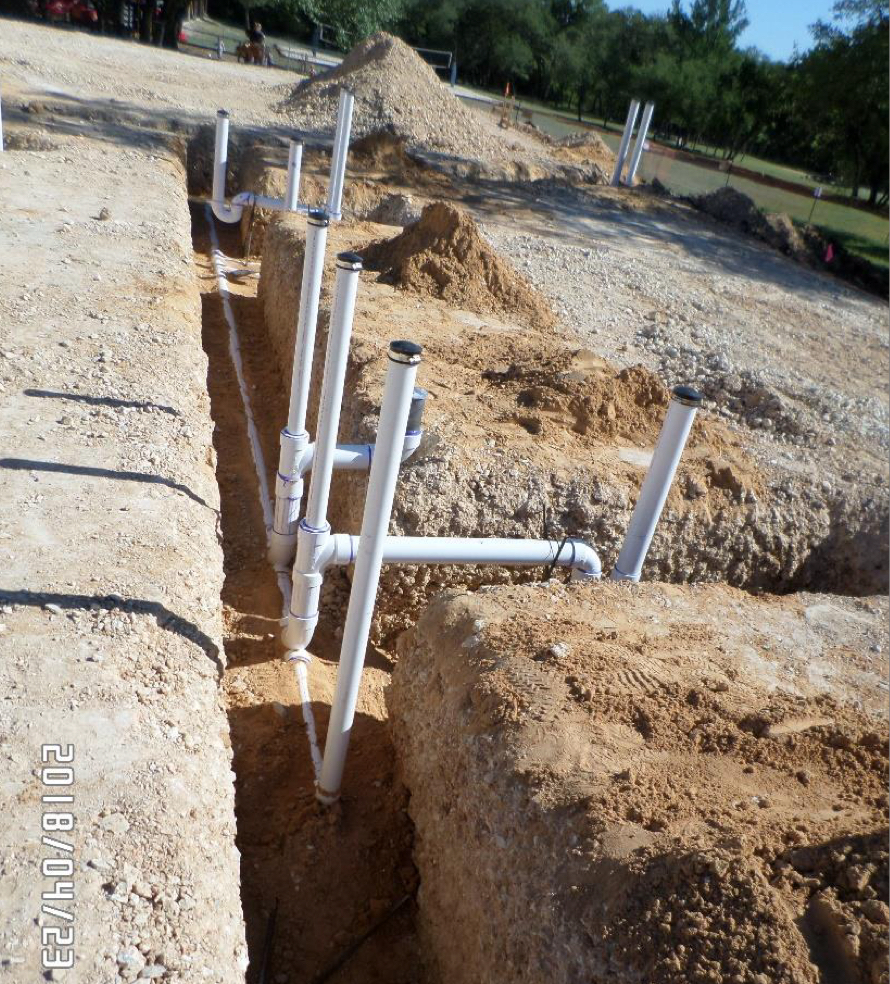
<p>smaller drainage or piping lines that carry wastewater from individual fixtures (such as sinks, toilets, or floor drains) and connect to a larger pipe.</p>
7
New cards

main lines definition

the primary, larger-diameter pipes that collect wastewater from multiple branch lines and transport it to the building sewer or municipal system.
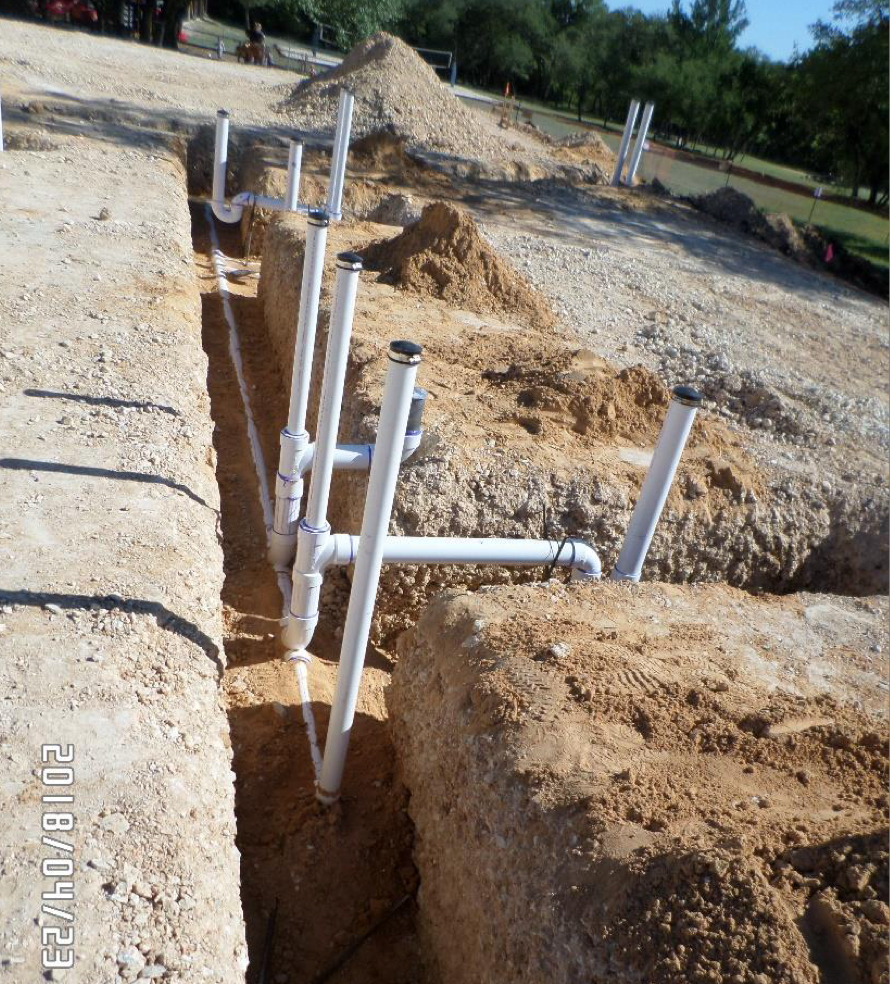
<p>the primary, larger-diameter pipes that collect wastewater from multiple branch lines and transport it to the building sewer or municipal system.</p>
8
New cards

branches & mains importance

  • ensure efficient flow of wastewater from individual fixtures to the sewer system

  • prevent backups and overloading by properly distributing and collecting flow

  • support proper venting and drainage, helping traps maintain water seals

  • improve system organization, making plumbing layouts easier to design, install, and maintain

9
New cards

clean outs definition & importance

definition: cleanouts are capped access fittings installed in plumbing drainage lines that allow plumbers to inspect, clear blockages, and maintain the piping system without removing fixtures or cutting pipes.

importance:

  • provide access for cleaning and inspection of drain and sewer lines

  • allow quick removal of clogs using drain snakes or jetting equipment

  • reduce damage and repair costs by avoiding pipe removal or demolition
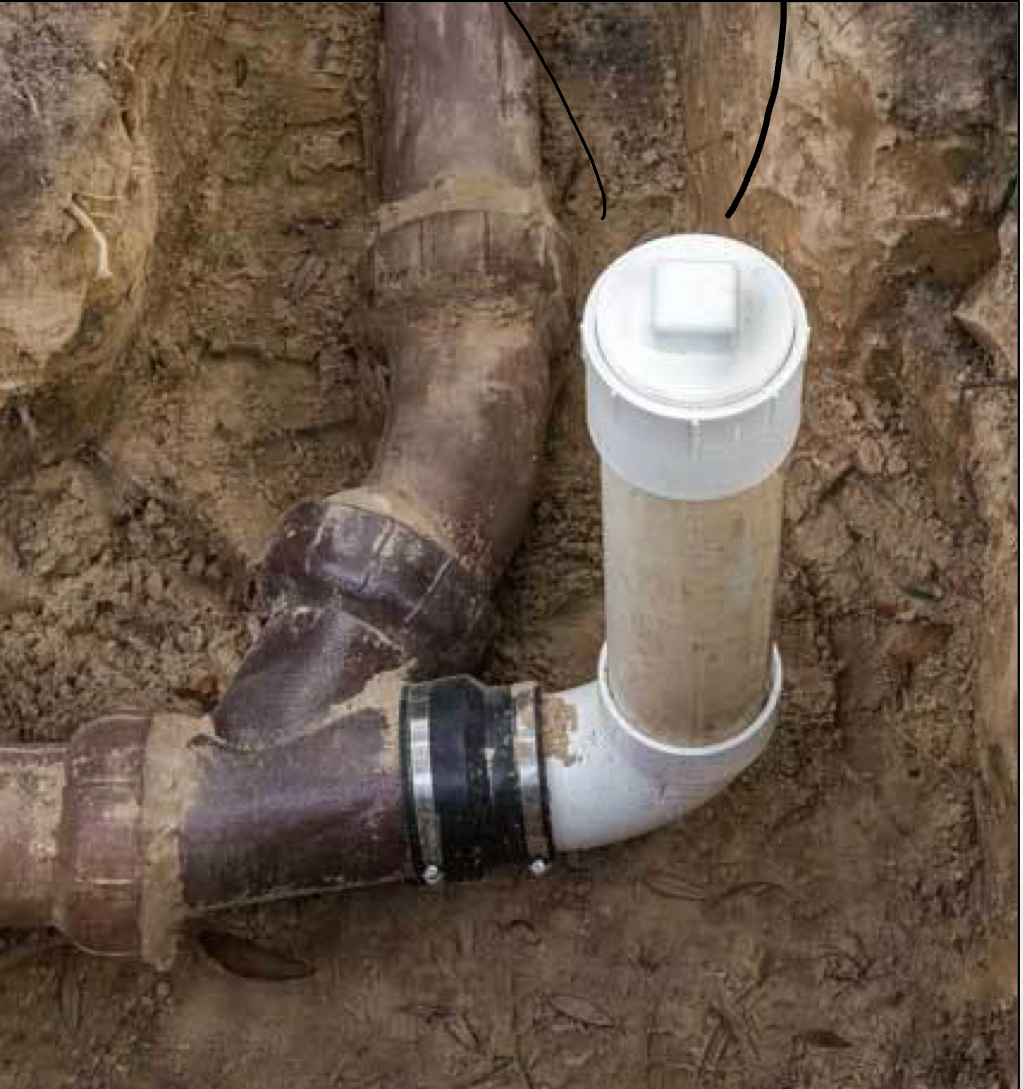
<p>definition: <strong>cleanouts</strong> are capped access fittings installed in plumbing drainage lines that allow plumbers to <strong>inspect, clear blockages, and maintain</strong> the piping system without removing fixtures or cutting pipes.</p><p>importance:</p><ul><li><p><strong>provide access for cleaning and inspection</strong> of drain and sewer lines</p></li></ul><ul><li><p><strong>allow quick removal of clogs</strong> using drain snakes or jetting equipment</p></li><li><p><strong>reduce damage and repair costs</strong> by avoiding pipe removal or demolition</p></li></ul><p></p>
10
New cards

what does it mean to install a clean out every 90°?

cleanout must be installed whenever a drain line changes direction by a total of 90°

  • if a pipe makes one 90° turn, a cleanout is required

  • if a pipe makes two 45° turns (45° + 45° = 90°), a cleanout is still required

  • the rule applies to horizontal drain lines, where clogs are most likely
11
New cards
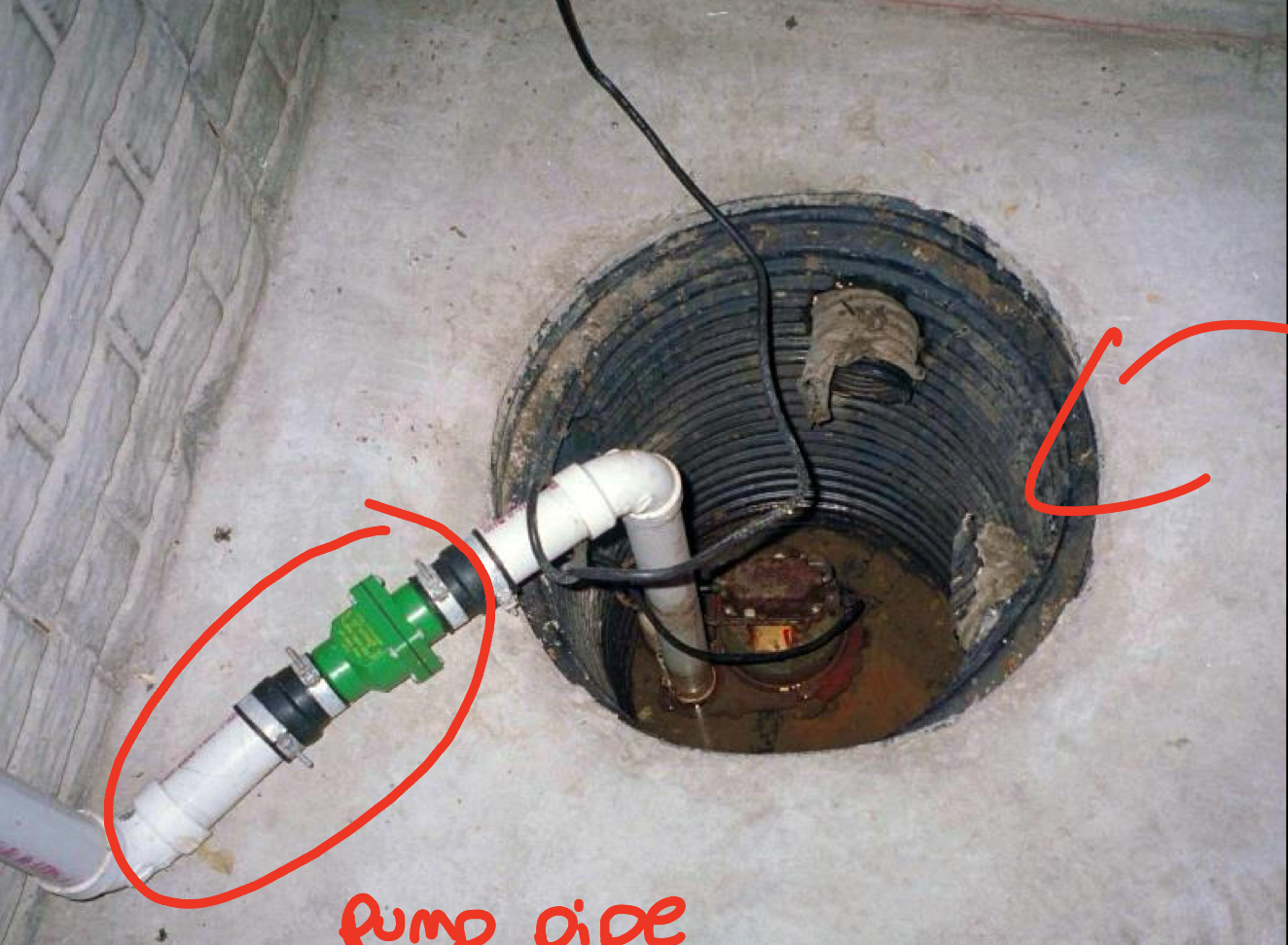
<p>sump pump definition &amp; importance</p>

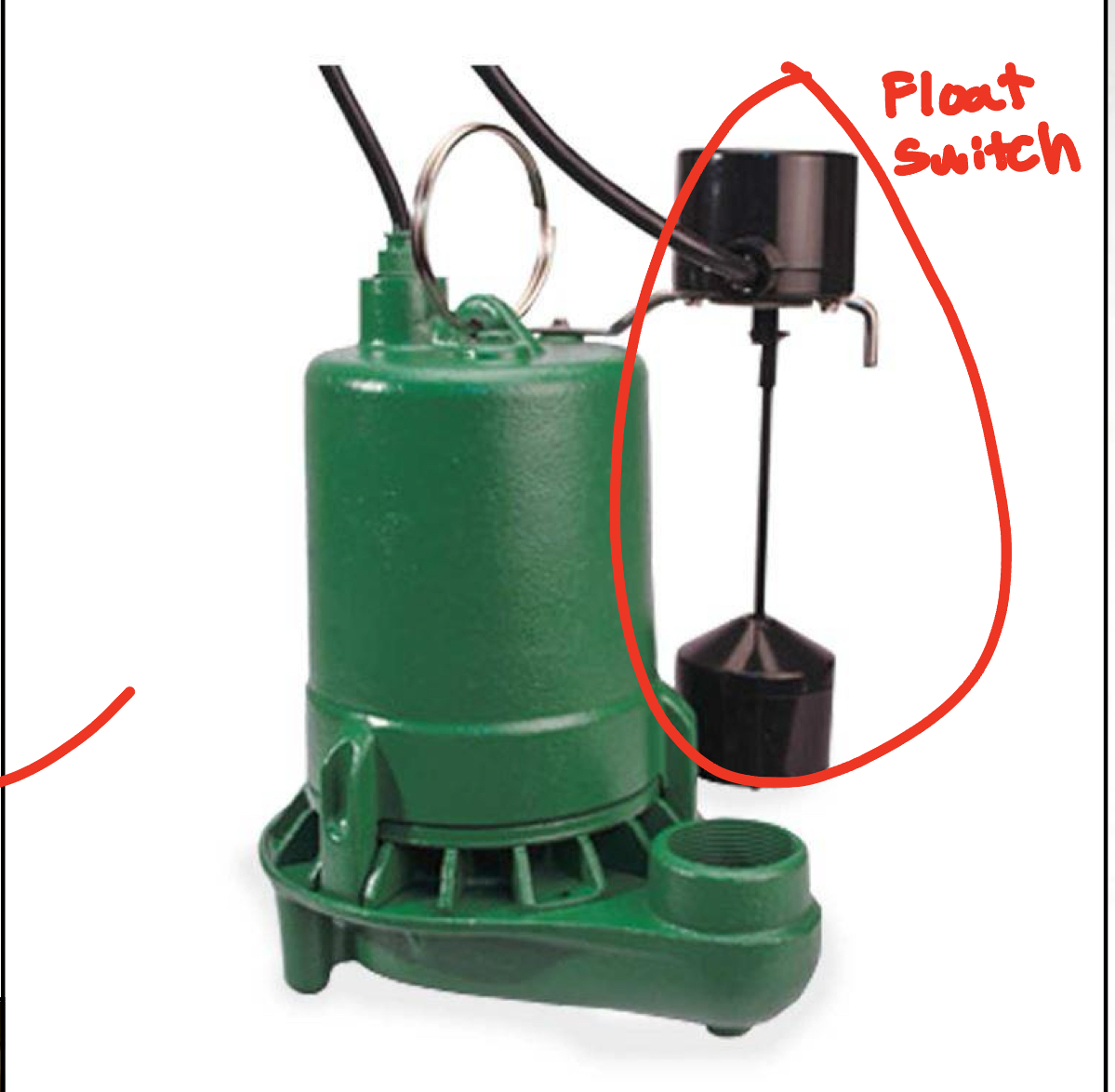
sump pump definition & importance

definition: a sump pump is a mechanical device installed in a sump pit (a basin below floor level) that collects groundwater or unwanted water and automatically pumps it away from a building to a safe discharge location.

importance:

  • prevents basement and crawl space flooding

  • reduces hydrostatic pressure on foundations

  • protects structural integrity of the building

  • helps prevent mold and mildew growth

<p>definition: a <strong>sump pump</strong> is a mechanical device installed in a <strong>sump pit</strong> (a basin below floor level) that collects groundwater or unwanted water and <strong>automatically pumps it away</strong> from a building to a safe discharge location.</p><p>importance: </p><ul><li><p><strong>prevents basement and crawl space flooding</strong></p></li></ul><ul><li><p><strong>reduces hydrostatic pressure</strong> on foundations</p></li><li><p><strong>protects structural integrity</strong> of the building</p></li><li><p><strong>helps prevent mold and mildew growth</strong></p></li></ul><p></p>
12
New cards

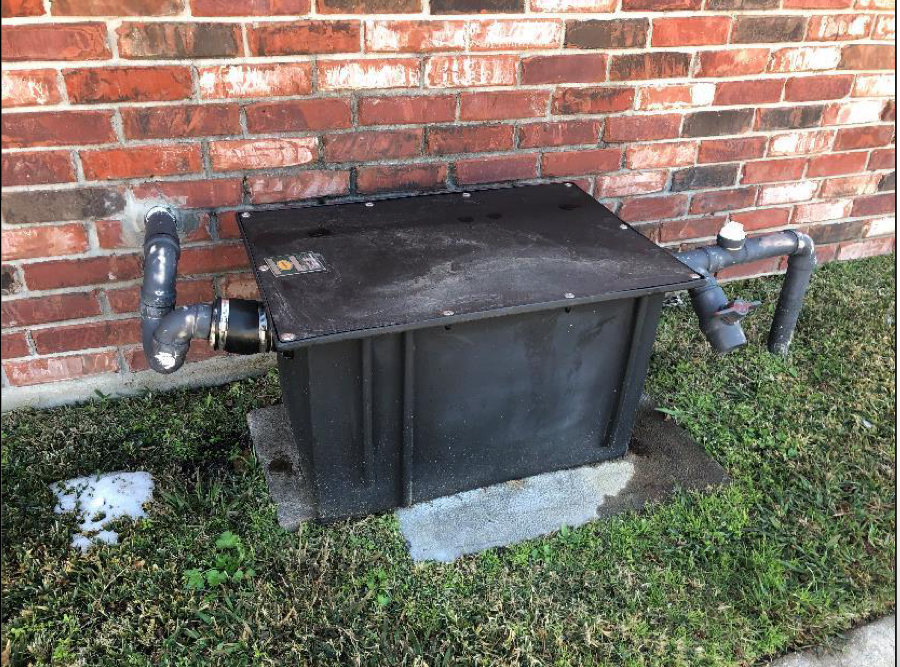
grease traps definition & importance

definition: a grease trap is a plumbing device installed in a drainage system—typically in commercial kitchens—that captures fats, oils, and grease (FOG) before they enter the sanitary sewer system.

importance:

  • prevents grease buildup and blockages in plumbing lines

  • protects municipal sewer systems from clogs and overflows

  • reduces maintenance and repair costs

<p>definition: a <strong>grease trap</strong> is a plumbing device installed in a drainage system—typically in commercial kitchens—that <strong>captures fats, oils, and grease (FOG)</strong> before they enter the sanitary sewer system.</p><p>importance:</p><ul><li><p><strong>prevents grease buildup and blockages</strong> in plumbing lines</p></li><li><p><strong>protects municipal sewer systems</strong> from clogs and overflows</p></li><li><p><strong>reduces maintenance and repair costs</strong></p></li></ul><p></p>
13
New cards

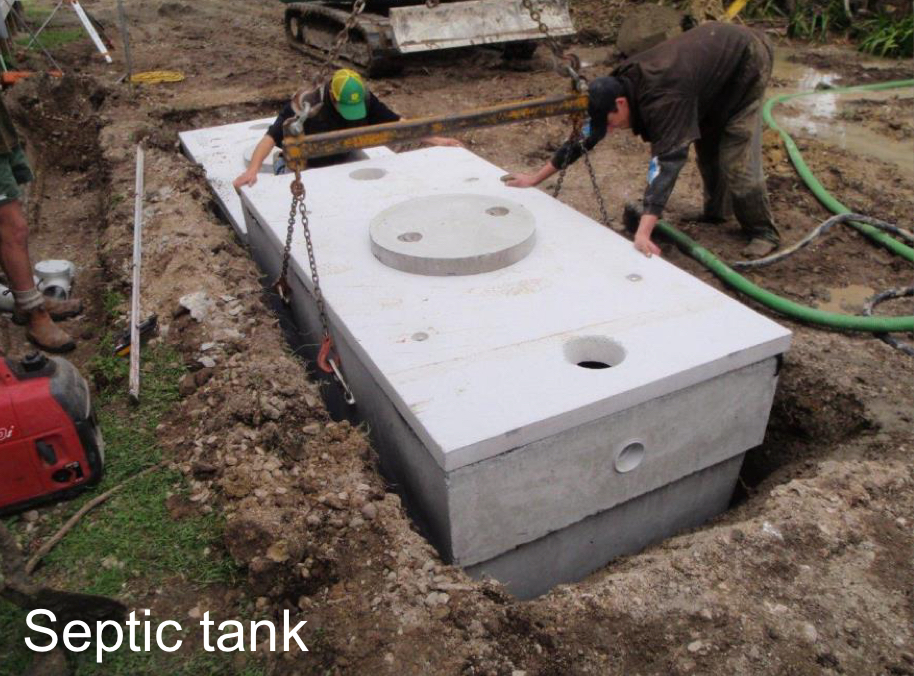
septic tank definition & importance

definition: a septic tank is an underground; watertight container used in on-site wastewater treatment systems. It receives wastewater from a building, allows solids to settle and separate, and partially treats the wastewater before it flows to a drain field.

importance:

  • treats wastewater on-site where municipal sewer service is unavailable

  • separates solids, oils, and grease to prevent system clogging

  • protects groundwater and the environment from contamination

  • ensures safe disposal of household waste
<p>definition: a <strong>septic tank</strong> is an underground; watertight container used in on-site wastewater treatment systems. It receives wastewater from a building, allows solids to settle and separate, and partially treats the wastewater before it flows to a drain field.</p><p>importance: </p><ul><li><p><strong>treats wastewater on-site</strong> where municipal sewer service is unavailable</p></li><li><p><strong>separates solids, oils, and grease</strong> to prevent system clogging</p></li><li><p><strong>protects groundwater and the environment</strong> from contamination</p></li><li><p><strong>ensures safe disposal of household waste</strong></p></li></ul><p></p>
14
New cards

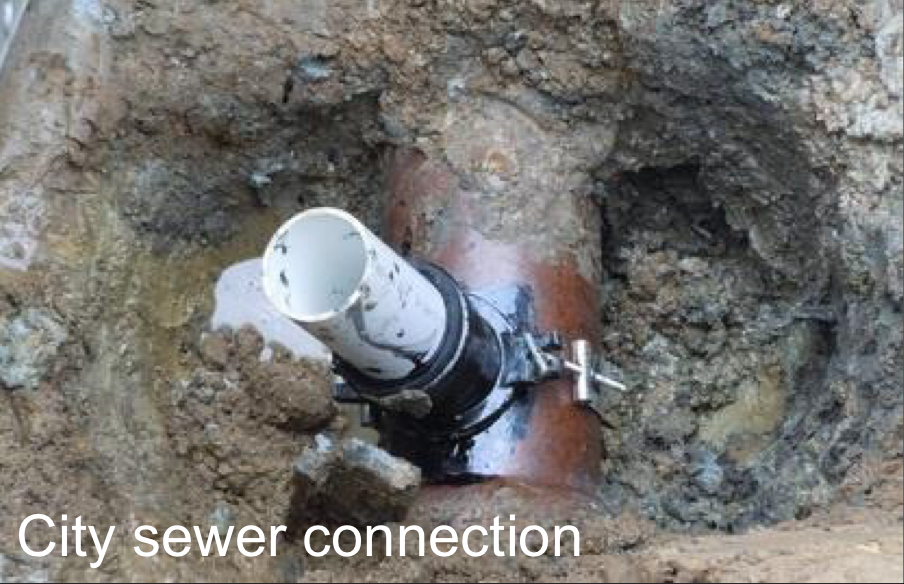
city sewer connections definition & importance

definition: a city sewer connection is the physical connection between a private building’s plumbing system and the municipal (public) sewer system. It allows wastewater from the property to be transported off-site to a city-operated wastewater treatment facility.

importance:

  • safely removes wastewater from the building

  • protects public health by preventing sewage exposure

  • eliminates the need for on-site treatment (like septic tanks)

  • reduces environmental contamination through centralized treatment
<p>definition: a <strong>city sewer connection</strong> is the physical connection between a private building’s plumbing system and the <strong>municipal (public) sewer system</strong>. It allows wastewater from the property to be transported off-site to a city-operated wastewater treatment facility.</p><p>importance: </p><ul><li><p><strong>safely removes wastewater</strong> from the building</p></li><li><p><strong>protects public health</strong> by preventing sewage exposure</p></li><li><p><strong>eliminates the need for on-site treatment</strong> (like septic tanks)</p></li><li><p><strong>reduces environmental contamination</strong> through centralized treatment</p></li></ul><p></p>
15
New cards

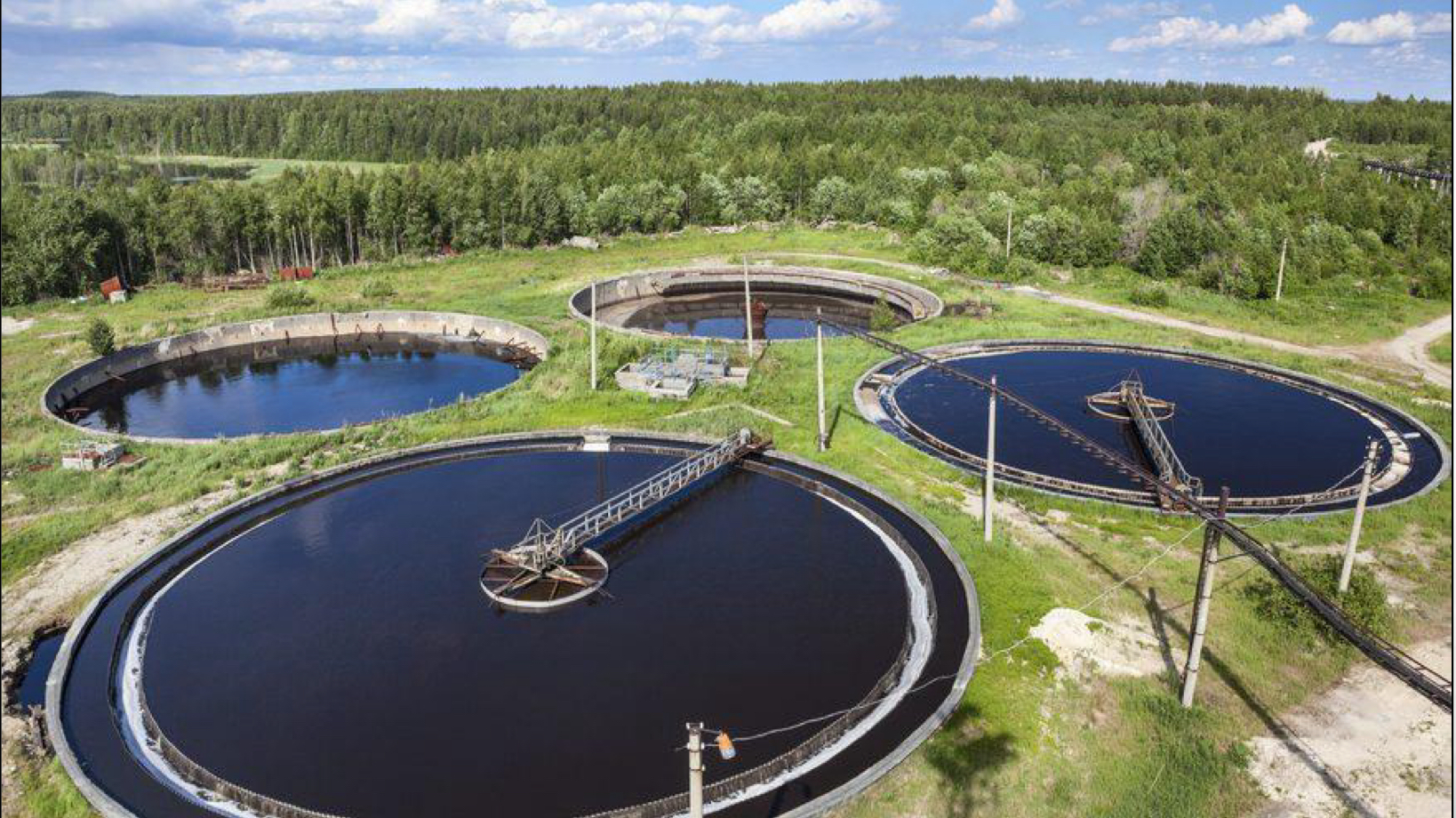
city wastewater treatment plant definition & importance

definition: a city wastewater treatment plant is a public facility that receives sewage from the municipal sewer system and treats it to remove solids, organic matter, and harmful contaminants before safely releasing the treated water back into the environment.

importance:

  • protects public health by removing disease-causing organisms

  • prevents water pollution in rivers, lakes, and oceans

  • treats wastewater from homes, businesses, and industries
<p>definition: a <strong>city wastewater treatment plant</strong> is a public facility that receives sewage from the municipal sewer system and <strong>treats it to remove solids, organic matter, and harmful contaminants</strong> before safely releasing the treated water back into the environment.</p><p>importance:</p><ul><li><p><strong>protects public health</strong> by removing disease-causing organisms</p></li><li><p><strong>prevents water pollution</strong> in rivers, lakes, and oceans</p></li><li><p><strong>treats wastewater from homes, businesses, and industries</strong></p></li></ul><p></p>
16
New cards

cast iron definition

definition: cast iron pipe is a heavy-duty piping material traditionally used in sanitary sewer, waste, and vent systems. It is made by pouring molten iron into molds, creating a dense and durable pipe.

17
New cards

cast iron: joining, thickness, weight, sound, fire

joining: cast iron pipes are commonly joined using no-hub couplings, hub-and-spigot joints, or rubber gaskets, providing strong, leak-resistant connections.

thickness: cast iron has thick walls (SV-service weight; XH- extra heavy)

weight: it is very heavy, adding stability and reducing movement in the piping system, but requiring more labor to install.

sound: the dense material absorbs noise, making cast iron excellent for sound reduction in multi-story buildings.

fire: cast iron is non-combustible and performs well in fires, helping limit fire spread through plumbing penetrations.

18
New cards

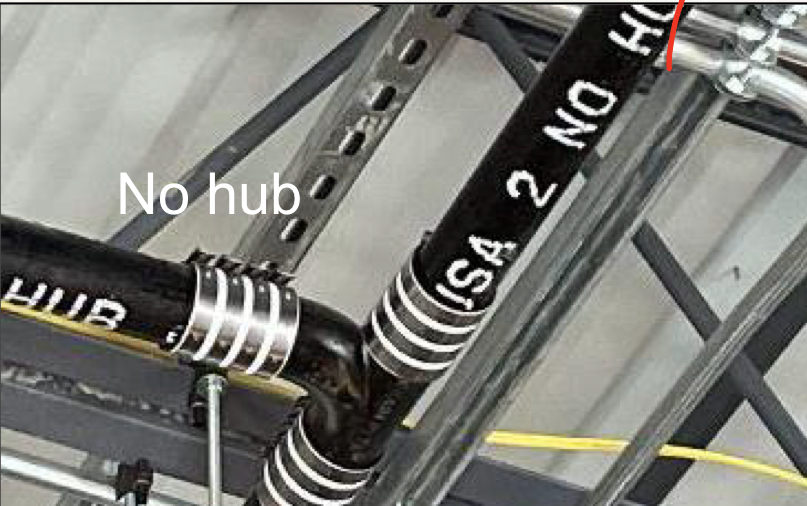
no hub cast iron definition & importance

definition: no-hub cast iron pipe has plain ends with no bell. Pipes are joined using a shielded rubber coupling tightened with metal bands.

importance:

  • faster and easier installation

  • common in modern construction

  • allows slight flexibility for alignment

  • less expensive

<p>definition: no-hub cast iron pipe has <strong>plain ends with no bell</strong>. Pipes are joined using a <strong>shielded rubber coupling</strong> tightened with metal bands.</p><p>importance: </p><ul><li><p><strong>faster and easier installation</strong></p></li><li><p><strong>common in modern construction</strong></p></li><li><p><strong>allows slight flexibility</strong> for alignment</p></li><li><p><strong>less expensive</strong></p></li></ul><p></p>
19
New cards

hub/bell (hub-and-spigot) cast iron definition & importance

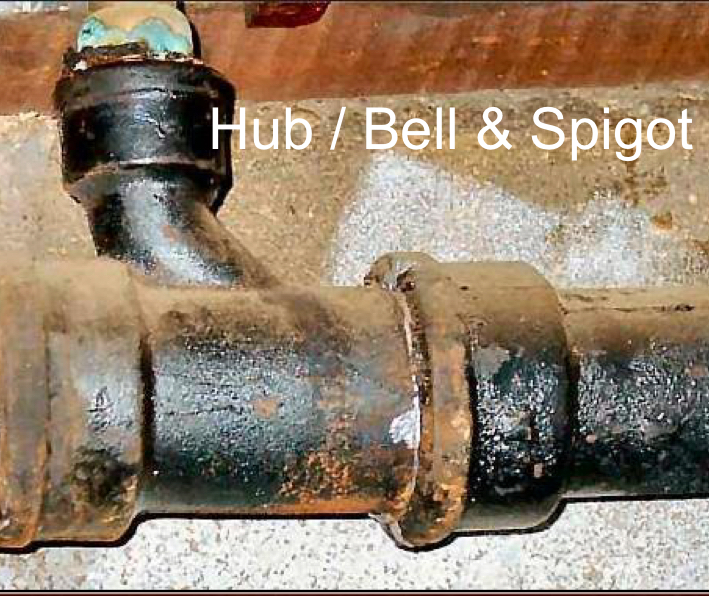
definition: hub/bell cast iron pipe has one enlarged end (hub or bell) that the spigot (plain end) of the next pipe fits into.

importance:

  • very durable, long-lasting connections

  • more labor-intensive to install or repair

  • common in older buildings and existing infrastructure

  • excellent structural strength

<p>definition: hub/bell cast iron pipe has one <strong>enlarged end (hub or bell)</strong> that the <strong>spigot (plain end)</strong> of the next pipe fits into.</p><p>importance: </p><ul><li><p><strong>very durable, long-lasting connections</strong></p></li><li><p><strong>more labor-intensive</strong> to install or repair</p></li><li><p>common in <strong>older buildings</strong> and existing infrastructure</p></li><li><p>excellent <strong>structural strength</strong></p></li></ul><p></p>
20
New cards

PVC definition & importance

definition: PVC is a lightweight, rigid plastic piping material commonly used in drain, waste, and vent (DWV) systems. It is joined using solvent cement (glue) that chemically fuses the pipe and fittings together. (PRIMER AND GLUE)

importance:

  • lightweight and easy to install, reducing labor time

  • corrosion-resistant, unlike metal pipes

  • smooth interior, allowing efficient flow and fewer clogs

  • cost-effective compared to cast iron or copper
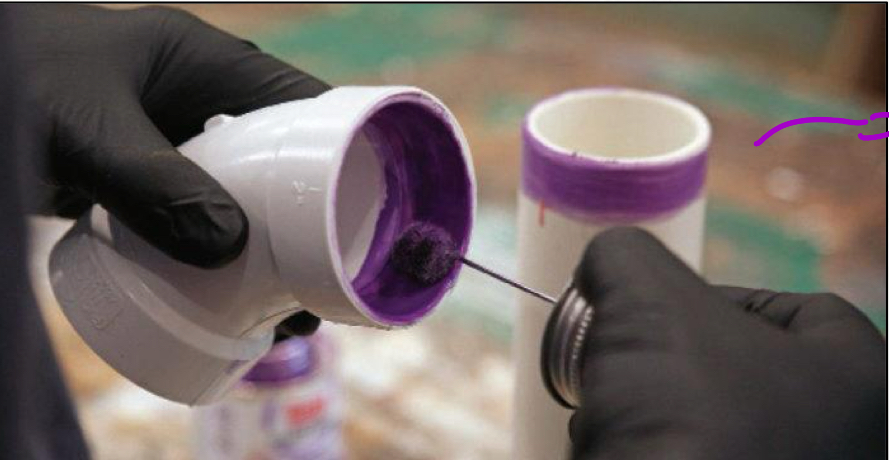
<p>definition: <strong>PVC</strong> is a lightweight, rigid plastic piping material commonly used in <strong>drain, waste, and vent (DWV) systems</strong>. It is joined using <strong>solvent cement (glue)</strong> that chemically fuses the pipe and fittings together. (PRIMER AND GLUE)</p><p>importance: </p><ul><li><p><strong>lightweight and easy to install</strong>, reducing labor time</p></li><li><p><strong>corrosion-resistant</strong>, unlike metal pipes</p></li><li><p><strong>smooth interior</strong>, allowing efficient flow and fewer clogs</p></li><li><p><strong>cost-effective</strong> compared to cast iron or copper</p></li></ul><p></p>
21
New cards

PVC: joining, thickness, weight, sound, fire

joining: PVC is joined using primer and solvent cement (glue). The cement chemically melts and fuses the pipe and fitting together, creating a permanent, watertight joint.

thickness: PVC has relatively thin walls compared to cast iron. Thickness varies by type (Schedule 40 vs. Schedule 80), with Schedule 40 most common for DWV systems. (higher # = more pressure it can handle)

weight: PVC is very lightweight, making it easy to transport, cut, and install with minimal labor.

sound: PVC has a lower noise transmission compared to metal pipes, reducing sound from water flow.

fire: PVC is combustible. It can melt and burn at high temperatures and therefore requires fire stopping when penetrating fire-rated walls or floors.
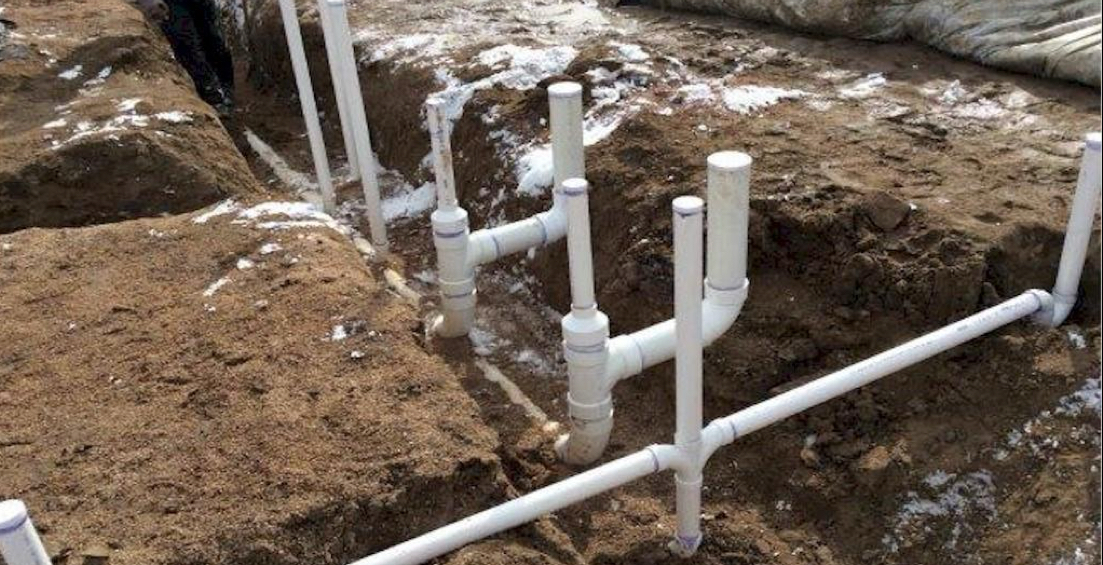
<p>joining: PVC is joined using <strong>primer and solvent cement (glue)</strong>. The cement chemically melts and fuses the pipe and fitting together, creating a <strong>permanent, watertight joint.</strong></p><p>thickness:<strong> </strong>PVC has <strong>relatively thin walls</strong> compared to cast iron. Thickness varies by type (Schedule 40 vs. Schedule 80), with <strong>Schedule 40</strong> most common for DWV systems. (higher # = more pressure it can handle)</p><p>weight: PVC is <strong>very lightweight</strong>, making it easy to transport, cut, and install with minimal labor.</p><p>sound: PVC has a lower noise transmission compared to metal pipes, reducing sound from water flow. </p><p>fire: PVC is <strong>combustible</strong>. It can melt and burn at high temperatures and therefore requires <strong>fire stopping</strong> when penetrating fire-rated walls or floors.</p>
22
New cards

ABS definition & importance

definition: ABS is a rigid black plastic piping material commonly used in drain, waste, and vent (DWV) systems. It is joined using solvent cement (no primer required in most codes).

importance:

  • lightweight and easy to install, reducing labor time

  • impact-resistant, especially in cold temperatures

  • corrosion-resistant and does not rust

  • smooth interior for efficient wastewater flow
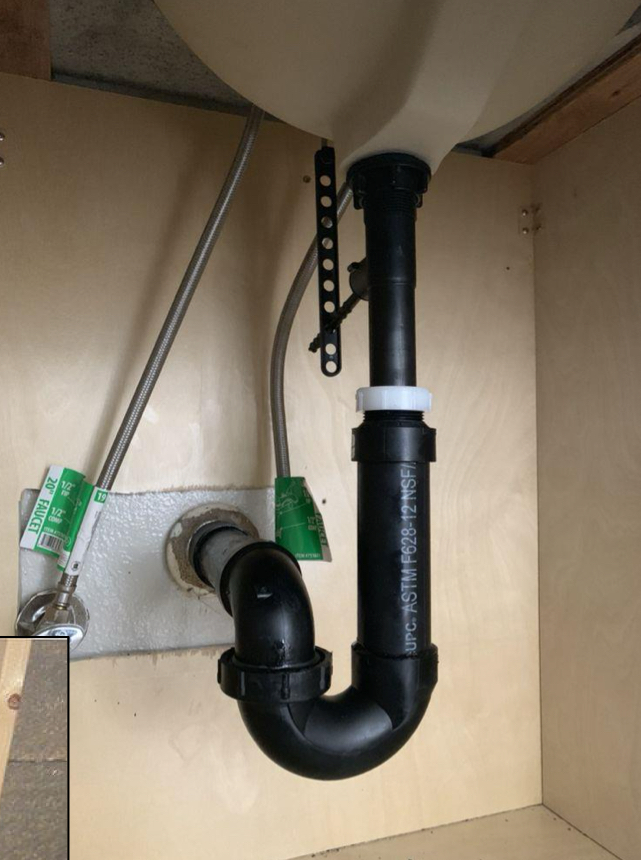
<p>definition: <strong>ABS</strong> is a rigid black plastic piping material commonly used in <strong>drain, waste, and vent (DWV) systems</strong>. It is joined using <strong>solvent cement</strong> (no primer required in most codes).</p><p>importance: </p><ul><li><p><strong>lightweight and easy to install</strong>, reducing labor time</p></li><li><p><strong>impact-resistant</strong>, especially in cold temperatures</p></li><li><p><strong>corrosion-resistant</strong> and does not rust</p></li><li><p><strong>smooth interior</strong> for efficient wastewater flow</p></li></ul><p></p>
23
New cards

ABS: joining, thickness, weight, sound, fire

joining: ABS is joined using ABS solvent cement (typically no primer required). The cement chemically fuses the pipe and fittings together.

thickness: ABS has thin to moderate wall thickness, similar to PVC (commonly Schedule 40 for DWV use).

weight: ABS is lightweight, making it easy to handle and install.

sound: ABS transmits water noise, similar to PVC, and is noisy compared to cast iron.

fire: ABS is combustible and will melt and burn at high temperatures. Fire stopping is required where ABS penetrates fire-rated assemblies.
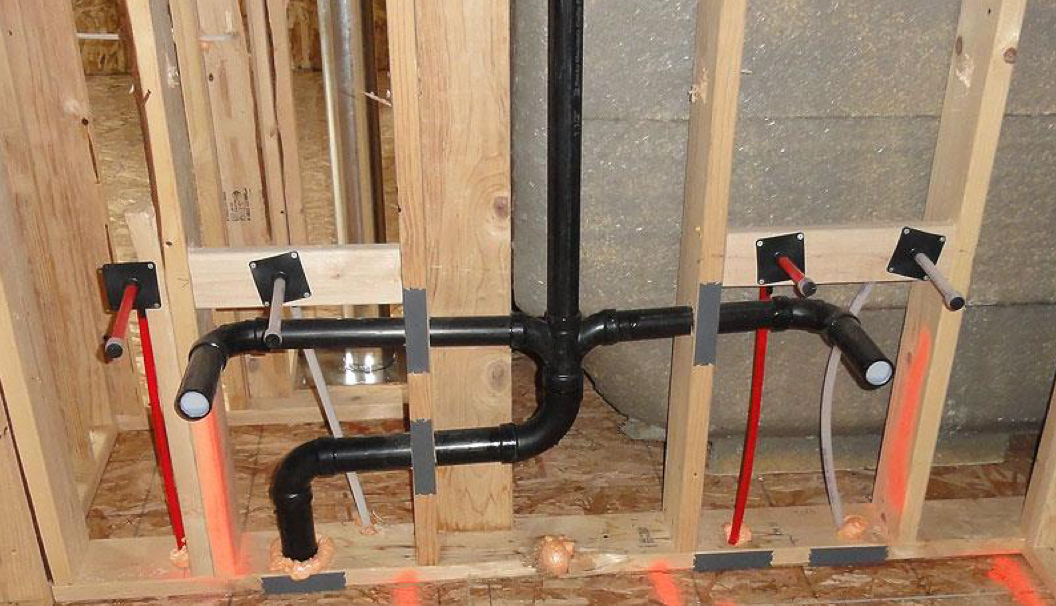
<p>joining: ABS is joined using <strong>ABS solvent cement</strong> (typically <strong>no primer required</strong>). The cement chemically fuses the pipe and fittings together.</p><p>thickness: ABS has <strong>thin to moderate wall thickness</strong>, similar to PVC (commonly Schedule 40 for DWV use).</p><p>weight: ABS is <strong>lightweight</strong>, making it easy to handle and install.</p><p>sound: ABS <strong>transmits water noise</strong>, similar to PVC, and is <strong>noisy compared to cast iron</strong>.</p><p>fire: ABS is <strong>combustible</strong> and will <strong>melt and burn</strong> at high temperatures. Fire stopping is required where ABS penetrates fire-rated assemblies.</p>

Explore top notes

note
Photosynthesis in Higher Plants
Updated 899d ago
0.0(0)
note
AFPF casus 3A
Updated 436d ago
0.0(0)
note
AP Chemistry Review Notes
Updated 331d ago
0.0(0)
note
Market Revolution
Updated 469d ago
0.0(0)
note
Photosynthesis
Updated 560d ago
0.0(0)
note
Romeo and Juliet
Updated 555d ago
0.0(0)
note
Photosynthesis in Higher Plants
Updated 899d ago
0.0(0)
note
AFPF casus 3A
Updated 436d ago
0.0(0)
note
AP Chemistry Review Notes
Updated 331d ago
0.0(0)
note
Market Revolution
Updated 469d ago
0.0(0)
note
Photosynthesis
Updated 560d ago
0.0(0)
note
Romeo and Juliet
Updated 555d ago
0.0(0)

Explore top flashcards

flashcards
Chem - Units 6-10: reactions
58
Updated 887d ago
0.0(0)
flashcards
AP BIO Unit 8 ALL
85
Updated 212d ago
0.0(0)
flashcards
Fluency Fast Vocabulary
30
Updated 1177d ago
0.0(0)
flashcards
Lecture 9
49
Updated 694d ago
0.0(0)
flashcards
AUTENTICO 5A (copy)
67
Updated 1128d ago
0.0(0)
flashcards
Chem - Units 6-10: reactions
58
Updated 887d ago
0.0(0)
flashcards
AP BIO Unit 8 ALL
85
Updated 212d ago
0.0(0)
flashcards
Fluency Fast Vocabulary
30
Updated 1177d ago
0.0(0)
flashcards
Lecture 9
49
Updated 694d ago
0.0(0)
flashcards
AUTENTICO 5A (copy)
67
Updated 1128d ago
0.0(0)