Art History: Prehistory-1400 Final Exam
 Studied by 1 person
 Call Kai
 Learn
Learn Practice Test
 Spaced Repetition
 Match
Match Flashcards
 Knowt Play
1/67

Earn XP
Description and Tags
List of Key Monuments/Objects
Name | Mastery | Learn | Test | Matching | Spaced | Call with Kai |
|---|
No analytics yet
Send a link to your students to track their progress
68 Terms
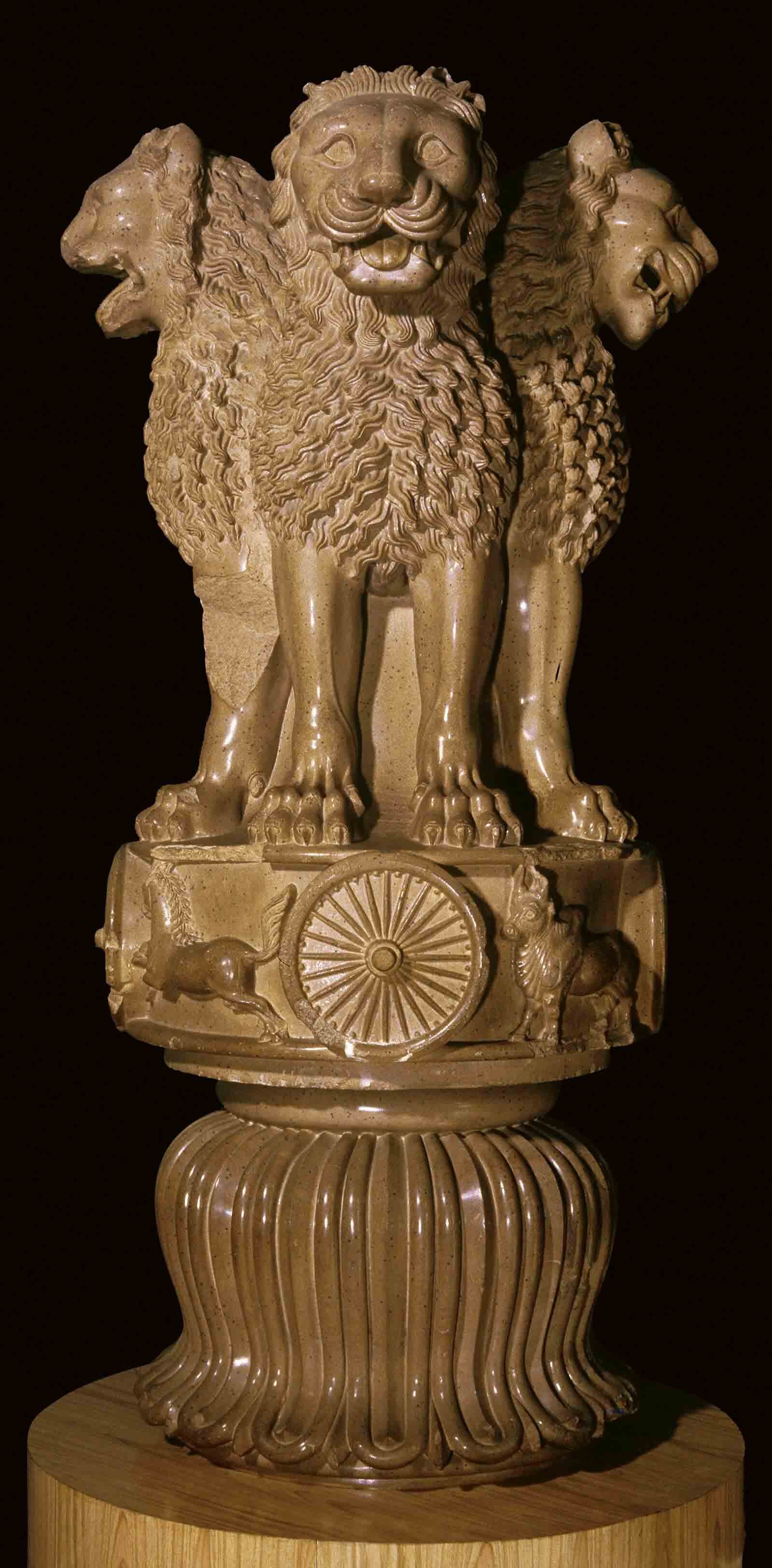
Lion capital from Ashokan pillar, Sarnath, India, Maurya period, c. 250 BCE. Sandstone, height 7 ft. 7 in. (2.31 m). Sarnath Museum, Varanasi, India.
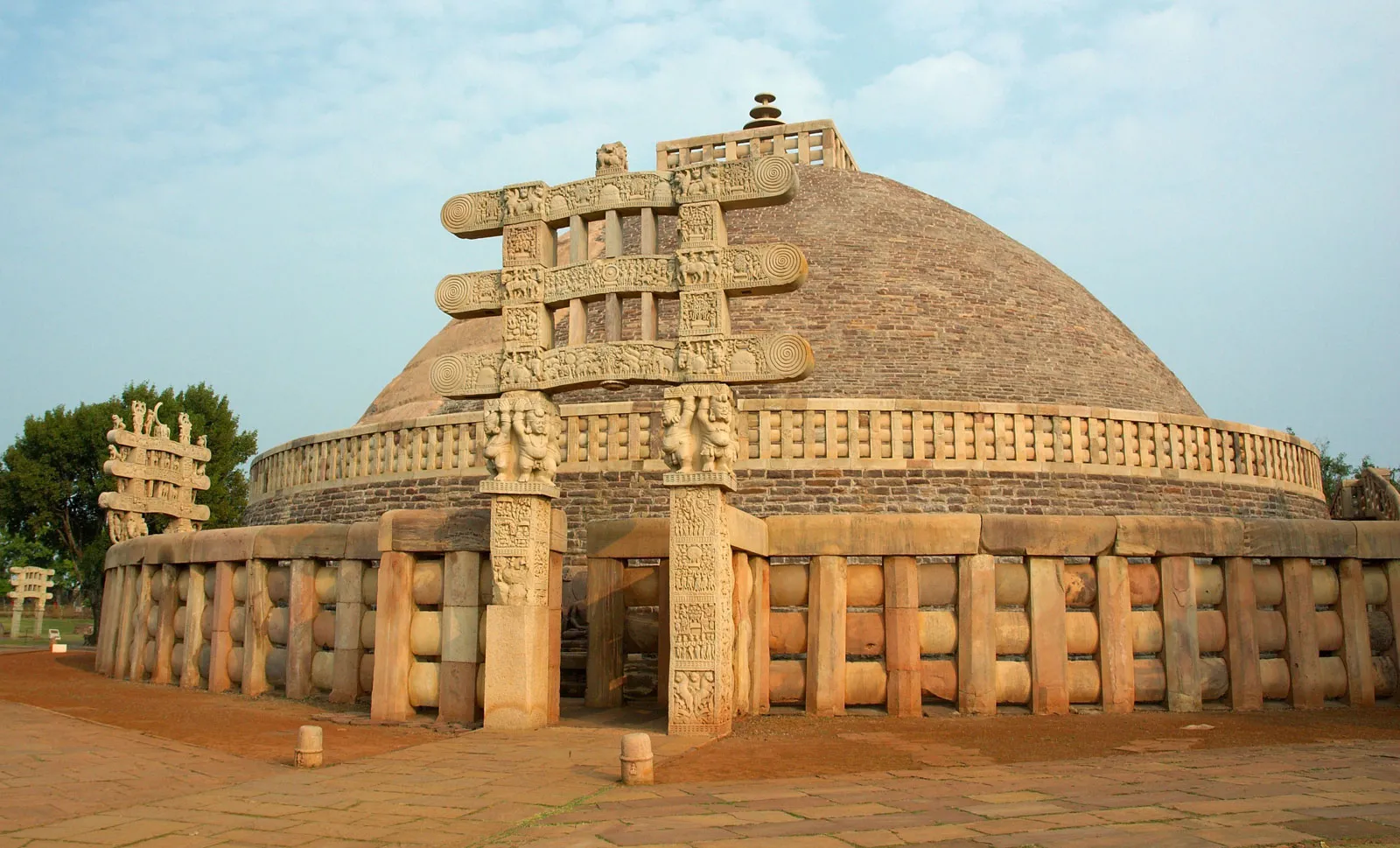
Northern side of the Great Stupa, c. 250 BCE, expanded and railing added c.50–25 BCE. Sanchi, India.
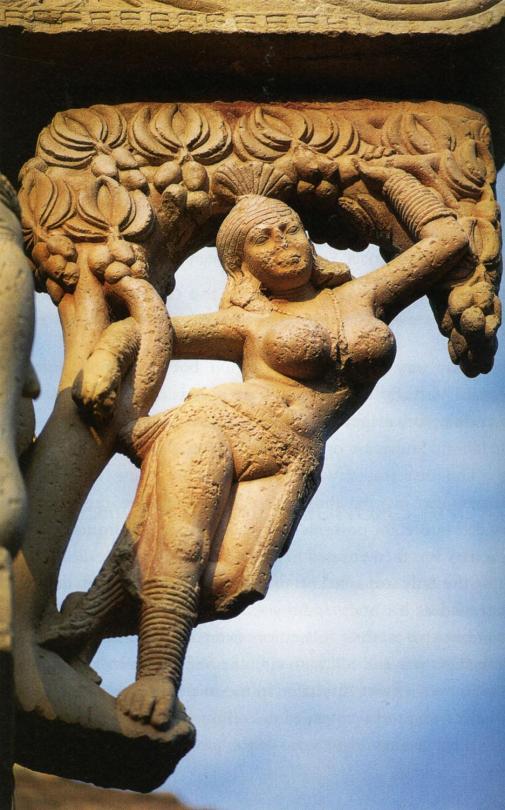
Detail from the eastern torana of the Great Stupa (showing female figure wrapped in a mango tree). Sanchi, India, c.50–25 BCE.
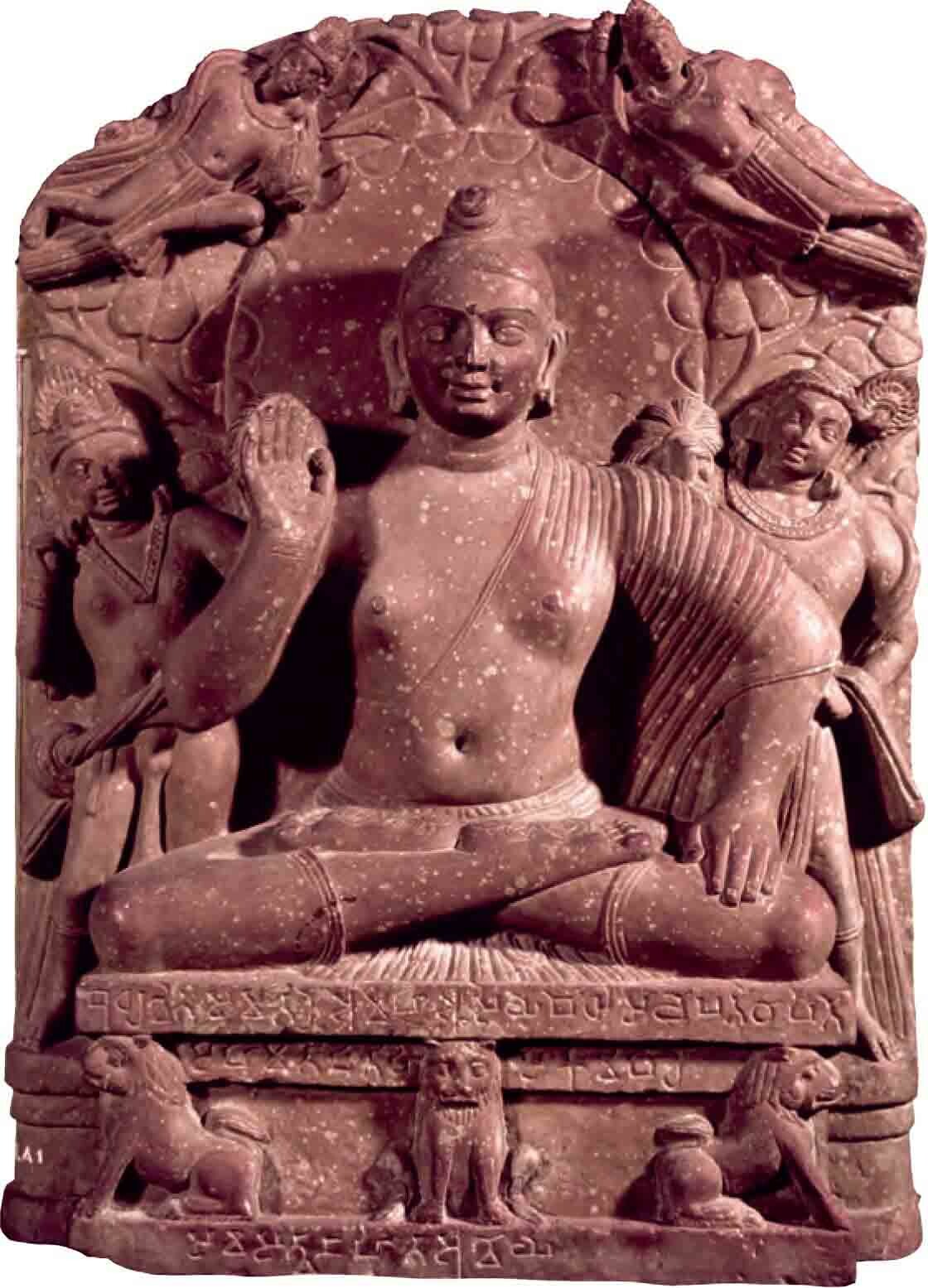
The Buddha, Mathura, India, Kushan period, early second century CE, Red sandstone, height 27¾ in. (70.5 cm). Government Museum, Mathura, Uttar Pradesh, India.
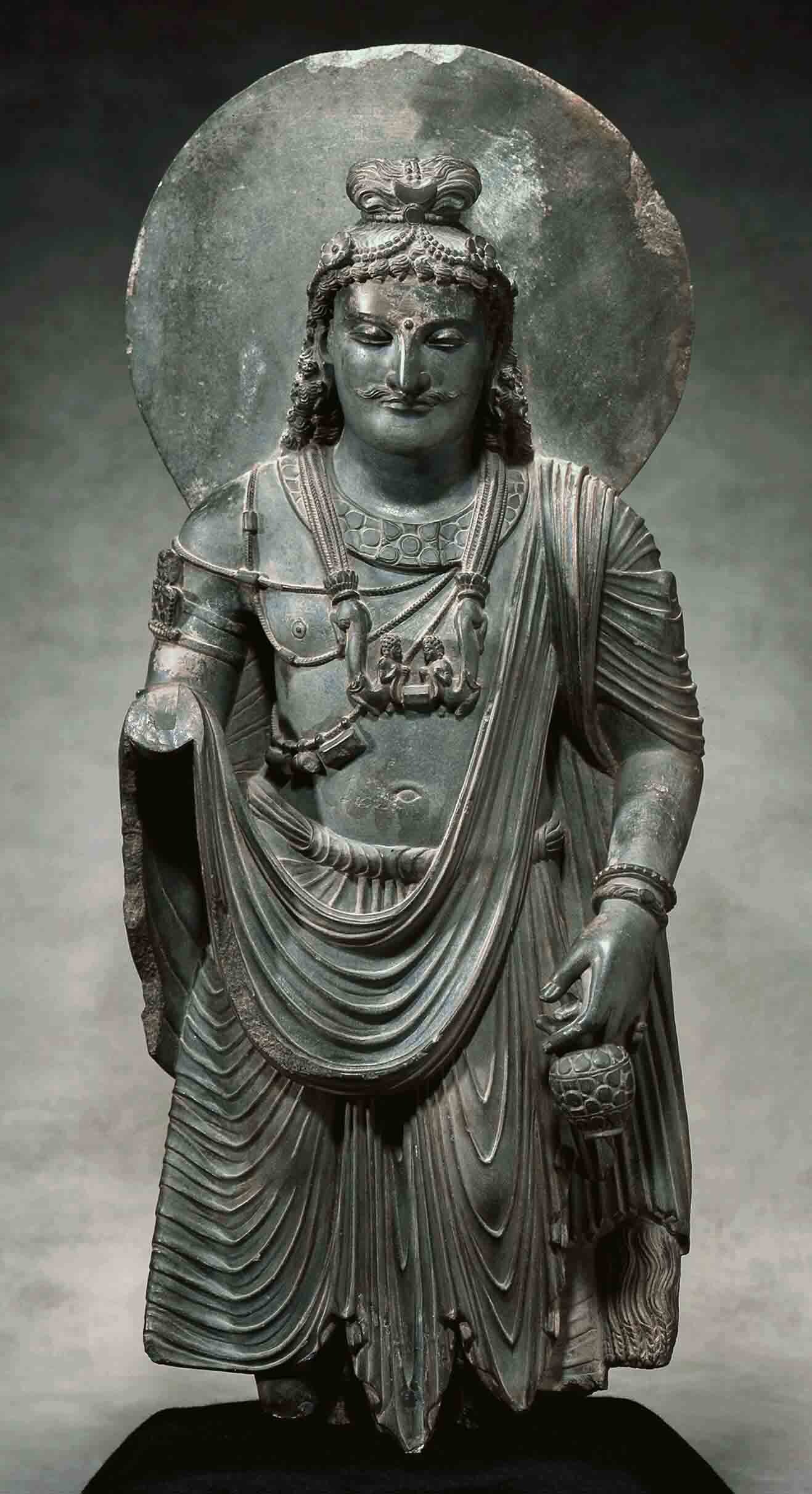
The Bodhisattva Maitreya, Gandhara region, Pakistan, Kushan period, c.100–300 CE. Stone (schist), height 41 in. (104.1 cm). Asian Art Museum, San Francisco.
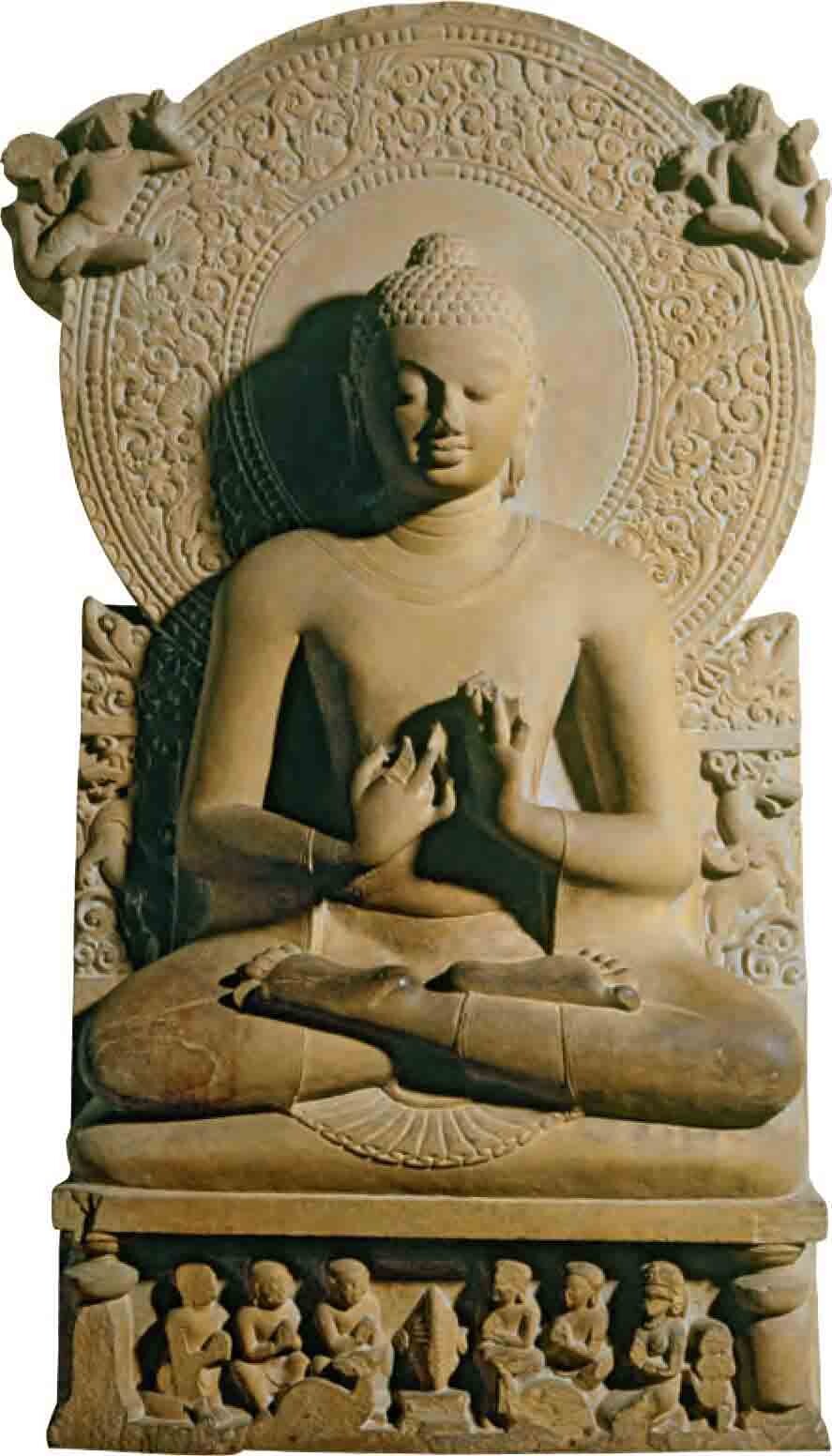
The Buddha preaching the first sermon, Sarnath, India, Gupta period, c.475 CE. Sandstone, 61 × 34 × 10½ in. (154.9 × 86.4 × 26.7 cm) Sarnath Archaeological Museum.
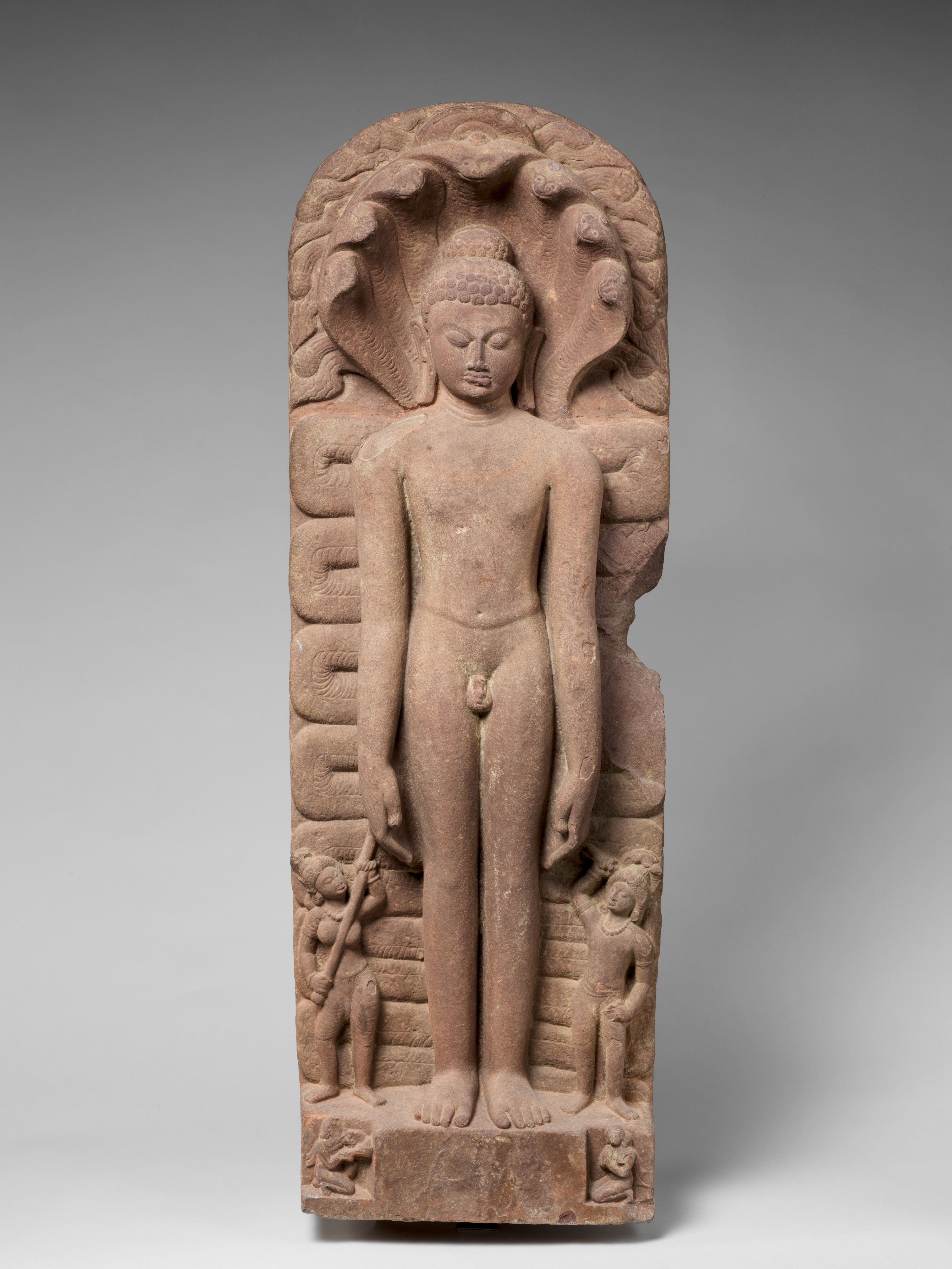
Jain Tirthankara Parshvanatha, India, Gupta period, sixth century CE. Sandstone, height 44 in. (111.8 cm). Metropolitan Museum of Art, New York.
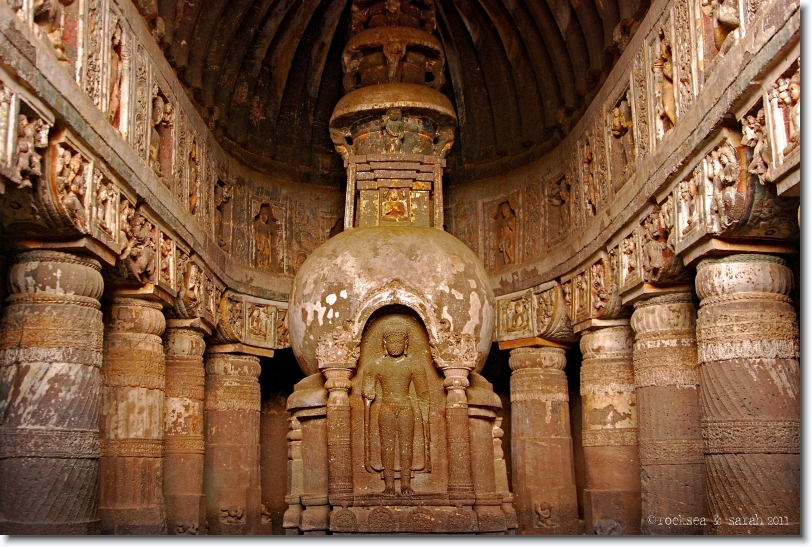
Chaitya Hall, Cave 26, Ajanta, India, c.460–500 CE.
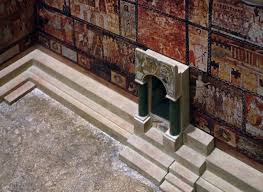
Synagogue, Dura-Europos, 245-256 CE, National Museum, Damascus, Syria
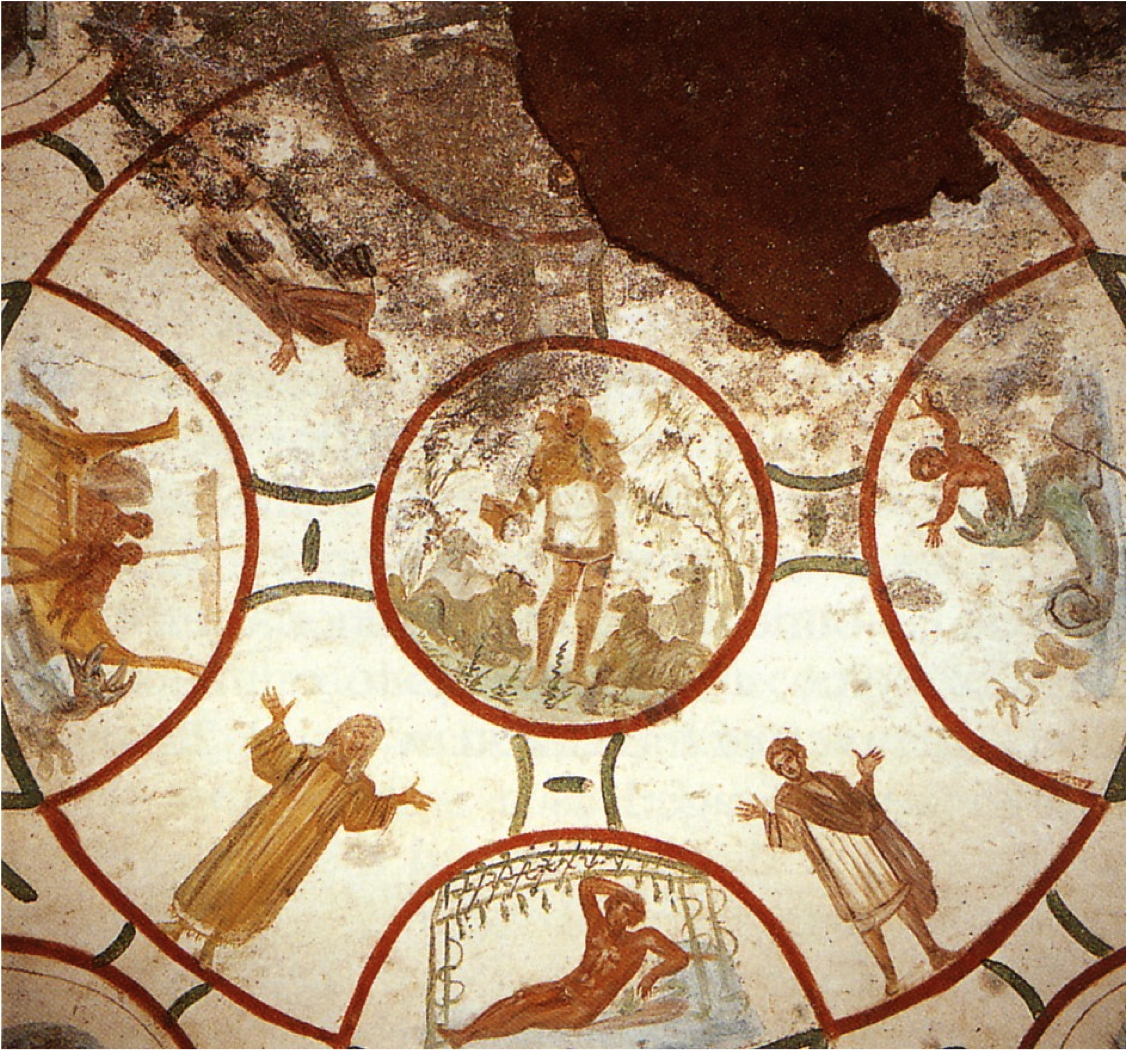
The Good Shepherd, the story of Jonah, and orants, cubiculum ceiling, Catacomb of Saints Peter and Marcellinus, Rome, 4th century
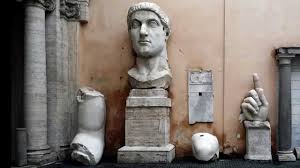
Portrait of Constantine the Great, marble, from Basilica Nova, ca. 315-330 CE, Capitoline Museums, Rome
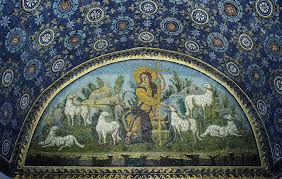
Christ as Good Shepherd, lunette mosaic, mausoleum of Galla Placidia, Ravenna, 425-50 CE
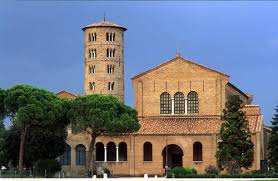
Basilica of Sant’Apollinare Nuovo, Ravenna, dedicated 504 CE
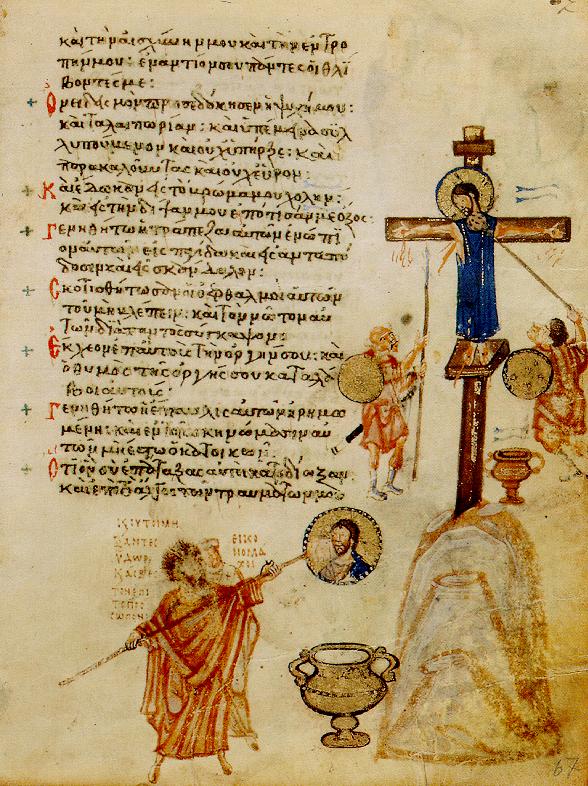
Khludov Psalter, Moscow, second half of 9th century, fol. 67 (whitewashing of Christ icon)
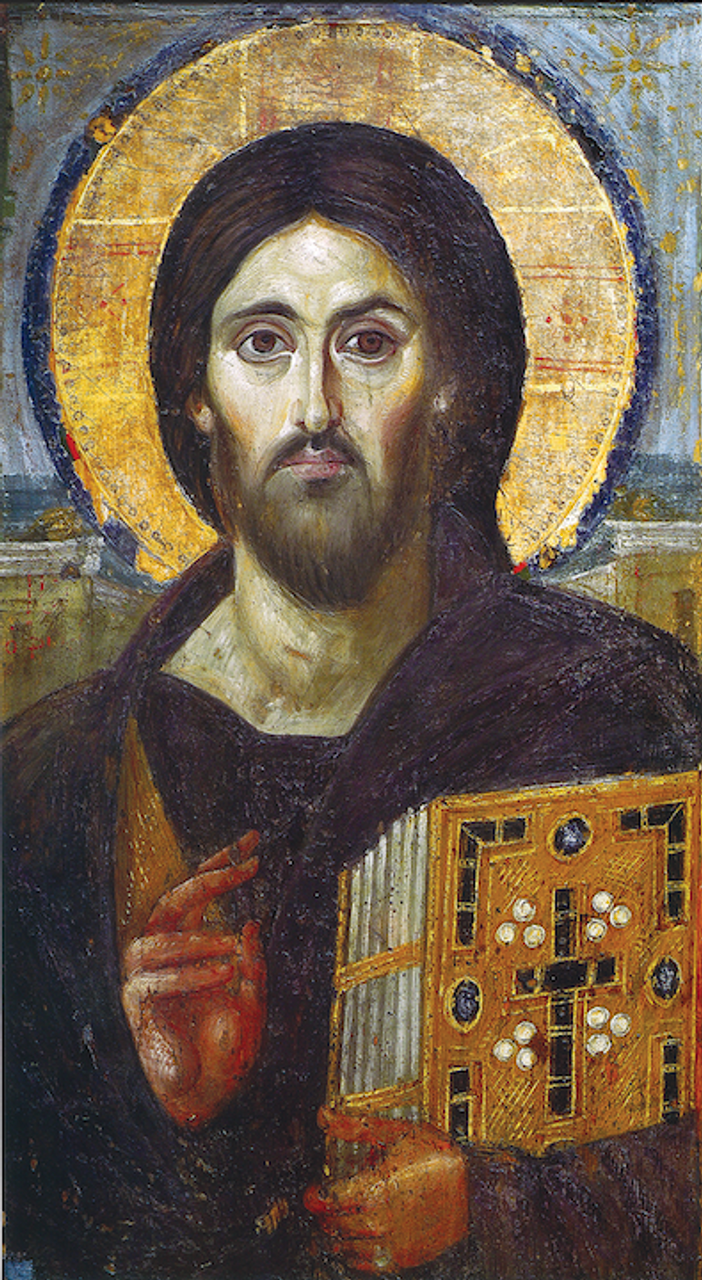
Icon of Christ, Mount Sinai, encaustic on wood, ca. 600 CE
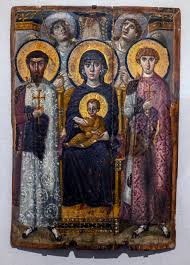
Icon of the Virgin Mary and Christ Child between Saints Theodore and George, Mount Sinai, encaustic on wood, ca. 600 CE
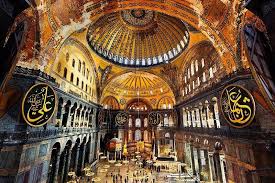
Church of Hagia Sophia, Istanbul, 532-37 CE
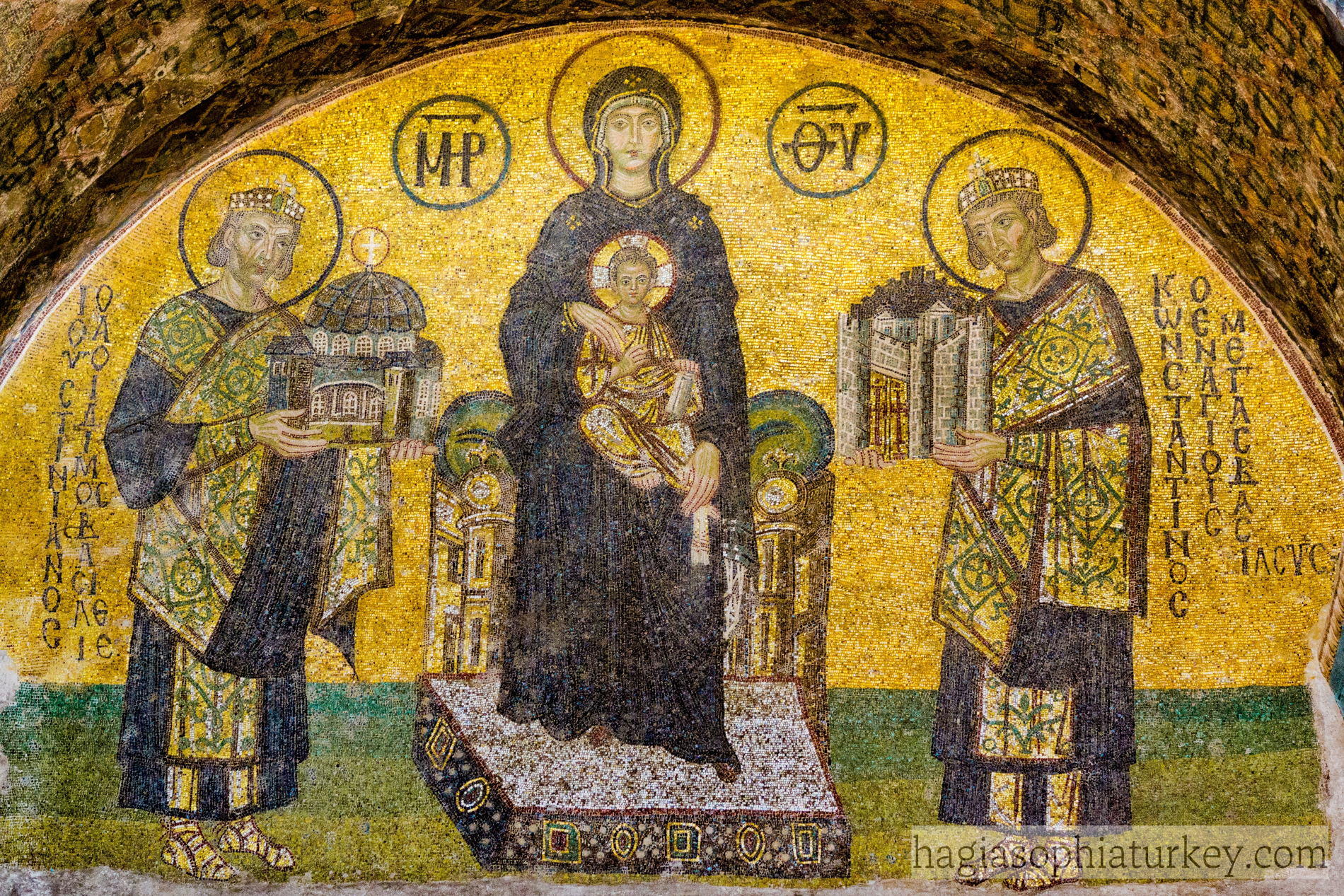
Narthex mosaic (Constantine and Justinian, Virgin Mary), Hagia Sophia, early 10th century
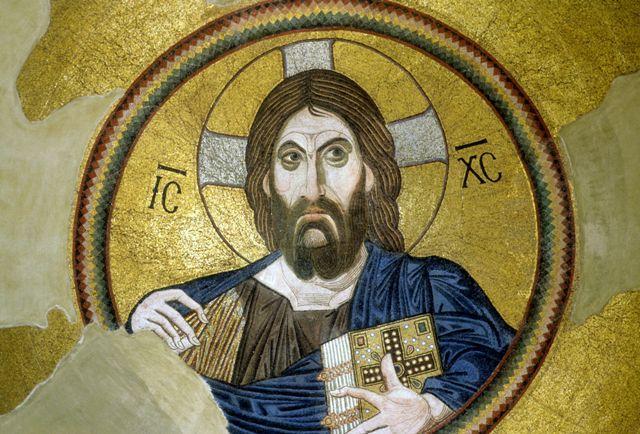
Christ Pantocrator, mosaic in dome of church of Daphni, Greece, ca. 1100 CE
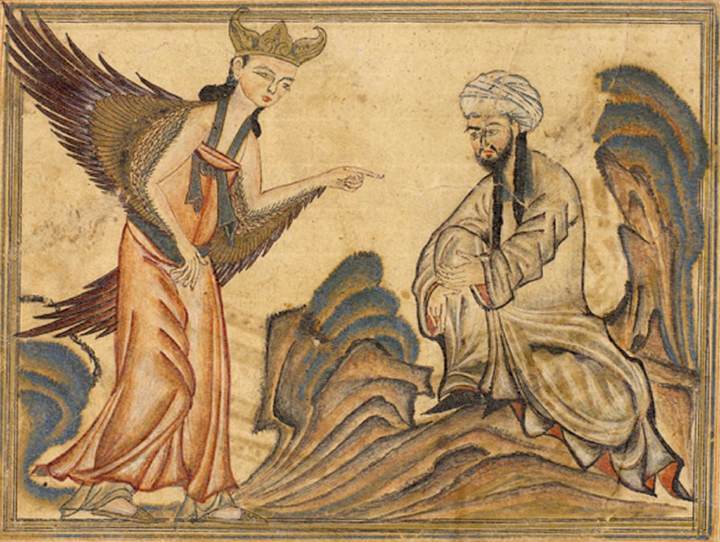
Mohammed receiving his first revelation from the angel Gabriel. from the book Jami' al-Tawarikh, Rashid al-Din, published in Tabriz, Persia, 1307 CE
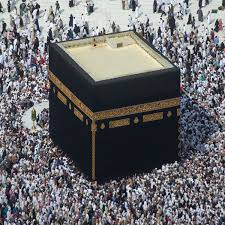
The Ka‘ba, Mecca
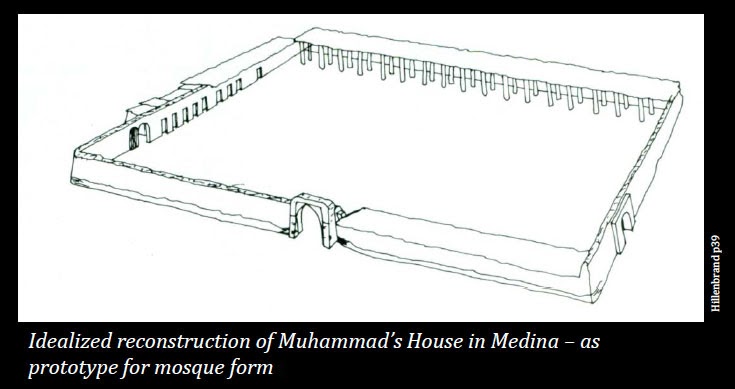
The Prophet’s house/mosque (reconstruction drawing), Medina, Saudi Arabia, c. 622.
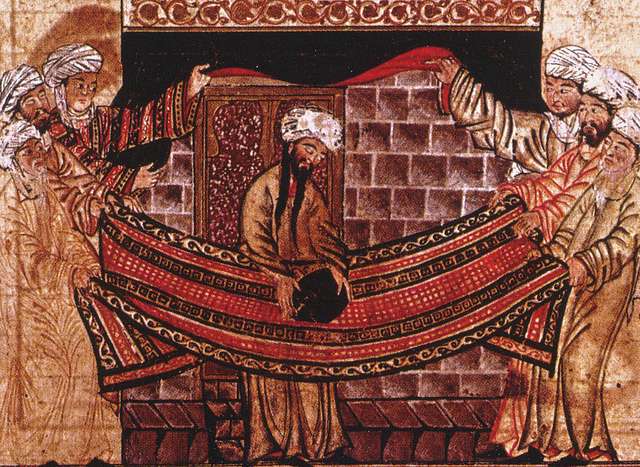
Muhammad solves a dispute over lifting the black stone into position at al-Kaaba. from the "Compendium of Chronicles" by Rashid al-Din, published in Tabriz, Persia, 1307 CE
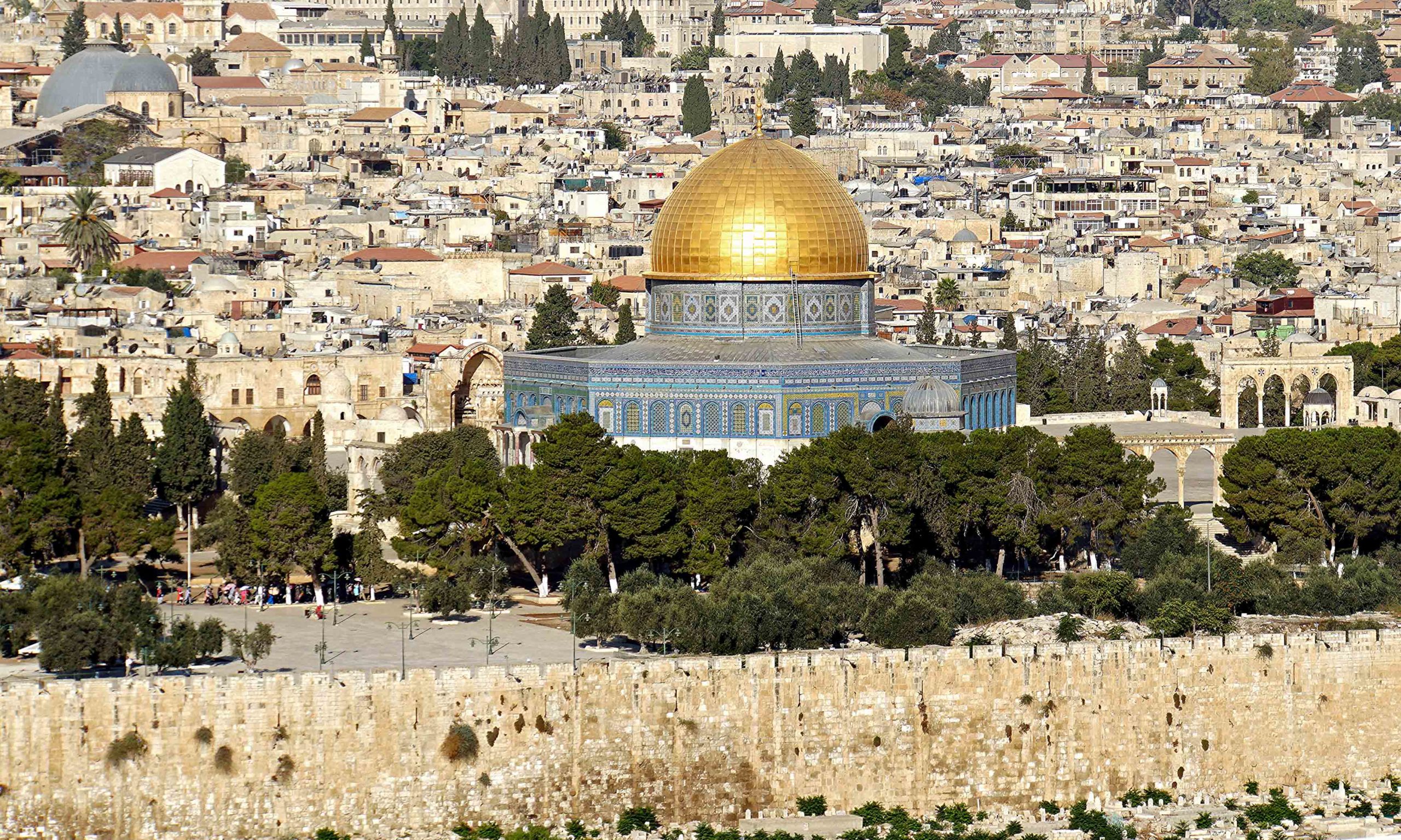
The Dome of the Rock and part of the al-Haram al-Sharif, Jerusalem, Israel, Umayyad period, c. 691–92.
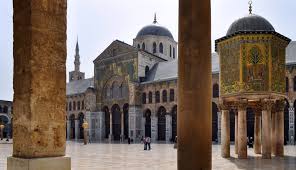
The Great Mosque of Damascus, courtyard and main facade, with ablution fountain at left, Syria, Umayyad period, c. 715.
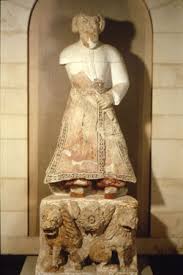
Umayyad prince at entrance of bathhouse, Khirbat al-Mafjar, near Jericho, Palestinian Territories, Umayyad period, c. 724–44.
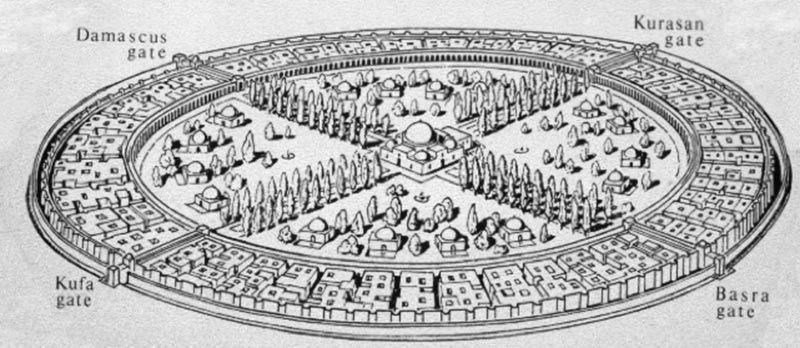
The Abbasid round city of Baghdad, 762-3 by caliph al-Mansur
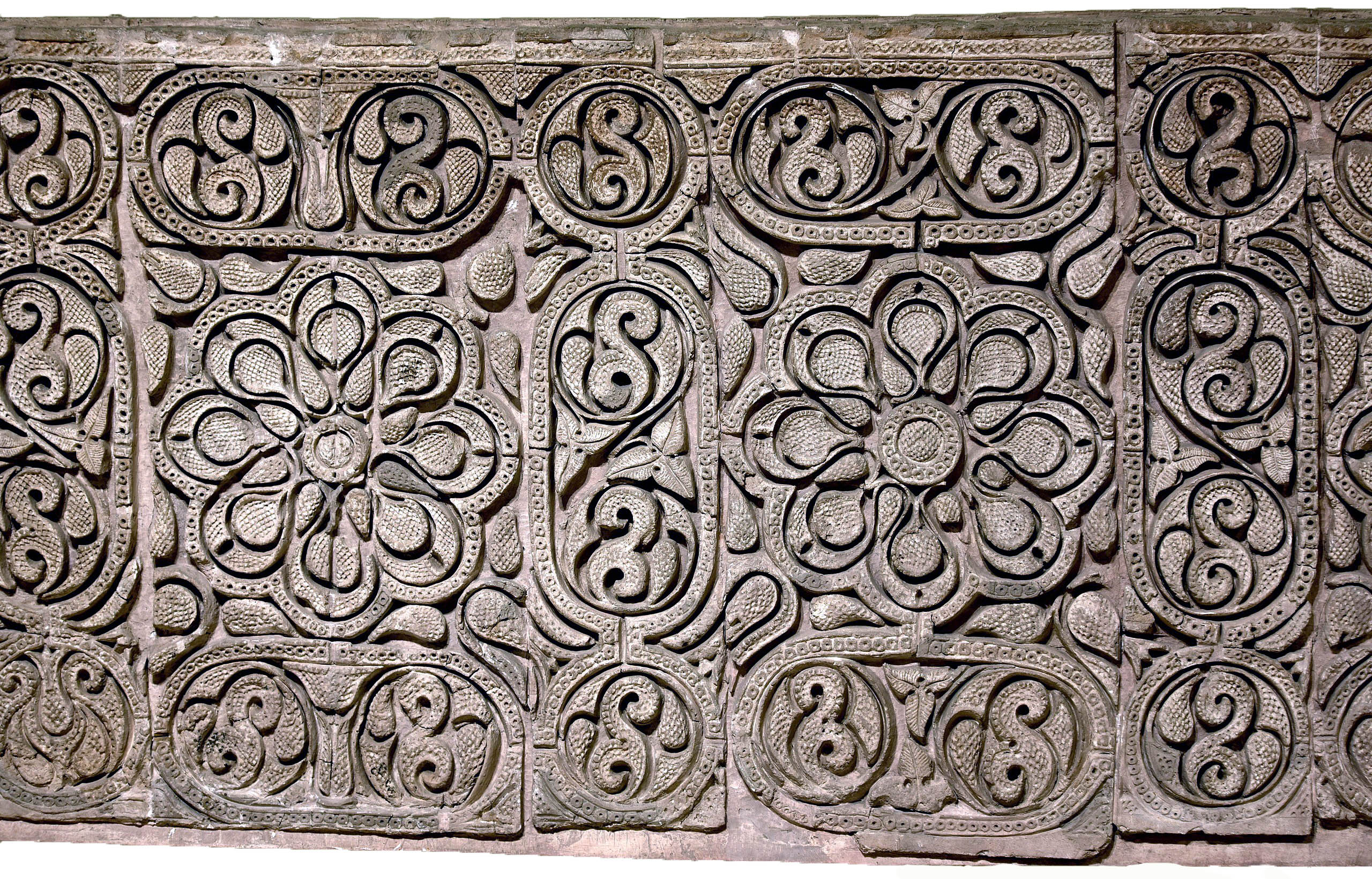
Stucco wall panel from a private house, from Samarra, Iraq, Abbasid period, c. 836–93. Carved stucco, Samarra Style
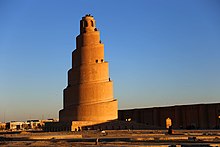
Great Mosque of al-Mutawakkil, c. 848-852
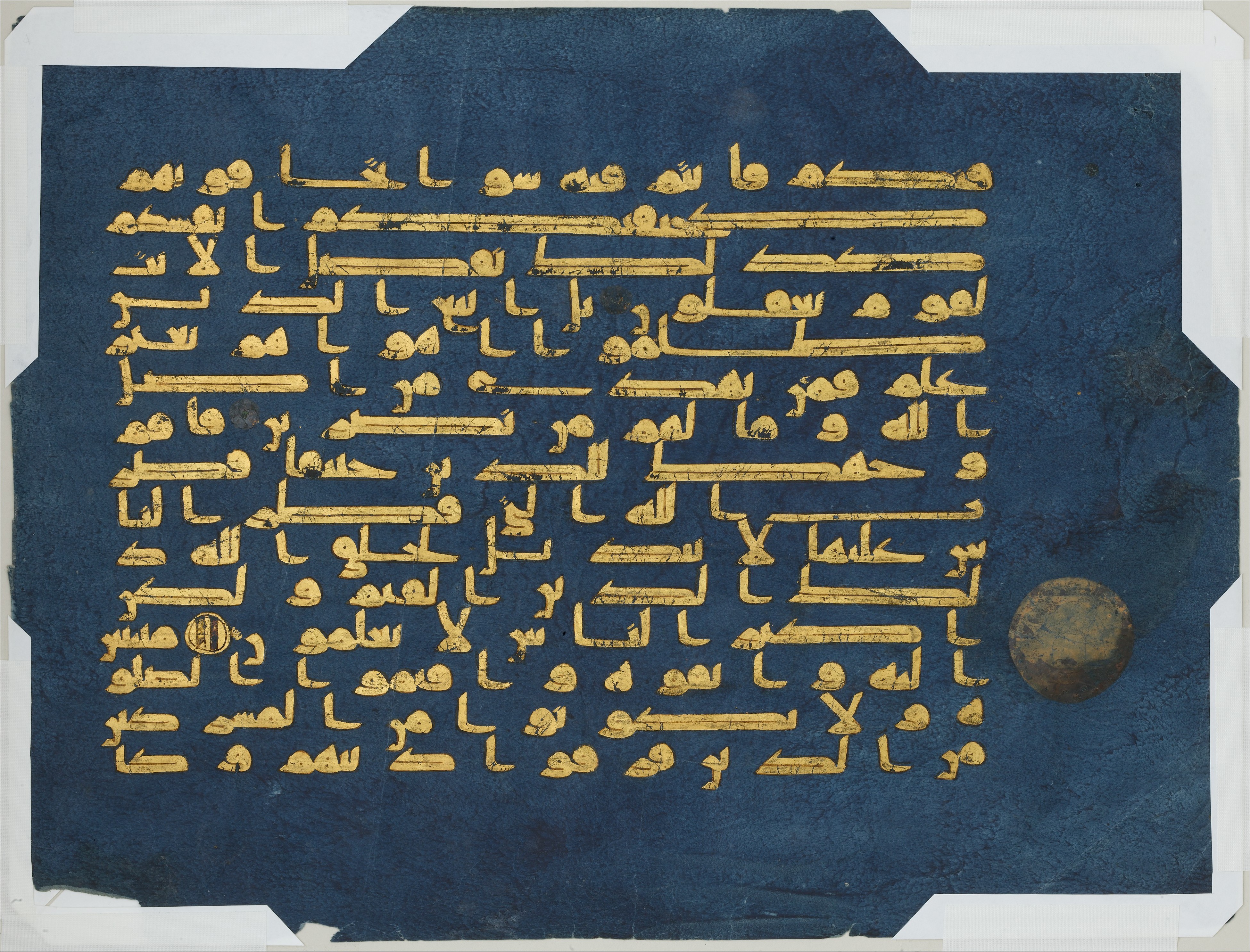
Folio from the Blue Quran, from Tunisia (probably Qayrawan), Abbasid period, c. 850-950 BCE.
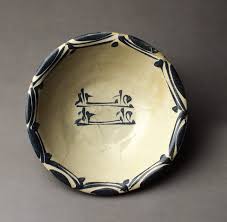
Bowl with Kufic inscription, from Iraq, probably Basra, Abbasid period, ninth century.
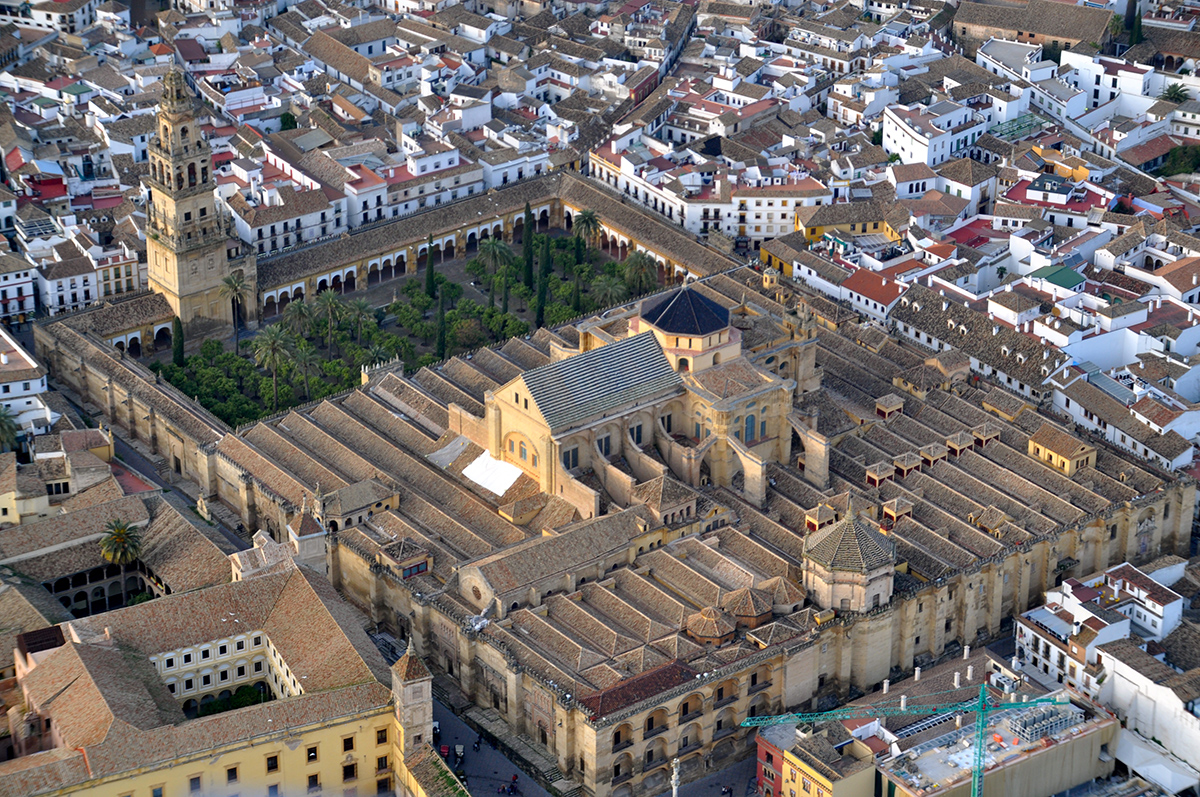
Great Mosque of Cordoba, Spain
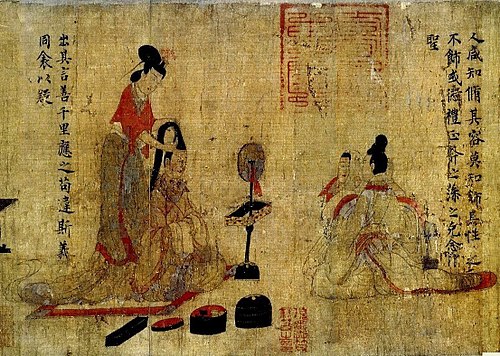
Admonitions of the Instructress to Court Ladies, Tang dynasty copy of a fourth- or fifth-century handscroll painting by Gu Kaizhi. Ink and color on silk
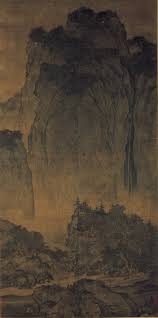
Fan Kuan, Travelers Among Mountains and Streams, Northern Song Dynasty (Early 11th Century)
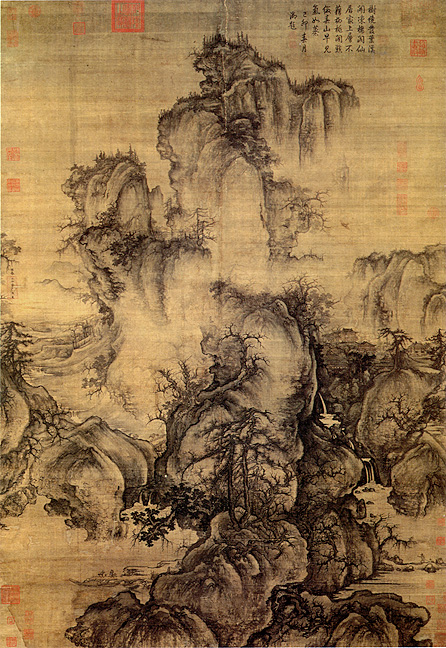
Guo Xi, Early Spring, Northern Song dynasty, dated to 1072 AD, ink and slight color on silk
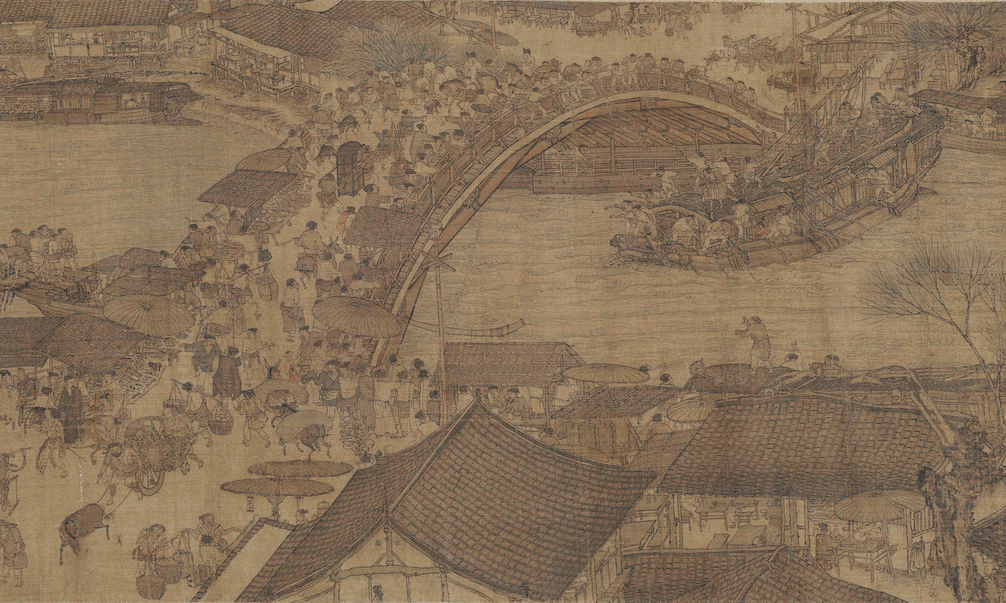
Zhang Zeduan, Peace Reigns along the River, Northern Song dynasty, late eleventh to early twelfth century. Handscroll: ink and color on silk
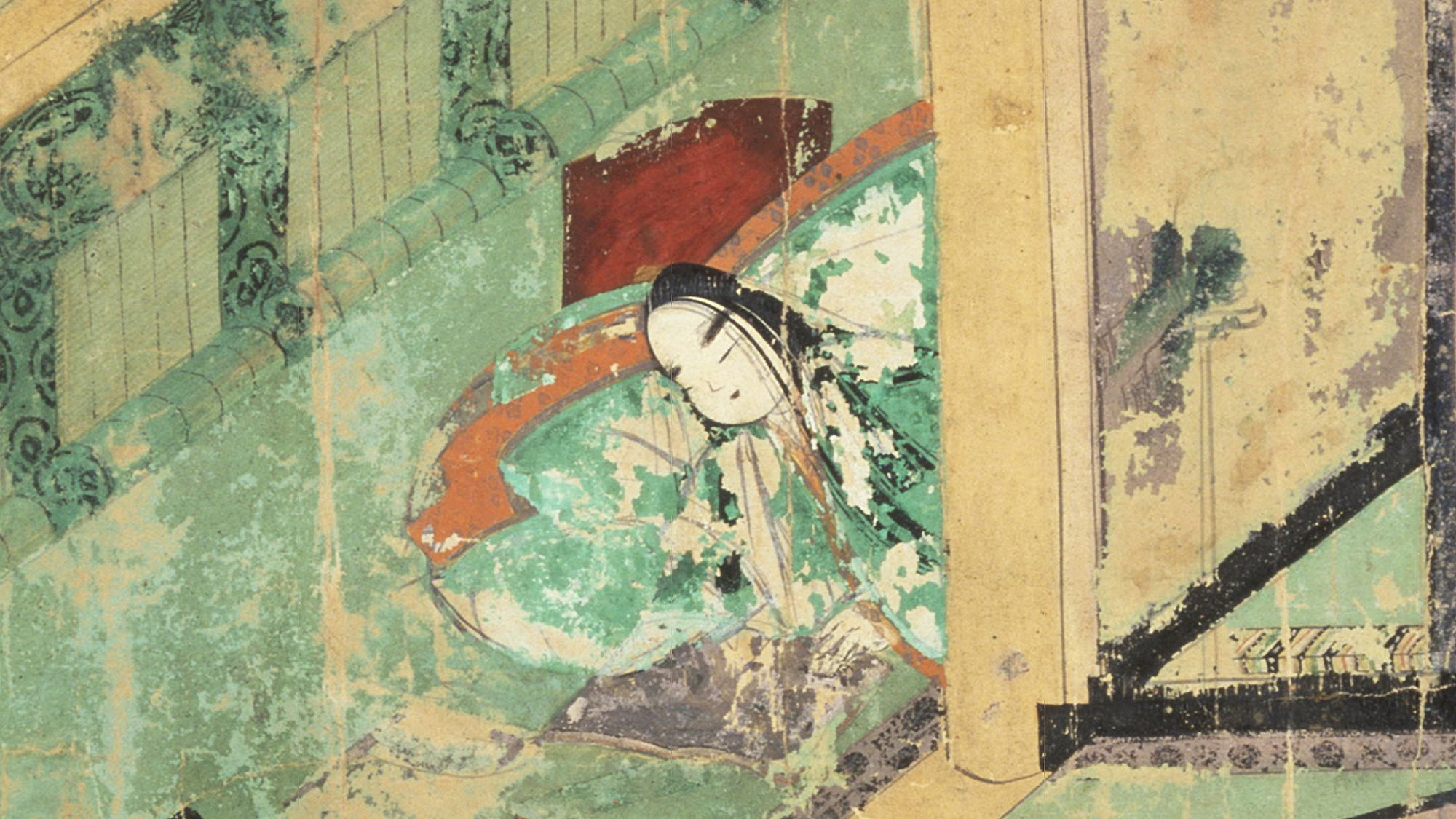
Illustration from the “Oak Tree (Kashiwagi)” chapter from The Tale of Genji, late Heian period, twelfth century. Handscroll, ink and color on paper
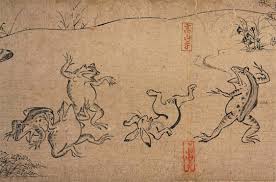
Scrolls of Frolicking Animals (Chōjū jinbutsu giga), attributed to Toba Sōjō. Detail from scroll I, mid-twelfth century. Handscroll, ink on paper
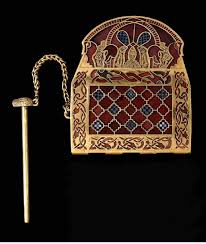
Shoulder clasp, gold and enamel, Sutton Hoo, England, ca. 625 CE
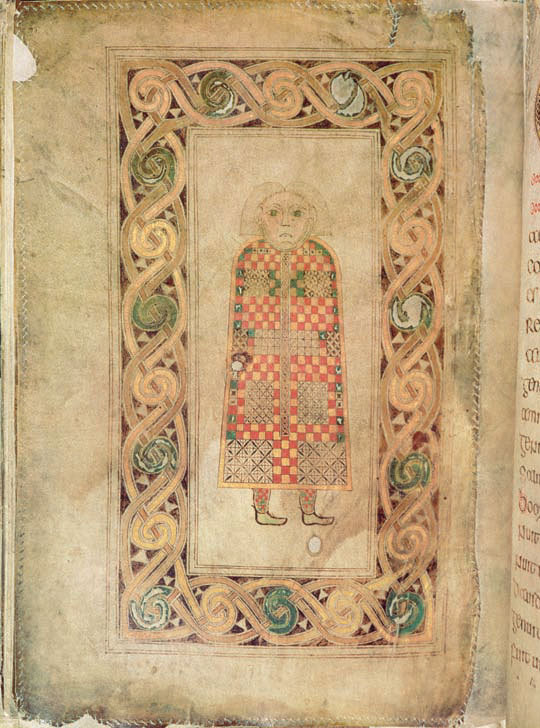
Evangelist page with Matthew, fol 21v, Book of Durrow, 660-80 CE
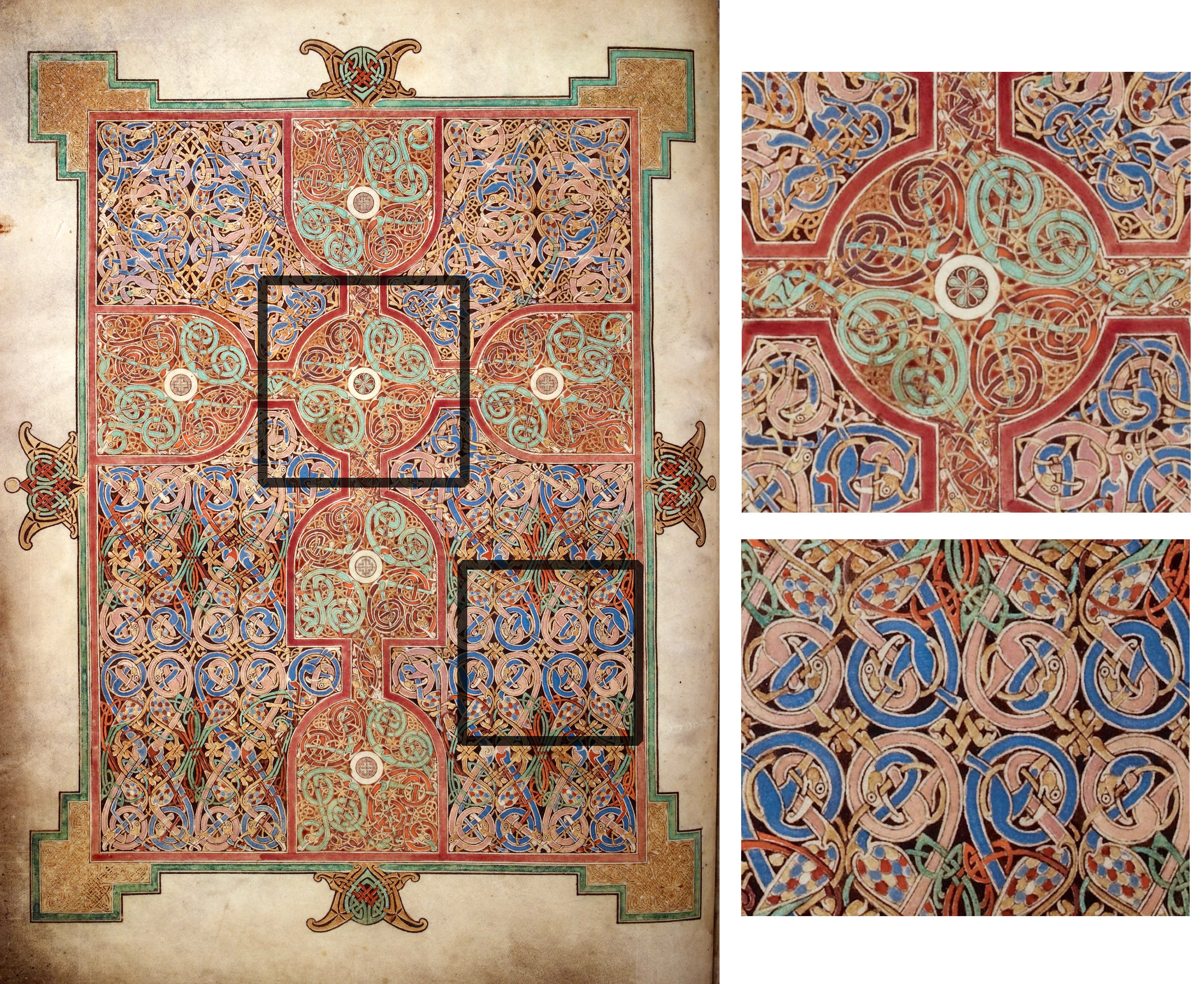
Carpet page in Lindisfarne Gospels, fol. 26v, British Library, ca. 698-721 CE
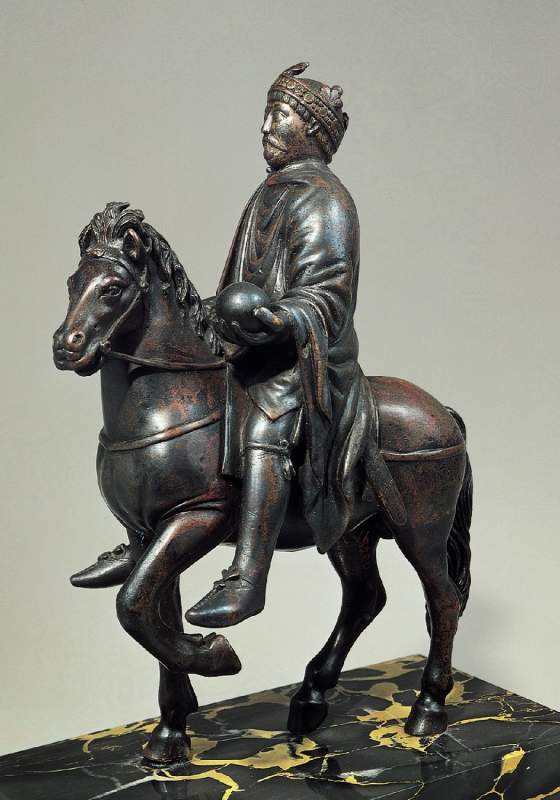
Equestrian statue of Carolingian emperor, Charlemagne?, bronze, Louvre, ca. 800 CE
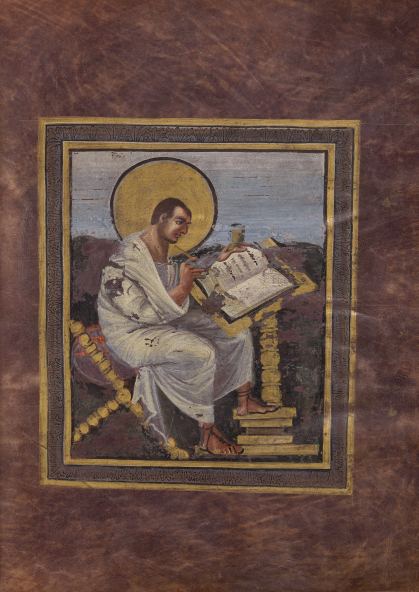
Aachen Coronation Gospels, page with Matthew Evangelist, fol 15r, Aachen, ca. 800 CE
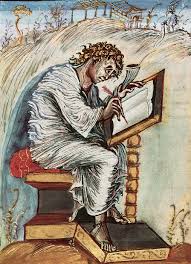
Ebbo Gospels, page with Matthew Evangelist, fol. 18v, Reims, 816-35 CE
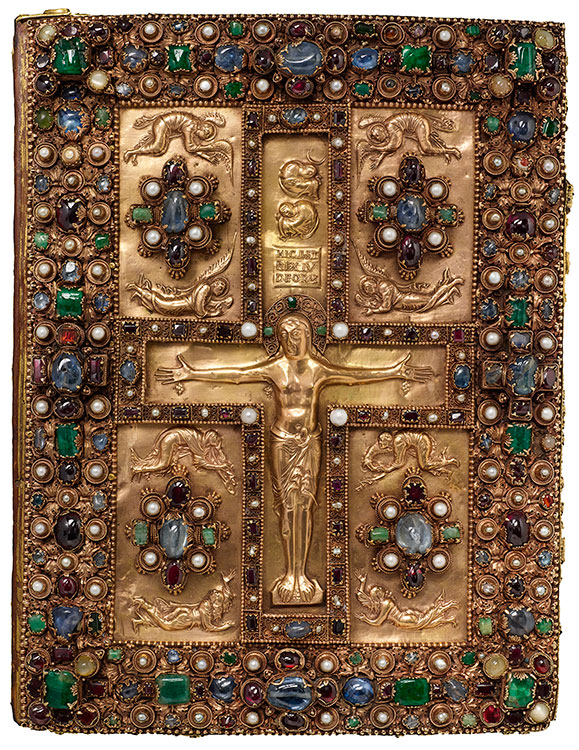
Lindau Gospel covers (front and back), late early to late ninth century, Morgan Art Library, NY
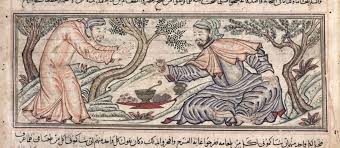
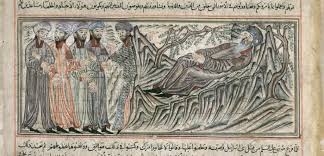
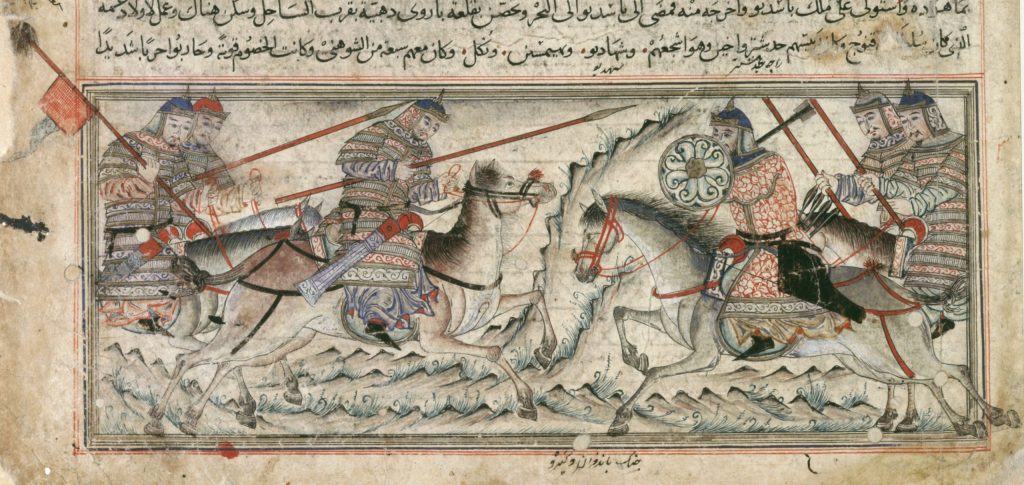
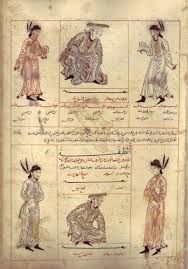
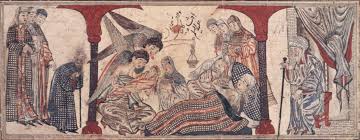
Rashid al-Din, The Compendium of Chronicles, c. 1306
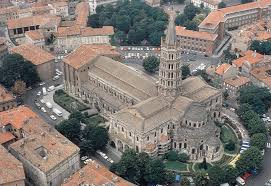
Church of S. Sernin of Toulouse, France, eleventh century
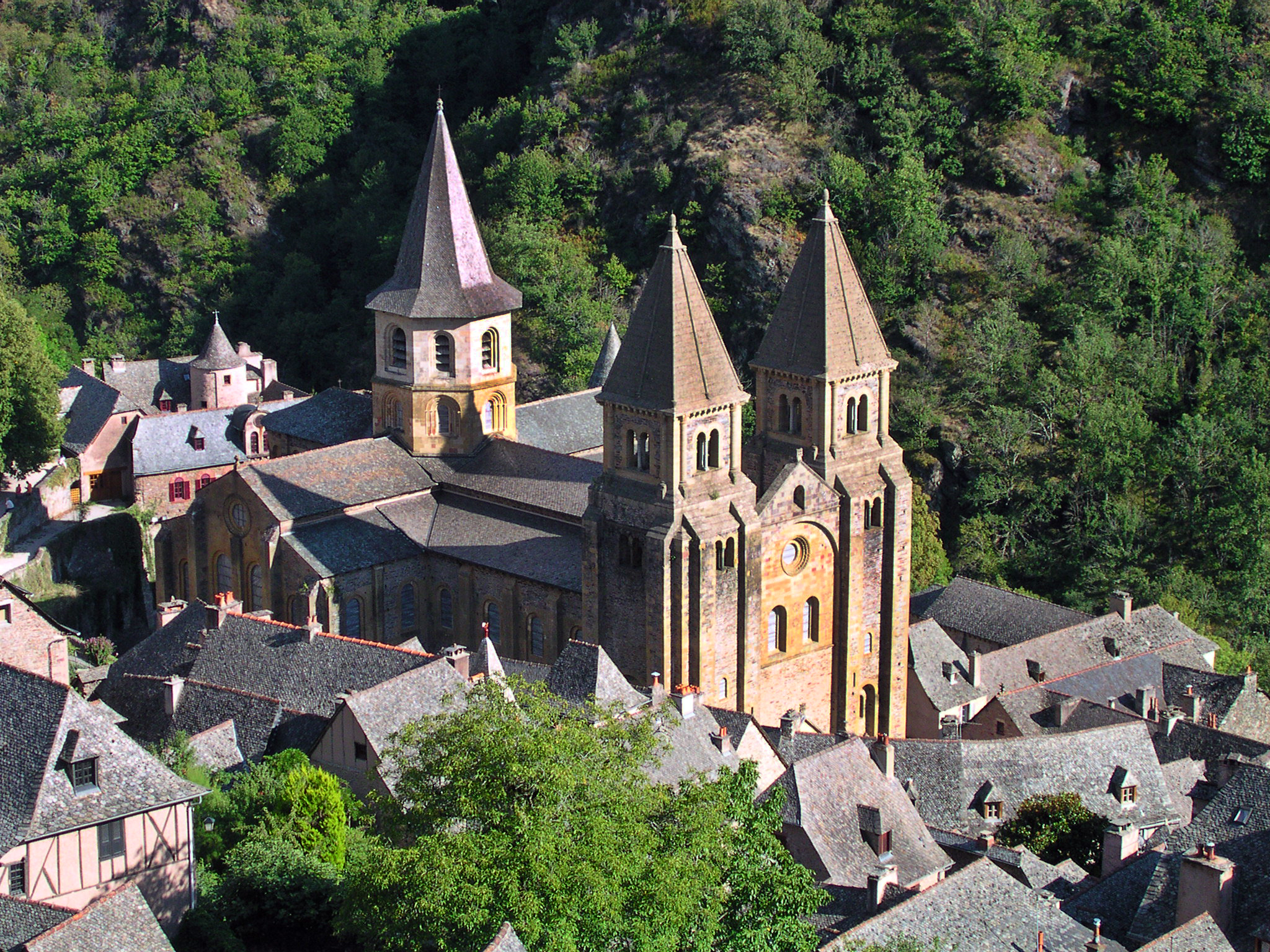
Church of Sainte Foi at Conques, France, 1050-1130
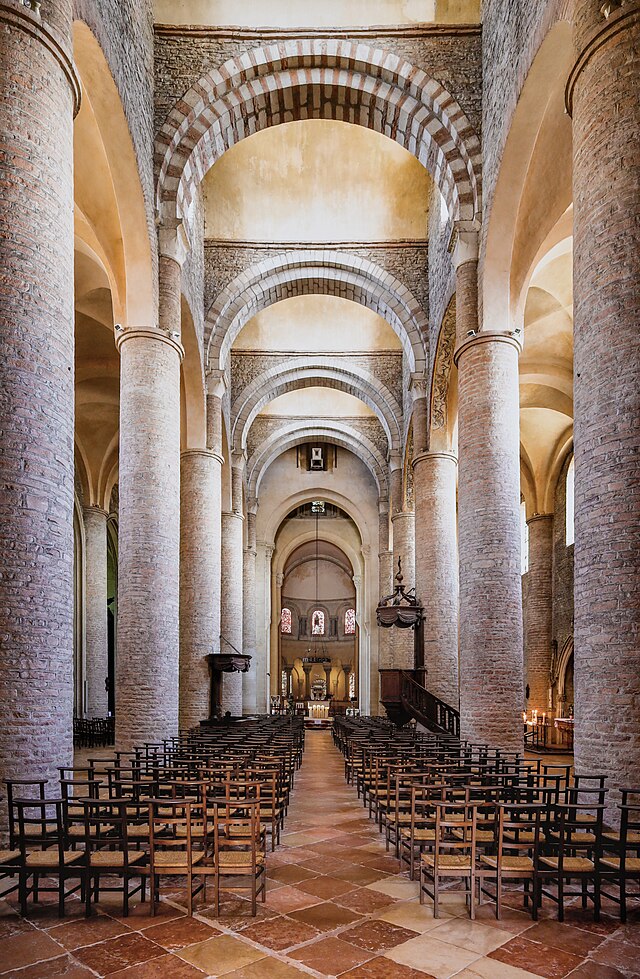
Church of S. Philibert at Tournus, France, ca. 1060
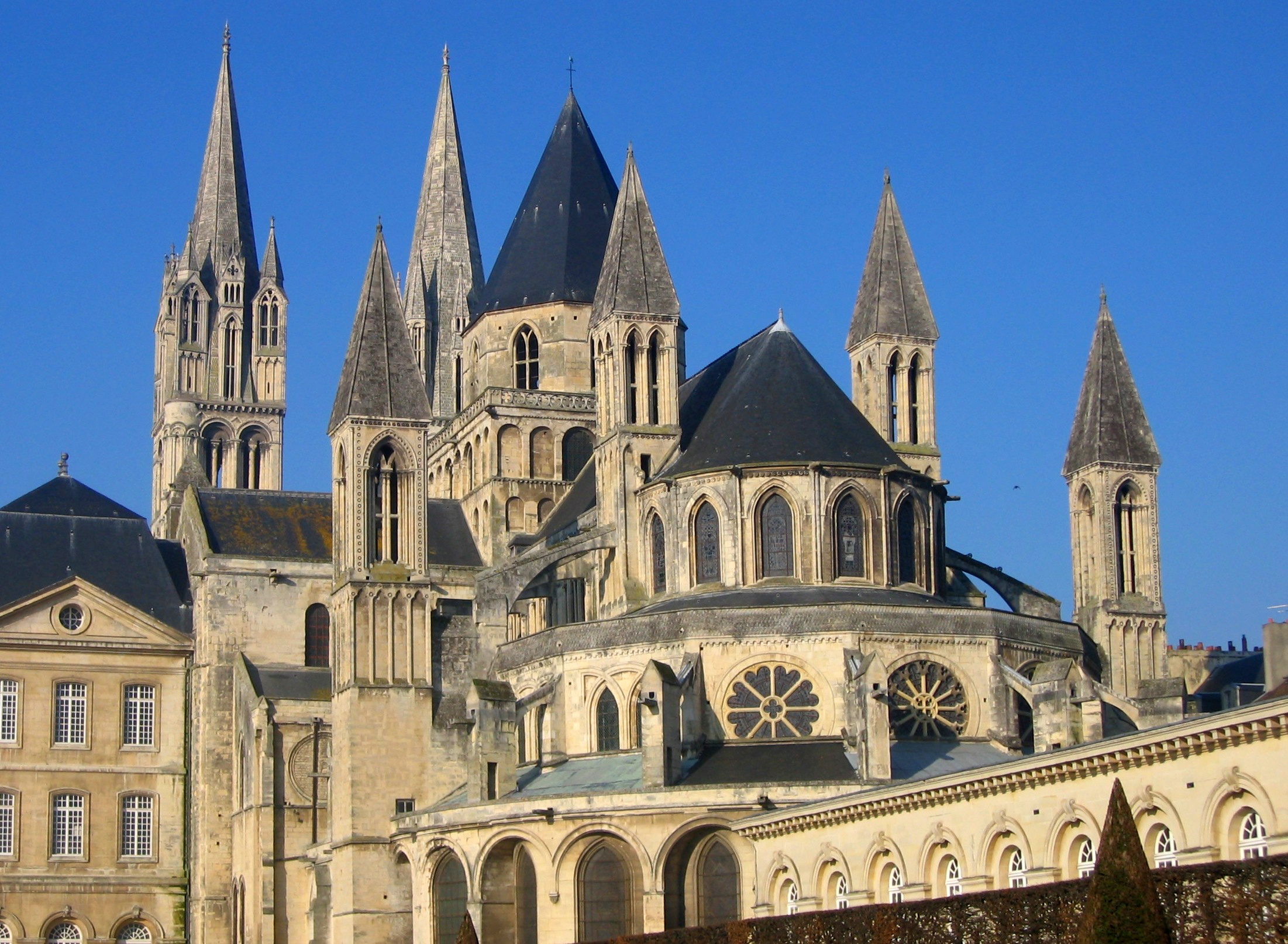
Church of S. Etienne of Caen, France, 1115-1120
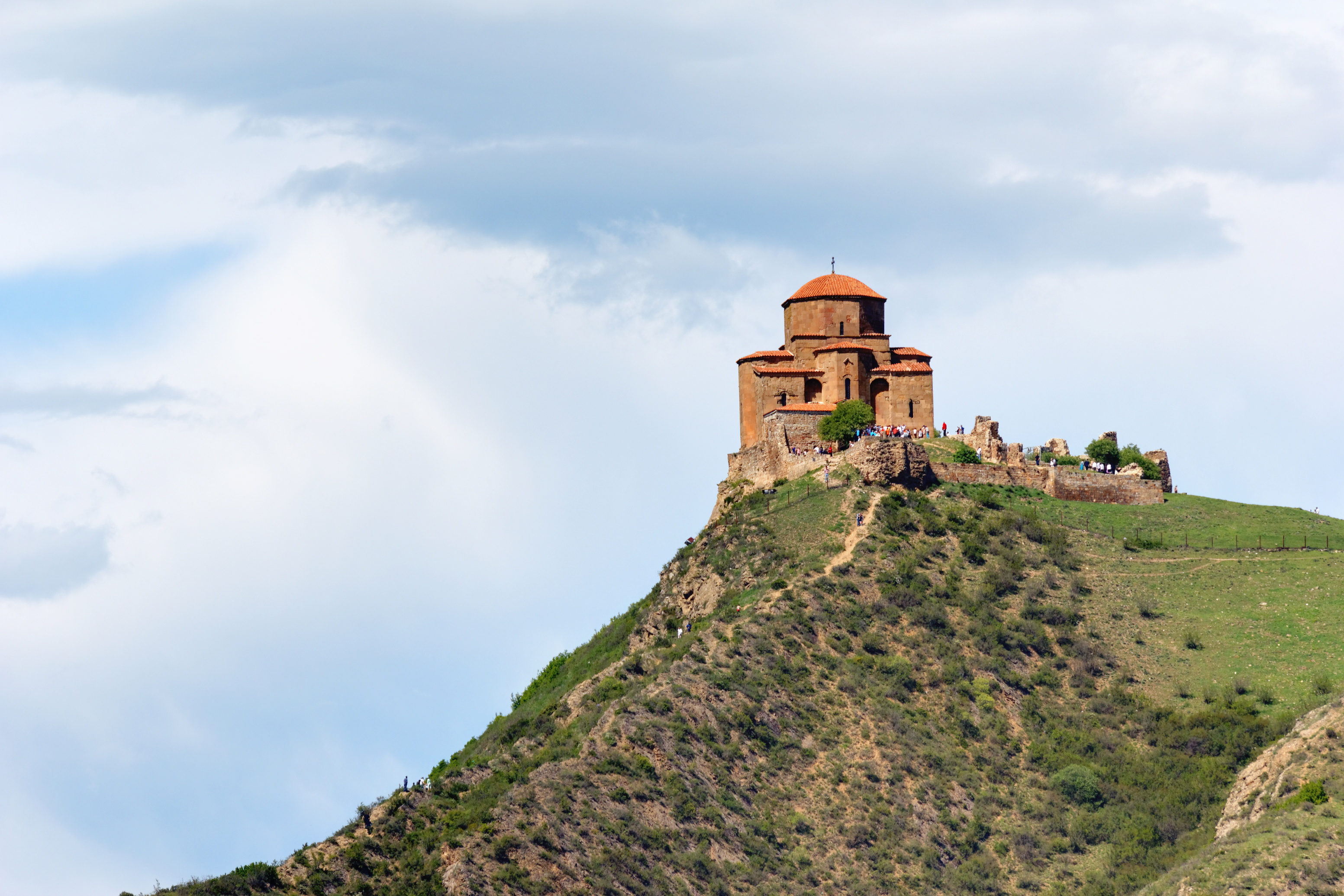
Church of Jvari, ca. 600, Mtskheta, Georgia
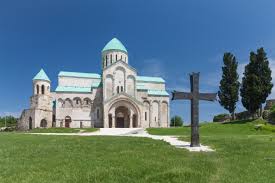
Cathedral of Kutaisi, Georgia, 1003
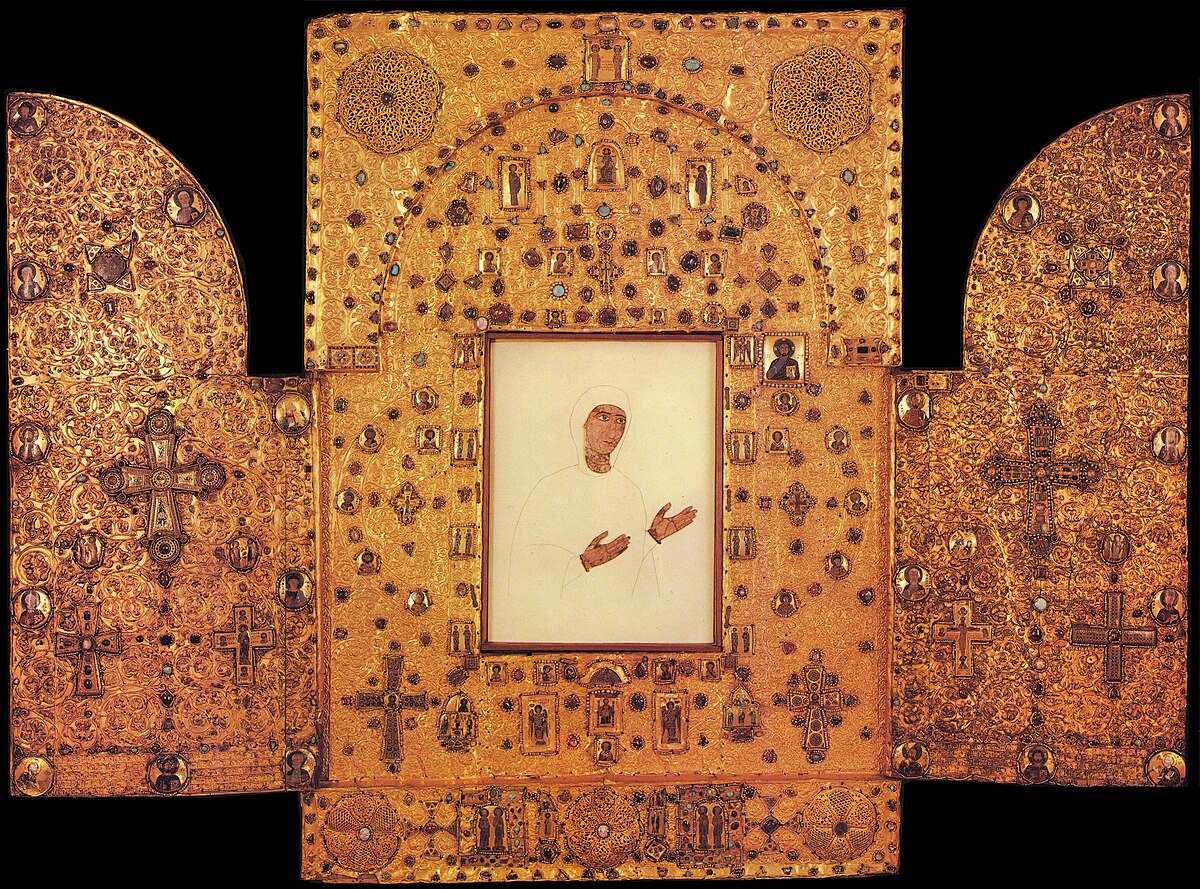
Khakhuli Triptych, 10th-12th cent, National Museum, Tbilisi
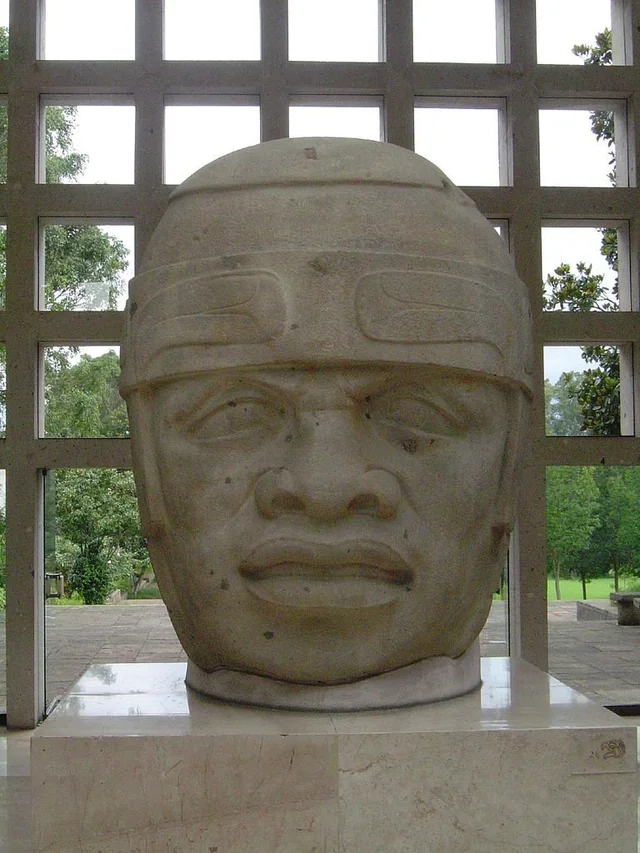
Colossal Head (Head 8), San Lorenzo, Mexico, Olmec, c. 1200-900 BCE.
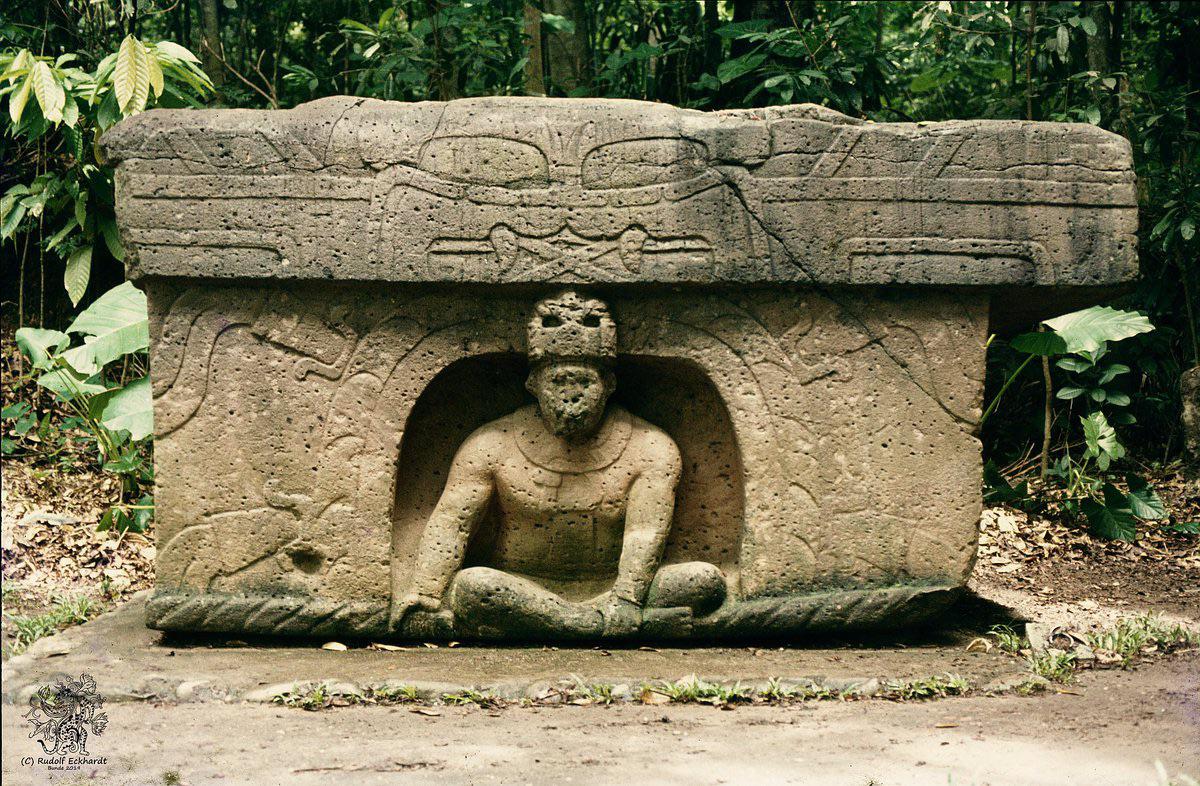
La Venta (throne), Altar 4, Olmec, c. 900-400 BCE.
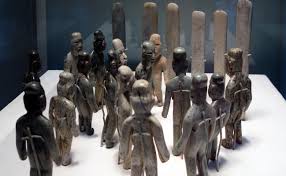
Offering 4, from North Plaza, La Venta, c. 900-400 BCE.
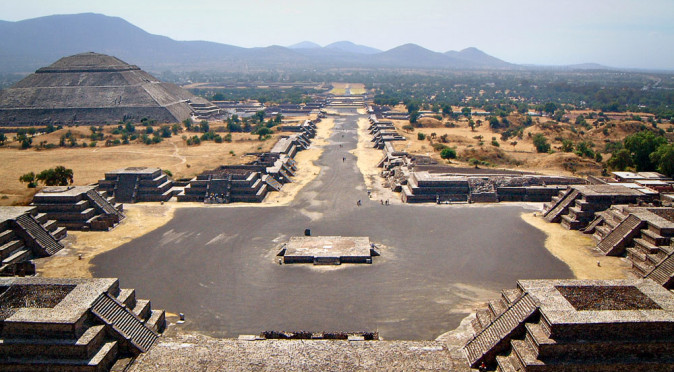
Teotihuacan, Mexico, with the Pyramid of the Moon in the foreground, the Pyramid of the Sun at upper left, and the Street of the Dead in the center. Main pyramids c. 150–250 CE.
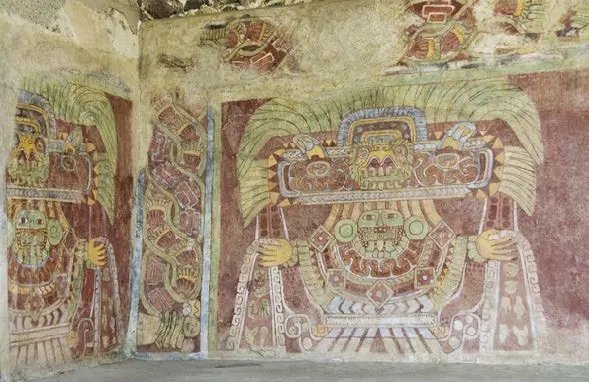
Female figure (the Goddess), fresco, Tetitla apartments, c. 550–650 CE. Teotihuacan, Mexico.
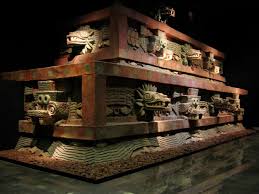
Facade of the Temple of the Feathered Serpent (detail; reconstruction), with talud-tablero profile, c. 225 CE. Teotihuacan, Mexico.
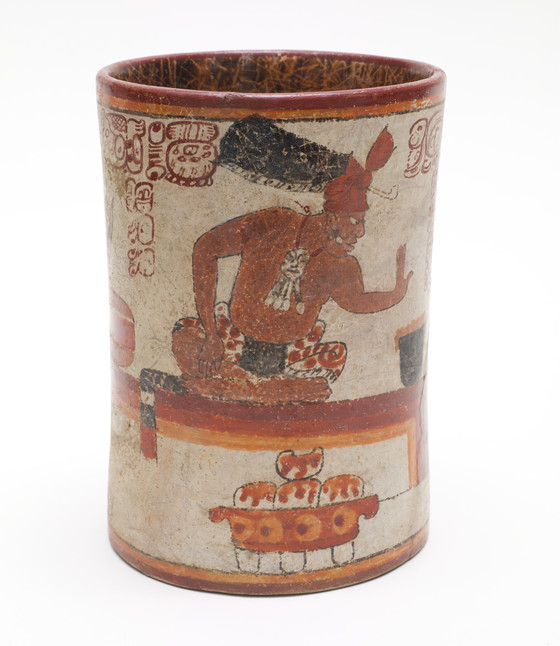
Chocolate vessel with palace scene, Maya, c. 600–900 CE.
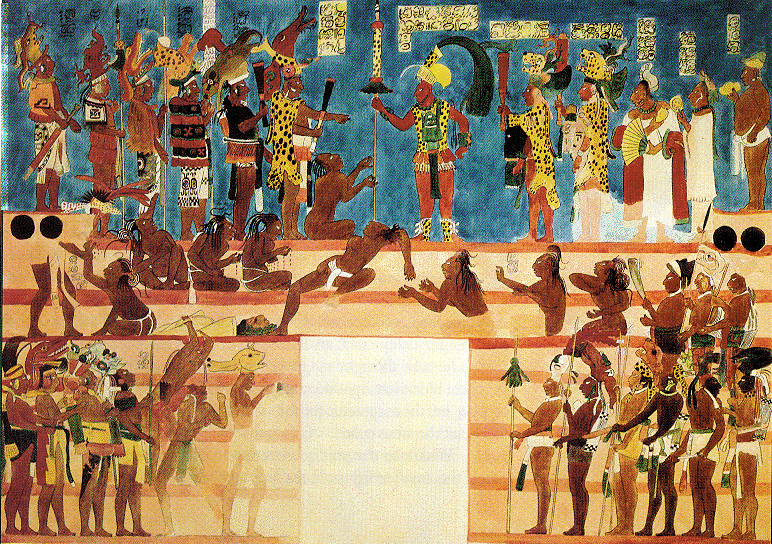
Presentation of captives to Lord Chan Muwan (reproduction), Maya, c. 791, Bonampak, Mexico.
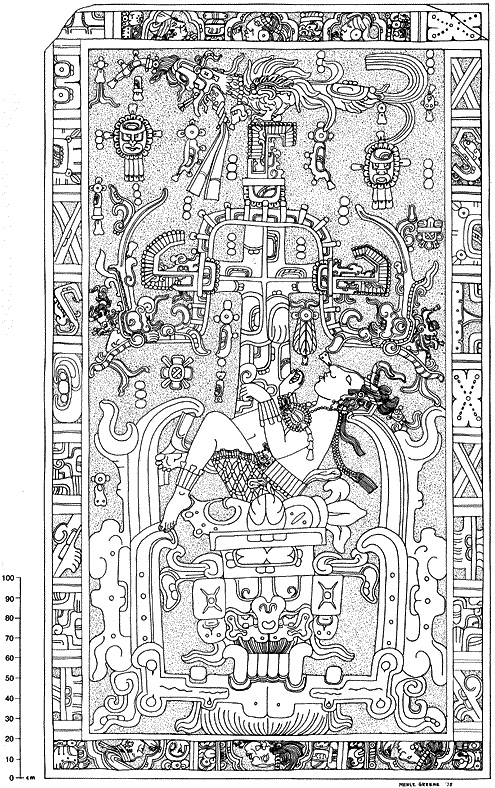
Carving on sarcophagus lid from tomb of Pakal, from Palenque, Maya, c. 683.
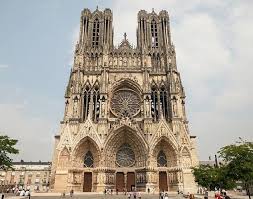
Reims Cathedral, France, 13th-14th centuries
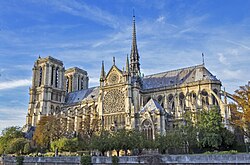
Notre Dame, Paris. Remodeled in 1220’ties
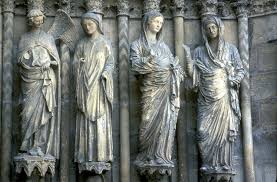
Annunciation, Reims Cathedral, west portal, 1230-33
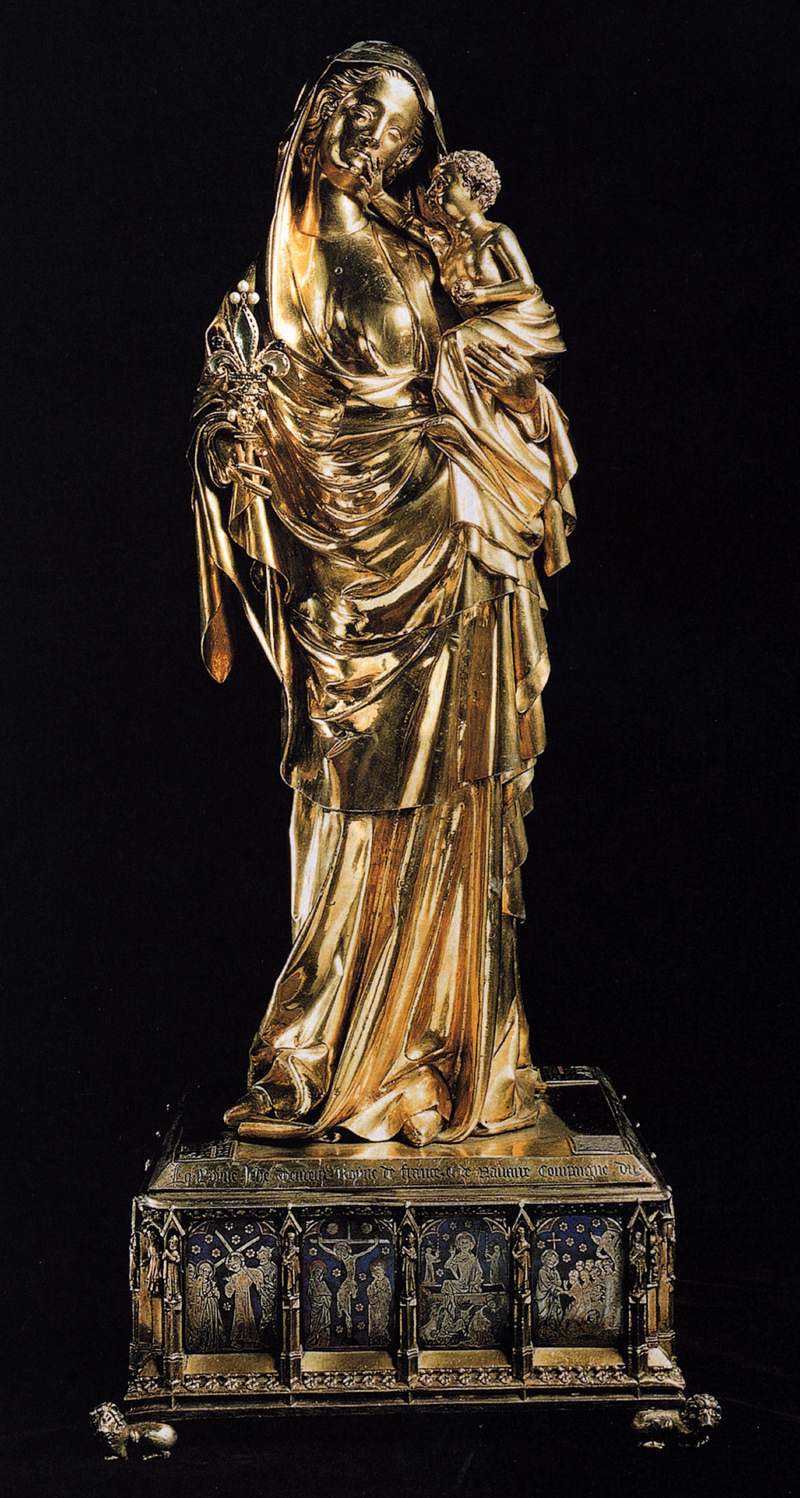
Virgin of Jeanne d’Evreux, 1339, Louvre
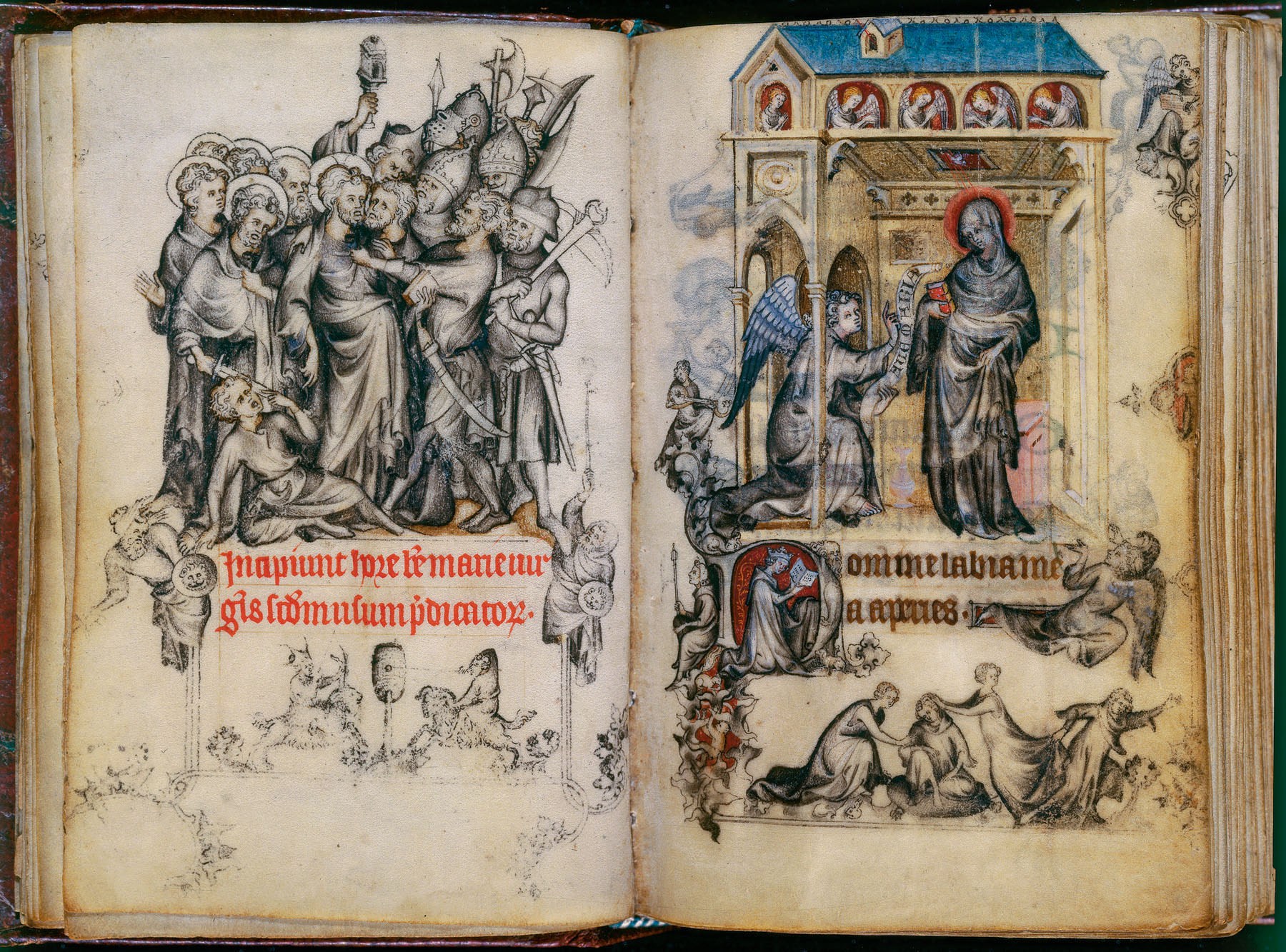
Jean Pucelle: Betrayal of Christ and Annunciation. From the Book of Hours by Jeanne d’Evreux, 1325-1328, The Cloisters (MET)
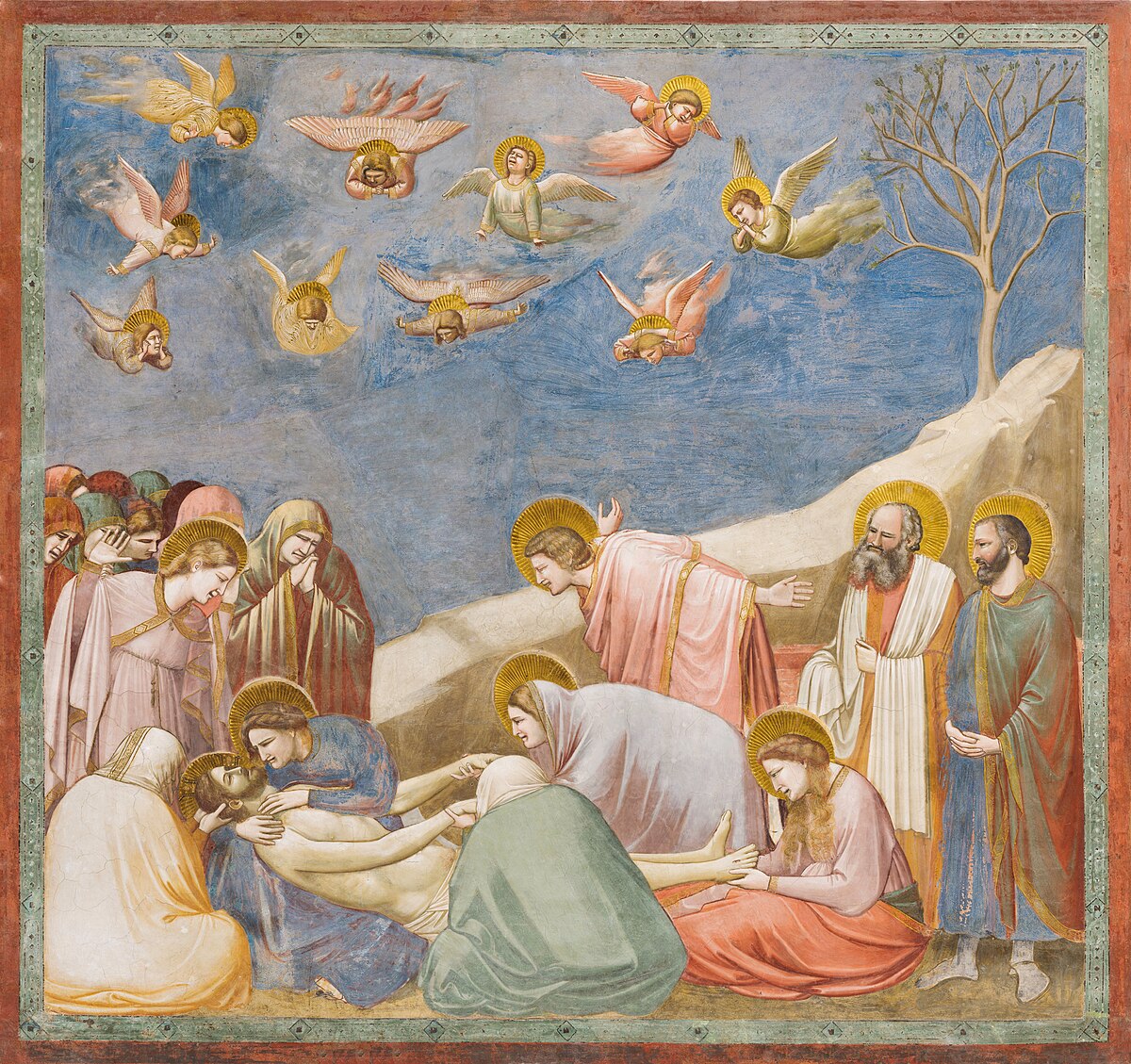
Giotto, Lamentation, Arena Chapel, Padua (Italy) 1305-1306
Previous
 Note
Note  Flashcards (32)