AP Human Geography, Units 1-7 Cumulative Concepts
 Call Kai
 Learn
Learn Practice Test
 Spaced Repetition
 Match
Match Flashcards
 Knowt Play
1/276

There's no tags or description
Looks like no tags are added yet.
Name | Mastery | Learn | Test | Matching | Spaced | Call with Kai |
|---|
No analytics yet
Send a link to your students to track their progress
277 Terms
Location
The position of something on Earth's surface.

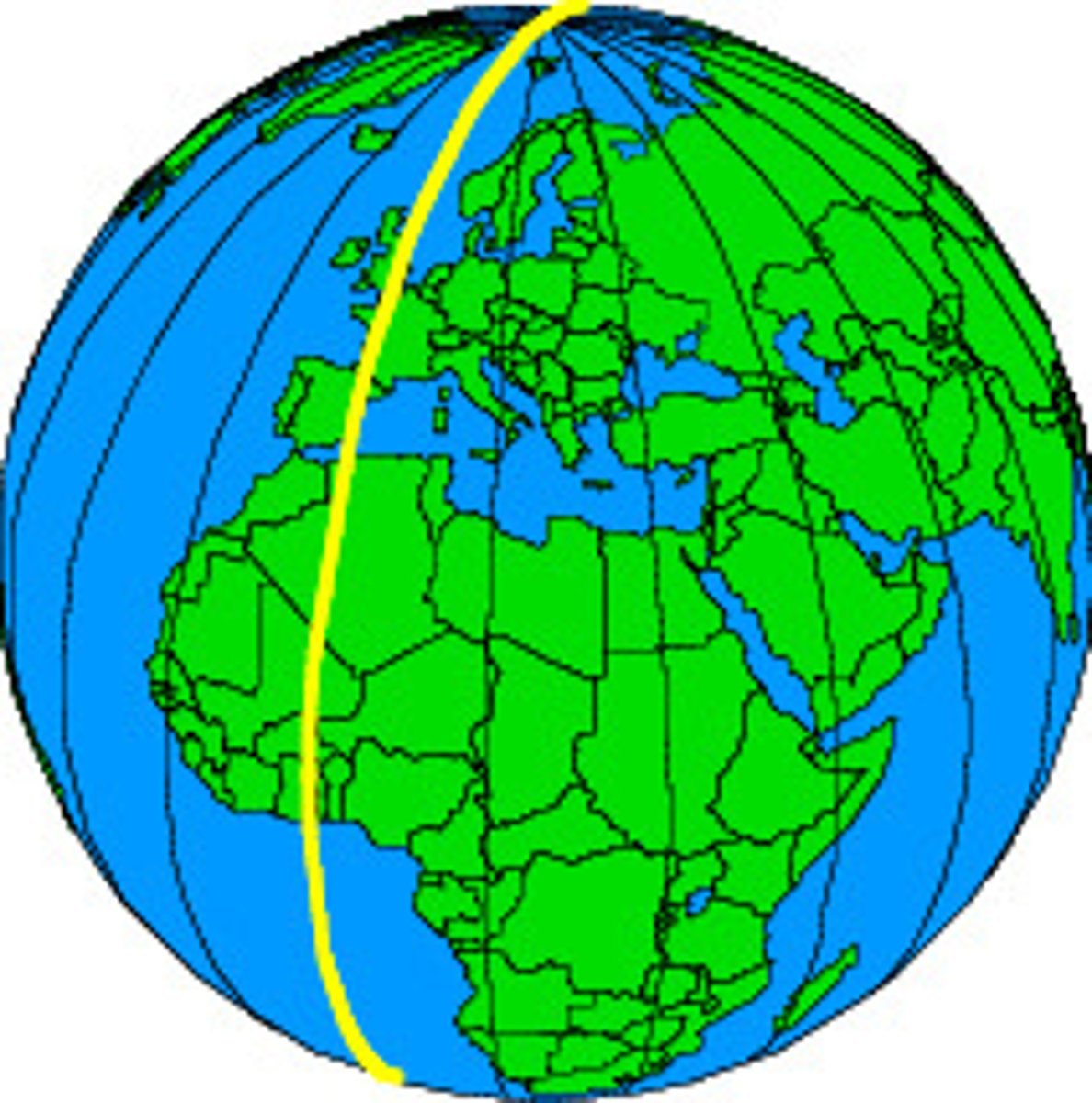
Longitude
The angular measurement East or West of the Prime Meridian. (Represented with vertical lines)
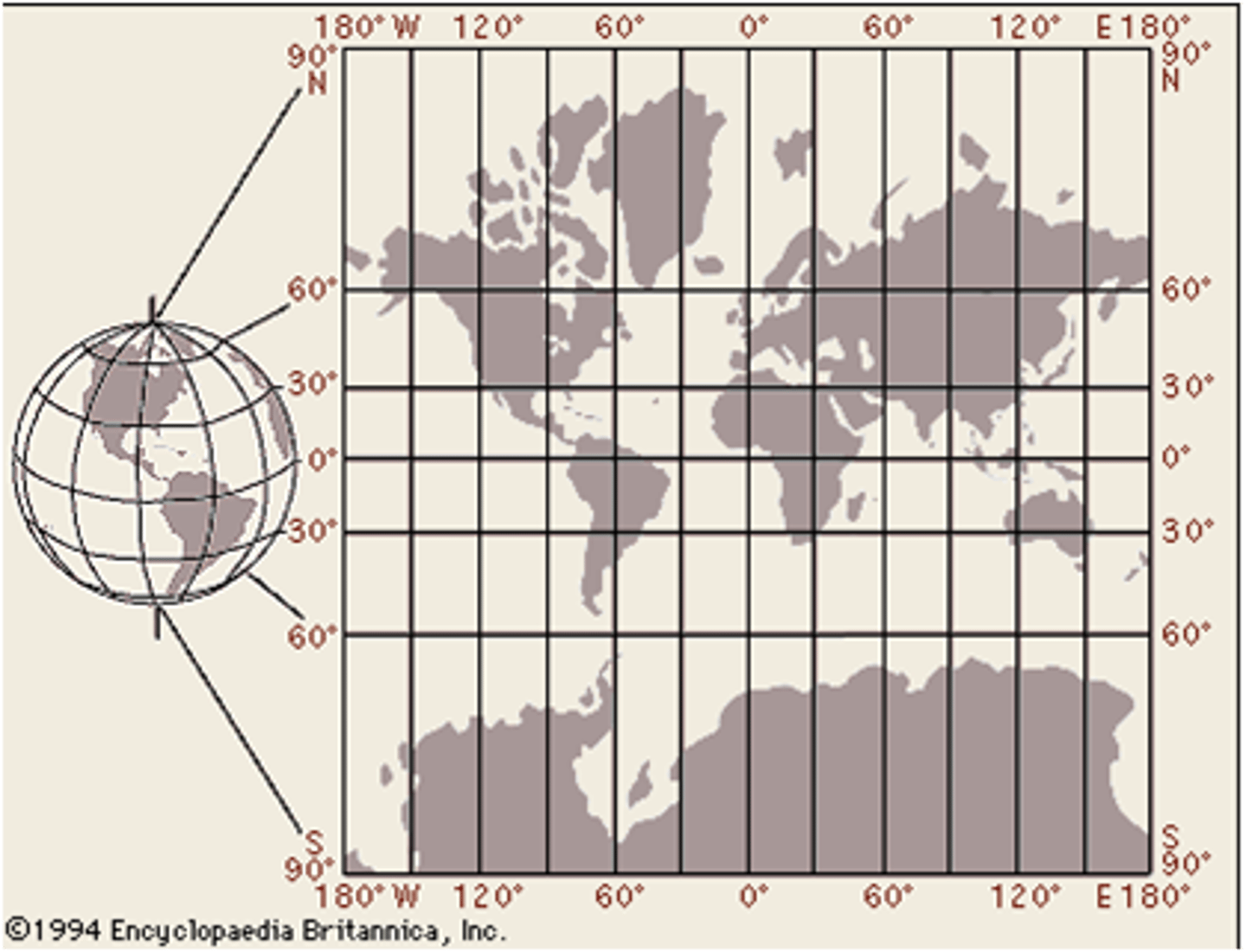
Map Projection
The method of transferring Earth's spherical 3D surface onto a 2D surface.
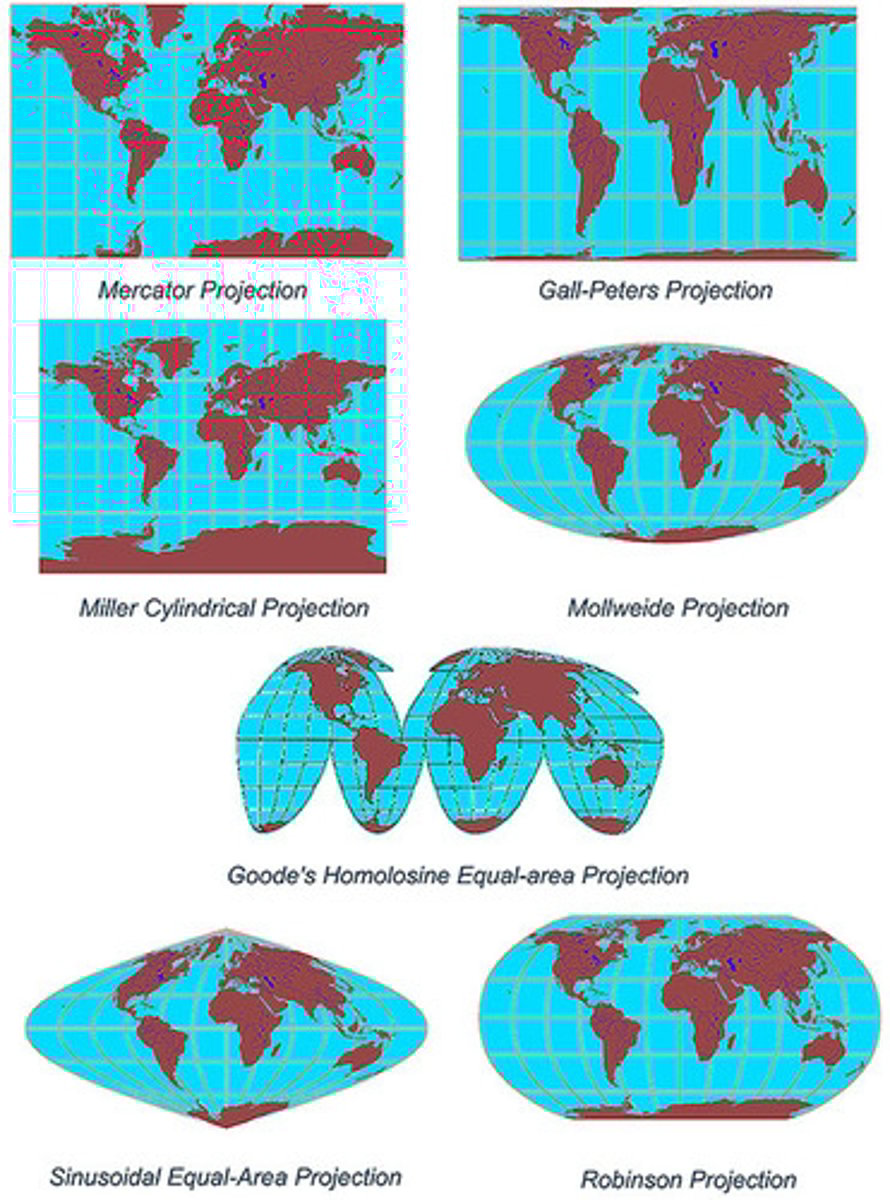
Distortion
A misrepresentation/inaccuracy in a map occurring through the process of a projection.
(Size, Shape, Direction, Location are factors of this)
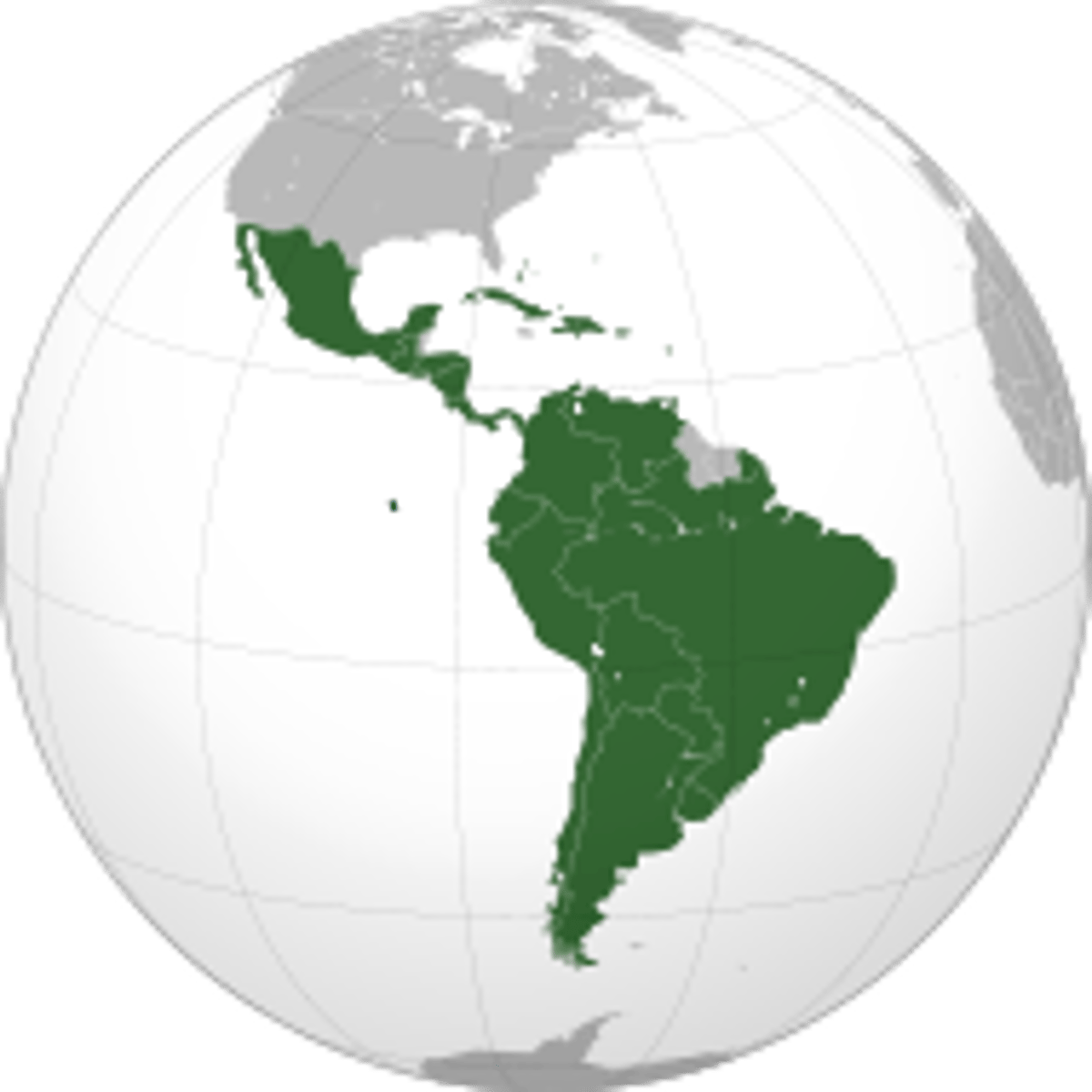
Formal Region
An area defined by one or more traits or characteristics.
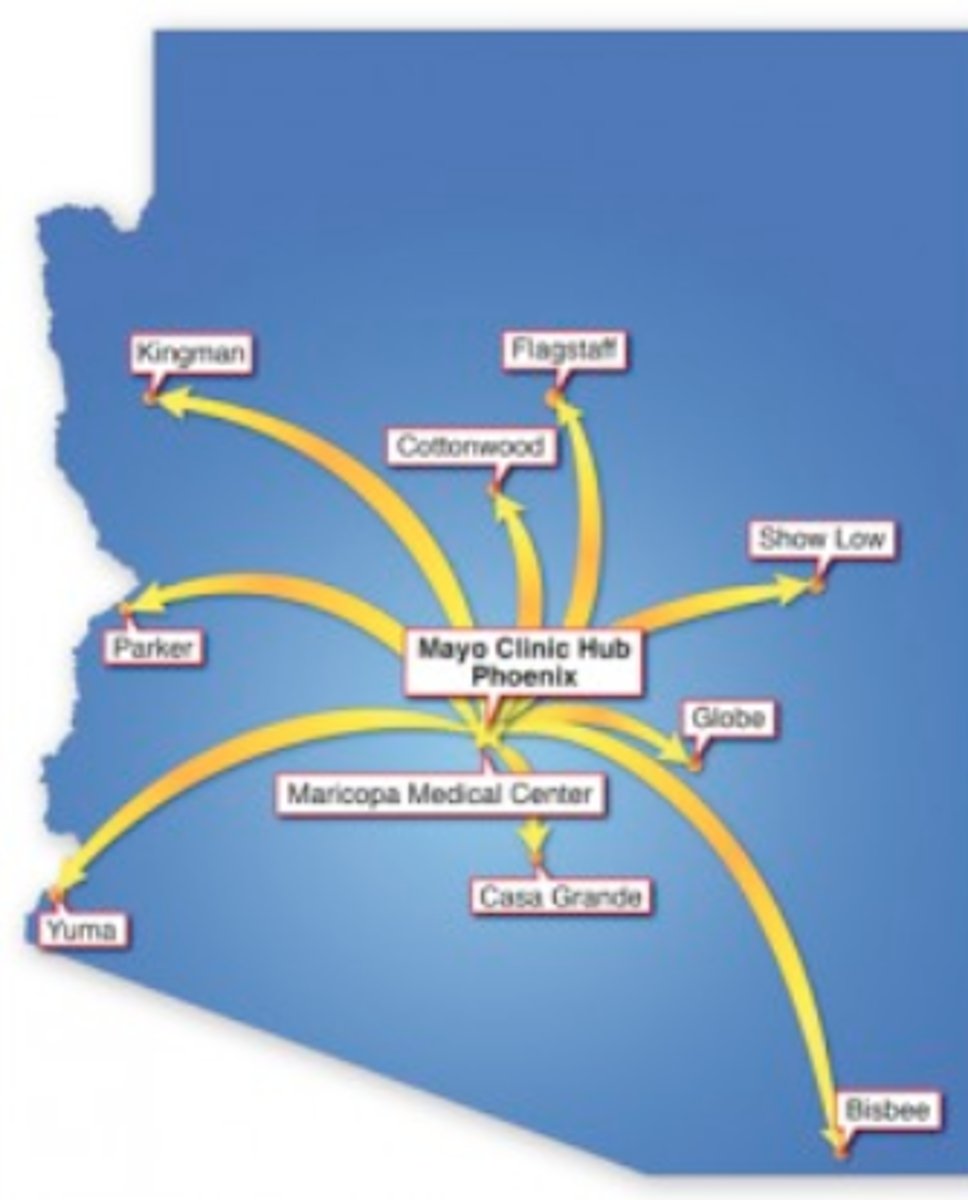
Functional Region
An area centered around a node or center point.
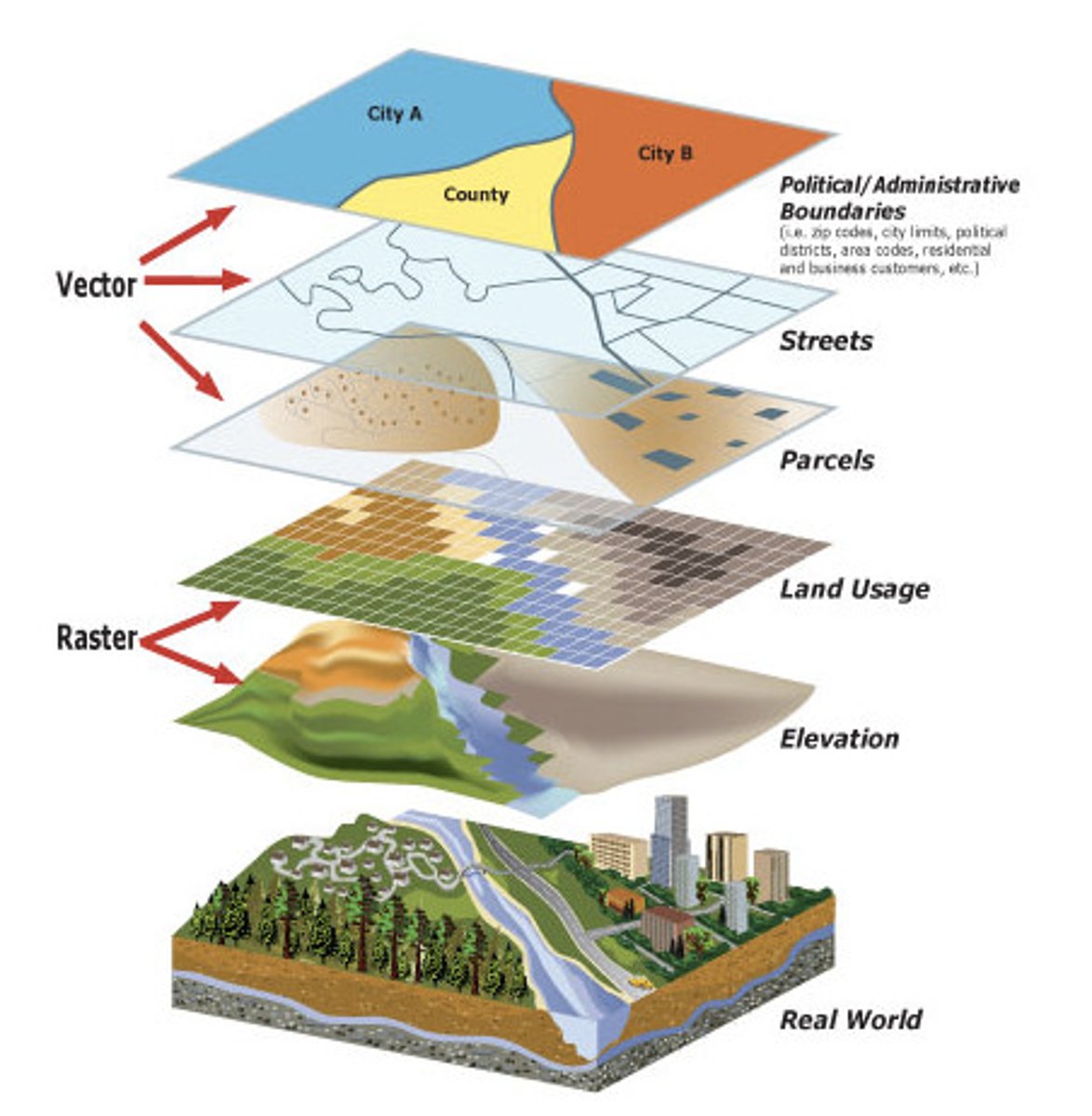
Geographic Information System (GIS)
A software that stores, computes, or analyzes geographic information.
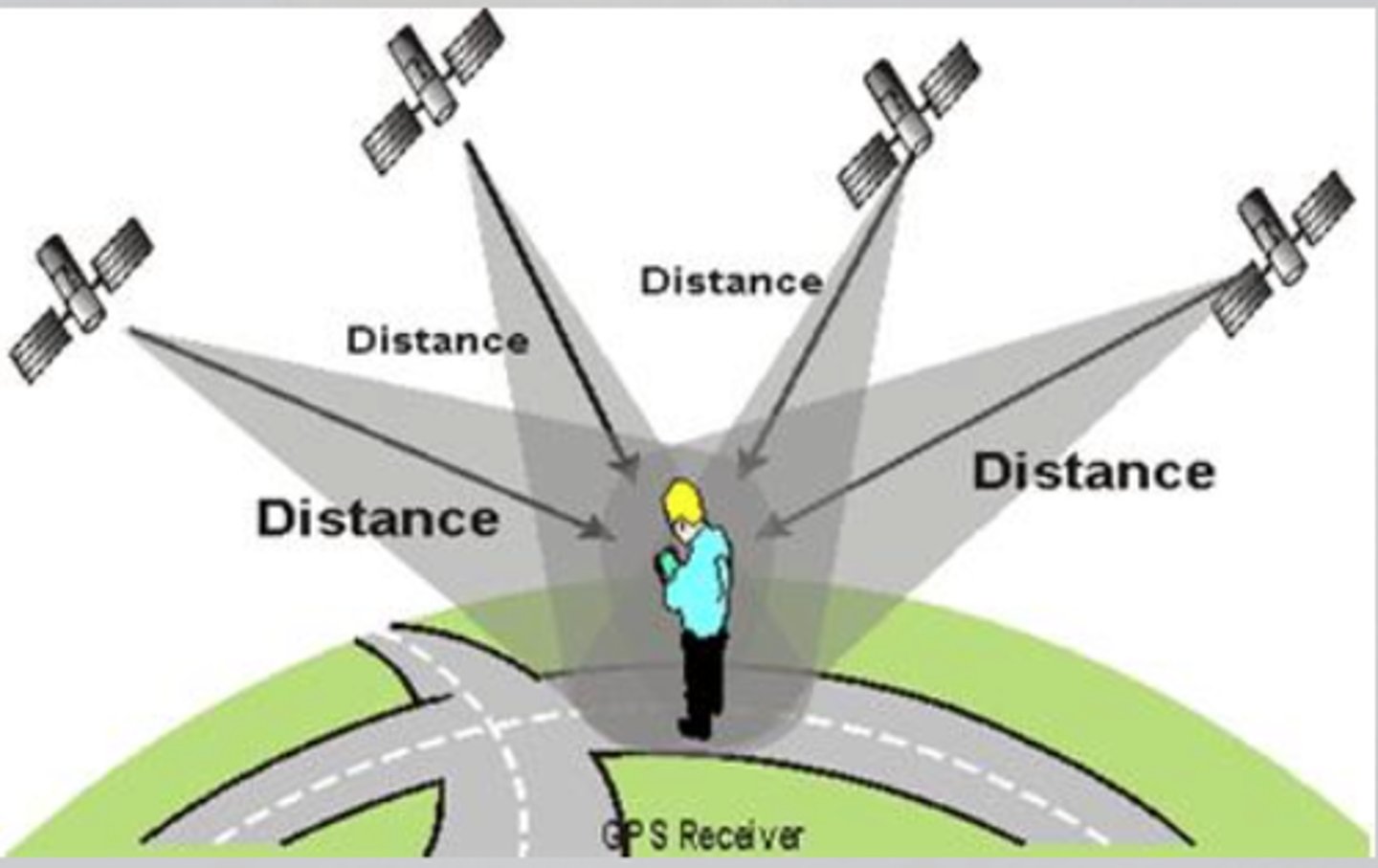
Global Positioning System (GPS)
The system collaborating between a cellular device and satellite to determine the exact location of something.
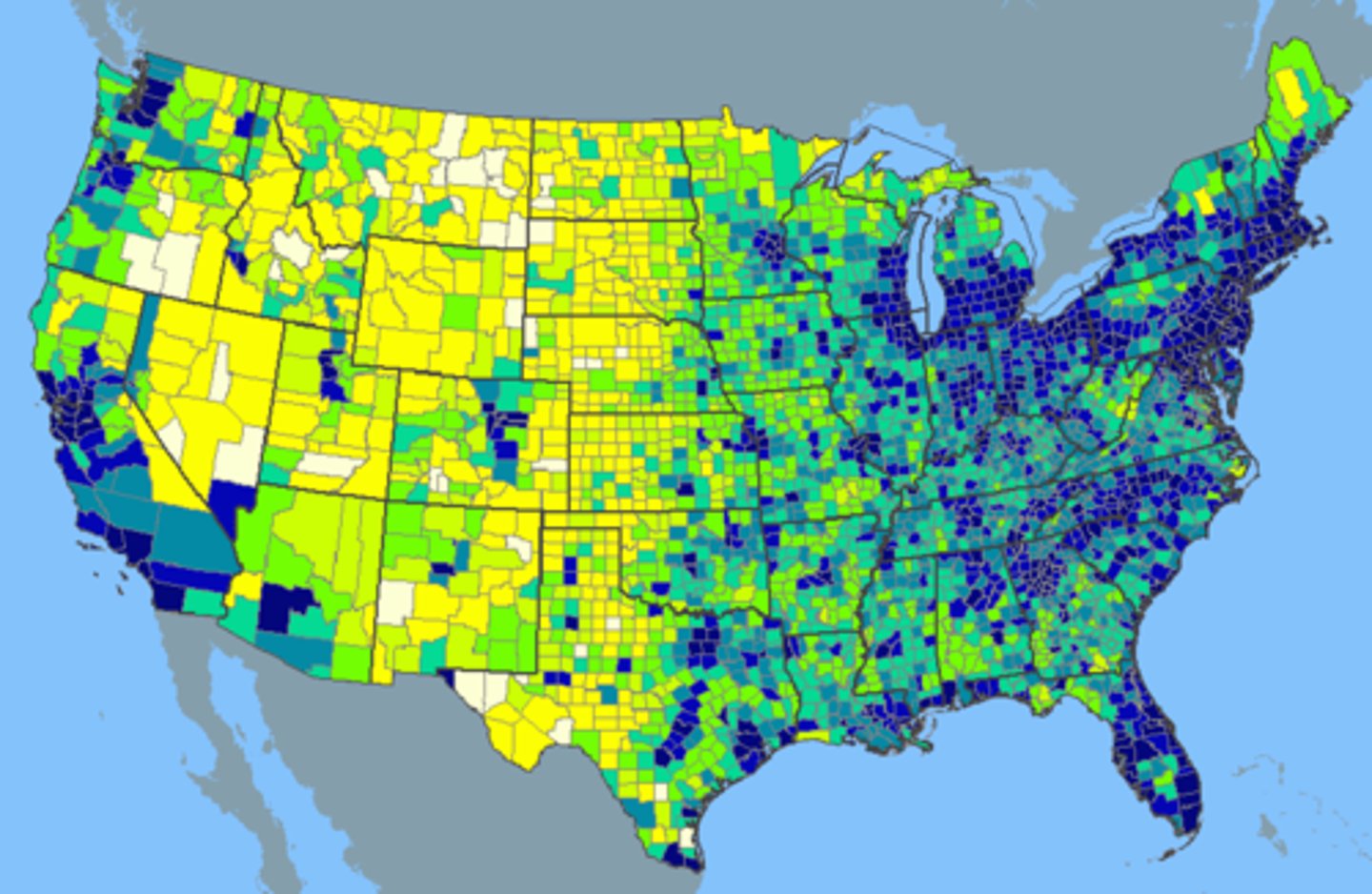
Density
The frequency in which something occupies/lives in a given unit of area.
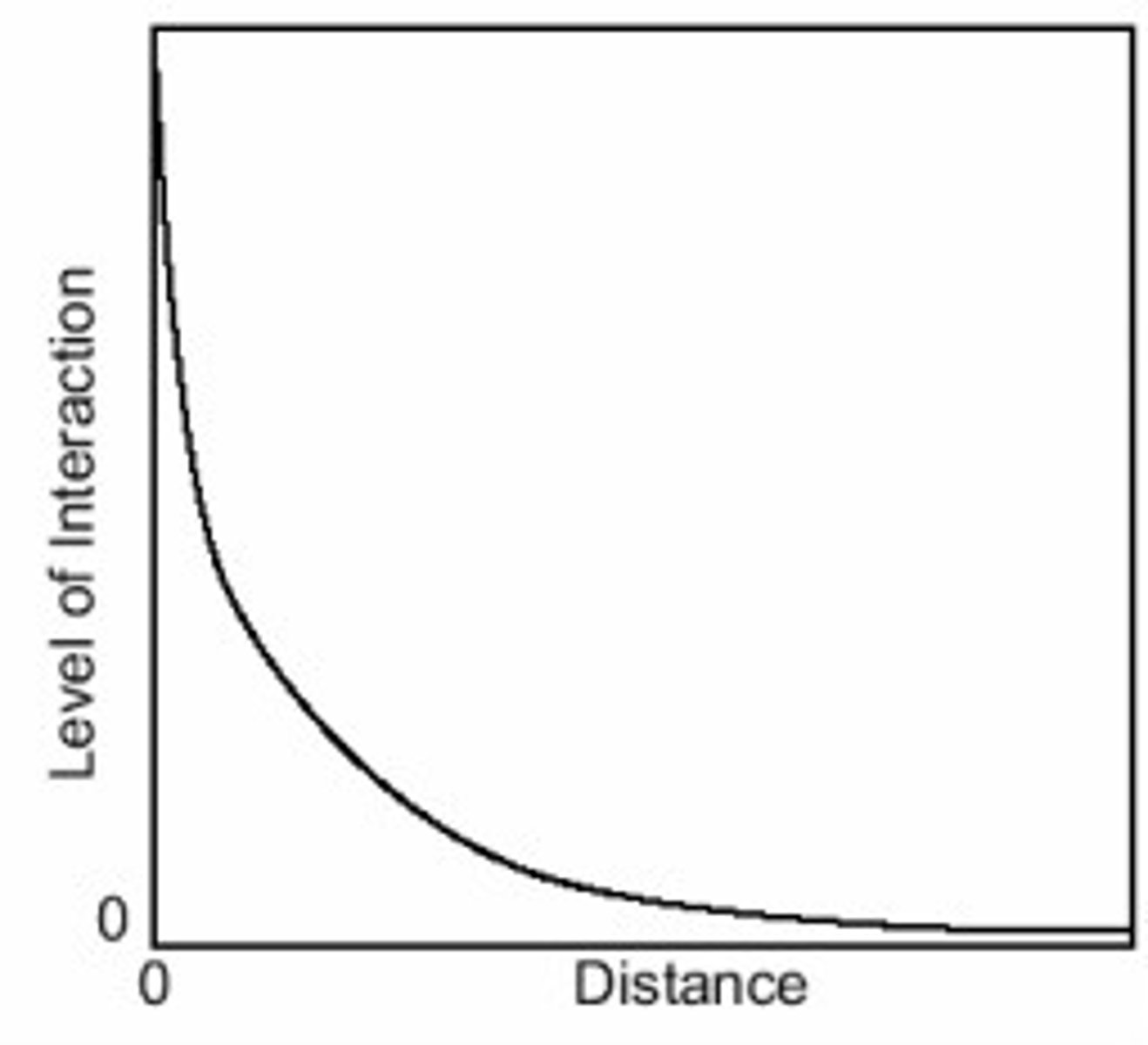
Distance Decay
Contact diminishes with increasing distance.
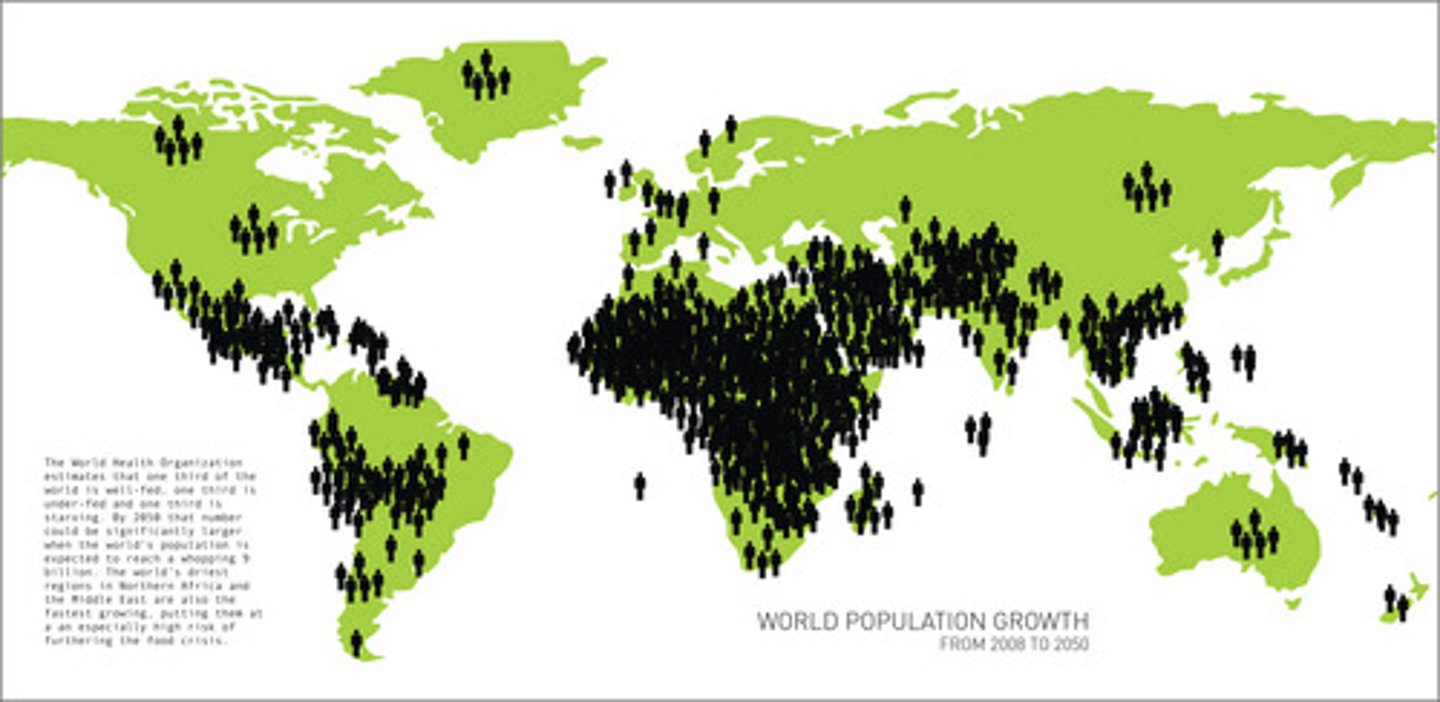
Distribution
The arrangement of things about the surface of Earth.
Environmental Determinism
A theory that environment sets limits and ultimately drives culture.
Globalization
The process in which something becomes worldwide.

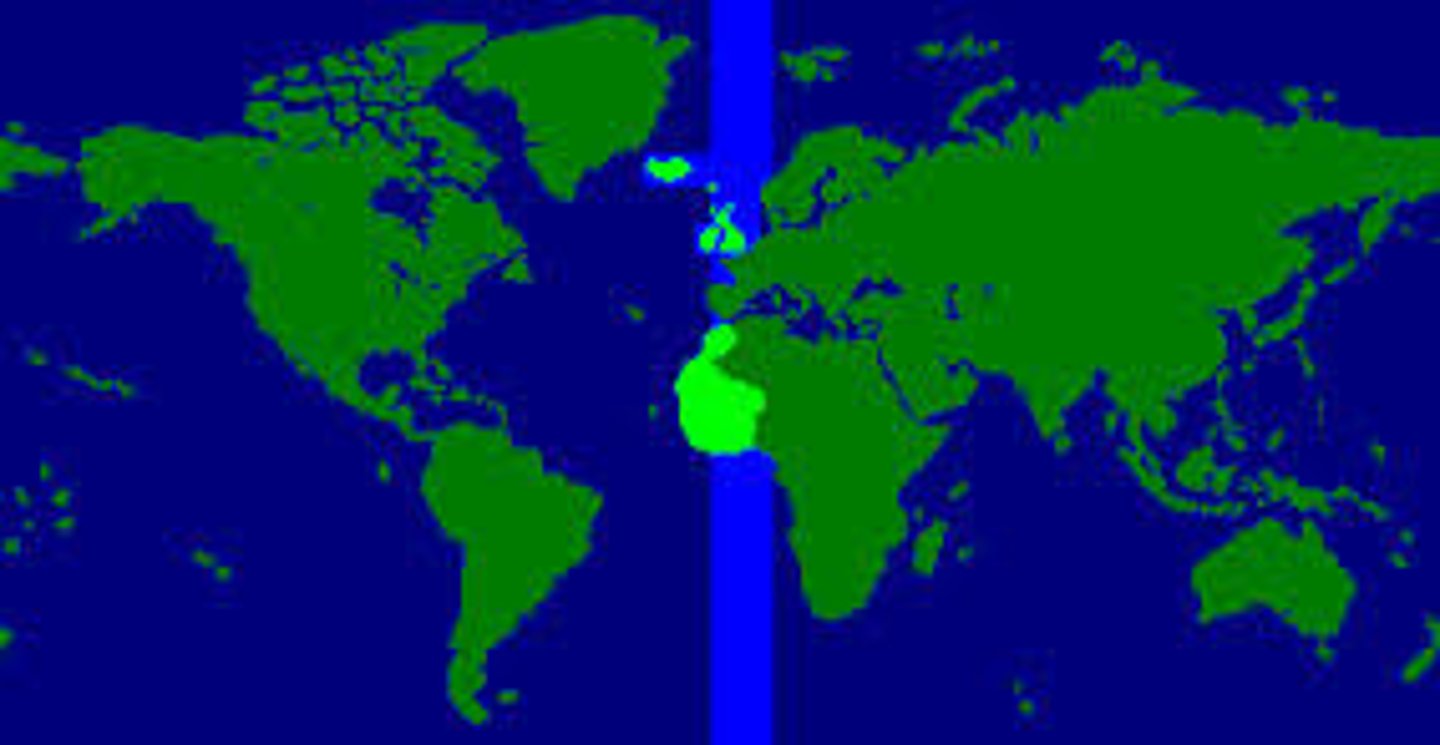
Greenwich Mean Time
The time zone within 0 degrees longitude, the Prime Meridian, located in Greenwich, England.
Possibilism
A theory where even if the environment sets limits, humans ultimately drive culture.
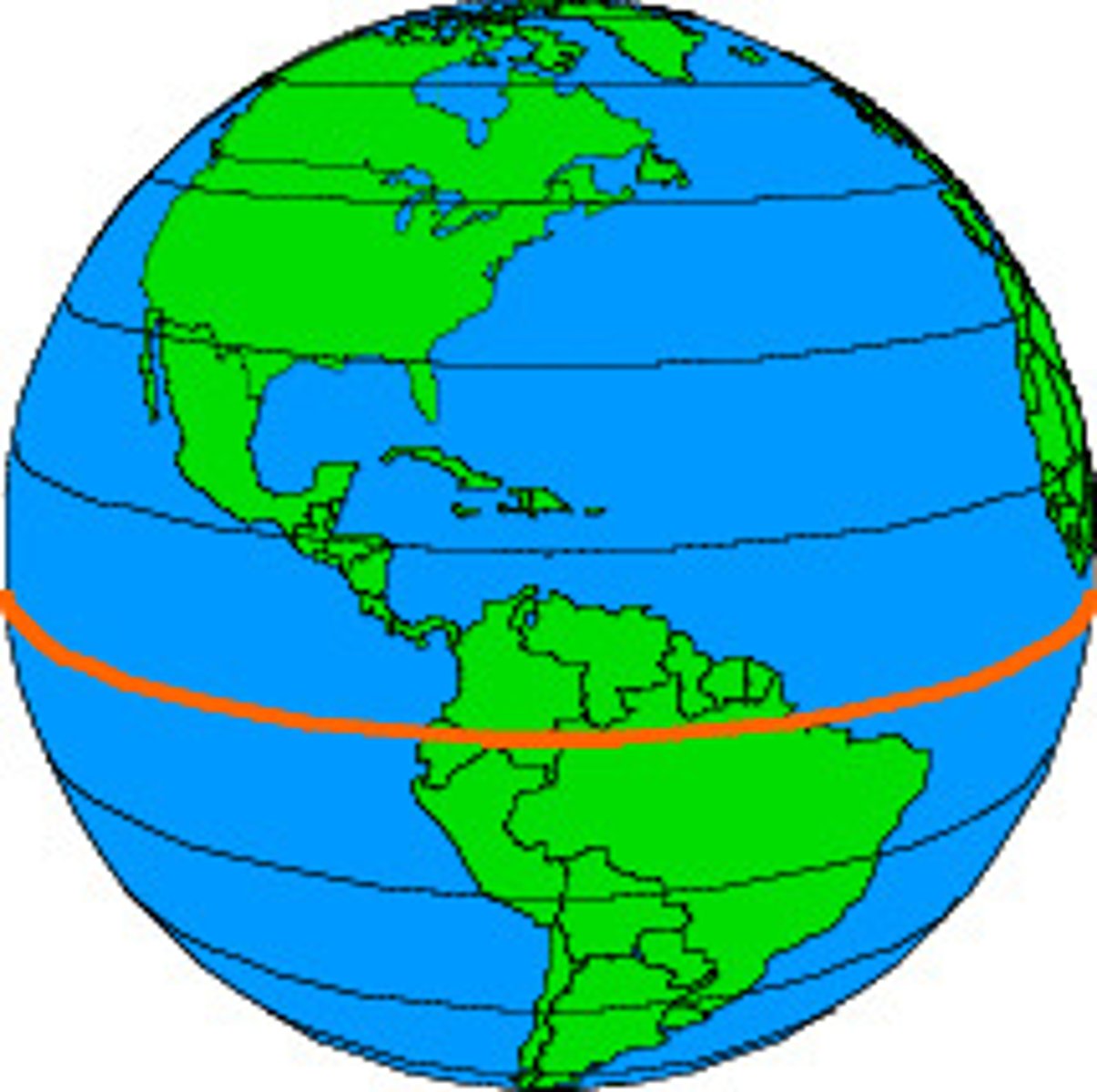
Latitude
The angular measurement North or South of the equator. (Represented with horizontal lines)
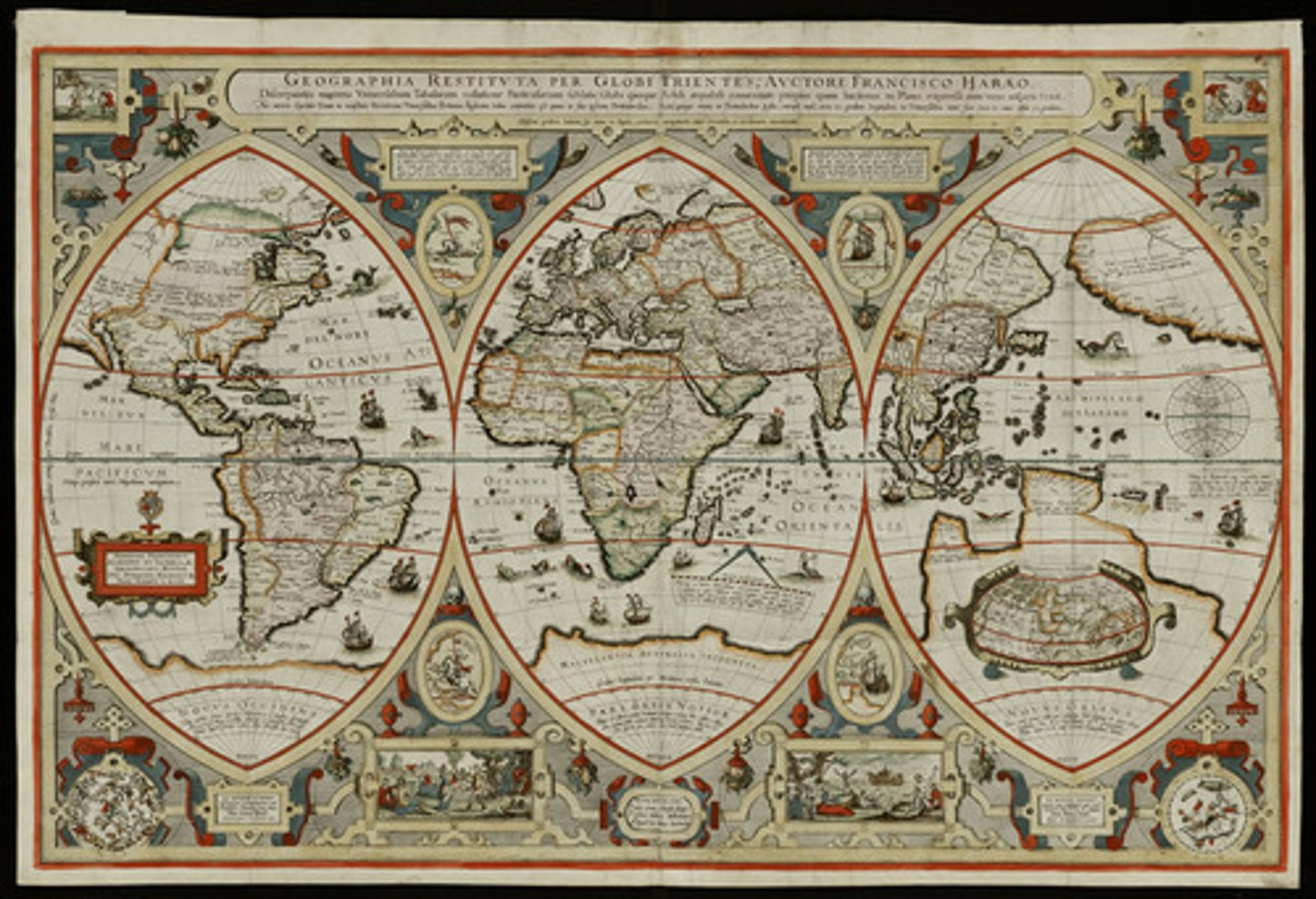
Cartography
The science/practice of making maps.
Concentration
How spread something is in a given area or space.
Map
A 2D resemblance of Earth's surface or a part of it.
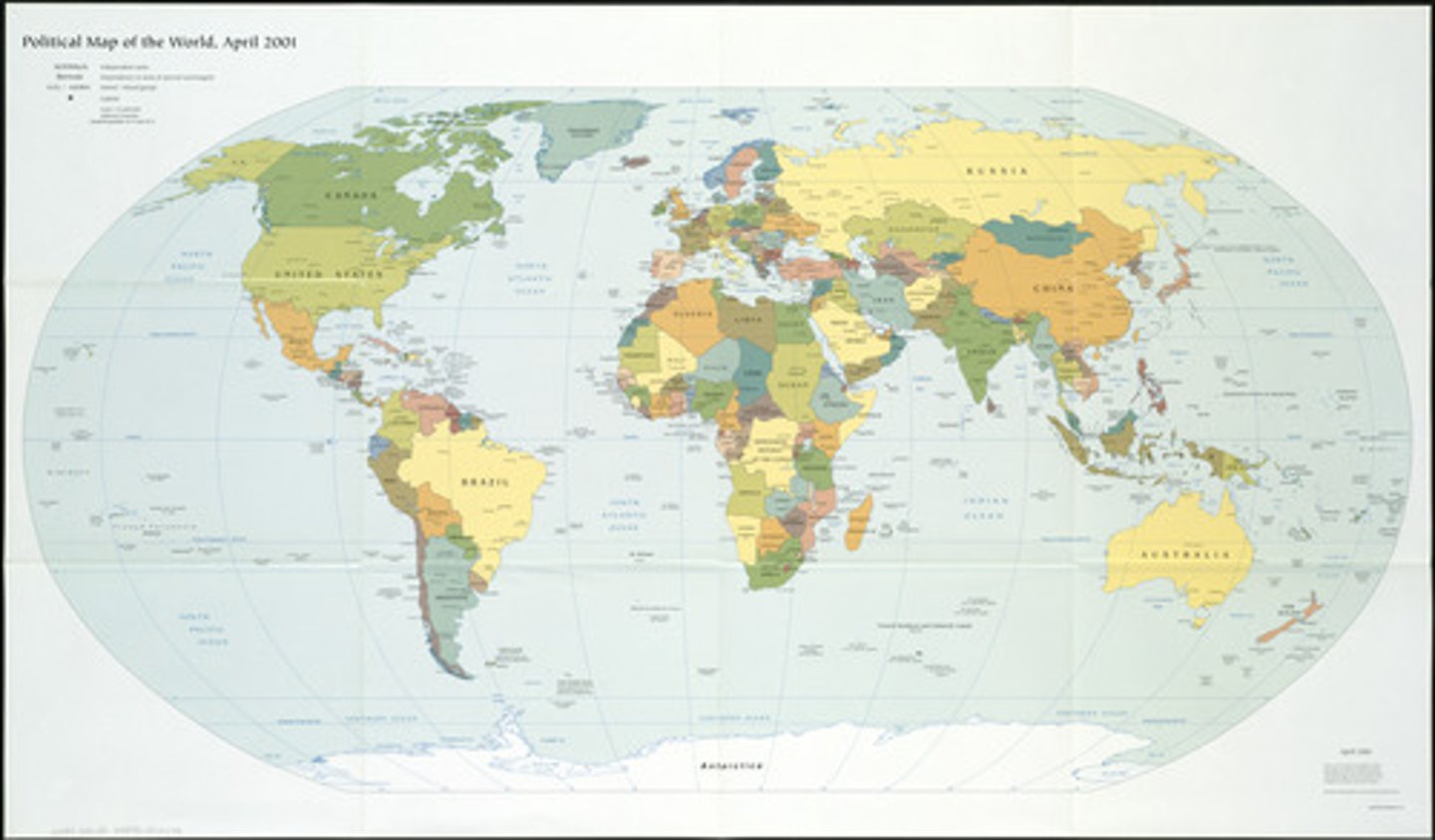
Cultural Ecology
The geographic study highlighting how humans adapt to their environment as a cultural practice.
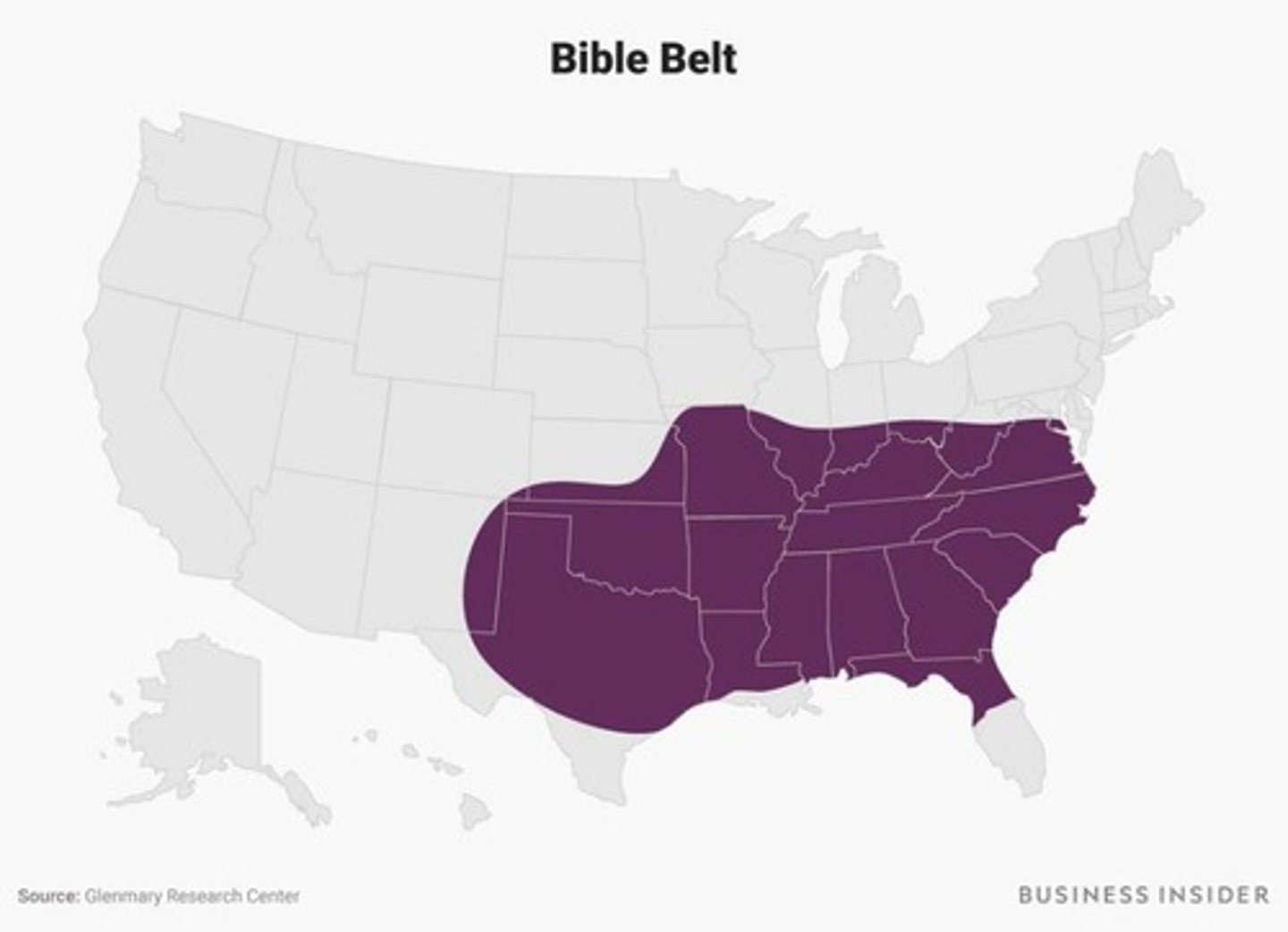
Perceptual/Vernacular Region
An area defined by attitudes, feelings, and beliefs from people.
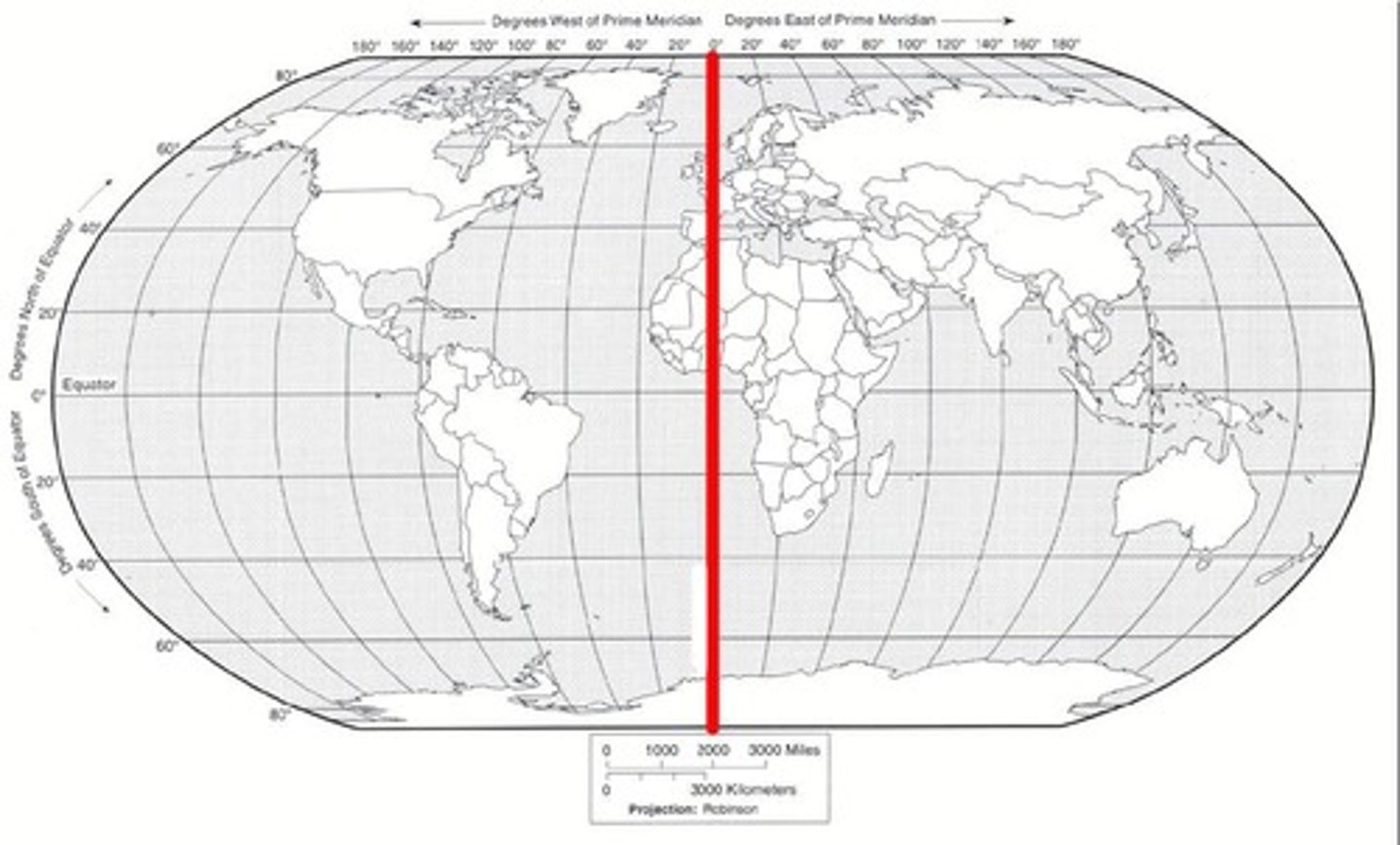
Prime Meridian
The line at 0 degrees longitude, located at Greenwich, England.
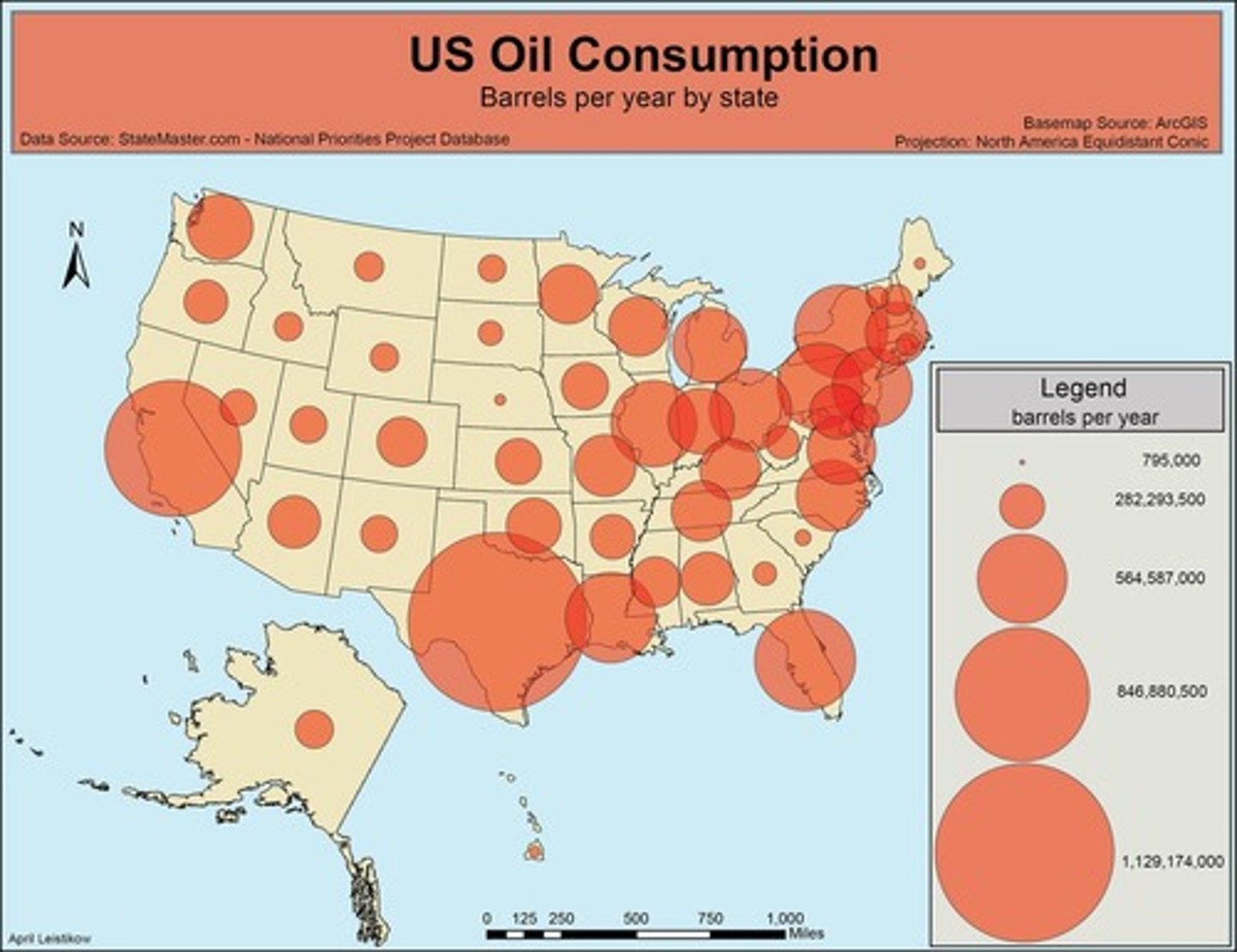
Graduated Symbol
A thematic map where proportional symbols/shapes change in size telling the value of a variable.
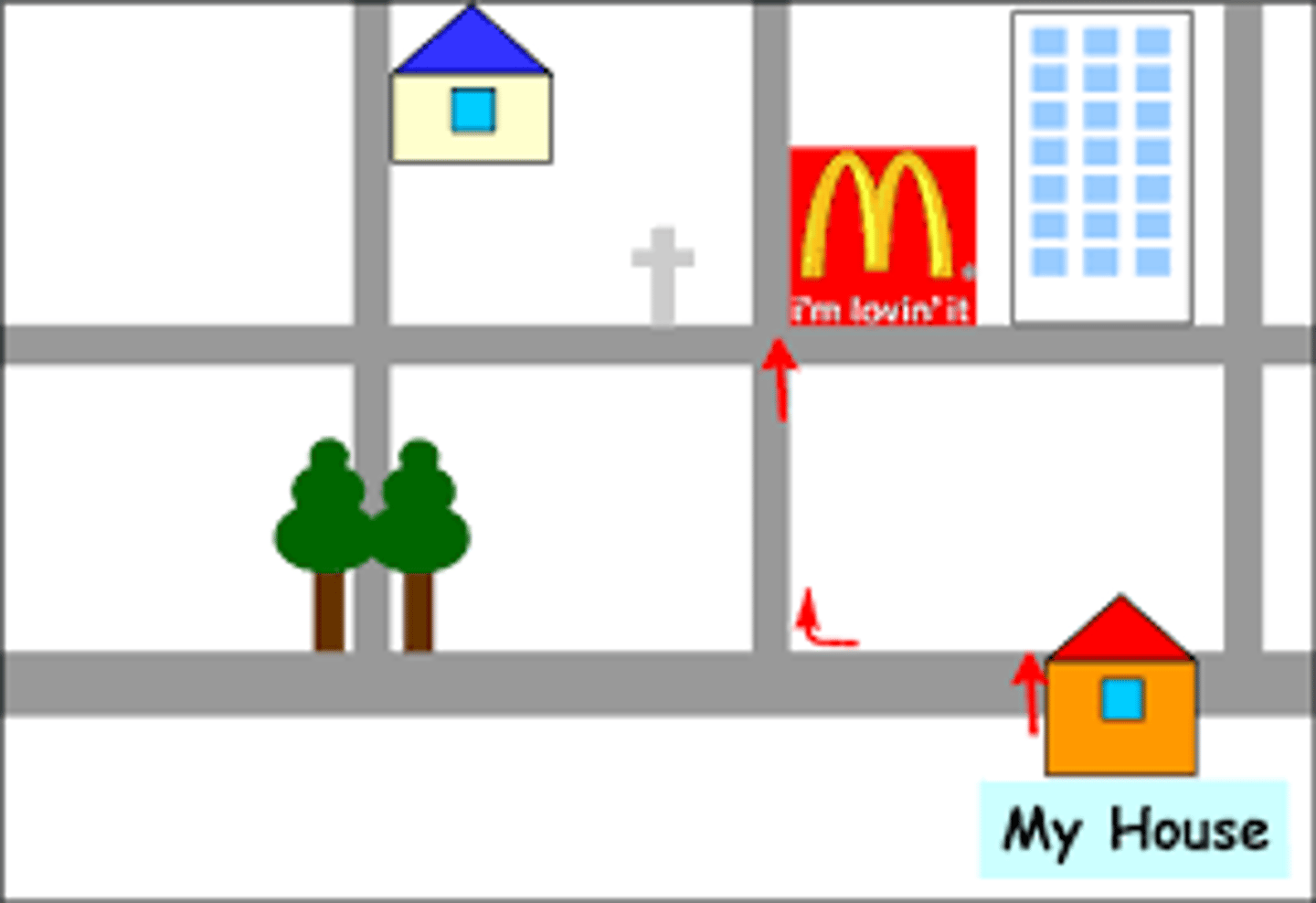
Relative Location
A determined location based off surrounding geographic features. (AKA, Situation)
Culture
The customs, traits, social manifestations, etc. forming society.
Scale
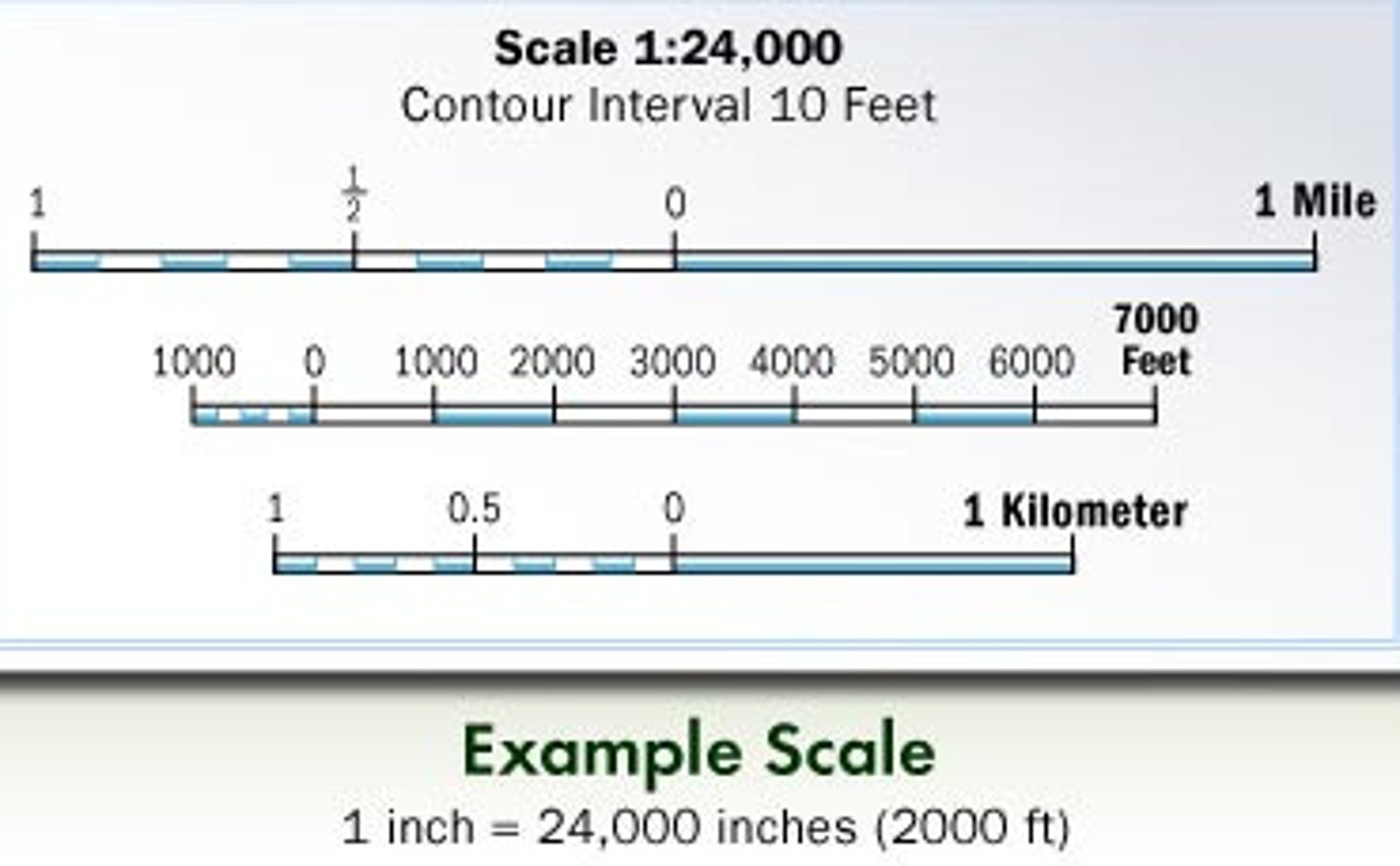
The relationship (ratio) between a map's features VS. Earth's actual features.
Mercator Projection
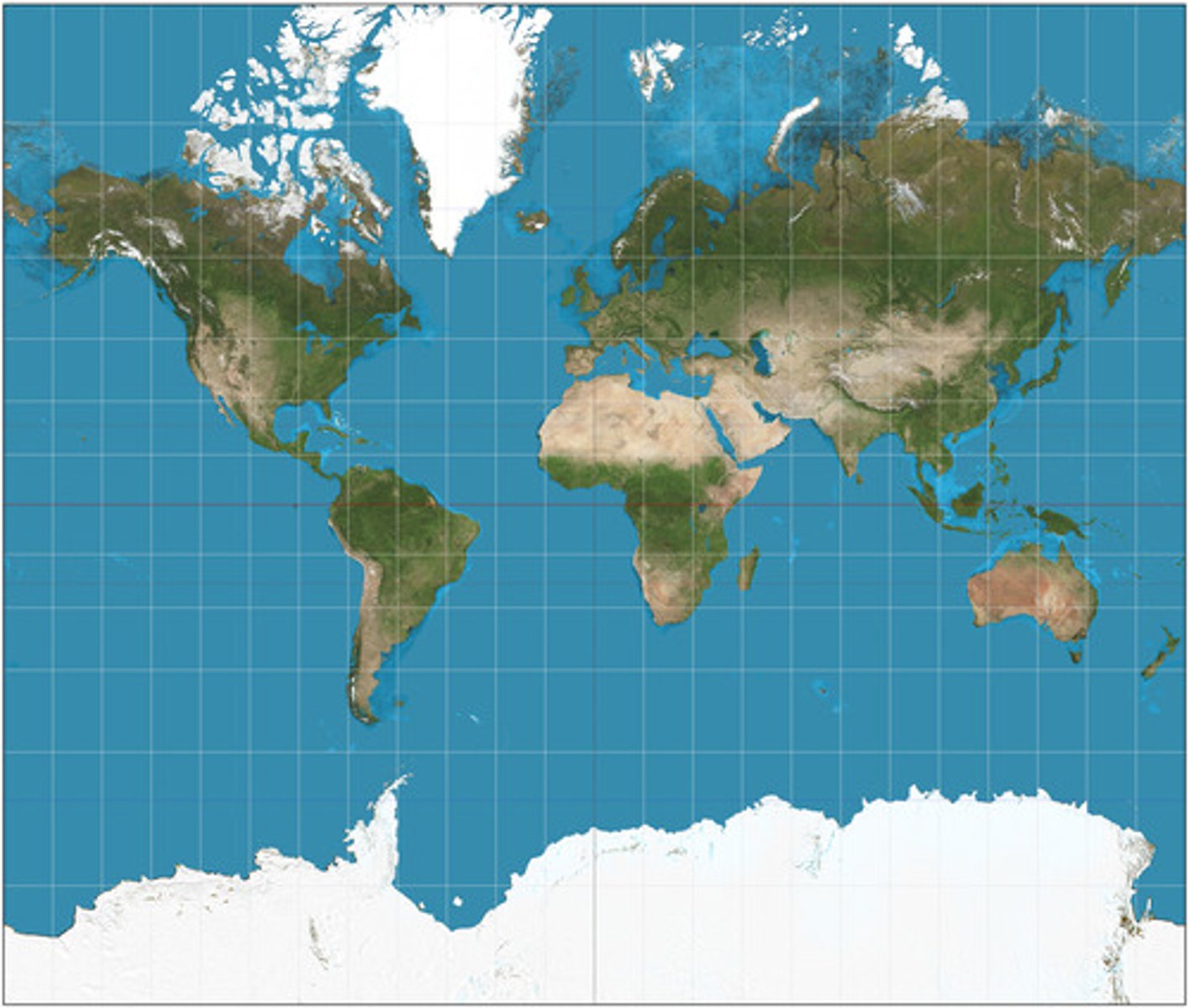
A map projection maintaining shape and direction, however distorting size (particularly at the poles).
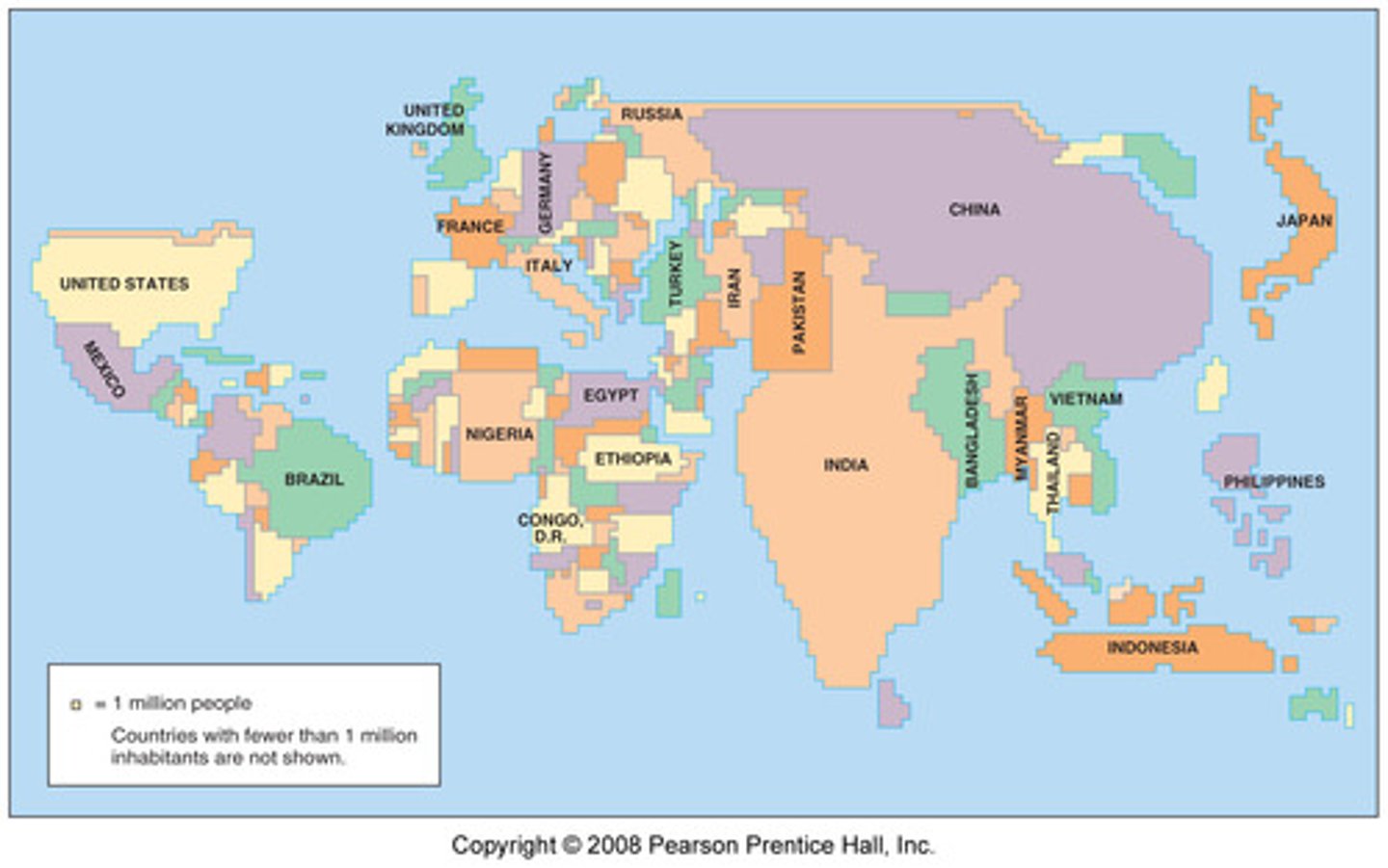
Cartogram
A thematic map that distorts size of landmasses to show information of a variable.
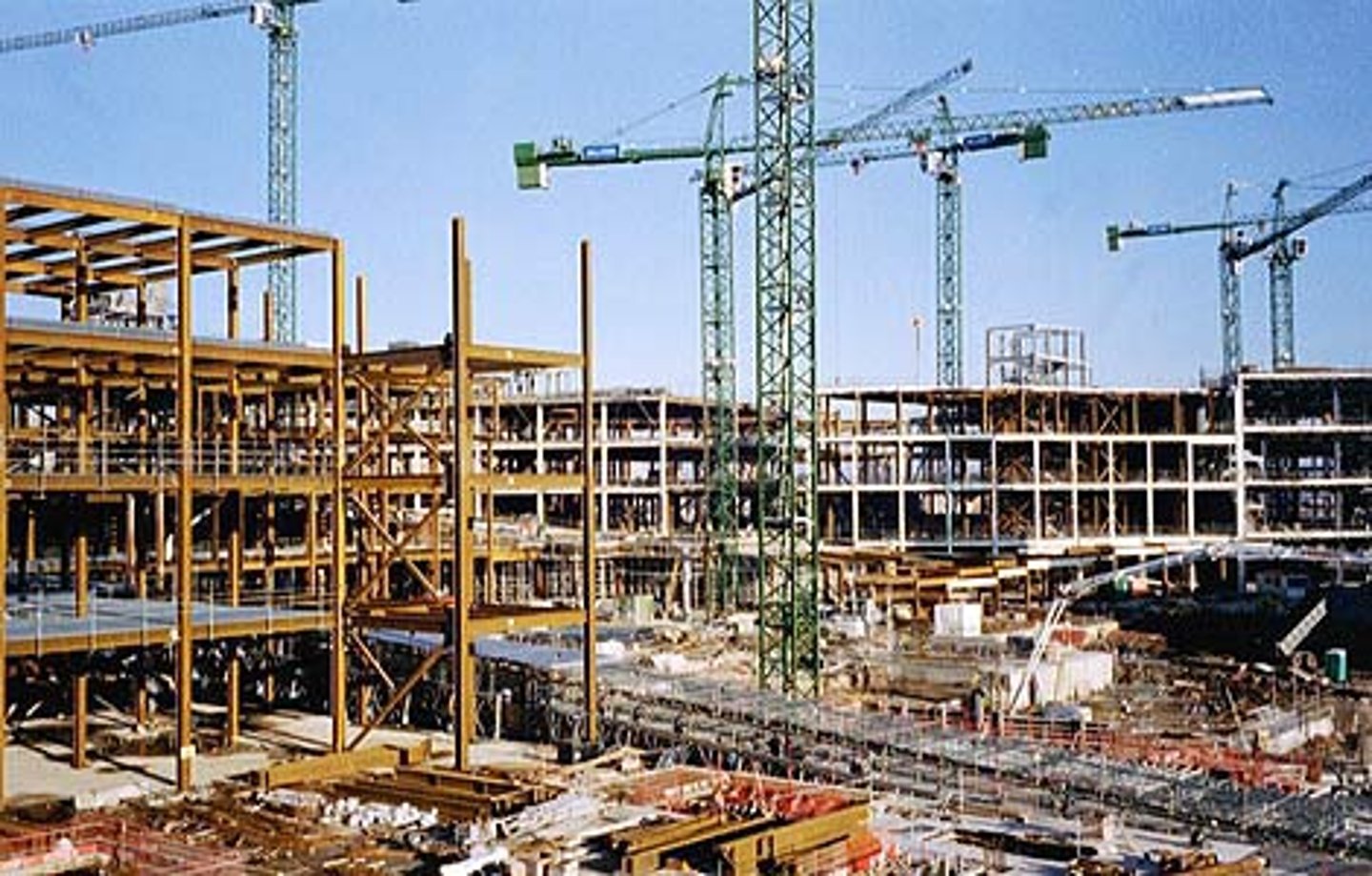
Site
The physical/environmental characteristics of a place.
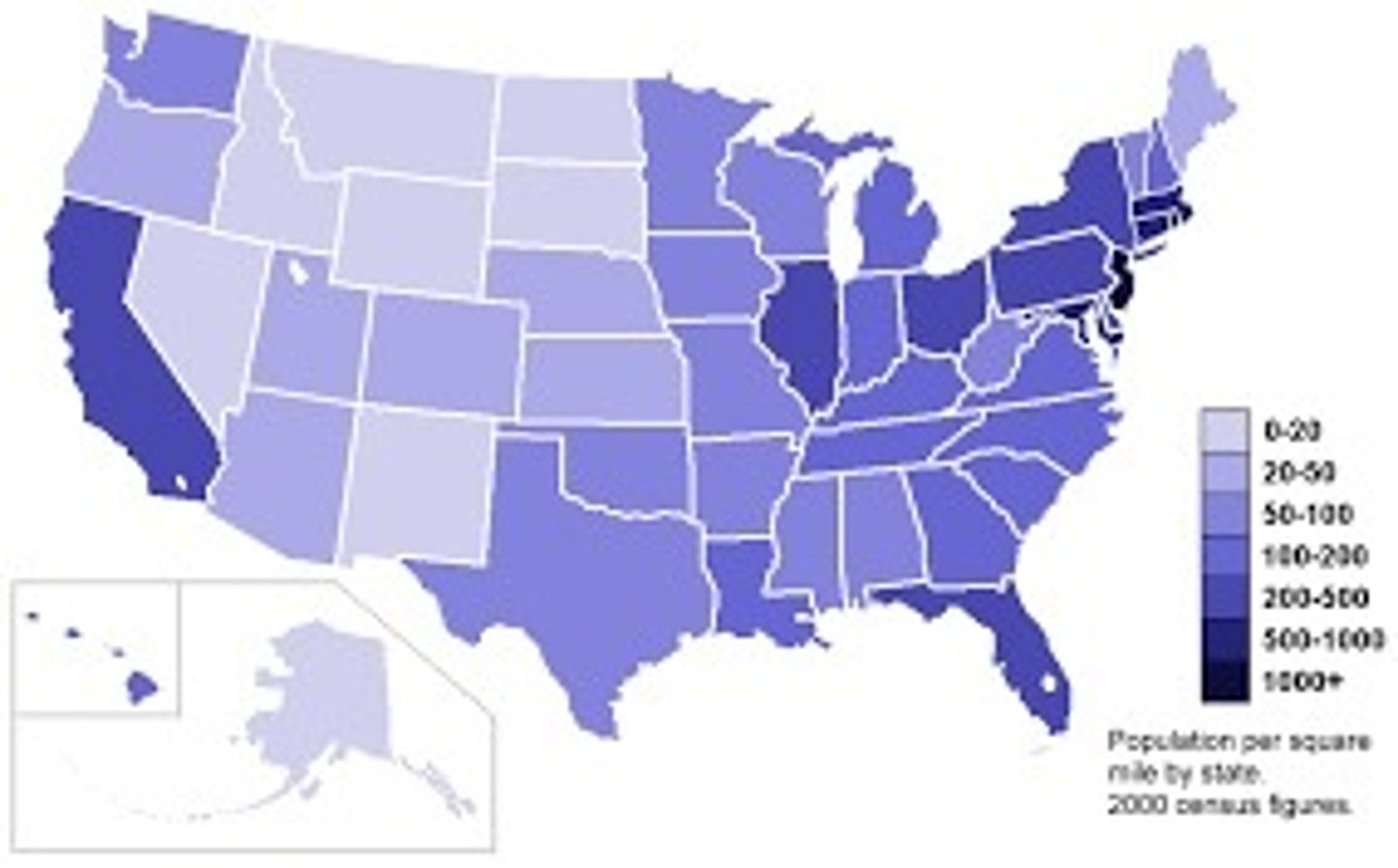
Choropleth
A thematic map where parts of it have color to represent a variable.
Scales of Analysis
The specific level of scale used to study various patterns, variables, etc. (Global, regional, national, and local)
Stimulus Diffusion
The spreading of a concept from a culture to another, but modified to fit the customs.
Situation
Location based off surrounding physical features. (AKA, Relative Location)
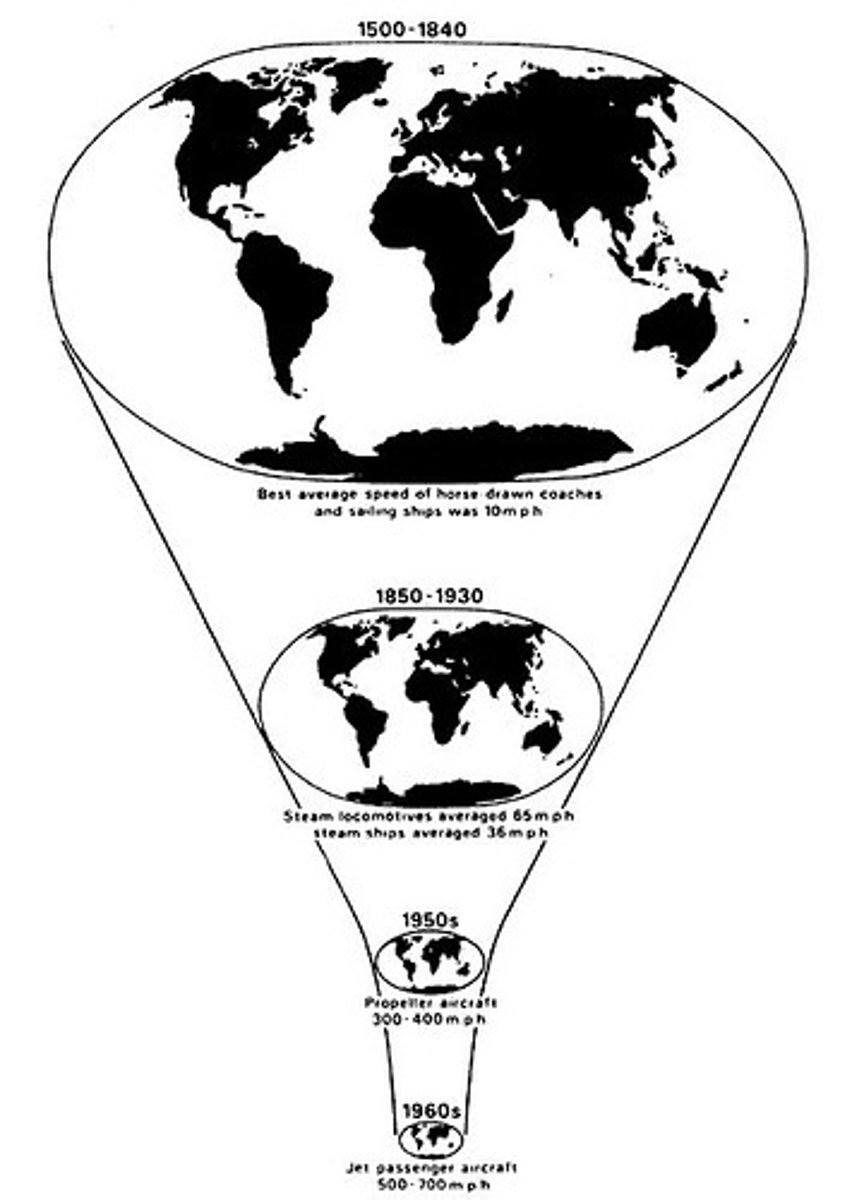
Space-Time Compression
The described phenomenon where the world feels smaller due to advancements in transportation and communication for travel time and distance.
Toponym
The name to a given place on Earth.
Place
A specific point on Earth distinguished by a particular characteristic.
Absolute Location
The use of latitudes and longitudes to determine where a place is.
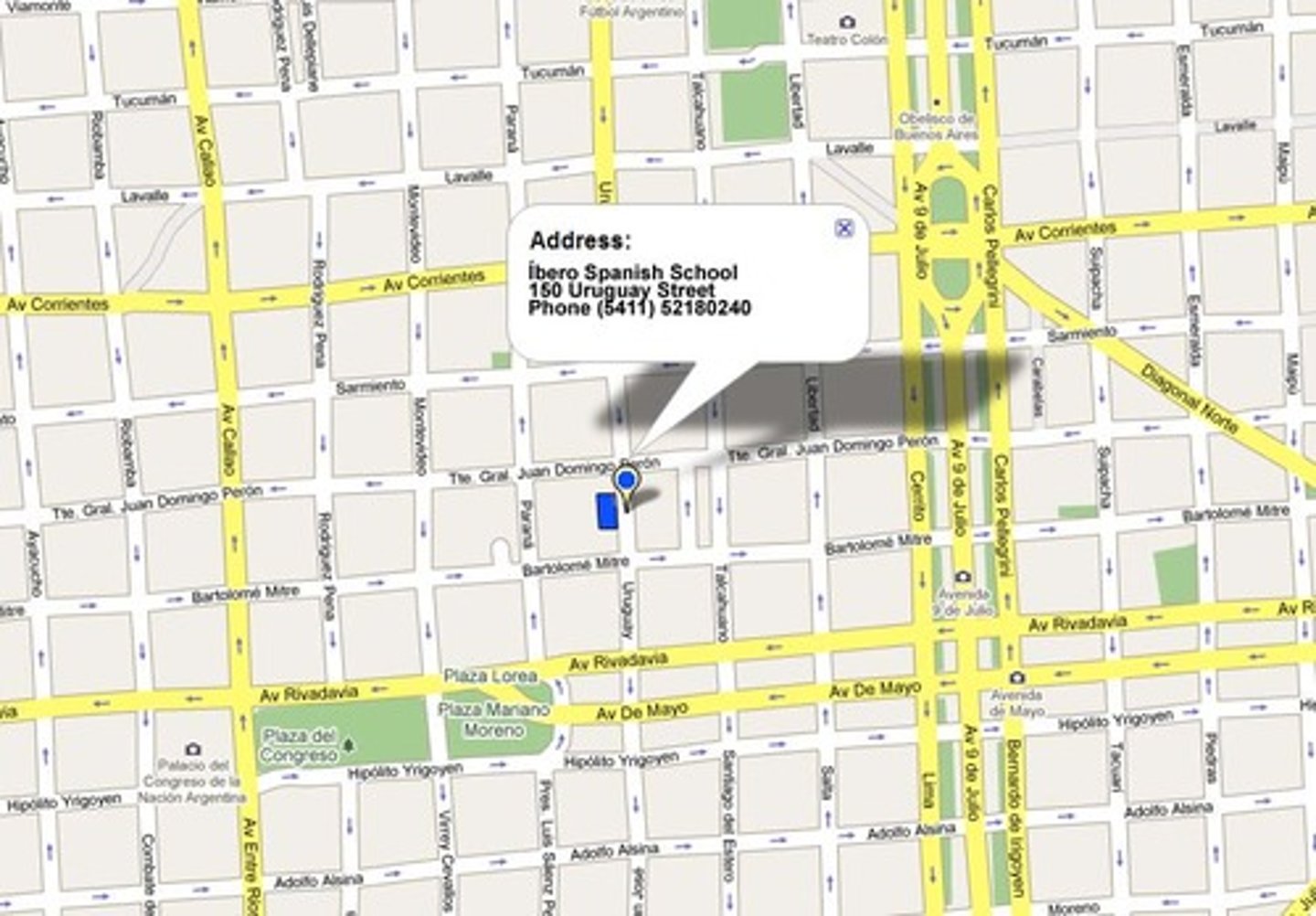
Region
Any area larger than a point but smaller than the entire planet that shares common characteristics.
Diffusion
Process by which a characteristic spreads across space overtime.
Relocation Diffusion
The spread of an idea from one location to another when a human moves.
Expansion Diffusion
The spread of an idea from its hearth.
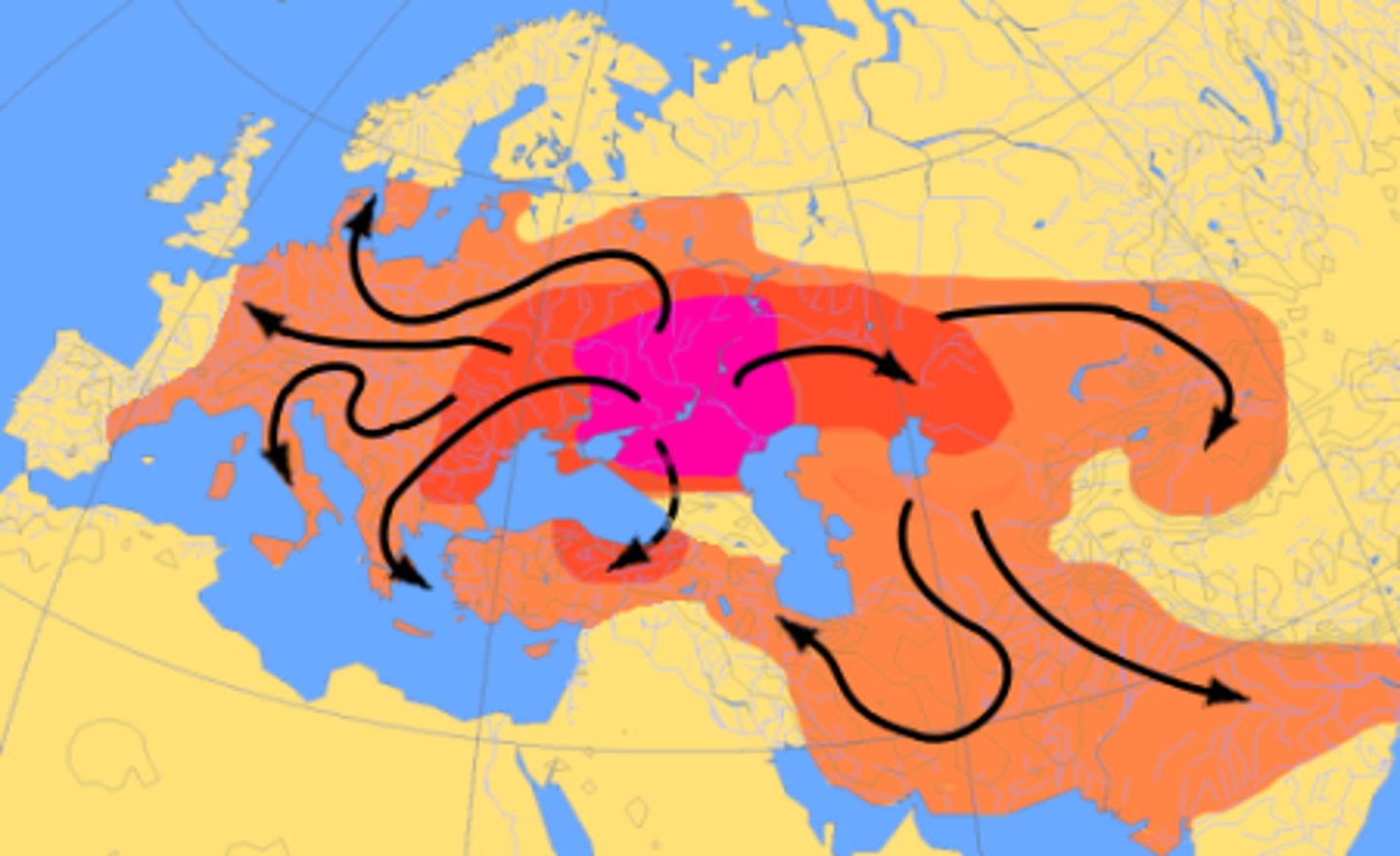
Hierarchical Diffusion
The spread of an idea from persons/nodes of authority or power to other persons or places.
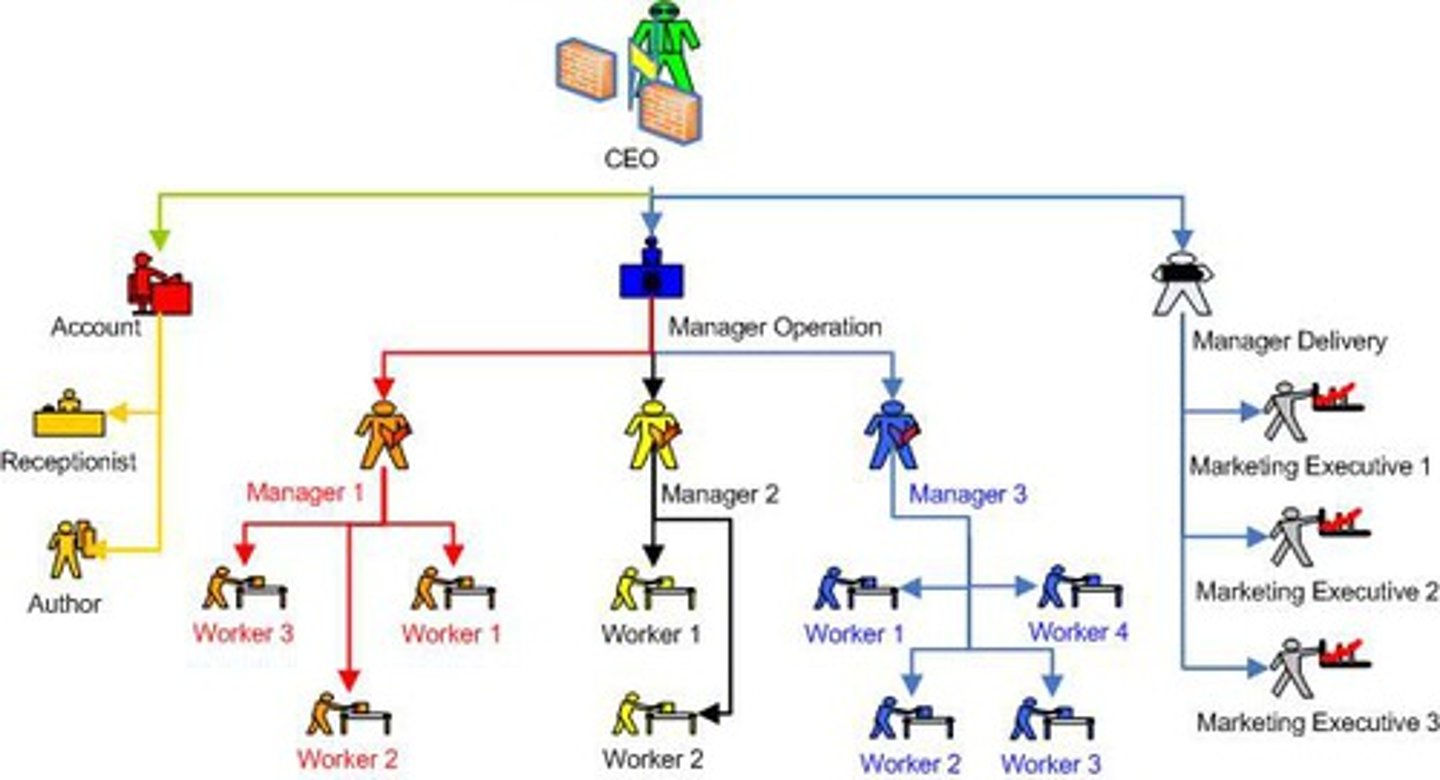
Contagious Diffusion
The rapid, widespread diffusion of an idea throughout population.
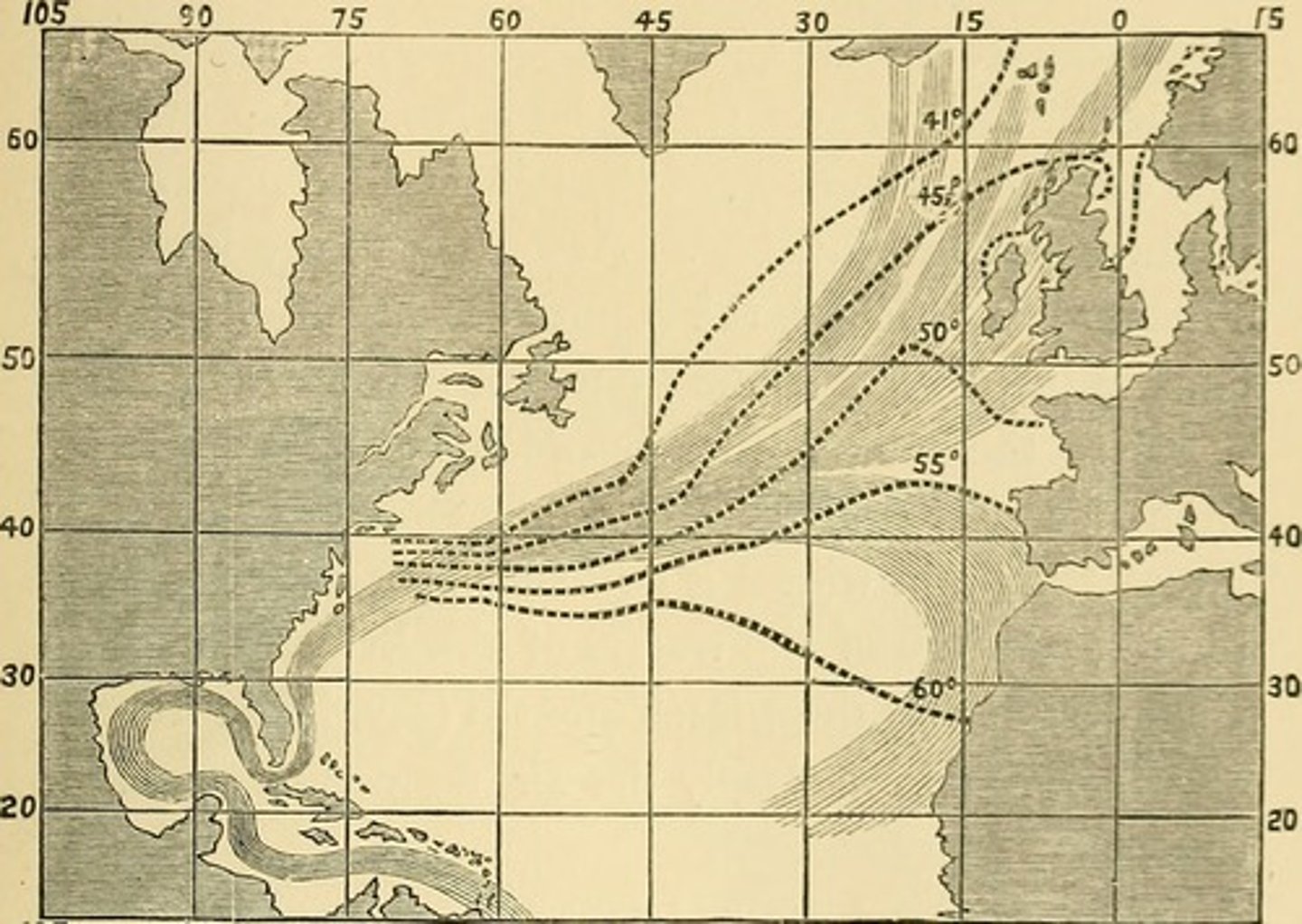
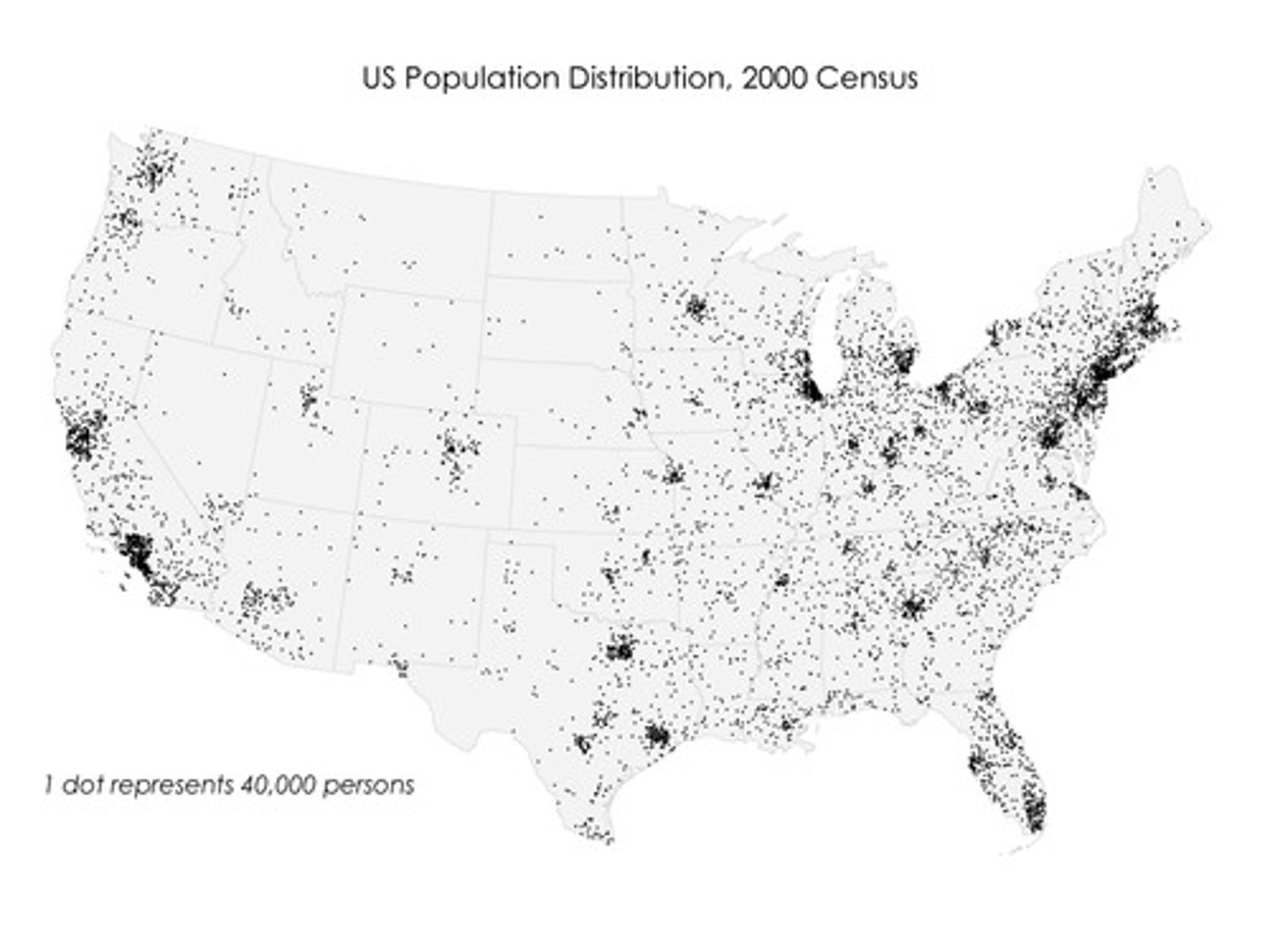
Dot Distribution
A thematic map where a dot represents a measure of a variable distributed across space.
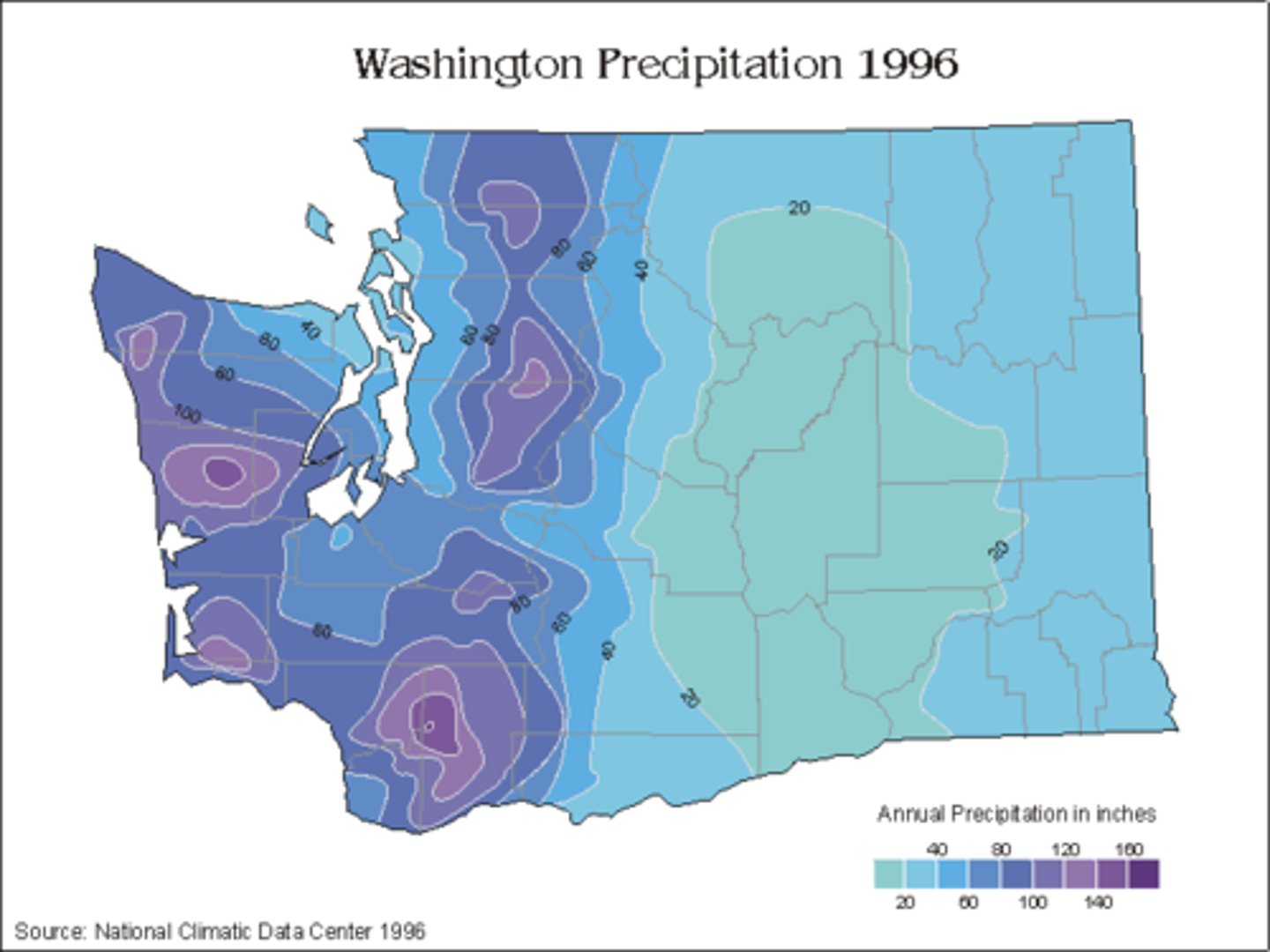
Isoline
A thematic map where points of equal value are connected with lines.
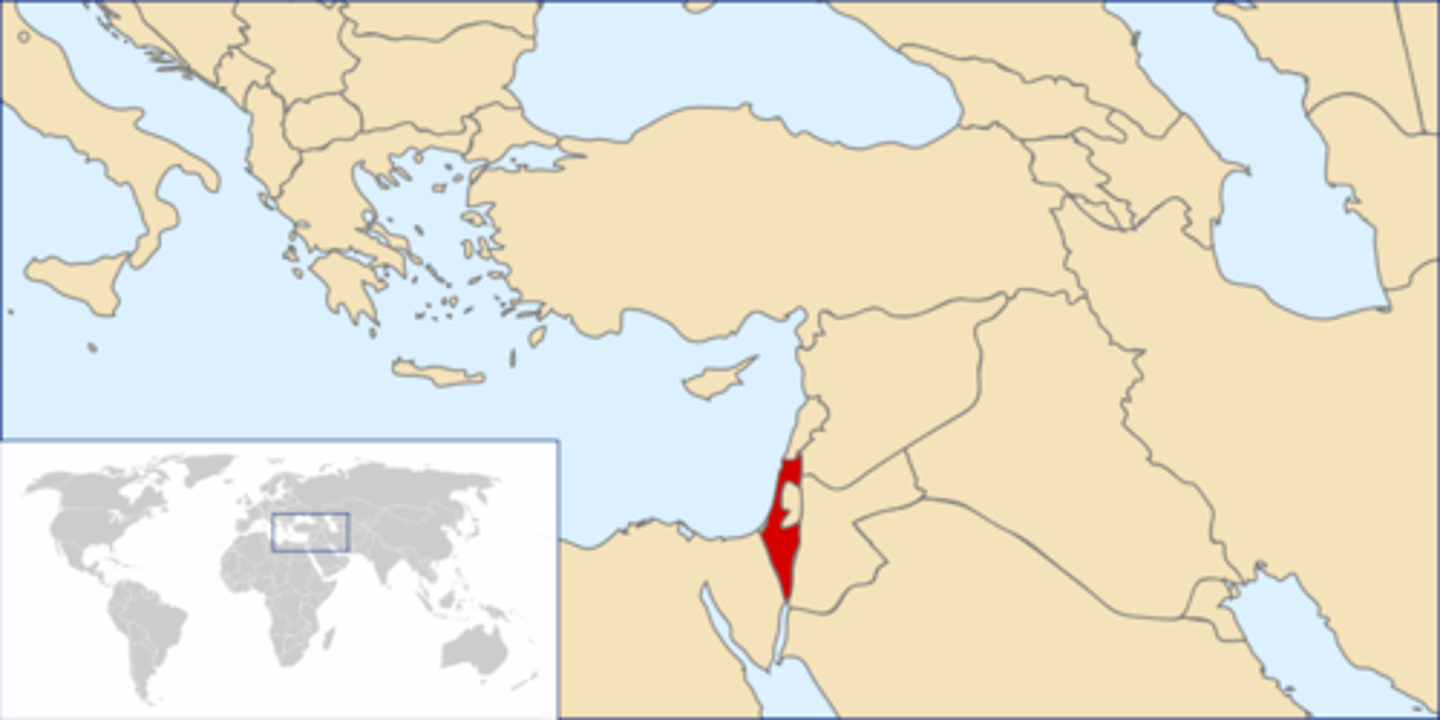
Hearth
The original location of a diffused phenomenon
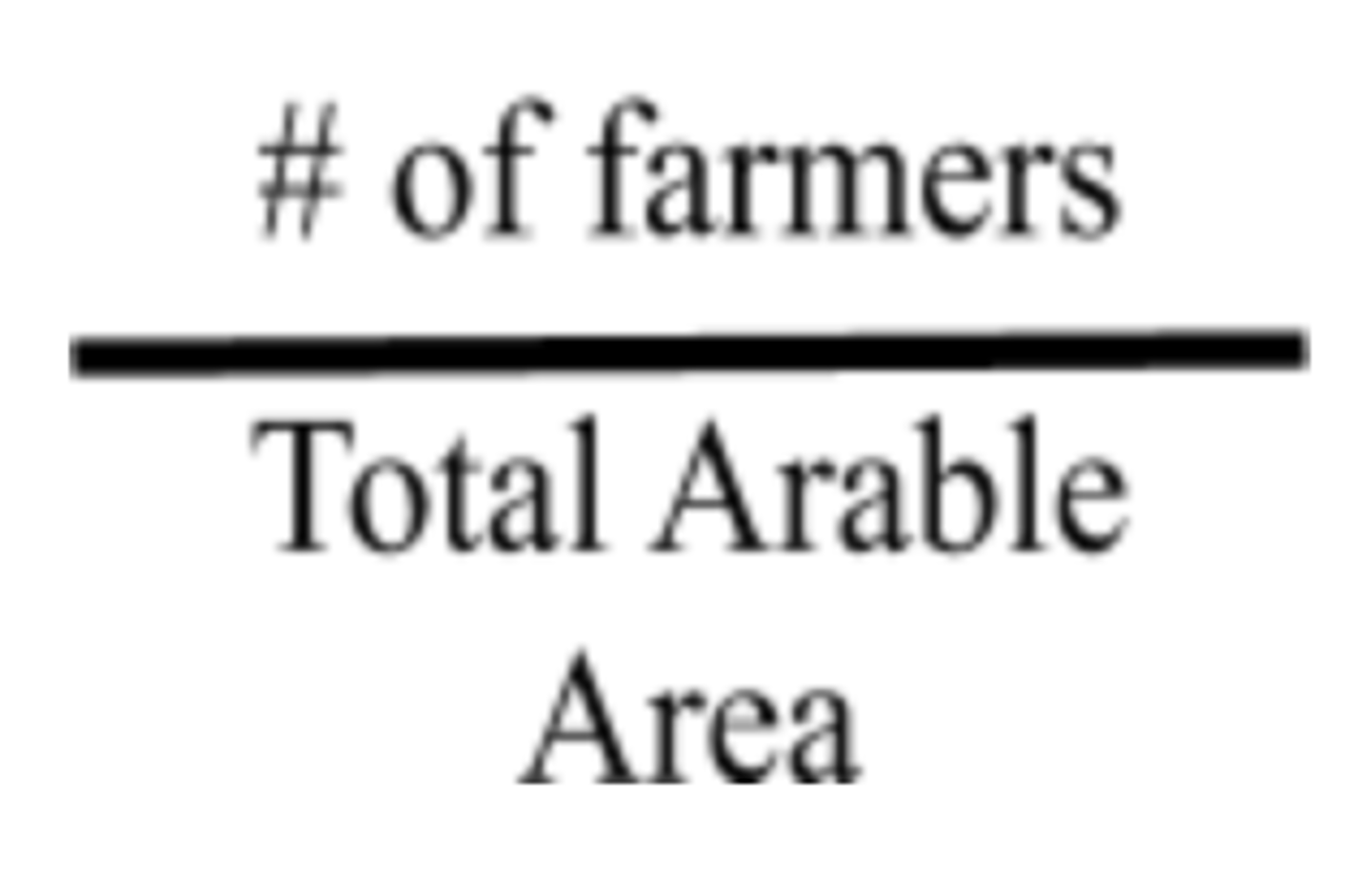
Agricultural Density
The total number of farmers divided by total amount of arable land.
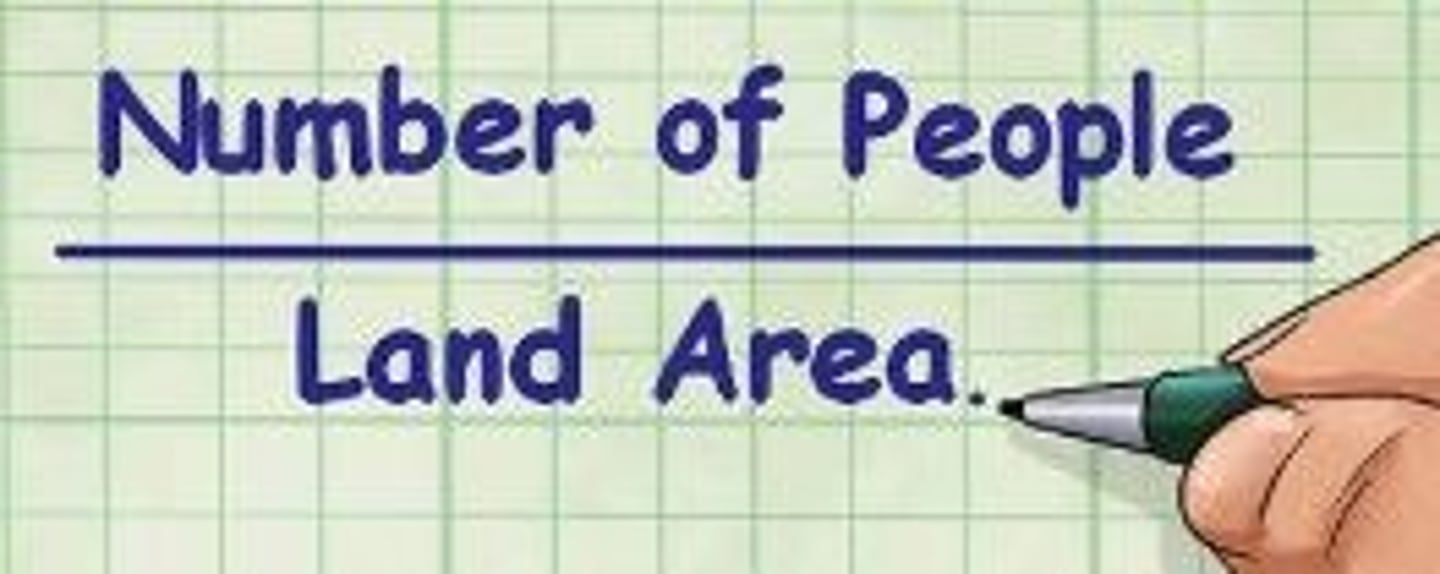
Arithmetic Density
The total number of people divided by total amount of land.
Census
The official, total count of a population collecting social, economic, and demographic information.
Infant Mortality Rate (IMR)
The number of children dying before the first age of birth per 1,000 live births.
Natural Increase Rate (NIR)
The percentage representing population growth calculated by Crude Birth Rate minus Crude Death Rate.
Crude Birth Rate (CBR)
The total number of live births per 1,000 people in a population.
Demography
The study of the statistical characteristics about a population. (Age, sex, etc.)
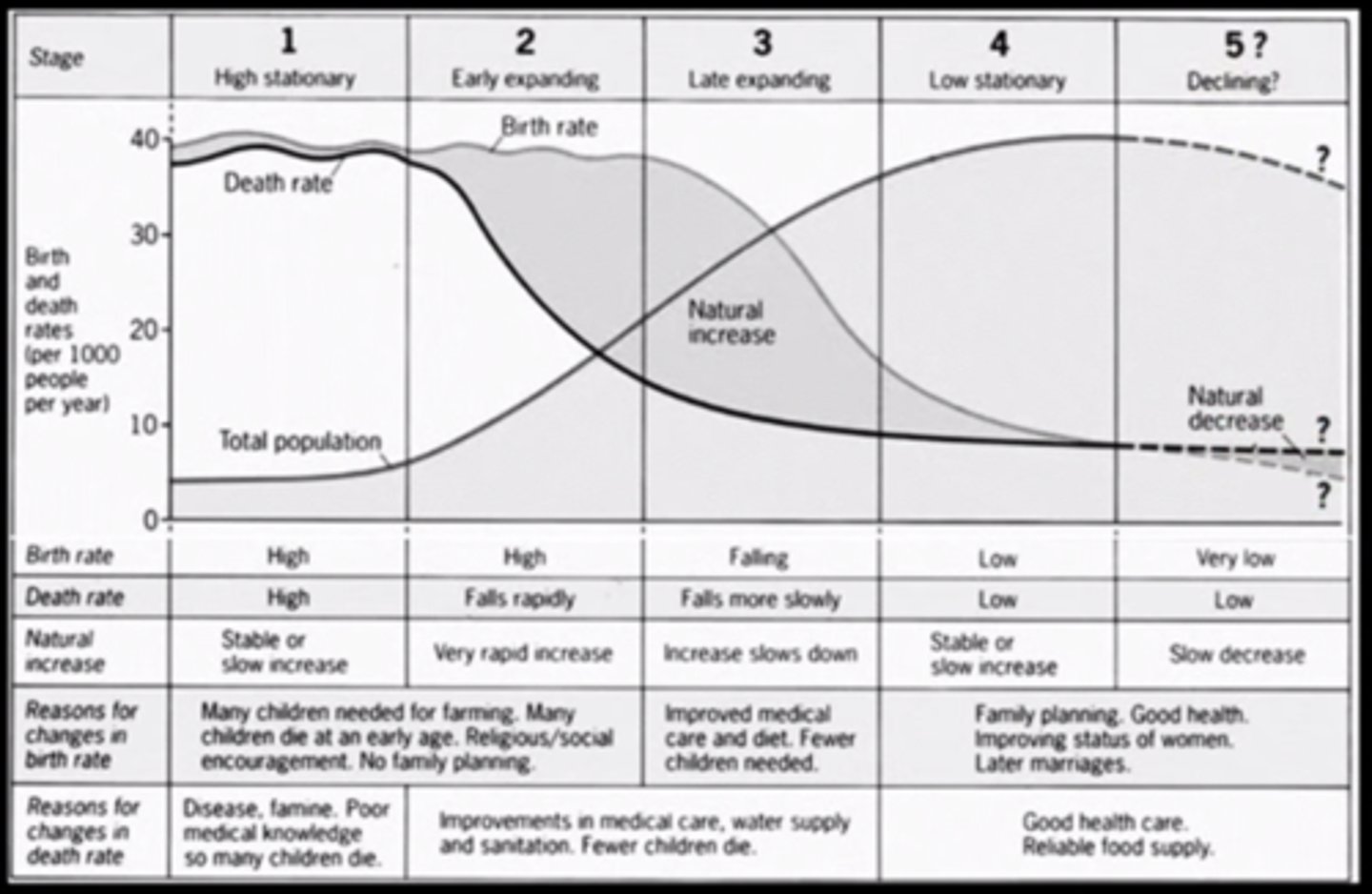
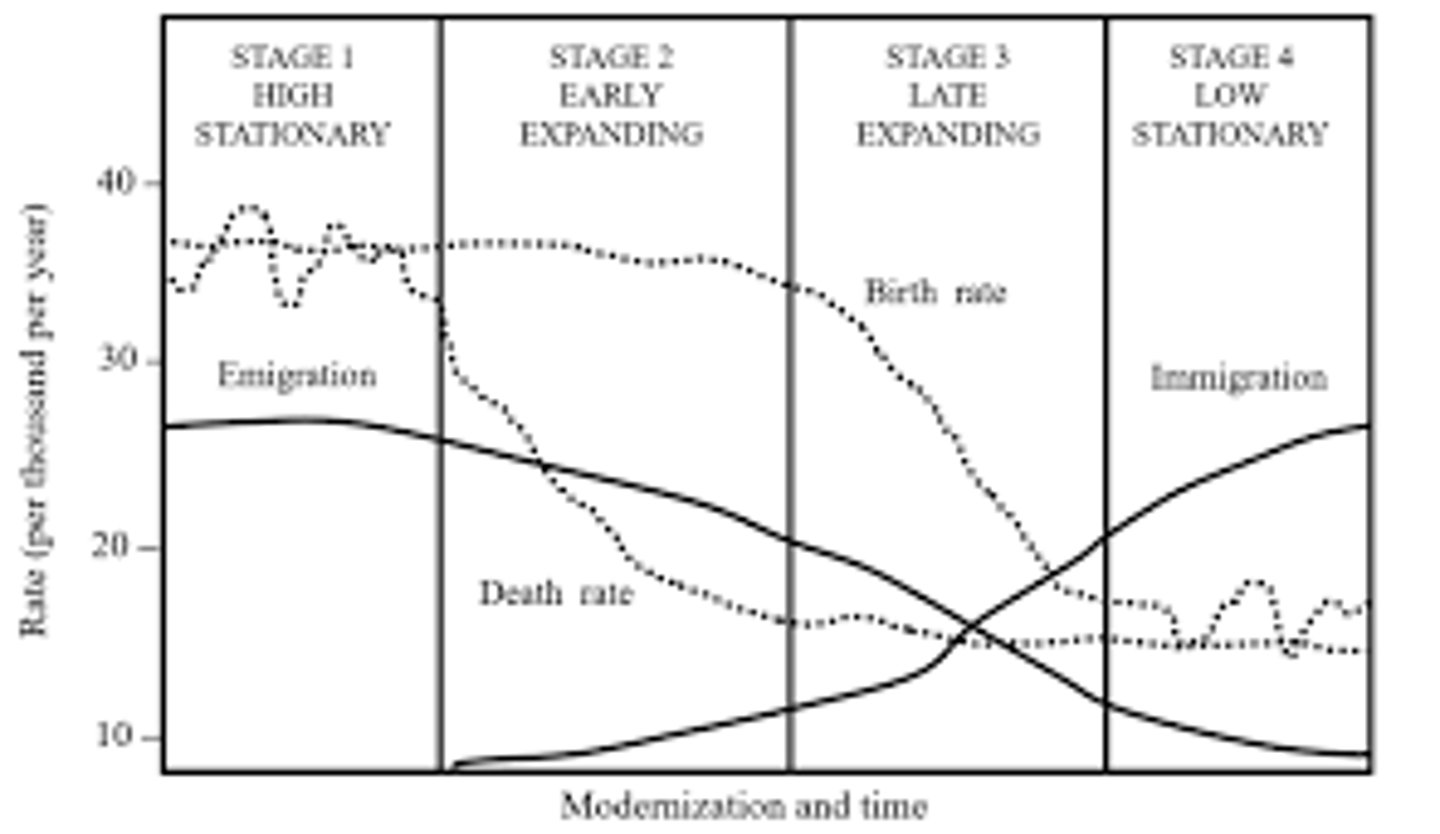
Demographic Transition Model
The model describing the shift in population from high birth and death rates to low, and low Natural Increase Rate to high due to economic and social development.
Overpopulation
The exceeding of a population's carrying capacity.
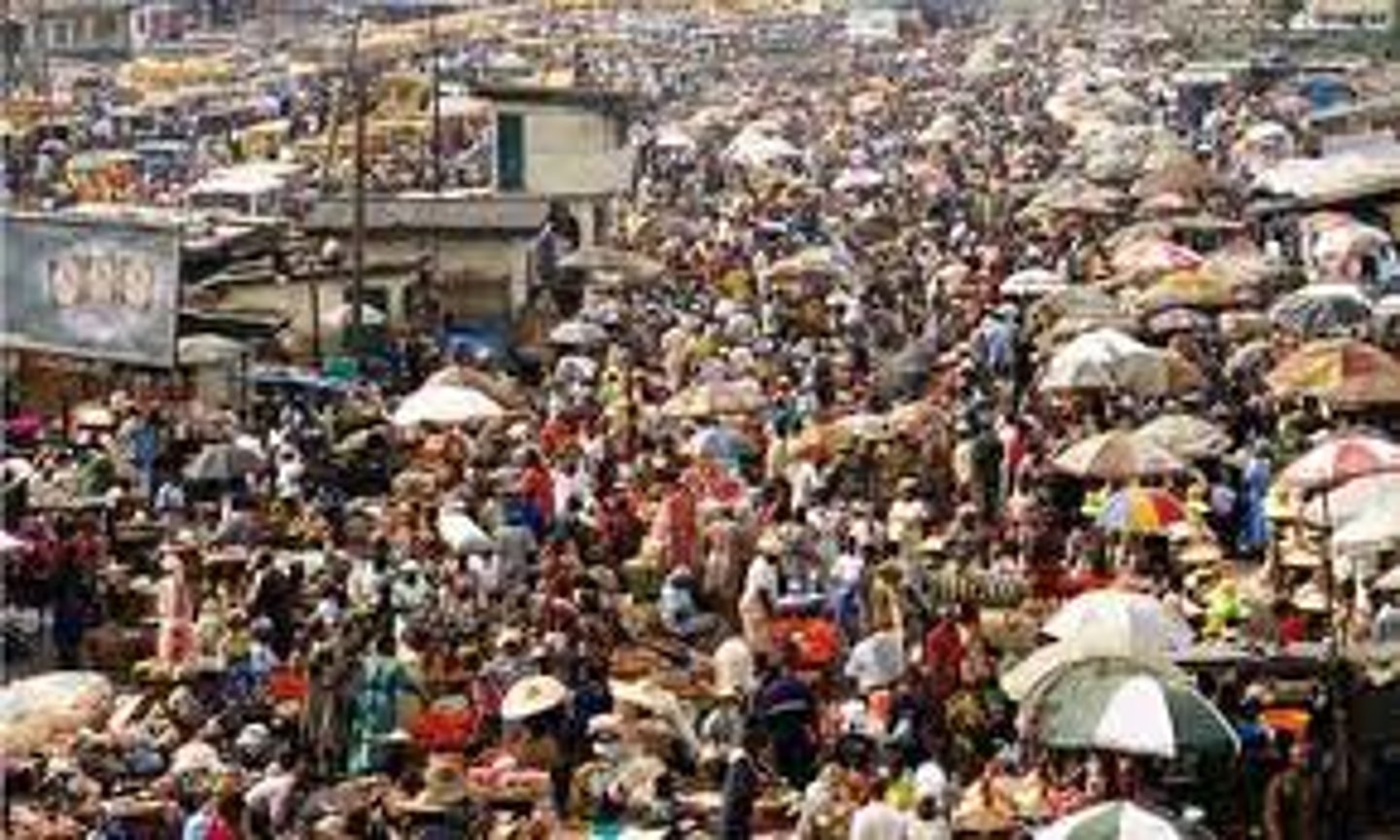
Physiological Density
The total number of people divided by total amount of arable land.
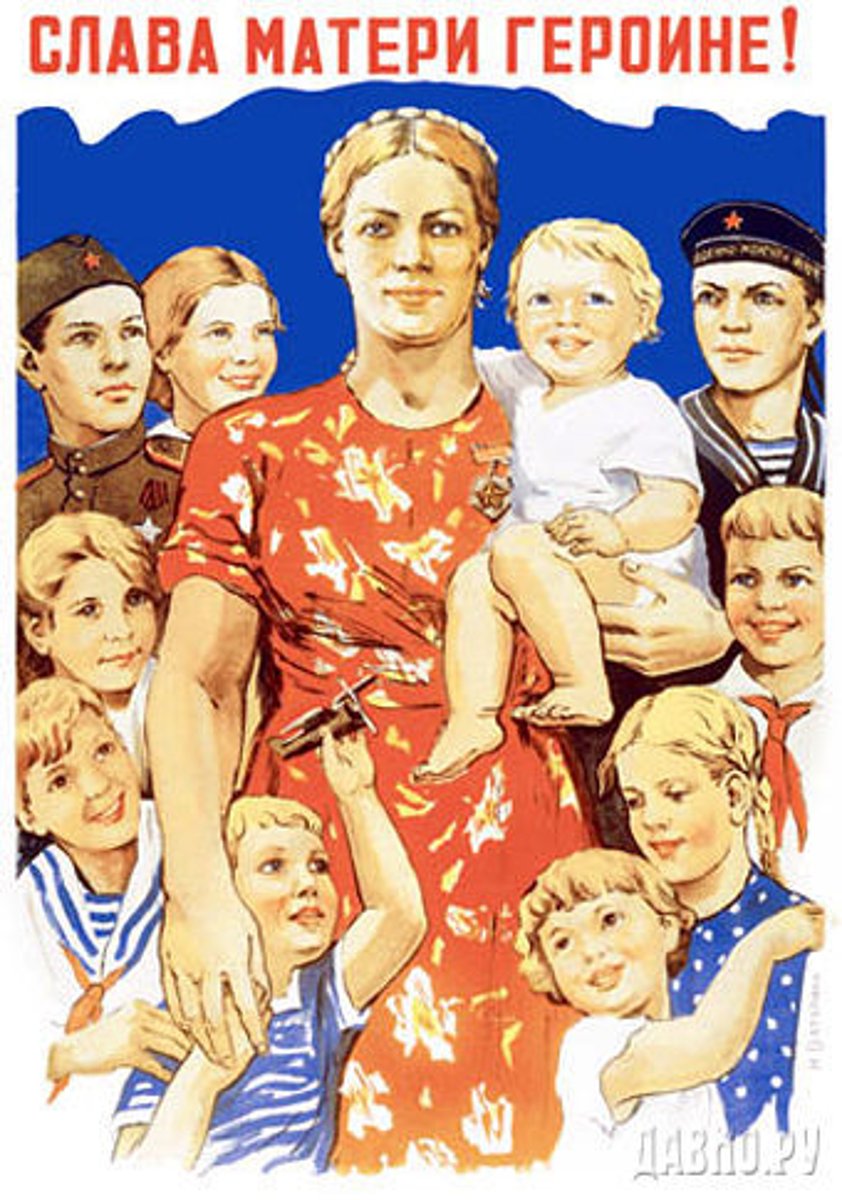
Pro-Natalist Policy
Government policies encouraging reproduction to increase population numbers.
Zero Population Growth
The state in which the Crude Birth Rate and Crude Death Rate are equivalent.
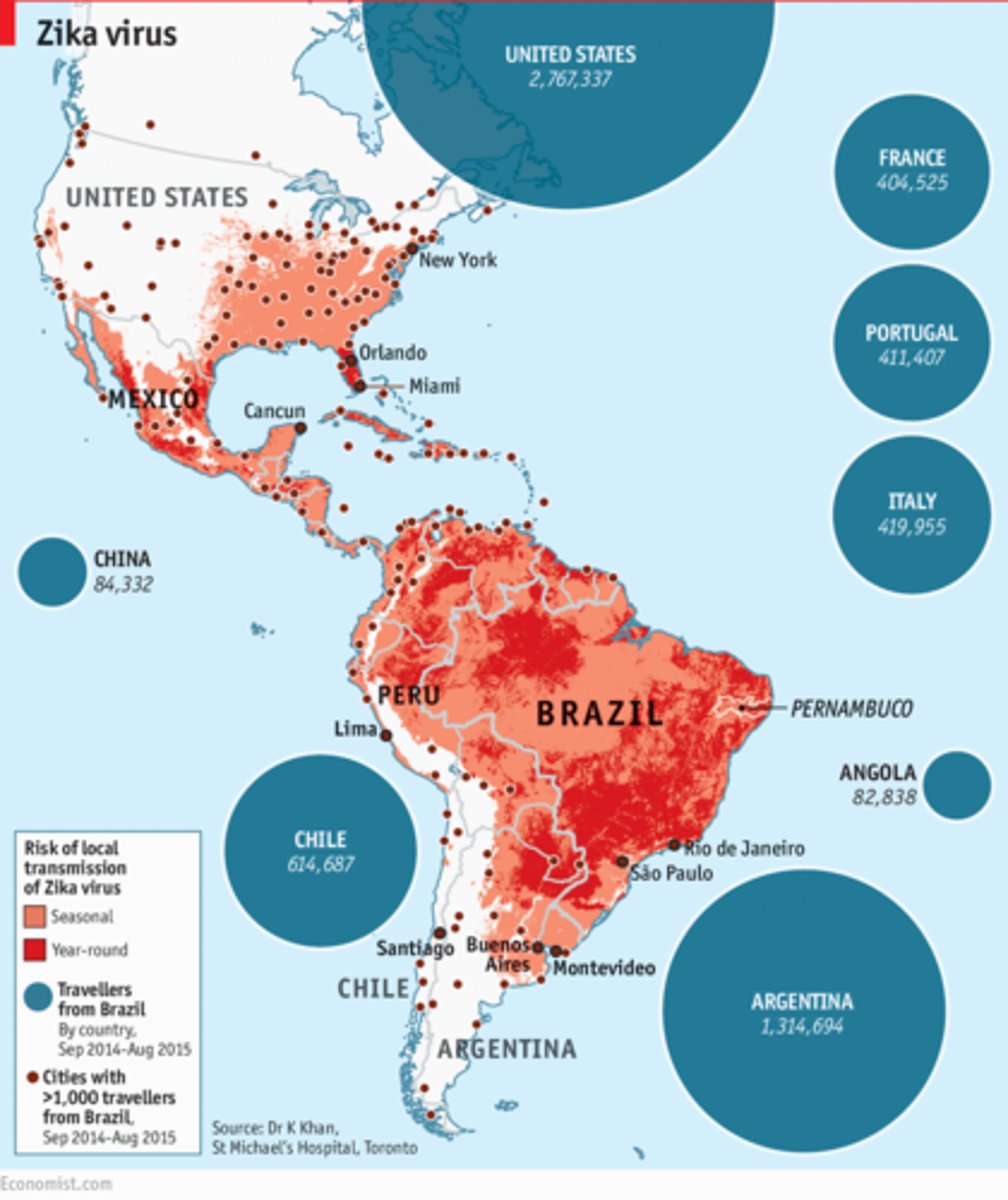
Pandemic
An epidemic spreading through a large geographic area, affecting a significant proportion of the population, potentially worldwide.
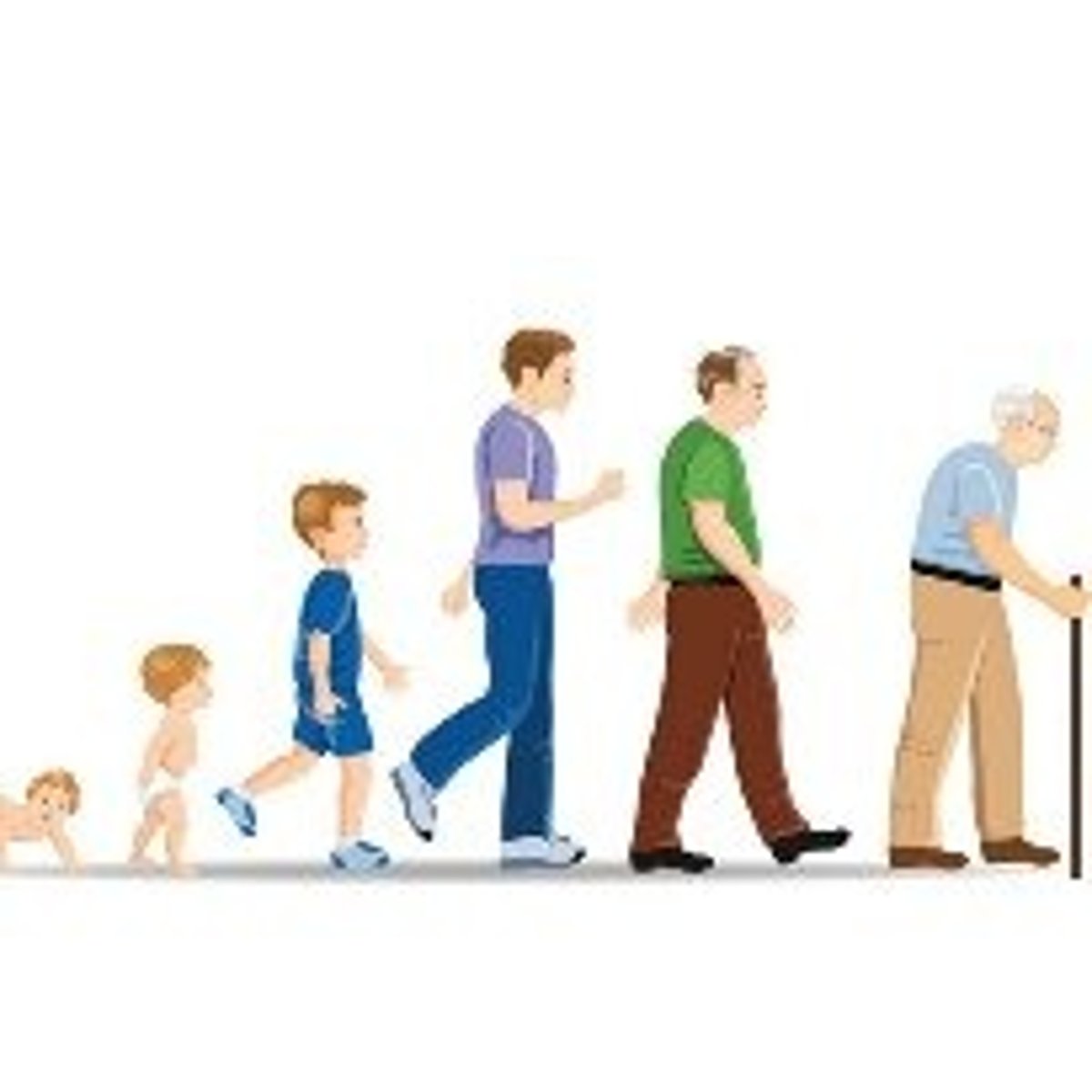
Life Expectancy
The average, expected period of time a person can live.
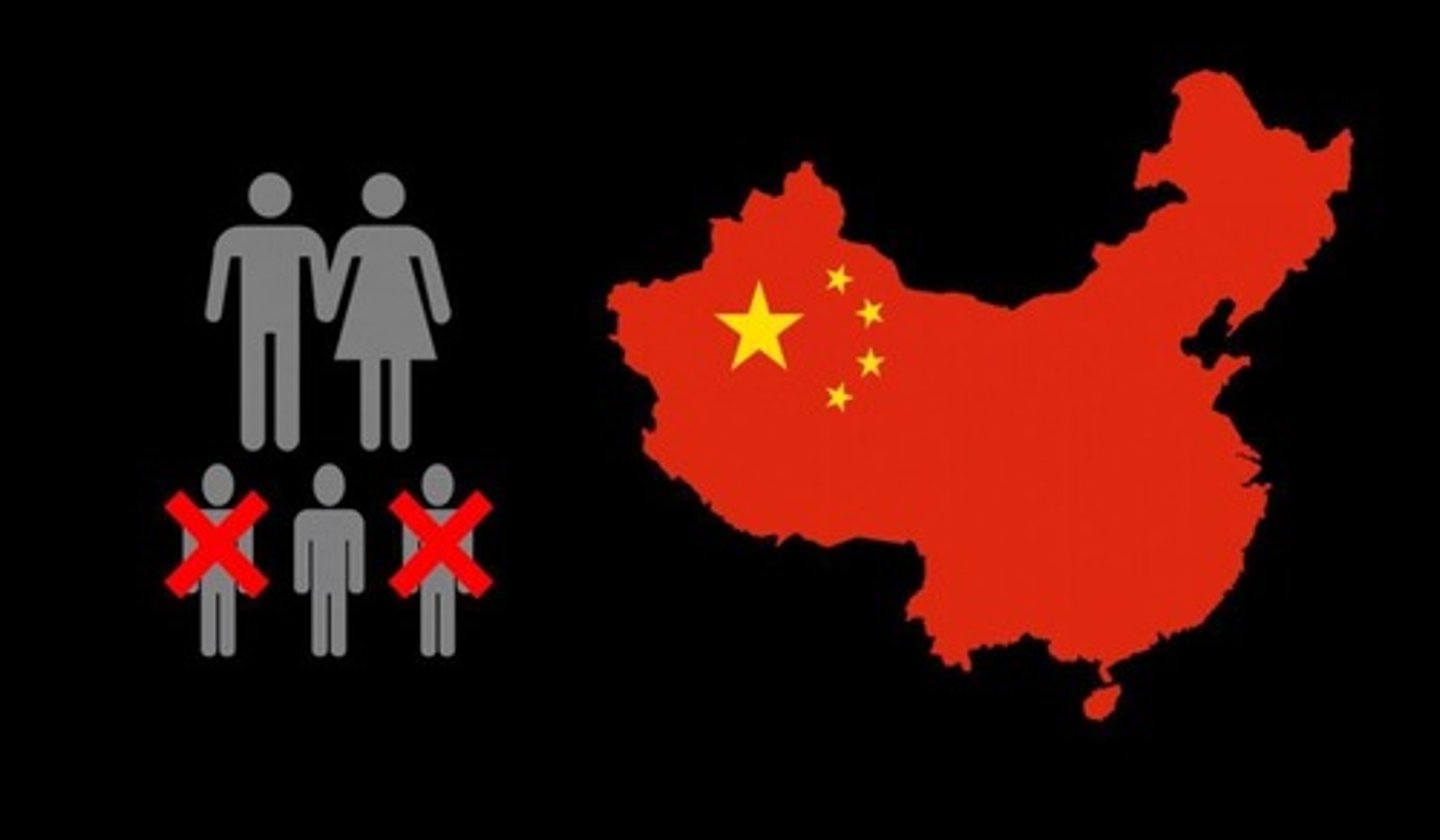
Anti-Natalist Policy
Government policies attempting to reduce reproduction to slow population growth.
Epidemiologic Transition
A shift in the significant causes of death through every stage of the demographic transition model.
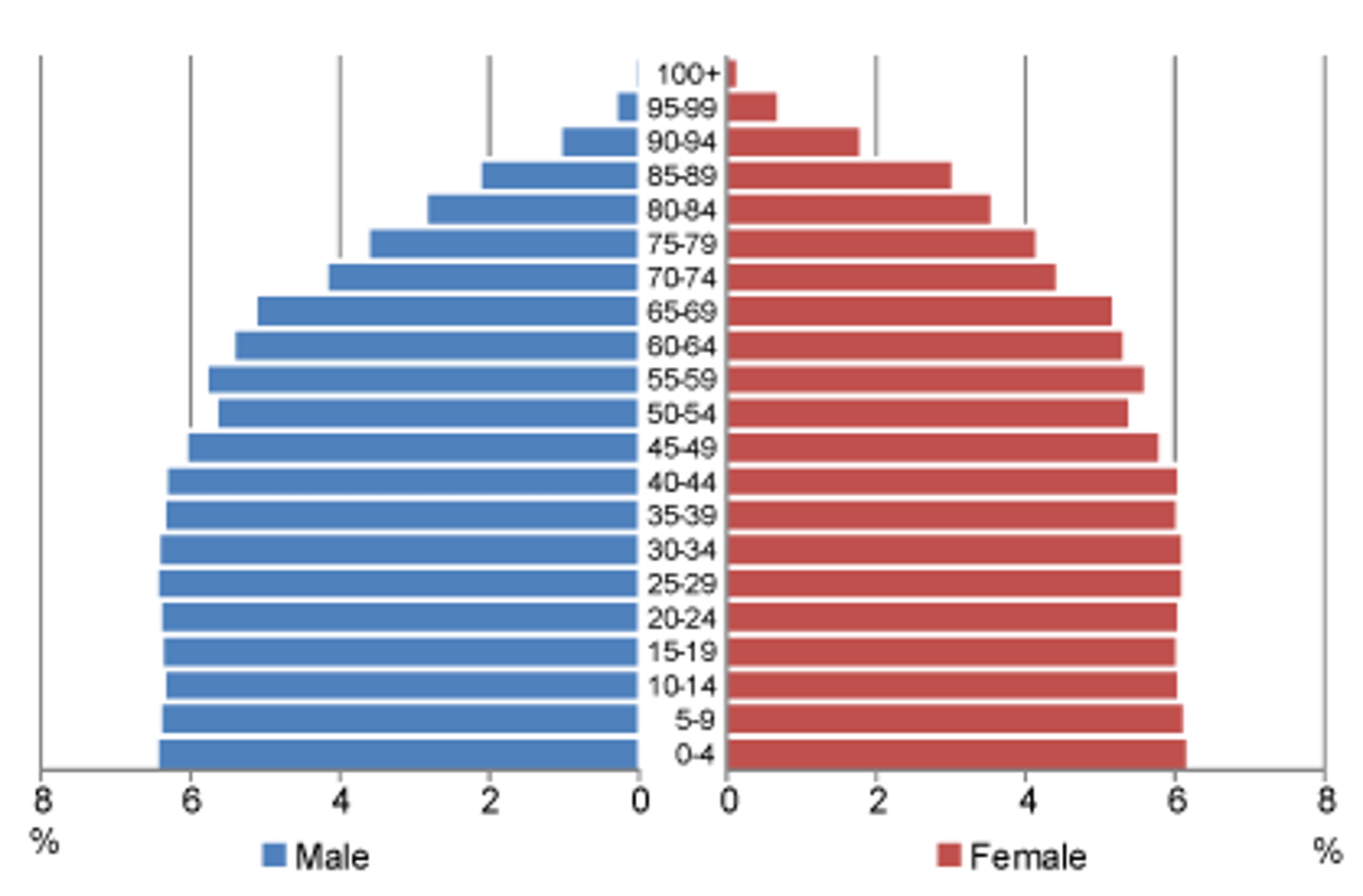
Population Pyramid
A graphical representation (bar graph) of the age and sex distribution of a population.
Ecumene
The permanently inhabited areas on Earth's surface.
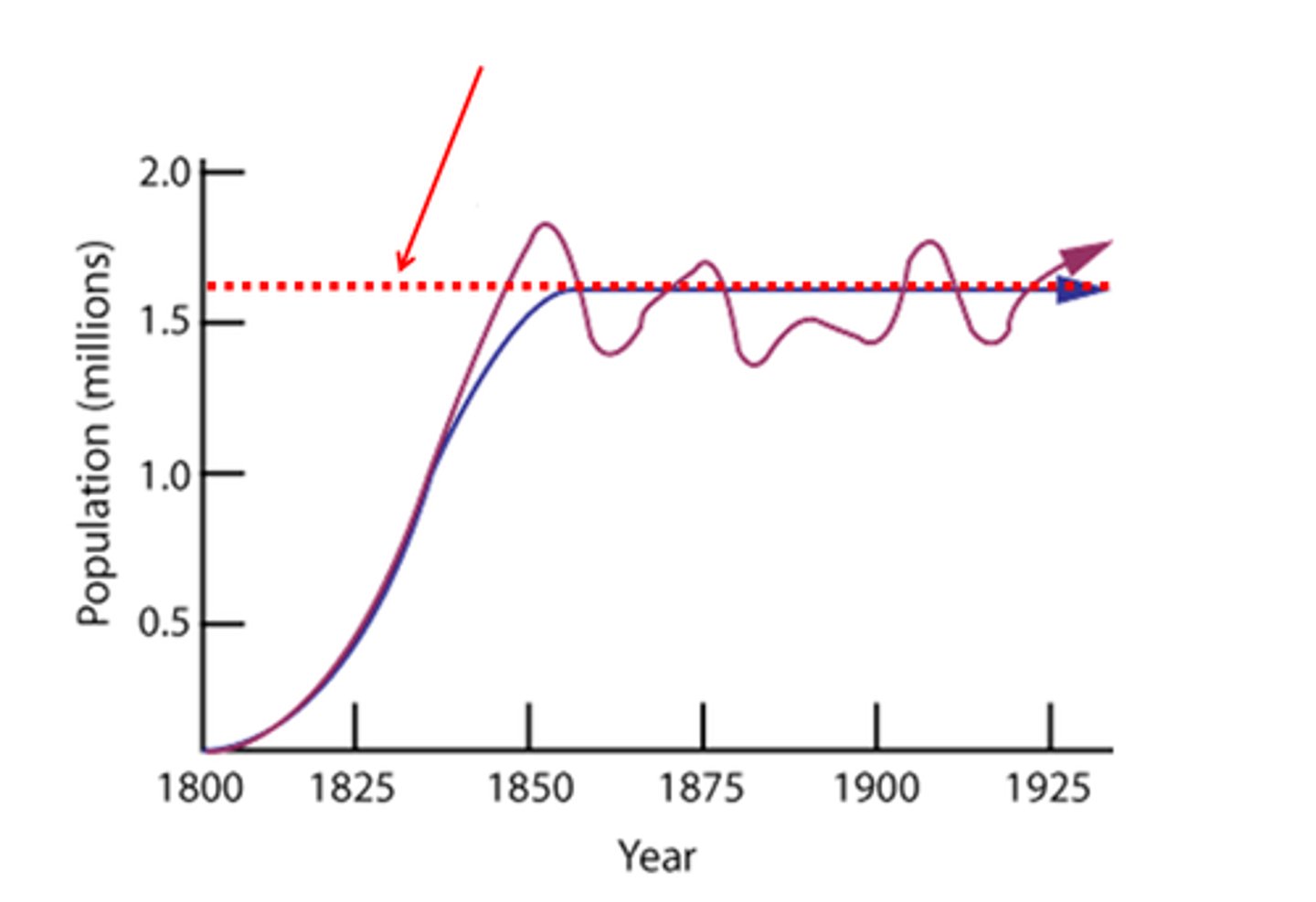
Carrying Capacity
The maximum population an environment can offer.
Total Fertility Rate (TFR)
The average number of children a woman can have in her childbearing years.
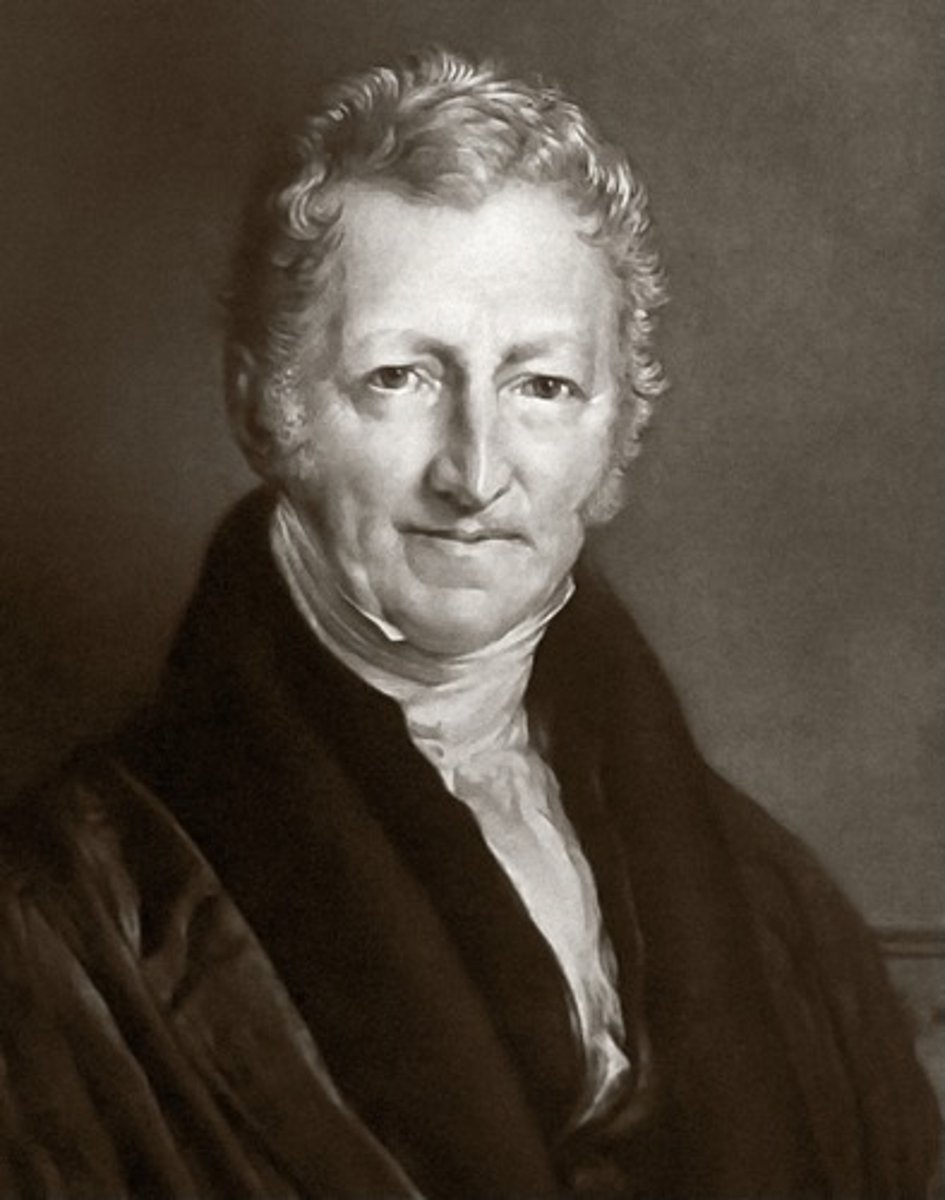
Thomas Malthus
An English economist who created the Malthusian theory in 1798, warning individuals of the inevitable catastrophe when population growth exceeds food production.
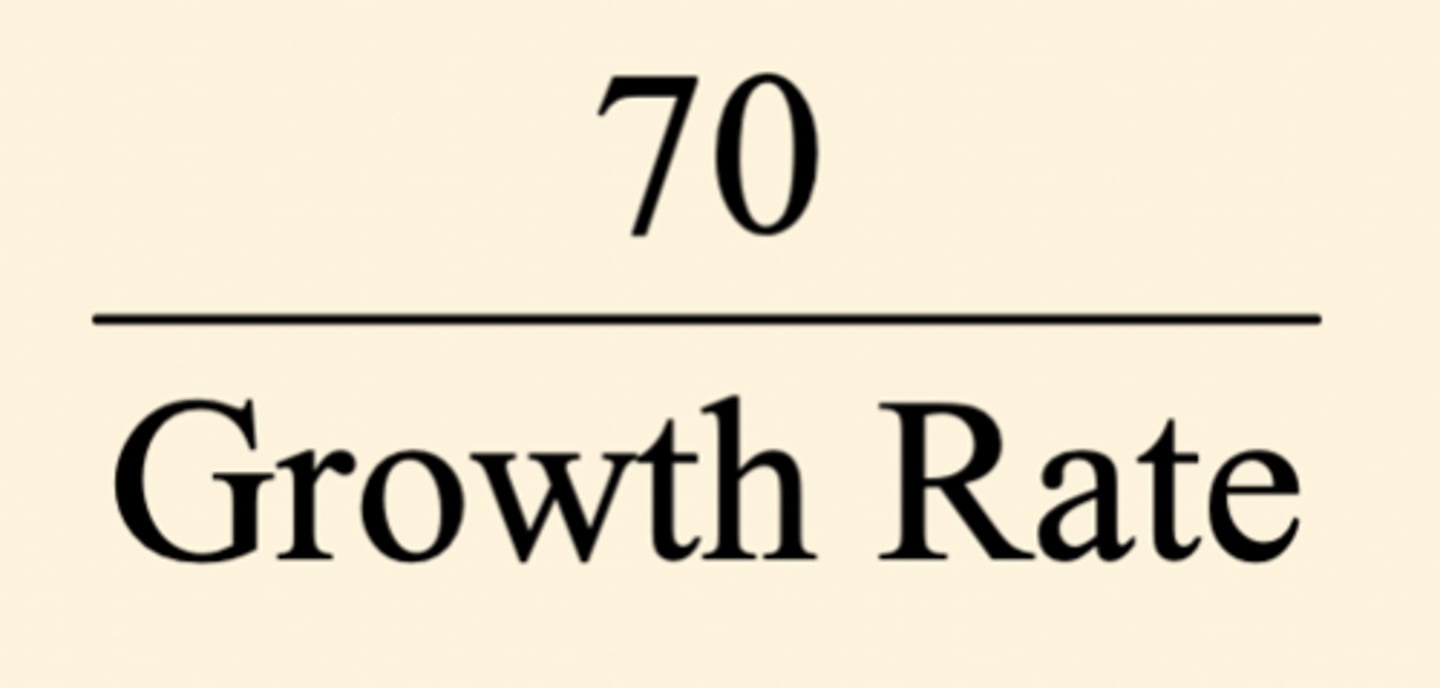
Doubling Time
The amount of time it takes for a population to double.
Asylum
The legal protection granted to individuals who have fled from their home country due to fear of persecution.

Brain Drain
The large scale emigration of skillful individuals.

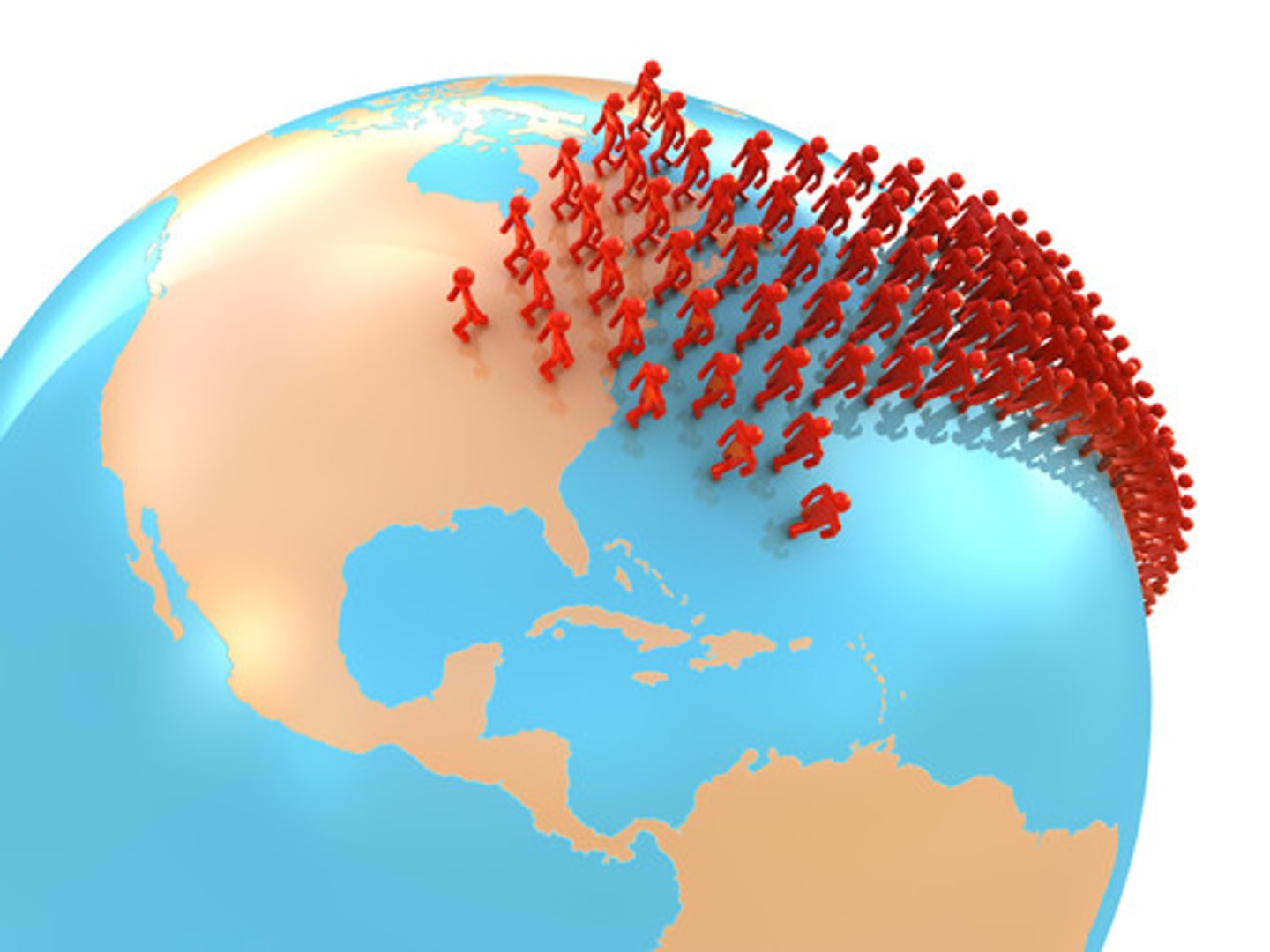
Chain Migration
The process of migration where individuals relocate to a specific location following friends and/or family.
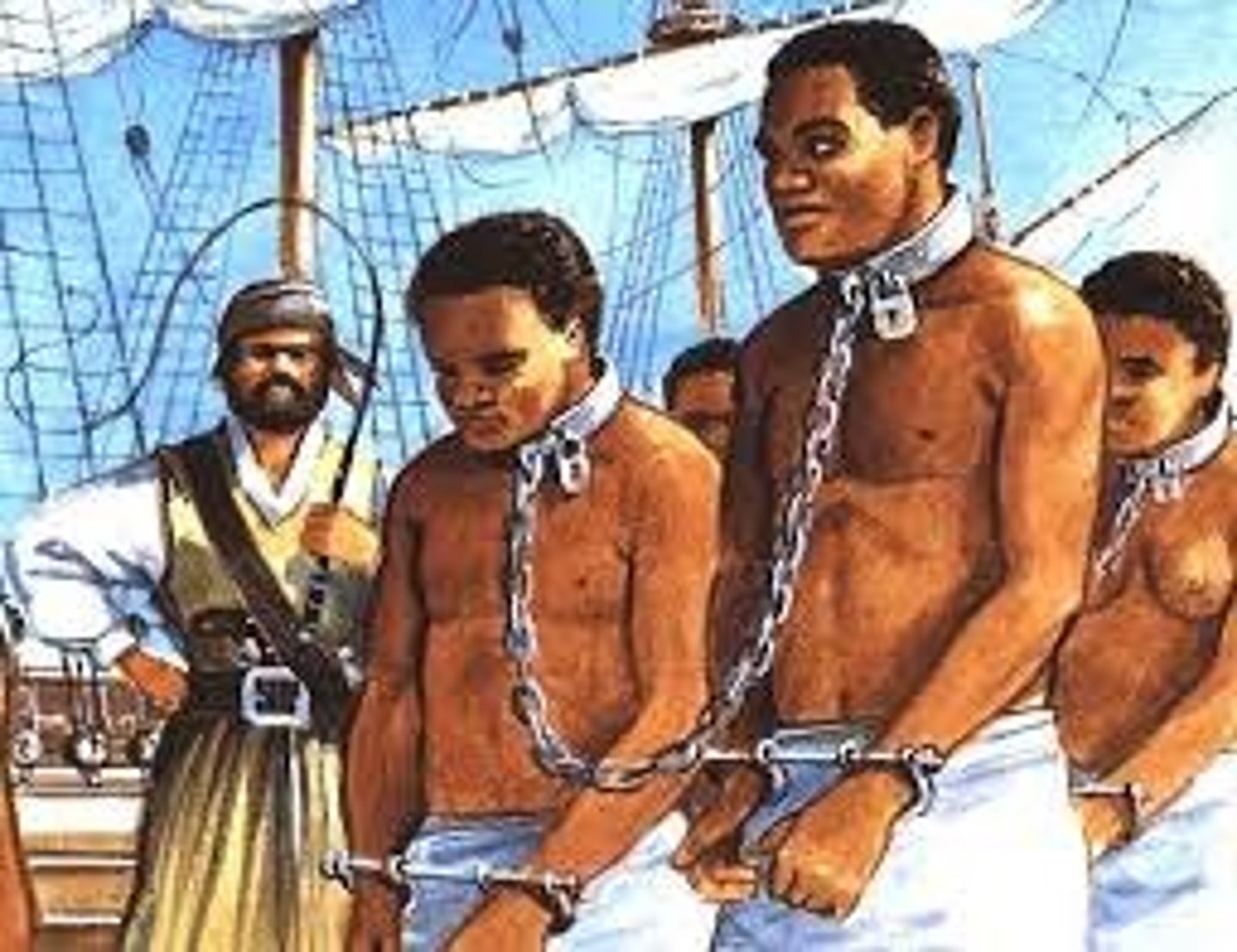
Forced Migration
Involuntary movement via compelling political, economic, and environmental factors.
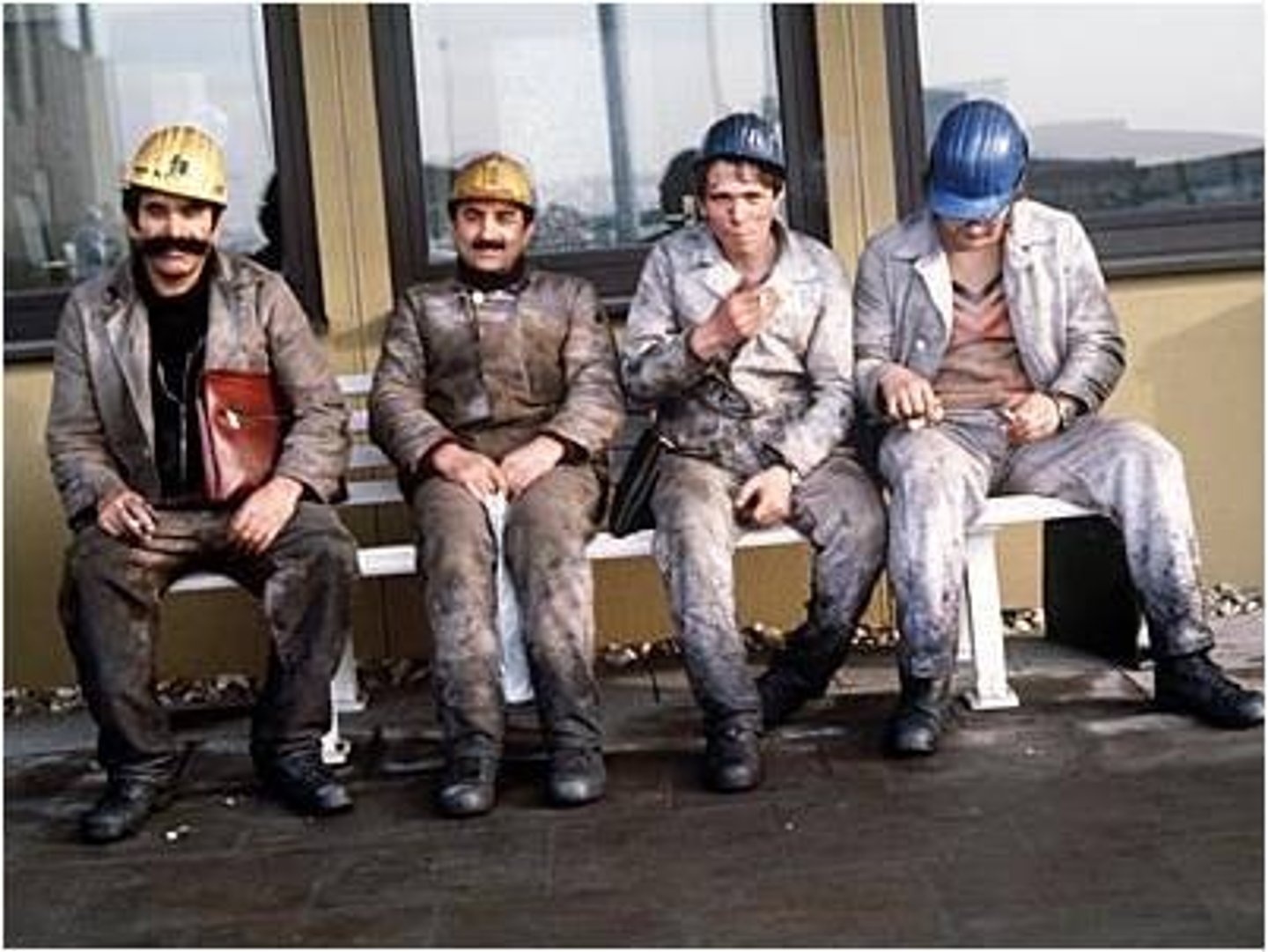
Guest Worker
Temporary migrant workers moving to another country due to employment or labor shortages.
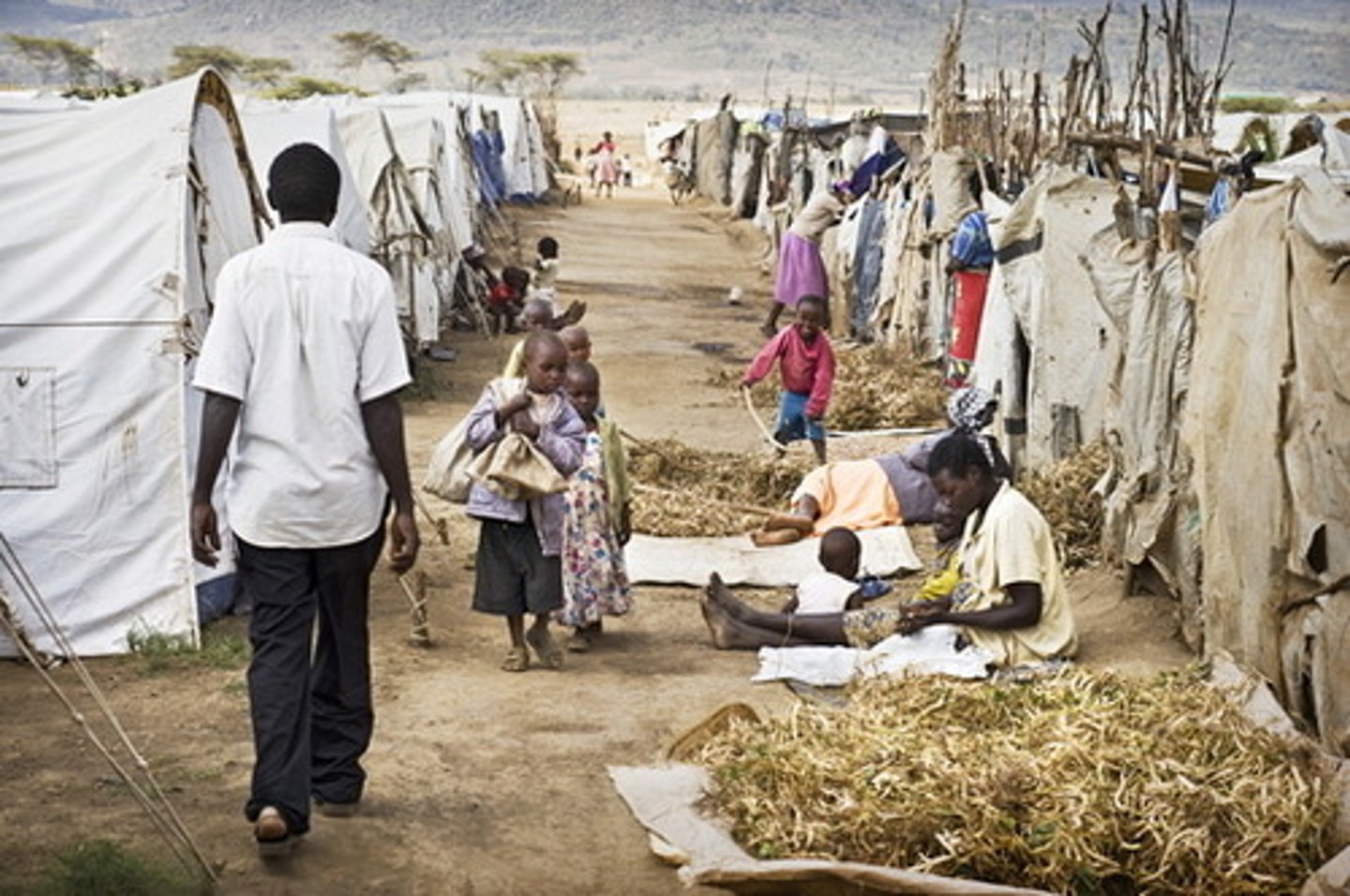
Internally Displaced Person
Individuals being forced to flee out of their place due to political conflict but have yet to cross an international border.
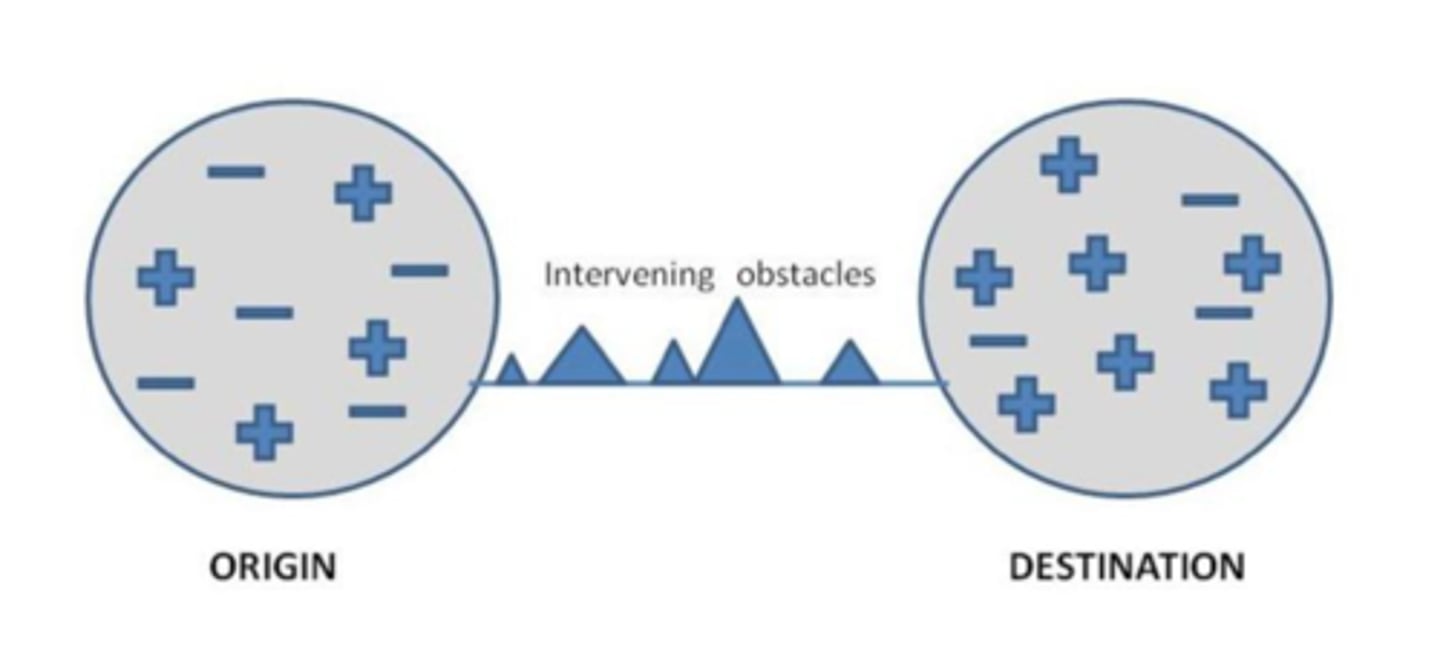
Lee's Model of Migration
The model representing migration decision due to push factors, pull factors, intervening obstacles, and intervening opportunities.
Migrant
Individuals who migrate from a place to another, typically for better lifestyle changes.
Net-In Migration
When the number of immigrants is greater than emigrants according to net migration.
Net-Out Migration
When the number of emigrants is greater than immigrants according to net migration.
Pull Factor
Positive advantages attracting people to migrate to a region.
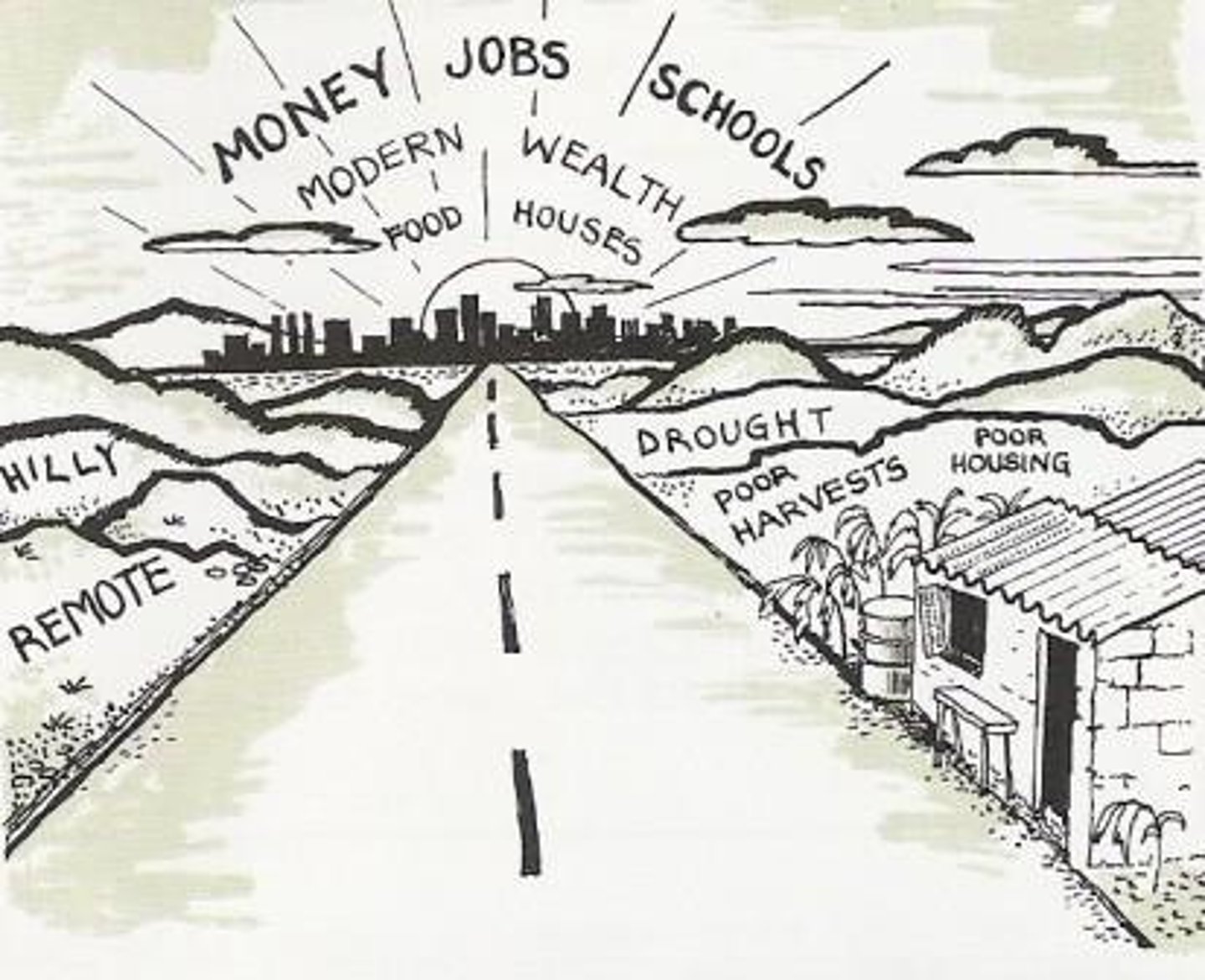
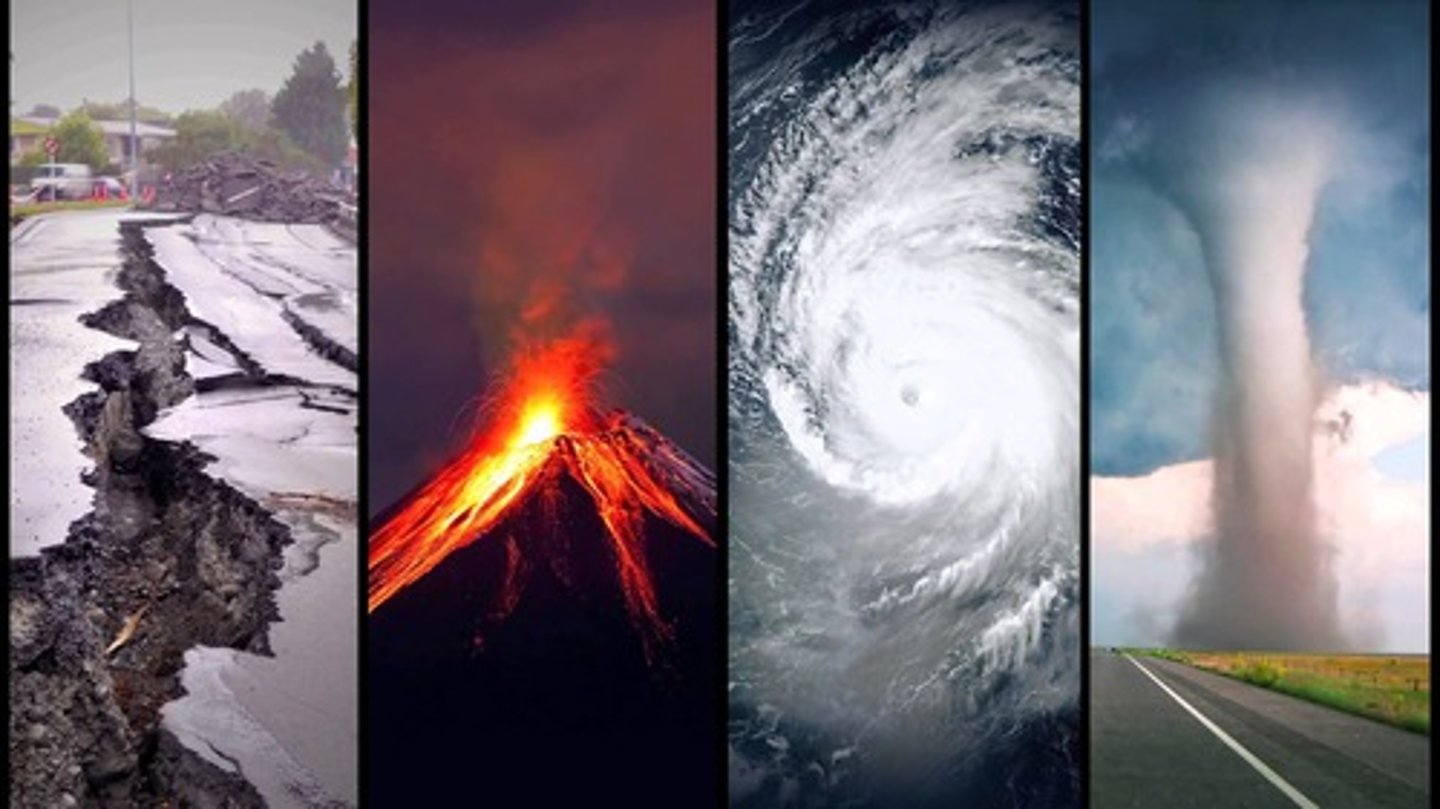
Push Factor
Negative conditions causing people to emigrate.
Quota
A maximum limit for the number of immigrants entering a country every year set by the government.
Ravenstein's Laws of Migration
A series of generalized assumptions of human migration stated by geographer Ernest Georg Ravenstein.
Refugee
An individual who flees their country to escape political conflict.
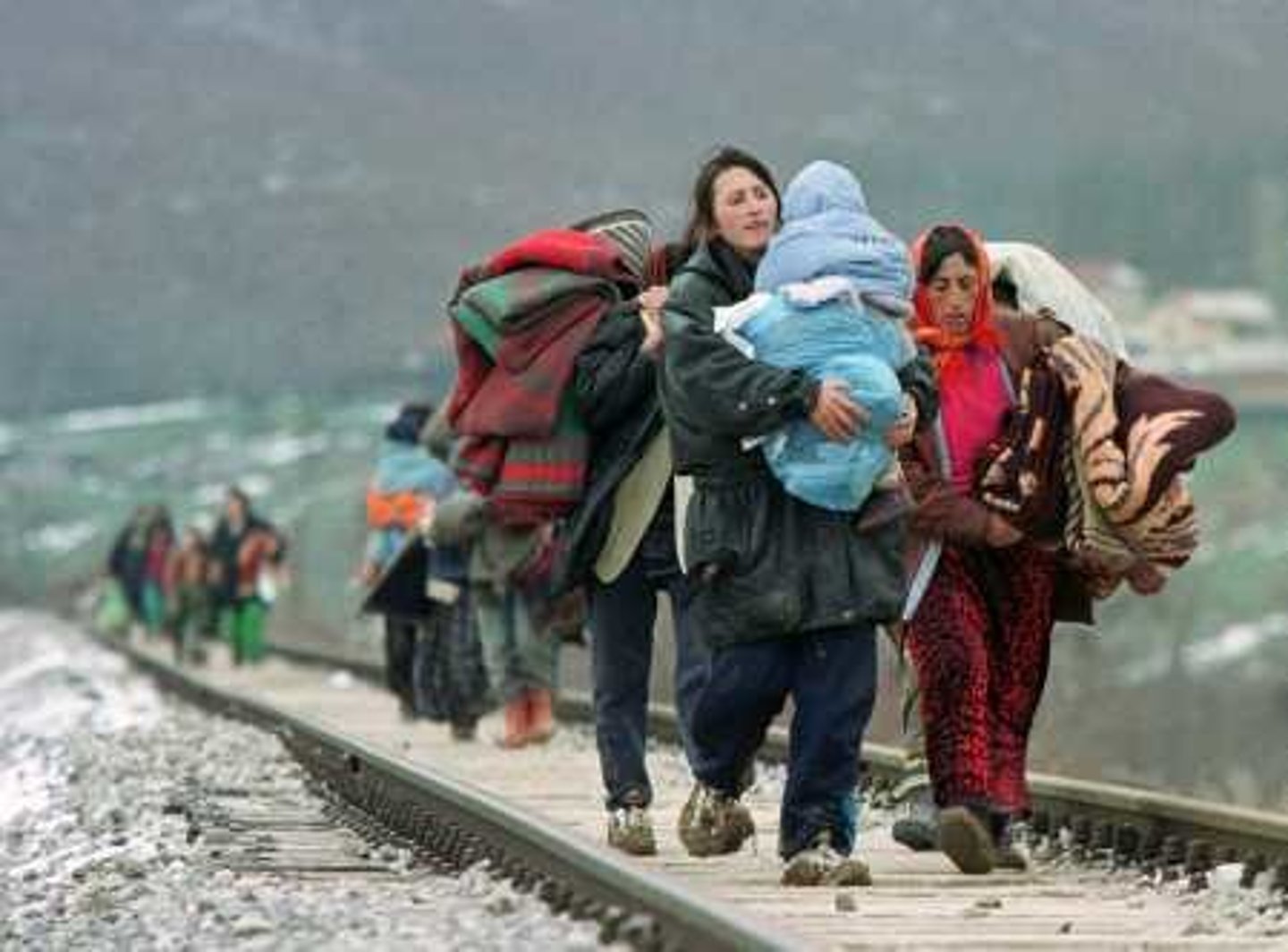
Transhumance
The seasonal migration of livestock between fixed summer and winter pastures.
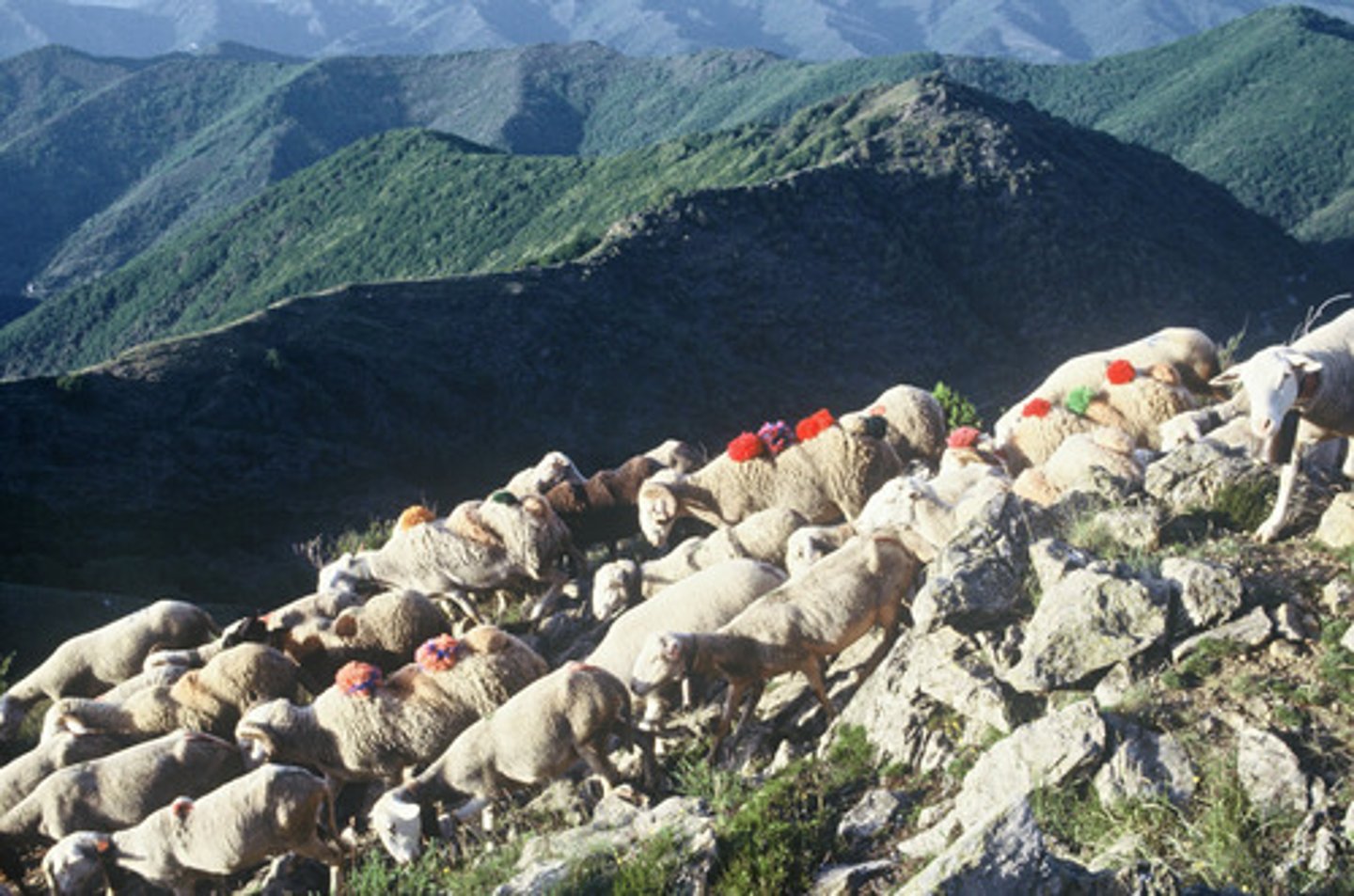
Voluntary Migration
The movement of people from one place to another by choice.
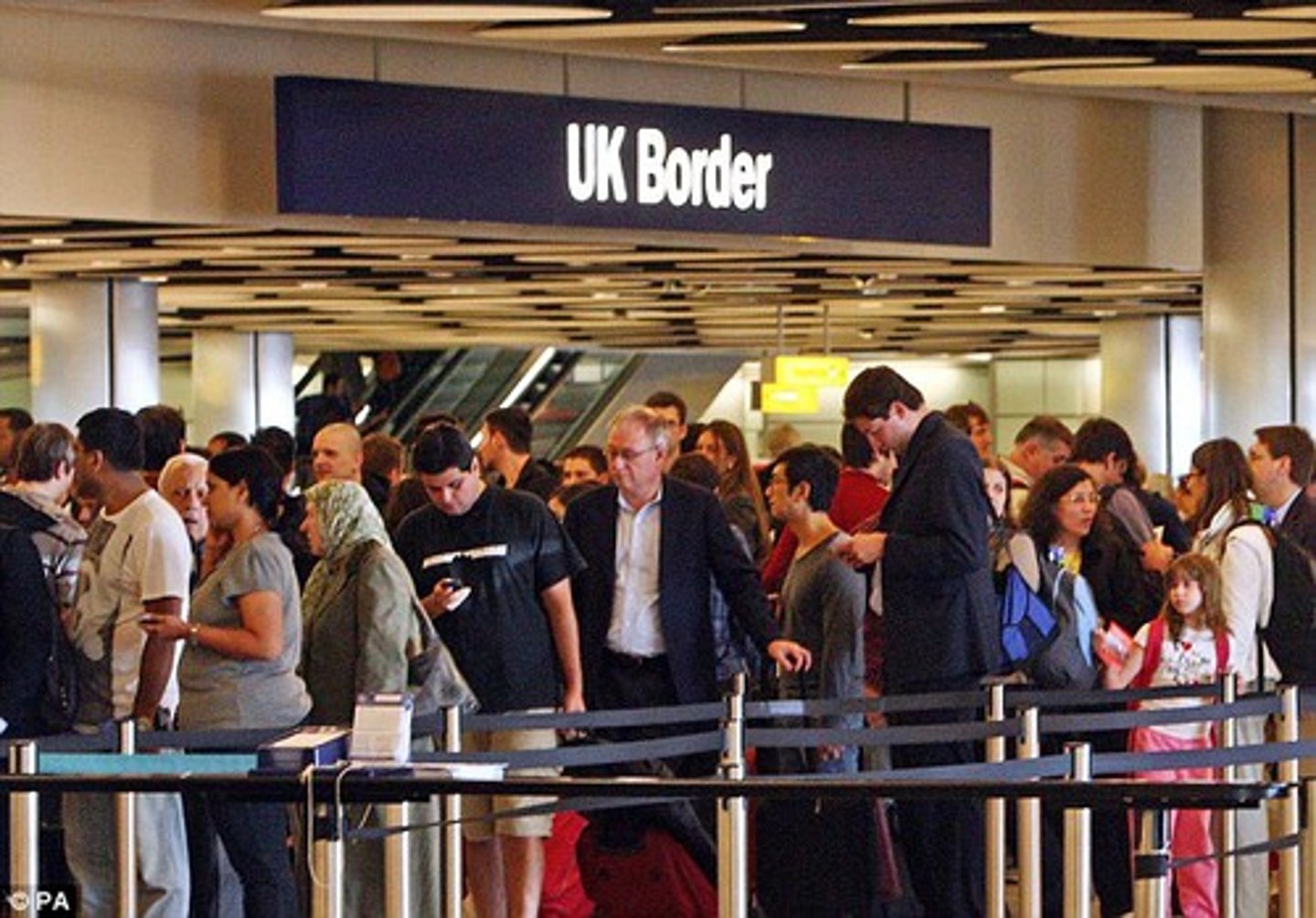
Zelinsky's Migration Transition Model
The model representing migration patterns through every stage of the demographic transition model.
Cultural Relativism
The idea in which cultures aren't superior above others and should be understood rather than judged.
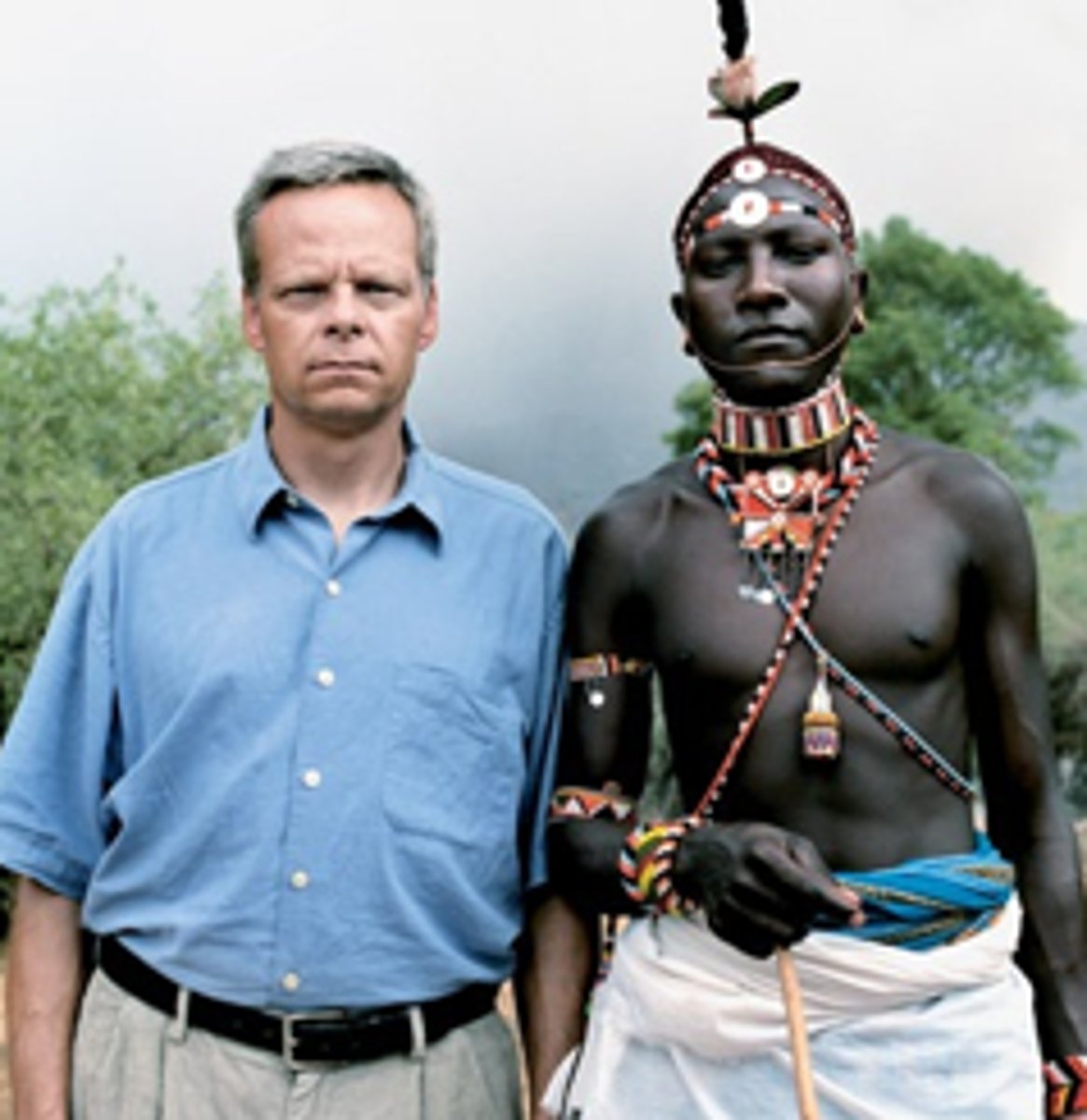
Cultural Traits
The individual elements making up a culture.
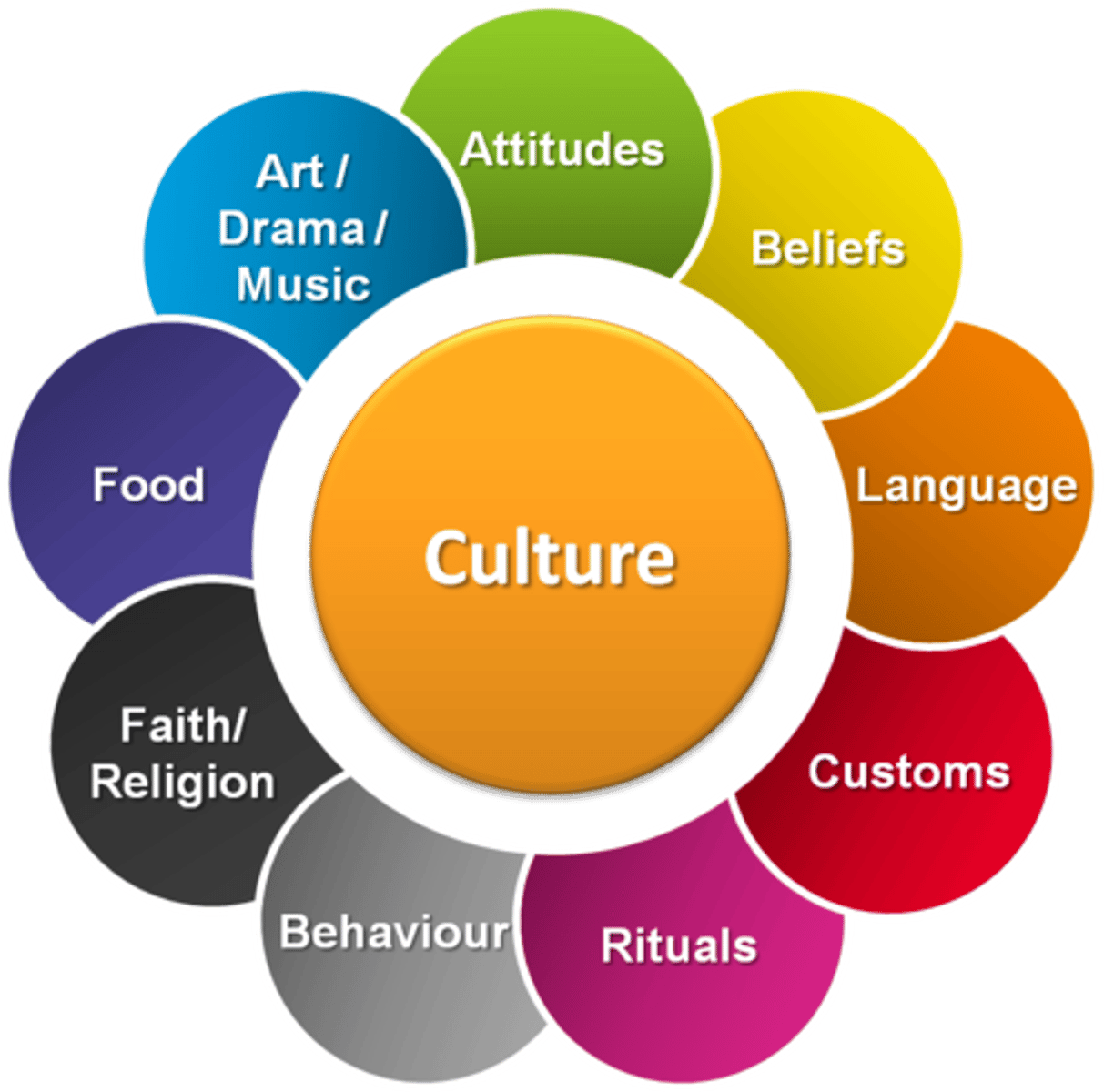
Cultural Landscape
A geographic area altered by human activity, highlighting the relationship between culture and nature.
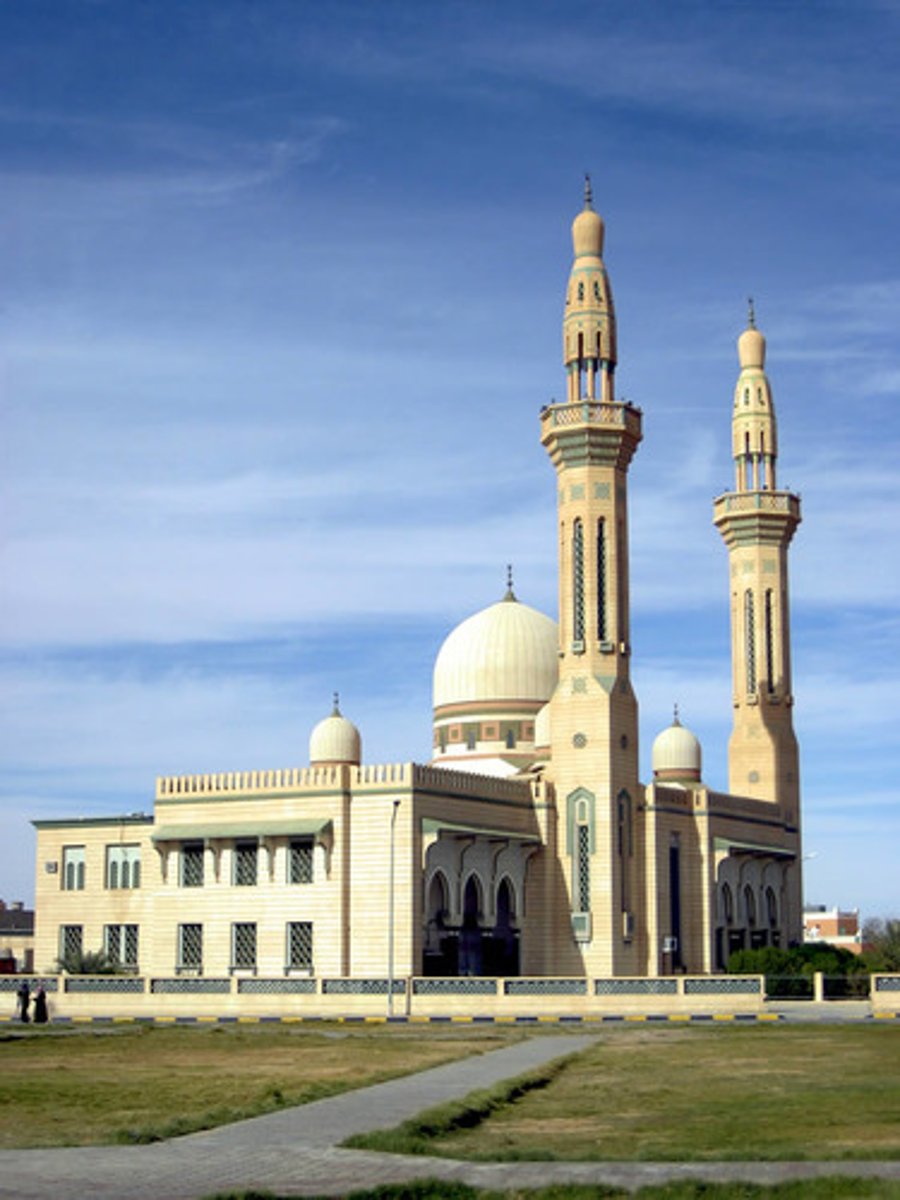
Cultural Convergence
The process of interaction between multiple cultures where they influence each other and become more similar.
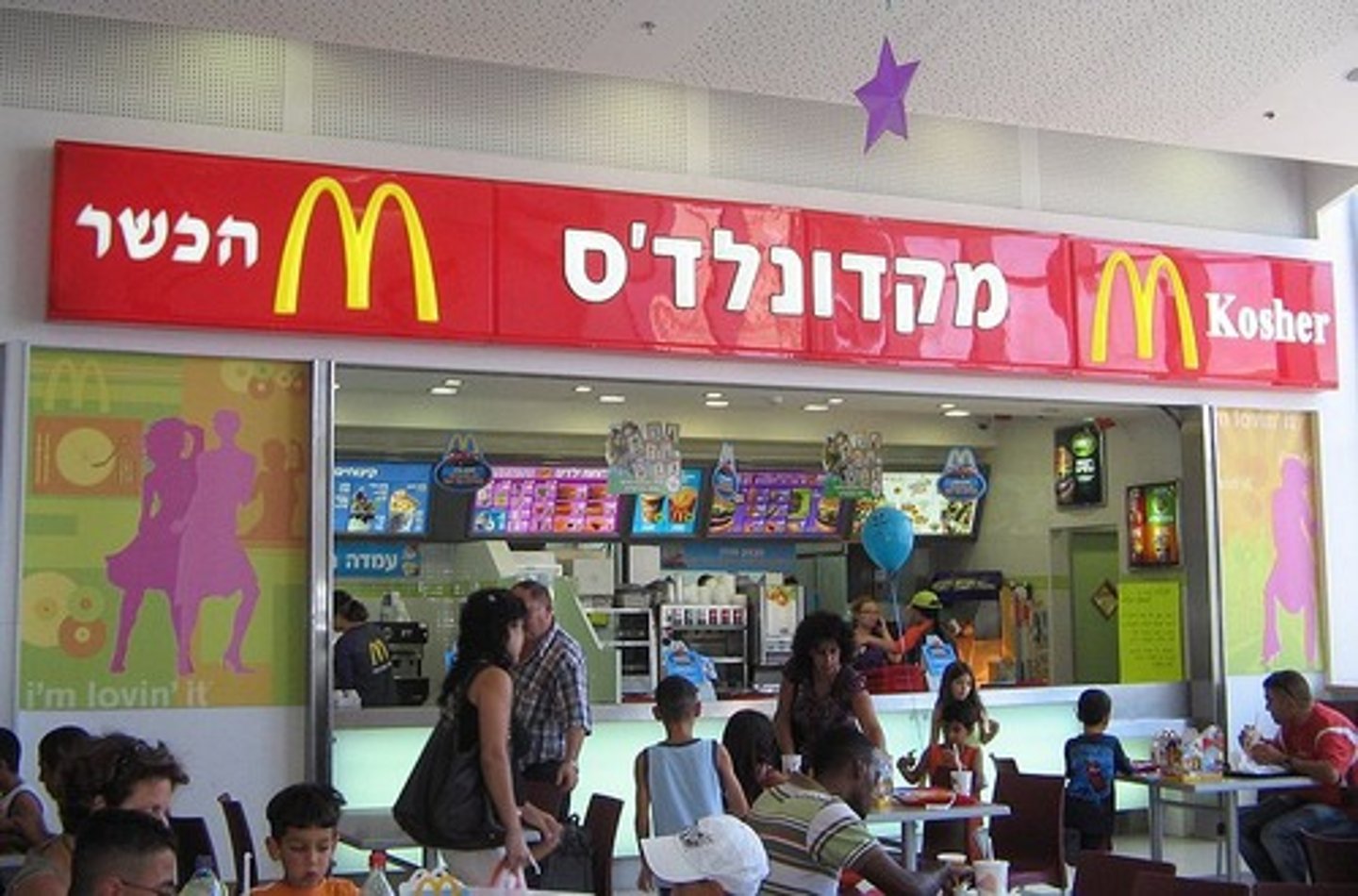
Cultural Divergence
The process of separation between multiple cultures where they become distinct and differ over time.
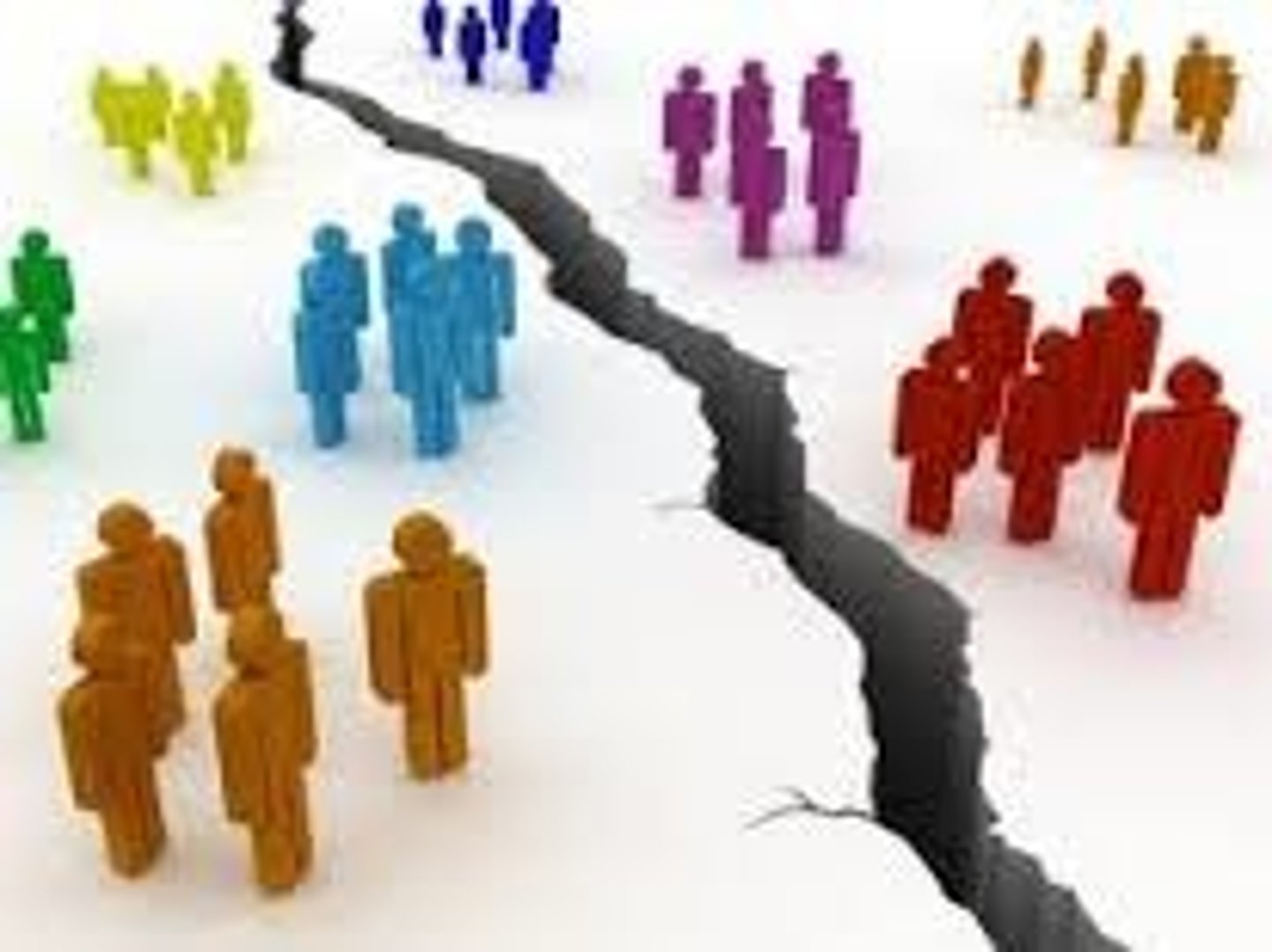
Cultural Syncretism
The overlapping and blending of distinct cultural traits to form a new hybrid culture.

Multiculturalism
The fundamental principle where multiple cultures can coexist equally in the same society and maintain distinctiveness.
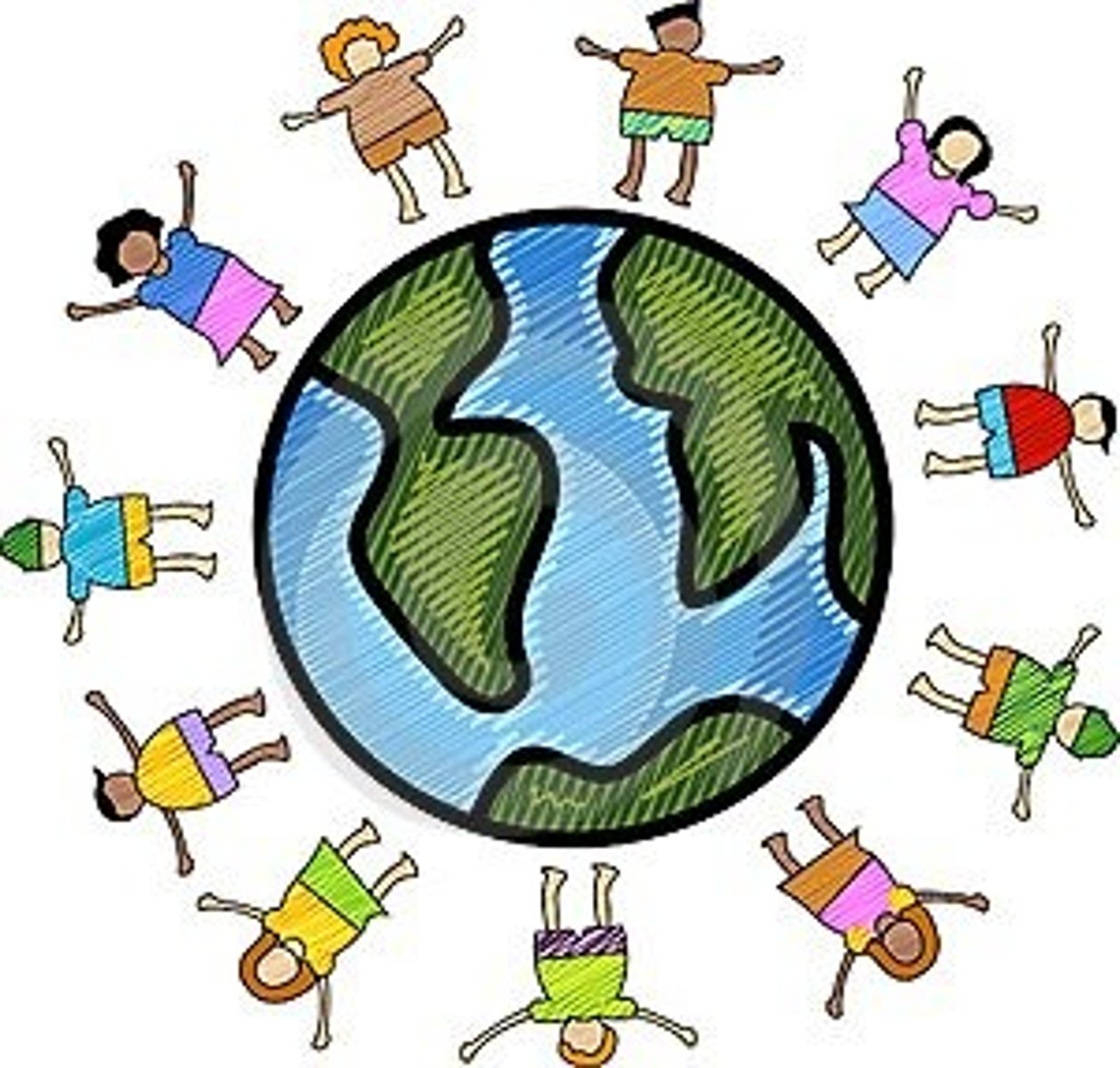
Folk Culture
The traditional culture of homogeneous, typically isolated rural groups having unique customs.

Pop Culture
The prevalent culture within mainstream society influenced by mass media.

Ethnocentrism
The judgement of other cultures based on one's own standards, typically believing theirs is superior above all others.

Acculturation
The process where people slowly adopt a dominant culture, yet still maintain aspects of their cultural identity.
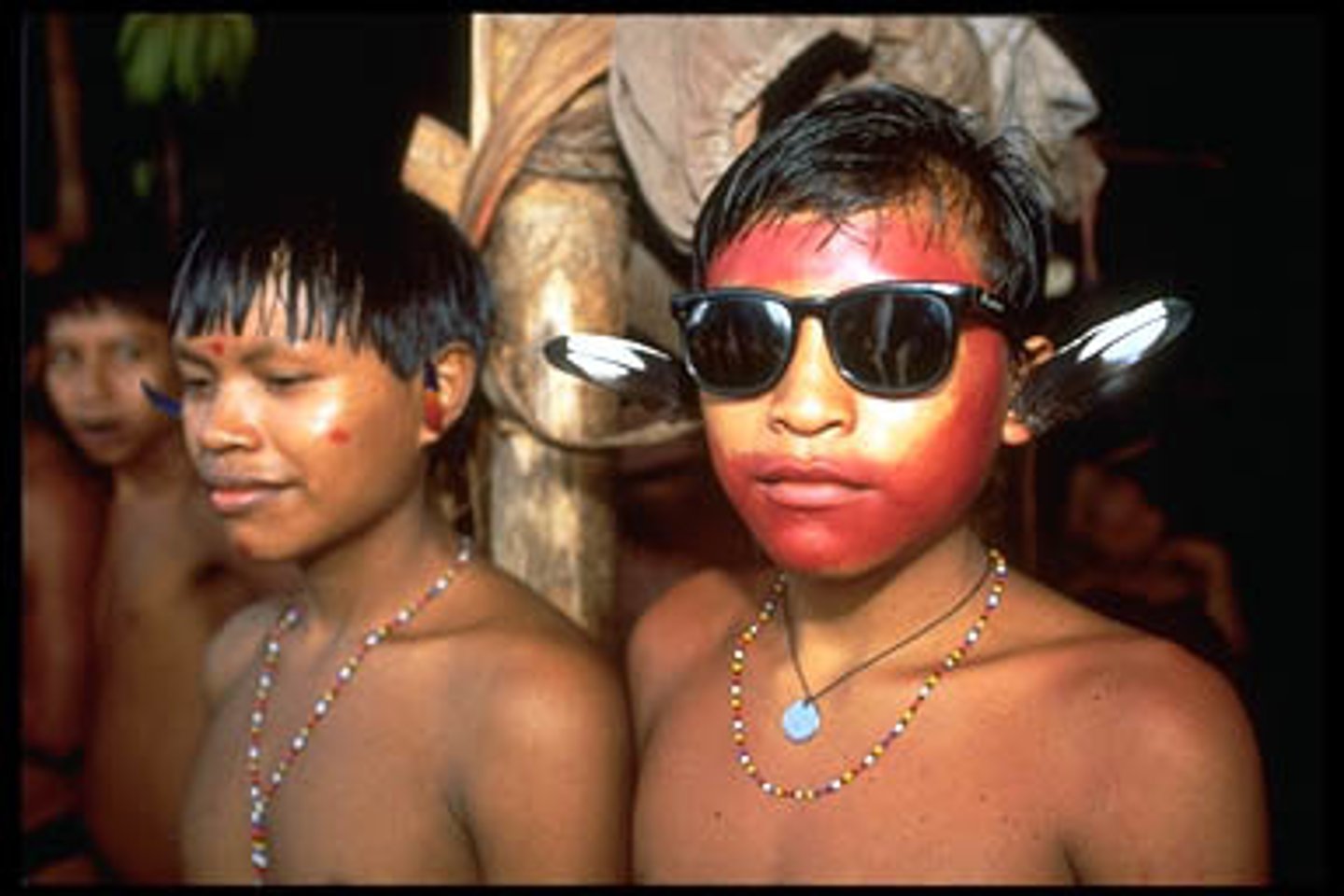
Assimilation
The process where people fully adopt a dominant culture, typically leading to loss of cultural identity.

Hearth
The original location of a diffused phenomenon.
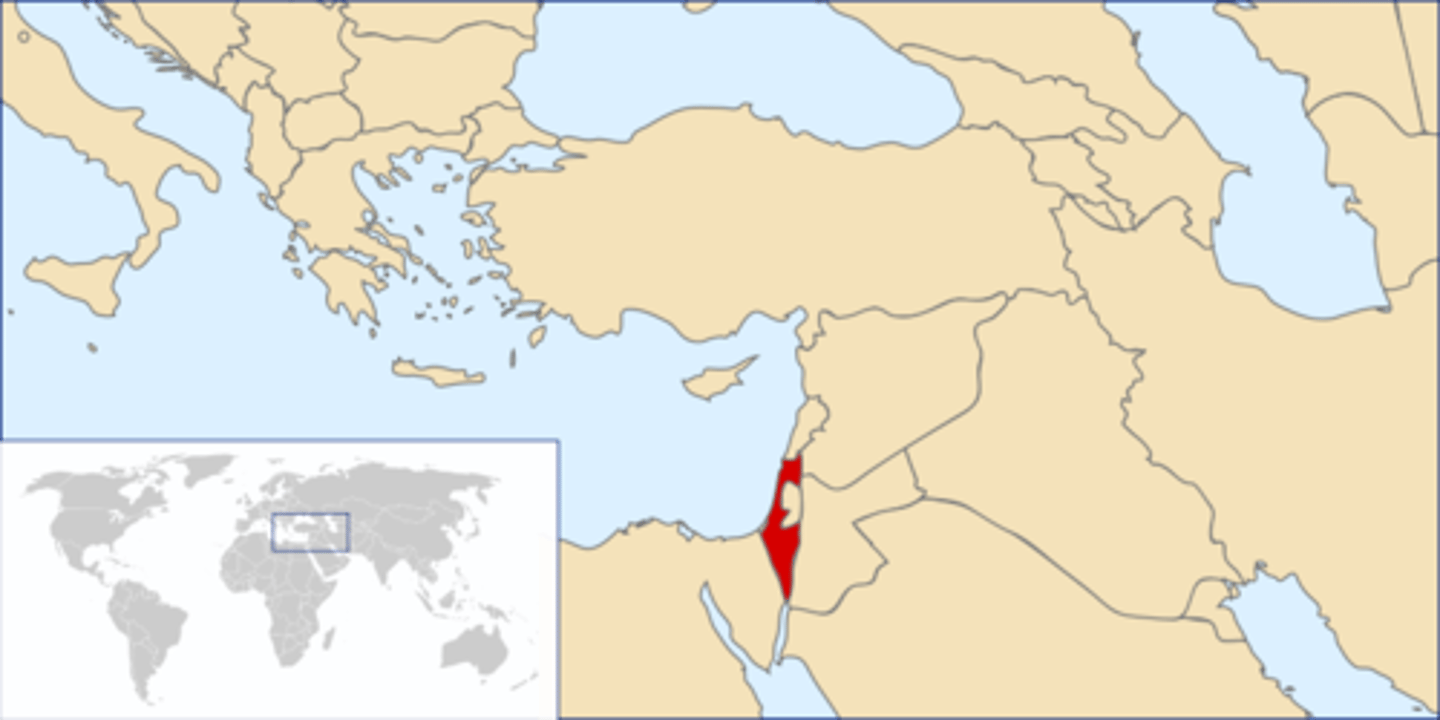
Sequent Occupancy
The process where successive societies leave cultural imprints on a place, adding onto the cultural landscape overtime.