calculus 2 final exam
 Studied by 13 people
 Call Kai
 Learn
Learn Practice Test
 Spaced Repetition
 Match
Match Flashcards
 Knowt Play
1/94

There's no tags or description
Looks like no tags are added yet.
Name | Mastery | Learn | Test | Matching | Spaced | Call with Kai |
|---|
No analytics yet
Send a link to your students to track their progress
95 Terms
If velocity is negative on an interval, what does that imply about the motion?
The object is moving in the opposite direction.
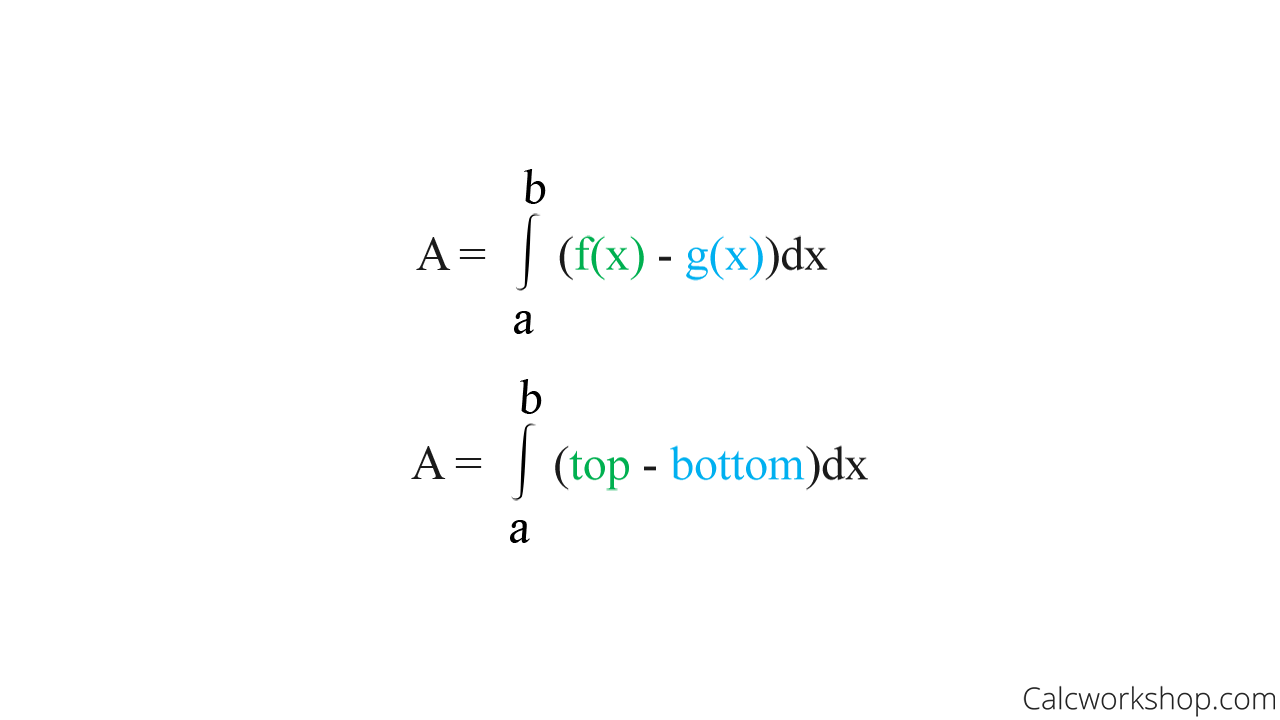
Formula for area between two curves
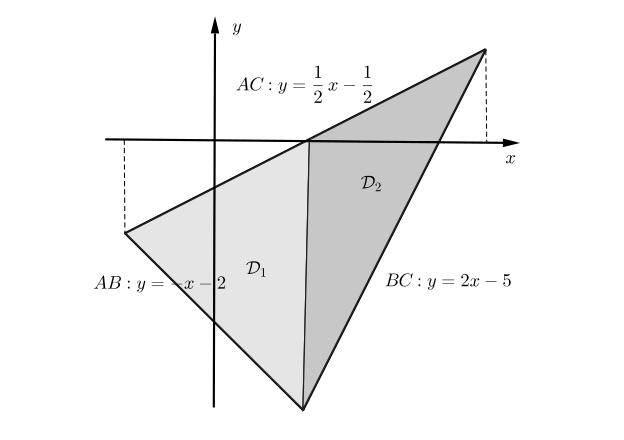
When might you need to split the integral into multiple parts?
When do you use the washer method over the disk method?
When there's a hole in the solid (i.e., you're rotating around an axis but not touching the region directly). Or when the test directly states to use the washer method.
When is the shell method more convenient than washers?
When rotating around a vertical line and your functions are in terms of x (or vice versa).
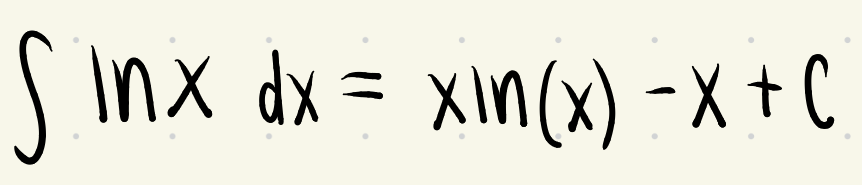
What is the integral of lnx?
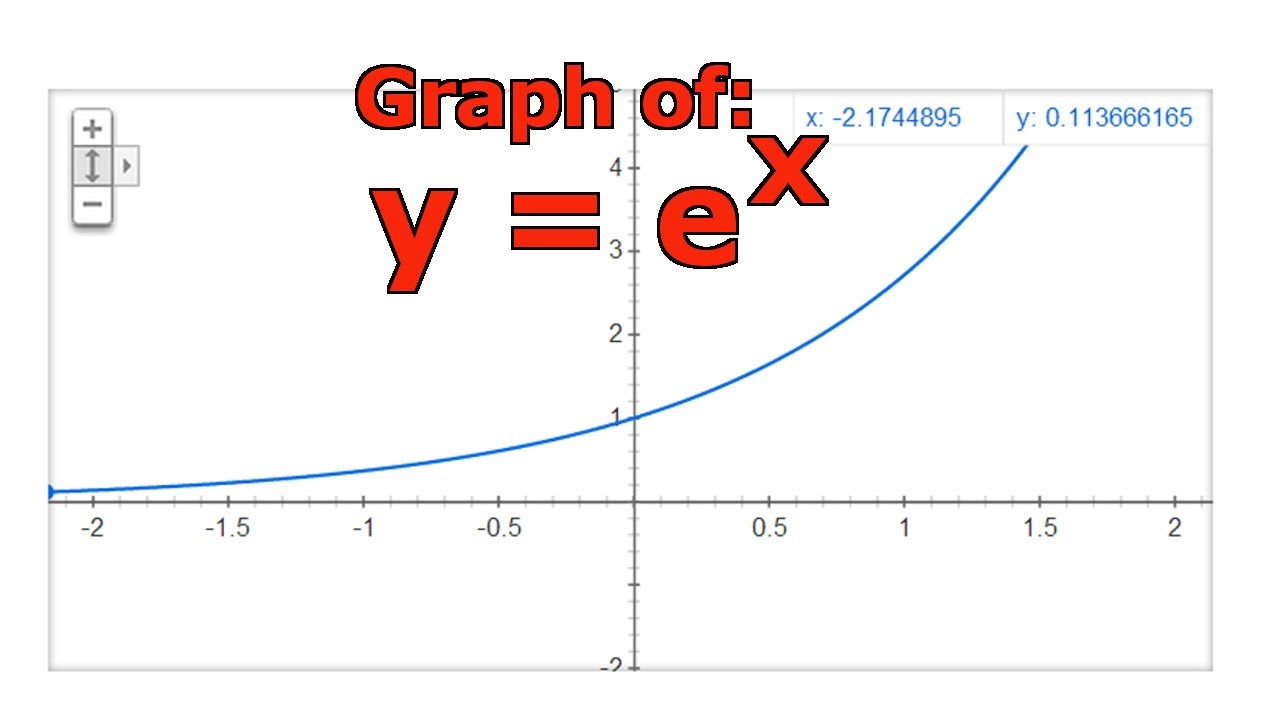
the graph for e^x
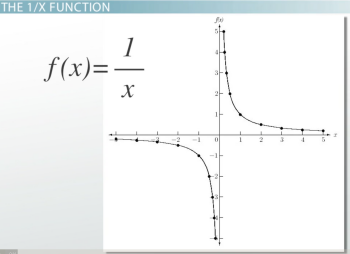
the graph of 1/x
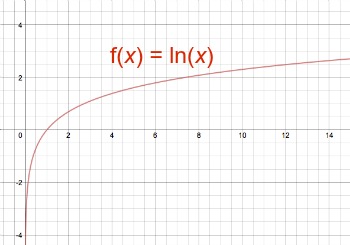
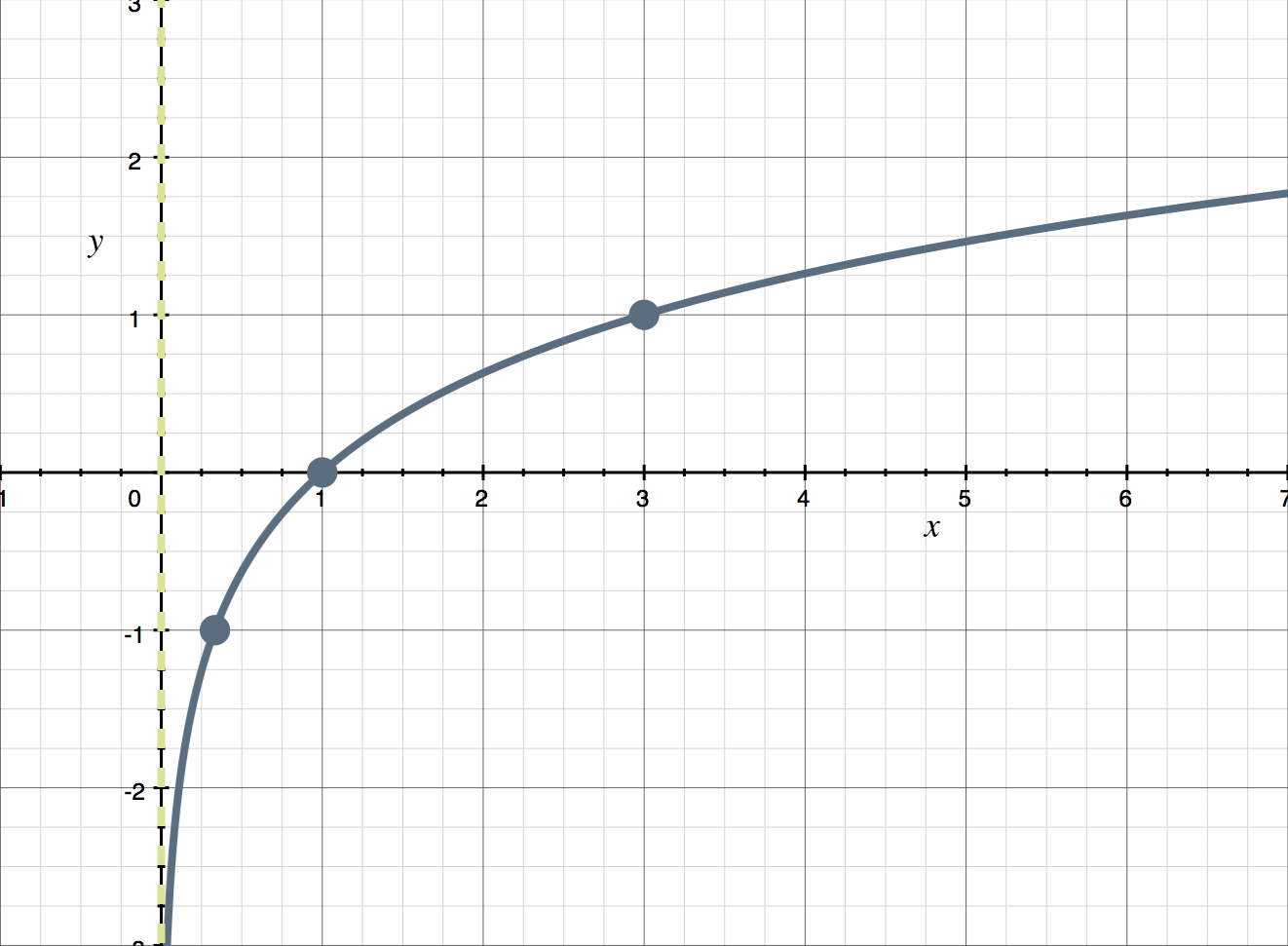
the graph of ln(x)
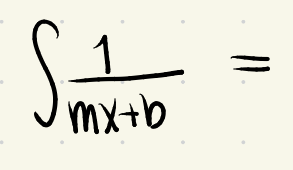
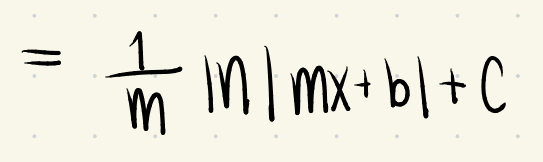
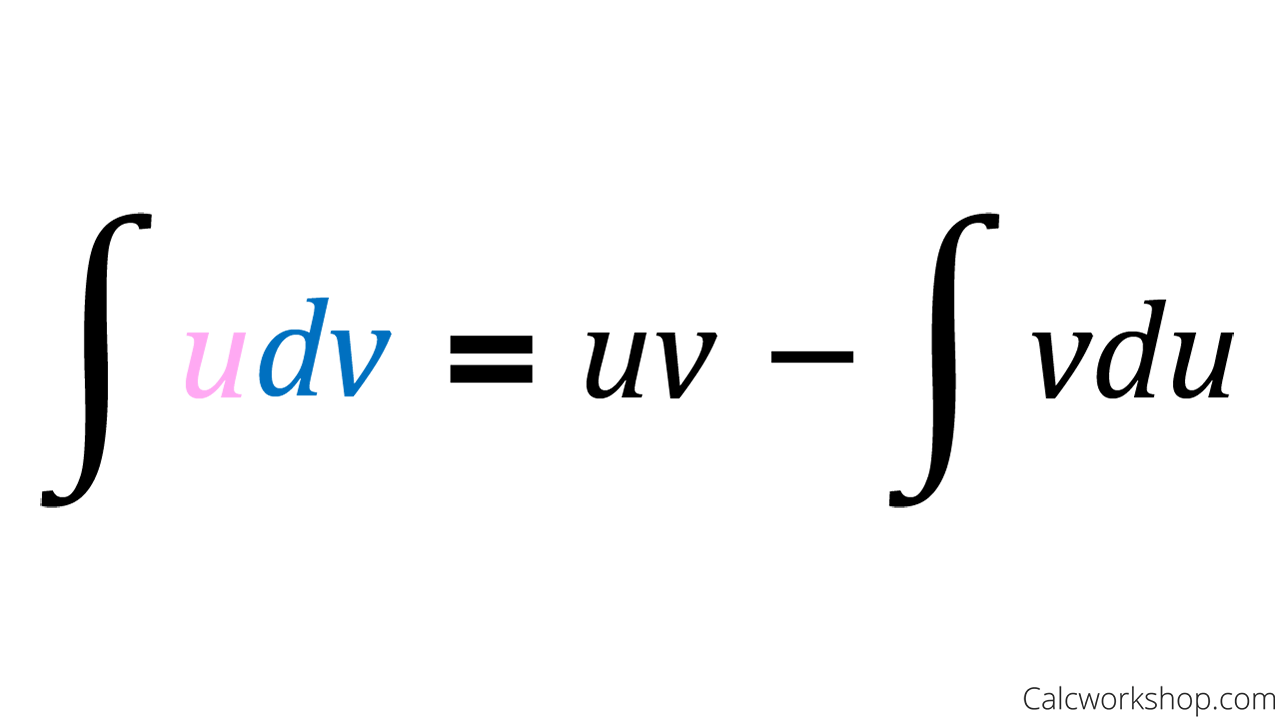
integration by parts formula
ln(1)=
0
ln(e)=
1
ln(e²)=
2
sin²x+cos²x=
1
1+tan²x=
sec²x
1+cot²x=
csc²x

x=asin(θ)
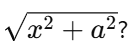
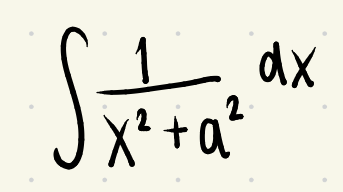
What substitution should you use if you see this?
x=atan(θ)
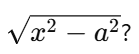
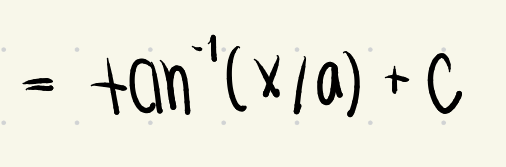
What substitution should you use if you see this?
x=asec(θ)
What makes an integral "improper"?
If it has an infinite limit of integration or a discontinuity in the interval.
What's the first step when evaluating an improper integral?
rewrite it as a limit
what does it mean if a limit converges?
A finite value:
The key is that the sequence or function's value gets closer and closer to a single, real number
what does it mean if a limit diverges?
Divergence to infinity (∞):
The function or sequence's value grows larger and larger without any upper limit as the input approaches a certain point or infinity.
sequence
a list of numbers written in a mathematical order
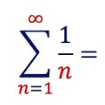
harmonic series. diverge/converge?
diverge
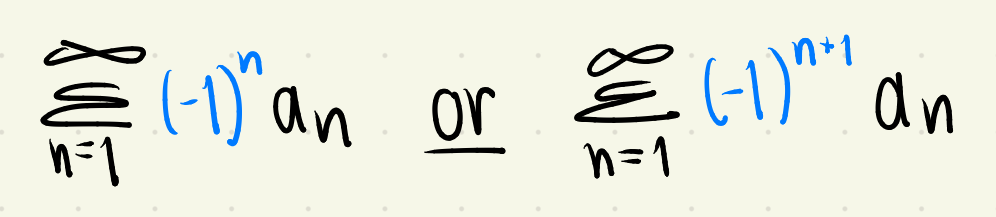
what two things indicate an alternating series?
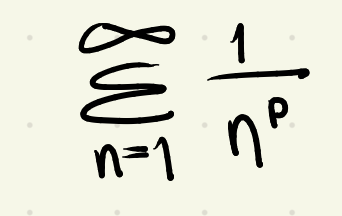
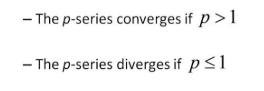
p-series
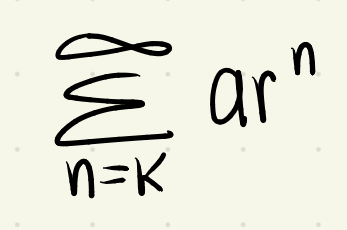
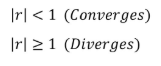
geometric series
the p-series test
the geometric series test
the divergence test

when is the divergence test inconclusive?
if the limit equals zero, the test tells you nothing. the test can only tell you if it diverges, not converges
the integral test
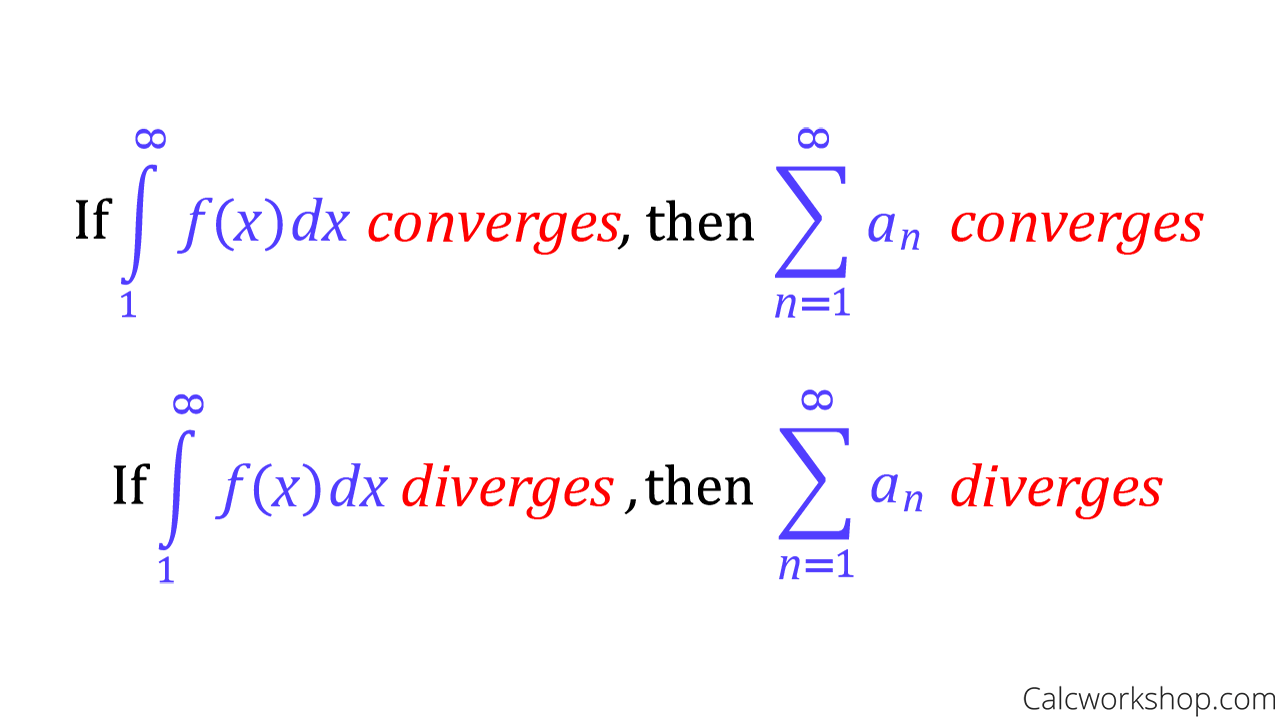
what are the conditions to the integral test?
f(x) must be positive, decreasing, and continuous on [1, infinity)
the comparison test
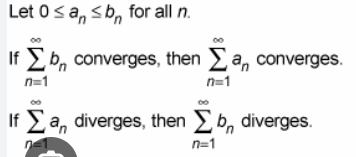
the limit comparison test
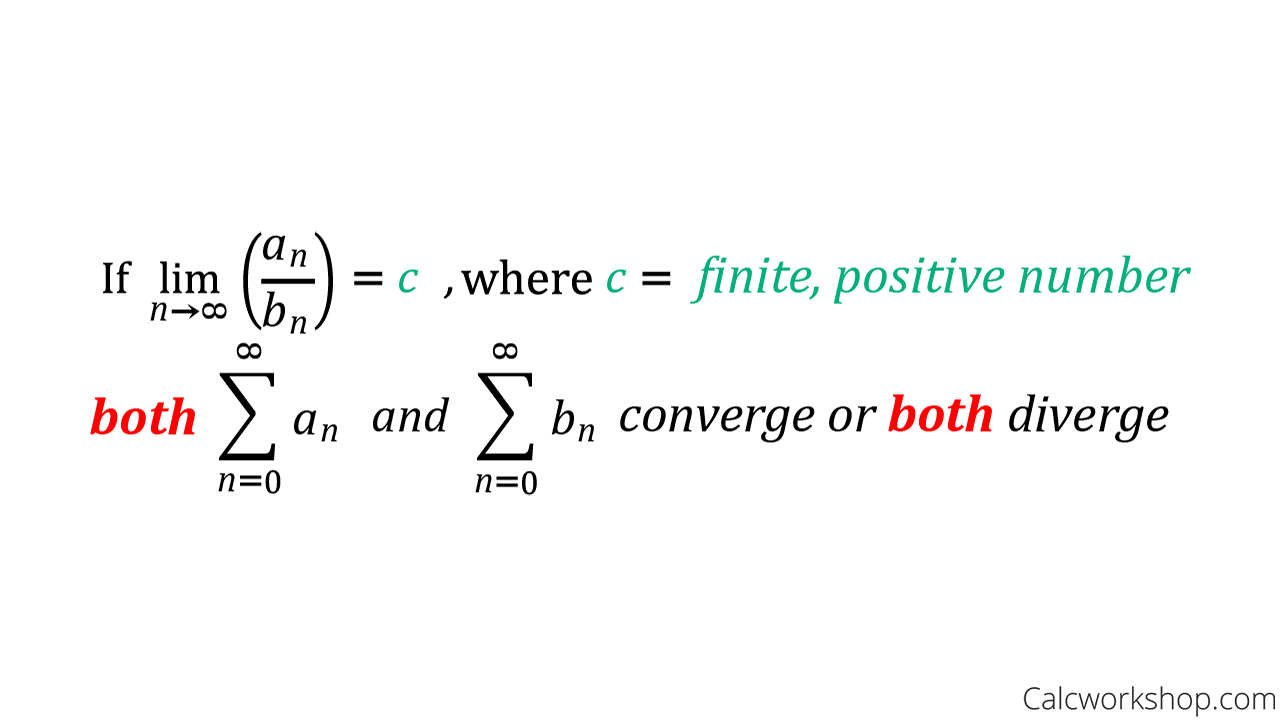
for BOTH comparison tests, what condition must be satisfied?
must be positive
the alternating series test
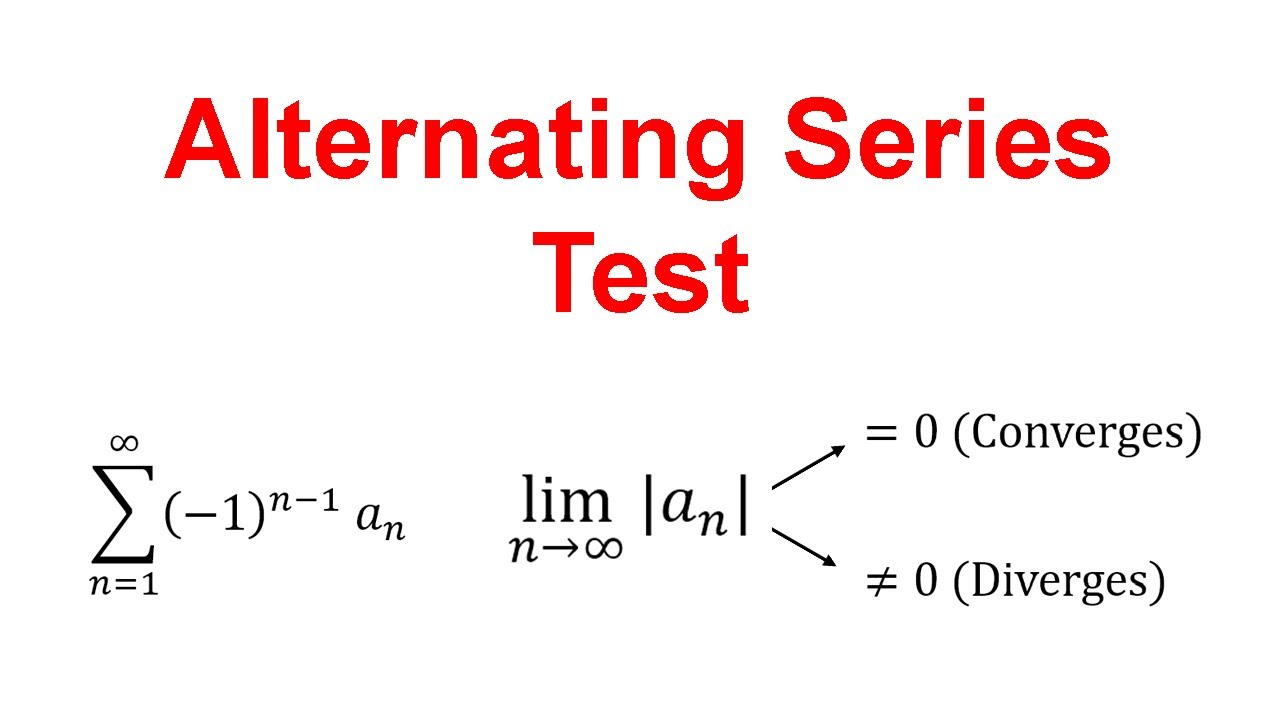
what are the conditions to the alternating series test?
positive terms, decreasing, limit is 0 (terms go to 0)
the ratio test
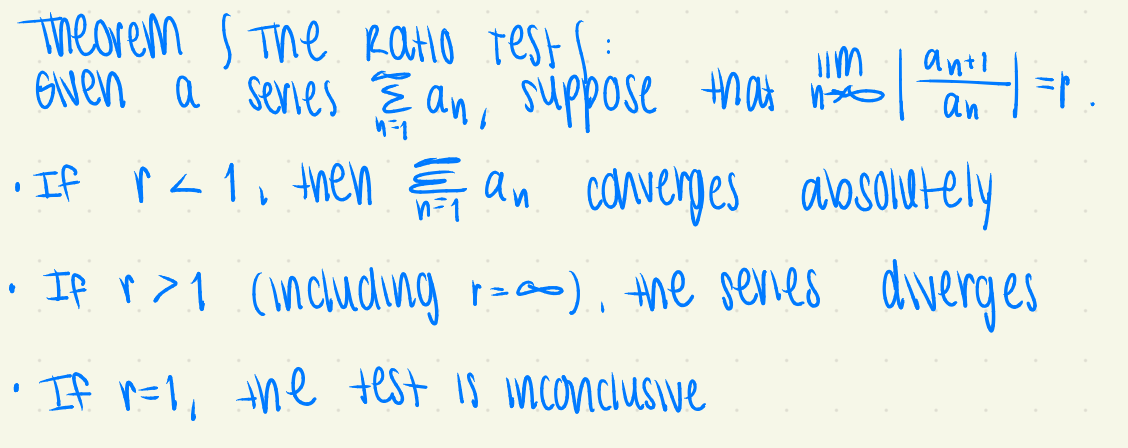
how to test for absolute convergent?
absolute value bars
the root test
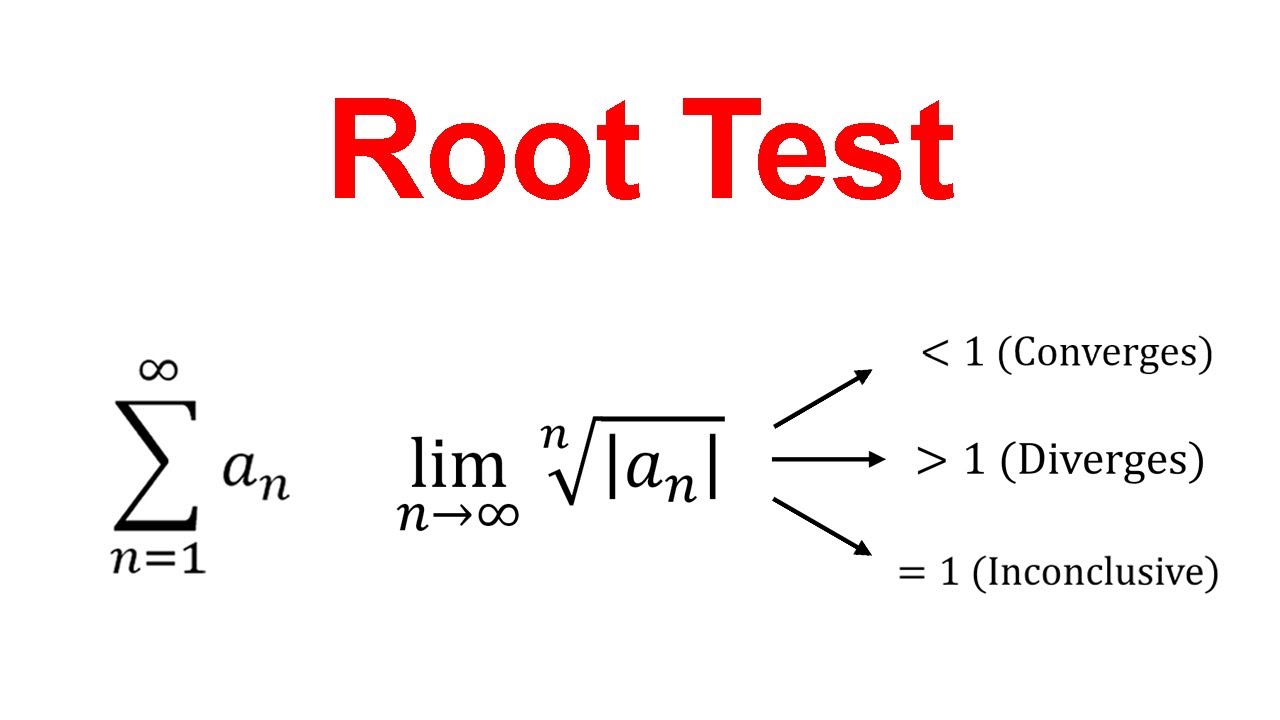
the alternating harmonic series. diverge/converge?
Converge
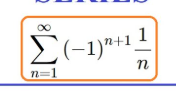
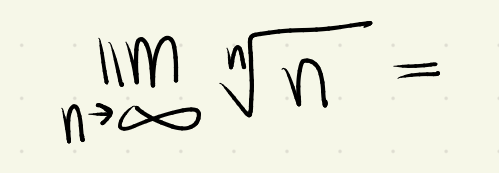
1
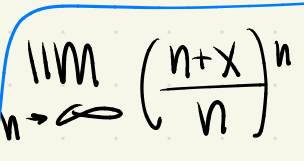
=e^x
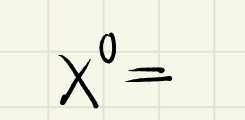
ANY non zero number to the 0 power will always equal?
1
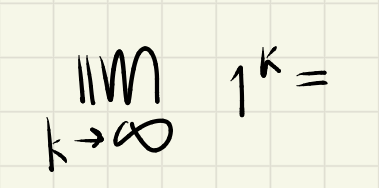
the limit of 1 to the power of k as k approaches infinity will always be?
1
when you write the interval of convergence and use a square bracket [, that indicates that it _______ at that endpoint
converges
the series converges for all x values has WHAT interval of convergence?
(−∞, ∞)
when is it better to use the RATIO test over the root test?
when the series has a factorial in it
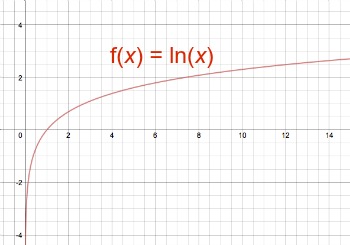
graph of ln(x)
how do i get from the position → velocity → acceleration function?
derive
displacement formula
the integral of the velocity function from a to b
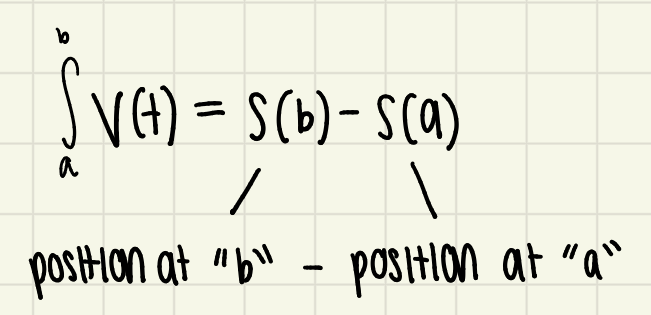
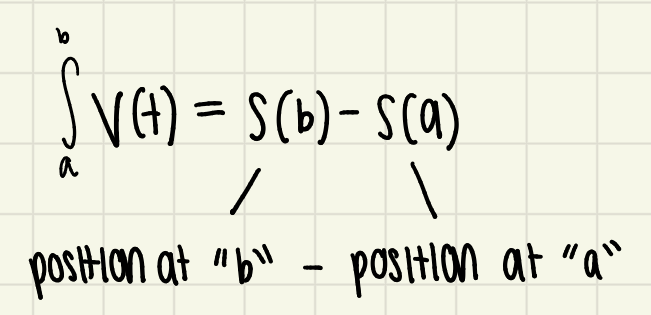
displacement being equal to the position function at “b” - the position function at “a” is rooted in what theorem of calculus?
fundamental theorem of calculus
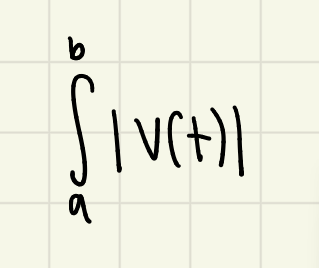
total distance traveled formula
the integral of the velocity function with absolute value bars
f(x)=x is what kind of graph?
linear

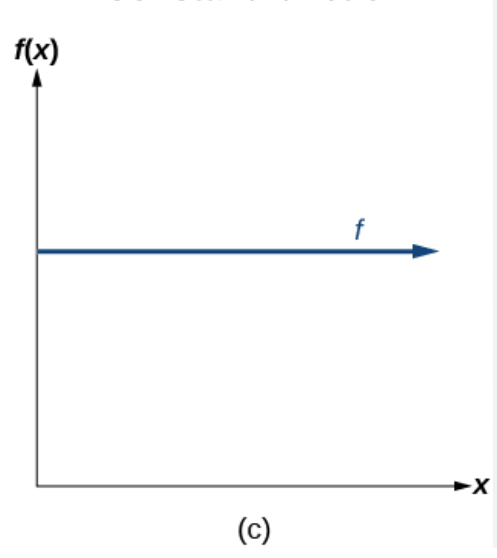
f(x)=c is what kind of graph?
constant (horizontal line)
f(x)=x² is what kind of graph?
quadratic (parabola)

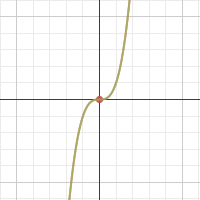
f(x)=x³ is what kind of graph?
cubic
f(x)=square root of x is what kind of graph?
square root
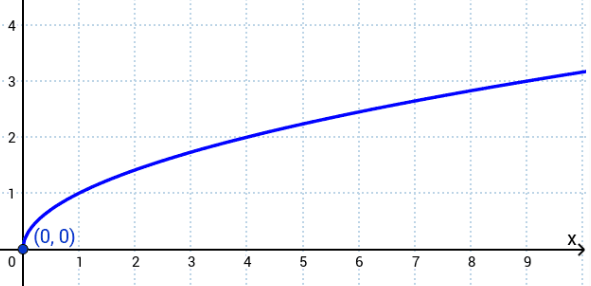
f(x)=cube root of x is what kind of graph?
cube root
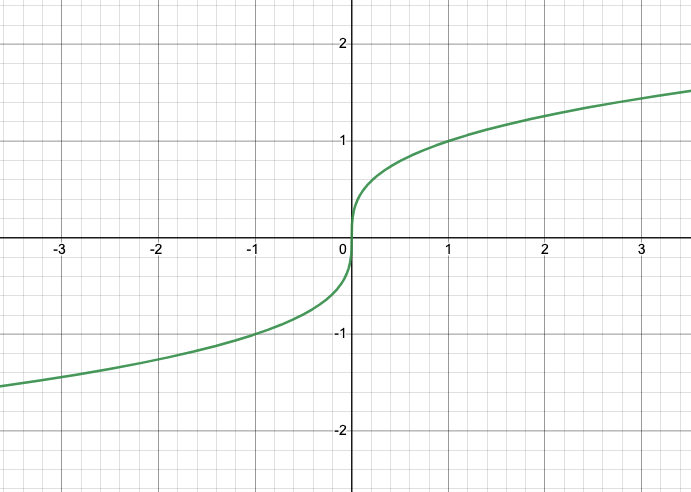
f(x)=|x| is what kind of graph?
absolute value
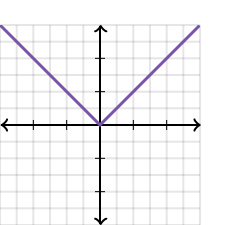
f(x)=1/x is what kind of graph?
reciprocal
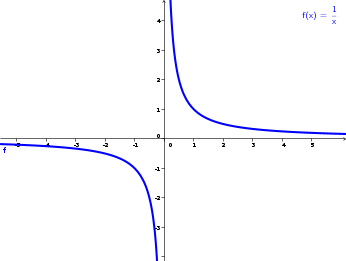
f(x)=a^x is what kind of graph?
exponential
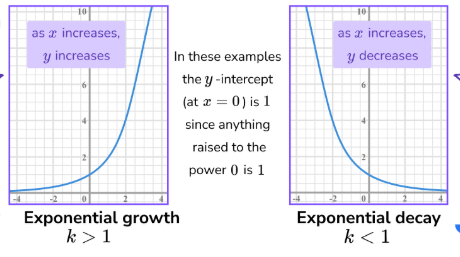
f(x)=logax is what kind of graph?
logarithmic
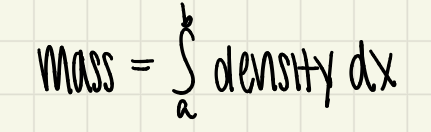
mass (integral) formula
the integral from a to b of density
shell method formula
the integral from a to b of 2(pi)r times (top-bottom)
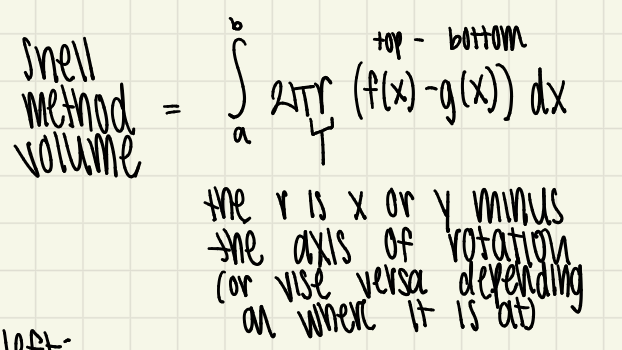
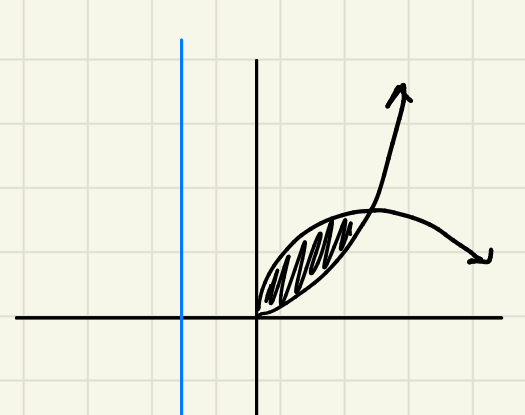
for the shell method: how would you write your “r” if the axis of rotation is to the left of the region?
r= x-axis of rotation
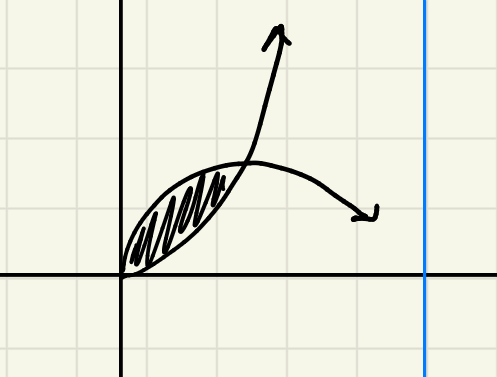
for the shell method: how would you write your “r” if the axis of rotation is to the right of the region?
r= axis of rotation -x
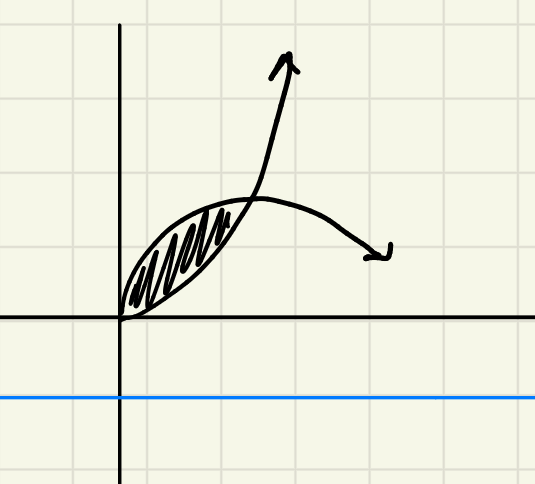
for the shell method: how would you write your “r” if the axis of rotation is below the region?
r=y- axis of rotation
for the shell method: how would you write your “r” if the axis of rotation is above the region?
r= axis of rotation - y

for the shell method the bounds will be ________ (perpendicular/parallel) to the axis of rotation?
perpendicular
when the axis of rotation is vertical: dx
when the axis of rotation is horizontal: dy
for the washer method the bounds will be ________ (perpendicular/parallel) to the axis of rotation?
parallel
when the axis of rotation is vertical: dy
when the axis of rotation is horizontal: dx
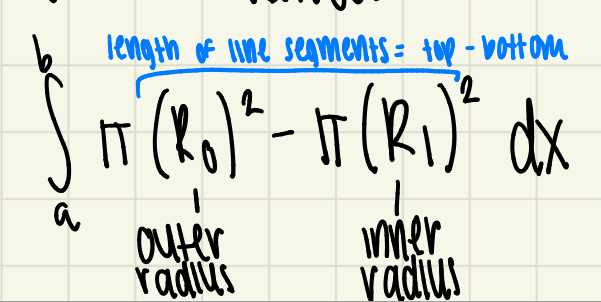
washer method formula
the integral from a to b of pi times the outer radius squared minus pi times the inner radius squared
speed (from velocity function) formula
|v(t)|
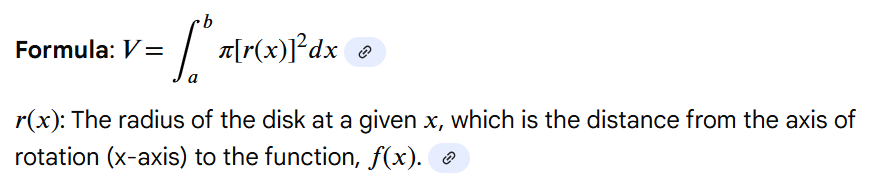
disk method around the x-axis formula
the integral from a to b of pi times r(x)²
disk method around the y-axis formula
the integral from a to b of pi times r(y)²

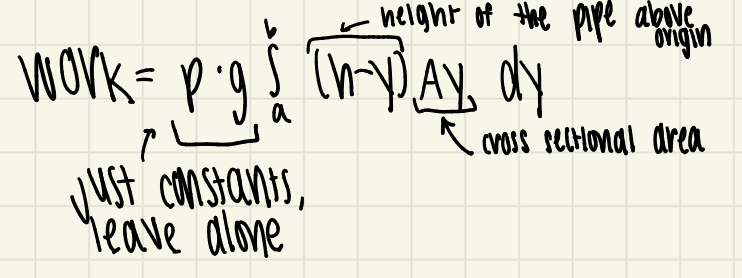
work formula
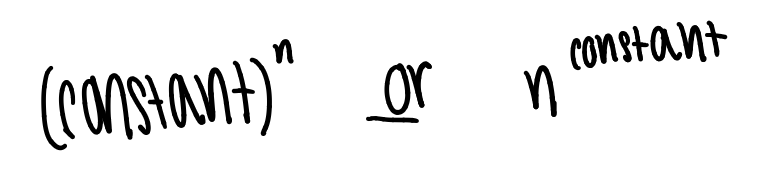
which term “grows” faster as n approaches infinity?
constant^n
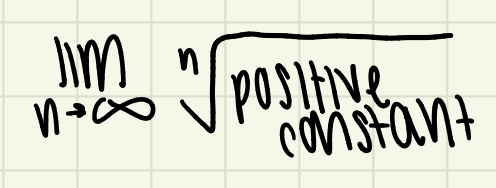
what is the limit as n approaches infinity for the nth root of a positive constant?
1
what is the integral of secx?
ln|secx + tanx| + C
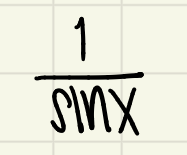
cscx can also be written as?
1/sinx
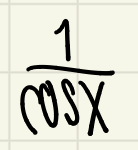
secx can also be written as?
1/cosx
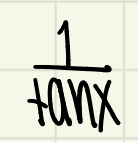
cotx can also be written as?
1/tanx
what is the derivative of secx?
secxtanx
what is the derivative of tanx?
sec²x
what is the integral of tanx?
ln|secx| + C
the standard parametric circle goes which direction?
counterclockwise
what does the x value look like for the standard parametric circle (counterclockwise) look like?
x= a + rcost
what does the y value look like for the standard parametric circle (counterclockwise) look like?
y= b + rsint
how do we make our standard parametric circle (counterclockwise) clockwise?
replace sint with -sint
how do we go from polar → cartesian?
x= rcos(theta), y= rsin(theta)
how do we go from cartestian → polar?
r= square root of x² + y²
for quadrants 1 and 4 (right side of the graph)
theta= arctan(y/x)
for quadrants 2 and 3 (left side of the graph)
theta= arctan(y/x) + pi
 Note
Note  Flashcards (20)