anti- inflammatories
 Studied by 0 people
 Call Kai
 Learn
Learn Practice Test
 Spaced Repetition
 Match
Match Flashcards
 Knowt Play
1/29

Earn XP
Description and Tags
Name | Mastery | Learn | Test | Matching | Spaced | Call with Kai |
|---|
No analytics yet
Send a link to your students to track their progress
30 Terms
dexamethasone (dexaject)
a glucocorticoid. long duration of action. available as tablets, injections, elixir/solution. used as an ophthalmic
prednisone
a glucocorticoid. ophthalmic, systemic and topical, tablets, intermediate duration of action. prednisone is converted to prednisolone by the liver. prednisolone is better for cats and those with liver dysfunction
oclacitinib (apoquel)
immunomodulator. approved for the control of atopic dermatitis and associated pruritus in dogs at least 12 months of age (Figure 16-20).It works by inhibiting the activity of an enzyme, Janus kinase, involved in the production of certain cytokines (chemical mediators) that are involved in the development of pruritus and atopic dermatitis. It has also been used extra-label in cats. Adverse effects are uncommon, include vomiting and diarrhea, and generally resolve over time.
carprofen
NSAIDS. dog ibuprofen, propionic acid
Pyrazolone Derivatives: phenylbutazone (vetribute, phenylbute, equipalazone, butatron)
a nonselective COX inhibitor, is the representative drug in this category. Phenylbutazone (or "bute" as it is commonly referred to by horse owners) is frequently used in equine medicine for pain associated with the musculoskeletal system such as laminitis, bone pain, and athletic injuries of the musculoskeletal system (Figure 16-9A and B). .. it is imperative to avold administration of the injectable solution outside the vein as extravascular administration can cause substantial tissue necrosis and sloughing. Adverse effect risks are typical of COX inhibitors. Ihe most commonly observed adverse effect of phenylbutazone in horses is gastric ulcerations. In order to minimize the risk of gastric effects, phenylbutazone is dosed carefully, and it is often co-administered with drugs to protect the stomach mucosa, such as omeprazole to reduce gastric acid production or synthetic PGE, to maintain the protective mucus layer over the stomach lining and decrease acid production. In 2003, the FDA-CVM (Center for veterinary Medicine) instituted a ban on the use of phenylbutazone in dairy cattle because this drug is known to cause blood disorders in humans, and the risk of human consumption of the drug through residues in the milk of treated animals must be avoided. The FDA has approved more than 30 phenylbutazone-containing products for use in horses, including many generic brands such as VetriBute", Butatron, and Phenylbutee, and nonbranded products.
aspirin (acetylsalicylic acid or asa)
NSAIDS, salicylate. works as a potent nonselective inhibitor of prostaglandin synthesis by inhibiting the activity of COX-1 and COX-2. Aspirin is analgesic, antipyretic, and antinflammatory, and it reduces platelet aggregation. Cats cannot metabolize aspirin as rapidly as other species because the enzyme needed to metabolize aspirin (glucuronyl transferase)is less effective in cats (Figure 16-8). Consequently, in cats aspirin must be given at low dosages and with low frequency; every second or third day dosing is recommended. Aspirin comes in many forms, including adult and baby strengths, buffered forms, enteric-coated forms, and combination forms. Care must be taken so as not to dispense a combination formulation that also contains other drugs (such as a glucocorticoid, calcium, or other pain medication) if the other drug is not also prescribed. Some gastric adverse effects can be decreased if aspirin is given with food. The administration and prescribing of aspirin by veterinarians has decreased
flunixin meglumine (banamine, flunixamine, flunix, finadyne)
NSAID, potent inhibitor of COX and is FDA approved for use in horses, swine and cattle (Figure 16-13A). It is used extra-label in other species with caution and typically only for a single dose. Flunixin is an injectable (IV or IM) analgesic, antipyretic, and anti-inflammatory drug commonly used for musculoskeletal and colic pain in horses and for fever, inflammation, and pain in cattle (Figure 16-13B). Use to alleviate painful and inflammatory conditions other than foot rot in cattle is extra-label but not uncommon. Flunixin is included with an antimicrobial drug in products marketed for the treatment of bovine respiratory disease (BRD, pneumonia) in beef cattle. In cattle, only IV use of flunixin meglumine solution is approved and recommended, due to prolonged withdrawal times when given intramuscularly. Only IV or oral administration are recommended in horses, as the solution causes local tissue inflammation after IM administration that may lead to tissue necrosis and clostridial myositis, a serious and sometimes fatal infection. Across species, the most common adverse effects of flunixin meglumine are GI upset and ulceration.
triamcinolone (vetalog, durmavet ointment (combined with animicrobial), genesis topical spray
systemic and topical. tablets, suspension for injection and topical cream. intermediate duration of action
methylprednisolone (solu-medrol)
systemic, suspension for injection, short duration of action
diphenhydramine (vetaryl, benadryl)
antihistamine
Propionic Acid Derivatives
contain the -fen group of NSAIDs, which includes ibuprofen, ketoprofen (Ketofen, Anafen [Canada]), carprofen (Rimadyl, quellin, Carprieve, Novox), and naproxen (Equiproxen). Ibuprofen, though commonly used in humans, is not approved for use in veterinary species in the United States. . Ketoprofen is approved for use in horses in the United States and for use in horses and cattle in other countries
naproxen is approved for use in horses in countries outside the United States. These drugs provide an excellent example of the high variability of NSAID effects between species: although naproxen is approved for use in horses, it is not recommended for use in dogs because even a single dose may cause perforated gastric ulcers.
Carprofen is one of several NSAIDs approved for use in dogs, so the use of human over-the-counter (OTC) products such as aspirin is no longer recommended. Adverse effects include Gl ulceration, vomiting (in species that can vomit), and anorexia. Carprofen is believed to preferentially target COX-2 in dogs, so it has a reduced risk of GI adverse effects. However, rare liver toxicities to carprofen have been noted, especially in Labrador Retrievers, .
Selective COX-2 Inhibitors
Like carprofen, other NSAIDs now on the market were developed to be selective in
of prostaglandins by targeting COX-2 to a significantly greater degree than the protective cox 1 in horses and dogs when administered at their recommended dosages. The Coxib Class: Deracoxib, Firocoxib, and Robenacoxib.
Deracoxib
approved for use in dogs over 4 pounds in weight for the control of pain
and inflammation associated with orthopedic or dental surgery and osteoarthritis. It is available in
a chewable tablet that should be given after a meal to increase its bioavailability. Adverse effects
include vomiting, anorexia, diarrhea, and blood abnormalities such as elevated kidney and liver val-
ues. Dogs should have a blood chemistry screening for organ function prior to the use of deracoxib
Firocoxib
labeled for use in dogs and horses for control of pain and inflam-
mation associated with osteoarthritis. It is used to treat fever, pain, and/or inflammation. Firocoxib is
available as a chewable tablet for dogs and an oral paste for horses. It should be used with caution
in animals with preexisting renal, hepatic, or cardiovascular dysfunction. Careful patient monitoring
should be done when the drug is used in dehydrated animals. Adverse effects include vomiting in
dogs and anorexia.
Robenacoxib
FDA approved for prevention of postoperative pain in dogs and cats at
least 5.5 pounds in weight and four months of age (Figure 16-11). It is available as an injectable solu-
tion and tablets for oral administration and is administered once daily. The tablets should be admin-
istered without food to enhance drug absorption. The drug is approved outside the United States for
the treatment of musculoskeletal pain and osteoarthritis in veterinary species. Adverse effects are
typical of the drugs in this class as they are primarily GI (vomiting, diarrhea, and ulceration).
The Oxicam Group
Meloxicam. an NSAID of the oxicam group that acts by preferentially inhibiting COX-2, which in turn inhibits prostaglandin synthesis. Meloxicam has anti-inflammatory, analgesic, and antipyretic effects and is approved in the United States for use in dogs and cats. For dogs, it is available as an oral suspension, a spray for application to the mucous membranes of the mouth, and an injectable solution, and it is approved for the alleviation of inflammation and pain associated with osteoarthritis (Figure 16-12A and B). In cats, meloxicam is approved as a one-time SQ injection prior to surgery for control of post operative pain and inflammation associated with surgery. Meloxicam is often used in an extra-label manner livestock, companion animals, and exotic species. It may be used for indications other than the approved ones in dogs and cats; for example, post surgically in dogs, where it has been shown .have analgesic efficacy similar to some opioids and as a regimen of multiple daily low doses in cats. Although meloxicam is approved for repeated dosing in cats in countries outside the United States. in the United States, FDA-approved meloxicam products include the following "black box warning (text in a box featured prominently on the package insert): "Warning: Repeated use meloxicam in cats has been associated with acute renal failure and death. Do not administer add ins cattle, and pigs) ih countries outside the United States In the United States, meloxicam has been gaining popularity as an analgesic drug for calves when they are disbudded (dehorned).has ways, extra-label use must be done by or on the order of a veterinarian, and in food Animals an appropriate withdrawal time must be provided. Meloxicam should not be used in animals with liver, cardiac, kidney, or Gl problems. Adverse effects include anorexia, vomiting, diarrhea, and lethargy
salicylates
oldest anti-inflammatory agents. include asprin. Signs of salicylate toxicity include GI problems (anorexia, abdominal pain, Gl upset, vomiting, diarrhea, melena, and lethargy), respiratory problems (panting in most animal species; however, cats with central nervous system [CNS) depression may also have decreased respirations from salicylate toxicity), neurological problems(restlessness, anxiety, incoordination, and seizures), bleeding problems (salicylates alter platelet function resulting in bleeding disorders), and kidney failure (PU, PD, vomiting, diarrhea, anorexia. and production of dilute urine). Buffered or coated aspirin still carries a risk of causing Gl ulceration and bleeding
dimethyl sulfoxide (DMSO) (DMSO synotic, demoso gel, domoso solution)
free radical scavenger, neither a steroid nor an NSAID. an anti-inflammatory drug, which is also well known for its ability to penetrate skin and serve as a carrier of other drugs. It also causes vasodilation. it can cause skin irritation and leave a garlic taste in the mouths of both patient and medical personnel, and it may cause birth defects in some species. Always wear rubber gloves when applying DMSO. A bandage may be applied over the area of application to prevent owner and animal contact with DMSO; however, this may cause irritation of the treated area.
steroidal antiinflammatory drugs
steroidal reduce inflammation by blocking the action of the enzyme phospholipase. Endogenous corticosteroids are hormones produced by the adrenal cortex, the outer part of the adrenal gland. A hormone is a chemical substance produced in one part of the body that is transported to another part of the body where it influences and regulates cellular and organ
activity. The two types of corticosteroids synthesized by the adrenal cortex are glucocorticoids (cortisol is the main form in animals) and
mineralocorticoids (aldosterone is the main form in animals). The mineralocorticoids primarily help the body retain sodium and water, maintaining the fluid and electrolyte balance crucial for body functions.
Glucocorticoids affect many functions of the body, including carbohydrate, protein, and fat metabolism, and muscle and blood cell activity. Glucocorticoids also have anti-inflammatory effects, because they inhibit phospholipase, an enzyme that breaks down cell membranes (thus, glucocorticoids help stabilize cell membranes). . This chapter describes anti-inflammatory and other therapeutic applications of exogenous glucocorticoids.
Nonsteroidal Antiinflammatories (NSAIDS)
reduce inflammation by blocking the action of the enzyme cyclooxygenase (COX). this enzyme converts arachidonic acid to prostaglandin. two forms of COX. The cox enzyme catalyze the production of prostaglandins and other products from phospholipids (Figure 16-7). Not all prostaglandins promote inflammation; some are involved in activities that maintain health, including protecting the lining of the stomach, maintaining platelet function, and promoting blood flow through the kidneys.
COX-1 is believed to be more involved with the production of the protective "housekeeping" prostaglandins,
while COX-2 is believed to be more involved in the production of prostaglandins that promote inflammation. NSAIDs reduce inflammation and provide analgesia. Unlike glucocorticoids, they are not considered immunosuppressive, and they are antipyretic (fever reducing).
The most common adverse effects of NSAID use are Gl signs, including vomiting, diarrhea, and gastric ulceration and bleeding. Nephrotoxicity due to renal papillary necrosis is a significant adverse effect risk of NSAID use in animals with any hypotensive condition such as dehydration, blood loss, or prolonged anesthesia. These adverse effect risks are due to the inhibition of the production of protective prostaglandins.
In the stomach, prostaglandin E2(PGE2) enhances mucus production and inhibits gastric acid secretion; these functions are reduced when prostaglandin production is inhibited. In the kidneys, prolonged hypotension results in cell death due to tissue hypoxia. This scenario is usually prevented by the release of PGE2, which maintains vasodilation and blood flow to the kidney; however, NSAIDs inhibit production of this prostaglandin. Because both drug classes increase the risk of gastric ulceration, NSAIDs and glucocorticoids should not be administered concurrently. Administration of more than one NSAID at a time can also greatly increase the risk of adverse effects. Because prostaglandins play an important role in parturition and NSAIDs inhibit prostaglandin production, administration of NSAIDs late in gestation is contraindicated; they can delay or disrupt parturition.
Many of the NSAIDs are "COX selective," meaning that they selectively inhibit COX-2, which produces inflammatory prostaglandins, more than they inhibit COX-1, which produces the prostagadins that serve protective functions in the body. COX-2 selective drugs are generally considered to have a higher margin of safety than nonselective NSAIDs, but this presumed benefit has not been are COX-2 selective in multiple species, it is not safe to assume that because a drug is COX-2 selective and relatively safe in one species, it has the same properties when used in other species. it is also important to remember that COX-2 selectivity does not imply no inhibition of COX-1 or an absence of adverse effect risks.
glucocorticoid uses
· Inflammatory conditions including:
· musculoskeletal inflammation from exertion, injury, or degenerative disease
· ocular inflammation such as uveitis and chorioretinitis
. pulmonary conditions such as asthma, chronic bronchitis, and equine recurrent airway
obstruction
. intervertebral disk disease
· Neoplasia including:
· lymphoma
· mast cell tumor
Allergic responses including:
· asthma
· atopic dermatitis
· Immune-mediated diseases including:
· immune-mediated hemolytic anemia
· thrombocytopenia or leukopenia due to blood parasite infections
· pemphigus
· perianal fistula
, Pruritus usually associated with allergy
glucocorticoid adverse effects
. delayed wound healing
· infection due to immunosuppression
· gastrointestinal (Gl) ulceration and bleeding related to the suppression of prostaglandin production
' increased risk of corneal ulceration if corneal damage already exists
' undesired induction of parturition in some species
· polyuria (PU) and polydipsia (PD)
· suppression of endogenous glucocorticoid production
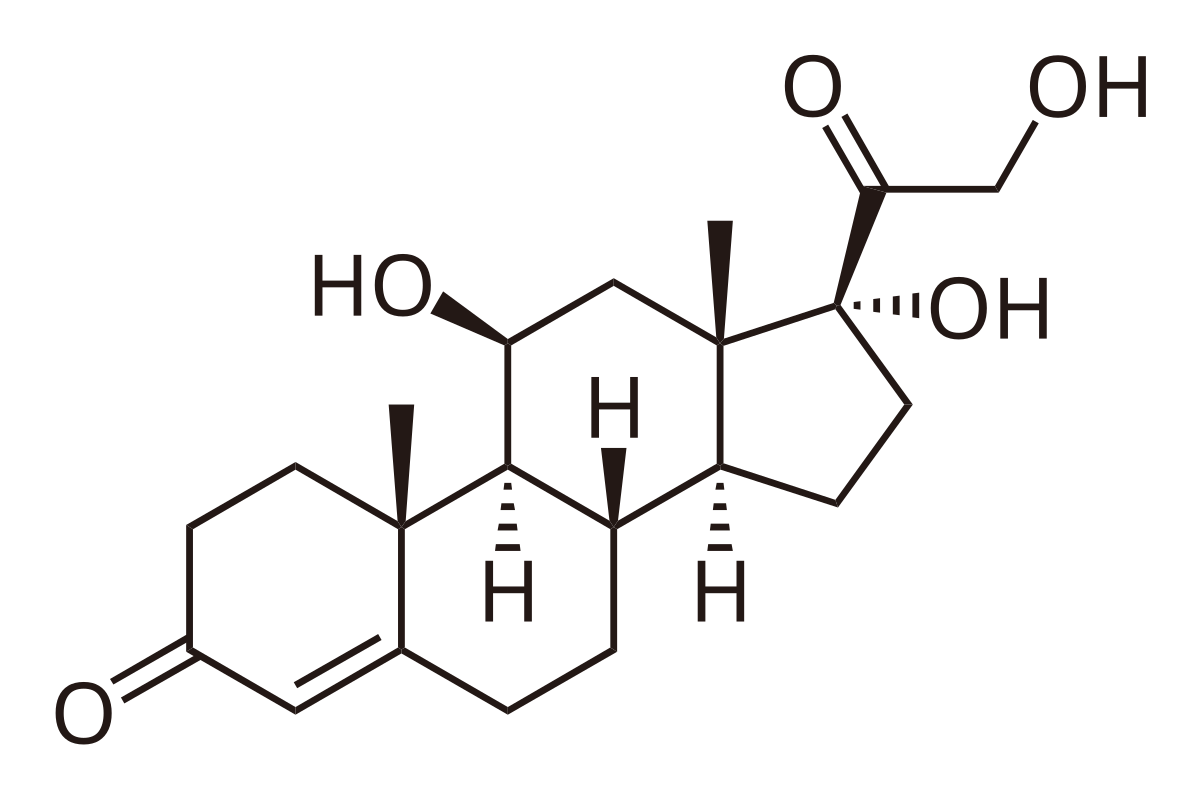
A wide variety of glucocorticoid drugs, often referred to simply as steroids, are synthetically produced. Like all steroids, glucocorticoids share a particular four-ring structure as part of their chemical composition (Figure 16-5A). Glucocorticoid drugs manufactured in the laboratory have significantly greater anti-inflammatory effects than adrenally-produced glucocorticoids.
Glucocorticoid drugs can be short-acting (duration of action less than 12 hours),
intermediate-acting (duration of action between 12 and 36 hours), or
long-acting (duration of action more than 48 hours).
Glucocorticoid drugs come in many formulations for intravenous (IV), intramuscular (IM), or subcutaneous (SQ)
injection and for oral, parenteral, and topical administration. Glucocorticoid drugs may also be and in combination formulations containing antibiotic and antifungal drugs for topical, ophthalmic or otic use.
Glycosaminoglycans
Glycoproteins, known as proteoglycans, form part of the extracellular matrix (the structural sup-
port) of connective tissue such as cartilage. Proteoglycans are high-molecular-weight substances
that contain many different polysaccharide side chains. These polysaccharides make up most of
the proteoglycan structure; hence, proteoglycans resemble polysaccharides more than they do
proteins. The polysaccharide groups in proteoglycans are called glycosaminoglycans or GAGs.
GAGs include hyaluronic acid, chondroitin sulfate, dermatan sulfate, keratan sulfate, and heparin
rate. All of the GAGs contain derivatives of glucosamine or galactosamine. Glucosamine deriv-
ves are found in hvaluronic acid and heparin sulfate. Galactosamine derivatives are found in chondroitin sulfate.
Hyaluronic acid
Glycosaminoglycans. also called hyaluronate, is a normal part of the joint fluid in animals.
nyaluronate-containing products are FDA approved for intra-articular (Hyvisc and other
brands or iv (legend) administration to horses for treatment of osteoarthritis. hyaluronic acid decreases the presence of cells, proteins, and prostaglandins in joints and decreases clinical signs of lameness. Within the joint, hyaluronic acid increases the lubricating function of joint fluid. Some animals may develop local reactions to hyaluronic acid, but such reactions usually subside within 24 to 48 hours.
Polysulfated glycosaminoglycans (PSGAGs)
Glycosaminoglycans. the active ingredient in Adequan, which is approved for intra-articular injection in horses and IM injection in horses and dogs Although the mechanism is not exactly known, PSGAGs inhibit catabolic enzymes that destroy cartilage and improve lubrication of the joint. Adverse effects are rare and self limiting, including transient pain at the injection site.
·Glucosamine and chondroitin sulfate
Glycosaminoglycans. believed to play a role in the maintenance of cartilage structure and function. Glucosamine may be found in products alone (Maxi GS8and others) or in combination with chondroitin sulfate (Cosequin" and others). Glucosamine chondrotin sulfate products are "nutraceuticals" that are not approved for use as drugs by the FDA. These products are available in many forms including chewable treats for dogs and powdered feed supplements for horses
benamine
used for colic pain in horses. approved for horses, swine, and cattle
diclofenac sodium
NSAID nonspecific COX inhibitor. used for joint pain for up to 10 days.
Galliprant
NSAID that doesn’t block the activity of COX enzymes. shouldn’t be used in cats
acetaminophen
never give to cats. use N acetylcysteine to treat toxicity. treatment is time sensitive
 Note
Note  Flashcards (421)