Lecture 1- ANHS 341
 Studied by 0 people
 Call Kai
 Learn
Learn Practice Test
 Spaced Repetition
 Match
Match Flashcards
 Knowt Play
1/106

There's no tags or description
Looks like no tags are added yet.
Name | Mastery | Learn | Test | Matching | Spaced |
|---|
No study sessions yet.
107 Terms
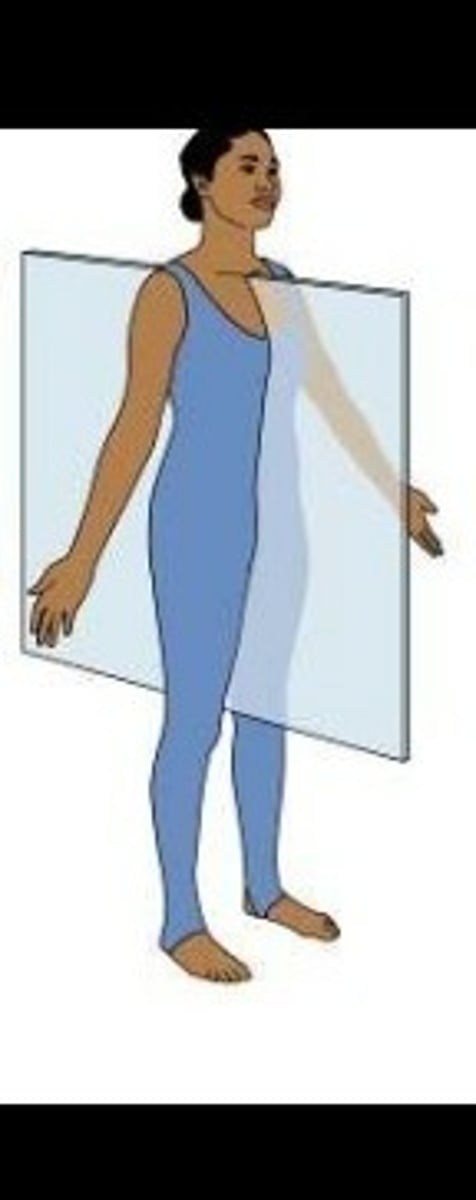
Sagital plane
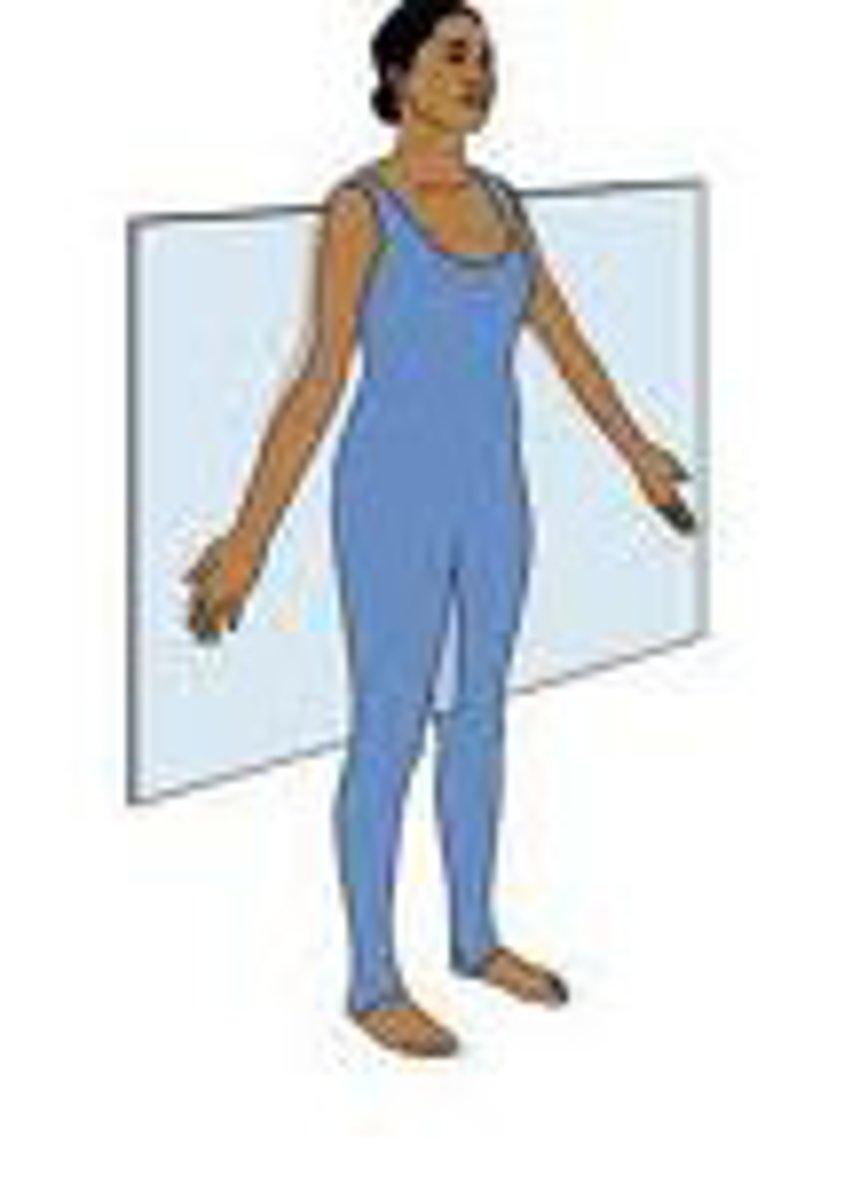
frontal plane
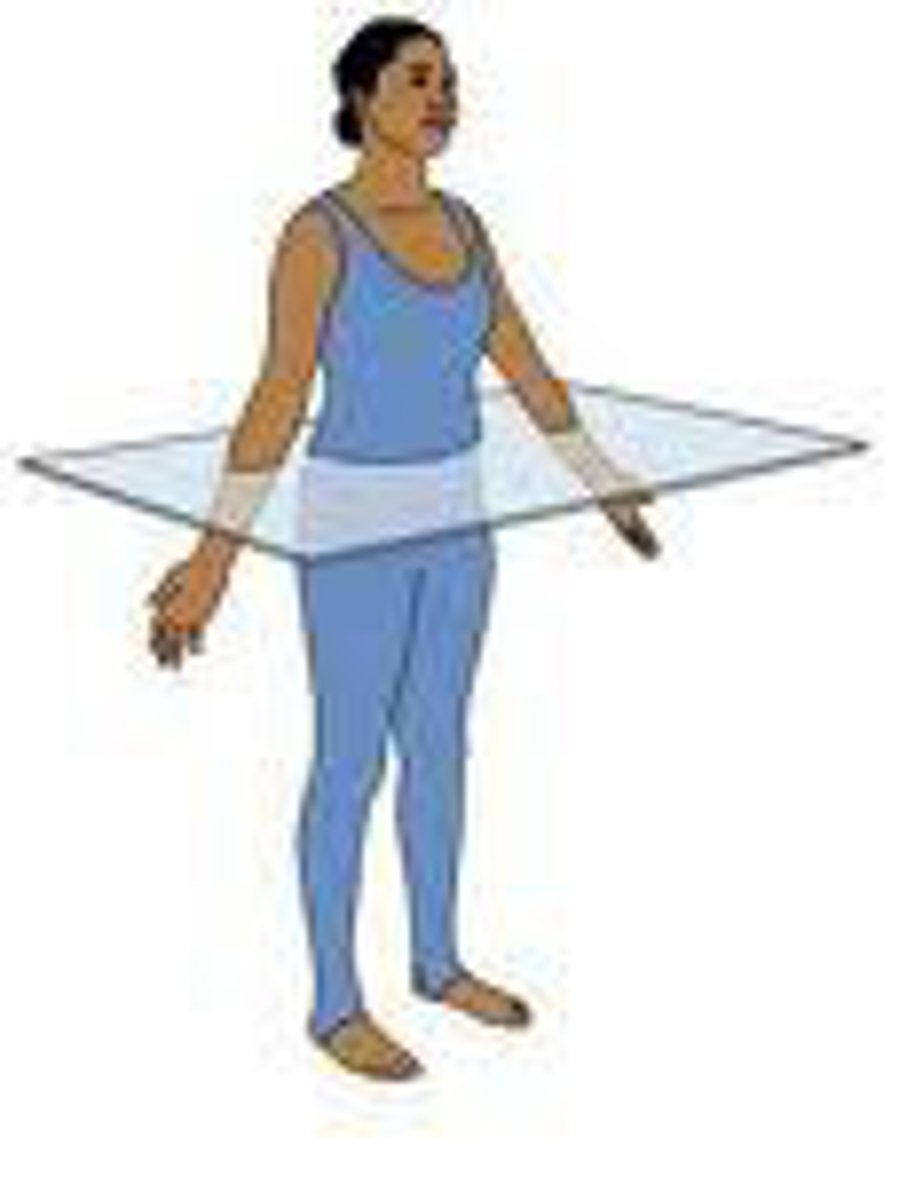
transverse plane
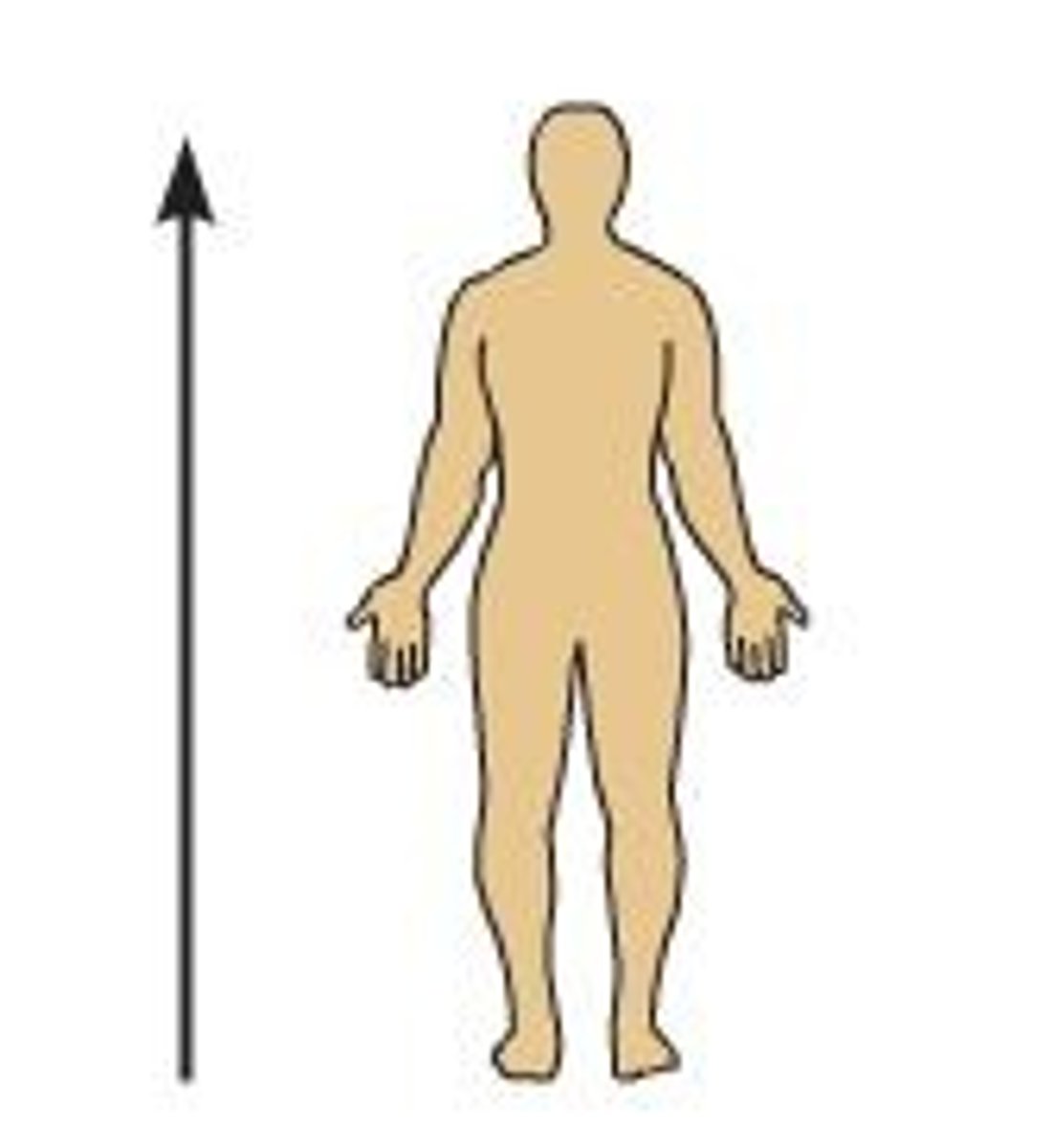
Superior
Inferior
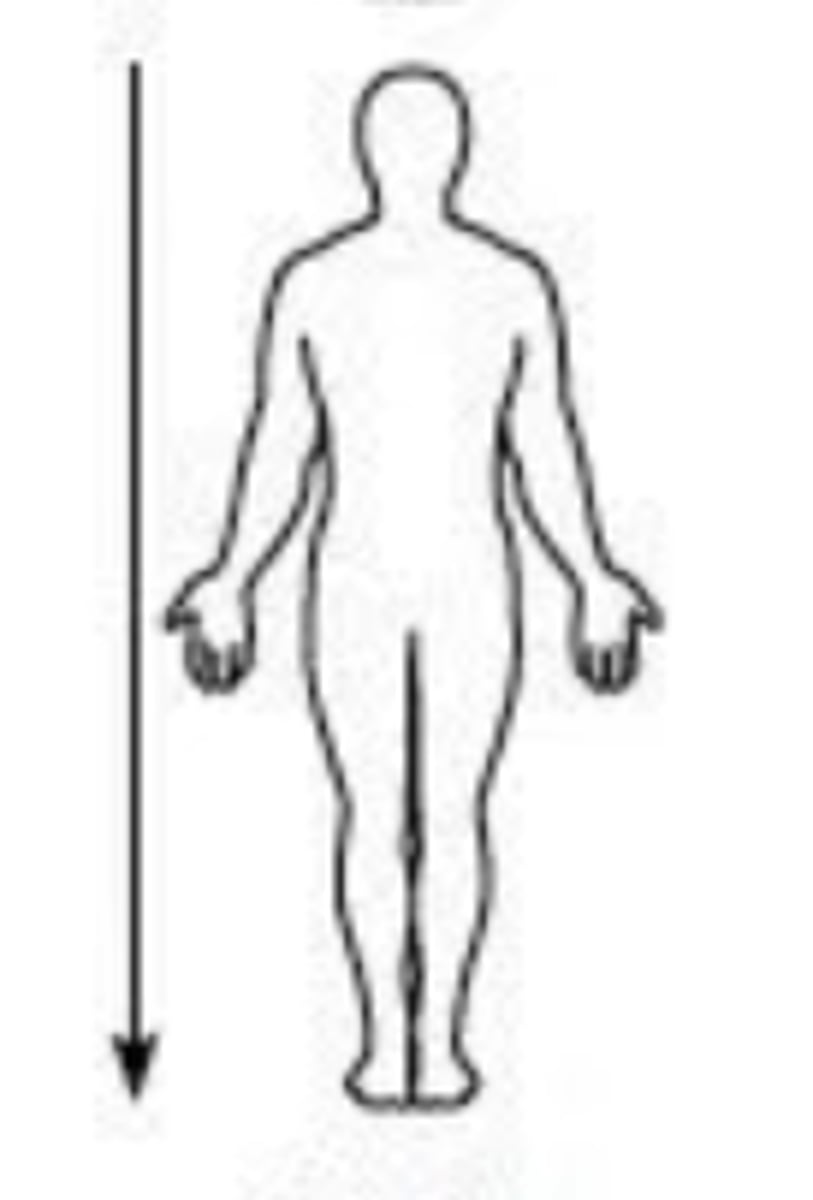
Cranial
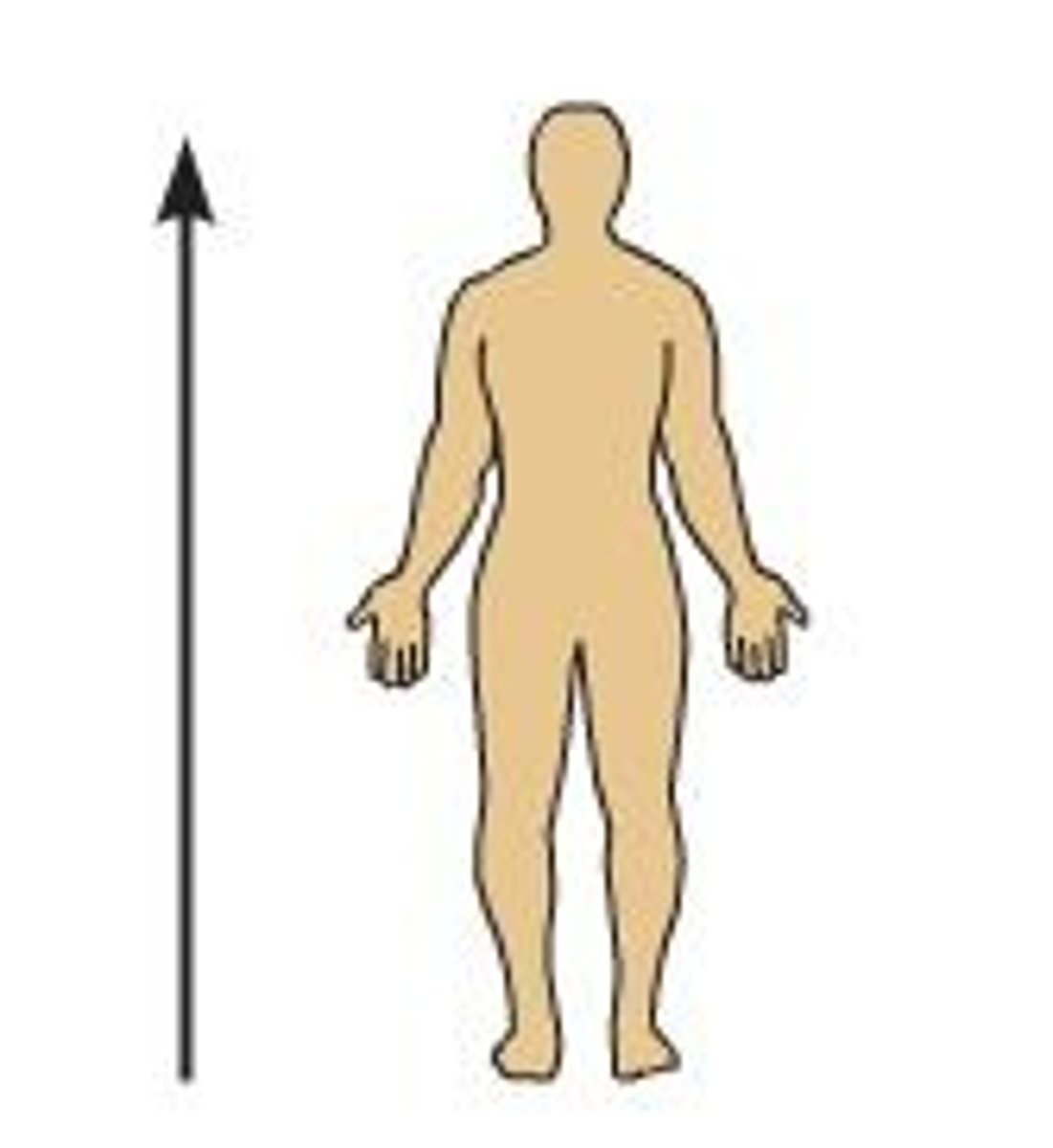
Caudal
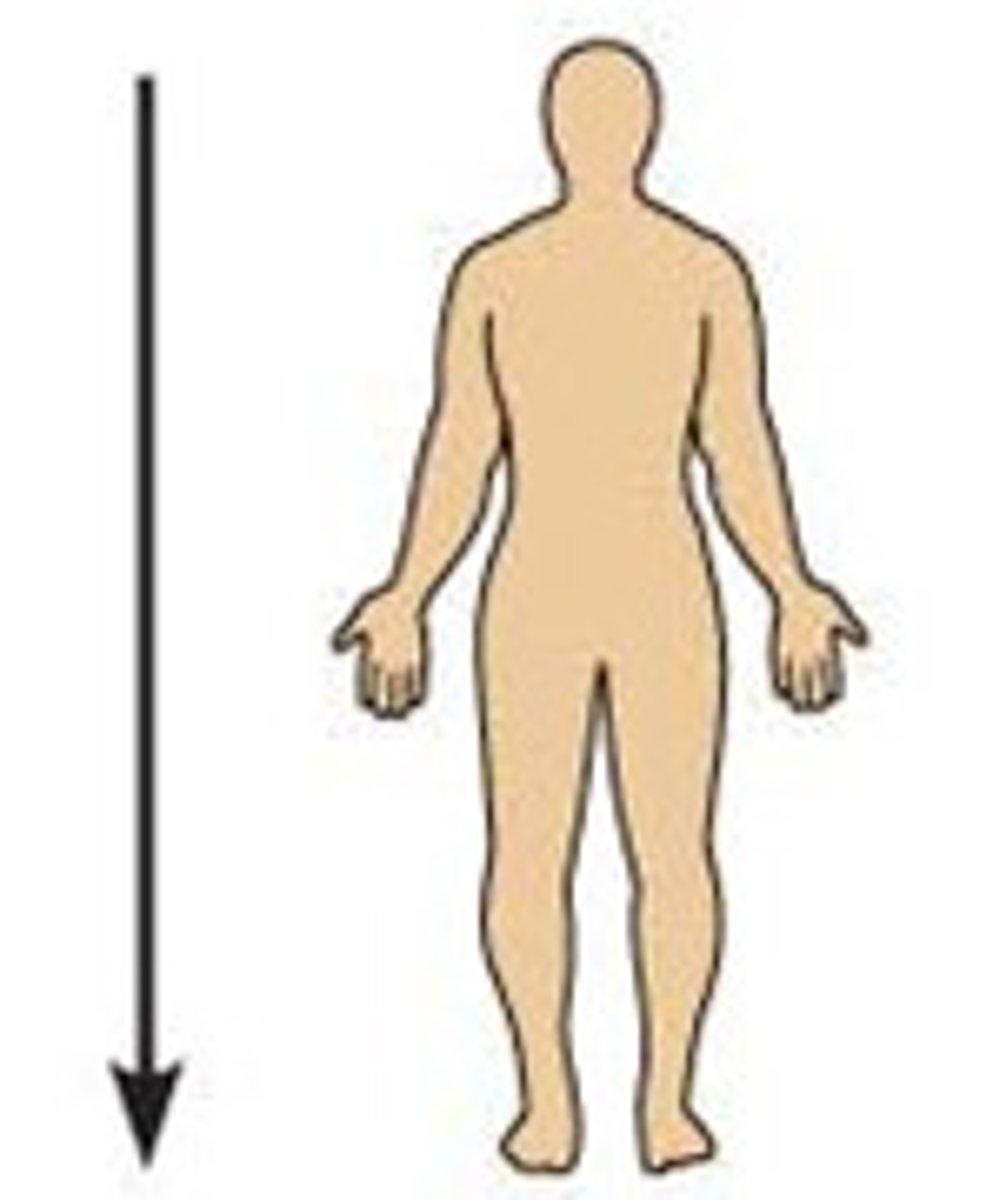
posterior (dorsal)
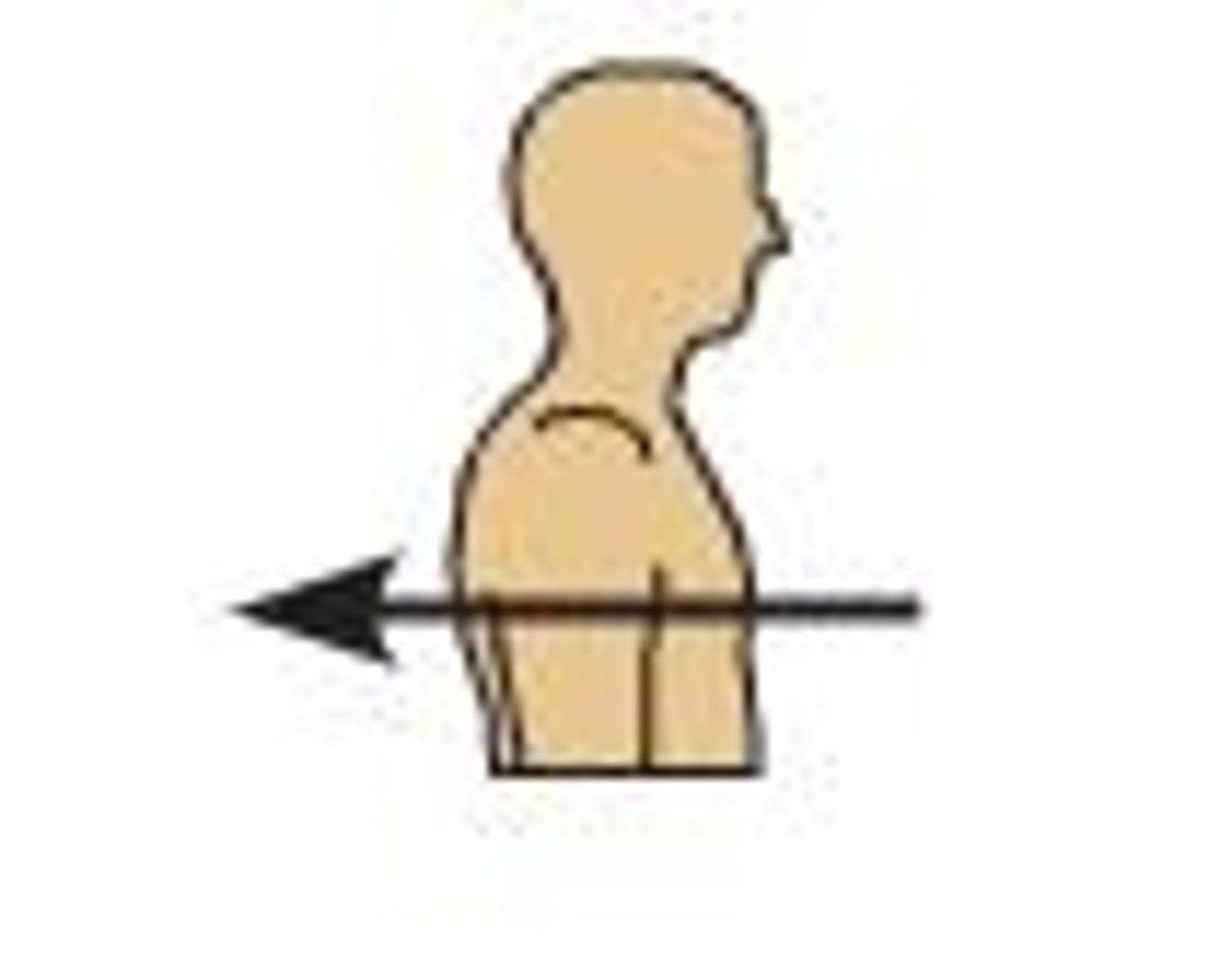
Anterior (ventral)
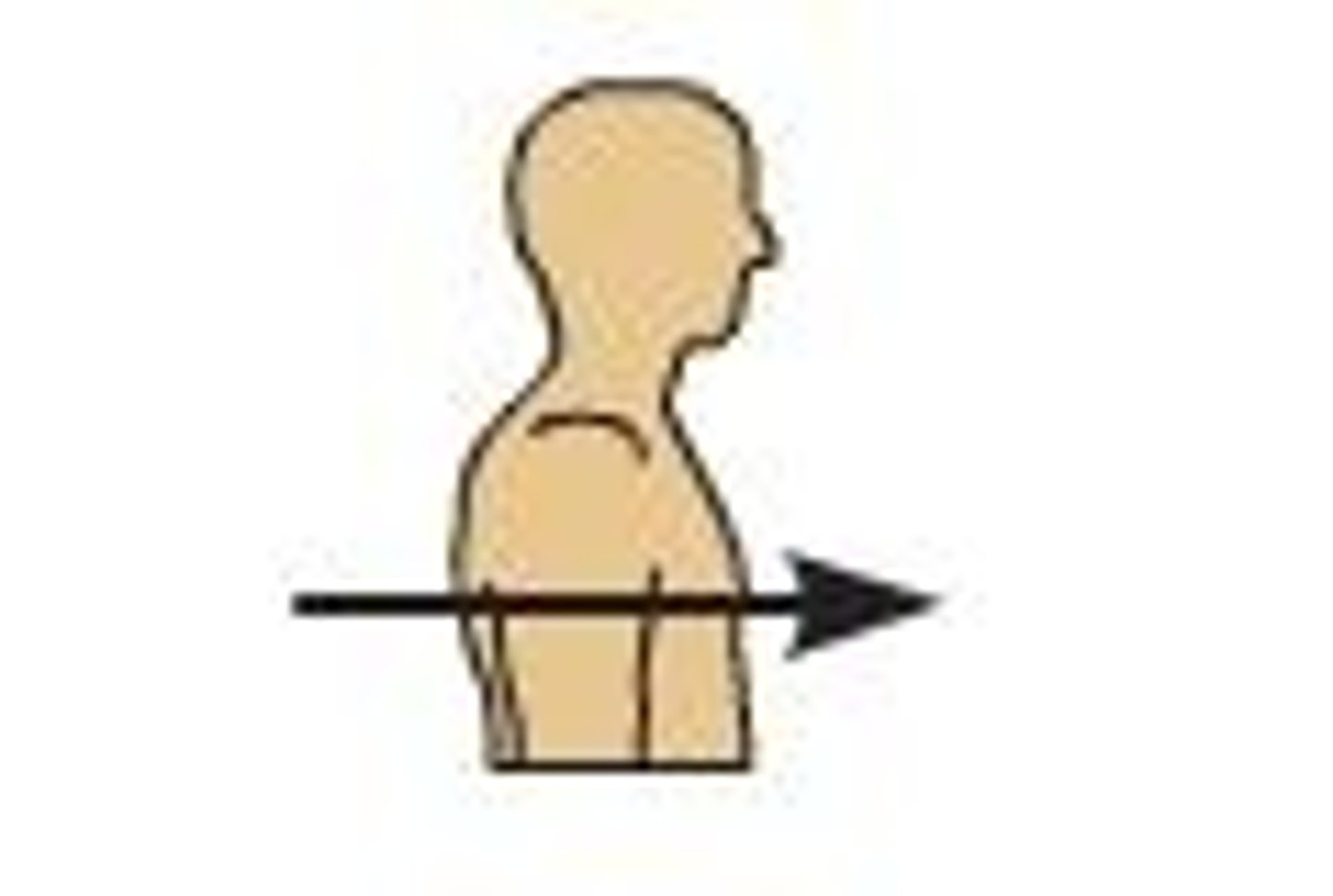
Distal
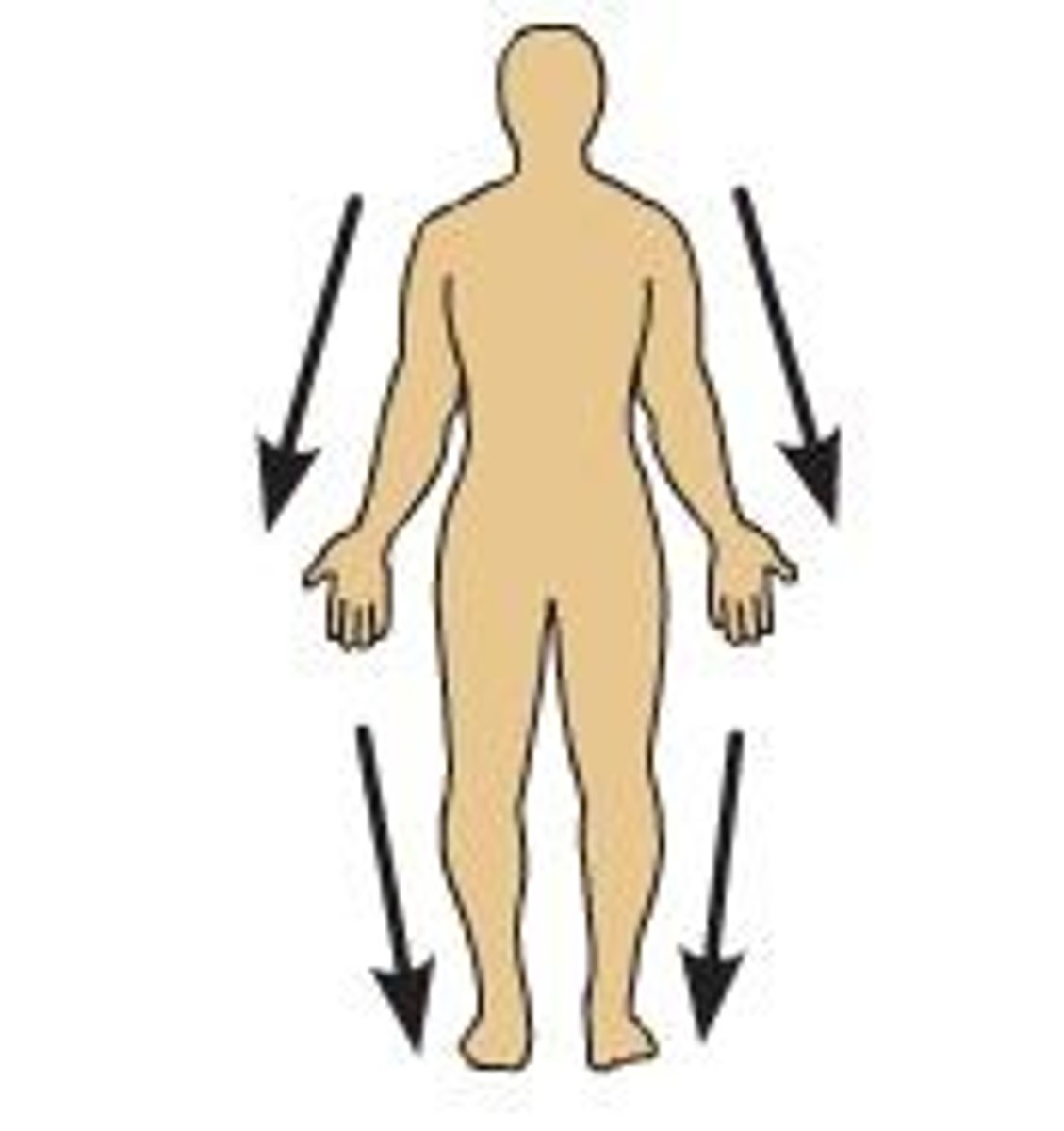
Proximal
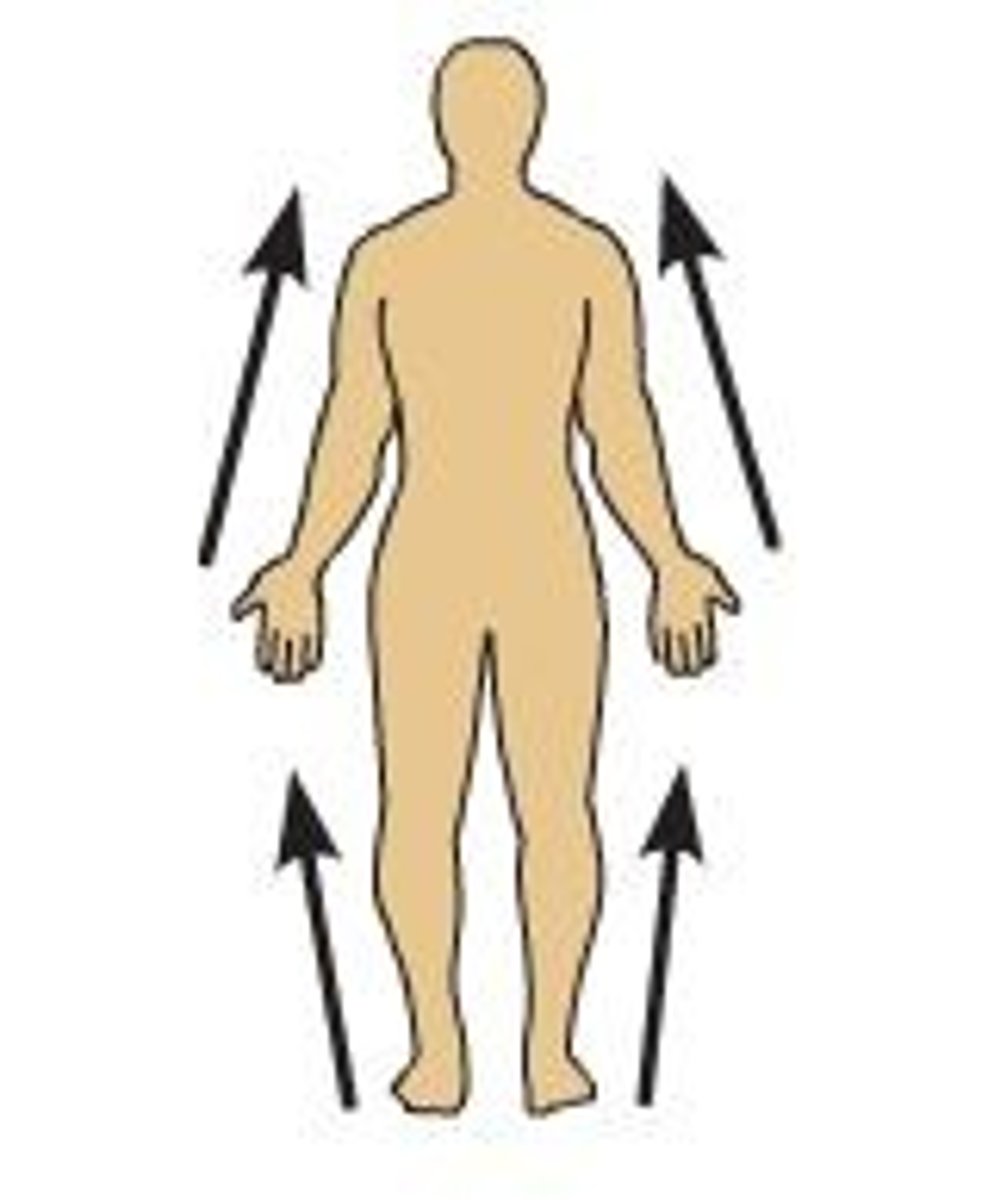
Medial
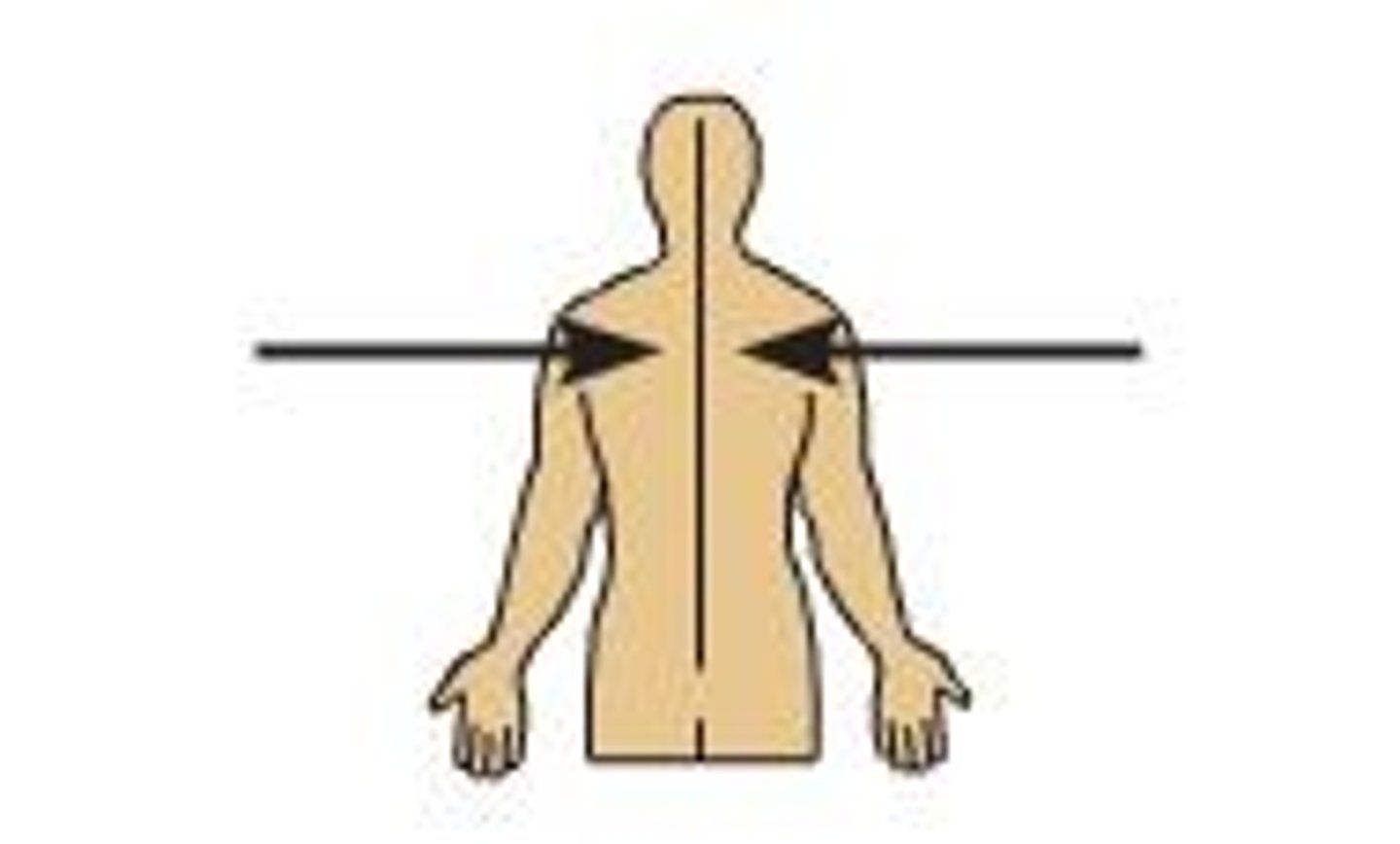
Flexion/extension
Sagittal Plane Movement 1
Anterior/Posterior Tilting
Sagittal Plane movement 2
Plantar Flexion/dorsiflexion
sagittal plane movement 3
abduction/adduction
frontal plane movement 1
side bending
frontal plane movement 2
Elevation/depression
frontal plane movement 3
inversion/eversion
frontal plane movement 4
upward rotation/downward rotation
frontal plane movement 5
internal rotation/external rotation
transverse plane movement 1
spine/pelvis rotation
transverse plane movement 2
horizontal abduction/adduction
transverse plane movement 3
pronation/supination
transverse plane movement 4
Protraction/retraction
(scap only) transverse plane movement 5
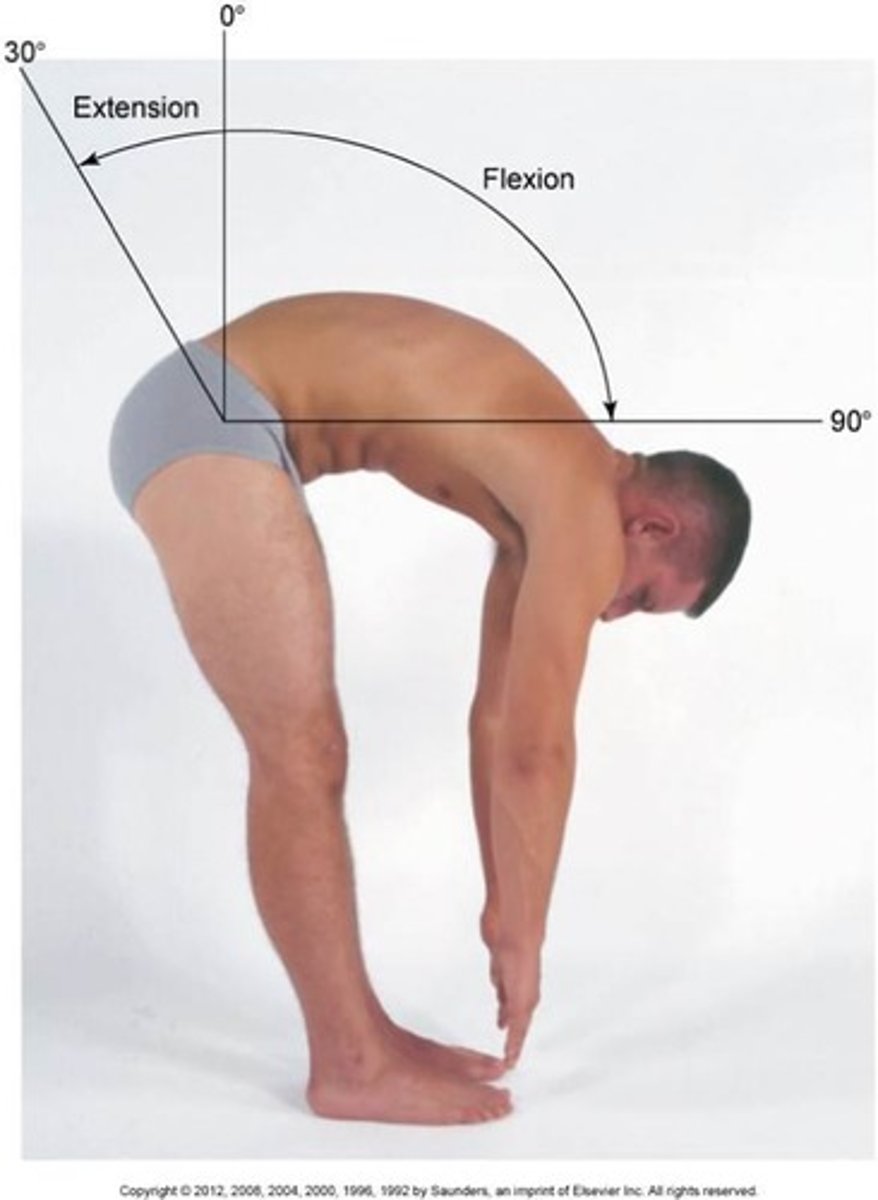
spine flexion
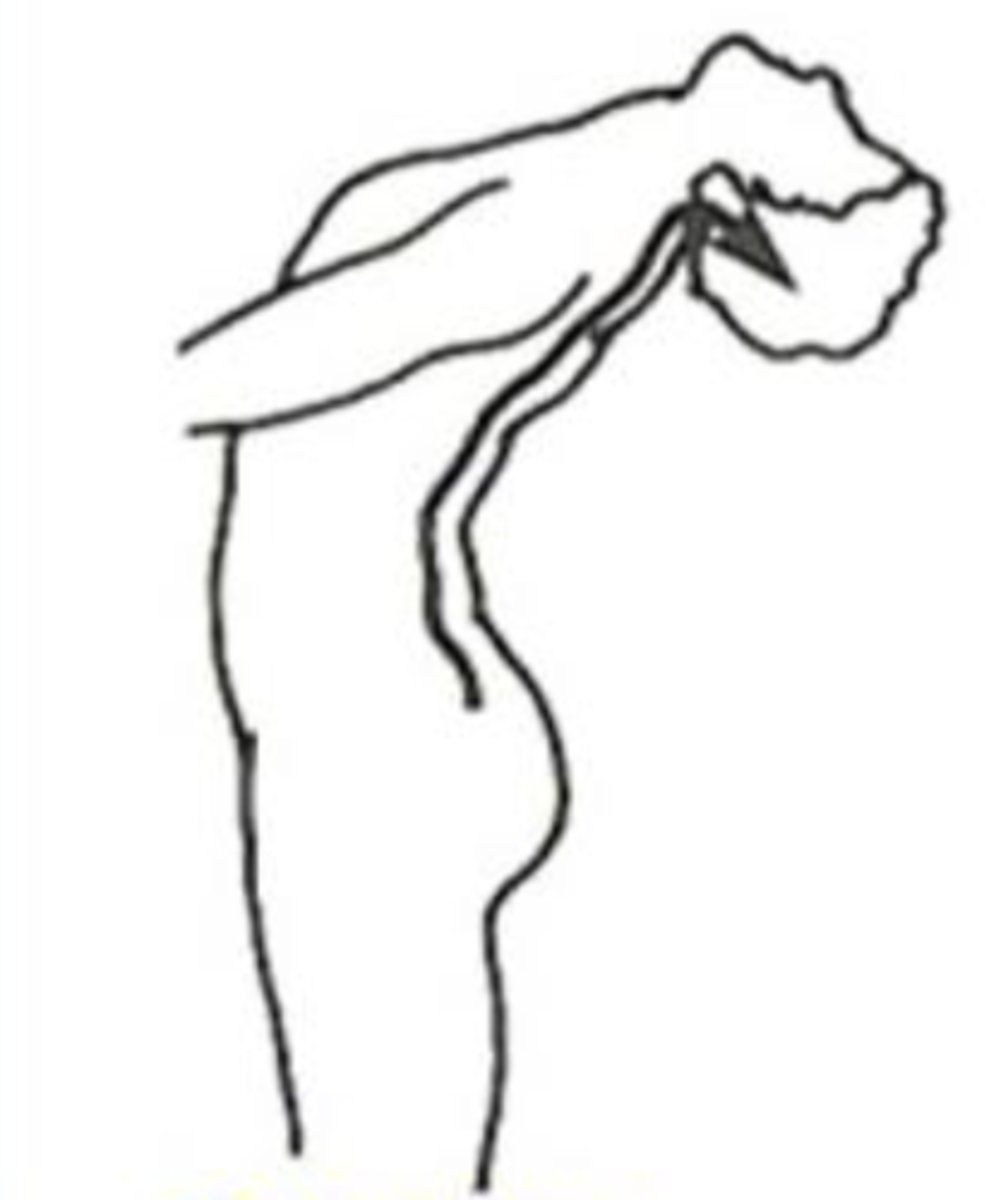
spine extension
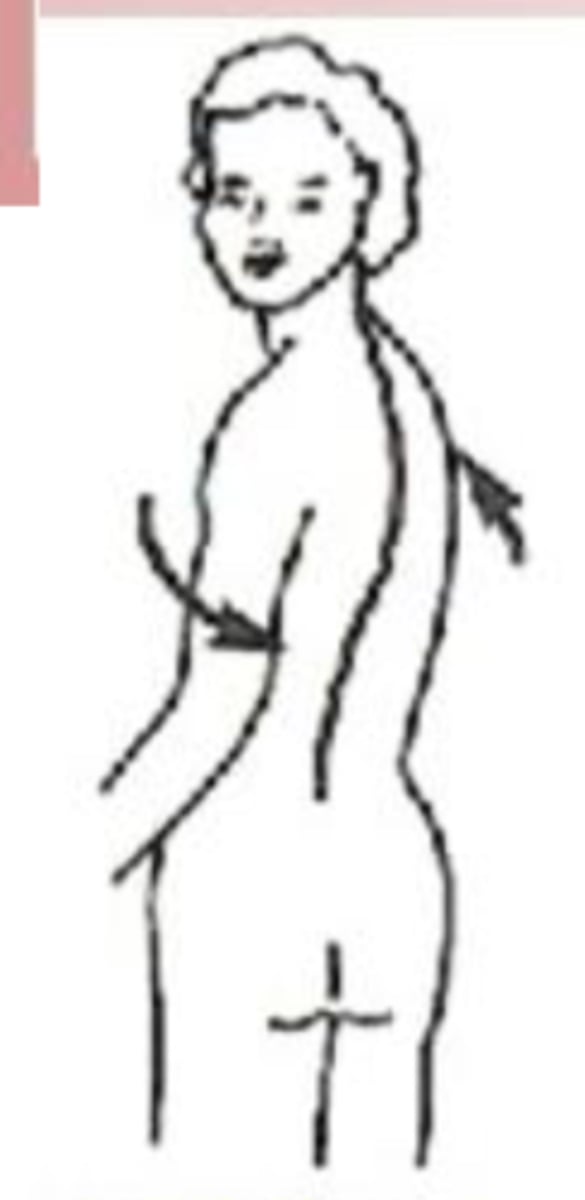
Spine rotation
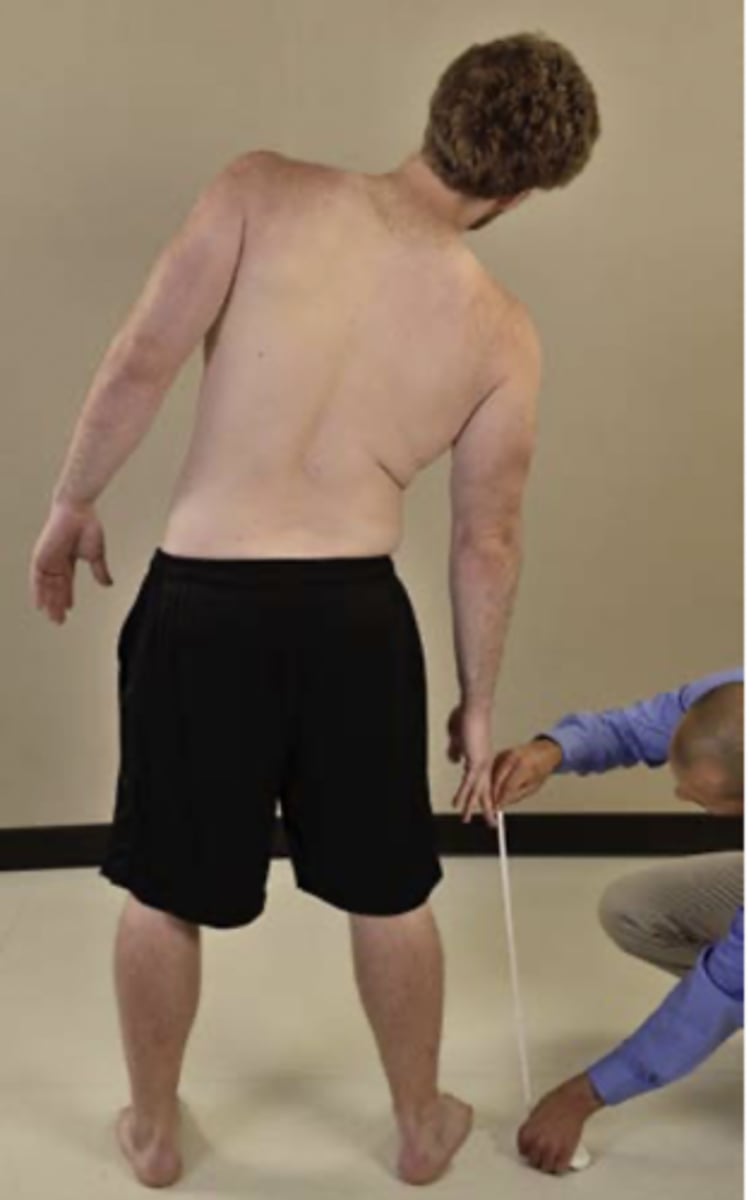
Spine Lateral Flexion
Neck flexion
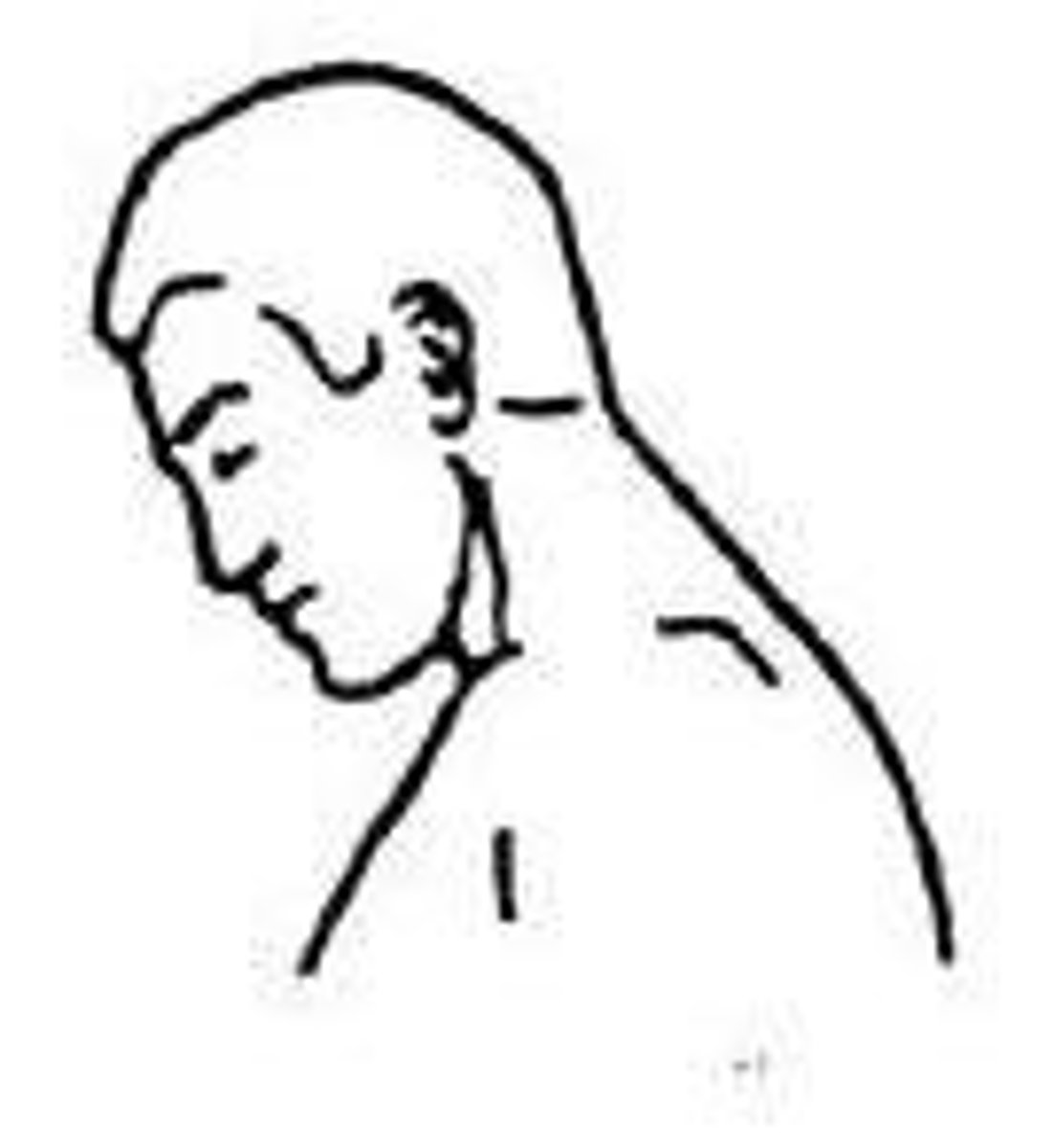
Neck extension
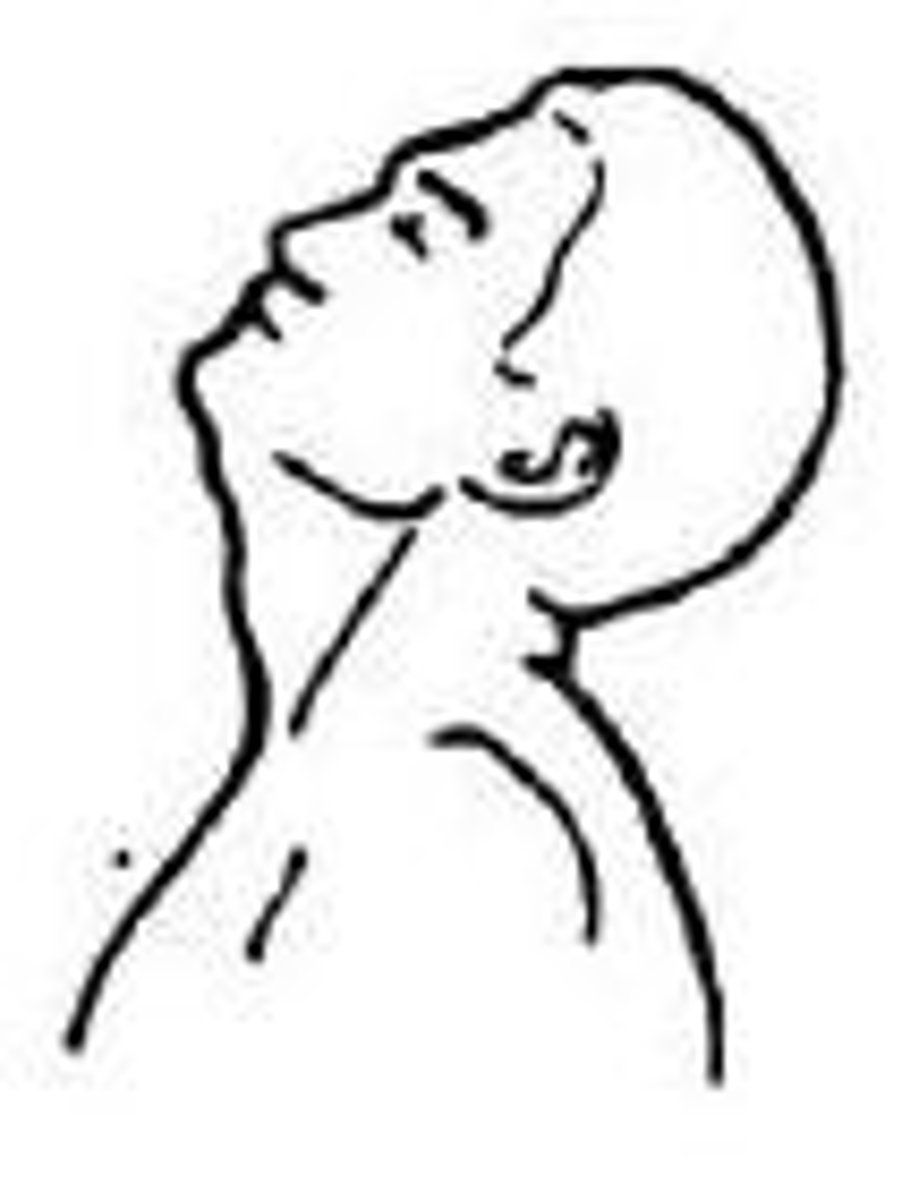
Neck Rotation
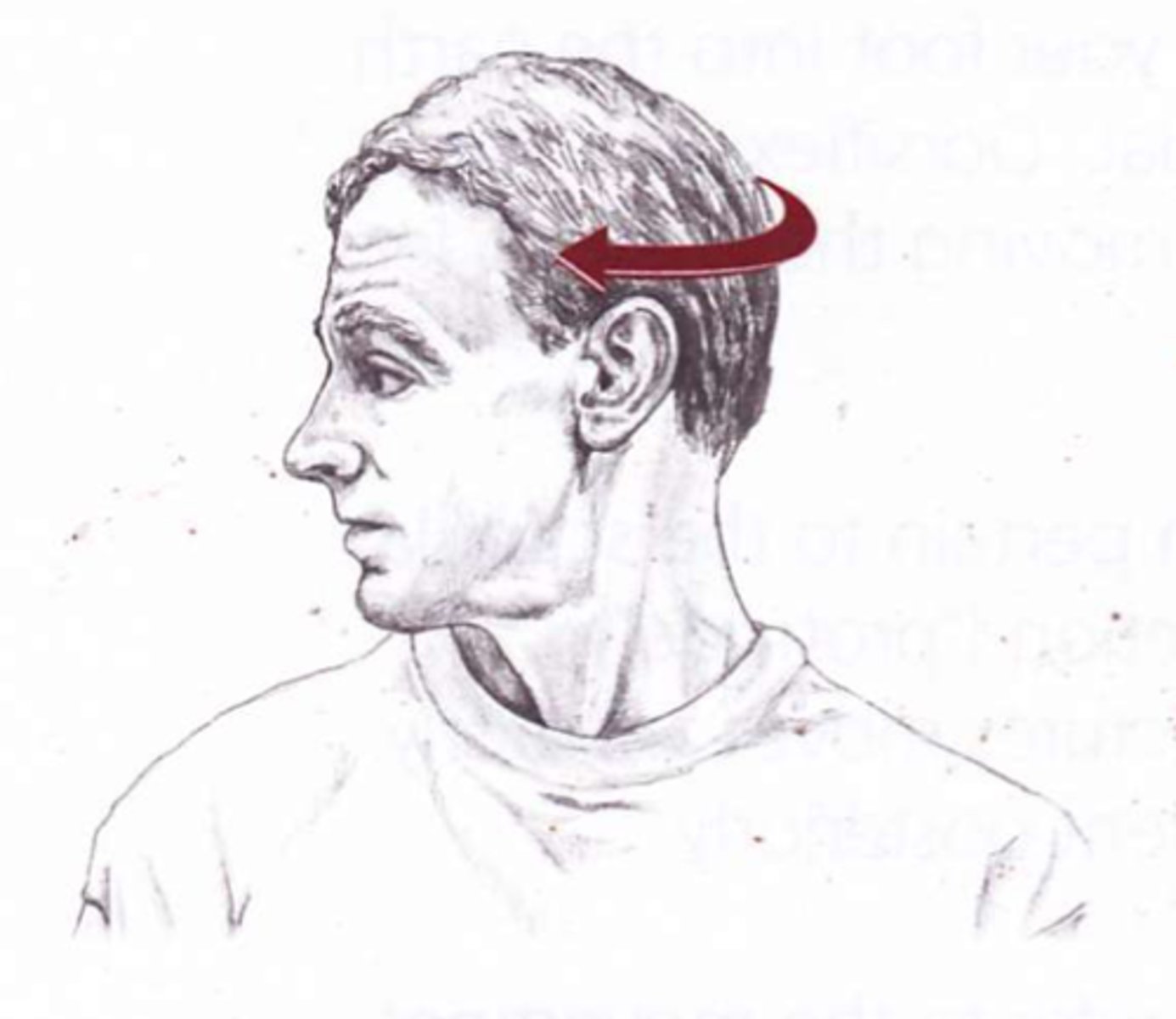
Neck Lateral Flexion
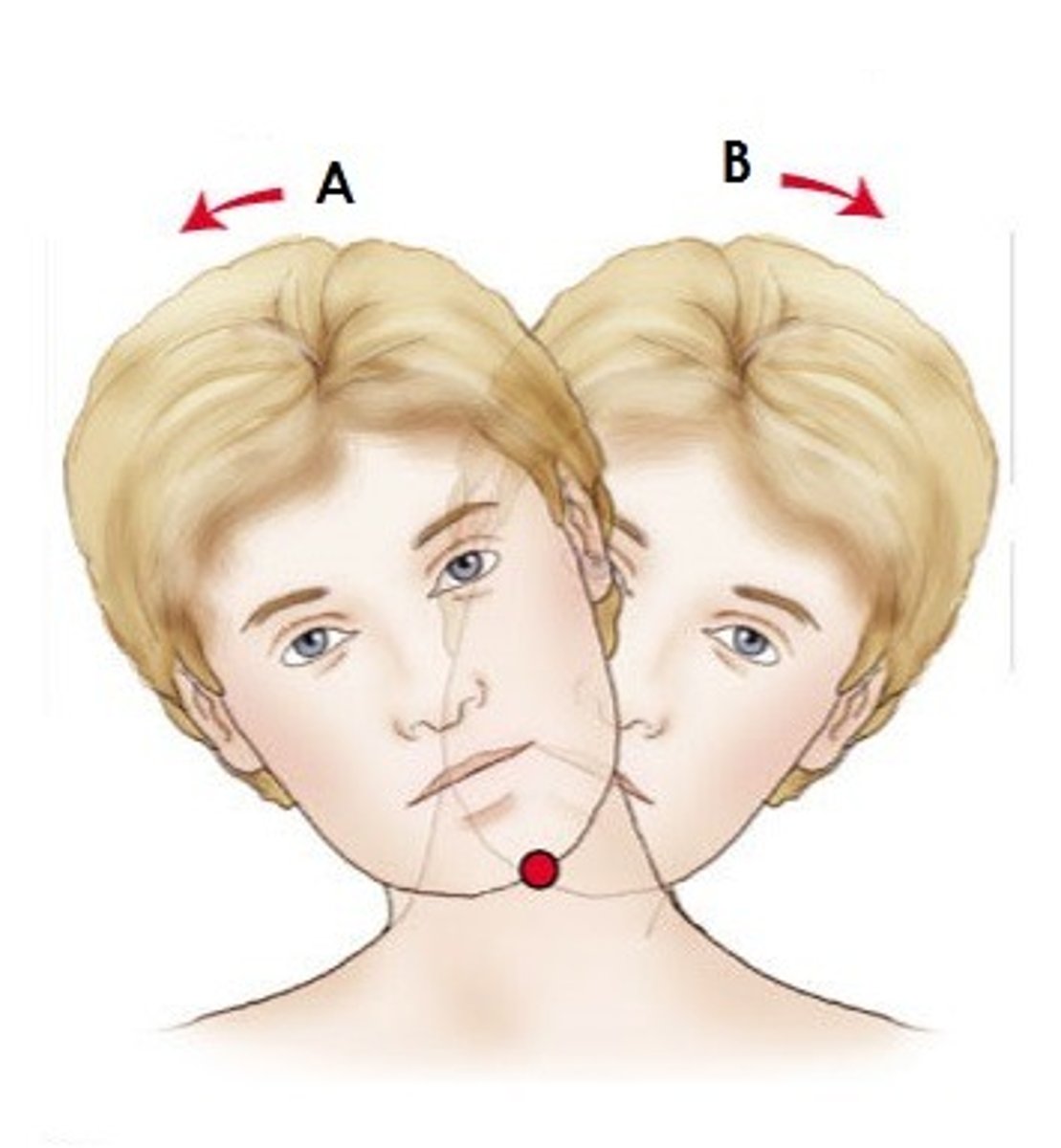
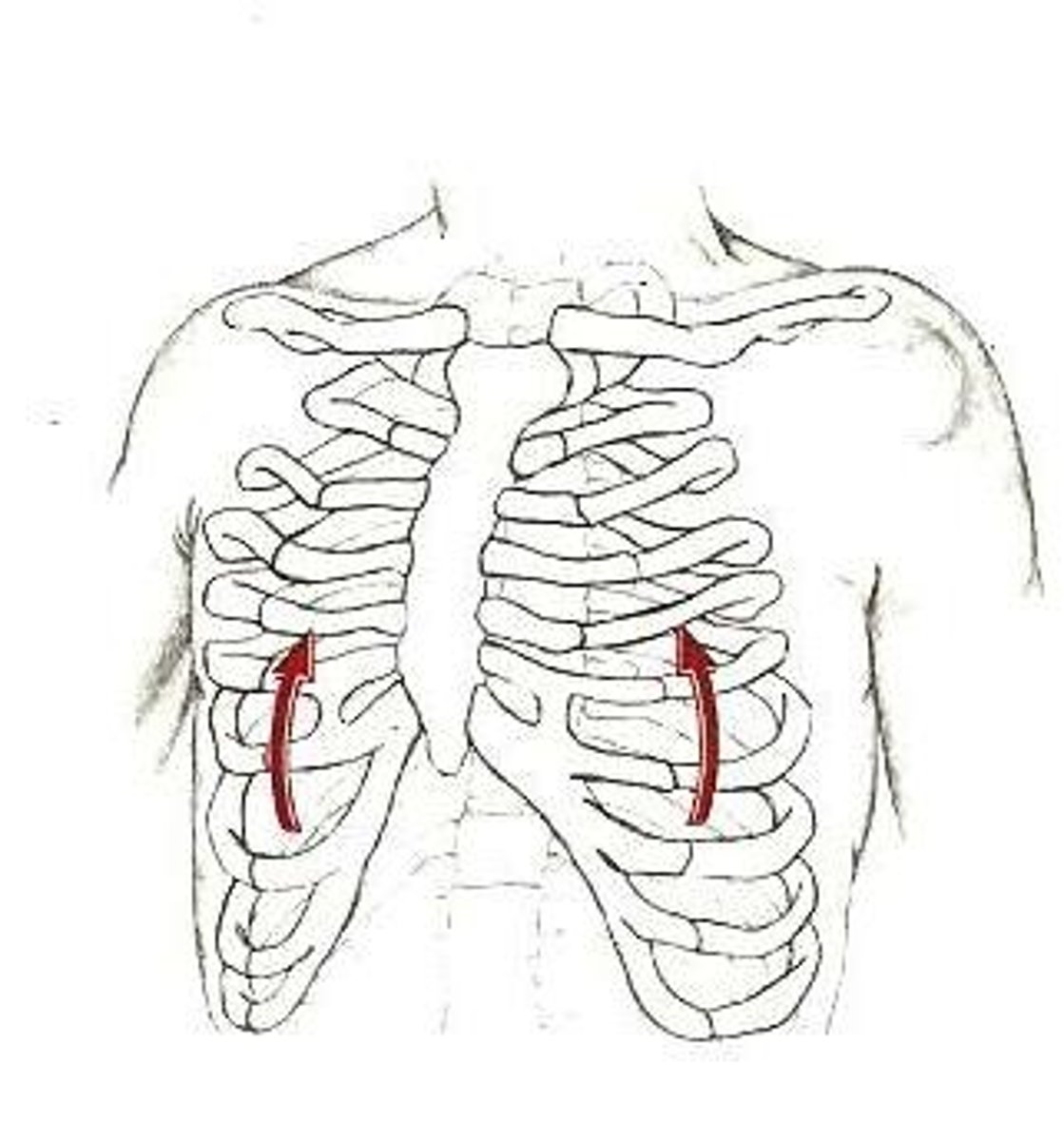
Ribs Elevation
Breath in
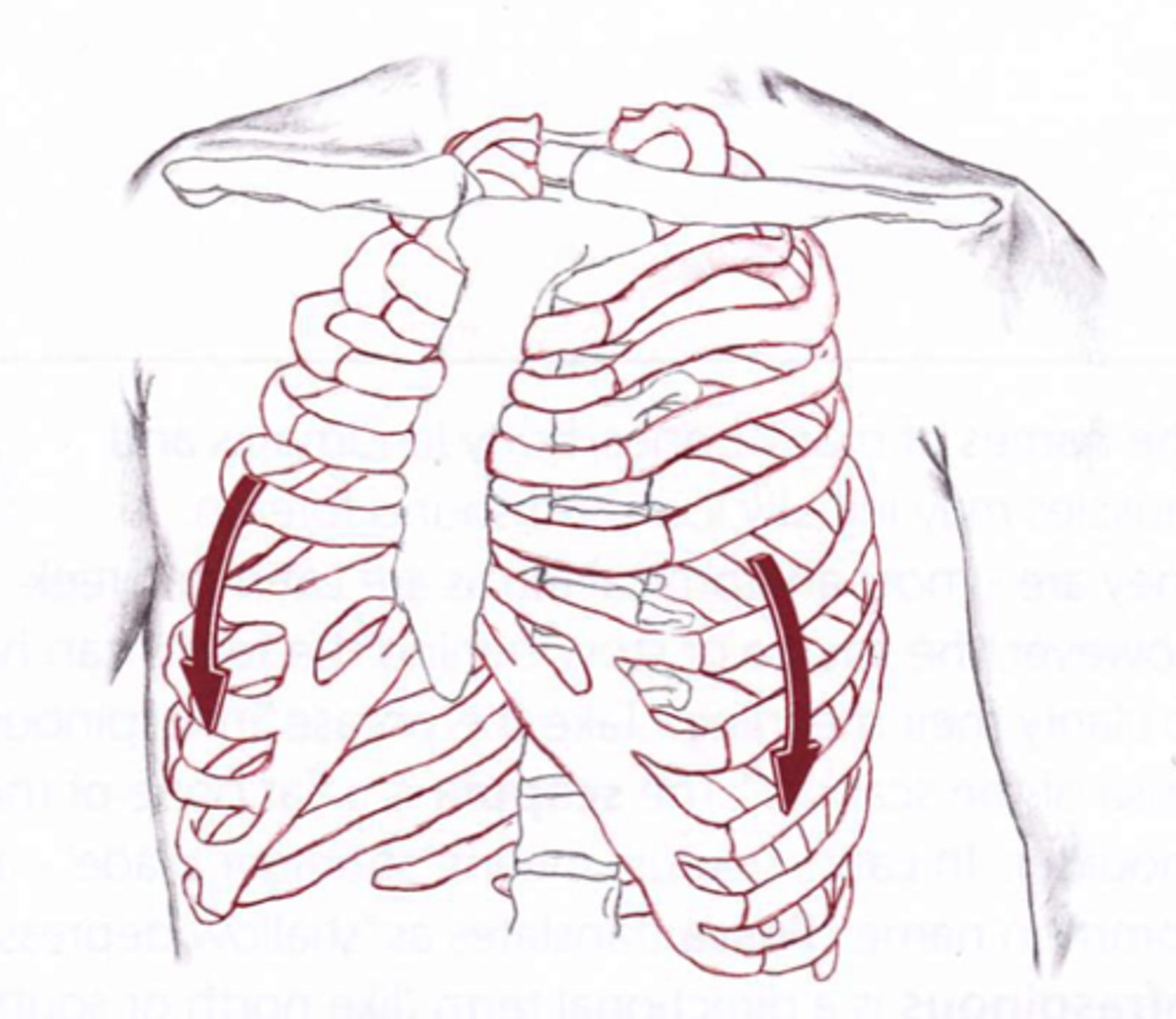
Ribs Depression
breath out
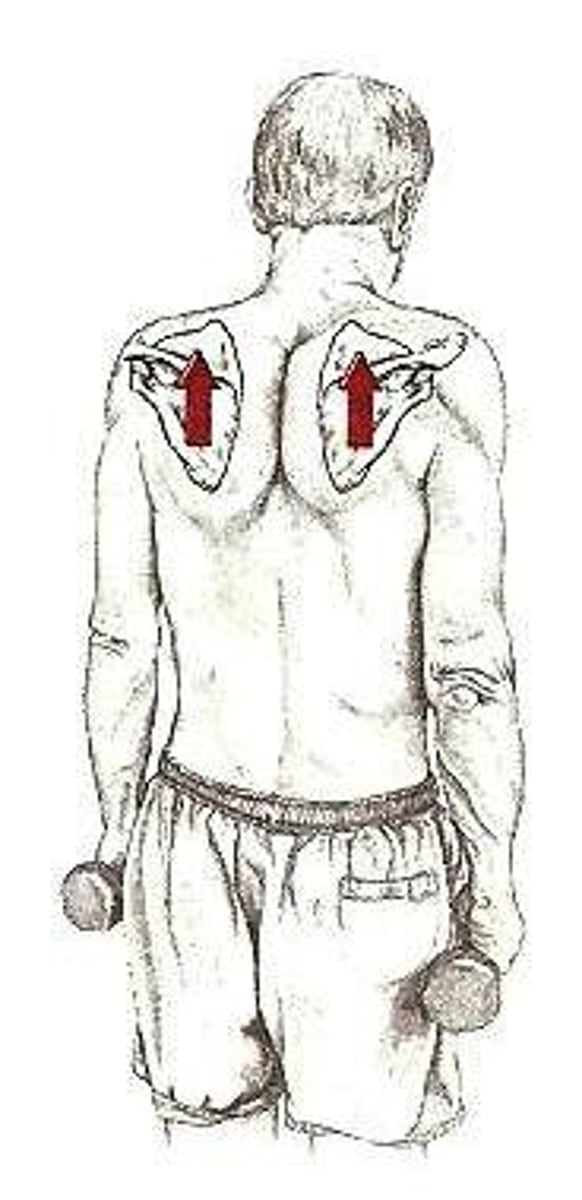
Scapula Elevation
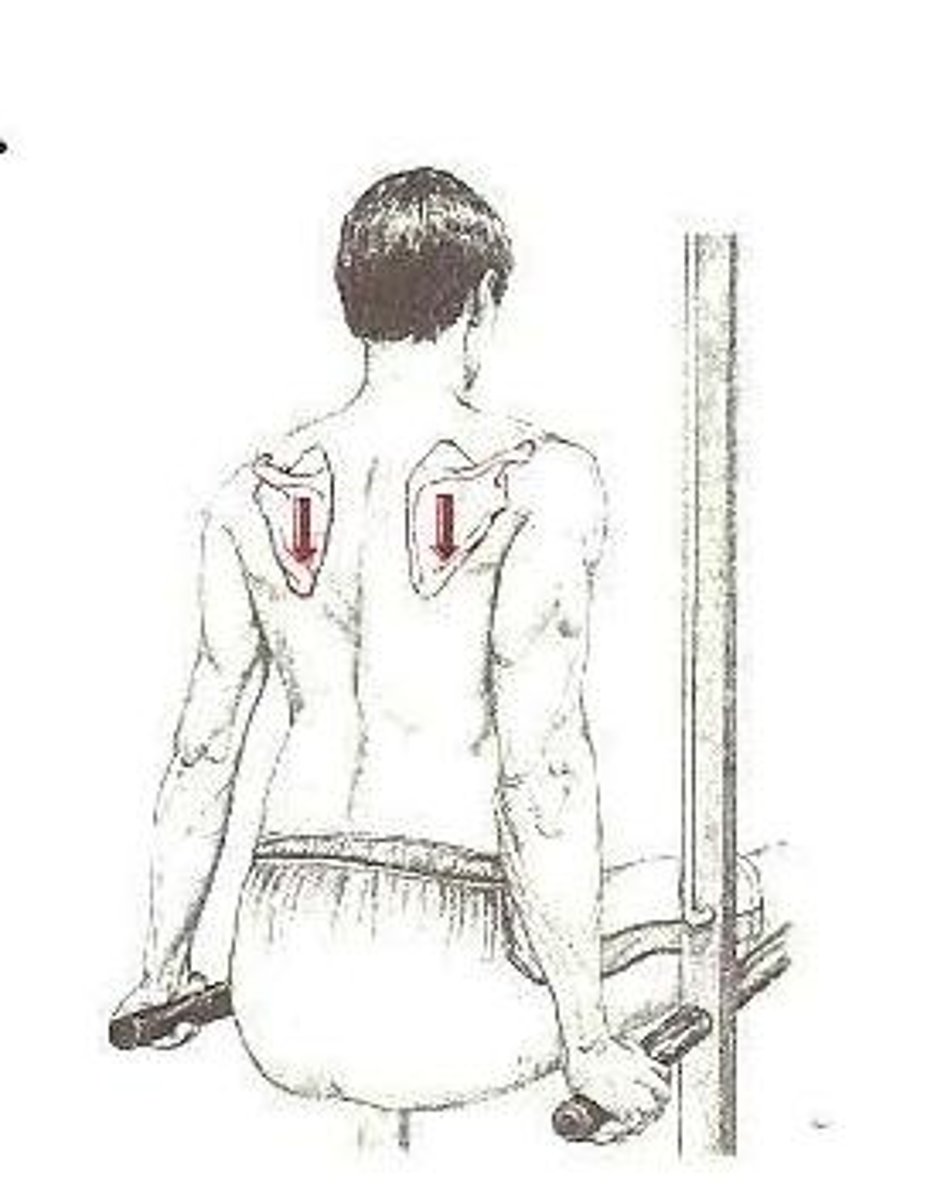
Scapula Depression
Scapula Retraction
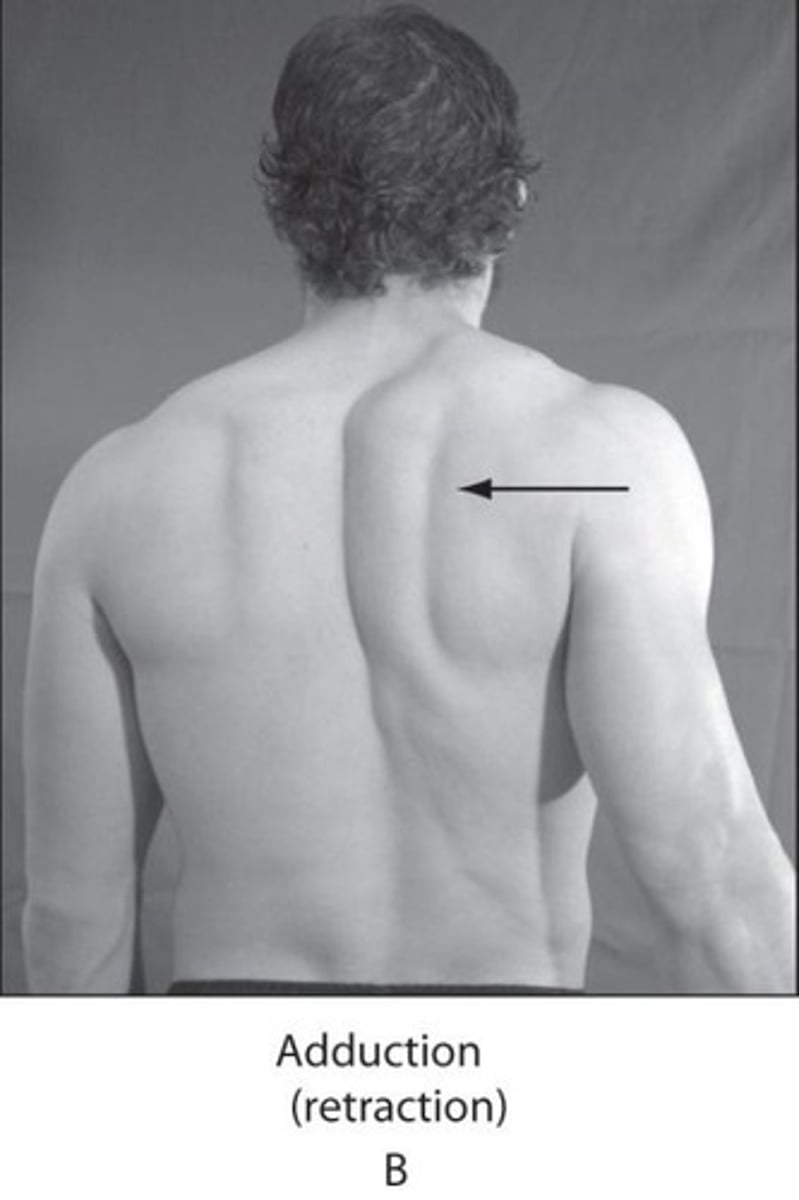
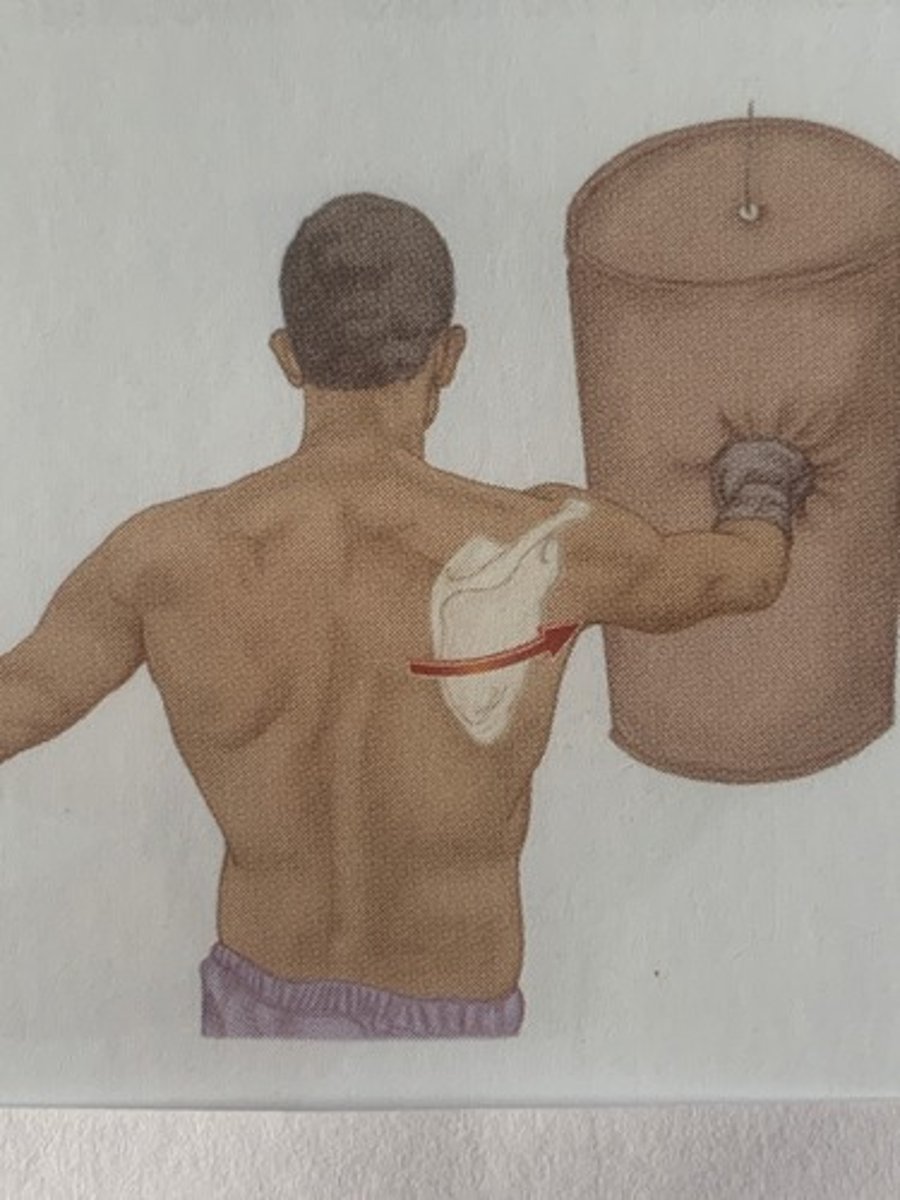
Scapula Protraction
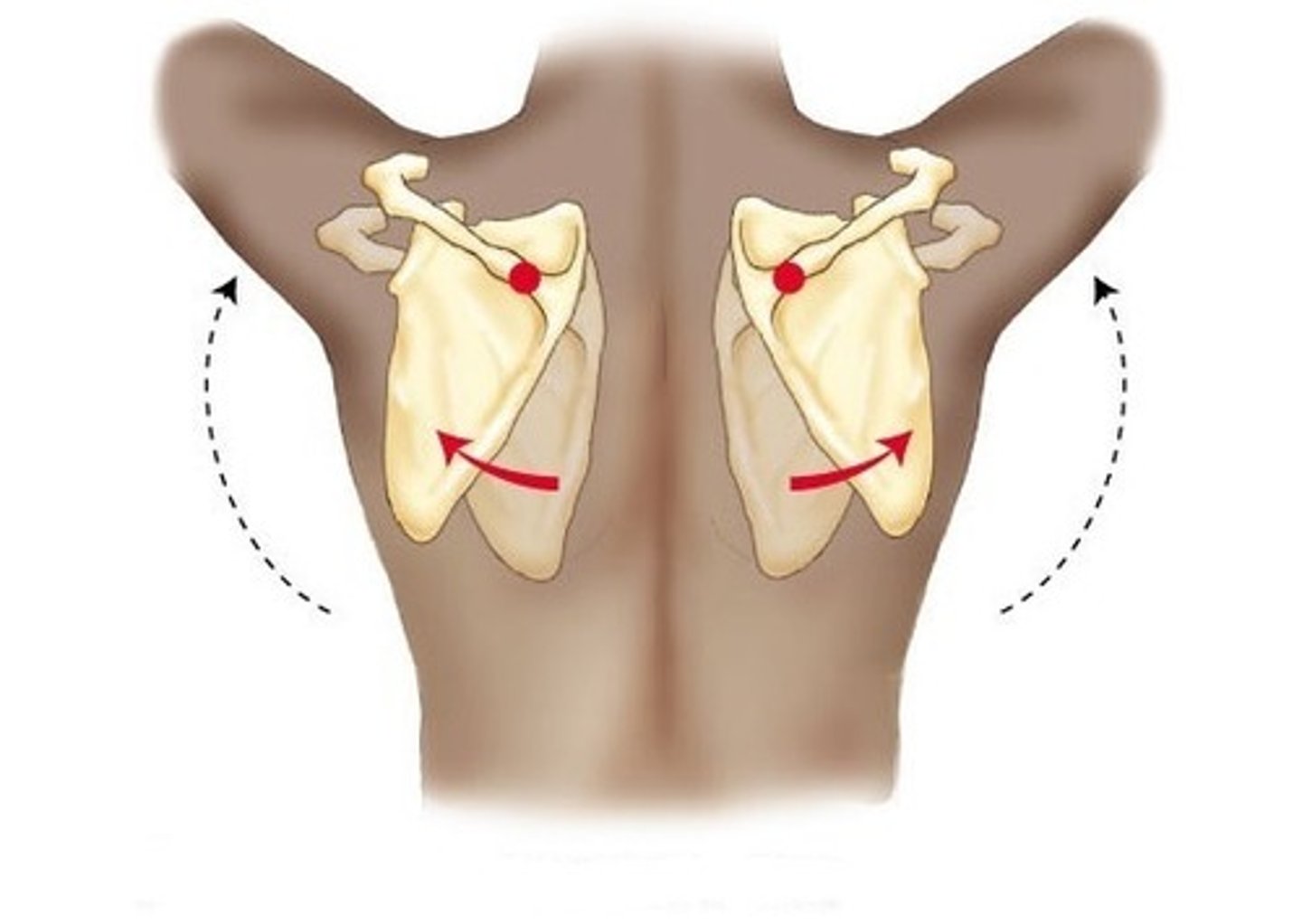
upward rotation of scapula
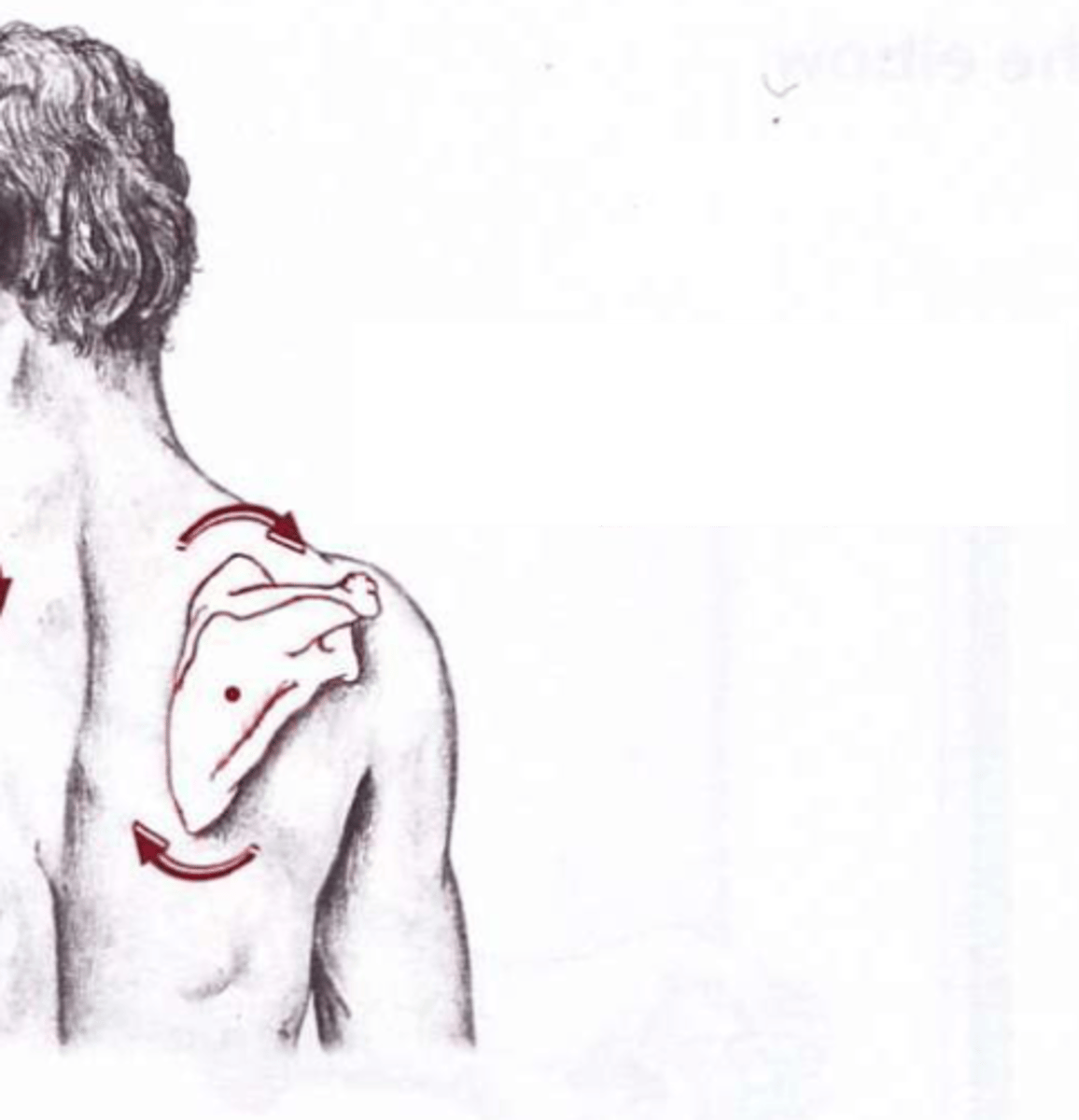
downward rotation of scapula
Shoulder adduction
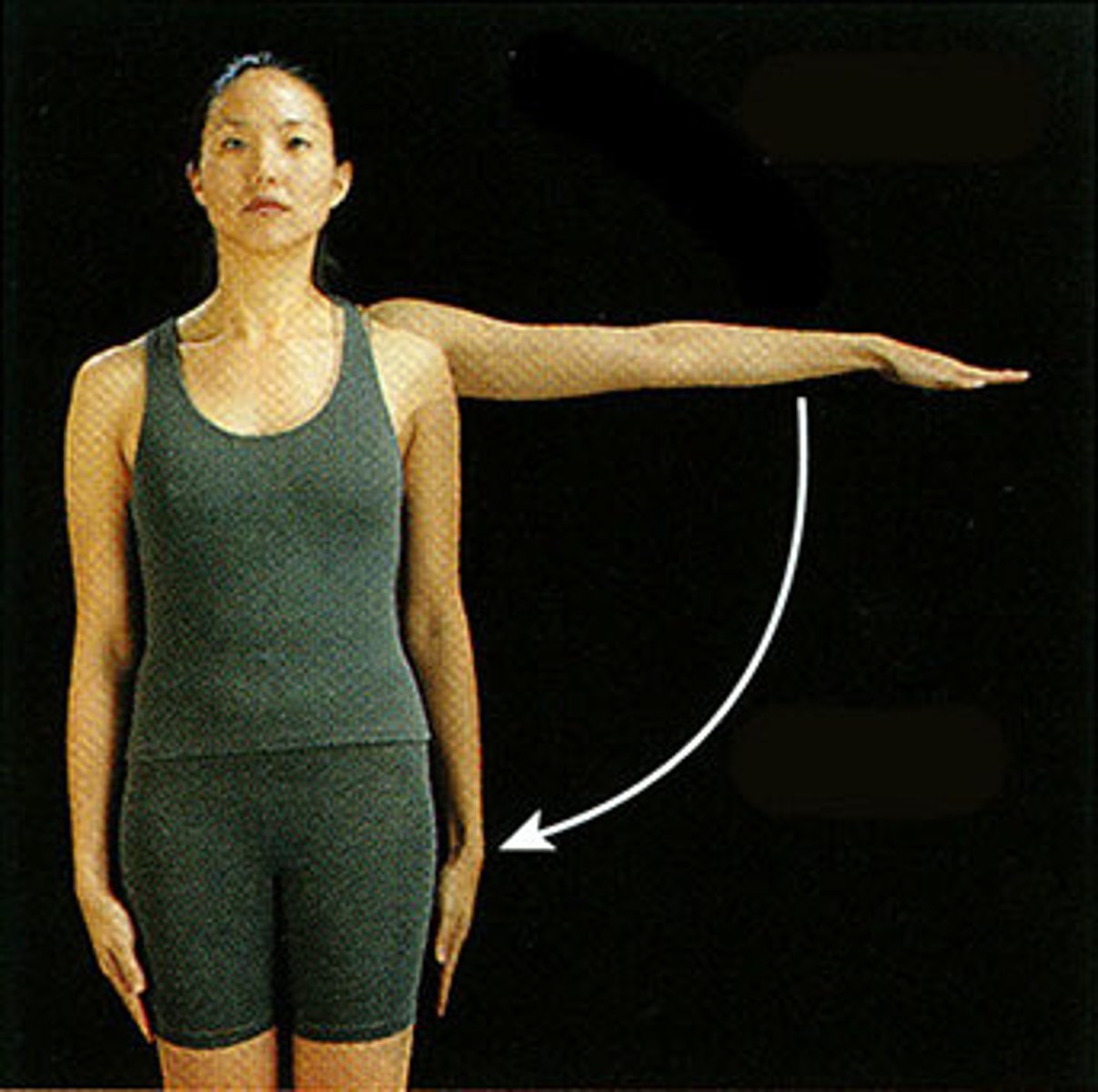
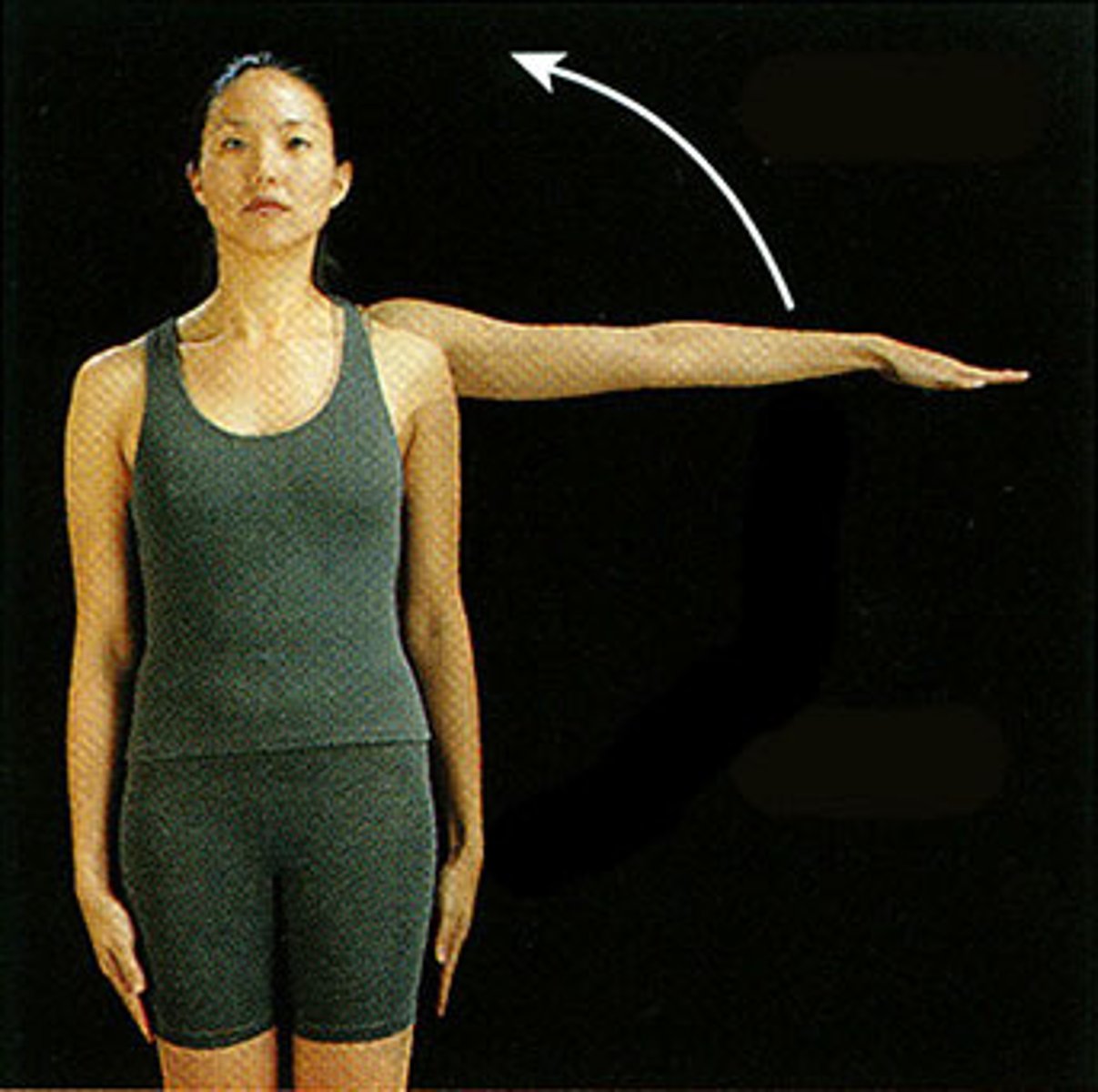
Shoulder abduction
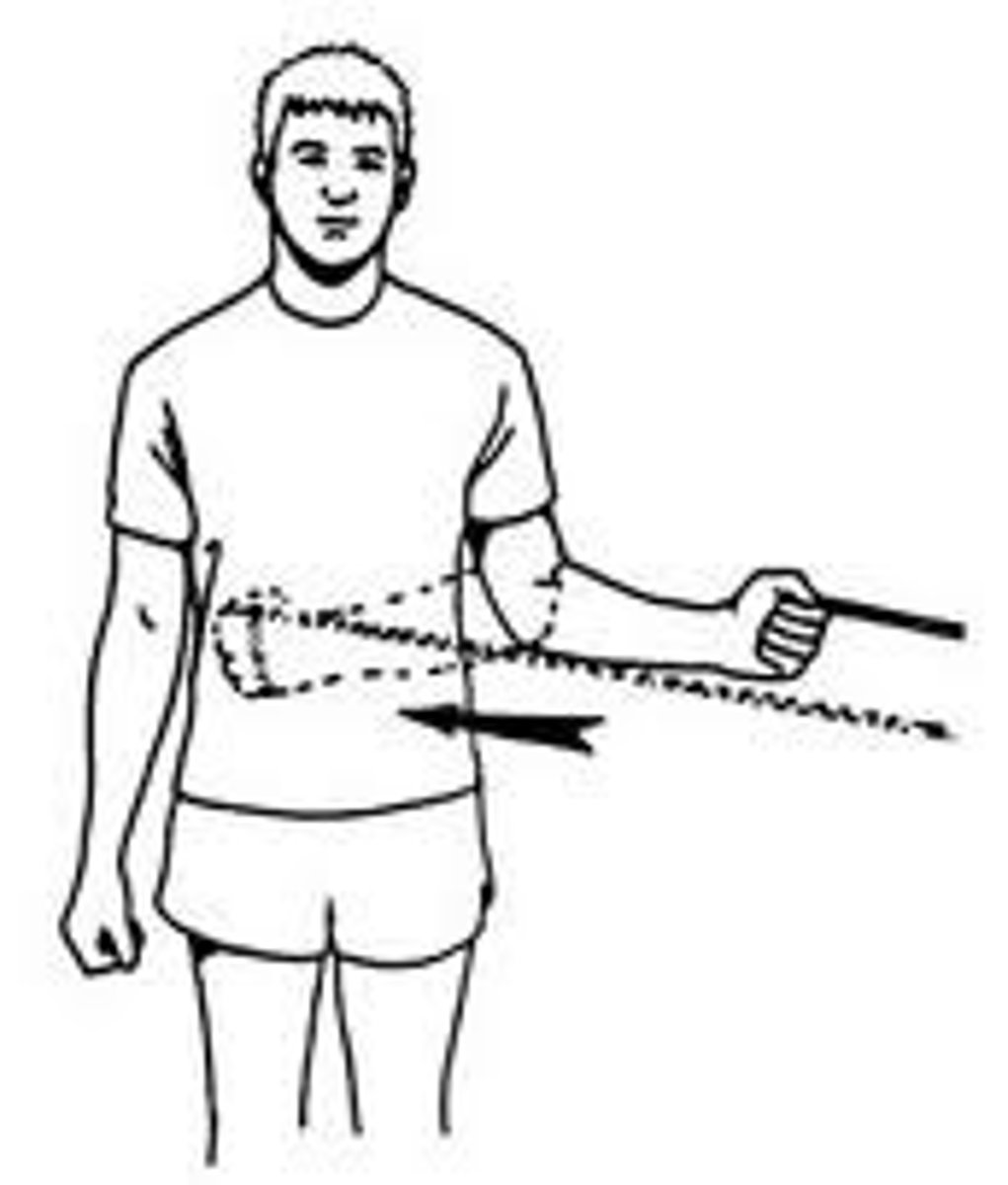
Shoulder Medial Rotation
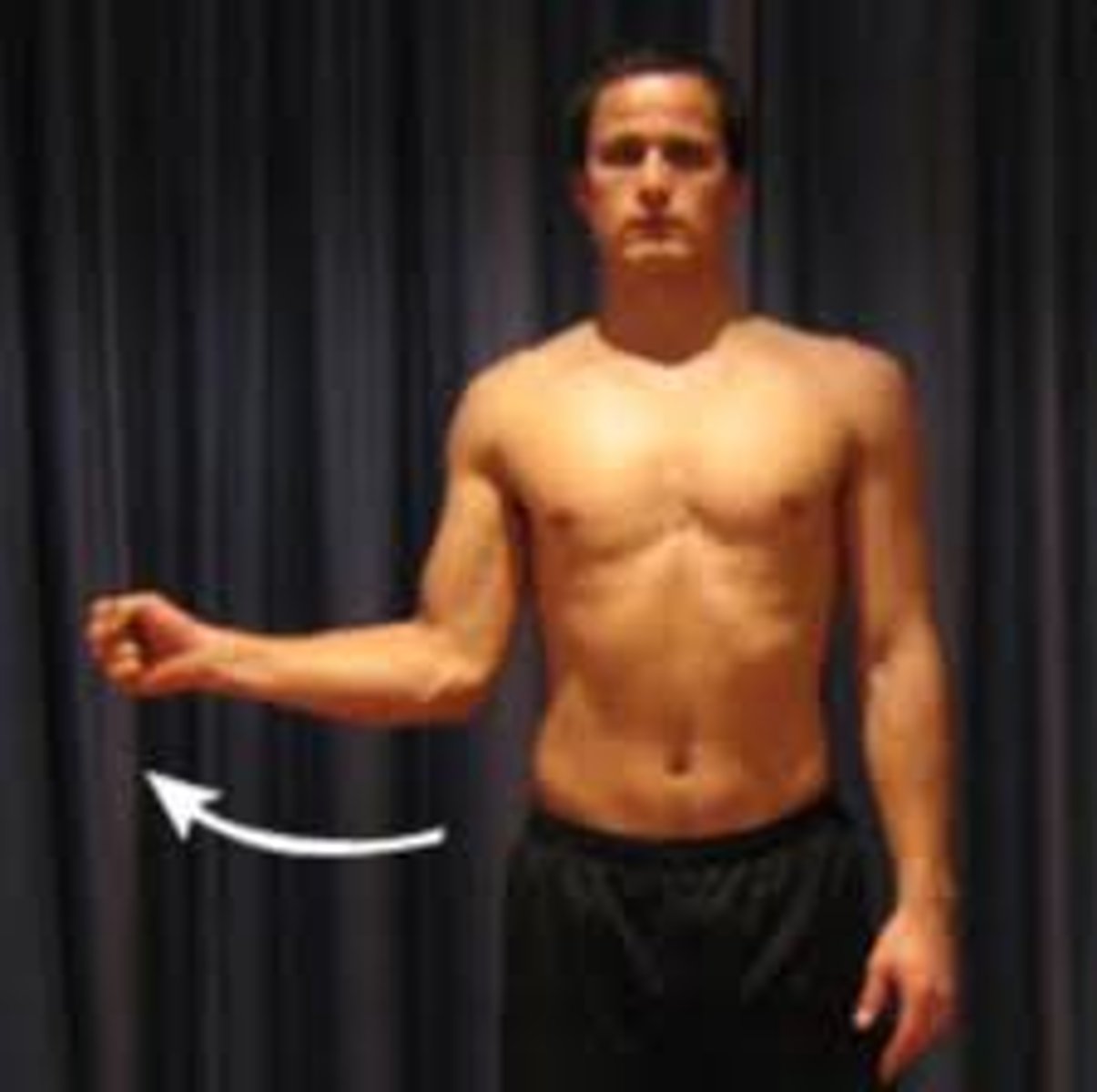
Shoulder Lateral Rotation
Shoulder Flexion
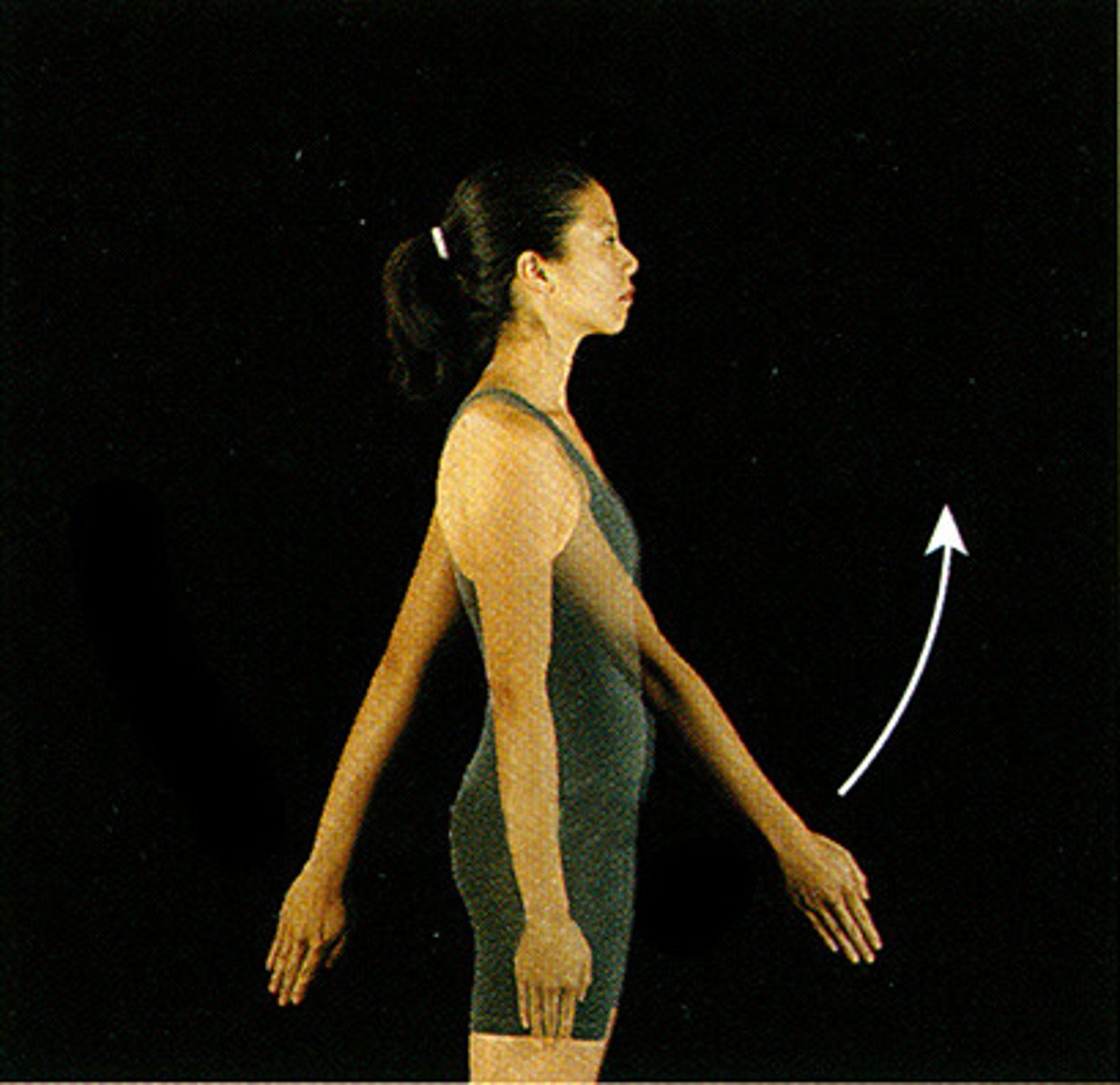
Shoulder Extension
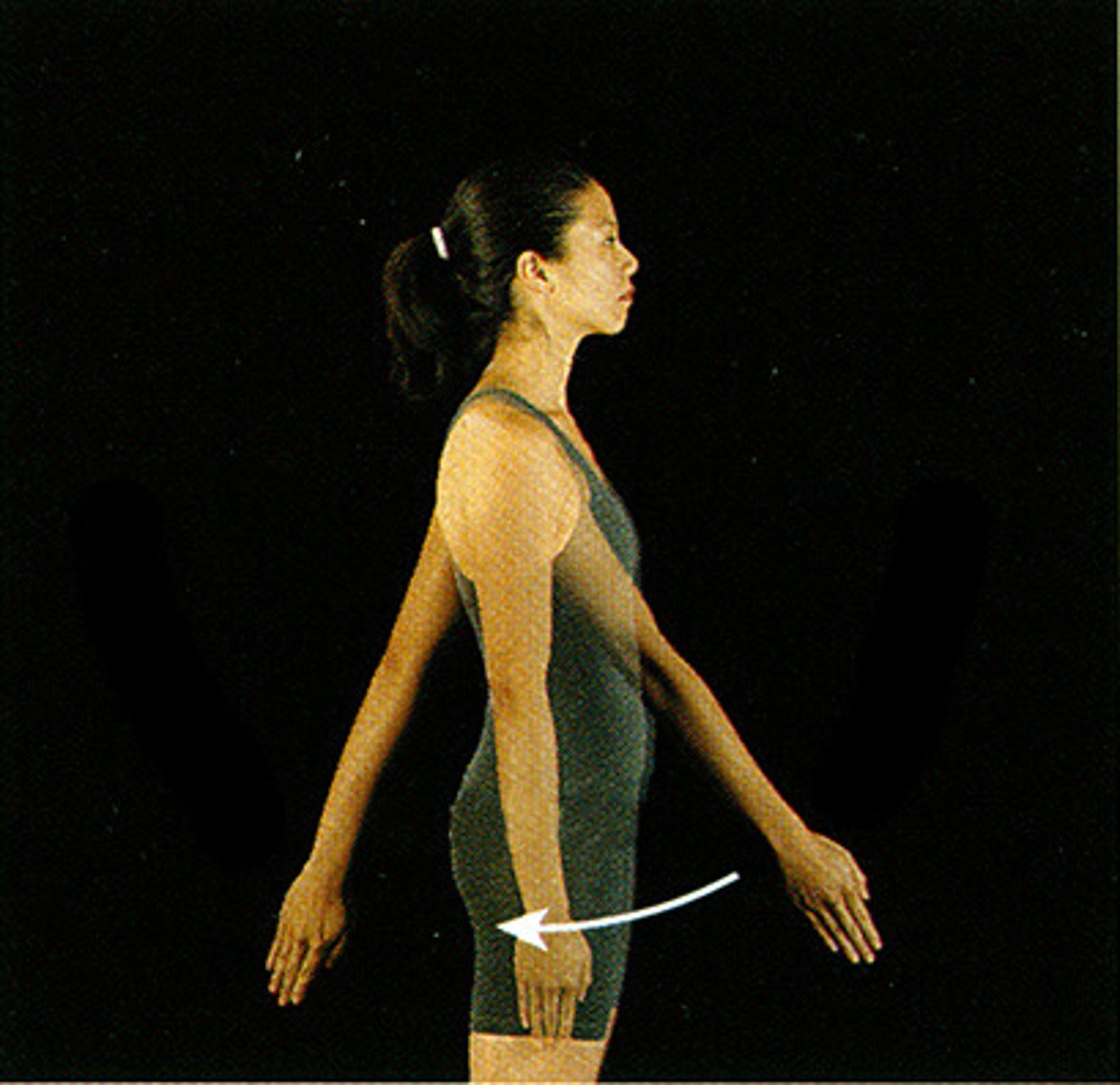
Horizontal adduction
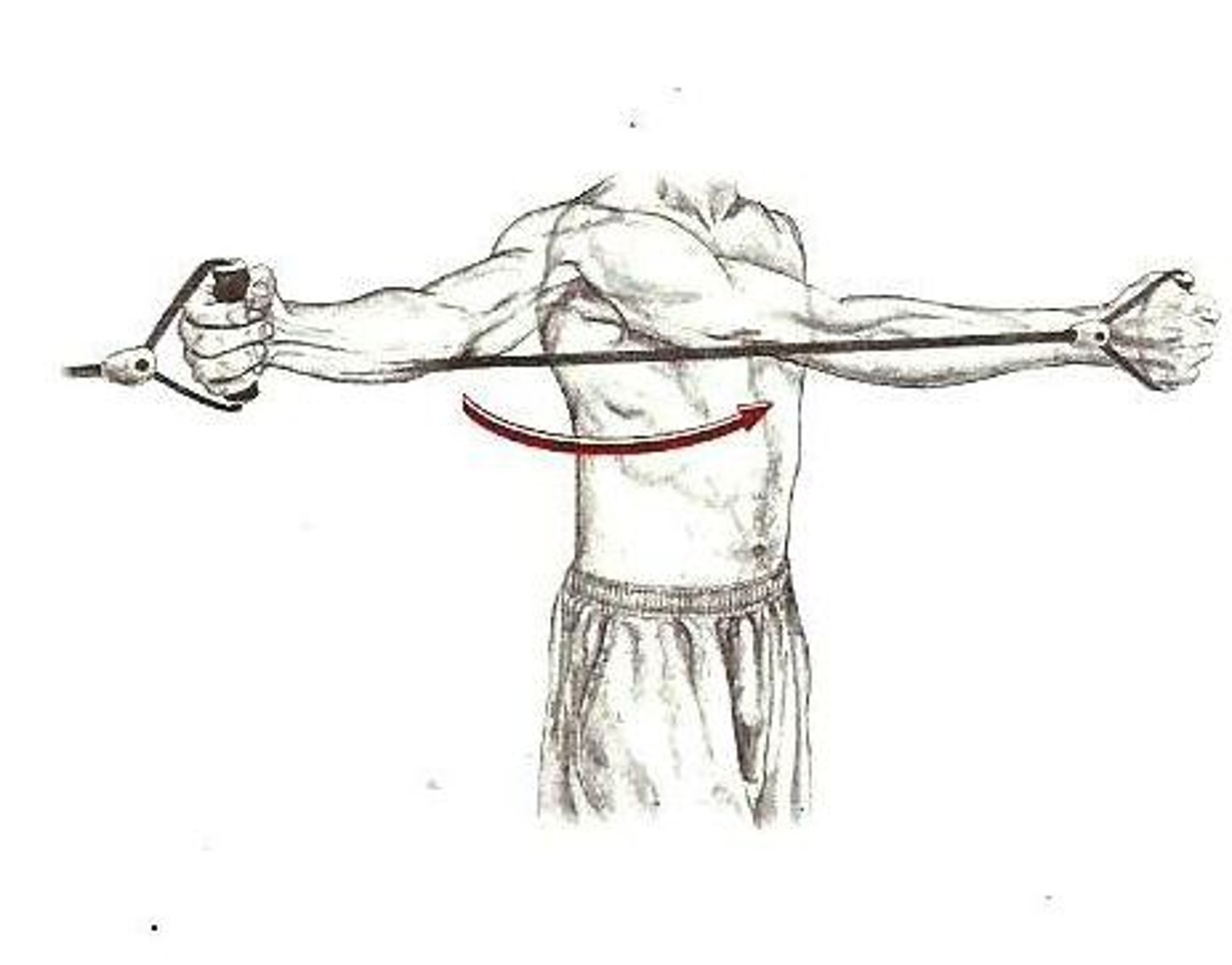
horizontal abduction
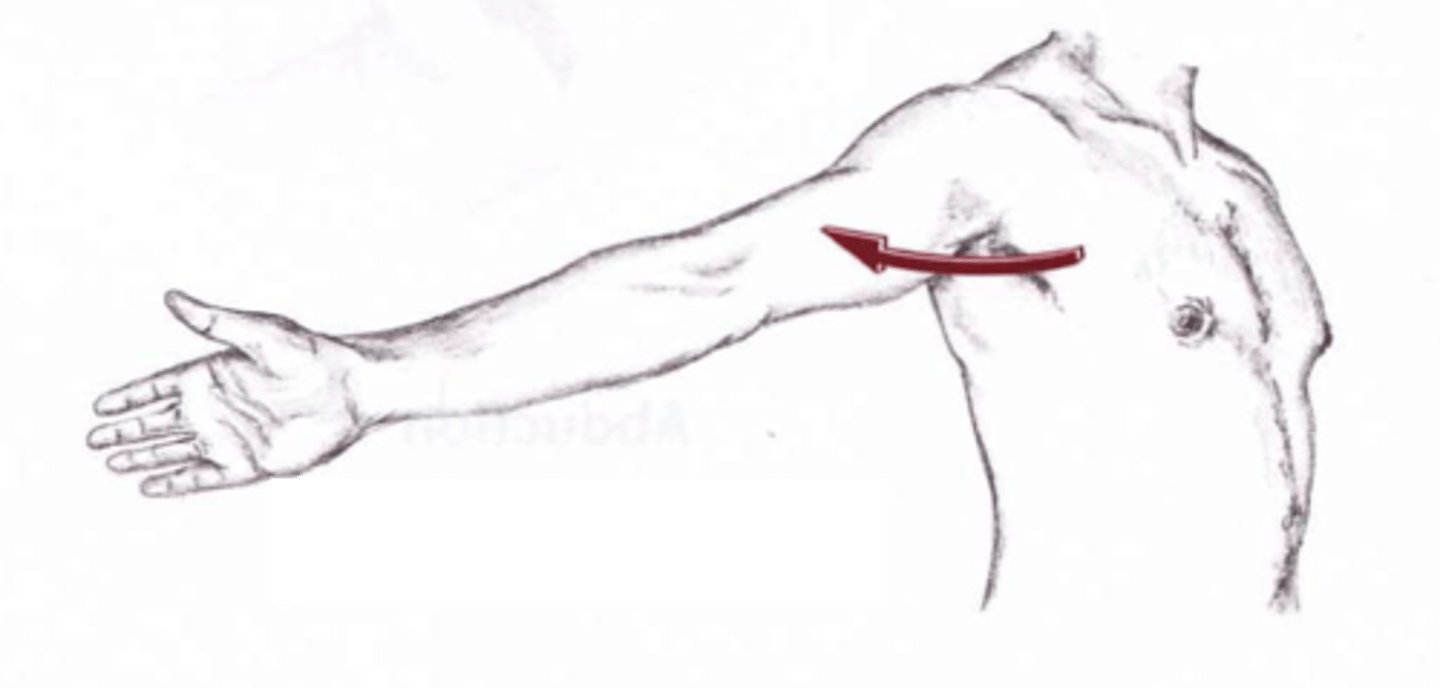
Supination of the forearm
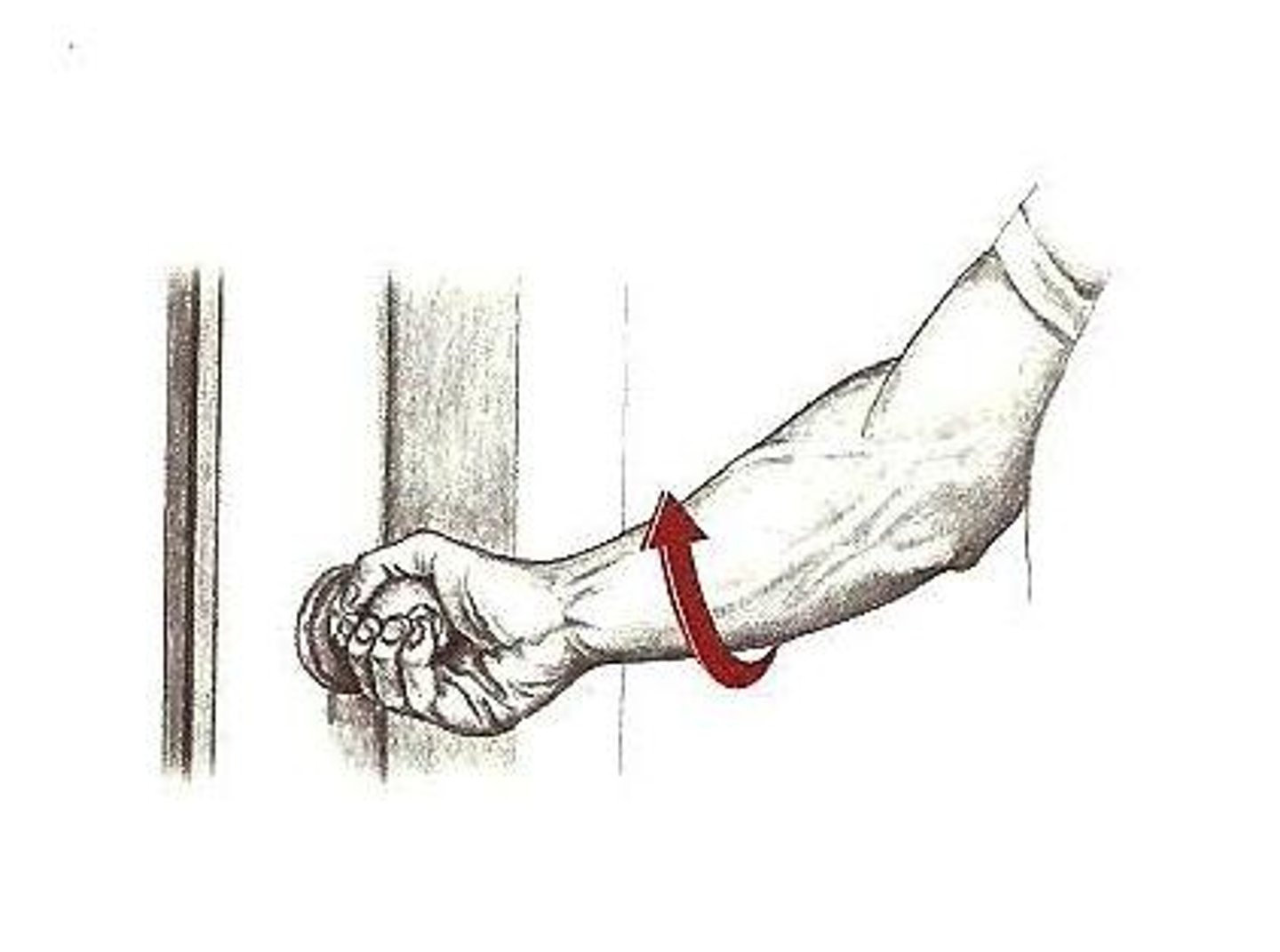
pronation of forearm
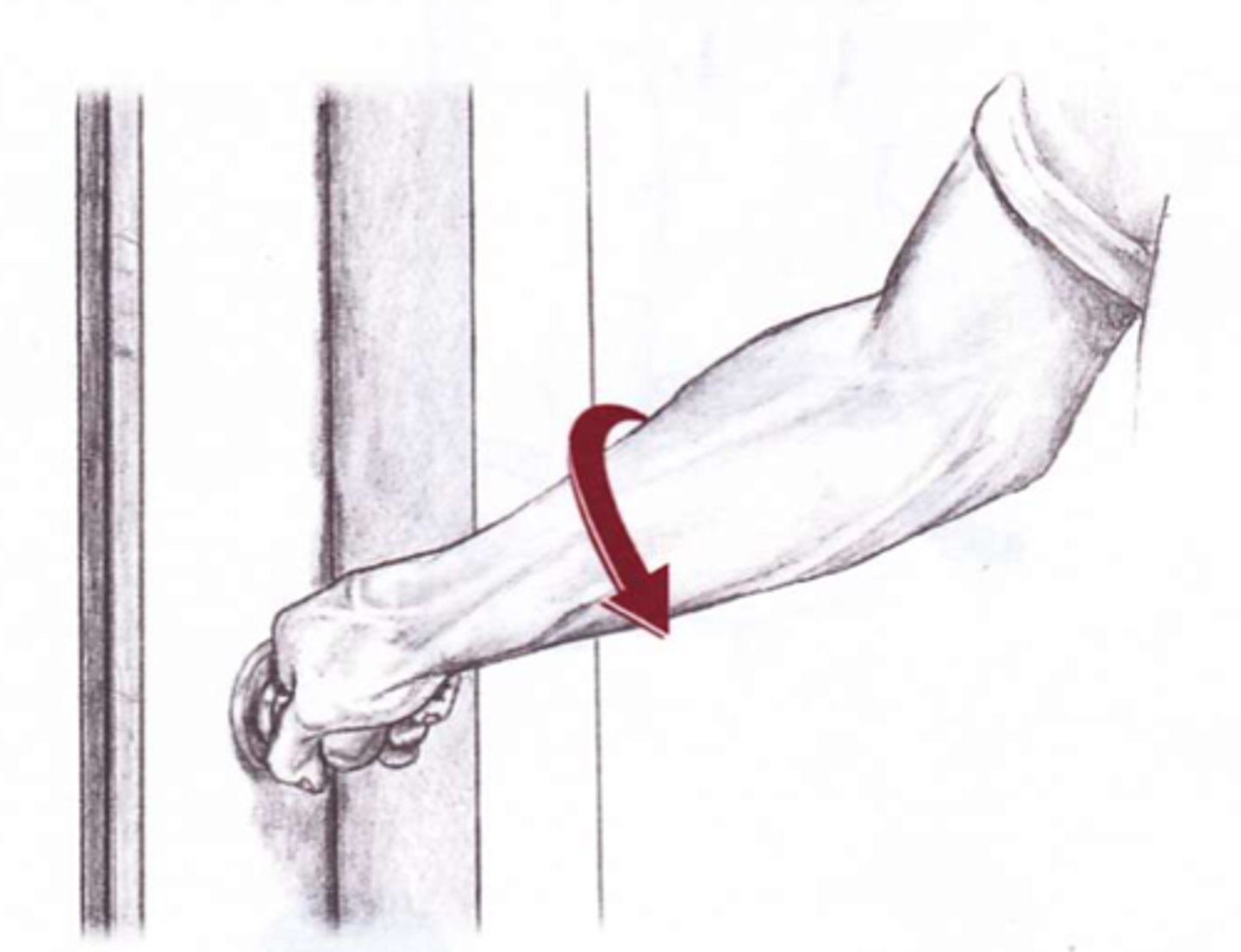
Wrist adduction
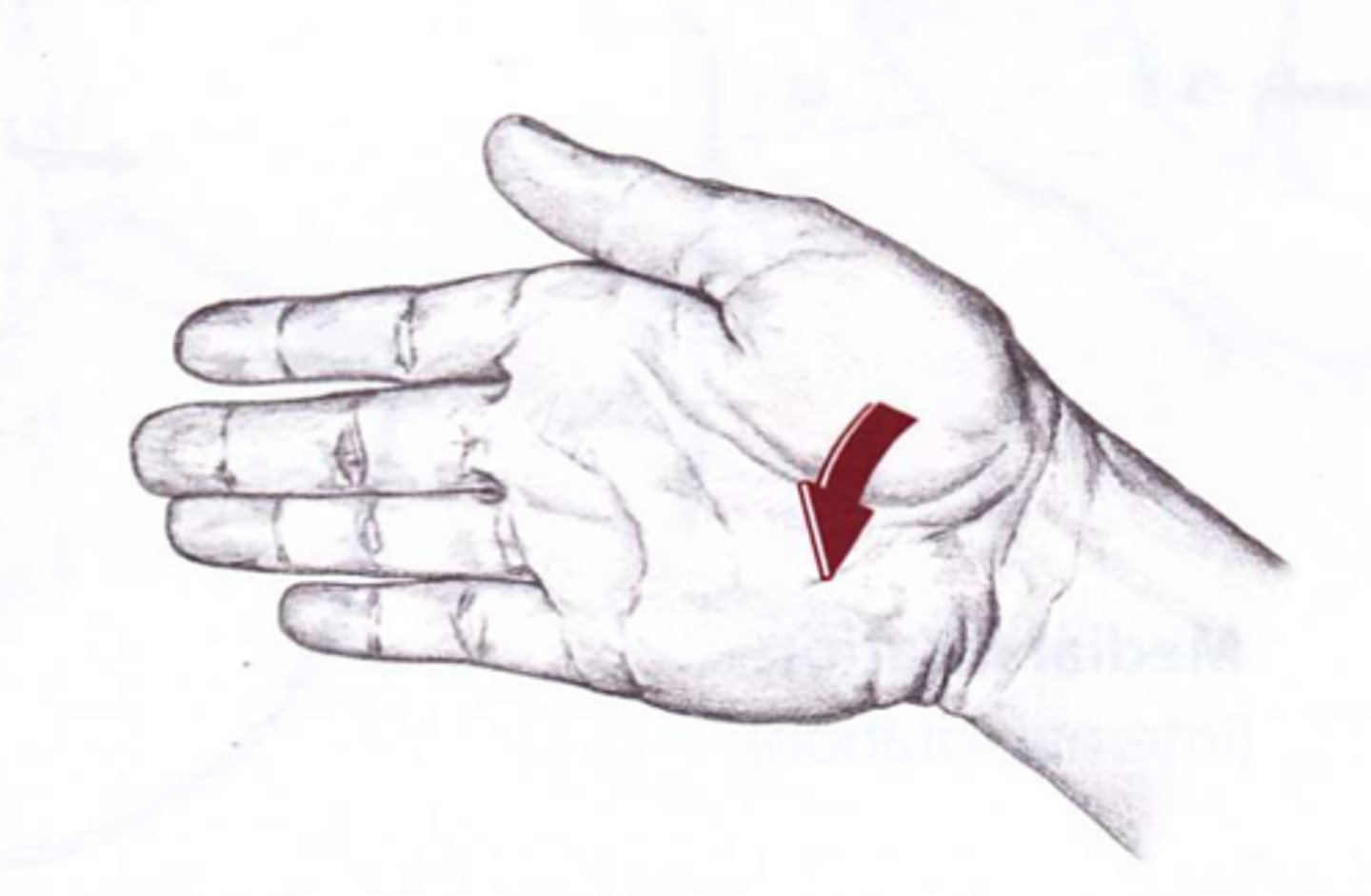
Wrist abduction
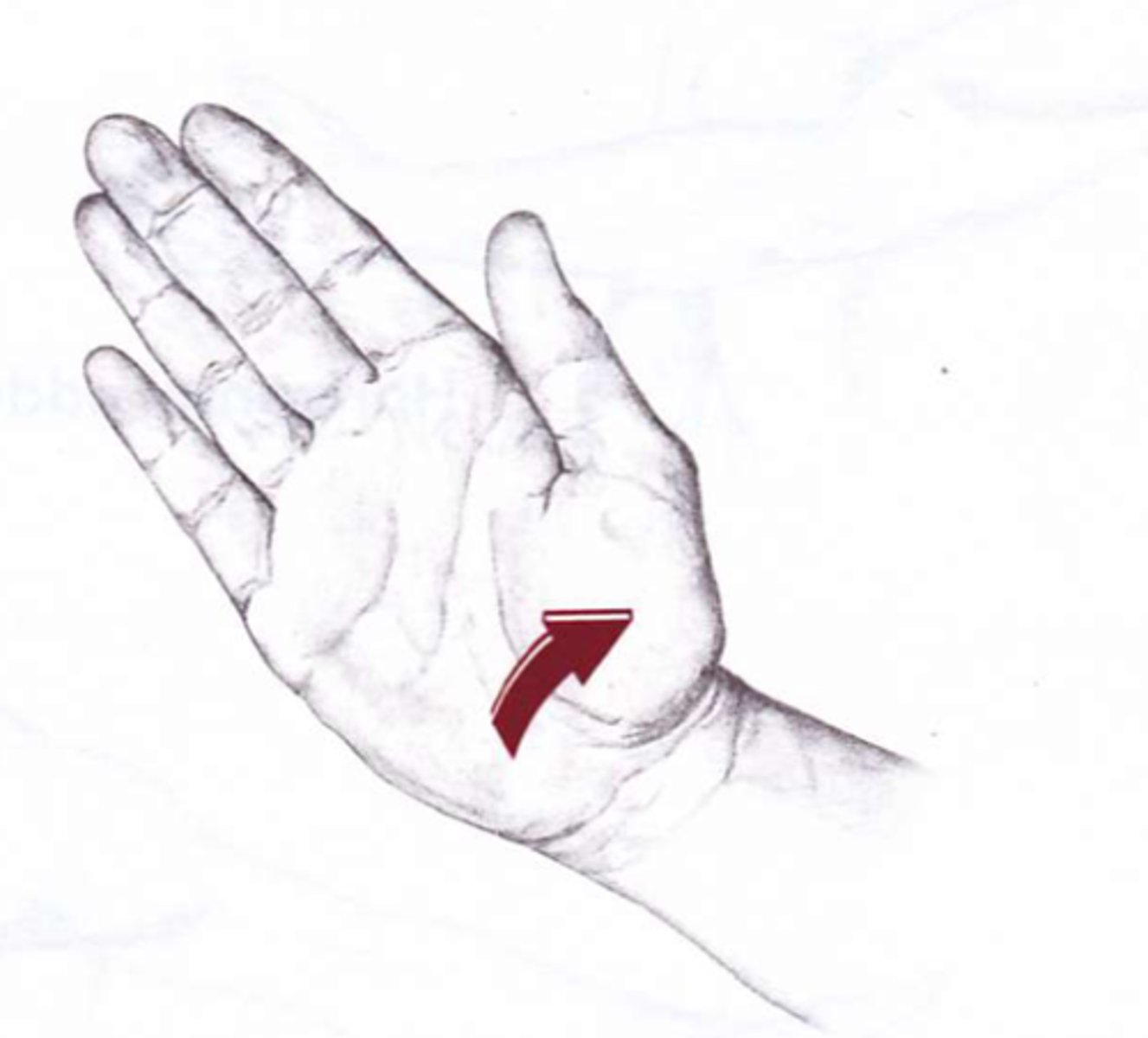
thumb extension
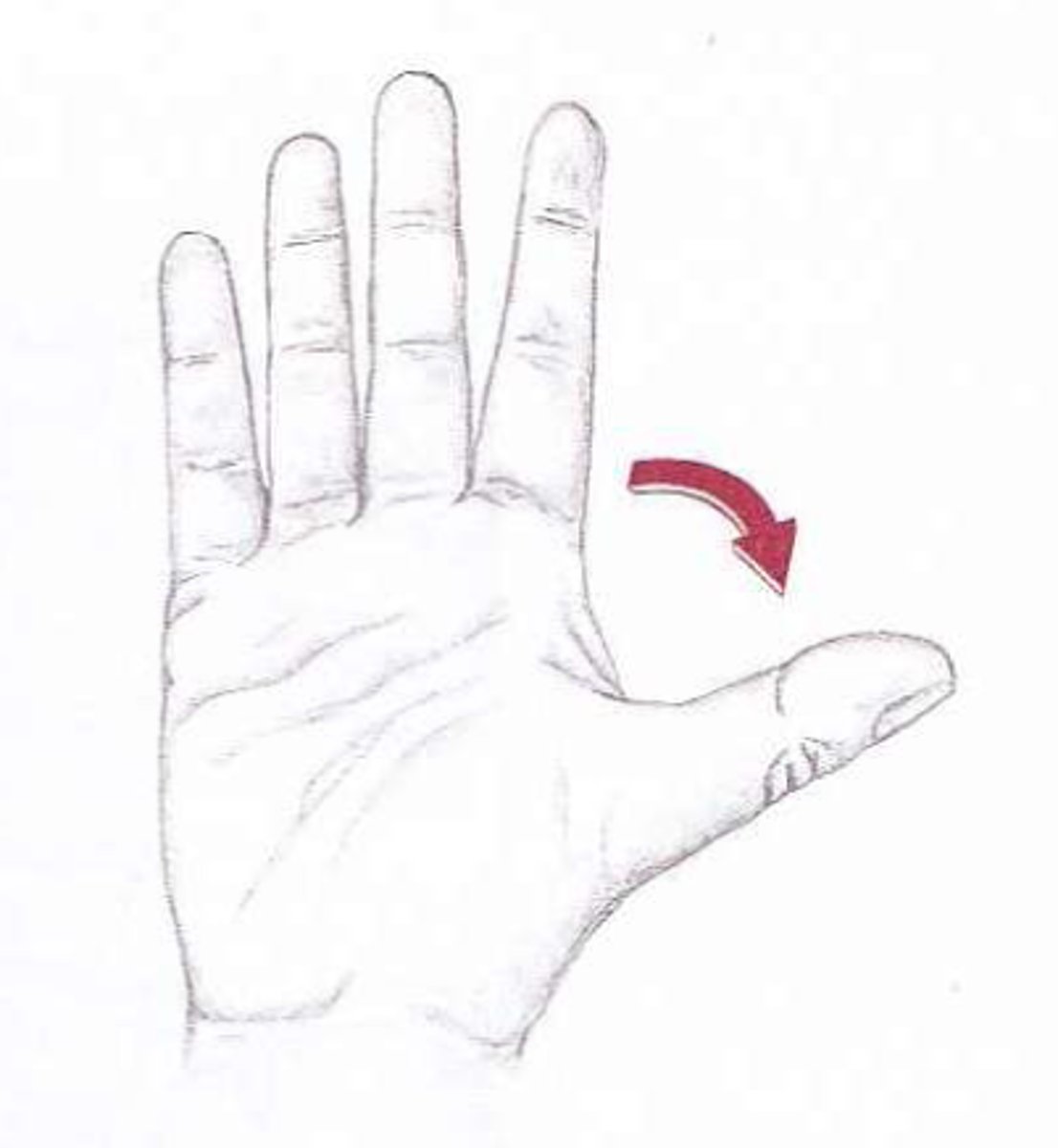
thumb flexion
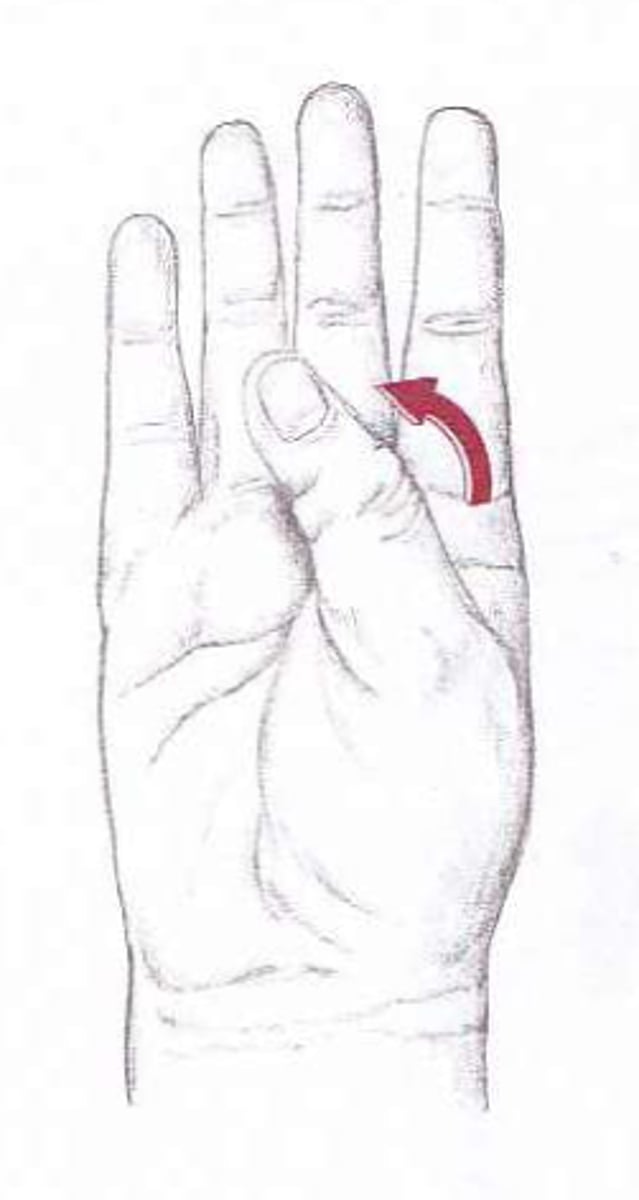
Thumb opposition
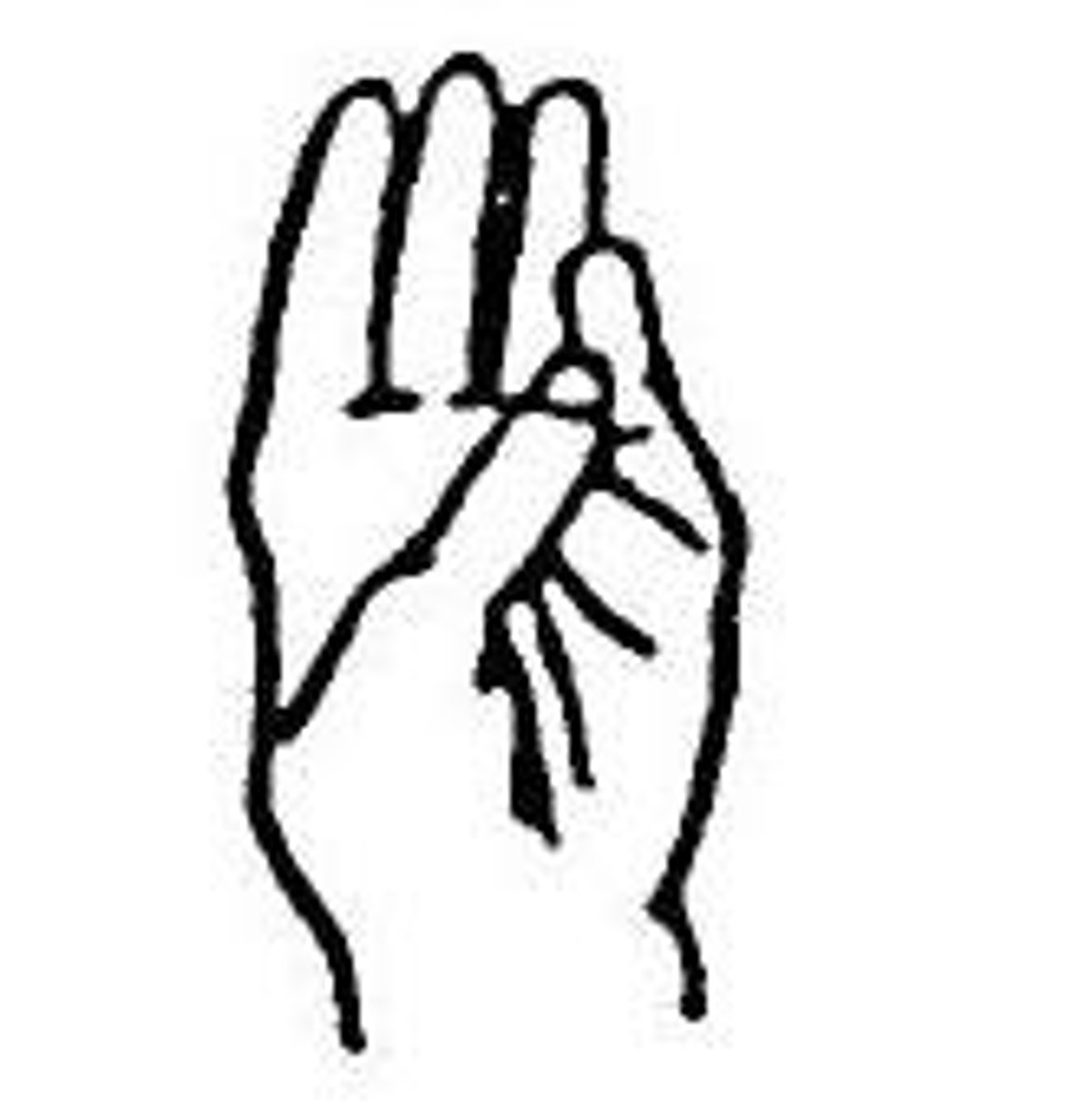
Thumb adduction
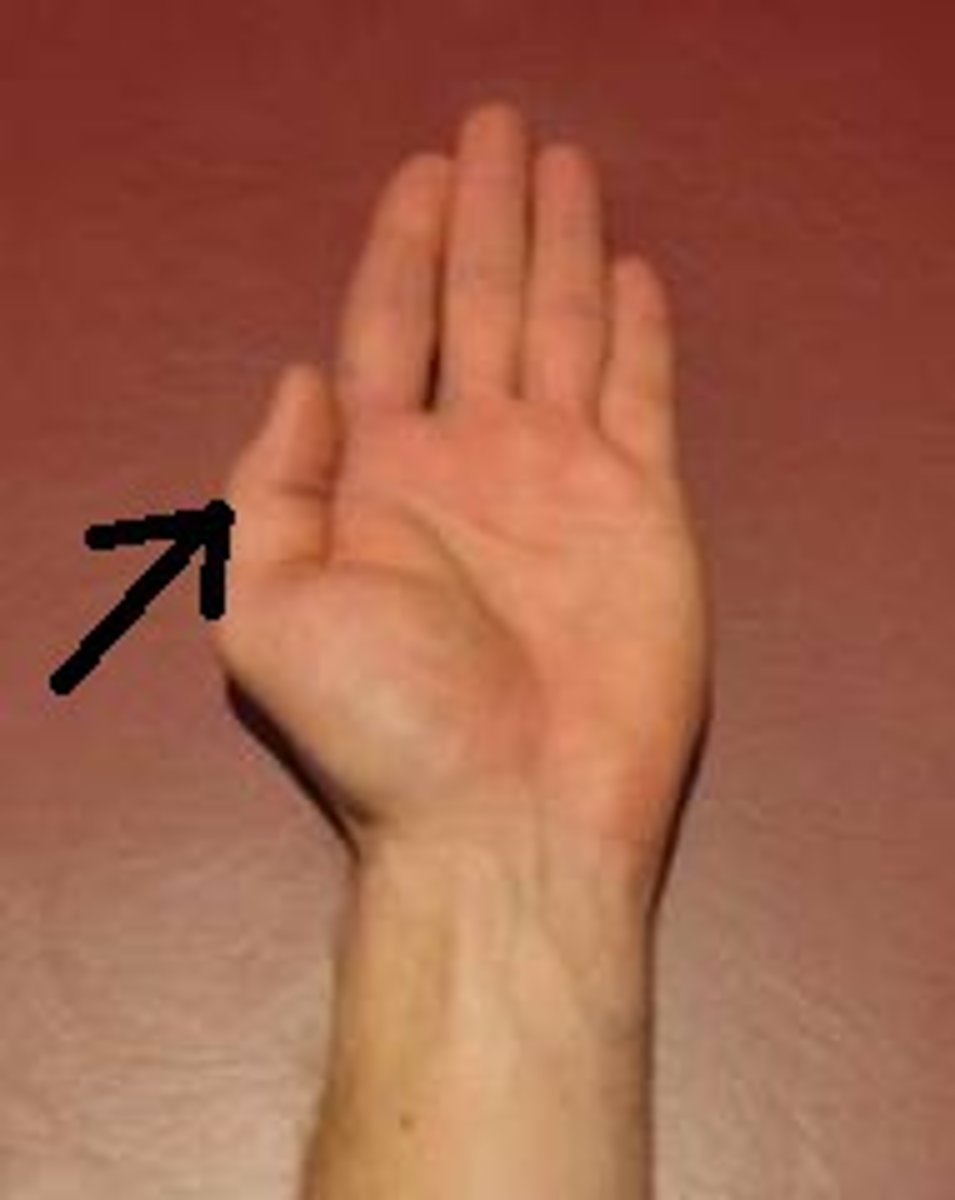
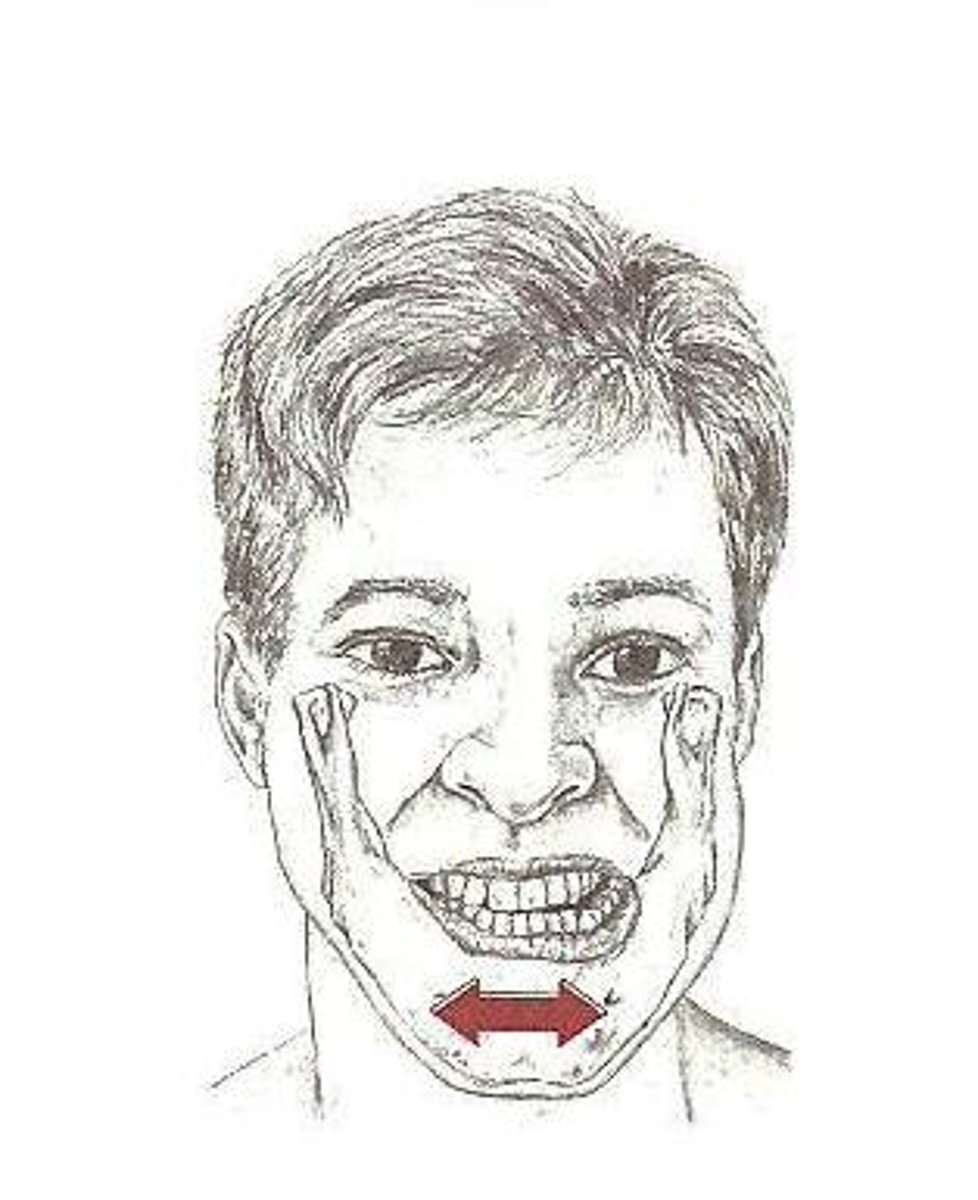
Mandible lateral deviation
Inversion of the Foot
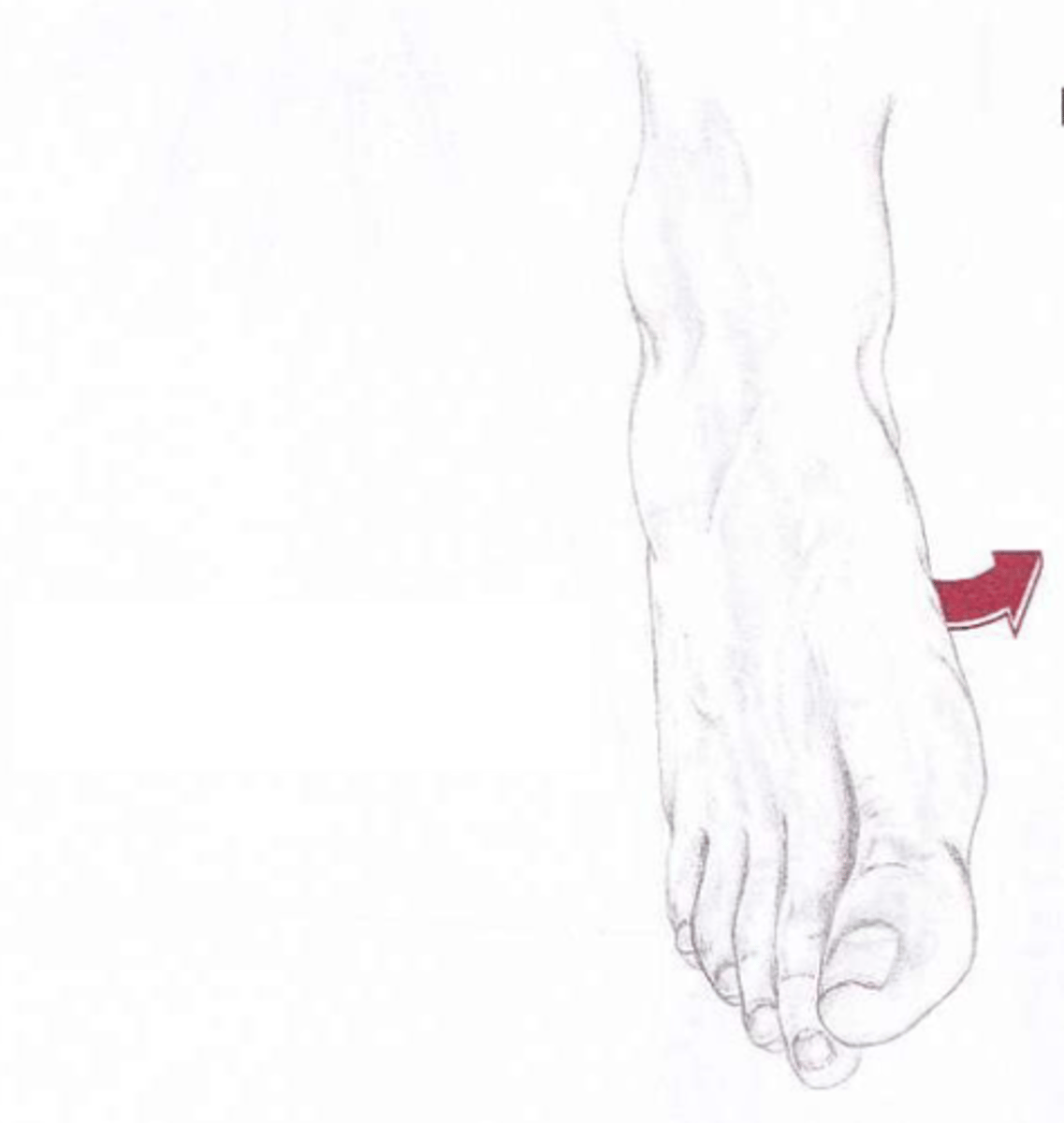
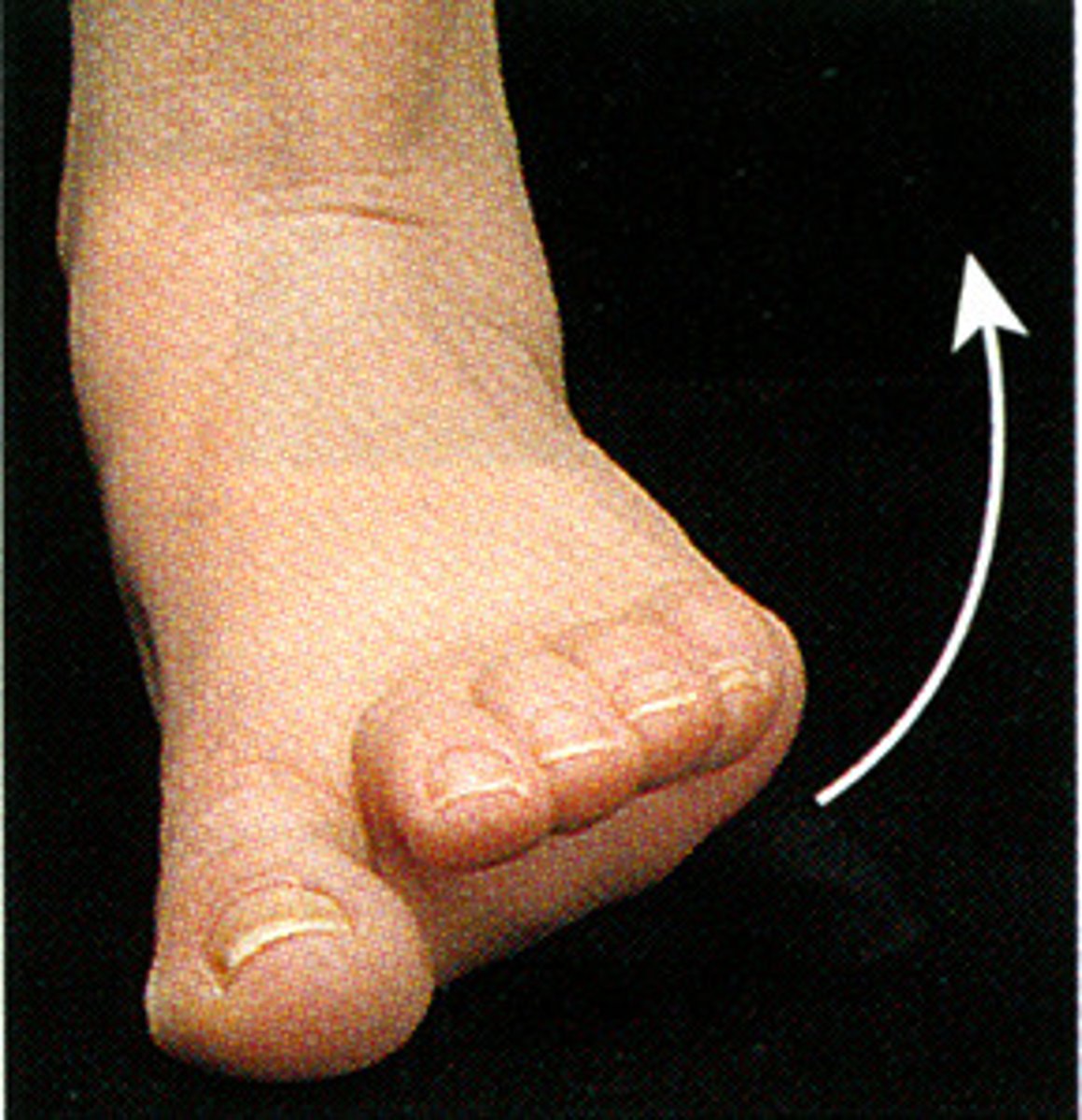
eversion of foot
dorsiflexion of ankle
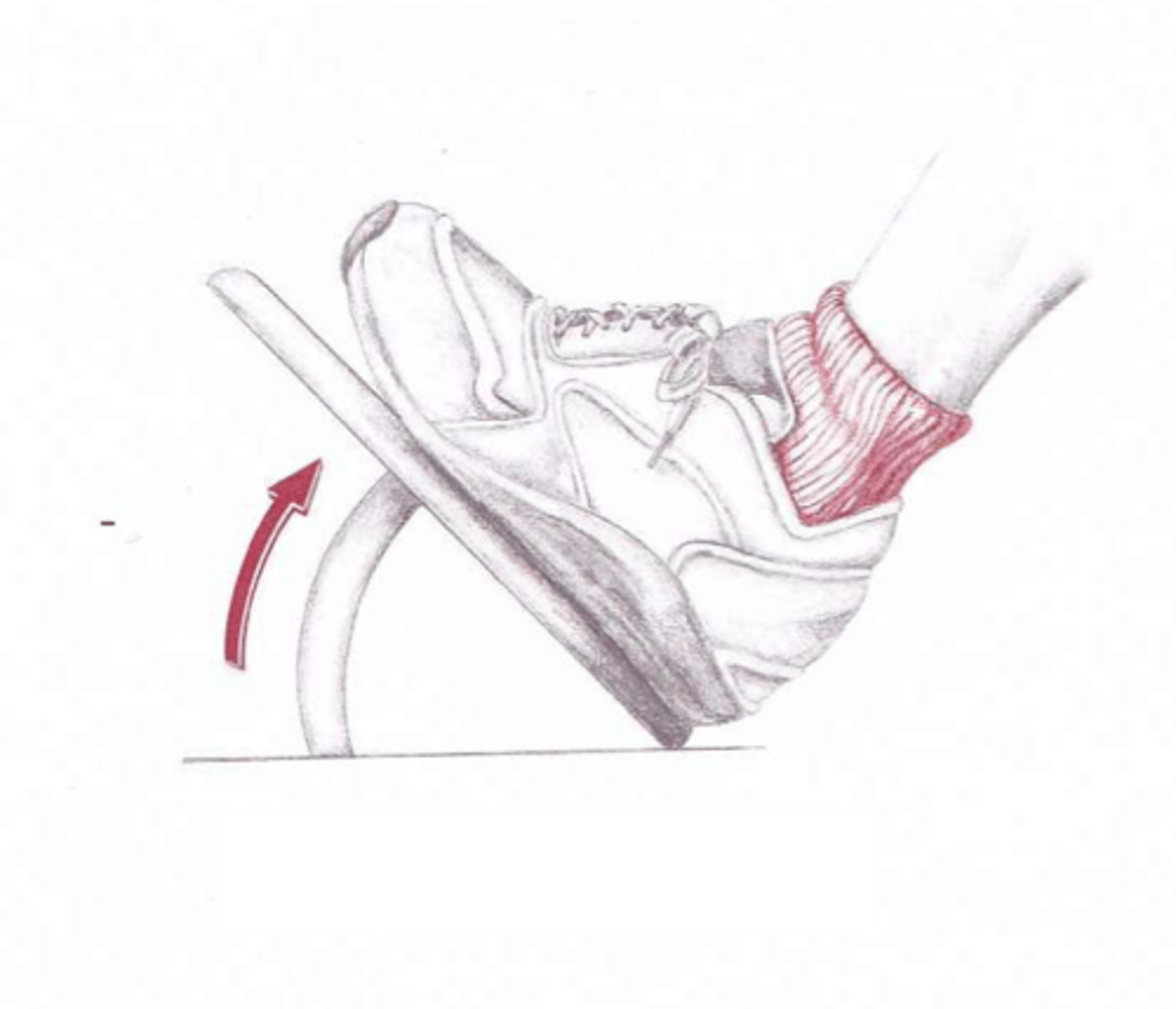
plantar flexion of ankle
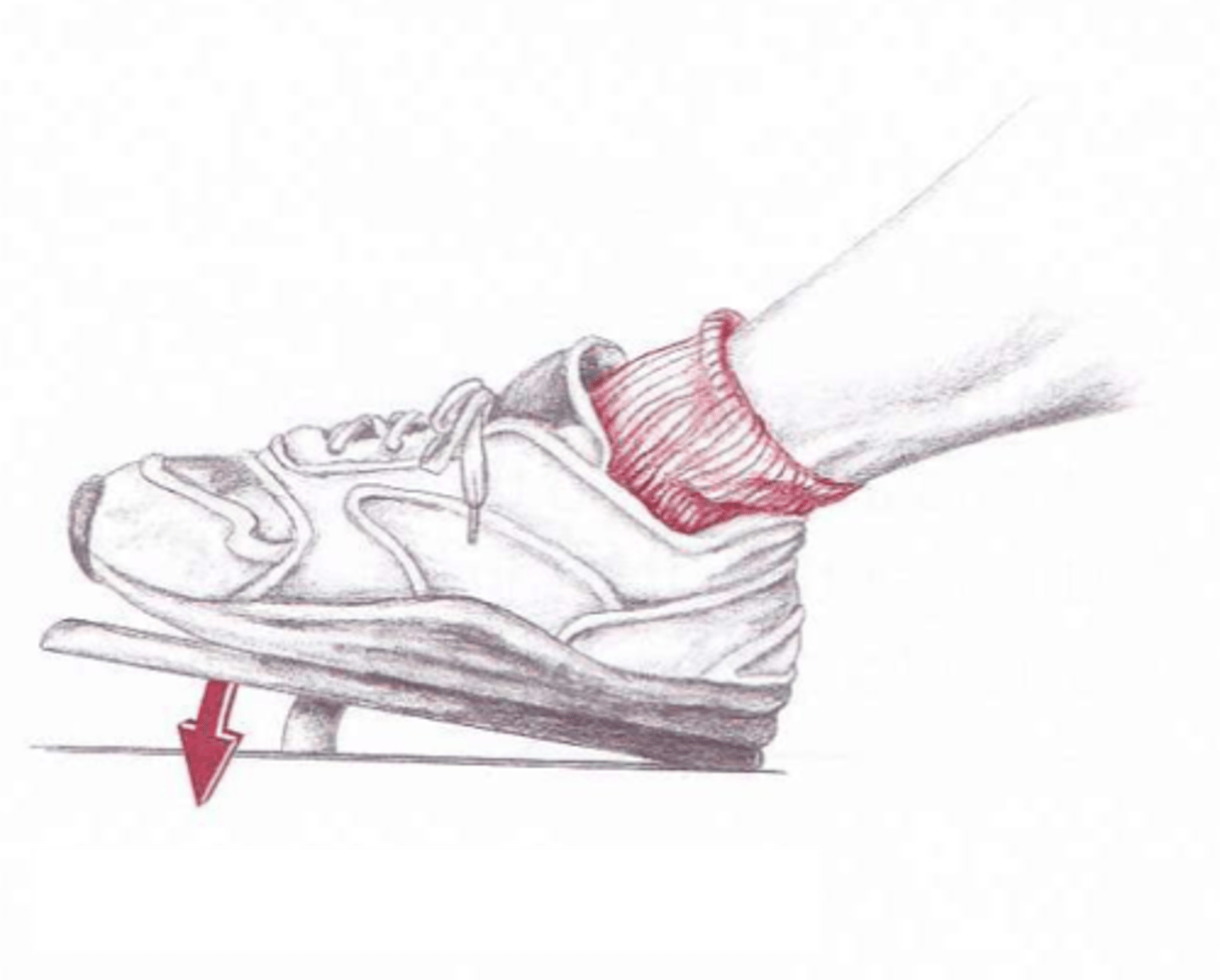
206
number of bones in the body
ligament
structure that connects a bone to bone
functions of the skeletal system
support, protection, movement, storage, blood cell production
axial skeleton
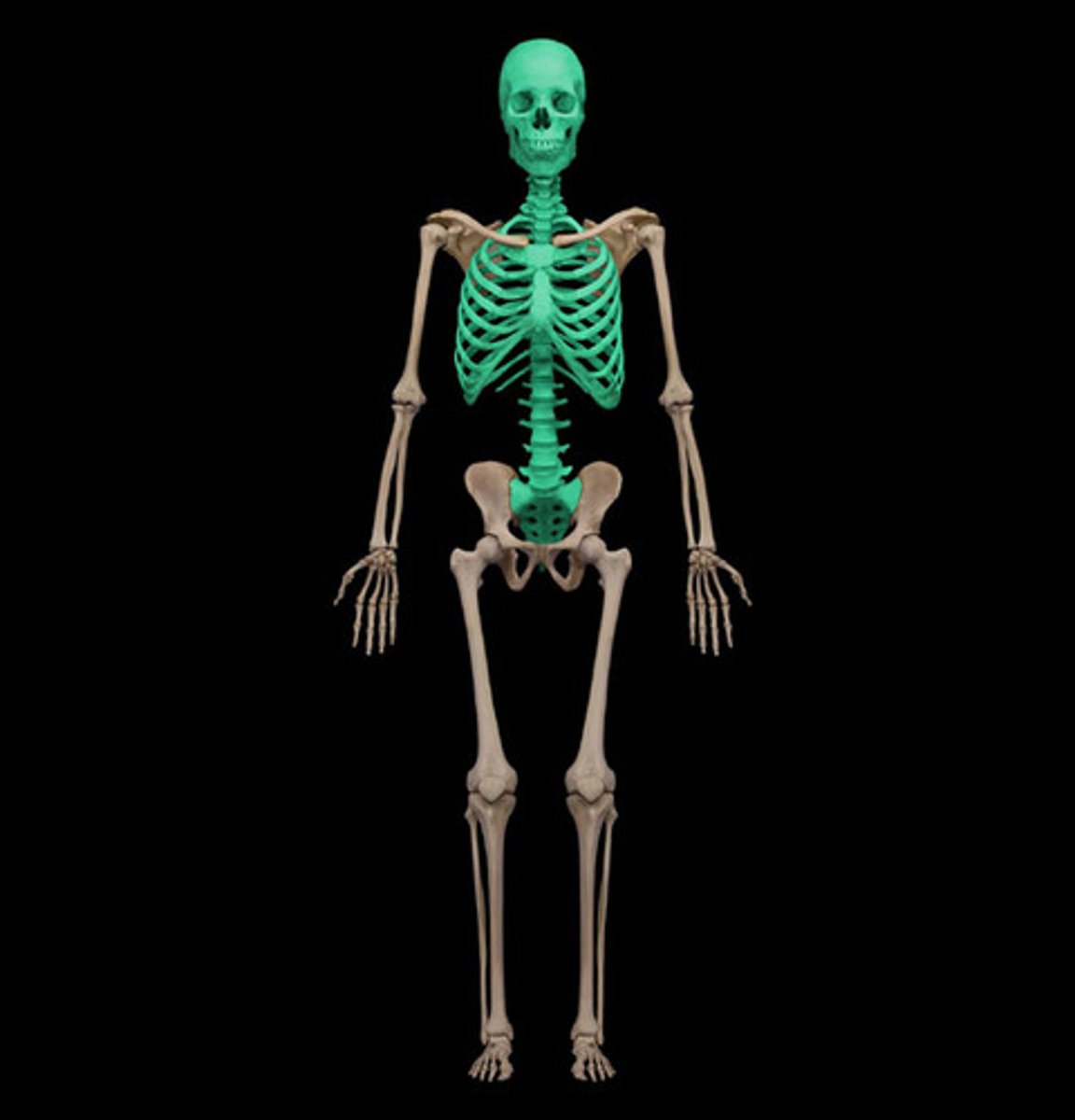
appendicular skeleton
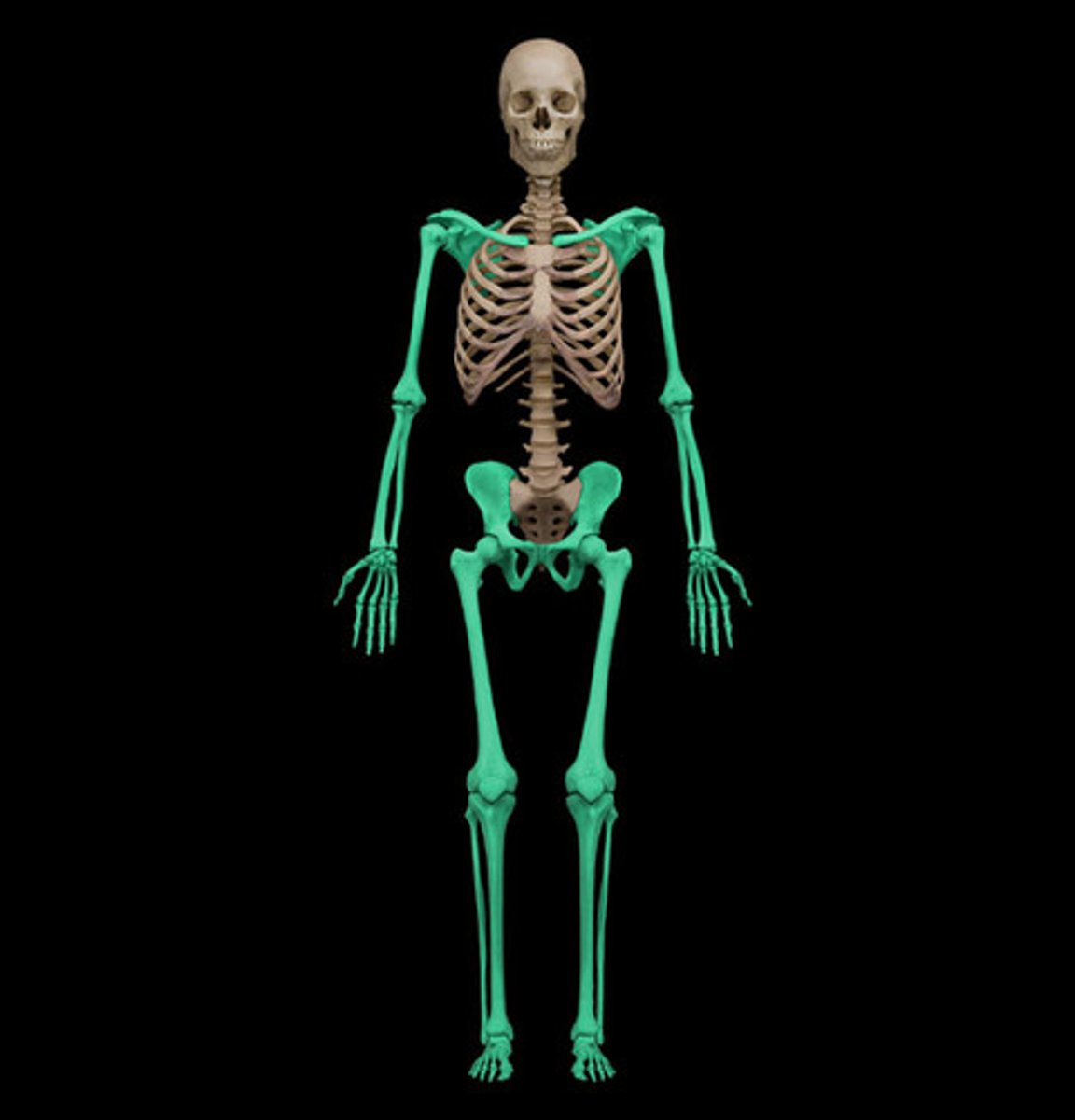
Process
small bump
Tuberosity
Large rounded projection; may be roughened
Tubercle
small rounded projection
Spine
big raised ridge
Condyle
A smooth, rounded articular process
Epicondyle
Raised area on or above a condyle
Articular Surface
surface of a bone that moves against another bone.
Fossa
Shallow, basinlike depression in a bone, often serving as an articular surface
Foramen
Round or oval opening through a bone
Tendon
Connects muscle to bone
origin
attachment of a muscle that remains relatively fixed during muscular contraction
Insertion
The attachment of a muscle tendon to a moveable bone or the end opposite the origin
Reverse muscle Action
when distal bone is stabilized and proximal bone moves
Closed Chain
Exercise is when the body moves over a fixed distal segment
open chain
distal segment is free to move
Aponeurosis
pearly-while fibrous tissue that takes place of a tendon in sheetlike muscles having a wide area of attachment.
Septum
wall, dividing a cavity of structure into smaller ones
Interosseous Membrane
thin plane of fibrous tissue that separates many of the bones of the body
Retinaculum
band around tendons that holds them in place, its function is to stabilize tendons.
Parallel muscle
Muscle with fibers that are oriented parallel to that muscle's longitudinal axis.
Types of parallel muscle
strap, fusiform, flat, sphincter, triangular
pennate muscle
A muscle with fibers that align obliquely with the tendon, creating a featherlike arrangement.
types of pennate muscle
unipennate, bipennate, multipennate
triangular muscle
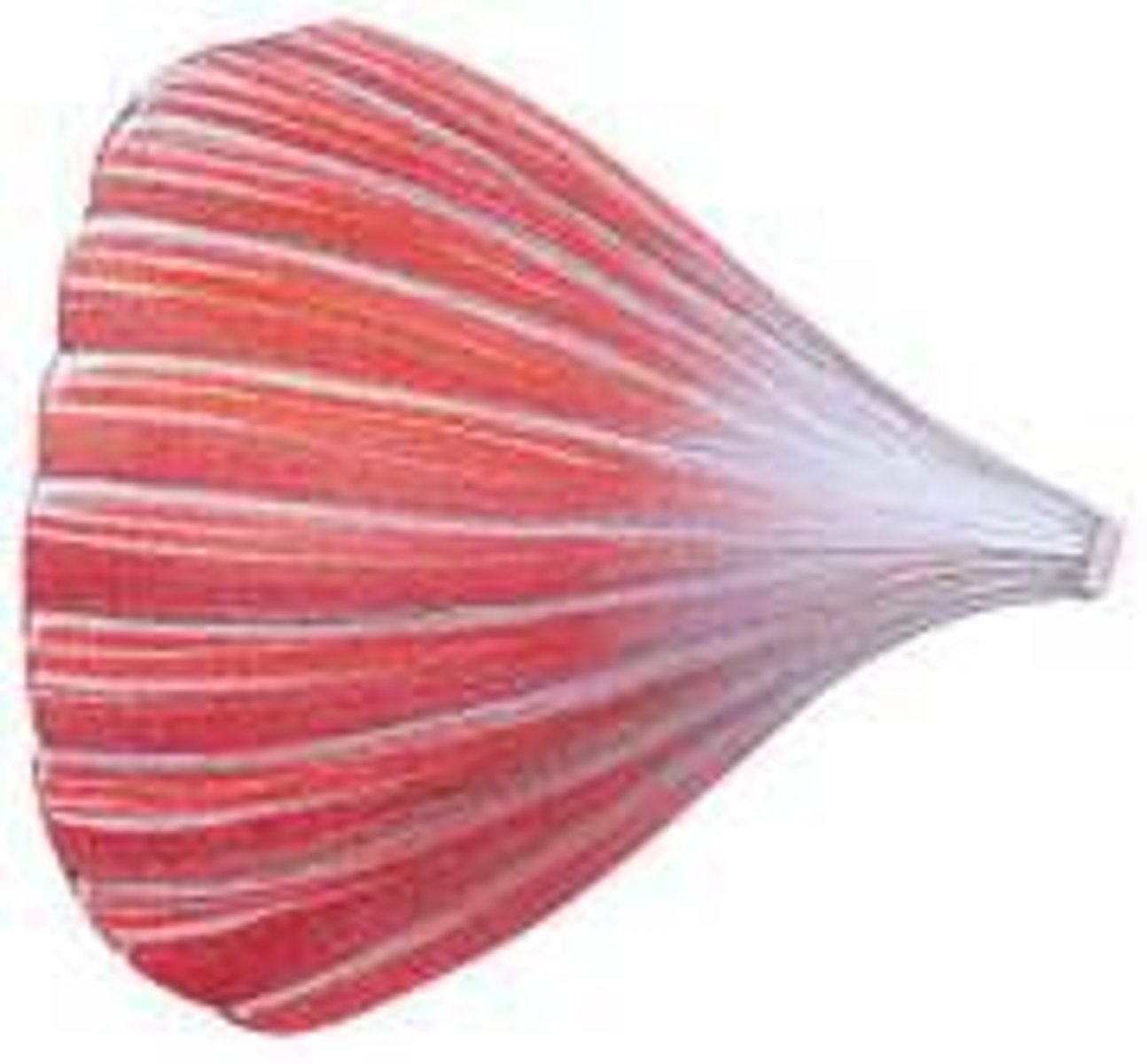
strap muscle
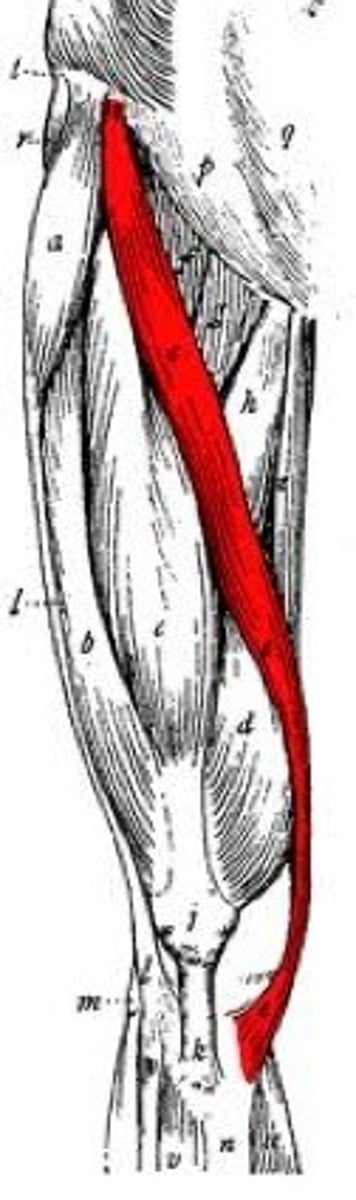
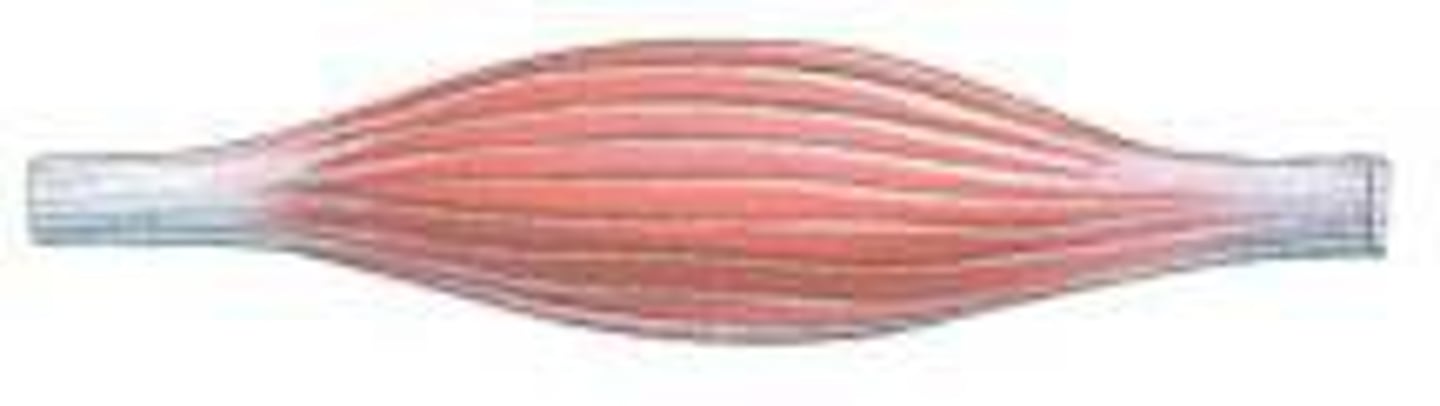
fusiform
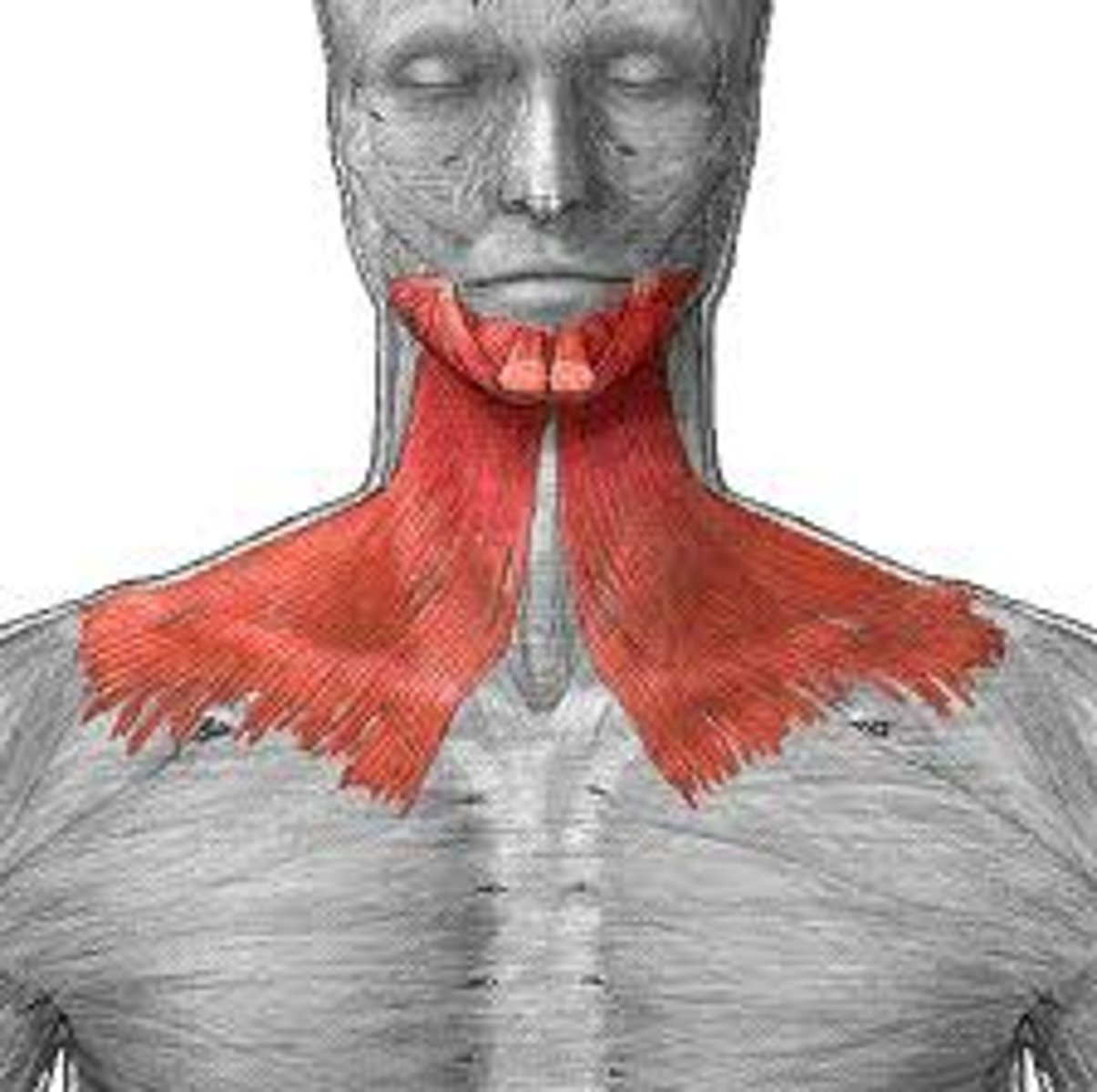
flat muscle
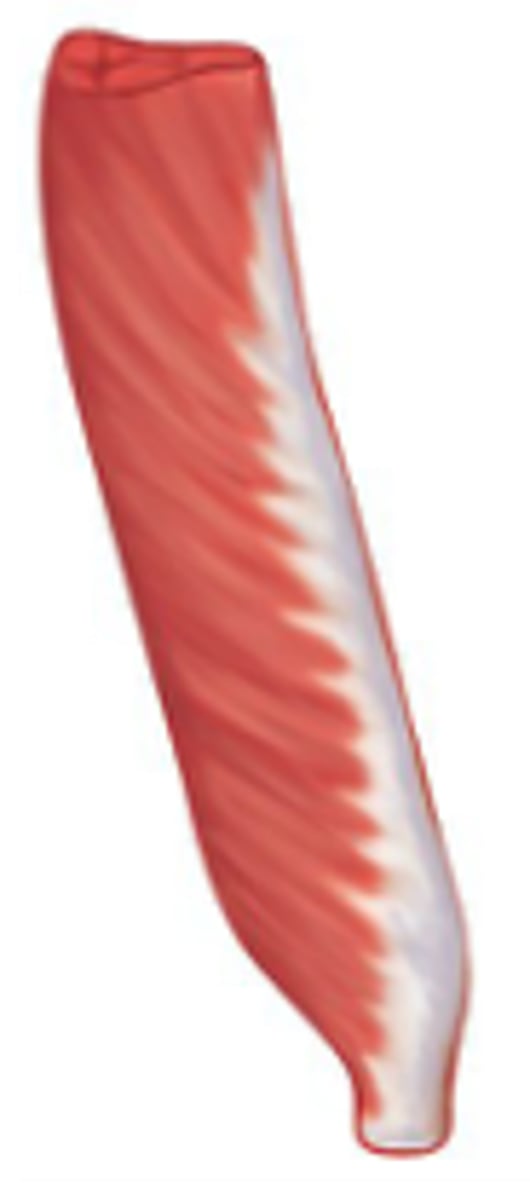
unipennate muscle
Bipennate
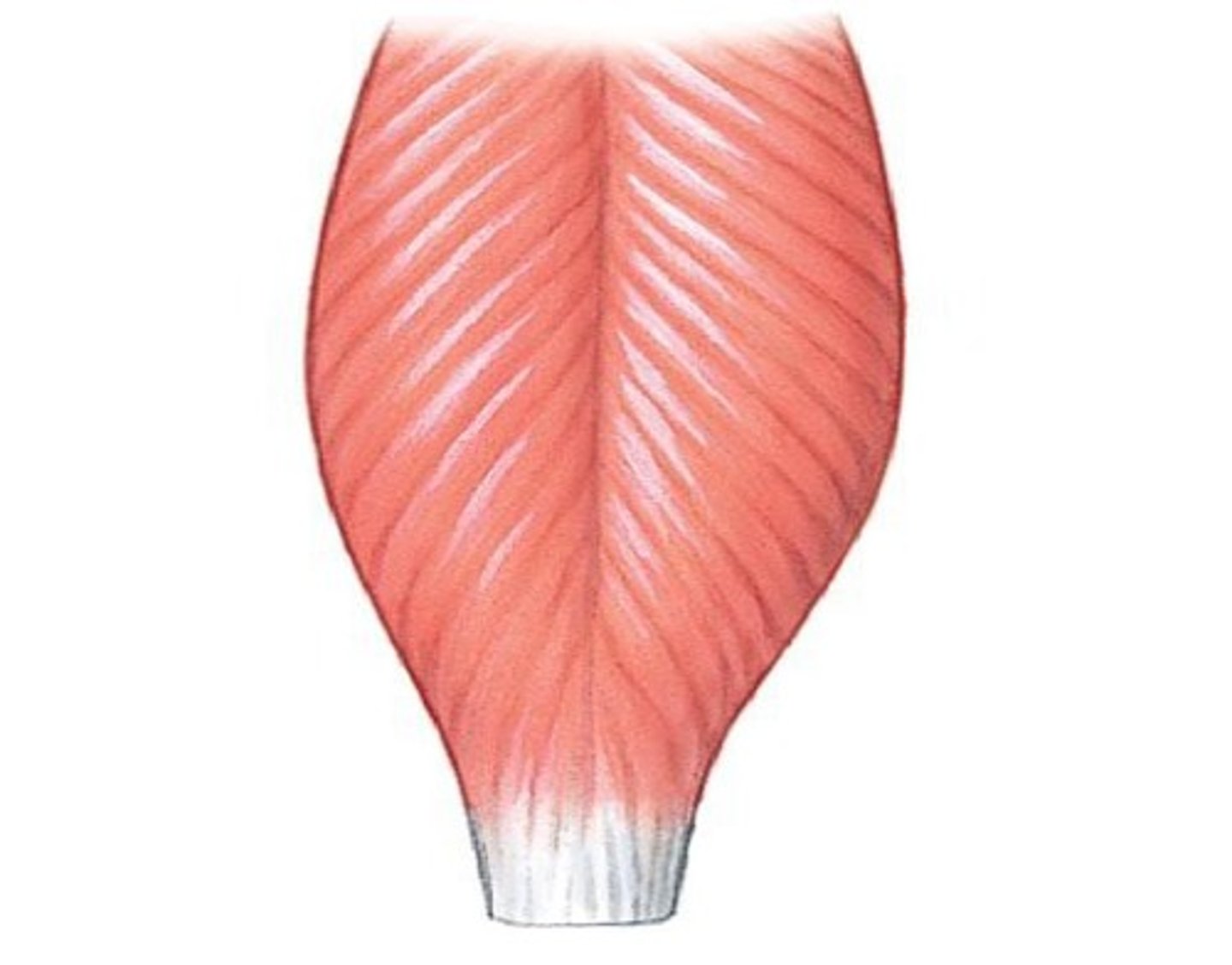
multipennate muscle
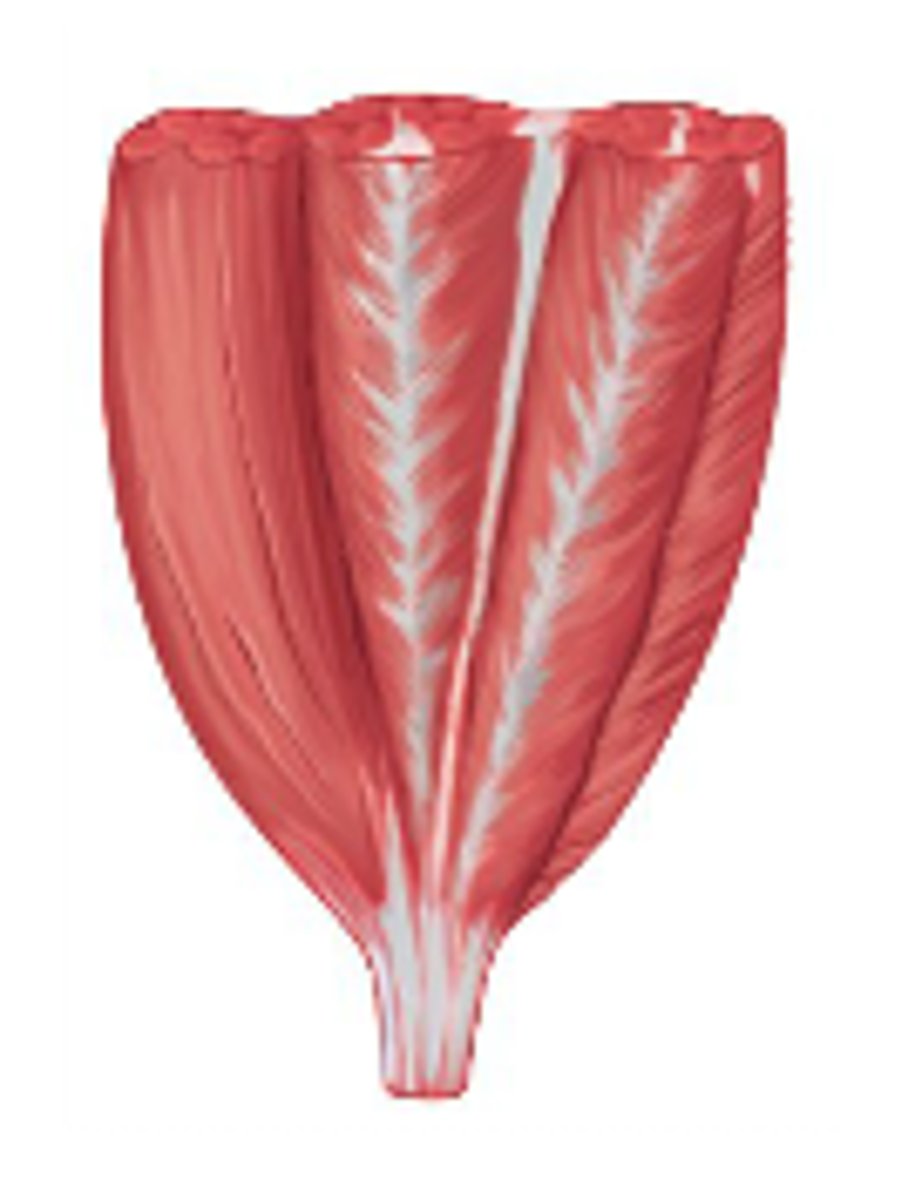
Isometric
same length
contraction
the tightening of a muscle
concentric
muscle shortens
 Note
Note  Flashcards (225)