predator prey dynamics
 Call Kai
 Learn
Learn Practice Test
 Spaced Repetition
 Match
Match Flashcards
 Knowt Play
1/9

There's no tags or description
Looks like no tags are added yet.
Name | Mastery | Learn | Test | Matching | Spaced | Call with Kai |
|---|
No analytics yet
Send a link to your students to track their progress
10 Terms
historic predator-prey models
Lotka-Volterra model, Guase, Huffaker (mites and oranges), Holling, Morris, Errington
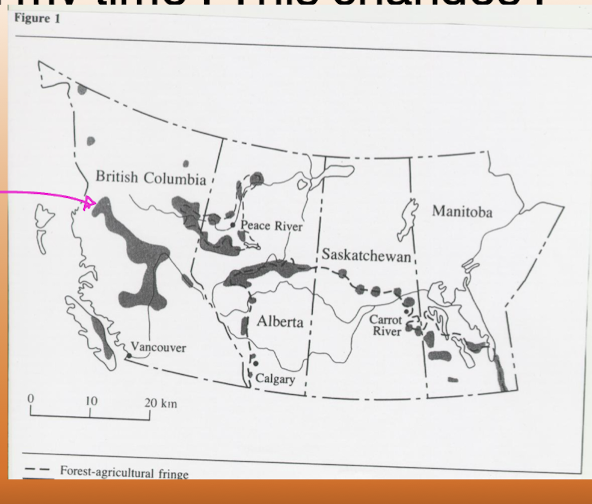
wolf-livestock tension zones in AB
where wolves and agriculture interacts
government compensation when wolves kill livestock
ways to study wolves in the field
observations, scat collections, carcasses (inform population structure and reproduction), radio tracking with VHF radios,
more common now are satellite tracking and computer technology
wolf and man competition?
each wolf in NWT kills about 25-35 caribou per year, wolf eradication thus saved about 207 000 caribou
modern calculations say that one elk is worth about $2000 in food
similarly, wolf kill about 22 elk per year which then = $44 000
do wolves surplus kill?
not very common, only if they had so much food at one point
some examples of them partially killing calves to feed on milk curds in the stomach
wolf control in NWT 1950s
6890 wolves were poisoned in ten years to protect food supply for northern communities (probs wouldn’t pass today considering public input)
rough calculations assume approx 3500-6289 tons of human food lost to these 6000 wolves
caribou declines in NWT
bathurst herd declined from 470 000 in 80s → 8200 in 2019
bluenose herd declined from 100 000 in 2010 → 19 000 in 2019
HUGE declines attributed to wold predation, human hunting, climate change, fires, and more
wolves in yellowstone
historically persecuted by govt and ranchers, last killed in 1926
but lack of wolves and other large predators resulted in massive increases of elk, peaking at about 14 000 → ecosystem services and biodiversity threatened
reintroduced in 1995 w wolves from alberta, also contributed to the increase in bison numbers
ecological cascade effects
huge increases in tourism revenue and visitation with the reintroduction (compared to minimal losses in hunting)
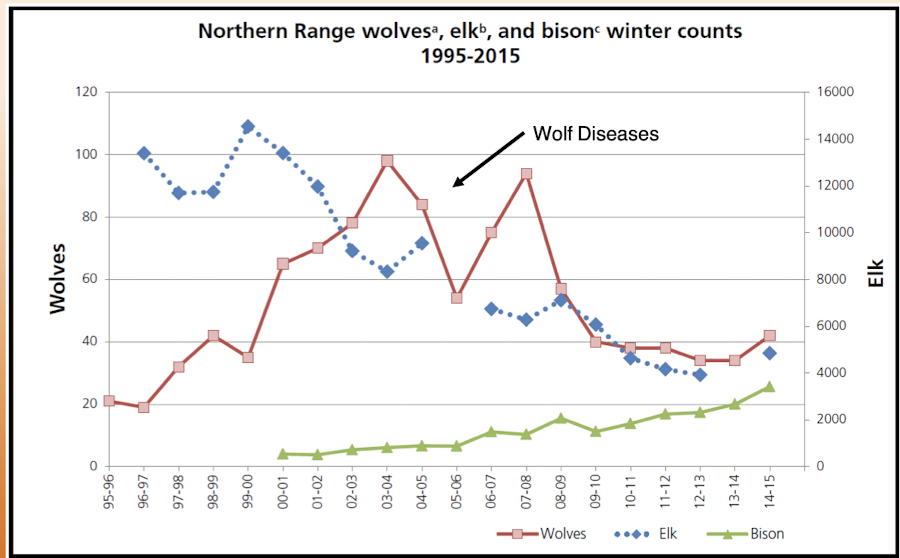
diseases in wolves
canine distemper - viral and impacts adults
parvo virus - kills pups, very contagious
rabies - bacterial, contagious via biting, dangerous to humans and warm blooded hosts
mange - ecto-parasite, recovery is possible but contagious
ungulate disease in yellowstone
brucellosis
infection rate varies depending on feeding grounds
only elk transfer to cattle, bison do not

