HOSA Medical Terminology
 Call Kai
 Learn
Learn Practice Test
 Spaced Repetition
 Match
Match Flashcards
 Knowt Play
1/377

There's no tags or description
Looks like no tags are added yet.
Name | Mastery | Learn | Test | Matching | Spaced | Call with Kai |
|---|
No analytics yet
Send a link to your students to track their progress
378 Terms
Bruit
The unusual sound that blood makes when it rushes past an obstruction (called turbulent flow) in an artery. Heard when auscultated with a stethoscope.
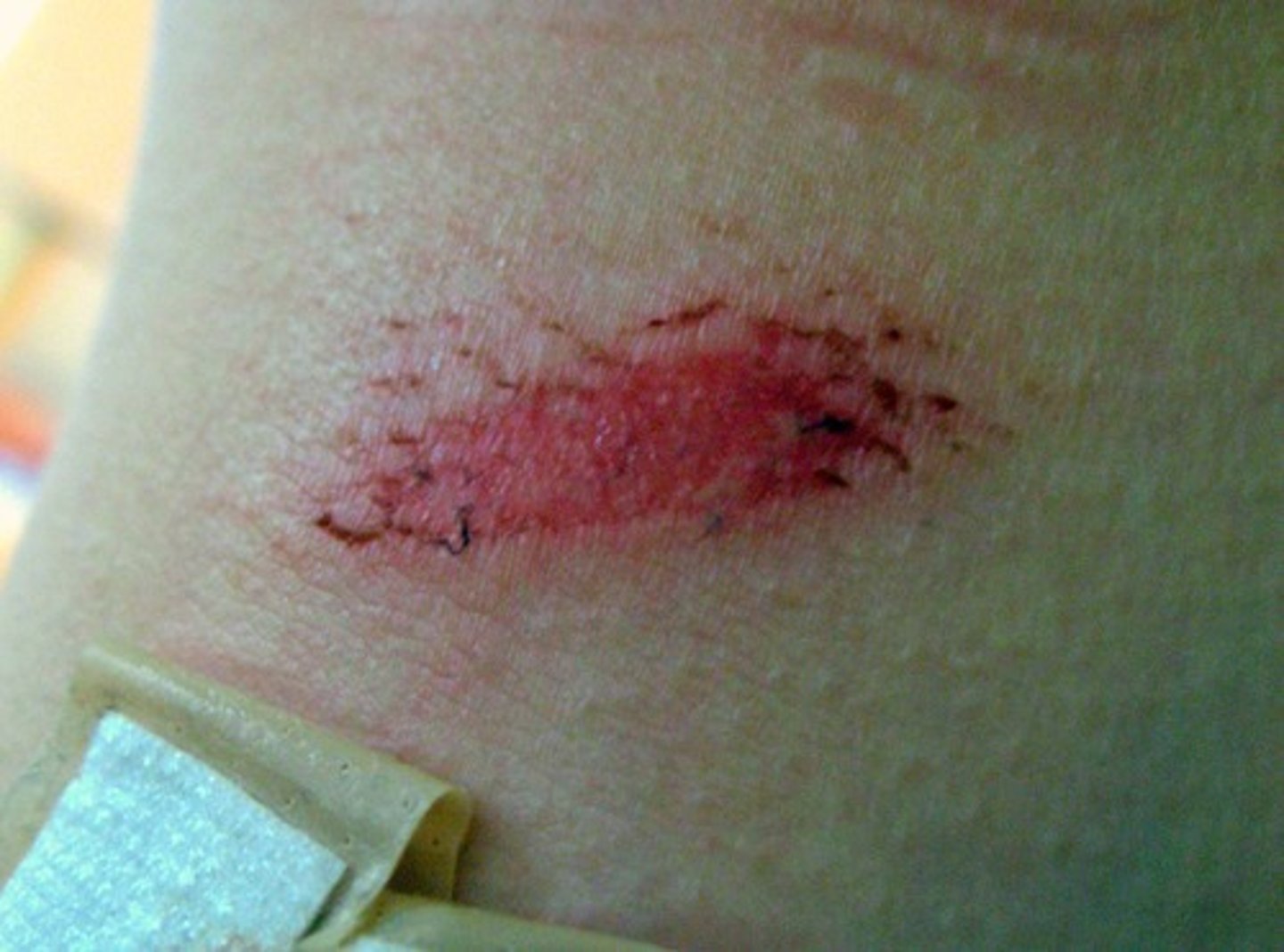
Abrasion
A wound caused by superficial damage to the skin
Acute
A disease with a rapid onset and/or a short course
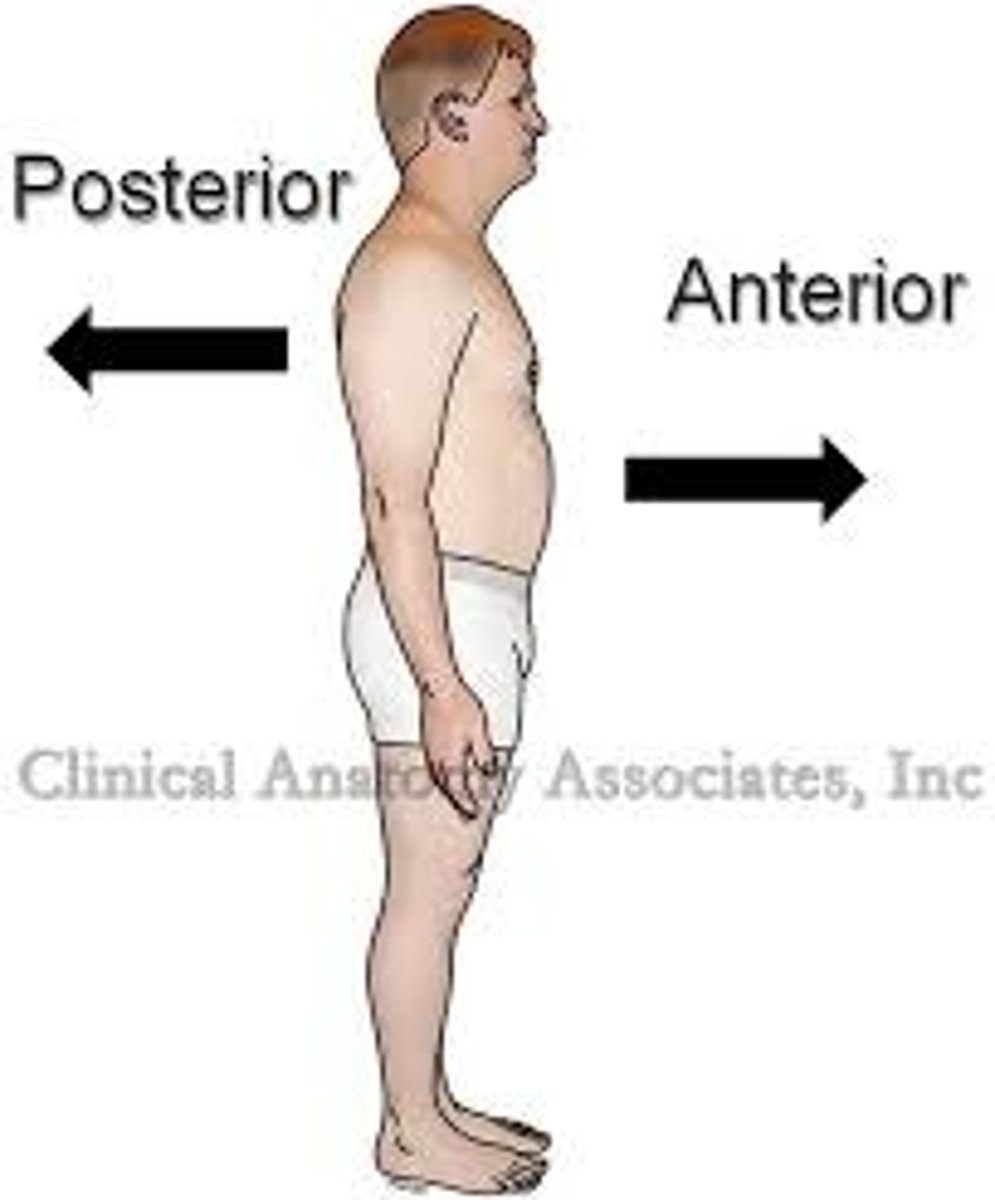
Anterior
Located towards the front of the body
Benign
Normal, of no danger to health.
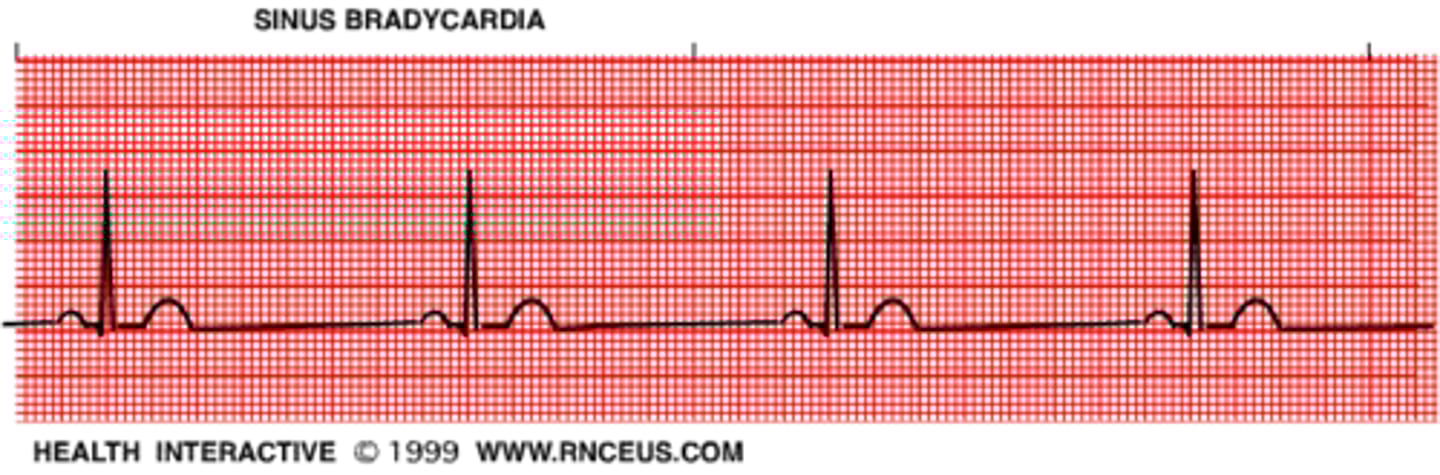
Bradycardia
Slow heart-rate (less than 60 bpm).
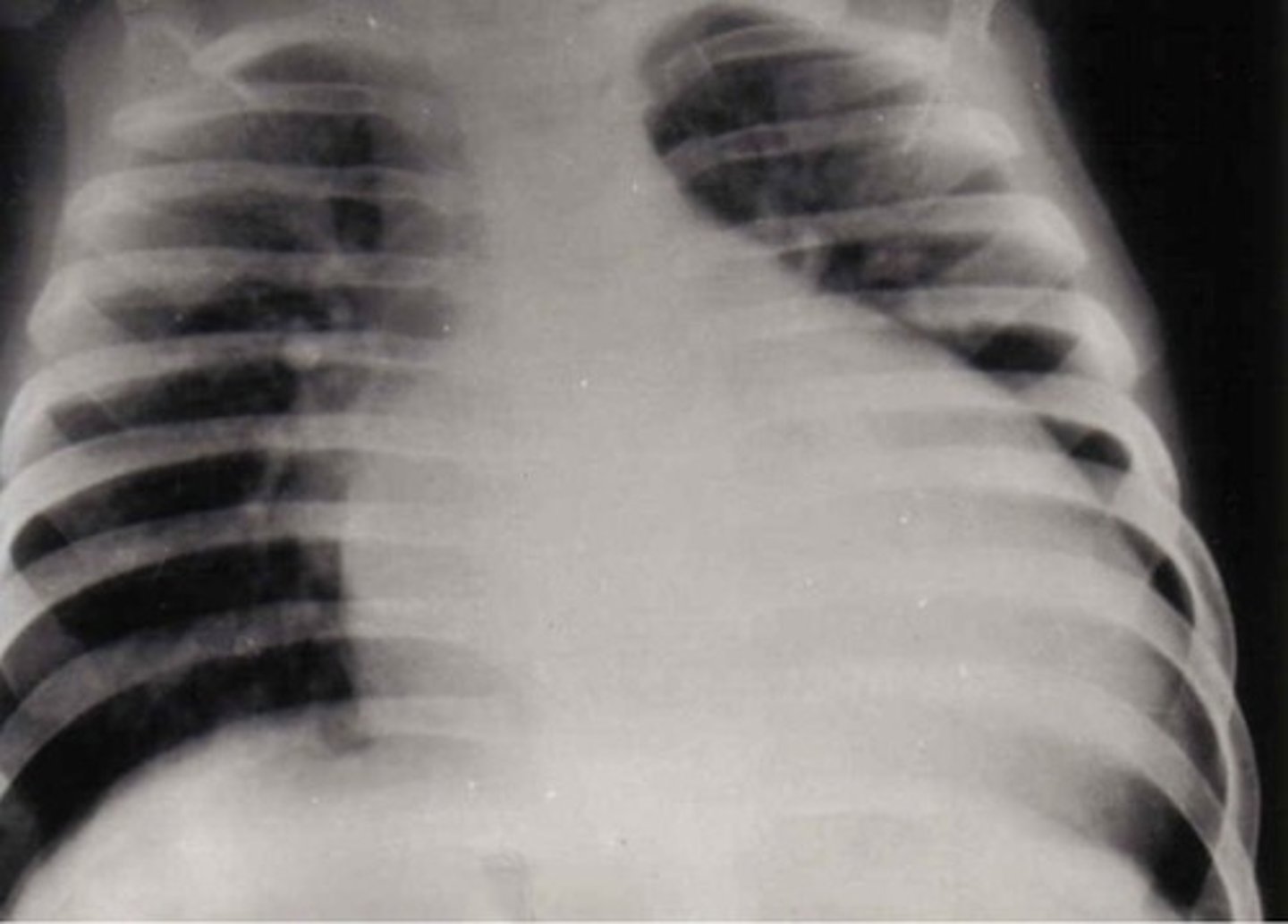
Cardiomegaly
Enlarged heart. (Seen on chest X-rays)
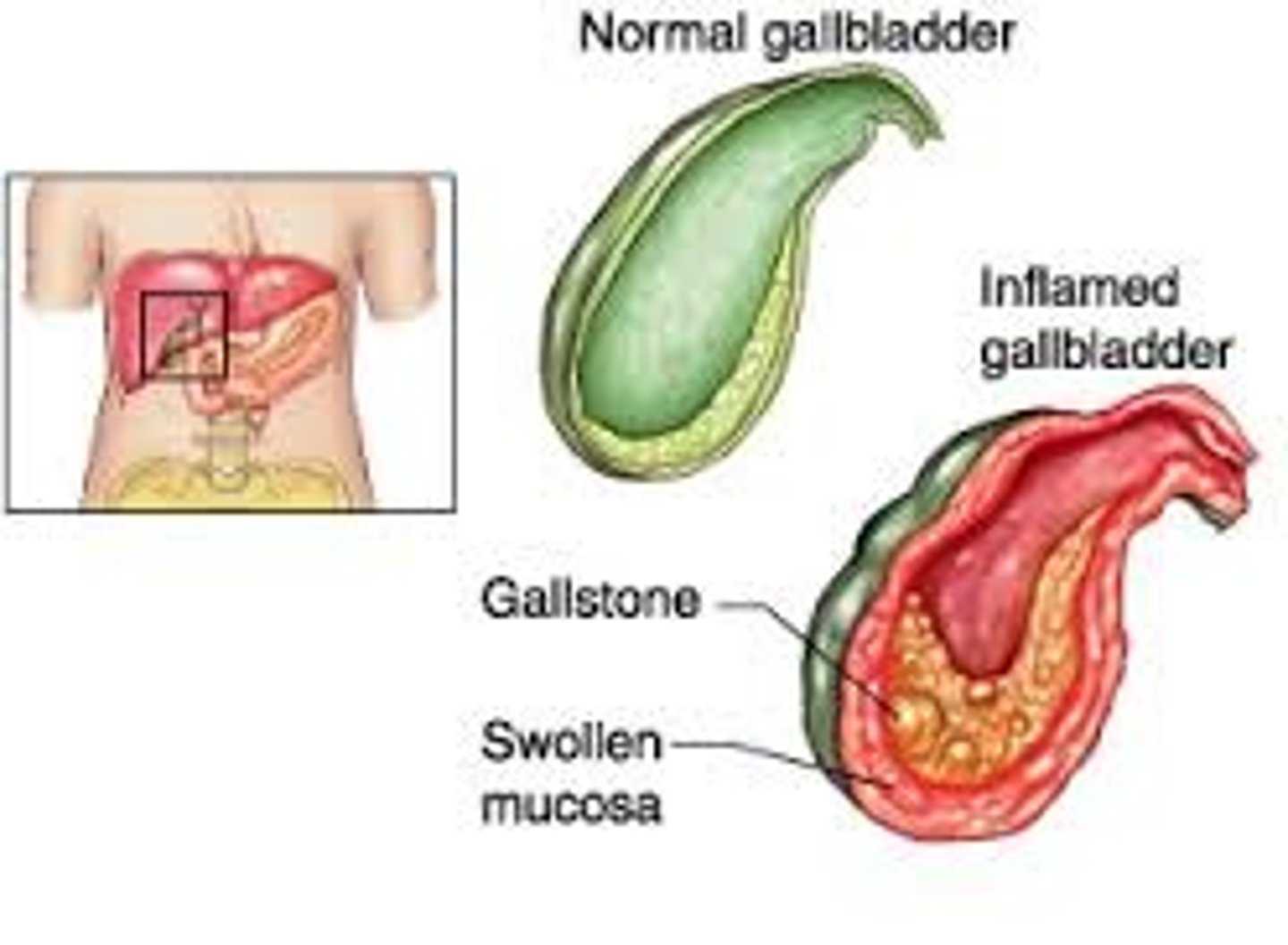
Cholecystitis
Inflammation of the gallbladder. (Seen on CT scans of abdomen)
Chronic
Long-standing, constant.
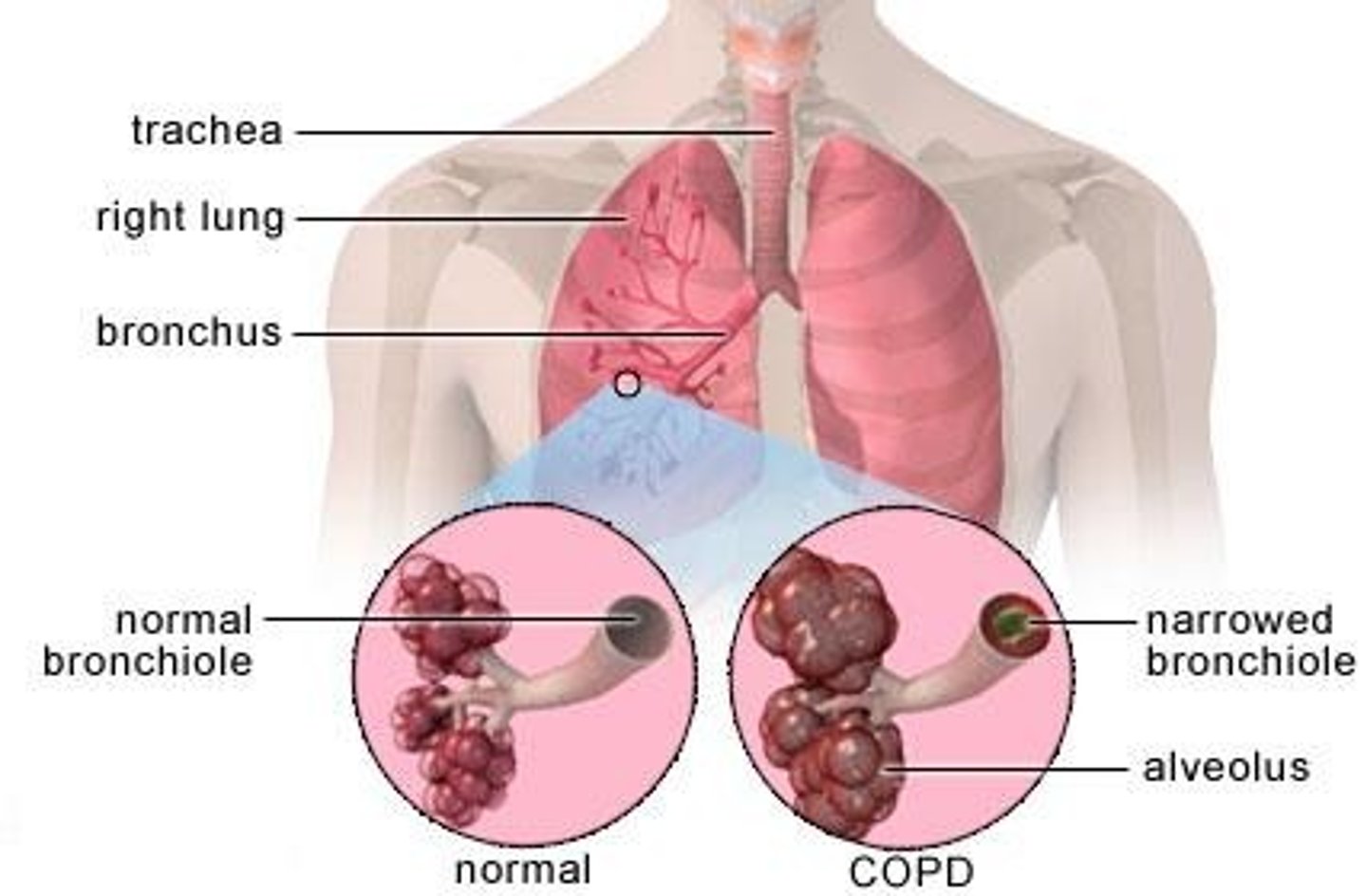
Chronic Obstructive Pulmonary Disease
A group of lung diseases that block airflow and make breathing difficult; commonly seen in smokers.
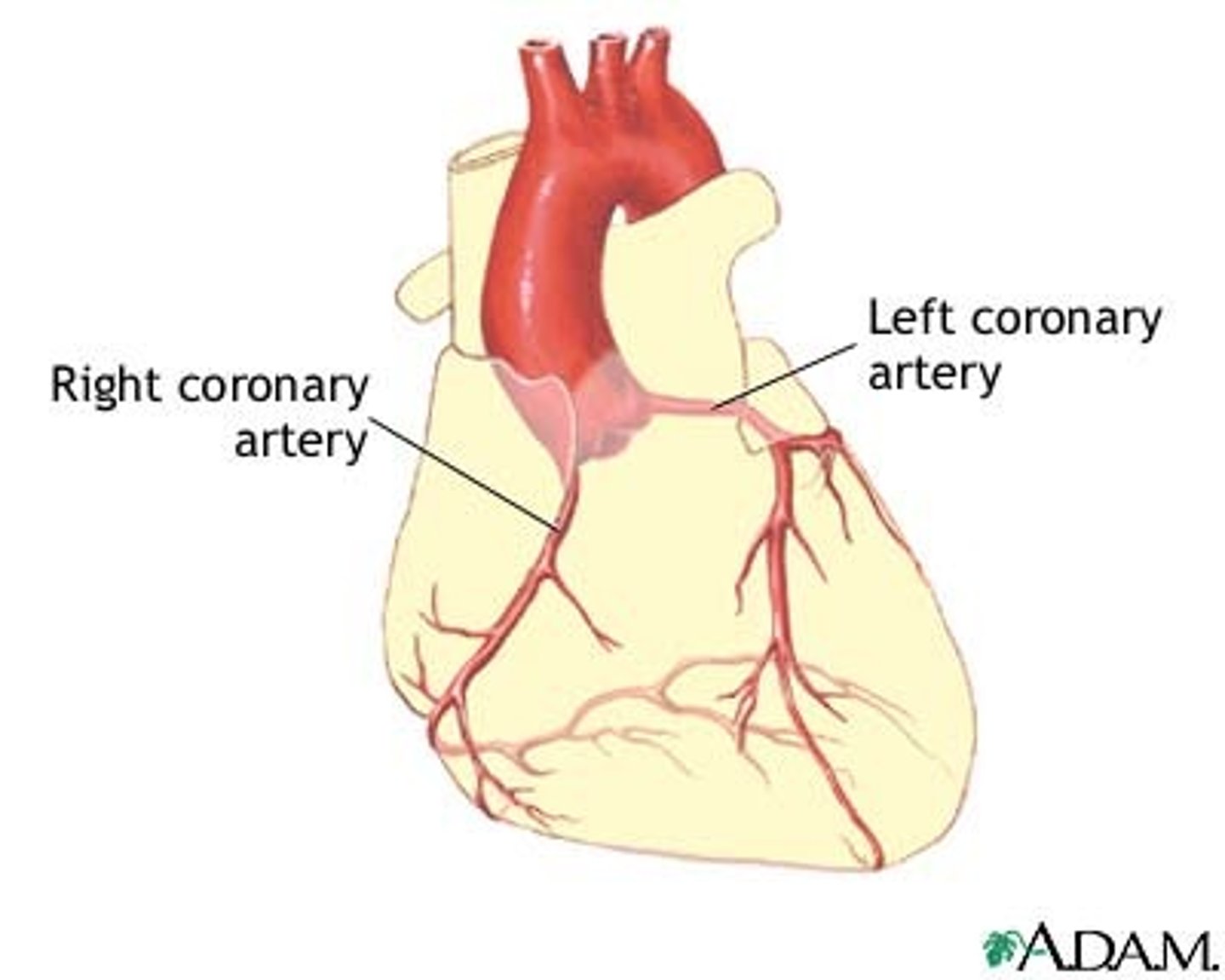
Coronary artery
The artery that supplies heart tissue with blood.
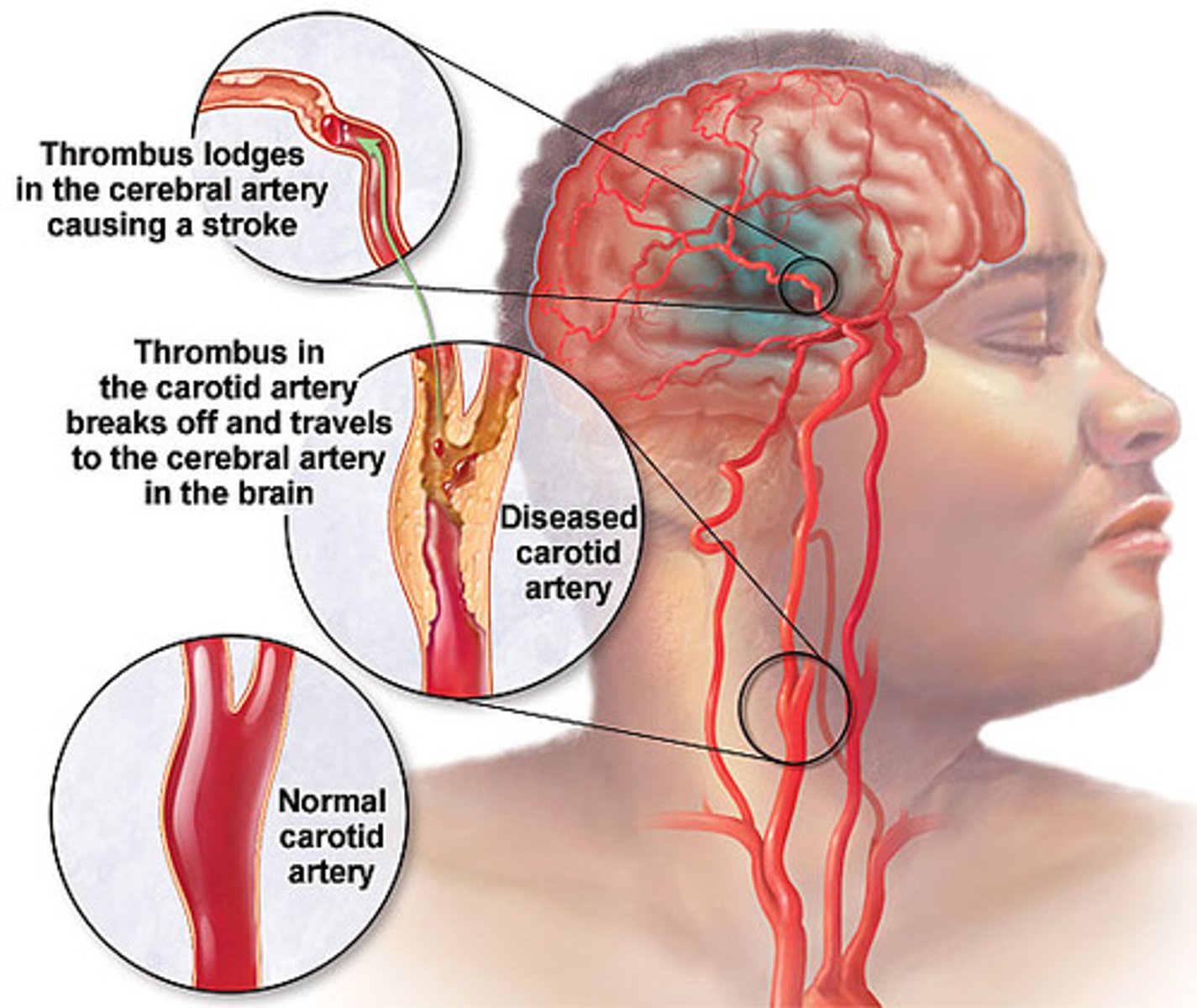
Cerebrovascular Accident
Stroke; The sudden death of some brain cells due to lack of oxygen when the blood flow to the brain is impaired by blockage or rupture of an artery to the brain
Diaphoresis
Profuse sweating caused by the body's response to stress

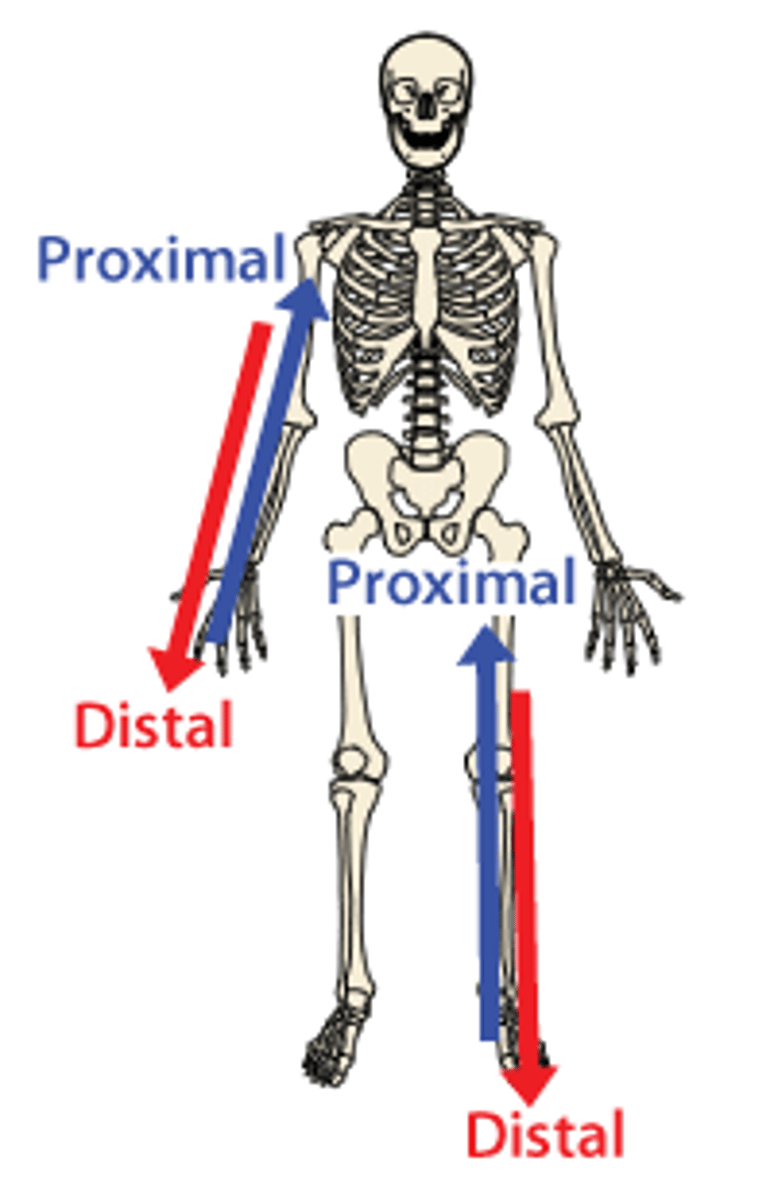
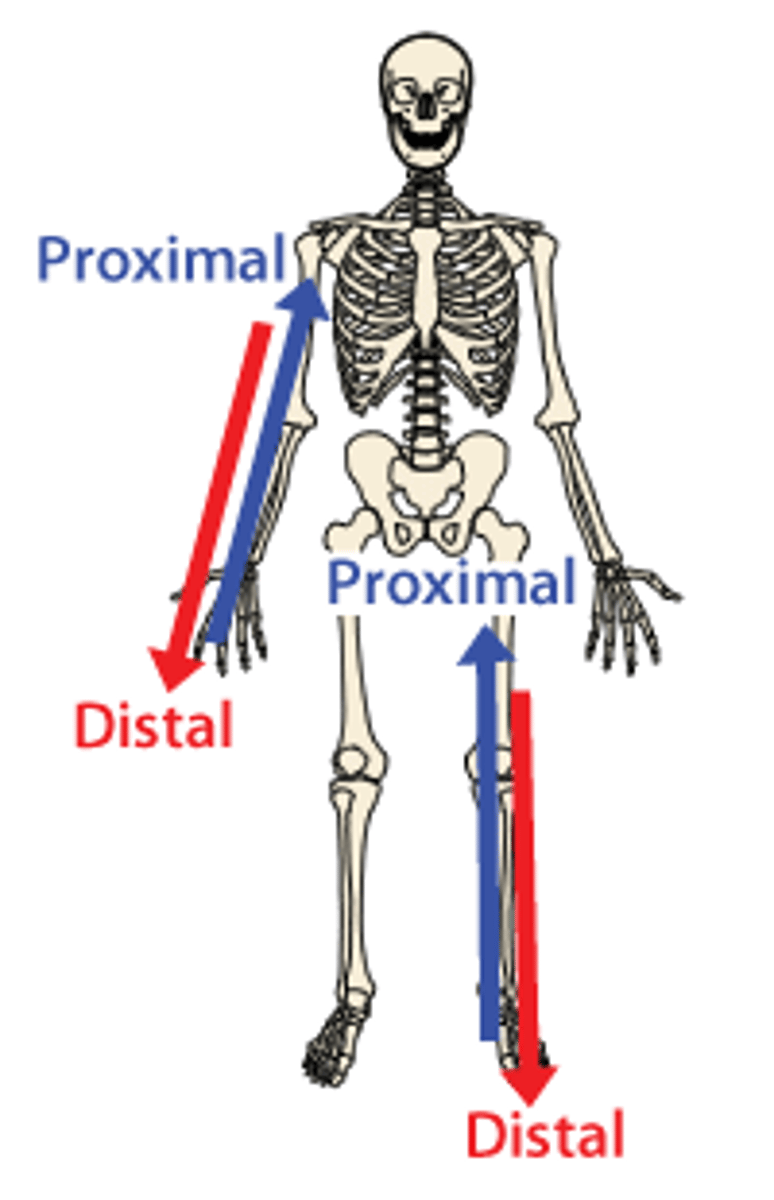
Distal
Away from the trunk of the body.
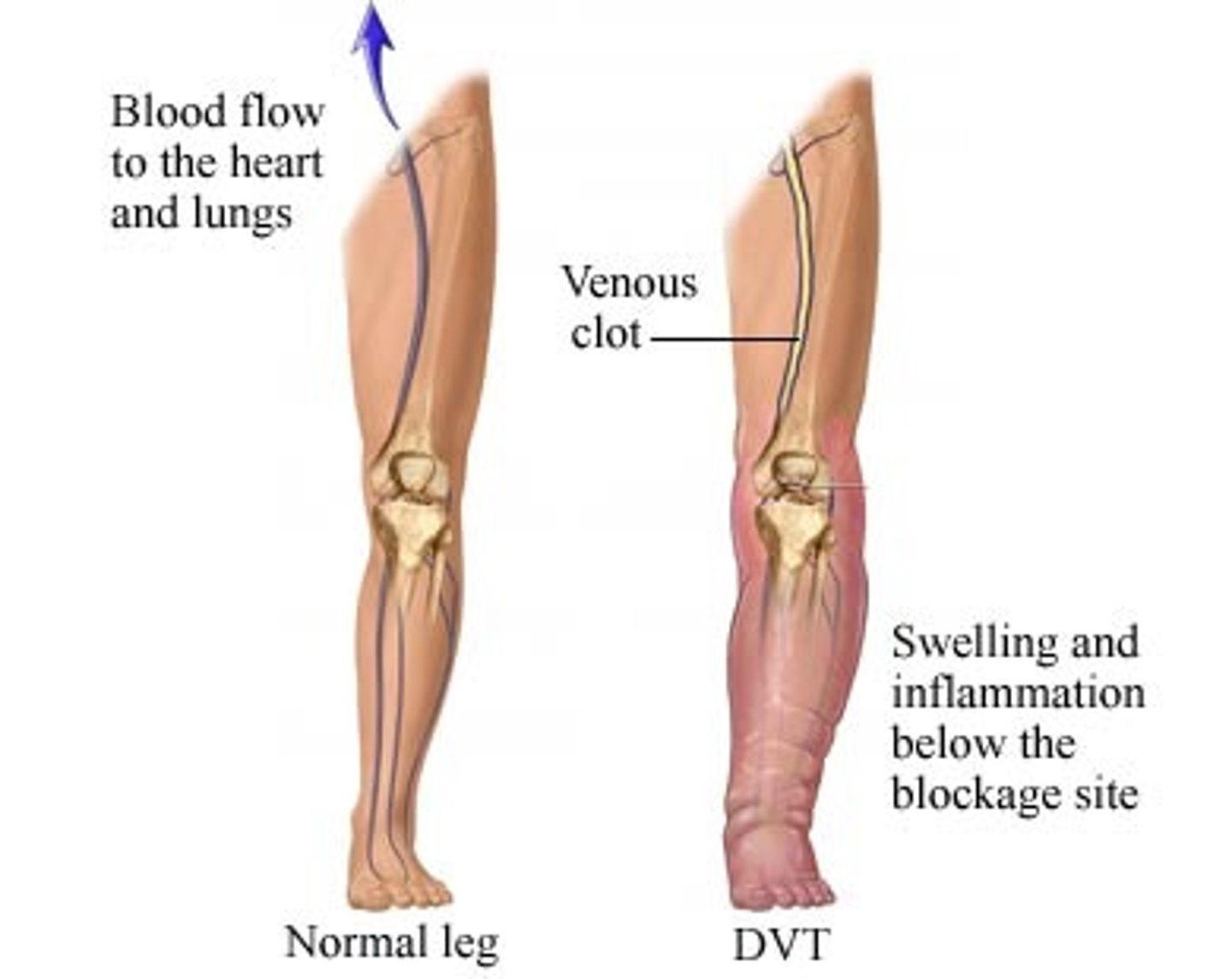
Deep Vein Thrombosis
A blood clot in a deep vein, most often an extremity.
Dyspnea
Shortness of breath.
Dysuria
Painful urination, often described as burning with urination.
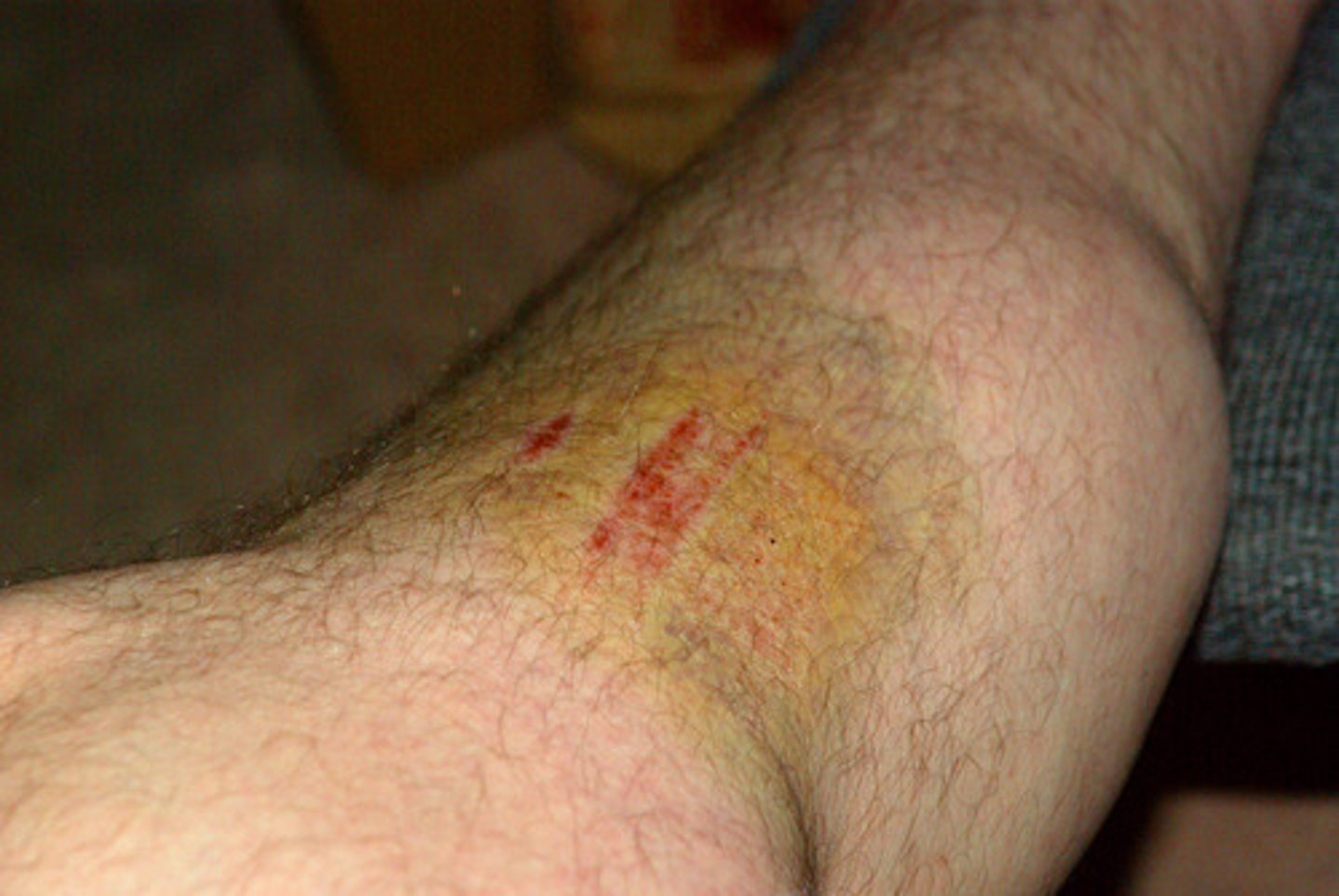
Ecchymosis
A bruise. A subcutaneous collection of blood.
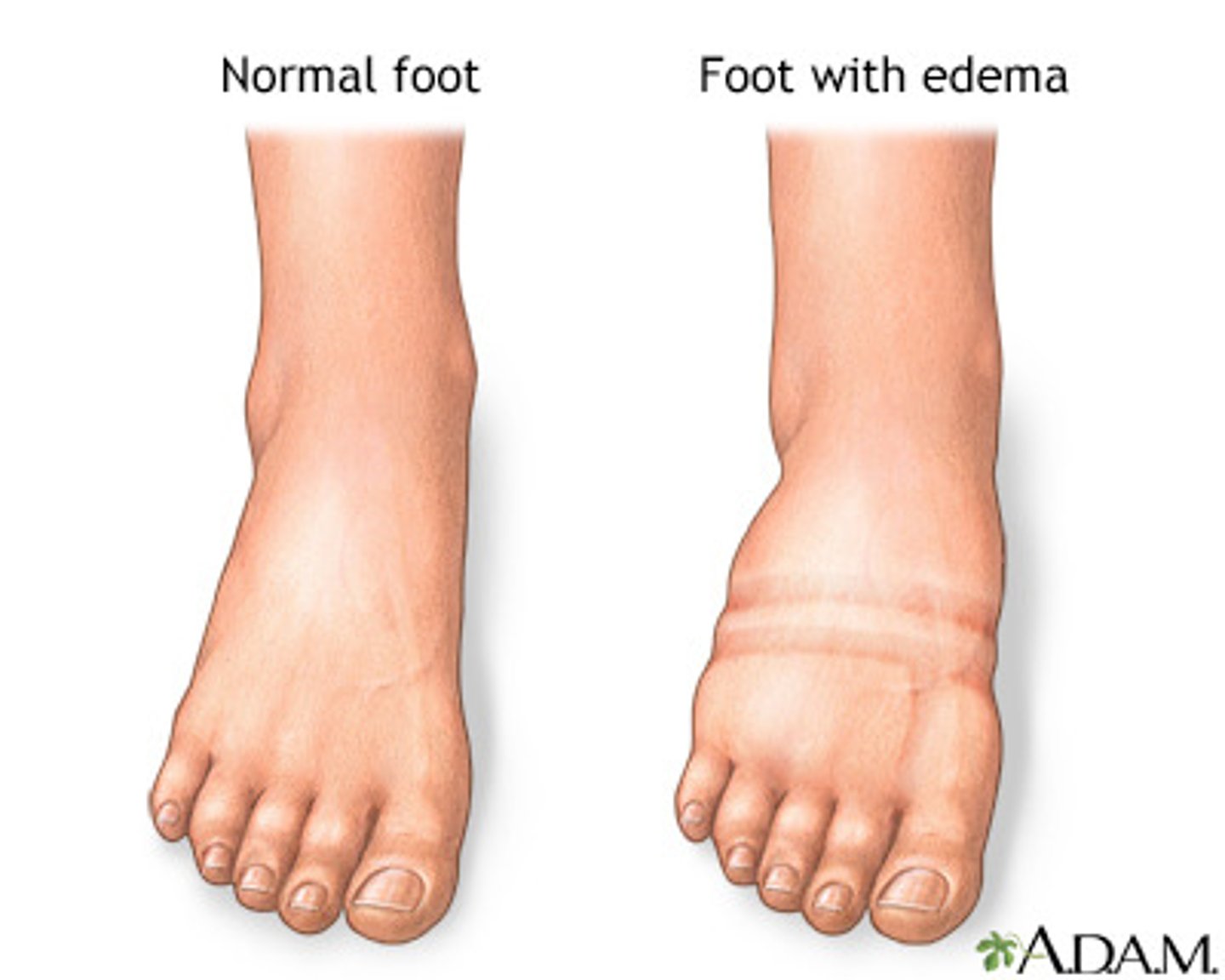
Edema
Swelling caused by excess fluid trapped in your body's tissues; Quantified as 1+, 2+,3+ during a physicians physical exam
Emesis
Vomiting.
Epistaxis
Nose bleed.

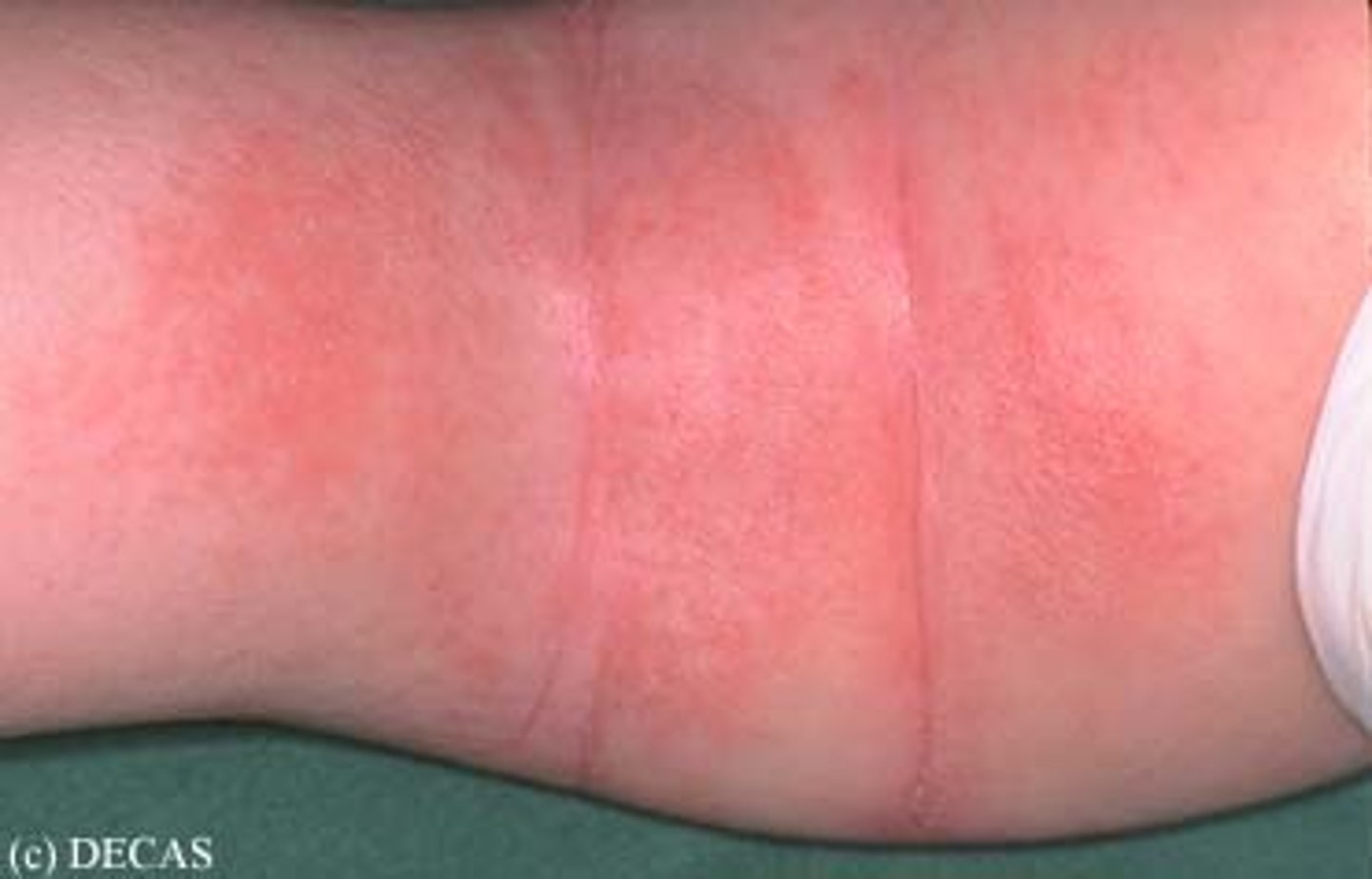
Erythema
Redness of the skin or mucous membranes
Grossly
Coarse or large; visible to the naked eye.
Hematemesis
Vomiting of blood.
Hematuria
Presence of blood in the urine.
Hemoptysis
Coughing up blood.
Hemorrhage
Excess of profuse bleeding.
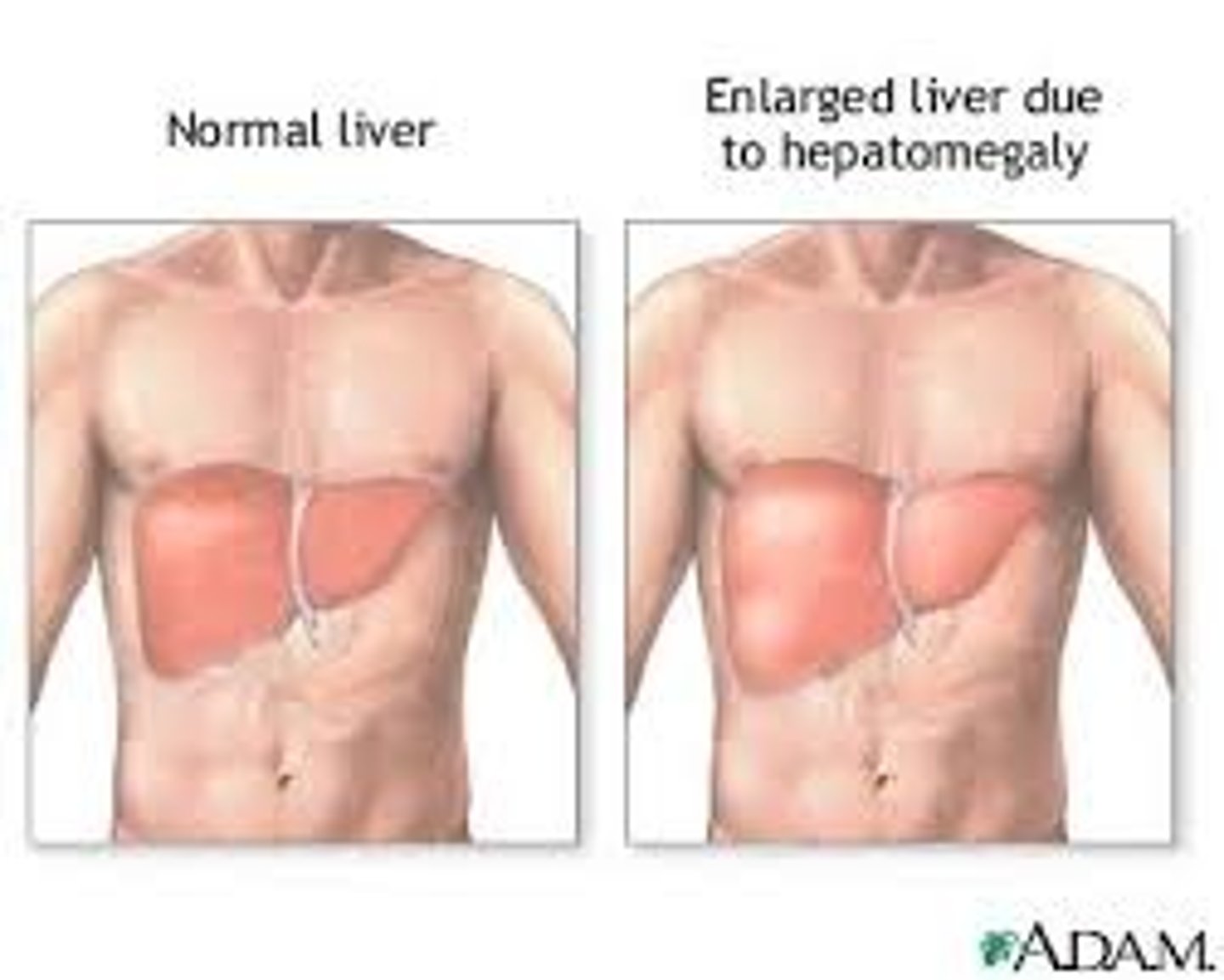
Hepatomegaly
Enlarged liver. (Seen on CT abdomen)
Hypertension
High blood pressure.
Hypotension
Low blood pressure; a blood pressure reading of 90 millimeters of mercury (mm Hg) or less systolic blood pressure (the top number in a blood pressure reading) or 60 mm Hg or less diastolic blood pressure (the bottom number) is generally considered low blood pressure.
Hypoxia
Low oxygen saturation of the body; not enough oxygen in the blood.
Infarct
Area of dead tissue after a lack of blood supply.
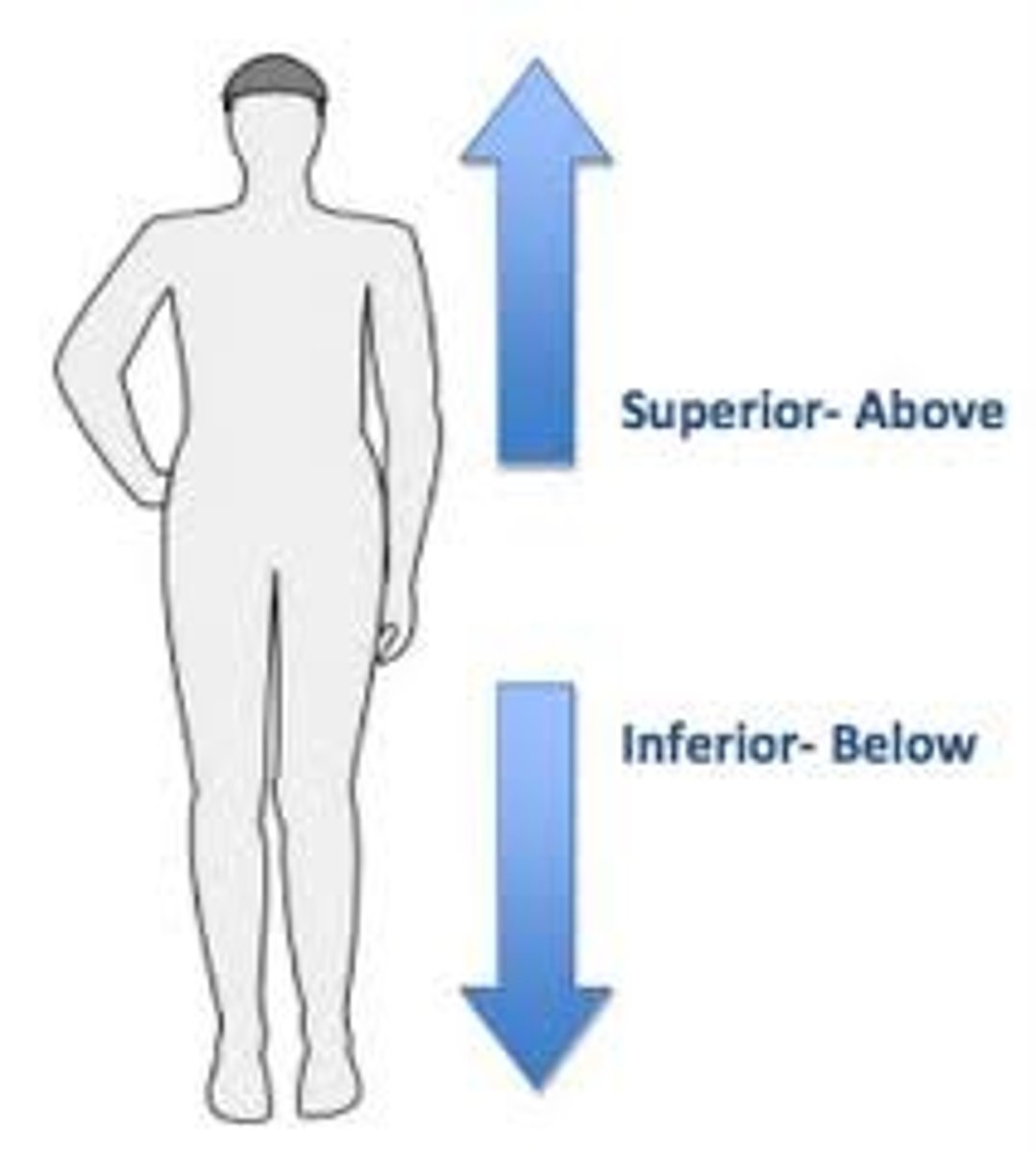
Inferior
Lower of the body, farther from the head.
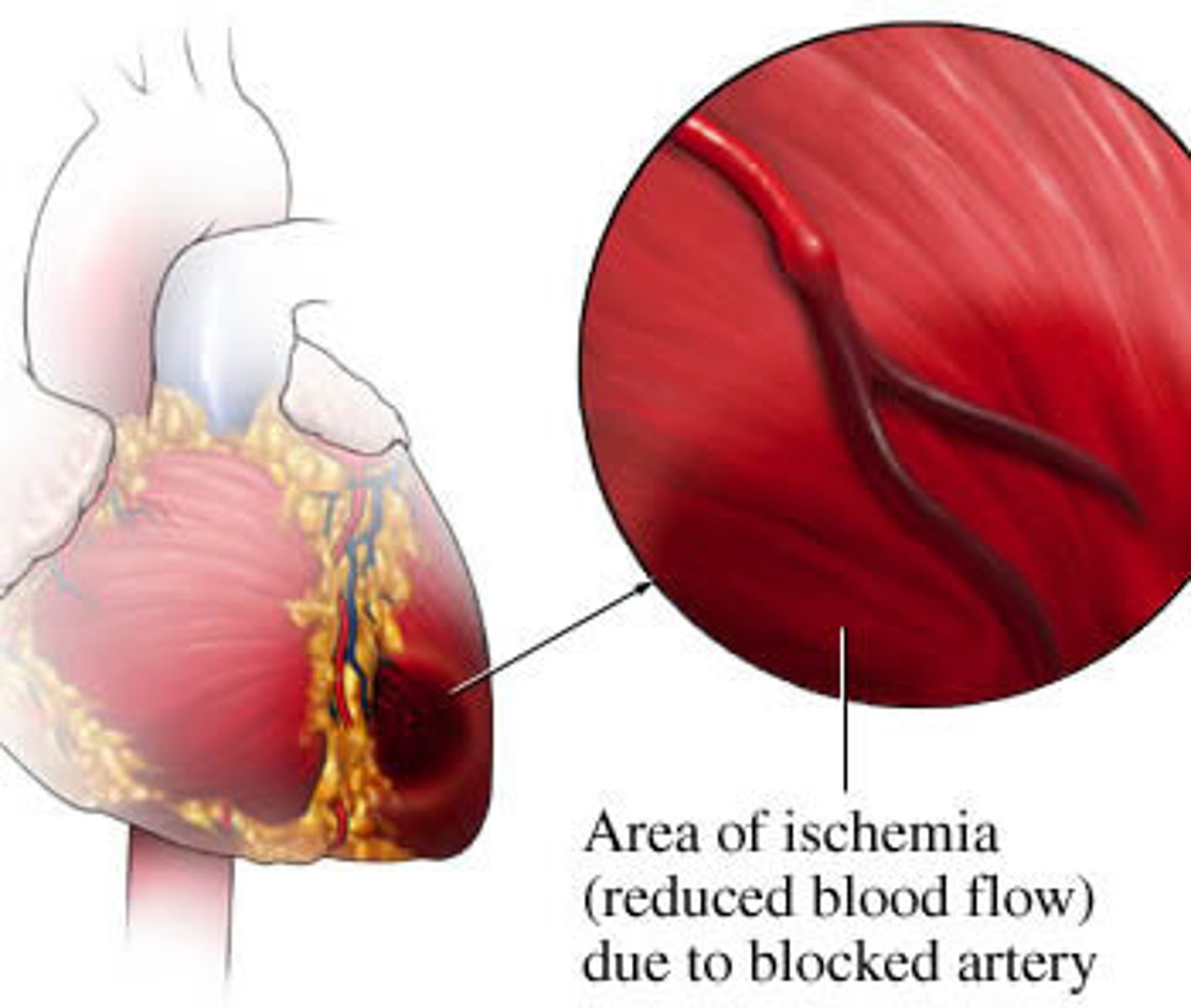
Ischemia
A restriction in blood supply to tissues, causing a shortage of oxygen and glucose needed to keep tissue alive.
Laceration
A deep cut or tear in skin or flesh.

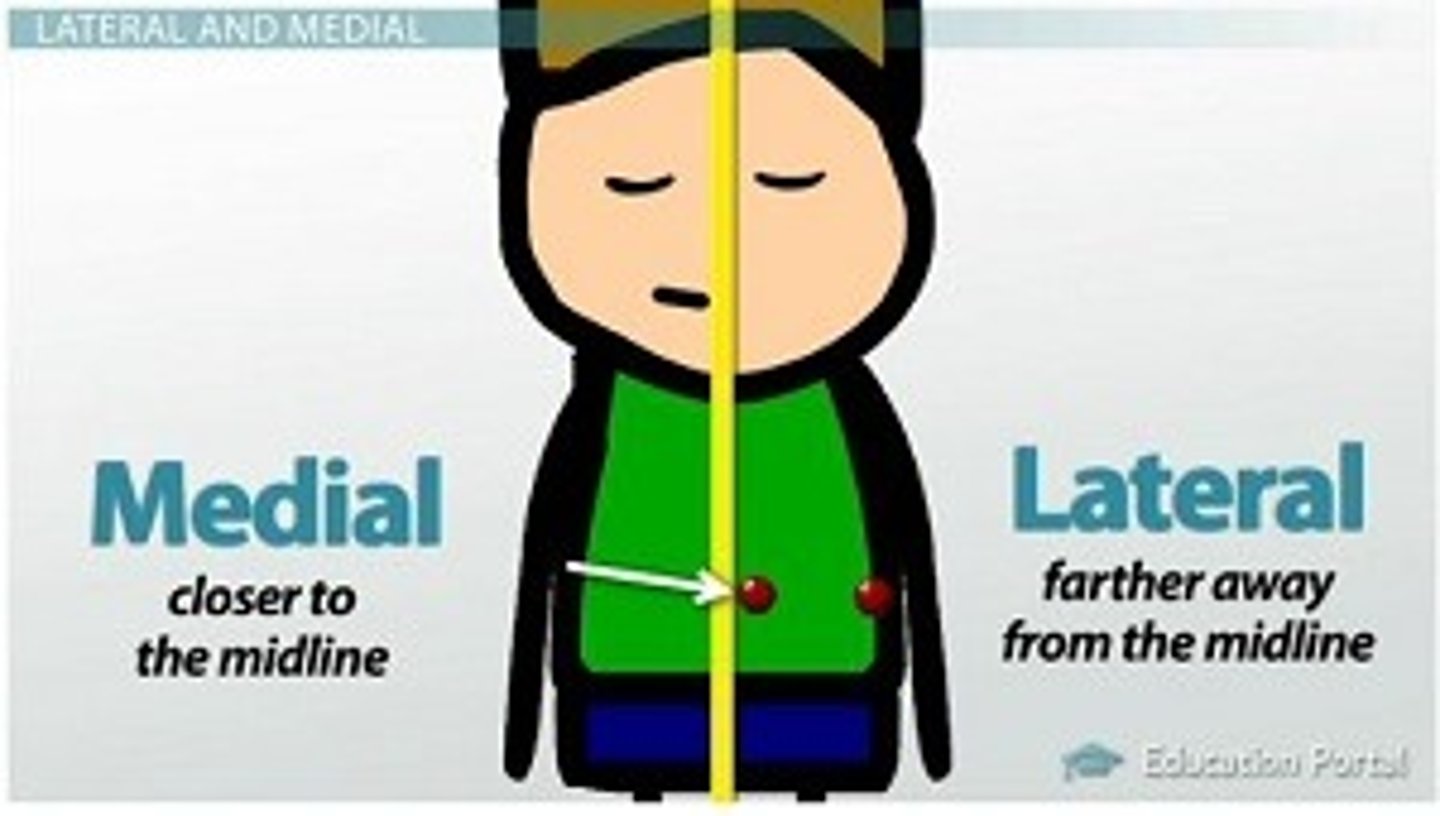
Lateral
Away from the midline
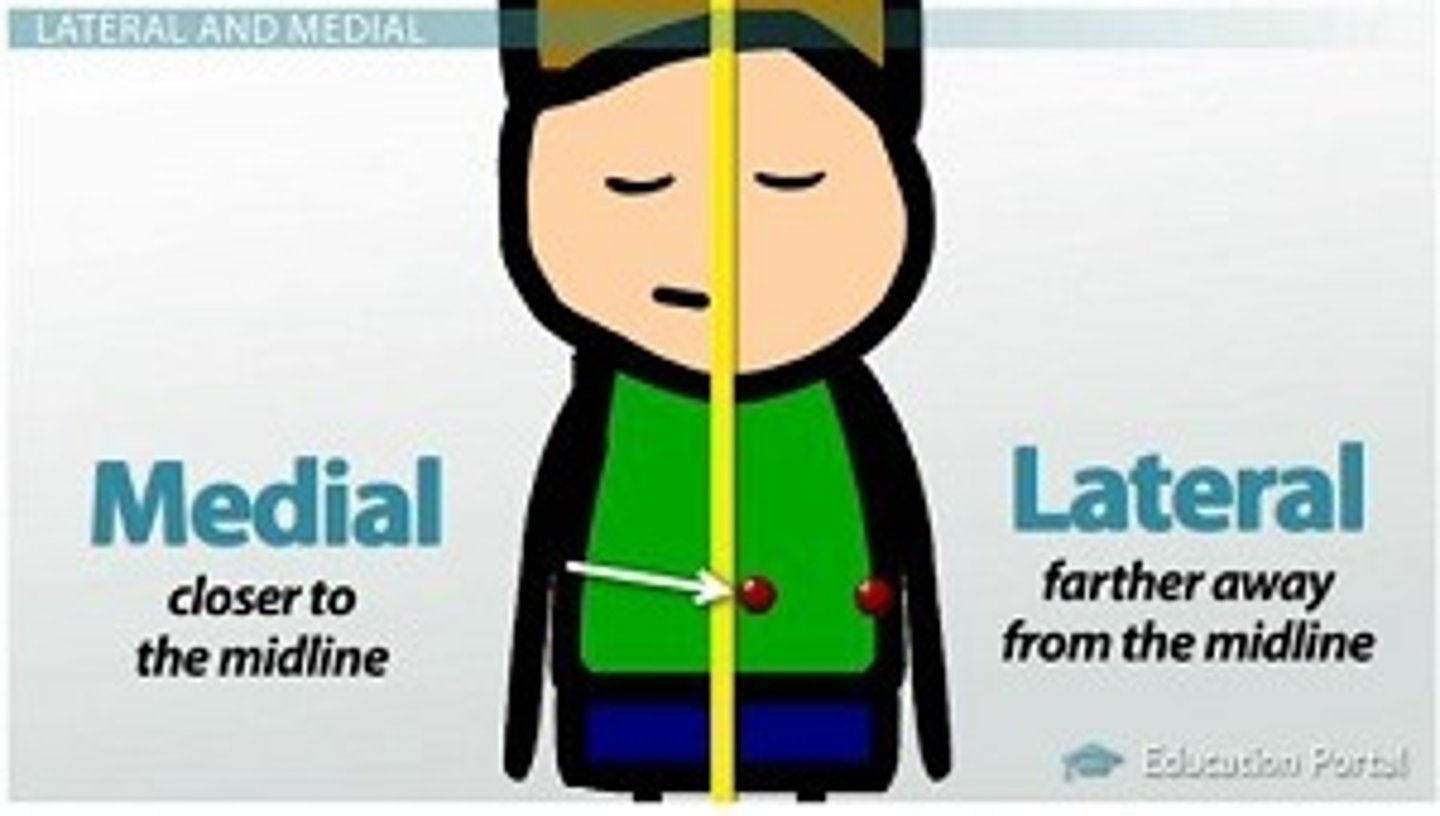
Medial
Situated in or pertaining to the middle. Your belly bottom is medial in comparison to your arms.
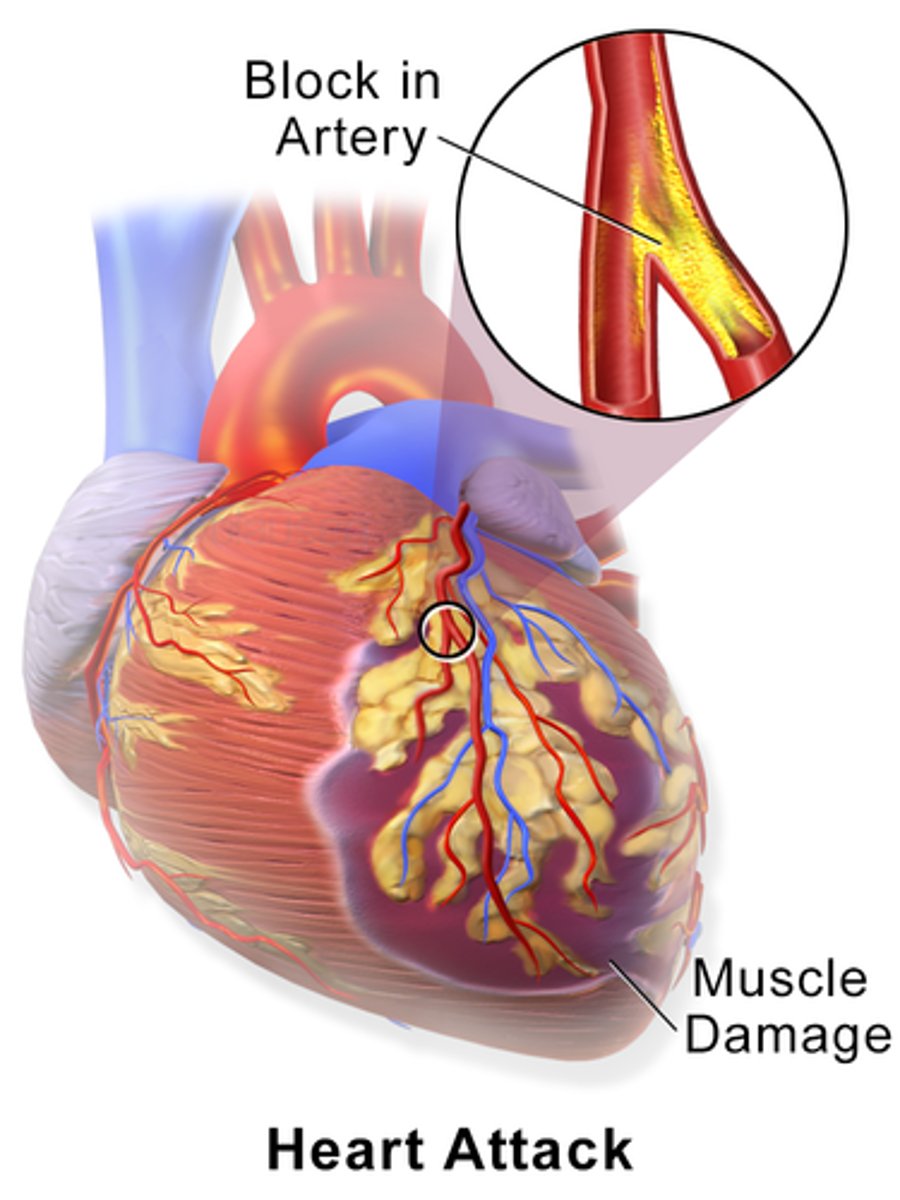
Myocardial Infarction
Heart attack; Death of cardiac muscle due to ischemia.
Myalgia
Muscular pain, generalized.
Oriented x4
Oriented to person, place, time and situation.
Pallor
Pale skin - in appearance.
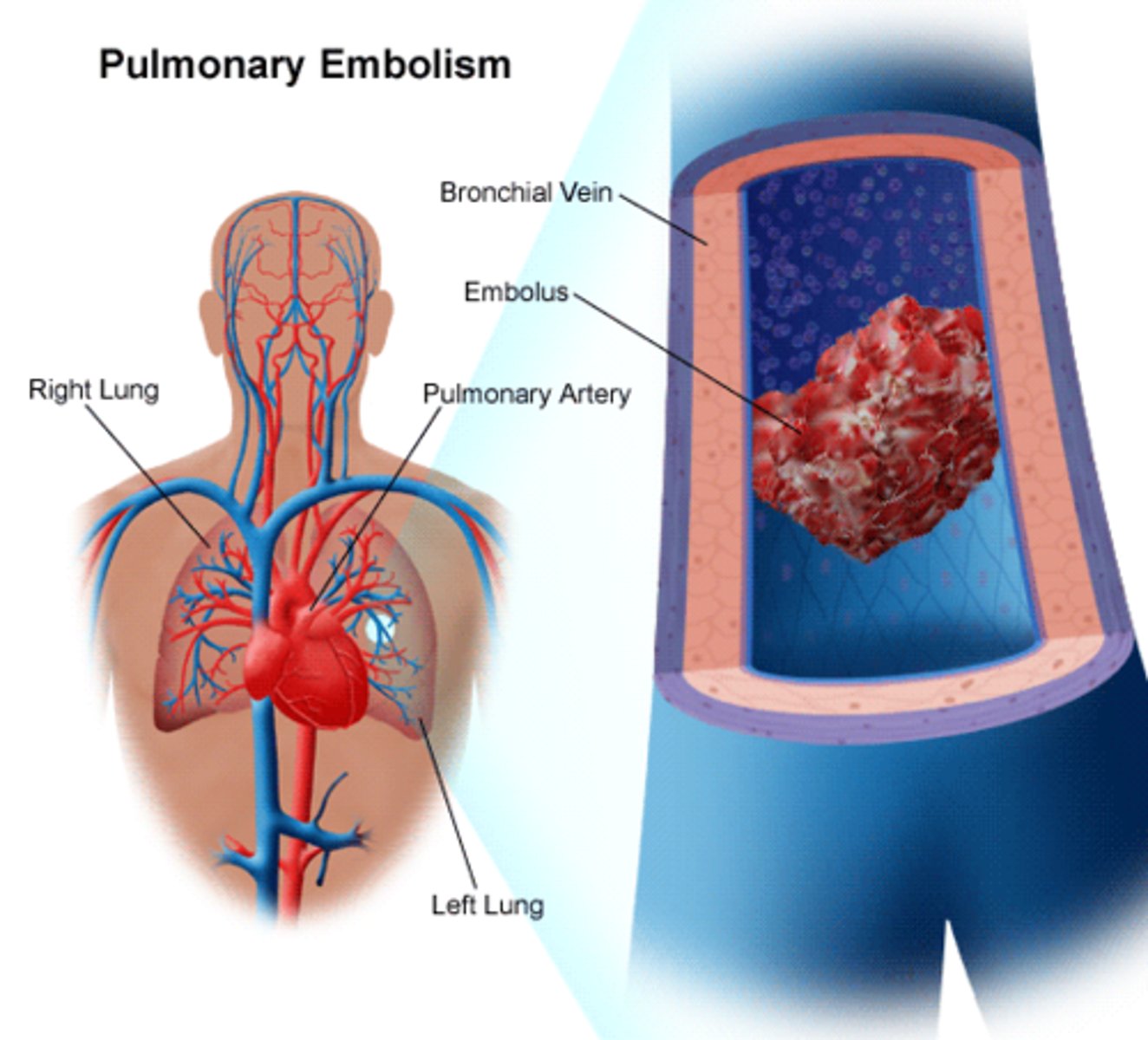
Pulmonary Embolism
Blocking of a pulmonary artery due to a blood clot.
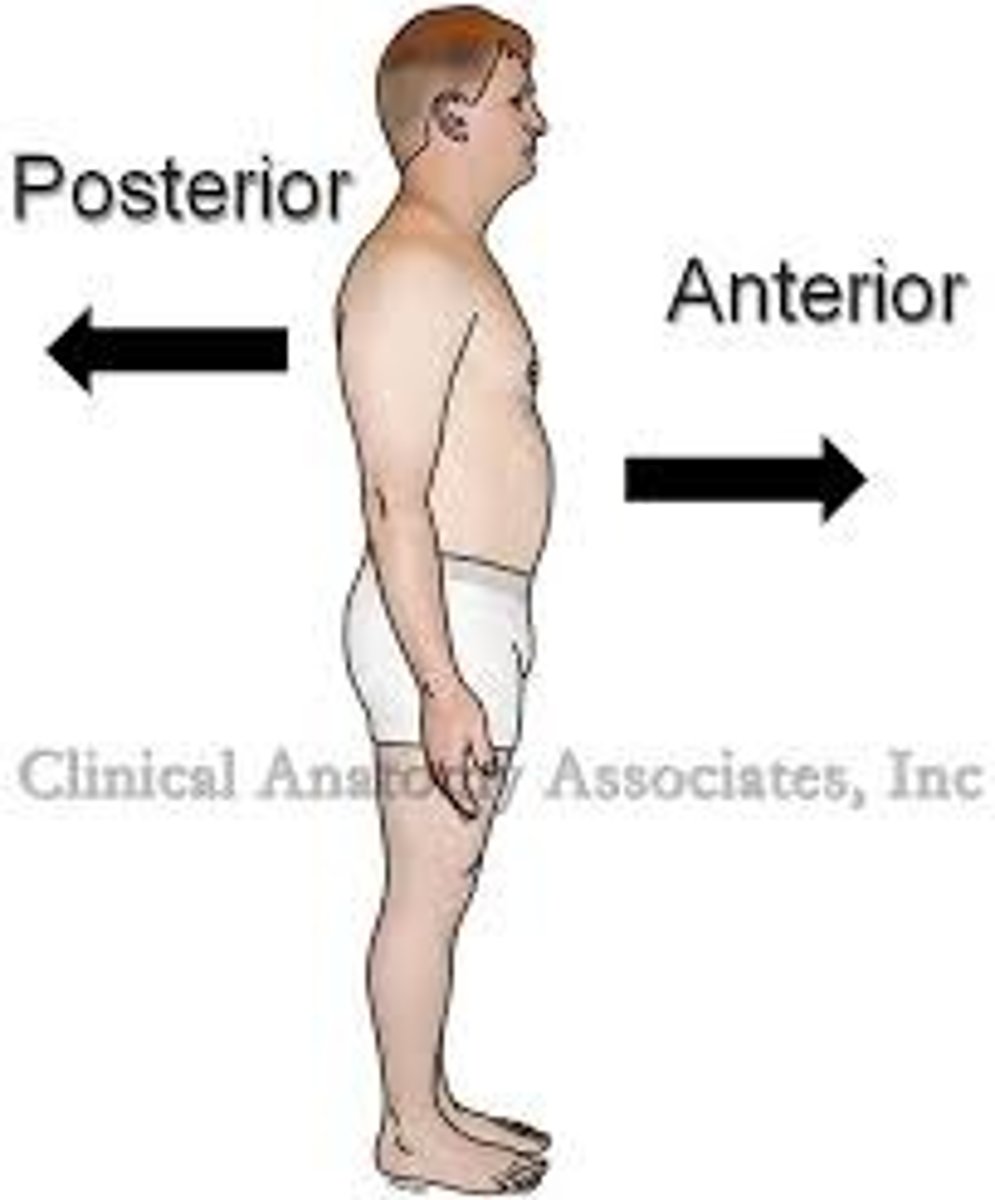
Posterior/Dorsal
Rear or backside of the body.
Proximal
Next to or nearest the point of attachment or origin
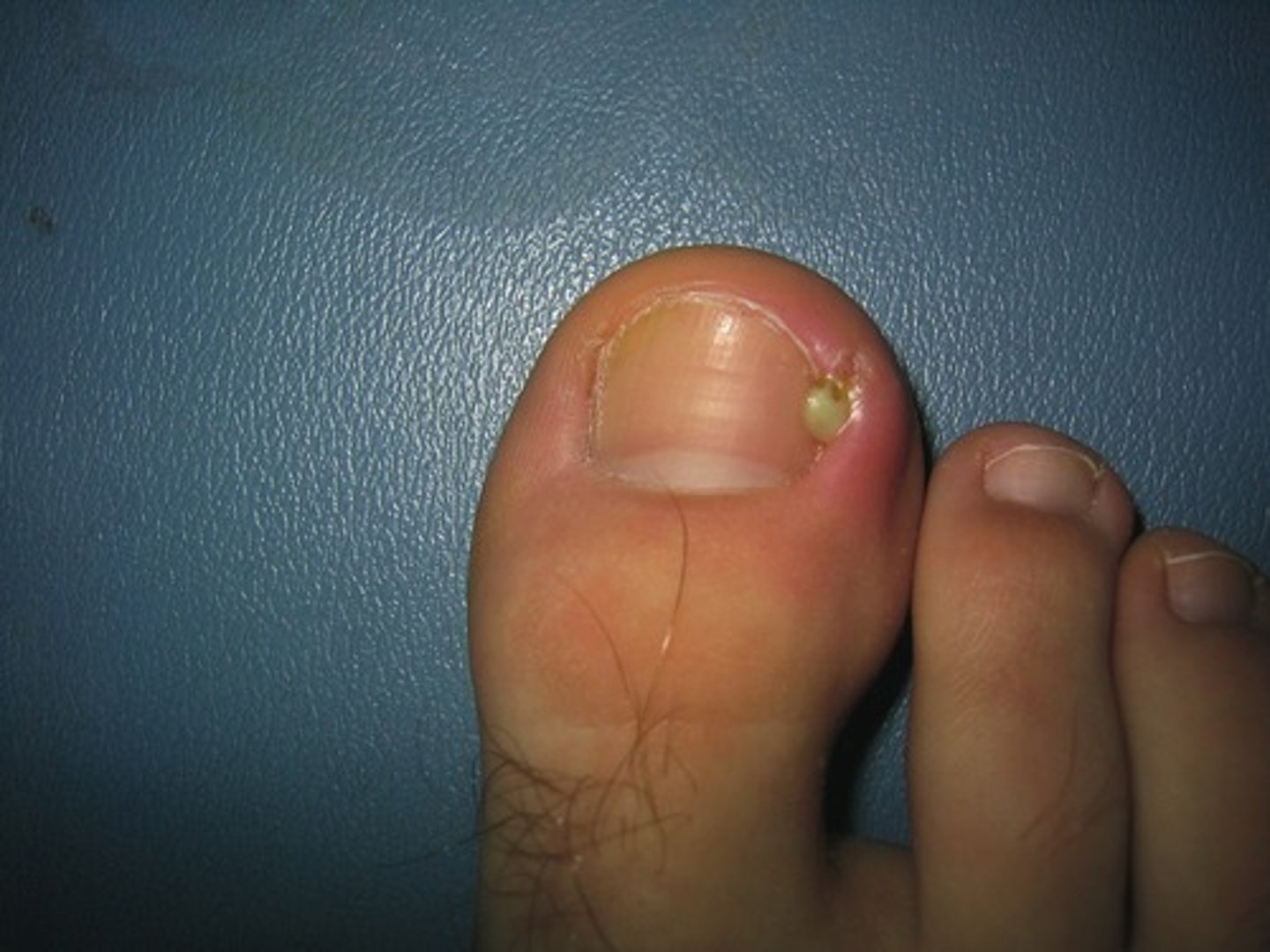
Purulent
Pus-like discharge
Rales
Crackles; wet crackling noise in lungs, heard during lung exam.
Rhinorrhea
Clear nasal discharge,runny nose
Rhonchi
Rattling noise of mucous in the lungs. Heard on auscultation of lungs.
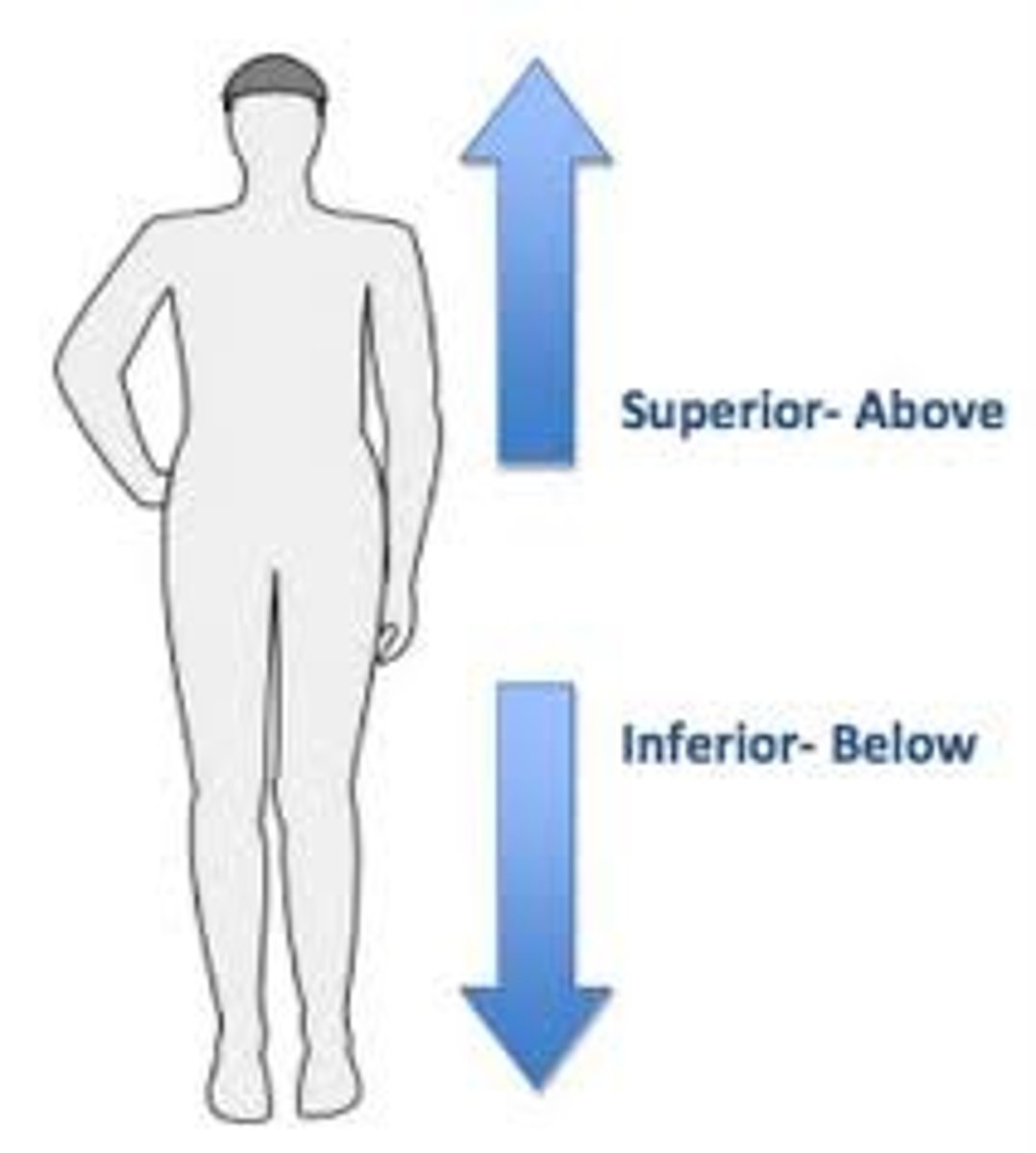
Superior
Situated above or directed upward.. Your nose is superior to your month.
Syncope
Passing out, loss of consciousness or fainting.
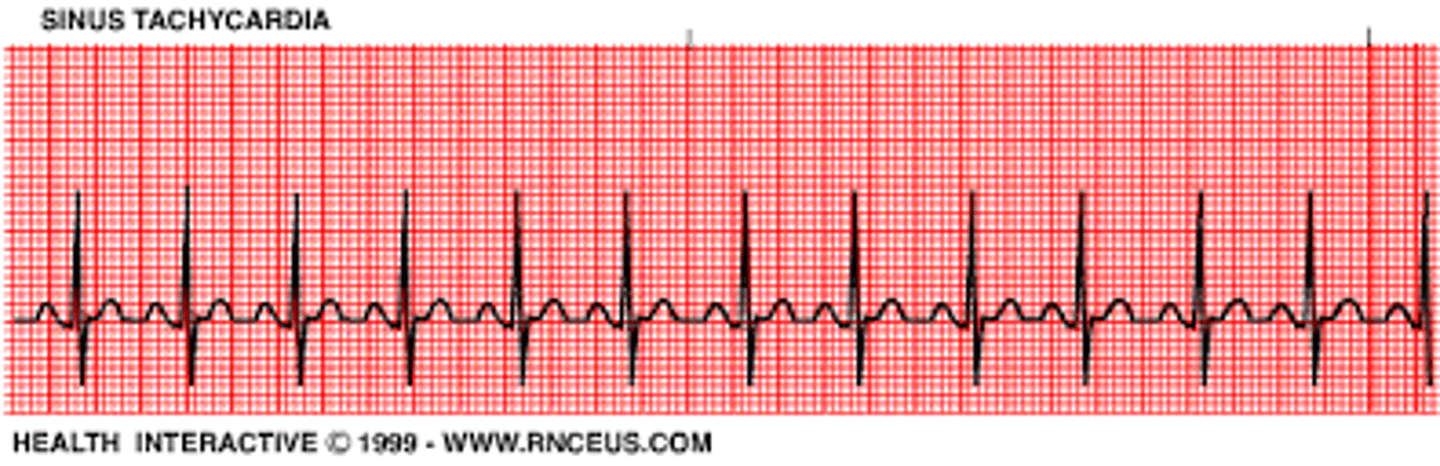
Tachycardia
Fast heart rate (greater than 100bpm).
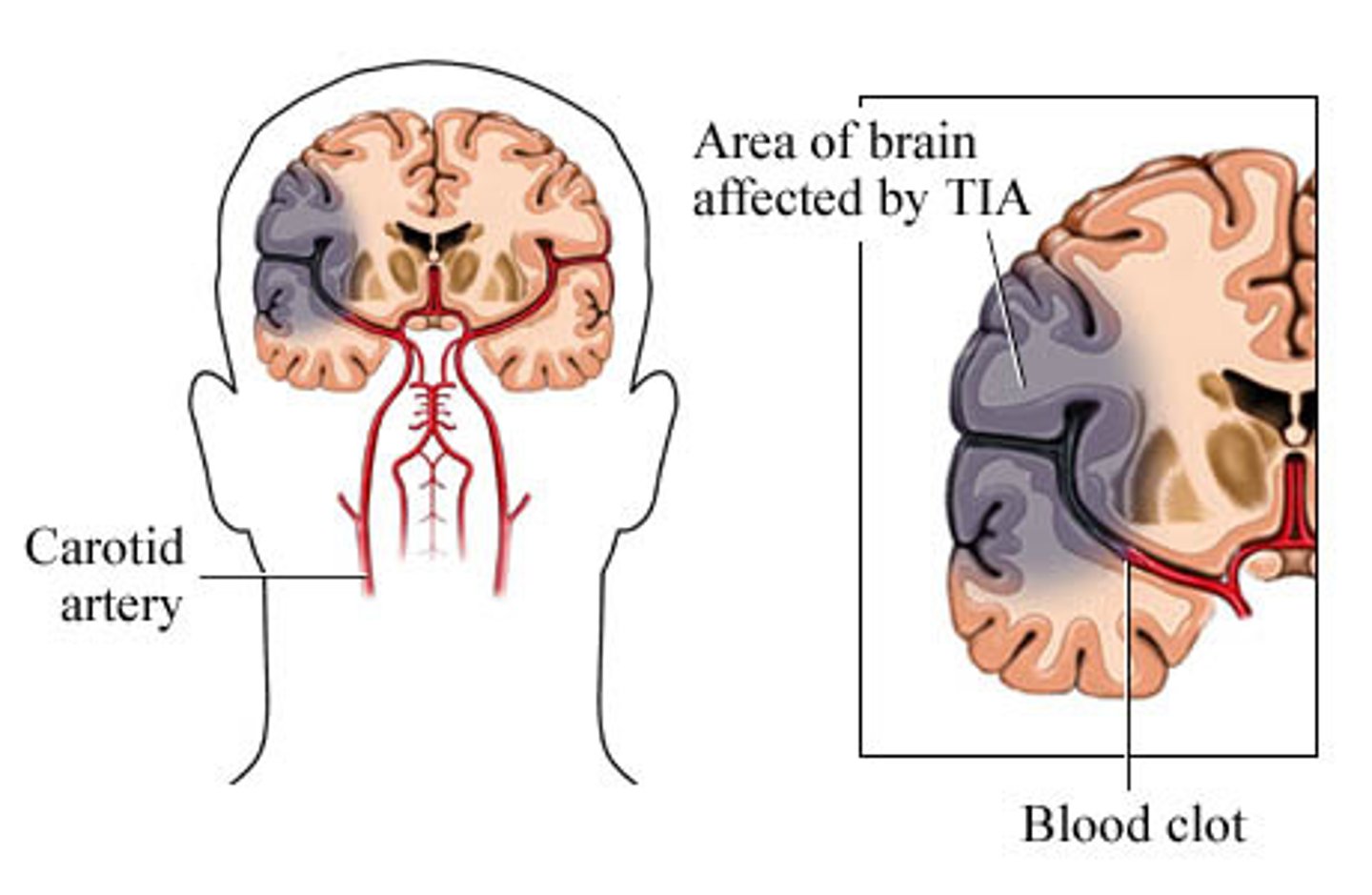
Transient Ischemic Attack
When blood flow to a part of the brain stops for a brief period of time. A person will have stroke-like symptoms for up to 24 hours, but in most cases for 1 - 2 hours.
Vertigo
Room spinning; A subtype of dizziness in which a patient inappropriately experiences the perception of motion (usually a spinning motion) due to dysfunction of the vestibular system
Wheezing
High pitched sound heard during lung exam - auscultation. It occurs when air moves through narrowed breathing tubes.
Urinalysis
A lab test of a patients urine to reveal any diseases/infections. Tests for: Color, pH, Clarity, Odor, specific gravity, proteins, glucose, nitrites, ketones, ...etc.
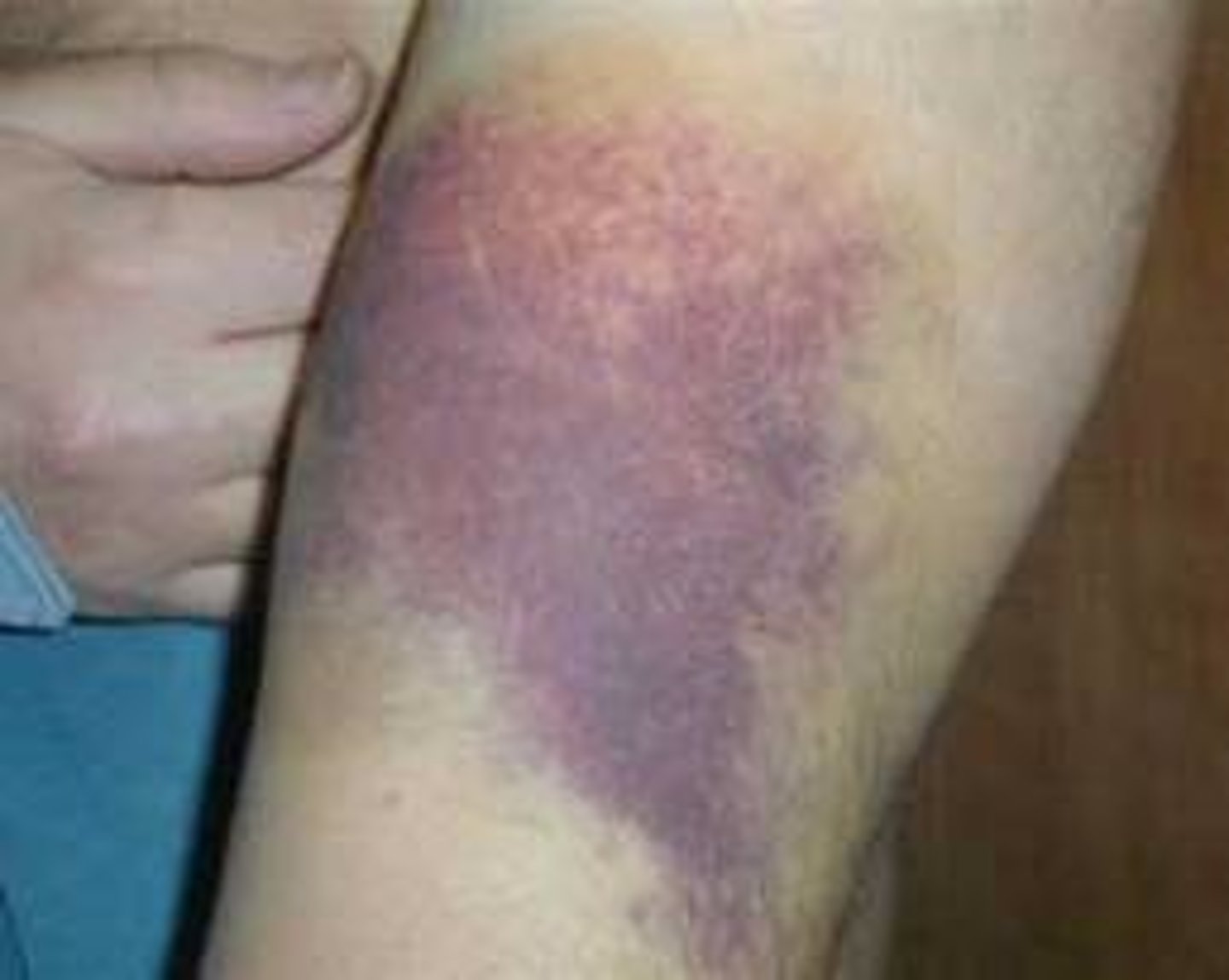
Hematoma
A localized swelling filled with blood
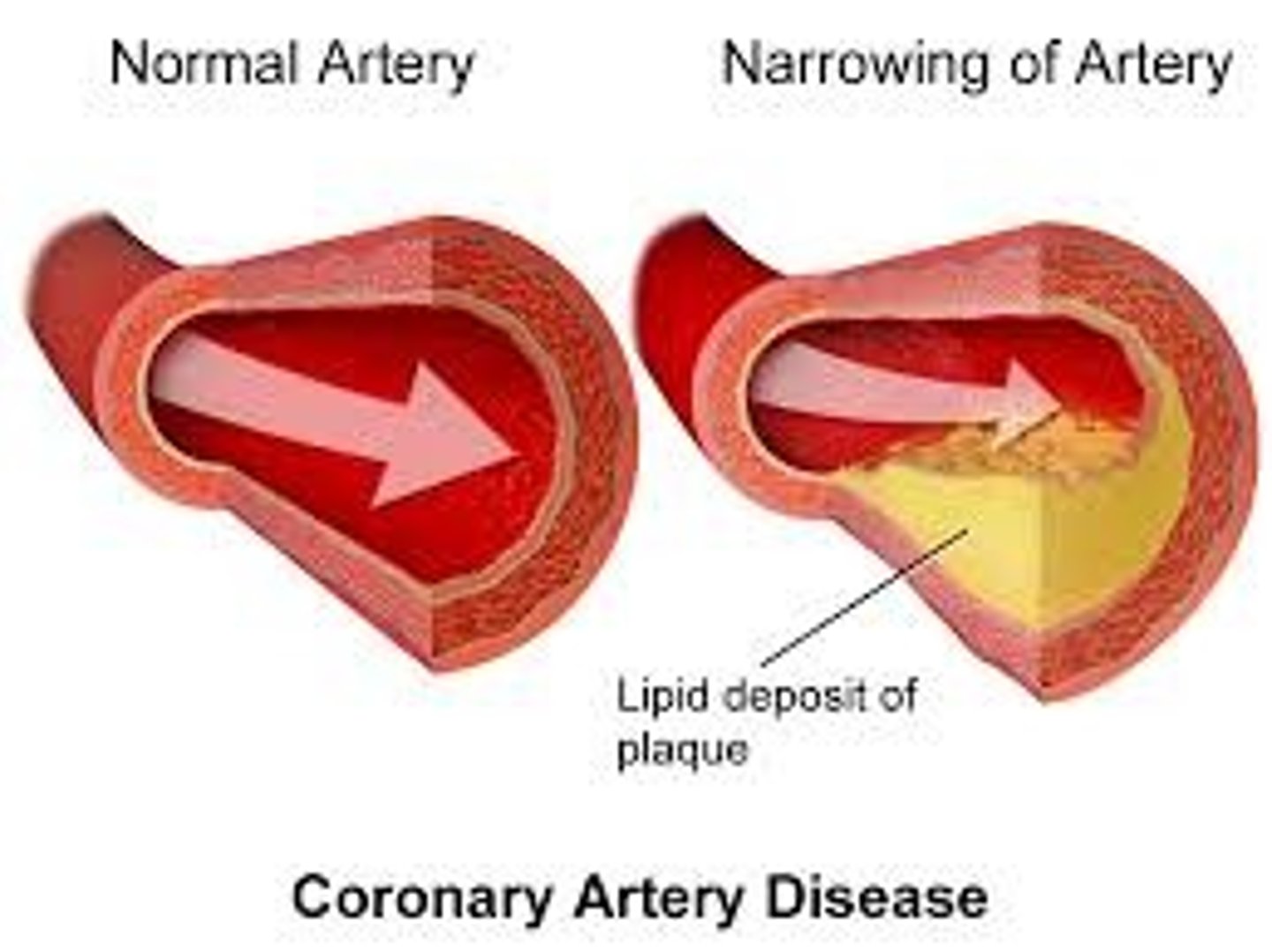
Coronary Artery Disease
A narrowing of the small blood vessels that supply blood and oxygen to the heart
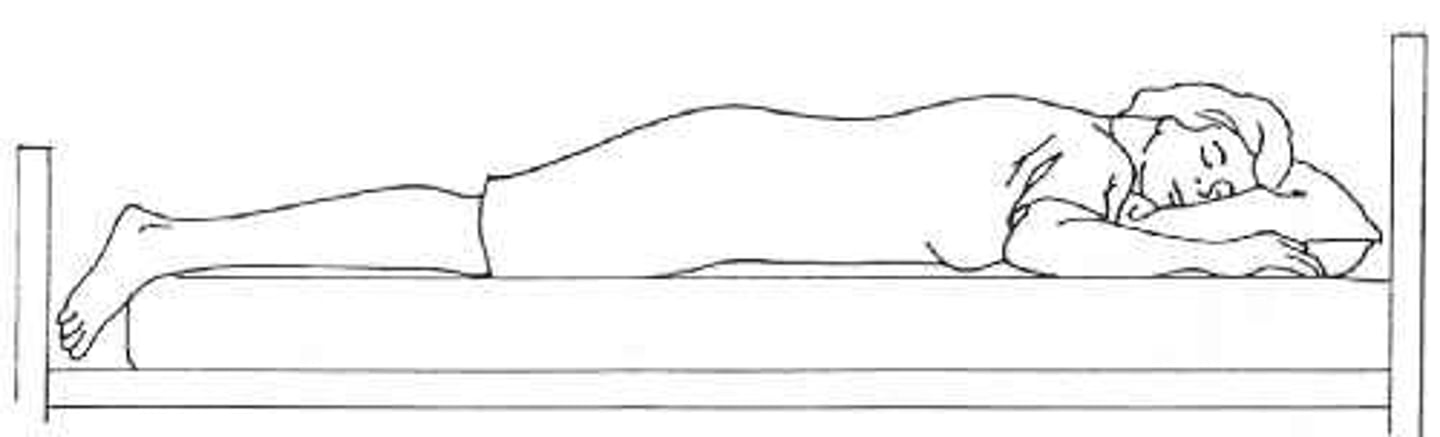
Prone
a body position - lying on stomach.
Hematochezia
The passage of fresh blood through the anus, usually in or with stools
Perfusion
is the process of a body delivering blood to a capillary bed in its biological tissue.
Malaise
A vague feeling of bodily discomfort, as at the beginning of an illness.
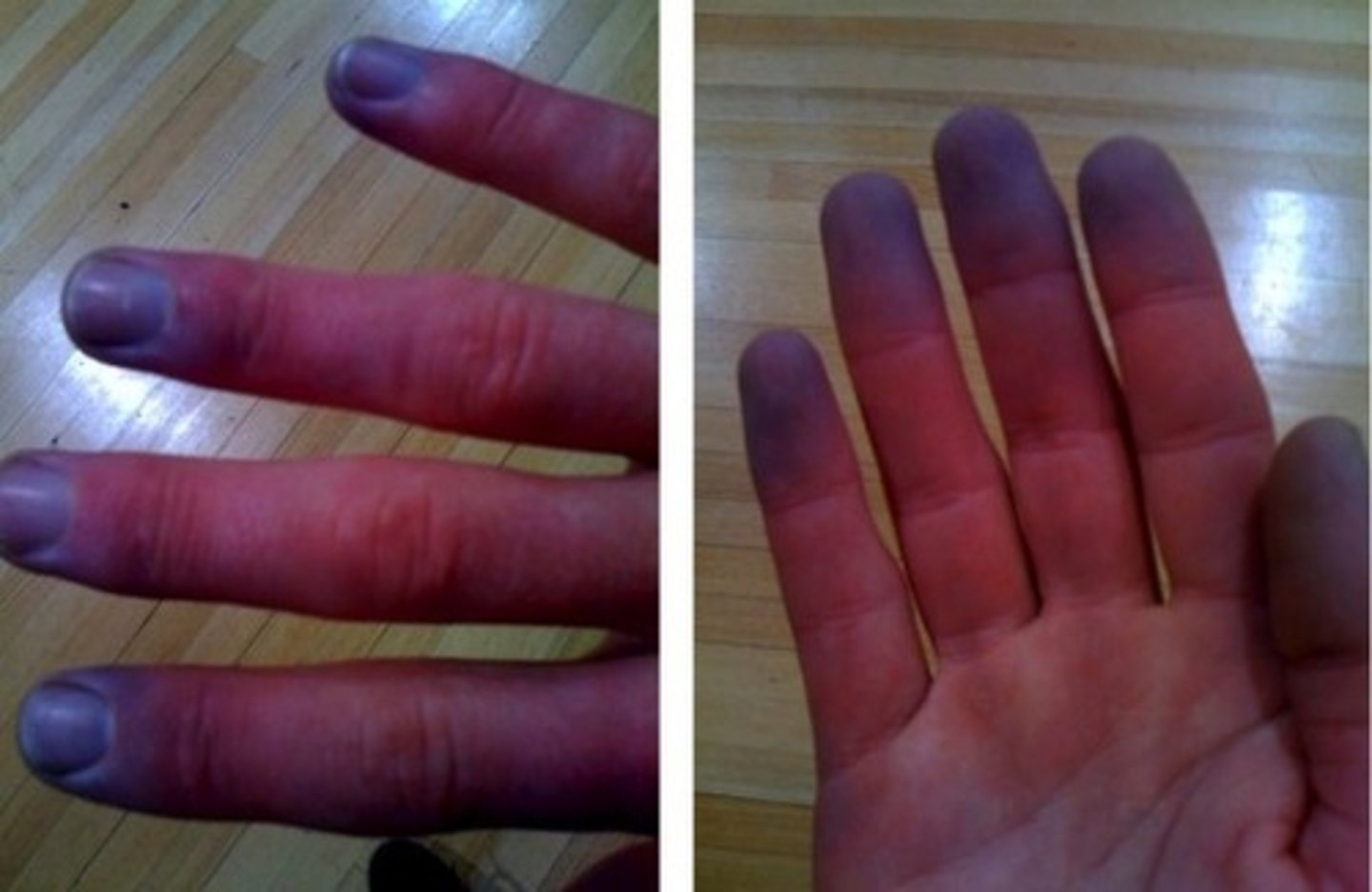
Cyanosis
A bluish or purplish discoloration of the skin and mucous membranes due to insufficient oxygen in the blood
Photophobia
Abnormal sensitivity to light, common during migraines
Mucoid
Resembling mucus.
Dysphagia
Difficulty in Swallowing
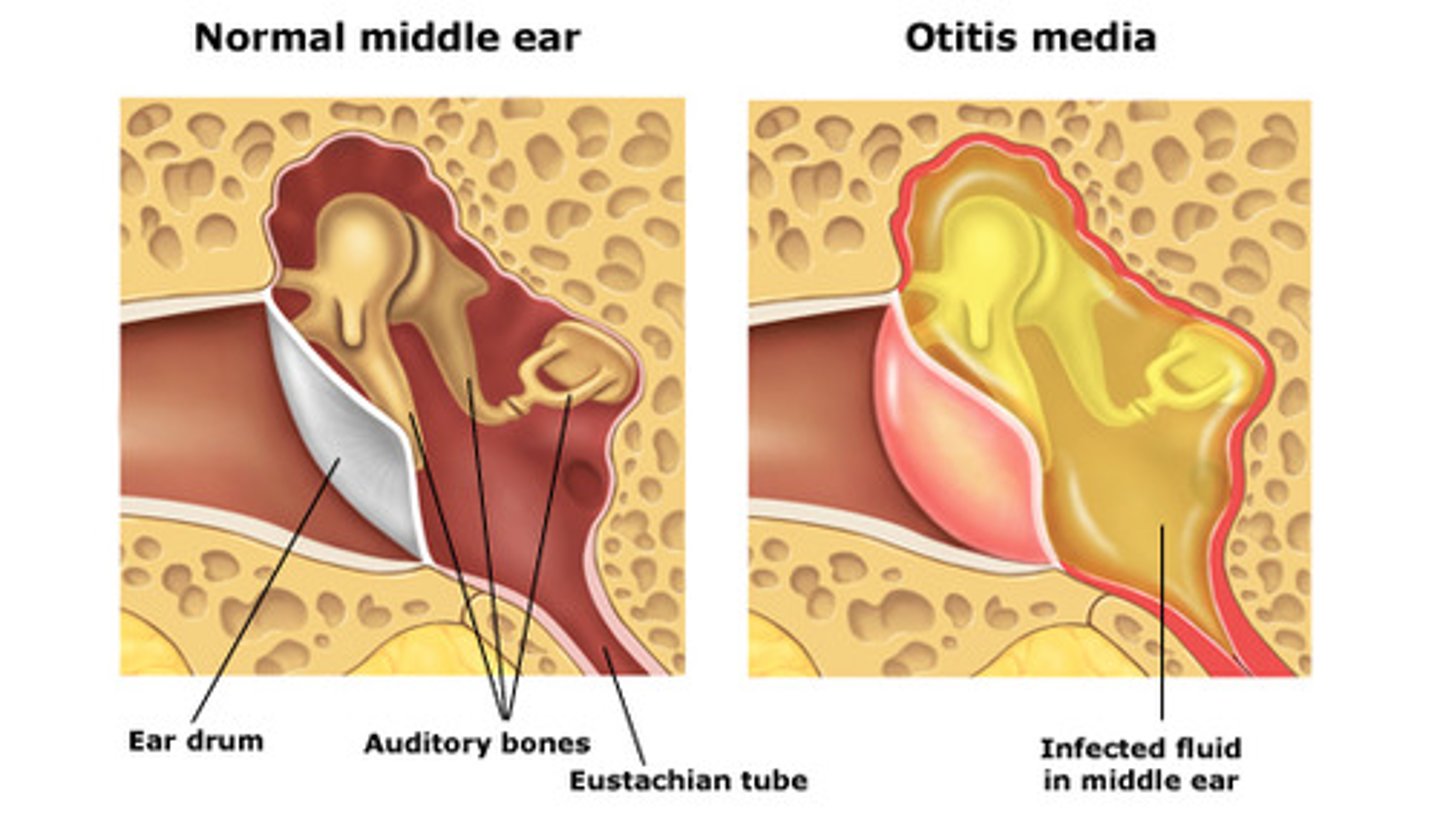
Otitis Media
Middle ear infection.
Cerumen
Earwax
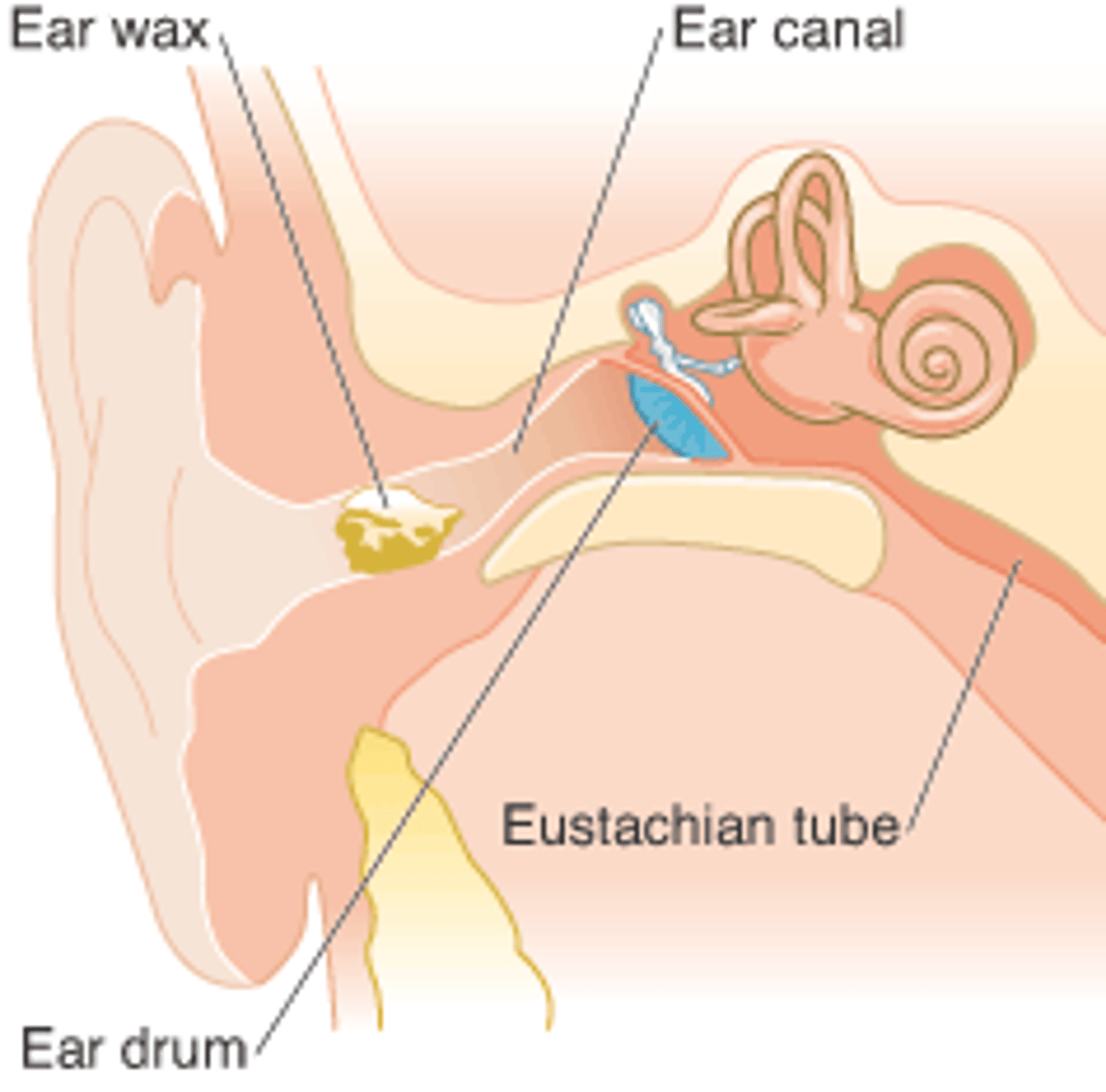
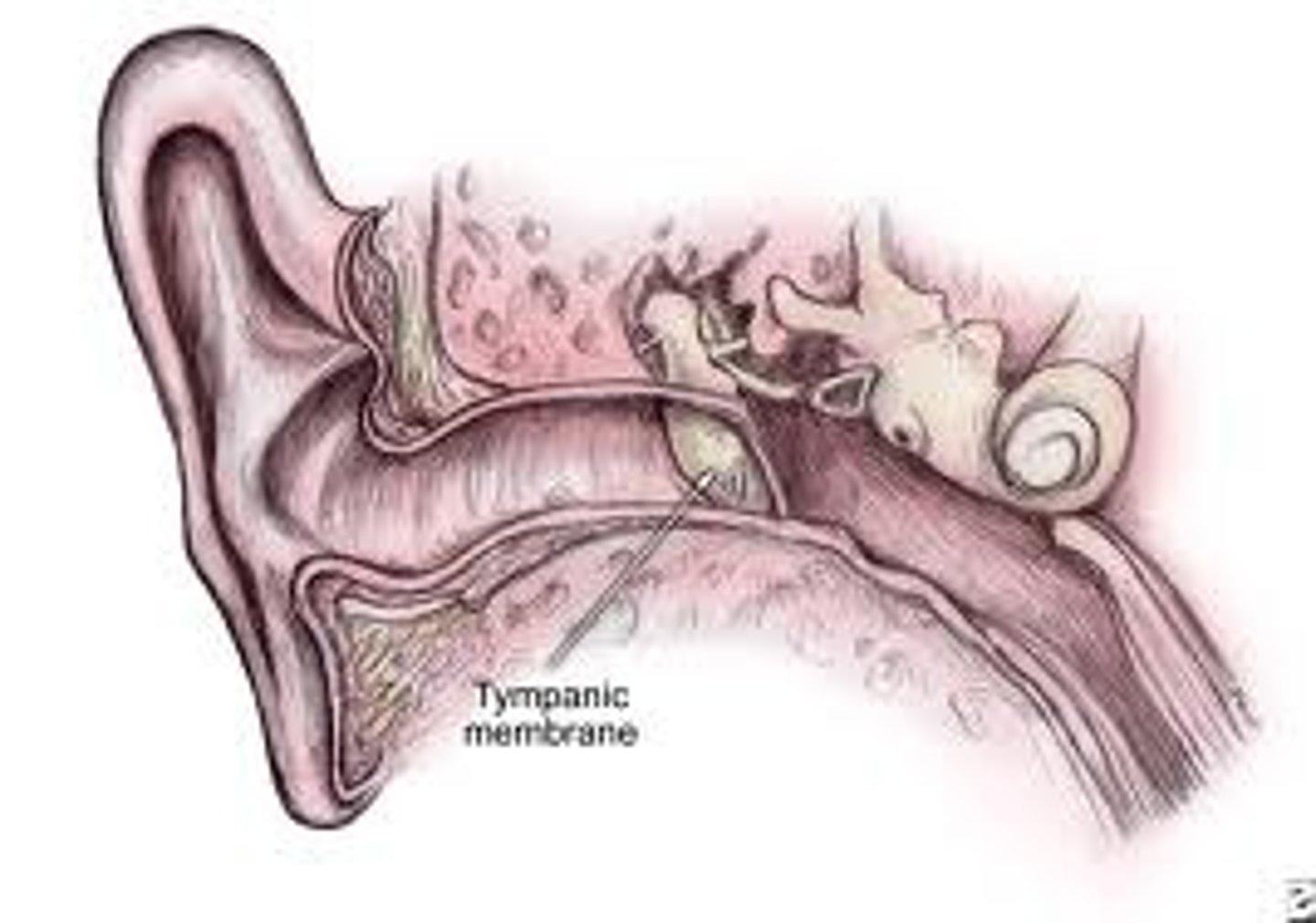
Tympanic Membrane
Eardrum
Lymphadenopathy
Disease/enlargement of the lymph nodes
Thyromegaly
Enlargement of the thyroid gland.
Normocephalic
Normal head.
Bibasilar
Both lungs
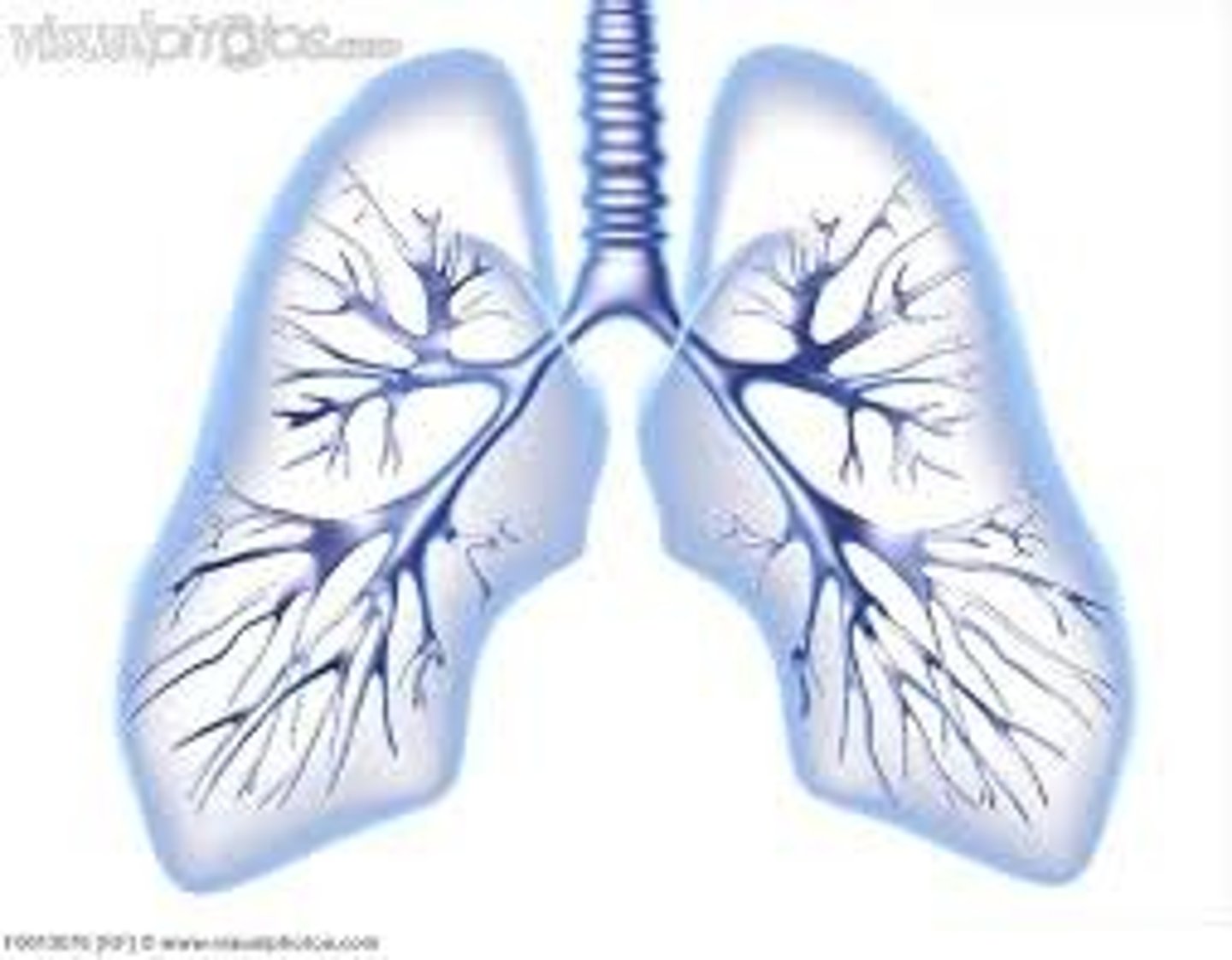
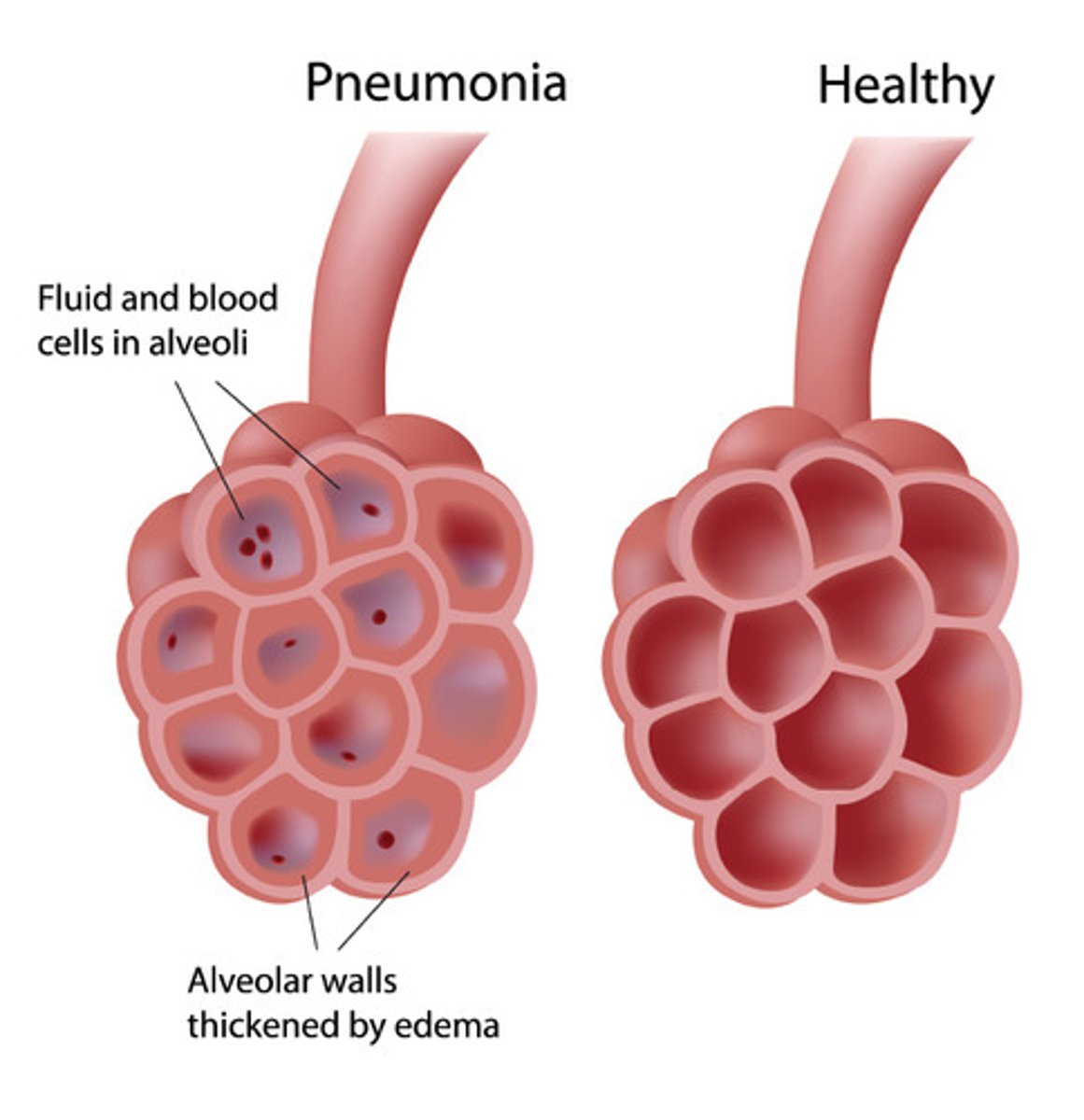
Pneumonia
an inflammatory condition of the lung affecting primarily the microscopic air sacs known as alveoli. It is usually caused by infection with viruses or bacteria causing symptoms of cough, chest pain, fever, and difficulty breathing.
Systolic ejection murmur
Heart murmurs heard during systole; normally described as a fraction, example - 1/6 SEM
Abdominal guarding
On exam when a physician palpates the abdomen, the patient tenses their abdominal well muscles to guard inflamed organs within the abdomen
Organomegaly
Abnormal enlargement of the organs
Splenomegaly
Abnormal enlargement of the spleen
Polyuria
Excessive or abnormally large production or passage of urine
Crepitus
A crackling sound most often used to refer to bones rubbing against one another.
Hyperlipidemia
High cholesterol, presence of excess lipids in the blood
Differential Diagnosis
a list of possible diagnoses to explain a set of symptoms (listed under medical decision making in a chart)
Disposition
The plan for continuing health care of a patient following discharge
Lethargic
Slow, lazy, tired, sluggish
Serosanguineous exudate
thin, watery, and pale red to pink in color
Addison's disease
A rare, chronic endocrine disorder in which the adrenal glands do not produce sufficient steroid hormones.
Pulsus alternans
Alternating pulse; A physical finding with arterial pulse waveform showing alternating strong and weak beats.
Paralysis
Loss of muscle function for one or more muscles
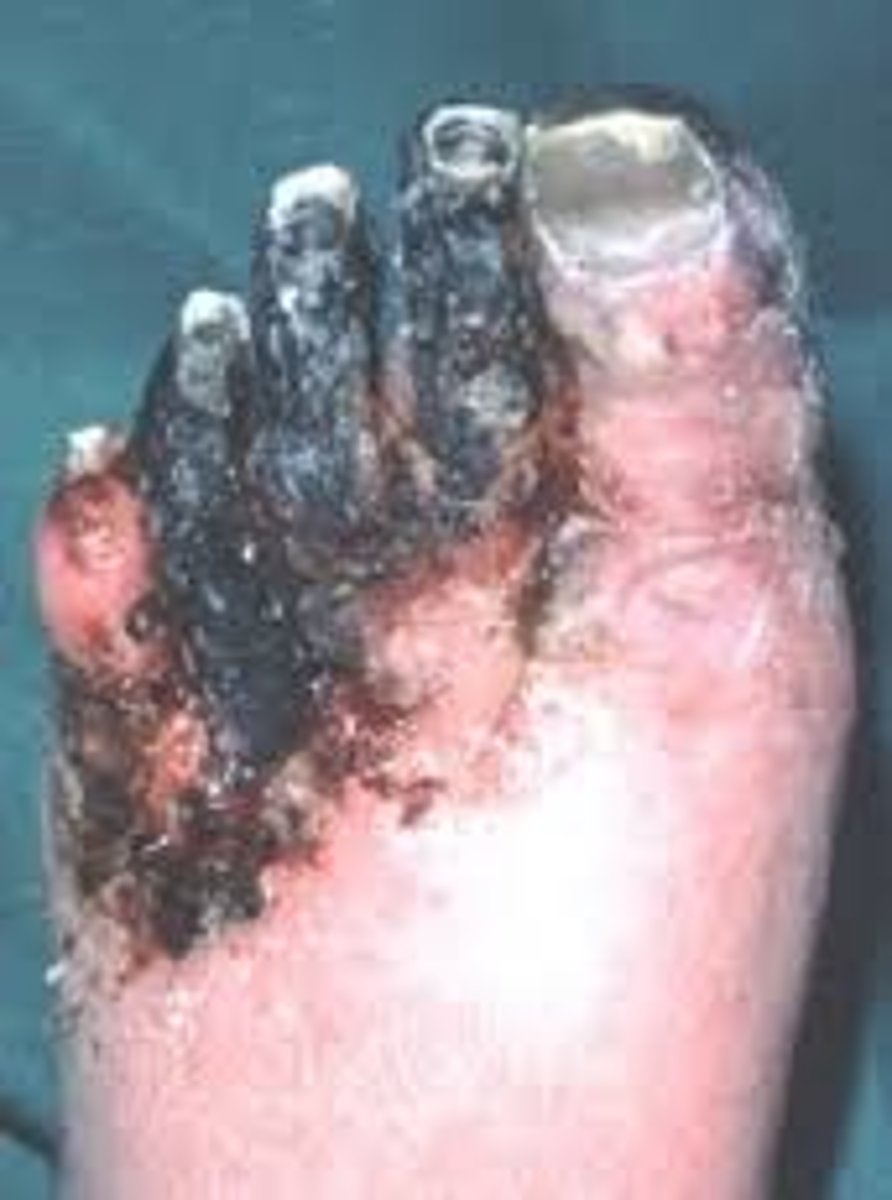
Necrotic/Necrosis
the localized death of living cells
Lower respiratory infection
Infections of the trachea, airways, and lungs - include pneumonia, bronchitis, and croup
Hypokinesia
Refers to decreased bodily movement
Prolapse
Dropping or falling of an organ from its normal position
Auscultation
Term for listening to the internal sounds of the body, usually using a stethoscope when examining the circulatory (heart), respiratory (lung), and gastrointestinal systems (abd) sounds.

Palpation
A method of feeling with the fingers or hands during a physical examination

Cardiac palpitation
The feeling of having rapid, fluttering or pounding heartbeats, rapid, violent throbbing or fluttering of the heart
Abdominal rebound
On exam when a physician palpates the abdomen, the patient experiences pain after the physician lifts his hand off the area that is being palpated.
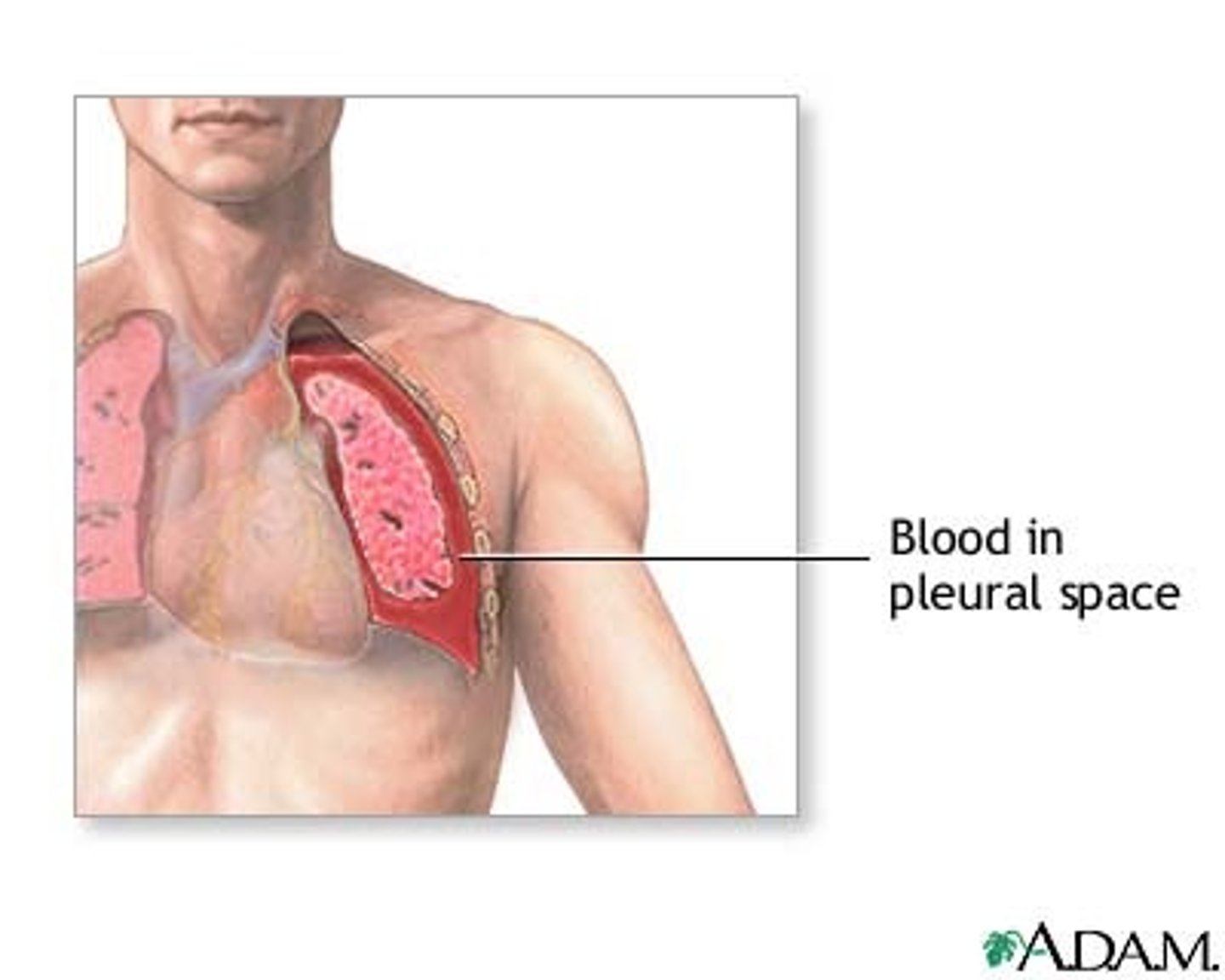
Hemothorax
A collection of blood in the space between the chest wall and the lung (pleural cavity)
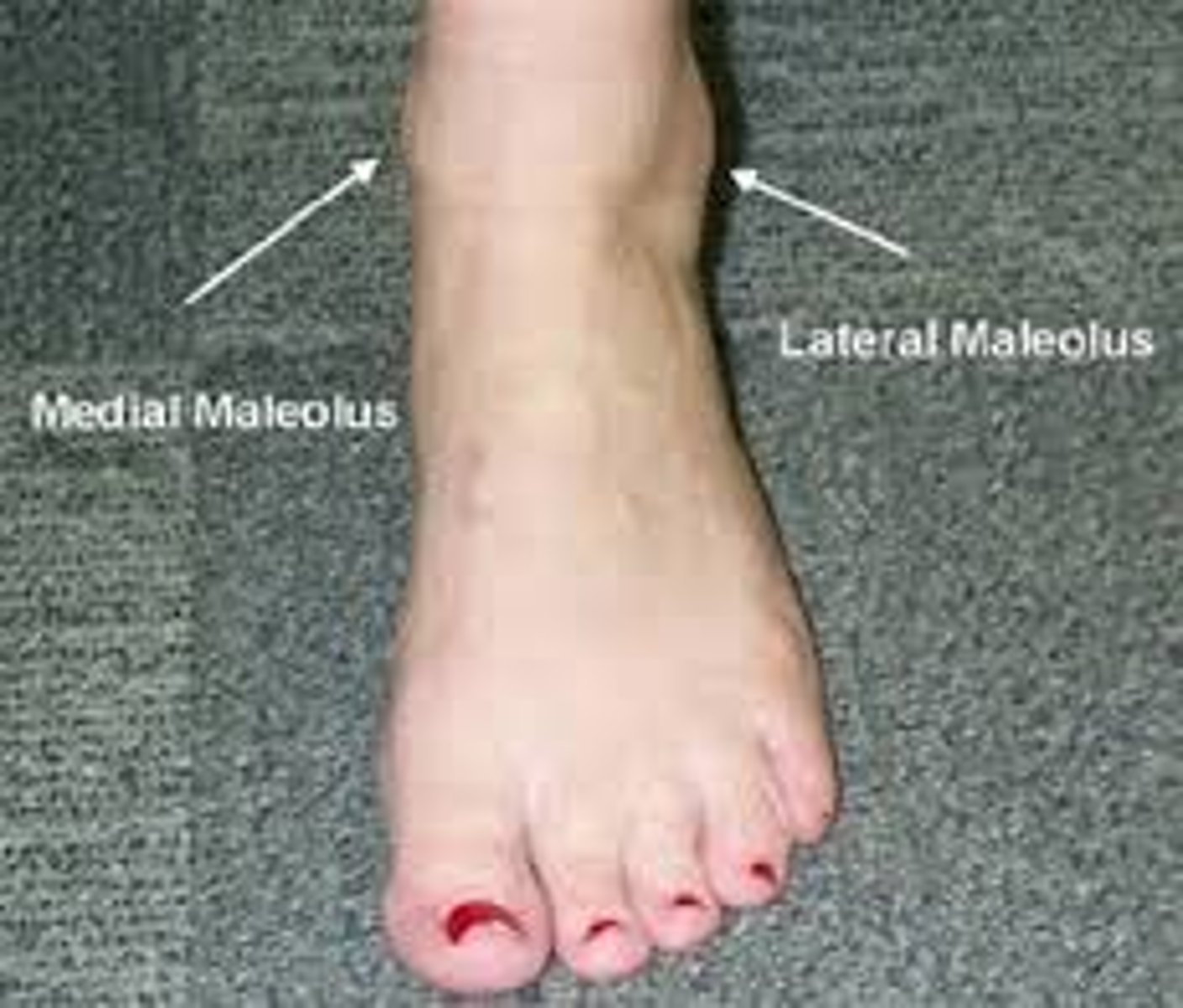
Malleolus
A rounded bony prominence such as those on either side of the ankle joint
Supple
Free movement of a body part, normal ROM; flexible
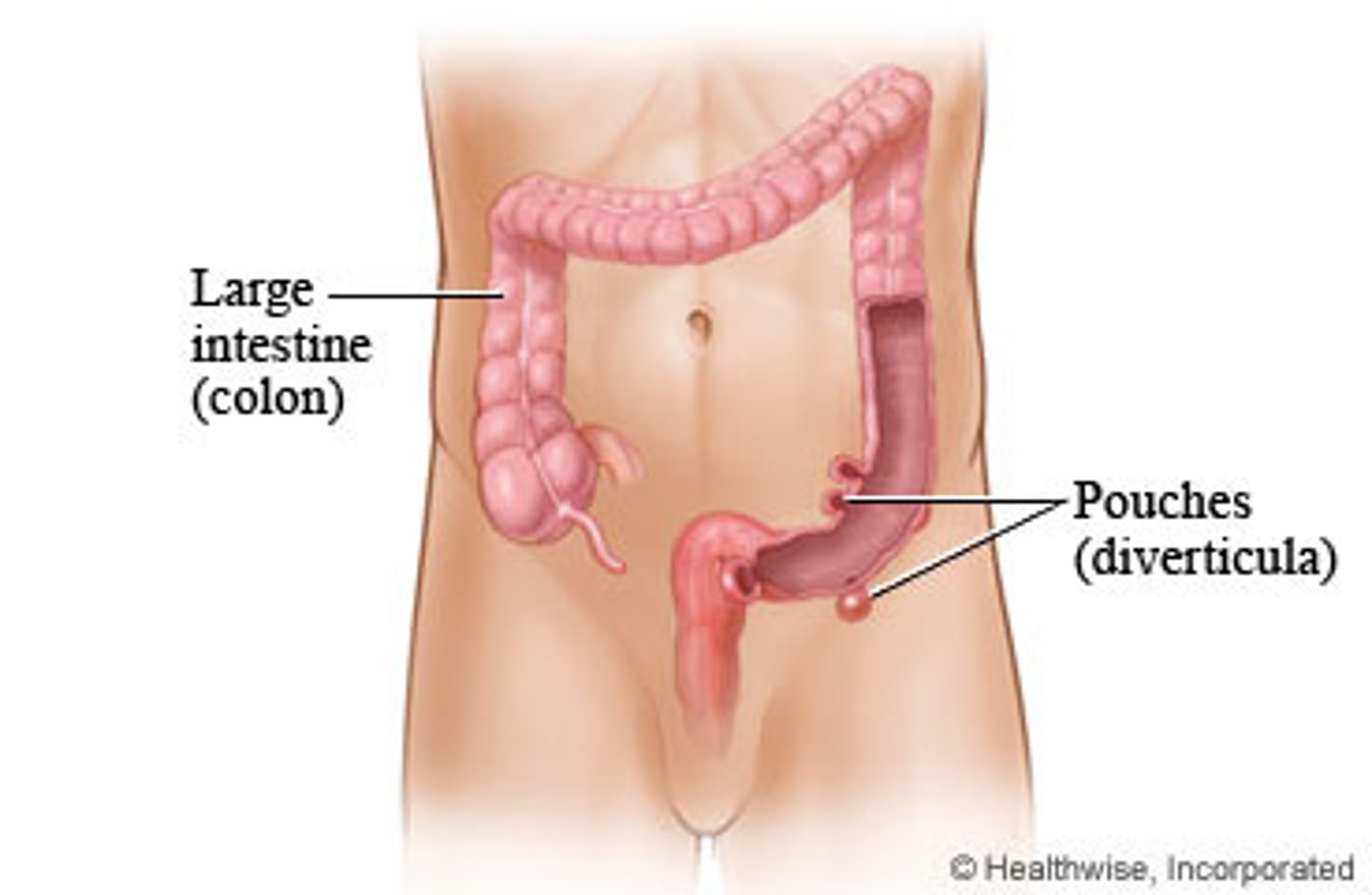
Diverticulitis
Inflammation of a diverticulum in the digestive tract (especially the colon); characterized by painful abdominal cramping and fever and constipation.
Colitis
Inflammation of the colon
Explore top notes

