Global English literature: The God of Small Things
 Studied by 0 people
 Call Kai
 Learn
Learn Practice Test
 Spaced Repetition
 Match
Match Flashcards
 Knowt Play
1/22

There's no tags or description
Looks like no tags are added yet.
Name | Mastery | Learn | Test | Matching | Spaced | Call with Kai |
|---|
No analytics yet
Send a link to your students to track their progress
23 Terms
Author
Arundhati Roy (1961)

Author background
24/11/1961 grew up in Aymanam, Kerala
The Booker Prize (1997)
Second novel: The Ministry of Utmost Happiness (2017)
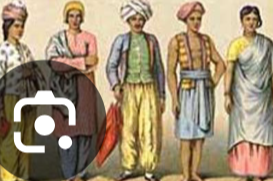
Indian caste system
Discrimination system > lives in people’s head > no legal foundation
4 types + “paravans” or untouchables
Priests, military, warriors
traders, economic sector
Working class
Paravans or untouchables (below animals)
seen as sub-people, wipe away their own footprints in English colony until 1947-1948
Colonial legacy = upper class sents kids to England to study or get married
→ in the novel narrative between colonial and caste system
Characters
Pappachi (Shri Benaan John Ipe) x Mammachi (Soshama):
Chacko (son) and Ammu (daughter)
Chacko marries Margaret Kochamma (daughter Sophie Mol)
Baby Kochamma (sister of pappachi)
Horrible person; plays pivotal role (bitter old woman 80y/o)
Ammu x Baba: Estha & Rahel (°november 1962) (two-egg twins)
The Paravans:
Vellya Paapen
(father who tells family that Velutha and Ammu have an affair,
Velutha
(lover Ammu)
Kuttappen
(paralyzed brother)
Father Mulligan
unrequited love > Baby Kochamma
Comrade K.N.M. Pilai
Friend Velutha
Forces Baby Kochamma to chant communist songs
Paradise Pickles & Preserves
Inspector Thomas Mathew (Kottayam Police)
beats Velutha to death

Time frame
December 1969 to June 1992
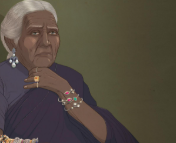
To keep her trom brooding, her father gave Baby Kochamma charge of the front garden of the Ayemenem House, where she raised a fierce, bitter garden that people came all the way from Kottayam to see. (...)"
Baby Kochamma’s father gives her the garden to distract her from her bitterness and frustration, especially after her failed romantic life.
Instead of creating something nurturing or beautiful, she grows a “fierce, bitter” garden, reflecting her resentment, cruelty, and emotional sterility.
The garden is carefully controlled and impressive to outsiders, just as Baby Kochamma presents herself as respectable and refined.
However, like her personality, it is hostile rather than welcoming, built on control, spite, and suppressed anger.

"Recently, after enduring more than half a century of relentless, pernickety attention, the ornamental garden had been abandoned. ..)"
PRESENT DAY
The garden’s abandonment mirrors Baby Kochamma’s loss of purpose and power in old age.
The “relentless, pernickety attention” suggests obsessive control—both over the garden and over people’s lives.
Once that control fades, the garden collapses, showing that it was artificially sustained, not naturally alive.
The neglect also reflects the moral decay of the Ayemenem household and the long-term consequences of cruelty and repression.
What once impressed outsiders now deteriorates, exposing how control cannot preserve order forever.

"The reason for this sudden, unceremonious dumping was a new love. Baby Kochamma had installed a dish antenna on the roof of the Ayemenem House,. She presided over the World in her drawing room on_satellite _IV. (...) It happened overnight. Blondes, wars, famines, football, sex, music, coups d'état- they all arrived on the same train. (26-7)”
The “sudden, unceremonious dumping” of the garden signals how quickly she abandons her old routines and responsibilities when a new obsession takes over.
The dish antenna and satellite TV represent her desire to escape reality and exert vicarious control over the world, now through images instead of her hands.
Chapter 1
the return of Rahel to Ayemenem (1992) (flashbacks, background)
“small things” from her childhood that continue to influence her adult life
both 31 haven’t seen each other since they were children (Estha went to live with Babu)
Sophie Mol funeral
Ammu: “He is dead, I have killed him”
Chapter 2
Cousin Sophie Mol visiting from London (1969)
Estha and Rahel (7-8 year old) befriends them
Amu’s return to Ayemenem (husband baba abusive, takes the kids) ><Baby K
Kochamma rejects her (because she had a husband and came back to her hometown = not ok)
Papachi doesn’t believe Ammu > does not believe that Englishman (the boss) would want to sleep with someone’s wife (husband sent by boss to rehab, offers to look after her)
About anglophilia
Baby Kochamma adores English culture
represents the damaging postcolonial obsession with British culture, leading to identity loss, self-loathing, and a distorted view of the world
internalizing colonial “inferiority” '(>< Native Son)
going to The Sound of Music; critique of communism
Clash Western culture / Indian politics
Chapter 3
sexual abuse by Orangedrink Lemondrink Man > Estha '(because was loud in theather had to wait outside)
Rahel senses something is wrong > tells mother Ammu “When you hurt people, they love you a little less” > could lose mom’s love?
Chapter 13
Baby Kochamma’s massive lie (claiming Velutha raped Ammu)
Forces twins (by telling them they killed Sophie Mol) to testify against Velutha (kidnapped them)
Velutha and Ammu’s relationships > affair
Themes
Class society: (Untouchables)
Divided loyalty: Family >< Superiors
A married woman should always stay with the husband > Ammu rejected by family
Domestic violence (aggressive husbands):
Outsiders: e.g.
Patriarchy
The post-colonial trauma
The loss of Sophie Mol stepped softly around the Ayemenem House like a quiet thing in socks. It hid in books and food. In Mammachi’s violin case. (...) It is curious how sometimes the memory of death lives on for so much longer than the memory of the life that it purloined.
To keep her from brooding, her father gave Baby Kochamma charge of the front garden of the Ayemenem House, where she raised a fierce, bitter garden that people came all the way from Kottayam to see. (…) Recently, after enduring more than half a century of relentless, pernickety attention, the ornamental garden had been abandoned. (…) The reason for this sudden, unceremonious dumping was a new love. Baby Kochamma had installed a dish antenna on the roof of the Ayemenem House. She presided over the World in her drawing room on satellite TV. (…) It happened overnight. Blondes, wars, famines, football, sex, music, coups d’état – they all arrived on the same train.
Perhaps, Ammu, Estha and she were the worst transgressors. But it wasn’t just them. It was the others too. They all broke the rules. They all crossed into forbidden territory. They all tampered with the laws that lay down who should be loved and how. And how much. The laws that make grandmothers grandmothers, uncles uncles, mothers mothers, cousins cousins, jam jam, and jelly jelly.
God of Small Things is ode to unconditional love
Ammu accepts the consequences of leaving her husband and the confession:
children get taken away and she will be sent away & die alone.
As she grew older, Ammu learned to live with this cold, calculating cruelty. She developed a lofty sense of injustice and the mulish, reckless streak that develops in Someone Small who has been bullied all their lives by Someone Big. She did exactly nothing to avoid quarrels and confrontations. In fact, it could be argued that she sought them out, perhaps even enjoyed them.
character transformation
developed defiant, quarrelsome nature after enduring lifelong cruelty
becoming more active engagement > seeking confrontation
Velutha’s father, Vellya Paapen (...) was an Old World Paravan. He had seen the Crawling Back Days and his gratitude to Mammachi and her family for all that they had done for him, was as wide and deep as a river in spate. When he had his accident with the stone chip, Mammachi organized and paid for his glass eye. He hadn’t worked off his debt yet, and though he knew he wasn’t expected to, that he wouldn’t ever be able to – he felt that his eye was not his own. His gratitude widened his smile and bent his back.
How could she stand the smell? Haven’t you noticed? They have a particular smell, these Paravans. (...) She imagined it in vivid detail: a Paravan’s coarse black hand on her daughter’s breast. His mouth on hers. His black hips jerking between her parted legs. The sound of their breathing. His particular Paravan smell. Like animals, Mammachi thought and nearly vomited. Like a dog with a bitch on heat.
Class society: (Untouchables)
Lower than animal
“Ammu has dehuminzed herself by sleeping with Valutha”
Even later, on the thirteen nights that followed this one, instinctively they stuck to the Small Things. The Big Things ever lurked inside. They knew that there was nowhere for them to go. They had nothing. No future. So they stuck to the small things.
he characters' retreat into trivial routines ("Small Things") to cope with overwhelming, unspoken sorrows ("Big Things") after traumatic events, highlighting their lack of future and agency in a restrictive world. It captures the novel's poignant exploration of how people focus on the mundane to avoid immense grief, love, and social constraints
Post-Colonial trauma.
“In all her intercourse with society, however, there was nothing that made her feel as if she belonged to it.” (Hester Prynne)
Both outsiders for adultery
Hester can overcome it '(able) but Ammu can’t (dies alone)
“At a very early age she had apprehended instinctively the dual life – that outward existence which conforms, the inward life which questions.” (Edna Pontellier)
reflects a profound internal conflict between societal expectations (the "outward life which conforms") and her authentic, questioning self (the "inward life which questions")
Ammu wears mask (love, laws, caste)
“Occasionally, when Ammu listened to songs that she loved on the radio, something stirred inside her. A liquid ache spread under her skin, and she walked out of the world like a witch, to a better, happier place. On days like this, there was something restless and untamed about her. As though she had temporarily set aside the morality of motherhood and divorcehood. Even her walk changed from a safe mother-walk to another wilder sort of walk. (...) What was it that gave Ammu this Unsafe Edge? The air of unpredictability? It was what she had battling inside her. An unmixable mix. The infinite tenderness of motherhood and the reckless rage of a suicide bomber.”
That poignant passage describes Ammu's internal conflict and yearning for escape, vividly portraying her transformation when music touches her soul, revealing a passionate, untamed spirit beneath her motherly exterior, a core tension between nurturing love and destructive rage
 Note
Note  Flashcards (127)