OCR GCSE Music: Rhythms of the World Revision
 Studied by 0 people
 Call Kai
 Learn
Learn Practice Test
 Spaced Repetition
 Match
Match Flashcards
 Knowt Play
1/49

There's no tags or description
Looks like no tags are added yet.
Name | Mastery | Learn | Test | Matching | Spaced | Call with Kai |
|---|
No analytics yet
Send a link to your students to track their progress
50 Terms
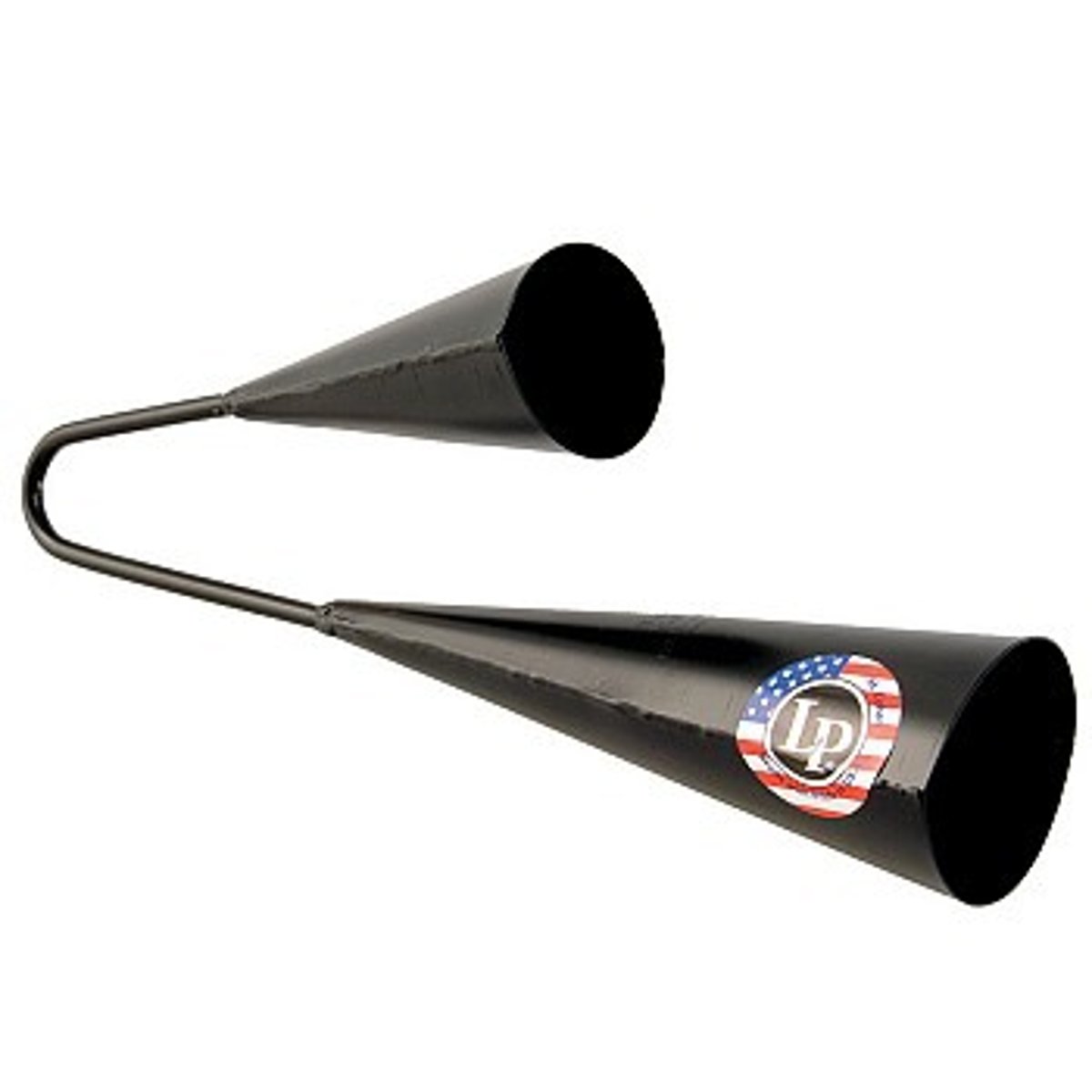
Agogo Bells
A cowbell with two pitches, one high and one low, played with a wooden stick and hand-held
Articulation
How smoothly or "spikily" something is played
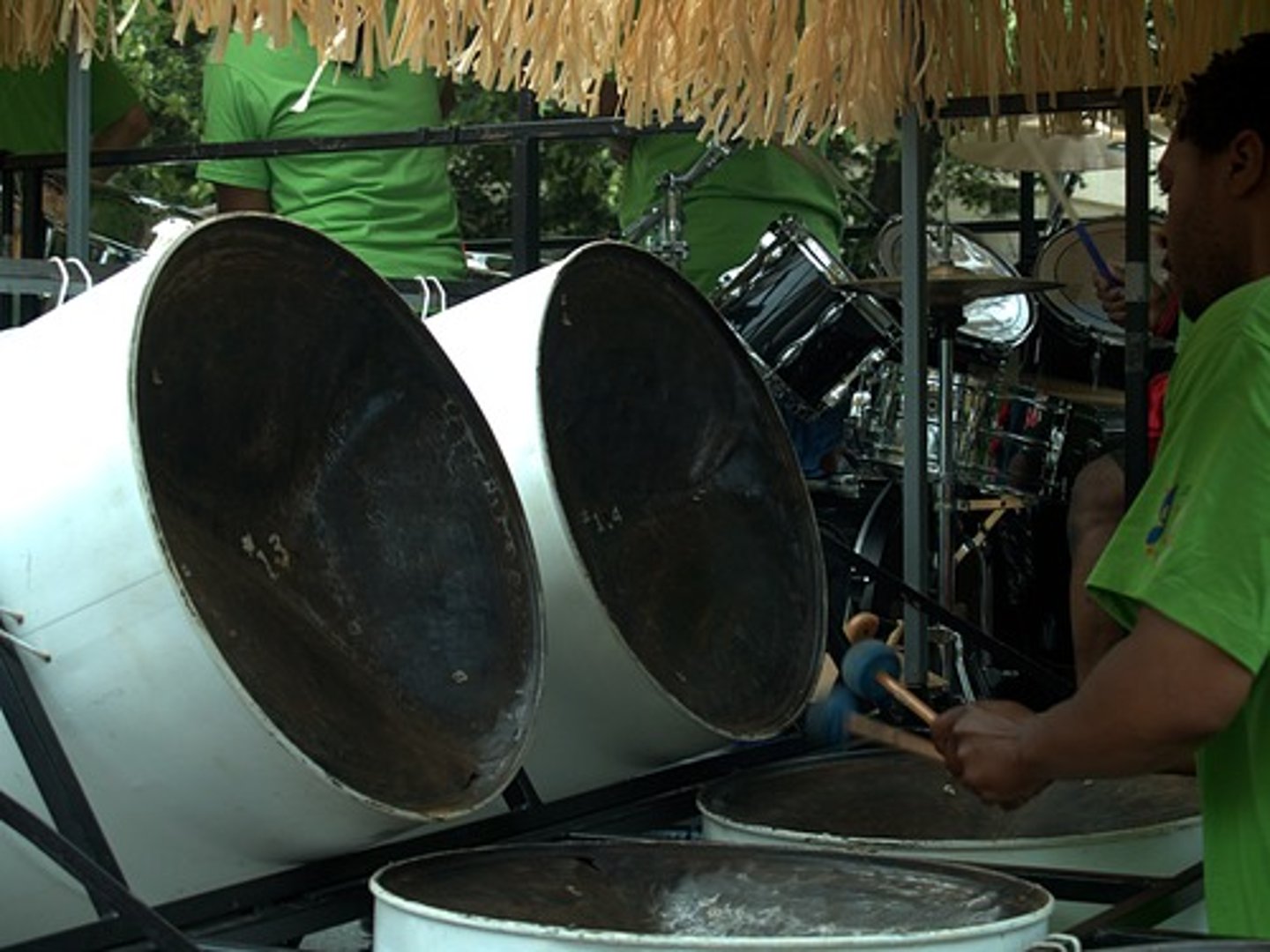
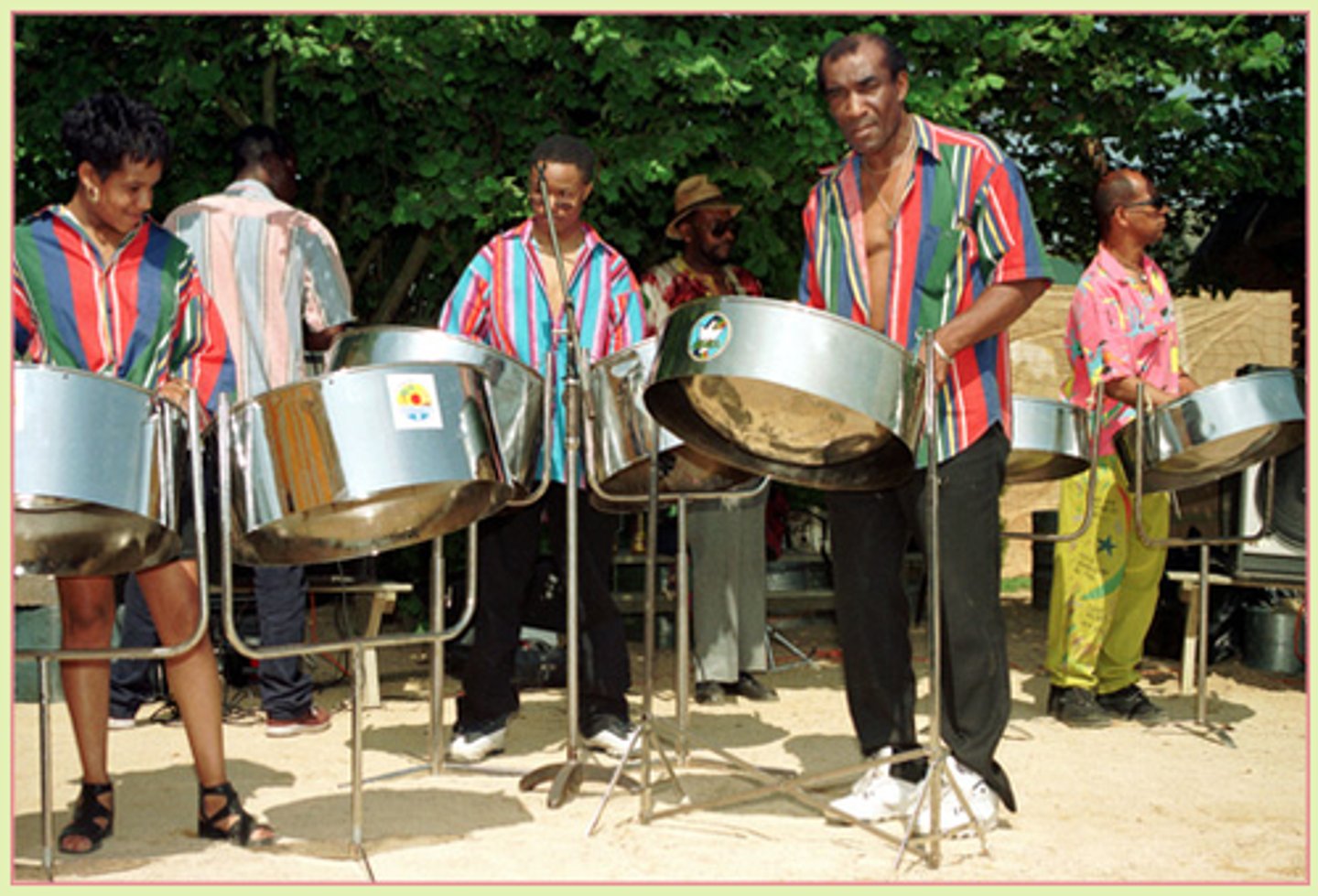
Bass Pan
The largest Steel Pan within a Steel Band ensemble playing the lowest pitch and playing the bass note, often the root of the chord often using dotted rhythms.
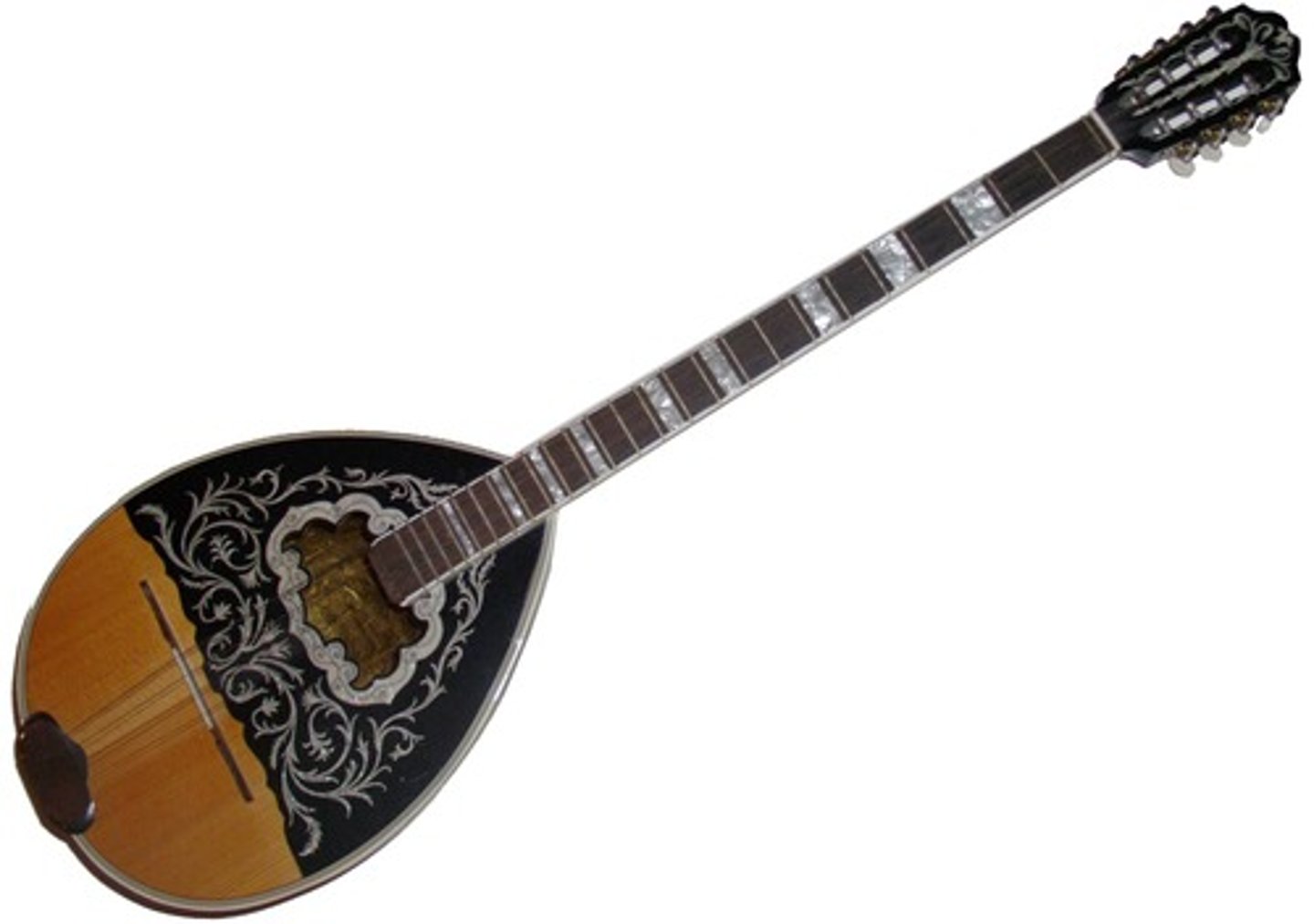
Bouzouki
A stringed instrument that has three or four pairs of strings tuned either to the same note, or an octave apart to give the Bouzouki its distinctive timbre or sonority. It is most often used as a melody instrument and often plays distinctive slides and tremolos in thirds in Greek folk music.
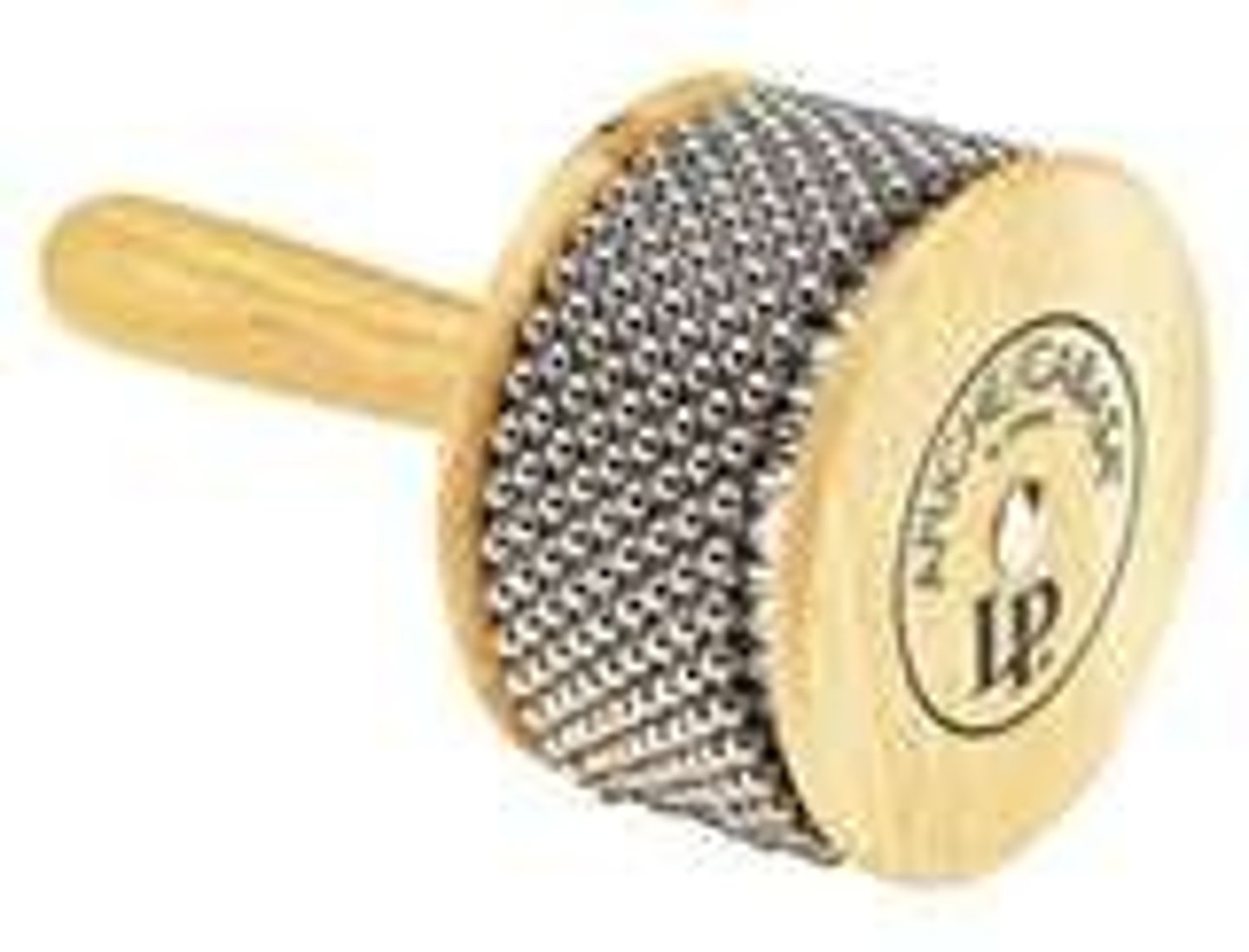
Cabasa
A percussion instrument used in Calypso music constructed with loops of steel ball chain wrapped around a wide cylinder which is fixed to a long, narrow wooden or plastic handle.
Cadence
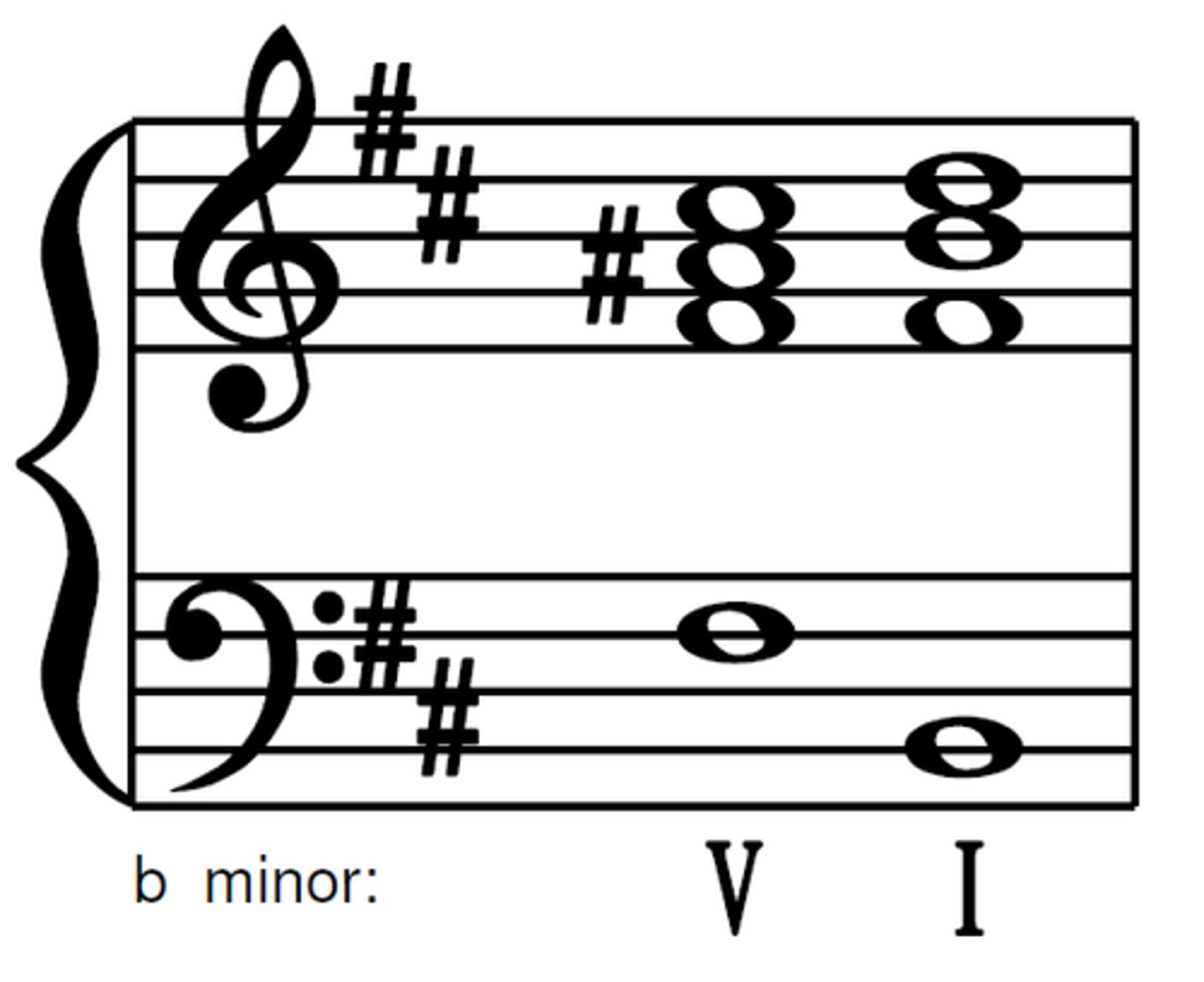
A progression of (at least) two chords that concludes a phrase, section or piece of music. Cadences can be defined as Perfect, Plagal, Imperfect and Interrupted.
Call and response
A succession of two different phrases where the second phrase is heard as a direct commentary on or response to the first. Used in African Drumming, Calypso and Samba.
Cello Pan
The second largest Steel Pan within a Steel Band ensemble playing the chords, melody or bass.
Chaal
The rhythm on which Punjabi Bhangra is based consisting of a repeated eight note pattern in 4/4 metre. The Chaal rhythm is "swung" (as in Blues music) and has a triplet feel (dum-di, dum-di, dum-di, dum-di).
Compound Time
6/8, 9/8 and 12/8 are compound time signatures. In compound time, each beat is a dotted note.
Conga
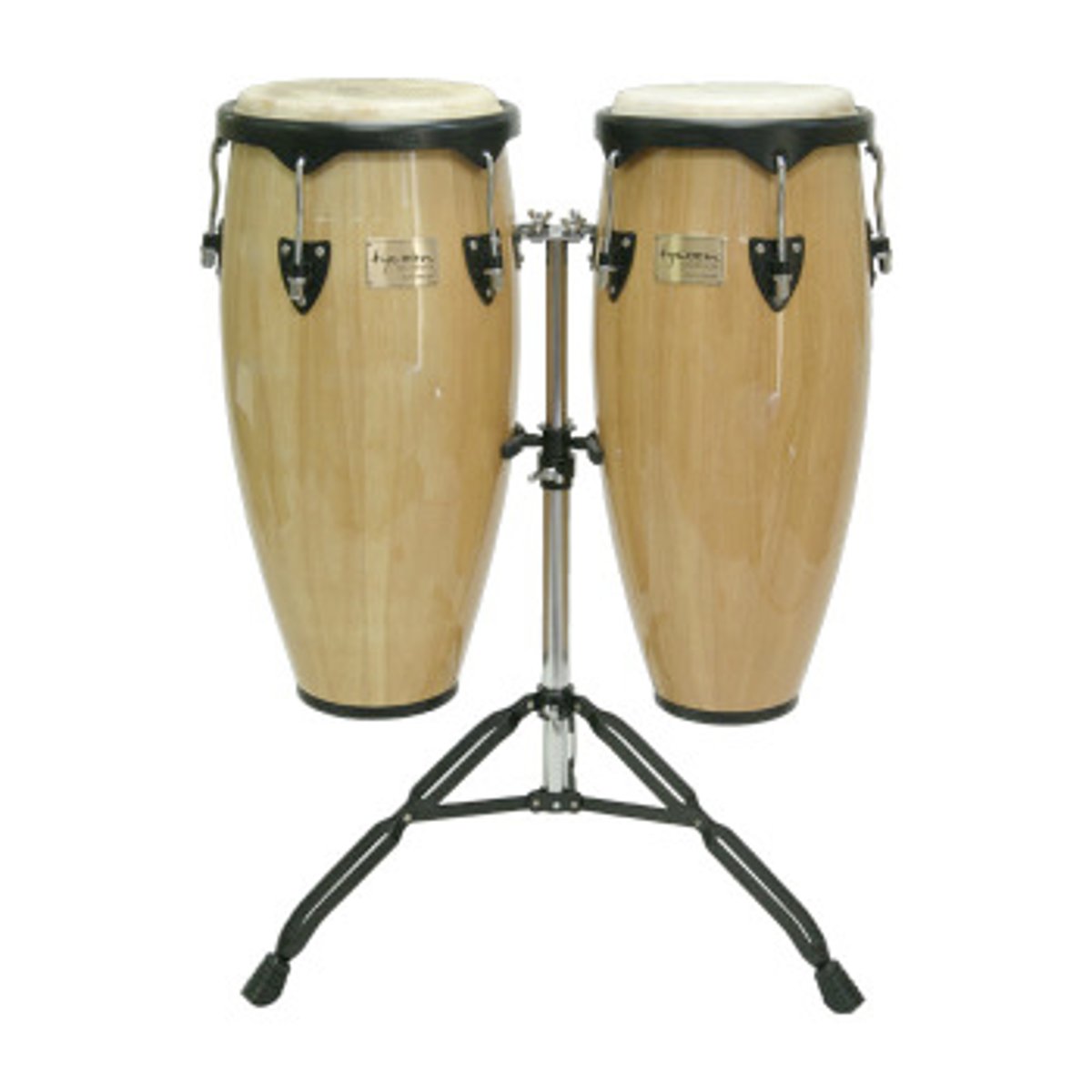
A pair of tall, narrow single-headed drums played with the hands on a stand which the musician has to stand to play used in Calypso and Samba.
Cross-Rhythms
The effect produced when two "conflicting" rhythms are heard together.
Cuica
A Brazilian friction drum used in Samba music with a large pitch range, produced by changing the tension on the head of the drum.
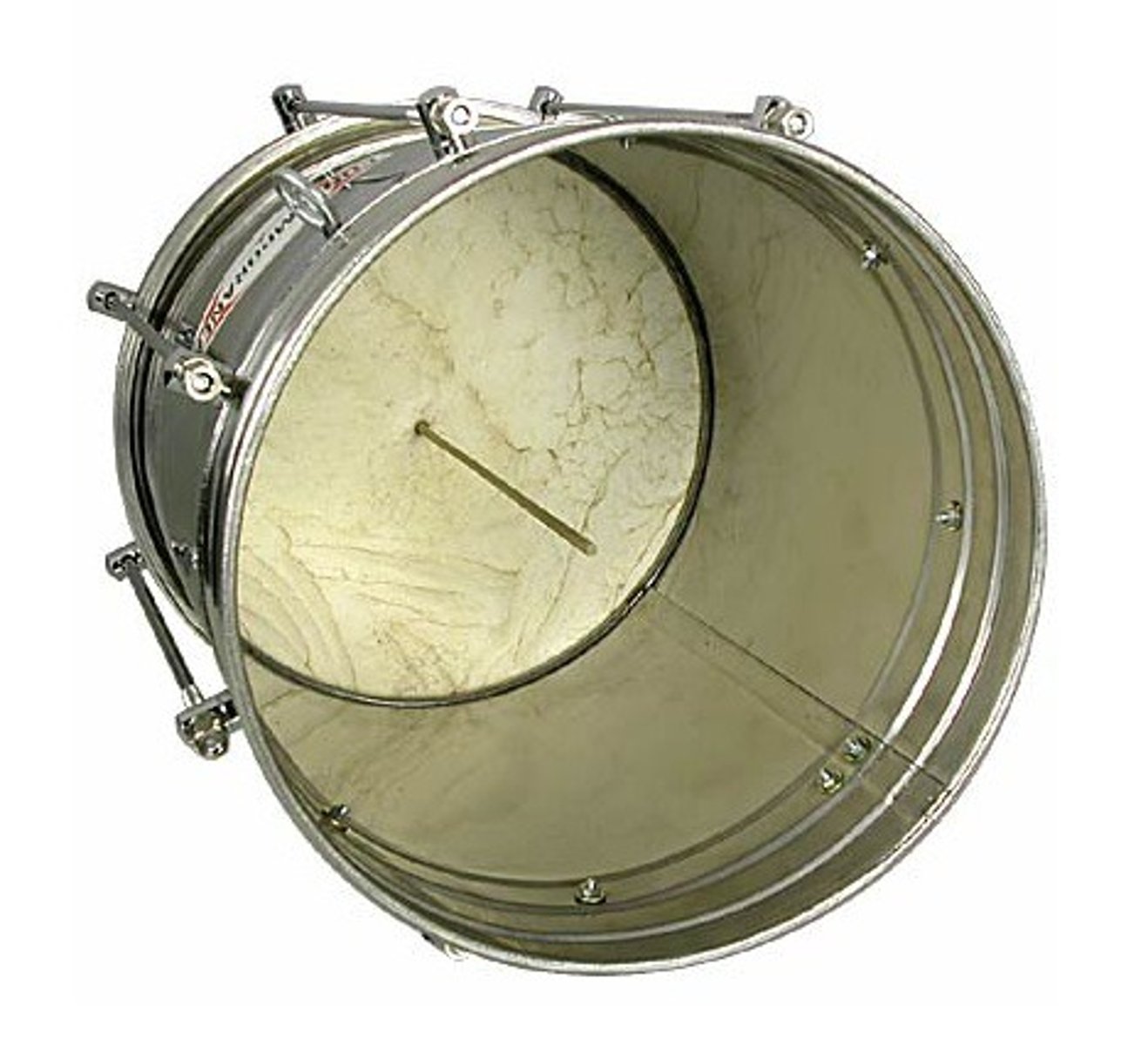
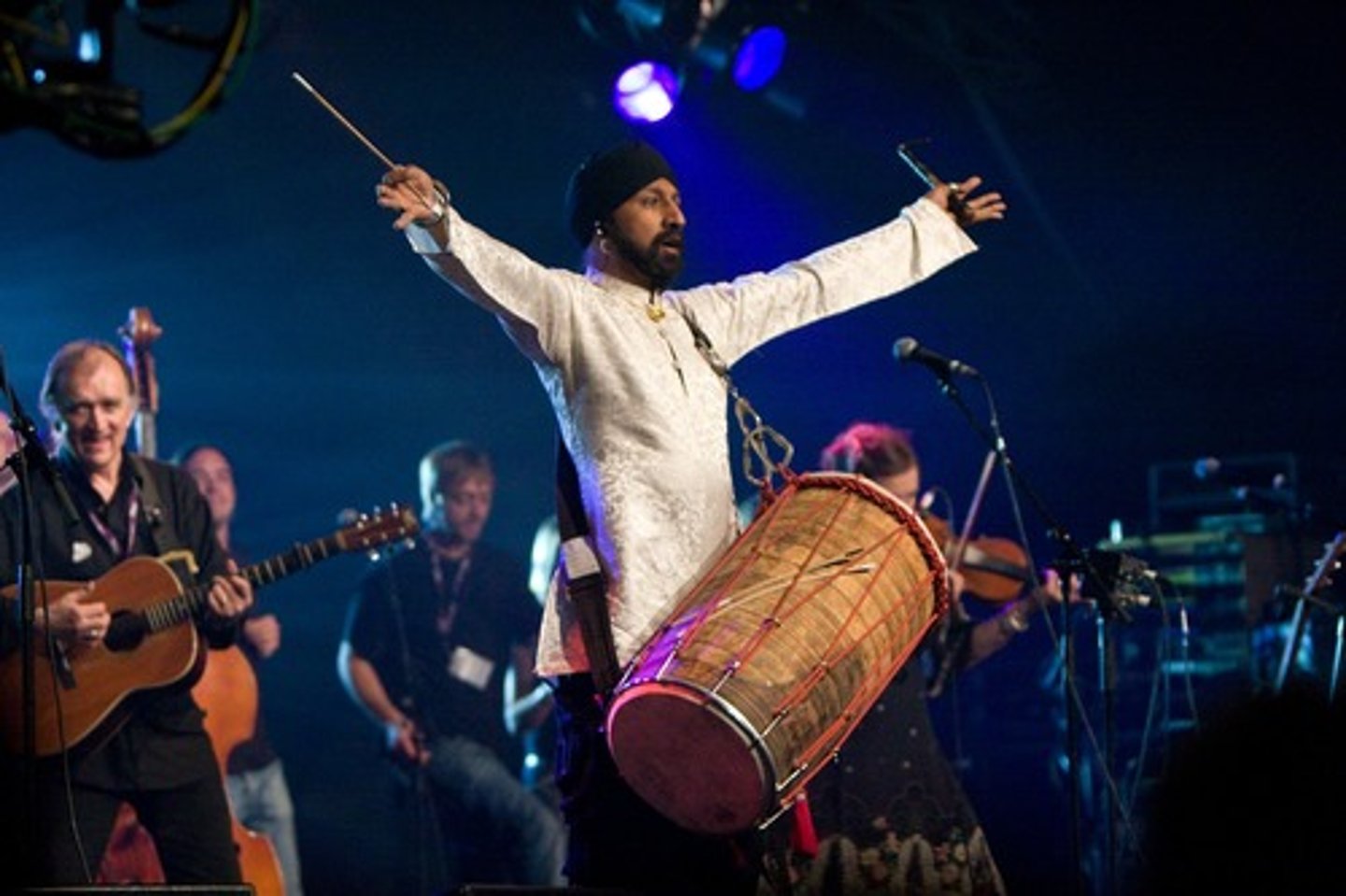
Dhol
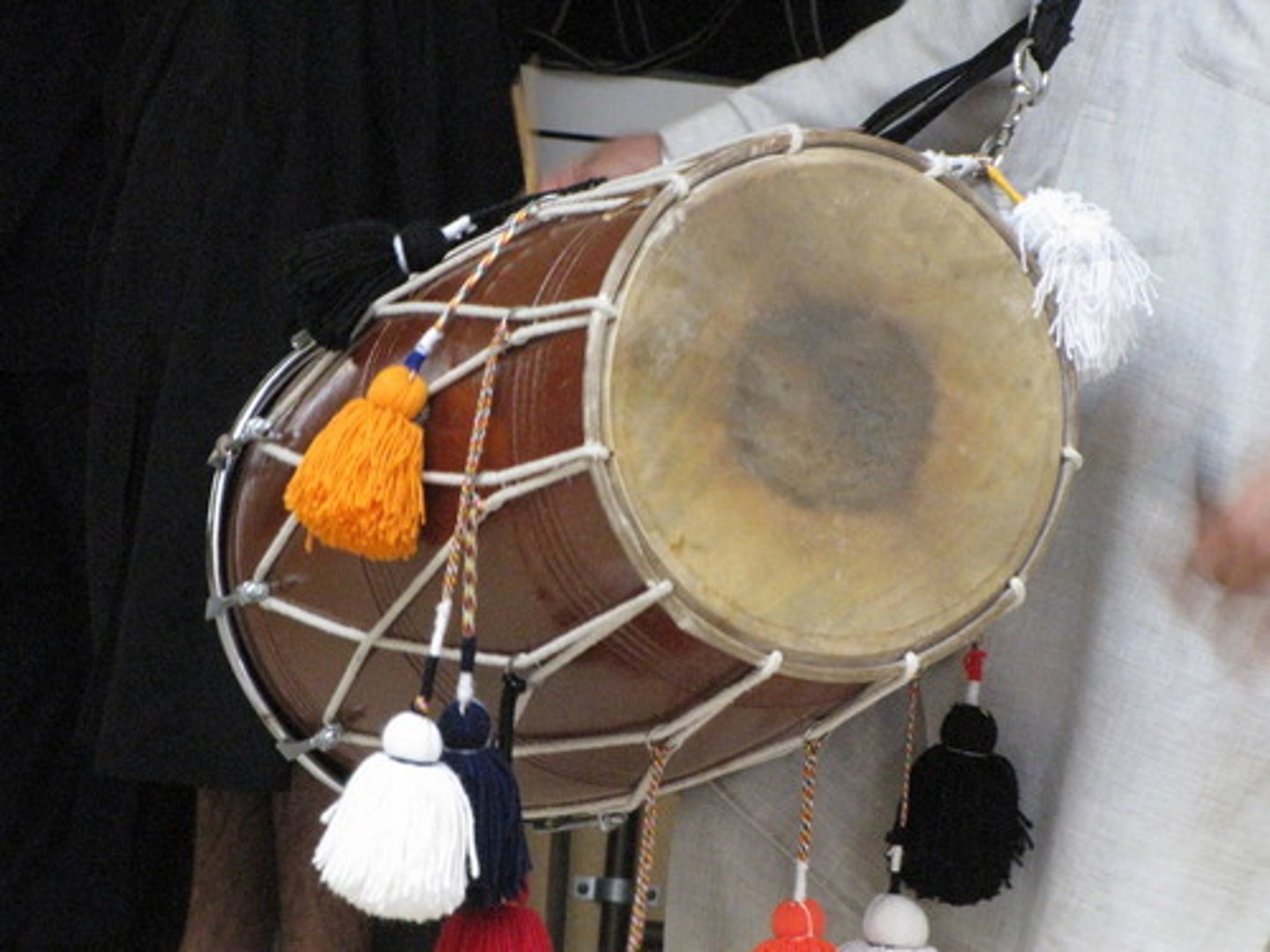
A type of drum used in Bhangra music (smaller than the Dholak) and played with the hands, often slung from the shoulder. The Dholakplays more complex rhythms and decorated parts along with the Dhol.
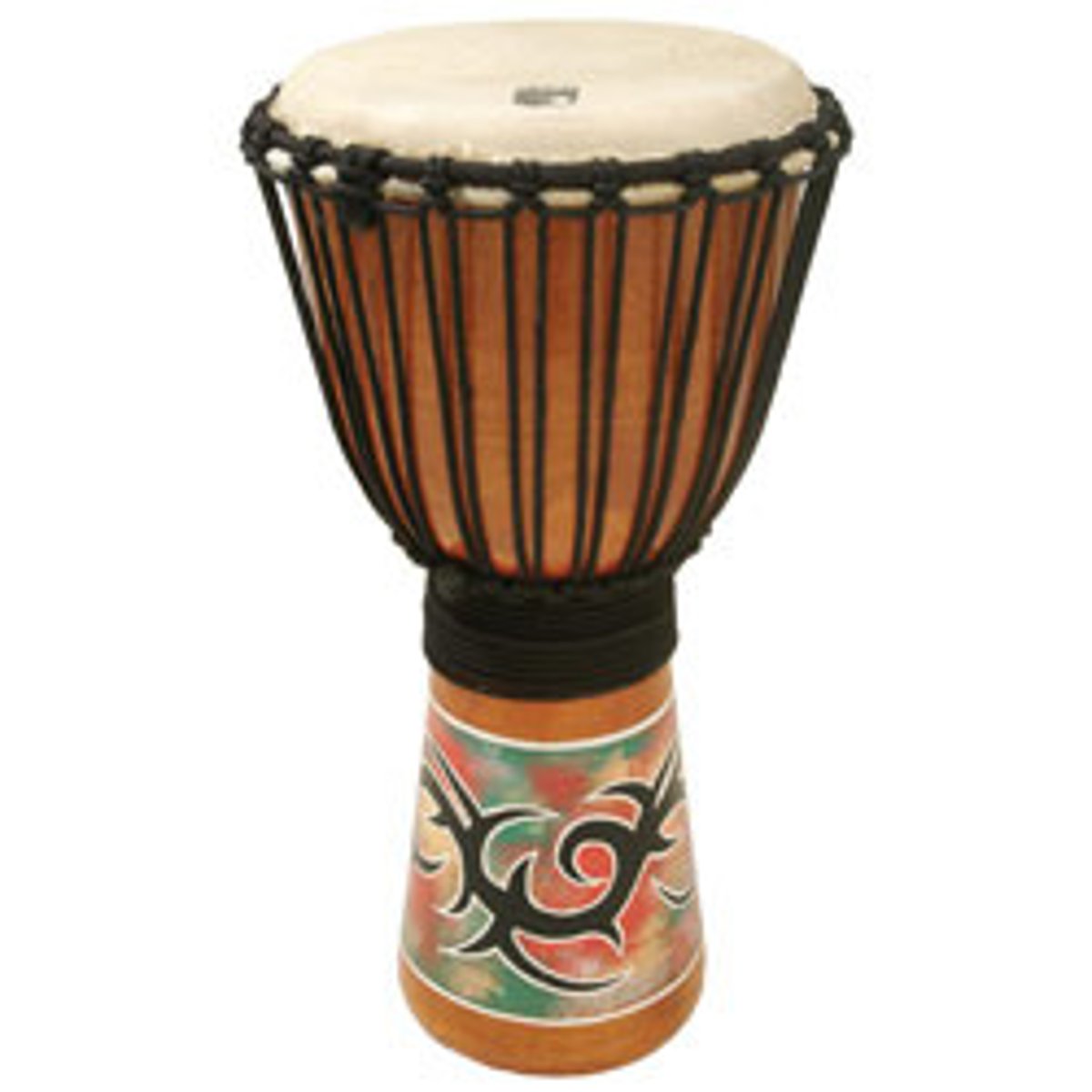
Djembe
The Djembe is played with the hands and can produce three different tones - the Bass Tone, the Slap Tone and the Tone. Drummers often create effects by dampening the sound or striking the wooden part of the drum.
Dotted Rhythms
A dot after a note increases its value by half again.

Dynamics
The loudness or softness of a sound or section/piece of music.
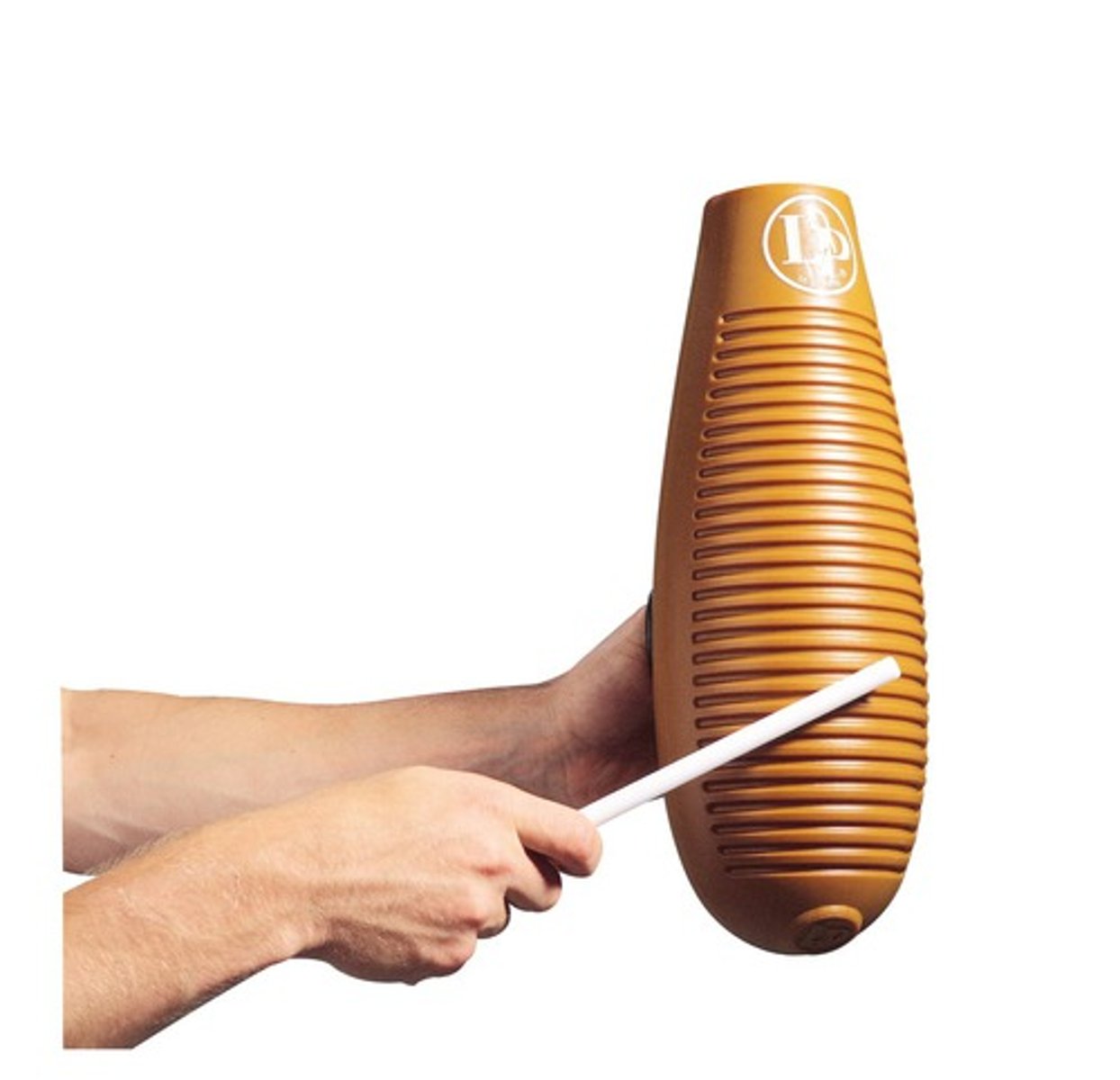
Guiro
The güiro is a Latin American percussion instrument. It is played by rubbing a stick or tines along the notches to produce a ratchet sound.
Guitar Pan
The second largest Steel Pan within a Steel Band ensemble playing the chords, melody or bass. The Guitar Pan is also known as the Cello Pan and often plays the third and fifth notes of a chord on offbeats.
Harmony
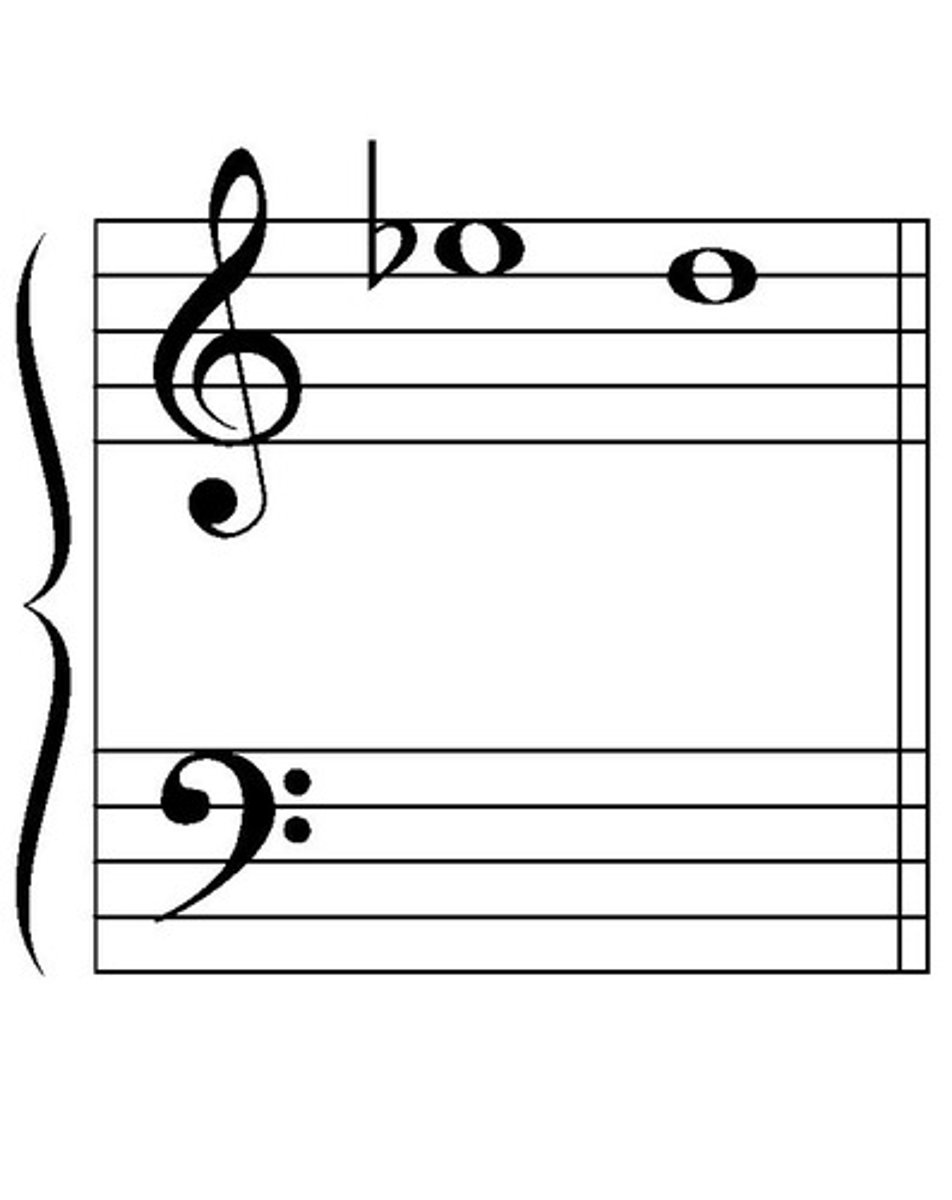
The sounding of two or more musical notes at the same time. Harmony can be described as Diatonic,
Chromatic, Consonant, and Dissonant, the use of a Pedal Note or Drone and different types of chords.
Improvise/improvisation
Composing or creating previously unprepared music "on the spot" or during a performance.
Irregular Metres
Time signatures where there are an odd number of beats per bar e.g. 5/8 or 7/8, often used in Eastern
Mediterranean and Middle Eastern folk music.
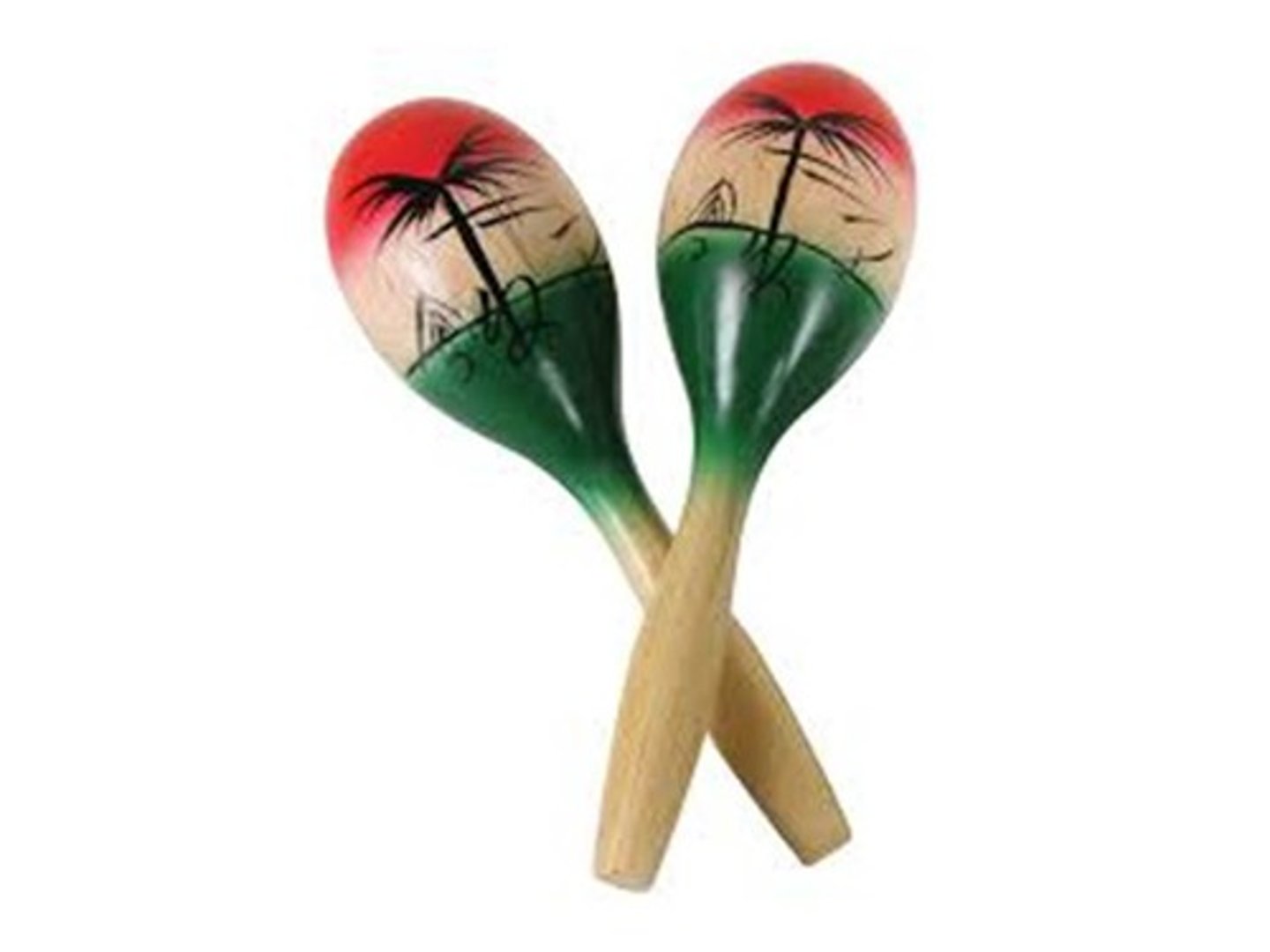
Maracas
A hollow gourd or gourd-shaped container filled with pebbles, beans or similar objects, forming one pair and shaken as a percussion instrument used in African and Calypso music.
Melody
Music contains notes in succession and notes in combination. A linear sequence of notes is referred to as melody and is often the most memorably part of a song/piece of music and called the "tune".

Microtonal
A type of Harmony used in Arabic folk music and Punjabi Bhangra where the intervals between notes of a
scale (or mode) are smaller than a semitone, often a "quarter tone" giving 24 notes in an octave. Microtonal
music can sound "strange" or "exotic" to 'Western ears' who are used to hearing 12 intervals per scale.
Mode
A seven-note scale with a fixed pattern of tones and semitones between the notes, different from conventional major and minor scales. Arabic folk music uses a system of melodic modes called Maqam with Microtones
Ornamentation
Flourishes that serve a decorative purpose to the melody line.
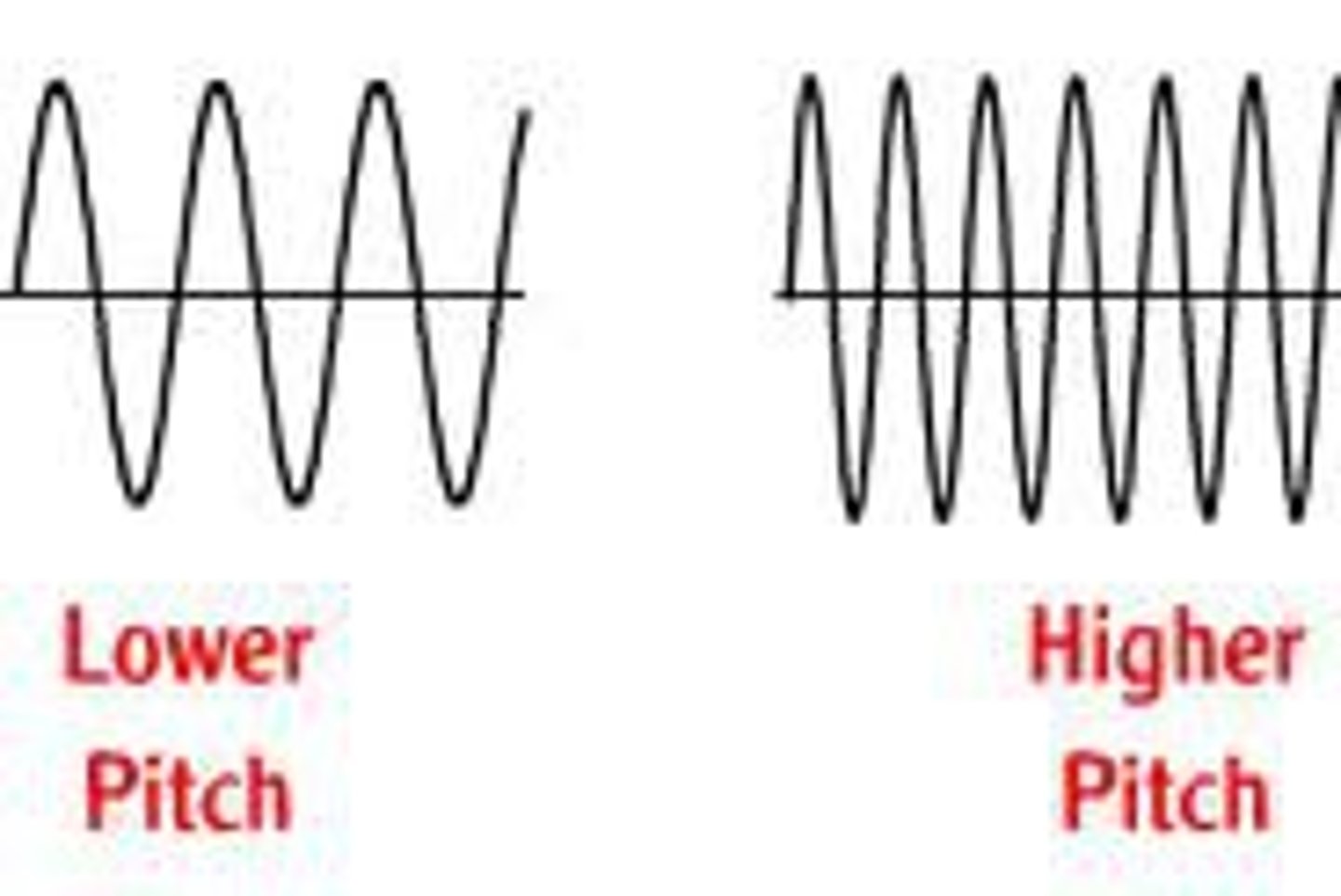
Pitch
How high or low a note is.
Ostinato
Repeated rhythmic and/or melodic pattern.

Polyrhythms
When two or more rhythms with different pulses are heard together. Often used in African music.
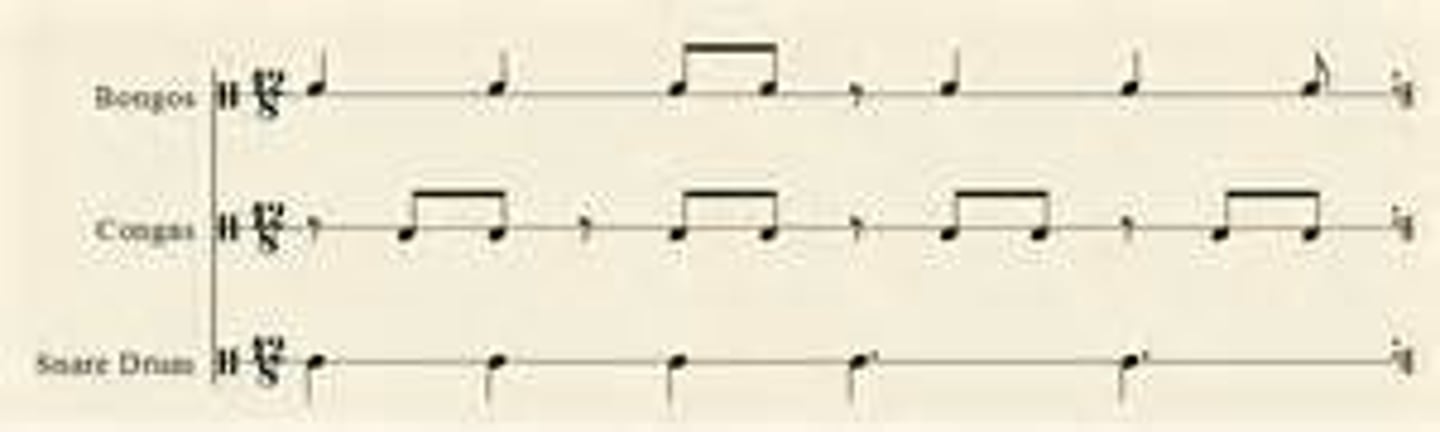
Pulse
The underlying beat of the music.
Raga
A type of scale, mode and melody used in Indian Classical music each with a particular mood and associated with a particular time of day. Also the name given to a complete piece/performance of Indian Classical music
Repinique
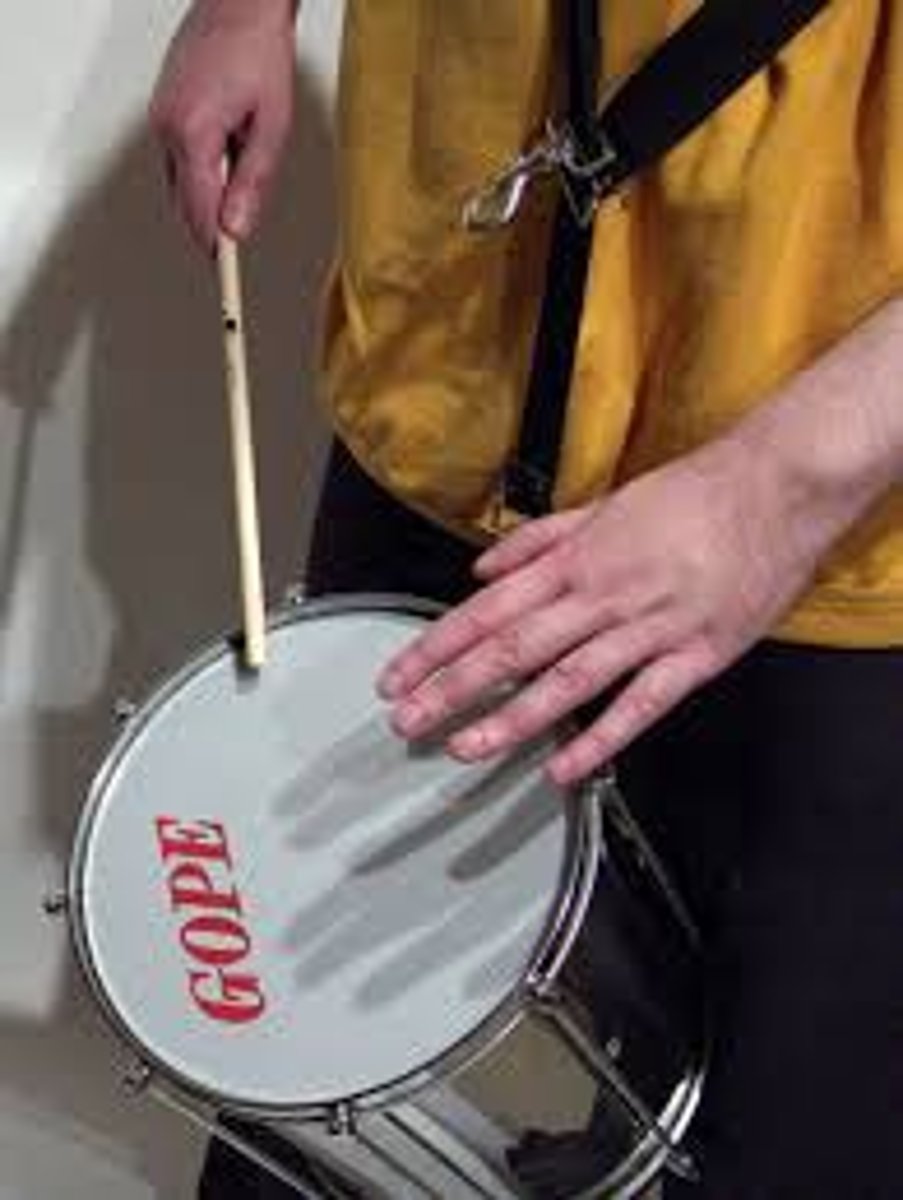
A small drum used in Samba bands and Samba music, similar to a snare drum but taller, that is usually played with one stick and the bare hand. It has a more metallic tone than the snare drum and can be used to play solo cues in call and response patterns.
Simple Time
Where the beat is a whole note e.g. a crotchet or minim beat - 2/4, 3/4,4/4 and 2/2 are all simple time signatures.
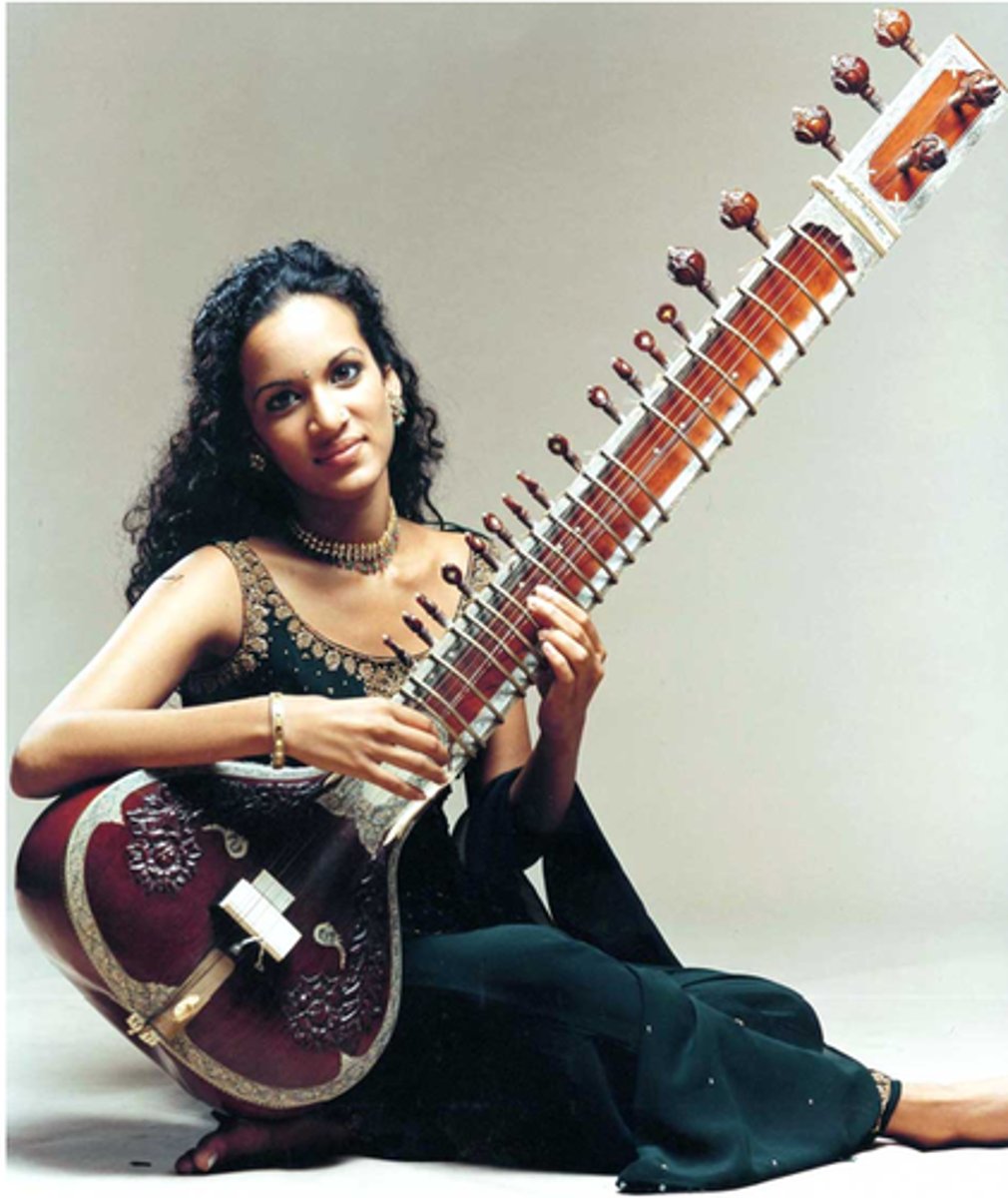
Sitar
Indian Classical guitar-like instrument.
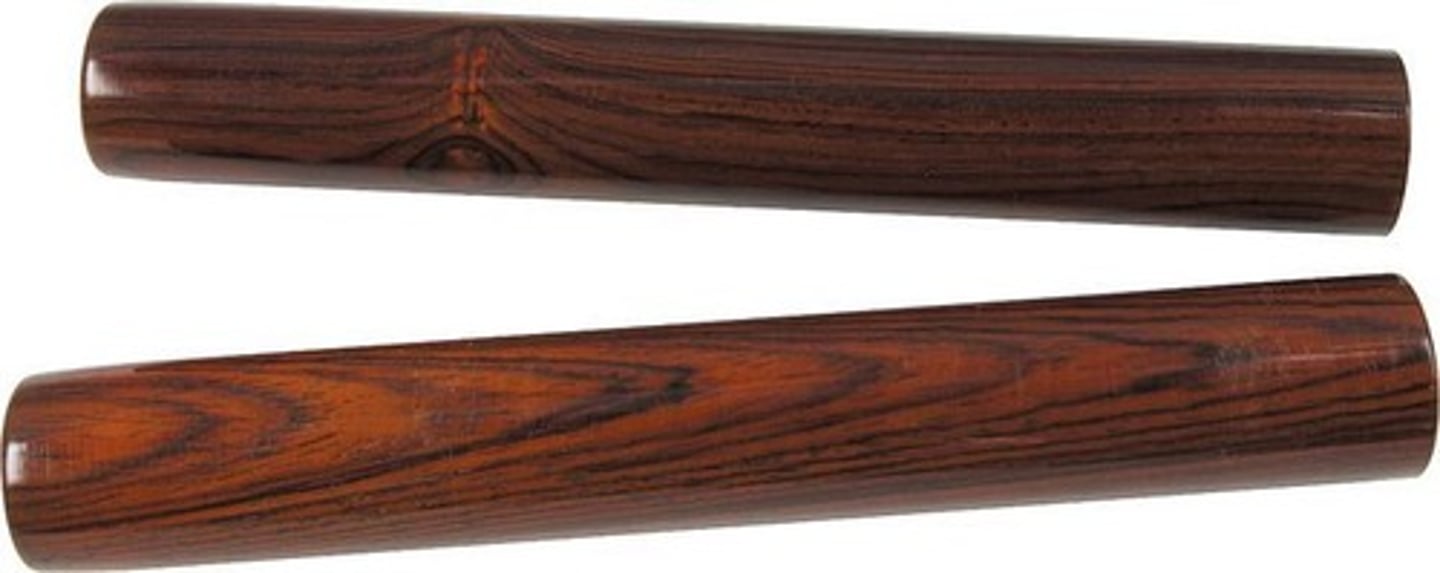
Son Clave
A rhythm used in Samba music originating from Son music played by the Claves, but in Samba used as a rhythmic ostinato.
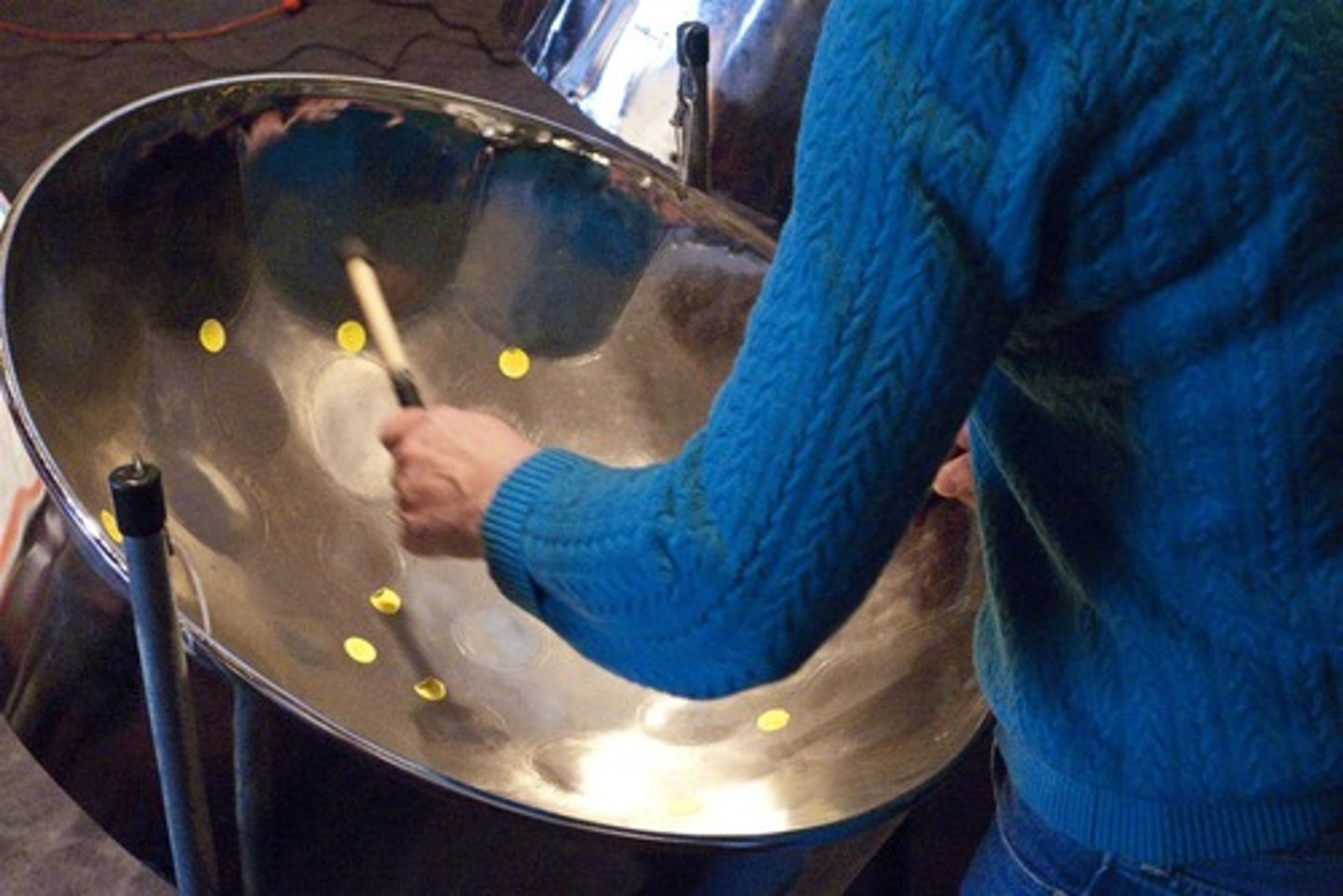
Steel Pans
Often used in Calypso and Samba music. Individual holes are carved into the pan and produced different pitches.
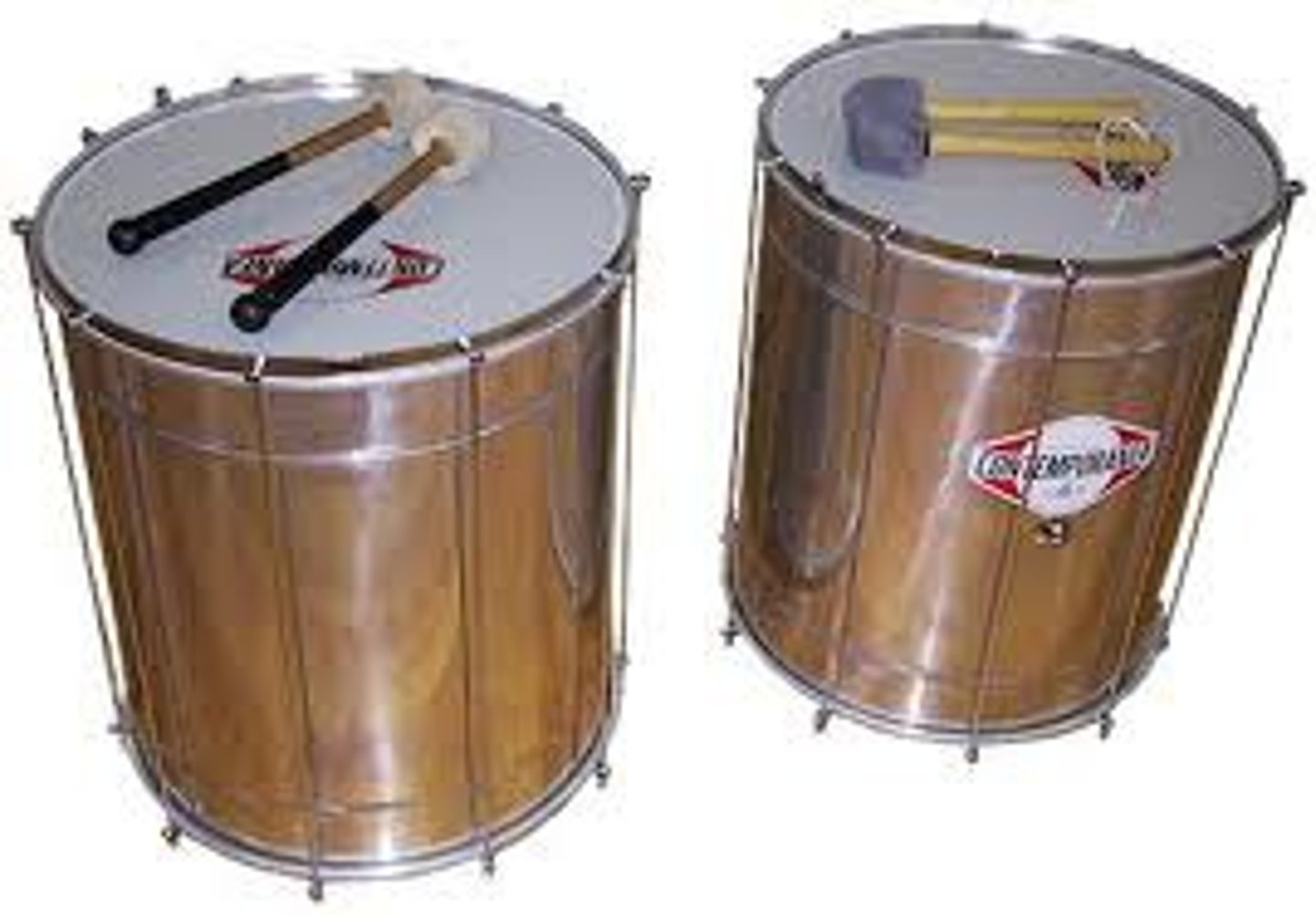
Surdo
A bass drum used to make the beat of Samba music.
Syncopation
"off-beat"
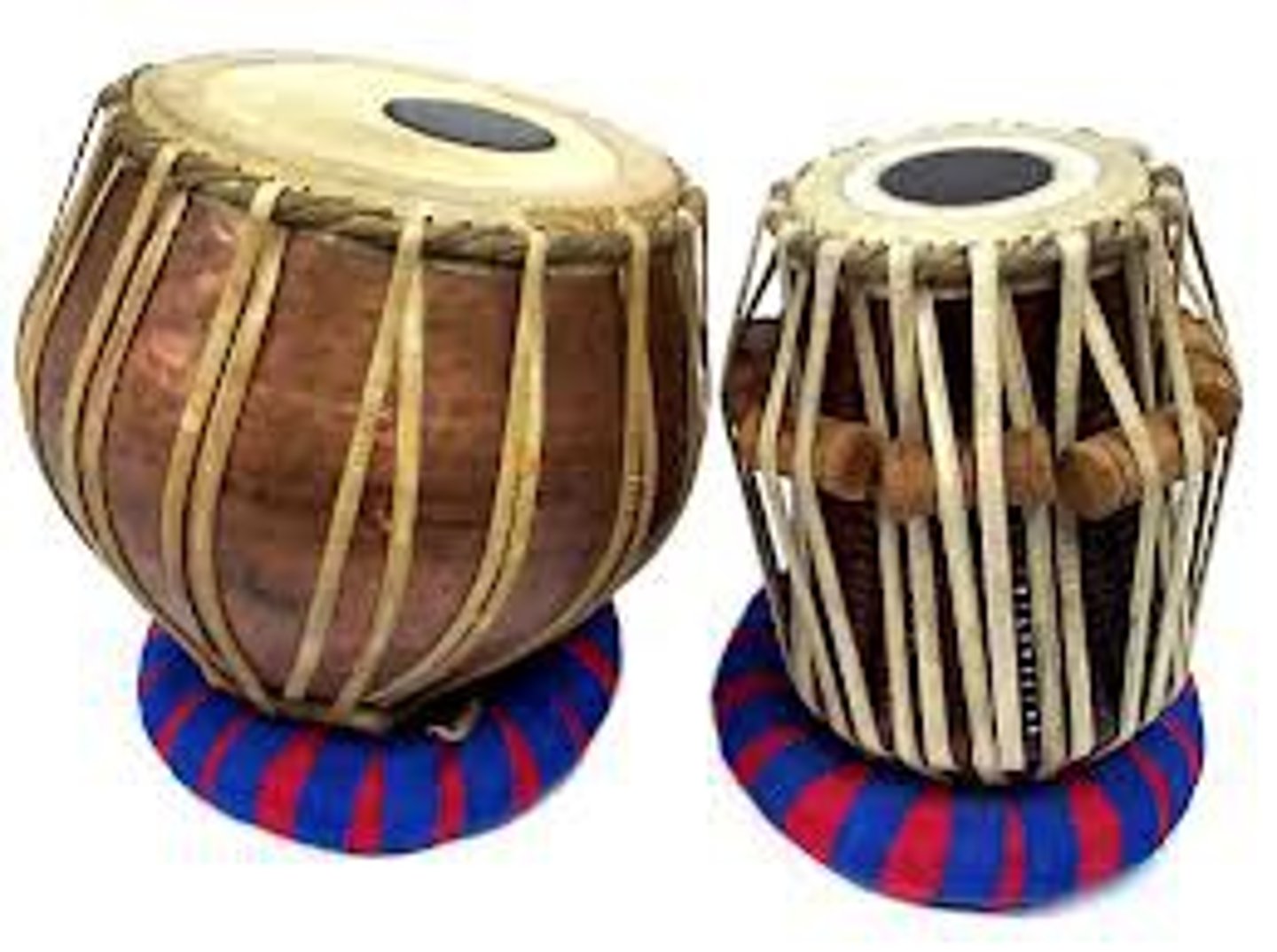
Tabla
A pair of small drums used in Indian Classical music and Punjabi Bhangra placed side by side on the floor in front of the player. Their main role is to keep the time, but they sometimes interact with the soloist and have short solos.
Tala
Indian classical music is based on rhythm patterns called Talas (single Tala) - a repeating rhythm pattern usually played by the Tabla. Usually one piece of music is based on a single Raga and a single Tala.
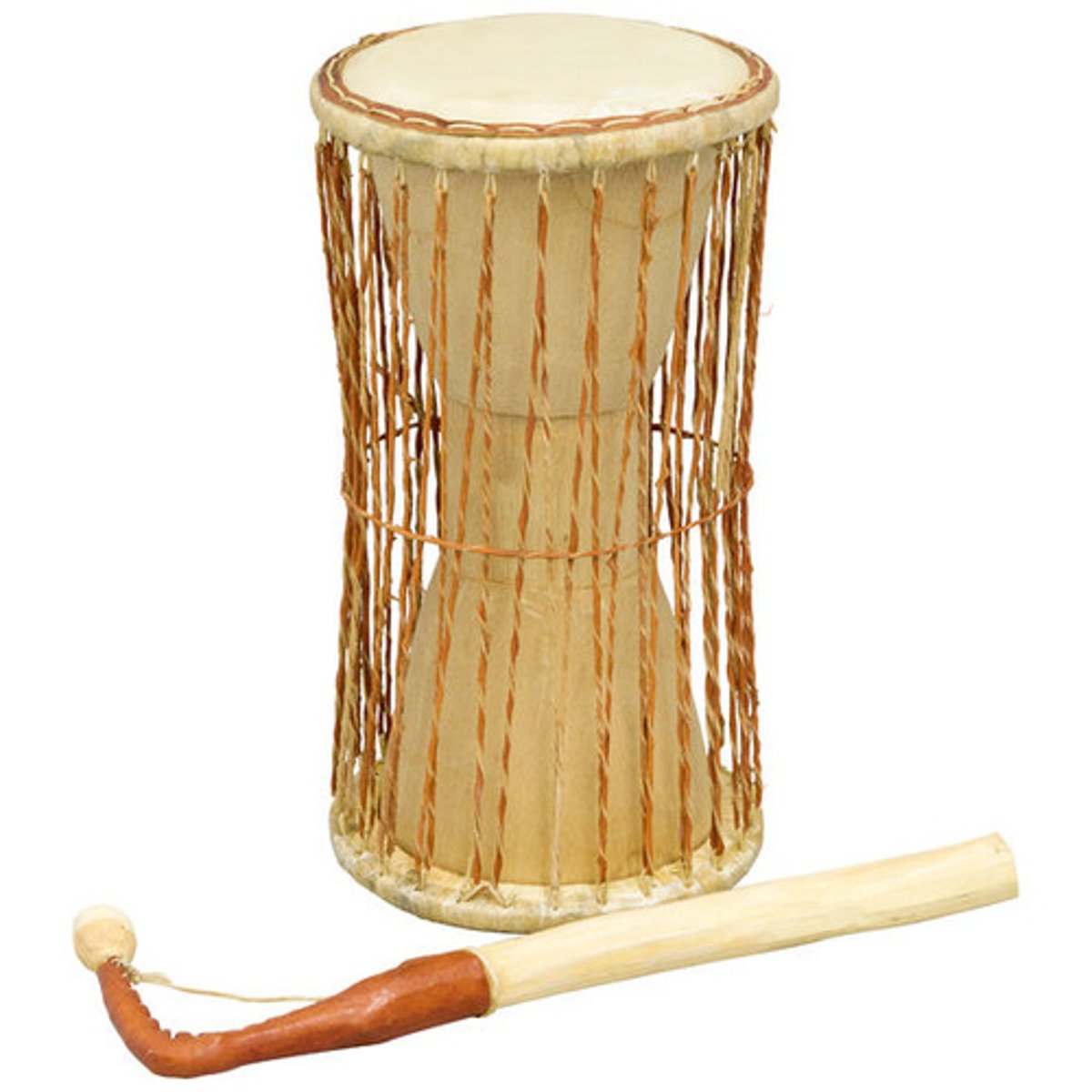
Talking Drum
The PITCH can be altered by tightening or
loosening a cord around the body of the drum and the changes have been likened to the sound of the humanvoice.
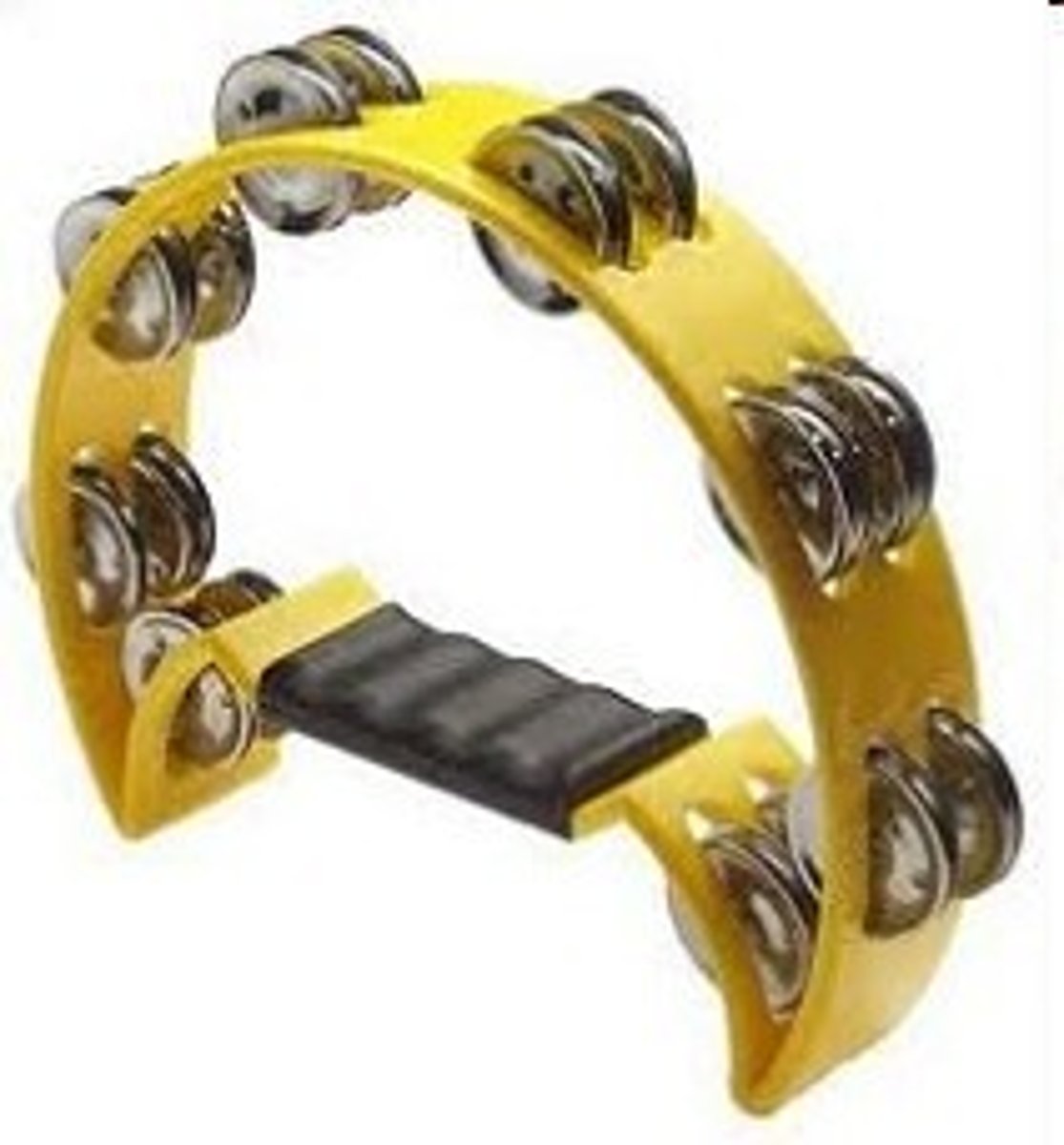
Tambourine
A musical instrument from the percussion family consisting of a frame, often of wood or plastic, with pairs of small metal jingles.
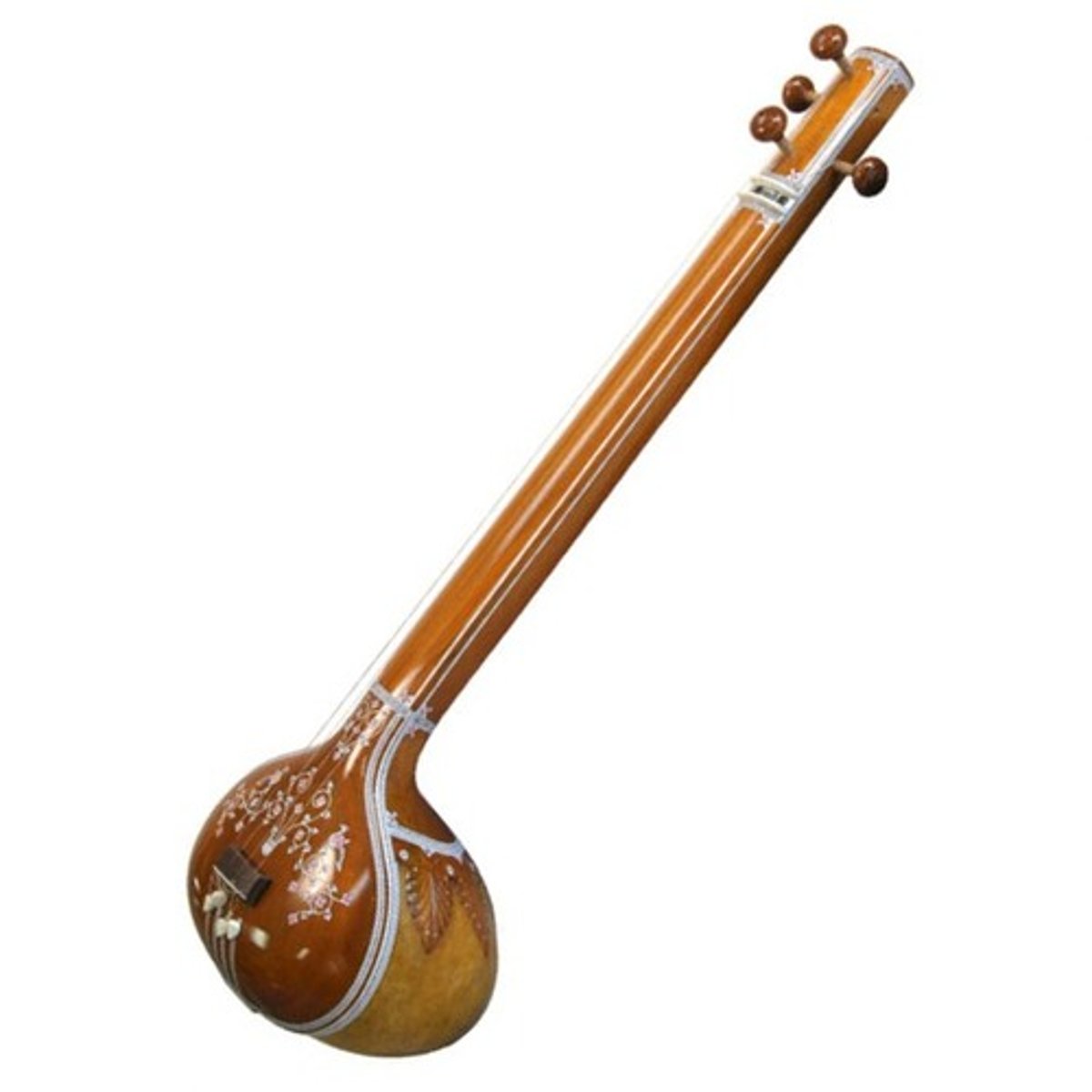
Tanpura
A stringed instrument similar to the Sitar used in Indian Classical music, but it has fewer strings (usually four) and no frets. Unlike the Sitar, it plays very simple and repetitive music - frequently performing the drone part within a raga as a form of musical accompaniment.
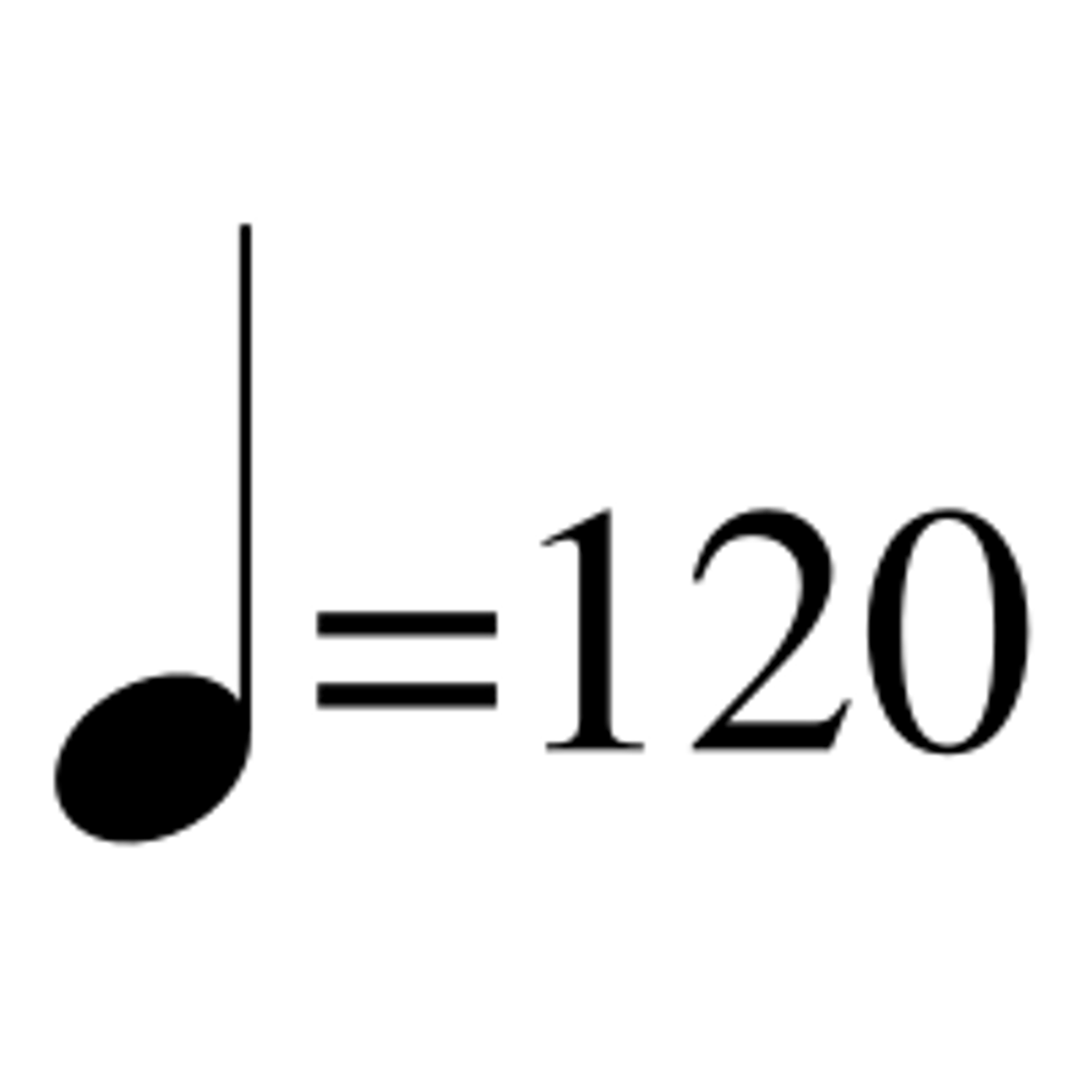
Tempo
The Speed of the music.
Tenor Pan
The smallest and highest pitched Steel Pan in a Steel Band also called the Soprano Pan, Ping Pong Pan or First Tenor Pan usually playing the melody.
Texture
Layers within the music e.g. monophonic, polyphonic, homophonic, melody and accompaniment.
Timbre
"tone colour" or "tone quality" e.g. slap, tone, bass on a Djembe.
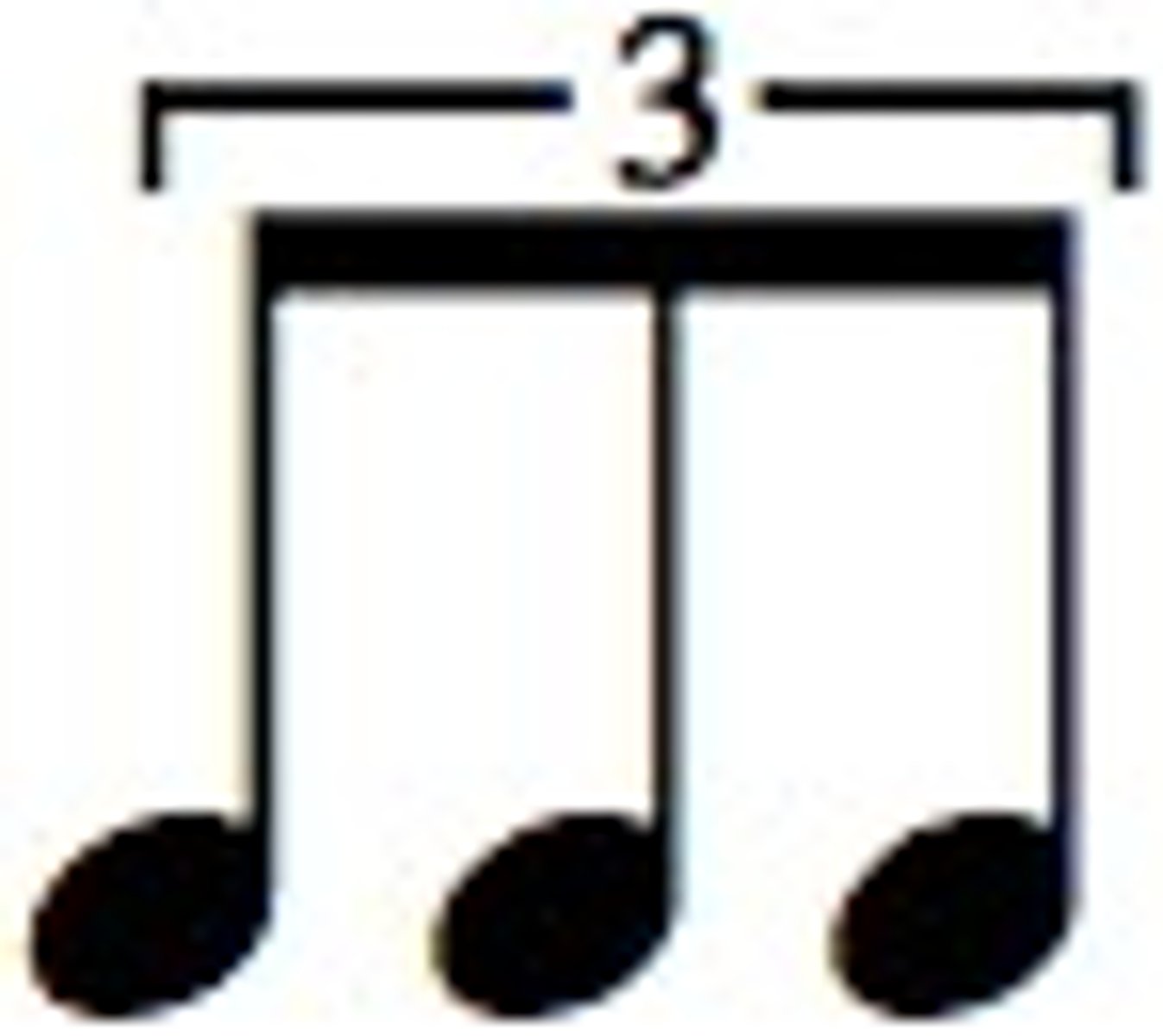
Triplet
Three notes played in the time of two.
Tonality
The key of a piece: minor, major, modal, atonal, chromatic.
 Note
Note  Flashcards (20)