ne102 3/25 lecture - genome, new genes, gene editing + CRISPR
 Call Kai
 Learn
Learn Practice Test
 Spaced Repetition
 Match
Match Flashcards
 Knowt Play
1/13

There's no tags or description
Looks like no tags are added yet.
Name | Mastery | Learn | Test | Matching | Spaced | Call with Kai |
|---|
No analytics yet
Send a link to your students to track their progress
14 Terms
how do genes and genomes evolve?
through the role of coding + non-coding DNA
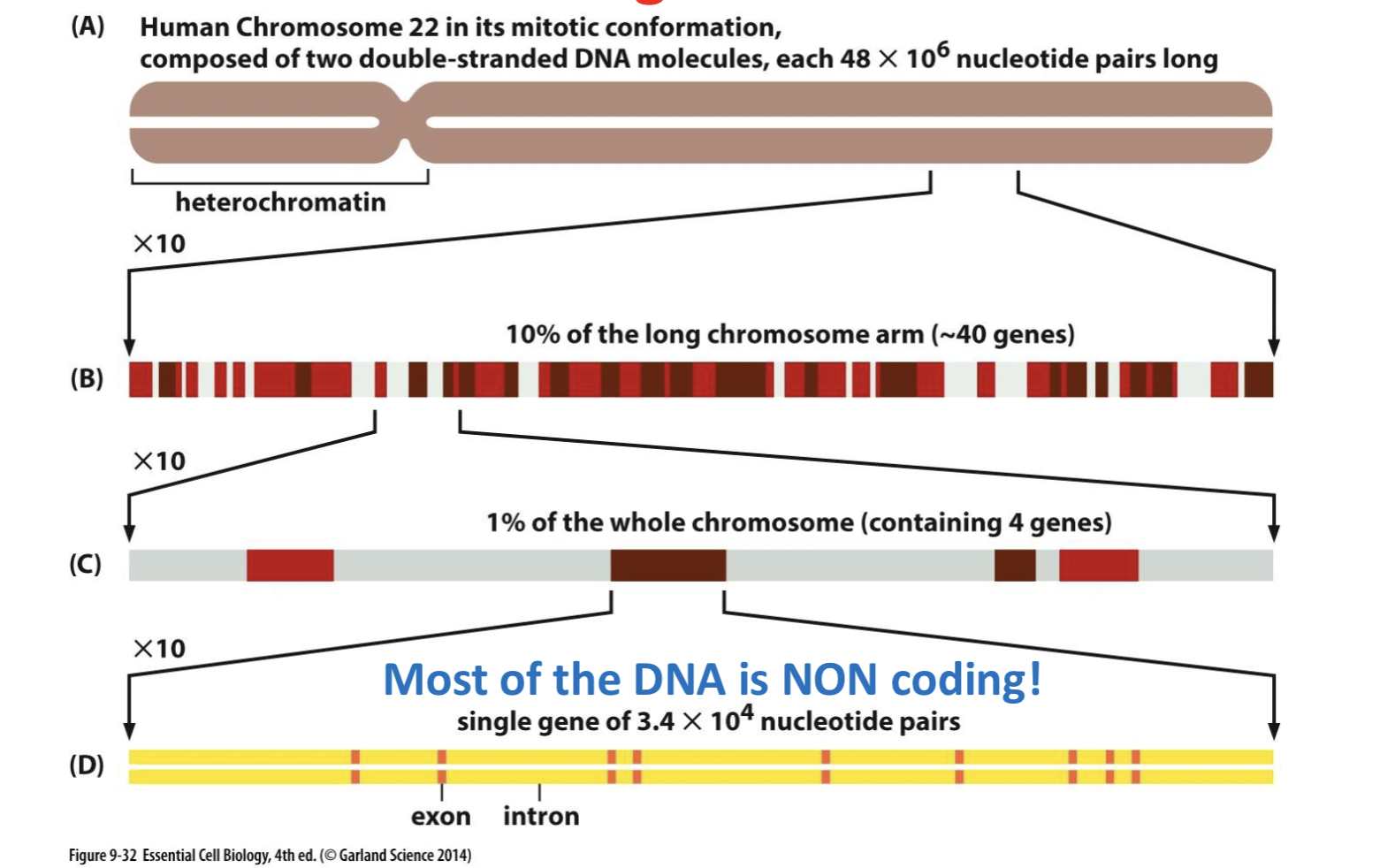
chromosome 22
composed of two double-stranded DNA molecules, each 48M nucleotide pairs long; most of the DNA is NON coding
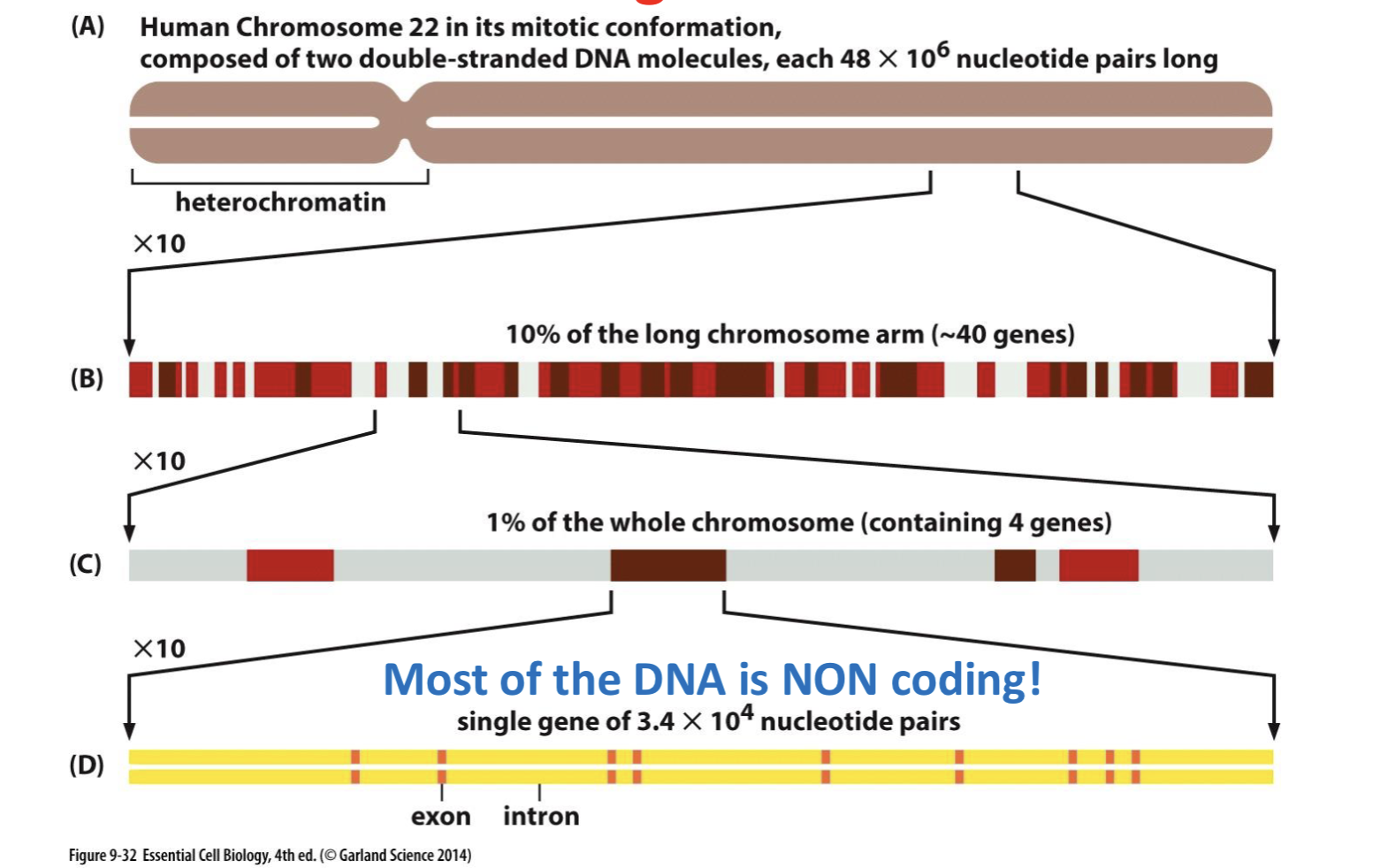
how did DNA changes + evolution occur
modifications in any region of a DNA molecule can change how the info stored in DNA is used → consequences on evolution + disease
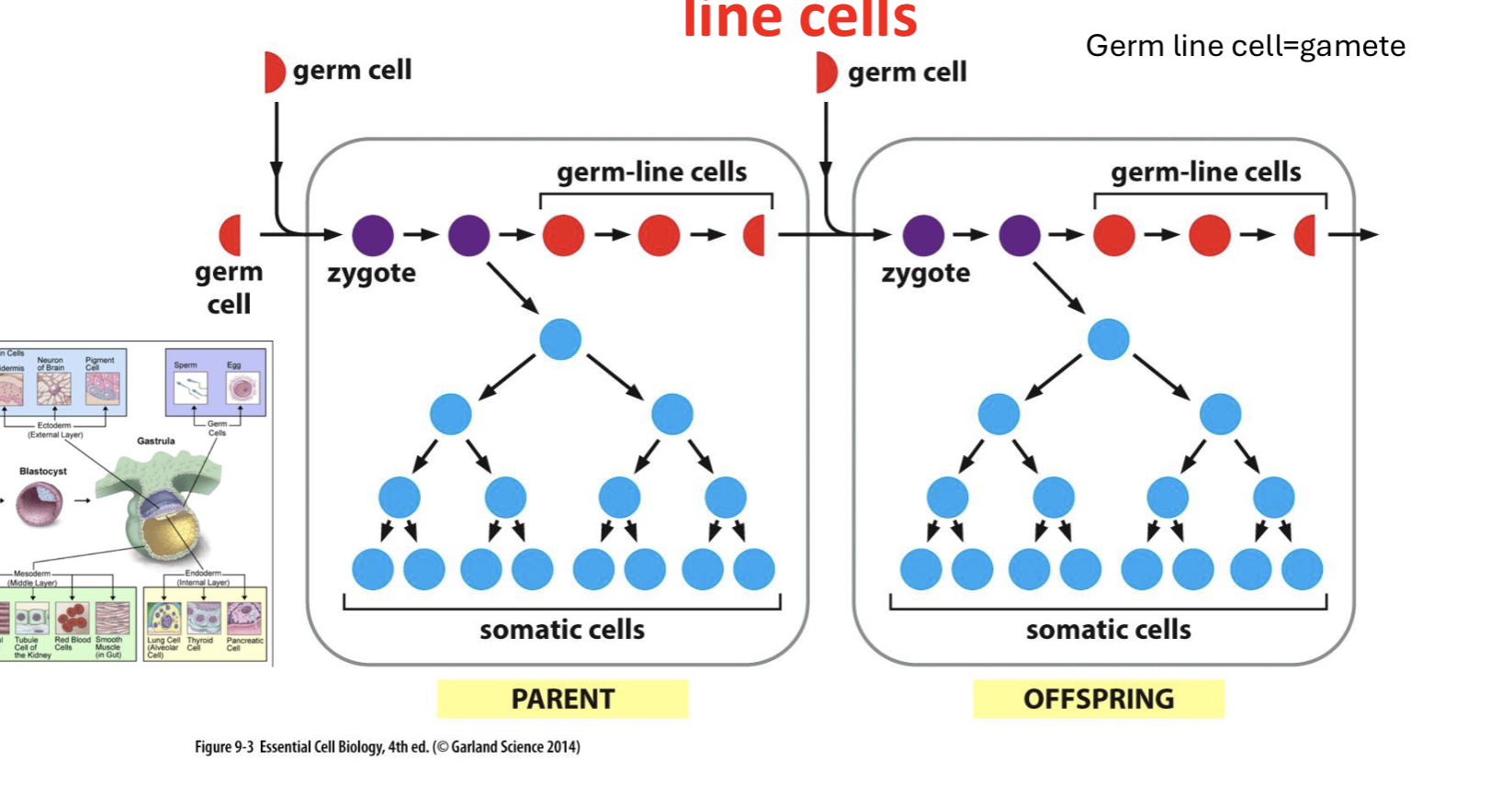
germ line cells
info in germ line cells will be passed onto next generations + define their somatic/germ cell lines (gametes)
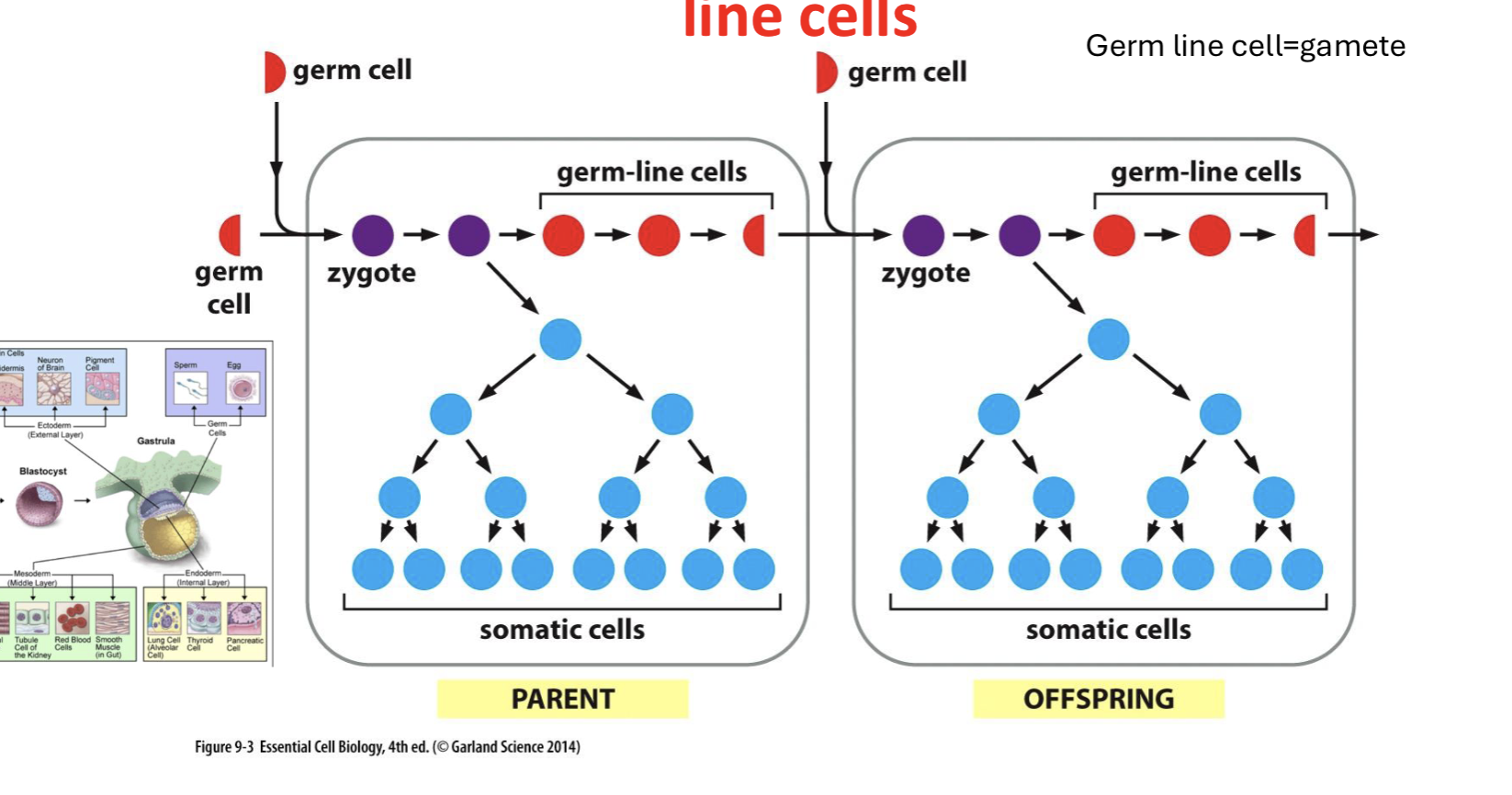
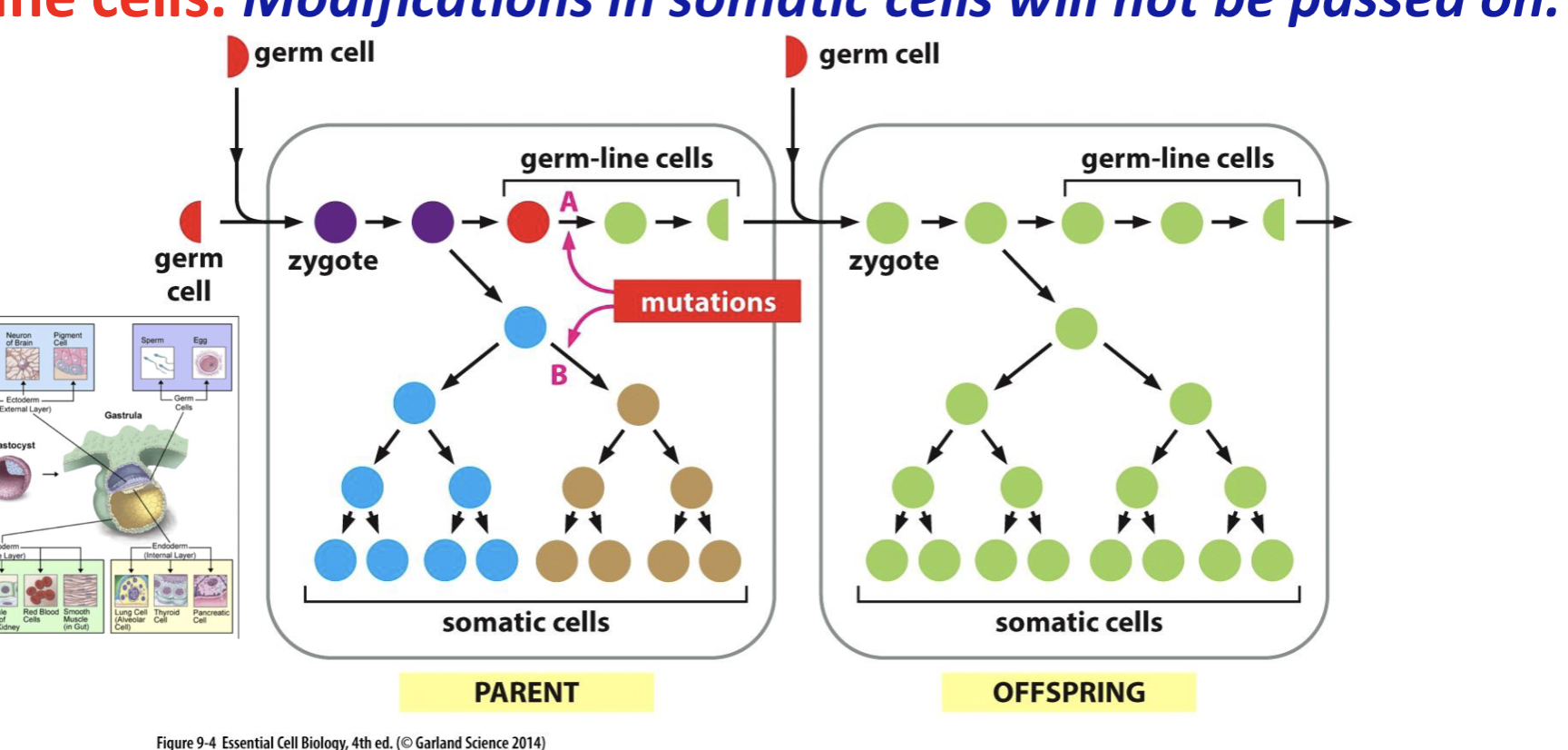
what happens when new mods occur in the DNA of germ line-cells? somatic?
mods will be passed onto next gen + will be present in their somatic/gametes. mods in somatic cells will NOT be passed on
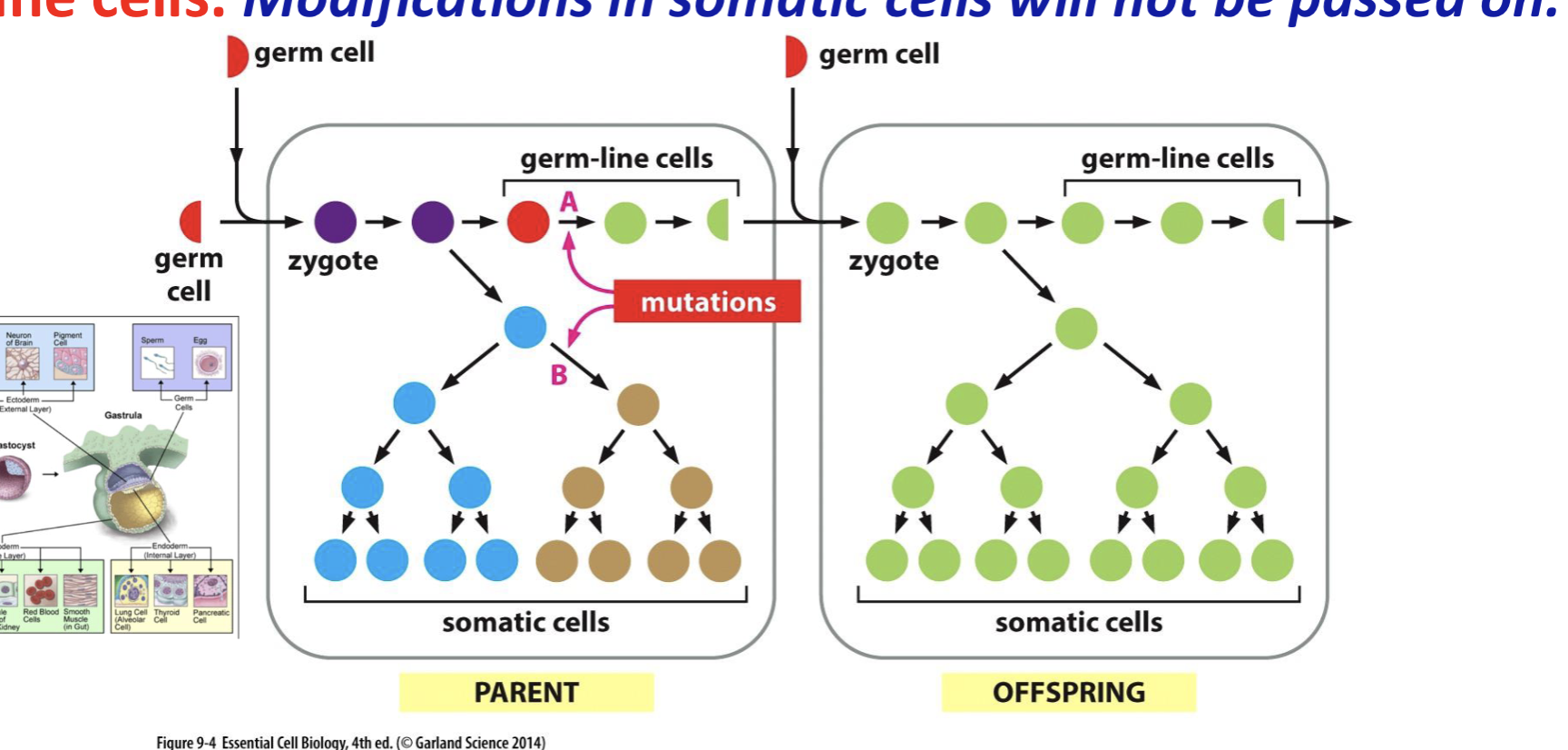
what happens when gametes carry mods?
every time gametes carry mods in the DNA → genome + genes are changed → development/evolution
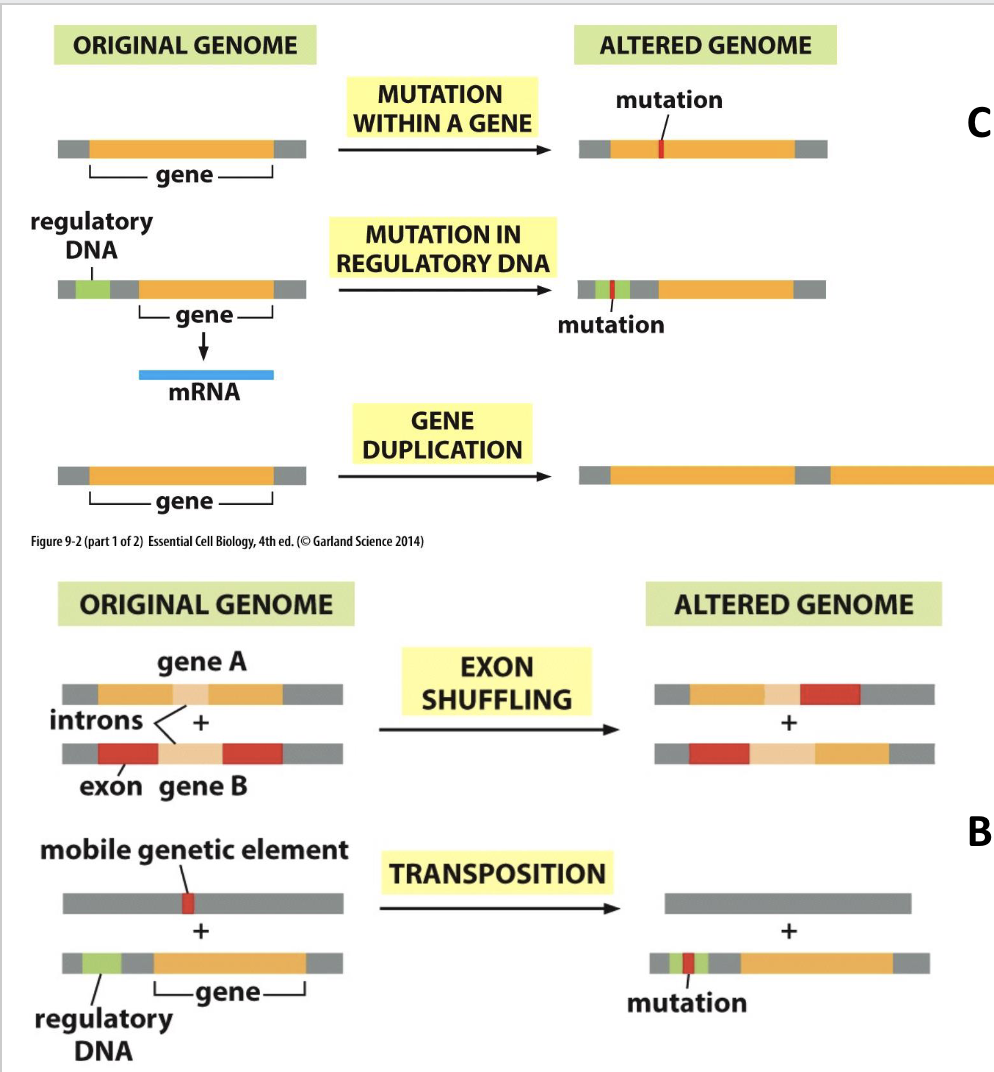
how are new genes formed?
point mutations (single nucleotide changes in the DNA)
rearrangements of DNA sequences
changes in protein characteristics/function/expression
changes in transcriptional activation
breaking + rejoining at intron sequence
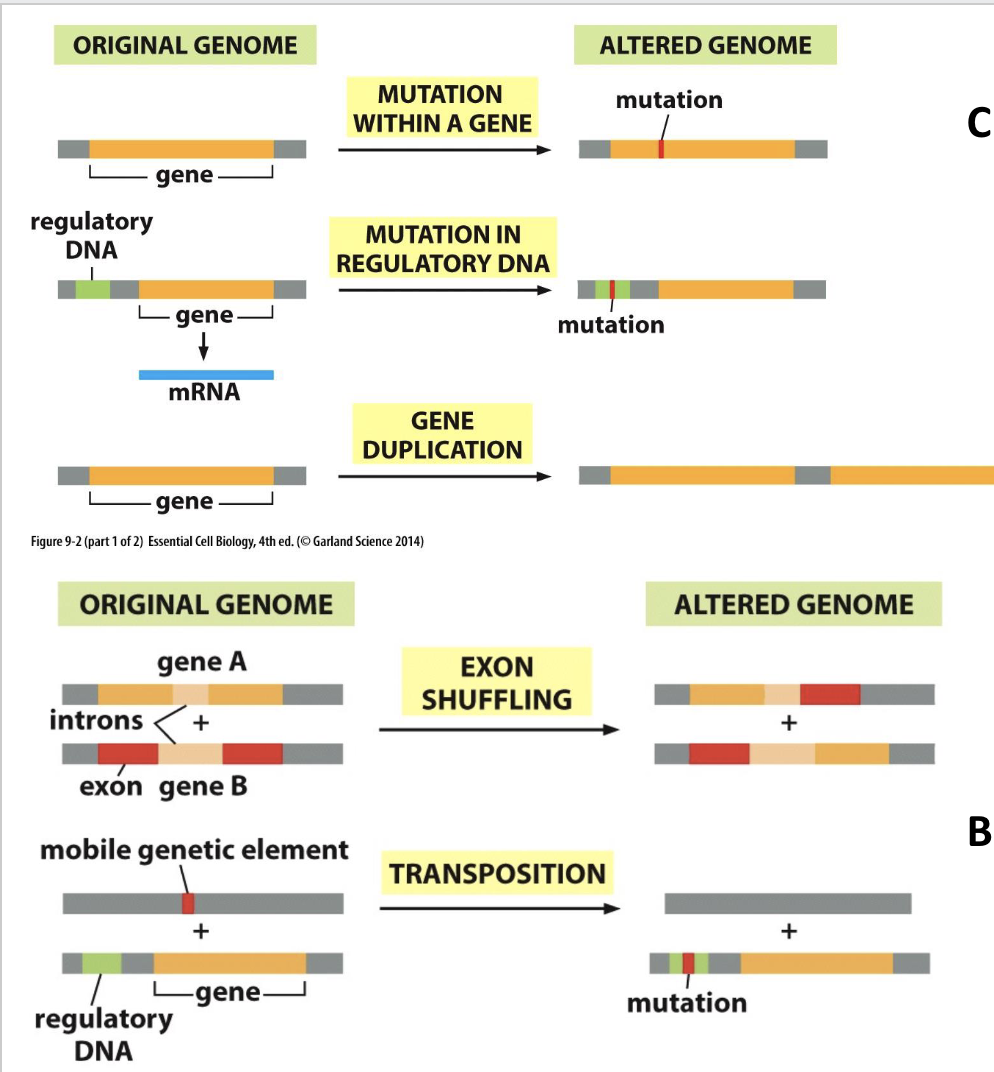
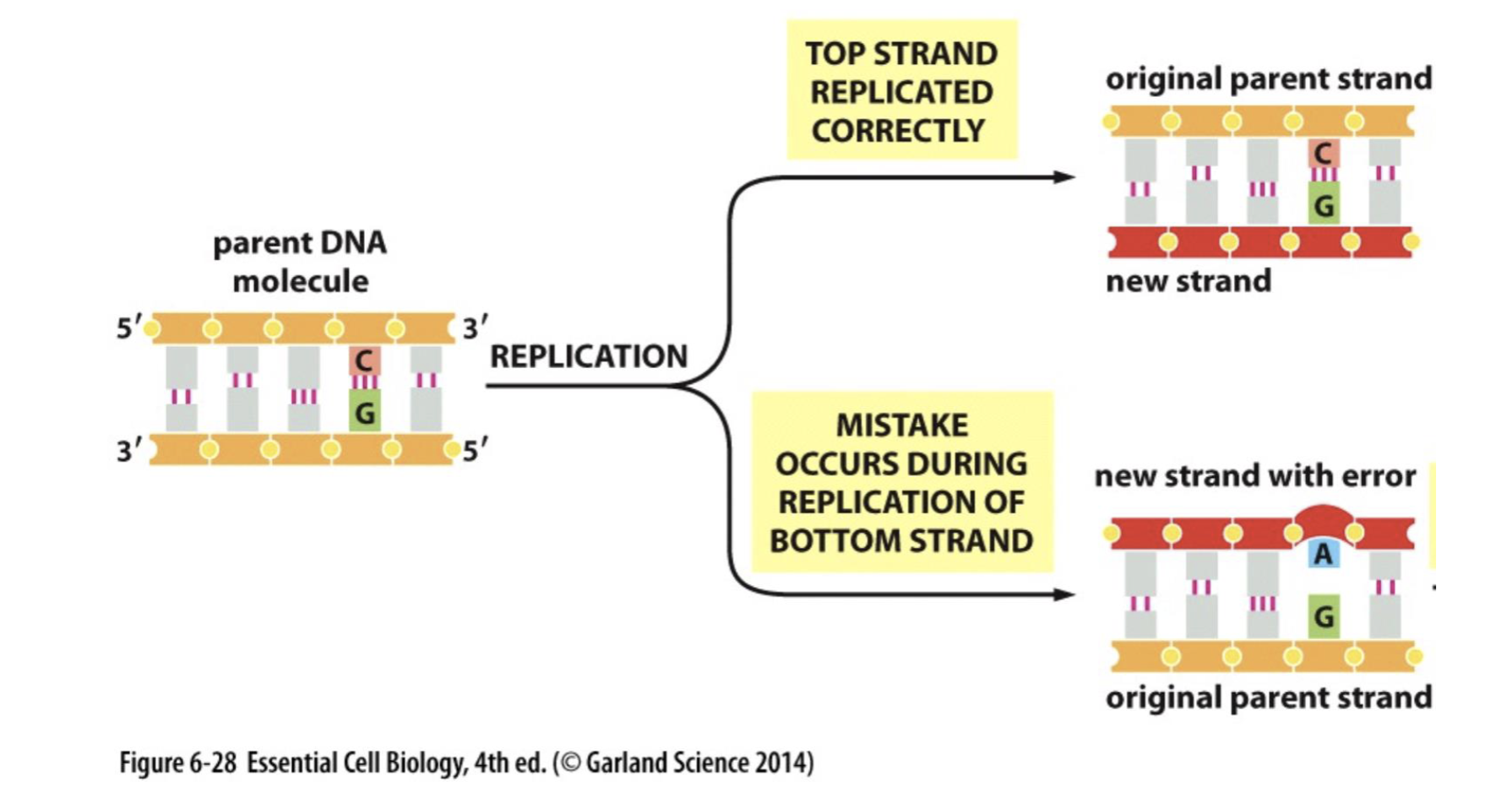
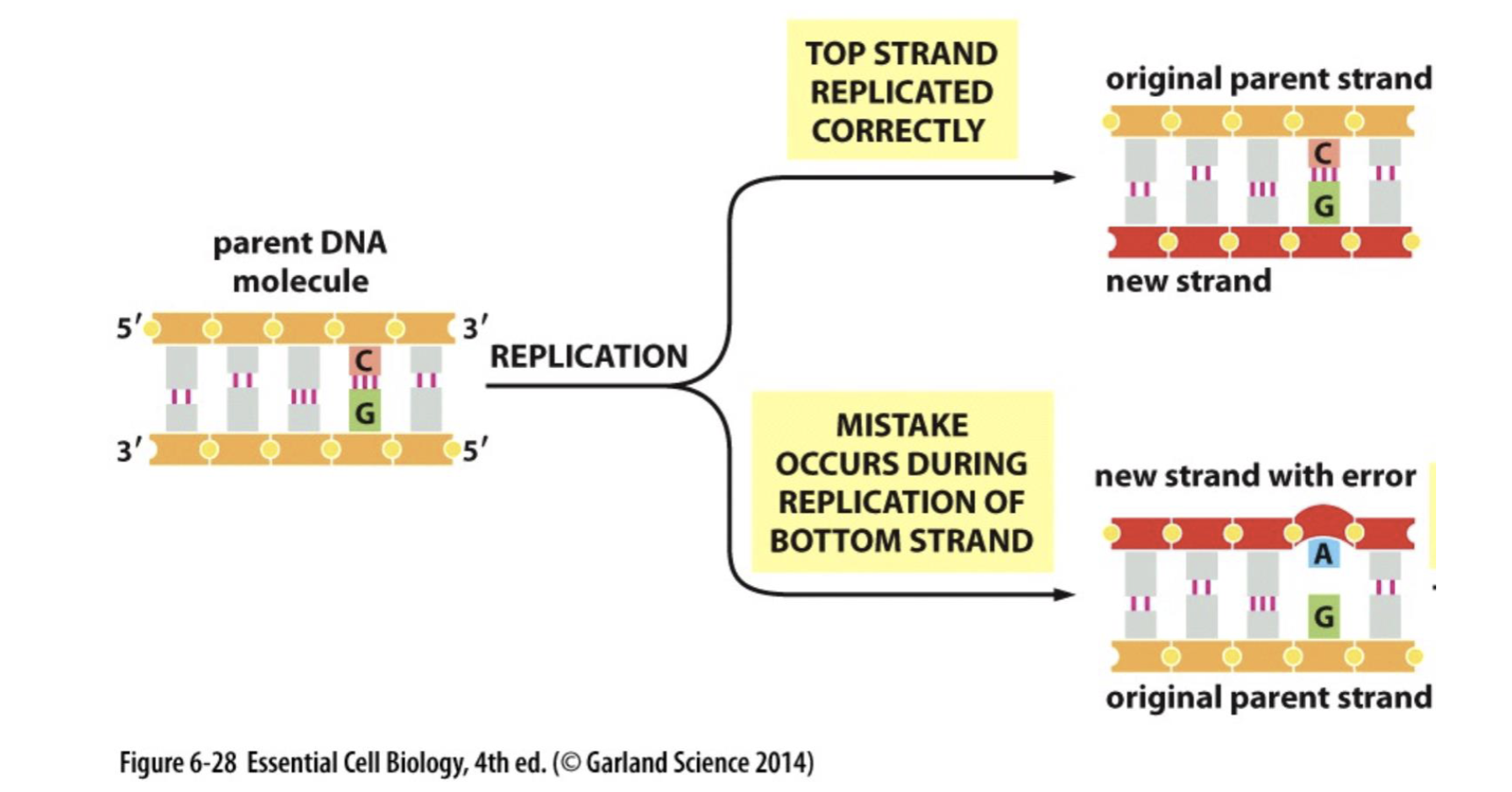
point mutations
caused by the presence of single nucleotide changes in any one exon/intron of a gene, or a regulatory region
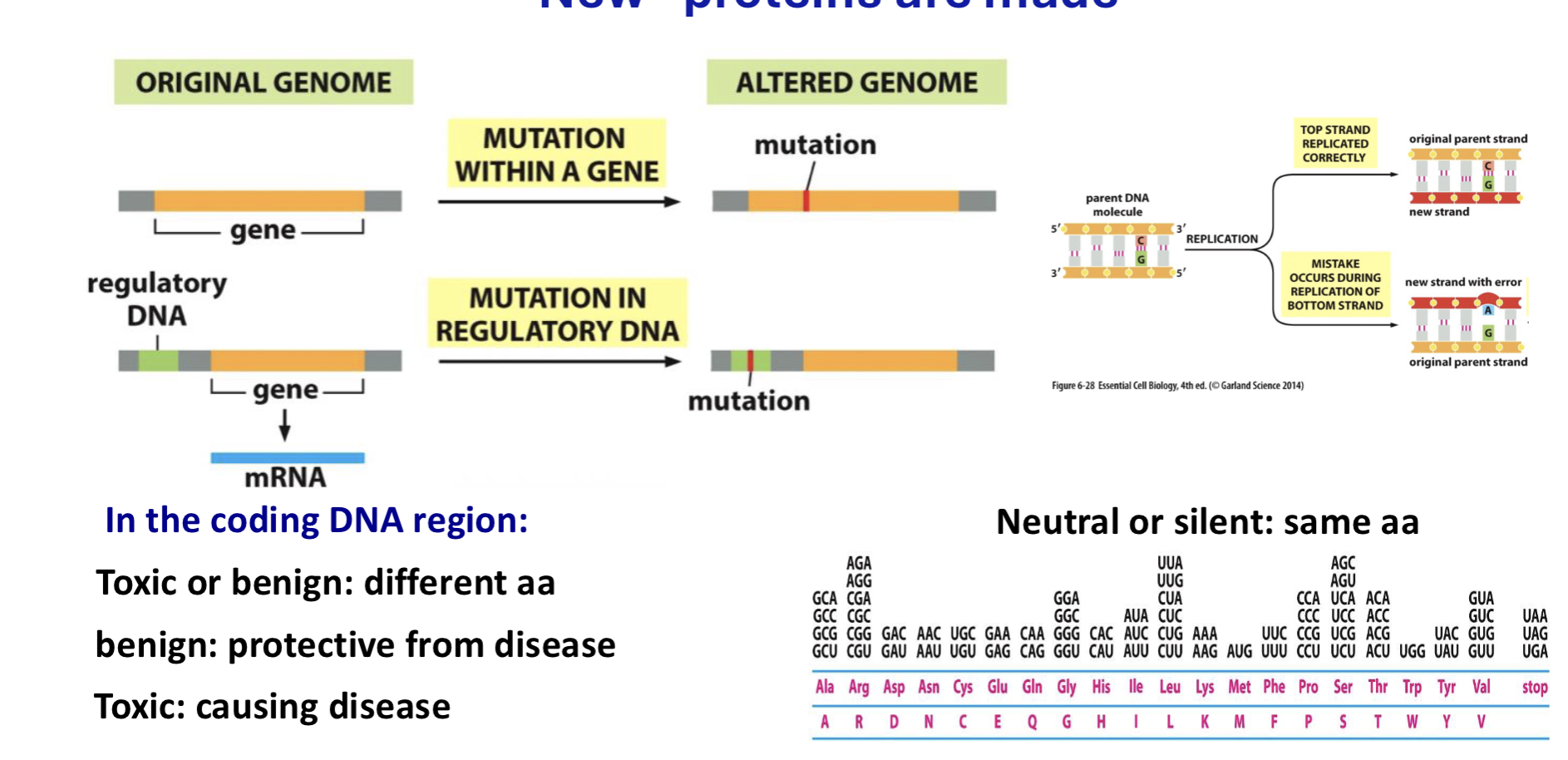
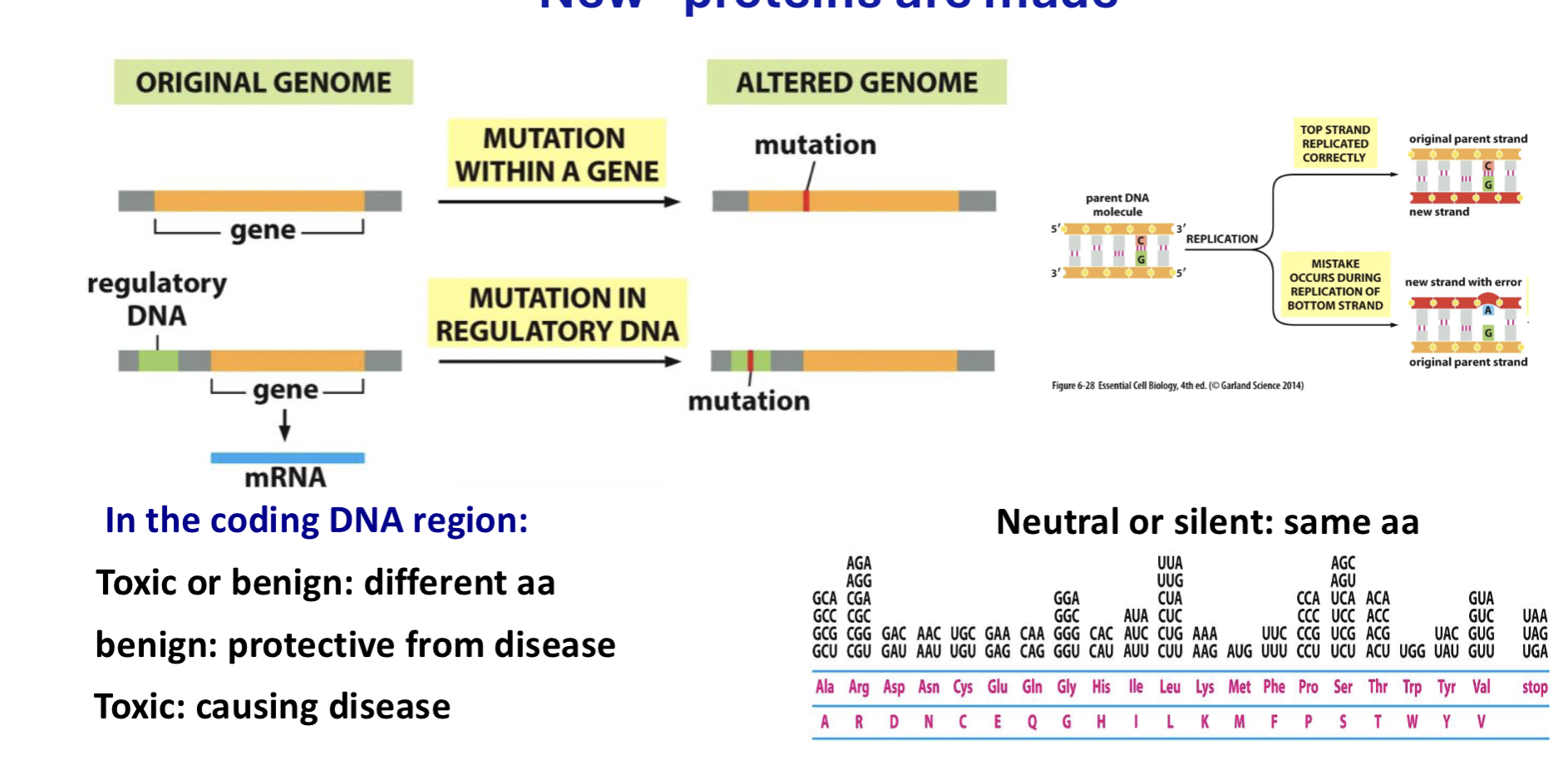
effects of point mutations
“new” proteins are made: in coding region, different AA can be benign (protective from disease) or toxic (causing disease); same AA = neutral/silent
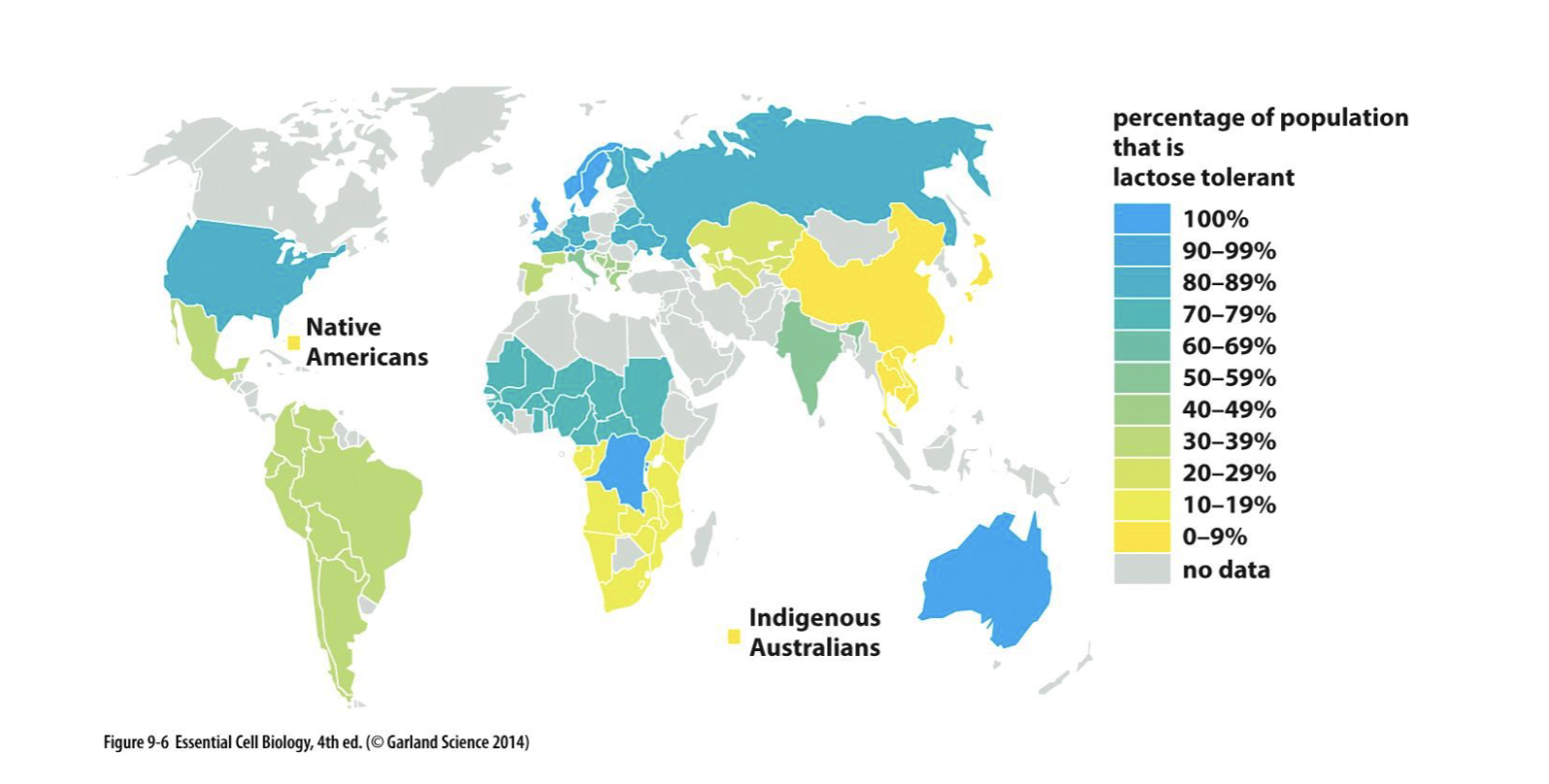
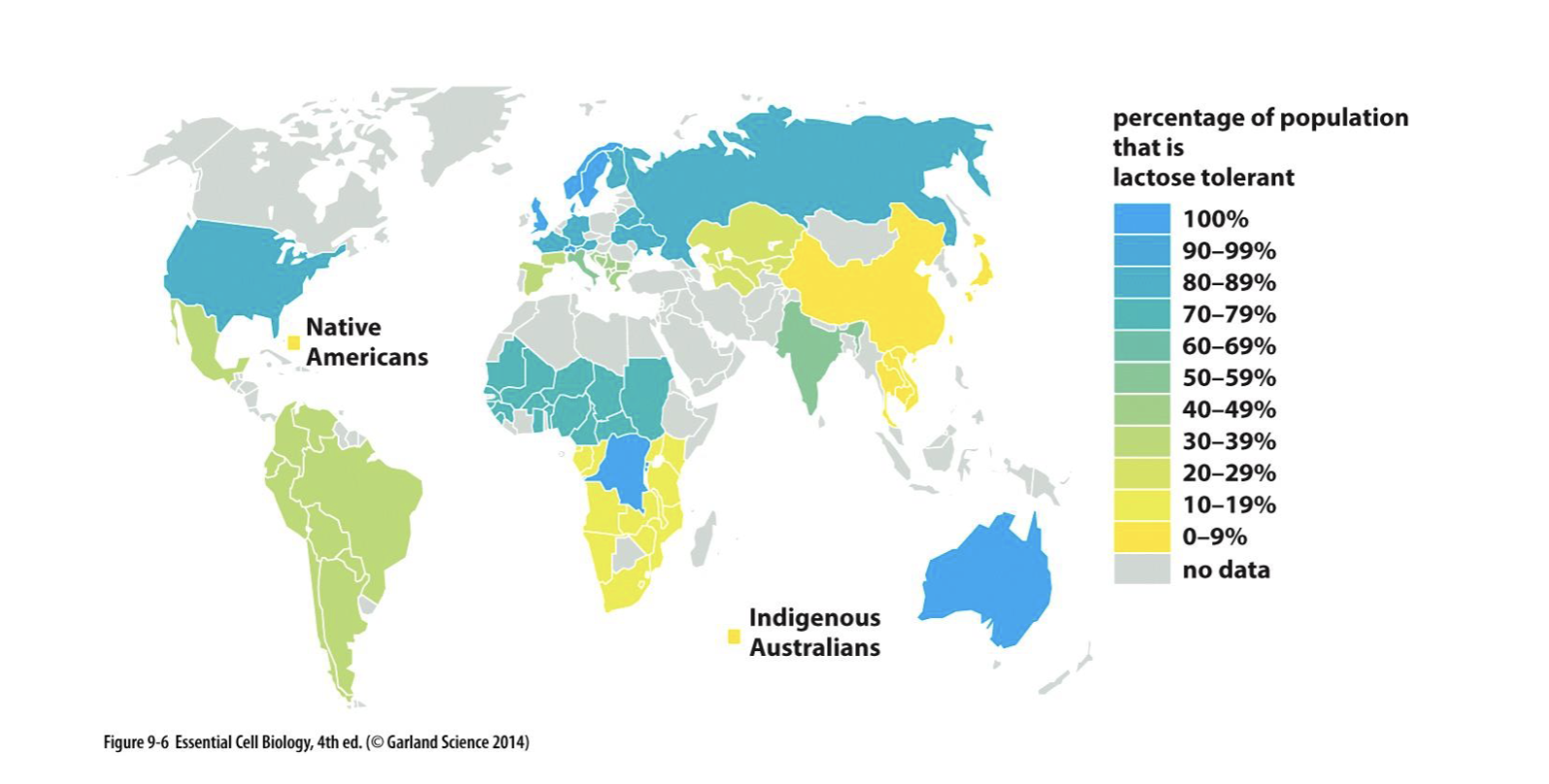
lactose tolerance
point mutation in regulatory DNA of lactase gene is responsible for lactose tolerance
CRISPR
clustered regularly interspaced palindromic sequences
what is CRISPR?
specific DNA sequence found ONLY in DNA of bacteria cells; designed to integrate genetic material from viruses into bacteria DNA → bacteria kills virus
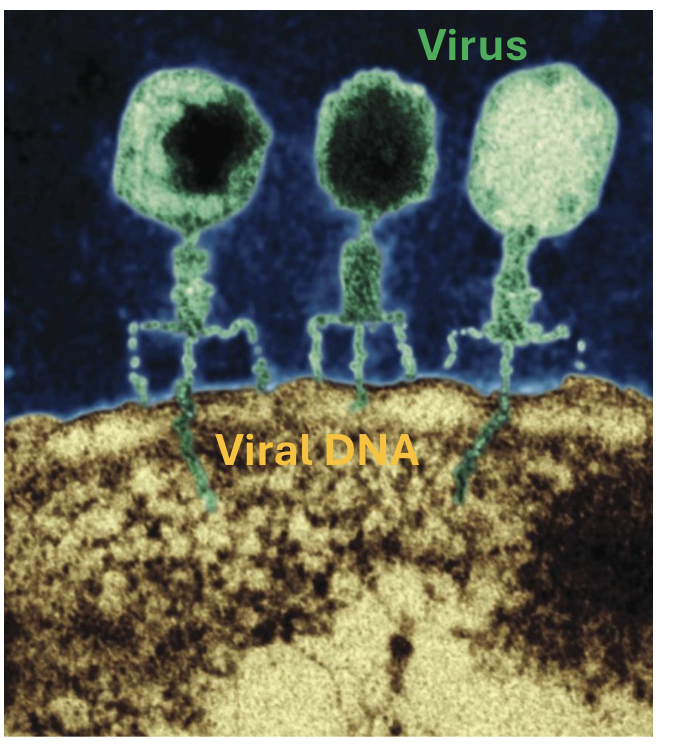
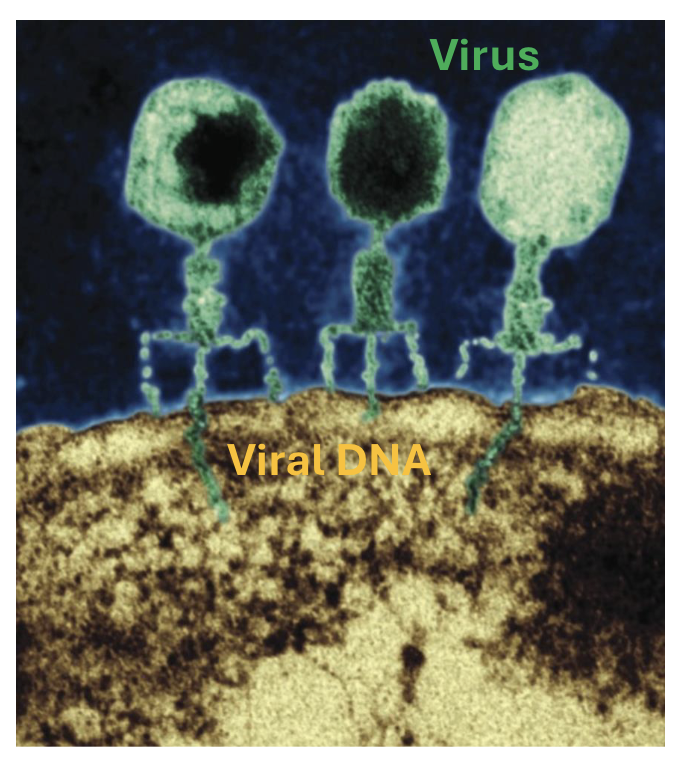
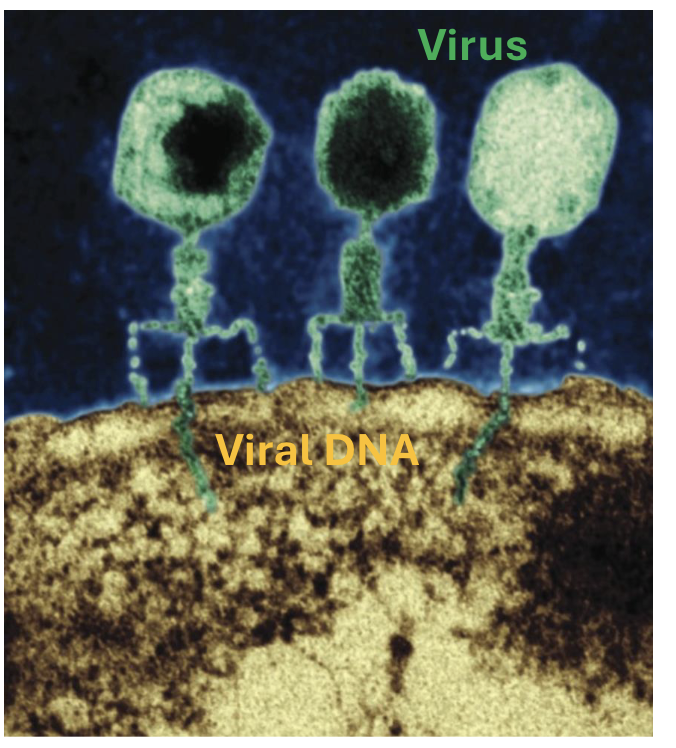
how viruses invade prokaryotic cells
bacteria infected w/ virus → viral DNA transcribed + viral proteins are made → viral DNA copied by DNA poly, multiplying them → infection
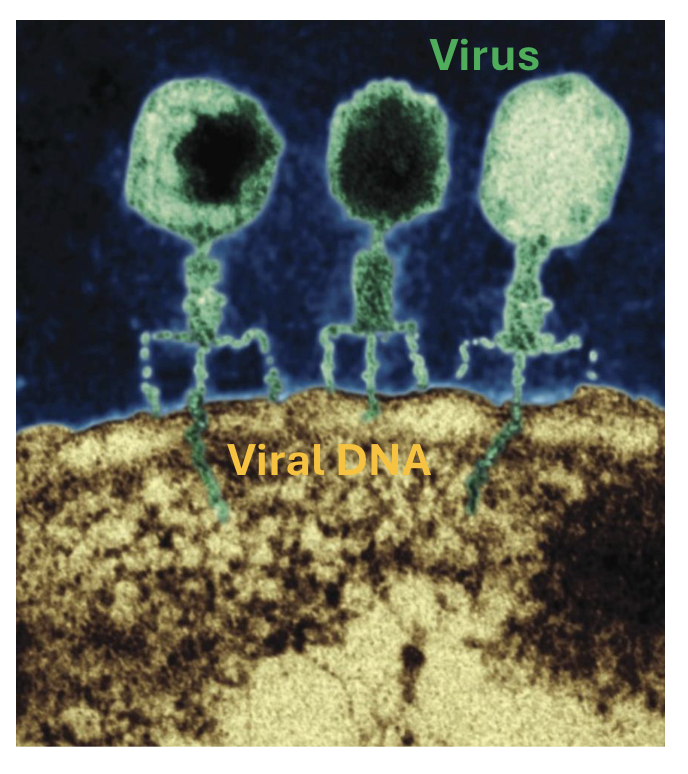
how can bacteria cells protect themselves against viral infections?
they exploit the genetic info stored in viral DNA to break down viral DNA itself by incorporating sequences of viral DNA in their own DNA to fight

