Biological Basis of Behavior
 Call Kai
 Learn
Learn Practice Test
 Spaced Repetition
 Match
Match Flashcards
 Knowt Play
1/109

There's no tags or description
Looks like no tags are added yet.
Name | Mastery | Learn | Test | Matching | Spaced | Call with Kai |
|---|
No analytics yet
Send a link to your students to track their progress
110 Terms
Corpus Callosum
attaches the two hemispheres of cerebral cortex
When removed (usually because of severe seizures) you have a split-brain patient
part of limbic system
Reticular Activation System (RAS)
Network of neurons in brainstem that regulates Consciousness/Sleep/Arousal
Amygdala
Part of limbic system that processes emotions/fear
Hippocampus
Part of limbic system in charge of processing and consolidating explicit memories
Thalamus
pair of structures at the top of the brain stem that directs sensory information
Hypothalamus
part of limbic system that regulates homeostasis
regulates endocrine system
Cerebellum
controls coordinated movement and balance - controls muscles
Control of involuntary movement
Athletes working to train implicit memory of cerebellum
Frontal Lobe
Decision Making/Personality
deals with planning, maintaining emotional control and abstract thought
contains Broca’s Area and Motor Cortex
Humans have one of the largest
Parietal Lobe
Navigation/Association areas
spatial sense and navigation, sense of touch
Located on the top of our head
Contains the somatosensory cortex - sense of touch
Motor Cortex
voluntary movement (located in frontal lobe)
Sensory Cortex
Touch/Feeling/Pain (broad term for all places handling sensory input)
Occipital Lobe
vision (part of cerebral cortex)
Temporal Lobe
controls hearing (contains wernicke’s area)
Processes sound sense by ears
Not Lateralized - specific to one side of the brain
Broca's Area
Language Production
If damaged -> wouldn’t be able to produce language - speak and write (Broca’s aphasia)
Wernicke's area
language comprehension
Wernicke’s aphasia: you can’t comprehend language
Medulla
part of brainstem in charge of heart rate/breathing
involuntary survival functions
Pituitary Gland
Releases hormones of growth
Glutamate
exciting (major exictatory)
+ headaches & anxiety
- insomnia & exhaustion
Serotonin
mood (inhibitory)
+hallucinations
-depression
Endorphins
euphoria (inhibitory)
+ slowed/stopped breathing (overdose)
- depression
GABA
calming (major inhibitory)
+ sedation/sluggish
- anxiety/insomnia
Norepinephrine
fight or flight (excitatory)
+ anxiety
- ADHD
Dopamine
pleasure and reward (inhibitory)
+schizophrenia
-parkinsons
+/- addiction
Acetylcholine
learning and movement (excitatory)
+ convulsions
- paralysis/Alzheimers/Myasthenia Gravis (muscles weak/tired b/c immune system attacks connection between nerves and muscles)
Substance P
pain and body repair (excitatory)
+ pain/inflammation
- poor immune system response
neuron
cell that receives, processes, and transmits information through electrical and chemical signals (a single neuron does nothing)
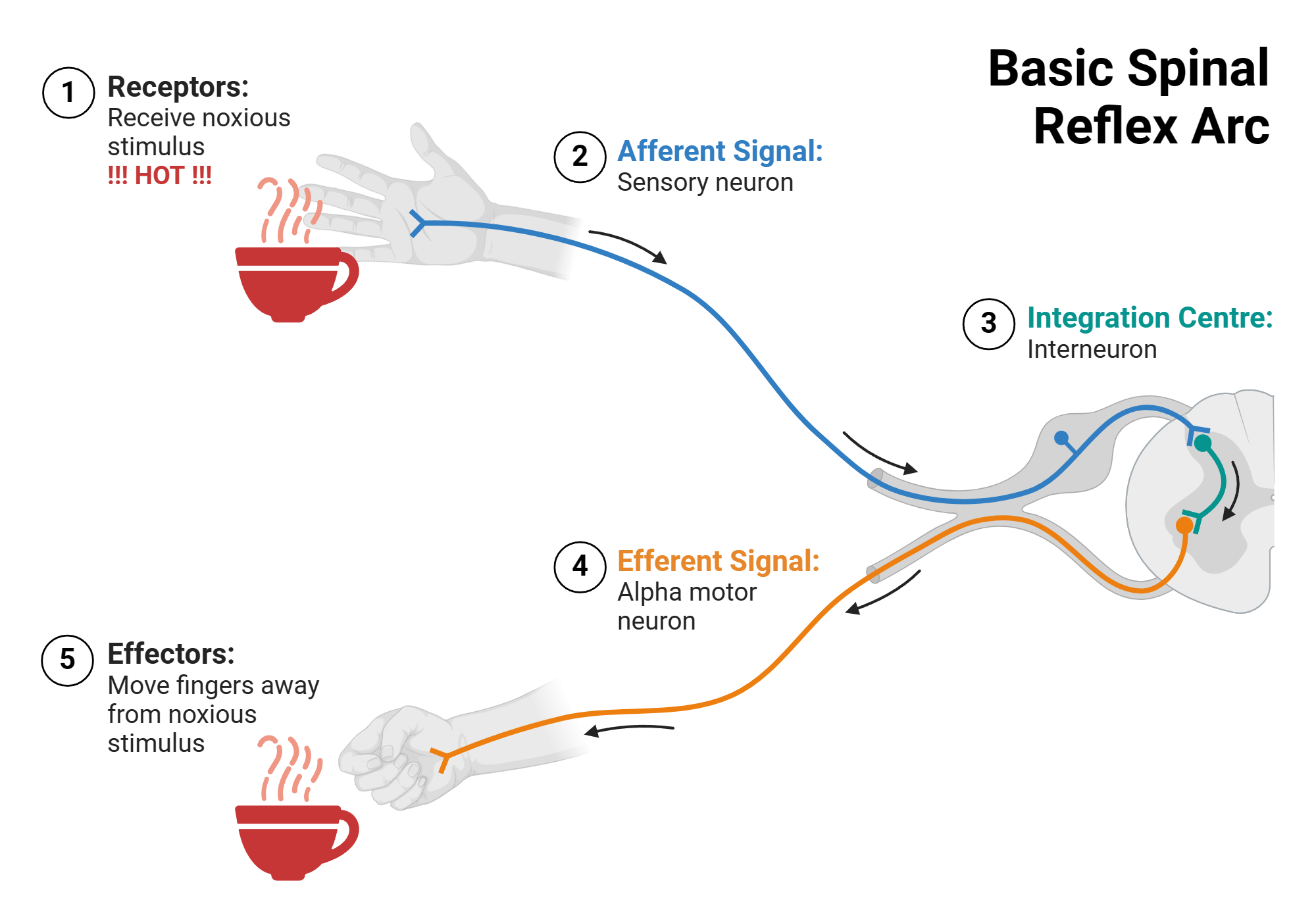
sensory neuron (afferent)
allow you to feel - transmits incoming sensory info
motor neuron (efferent)
transmit signals from the brain and spinal cord to muscles and glands
interneurons
connect sensory and motor neurons (in spinal cord)
reflex arc
motor overrides sensory (e.g. matters more to run away than feel pain)
dendrites
the branched extensions of a neuron that receive signals (information) from other neurons and transmit them toward the neuron's cell body
axon
long, slender projection of a neuron that conducts electrical impulses away from the neuron's cell body to other neurons, muscles, or glands
soma (cell body)
containing the nucleus and serving as the metabolic center of the cell
myelin sheath
fatty, insulating layer that surrounds the axon of a neuron, significantly increasing the speed at which electrical impulses (action potentials) travel down the nerve fiber
terminal buttons
the small bulges at the very end of an axon that store and release neurotransmitters into the synapse
synapse
tiny gap between two neurons where they communicate, allowing a signal to pass from one cell to the next
threshold
minimum amount of energy needed for an action potential
all-or-nothing principle
neuron will either completely fire or won’t
resting potential
when neuron is ‘charged’ but waiting for next action potential (+ ions outside, - ions inside)
action potential
firing of a neuron
depolarization
when a neuron fires and the negative goes out and the positive ions come in
refractory period
time it takes for neuron to ‘recharge’ after the previous action potential
reuptake
neurotransmitter is released back (recycling)
long term potentiation (LTP)
persistent strengthening of synapses based on recent and consistent patterns of activity
ventromedial hypothalamus (VHM)
part of hypothalamus that tells you when you’re full (limbic system)
lateral hypothalamus (LH)
part of hypothalamus that tells you when you’re hungry (limbic system)
LLL = lesion lateral less -> if you lesion the lateral hypothalamus you eat less
pons
structure in the brainstem that acts as a "bridge," connecting the cerebrum and cerebellum and relaying signals between them and the spinal cord
cerebral cortex
controls motion, vision, hearing (will live if it is damaged)
homunculus
distorted, map-like representations of the human body in the brain, showing how much sensory or motor cortex is dedicated to each part | proportion of motor/sensory neurons
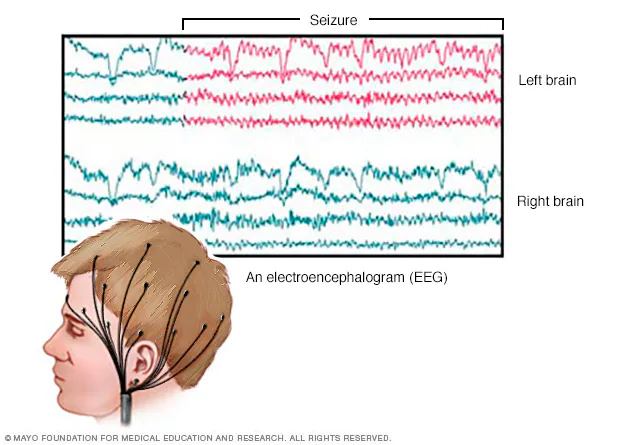
EEG
amplified recording of electrical waves sweeping across the brain’s surface (result just looks like brain waves)
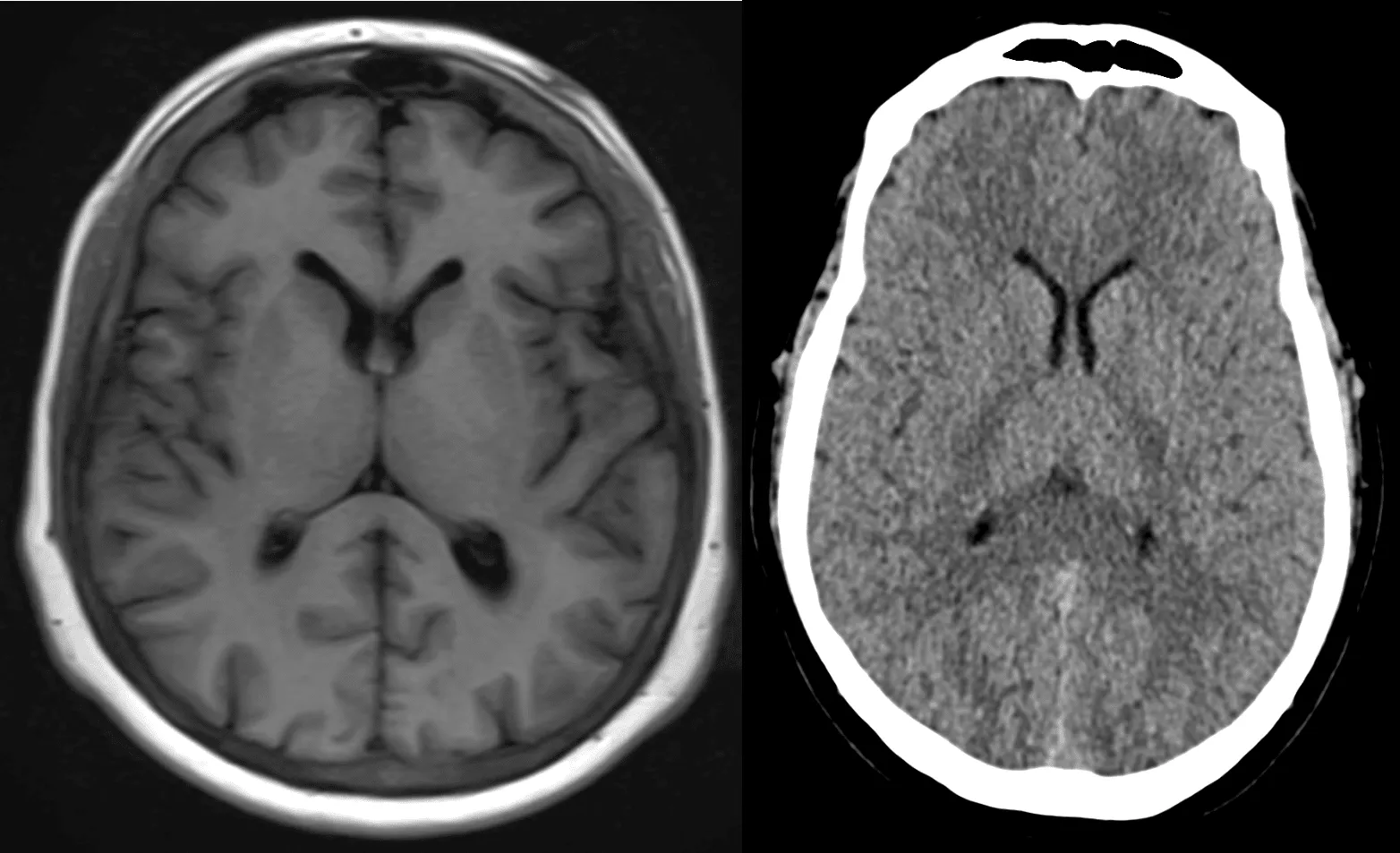
MRI
uses magnetic fields and radio waves to produce computer generated images that distinguish among different brain tissue
PET Scan
a visual display of brain activity; detects gamma rays emitted by radioactive form of glucose while the brain performs a given task
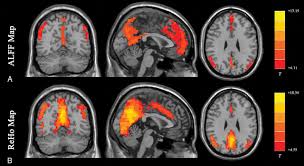
fMRI
shows structure and activity of brain by detecting changes associated with blood flow
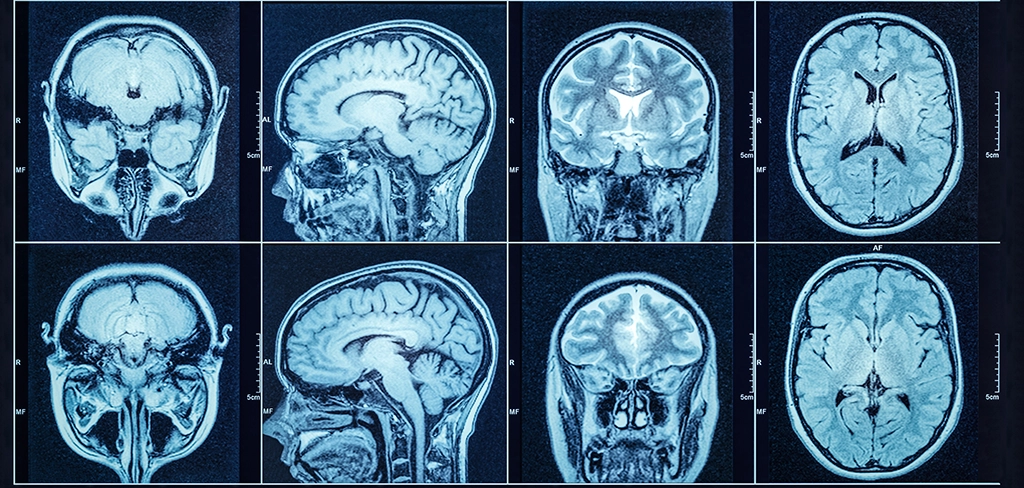
CT
produces much more detailed images than x-ray of bone and soft tissue; images from different angles assembled in 3D image
lobotomy
severs connections in the brain's prefrontal cortex to treat severe mental illness, reducing agitation but often causing severe personality changes, passivity, and cognitive impairment
central nervous system
brain + spinal cord
peripheral nervous system
all nerves outside of brain and spinal cord
somatic nervous system
controls voluntary movements of skeletal muscles
autonomic nervous system
controls self-regulated action of internal organs and glands
sympathetic nervous system
arousing
parasympathetic nervous system
calming
Leptin (VHM)
hormone in the pancreas and makes you feel full
ghrelin (LH)
hormone in pancreas that makes your stomach GRR when you’re hungry
adrenaline
hormone from adrenal gland that helps with fight or flight
melatonin
hormone that regulates sleep-wake cycle
oxytocin
love hormone
estrogen
a sex hormone, primarily secreted by females, that contributes to female sex characteristics and influences behavior, including learning, memory, and mood
testosterone
a sex hormone primarily produced in the testes, which is crucial for male sexual development and function
agonist
mimics/exites
antagonists
prevents release/inhibits
reuptake inhibitor
blocks reuptake keeping neurotransmitters in the synaptic cleft
substance use disorder
pattern of substance use leading to significant impairment or distress
addiction
brain disorder and a neuropsychological disorder characterized by a persistent, compulsive urge to engage in a behavior or use a substance, even when it causes significant harm
tolerance
body adapts to a substance, resulting in a diminished effect after repeated use
withdrawal
physical and psychological symptoms that occur when an individual discontinues or reduces the use of a psychoactive substance (like drugs or alcohol) that their body has become dependent on.
depressants
slows down body processes and CNS; raise inhibitor neurotransmitter GABA; decrease glutamate; endorphin agonist
stimulants
speed up body processes; acts on reward system of dopamine; excites sympathetic NS; Activates CNS
hallucinogens
Causes changes in perceptions of reality
opiates
have depressive and hallucinogenic qualities; very addictive and very dangerous side effects; endorphin agonist
circadian rhythm
biological clock that regulates bodily rhythms; 25 hours long
NREM Sleep
Alpha waves; NREM 2 = Theta waves; NREM 3 = Delta Waves
beta waves
when you have full consciousnes
alpha waves
when you are feeling sleepy and when you first fall asleep
theta waves
NREM 2 and daydreaming
delta waves
slowest brain waves; allows body to heal
REM sleep
whole cycle = 90 mins, body is paralyzed in REM, only time you can dream
REM rebound
after a period of sleep deprivation, a person experiences an increase in the frequency, depth, and duration of REM (Rapid Eye Movement) sleep
hypnagogic sensations
when you feel like you’re falling (mild hallucination)
activation synthesis theory
suggests that the brain engages in a lot of random neural activity; dreams make sense of this activity
neuroplasticity
brain's ability to change and reorganize its structure, functions, and connections throughout life in response to learning, experience, or injury; growth and remodeling of dendrites
epigenetics
study of how environmental factors can affect gene expression without changing the DNA
primary sex characteristics
body structures that are directly involved in reproduction, such as the ovaries, testes, and external genitalia
secondary sex characteristics
Physical traits that develop during puberty that are not directly involved in reproduction, such as breast development, facial hair, and voice changes
glial cell
non-neuronal cells that provide support and protection for neurons
white matter
the brain's deeper nerve fibers (axons) coated in myelin, an insulating sheath that gives it a whitish color and speeds up electrical signal transmission between neurons and brain regions
3 major brain systems
brain stem < limbic system < cerebral cortex
Brain Stem
controls all automatic functions
Die or coma if damaged
All vertebrates have brain stems
Limbic System
memory, eating, sleep, hippocampus
Will live if damaged
How you maintain homeostasis
Cerebral Cortex
motion, vision, hearing
Will live if damaged
Multiple Sclerosis (MS)
chronic, autoimmune disease of the central nervous system where the immune system destroys the myelin sheath which slows and blocks neural signals

