Lecture 2.2 Vent & Storm Sewer
 Call Kai
 Learn
Learn Practice Test
 Spaced Repetition
 Match
Match Flashcards
 Knowt Play
1/16

There's no tags or description
Looks like no tags are added yet.
Name | Mastery | Learn | Test | Matching | Spaced | Call with Kai |
|---|
No analytics yet
Send a link to your students to track their progress
17 Terms
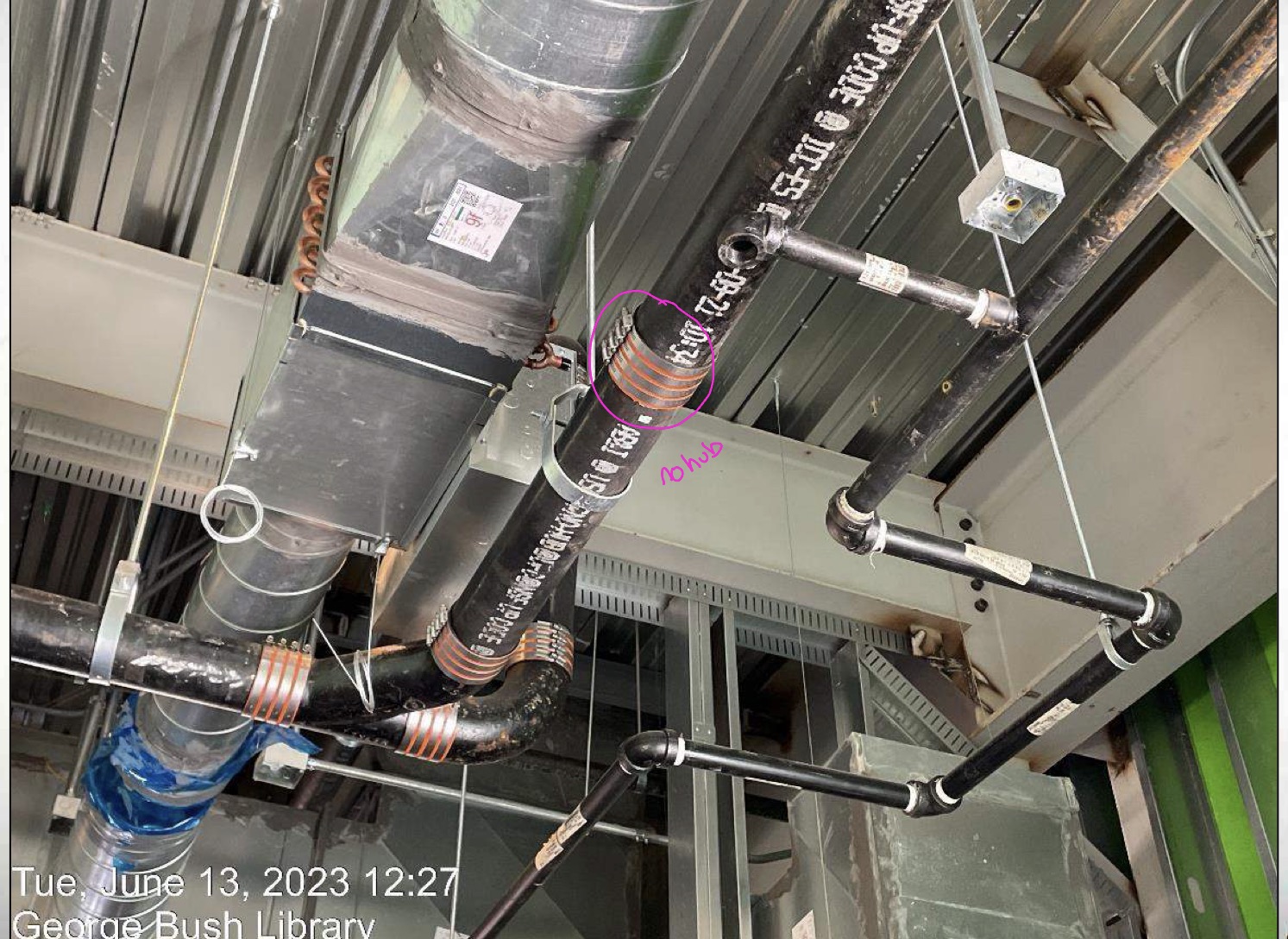
cast iron roof drain w/ rubber couplings (no hub)
Vent - The Whole System
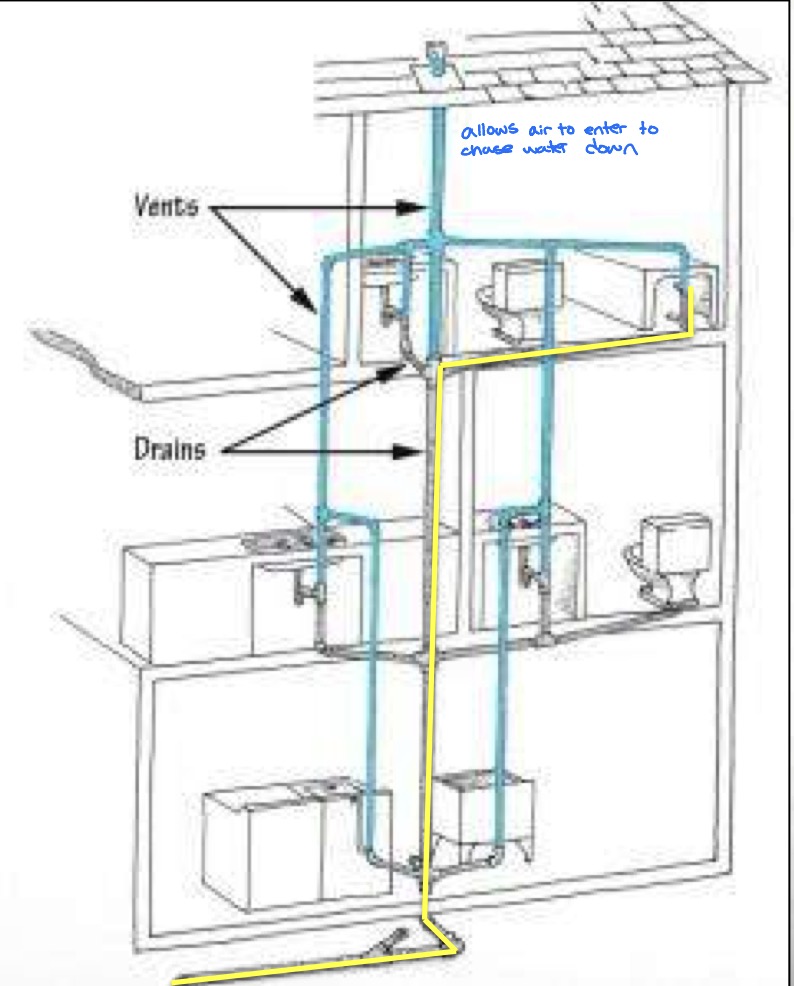
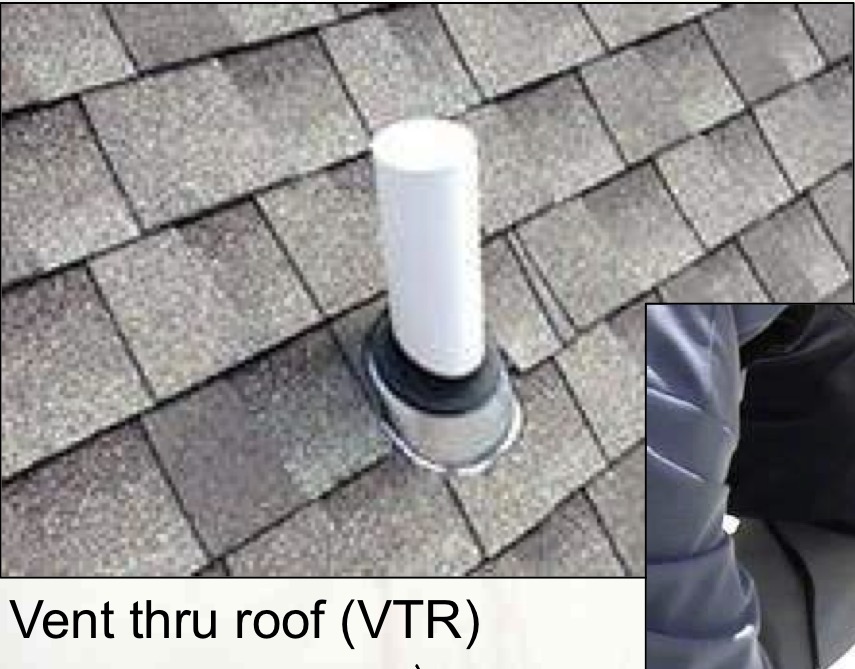
vent thru roof (VTR) definition and importance
definition: a Vent Through Roof (VTR) is a vertical plumbing pipe that extends from the drainage and vent (DWV) system up through the roof and opens to the outside air. It allows air to enter and exit the plumbing system.
importance:
protect trap seals
By equalizing air pressure in the pipes, a VTR prevents siphoning or back-pressure that could pull water out of P-traps. This keeps sewer gases from entering the building.
allow proper drainage
Air admitted through the vent lets wastewater flow smoothly, preventing slow drains, gurgling, and backups.release sewer gases safely
Harmful and foul-smelling gases are vented above the roofline, where they can dissipate safely instead of entering occupied spaces.prevent pressure buildup
The vent relieves positive and negative pressure in the DWV system, reducing stress on pipes and fittings.
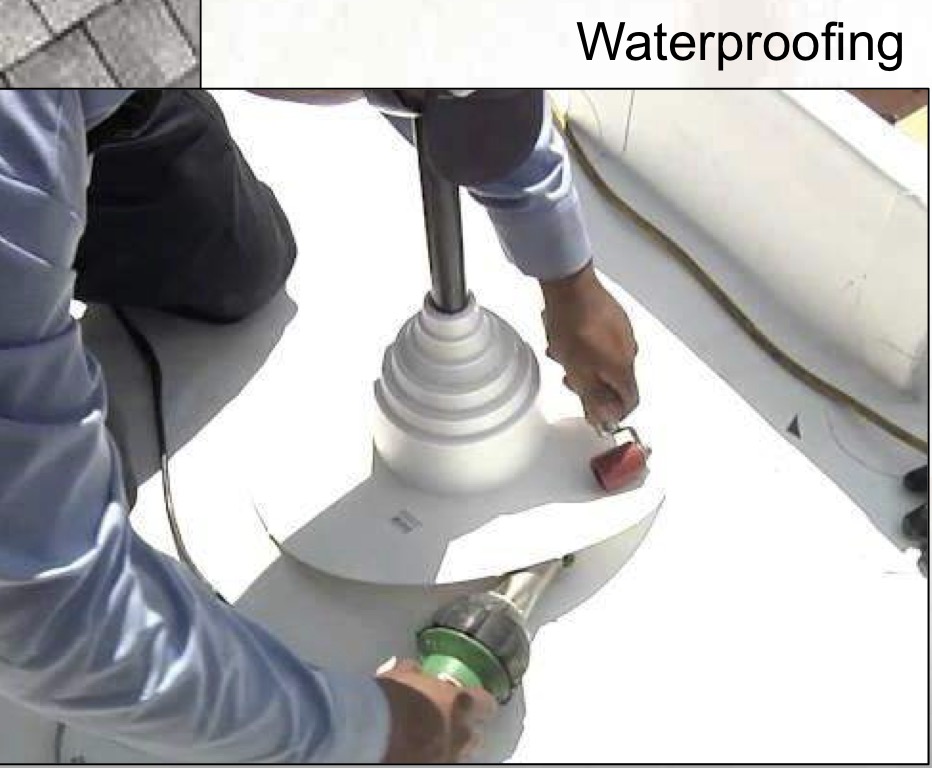
waterproofing a VTR?
definition: waterproofing a VTR (Vent Through Roof) is the process of sealing the point where the vent pipe penetrates the roof so rain, snow, and melting ice cannot enter the building.
importance:
prevents roof leaks that can damage insulation, ceilings, framing, and finishes
protects structural components from rot, mold, and corrosion
maintains roof warranty (improper flashing often voids warranties)
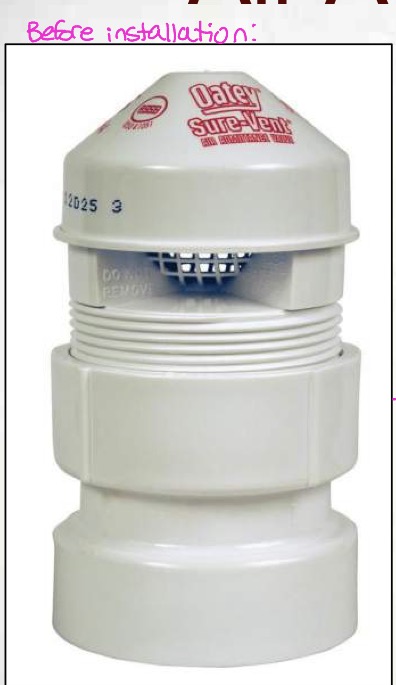
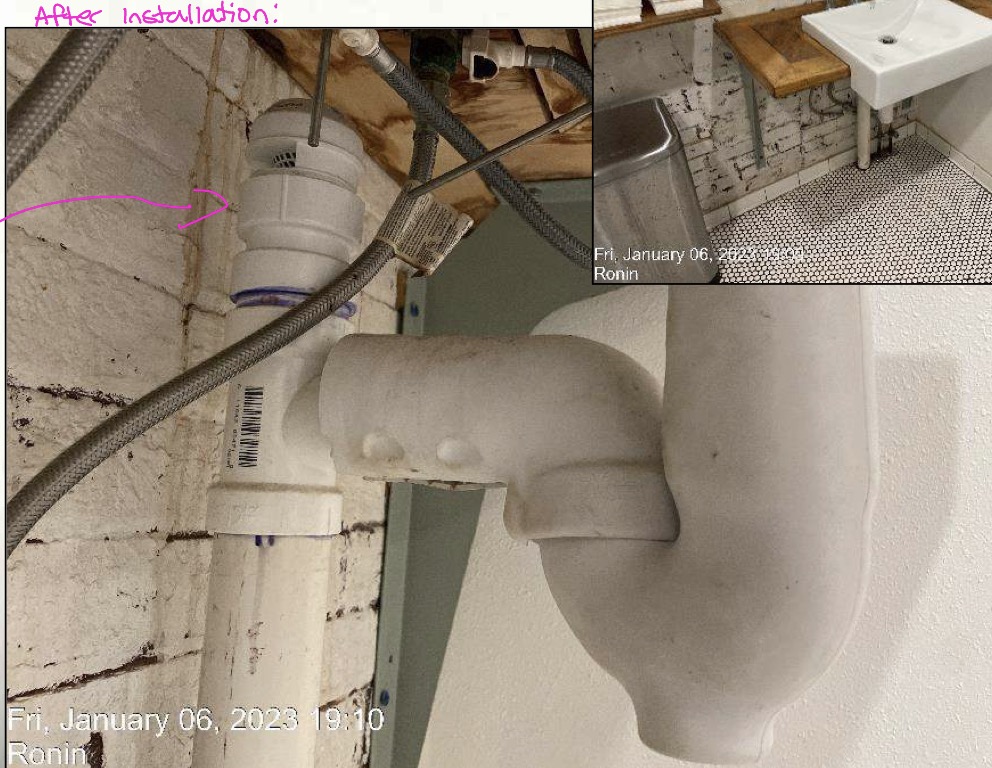
air admittance valves (AAV) definition & importance
definition: an Air Admittance Valve (AAV) is a one-way mechanical plumbing vent that opens to allow air into the drainage system when negative pressure occurs and closes to prevent sewer gases from escaping into the building. It is an alternative to running a vent pipe through the roof.
importance:
protecting P-traps
They admit air to prevent siphoning of trap seals, keeping sewer gases out of occupied spaces.improving drainage performance
By relieving negative pressure, AAVs reduce slow drains, gurgling, and backups.reducing roof penetrations
Fewer vents through the roof means lower risk of leaks and simpler roof detailing.saving space and installation cost
Useful where routing a vent to the roof is difficult (remodels, island sinks, tight framing).
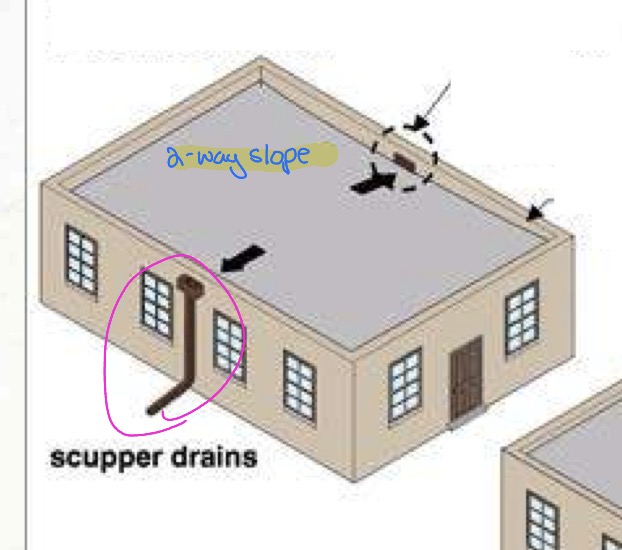
2-way roof slope
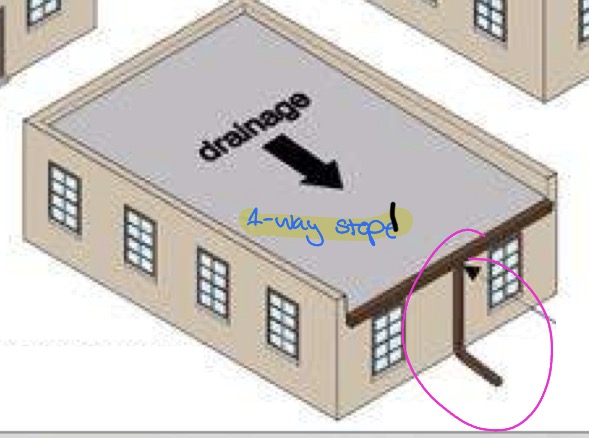
1-way roof slope
internal roof drainage system
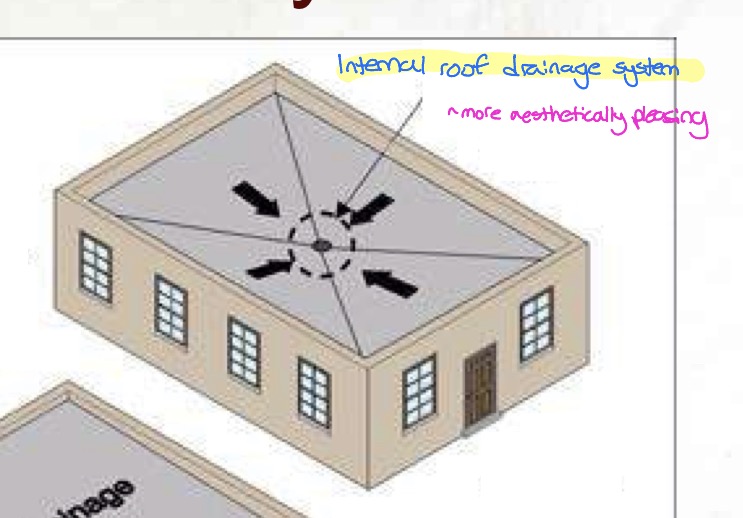
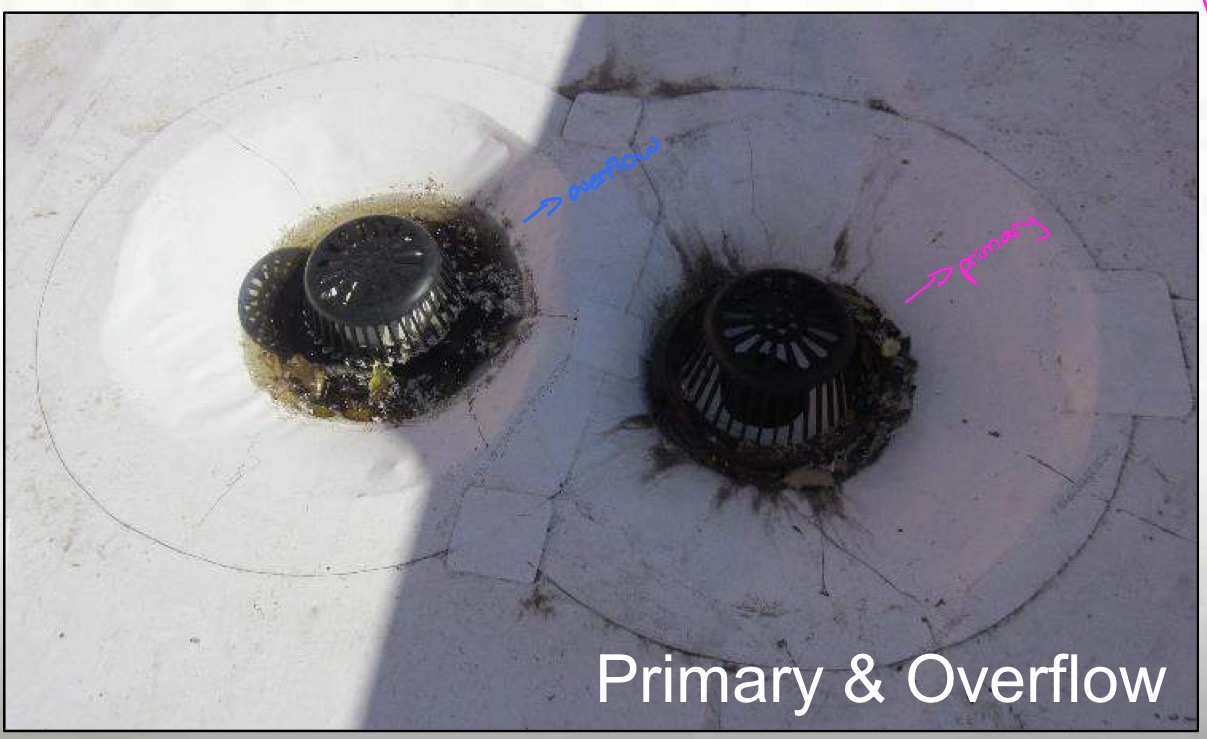
primary roof drain definition & importance
definition: primary roof drains are the main drainage outlets designed to remove rainwater from a roof during normal rainfall conditions.
importance:
carry the full design rainfall load under typical storms
prevent ponding water that can overstress the roof structure
protect roofing membranes and insulation
discharge water into the storm drainage system (interior piping or leaders)
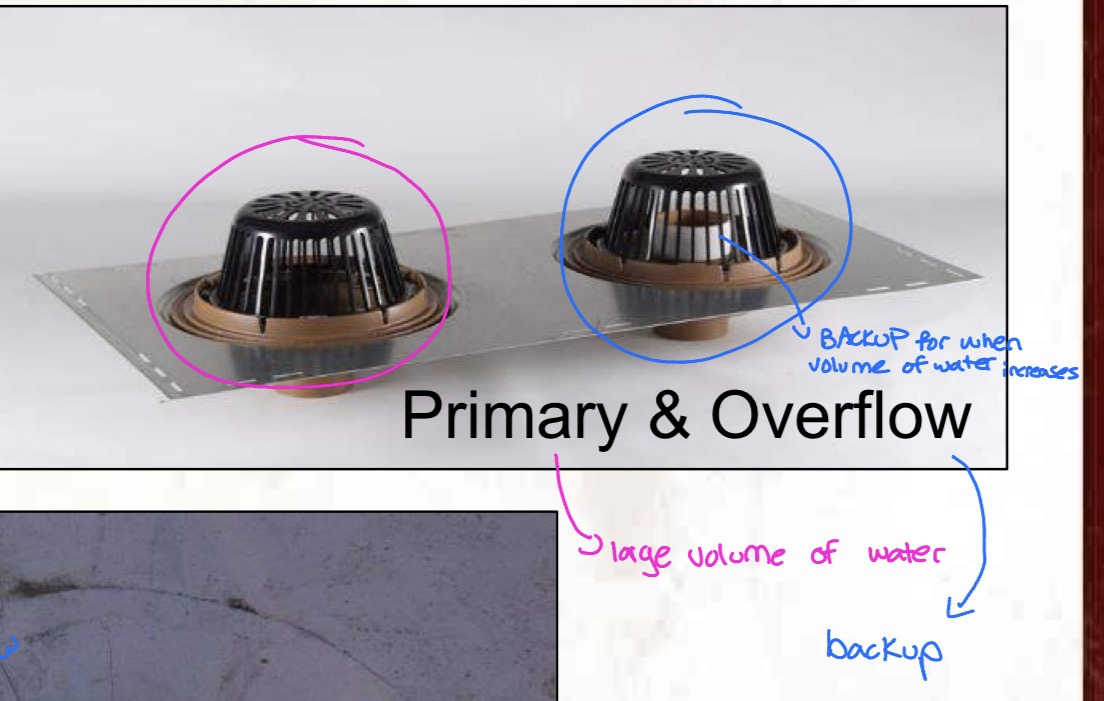
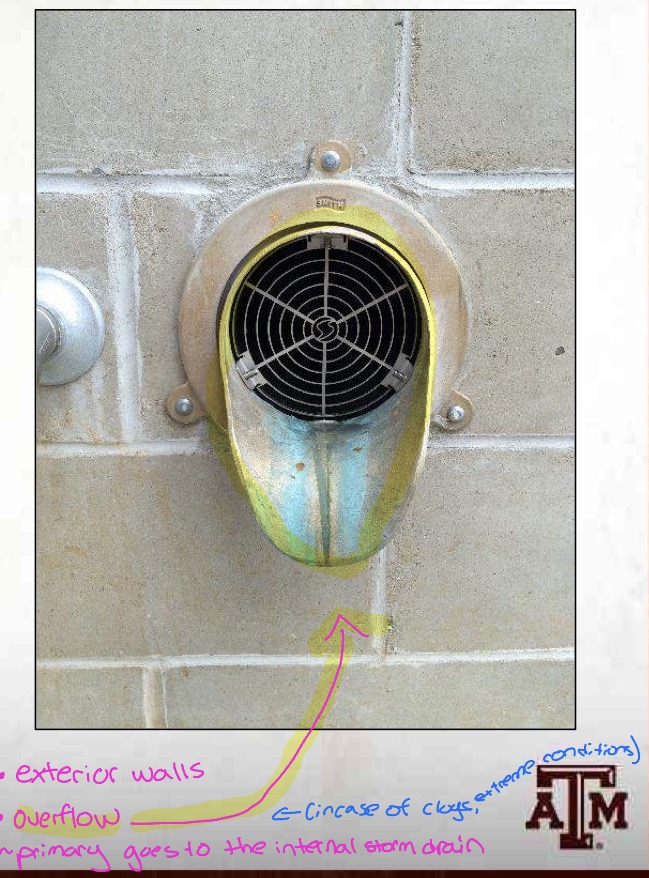
overflow roof drain definition & importance
definition: overflow roof drains are secondary drains or scuppers designed to remove water only when primary drains fail or are overwhelmed.
importance:
prevent structural collapse from excessive ponding
provide a visible warning that the primary system is clogged or undersized
limit water depth on the roof to a safe level
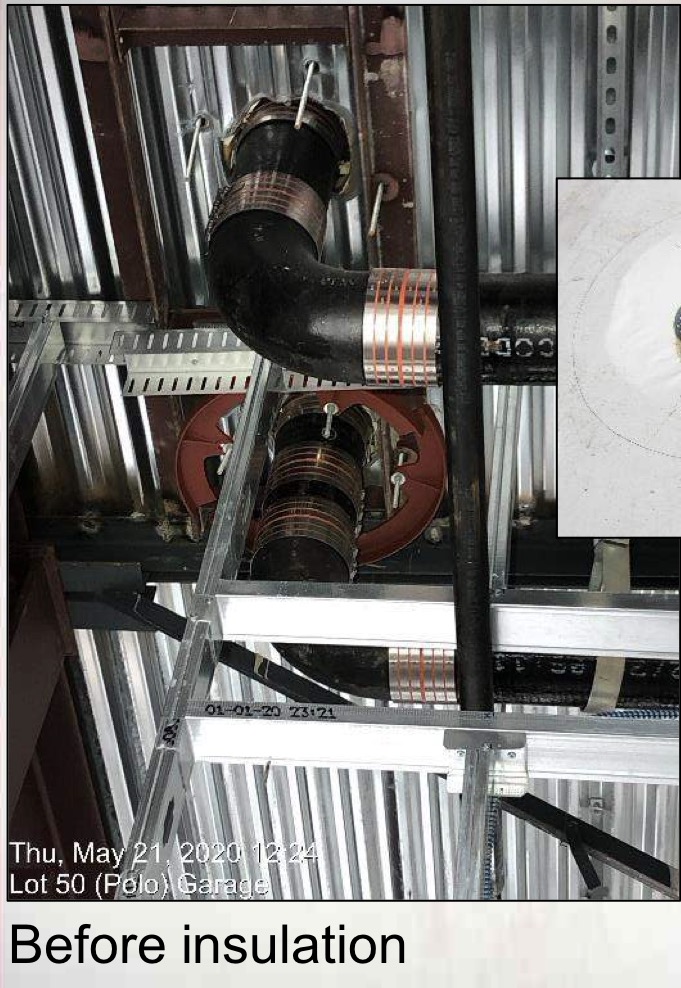
roof drain before insulation
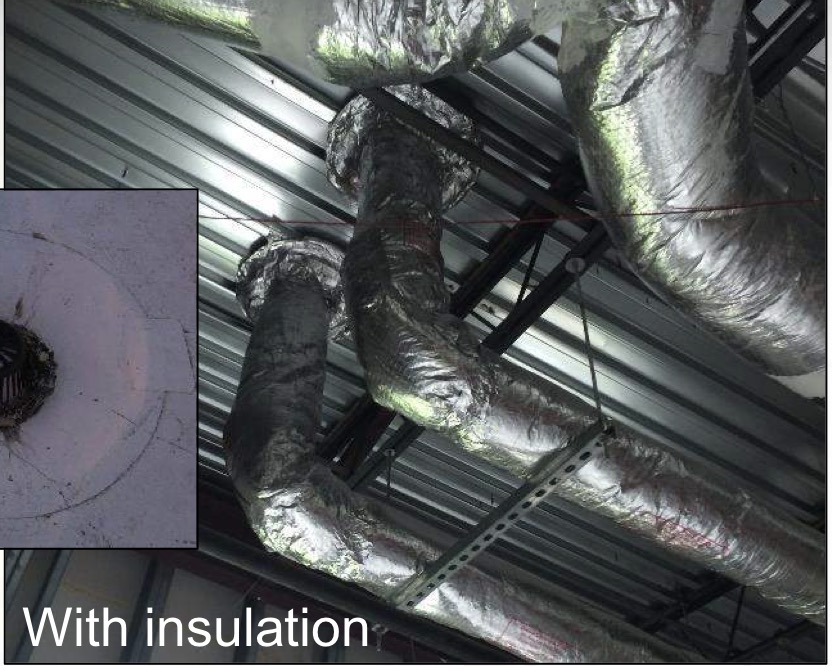
roof drain with insulation
downspout nozzle (cow tongue) importance
protects foundations by keeping water from pooling at the base of walls
reduces erosion of soil, landscaping, and paving
prevents splash-back that can stain walls or damage finishes
controls discharge direction where no underground storm piping is provided
improves safety by limiting standing water near walkways
why insulate rood drains?
prevent condensation
cold rainwater in roof drains can cool the pipe below the indoor dew point
moist air condenses on the pipe exterior
insulation prevents water dripping onto ceilings, insulation, and finishes, reducing mold and corrosion
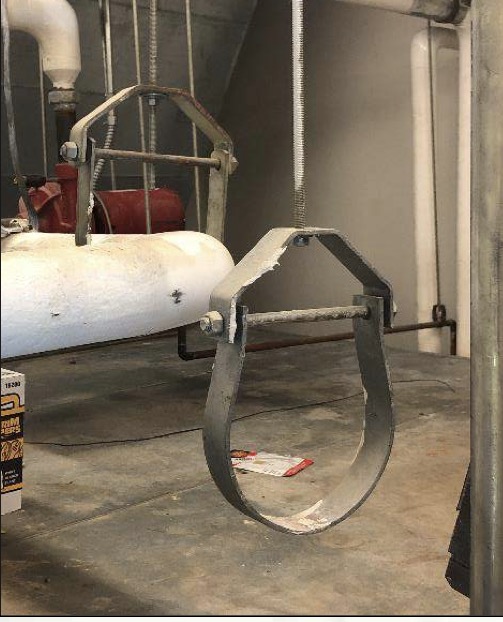
clevis hanger importance (insulated pipes)
supports pipe weight safely and evenly
maintains proper pipe slope (critical for sanitary and storm drainage)
prevents sagging and joint stress
allows vertical adjustment for precise elevation during installation
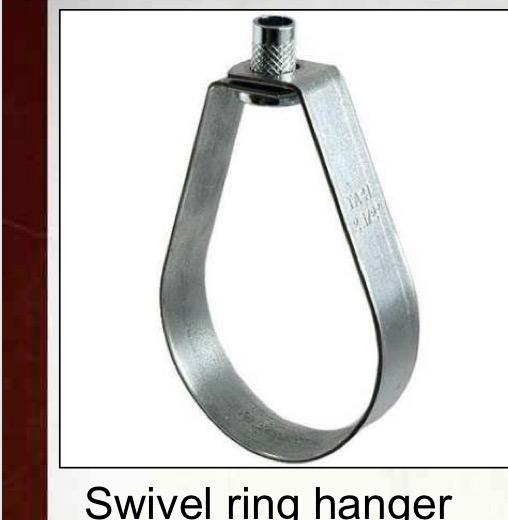
swivel ring hanger importance (uninsulated pipes)
supports pipe weight while allowing slight movement
accommodates angled or sloped piping, especially in drainage systems
reduces stress on pipes and fittings
helps maintain proper pipe alignment and slope
provides flexibility during installation
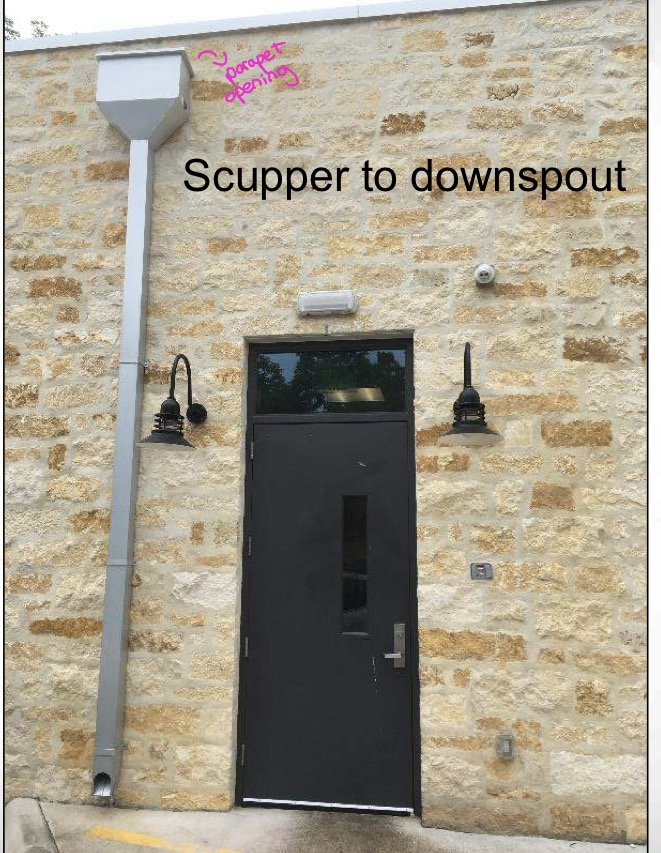
scupper in parapet definition & importance
definition: a scupper in a parapet is an opening or outlet built through a parapet wall that allows rainwater to drain off a roof. It directs water from the roof surface through the parapet to the exterior of the building or into a conductor head/downspout.
importance:
provides roof drainage for flat or low-slope roofs
acts as overflow protection when primary roof drains are blocked or overwhelmed
prevents ponding water that can overstress the roof structure
offers a visible warning of drainage problems when water discharges

