HBNS 200: chap 9
 Call Kai
 Learn
Learn Practice Test
 Spaced Repetition
 Match
Match Flashcards
 Knowt Play
1/32

There's no tags or description
Looks like no tags are added yet.
Name | Mastery | Learn | Test | Matching | Spaced | Call with Kai |
|---|
No analytics yet
Send a link to your students to track their progress
33 Terms
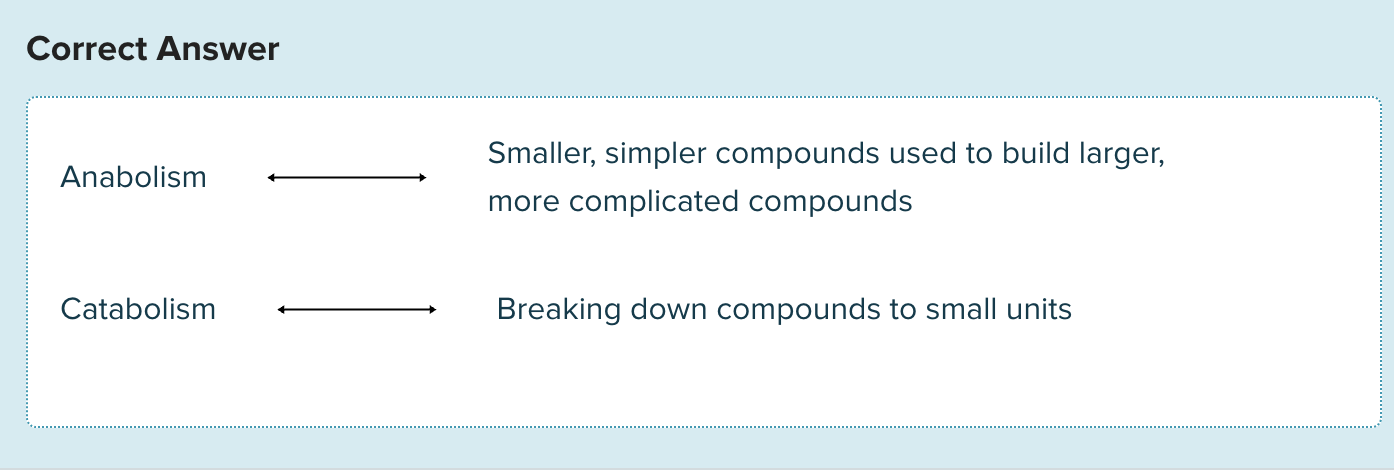
Combining glucose to make the more complex molecule of glycogen is considered ____
anabolic
During periods of growth, such as when new tissue is being made, the body is in a __ state
anabolic
Catabolic pathways produce which of the following from the production of ATP?
carbon dioxide
heat
water
Which vitamin functions as the coenzyme nicotinamide adenine dinucleotide during intense aerobic exercise?
Niacin
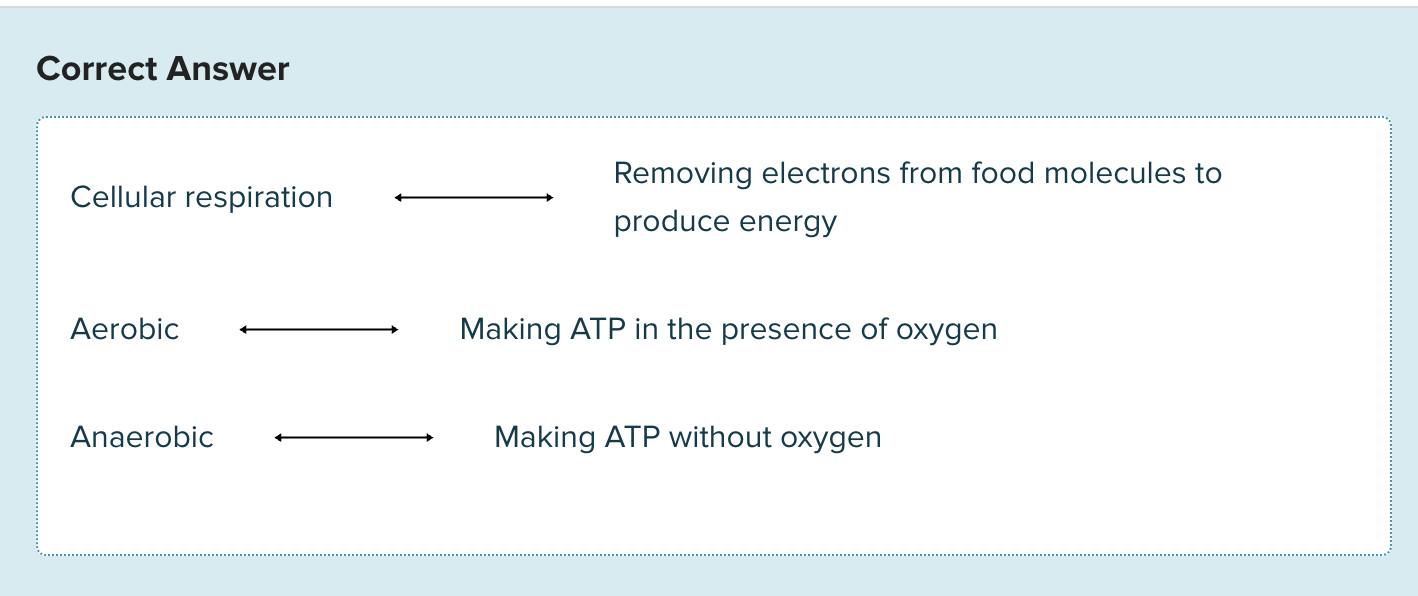
What are the two functions of glycolysis?
to produce energy
to provide building blocks for synthesizing other needed compounds
During periods of weight loss or during a wasting disease such as cancer, the body is in ___ state
catabolic
Adenosine triphosphate, aka ____ is the main form of energy used by the body
ATP
The transition reaction also ____, which will eventually enter the electron transport chain
reduces NAD
Which of the following vitamins assist dehydrogenase enzymes and therefore play a role in transferring the hydrogens from energy-yielding compounds to oxygen in the metabolic pathways of the cell?
Niacin
Riboflavin
What are the other names for the citric acid cycle?
the kreb cycle
tricarboxylic acid cycle
Cellular respiration….
removing electrons from food molecules to obtain energy
During glycolysis, glucose is converted to two units of ___
pyruvate
What is another name for fatty acid oxidatyion?
beta-oxidation
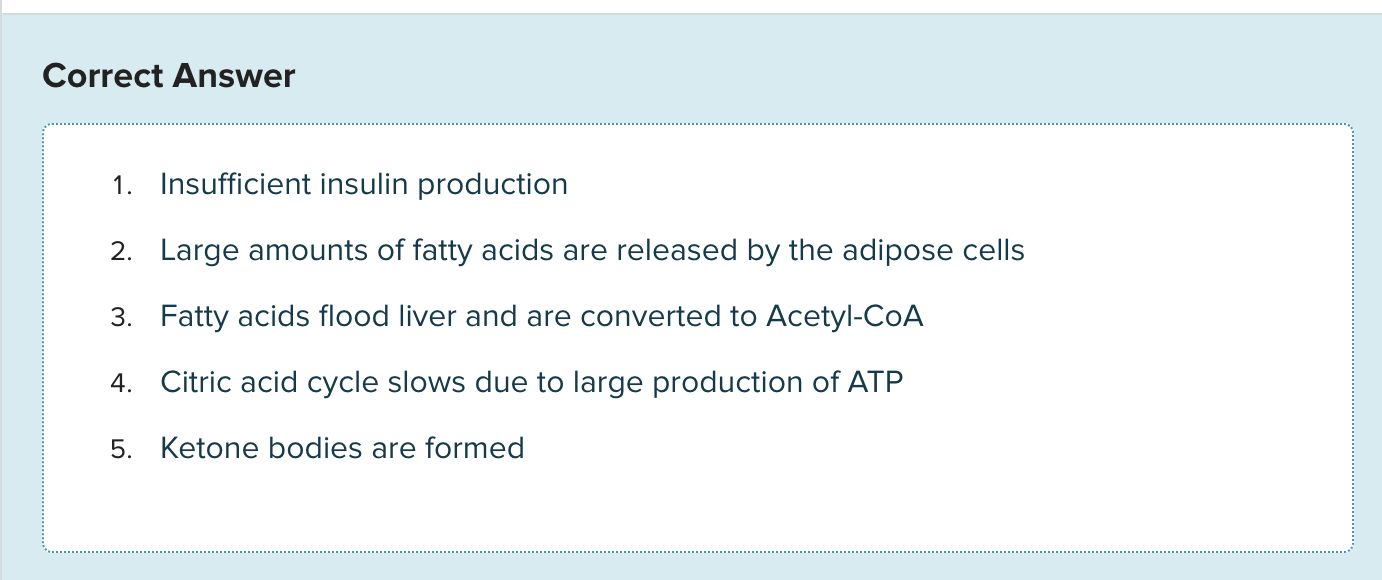
What causes the formation of acetone, which eventually leaves the body through the lungs, causing breath with a fruity smell?
ketosis
The process of converting pyruvate into acetyl-CoA occurs in a process called ___
the transition reaction
How many turns of the citric acid cycle does it take to process one glucose molecule?
two
What is the name of the pathway that is used to produce glucose from amino acids?
gluconeogenesis
The use of amino acids as a fuel will result in the removal of the amino group from the amino acid. This amino group, which contains nitrogen, is converted to ____. this substance must be removed from the body as a buildup of its toxic. This substance is removed from the body through urea, which is eventually excreted in urine.
ammonia
Which yields the most ATP?
fatty acid
Steps that lead to ketosis
the transition reaction also _____, which will eventually enter the elctron transport chain.
reduces NAD
After digestion and absorption, most nutrients through the ____
liver
Where can gluconeogenesis occur?
kidney cells
liver cells
what organ is responsible for the preparation of the amino groups for excretion in the urine through the urea cycle?
liver
During prolonged fasting, glucose-dependent cell’s energy needs are met by__
ketone bodies
The result of feasting is the accumulation of body___
fat
What are some of the key functions of the liver?
production of ketone bodies
nutrient storage
alcohol metabolism
Which of the following help regulate energy metabolism?
minerals
hormones
enzymes
During the first few days of fasting, body protein is broken down rapidly and supplies how much of the needed glucose for the body to function?
90%
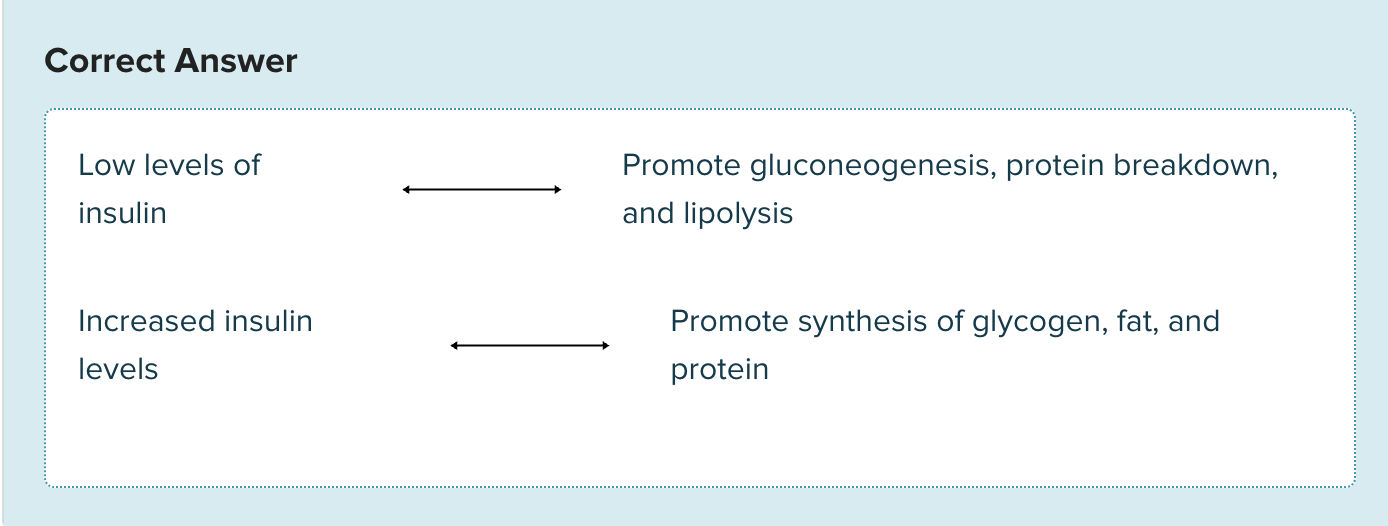
Consequences of fasting?
fat accumulation
increased insulin production
increased burning of glucose for energy

