Lecture 2: Harvesting Chemical Energy - Cellular Respiration
 Call Kai
 Learn
Learn Practice Test
 Spaced Repetition
 Match
Match Flashcards
 Knowt Play
1/15

There's no tags or description
Looks like no tags are added yet.
Name | Mastery | Learn | Test | Matching | Spaced | Call with Kai |
|---|
No analytics yet
Send a link to your students to track their progress
16 Terms
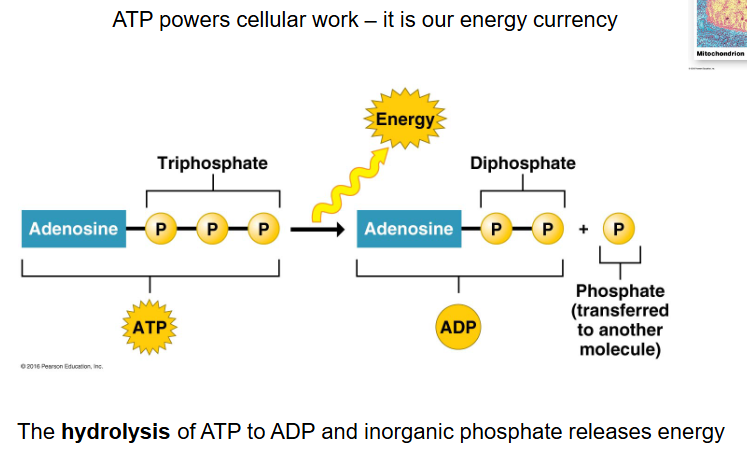
ATP factory
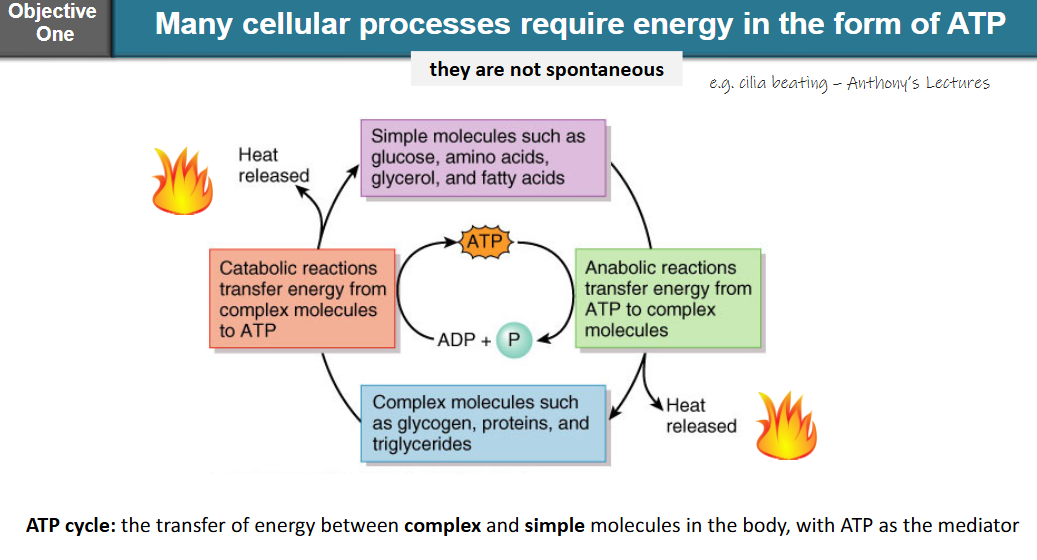
ATP cycle
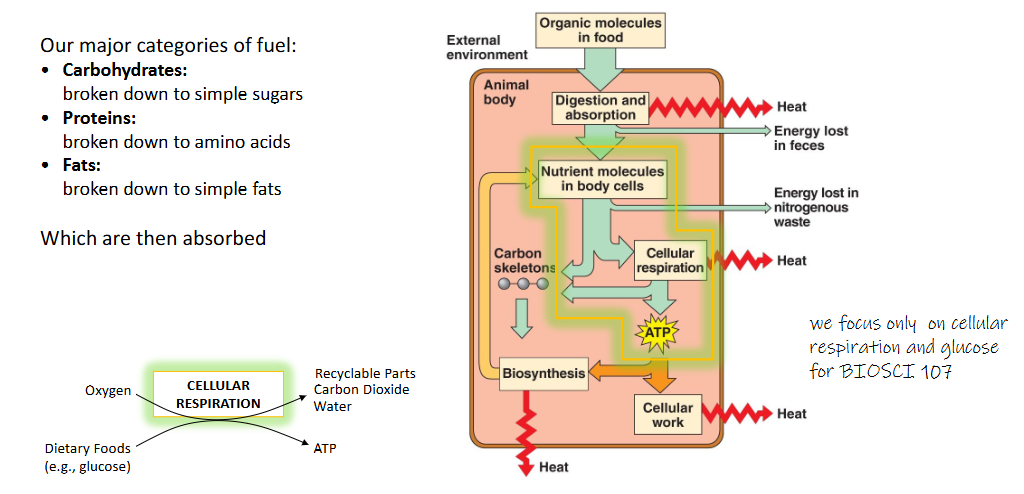
Fuel
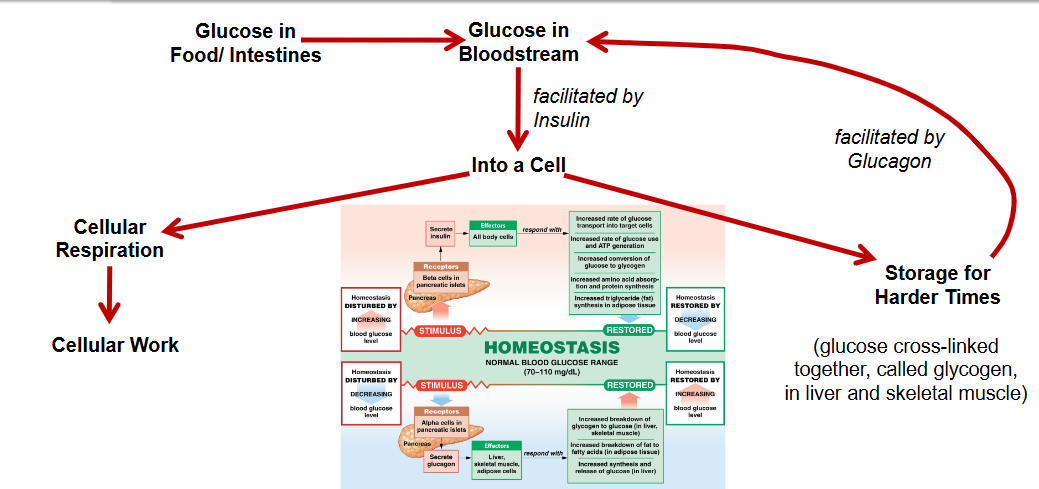
fate of glucose
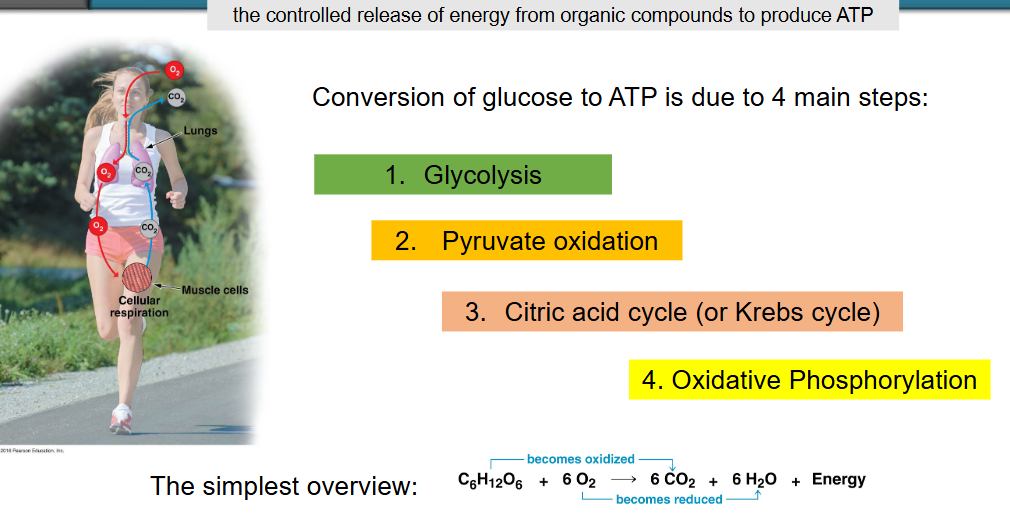
Cellular respiration
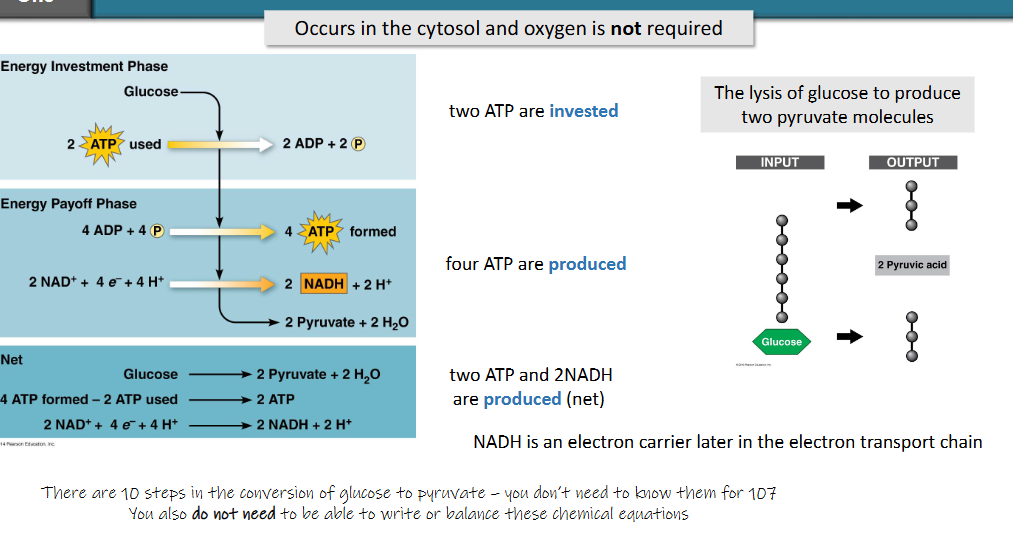
Step 1: Glycolysis
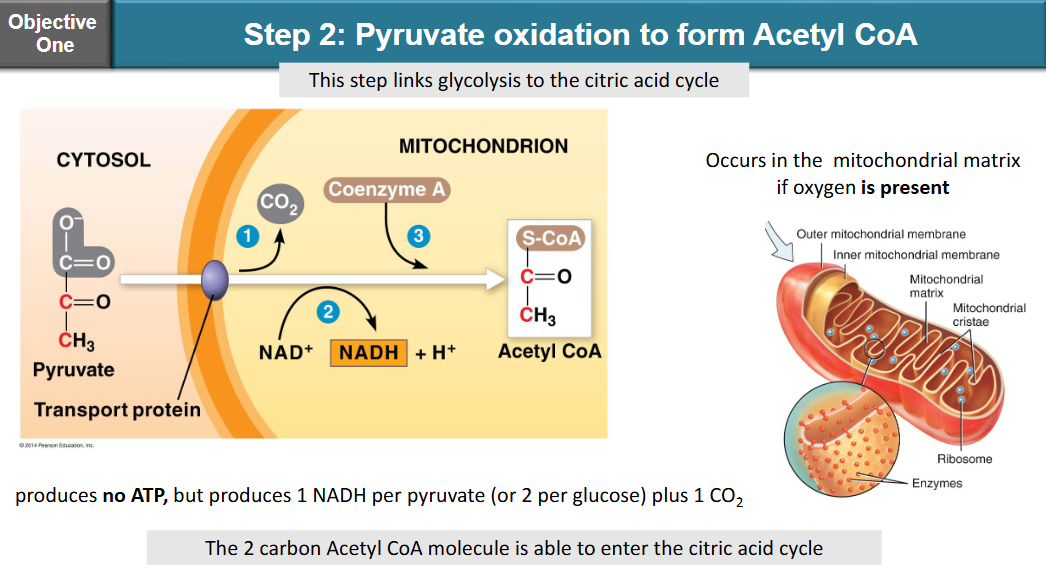
Step 2: Pyruvate
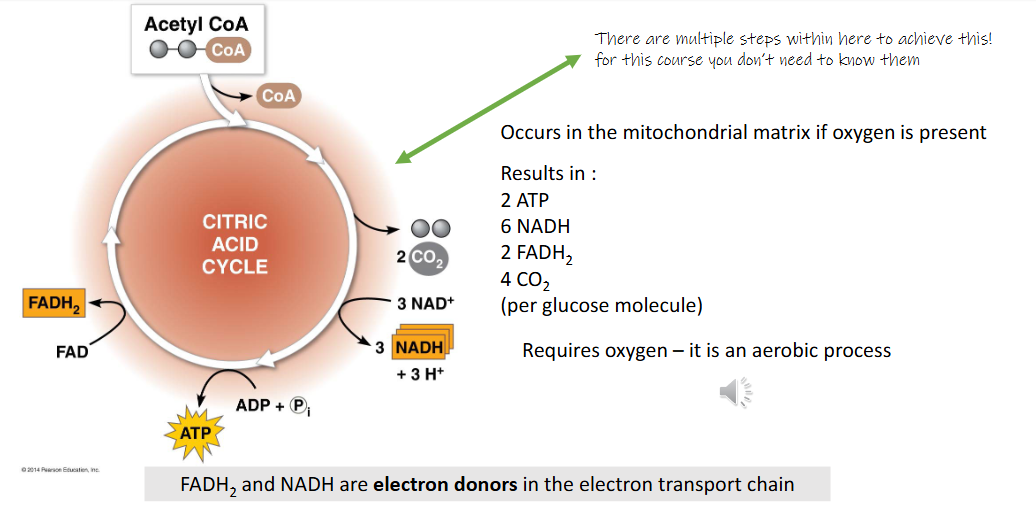
Step 3: Citric acid cycle (simplified)
a series of reactions: product of one reaction is the substrate for the next
the citric acid cycle completes the extraction of energy from glucose
phosphorylation
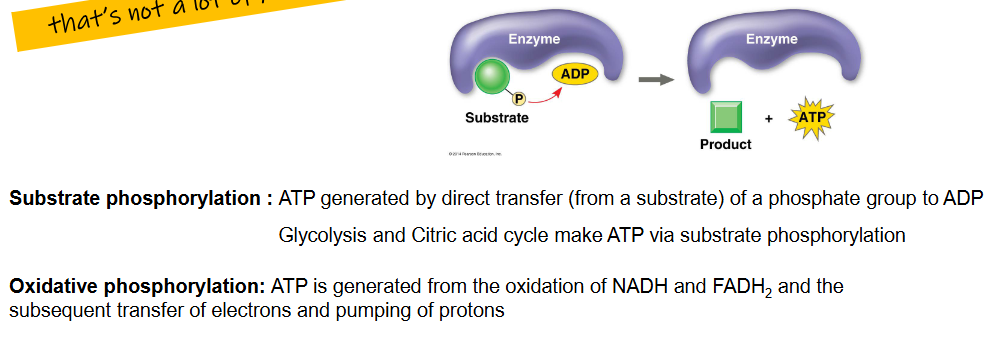
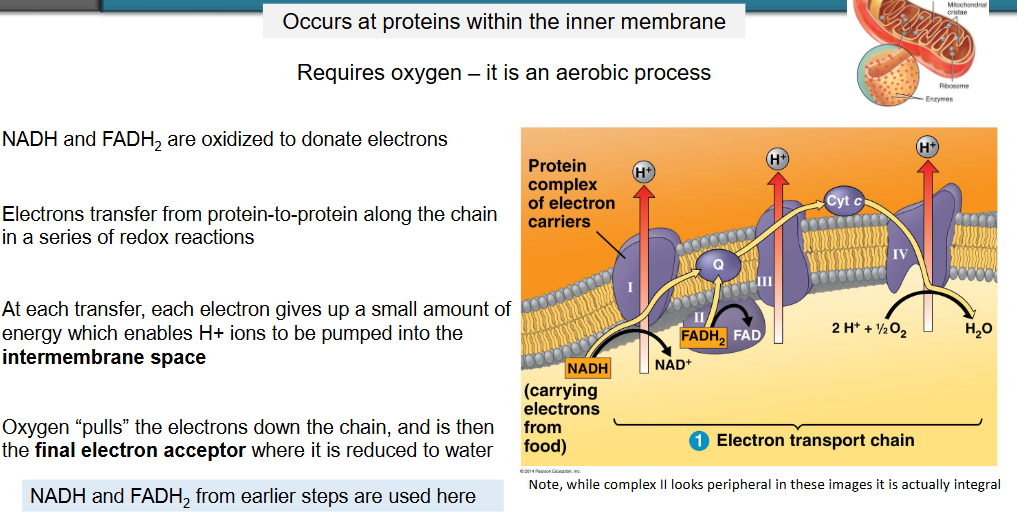
Step 4: the Electron Transport Chain
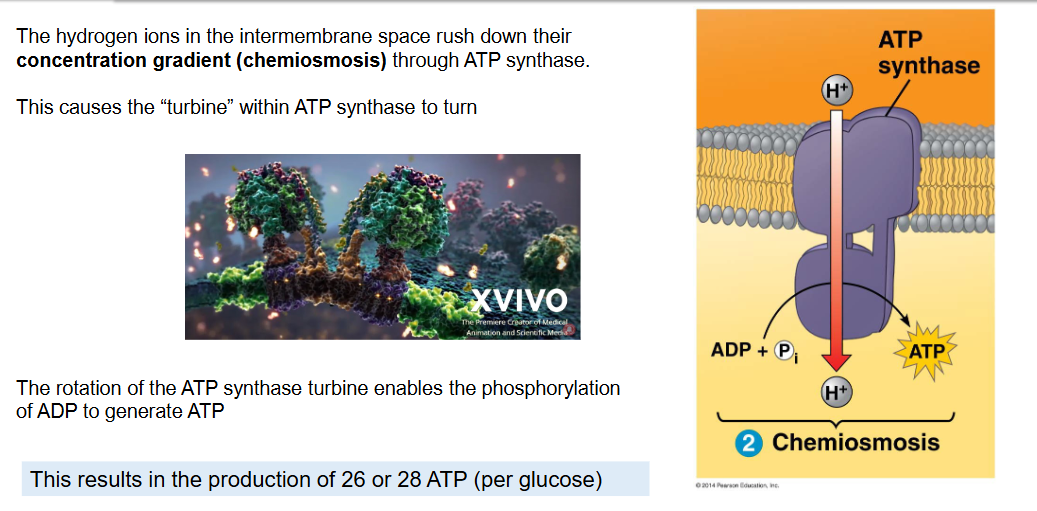
Step 4 continued: Chemiosmosis
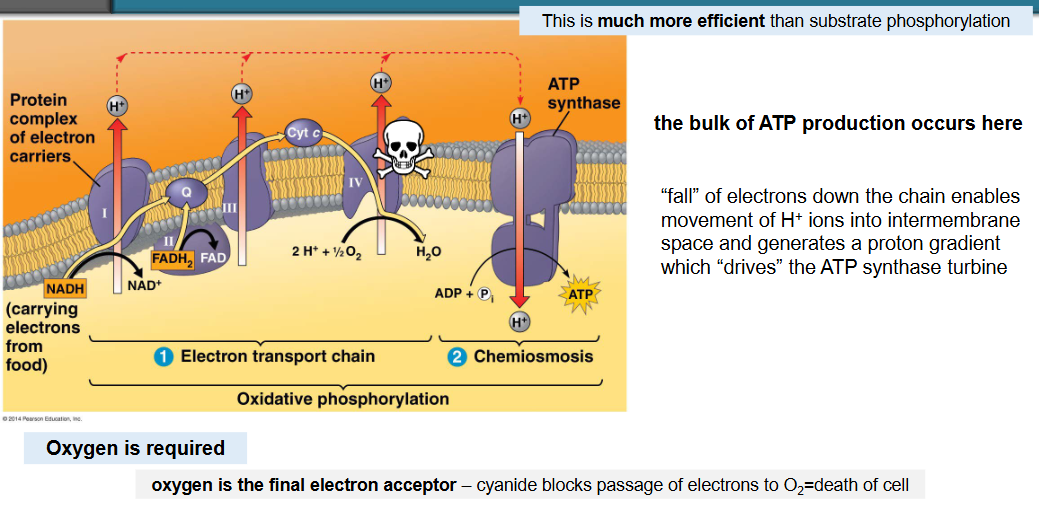
Step 4: ETC and chemiosmosis = oxidative phosphorylation
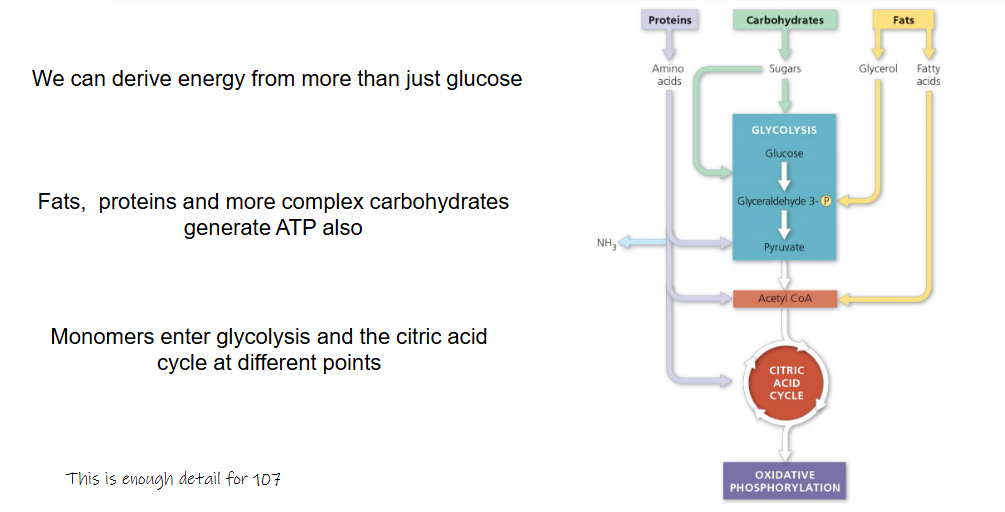
Cellular respiration versatility
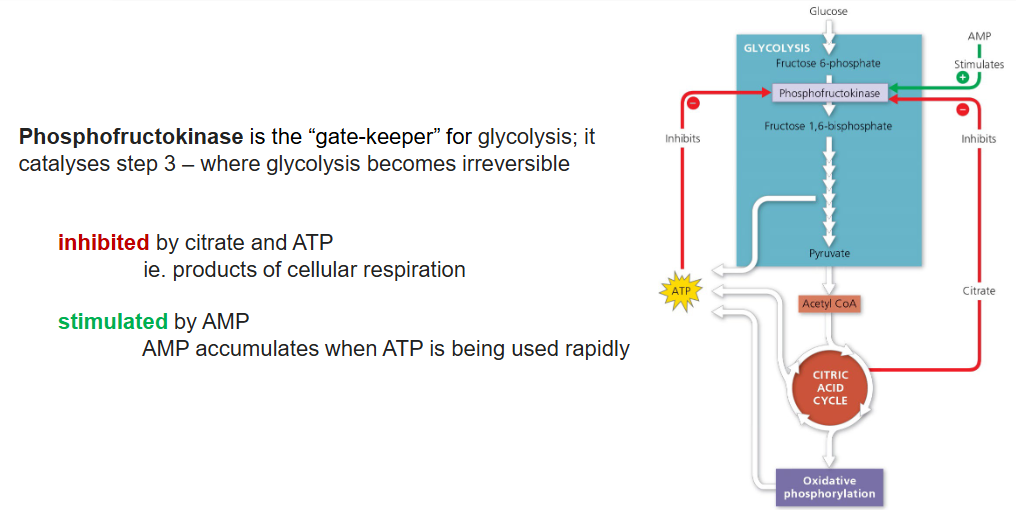
Control of cellular respiration
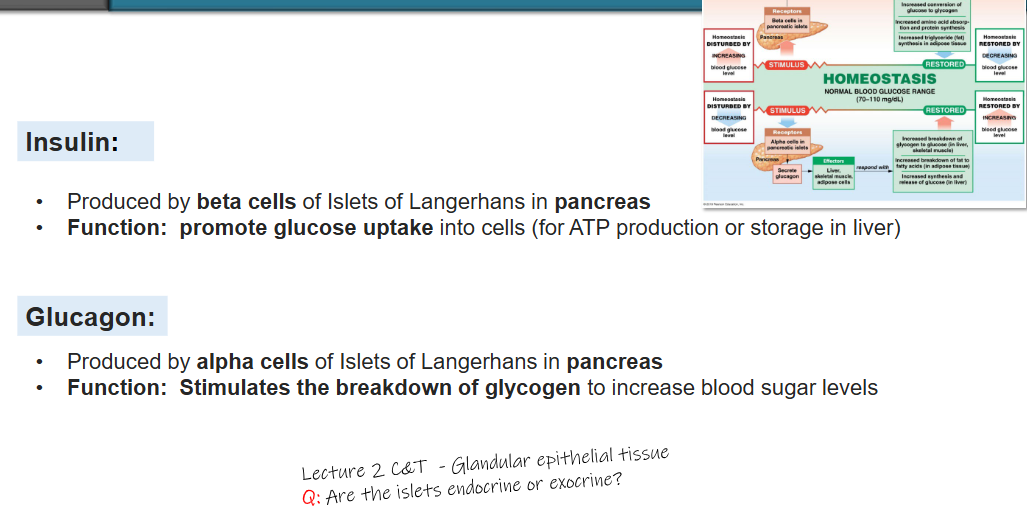
Insulin and Glucagon
Diabetes Mellitus
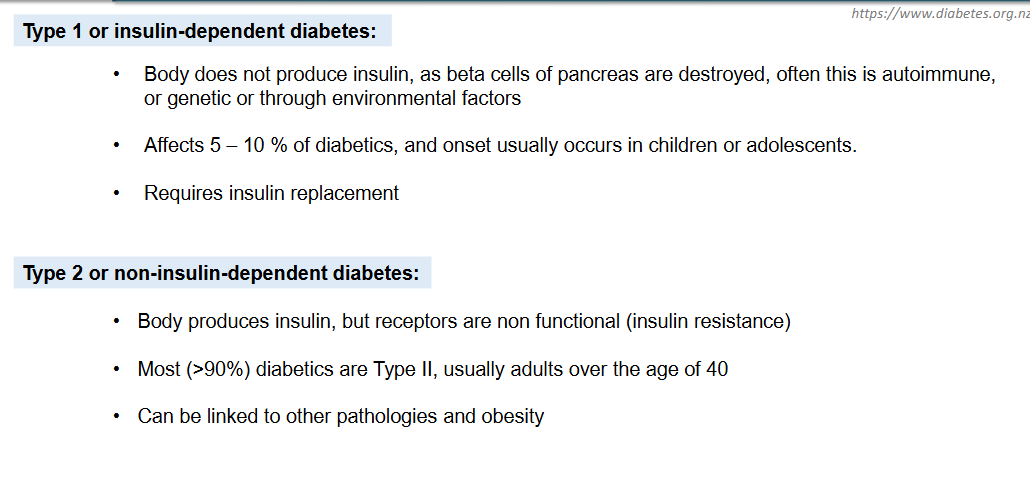
•Diabetes mellitus is caused by a lack of functional insulin.
•As a result, levels of glucose in the blood build up, well beyond normal homeostatic limits.
•Increased blood glucose alters the volume and osmolarity of blood, with subsequent pathological consequences.
Two of the symptoms of this disease are:
• significantly increased hunger
• significant weight loss

