chapter 8: mortality and immortality
 Call Kai
 Learn
Learn Practice Test
 Spaced Repetition
 Match
Match Flashcards
 Knowt Play
1/35

There's no tags or description
Looks like no tags are added yet.
Name | Mastery | Learn | Test | Matching | Spaced | Call with Kai |
|---|
No analytics yet
Send a link to your students to track their progress
36 Terms
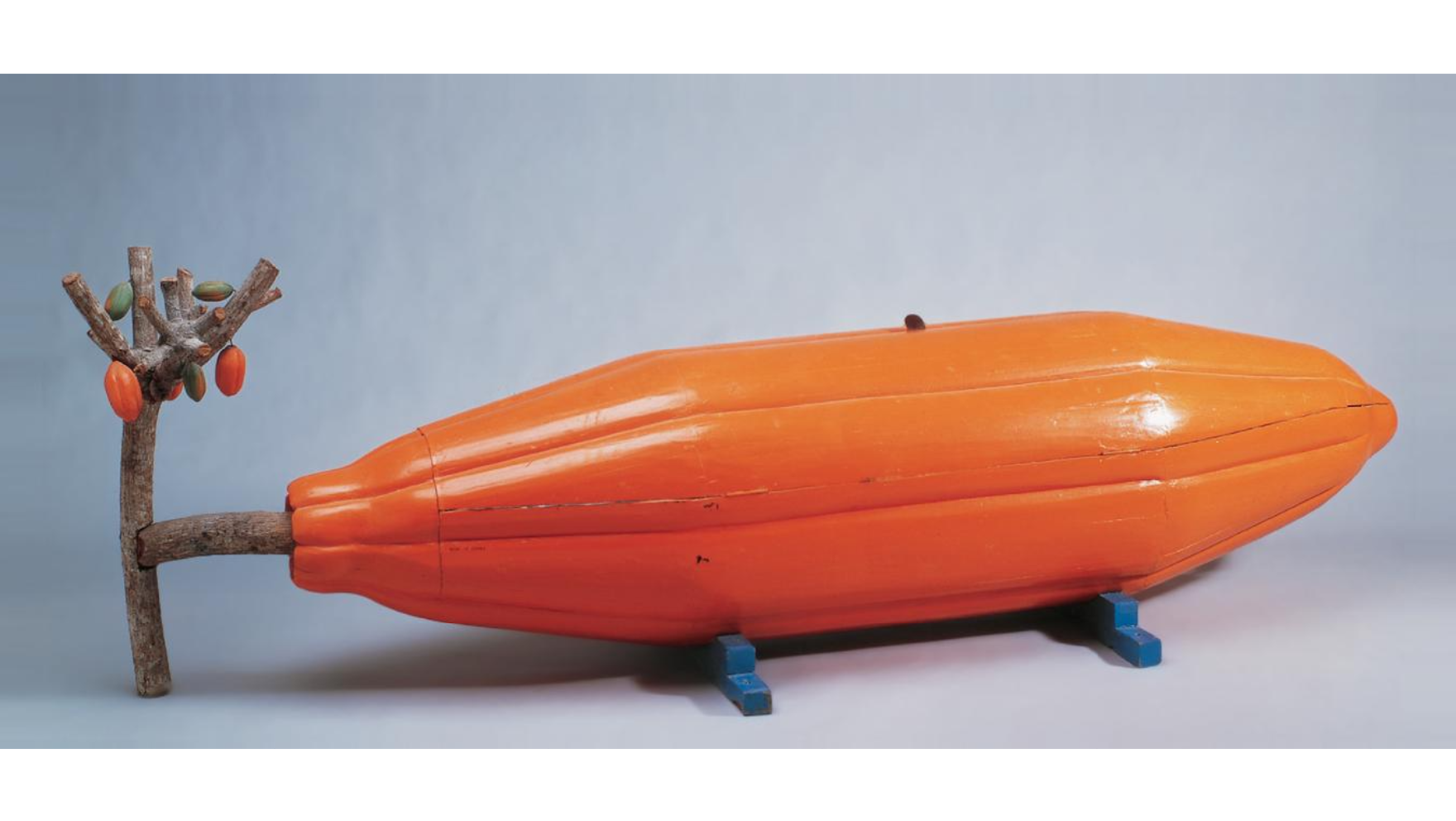
Coca Pod Coffin
Kane Kwei (Ghana)
1970s
wood and enamel paint
coffin for coca tree farmer; memorialized farmer's life's work
the artist’s coffins are designed to reflect the work/values of the deceased + honor them
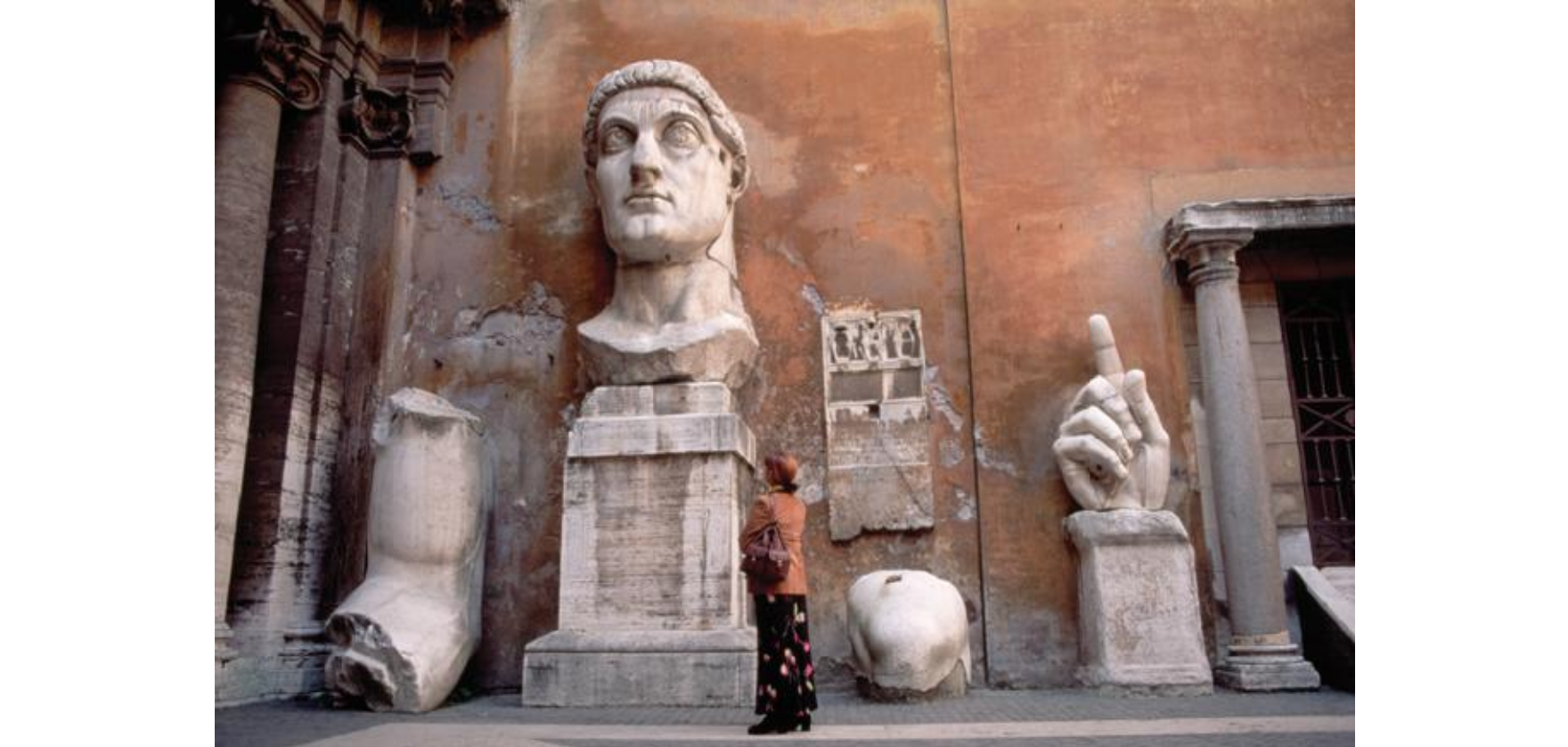
Colossal Statue of Constantine (fragments)
330 CE
Palazzo dei Conservatori, Rome
Constantine: 1st Roman emperor to legalize Christianity
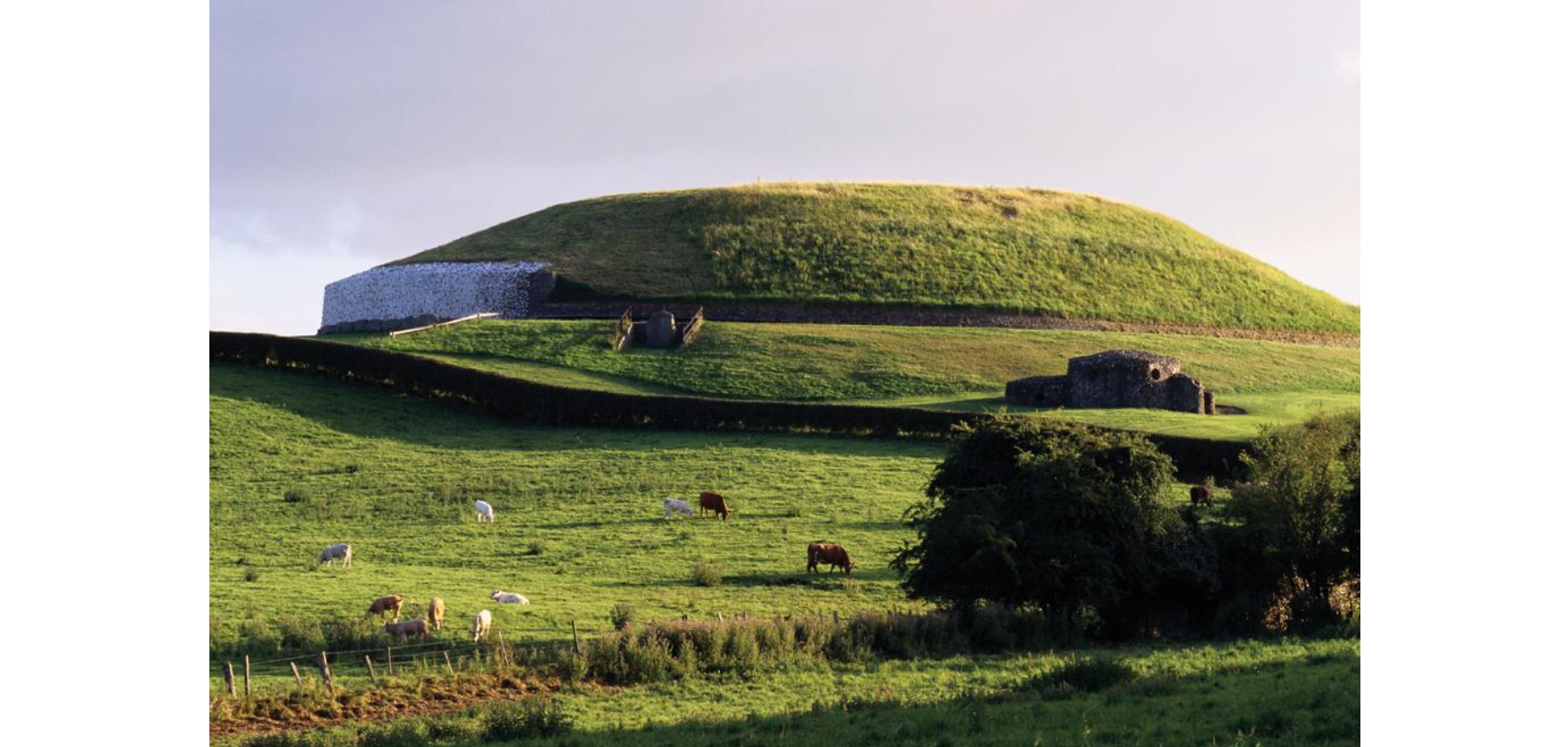
Newgrange
County Meath, Ireland
3200 BCE (Neolithic)
mound for winter solstice: sunlight radiates through passage → illuminates patterned stone in burial chamber
light trick only works for 2 weeks near winter solstice, in the morning
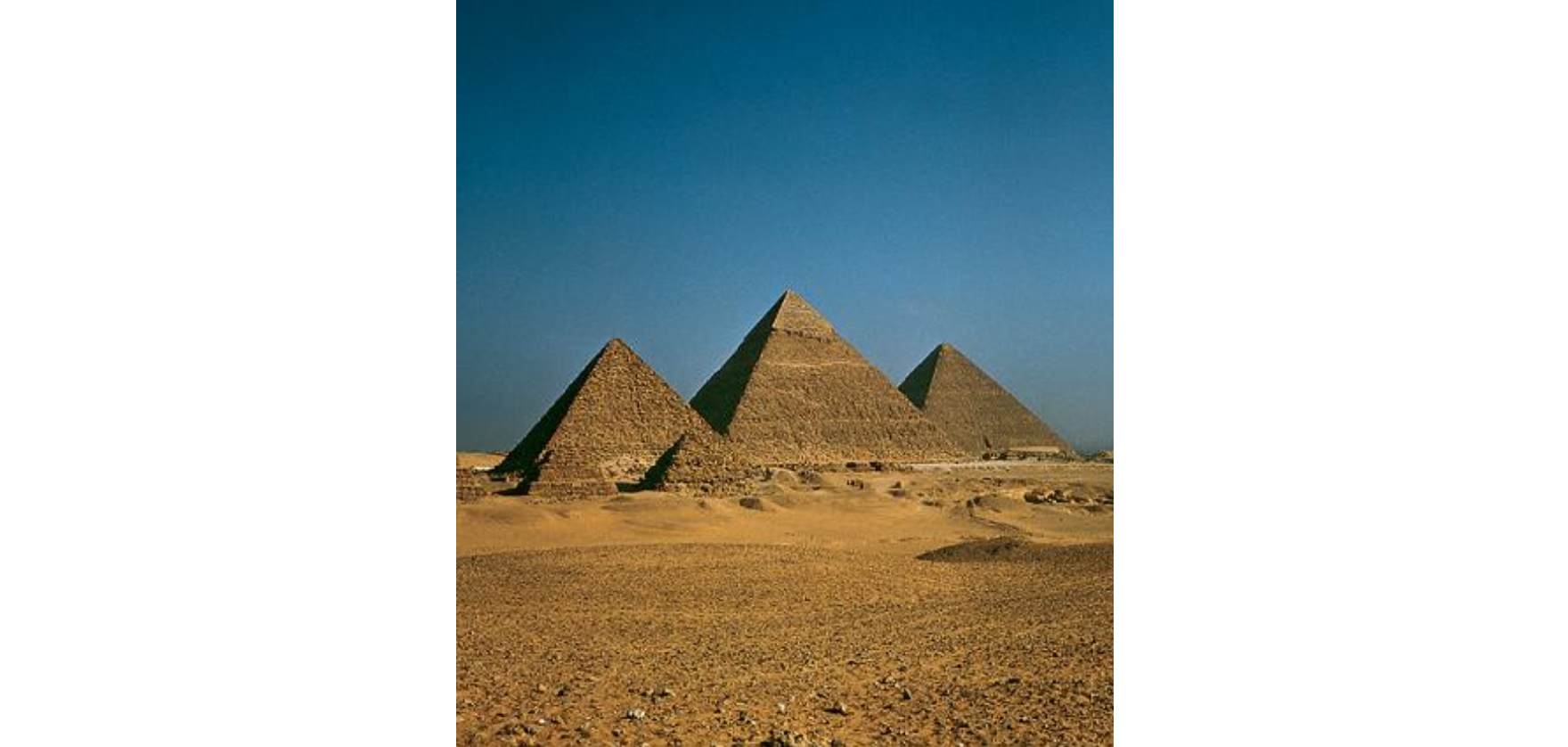
Great Pyramids (Giza)
Menkaure, Khafre, Khufu (left to right)
~2500 BCE
tombs for pharaohs believed to be sons of Ra (sun god); pyramids are oriented to sun
old, large, influential in style; artificial mountains on flat plane
small interior chambers; were robbed shortly after they were sealed
pharaohs stopped building big tombs to stop grave robbing; later rulers were buried in chambers cut into sides of mountains
purposes of tombs/commemorative art":
express cultural ideas/values about death
tie religion w/ ritual burials
promote political/social intentions
visually establish power
guarantee honor, fame, glory
earliest tombs were shaped like:
hills or mountains
ex: Egyptians → pyramids = geometric mountains
others: grass-covered hills w/ hidden burial chambers
mound graves = tied to natural phenomenon, like movement of the sun
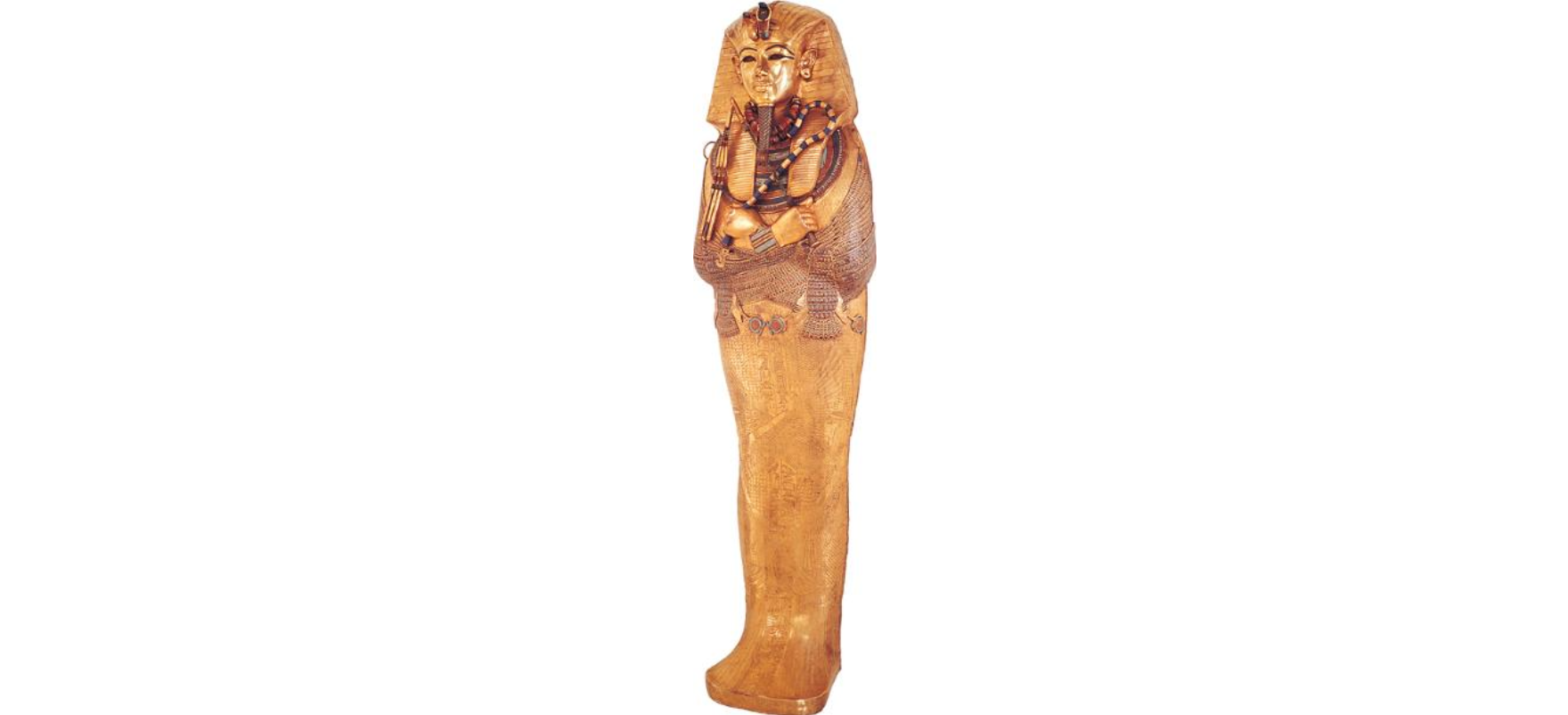
Innermost Coffin of Tutankhamen
Thebes, Egypt
1325 BCE
gold inlaid w/ enamel and semiprecious stones
wings of Horus surround coffin
Tut holds insignia of his rank
distinct eye makeup, false beard = power, striped head cloth = cobra head to frighten enemies
Tut’s dad: Akhenaten
Egyptian beliefs about souls/afterlife:
ba = part of human soul in heart/abdomen; human-headed bird
flies from body when one dies
after 70 days of mummification (in sarcophagus), ba returns, hungry/thirsty
tombs are built to sustain ba’s needs; furnishing, food, etc.
ka = mental part of human soul; 2 arms or figure representing double of personality
dwells in lifelike statue of deceased, placed in tomb
statue & sarcophagus need to have strong likeness to the dead person, so the ba/ka can recognize their destinations
mummified w/ natron = mineral mixture found in desert
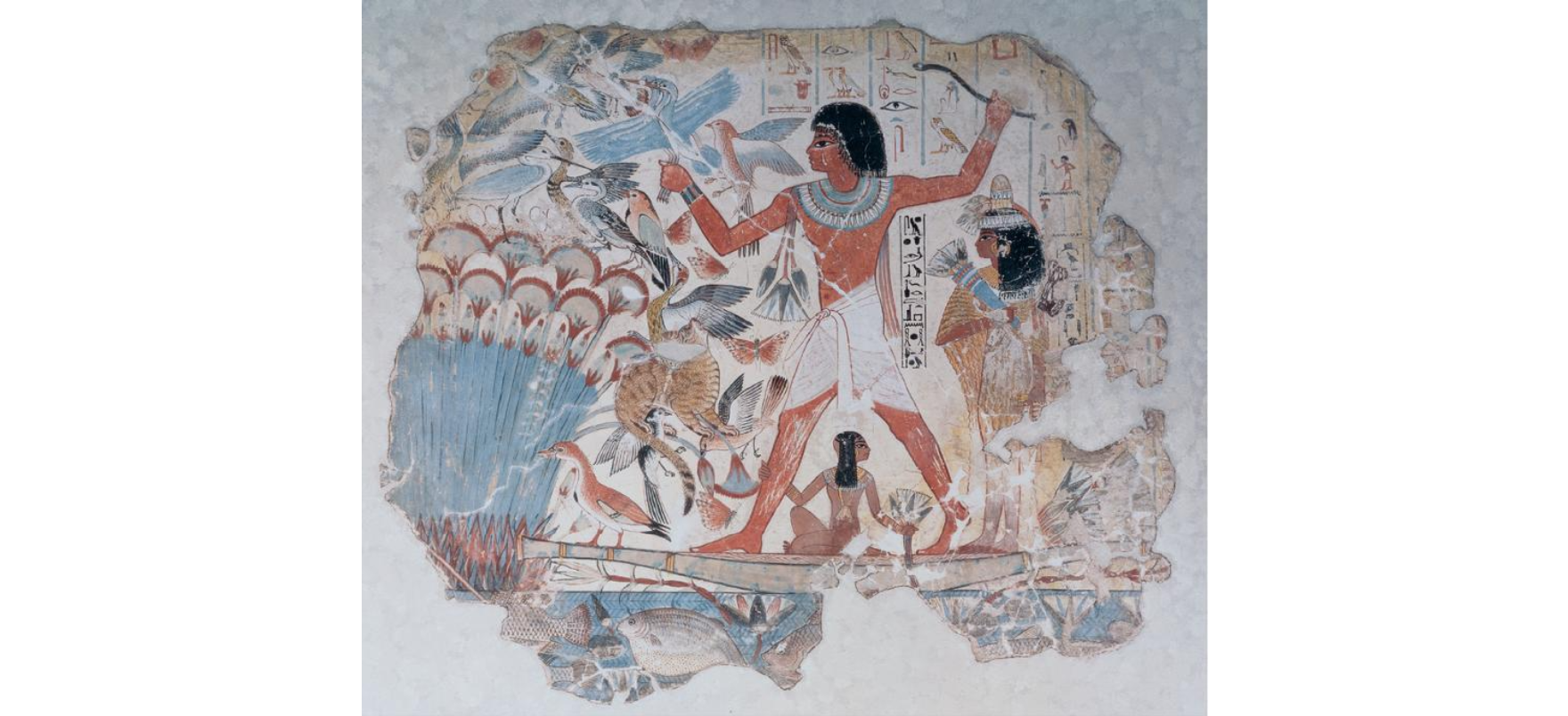
Fowling Scene (Wall Painting from Tomb of Nebamun)
Thebes, Egypt
1400—1350 BCE
paint on dry plaster
wall paintings/carvings recreate pleasure/labors of life
shows Egyptian noble hunting along Nile
patterns: Nile seasonal cycles, unchanging culture, vast desert
noble shown in exalted manner: head, shoulders, legs, feet in profile; eyes and shoulders frontal
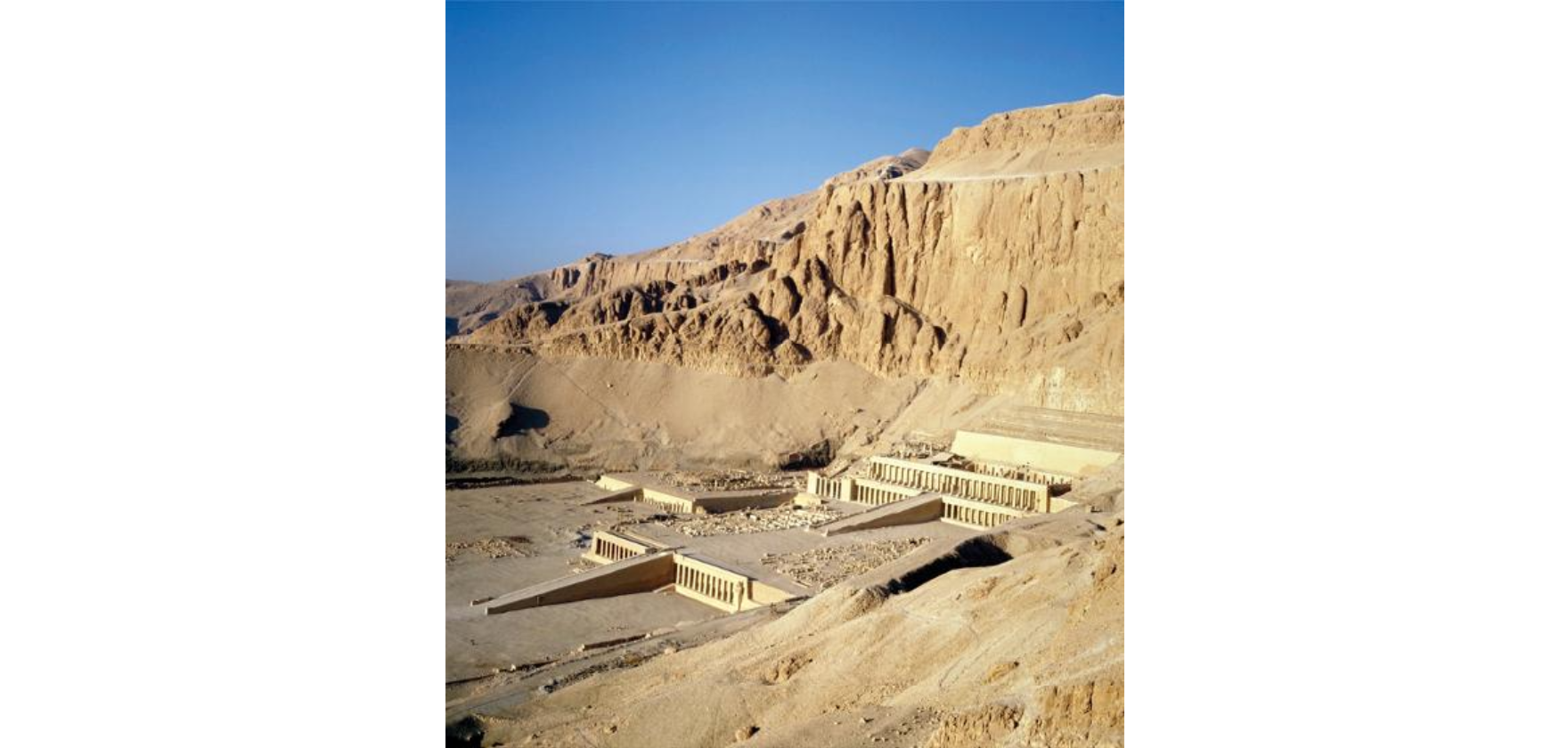
Mortuary Temple of Hatsheput
Deir el-Bahri, Egypt
1490-1460 BCE
monument to Egypt's female pharaoh
200 statues of her; painted reliefs showing her divine birth, coronation, military victories, etc.
after death, her portraits were defaced → records or her rule obscured
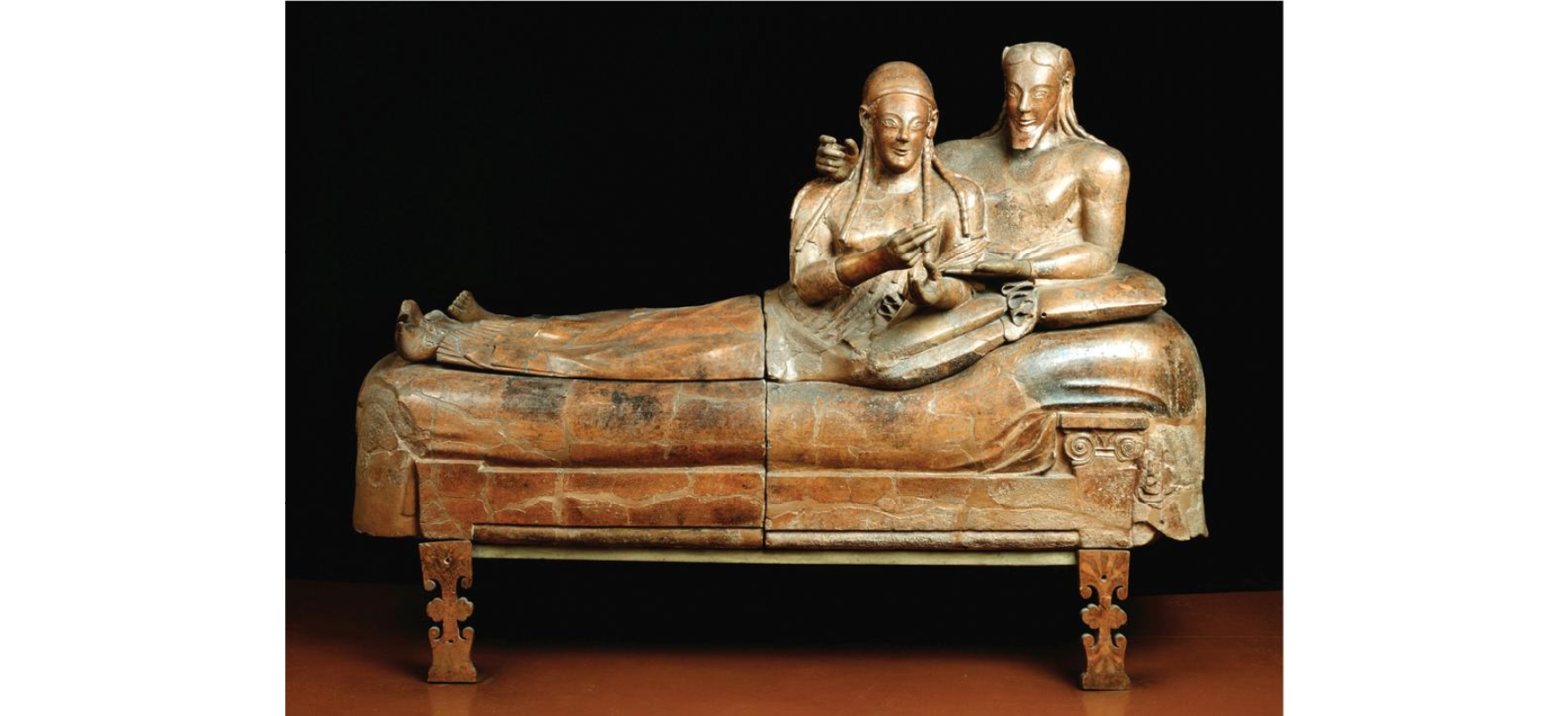
Sarcophagus with Reclining Couple
Etruria (Etruscan; Italy)
520 BCE
painted terracotta
freestanding; wife & husband shown at same scale
same scale = equal importance = Etruscan women had more rights than women in most other cultures
Etruscans
ancient people in Italy
buried dead in rows of earthen mounds furnished for afterlife, arranged along streets = necropolis
several modest sized rooms, laid out like houses
emphasized sociability/pleasures of living
not grand monuments to powerful rulers like Egyptians
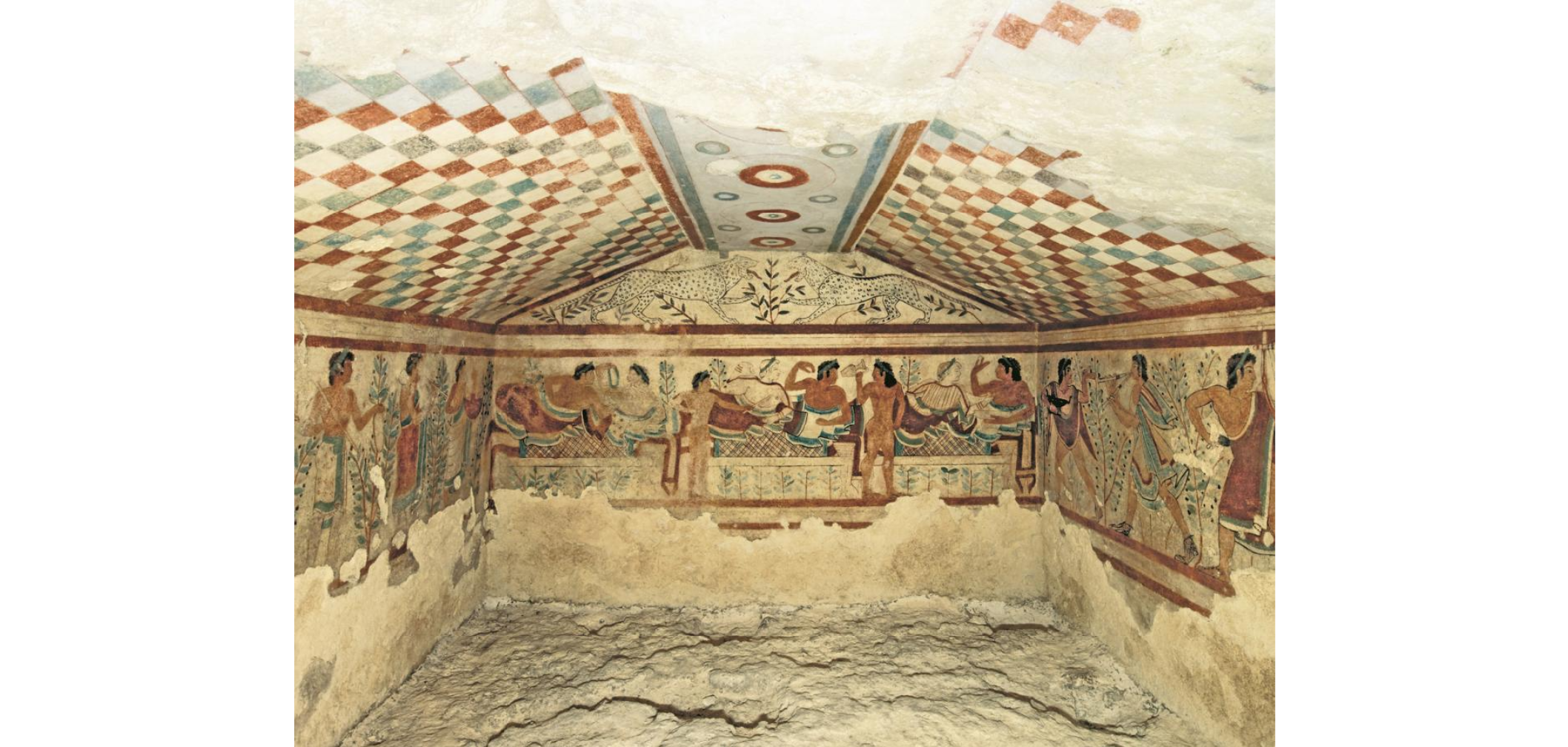
Banqueters and Musicians
Tomb of the Leopards (Etruscan)
380—470 BCE
feasting, music, dancing
banqueters recline on couches; servants bring them food/drink
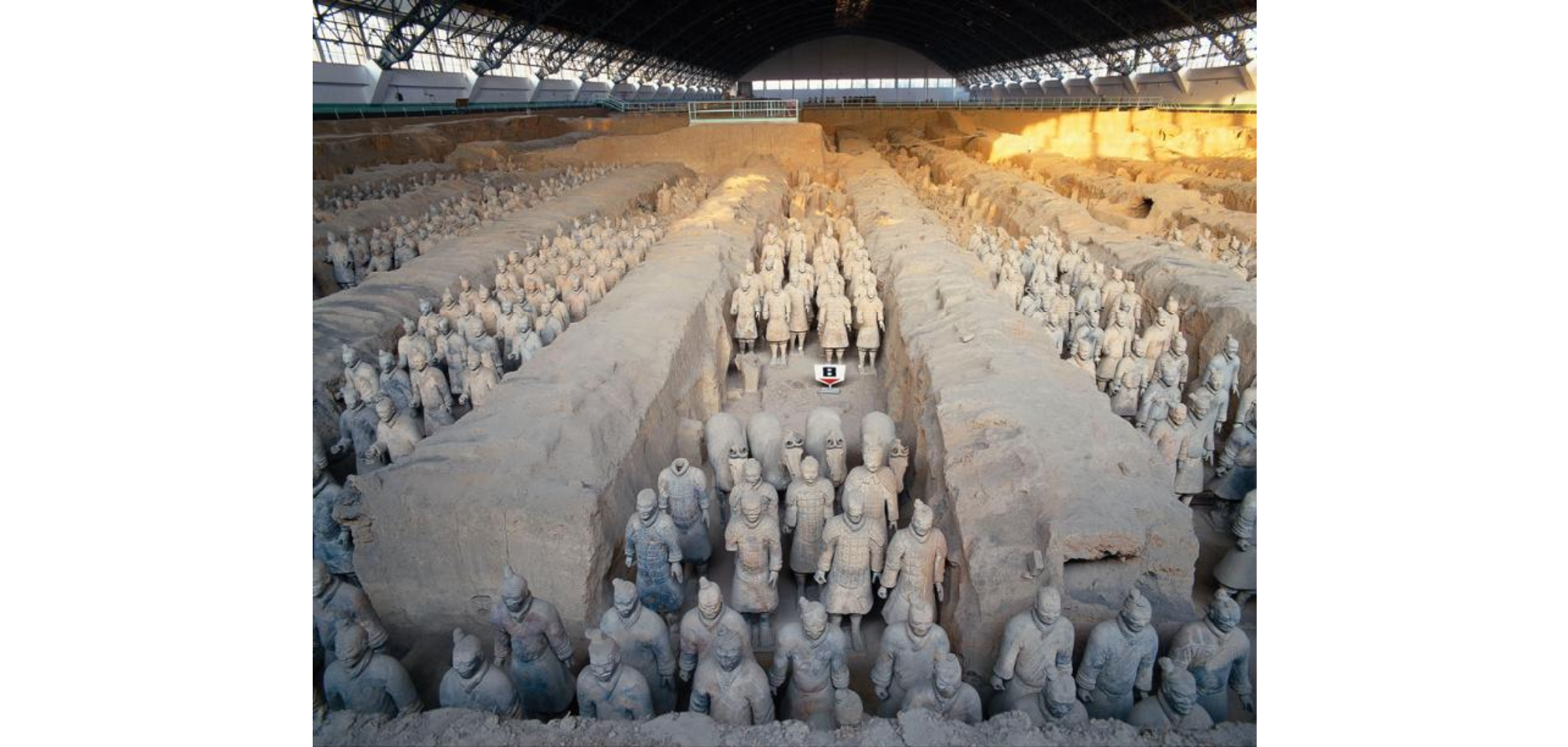
Soldiers from Pit 1
Shaanxi, China (near the Tomb of Shi Huangdi)
221—206 BCE
painted ceramic
one of most extensive tombs ever constructed
Ying Cheng: became ruler of Qin Dynasty in 259 BCE
subdued rival neighboring states → unified China → founded Qin dynasty (1st emperor)
1974: uncovered 6000 clay soldiers guarding afterlife palace complex
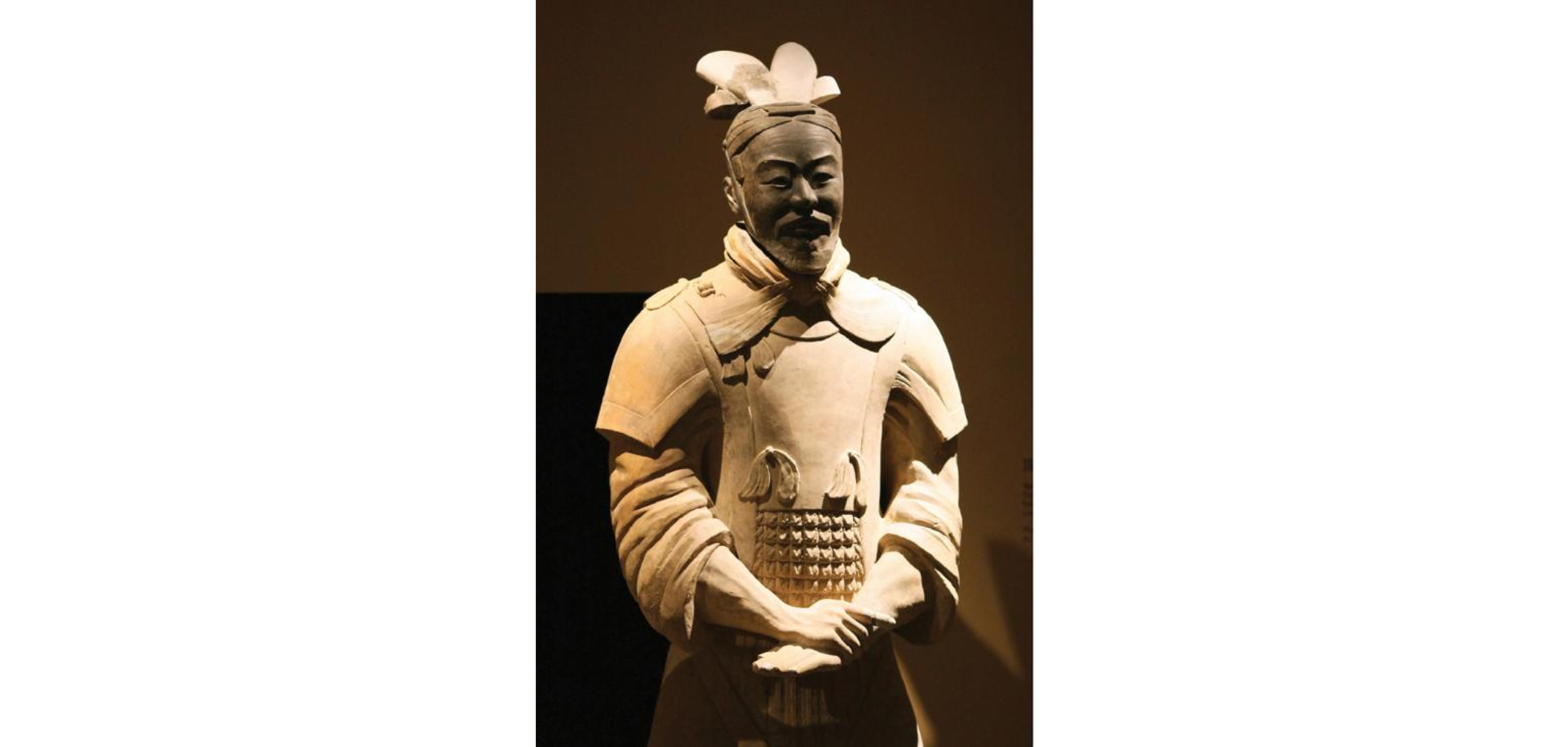
Warrior, General
Shaanxi, China (near the Tomb of Shi Huangdi)
221—206 BCE
bodies are standardized; frontal, stiff, anatomically simplified
different faces; molds
combo of standardized and handcrafted parts
used to be painted; purple only found in China (artificial)
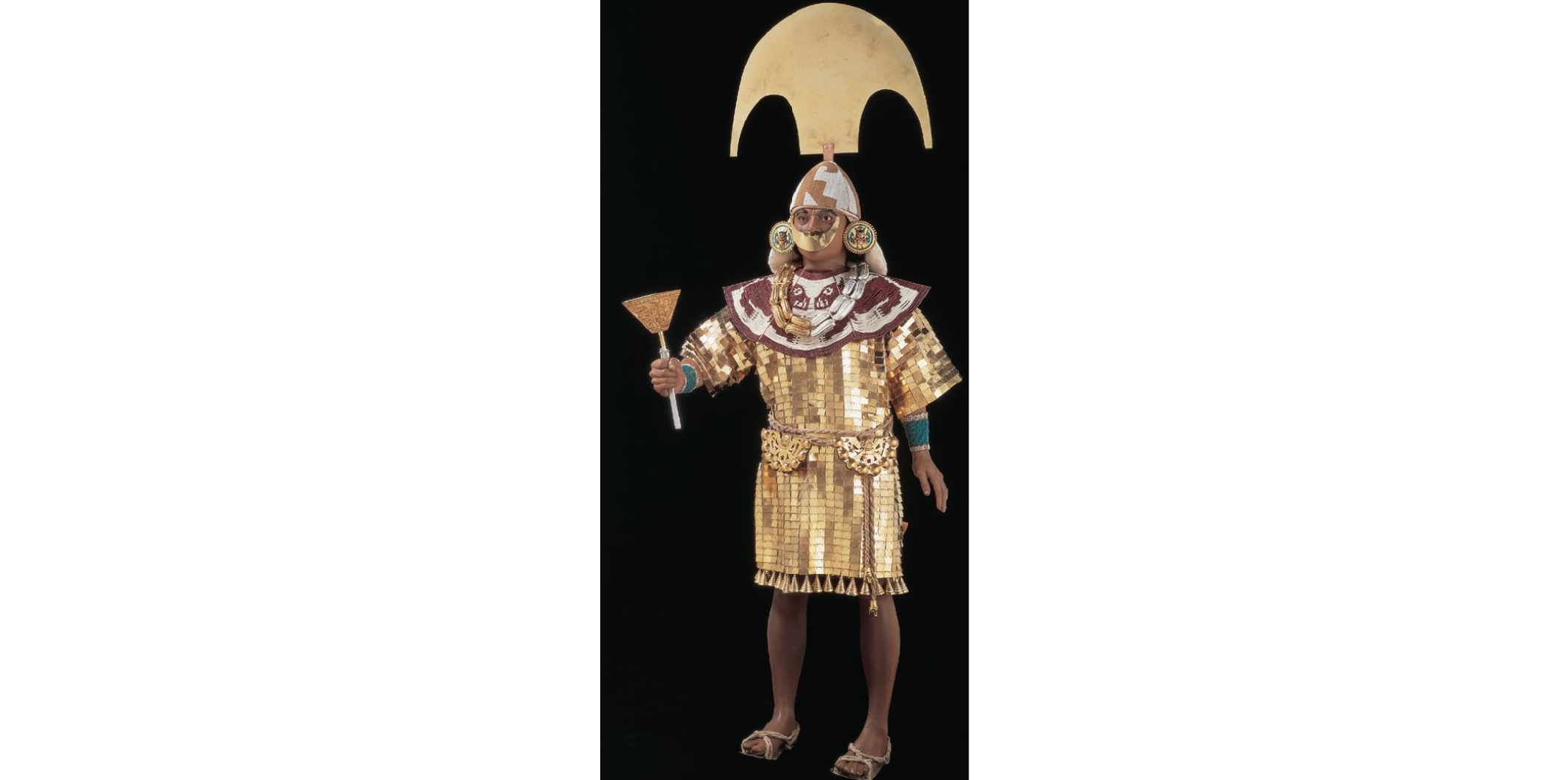
Mannequin dressed in replicas of some of objects found in Tomb 1, Royal Tombs of Sipán
Moche civilization, Peru
300 CE
warrior-priest’s elaborate gear (high status)
cloth covered w/ gilded platelets; shell beads, helmet, nose plate, crescent-shaped bells
Peanut Necklace: gold, silver
Moche society: rich vs. poor difference shows in difference in burials (quality)
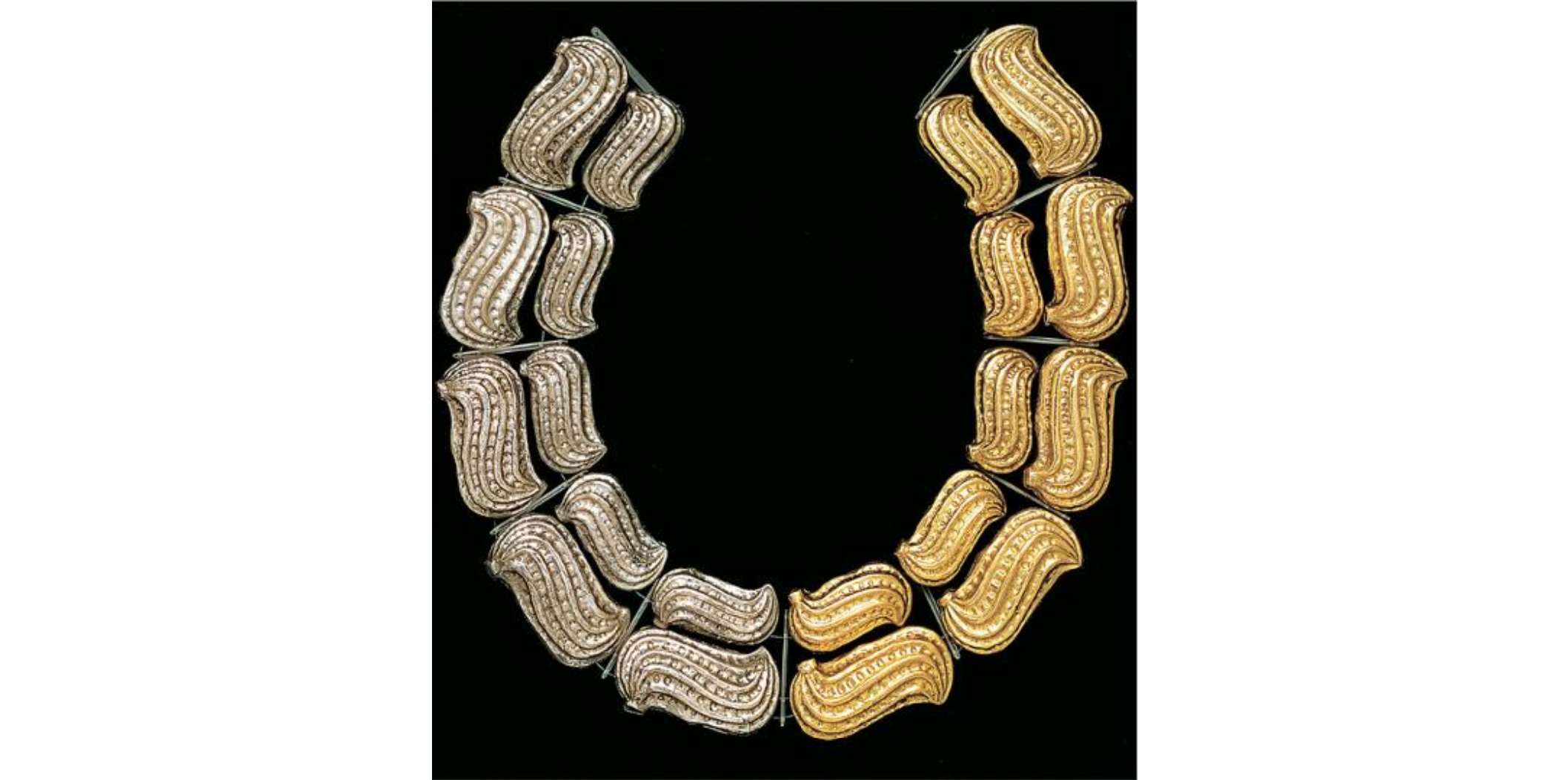
Peanut Necklace (Royal Tombs of Sipán)
Moche civilization, Peru
300 CE
gold and silver
20 beads; 10 gold, 10 silver
worn by warrior-priest; also buried w/ it
peanut = ceremonial food/food of honor
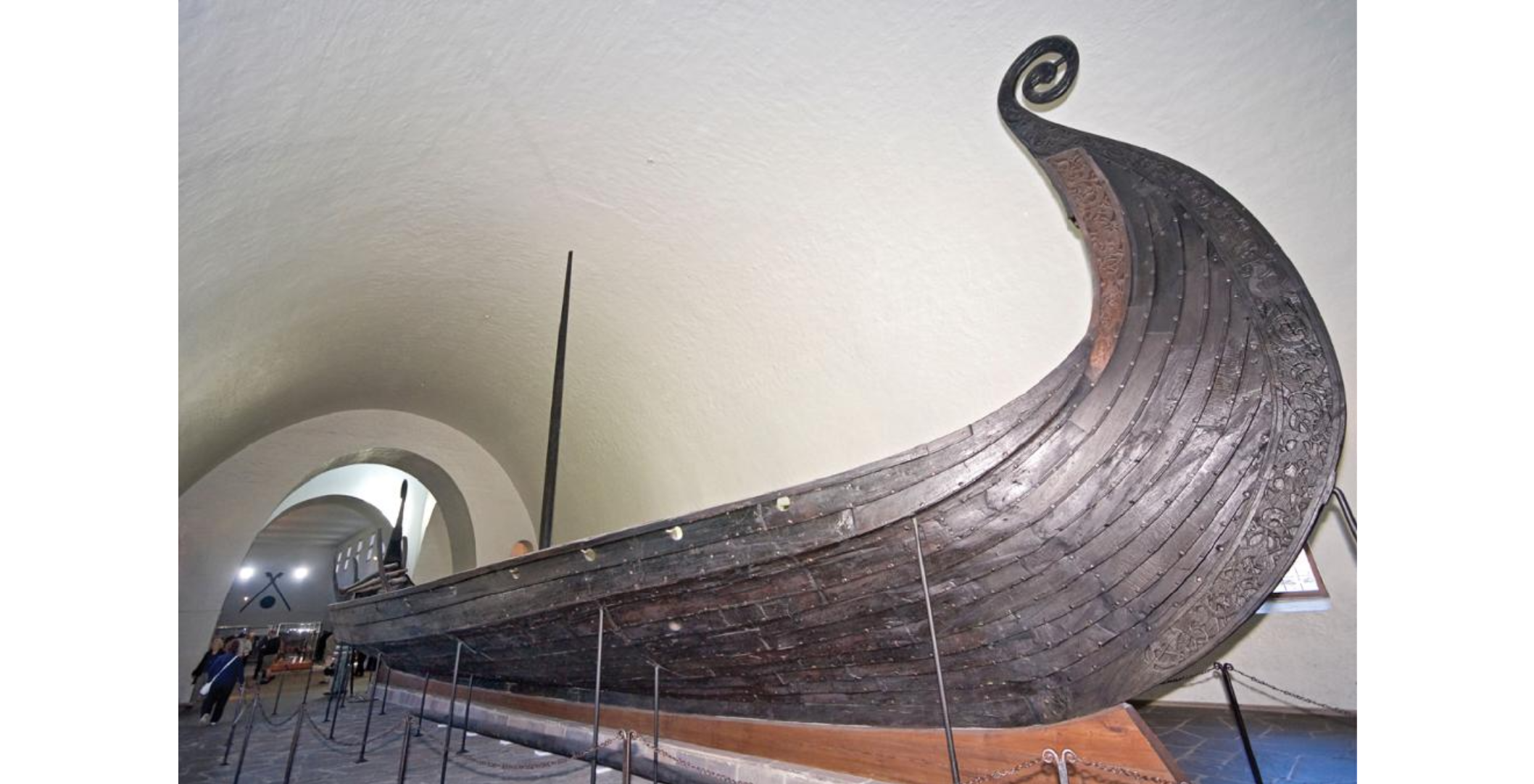
Viking Ship
Oseberg Ship Burial, Norway
1800s
oak
tomb of high-ranking woman; probably was private vessel of wealthy family
front carved like a snake
found in the ship: beds, carts , sledges; w/ carvings of imaginary birds/beassts
viking ship burial: bury dead by sending them out to sea or burning the ship w/ them on it
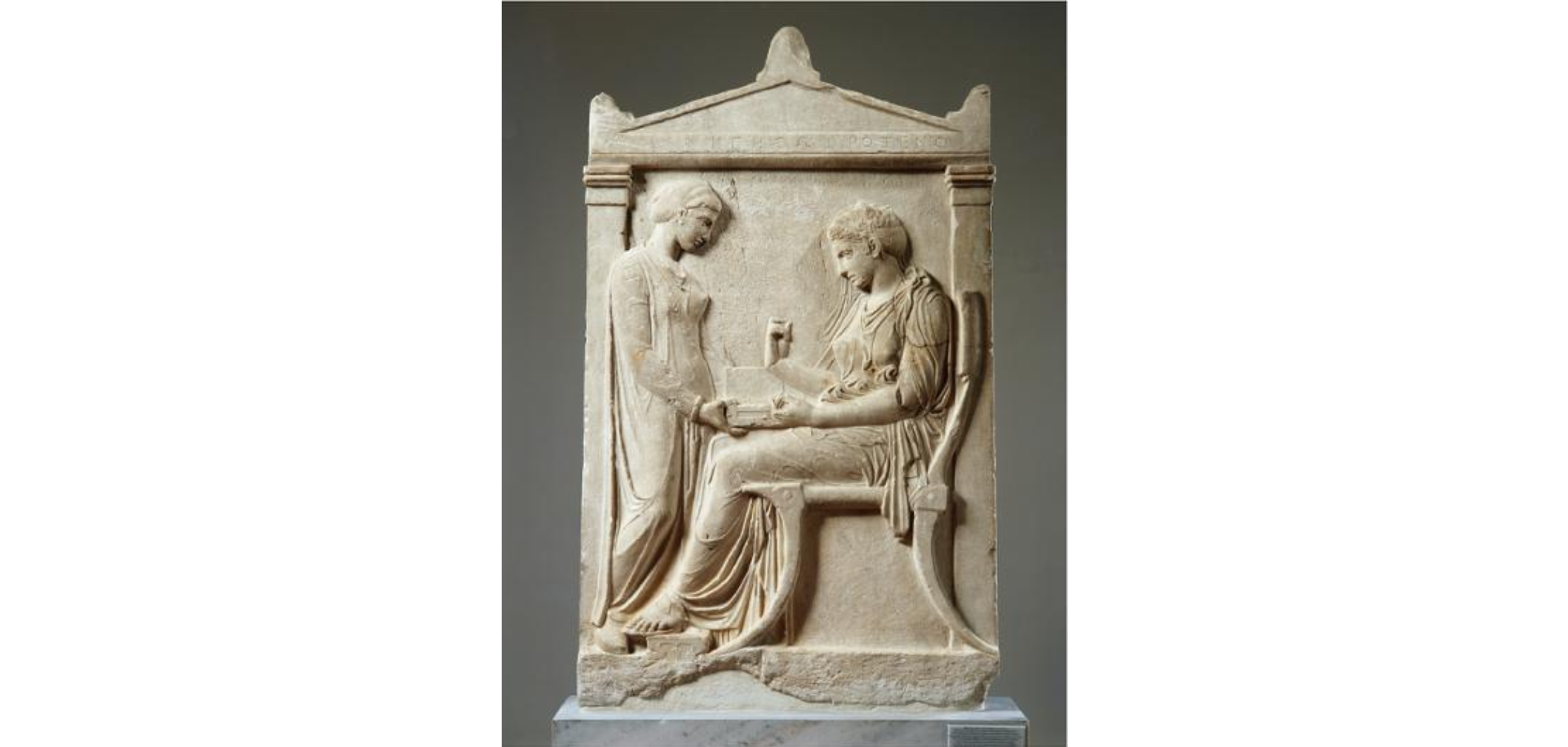
Grave Stele of Hegeso
Dipylon Cemetery (Athens, Greece)
410—400 BCE
marble
servant brings jewelry to the deceased woman
1000—10 BCE: mound tombs replaced by funerary art/architecture
became commemorative structures
Greeks were 1st to develop commemorative funerary architecture
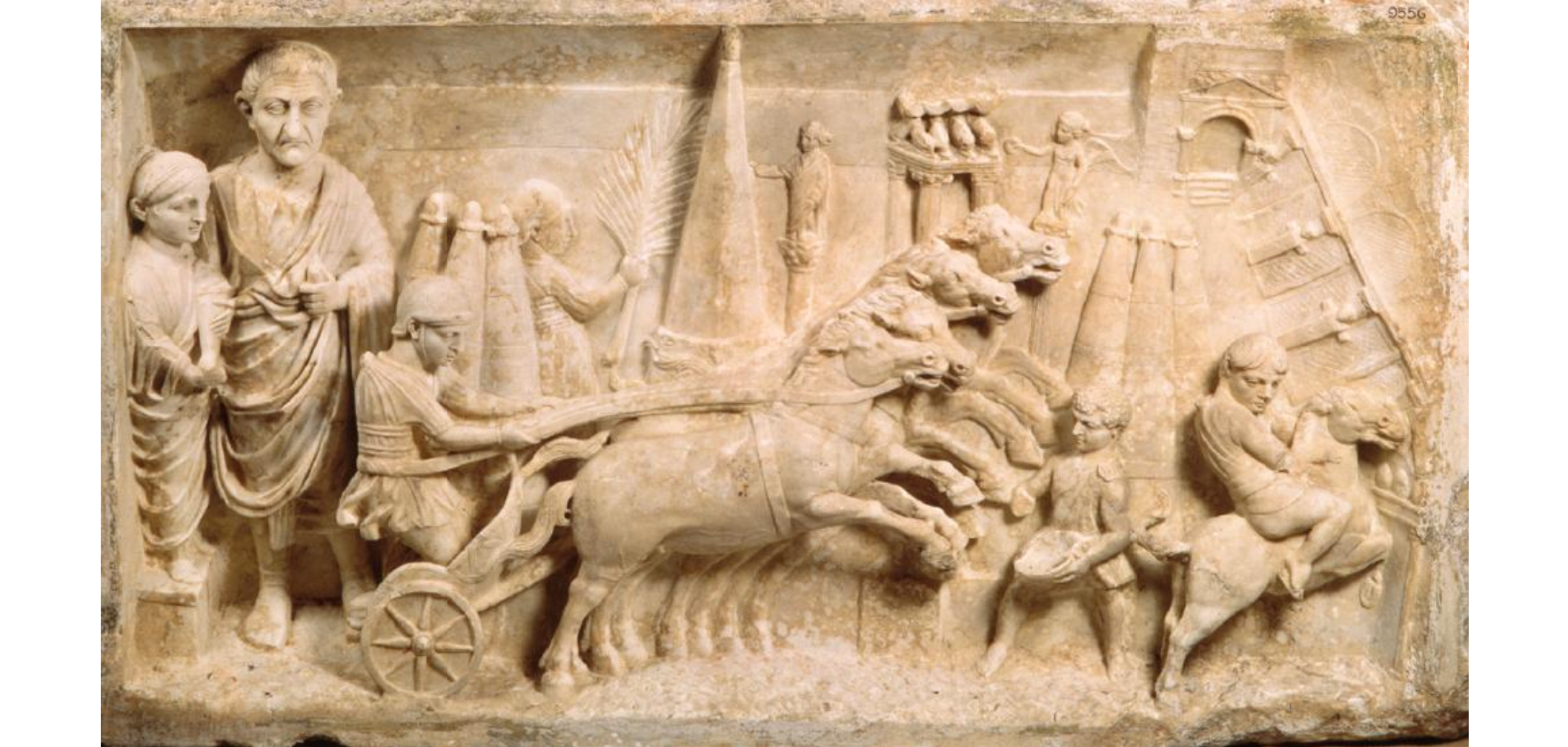
Funerary Relief of a Circus Official
Ostia (Vatican, Rome)
110—130 CE
marble
working-class man at his job w/ family
largest figure = official who died
wife = far left (holding hands = marriage)
smaller, lesser status
wife on pedestal = died before him
unflattering portraits: forehead wrinkles, protruding ears, drooping faces
styles of Roman family tombs/mausoleums:
built outside of city
towers
modified Greek temples
diminutive Egyptian pyramids
or combo of all
Romans: non-idealized
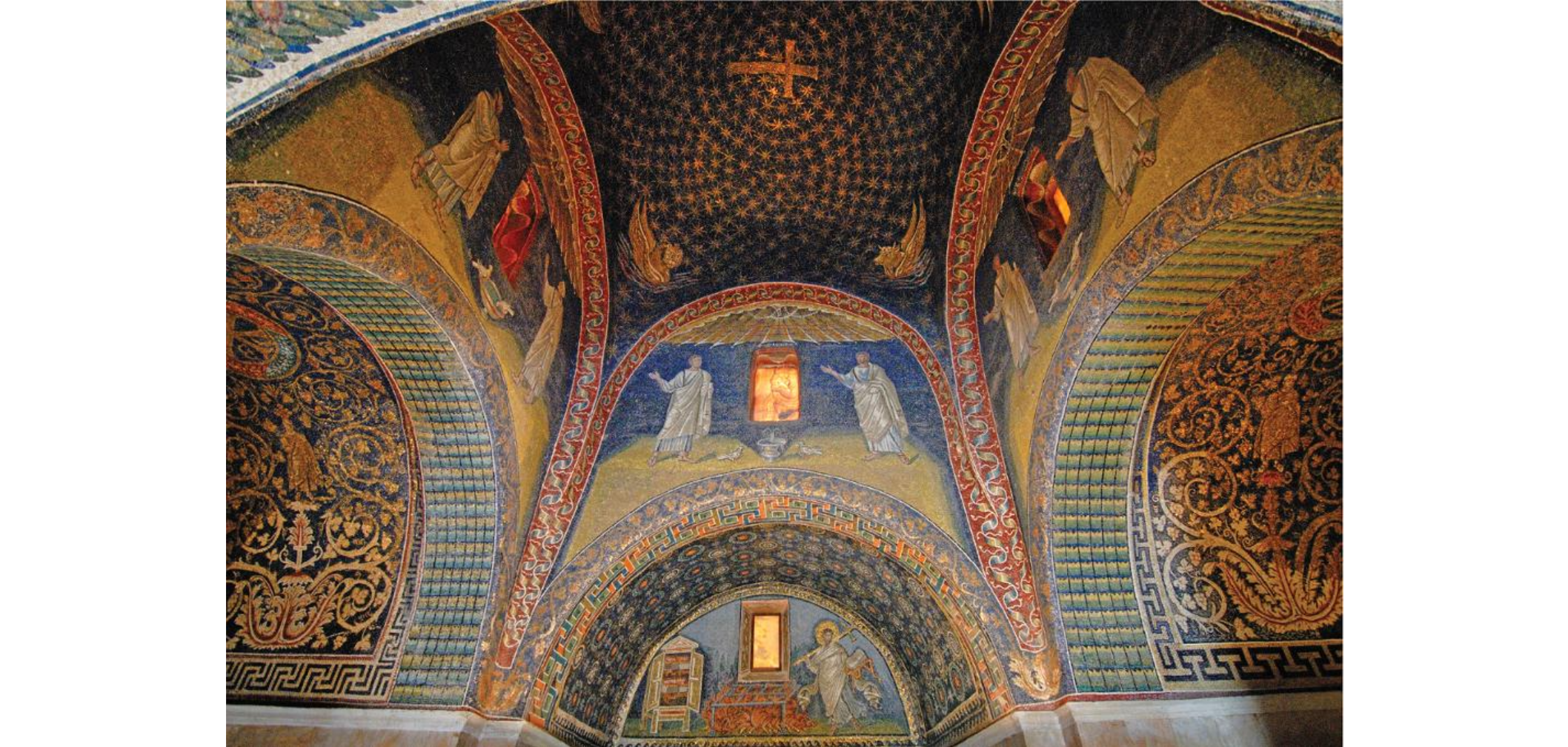
Mausoleum of Galla Placidia
Ravenna, Italy
425
Christianity went from underground cult → became official religion in Rome = accepted in Rome in 313
mausoleum was originally attached to a church
early Christian burials:
did burials instead of cremation
believed: body would resurrect → rejoin soul at end of time
catacombs: dug out of tufa
around Rome
sanctified places: resting place of martyrs
where fugitives his from the Romans
where Christian sermons were preached in secret
small rooms carved out of catacomb passageways = mortuary chapels
often plastered + painted
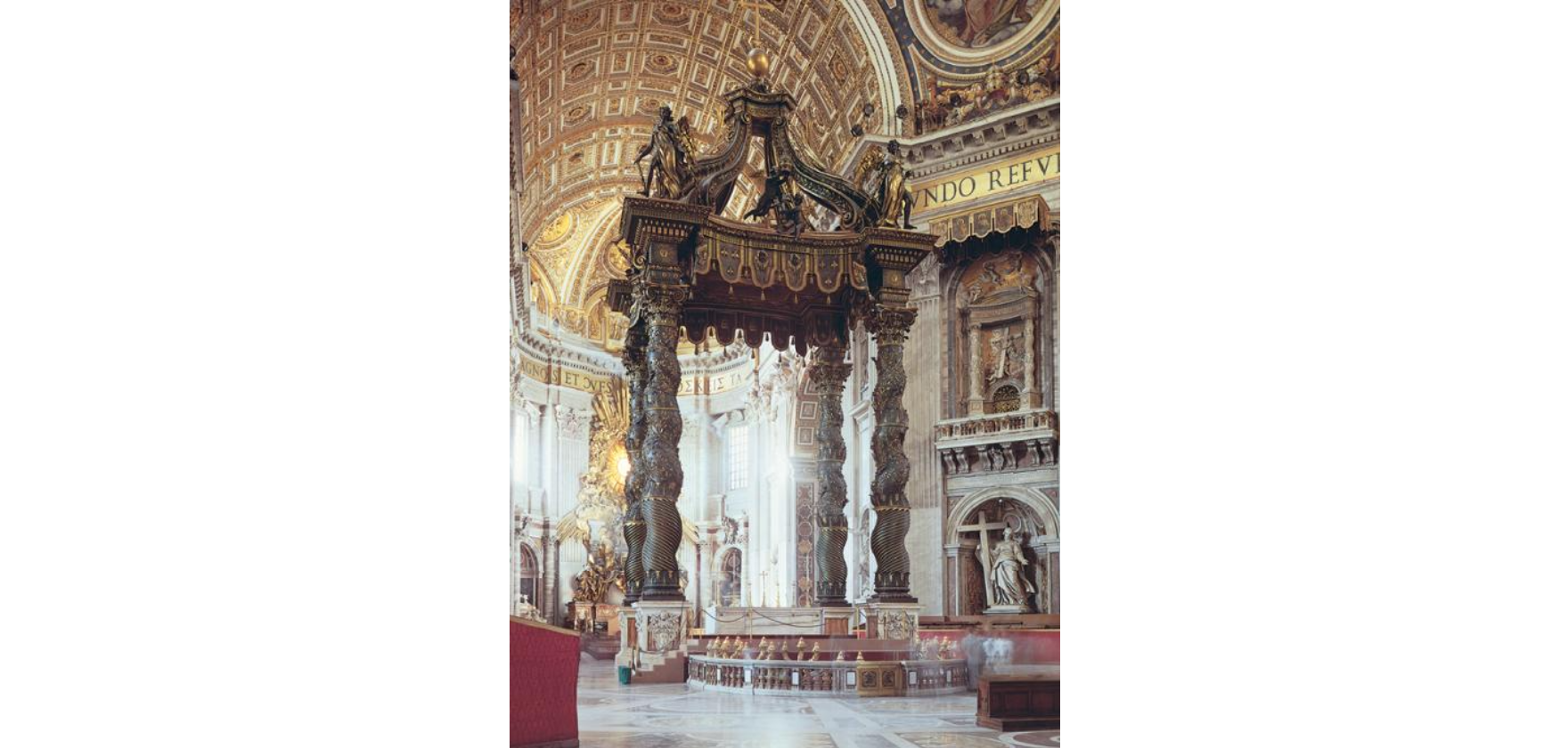
Baldacchino (St. Peter’s Basilica)
Gian Lorenzo Bernini
1624—1633 CE
gilded bronze
tall bronze canopy over St. Peter’s tomb
“baldacchino” = “tall canopy”
taller than 8 story building; looks like cloth canopies that covered tombs of early martyrs
new curving columns → Constantine columns in the old wooden Basilica
vine-covered twisting columns → support weightless-looking canopy
the basilica was wooden and old; originally built over Simon Peter’s tomb; now there is a new one
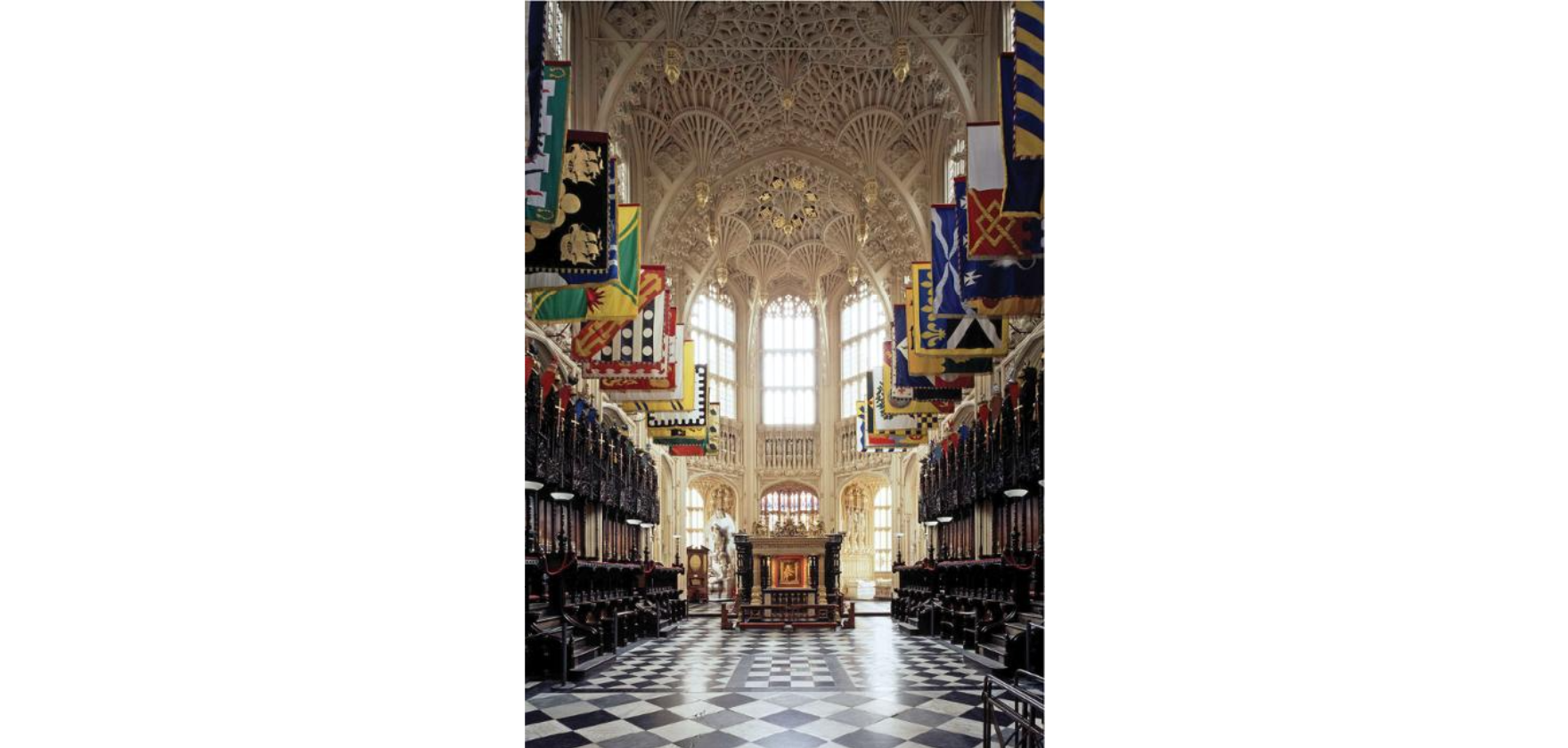
Chapel of Henry VII
Westminster Abbey, London
1503—1519 CE
English Perpendicular style = a variation of Gothic
houses tombs of royalty: Henry VII + wife (Elizabeth of York) + built to honor uncle, Henry VI
also houses statesmen, military leaders, artists, poets
Christian church burials were periodically banned over the years bc tombs rapidly took over church interiors
rich still got buried in churches depending on how much they donated
poor/working class: buried outside in cemeteries/churchyards
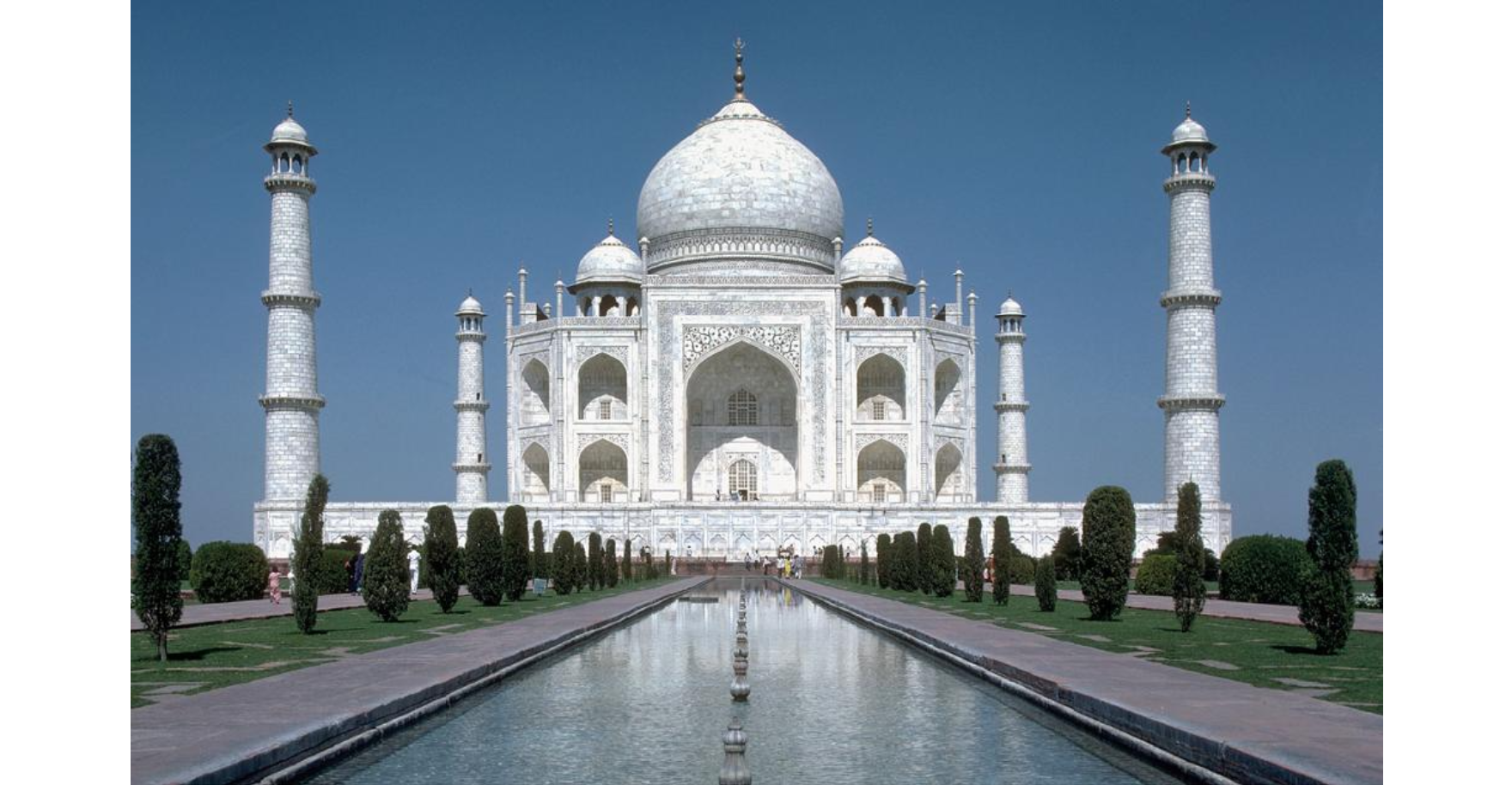
Taj Mahal
Agra, India
1632—1654
Islamic shrine; memorial to Shah Jahan’s wife, Mumtaz Mahal
ruler of Mughal Empire
Islamic mausoleums = where wealthy/powerful were buried
comparably ambitious w/ Baldacchino + Chapel of Henry VII
garden divided into 4 squares by canals; canals = rivers of Paradise
Taj Mahal = throne of Allah
compact, symmetrical, centrally planned/constructed
raised platform; 4 minarets
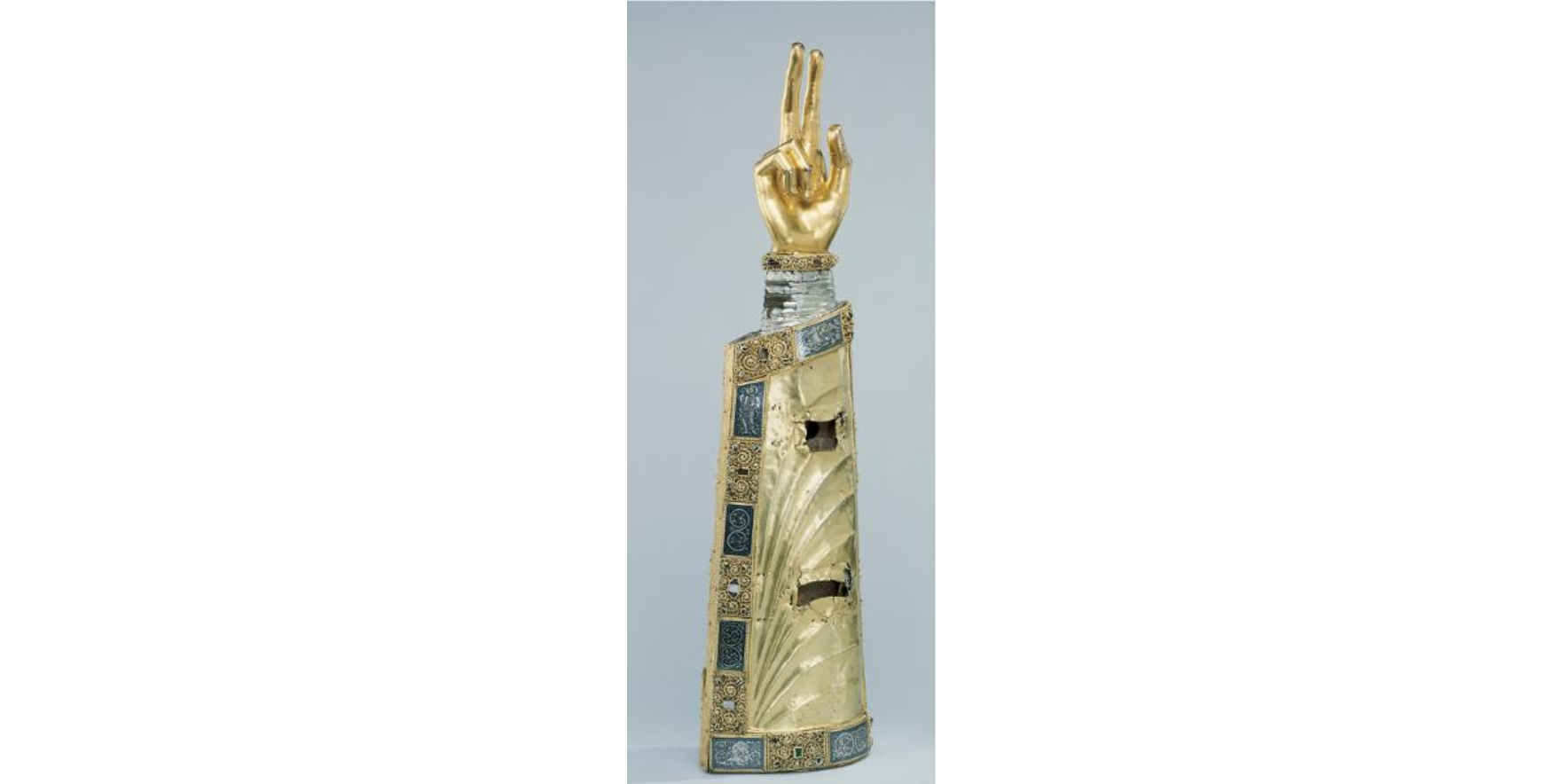
Reliquary Arm
Mosan (Belgium)
1230
silver over oak; bronze-gilt hand
Christian reliquaries: remains of saints
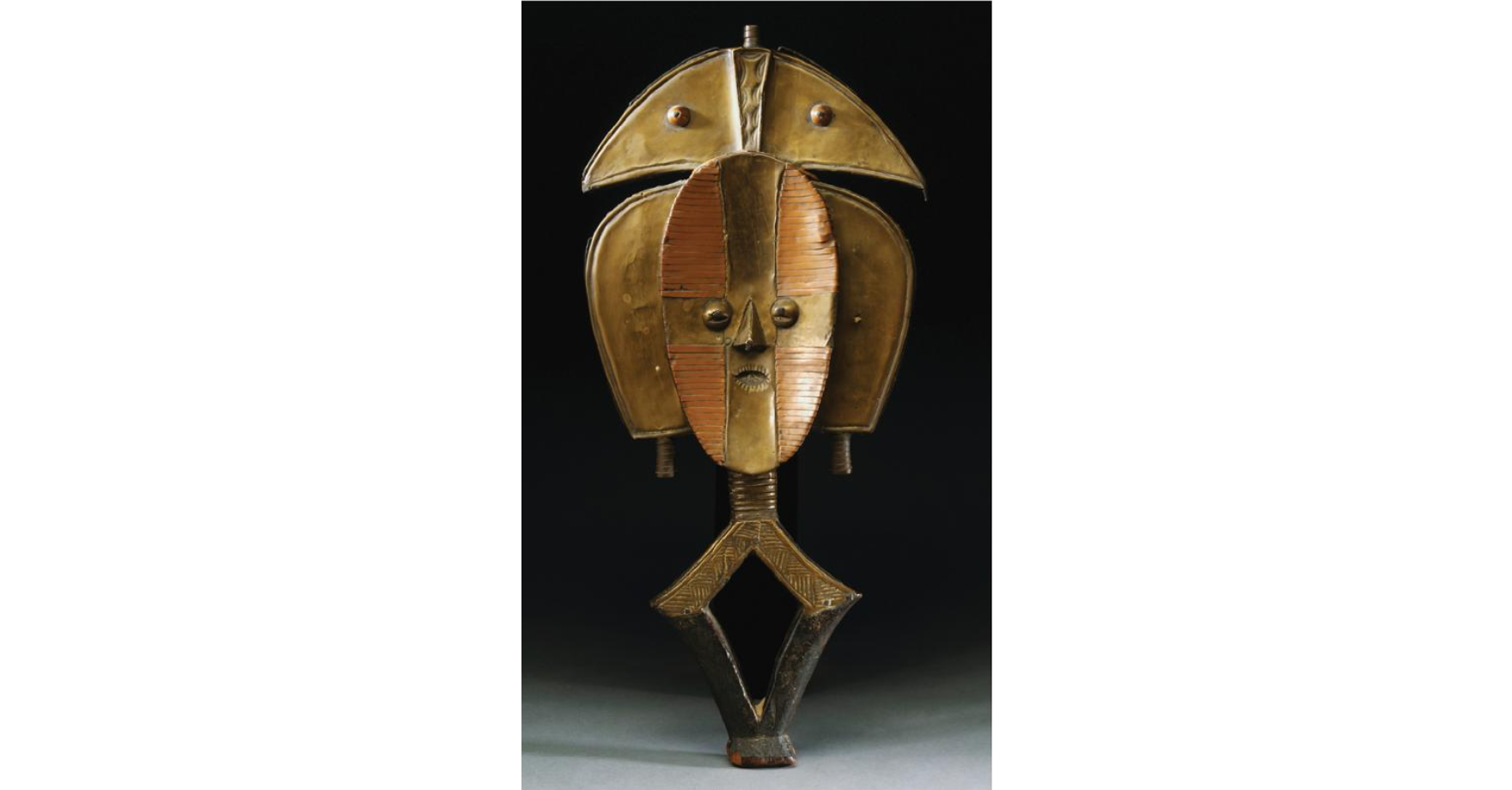
Mbulu Ngulu (Reliquary Guardian Figure)
Kota region of Gabon
1800s—1900s
wood, metal
African reliquaries: remains of venerated ancestors
ancestors = honored bc they affect welfare of living
reliquary = placed on a bag/basked that contained the skulls/long bones of the ancestors
helped protect the relics from evil
helped obtain food, health, fertility from ancestors
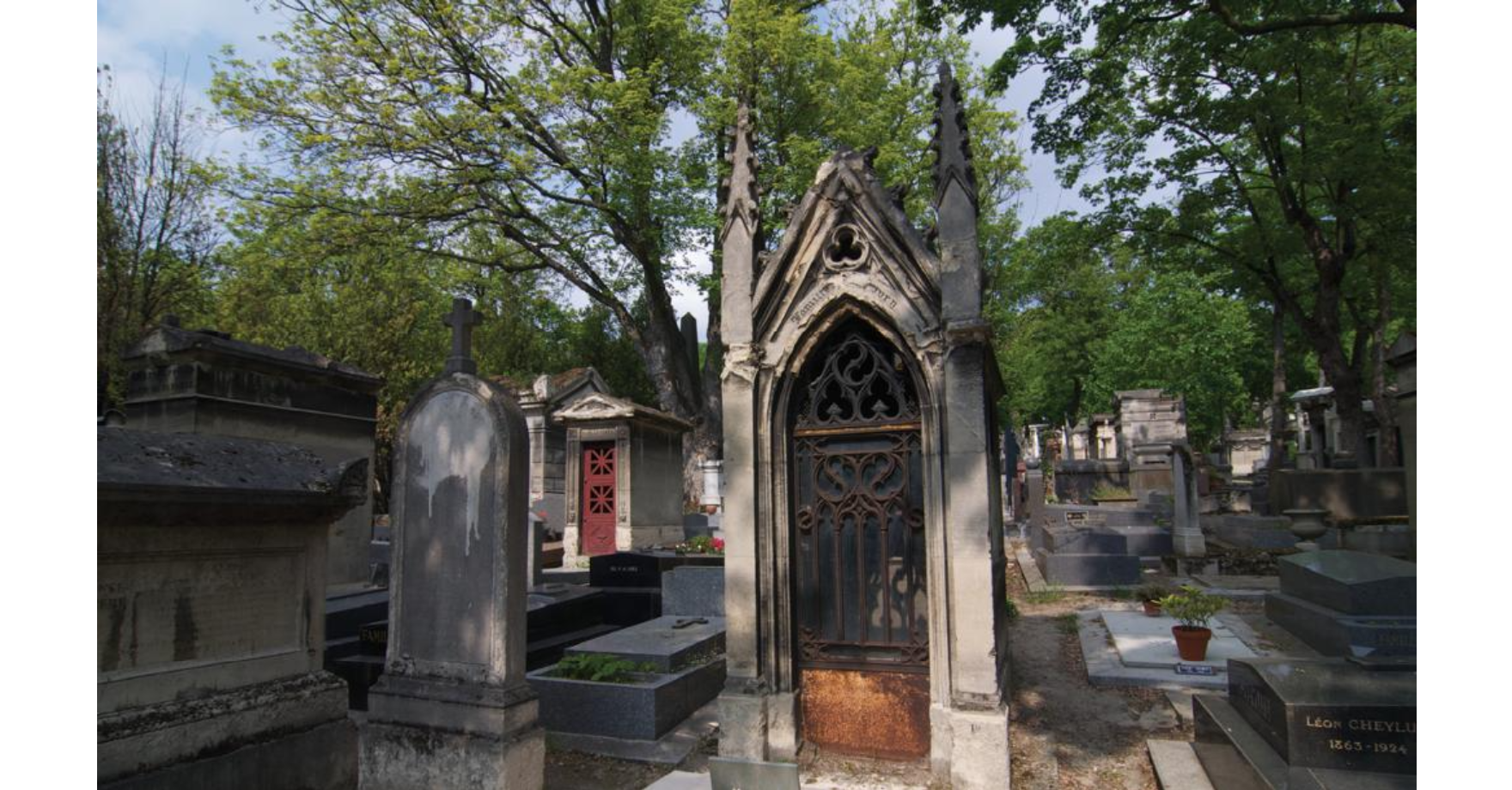
Père Lachaise Cemetery
Paris (outskirts)
1804
paths; massive trees; families → elaborate structures w/ different styles
Egyptian, Greek, Roman, Byzantine, Gothic, modern, art nouveau
urns, columns, obelisks = Romanticism
many famous people buried here → tourist attraction
cemeteries in 1700s—1800s in Europe were overcrowded/unhealthy/polluting
civil authorities took control of burials away from churches → established big public suburban cemeteries (buried all religions)
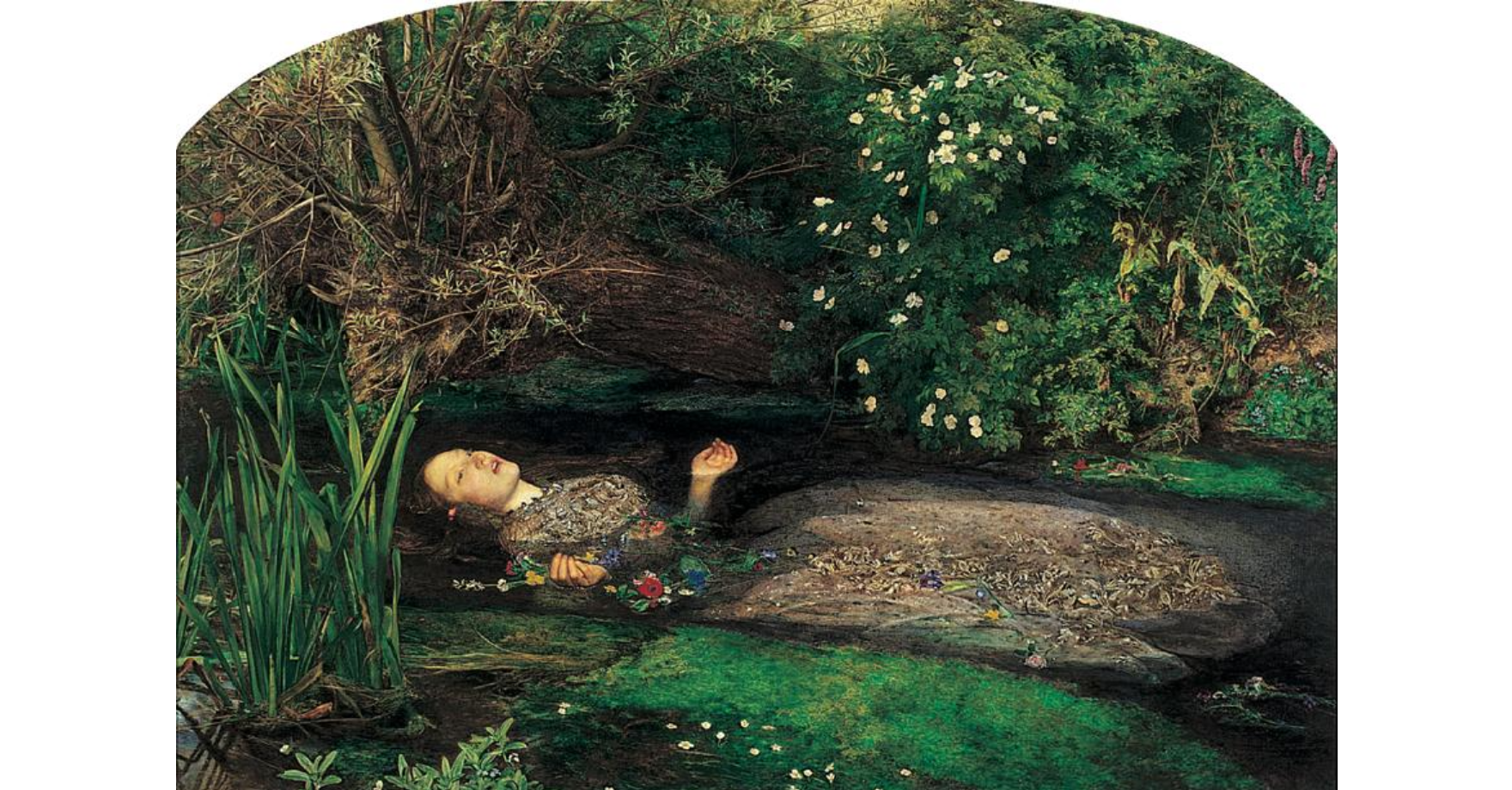
Ophelia
John Everett Millais (England)
1852 (Victorian; Pre-Raphaelite)
oil on canvas
same era as Paris Cemetery
character in Shakespeare’s Hamlet; faints from grief → drowns
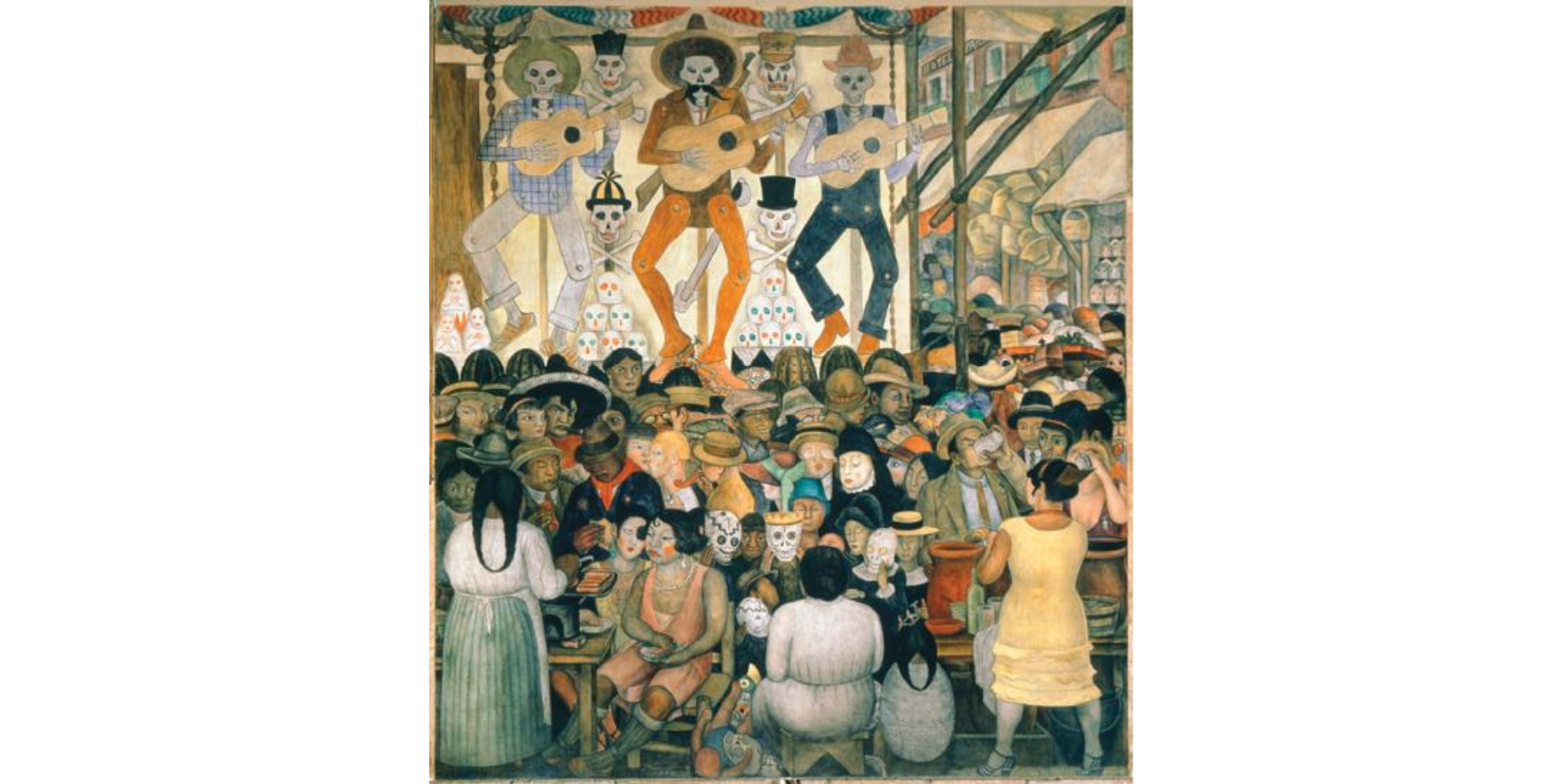
Día de Muertos (city fiesta detail)
Diego Rivera (Mexico)
1923
fresco
the piece: political satire/ commentary
satirical dancing skeletons/skulls: priest, general, capitalist, laborer
Day of the Dead = social tradition; mix of Christian + Aztec beliefs
publicly: marketplaces w/ parades/celebrations
privately: altars for deceased, incense, photos, food
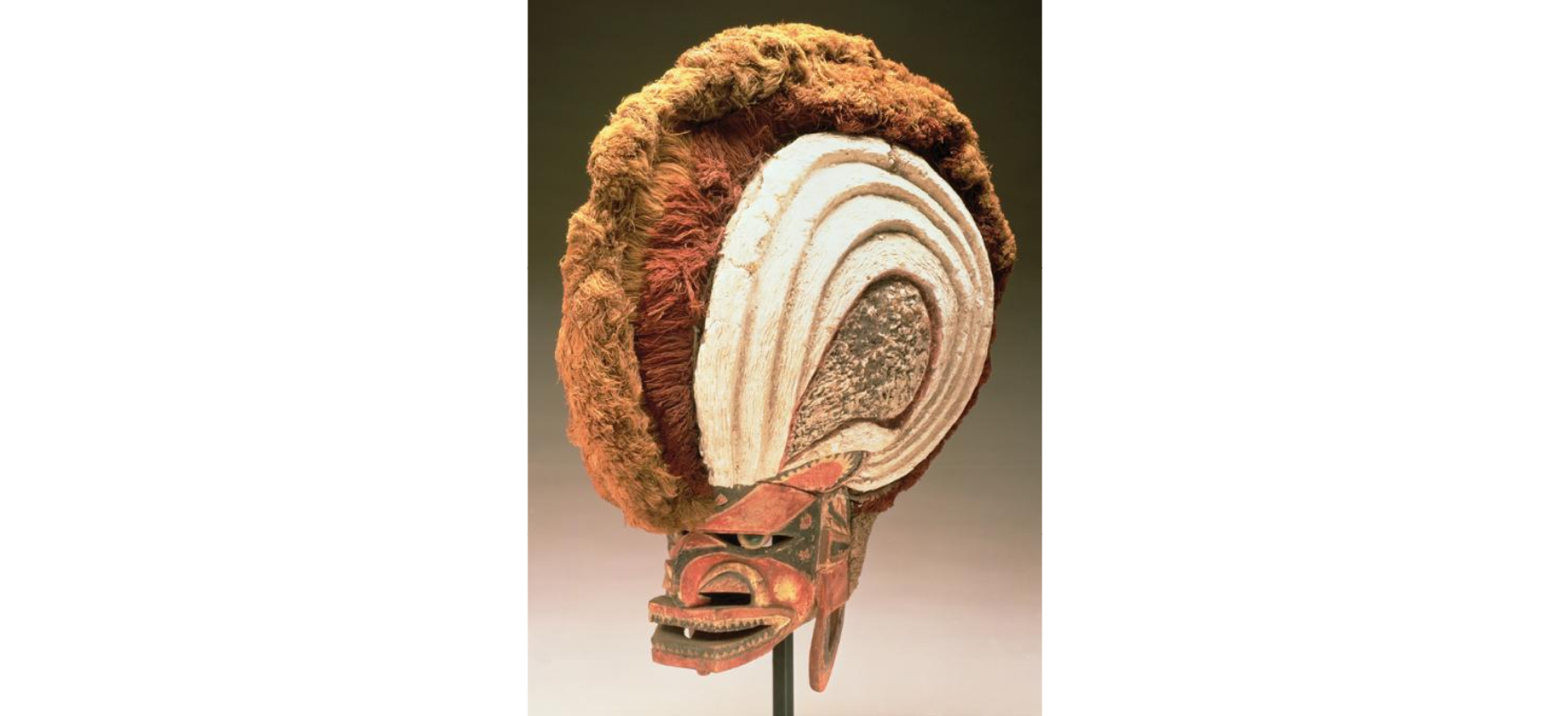
Helmet Mask (Tatanua)
Northern New Ireland, Papua New Guinea
1800s
wood, paint, natural fibers, Opercula shells
malanggan: sculptures carved for memorial festivals to commemorate dead clan members
honoring the dead:
stimulates local economy, creates stronger alliances among villages/clans
includes initiation rites for young men
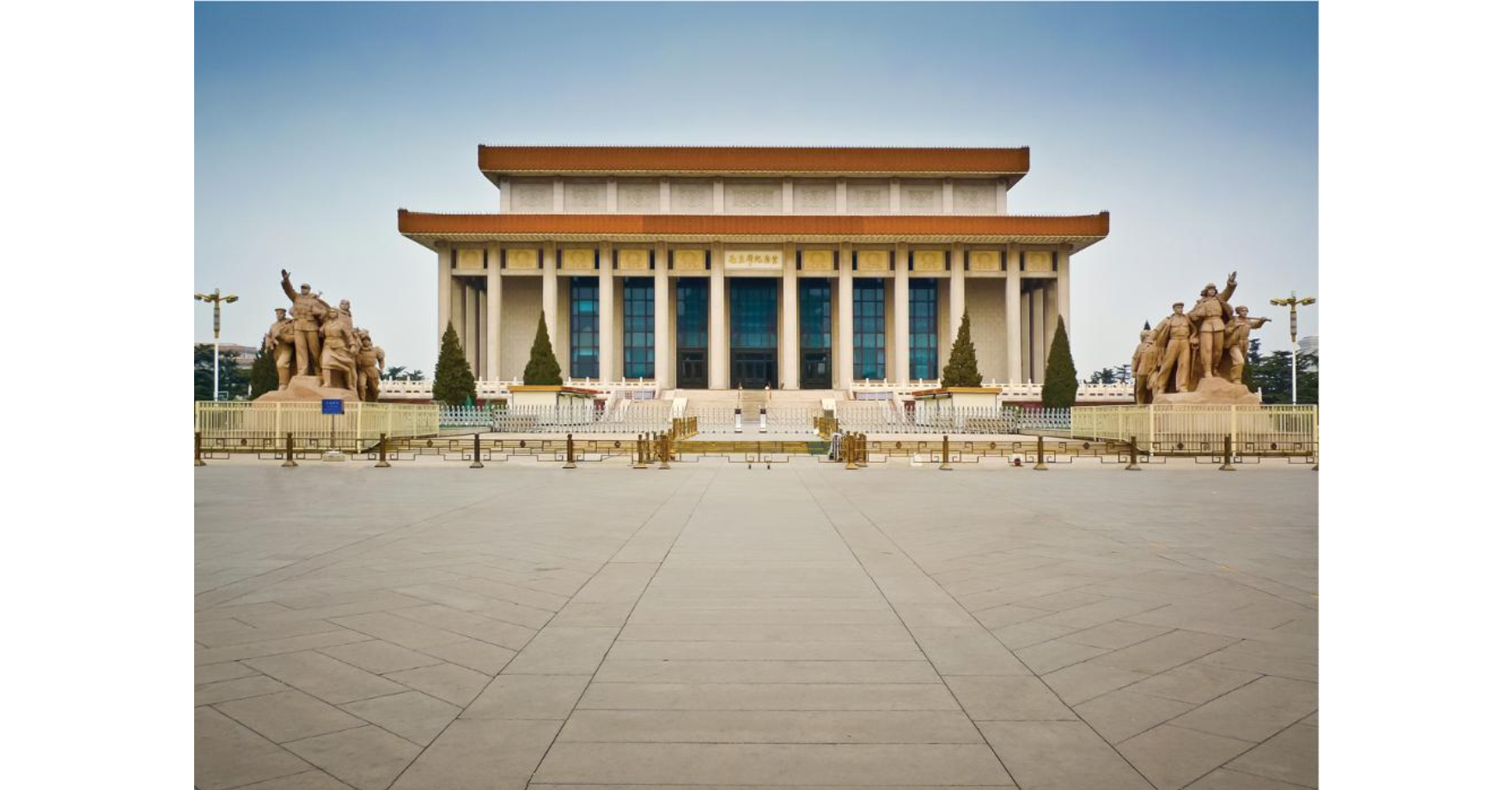
Mausoleum of Mao Zedong
Tiananmen Square, Beijing
late 1900s
houses body of Communist revolution leader → asserts authority of Communist govt
building = aligned w/ Forbidden City + Imperial Palace → Communist leader = rightful successors to the emperors
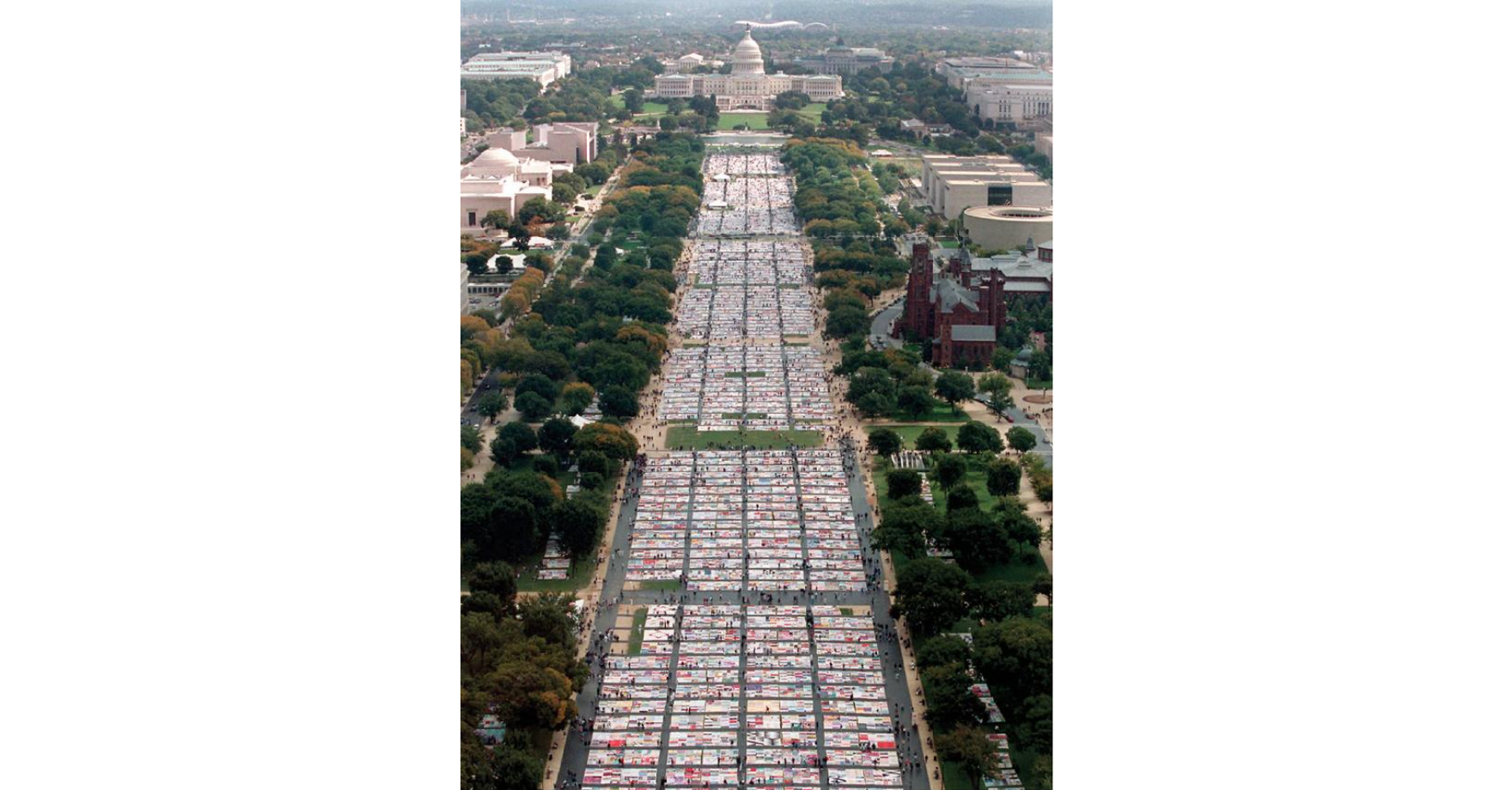
AIDS Memorial Quilt
The Names Project (display at the Mall in D.C.)
October 11, 1996
commemorative work w/ personal + political impact
individual 3×6 ft panels decorated by friends/family
shows the huge impact of the AIDS epidemic + the toll it took on the US
huge collaborative work = commemorates loss of loved ones to deadly disease
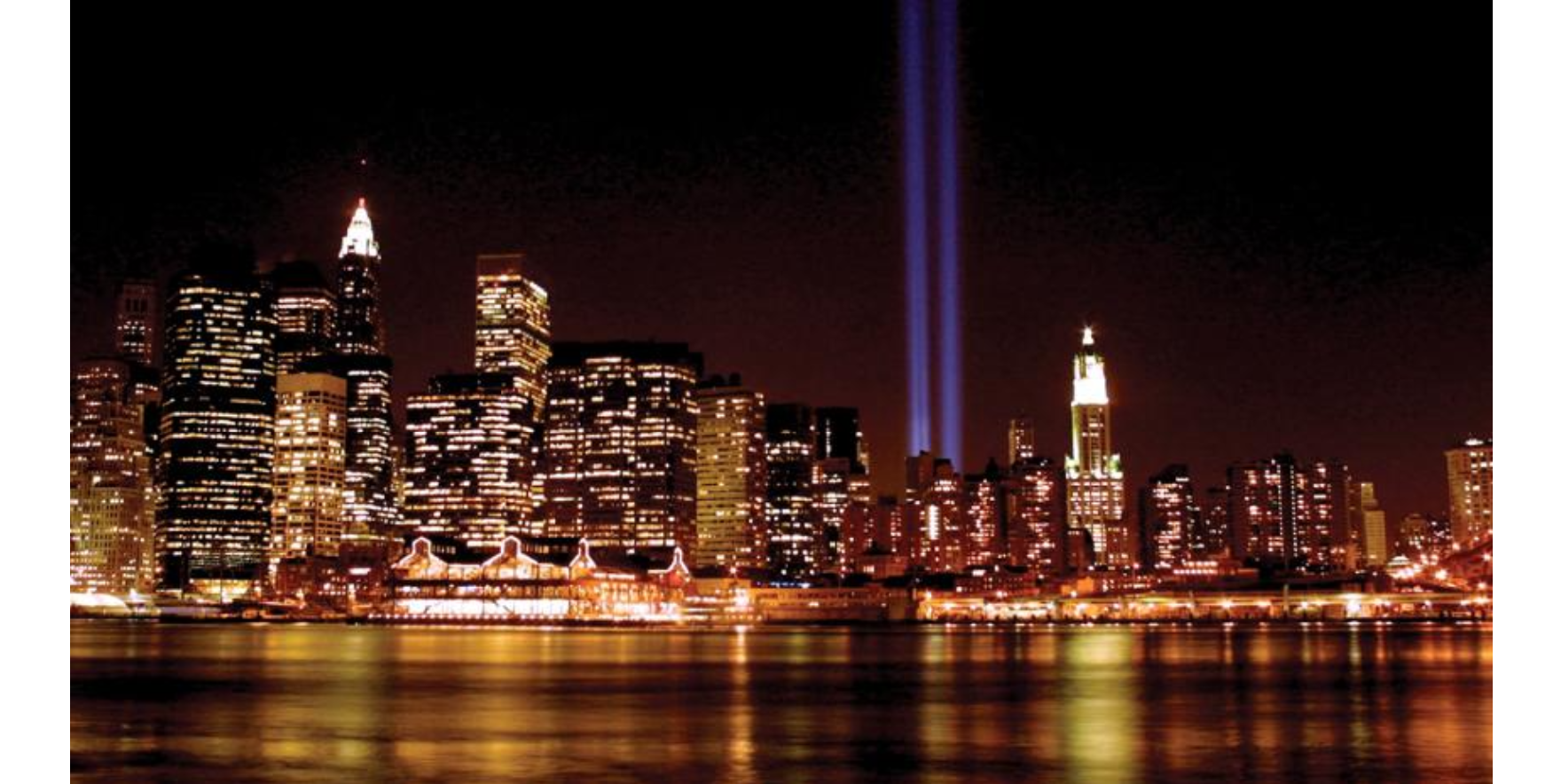
Tribute in Light
John Bennett, Gustavo Bonevardi, Richard Nash Gould, Paul Myoda, Julain LaVerdiere, Paul Marantz
2002 (NYC, World Trade Center Memorial at Ground Zero)
high power lamps
recreated every year on 9/11
beams = hope/aspiration
transitory nature/vulnerabilty of earthly things
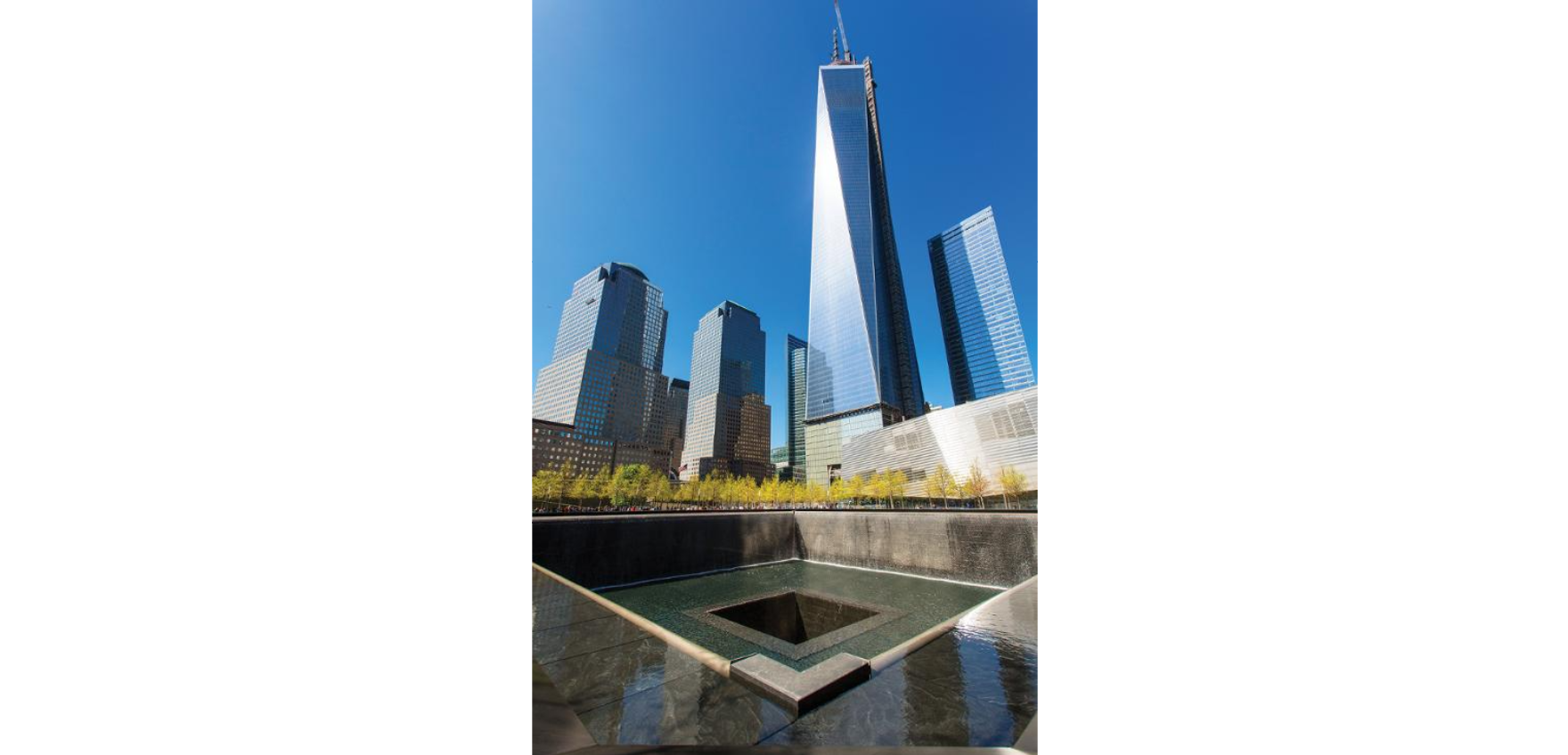
New World Trade Center, Reflecting Absence (part of National 9/11 Memorial + Museum)
Studio Daniel Libeskind

