ASI 350 Lab Midterm
 Call Kai
 Learn
Learn Practice Test
 Spaced Repetition
 Match
Match Flashcards
 Knowt Play
1/113

There's no tags or description
Looks like no tags are added yet.
Name | Mastery | Learn | Test | Matching | Spaced | Call with Kai |
|---|
No analytics yet
Send a link to your students to track their progress
114 Terms
Lab Dress
-long pants and close-toed shoes
-no jewelry
-hair net
-no gum/ tobacco
Fresh Meat
non-processed (could mean not frozen)
Aged Meat (wet-aged)
meat aged in oxygen impermeable vacuum bags
Frozen Meat
meat stored below 26F
Dry Aged Meat
meat aged without protective covering
Enhanced Meat
products that have added flavorings/solutions to improve palatability
Processed Meats
meats that have had alterations made beyond the fresh state (smoked, cured, cooked, etc.)
Cured Meat
meat with added nitrate salt
Sausage Meat
stuffed salted meat products
By-Products
all non-edible products produced from animal slaughter of value
Cuts
carcass -> wholesale/primal -> subprimal -> retail
Steaks
Roasts
>2 in thick
Chops
USDA
United States Department of Agriculture
FSIS
Food Safety and Inspection Service (USDA agency responsible for meat inspection)
AMS
Agricultural Marketing Service (USDA agency in charge of grading)
HACCP
Hazard Analysis Critical Control Points (food safety program designed to test for and prevent meat contamination)
GMP
Good Manufacturing Practices (part of HACCP plan designed to help ensure "best practices")
SSOP
Sanitation Standard Operating Procedure (part of HACCP plan to ensure consistent cleaning and sanitation procedures)
Arm Guard
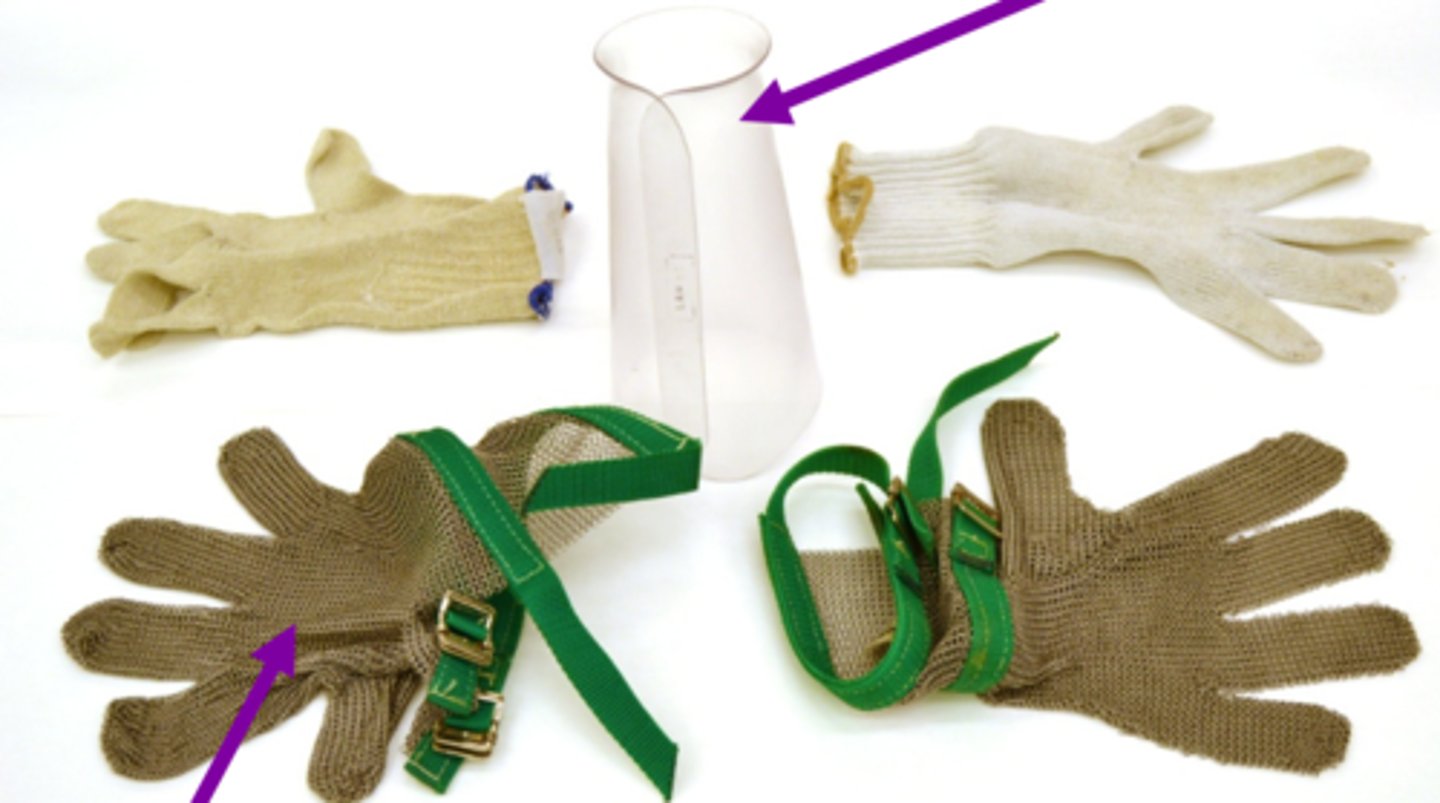
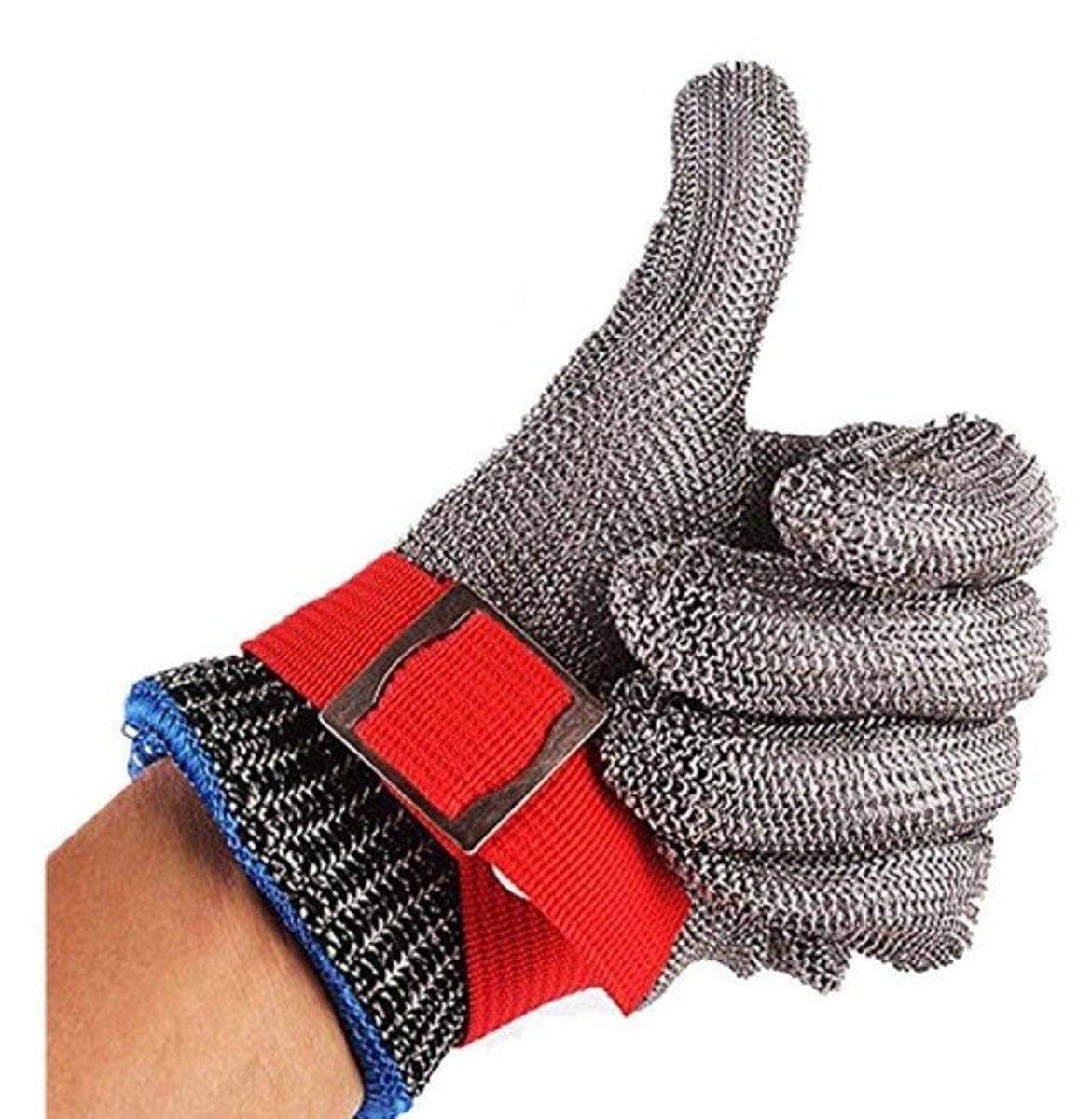
Metal Mesh Gloves
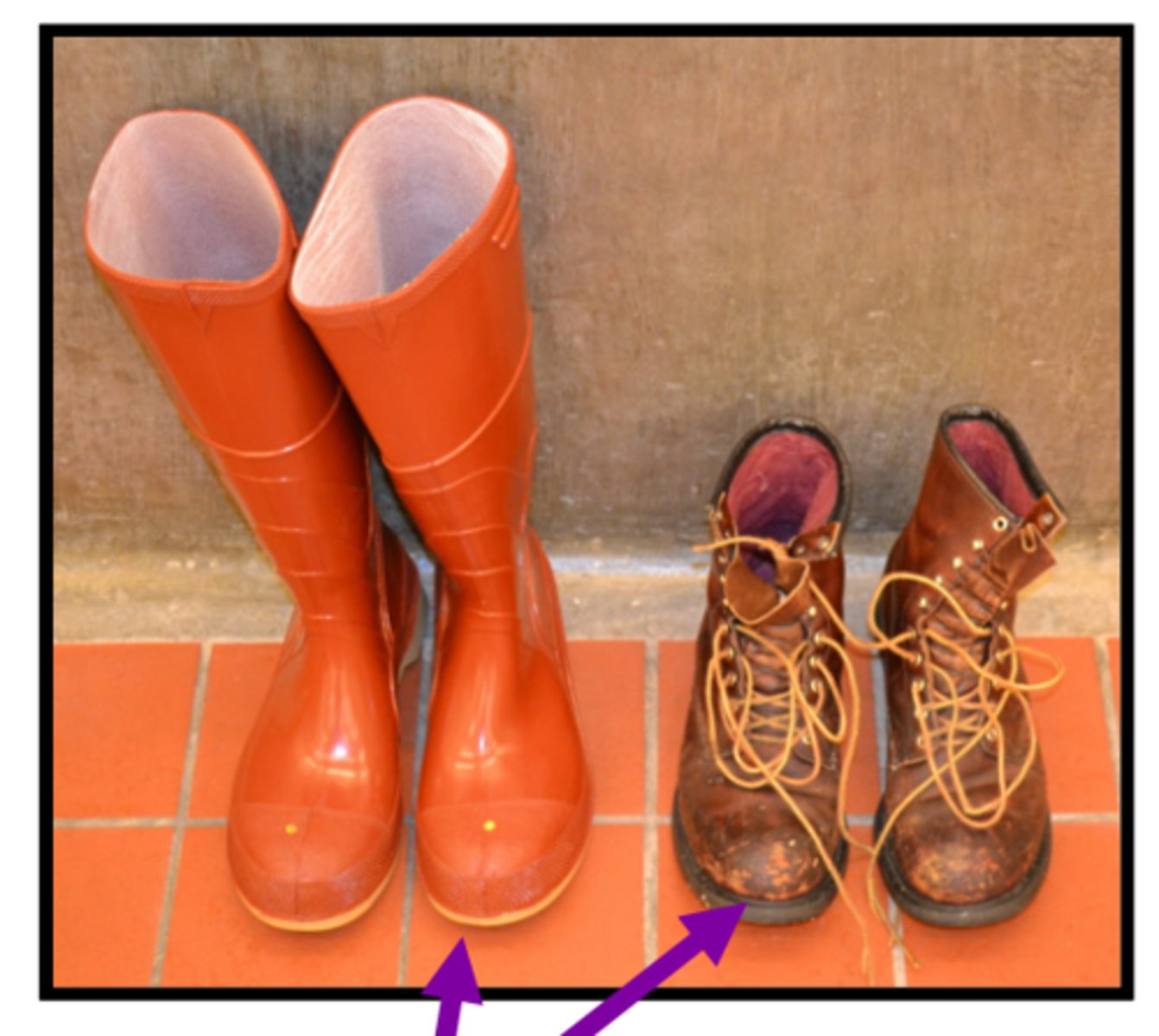
Steel Toed Boots
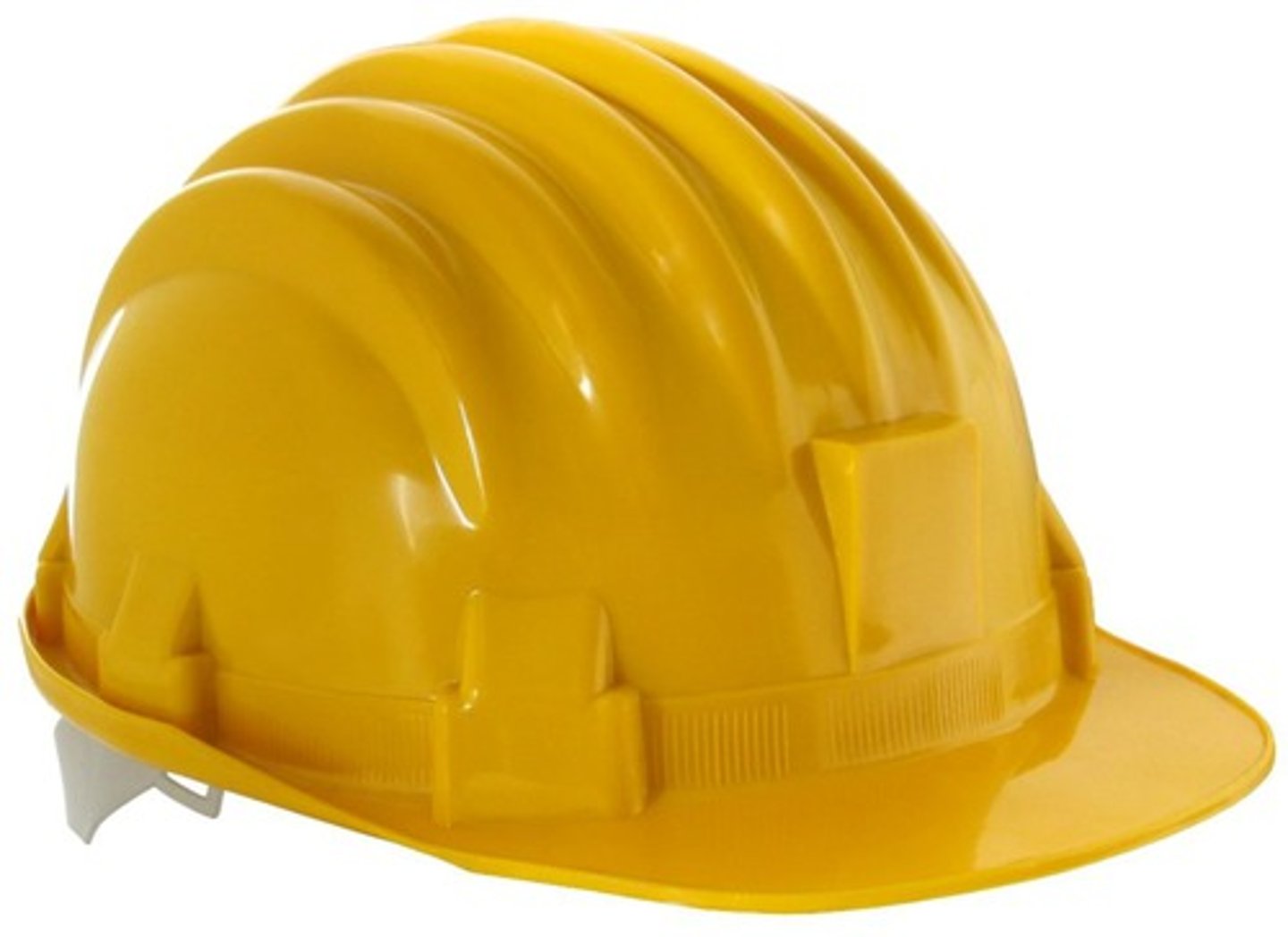
Hard Hat
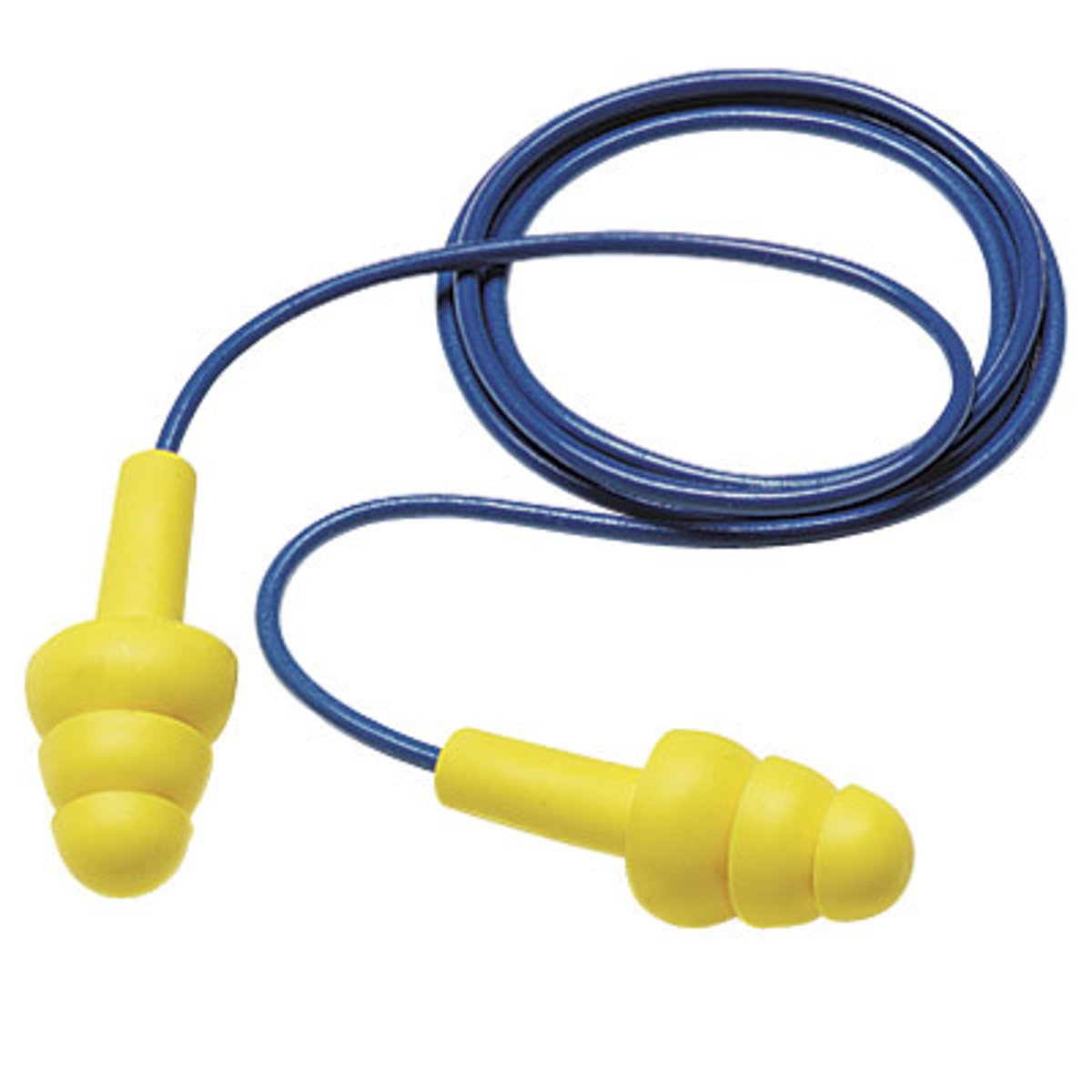
Earplugs
Hair Net

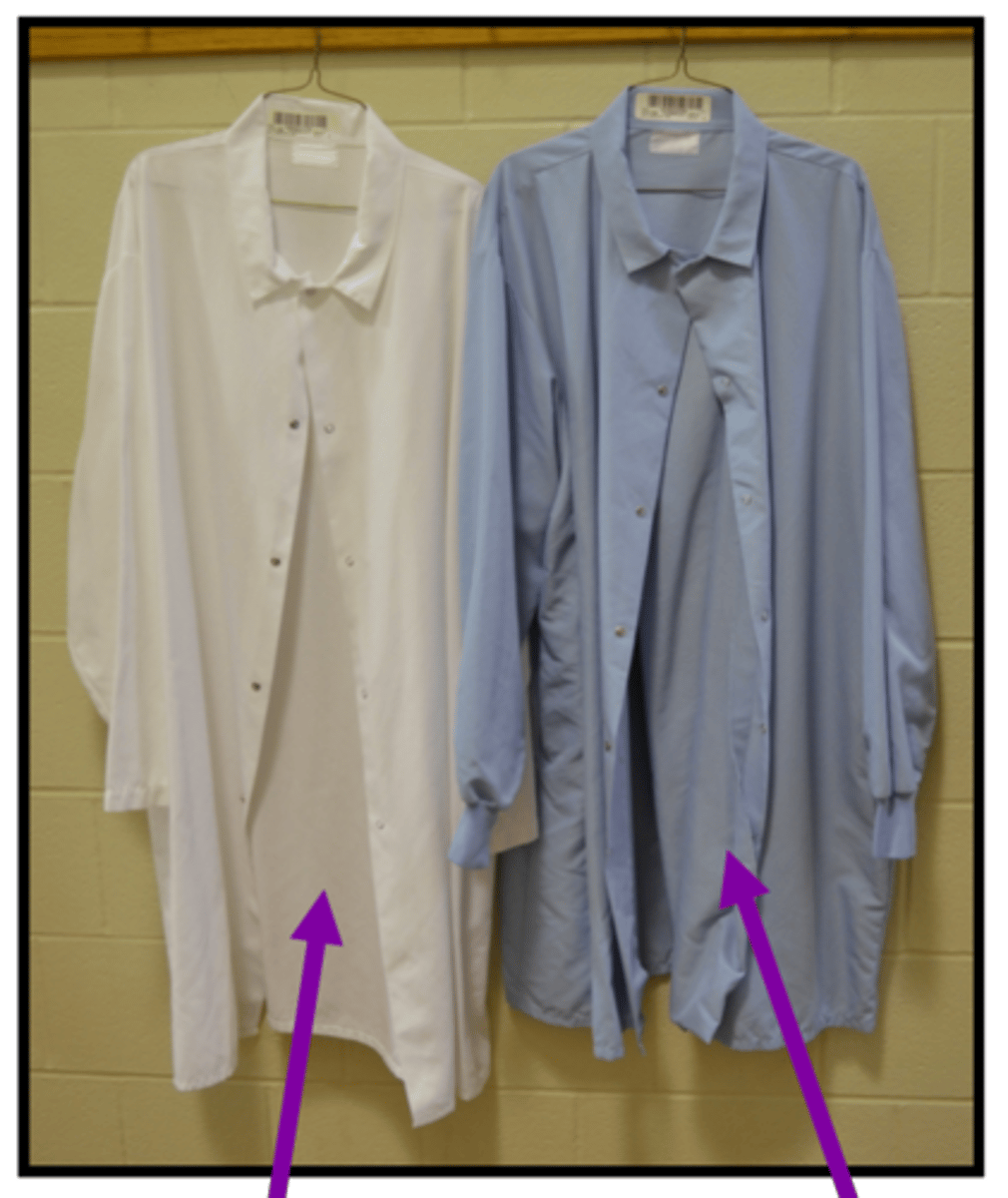
Frock for Cooked Products
blue
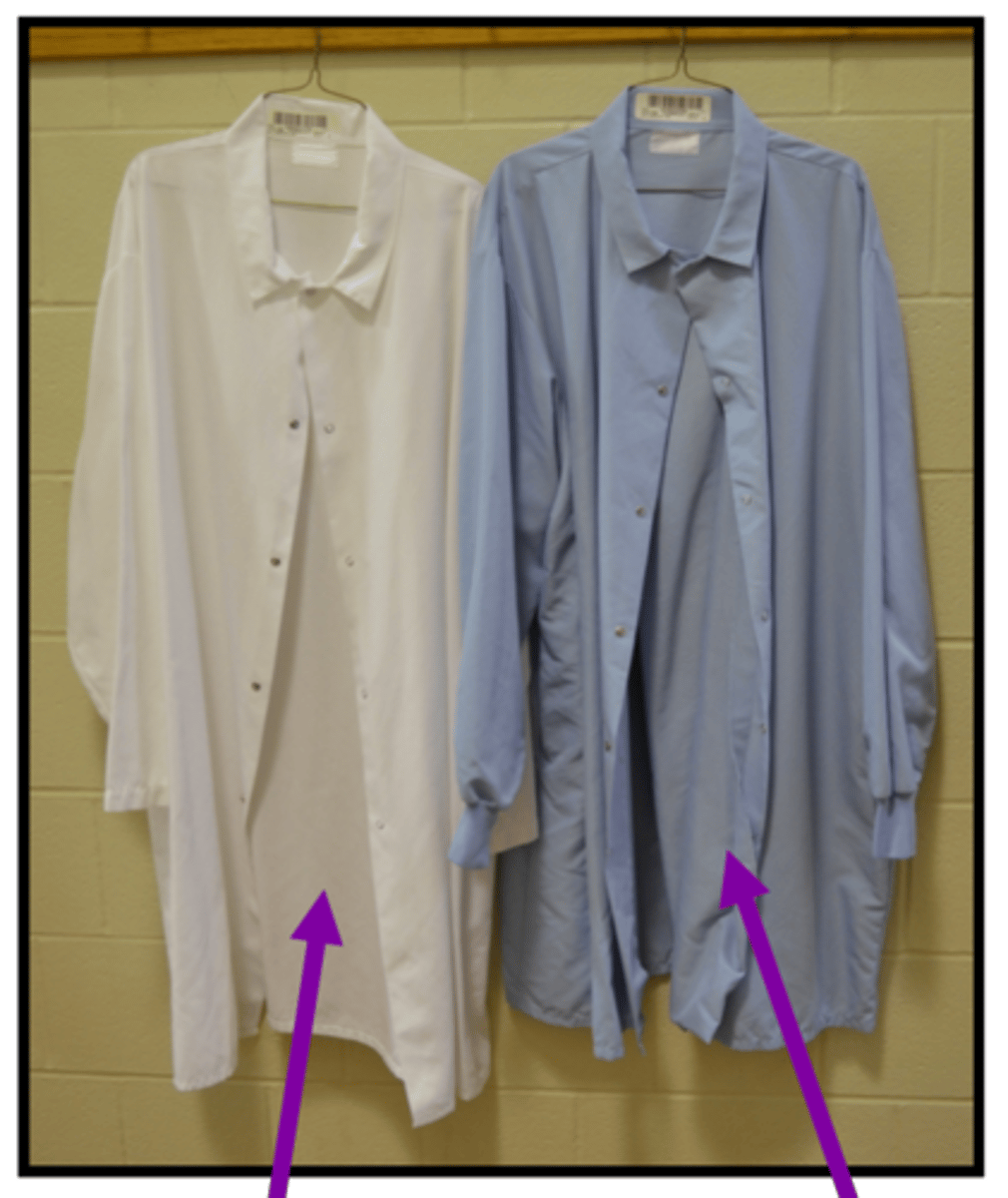
Frock for Raw Products
white
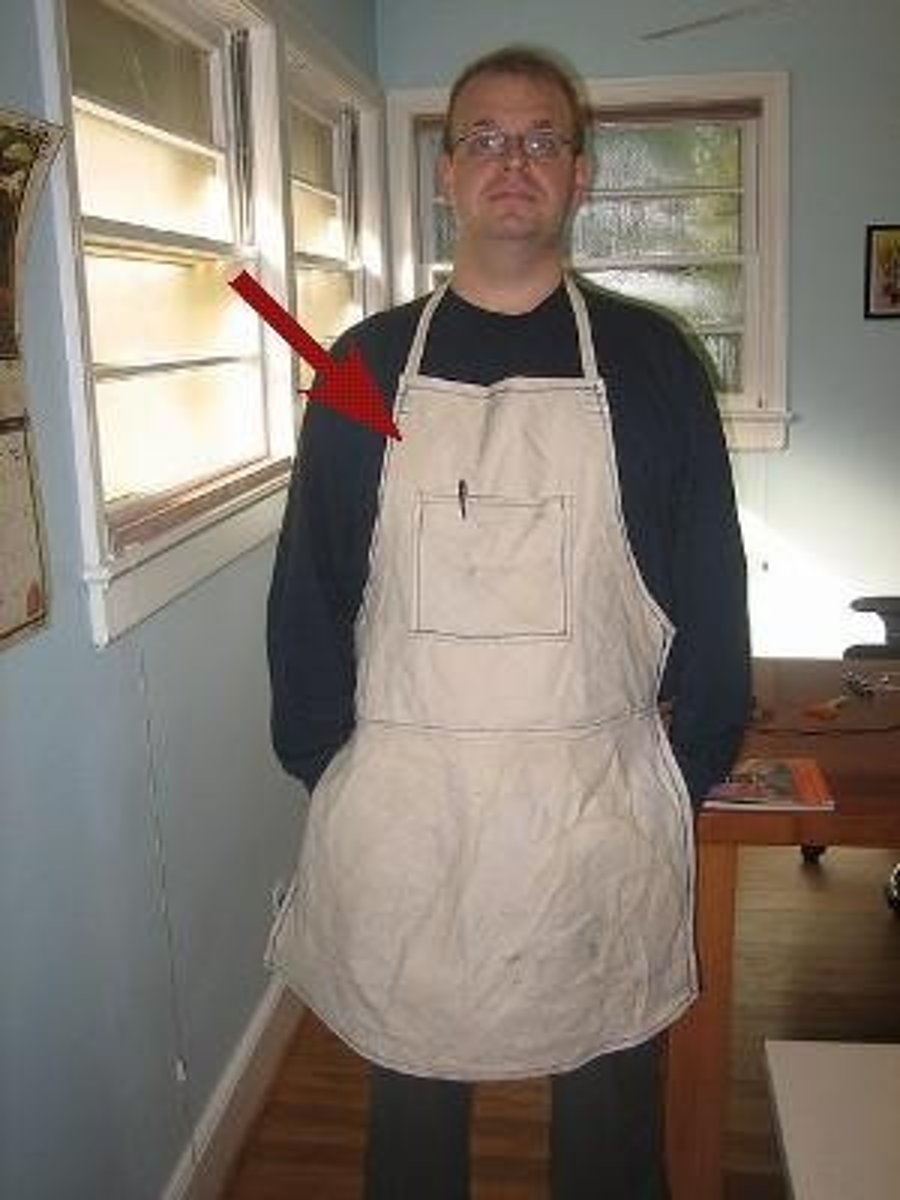
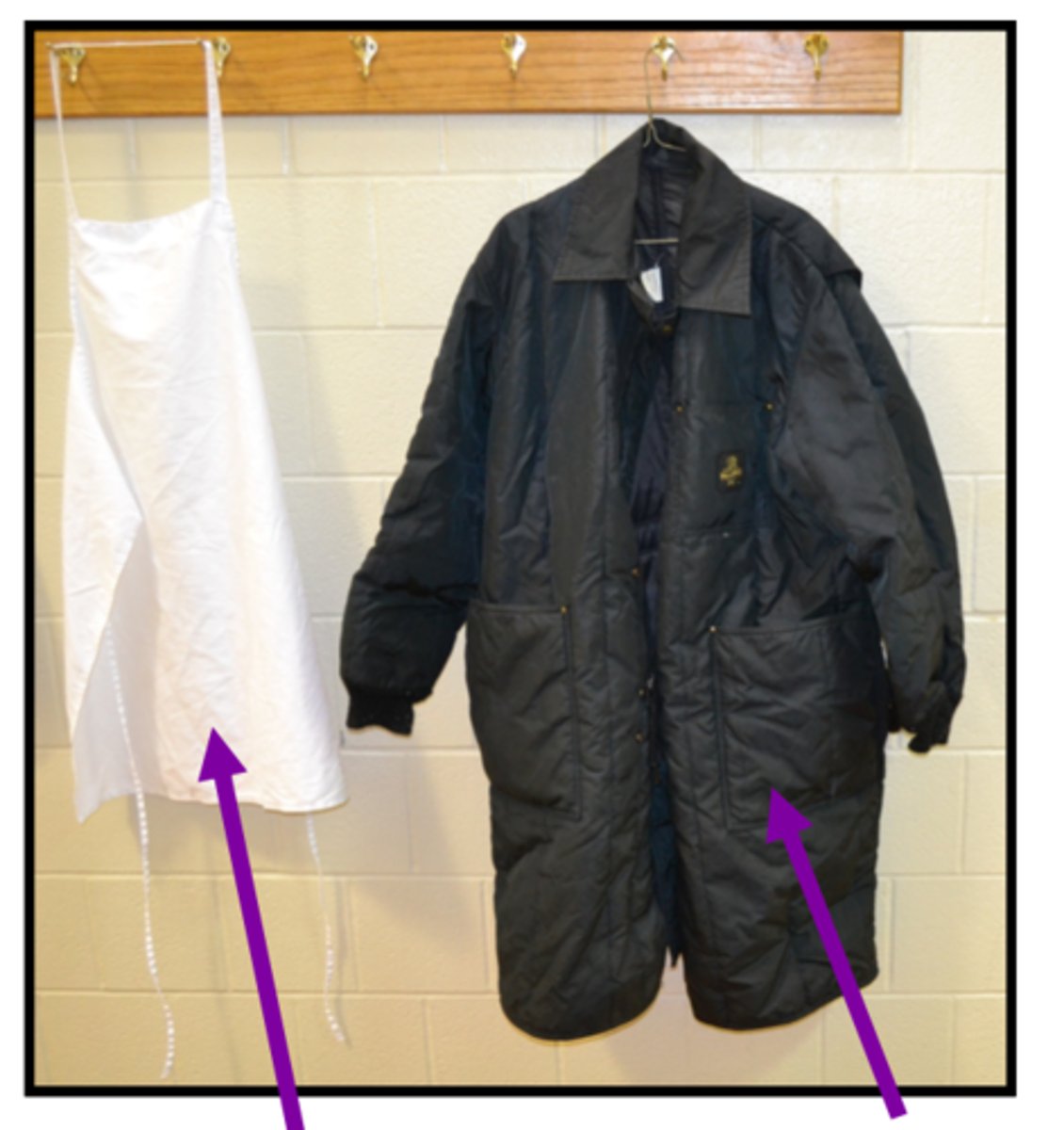
Apron
Cooler Coat
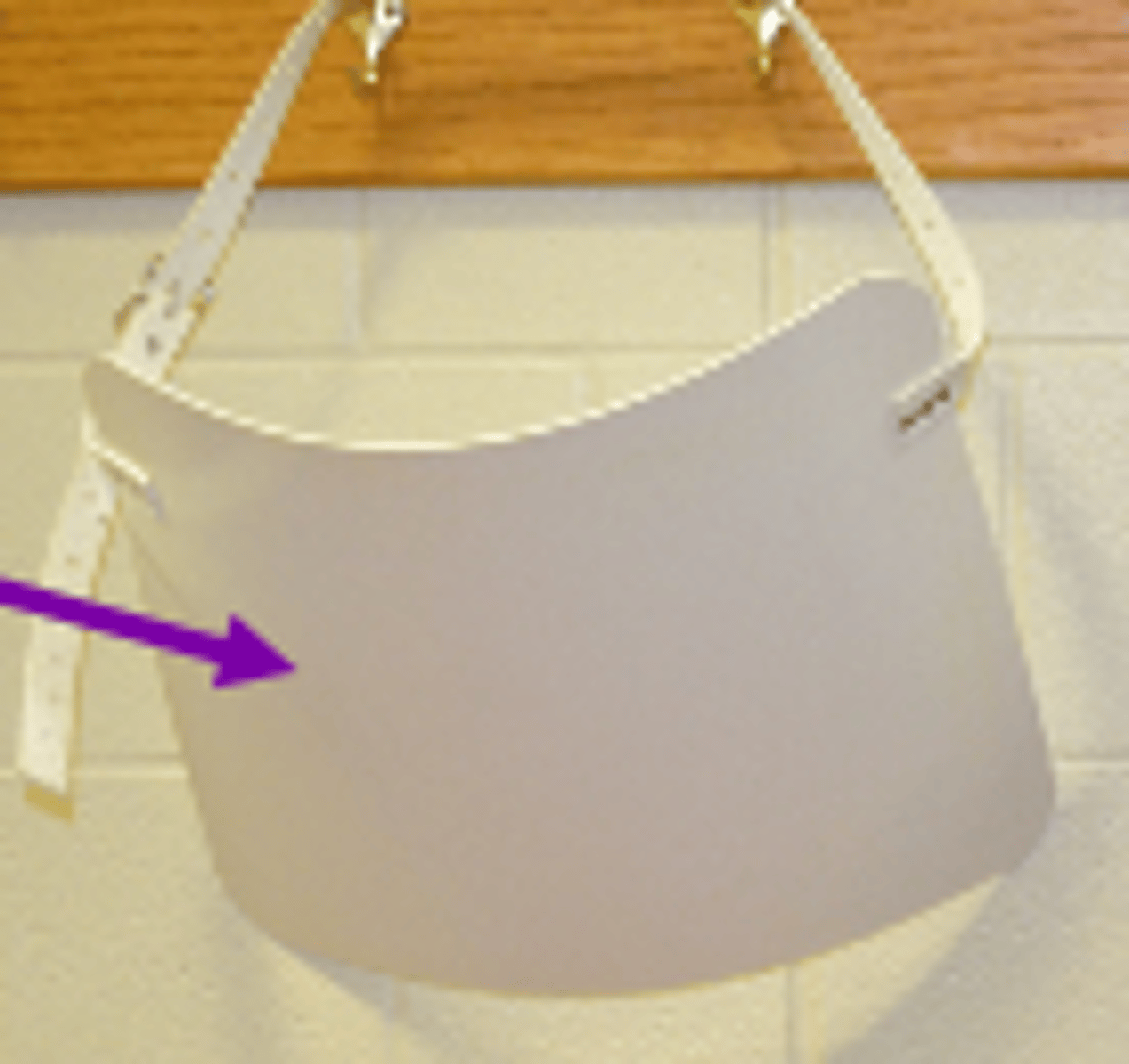
Stomach Guard
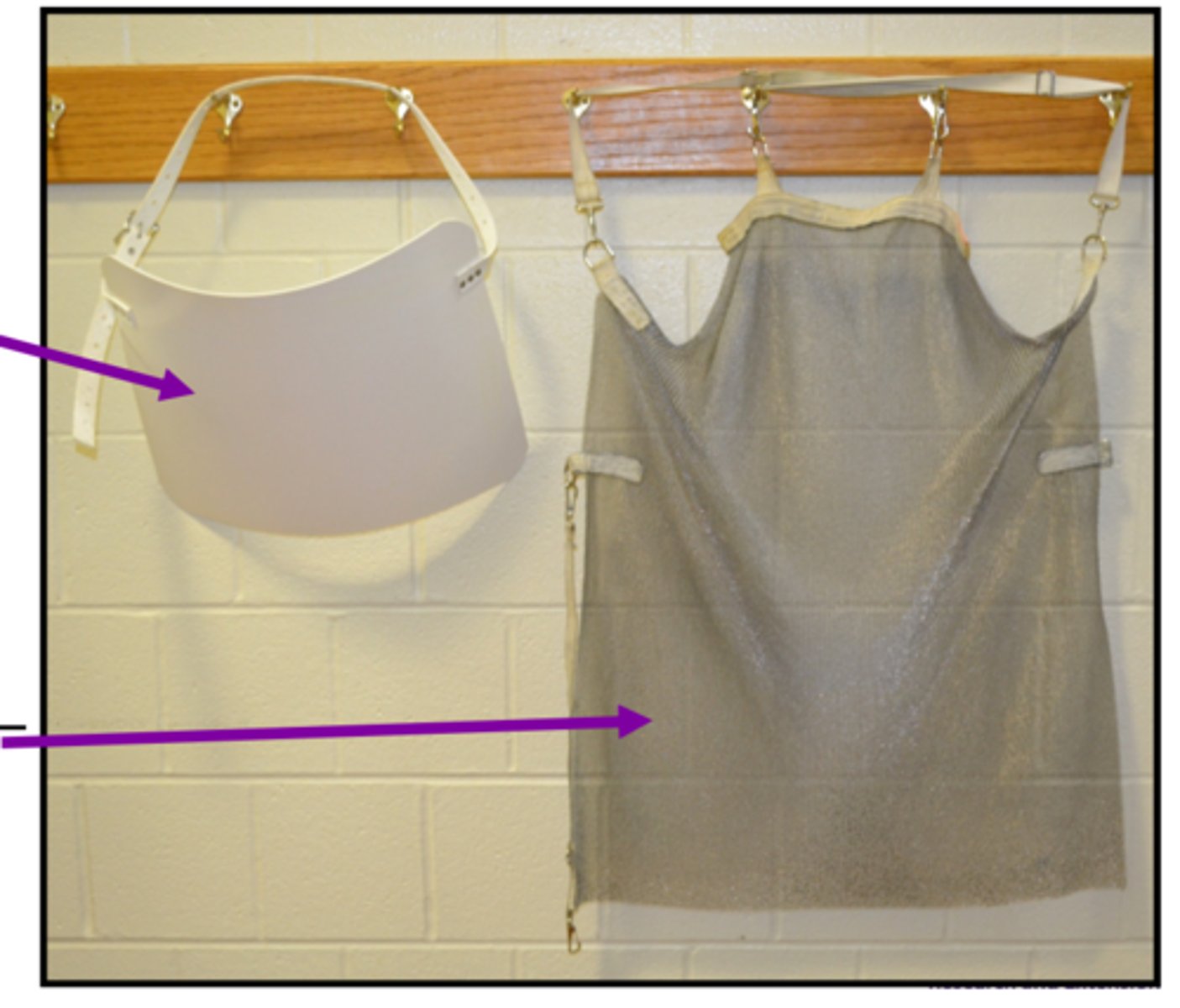
Neoprene Apron
Gray
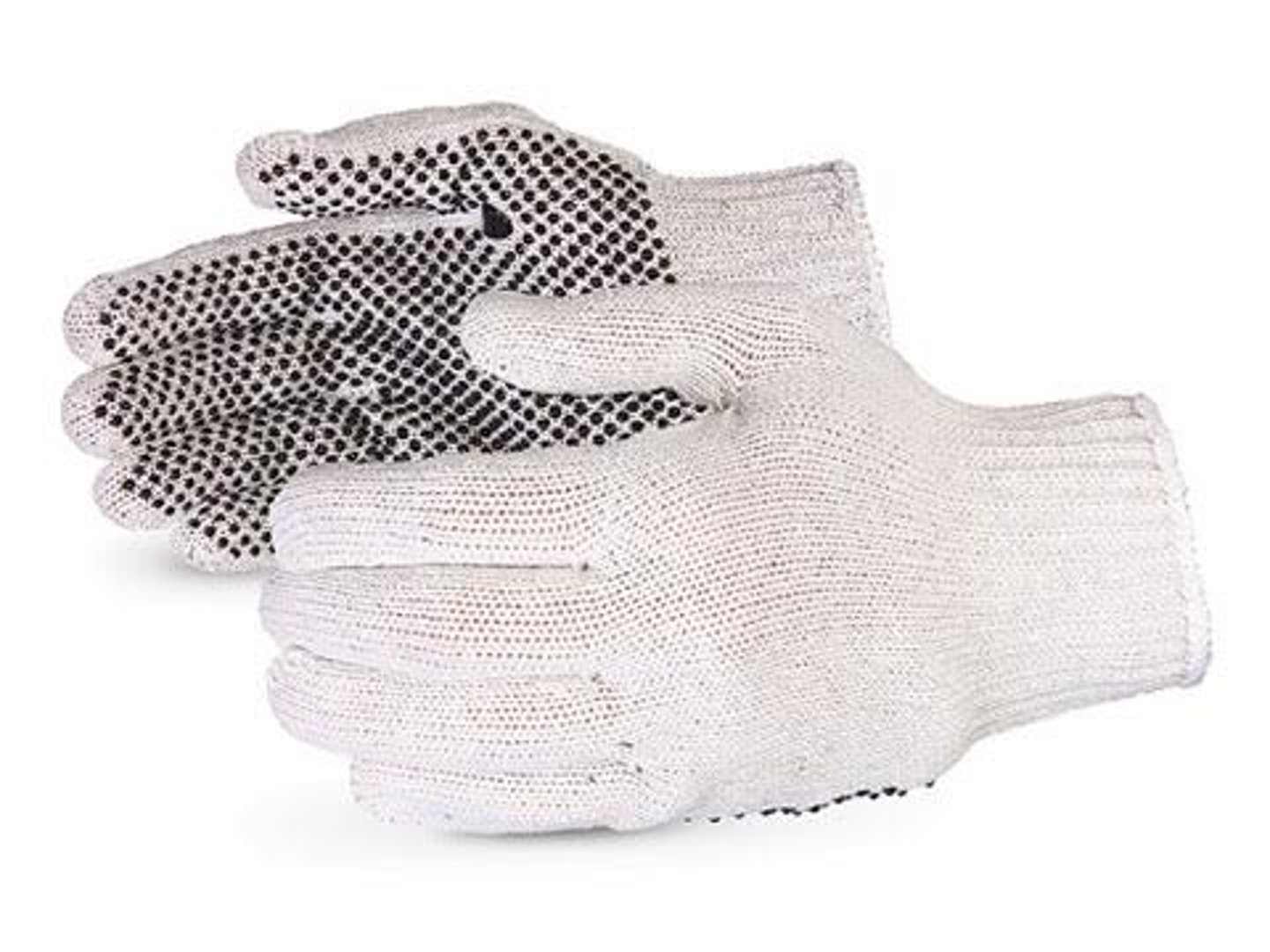
Cotton Gloves
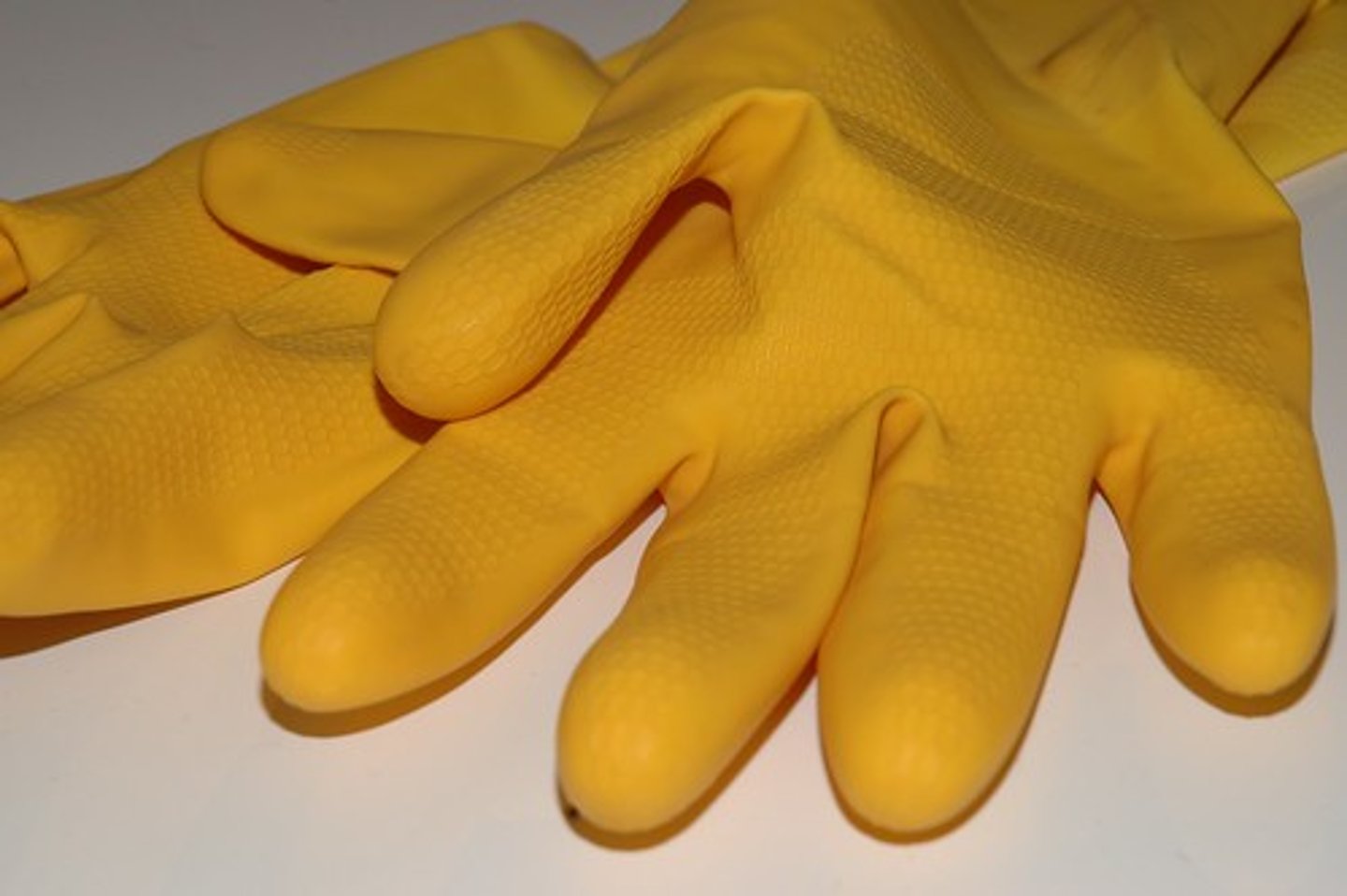
Rubber Gloves
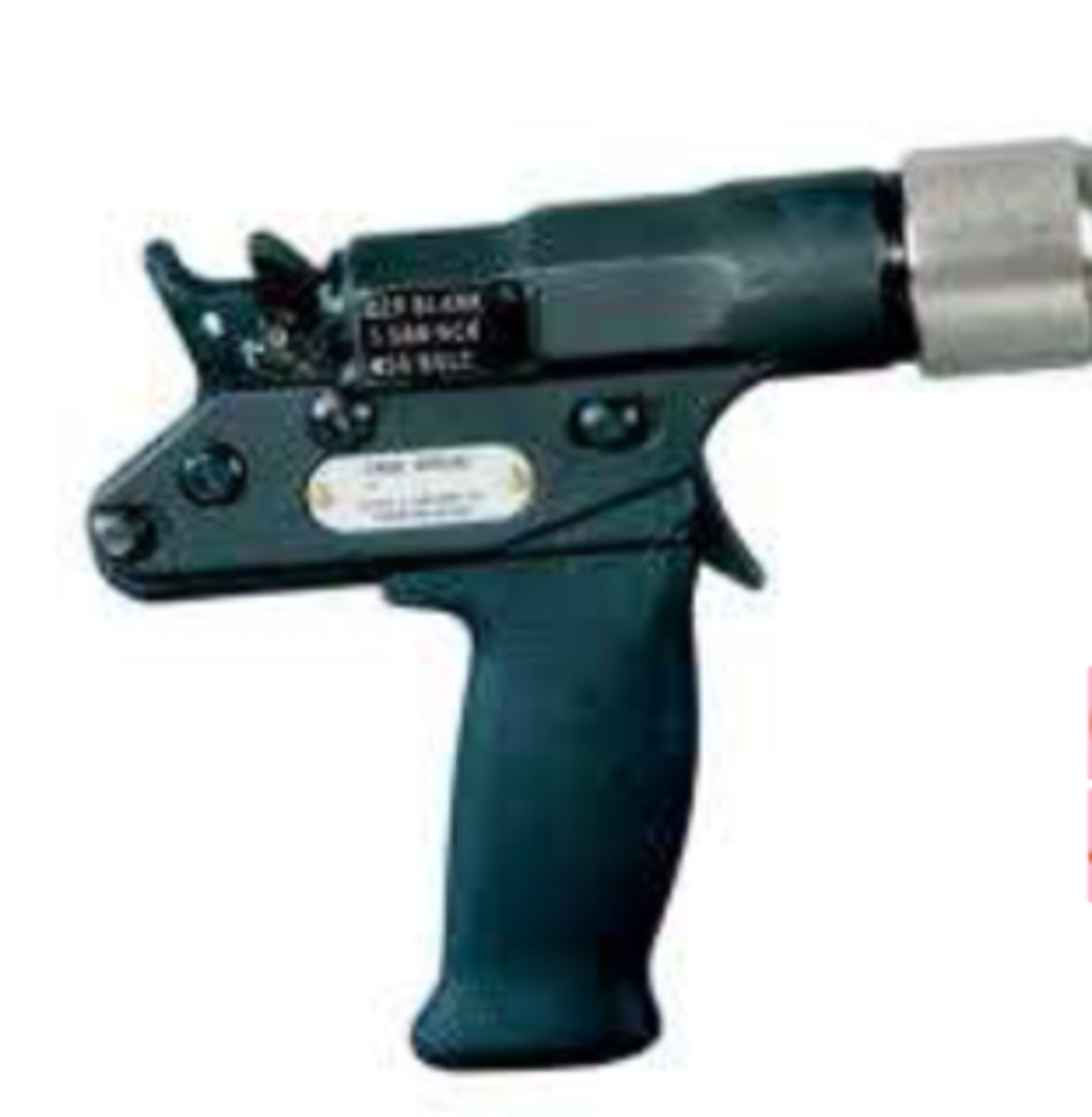
Captive Bolt Pistol
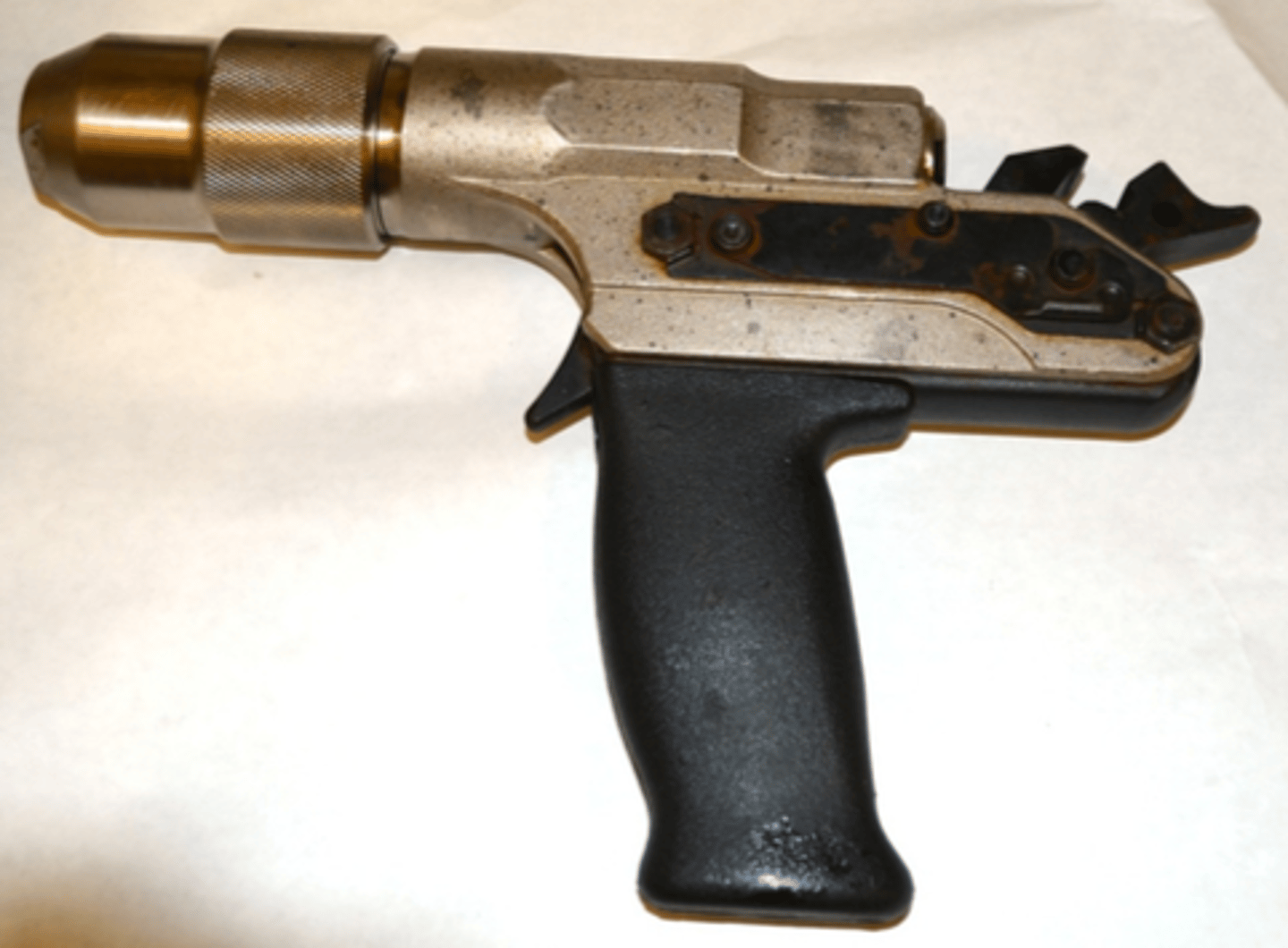
Stunning Pistol
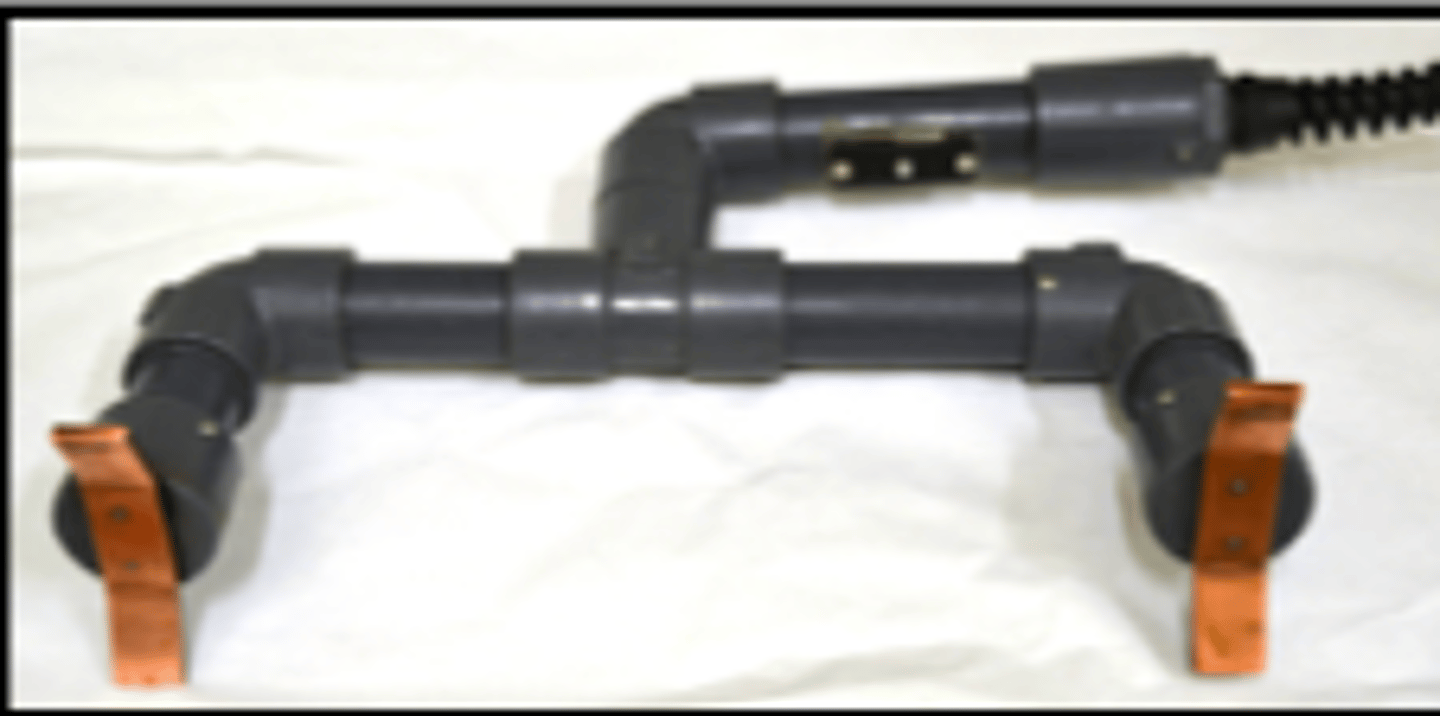
Electric Hog Stunner
Weasand Rod
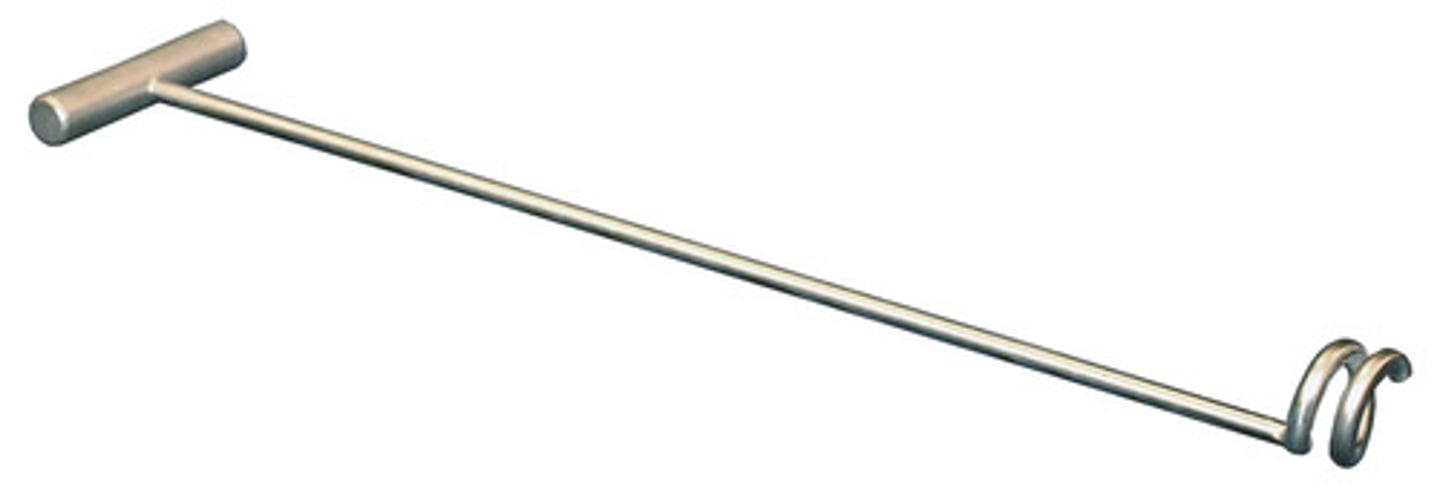
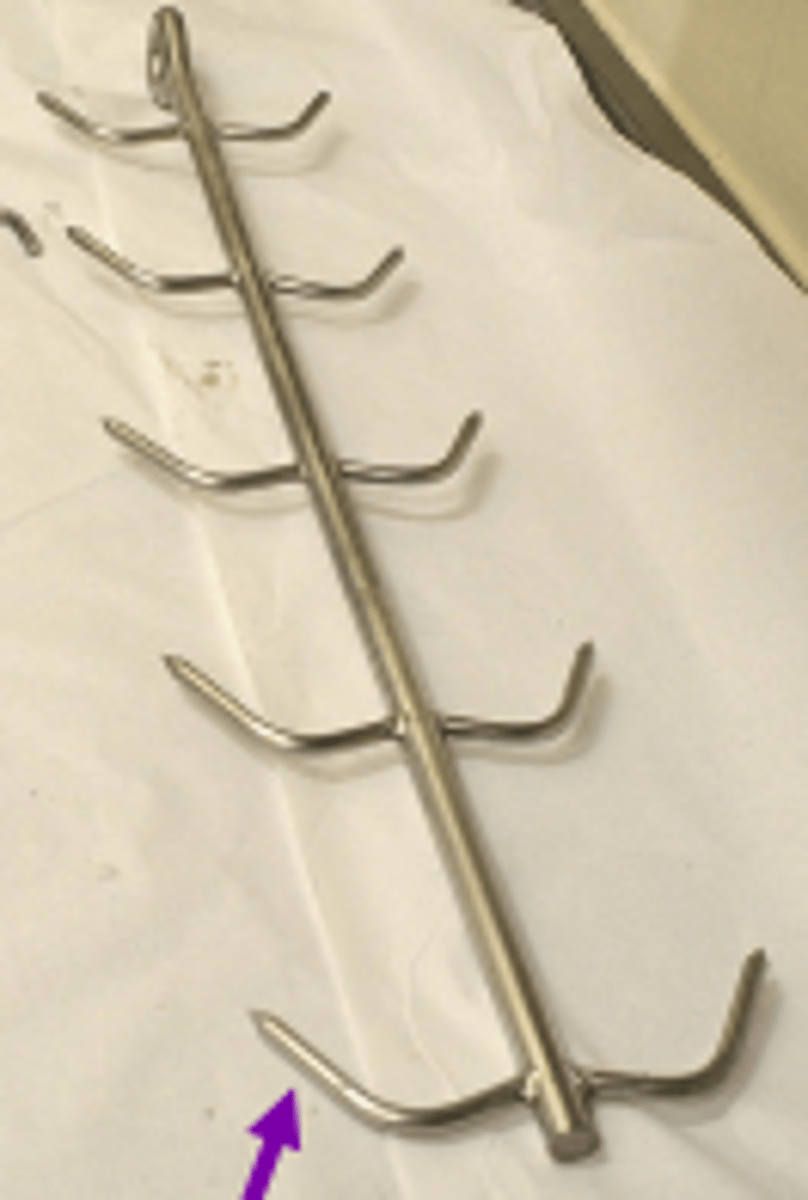
Meat Tree/ Head Tree
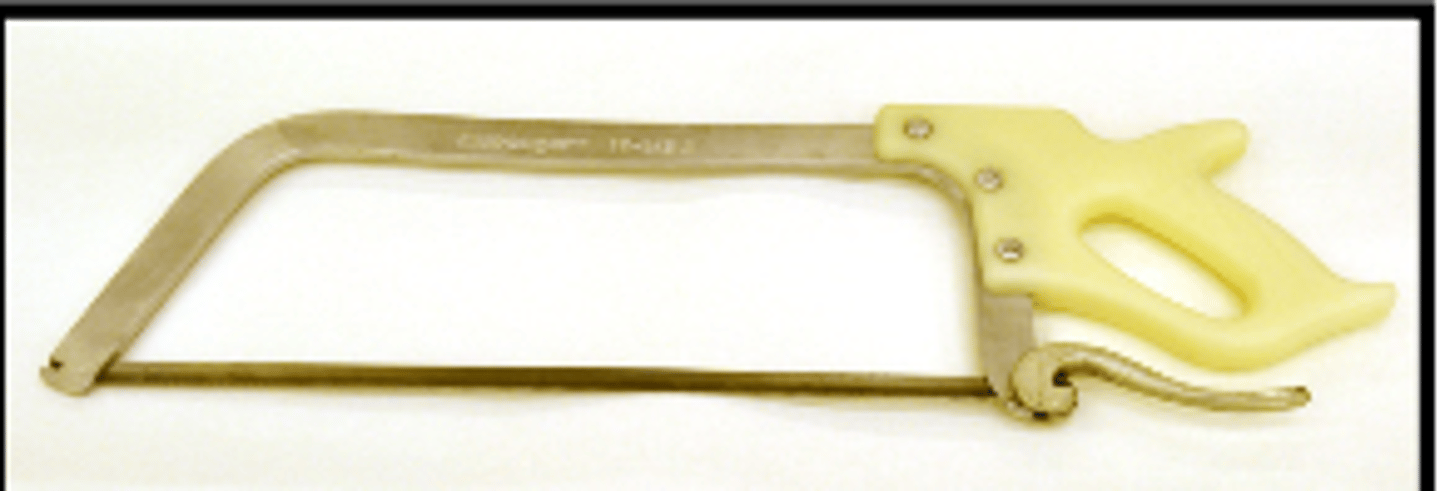
Brisket Saw
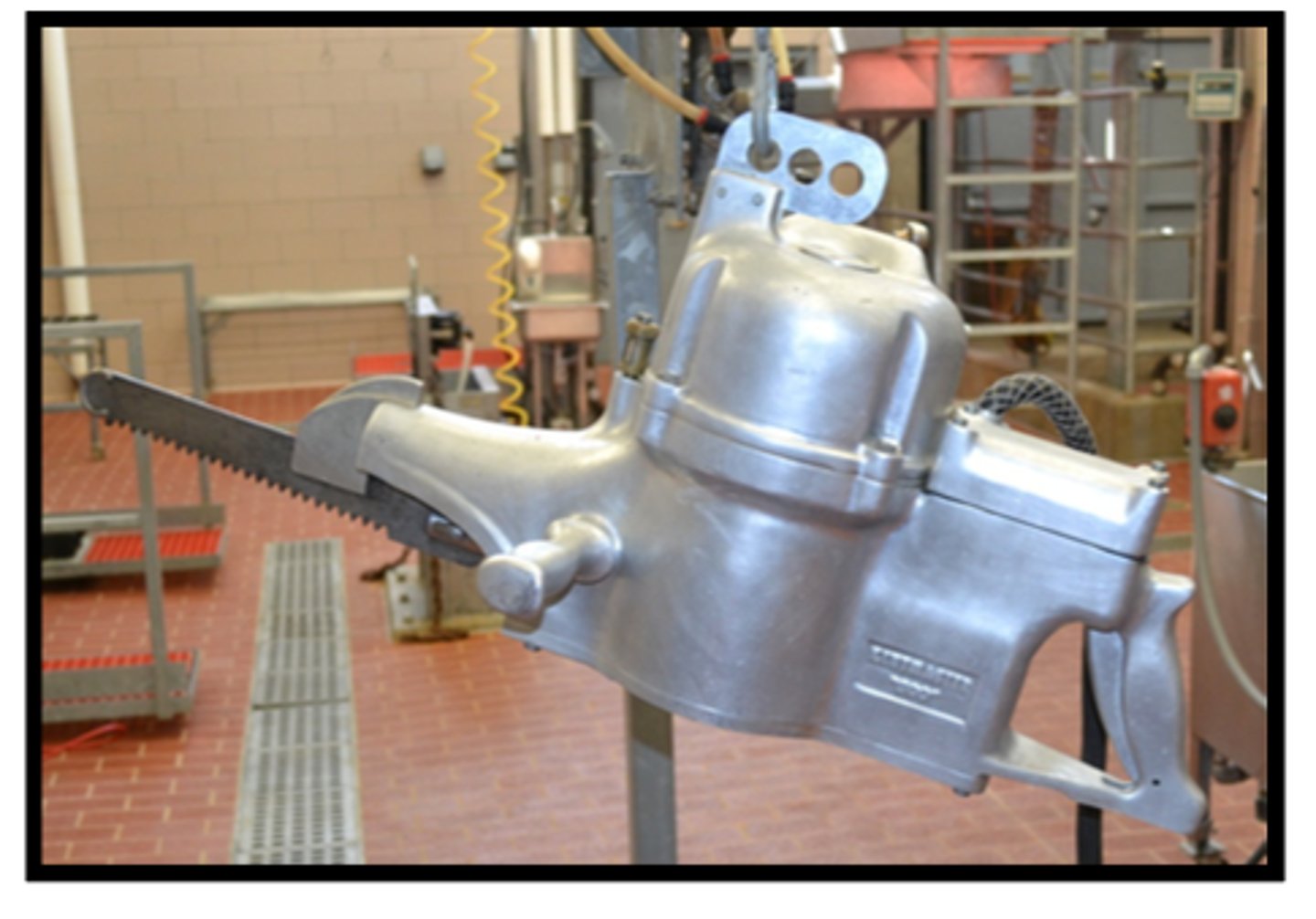
Breaking Saw
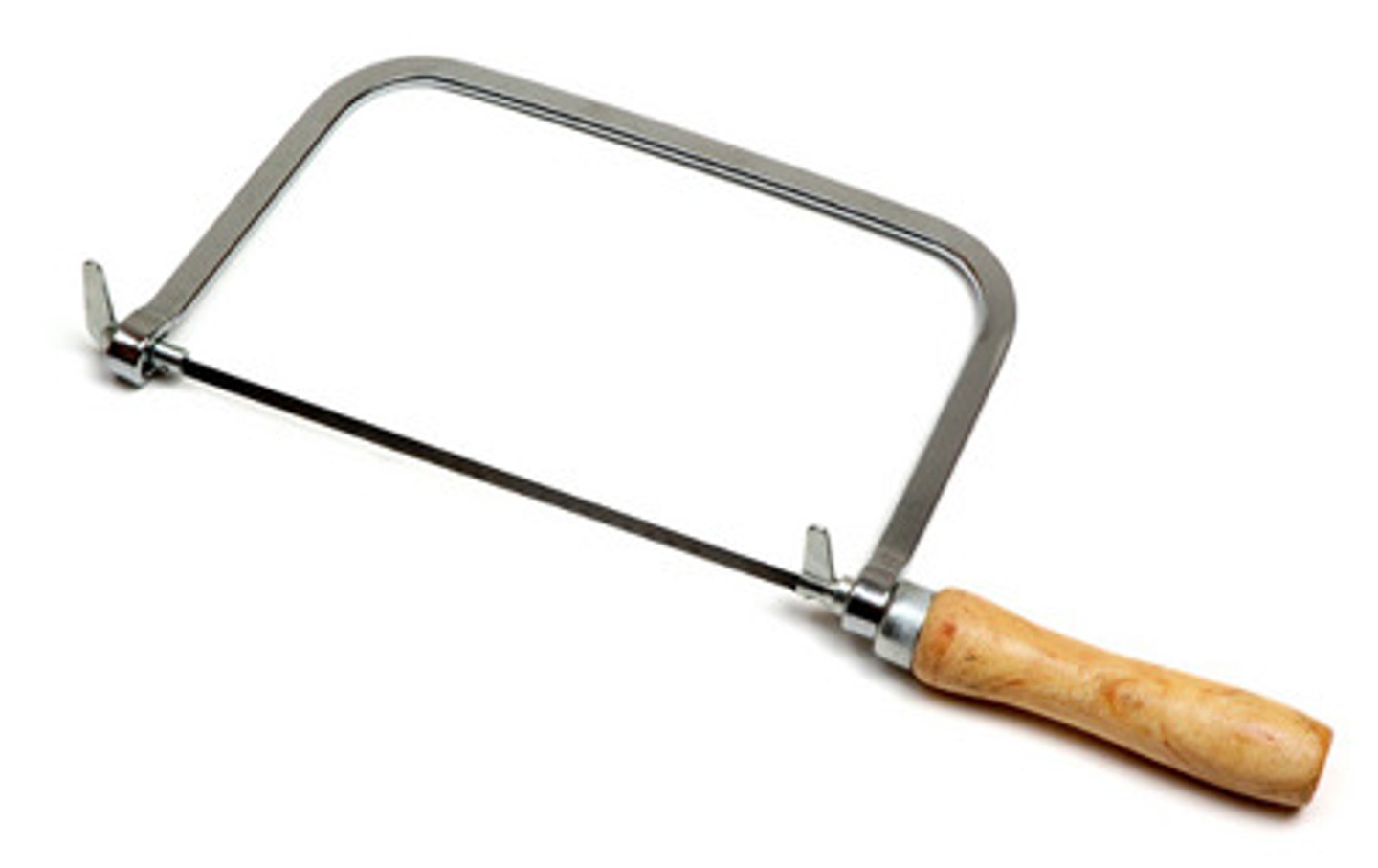
Ribbing Saw
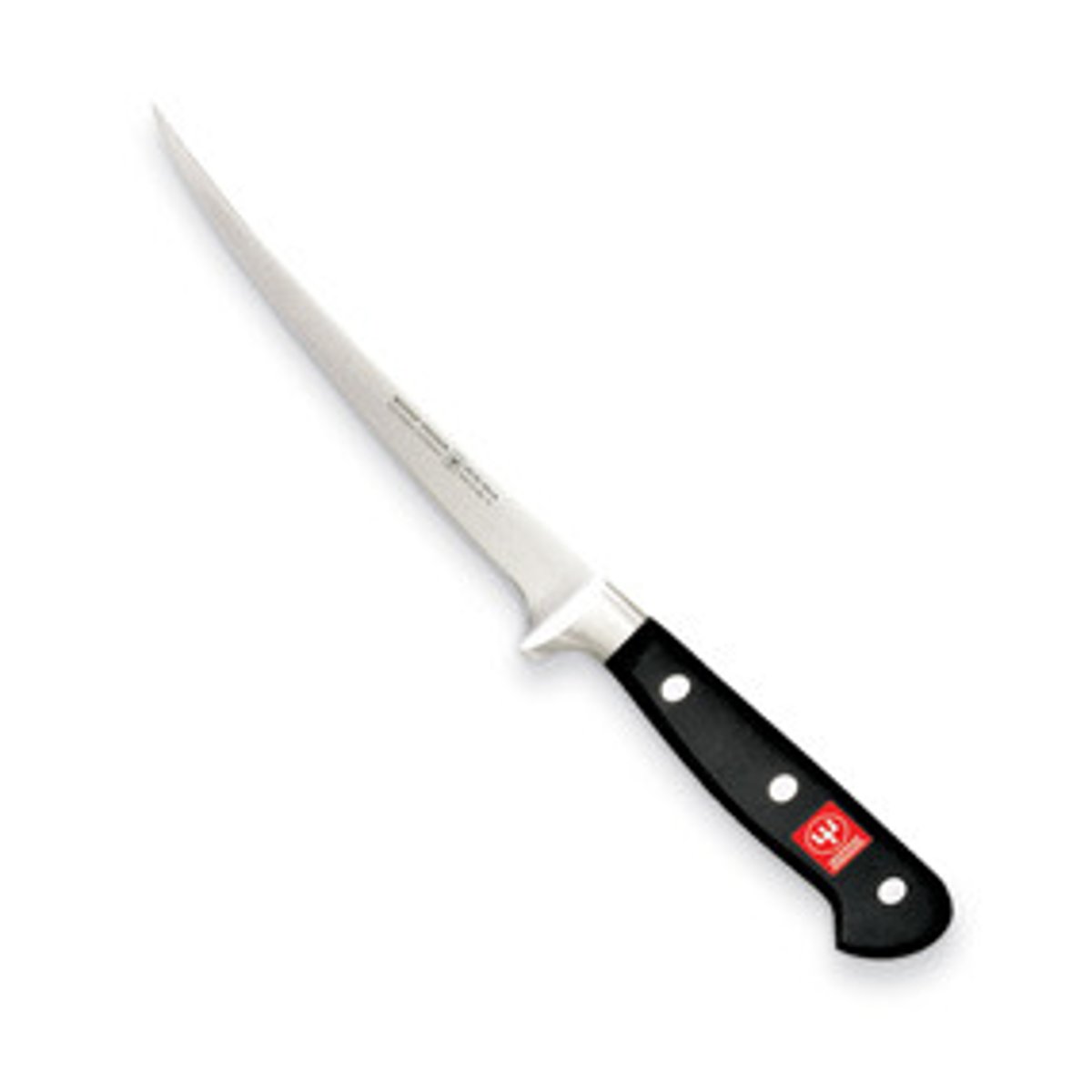
Boning Knife
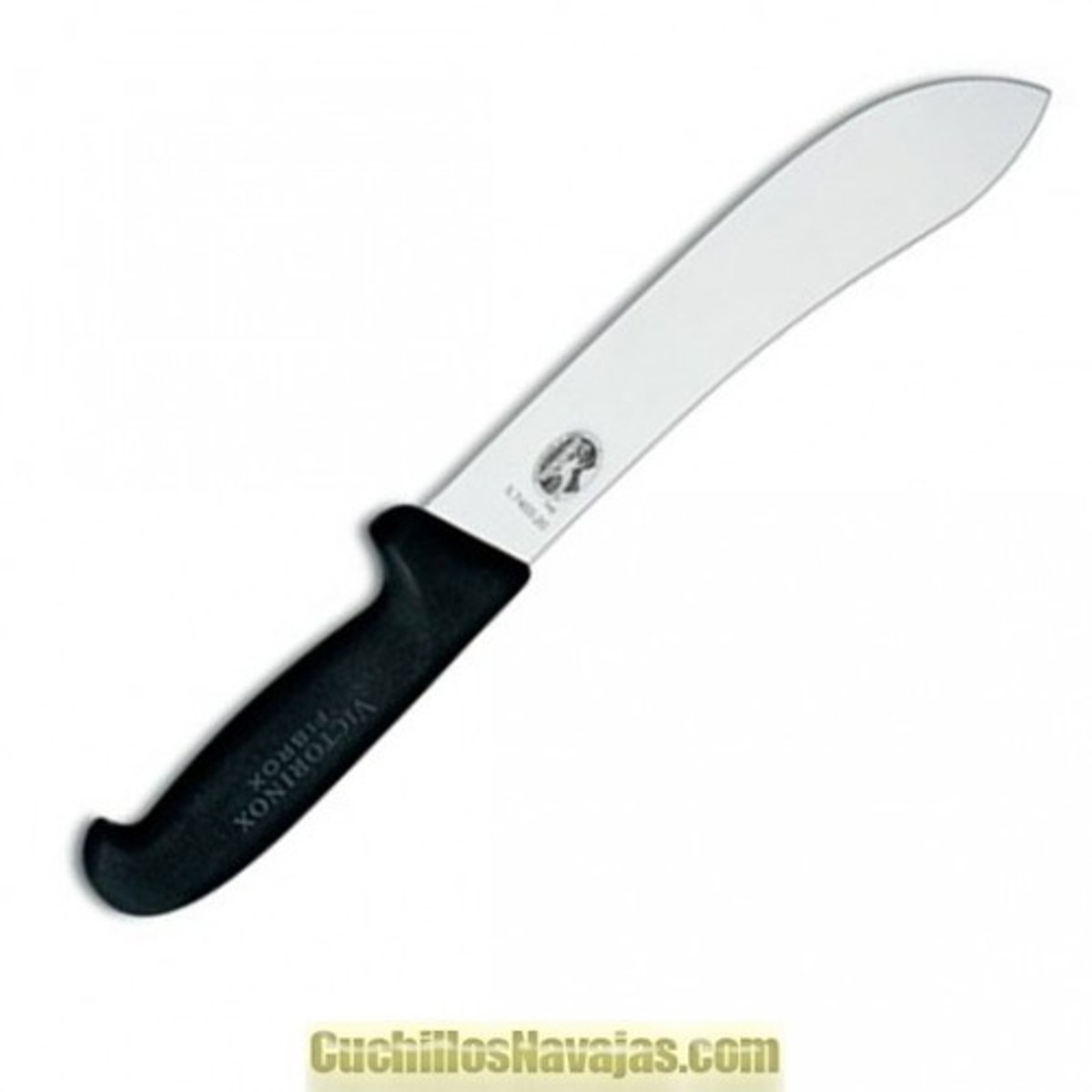
Skinning Knife
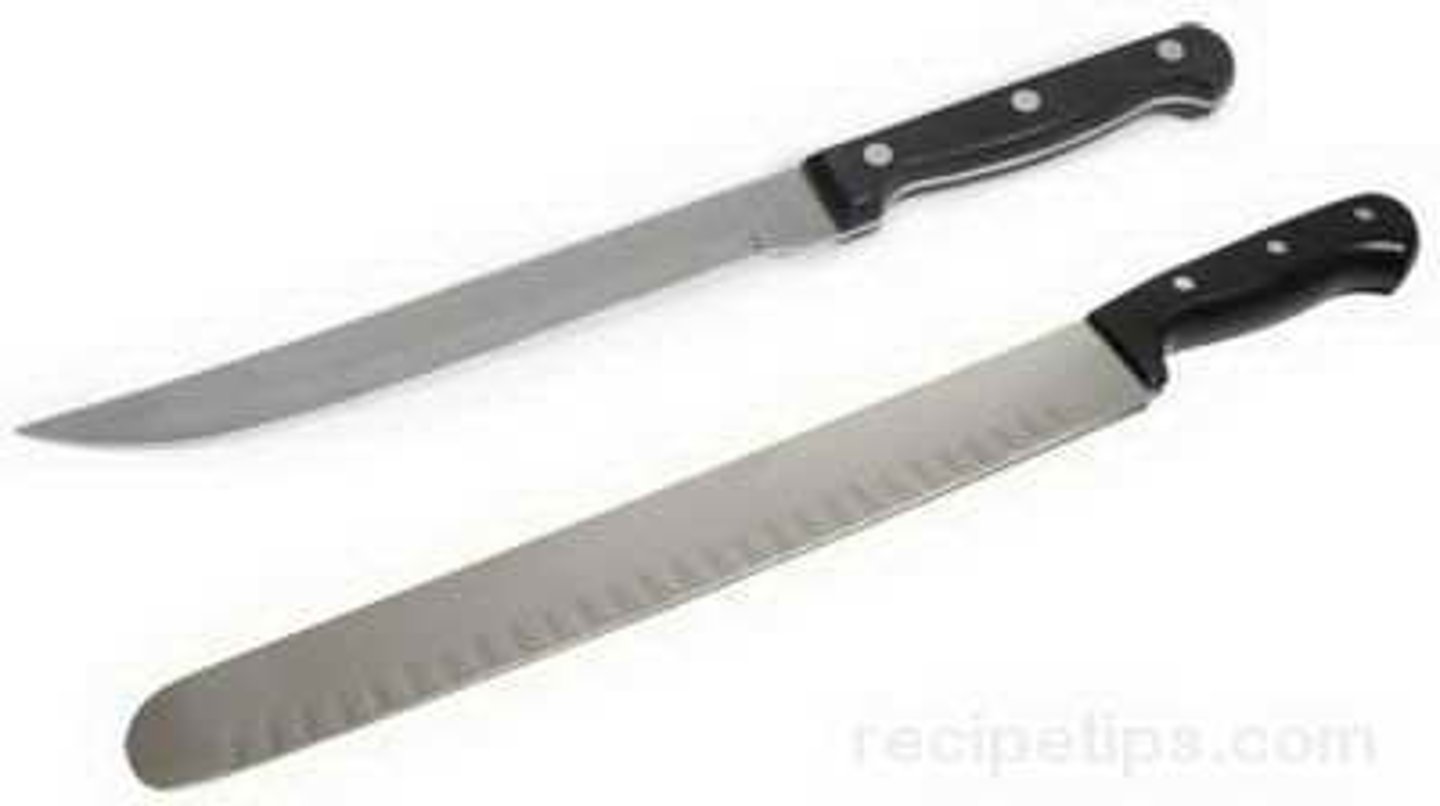
Breaking Knife
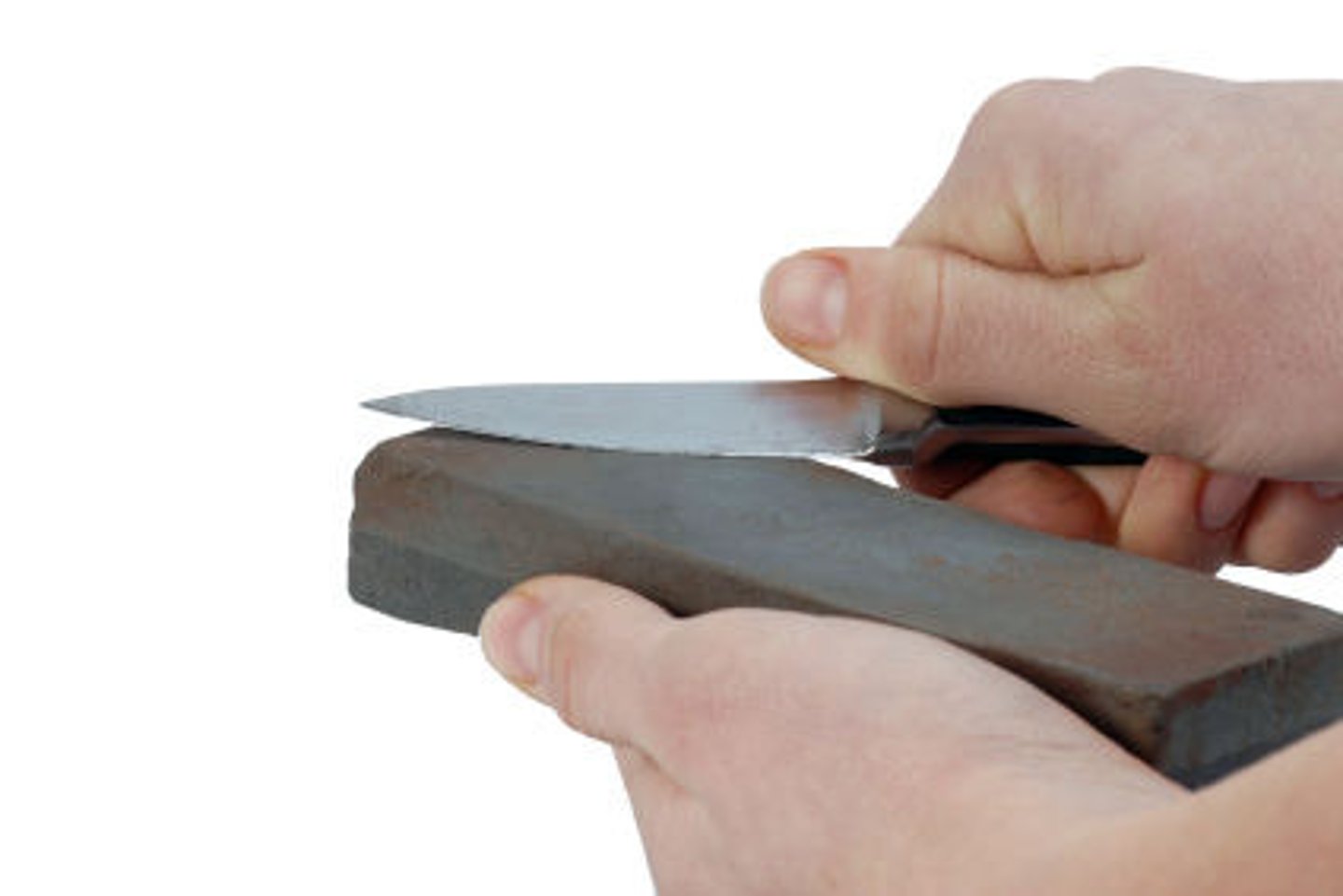
Sharpening Stone
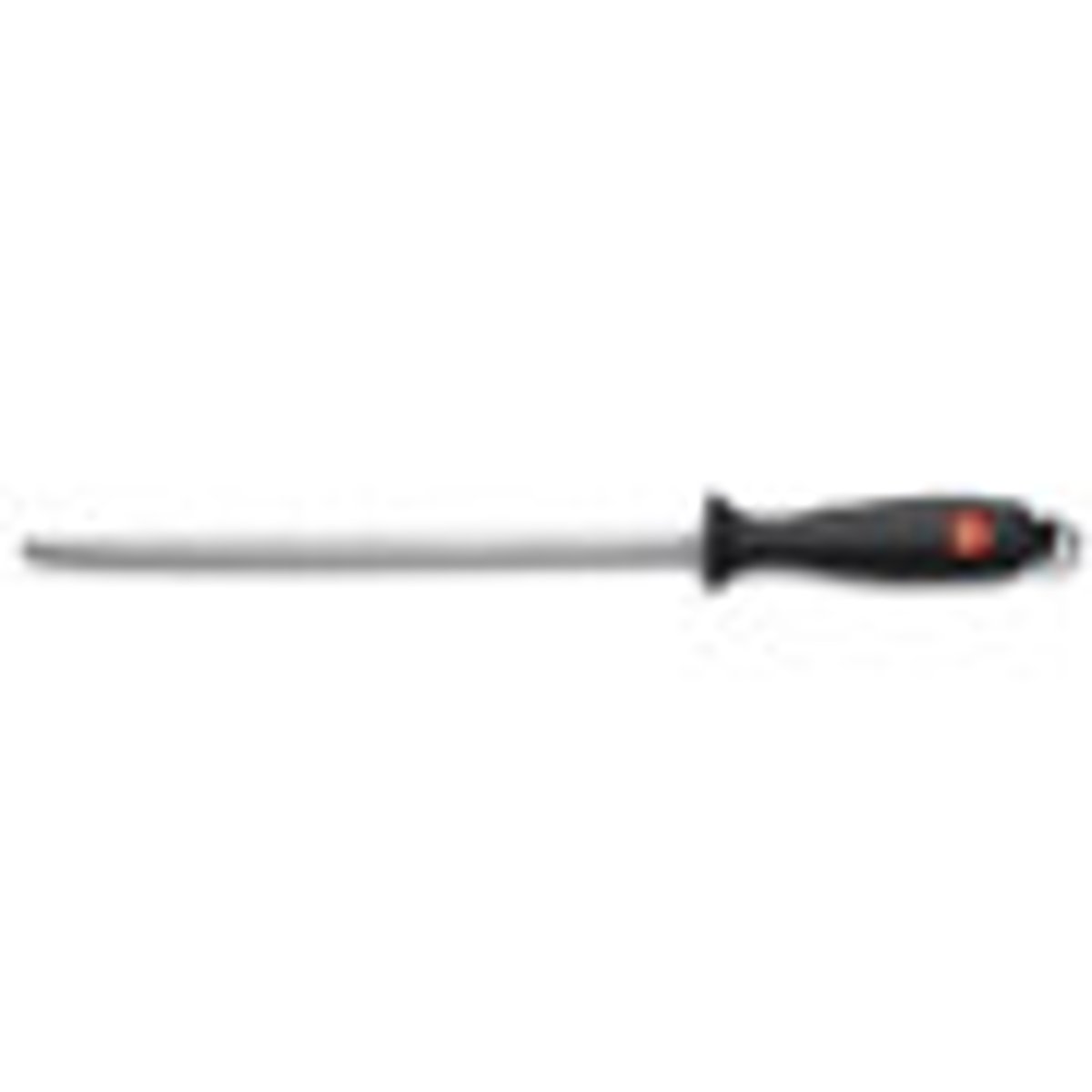
Steels
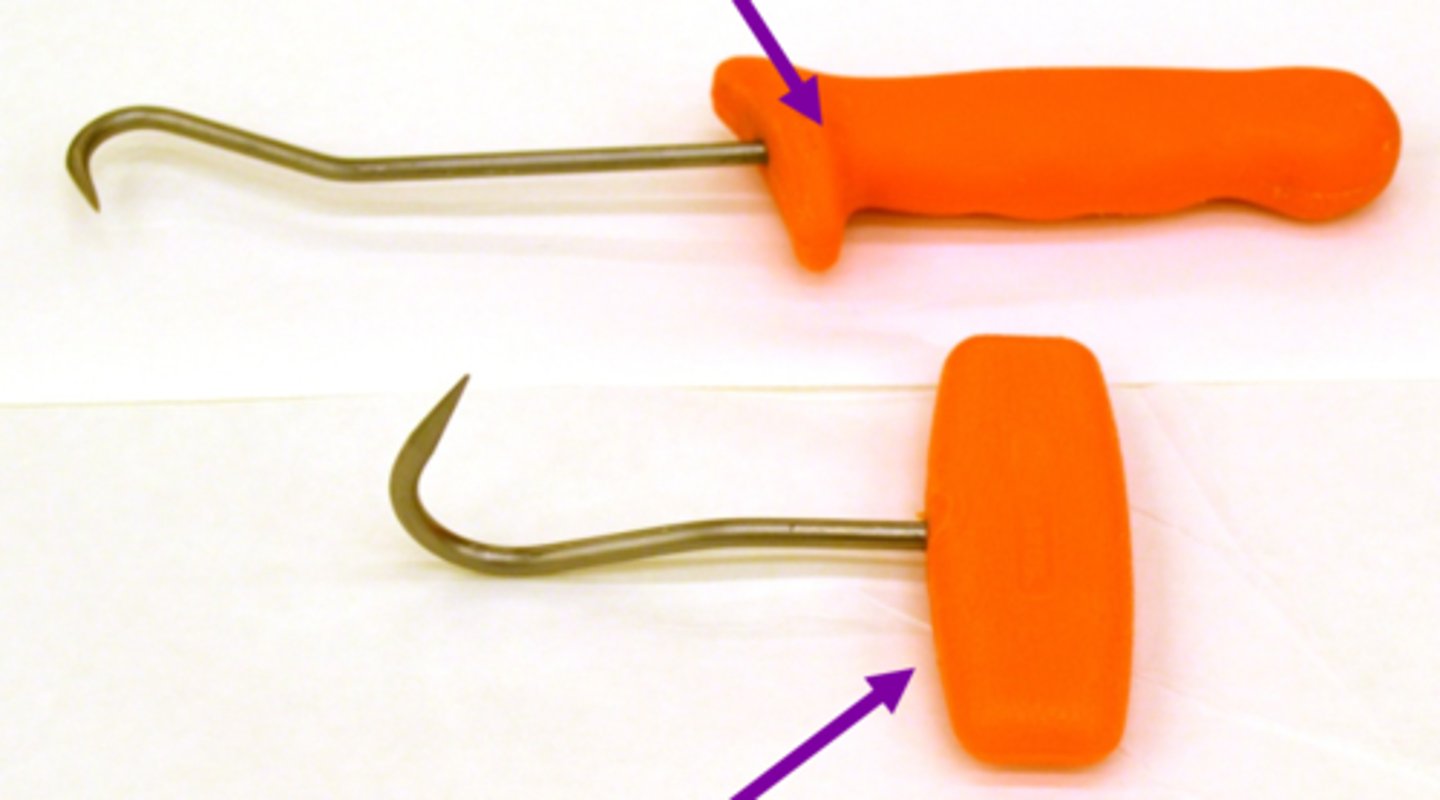
Node Hook
top
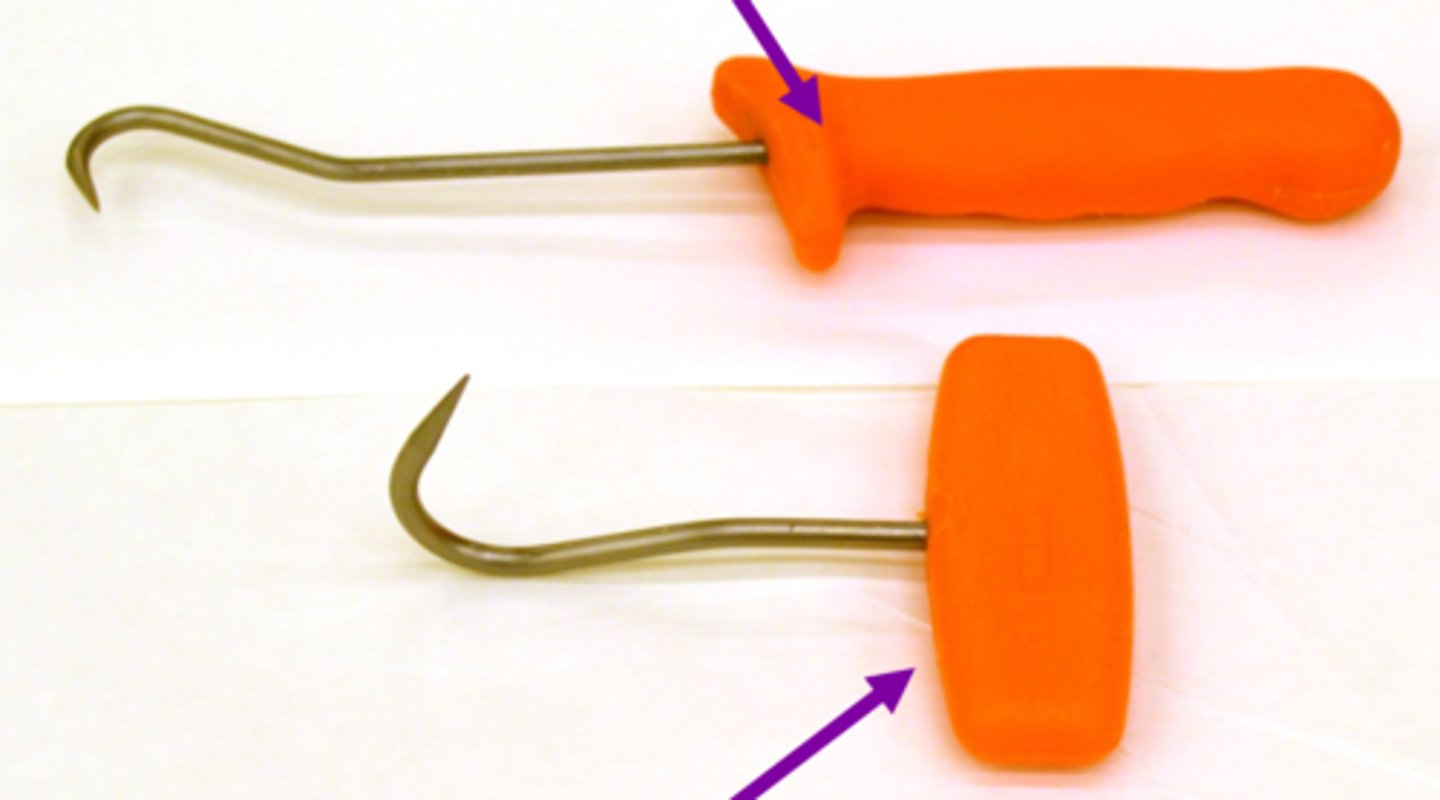
Meat Hook
Bottom
KSU Meat Science History
-started in 1927 with the arrival of Davey McIntosh
-longest continuous streak of team going to the international meat judging contest (all expect 1st year)
-warner bratzel shear force (tenderness test) invented here
-long, storied history of meat science
Institutional Meat Purchase Specification (IMPS)
-allow for a common "language" about meat cuts
-provides detailed descriptions and specifications for each cut
-written and maintained by USDA- Agricultural Marketing Service
-specifications are written based on common industry cutting standards
-use anatomical locations of bone, fat, and muscle to insure primals and subprimals are cut correctly
-allows for purchasing of meat products "sight unseen"
-first digit of 3 letter code is the species (1=beef, 2=lamb, 3=veal, 4=pork)
-2nd and 3rd digit are specific cut
IMPS Purchaser Specified Options (PSOs)
-options that can be specified by the purchaser of the product
-commonly include: fat trim level, length of tail, USDA grade, fresh vs. frozen, product weight, aging requirements
The Meat Buyer's Guide
-serves as a pictorial reference for IMPS
-includes all IMPS product numbers
-includes all relevant PSOs
-contains a lot of additional information about cutting specifications from non-North American countries
Uniform Retail Meat Identity Standards (URMIS)
-listed as: Common Name- Characteristics
-common name- roast, steak, chop, filet
-characteristics- class (beef, pork), primal or subprimal identifier, bone state (bone-in, boneless), cutting standard (thickness, muscle, value attribute)
Anatomy Terms
Anterior/Posterior
Cranial/Caudal
Dorsal/Ventral
Proximal/Distal
Medial/Lateral
Transverse
Supra/Infra/Sub
Bones
an understanding of and identification of the bones in the carcass is the most important step in identification of muscles/cuts
Caudal Bone
in tail
Sacral Bone
in pelvic region
Lumbar Bones
lower back, no ribs
Thoracic Bones
ribs attached
Cervical Bones
in the neck
Dressing Percentage
-the percentage of the animals live weight represented by the carcass
Dressing Percent = (Hot Carcass Weight / Live Weight)*100
-is affected by: fill, finish (fatness), muscling, sex, type (beef vs. dairy), pregnancy, hide weight, mud, horns, etc.
-varies by species: beef (62-64%), pork (72-74%), lamb (50-55%)
Cooler Shrink
-the percentage of the carcass's weight loss in the chilling process
Cooler Shrink = 100*(Hot Carcass Weight - Cold Carcass Weight) /Hot Carcass Weight
-is affected by: cooler temperature, chill time, cooler humidity, air vs. spray chilling
Steps in Harvest
1. antemortem inspection
2. immobilization (stunning)
3. exsanguination (bleeding)
4. head removal
5. feet or toenail removal
6. skin or hair removal
7. evisceration
8. splitting
9. postmortem inspection
10. washing
11. organic acid sprays
12. chilling
Antemortem Inspection
-animal should be held without feed, but with access to water, for 24 hours prior to slaughter
--this aids in evisceration, decreases chance of contamination, and improved blood removal
-animals are inspected prior to harvest by a USDA inspector to insure animal health
--inspected and passed
--U.S. suspect
--U.S. condemned
Immobilization (Stunning)
-animals are rendered unconscious prior to harvest; DOES NOT KILL THE ANIMAL
-required by Humane Methods of Slaughter Act of 1978
-three approved methods: physical (cattle; captive bolt gun), electrical (pigs, poultry, sheep), chemical, CO2 (pigs)
-not required step for harvest (Halal and Kosher)
Exsanguination
-after the animal is unconscious, blood is removed from the animal
-this blood removal results in the death of the animal
-only 50% of the animal's blood is removed
-the remaining 50% is held primarily in the animal's internal organs
Head Removal
the head is removed by cutting through the joint at the back of the head connecting the occipito-condyle and the atlas vertebra (atlas joint)
Dentition
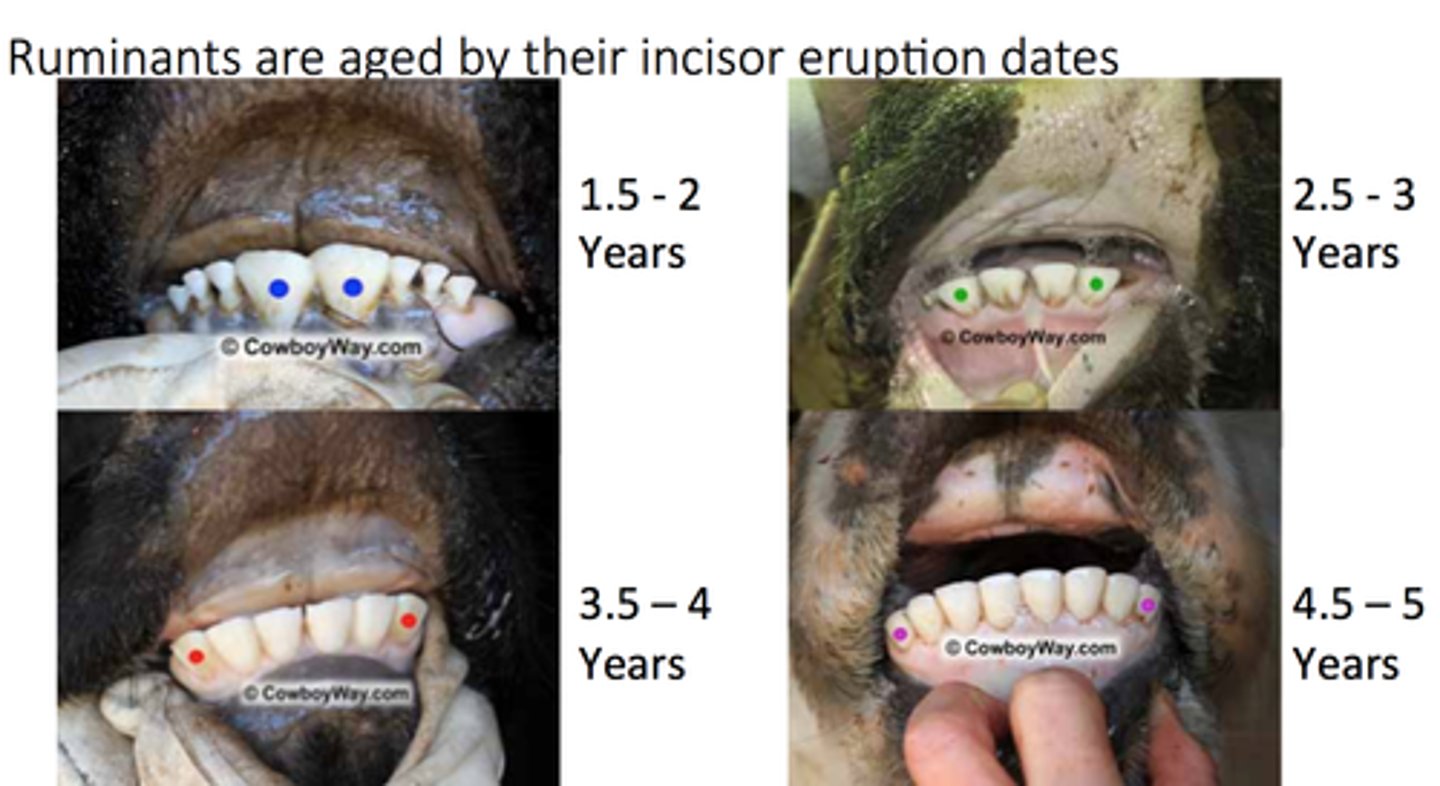
-due to the BSE concerns, beef heads are checked for dentition
-animals with at least one of the second set of permanent incisors broken the gum line, the animal is classified as >30 months of age
-all specific risk materials (SRM) must be removed from >30 mo cattle
Specified Risk Materials
-removed from all cattle: tonsils, distal ileum (small intestine)
-removed from >30 mo cattle: spinal cord, vertebral column, dorsal root ganglia, brain, skull, eyes, trigeminal ganglia
Shank Removal
-in beef and lambs, both the foreshanks and hindshanks are removed
-in beef, at the "flat joint"
-in lambs at the "break joint"
-in pork, shanks are not removed, only toenails
Suspension
-the tendon that carcasses are suspended by are dependent upon species
-beef: achilles tendon
-lamb: achilles tendon
-pork: gambrel tendon
Hair Removal- Pigs
-for pigs, the hide remains on the carcass
-pigs are scalded in 140F water to turn the collagen surrounding the hair follicle into gelatin, allowing for easier removal
-"hard hair season": Sept.-Nov. 143F water for a little longer
-"soft hair season": Feb.-April 136F water for a little shorter
-alkaline products including "Old Baldy" added to scalding vat to eliminate "scruff"; does not aid in hair removal
-after scalding, pigs are tumbled with paddles removing hair
-residual hair is removed via shaving or singing
-commercially, vertical singers and polishers to help finalize hair removal
Hide Removal- Cattle and Sheep
-in beef, hide removal is started manually and then finished mechanically with side pullers and down hide pullers
-in lamb, hides are removed through a process called "fisting" in which the pelt is separated from the fell membrane
Evisceration
-evisceration is the removal of the contents of both the abdominal and thoracic cavity
-contents of the thoracic cavity are termed the pluck- heart, lungs, trachea and esophagus
-contents of the abdominal cavity are termed the viscera- rumen, intestines, liver, kidneys, stomach, bladder, spleen, etc
-bunging: in all species the bung is tied off to prevent contamination as a result of the evisceration process
-weasand: in beef, a weasand rod is used to separate the esophagus from the trachea. the esophagus is then tied off to prevent contamination
Inspection
-the inspector evaluated the lungs, heart, kidneys, head, tongue, and liver for animal health
-edible offal is either passed for sale or condemned
Splitting
-carcasses are split down the vertebral column to speed the chilling and to ease handling
-in the U.S., lambs and veal carcasses are not typically split prior to chilling
Postmortem Inspection
-carcasses are inspected by USDA inspection personnel for wholesomeness
-carcasses can receive four inspection statues:
=inspected and passed
=retained (temporary only)
=condemned
=passed for cooking
Washing
-following inspection, carcasses are weighed for hot carcass weight
-carcasses are then washed with warm water to remove any blood clots, bone dust, etc. that may be present
Antimicrobial Interventions
-almost all carcasses have at least one antibacterial intervention applied
-steam cabinets: carcass pass through steam (>212F)
-organic acids: most commonly Lactic acid; may be applied at a concentration up to 5%
Chilling
-carcasses are chilled in 28F to 32F cooler for 18 to 24 hours prior to grading and processing
-in industry, carcasses are spray-chilled throughout the initial chilling period to reduce cooler shrink
Inedible Offal
-all inedible offal has an inedible denaturant (often green in color) applied
-inedible by-products are sent to rendering
-rendering is a process of breaking down these tissued into various lipid and protein based products for non-consumption purposes
Pork Sex Classes
-barrows and gilts: U.S. No. 1-4, U.S. Utility
-sows: U.S. No. 1-4, U.S. Utility, Cull
-stag: None*
-boar: None*
*intact males are not graded due to the presence of strong off-odor, "board taint"
*U.S. Utility primarily used for unacceptable fat quality
barrows
-pizzle eye
-small triangular exposed lean (gracillis/semimebranosus)
-rough naval edge
-fat over collar
gilts
-no pizzle eye
-larger "bean-shapped" exposed lean (gracillis/semimembranosus)
-smooth navel edge
-not much fat over collar
sows
-gilt traits
-mammary tissue development
-heavier carcasses
-primarily used for "hot-boned" sausage manufacturing
boars and stags
-pronounced male traits
-heavy muscled shoulders
-large bones and joints
-darker lean
-heavier carcasses
Pork U.S. Grades
U.S. Grade = (Last Rib Backfat * 4) - Muscle Score
*thin muscled carcasses cannot grade U.S. No. 1
-U.S. Grade predicts the percentage of the carcass weight of the hour, bone-in, closely trimmed lean cuts (ham, loin, Boston butt, and picnic shoulder)
=U.S. No. 1- >60.4%
=U.S. No. 2- 57.4-60.3%
=U.S. No. 3- 54.4-57.3%
=U.S. No. 4-
Pork Percent Fat Free Lean
-in practice, U.S. grades are not used in modern pork production
-instead, the industry uses the percent fat-free lean to predict the percentage of lean meat yield in pork carcasses
*pork carcasses are ribbed between the 10th and 11th rib
Pork Quality
*marbling does not matter
-Japanese color scale
=1 is lightest
=6 is drakest
Pork Cutout- Weight
-4 lean cuts:
=ham- 21-23%
=loin- 19-21%
=Boston butt- 8-10%
=picnic shoulder- 8-10%
-other major cuts:
=belly- 16-18%
=spareribs- 4-5%
Pork Cutout- Value
-4 lean cuts
=ham- 23.3% ($0.77/lb)
=loin- 22.8% ($0.79/lb)
=Boston butt- 23.0% ($0.96/lb)
=picnic shoulder- 10.3% ($0.49/lb)
-other major cuts
=belly- 16.5% ($0.86/lb)
Pork Fabrication
-major breaks
=shoulder/loin- between 2nd and 3rd ribs
=ham/loin- 1.5-3.0 in from aitch bone
=Boston/picnic- immediately dorsal to should joint
Pork Fabrication
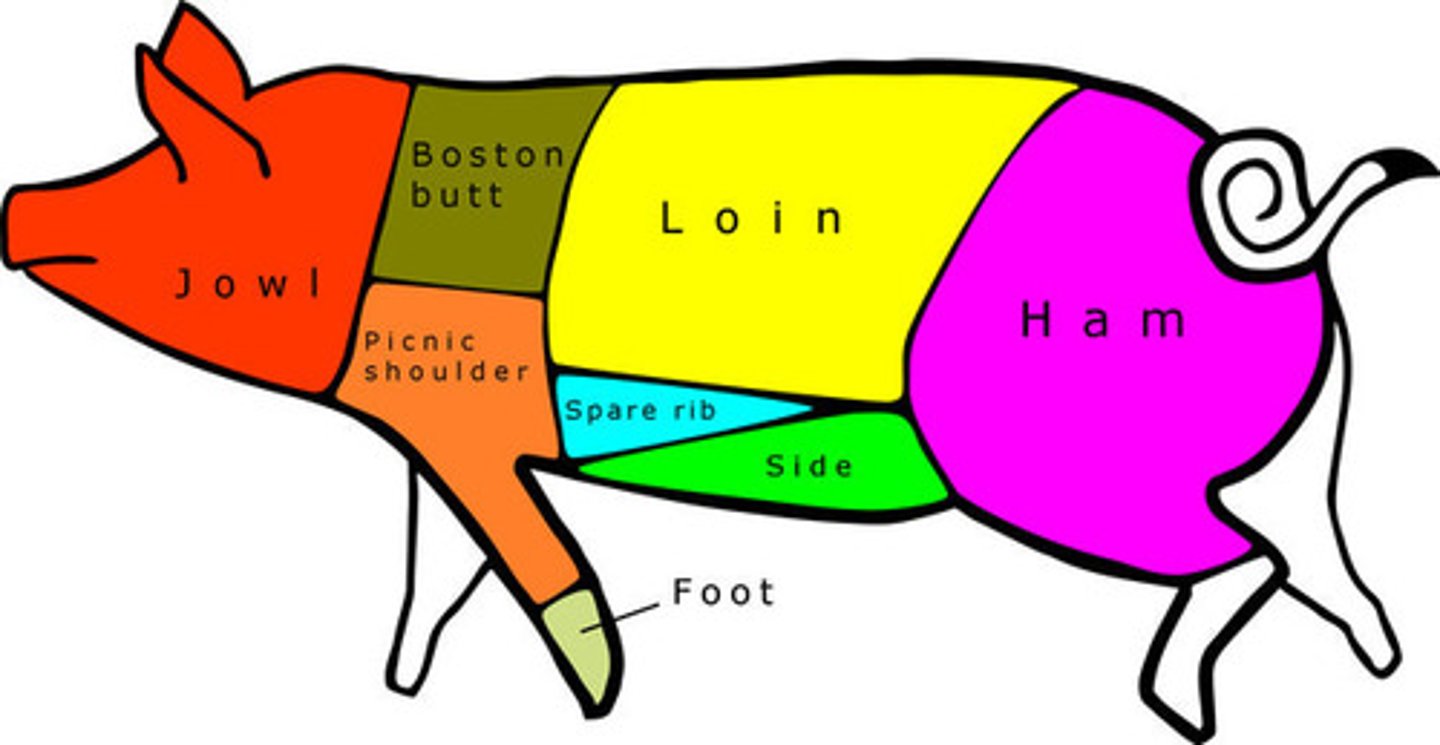
Nomenclature for Pork Retail Cuts
-because both naming methods are commonly used at retail, we will identify retail cuts in two ways:
=Traditional Method- species, wholesale cut, retail cut
=New URMIS- common name, characteristics
Meat Product Labeling and Marketing Overview
-many consumers are overwhelmed and confused by the number of options available in the meat case
-today's average meat case has more than 135 different items, encompassing multiple species, brands, and products
-most consumers are interested in purchasing safe, healthful products that will meet their cooking needs, price point, and family's desires
Meat Labeling
-meat labels are designed to give consumers information about the product
-prior to use, all labels used on meat products must be approved by the USDA
-this includes review and approval of all marketing claims located on the label
-however, USDA does not review or approve of all sales and marketing materials used
Why So Many Labels?
-meat was traditionally marketed as a commodity item
-however, over the past half century, a greater number of products have been sold under brand names, with only 25% now sold as commodity products
-additionally, within the past 10 years there has been a growing number of consumers who desire more information about where their food comes from and how it is produced
-many products are marketed to consumers in specific "niche" markets
-still some marketing claims are used to add value by allowing the consumer to believe a product is "unique", "more healthful", "safer", "better for the environment" or "higher quality"
What is the Difference Between Labels?
-most labeling claims fall into one of two categories:
=information about how the animal producing the product was raised, fed, or harvested
=information about the characteristics of the meat product itself
Natural
-one of the most misunderstood claims used
-"natural" claims are not the same as "naturally raised"
-"natural" only refers to how a meat product was processed and does not refer to how the animal was raised
-"natural" labeled meats must:
=be minimally processed (ground, sliced, frozen, etc.)
=contain no artificial ingredients
=contain no preservatives
-additionally, the label must also include a statement clarifying the intended meaning
-almost all fresh meat sold meets the requirement for the "natural" label claim
Naturally Raised
-"naturally raised" refers to how the animal was produced
-products labeled as "naturally raised" must be from animals:
=raised without growth promotants
=raised without antibiotics
=never fed animal or fish by-products
-also may be labeled as "never ever 3"
-however, animals may still receive vaccines and products to control parasites
-may be fed a grain-based diet
Organic
-the National Organic Program ran by the USDA oversees standards for Organic agricultural products, including meat
-all meat certified as "organic" will also be labeled with the official Organic seal
-all Organic products must be inspected for wholesomeness by federal or state inspection agencies, the same as conventional products
-to be "Organic" a meat product must:
=have been raised under organic management techniques from the last third of gestation; for poultry, since the second day of life
=have been fed a 100% USDA Organic grain or forage
=have never received growth promotants, hormonal implants, parasiticide, or antibiotics
-have been given access to the outdoors for all livestock and access to pasture for cattle
-no differences in food safety to the presence of food-borne pathogens exist between Organic and conventional products
-no differences in nutritional content exist between Organic and conventional products
Raised Without Antibiotics
-antibiotics are commonly used in livestock productions to treat, control, and prevent disease
-certain antibiotics can be used to modify the bacteria in an animal's gut to promote growth
-however, over the past several years, many producers have began phasing out the use of antibiotics solely for growth promotion, as requested by the FDA in 2012
-the term "antibiotic free" is not approved for use on meat labels
-all meat products sold in the U.S. are required to be free of antibiotic residues, thus "antibiotic free"
-products may be labeled as "raised without antibiotics" or "no antibiotics administered" if the animal never received antibiotics throughout its lifetime
Raised Without Added Hormones
-often hormones are administered to cattle during feeding to improve their ability to convert feed into muscle and allow for the production of more beef with fewer resources
-these hormones are the same ones produced naturally by the animal, such as estrogen
-beef from cattle administered implants still has less estrogen present than is naturally found in potatoes, cabbage, eggs, soy, beans, and ice cream
-hormones are naturally produced in all plants and animals
-therefore "hormone free" meat does not exist and the term is not approved for use on meat labels
-the terms "raised without added hormones" and "no hormones added" indicate the meat was produced from animals never administered additional hormones
-hormones are only approved for use in cattle and lambs
-therefore, if "raised without added hormones" is used on pork or chicken, it must be immediately followed with "Federal regulations prohibit the use of hormones in poultry/pork"

