Personality Theory
 Call Kai
 Learn
Learn Practice Test
 Spaced Repetition
 Match
Match Flashcards
 Knowt Play
1/74

There's no tags or description
Looks like no tags are added yet.
Name | Mastery | Learn | Test | Matching | Spaced | Call with Kai |
|---|
No analytics yet
Send a link to your students to track their progress
75 Terms
Personality
an individual's characteristic pattern of thinking, feeling, and acting
free association
in psychoanalysis, a method of exploring the unconscious in which the person relaxes and says whatever comes to mind, no matter how trivial or embarrassing.
psychoanalysis
Freud's theory of personality that attributes thoughts and actions to unconscious motives and conflicts; the techniques used in treating psychological disorders by seeking to expose and interpret unconscious tensions
unconscious
according to Freud, a reservoir of mostly unacceptable thoughts, wishes, feelings, and memories. According to contemporary psychologists, information processing of which we are unaware
id
contains a reservoir of unconscious psychic energy that, according to Freud, strives to satisfy basic sexual and aggressive drives. It operates on the pleasure principle, demanding immediate gratification
ego
the largely conscious, "executive" part of personality that, according to Freud, mediates among the demands of the id, superego, and reality. It operates on the reality principle, satisfying the id's desires in ways that will realistically bring pleasure rather than pain
superego
the part of personality that, according to Freud, represents internalized ideals and provides standards for judgment (the conscience) and for future aspirations
psychosexual stages
the childhood stages of development (oral, anal, phallic, latency, genital) during which, according to Freud, the id's pleasure-seeking energies focus on distinct erogenous zones
oral phase
(psychoanalysis) the first sexual and social stage of an infant's development
anal phase
(psychoanalysis) the second sexual and social stage of a child's development during which bowel control is learned
phallic phase
(psychoanalysis) third phase in Freud's model; child experiences pleasurable and conflicting feelings associated with genital organs, unconscious sexual attraction to parent of opposite sex as well as guilt; fixations results in difficulty with sexual identity and authority figures
latency
Freud's term for middle childhood, during which children's emotional drives and psychosocial needs are quiet (latent). Freud thought that sexual conflicts from earlier stages are only temporarily submerged, to burst forth again at puberty.
genital phase
(psychoanalysis) the fifth sexual and social stage in a person's development occurring during adolescence
Oedipus complex
according to Freud, a boy's sexual desires toward his mother and feelings of jealousy and hatred for the rival father
identification
the process by which, according to Freud, children incorporate their parents' values into their developing superegos
fixation
according to Freud, a lingering focus of pleasure-seeking energies at an earlier psychosexual stage, in which conflicts were unresolved
defense mechanism
in psychoanalytic theory, the ego's protective methods of reducing anxiety by unconsciously distorting reality
repression
in psychoanalytic theory, the basic defense mechanism that banishes anxiety-arousing thoughts, feelings, and memories from consciousness
regression
a defense mechanism in which you flee from reality by assuming a more infantile state where some psychic energy remains fixated
reaction formation
psychoanalytic defense mechanism by which the ego unconsciously switches unacceptable impulses into their opposites. Thus, people may express feelings that are the opposite of their anxiety-arousing unconscious feelings.
projection
psychoanalytic defense mechanism by which people disguise their own threatening impulses by attributing them to others
rationalization
defense mechanism that offers self-justifying explanations in place of the real, more threatening, unconscious reasons for one's actions
displacement
psychoanalytic defense mechanism that shifts sexual or aggressive impulses toward a more acceptable or less threatening object or person, as when redirecting anger toward a safer outlet
projective test
a personality test, such as the Rorschach or TAT, that provides ambiguous stimuli designed to trigger projection of one's inner dynamics
Thematic Apperception Test (TAT)
a projective test in which people express their inner feelings and interests through the stories they make up about ambiguous scenes
Rorschach inkblot test
the most widely used projective test, a set of 10 inkblots, designed by Hermann Rorschach; seeks to identify people's inner feelings by analyzing their interpretations of the blots
sublimation
modifying the natural expression of an impulse or instinct (especially a sexual or aggressive one) to one that is socially acceptable
intellectualization
defense mechanism wherein one approaches a potentially threatening topic without anxiety by studying it in a removed, academic manner
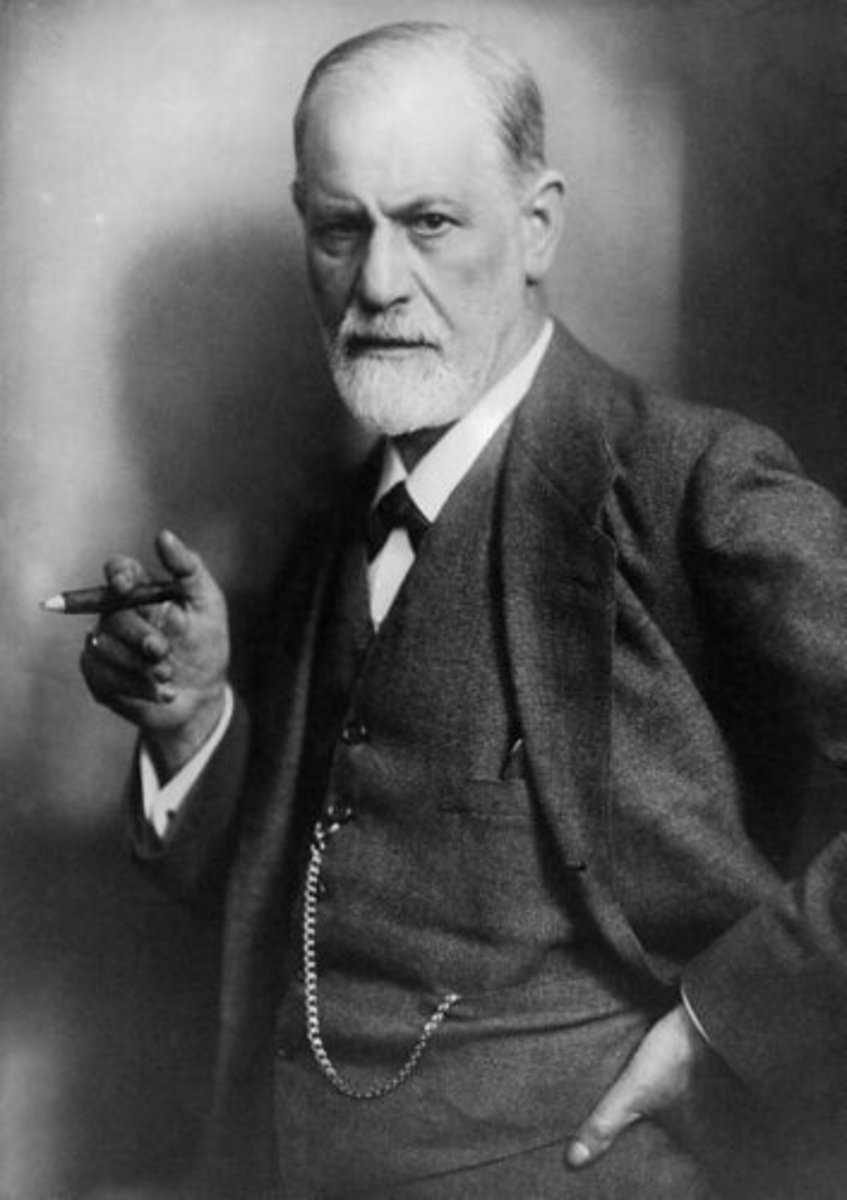
Sigmund Freud
the "father of psychoanalysis"
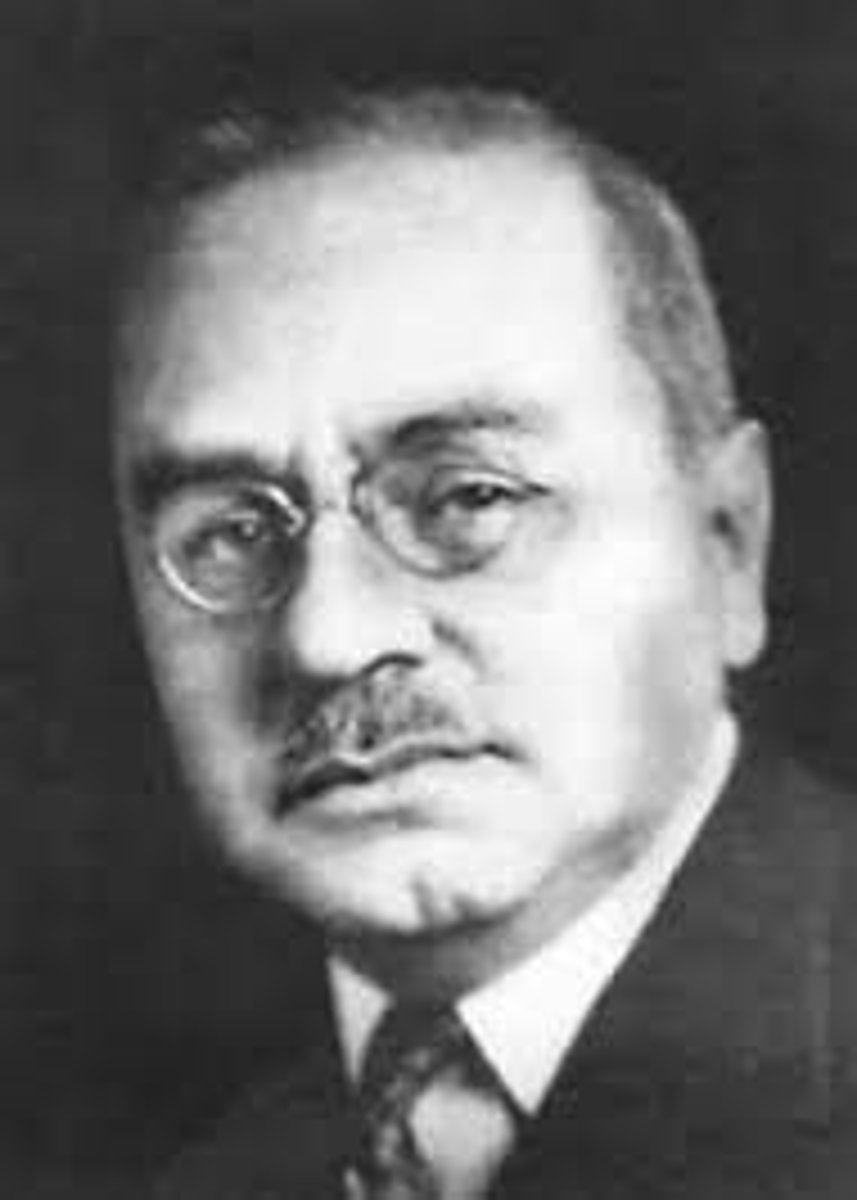
Alfred Adler
neo-Freudian who emphasized feelings of inferiority (e.g. the "inferiority" complex) and birth order effects
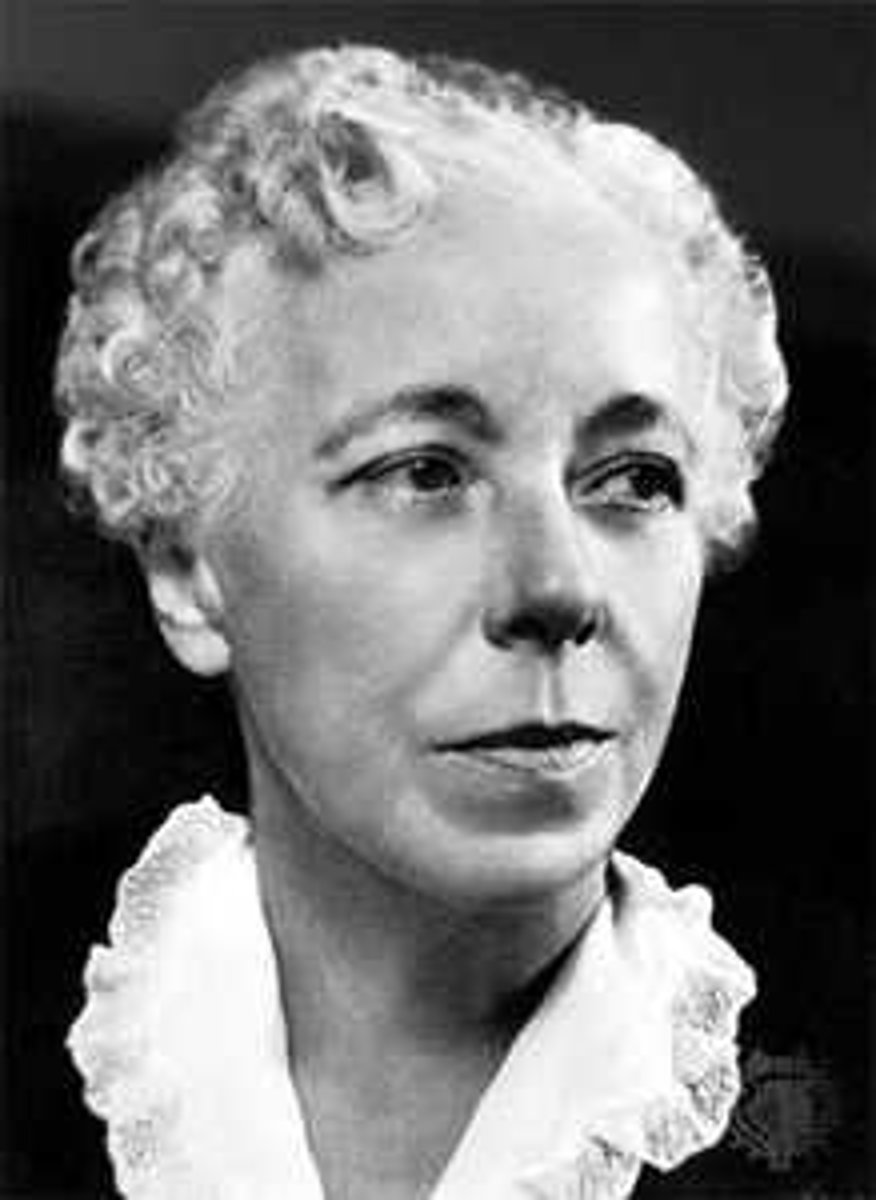
Karen Horney
neo-Freudian who emphasized "basic anxiety" as a force in personality development; countered Freud's characterization of the female psyche and proposed concept of "womb envy"
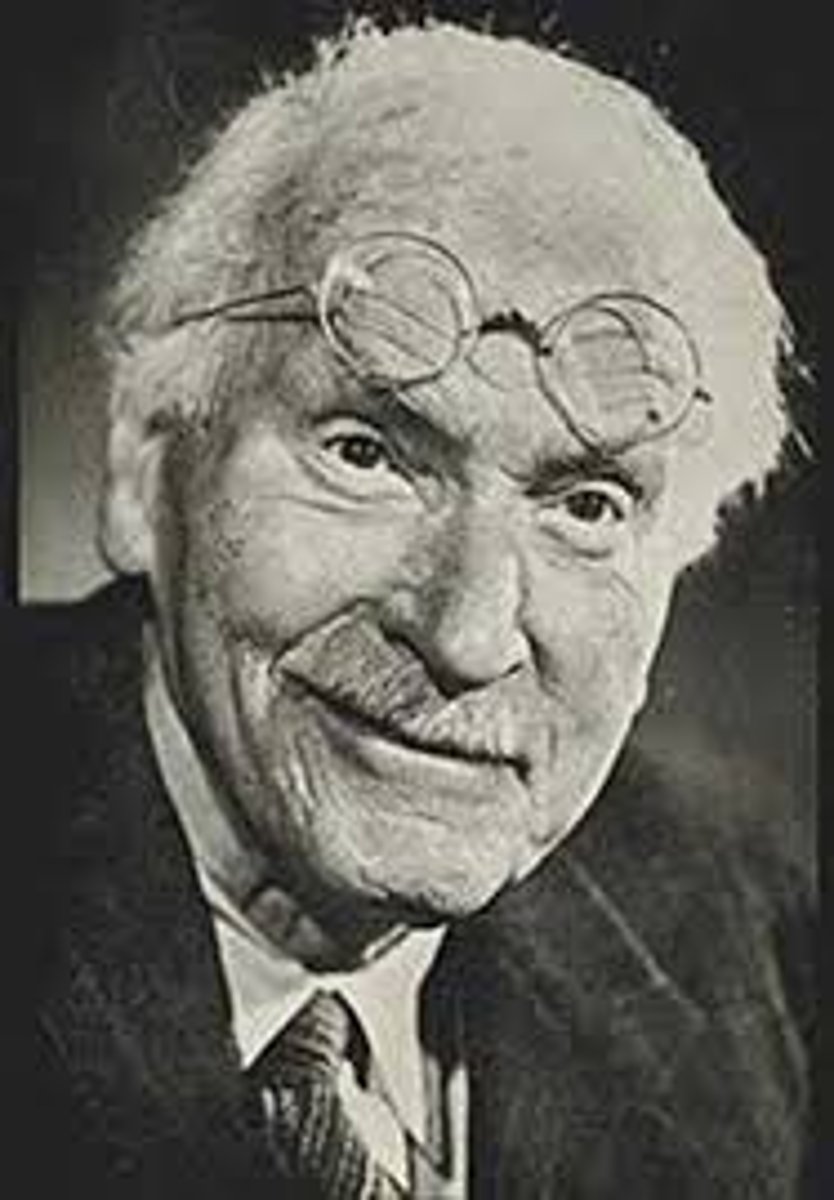
Carl Jung
neo-Freudian known for his theory of the "collective unconscious," composed of recurring archetypes, and for describing introversion/extroversion as personality traits
Humanistic perspective
approach to personality theory formed by Rogers and Maslow; emphasizes innate goodness and the need for growth
self-actualization
according to Maslow, the ultimate psychological need that arises after basic physical and psychological needs are met and self-esteem is achieved; the motivation to fulfill one's potential
Abraham Maslow
humanistic psychologist known for the concept of self-actualization and his "hierarchy of needs" model
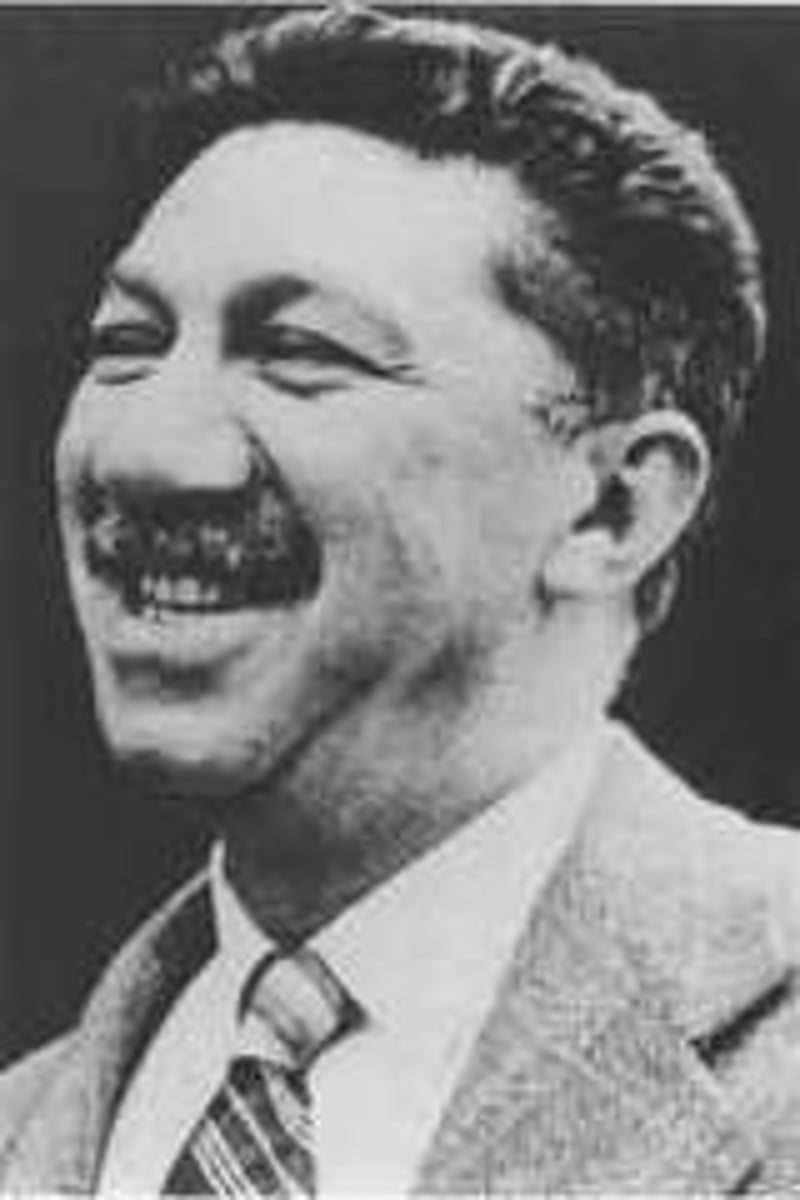
Carl Rogers
humanistic psychologist known for developing client-centered (or "person-centered") therapy; emphasized genuineness, acceptance, and empathy
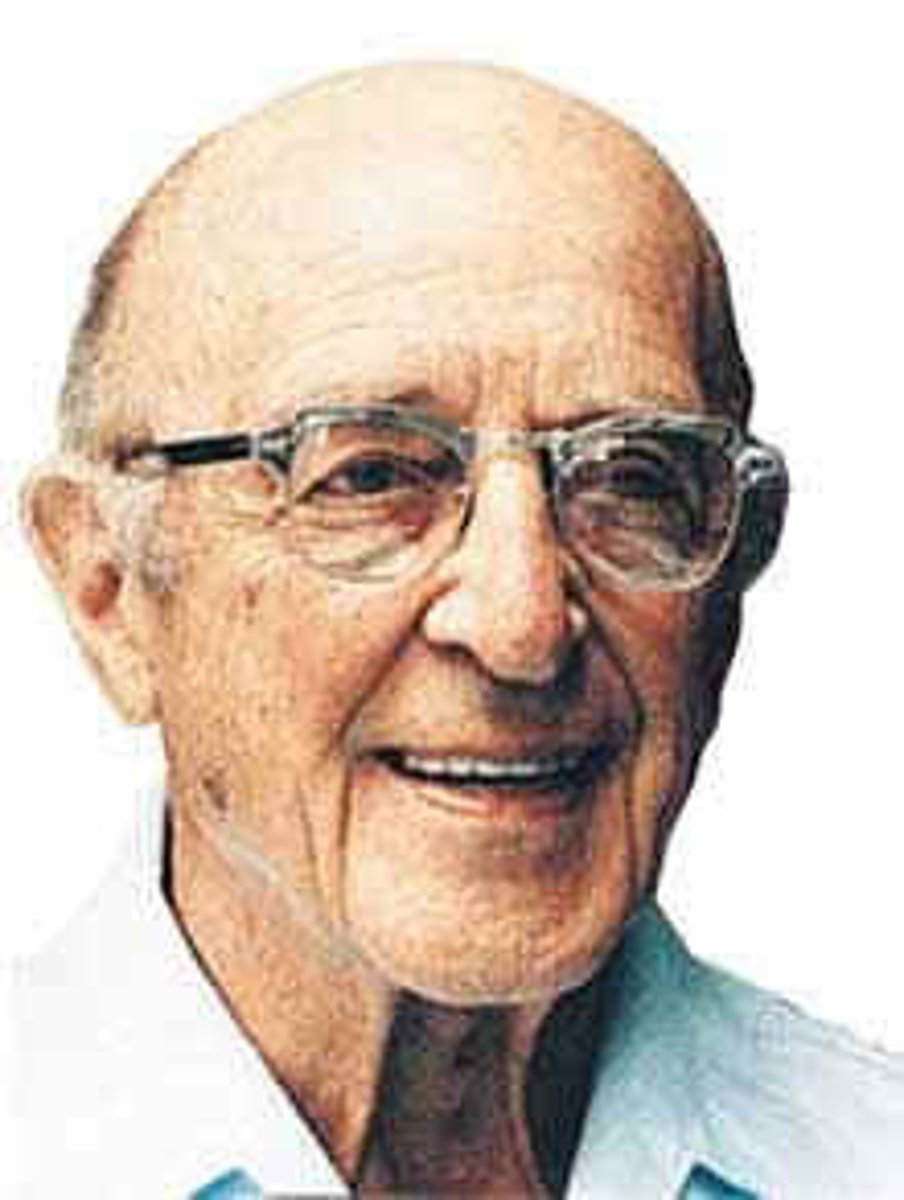
unconditional positive regard
according to Rogers, an attitude of total acceptance toward another person
self-concept
all our thoughts and feelings about ourselves, in answer to the question, "Who am I?"
trait
a characteristic pattern of behavior or a disposition to feel and act, as assessed by self-report inventories and peer reports
Gordon Allport
psychologist credited with founding the trait perspective in personality theory
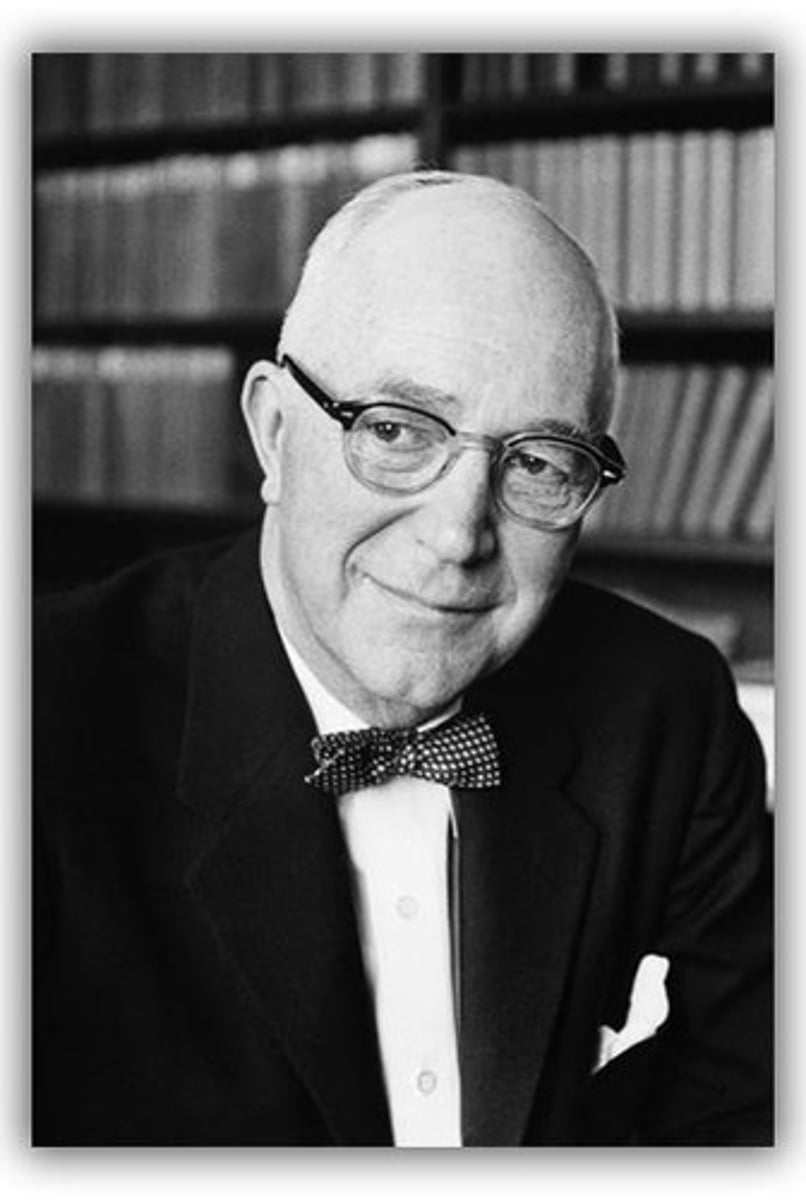
trait perspective
a perspective on human personality that emphasizes the description of human patterns in thinking and behaving, often through the development of personality tests
personality inventory
a questionnaire (often with true-false or agree-disagree items) on which people respond to items designed to gauge a wide range of feelings and behaviors; used to assess selected personality traits.
Minnesota Multiphasic Personality Inventory (MMPI)
the most widely researched and clinically used of all personality tests. Originally developed to identify emotional disorders (still considered its most appropriate use), this test is now used for many other screening purposes.
empirically derived test
a test (such as the MMPI) developed by testing a pool of items and then selecting those that discriminate between groups
The Big Five
five major personality factors indentifed by Costa & McCRae: openness, conscientiousness, extraversion/introversion, agreeableness, and emotional stability (neuroticism)
social-cognitive perspective
approach to personality theory that views behavior as influenced by the interaction between persons (and their thinking) and their social context
reciprocal determinism
the interacting influences between internal personal (cognitive) factors, behavior, and the environment
personal control
our sense of controlling our environment rather than feeling helpless
external locus of control
the perception that chance or outside forces beyond one's personal control determine one's fate
internal locus of control
the perception that one controls one's own fate
learned helplessness
the hopelessness and passive resignation an animal or human learns when unable to avoid repeated aversive events
positive psychology
the scientific study of optimal human functioning; aims to discover and promote strengths and virtues that enable individuals and communities to thrive
spotlight effect
overestimating others' noticing and evaluating our appearance, performance, and blunders
self-esteem
one's feelings of high or low self-worth
self-serving bias
a readiness to perceive oneself favorably; often attributing successes to one's own efforts but failures to external forces
individualism
giving priority to one's own goals over group goals, and defining one's identity in terms of personal attributes rather than group identifications
collectivism
giving priority to the goals of one's group (often one's extended family or work group) and defining one's identity accordingly
terror-management theory
proposes that faith in one's worldview and the pursuit of self-esteem provide protection against a deeply rooted fear of death
self-efficacy
a person's beliefs about his or her own competence or skill (in a particular area)
penis envy
In Psychoanalytic thought, the desire of girls to posses a penis and therefore have the power that being male represents.
womb envy
Horney's counter to Freud's notion of penis envy
collective unconscious
Jung's theory that we all share an inherited memory that contains our culture's most basic elements
archetypes
universal, symbolic images that appear in myths, art, stories, and dreams; to Jungians, they reflect the collective unconscious (examples: mother figure, hero/villian, shadow, etc.)
manifest content
According to Freud, the remembered story line of a dream
latent content
According to Freud, the underlying meaning of a dream
preconscious
According to Freud, the level of awareness that contains material just beneath the surface of conscious awareness that can easily be retrieved.
narcissism
Excessive self-love and self-absorption
Subjective tests
Tests in which individuals asked to form an answer from a limited or ambiguous stimulus; they are more difficult to take and to score/grade. Examples include projective tests (like the Rorschach or TAT) and essay-based classroom tests.
Objective tests
Tests in which subjects select a single answer out of already provided answers (e.g., multiple choice, true-false); they are easier to score without bias
Conscientiousness
A personality dimension that describes someone who is responsible, dependable, persistent, and organized
Agreeableness
A personality dimension that describes someone who is good natured, cooperative, and trusting.
Neuroticism
a personality dimension that reflects the tendencies to be anxious, hostile, self-conscious, depressed, impulsive, and vulnerable
Openness
a personality trait describing someone as curious, imaginative, creative, adventurous, and inventive
Extraversion
A personality dimension describing someone who is sociable, gregarious, and assertive
Barnum effect
The tendency to consider a personal description accurate if it is stated in very general, slightly positive terms.

