CNS DRUGS PT 2
 Call Kai
 Learn
Learn Practice Test
 Spaced Repetition
 Match
Match Flashcards
 Knowt Play
1/100

There's no tags or description
Looks like no tags are added yet.
Name | Mastery | Learn | Test | Matching | Spaced | Call with Kai |
|---|
No analytics yet
Send a link to your students to track their progress
101 Terms
DRUGS TO MANAGE BIPOLAR DISORDER
What are the three mainstays of drug therapy for Bipolar Disorder?
⁙ Lithium
⁙ Valproic acid (Depakote)
⁙ Carbamazepine (Tegretol)
How does Lithium (Lithonate, Lithotabs) work (MOA)?
The exact mechanism is unknown, but it may regulate catecholamine release by:
⁘ Increasing norepinephrine and serotonin uptake
⁘ Reducing norepinephrine release from synaptic vesicles
⁘ Inhibiting norepinephrine's action in the postsynaptic neuron
What are the early adverse effects of Lithium therapy?
⁙ Fatigue
⁙ Headache
⁙ Confusion
⁙ Memory problems/Poor concentration
⁙ Nausea and vomiting
What are the long-term or serious adverse effects of Lithium?
Weight gain
Fine tremors
Polyuria/thirst (Diabetes Insipidus)
Goiter and hypothyroidism
Renal toxicity
Teratogenesis (Pregnancy Category D)
What are the signs and symptoms of Lithium toxicity?
⁘ Diarrhea and vomiting
⁘ Muscle weakness and ataxia
⁘ Slurred speech
⁘ Hyperreflexia and seizures
⁘ Coarse tremors (progression from fine tremors)
How can Lithium toxicity be prevented?
Maintain normal sodium intake (135 -145 mEq)
Drink 2-3 liters of fluid daily to avoid dehydration
Monitor serum drug levels regularly
Avoid NSAIDs and Thiazide/Loop diuretics
What is the therapeutic range for Lithium in acute mania?
1.0 to 1.5 mEq/L
What is the desirable range for Lithium long-term maintenance?
0.6 to 1.2 mEq/L (some slides mention 0.4 - 1.3 mEq/L)
What is the critical level at which Lithium toxicity generally occurs?
Levels greater than 1.5 mEq/L
Why is salt intake critical for patients taking Lithium?
Lithium is excreted by the kidneys using the same mechanism as sodium; if sodium levels decrease (low salt diet/sweating), the kidneys retain Lithium to compensate, leading to toxicity.
What are the patient teaching points for Lithium and salt?
Do not make sudden changes to salt intake. A decrease in sodium can raise lithium levels, while an increase can cause lithium levels to fall.
DRUGS TO MANAGE SCHIZOPHRENIA

What are the First-Generation Antipsychotics (FGAs) drugs?
⁕⁕LOW-POTENCY AGENTS⁕⁕
Chlorpromazine (Thorazine)
Thioridazine (Mellaril)
⁕⁕MEDIUM-POTENCY AGENTS⁕⁕
Loxapine (Loxitane)
Molindone (Moban)
Perphenazine (Trilafon)
⁕⁕HIGH-POTENCY AGENTS⁕⁕
Haloperidol (Haldol)
Fluphenazine (Prolixin)
Trifluoperazine (Stelazine)
Thiothixene (Navane)
Pimozide (Orap)
How do First-Generation Antipsychotics (FGAs) work?
They work by blocking dopamine receptors in areas of the brain associated with emotion, cognitive, and motor function.
Are FGAs more effective than Second-Generation Antipsychotics (SGAs)?
No, most FGAs and SGAs are equally effective, except for Clozapine, which is more effective than the rest.
What are the extrapyramidal symptoms (EPS) of FGAs?
Acute Dystonia
Parkinsonism
Akathisia
Tardive Dyskinesia
What is Acute Dystonia (EPS) and how is it treated?
Presentation: Muscle spasms of the face, eyes, neck, or back (opisthotonos) occurring within hours or days.
Treatment: Diphenhydramine (Benadryl) or Benztropine (Cogentin).
What is Parkinsonism (EPS) and how is it treated?
Presentation: Shuffling gait, drooling, tremors, and rigidity occurring within the first month.
Treatment: Anti-acetylcholine (anticholinergic) drugs; do NOT use levodopa.
What is Akathisia (EPS) and how is it treated?
Presentation: Pacing and squirming (restlessness) occurring within the first two months.
Treatment: Anticholinergic drugs, beta blockers, or benzodiazepines.
What is Tardive Dyskinesia (EPS) and is it reversible?
Presentation: Involuntary tongue rolling, lip smacking, and facial grimacing occurring late in therapy.
Reversibility: It is often irreversible; there is no specific treatment other than switching to an SGA.
What are the signs and symptoms of Neuroleptic Malignant Syndrome (NMS)?
⨀ Sudden high fever
⨀ "Lead pipe" rigidity
⨀ Sweating (diaphoresis)
⨀ Autonomic instability and tachycardia
⨀ Seizures and altered mental status
How is Neuroleptic Malignant Syndrome (NMS) managed?
⁘ Stop the antipsychotic medication immediately
⁘ Administer Dantrolene (muscle relaxant)
⁘ Administer Bromocriptine (dopamine agonist)
What are the primary side effects of Second-Generation Antipsychotics (SGAs)?
Metabolic effects, including weight gain, new-onset Diabetes Mellitus, and dyslipidemia.
Why are SGAs often preferred over FGAs?
They have a significantly lower risk of causing Extrapyramidal Symptoms (EPS).
What is the unique, potentially fatal side effect of Clozapine (Clozaril)?
Fatal agranulocytosis (severe low white blood cell count), requiring regular WBC monitoring.
ANTIDEPRESSANTS
What are the classes of antidepressants?
i. MAO inhibitors
ii. Tricyclic antidepressants
iii. Selective Serotonin Reuptake Inhibitors (SSRIs)
iv. Selective Serotonin Norepinephrine Reuptake Inhibitors (SSNRI)
v. Atypical antidepressant - Bupropion
What are the MAO Inhibitors drugs?
isocarboxazid [Marplan]
phenelzine [Nardil]
tranylcypromine [Parnate]
MAO-I B selegiline - also used for parkinson's disease
How do MAO Inhibitors work to manage depression?
They inhibit the enzyme monoamine oxidase, preventing the inactivation of norepinephrine, serotonin, and dopamine, thereby increasing their levels in the synapse.
What are the side effects of MAOIs?
Anxiety
Insomnia
Agitation
Orthostatic hypotension
What is the life-threatening condition associated with MAOIs and diet?
Hypertensive crisis from dietary tyramine.
What are the symptoms of a hypertensive crisis caused by MAOIs?
Severe headache
Tachycardia
Palpitations
Nausea and vomiting
Which foods must be avoided when taking MAO inhibitors?
Aged cheeses
Pepperoni, salami, and sausage
Red and white wine
Pickled foods
Why must tyramine be avoided with MAOIs?
MAOIs block the enzyme that breaks down tyramine, leading to dangerous increases in blood pressure.
What are the Tricyclic Antidepressants (TCAs) drugs?
-tyline, -tiline, -pramine
amitripTYLINE
clomiPRAMINE
doxepin (wanna be different so bad)
maproTILINE
How do Tricyclic Antidepressants (TCAs) work?
They block the neuronal reuptake of two monoamine transmitters: norepinephrine and serotonin.
What are the side effects of TCAs?
Sedation
Orthostatic hypotension
Anticholinergic effects:
Dry mouth
Blurred vision
Urinary retention
What is the most dangerous/life-threatening side effect of TCAs?
Cardiac toxicity (dysrhythmias)
What are the SSRI drugs?
-pram and -ine
Fluoxetine
Sertraline
Paroxetine
Citalopram
Escitalopram
Fluvoxamine
How do Selective Serotonin Reuptake Inhibitors (SSRIs) work?
They selectively inhibit the reuptake of serotonin, increasing its concentration in the synapse.
What are the common side effects of SSRIs?
Sexual dysfunction (50%-70% of patients)
Nausea, vomiting, and diarrhea
Insomnia and agitation
Weight gain (long-term use)
What is the life-threatening condition associated with SSRIs?
Serotonin Syndrome.
What are the signs and symptoms of Serotonin Syndrome?
Agitation, confusion, or hallucinations
Myoclonus and hyperreflexia
Excessive sweating
Tremor and fever
What are the SNRI drugs?
Venlafaxine
Desvenlafaxine
Duloxetine
How do Serotonin/Norepinephrine Reuptake Inhibitors (SNRIs) work?
They block the reuptake of both norepinephrine and serotonin.
What are the side effects of SNRIs?
Nausea and vomiting
Dizziness and headache
Anorexia and weight loss
Nervousness and anxiety
Sweating
Insomnia or somnolence
Diastolic hypertension
Sexual dysfunction
Hyponatremia (especially in older adults)
Neonatal withdrawal syndrome
How does the atypical antidepressant Bupropion (Wellbutrin) work?
It acts as a stimulant and suppresses appetite by working with dopamine. It does not affect serotonergic or cholinergic transmission.
What are the side effects of Bupropion?
Seizures (lowers seizure threshold)
Agitation and Tremor
Dizziness and Headache
Insomnia
Weight loss
Nausea and Dry mouth
GI upset and Constipation
What are the unique side effects/benefits of Bupropion?
Increases sexual desire and pleasure
Causes weight loss (suppresses appetite)
Acts as a stimulant
How long does it typically take for antidepressants to show initial effects?
2 to 3 weeks
How long does it take for antidepressants to reach full efficacy?
Up to 12 weeks
Why is the onset period of antidepressants critical for nursing monitoring?
All classes may increase suicidal tendencies (especially in patients under 25) early in treatment.
What is the general washout period required when switching from an MAOI to another antidepressant?
At least 2 weeks.
What is the specific washout period required for Fluoxetine?
5 weeks (due to its very long half-life).
Can antidepressants be stopped immediately?
No, the dose must be tapered down to avoid withdrawal/discontinuation syndrome.
What are the signs of Antidepressant Discontinuation Syndrome (FINISH)?
Flu-like symptoms
Insomnia
Nausea
Imbalance (dizziness)
Sensory disturbances (electric shocks)
Hyperarousal (anxiety/irritability)
SEDATIVES/HYPNOTICS
What are all the uses of Benzodiazepines?
Anxiety disorders (GAD, panic disorder, social anxiety)
Insomnia (sleep aid)
Seizure disorders
Muscle spasms and spasticity
Alcohol withdrawal
General anesthesia
Procedural (conscious) sedation
Acute mania (bipolar disorder)
Adjunct therapy in schizophrenia (anxiety, sleep disturbances)
What are the common CNS side effects of Benzodiazepines?
Drowsiness
Lightheadedness
Incoordination
😴😴😴
What memory-related side effect is associated with Benzodiazepines?
Anterograde amnesia.
What are the paradoxical side effects of Benzodiazepines?
Insomnia
Excitation
Euphoria
Anxiety and rage
What is the abuse potential of Benzodiazepines?
They have a lower potential for abuse than barbiturates and are classified as Schedule IV drugs.
What is the antidote for a Benzodiazepine overdose?
Flumazenil (Romazicon).
What is a serious risk of administering Benzodiazepines via the IV route?
Hypotension
Cardiac arrest
Respiratory depression.
Why must benzodiazepines be used cautiously in patients with COPD or obstructive sleep apnea?
These drugs can cause respiratory depression, which is particularly dangerous in patients with pre-existing compromised breathing.
What type of insomnia is Zolpidem (Ambien) used to treat?
It helps with BOTH falling asleep and staying asleep (reduces sleep latency and awakenings).
Is Zolpidem (Ambien) intended for long-term use?
No, ✨ it is a Schedule IV drug with potential for abuse and is typically used for short-term management.
What specific type of insomnia does Zaleplon (Sonata) treat?
It helps with falling asleep ONLY.
Is Zaleplon (Sonata) used for long-term insomnia management?
No ✨, it is specifically approved for short-term management.
What is the therapeutic use of Eszopiclone (Lunesta)?
Treatment of insomnia (falling and staying asleep).
Can Eszopiclone (Lunesta) be used long-term?
Yes 😃 it is the only drug in its class approved for long-term use.
When should a patient be taught to take Melatonin?
Take it right before bedtime.
What environmental teaching should be provided for patients taking Melatonin?
Turn off all stimulation, including the TV, computer, and lights.
What potential adverse effects should a patient monitor for when taking Melatonin?
Headache
Nightmares
Transient depression
Hypothermia
ANTI-ANXIETY
Which drug classes are used to manage Generalized Anxiety Disorder (GAD)?
Benzodiazepines
SSRIs
SNRIs
Buspirone (BuSpar)
What is the mechanism of action for Buspirone (BuSpar)?
It is a non-CNS depressant anxiolytic that works through a slow-developing effect.
What are the primary advantages of Buspirone over benzodiazepines?
It does not cause sedation
It has no abuse potential
It does not intensify the effects of other CNS depressants
What are the disadvantages of using Buspirone (Buspar) for anxiety?
Anxiolytic effects develop slowly
Can interact negatively with erythromycin and grapefruit juice
Potential side effects include dizziness, nausea, and headache
Can cause nervousness, lightheadedness, or excitement
What are the common side effects of Buspirone?
Dizziness
Nausea
Headache
Nervousness
Lightheadedness
Excitement
Which substances can interact with Buspirone and increase its levels?
Erythromycin
Grapefruit juice
Which antidepressants are specifically mentioned as drugs of choice for Generalized Anxiety Disorder (GAD)?
Venlafaxine (Effexor XR)
Duloxetine (Cymbalta)
Paroxetine (Paxil)
Escitalopram (Lexapro
How long can a patient typically take Buspirone without observing withdrawal symptoms?
Up to one year.
Which benzodiazepines are the two most commonly ordered for Generalized Anxiety Disorder (GAD)?
Alprazolam (Xanax)
Lorazepam (Ativan)
What is the primary disadvantage of using benzodiazepines for long-term anxiety management?
Risk of physical dependence and a withdrawal syndrome that can take months to taper
What are the common adverse effects of benzodiazepines used for GAD?
Sedation
Psychomotor slowing
STIMULANTS/ADHD
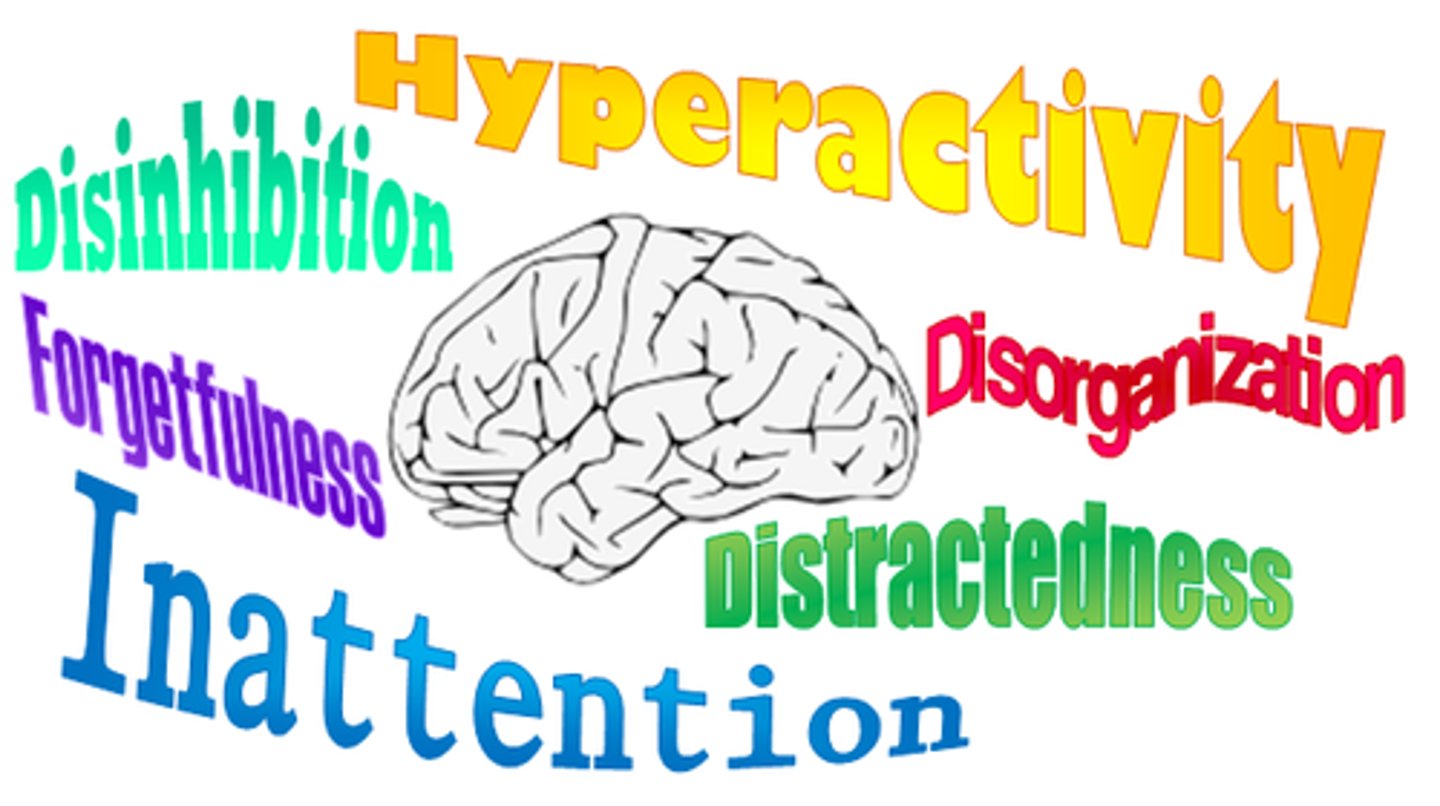
How does Methylphenidate (Ritalin, Concerta) work for ADHD?
It increases levels of norepinephrine and dopamine by blocking their reuptake and/or enhancing their presynaptic release.
What are the common side effects of Methylphenidate?
Insomnia
Dizziness
Abdominal pain
Nausea
Weight loss and growth suppression
What are the serious adverse effects of Methylphenidate?
Palpitations
Arrhythmias
High blood pressure
Seizures
Angina
What is the abuse potential of Methylphenidate?
It is a highly abused substance that requires close monitoring.
What are the timing instructions for taking Methylphenidate to avoid sleep interference?
Give the drug at least 6 hours before bedtime.
What dietary instructions should a patient follow while taking Methylphenidate?
Avoid drinks containing caffeine as it can increase the effect of the drug.
What are the instructions for discontinuing Methylphenidate after prolonged use?
Reduce the dosage gradually to prevent acute rebound depression.
What safety precautions should a patient take when starting Methylphenidate?
Avoid hazardous activities, such as driving, until the drug's CNS effects are known.
GENERAL AND LOCAL ANESTHESIA
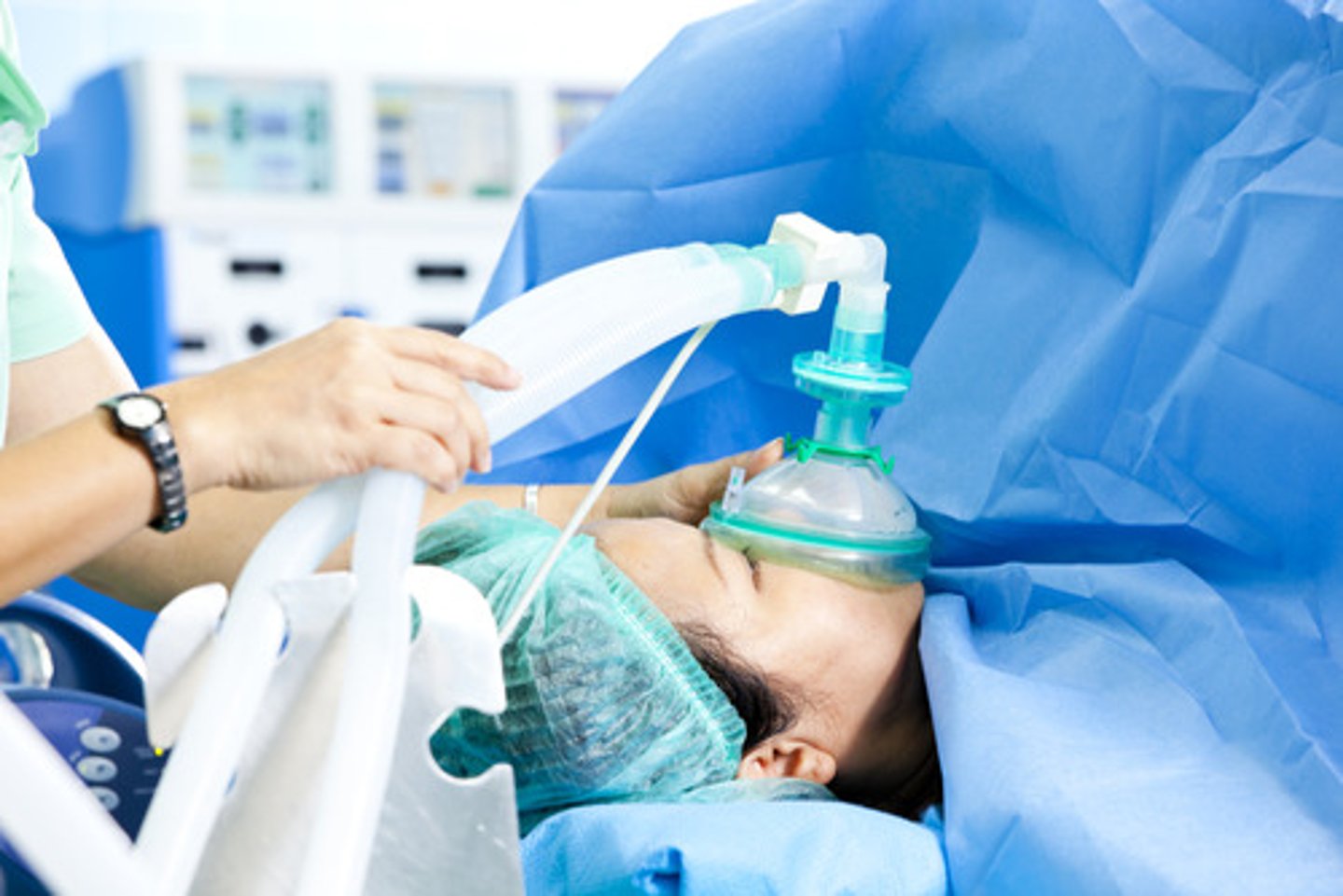
What are the clinical signs and symptoms of Malignant Hyperthermia?
Dramatic rise in body temperature (up to 113°F)
Muscle rigidity, especially in the jaw
Tachycardia
Sweating
Brown or cola-colored urine
How is Malignant Hyperthermia managed?
Immediate administration of IV Dantrolene
Terminate the inhaled anesthetic gas or trigger
Provide IV therapy
Perform quick cooling with ice
What happens to a patient when they receive a Neuromuscular Blocking Agent?
⁕ Nerve transmission in skeletal and smooth muscle is blocked.
⁕ Total muscle paralysis occurs.
⁕ The skeletal muscles required for breathing (intercostals and diaphragm) are paralyzed.
⁕ The patient will not be able to breathe on their own and must be ventilated.

