ALL WORD DOMAINS
 Studied by 0 people
 Call Kai
 Learn
Learn Practice Test
 Spaced Repetition
 Match
Match Flashcards
 Knowt Play
1/105

There's no tags or description
Looks like no tags are added yet.
Name | Mastery | Learn | Test | Matching | Spaced | Call with Kai |
|---|
No analytics yet
Send a link to your students to track their progress
106 Terms
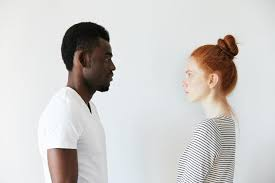
[intransitive] To gaze fixedly and intently at someone or something for an extended period, often in a way that may be perceived as rude or intrusive, or because you are surprised, angry, or bored.
to stare
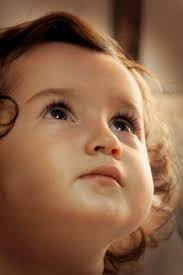
[intransitive always + adverb/preposition] to look at sth or sb for a long time, especially in surprise or admiration, or bc you are thinking about sth else. Holding one's stare for a long time, may be motivated by admiration or surprise.
to gaze
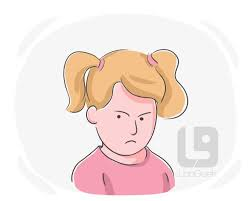
[intransitive] To stare fiercely or angrily at someone or something, often with narrowed eyes and a menacing expression.
to glare
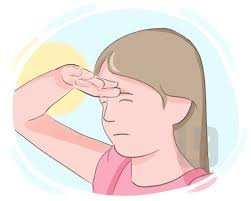
[intransitive] To look at something with the eyes partly closed, usually in an effort to see more clearly or to shield the eyes from bright light.
to squint
[intransitive always + adverb/preposition] To look intently or searchingly, often with the implication of trying to discern something that is difficult to see or understand.
to peer
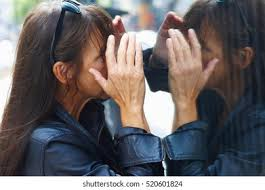
[intransitive, transitive] To look at someone with excessive or lecherous interest, typically in a way that is considered inappropriate or offensive - used to show disapproval.
to ogle
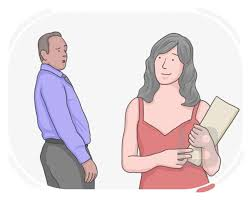
[intransitive] To stare in amazement or wonder with the mouth wide open, often indicating surprise, shock, or awe.
to gape
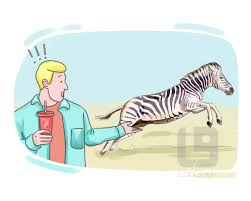
[intransitive] To stare openly and inquisitively at someone or something, often with a sense of curiosity or fascination. [intransitive] To look at something for a long time, especially with your mouth open because you are surprised.
to gawk/ gawp
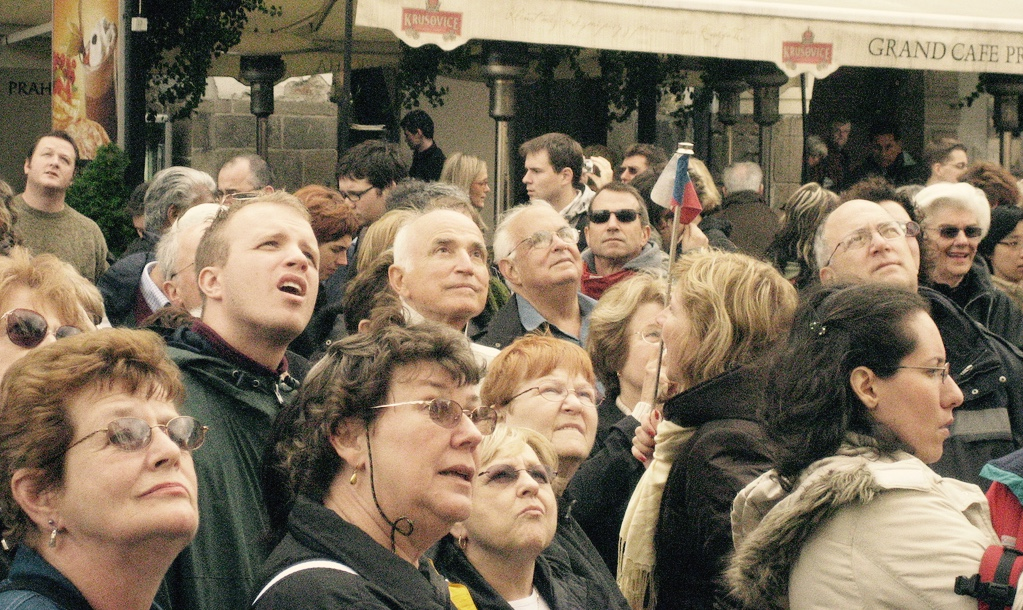
[intransitive, transitive] To close and reopen one's eyes quickly, typically involuntarily, as a reflex action or to clear the eyes.
to blink
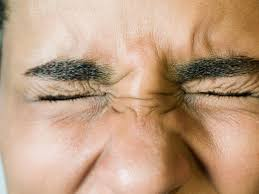
[intransitive always + adverb/preposition] To take a brief or quick look at someone or something, often without focusing intently or for an extended period.
to glance
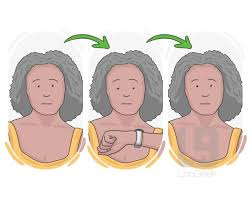
[intransitive] To take a quick or furtive look at someone or something, especially when trying to avoid being noticed.
to peek
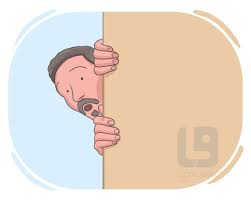
[intransitive] To look quickly and secretly, often through a narrow opening or from a concealed position.
to peep
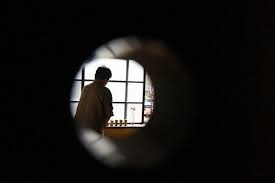
[transitive] To see someone or something for a moment without getting a complete view of them.
to glimpse
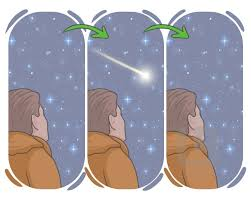
[intransitive, transitive] To speak loudly or vociferously, often in a forceful or intense manner, to attract attention, convey urgency, or express strong emotions.
to shout

[intransitive, transitive] To speak with involuntary pauses or repetitions of sounds, syllables, or words, typically due to nervousness or speech impediments. temporary, nervous tartamudear
to stammer
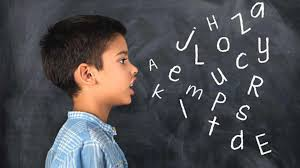
[intransitive, transitive] To speak with difficulty because you cannot stop yourself from repeating the first consonant of some words. stutter: permanents (speech disability) ser tartamudo
to stutter
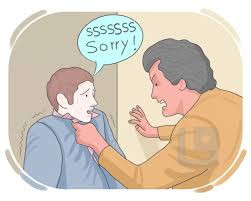
[intransitive, transitive] To speak indistinctly or unclearly, often by blending or merging sounds or syllables together, making speech difficult to understand. Usually bc you're drunk or nervous
to slur

[intransitive, transitive] To speak with a speech defect characterized by the imperfect articulation of the sounds: "s" and "z," often producing a hissing or slurring sound.
to lisp
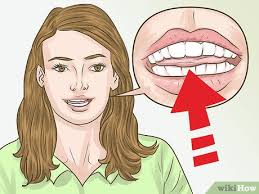
[intransitive, transitive] To utter a loud, piercing cry or outcry, often expressing intense emotion such as fear, pain, or excitement.
to scream

[intransitive, transitive] To emit a high-pitched, piercing sound, often in response to sudden or intense emotions such as fear, surprise, or joy.
to shriek
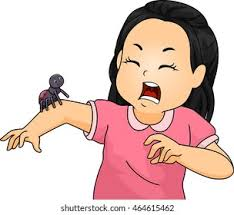
[intransitive, transitive] To shout loudly or aggressively, often to express anger, frustration, or command attention. yell: disrespectful, anger. "stop yelling at me"
to yell
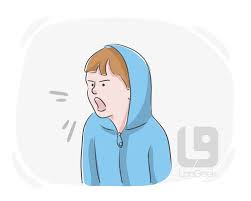
[intransitive, transitive] To speak in a soft, hushed voice that is barely audible, often to convey secrecy, intimacy, or confidentiality
to whisper
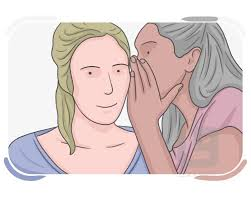
[intransitive, transitive] To speak indistinctly or in a low, unclear manner, often due to lack of confidence, laziness, or indifference.
to mumble
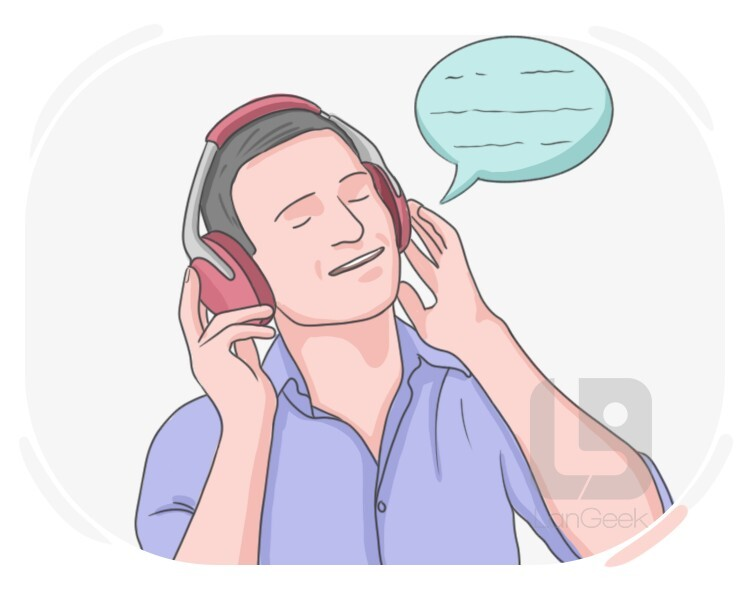
[intransitive, transitive] To speak in a low voice, especially because you are annoyed about something, or you do not want people to hear you.
to mutter

[intransitive, transitive] To speak softly or quietly, often in a gentle, soothing tone, expressing calmness, contentment, or affection.
to murmur
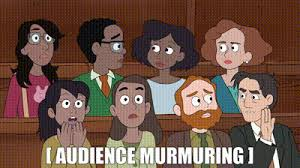
[intransitive, transitive] To make a short, low sound or utterance, often expressing effort, frustration, or disapproval, typically produced with the mouth closed.
to grunt

[intransitive always + adverb/preposition] To walk with long, decisive steps, covering a significant distance with each stride, often conveying confidence or purpose.
to stride
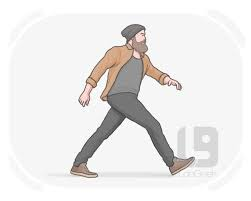
[intransitive] To walk with regular, rhythmic steps, often in unison with others, as in a formal procession or military formation.
to march
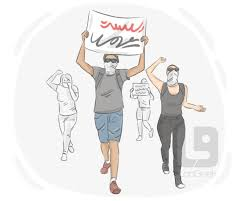
[intransitive always + adverb/preposition, transitive] To walk back and forth repeatedly in a confined space, often out of agitation, anxiety, or deep thought.
to pace
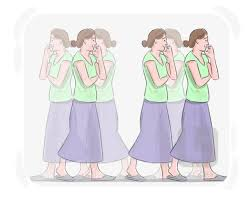
[intransitive] To walk leisurely and casually, often without a specific destination, enjoying one's surroundings or engaging in relaxed conversation. with a direction
to stroll

[intransitive always + adverb/preposition] To walk at a slow, relaxed pace, often with a gentle and unhurried gait, as if taking a leisurely stroll. same as stroll
to amble

[intransitive always + adverb/preposition] To walk leisurely and confidently, with a relaxed and self-assured manner, often indicating enjoyment or satisfaction. negative connotation / without any care
to saunter
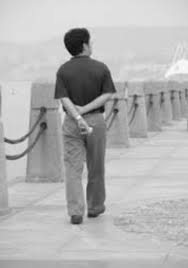
[intransitive always + adverb/preposition] To walk with quickened steps, often in response to urgency, excitement, or the need to reach a destination promptly.
to hasten
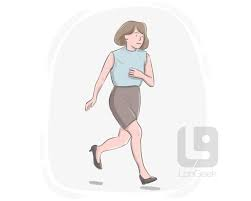
[intransitive, transitive] To walk aimlessly, slowly or without a fixed course, exploring one's surroundings or allowing oneself to be led by curiosity or whim. no sense of direction / lost / cats / o sin direccion fija
to wander
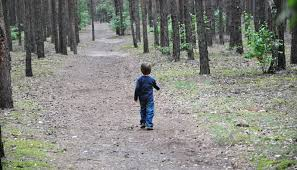
[intransitive, transitive] To walk or move freely and without restraint, often over a wide area, exploring or searching for something.
to roam
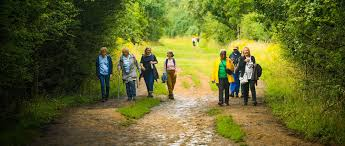
[intransitive, transitive] To walk stealthily and quietly, as if hunting or searching for prey, often with deliberate and cautious movements. [transitive, intransitive (+ adv./prep.)] To walk around a room, an area, etc., especially because you are bored, anxious, etc. and cannot relax
to prowl
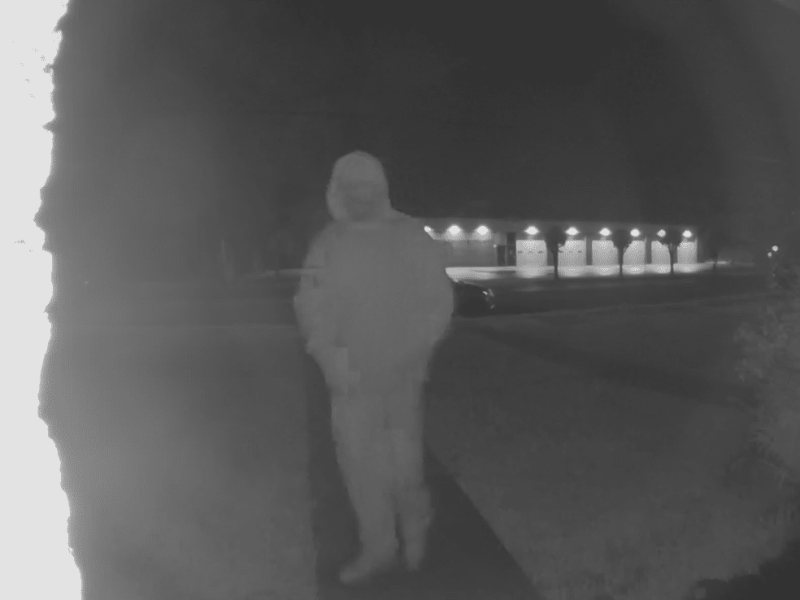
[always + adverb/preposition] To walk in a leisurely or aimless manner, often with frequent detours or deviations from the main path, as if meandering.
to ramble
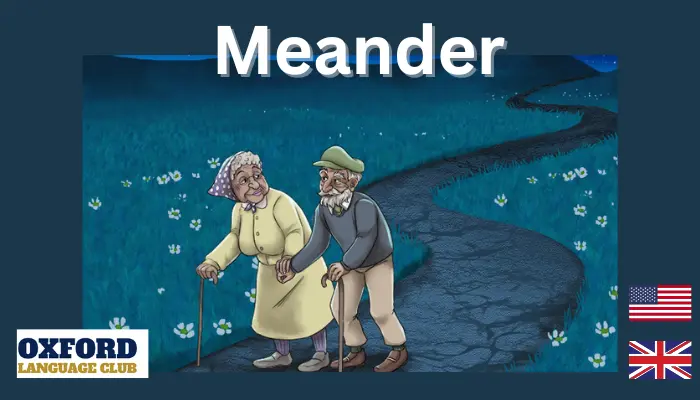
[intransitive, transitive] To walk a long distance, especially over rough terrain (the mountains) or in a natural setting (the countryside), often for recreation, exercise, or exploration
to hike
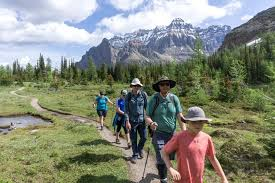
[intransitive always + adverb/preposition] To walk a long distance, typically through difficult or rugged terrain, often as part of a journey or expedition.
to trek
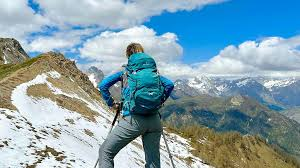
[intransitive] To walk with a proud, confident, and often exaggerated gait, as if displaying one's importance or superiority.
to strut
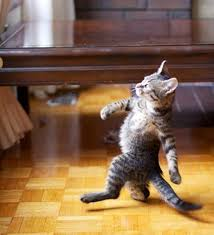
[intransitive always + adverb/preposition] To walk with a bold, arrogant, or self-assured manner, often with exaggerated movements or gestures.
to swagger

[intransitive always + adverb/preposition] To walk unsteadily, lurching from side to side, typically as a result of being drunk, injured, or exhausted.
to stagger
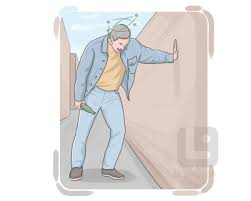
[intransitive] To walk unsteadily or clumsily, often tripping or losing one's balance due to an obstacle or uneven surface.
to stumble
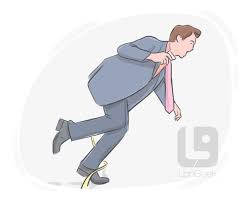
[intransitive] To walk or move abruptly and unsteadily, often with sudden jerky movements or shifts in direction. NO CONTROL
to lurch
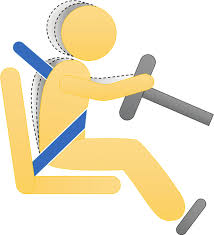
[intransitive] To walk with short, shuffling steps, swaying from side to side, often due to a bodily condition or physical characteristic.
to waddle
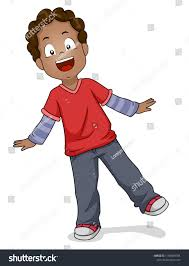
[intransitive always + adverb/preposition, transitive] To walk with effort through a substance such as water, mud, or snow, often requiring the lifting and placing of the feet with each step.
to wade
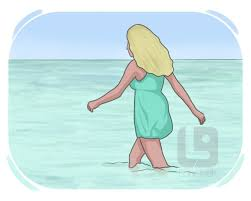
[intransitive always + adverb/preposition] To walk heavily and laboriously, with slow and deliberate steps, often indicating weariness, reluctance, or resignation.
to plod/ trudge
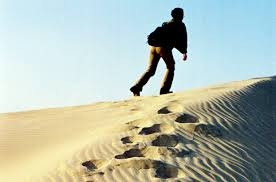
[intransitive always + adverb/preposition] To walk with difficulty or a limp, typically due to injury, weakness, or pain in one's legs or feet. dos piernas/muletas
to hobble
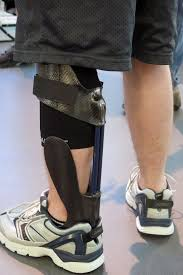
[intransitive] To walk unevenly or with difficulty, favouring one leg or foot over the other, often due to injury or physical impairment. una pierna
to limp
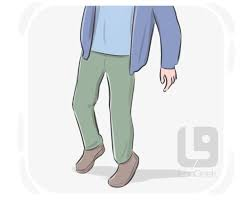
[intransitive always + adverb/preposition] To walk with short, sliding steps, dragging one's feet along the ground, often due to fatigue, age, or infirmity.
to shuffle
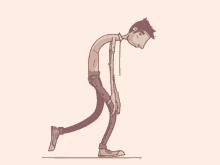
[intransitive always + adverb/preposition] To walk awkwardly or clumsily, with uncoordinated movements, often indicating a lack of control or coordination.
to shamble
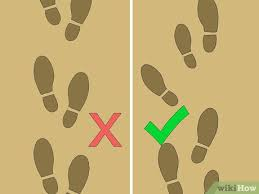
[intransitive always + adverb/preposition] To walk quietly and delicately on one's toes, lifting the heels off the ground, typically to avoid making noise or to move stealthily.
to tiptoe
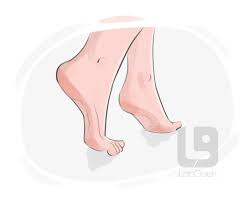
[intransitive always + adverb/preposition] To move slowly and stealthily, often with the intention of avoiding detection or surprise.
to creep
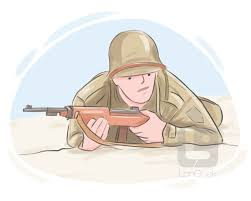
[intransitive always + adverb/preposition] To move quietly and furtively, often with the intention of avoiding notice or suspicion, as if behaving deceitfully or surreptitiously.
to sneak
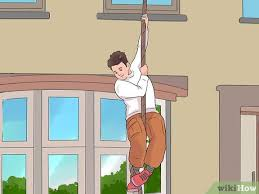
[transitive] To move stealthily and silently, as if hunting or approaching prey, often with a deliberate and focused demeanour. [intransitive always + adverb/preposition] To walk in a proud or angry way, with long steps.
to stalk
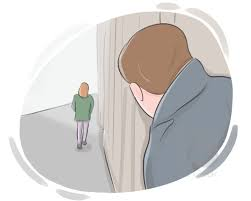
[intransitive] To linger or remain in a place without any apparent purpose, often out of idleness, boredom, or a desire to observe or eavesdrop.
to loiter
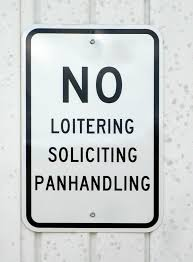
[intransitive, transitive always + adverb/preposition] To move slowly and gradually in a particular direction, often in small increments, as if progressing with extreme caution or reluctance.
to inch
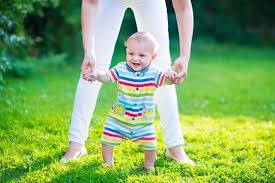
[intransitive] To walk with short, unsteady steps, characteristic of a young child who is just learning to walk.
to toddle
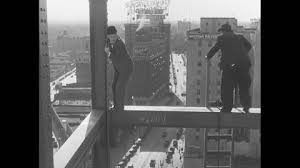
to slide

to slip
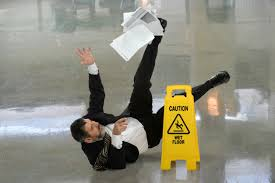
to skid

to pout
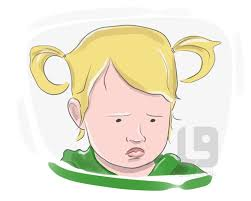
to fumble

to fidget
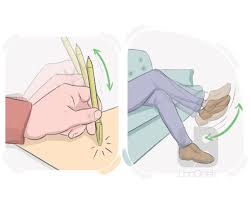
to slump
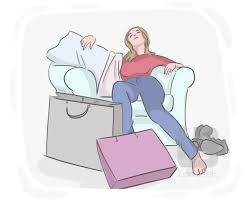
to roll one´s eyes

to shrug one's shoulders

to prop up one's chin

to clutch one's head/face

to perch
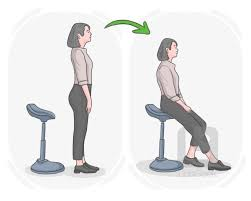
to tilt one's head

to squat

to kneel
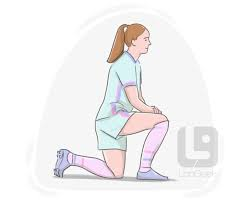
to cringe

Gentle, quiet crying usually involving tears without vocal sound.
Weep

Loud, unrestrained crying, often associated with children's cries. cat, children, baby,
Bawl

Long, loud, high-pitched crying, indicative of deep sorrow or pain. long high pitched complain (sirens wail)
Wail

Soft, low-level, intermittent crying, often indicative of fear or pain.
Whimper
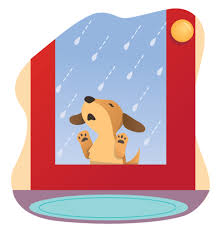
A complaining or grumbling sound, often high-pitched and annoying. complain, el sonido de los perros cuando le pisas la cola, "oyy"
Whine
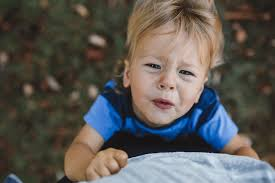
Uncontrollable, noisy crying, often with sniffling and difficulty speaking.
Blubber
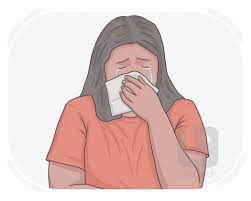
More intense than weeping, characterized by short, quick breaths and crying.
Sob
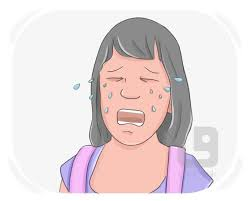
A light, often silly and uncontrollable laugh.
Giggle/Get the Giggles
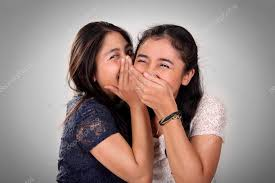
A nervous or suppressed laugh, often high-pitched. nervous
Titter

A soft, low-key laugh, expressing mild amusement.
Chuckle

A joyful, hearty laugh or chuckle. positive contexts
Chortle

A loud, harsh laugh, often seen as unpleasant. negative or less favorable contexts
Cackle
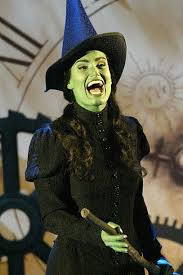
A broad, radiant smile, expressing joy or pride. irradiar felicidad, graduation ceremony, + with (object)
Beam

Laughing or shouting rudely, often in mockery.
Jeer

A sly or disrespectful laugh, often suppressed. evil intention
Snigger/Snicker

A scornful or mocking smile, laugh, or remark. YOU FEEL SUPERIOR
Sneer

A smug or insincere smile, often condescending. (behaving as though you are more important and more intelligent than other people)
Smirk

A suggestive or lascivious look or smile.
Leer

A broad smile, showing teeth, indicating happiness or amusement. from ear to ear.
Grin

A twisted expression on a person's face, typically expressing disgust, pain, or wry amusement.
Grimace
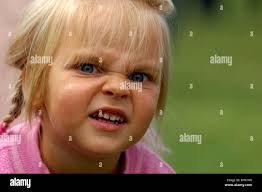
Situations involving people whose behavior or manner convey confidence or relaxation. Situations of people greeting, praying, or arm-wrestling.
To clasp

Situations involving people trying to be safe or people whose behavior or manner convey dependency or capriciousness (such as a child).
To cling TO
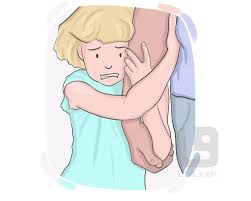
Situations involving people showing fear, pain, danger, or a real desire not to lose something.
To clutch

 Note
Note  Flashcards (127)