Cardiovascular and Lymphatic Systems Overview (copy)
 Call Kai
 Learn
Learn Practice Test
 Spaced Repetition
 Match
Match Flashcards
 Knowt Play
1/102

There's no tags or description
Looks like no tags are added yet.
Name | Mastery | Learn | Test | Matching | Spaced | Call with Kai |
|---|
No analytics yet
Send a link to your students to track their progress
103 Terms
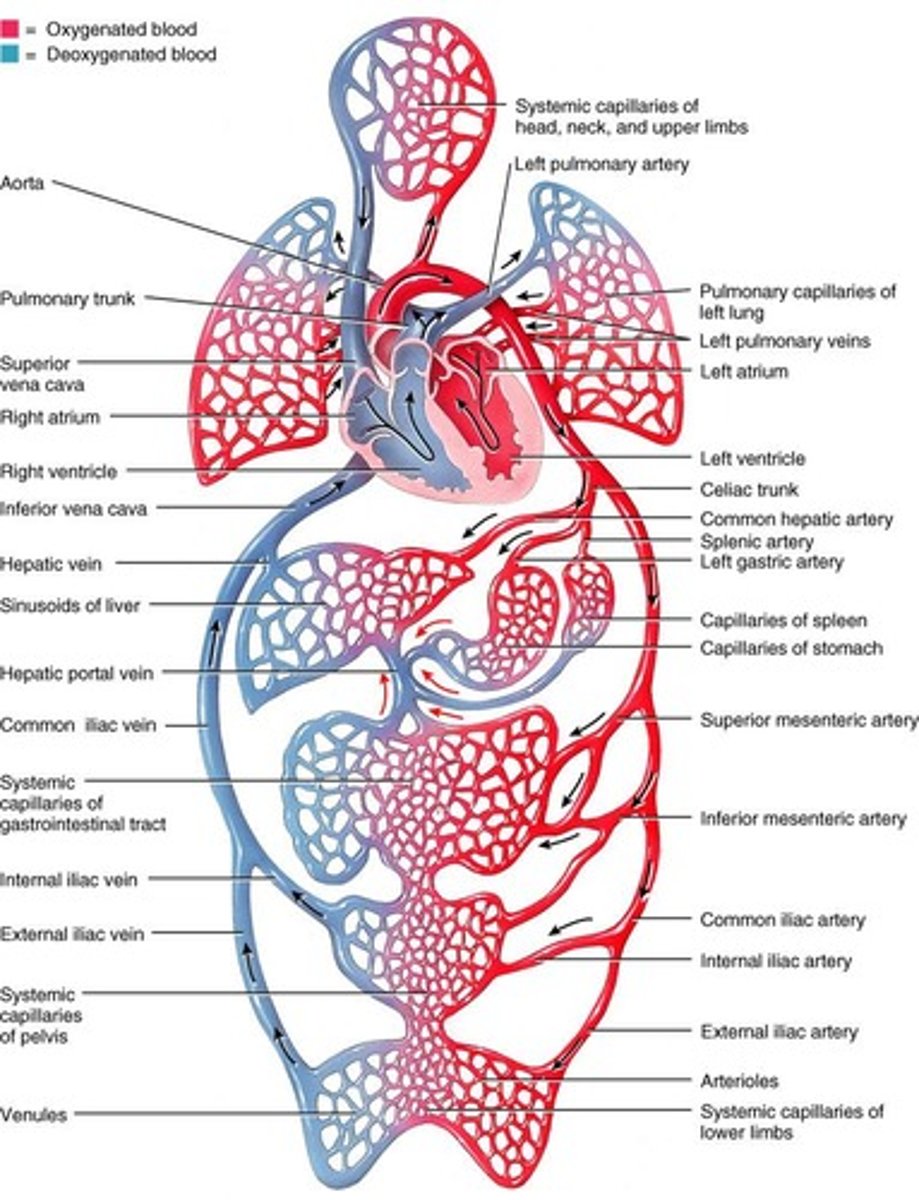
Cardiovascular System
The organ system responsible for the transportation of blood, nutrients, oxygen, carbon dioxide, hormones, and waste products throughout the body
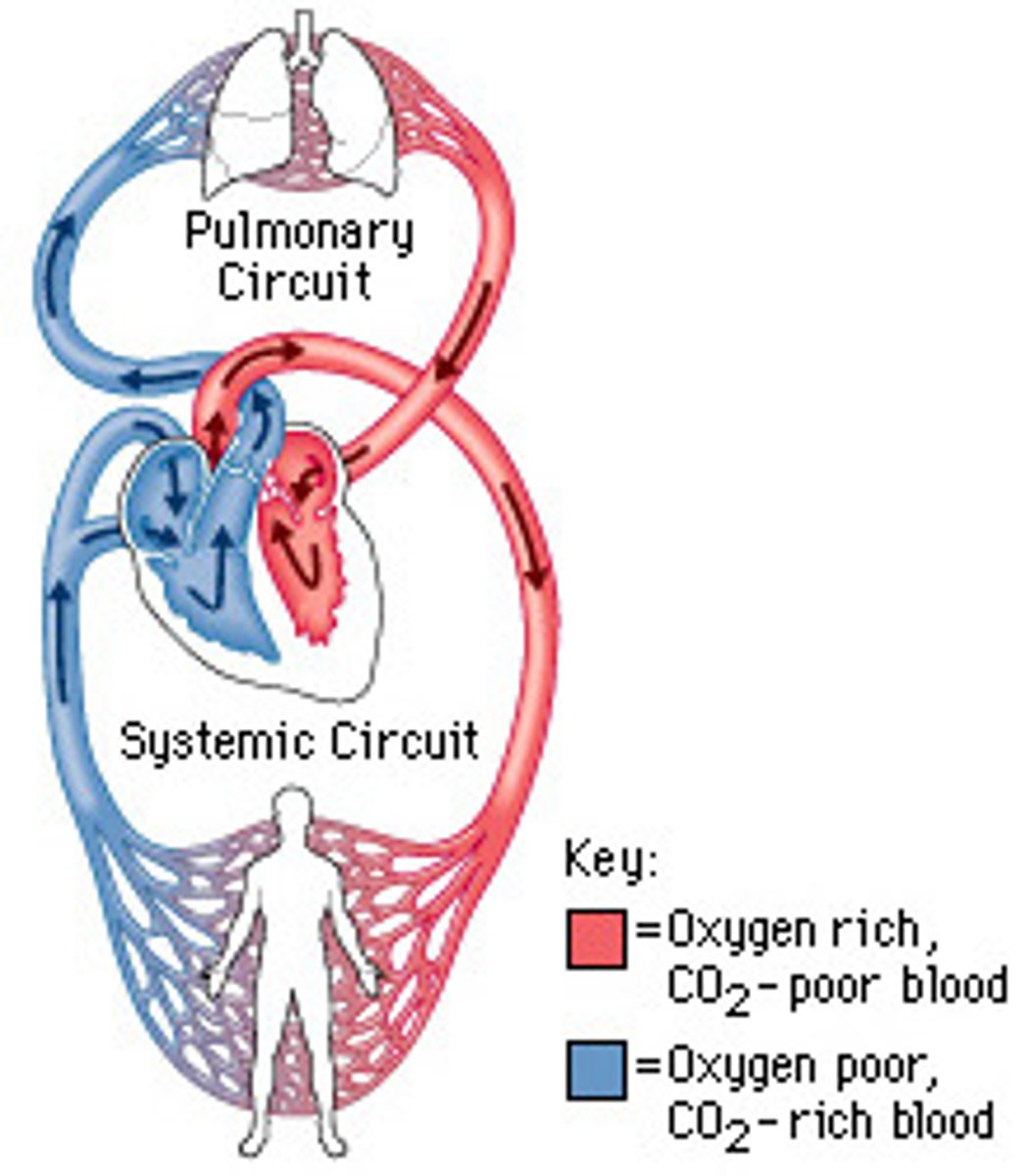
Pulmonary Circuit
The pathway of blood flow from the heart to the lungs and back, where blood is oxygenated and carbon dioxide is removed.
Systemic Circuit
The pathway of blood flow from the heart to the rest of the body, delivering oxygenated blood to tissues and returning deoxygenated blood to the heart.
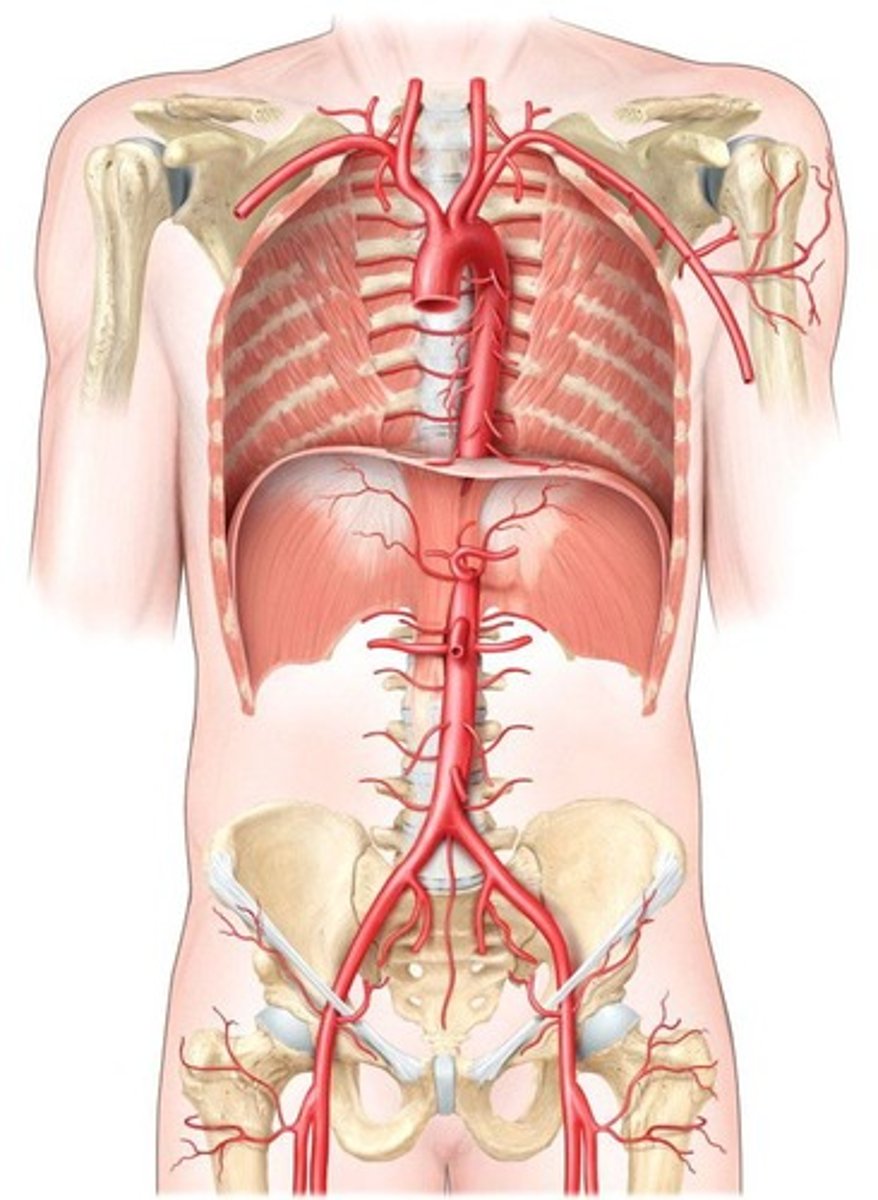
Arteries
Blood vessels that carry blood away from the heart, typically rich in oxygen.
Veins
Blood vessels that carry blood back to the heart, usually containing deoxygenated blood.
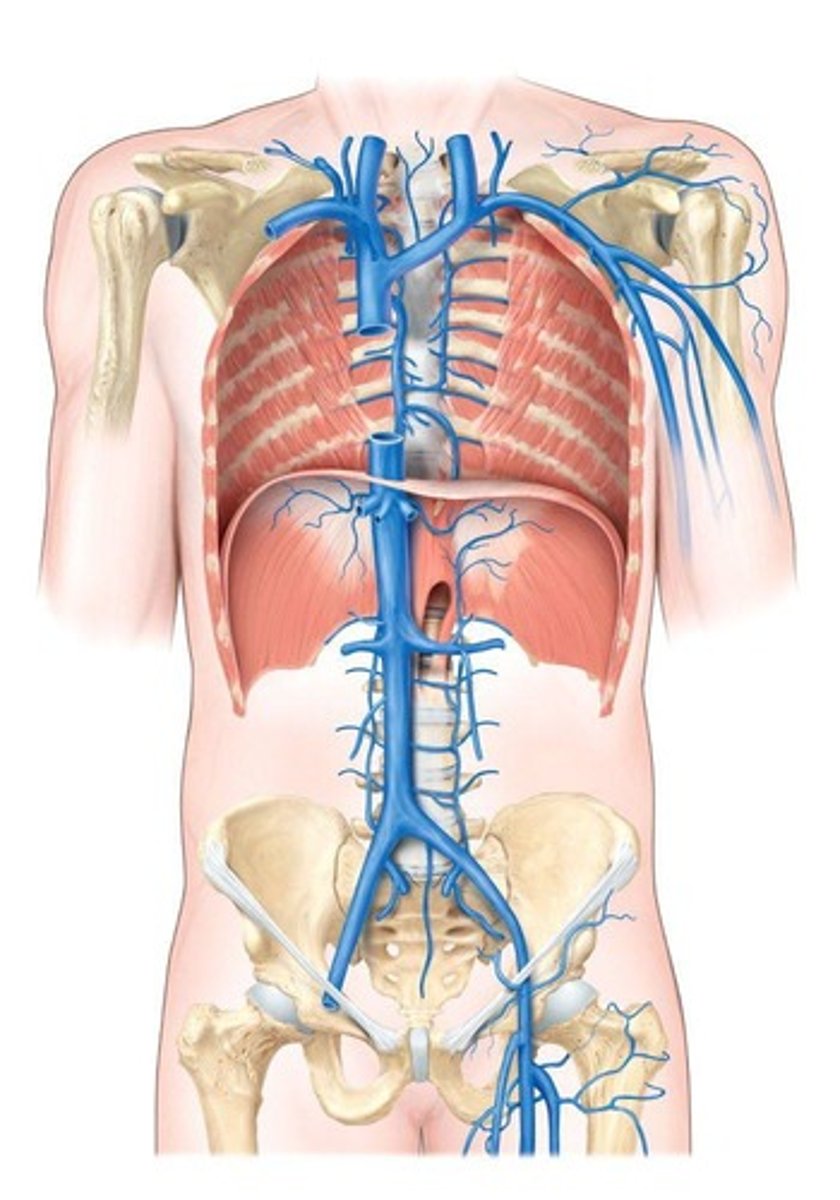
Coronary Arteries
Blood vessels that supply blood to the heart muscle itself.
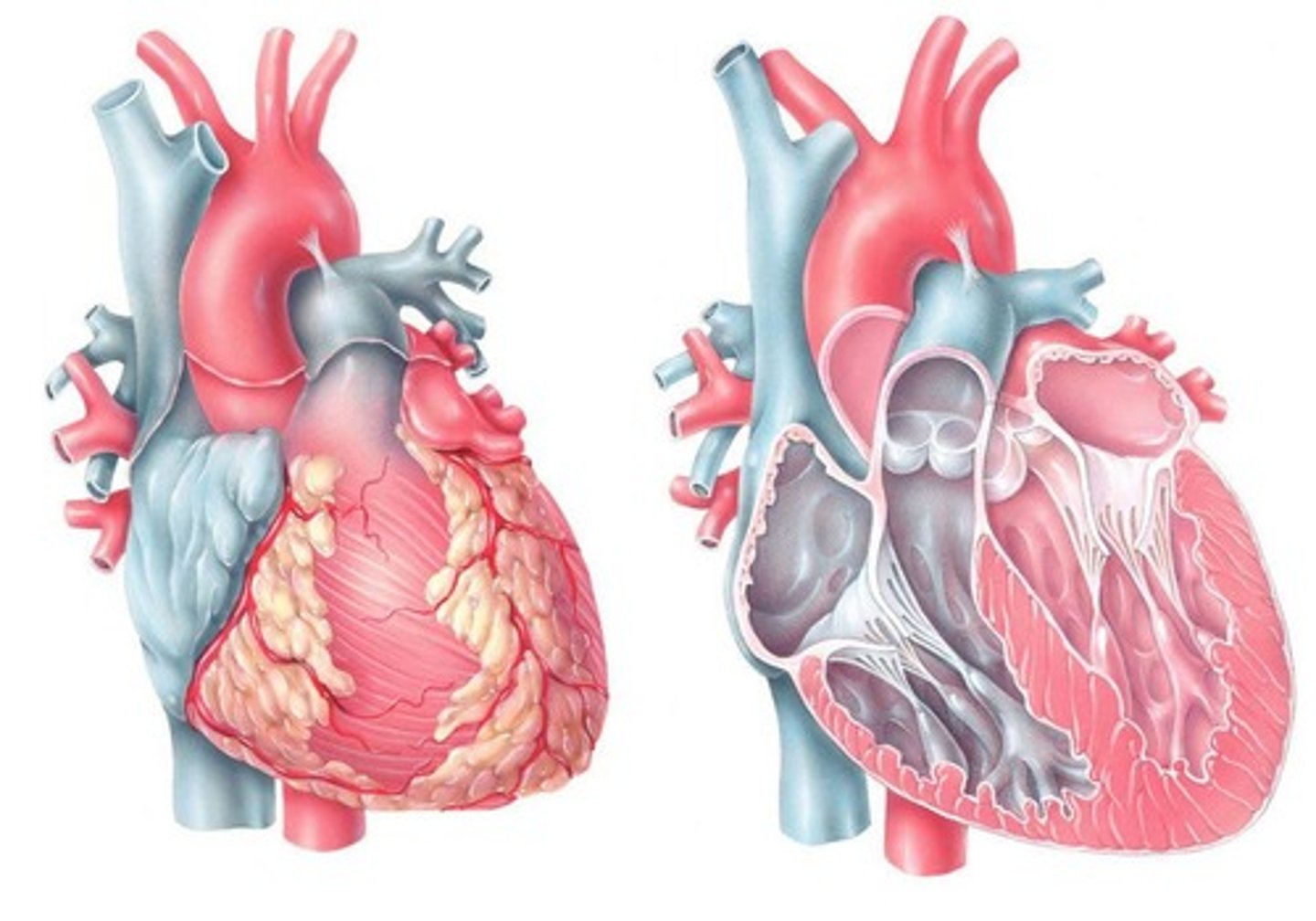
Cardiac Veins
Veins that drain blood from the heart muscle and return it to the coronary sinus.
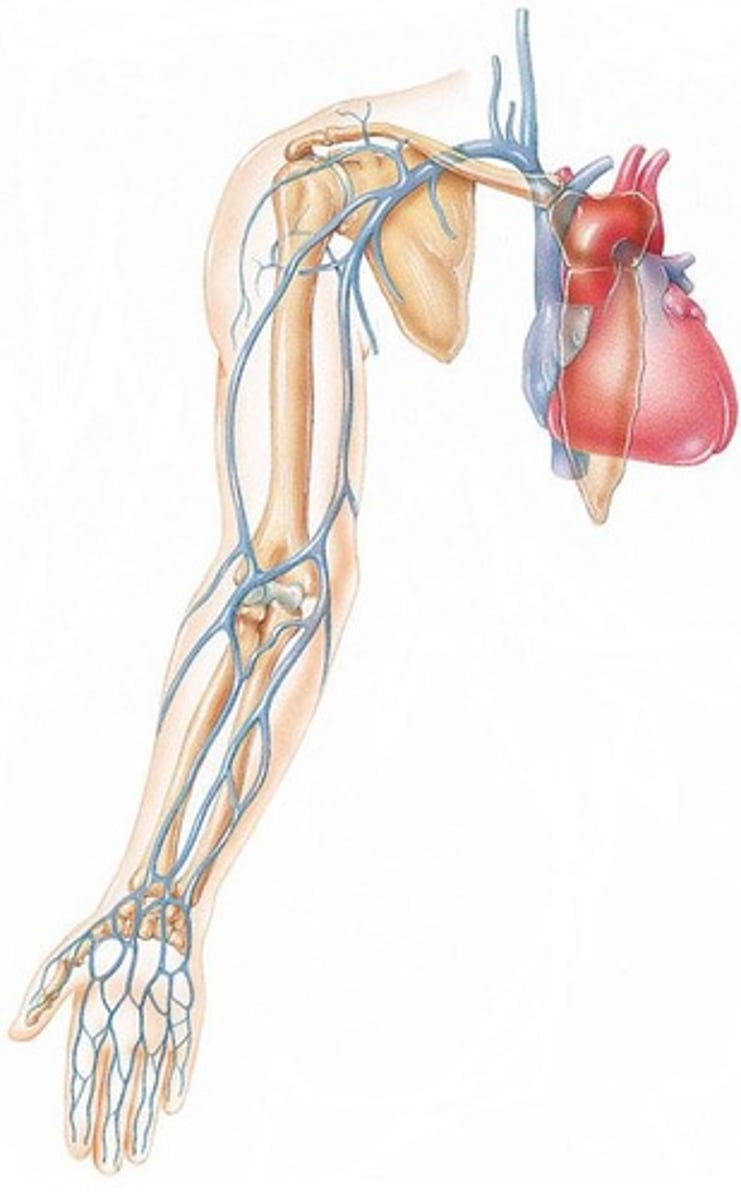
Aortic Arch
The curved portion of the aorta that gives rise to major arteries supplying the head, neck, and arms.
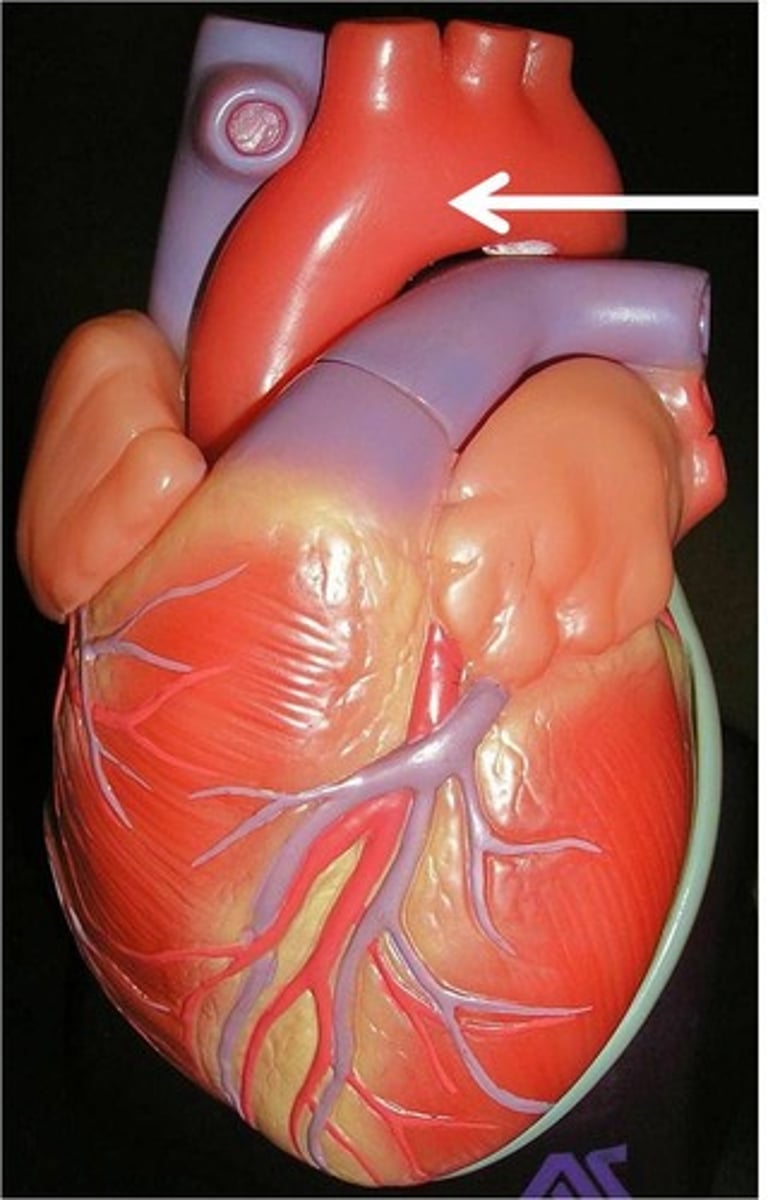
Hepatic Portal System
A system of veins that carries blood from the gastrointestinal tract and spleen to the liver.
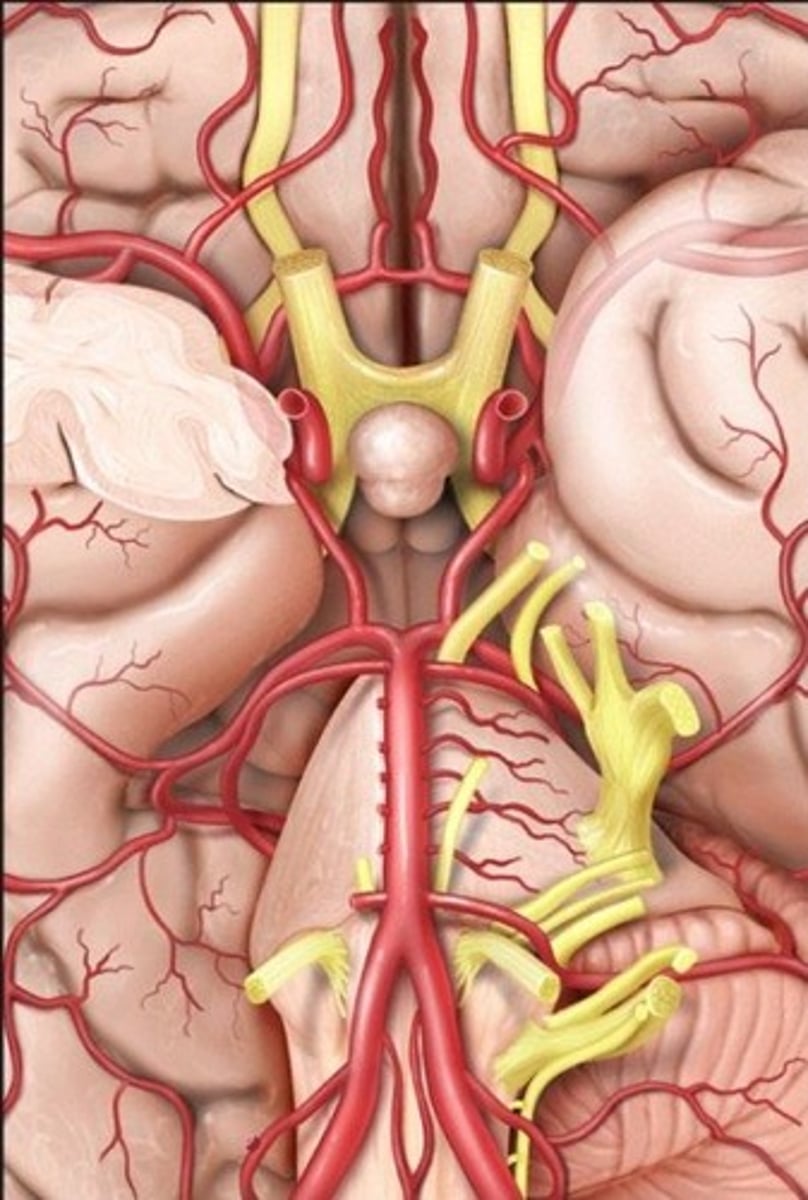
Cerebral Arterial Circle
A ring of arteries at the base of the brain that provides collateral circulation to the brain.
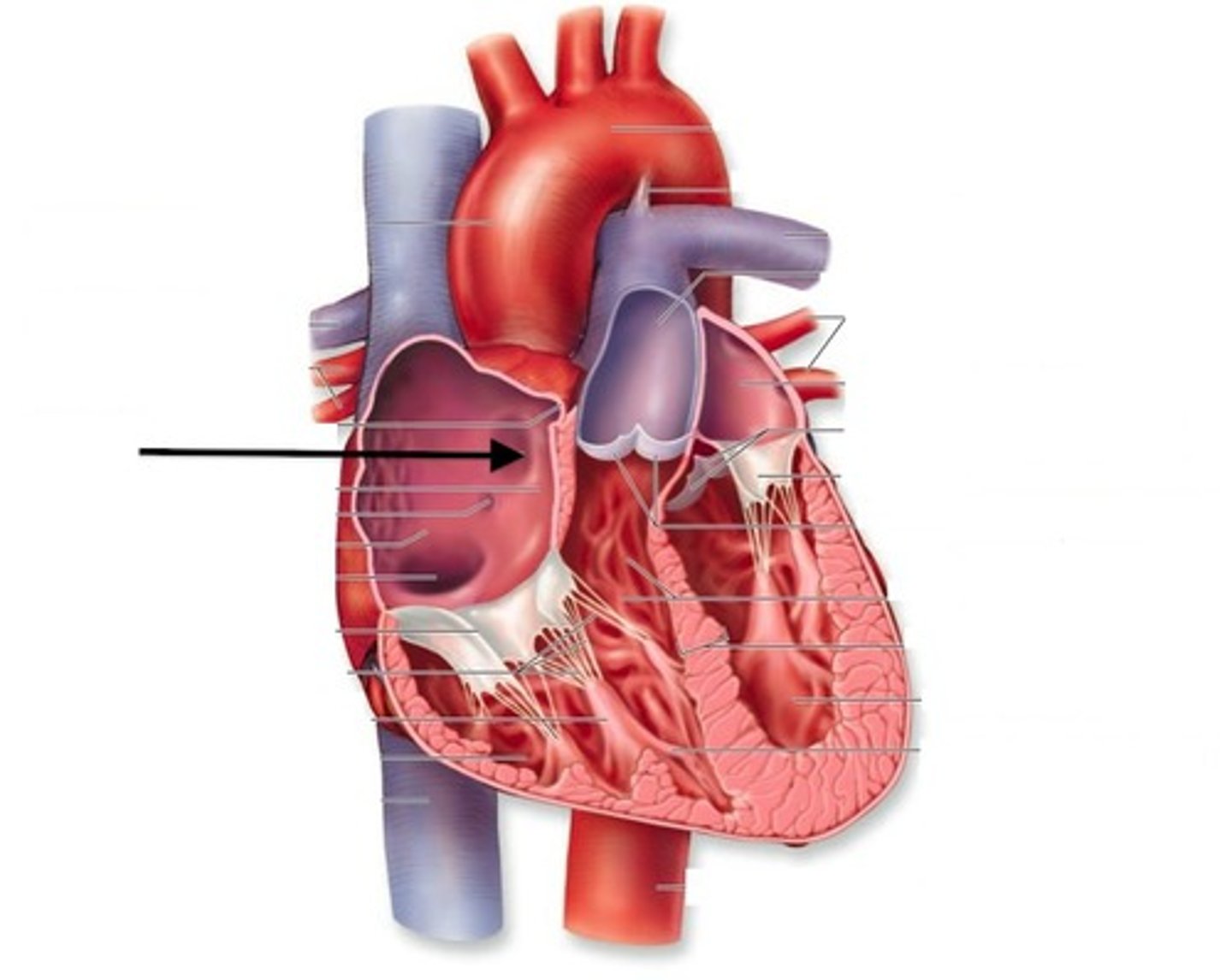
Fossa Ovalis
A depression in the right atrium of the heart that is a remnant of the foramen ovale, which shunted blood in fetal circulation.
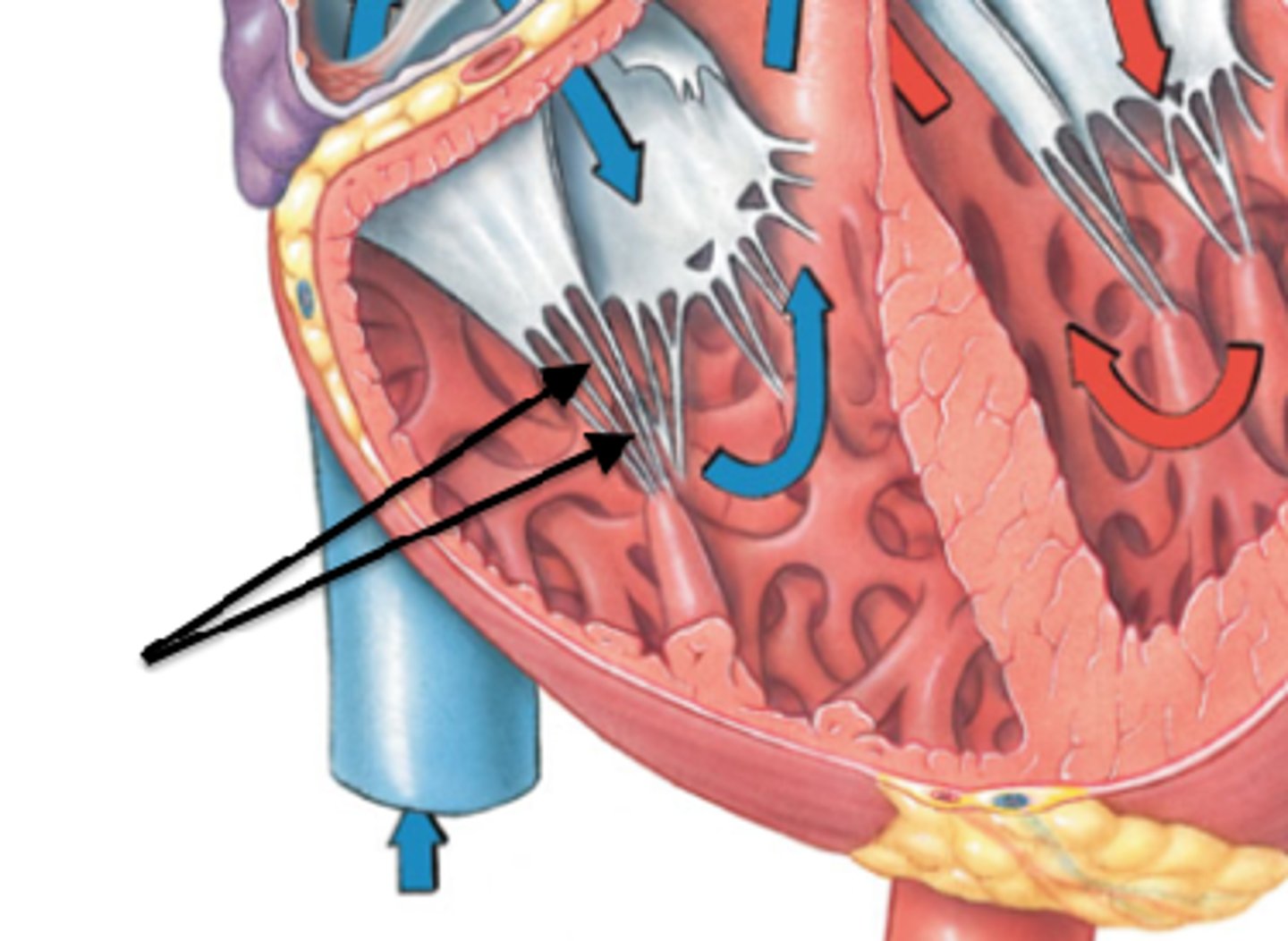
Chordae Tendineae
Tendinous cords that connect the papillary muscles to the atrioventricular valves, preventing backflow of blood.
Papillary Muscles
Muscles located in the ventricles of the heart that anchor the chordae tendineae.
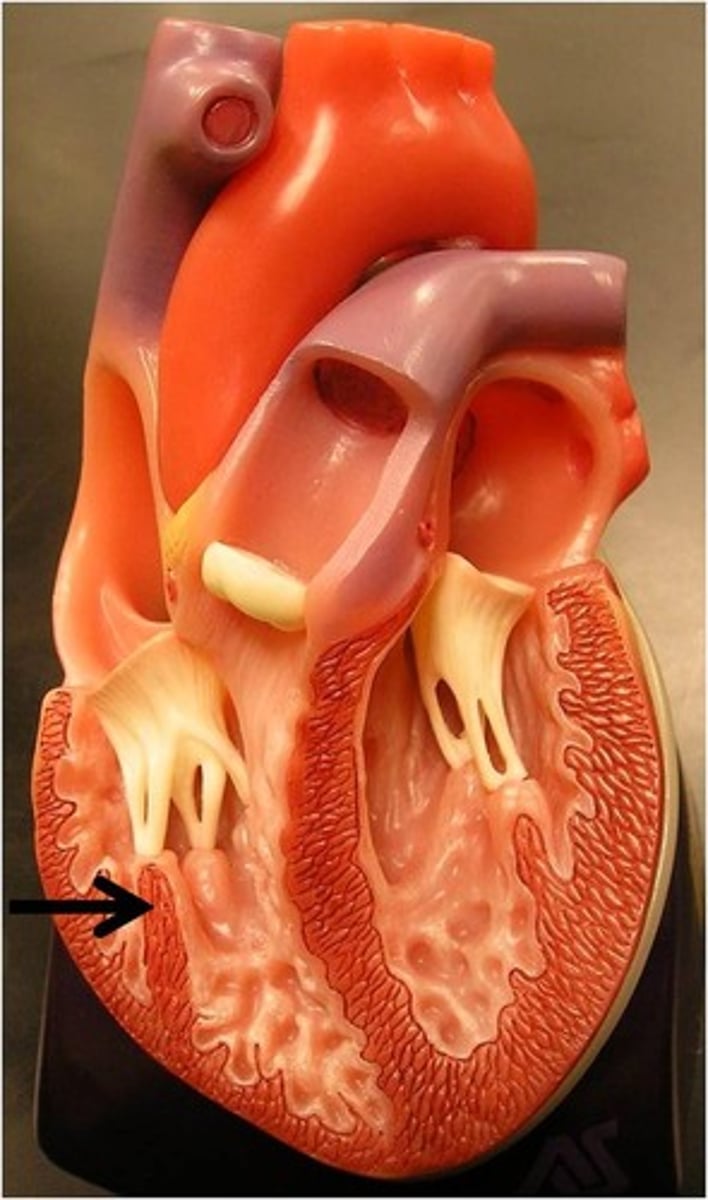
Interventricular Septum
The muscular wall that separates the left and right ventricles of the heart.
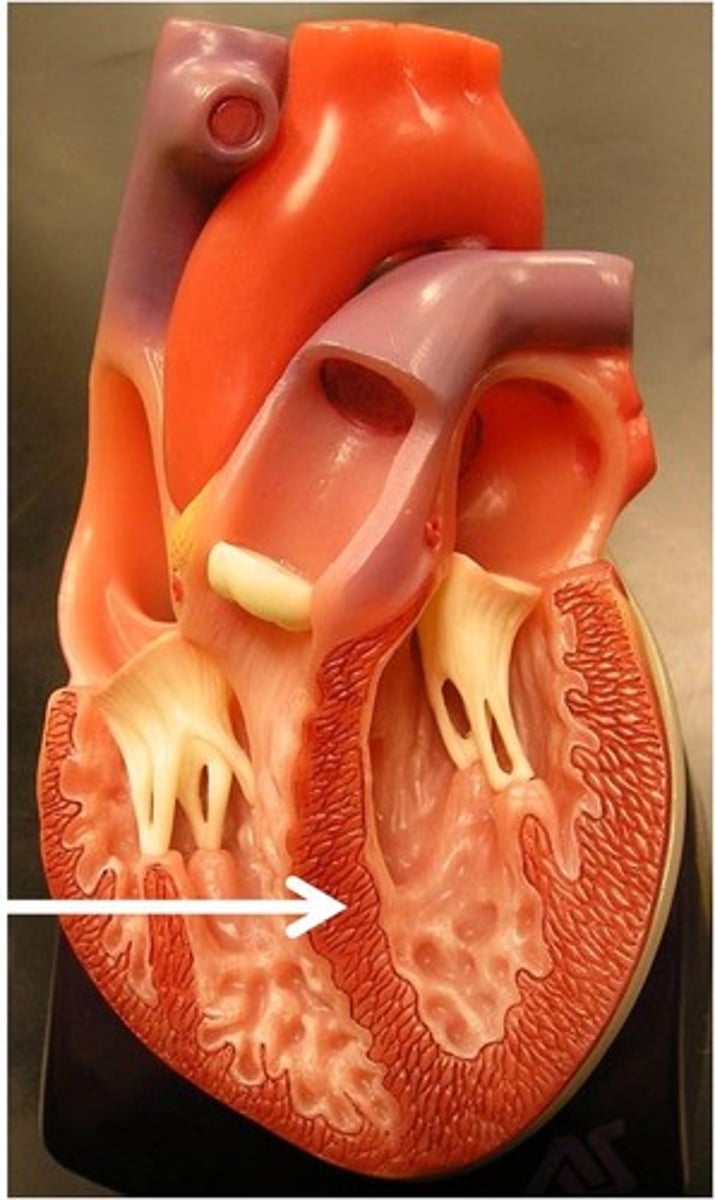
Interatrial Septum
The wall that separates the left and right atria of the heart.
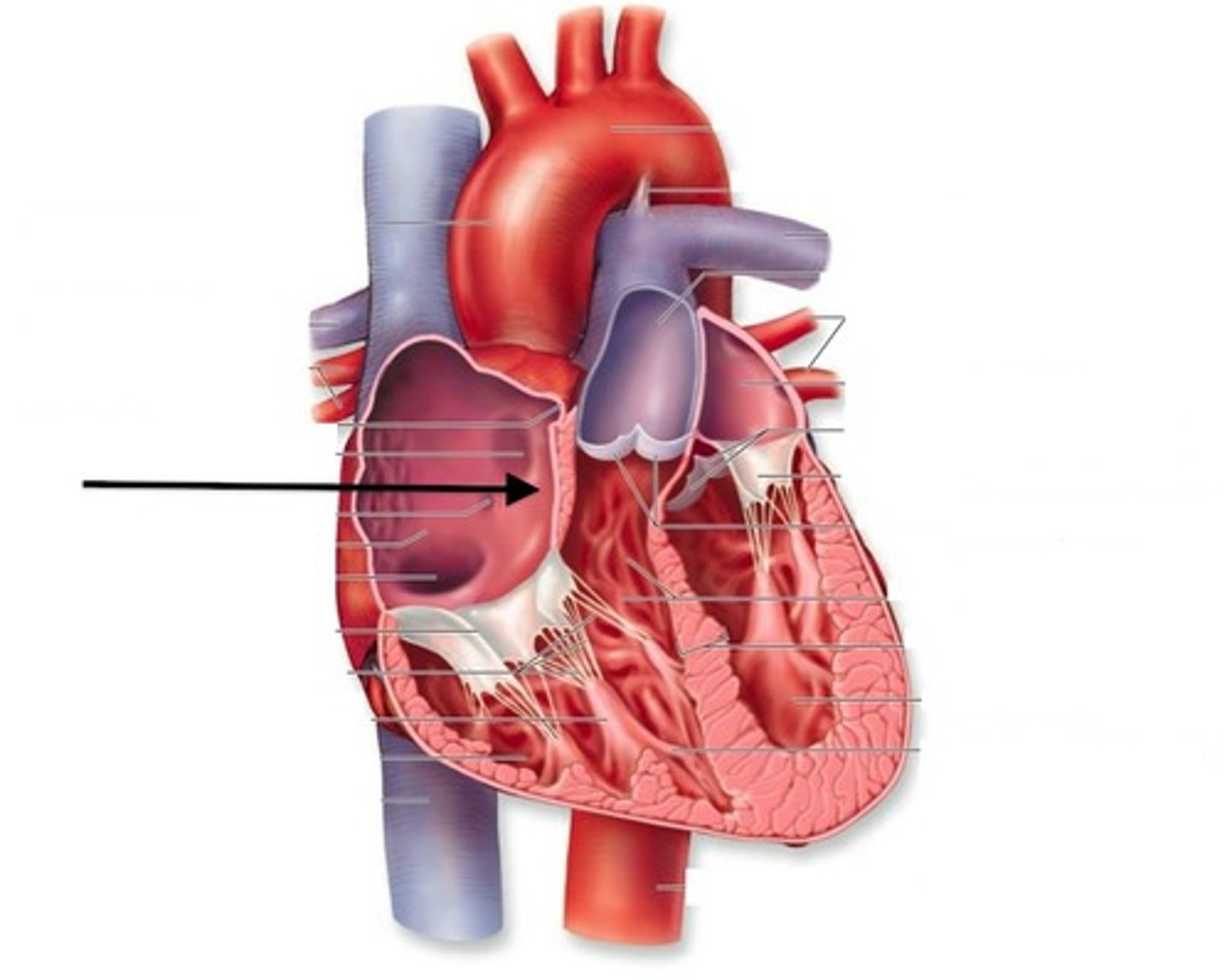
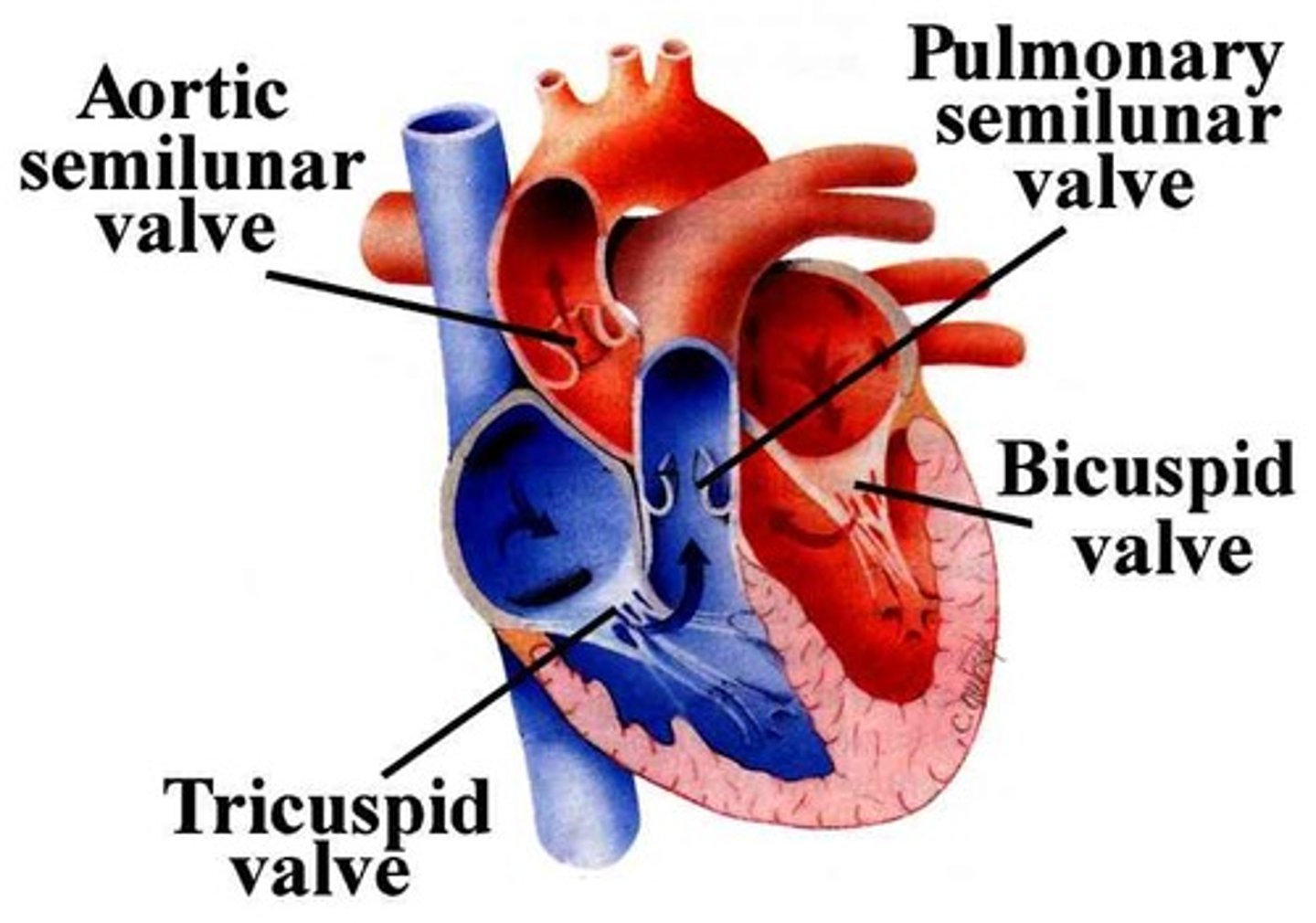
Tricuspid Valve
The valve located between the right atrium and right ventricle, preventing backflow of blood.
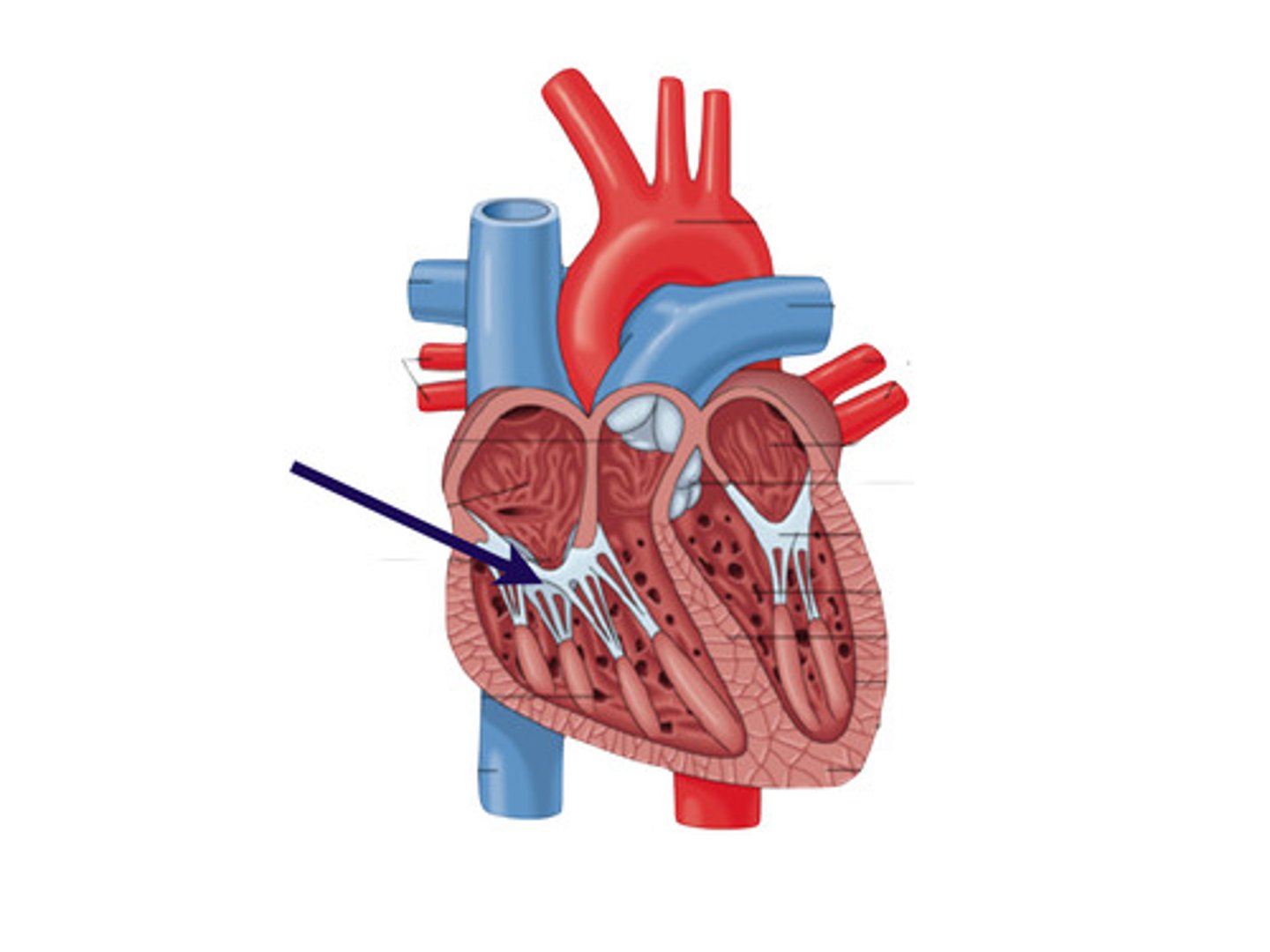
Bicuspid Valve
Also known as the mitral valve, it is located between the left atrium and left ventricle.
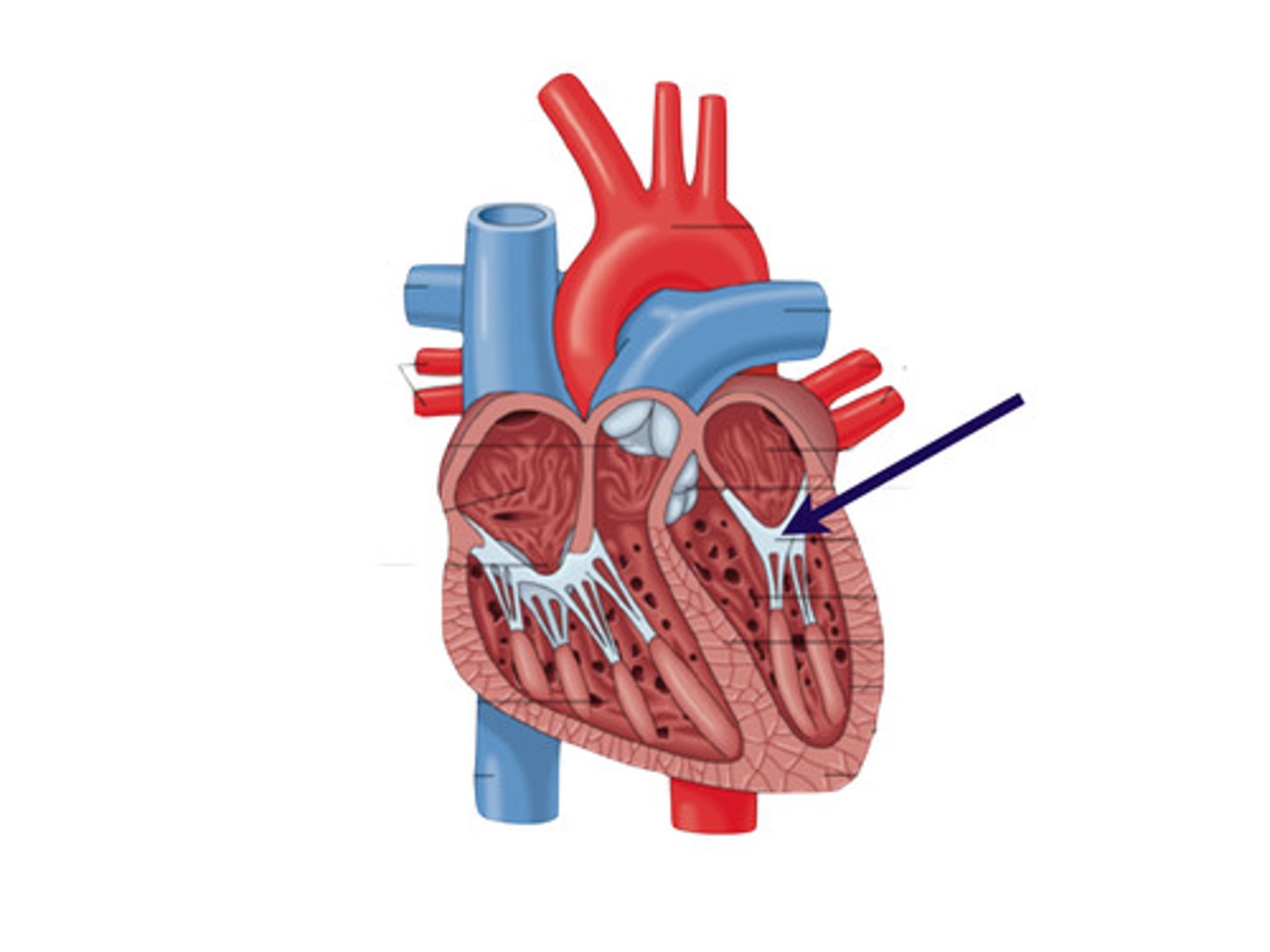
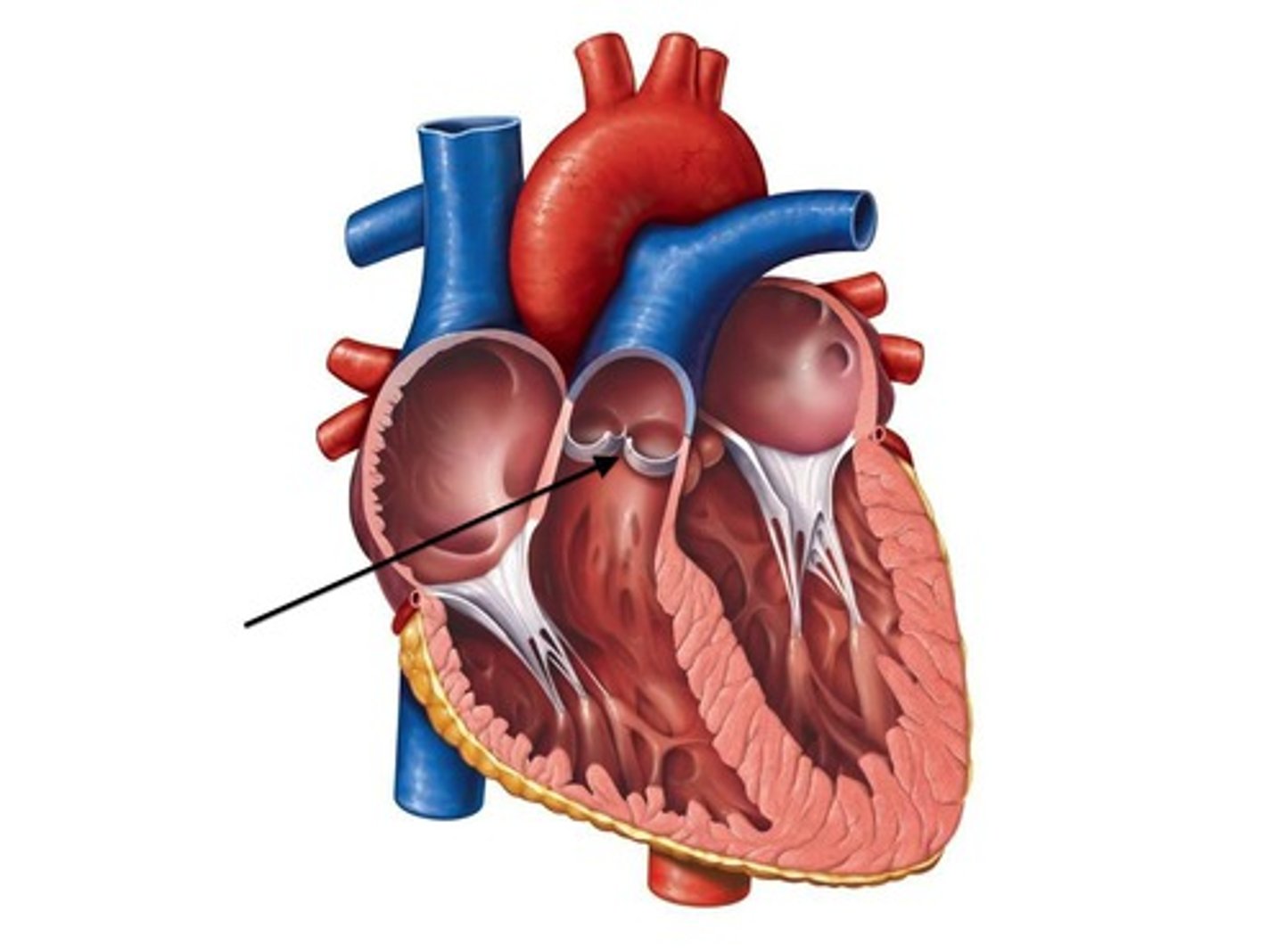
Semi-lunar Valves
Valves located at the base of the aorta and pulmonary trunk that prevent backflow of blood into the ventricles.
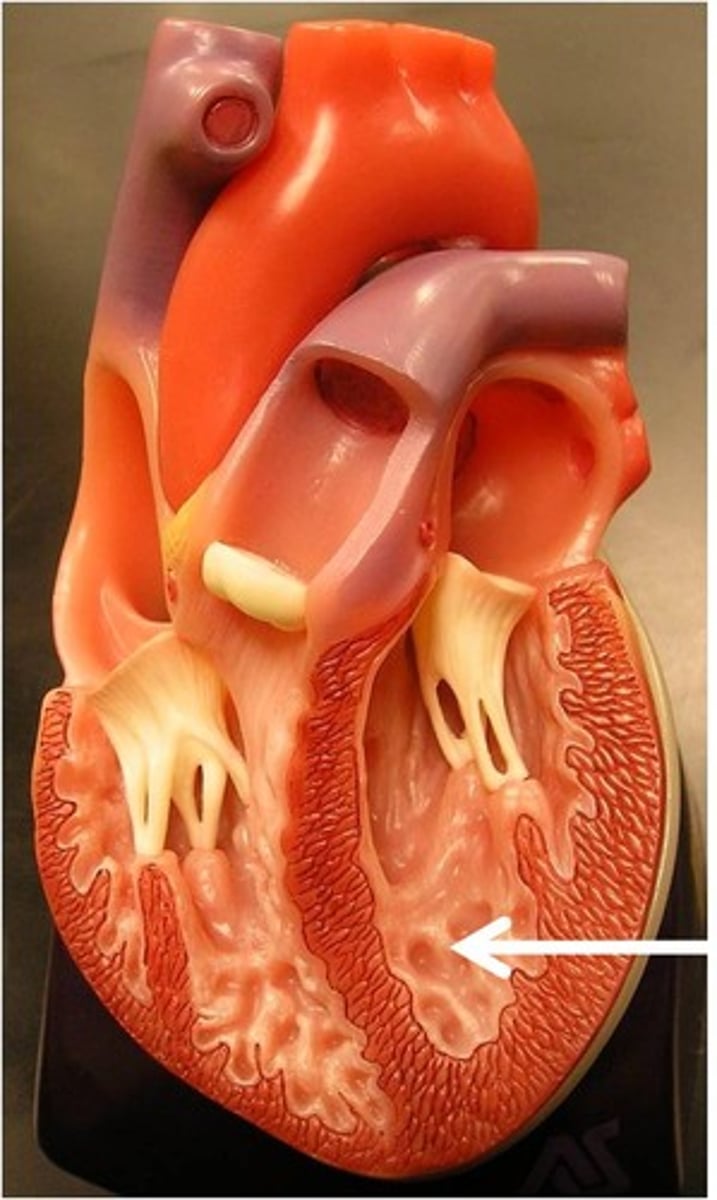
Trabeculae Carneae
Muscular ridges found on the inner surface of the ventricles that help in contraction.
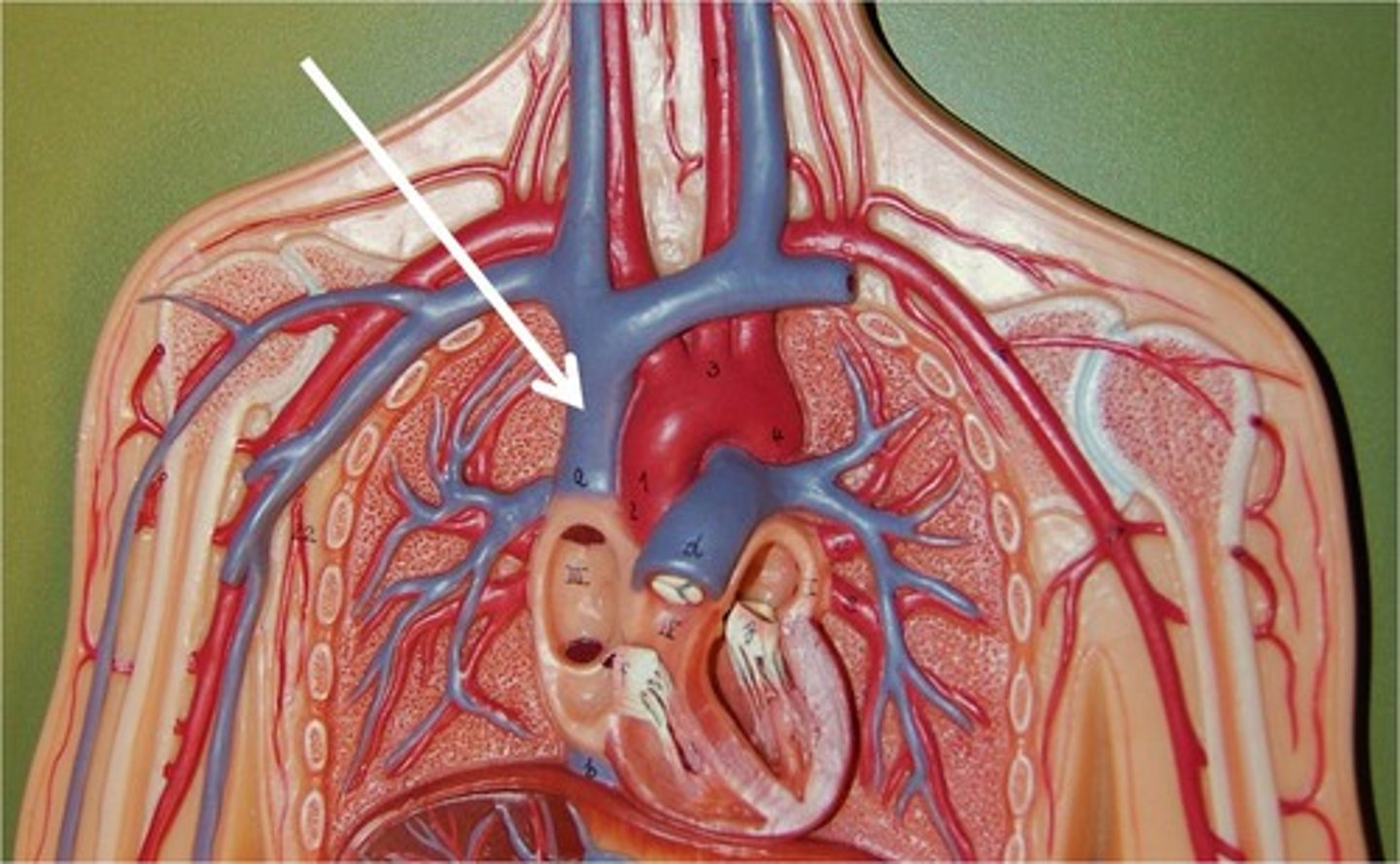
Superior Vena Cava
A large vein that carries deoxygenated blood from the upper body to the right atrium.
Inferior Vena Cava
A large vein that carries deoxygenated blood from the lower body to the right atrium.
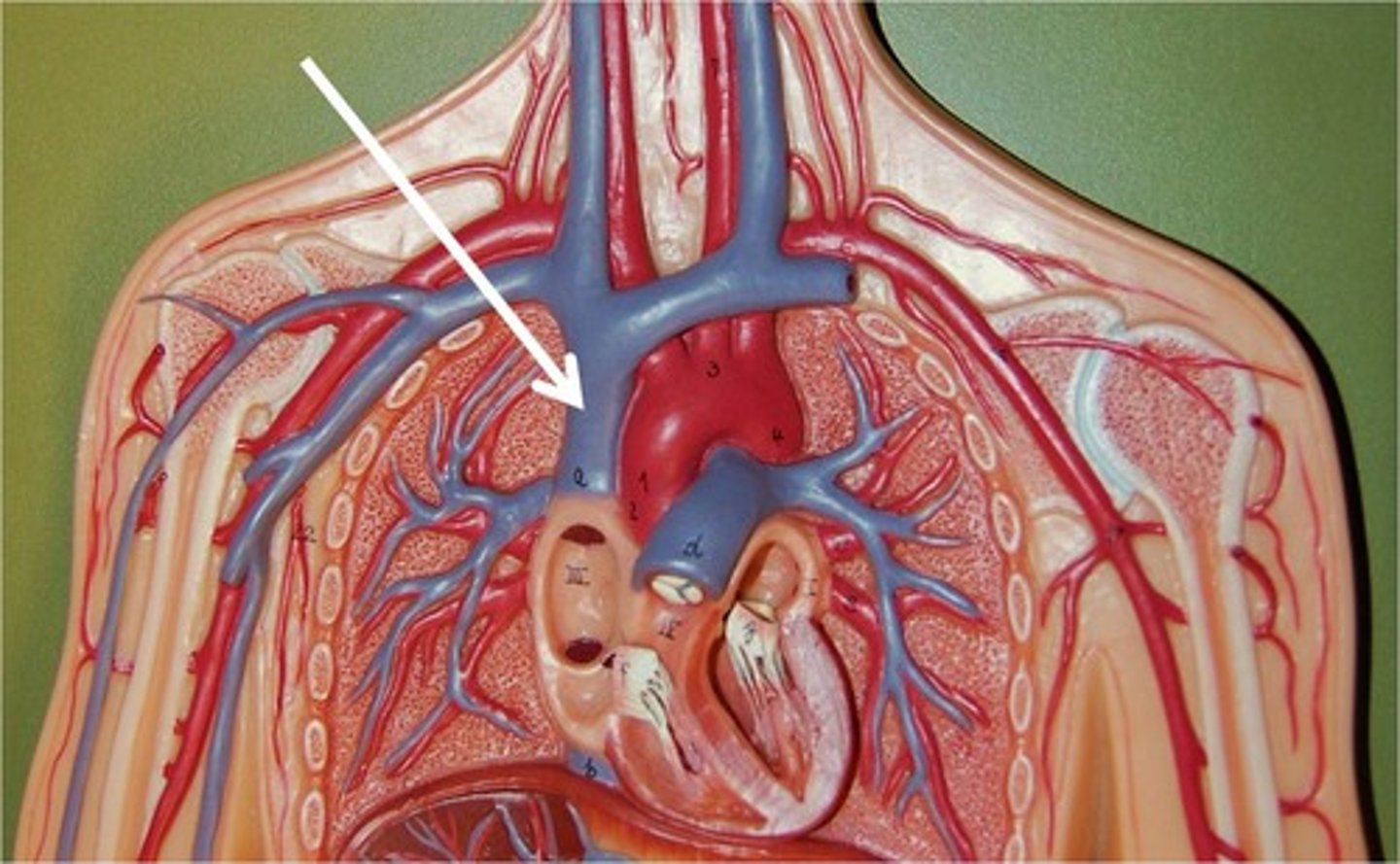
Ligamentum Arteriosum
A fibrous remnant of the ductus arteriosus, which connected the pulmonary artery to the aorta in fetal circulation.
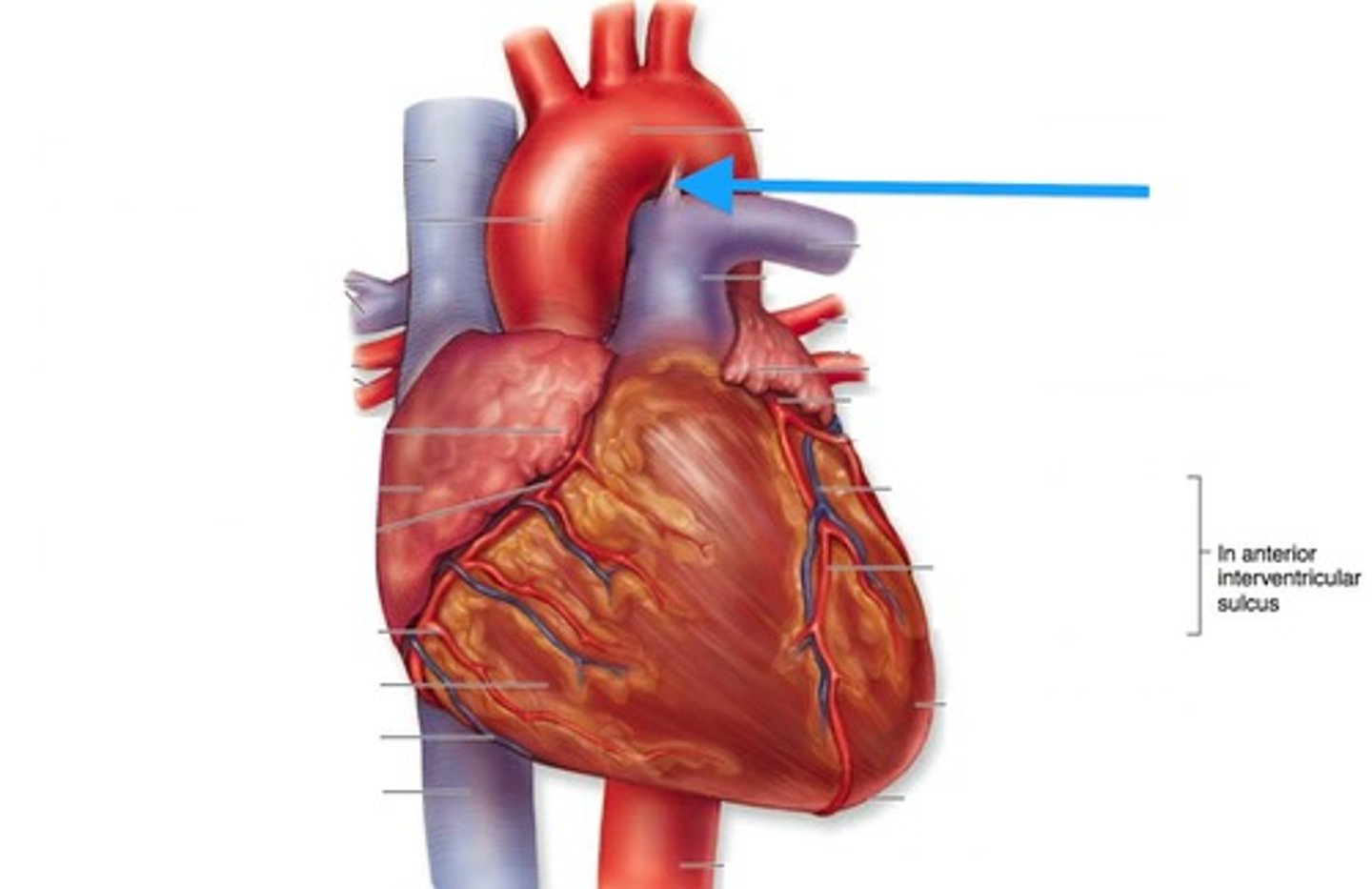
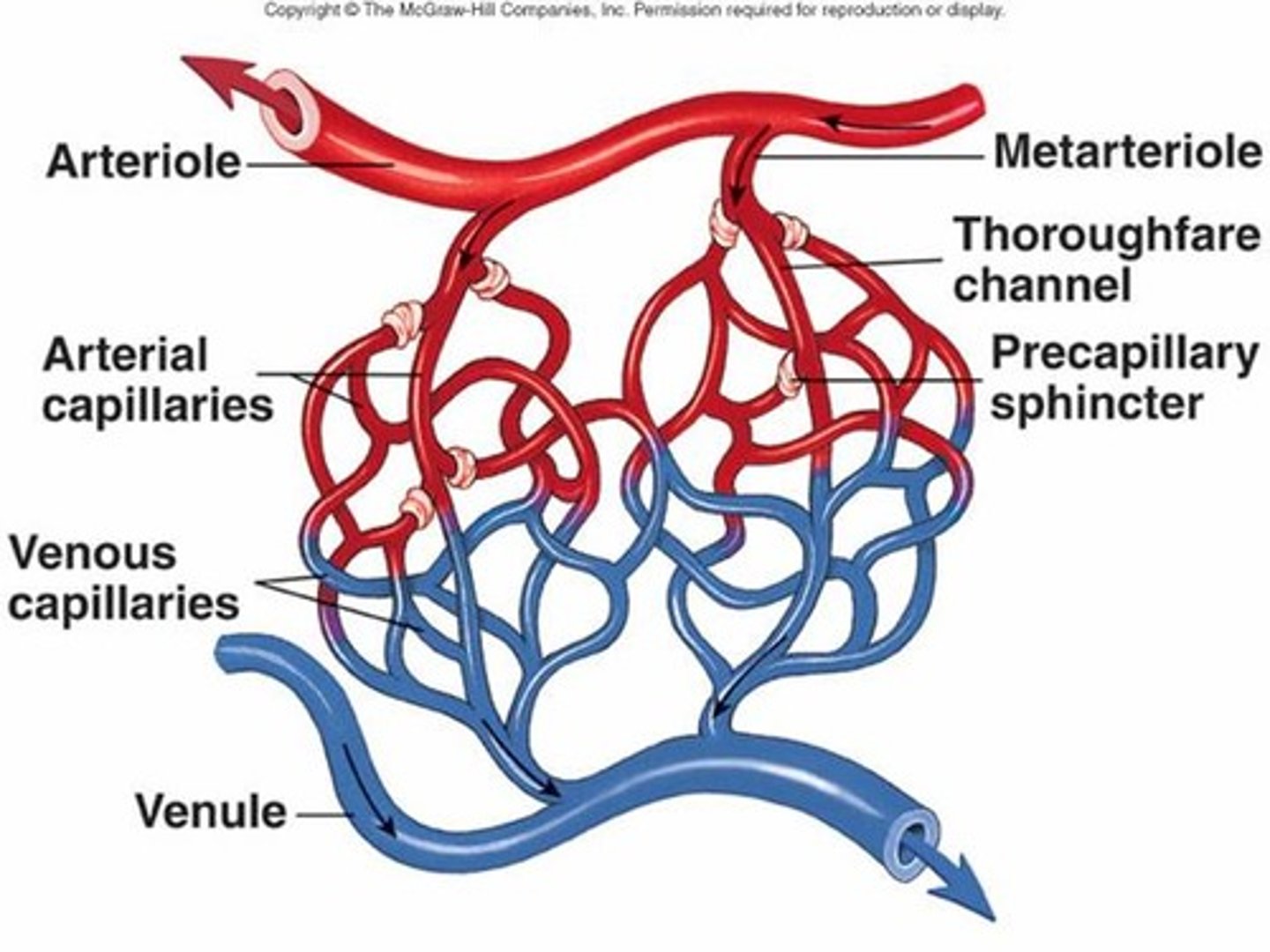
Capillaries
Microscopic blood vessels where the exchange of gases, nutrients, and wastes occurs between blood and surrounding tissues.
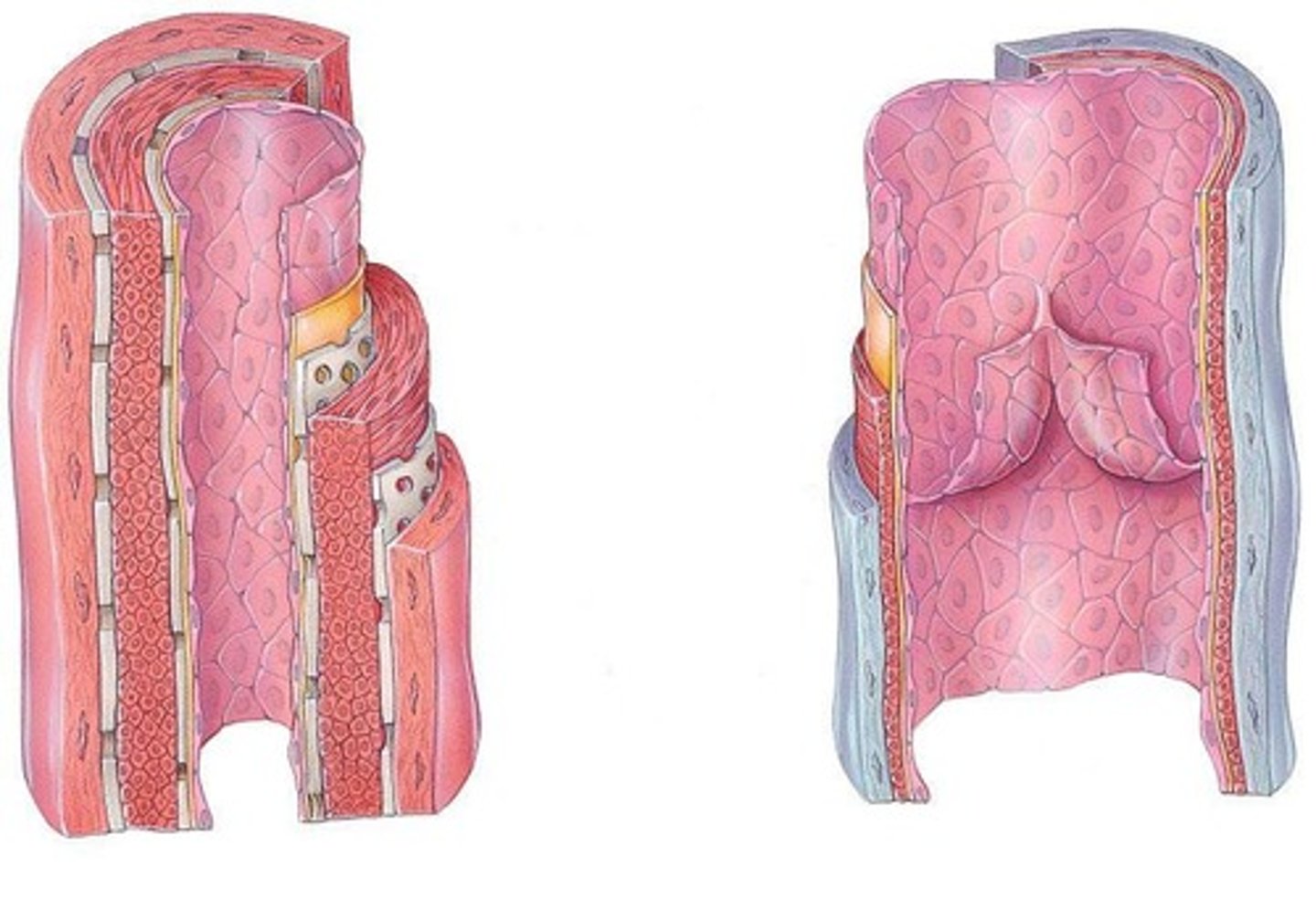
Arterioles
Small branches of arteries that lead to capillaries and help regulate blood flow and pressure.
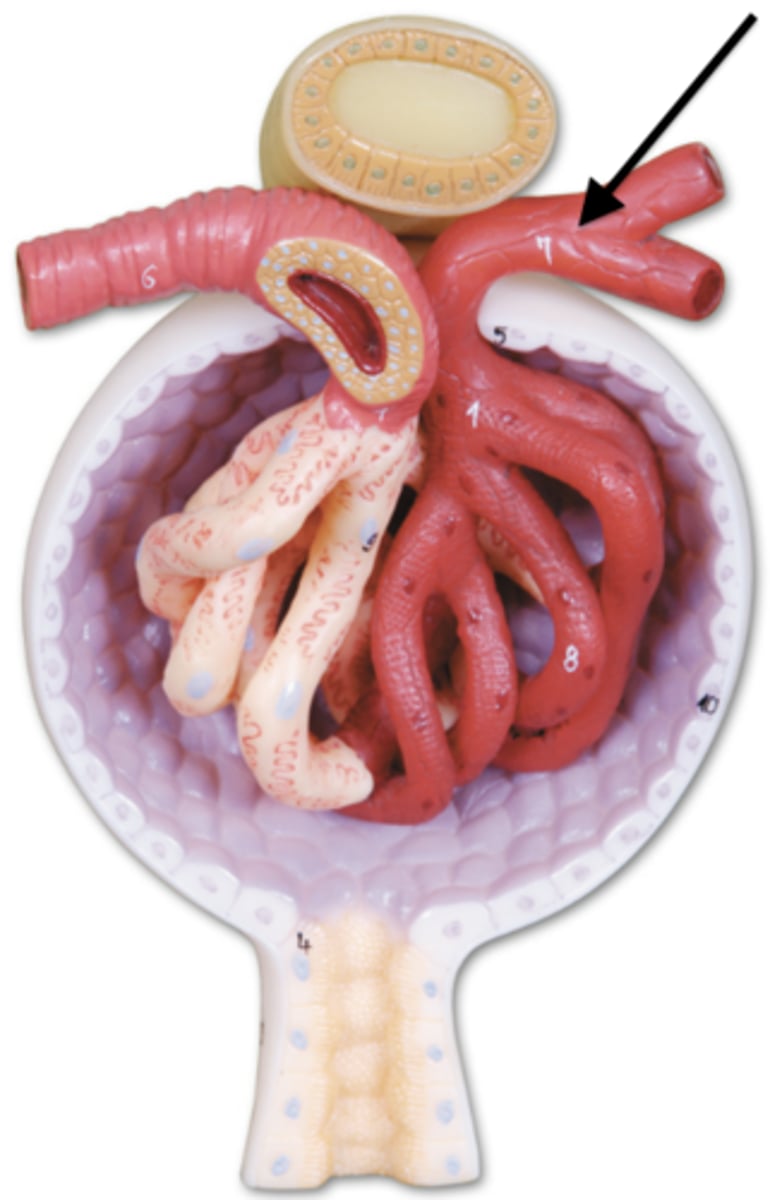
Venules
Small blood vessels that collect deoxygenated blood from capillaries and converge to form veins.
Valves
Structures in veins that prevent the backflow of blood, ensuring it flows in one direction towards the heart.
Skeletal Muscle Pump
A mechanism that aids venous return, where skeletal muscle contractions compress veins and push blood towards the heart.
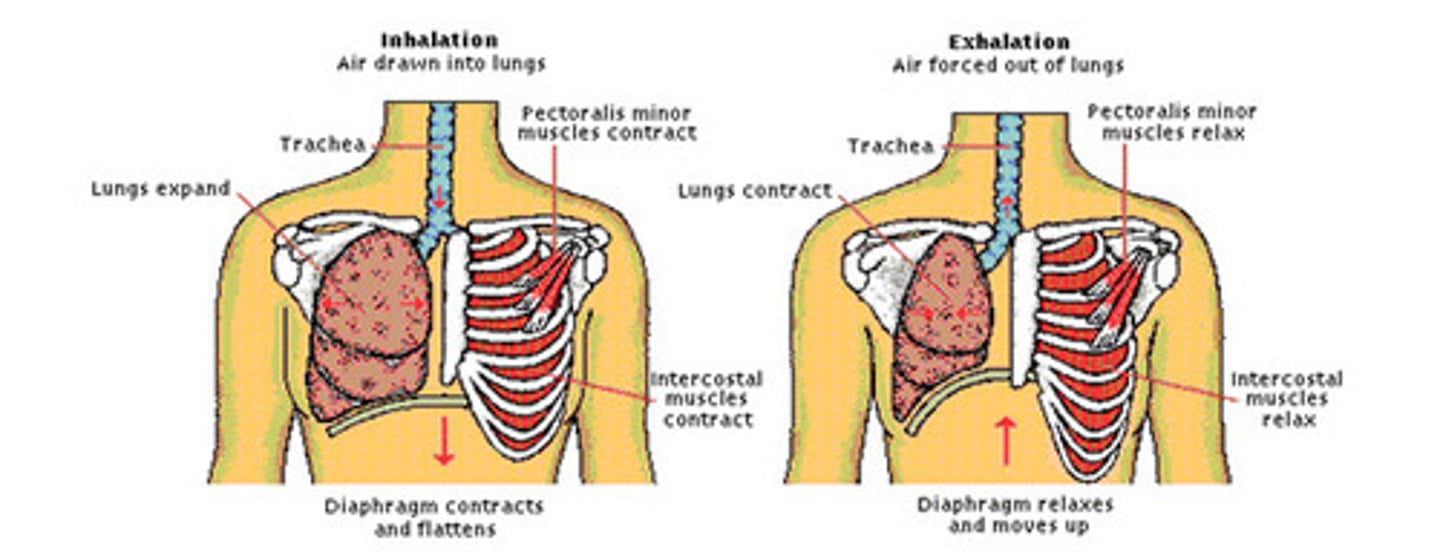
Respiratory Pump
A mechanism that assists venous return during breathing, where changes in thoracic pressure help move blood in the veins.
Endothelium
A thin layer of cells lining blood vessels, providing a smooth surface for blood flow and facilitating exchange.
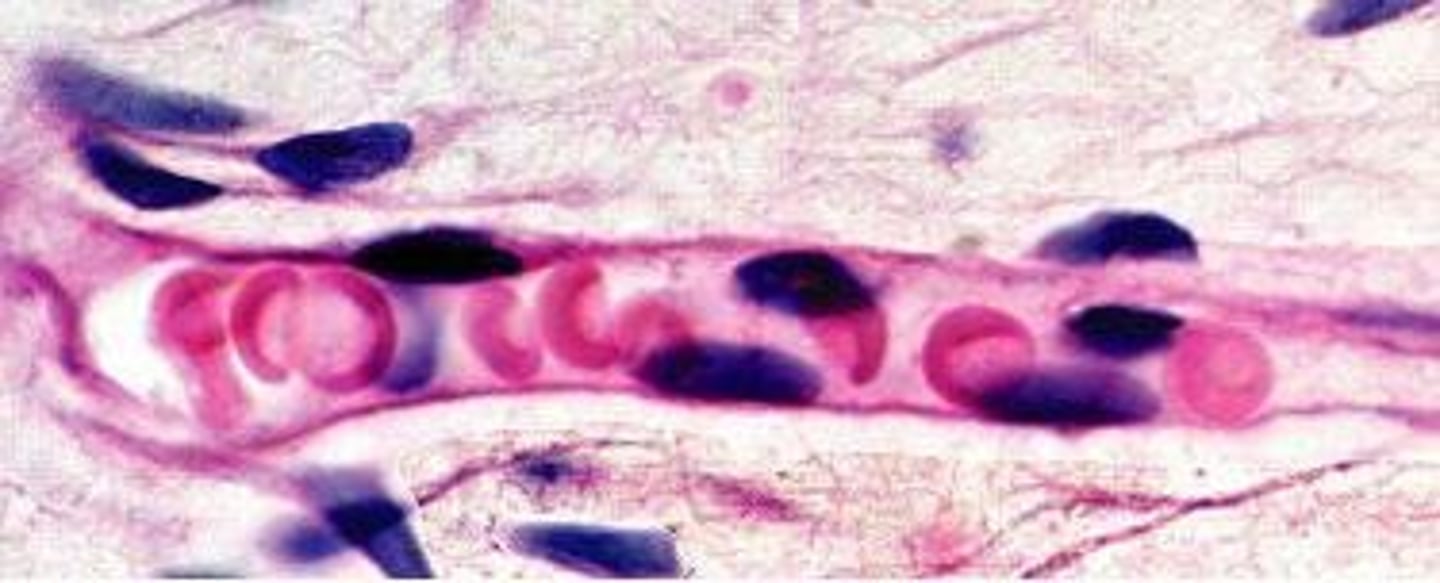
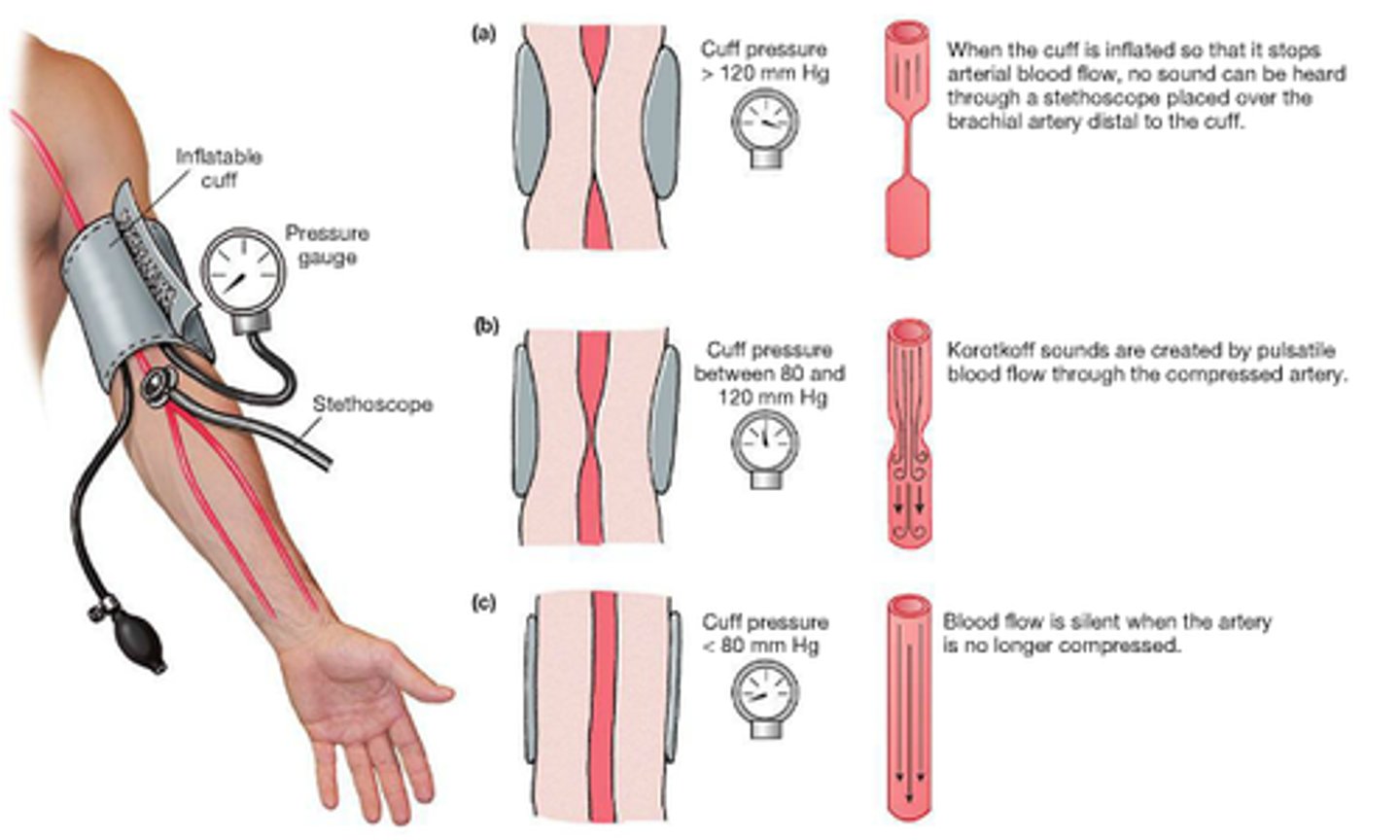
Blood Pressure
The force exerted by circulating blood on the walls of blood vessels, crucial for maintaining blood flow.
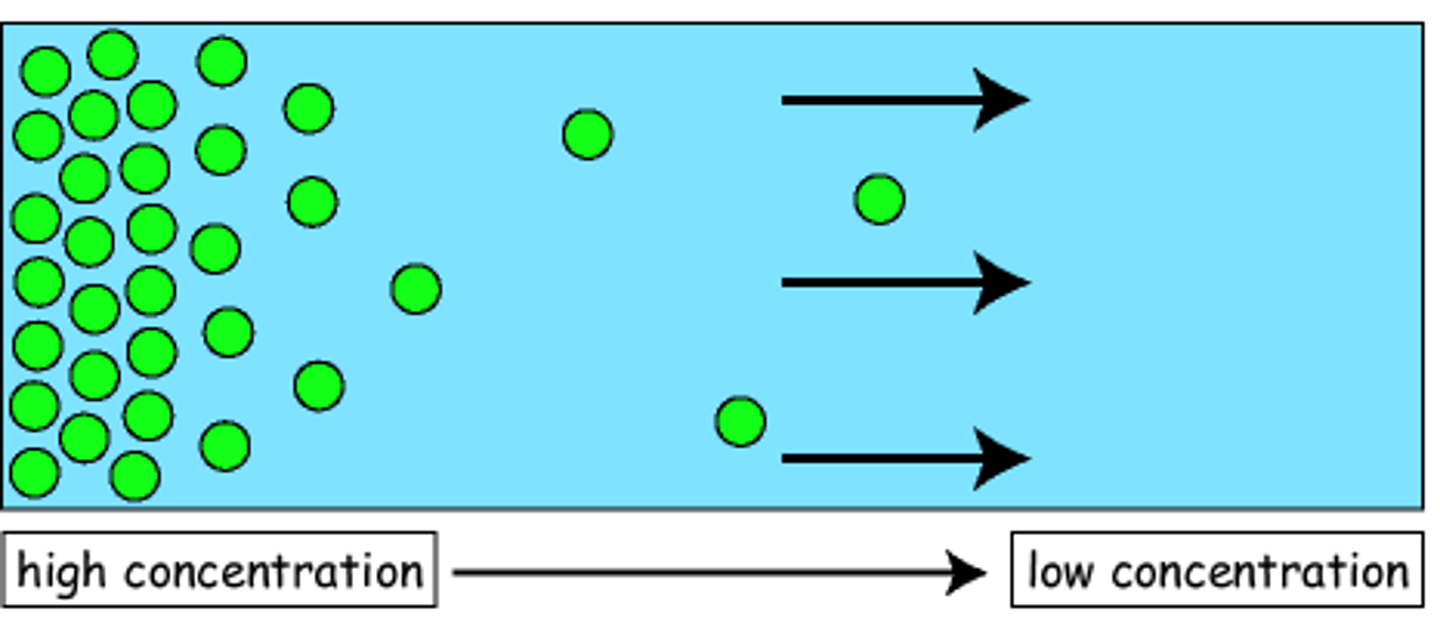
Diffusion
The process by which molecules move from an area of higher concentration to an area of lower concentration, important in capillary exchange.
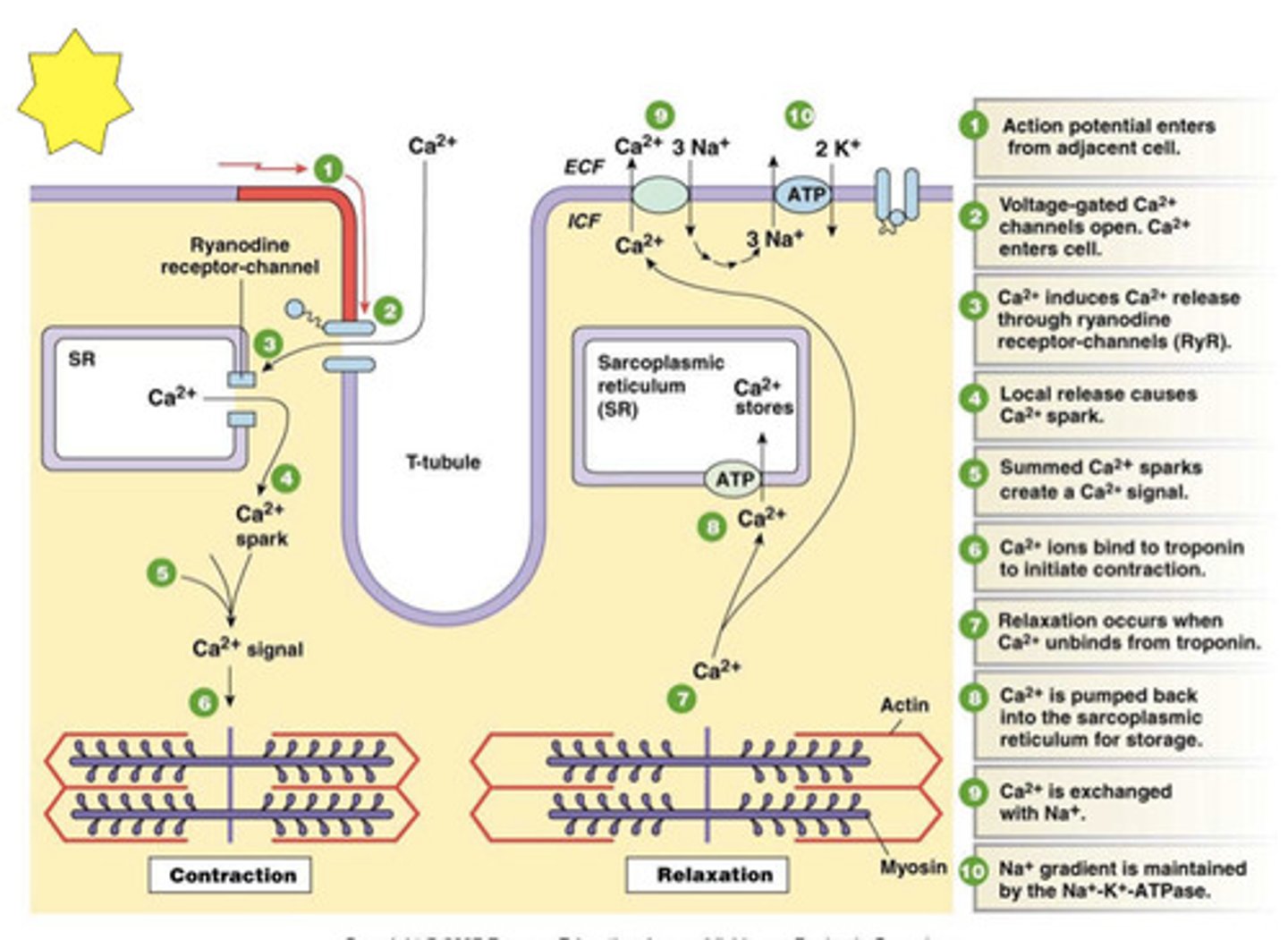
Cardiac Muscle Contraction
The process by which the heart muscle contracts to pump blood out of the heart, generating pressure in the arterial system.
Lumen
The interior space of a blood vessel through which blood flows, with varying diameters in arteries and veins.
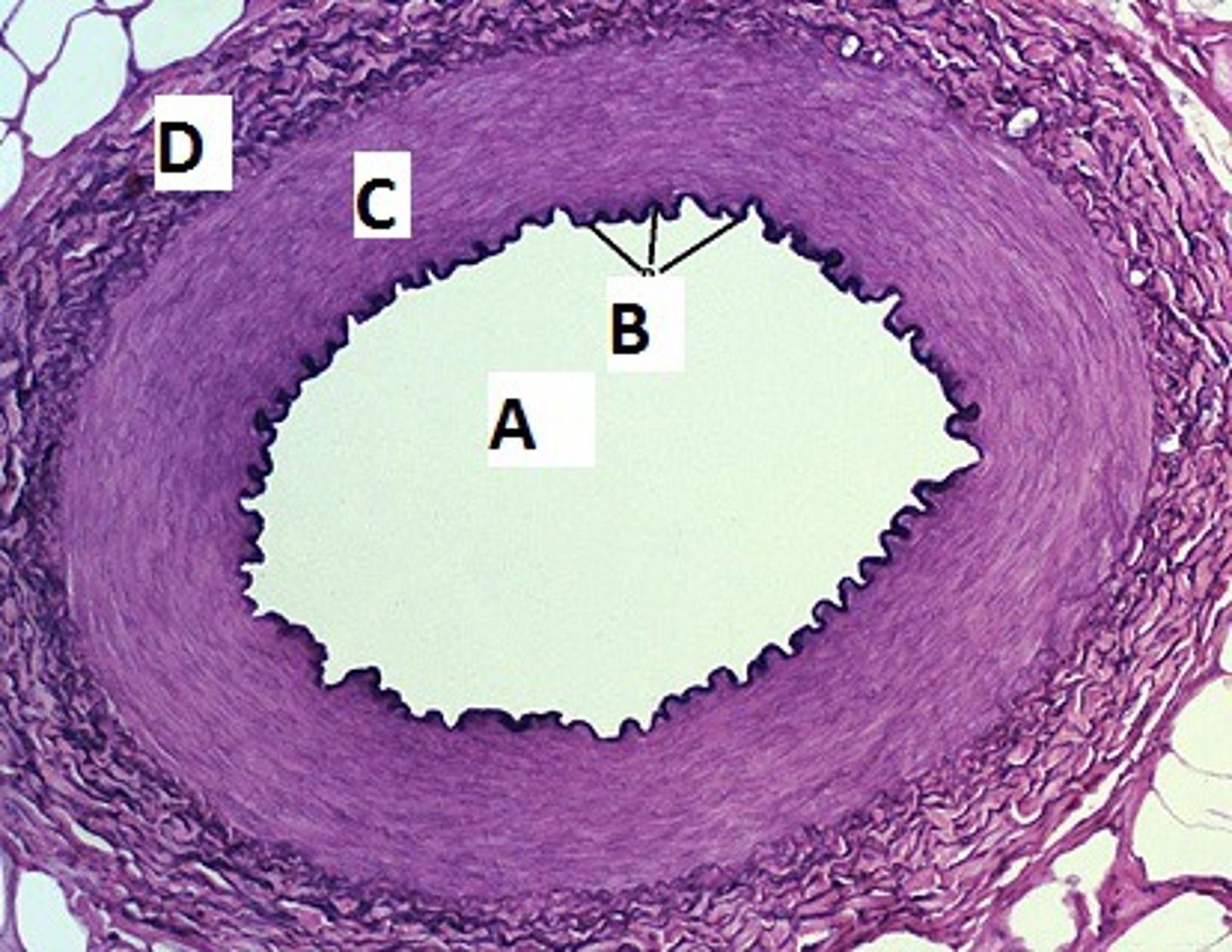
Smooth Muscle Layer
The middle layer of blood vessel walls that regulates the diameter of the vessel and controls blood flow.
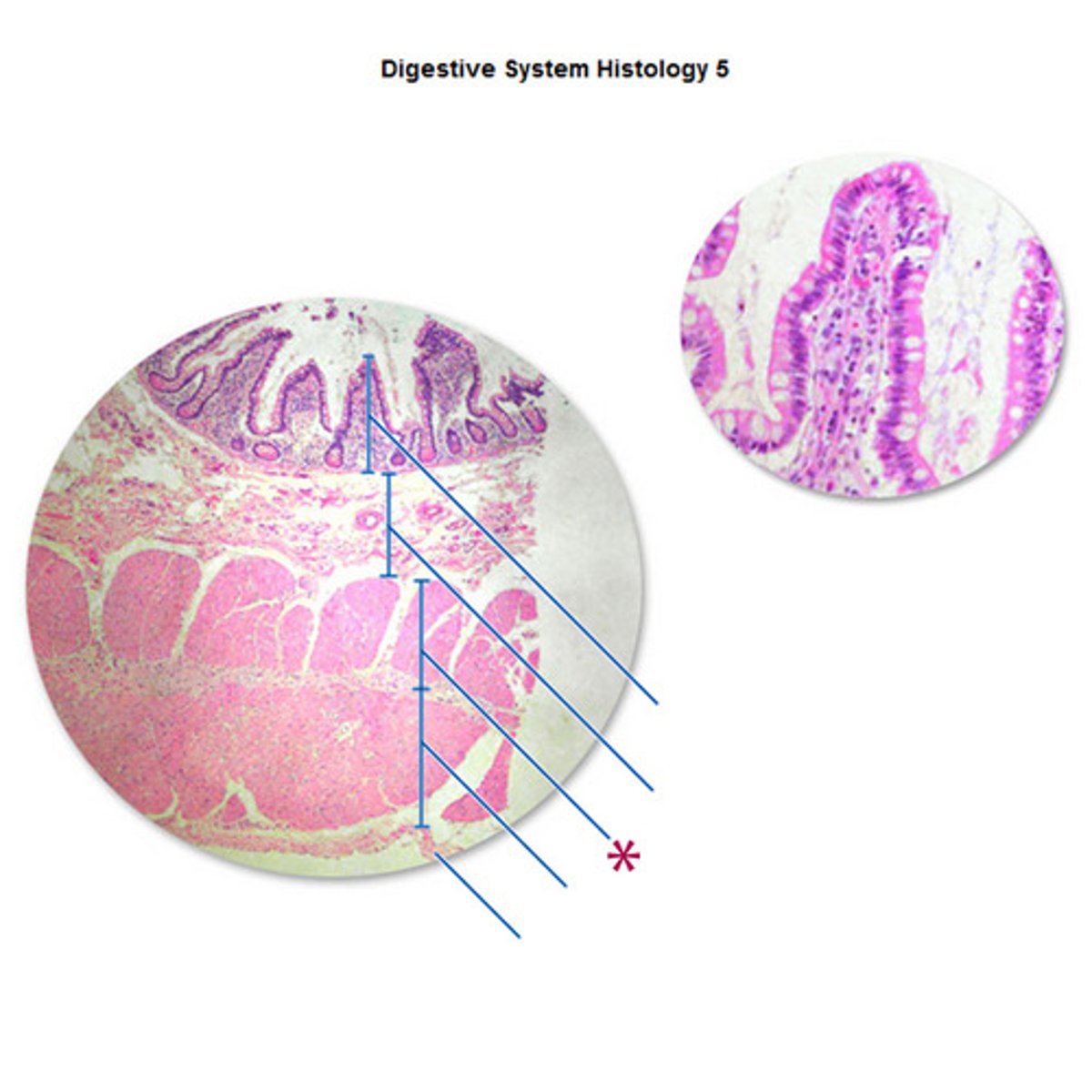
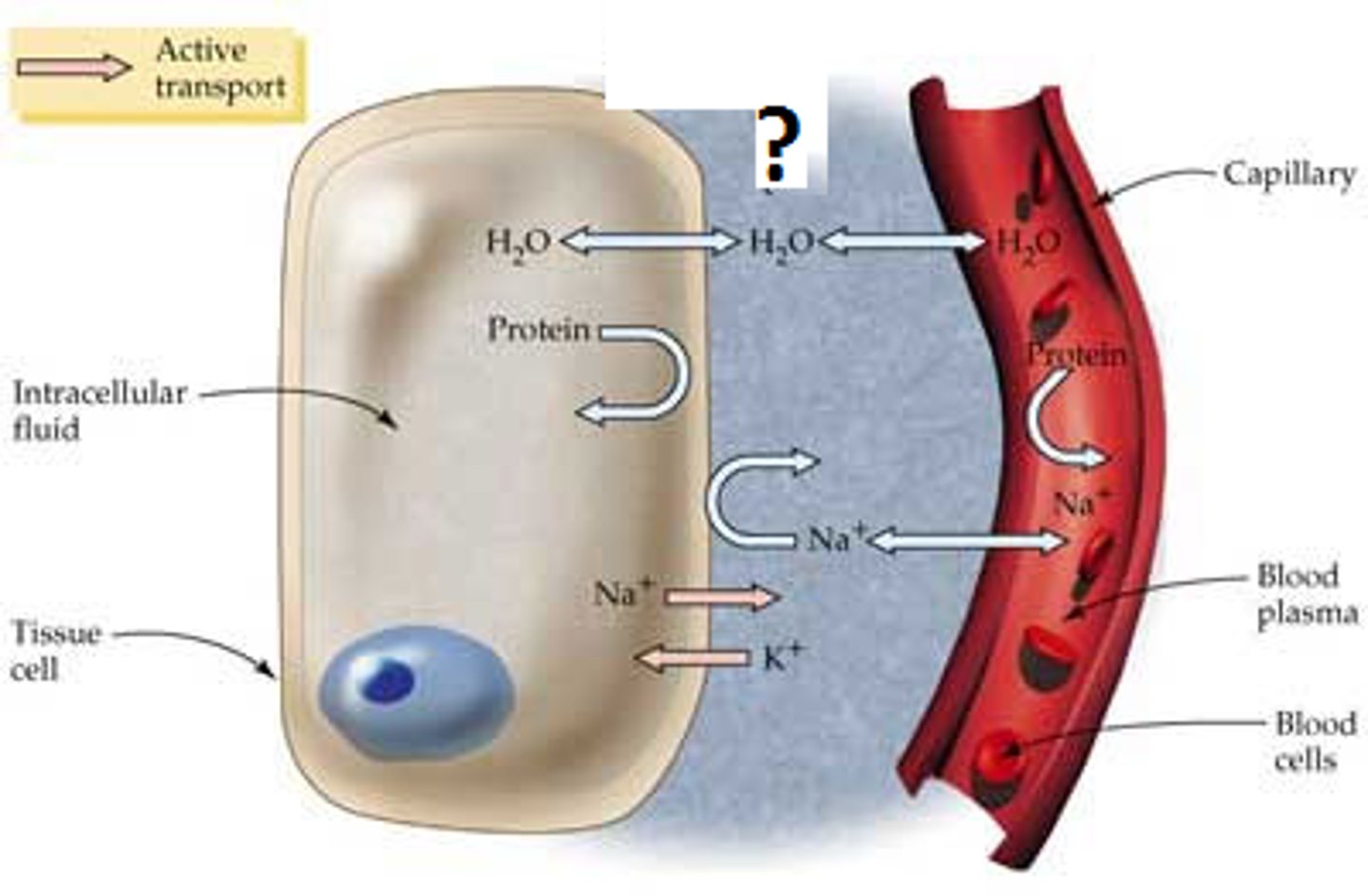
Interstitial Fluid
Fluid that surrounds cells in tissues, facilitating the exchange of substances between blood and cells.
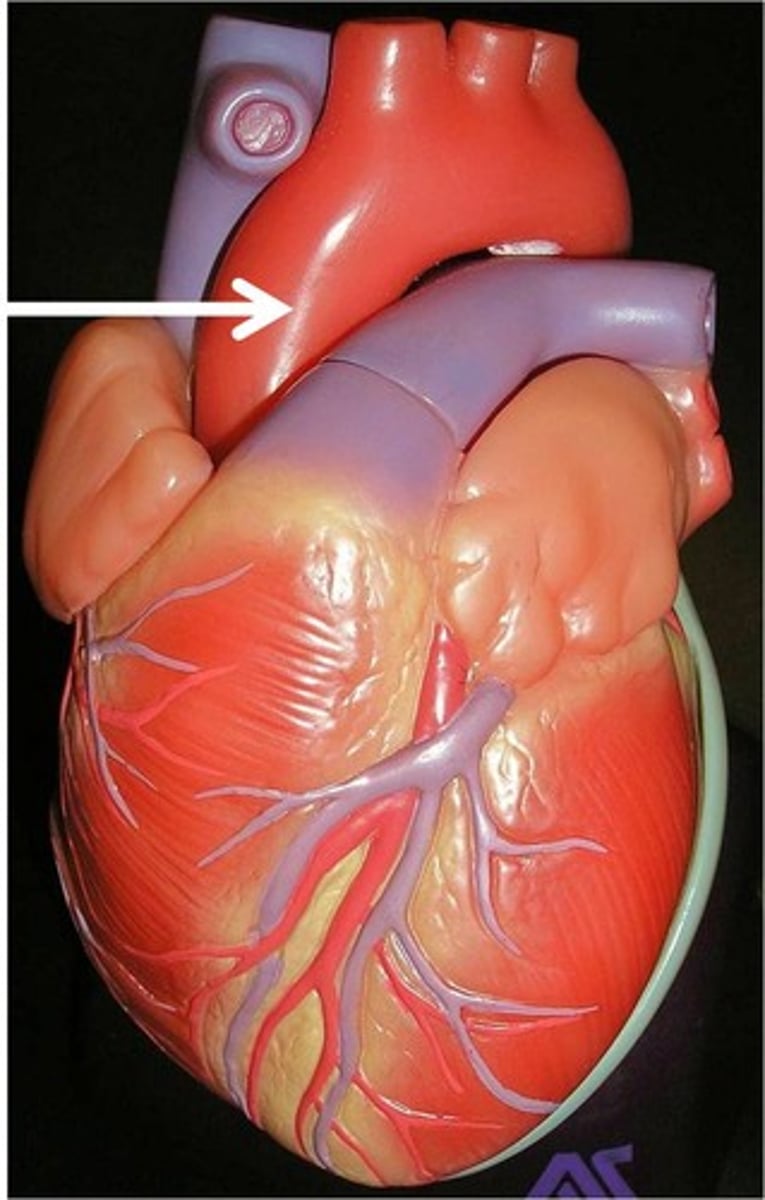
Ascending Aorta
The section of the aorta that emerges from the left ventricle of the heart.
Descending Aorta
The part of the aorta that runs down the posterior thorax.
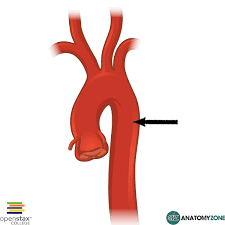
Thoracic Aorta
The section of the descending aorta that supplies blood to the thoracic organs above the diaphragm.
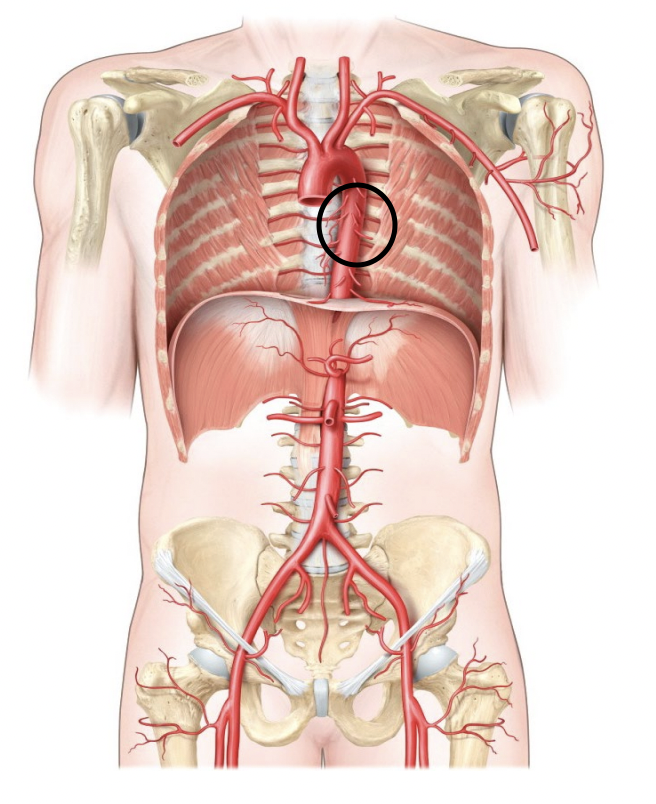
Abdominal Aorta
The continuation of the descending aorta that supplies blood to the abdominal organs and lower limbs.
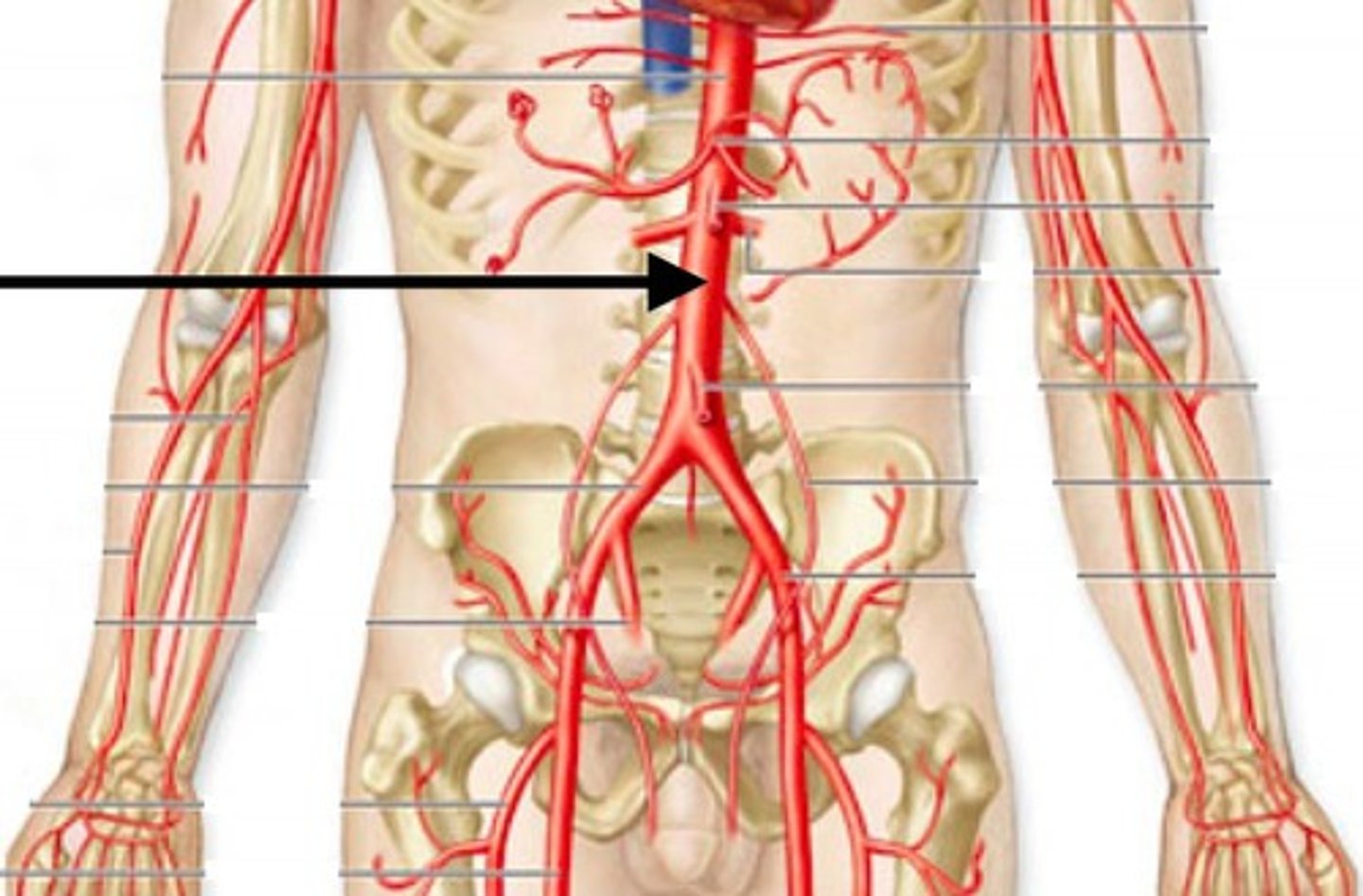
Brachiocephalic Trunk
The first branch of the aorta that supplies the right side of the head, neck, and arm.
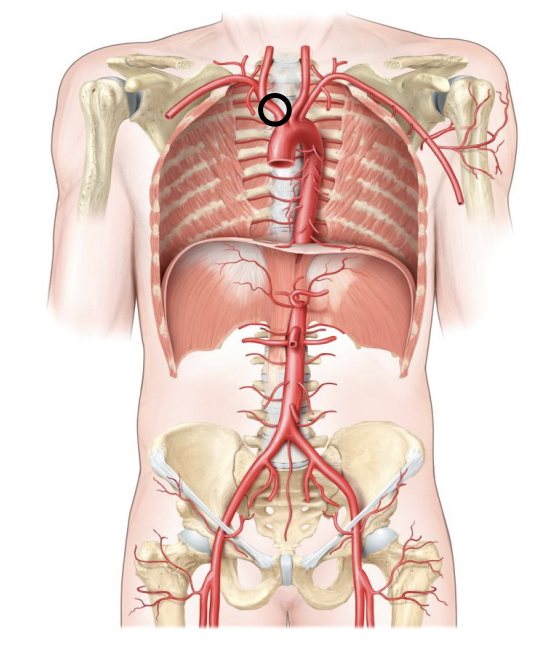
Common Carotid Artery
An artery located in the neck that supplies blood to the head and brain.
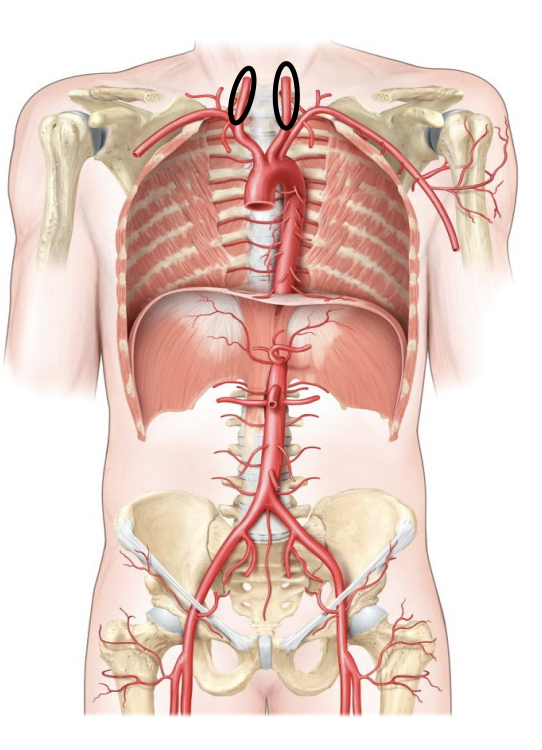
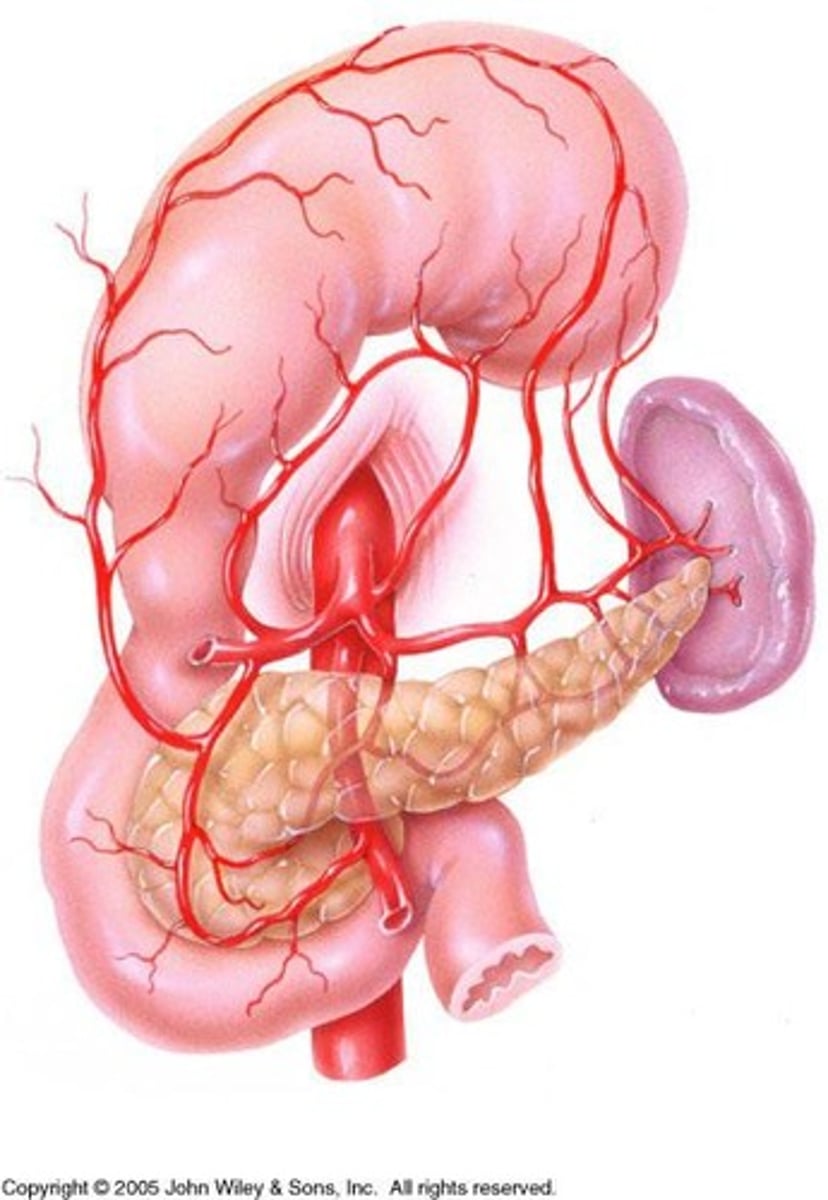
Celiac Trunk
The first major branch of the abdominal aorta that supplies blood to the liver, stomach, and spleen.
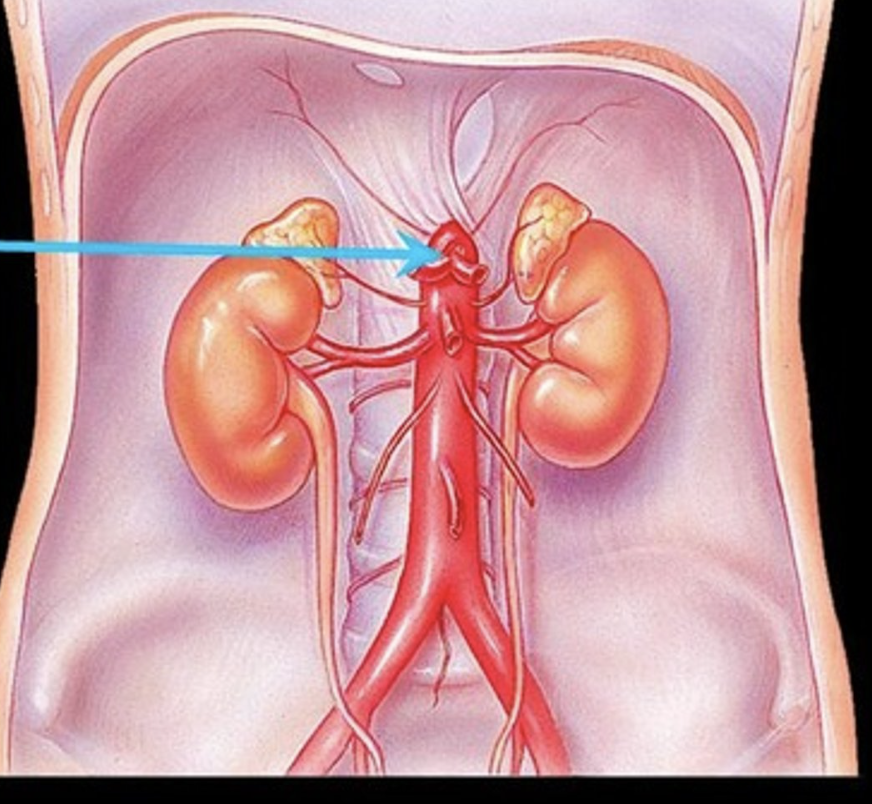
Common Hepatic Artery
A branch of the celiac trunk that supplies blood to the liver.
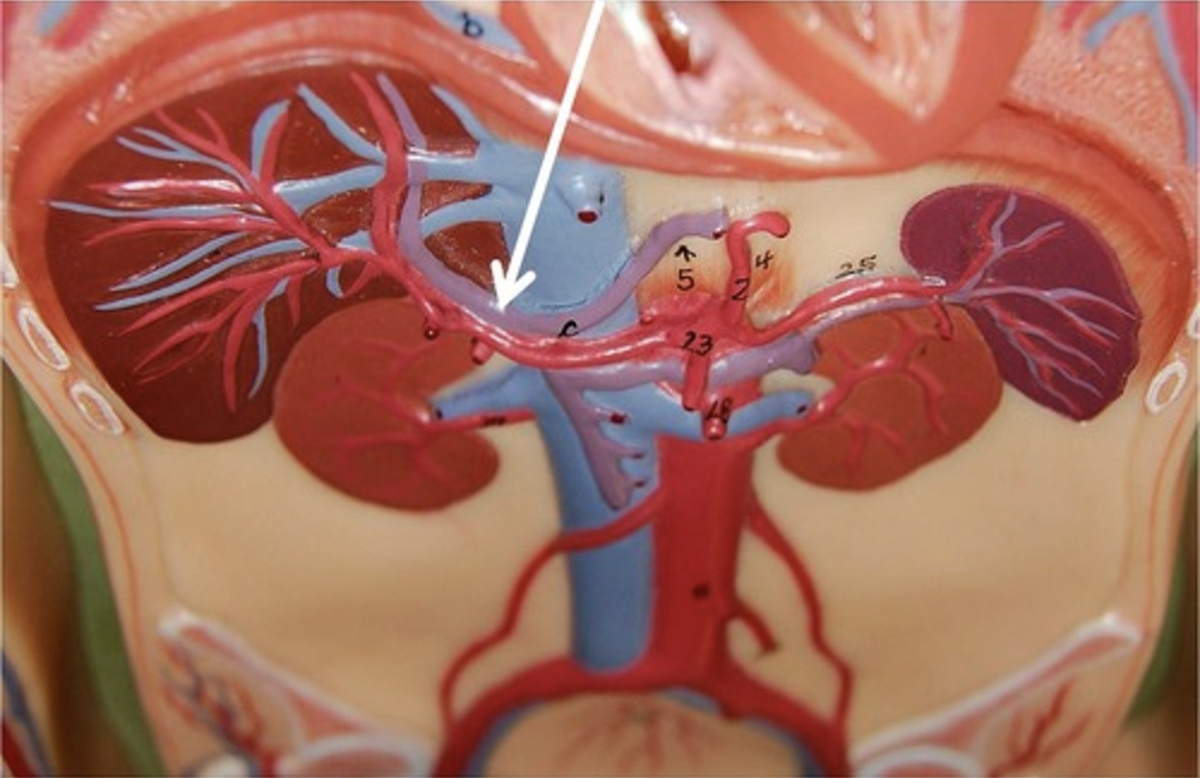
Splenic Artery
A branch of the celiac trunk that supplies blood to the spleen.
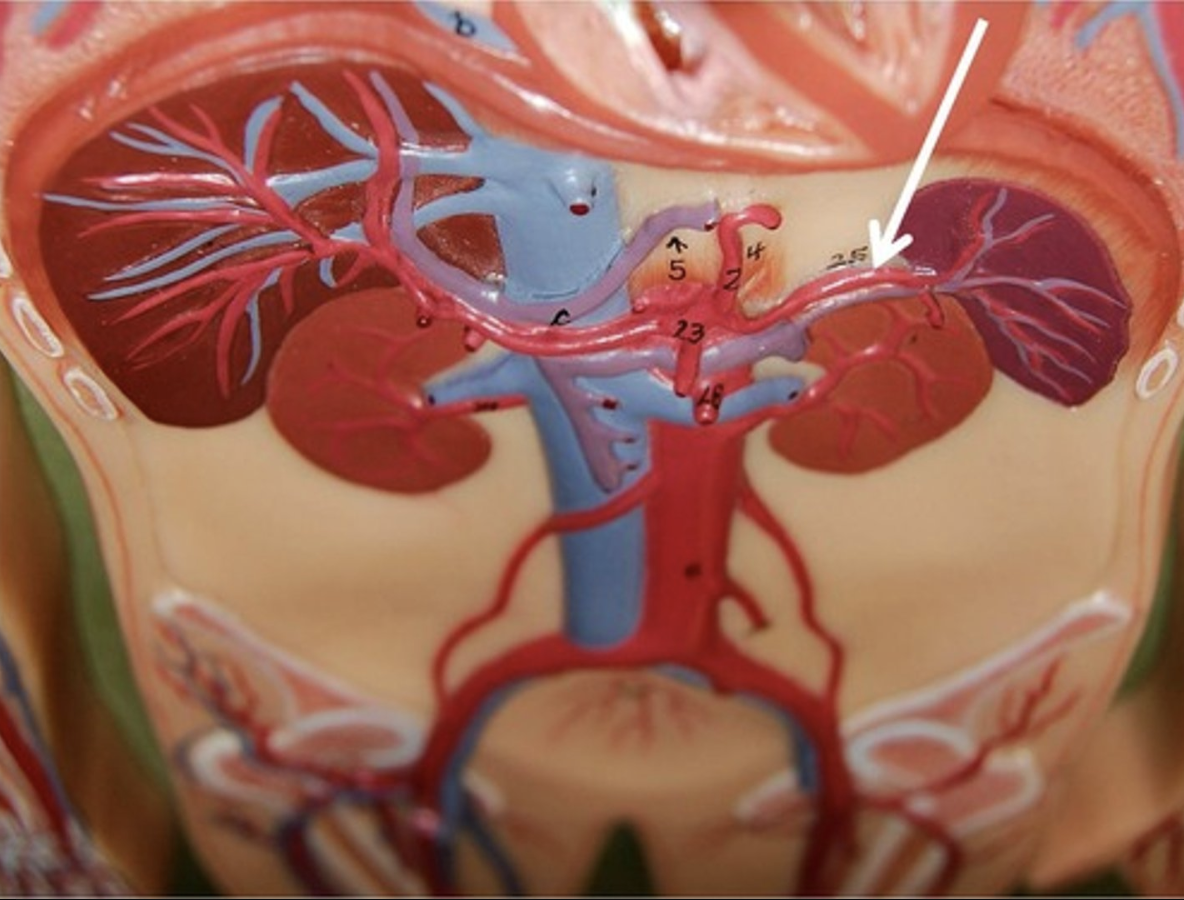
Renal Artery
An artery that branches off the abdominal aorta to supply blood to the kidneys.
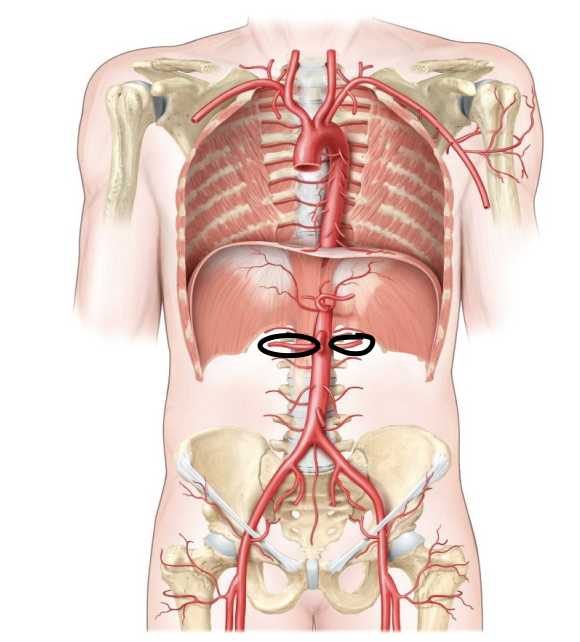
Common Iliac Artery
The terminal branches of the abdominal aorta that supply blood to the pelvis and lower limbs.
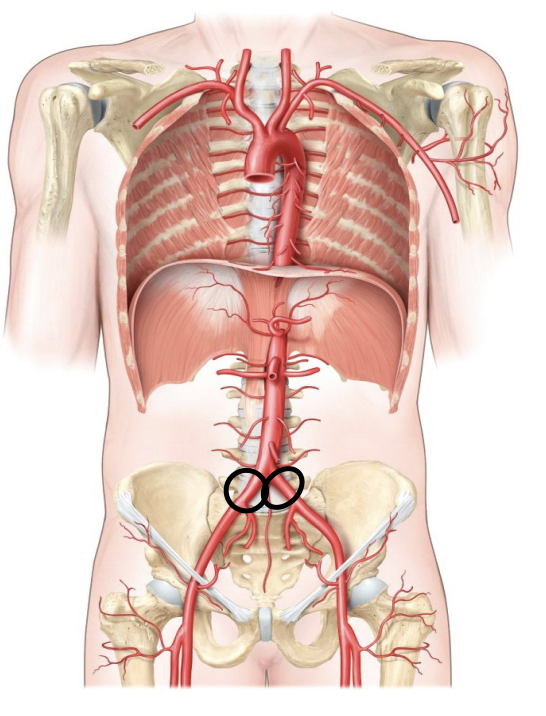
External Carotid Artery
A branch of the carotid artery that supplies blood to the face and scalp.
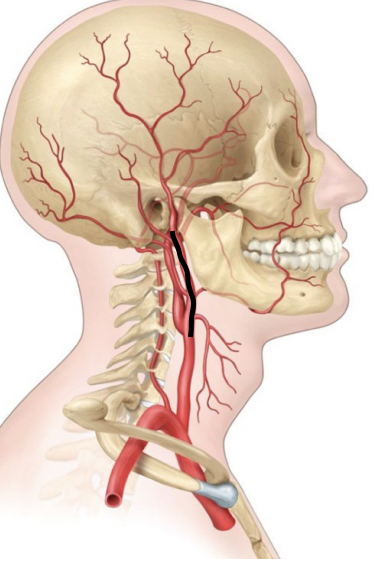
Internal Carotid Artery
An artery that enters the skull to supply blood to the brain.
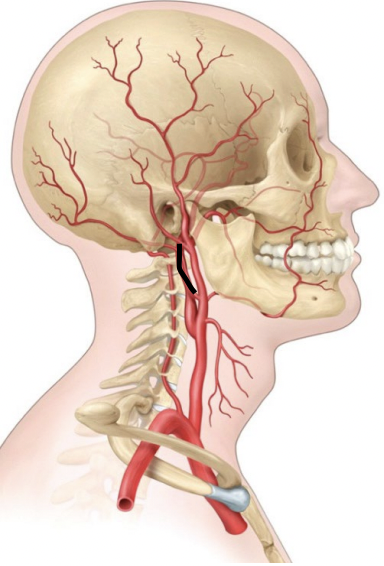
Vertebral Artery
An artery that travels through the transverse foramina of the cervical vertebrae and merges to form the basilar artery.
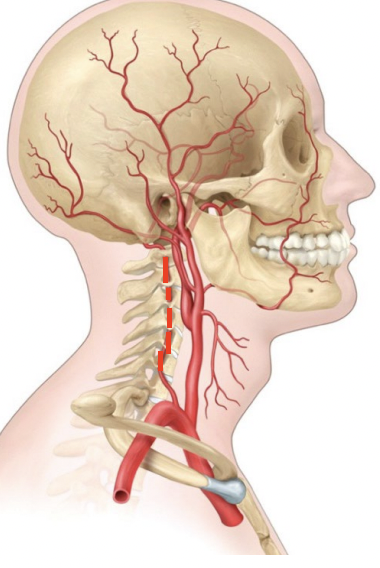
Basilar Artery
An artery that supplies blood to the brainstem and cerebellum.
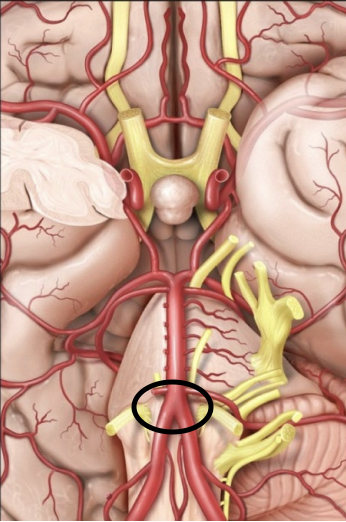
Anterior Cerebral Artery
A branch of the internal carotid artery that supplies the medial frontal lobes of the brain.
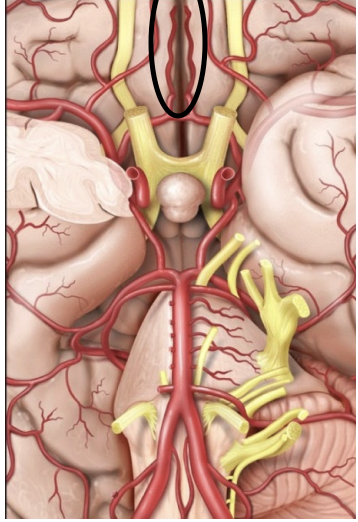
Anterior Communicating Artery
A vessel that connects both anterior cerebral arteries as part of the cerebral arterial circle.
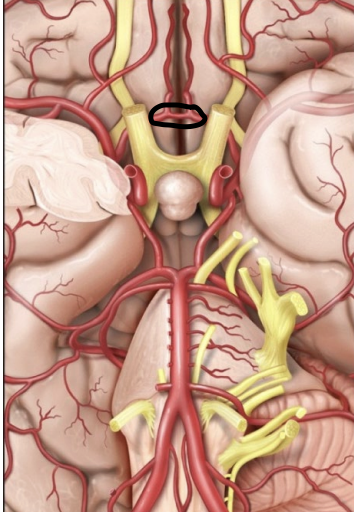
Posterior Communicating Artery
A vessel that connects the posterior cerebral artery and the internal carotid artery as part of the cerebral arterial circle.
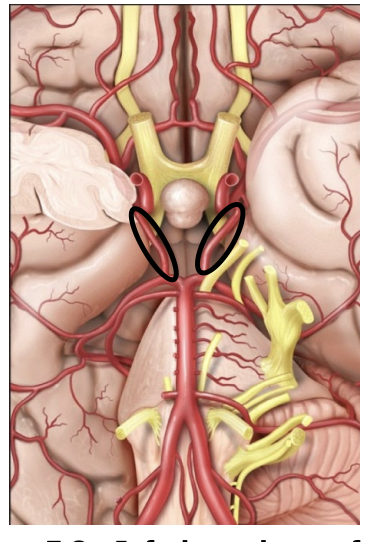
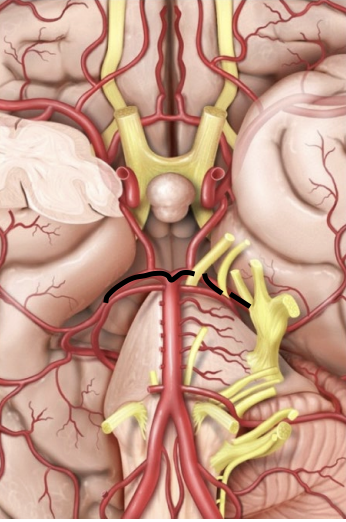
Posterior Cerebral Artery
The terminal branch of the basilar artery that supplies the occipital lobes.
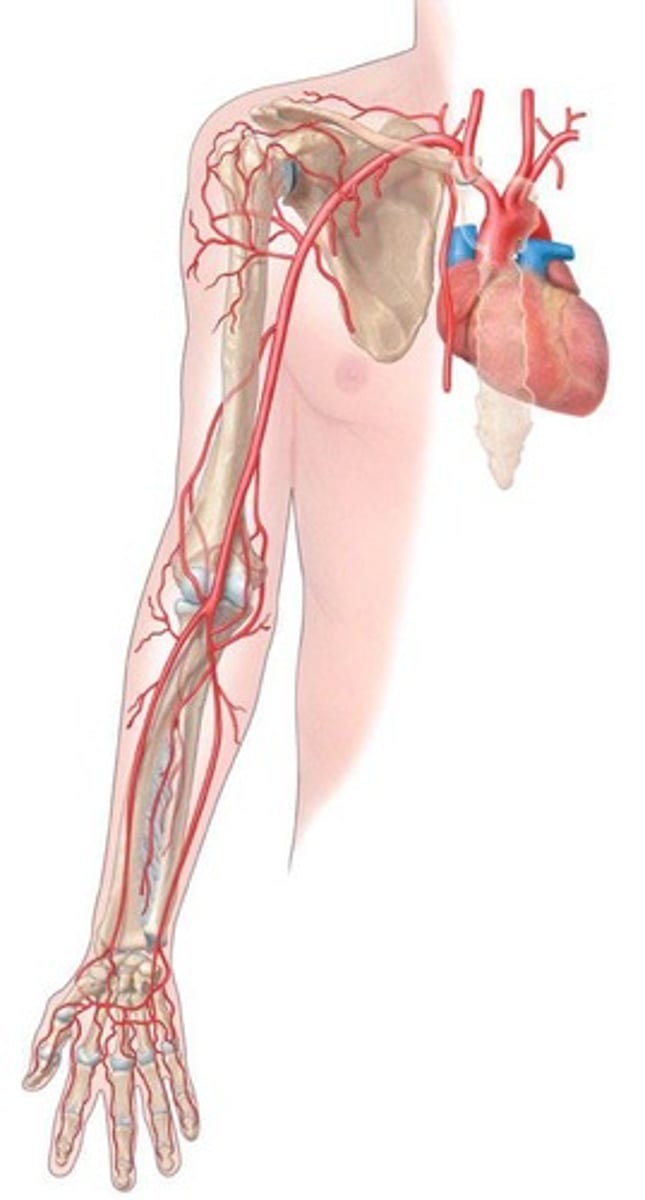
Subclavian Artery
An artery that runs beneath the clavicle and supplies blood to the upper limb and brain.
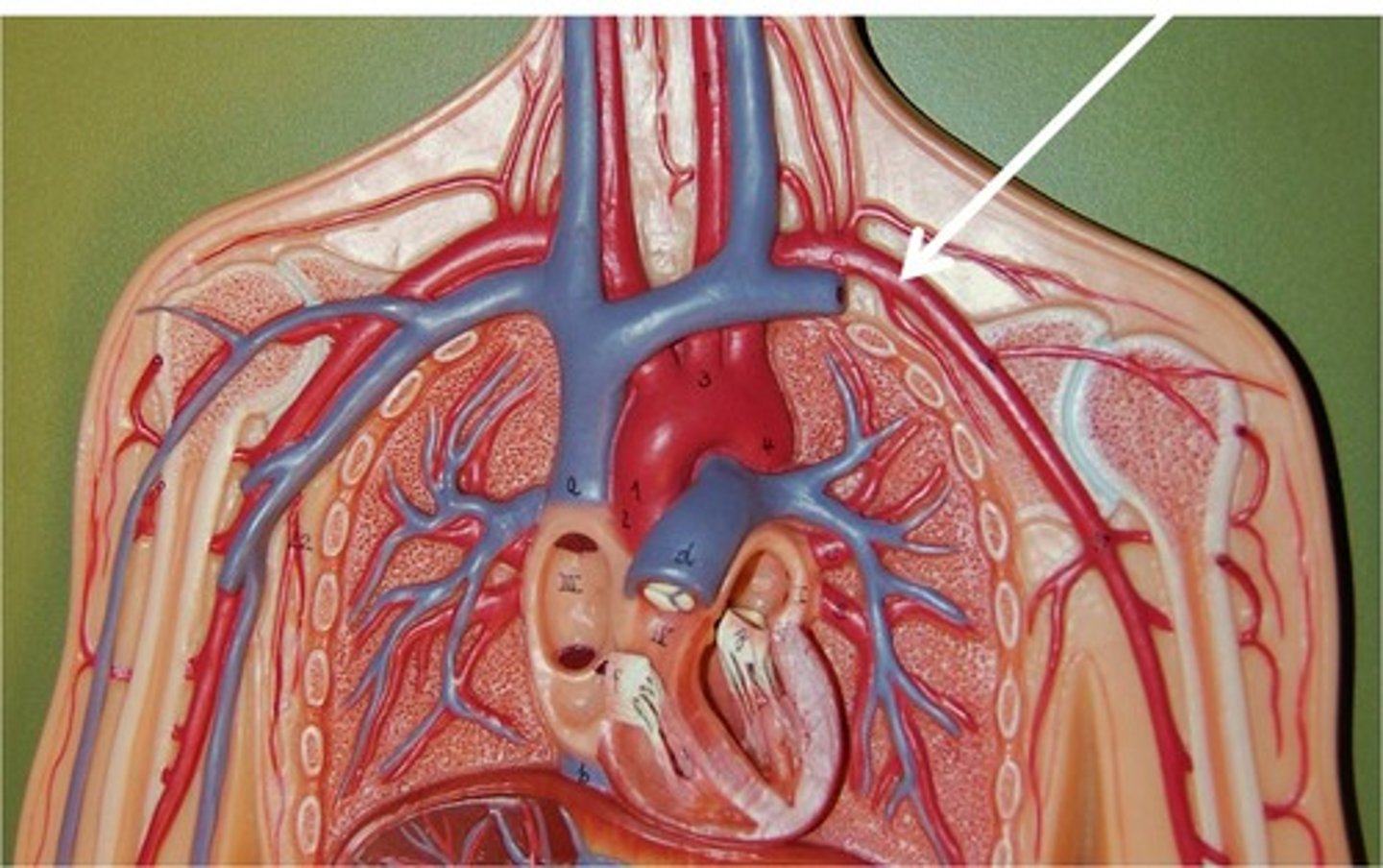
Axillary Artery
The continuation of the subclavian artery in the arm, supplying the shoulder region and thoracic wall.
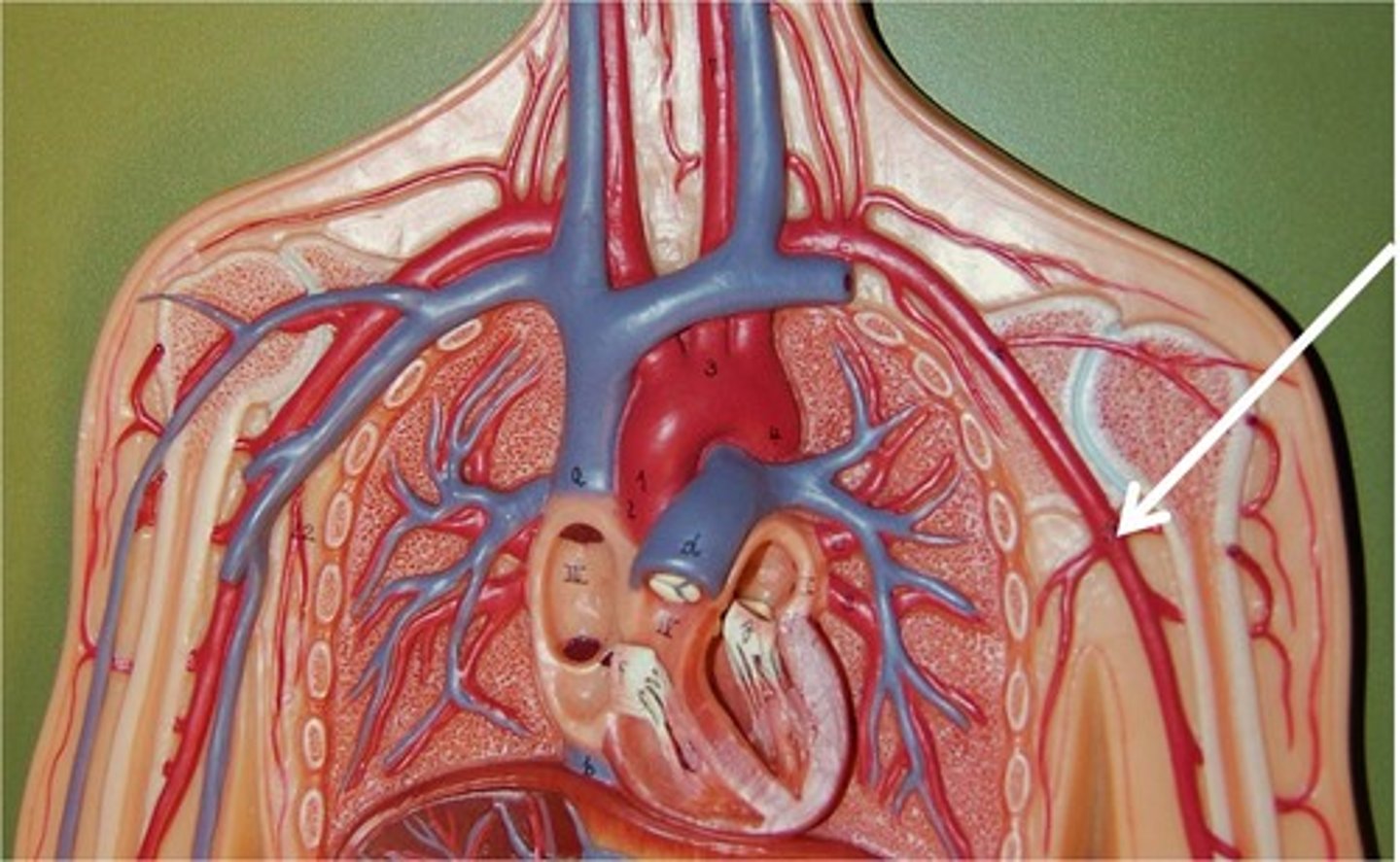
Brachial Artery
The continuation of the axillary artery that supplies blood to the arm muscles.
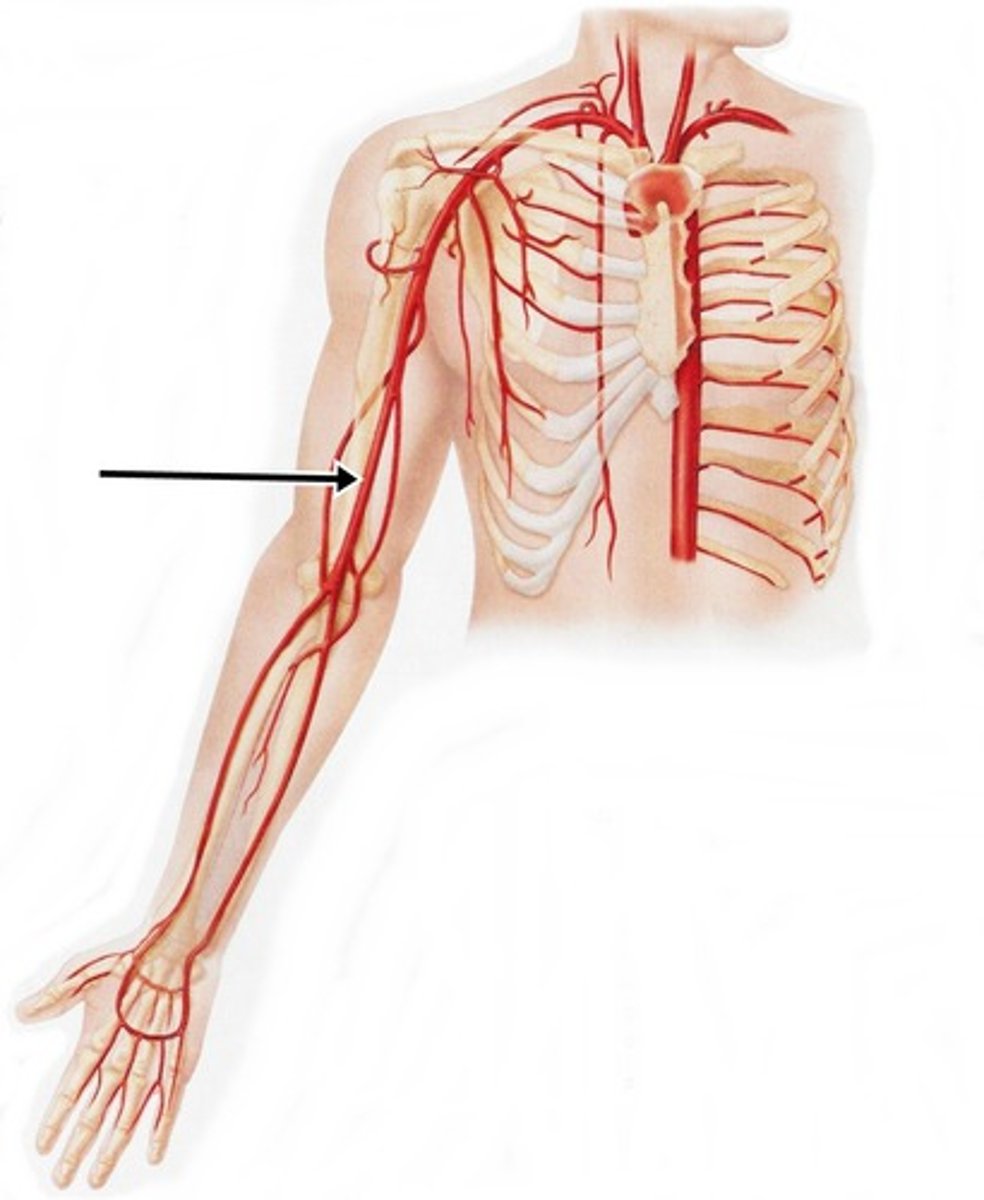
Ulnar Artery
An artery that supplies blood to the medial forearm and hand.
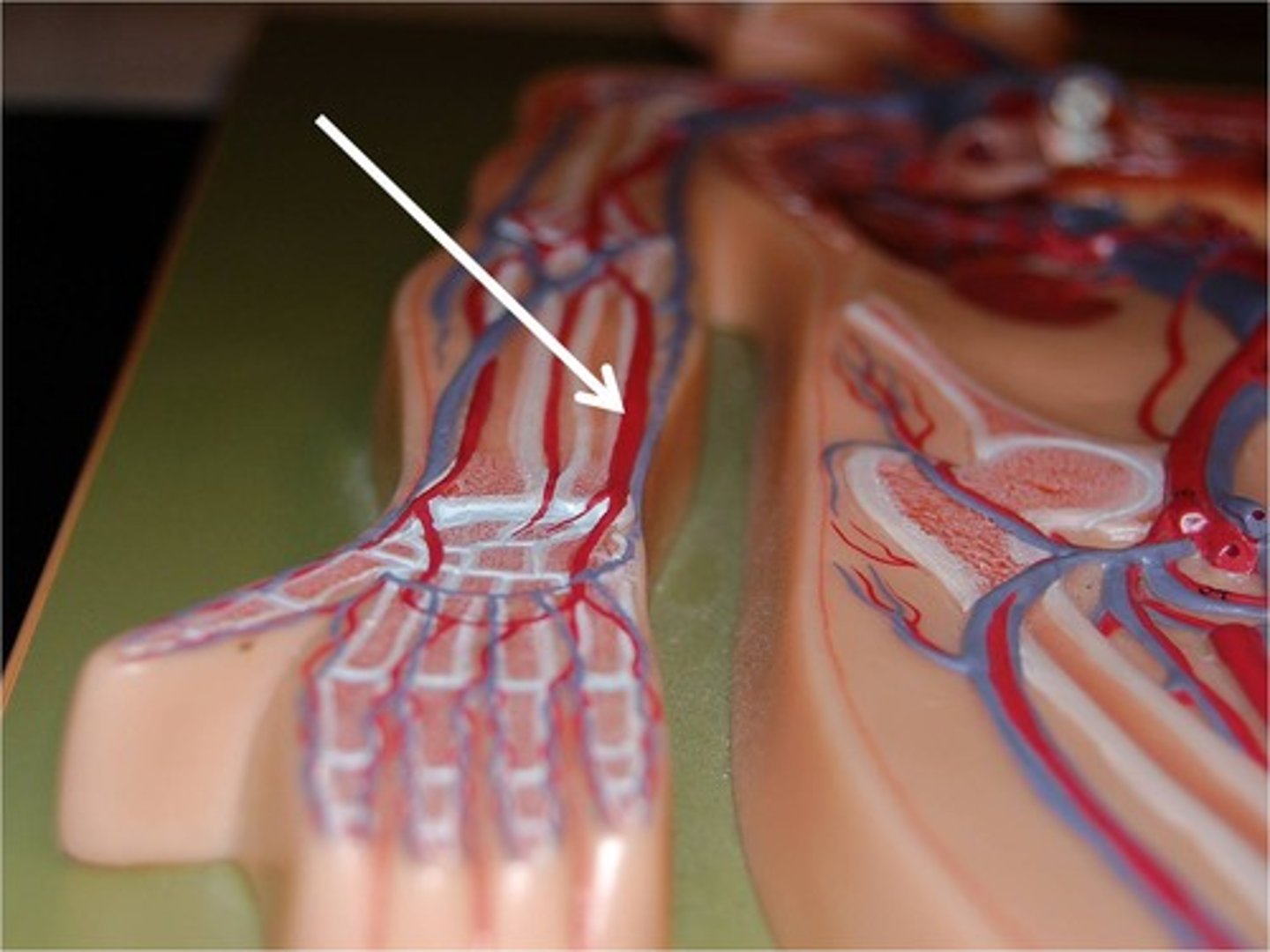
Radial Artery
An artery that supplies blood to the lateral forearm and thumb side of the wrist.
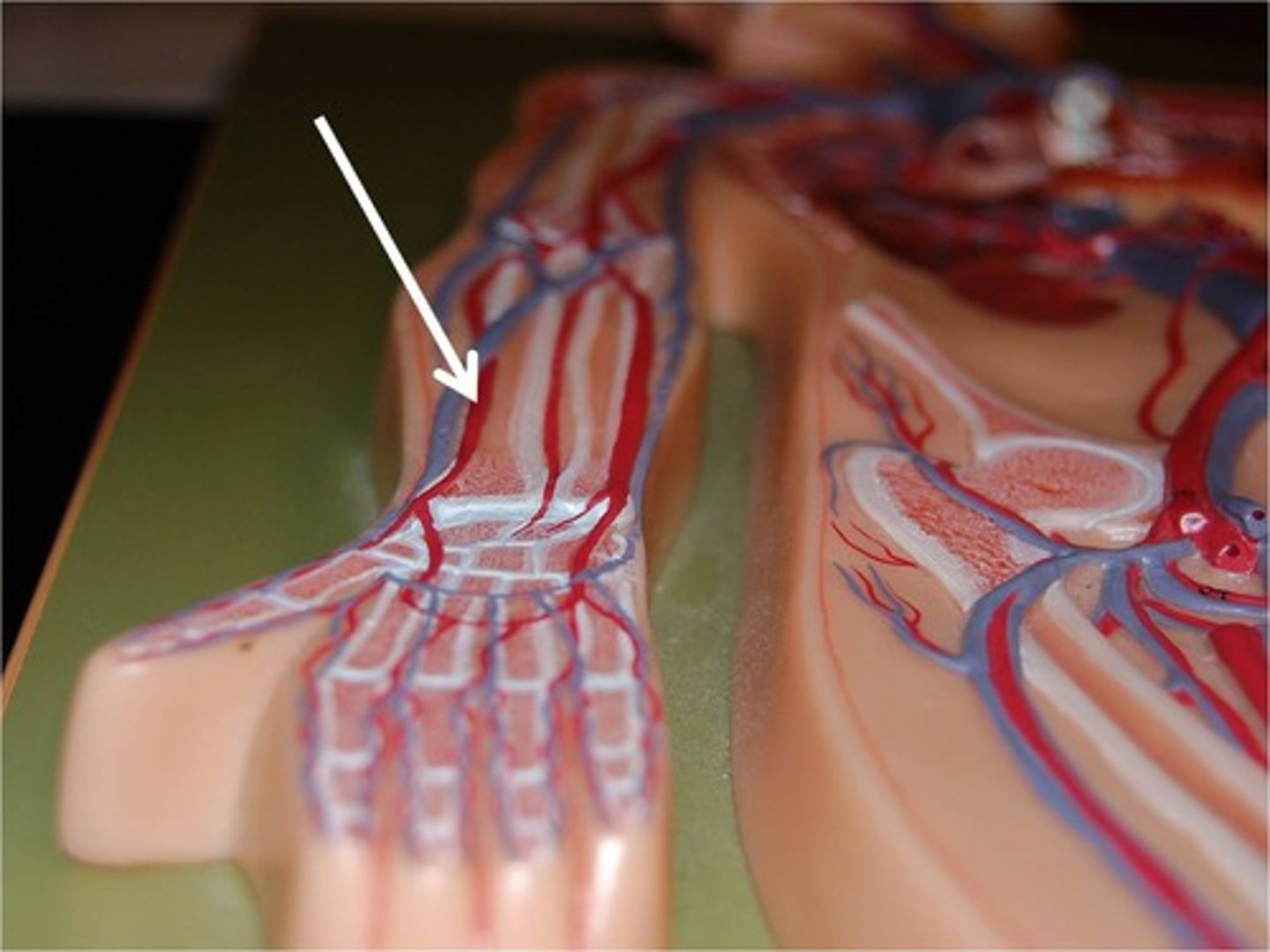
External Iliac Artery
The artery that continues from the common iliac artery to supply the lower limb.
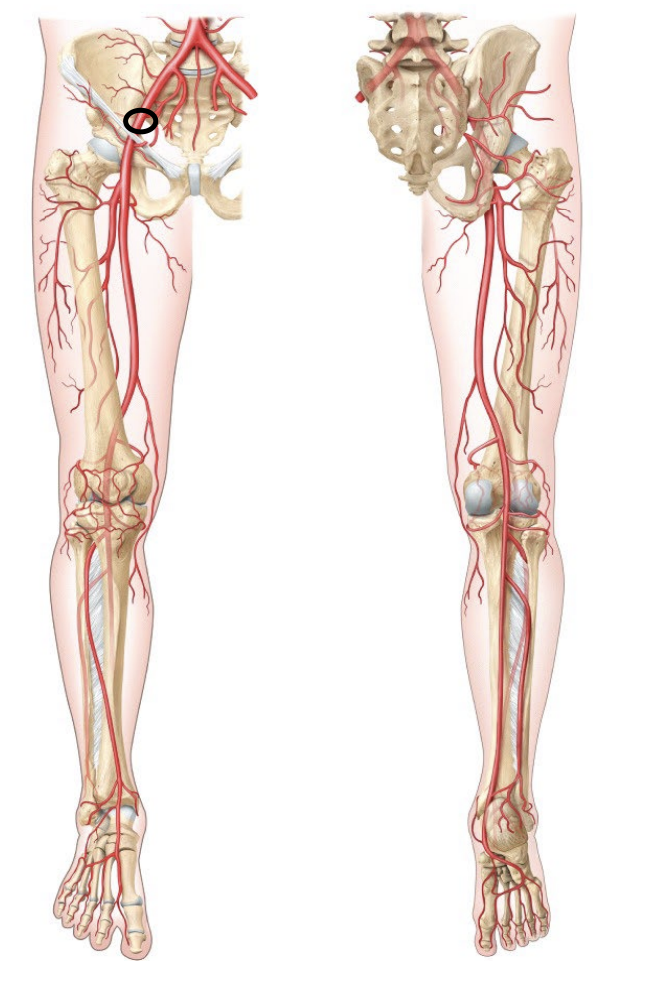
Internal Iliac Artery
An artery that supplies blood to the pelvic organs.
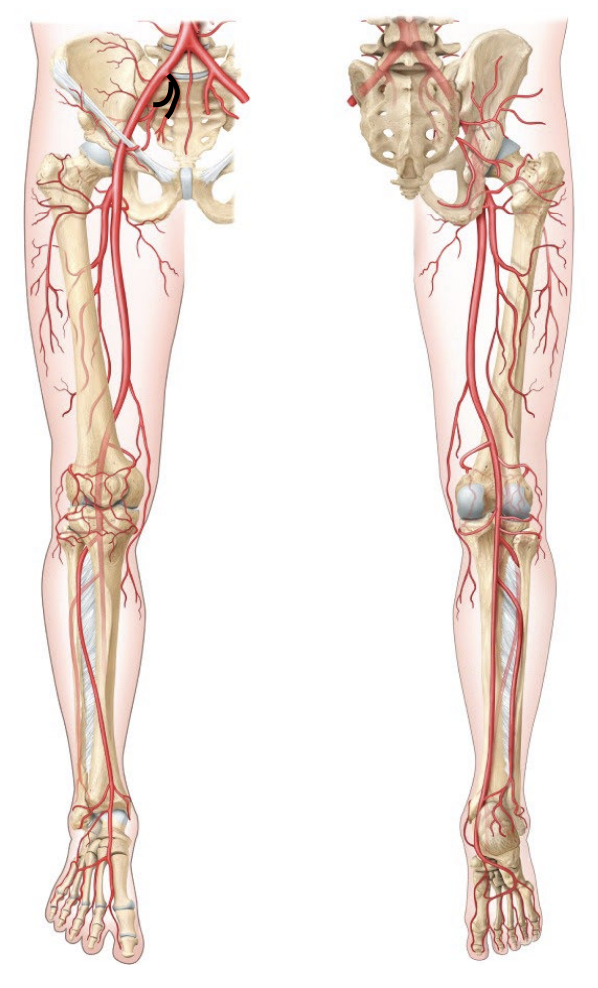
Femoral Artery
The main artery supplying blood to the deep thigh muscles.
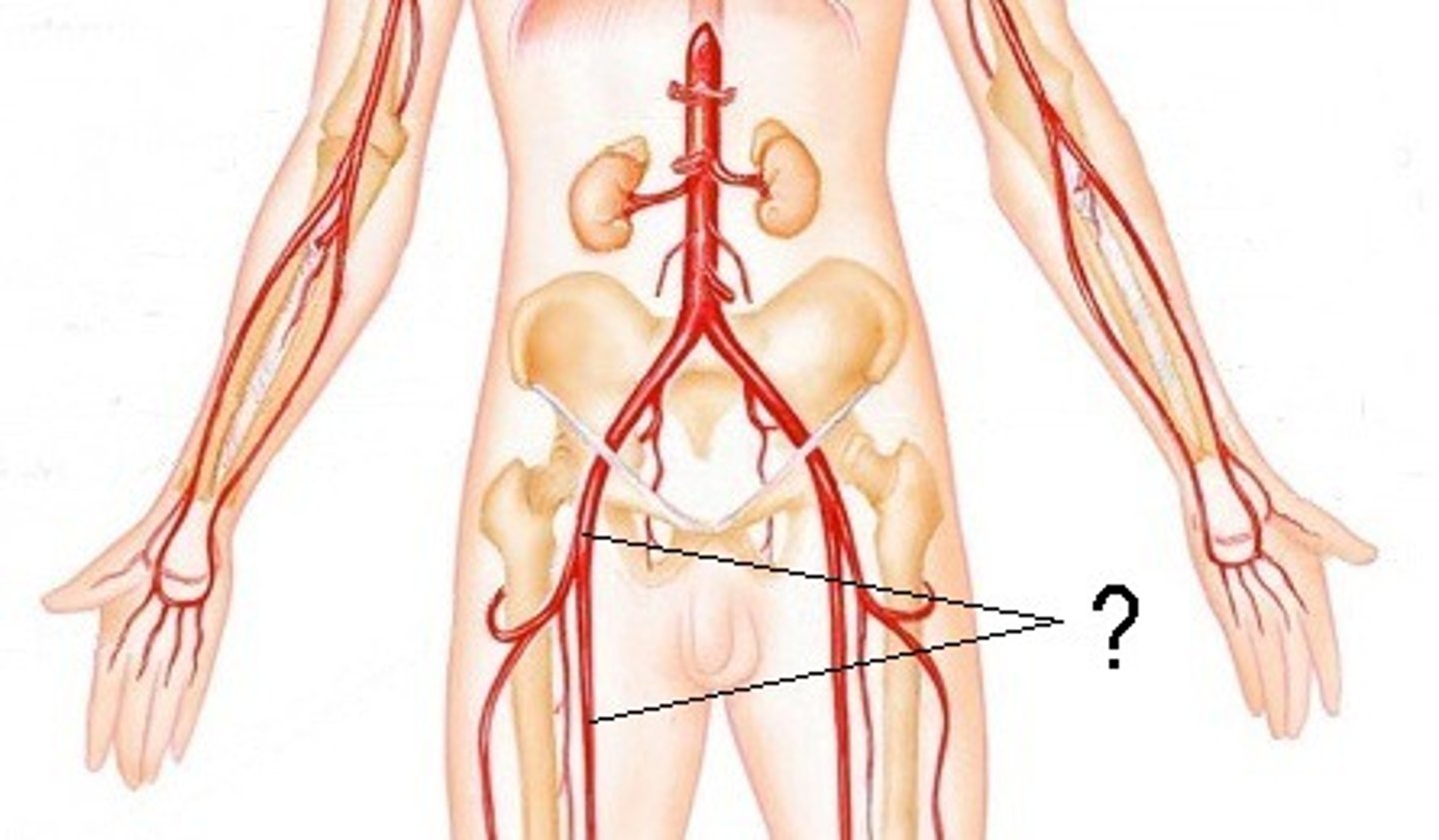
Popliteal Artery
An artery located behind the knee that supplies blood to the lower leg.
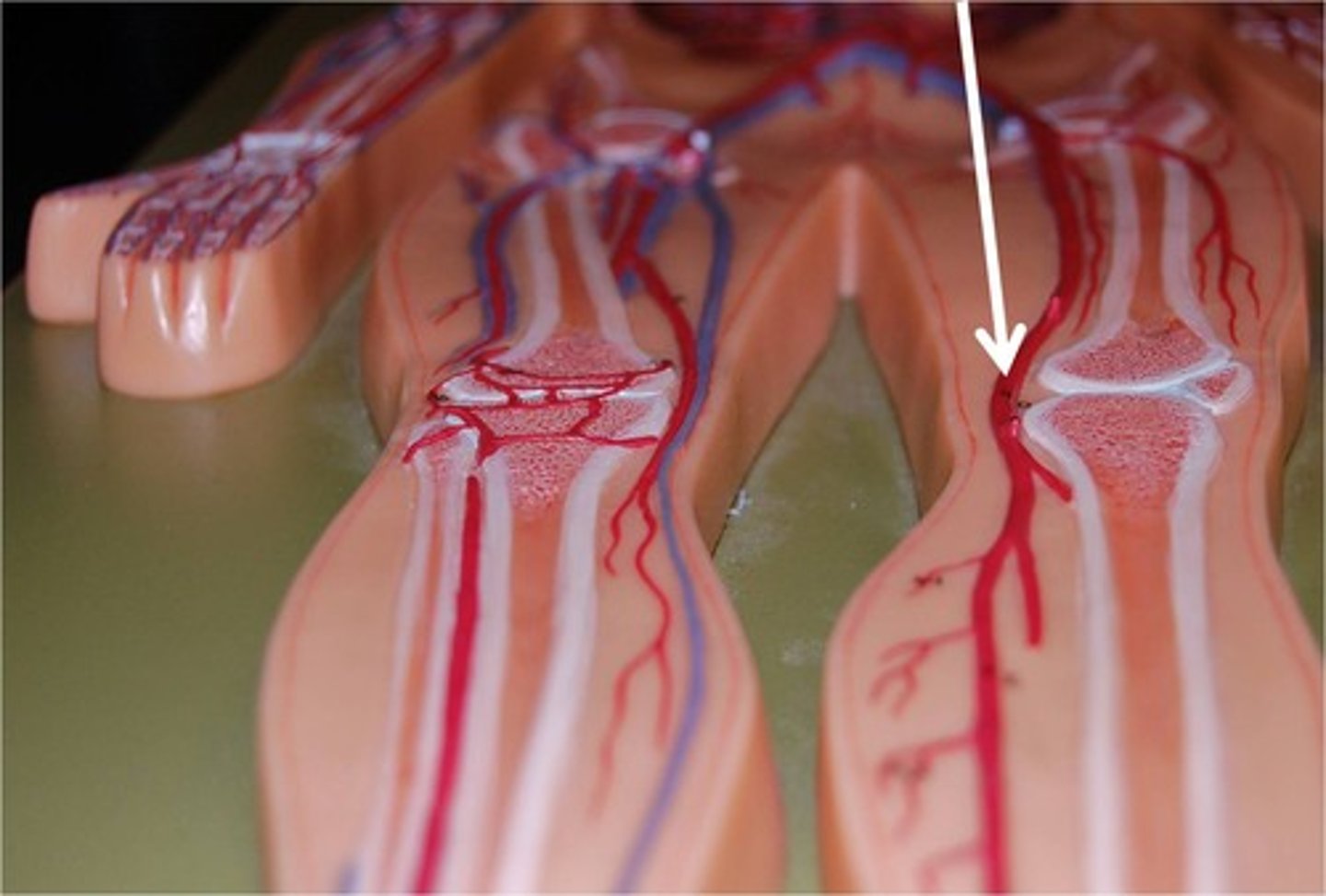
Brachiocephalic Vein
A vein that forms from the merging of the internal jugular and subclavian veins, draining blood from the head and arms.
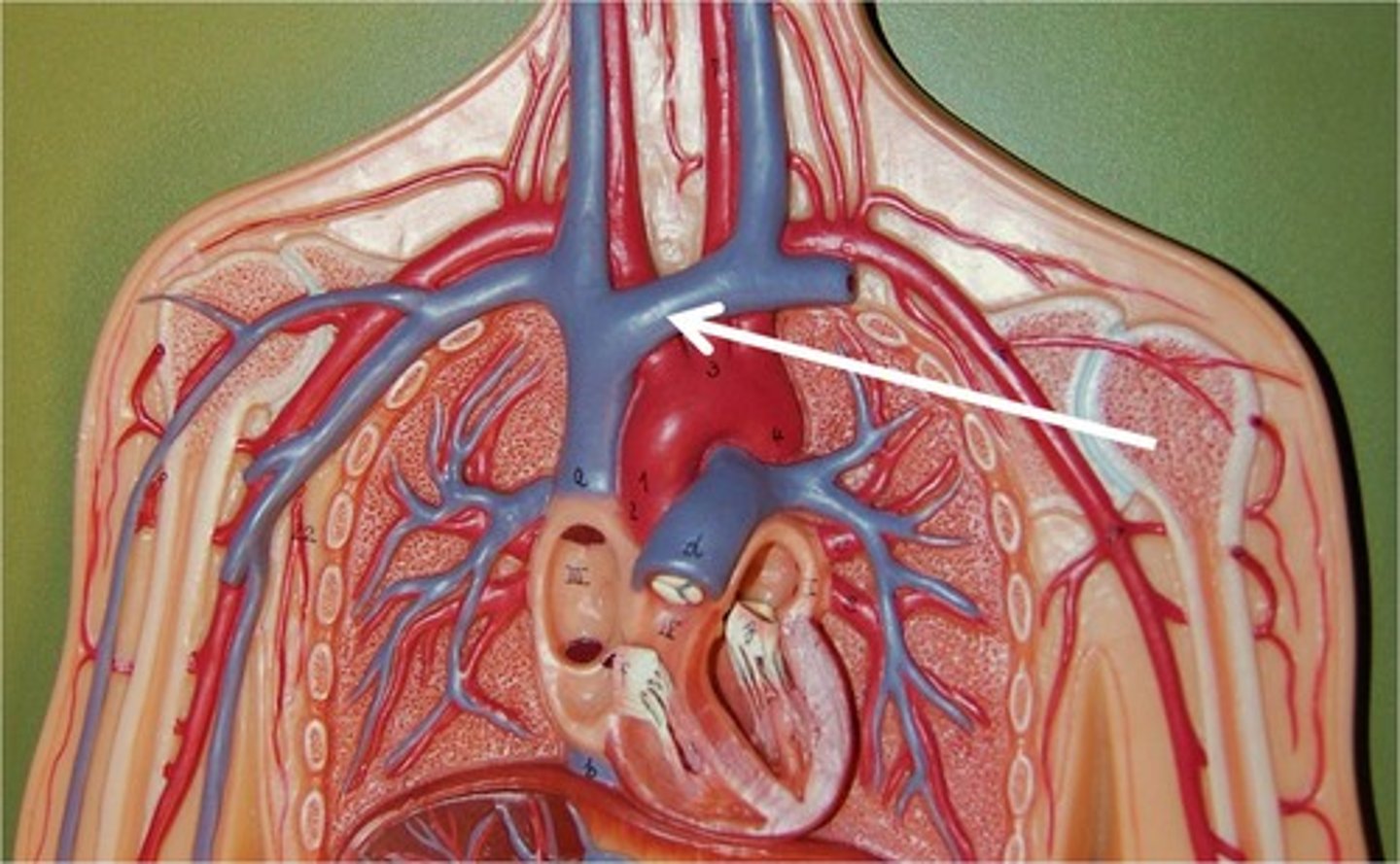
Internal Jugular Vein
A major vein that drains blood from the brain, face, and neck.
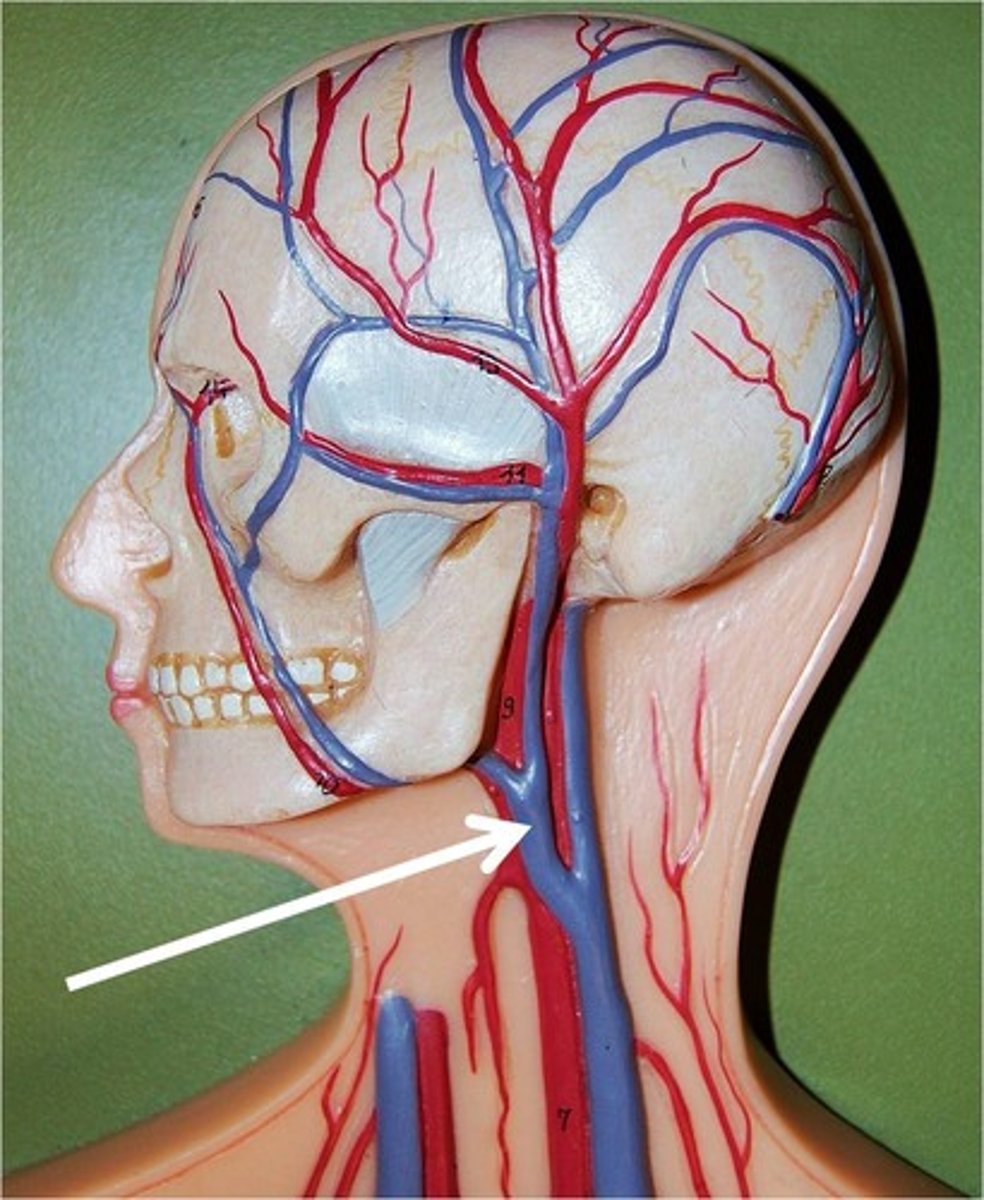
External Jugular Vein
A vein that drains blood from the exterior of the cranium and deep parts of the face.
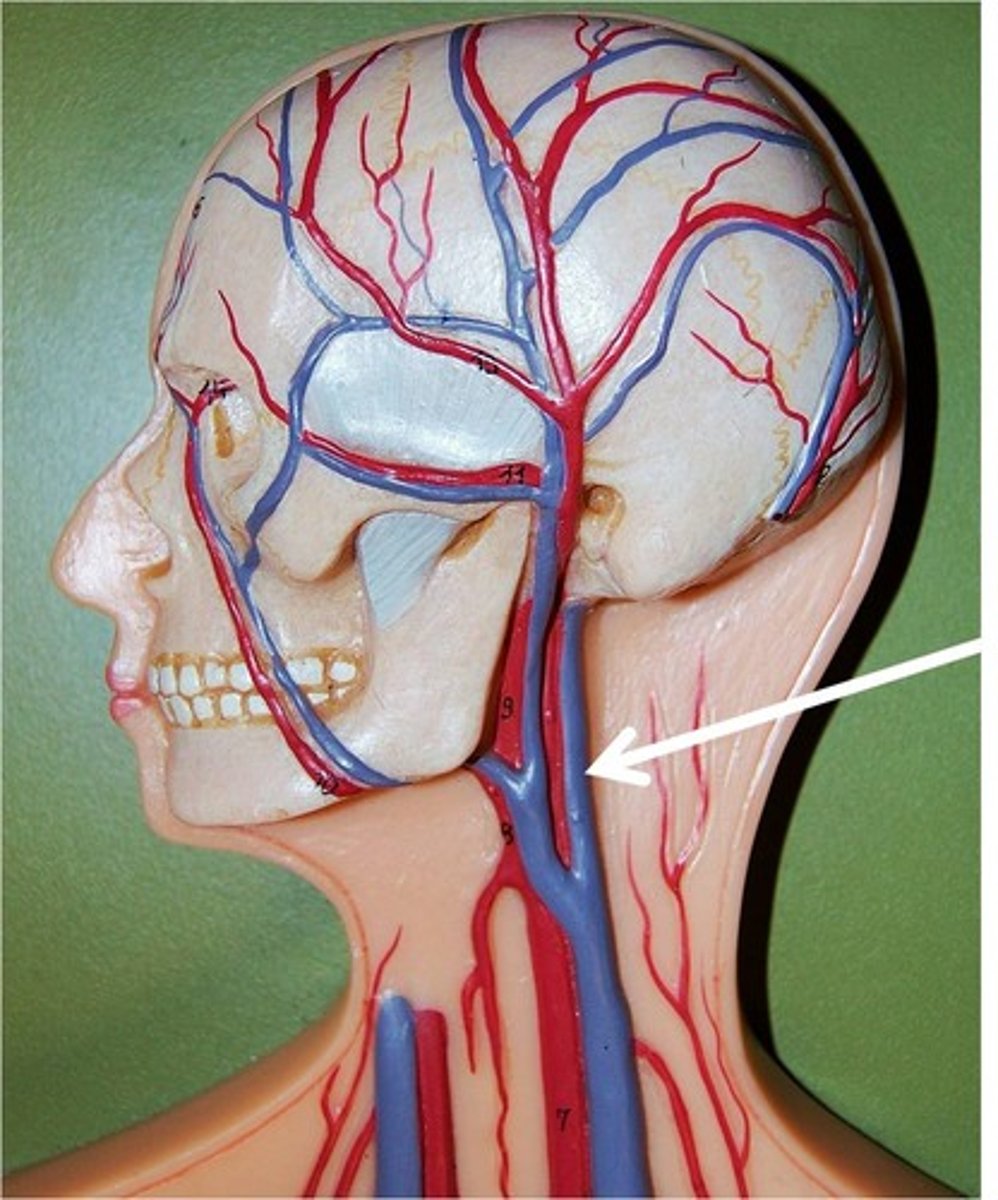
Renal Vein
A vein that drains blood from the kidneys.
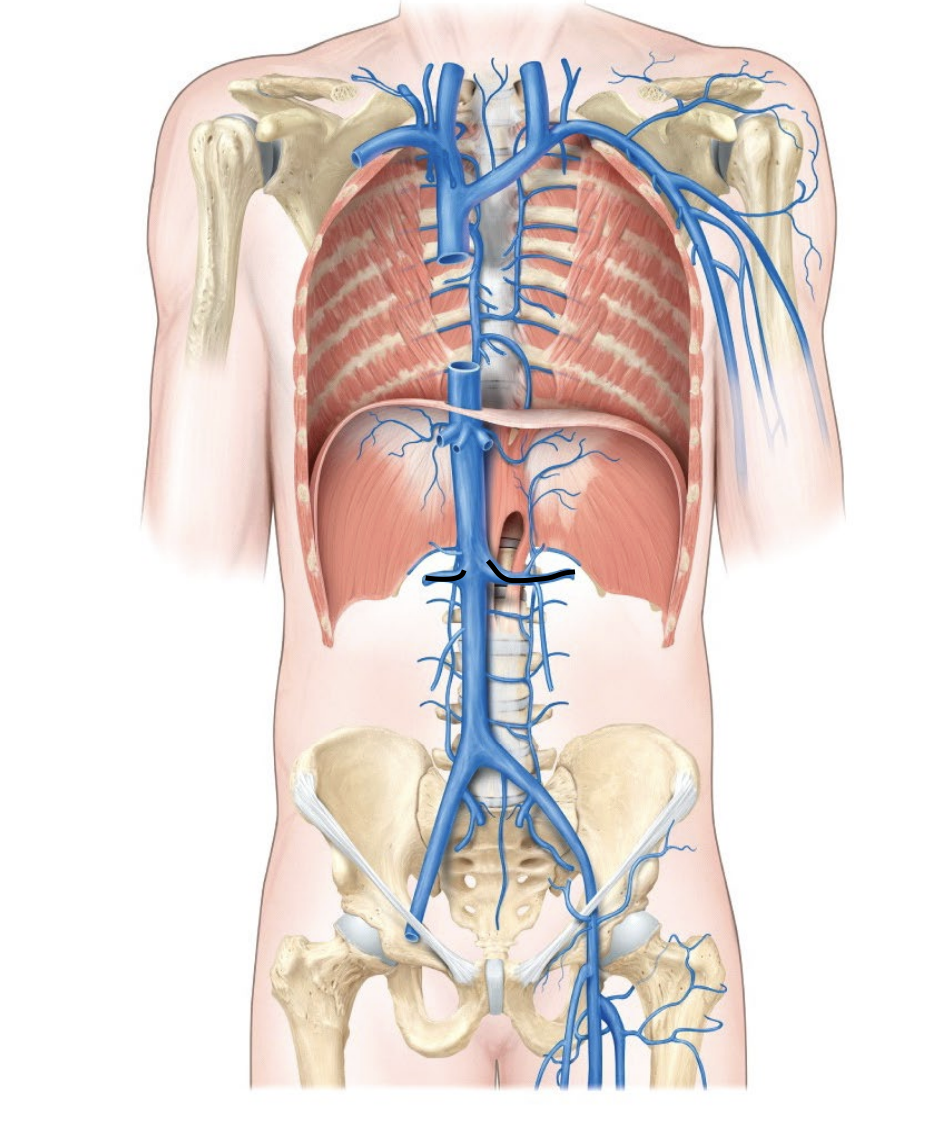
Splenic Vein
A vein that drains blood from the spleen.
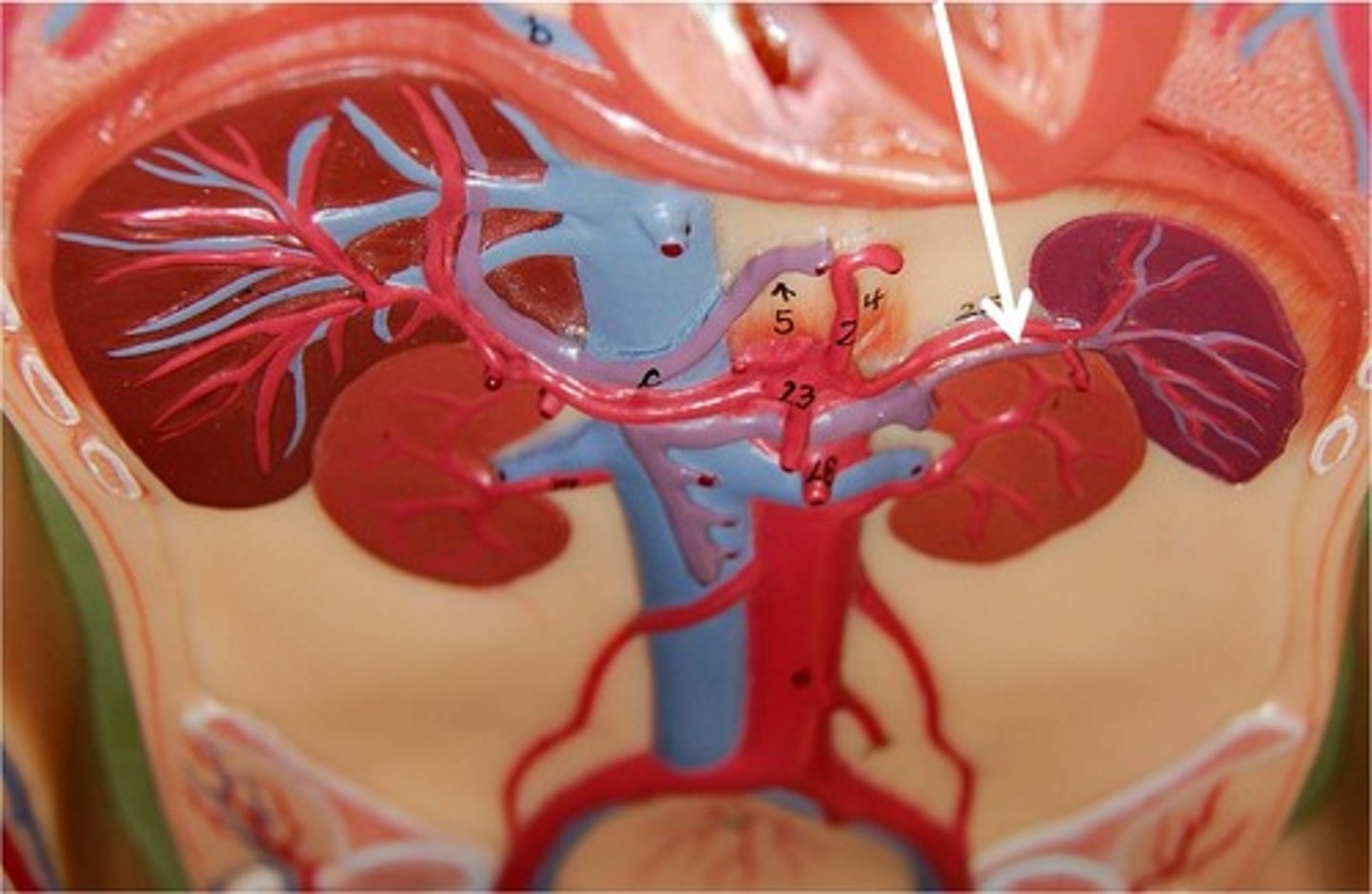
Hepatic Vein
A vein that carries deoxygenated blood away from the liver.
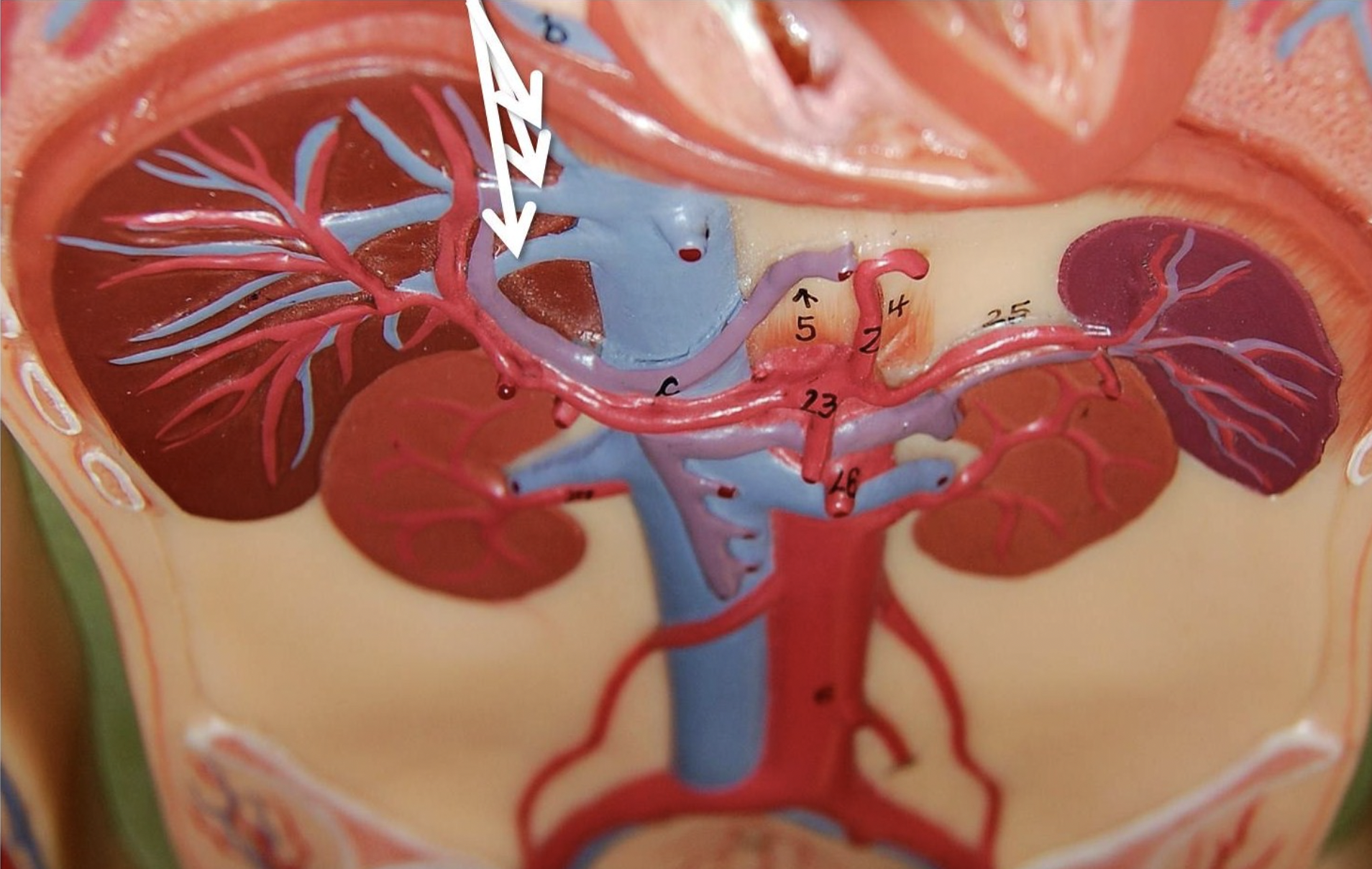
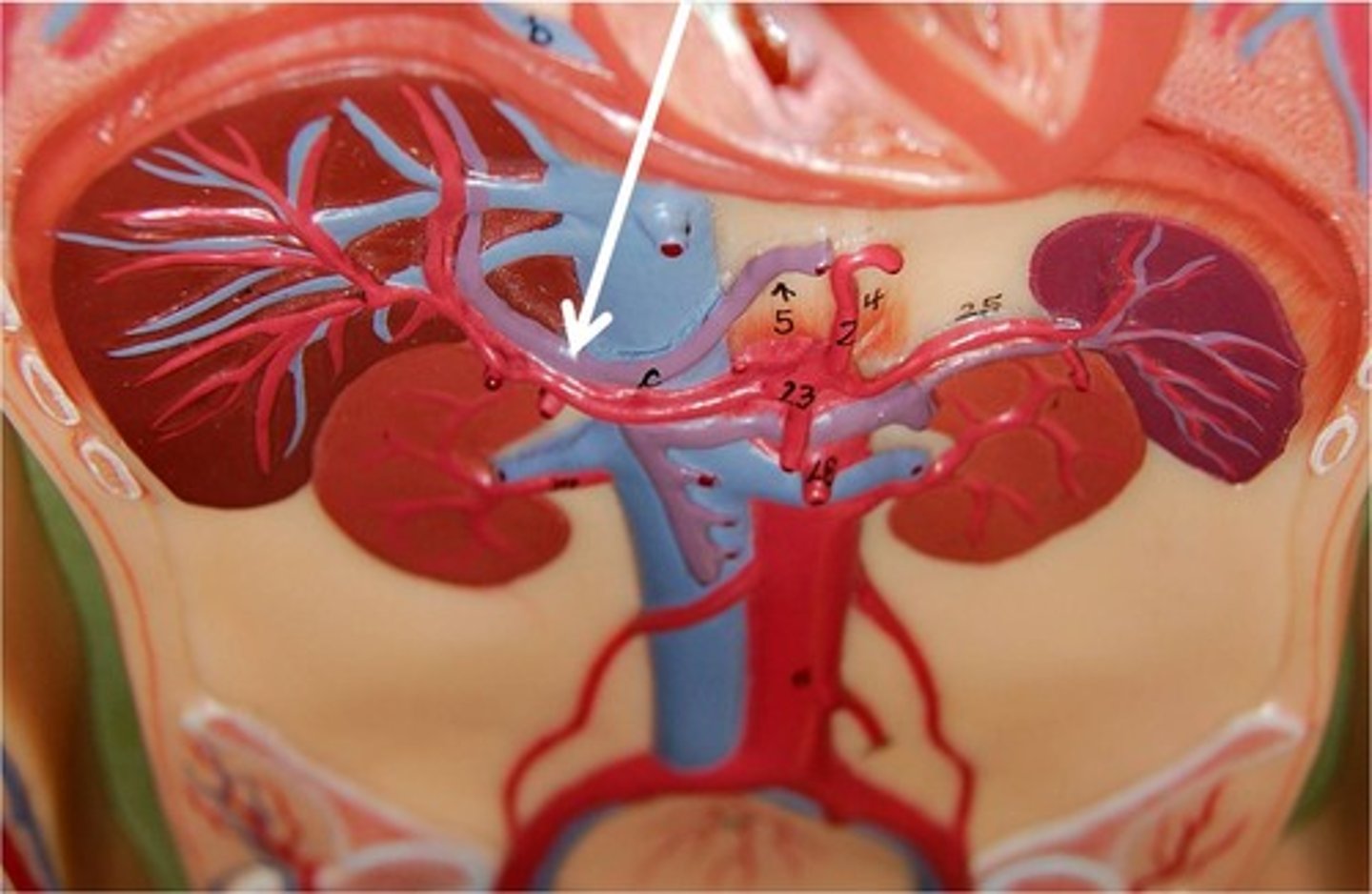
Hepatic Portal Vein
A vein that carries blood from the gastrointestinal tract and spleen to the liver.
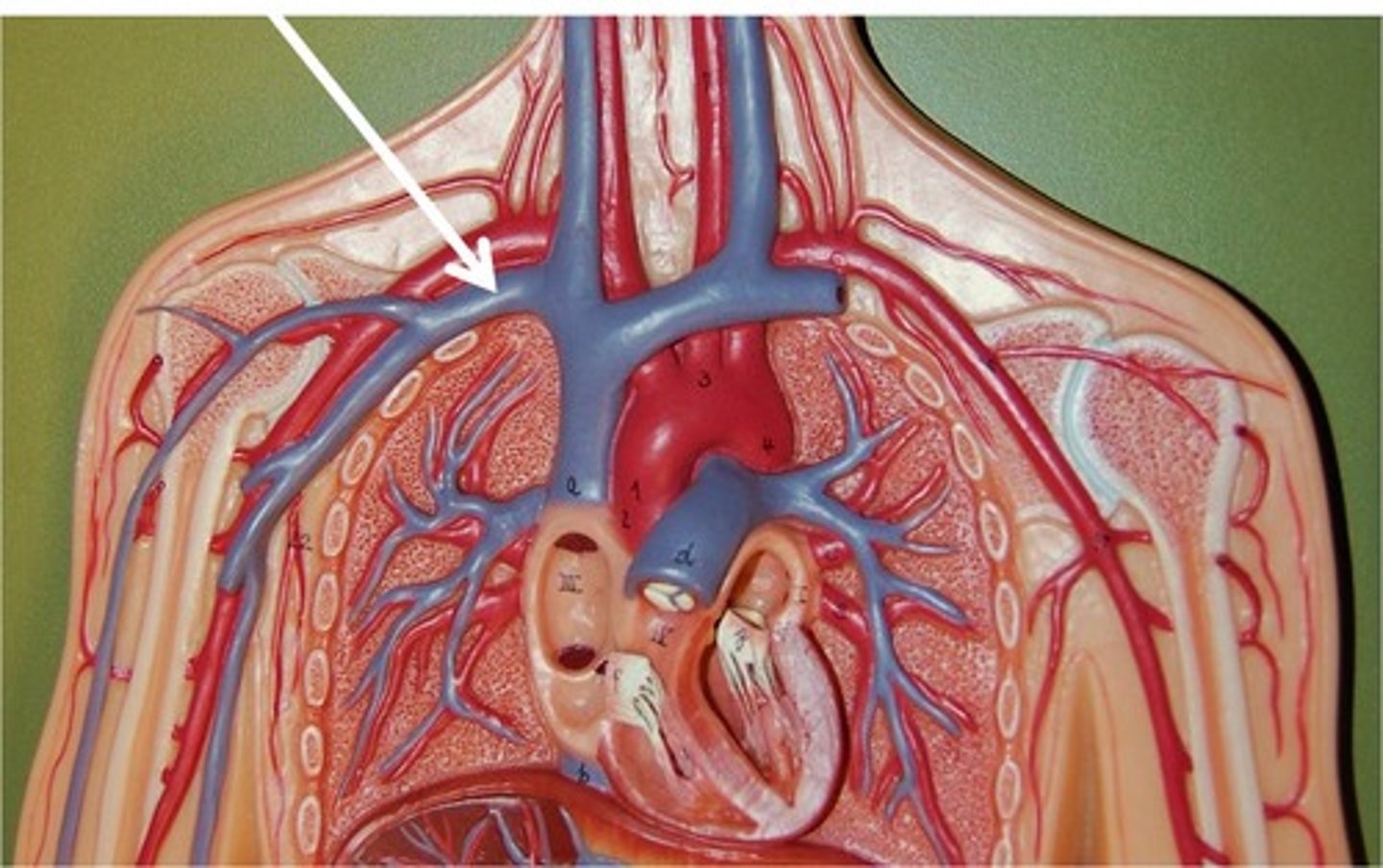
Subclavian Vein
A vein that drains blood from the arm and shoulder region.
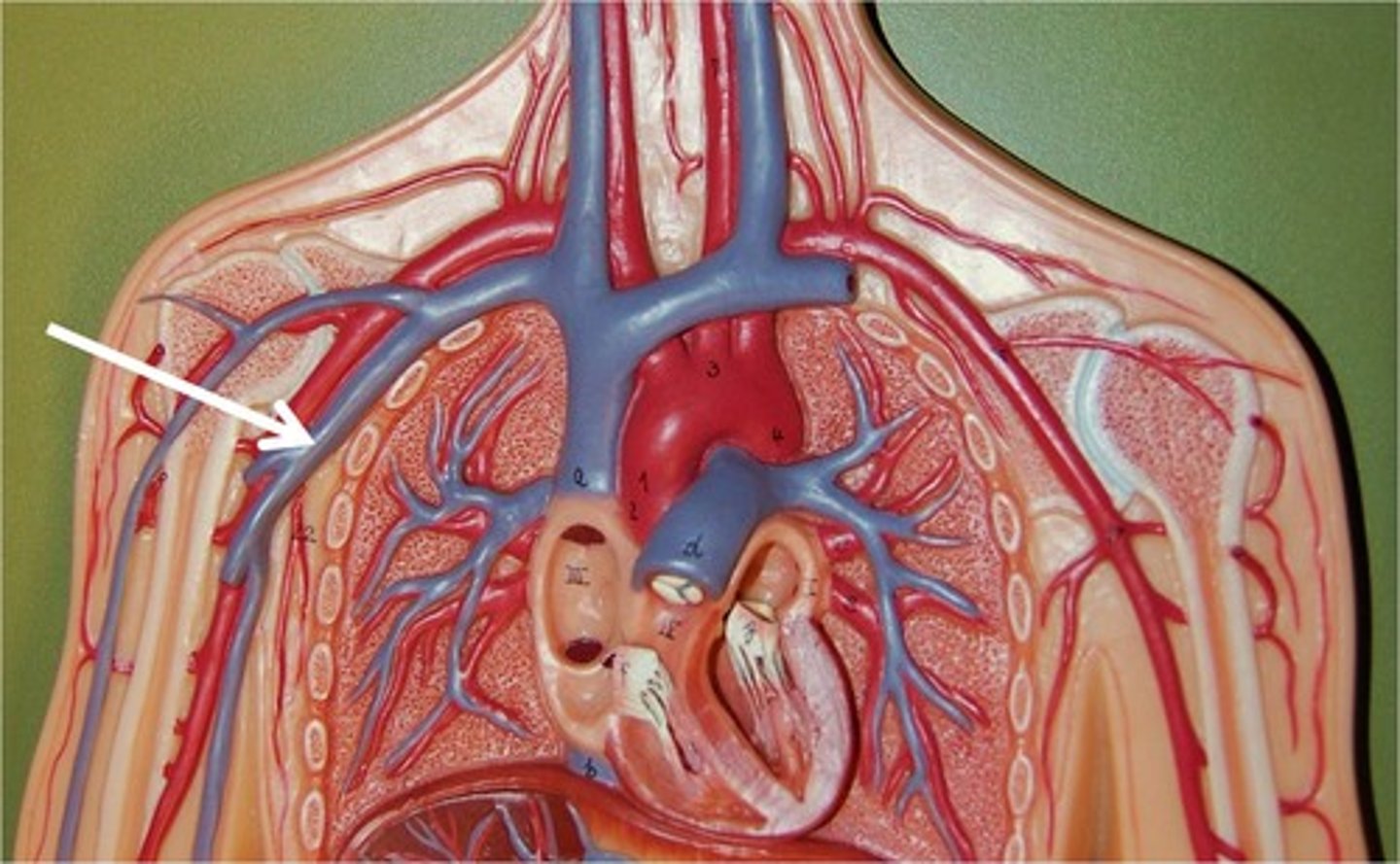
Axillary Vein
A vein that drains blood from the armpit and upper limb.
Cephalic Vein
A superficial vein in the arm that drains blood from the lateral side of the forearm.
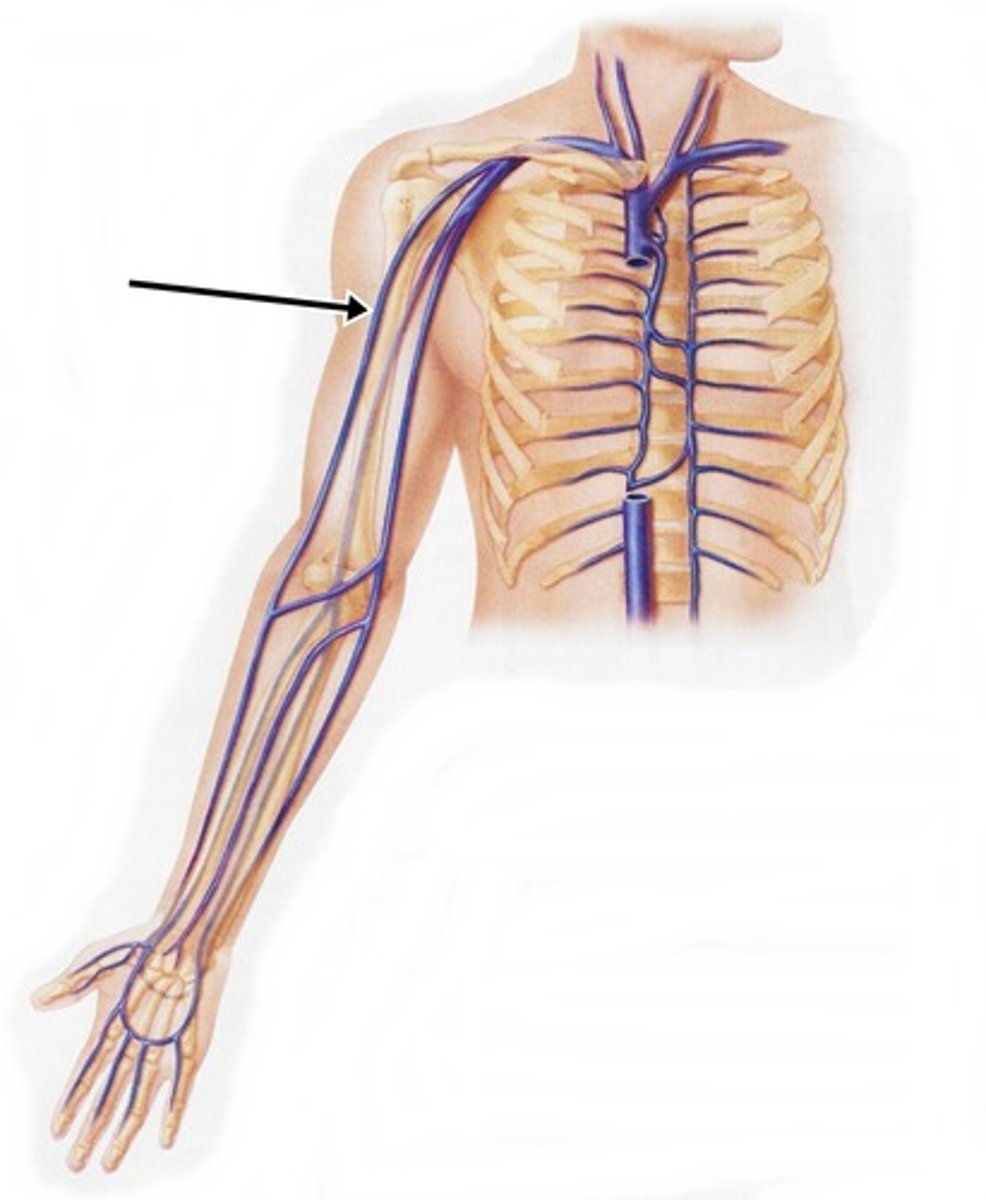
Brachial Vein
A deep vein that drains blood from the upper arm.
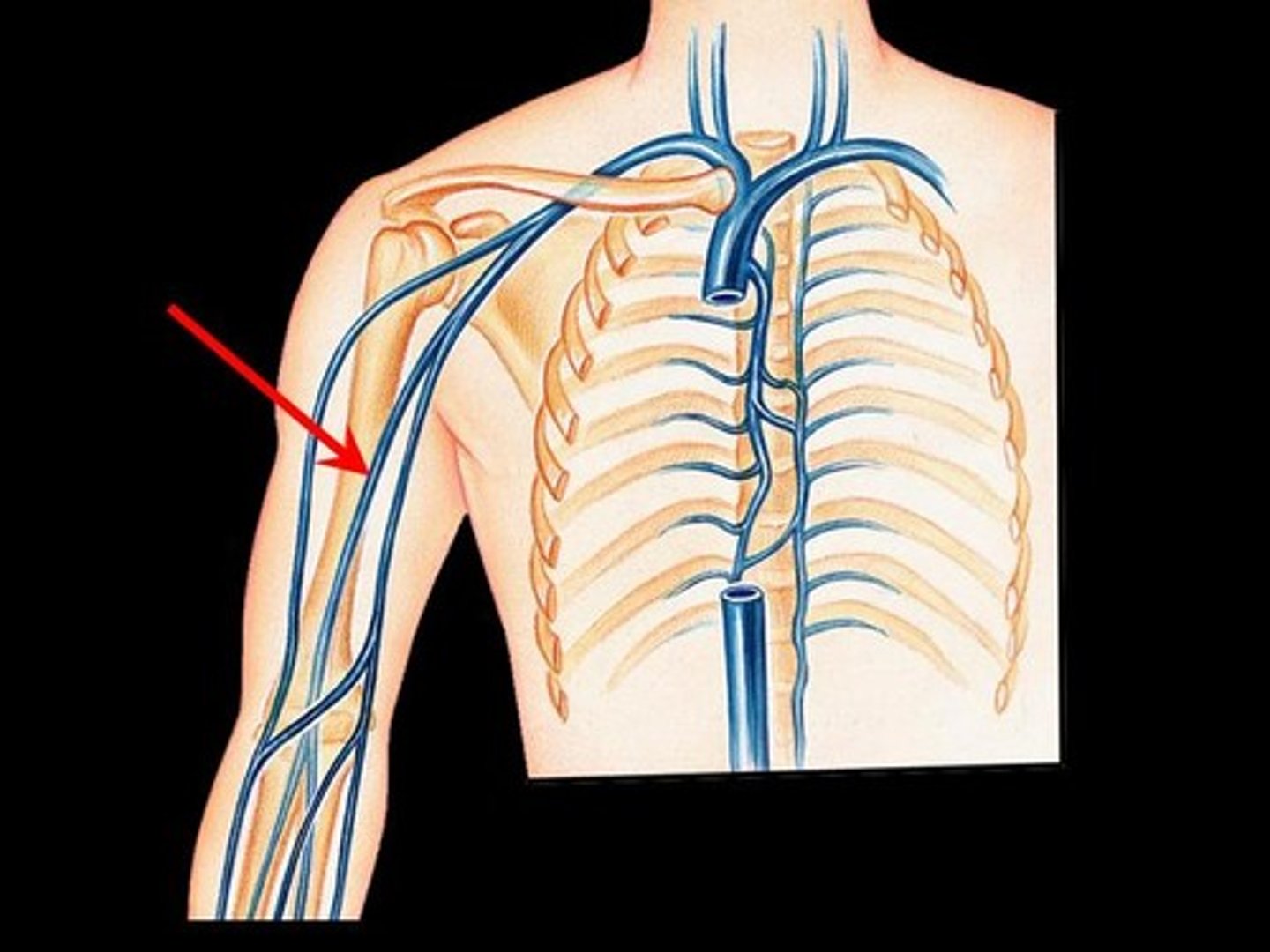
Basilic Vein
A superficial vein that drains blood from the medial side of the forearm and arm.
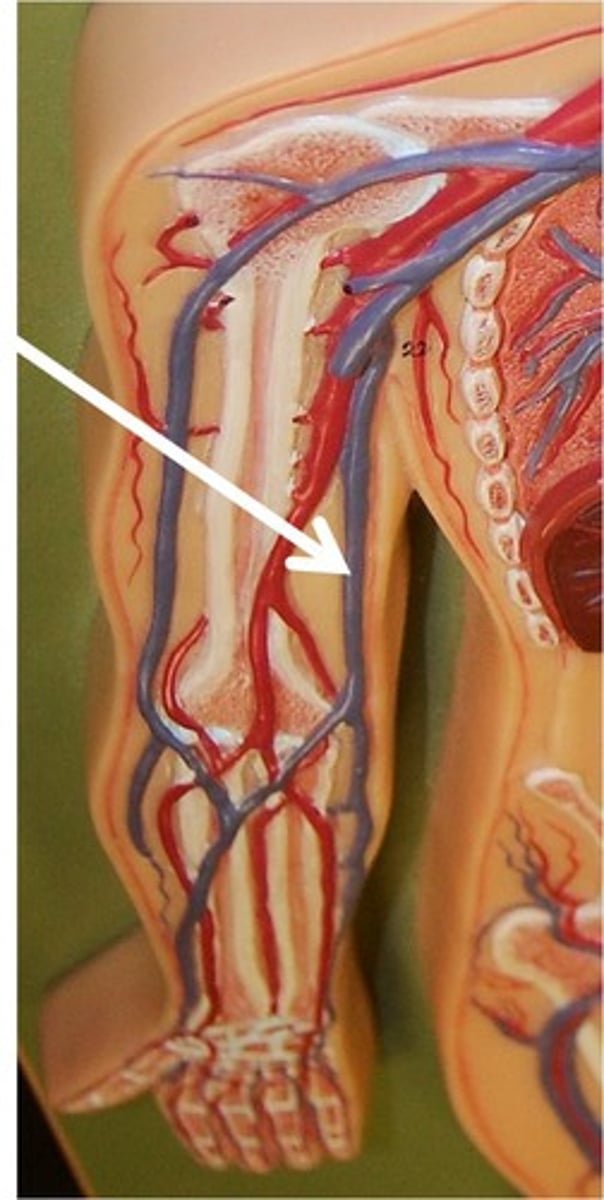
Ulnar Vein
A deep vein that drains blood from the ulnar side of the forearm.
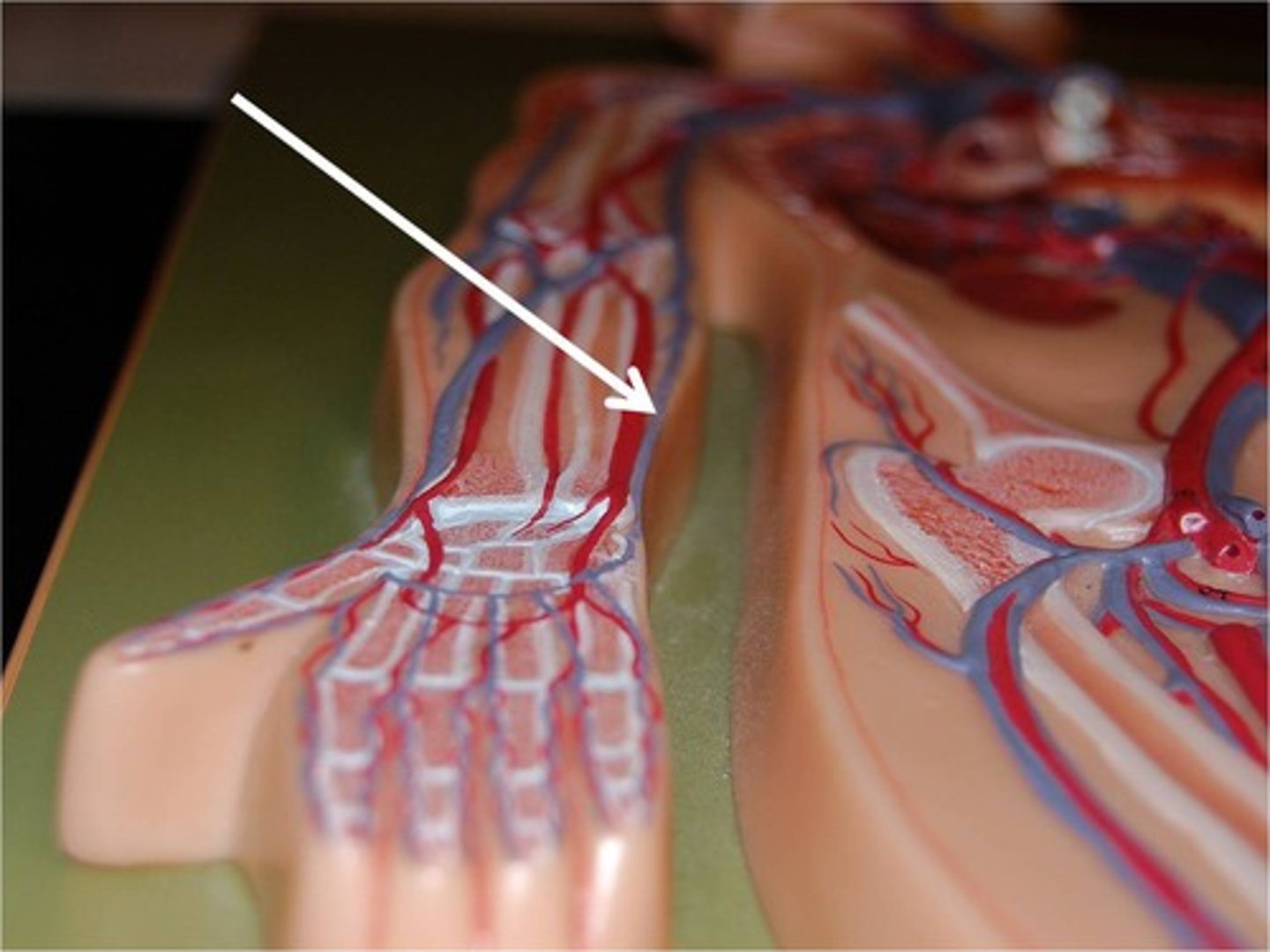
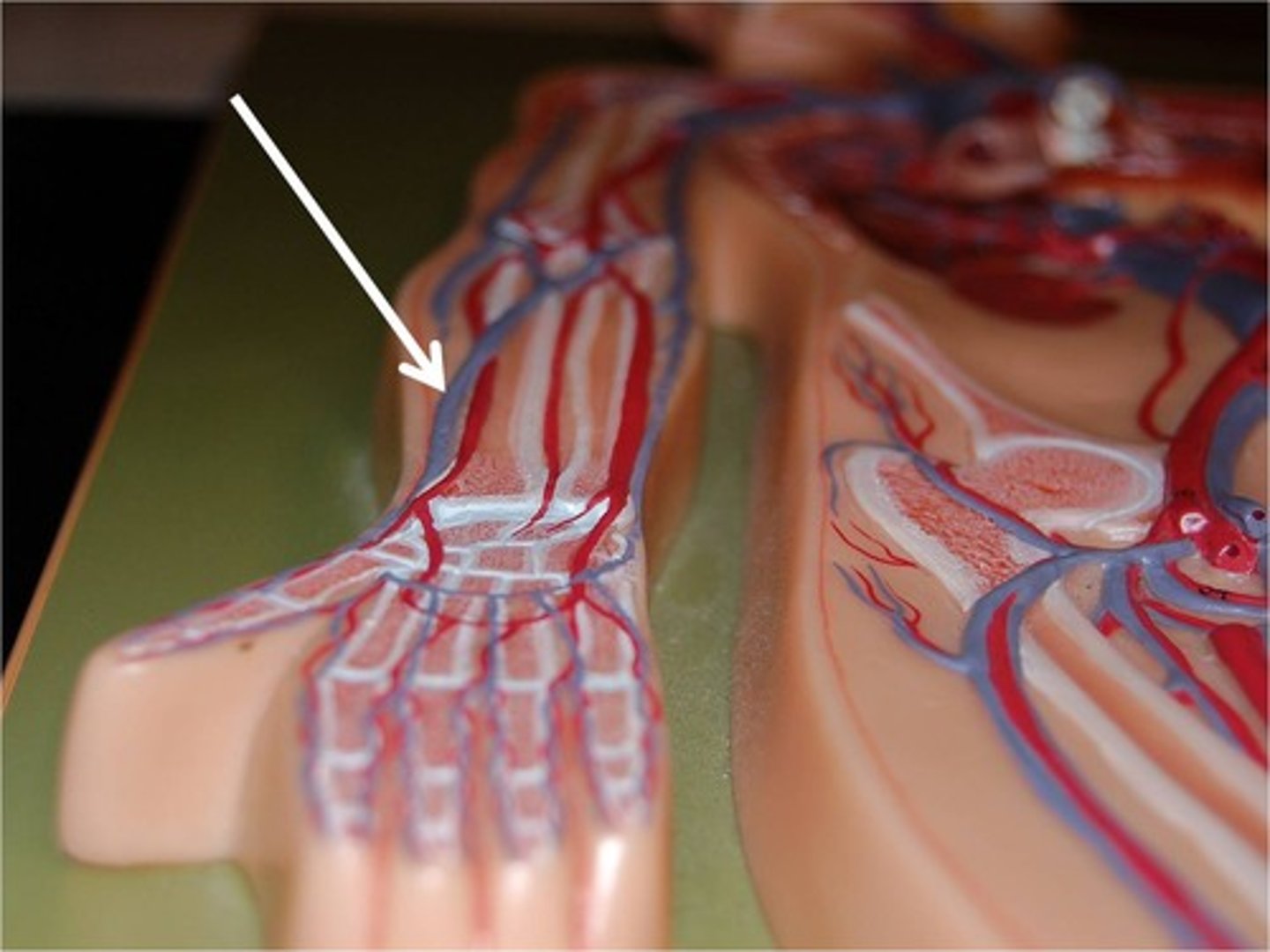
Radial Vein
A deep vein that drains blood from the radial side of the forearm.
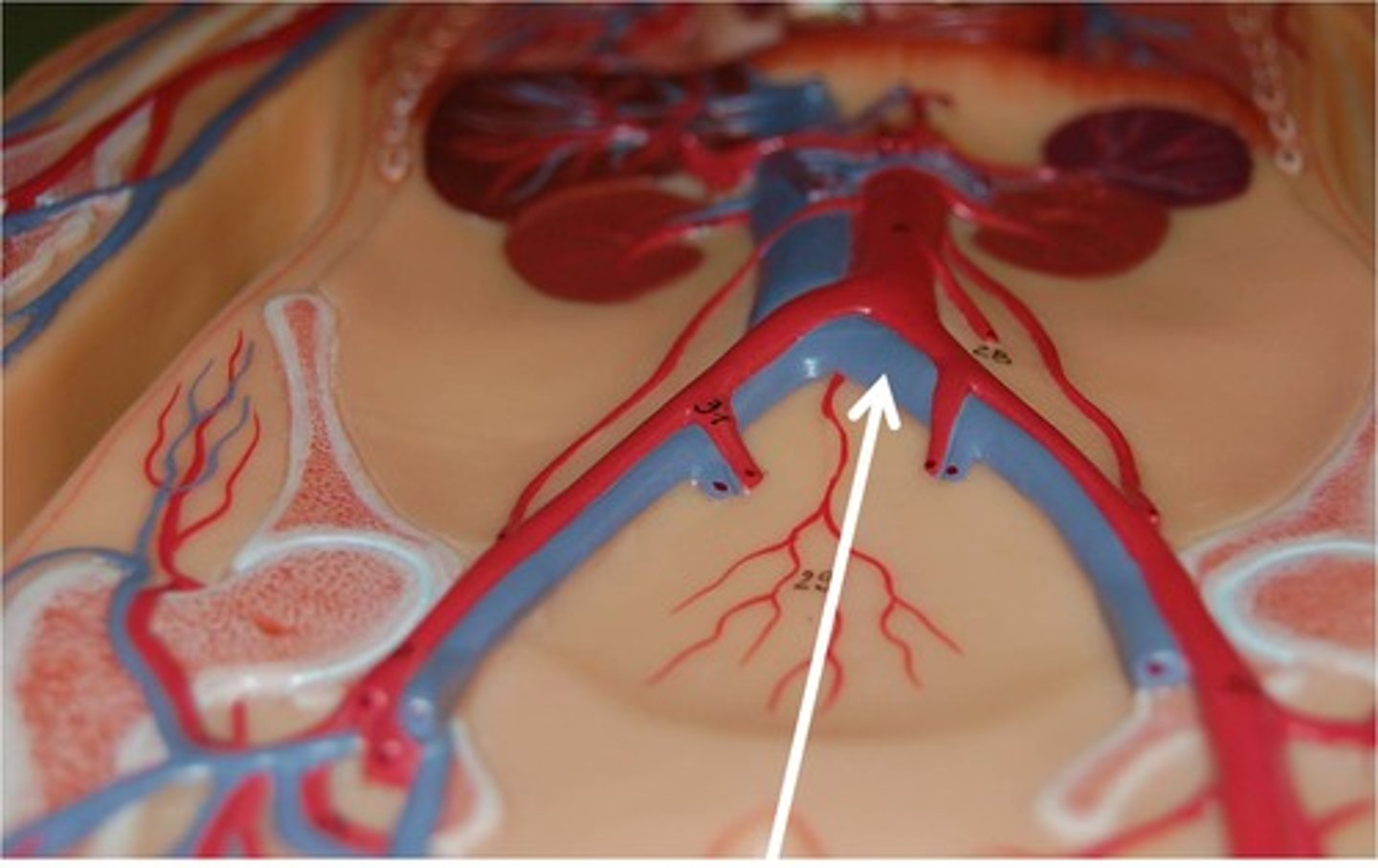
Common Iliac Vein
A vein that drains blood from the pelvis and lower limbs.
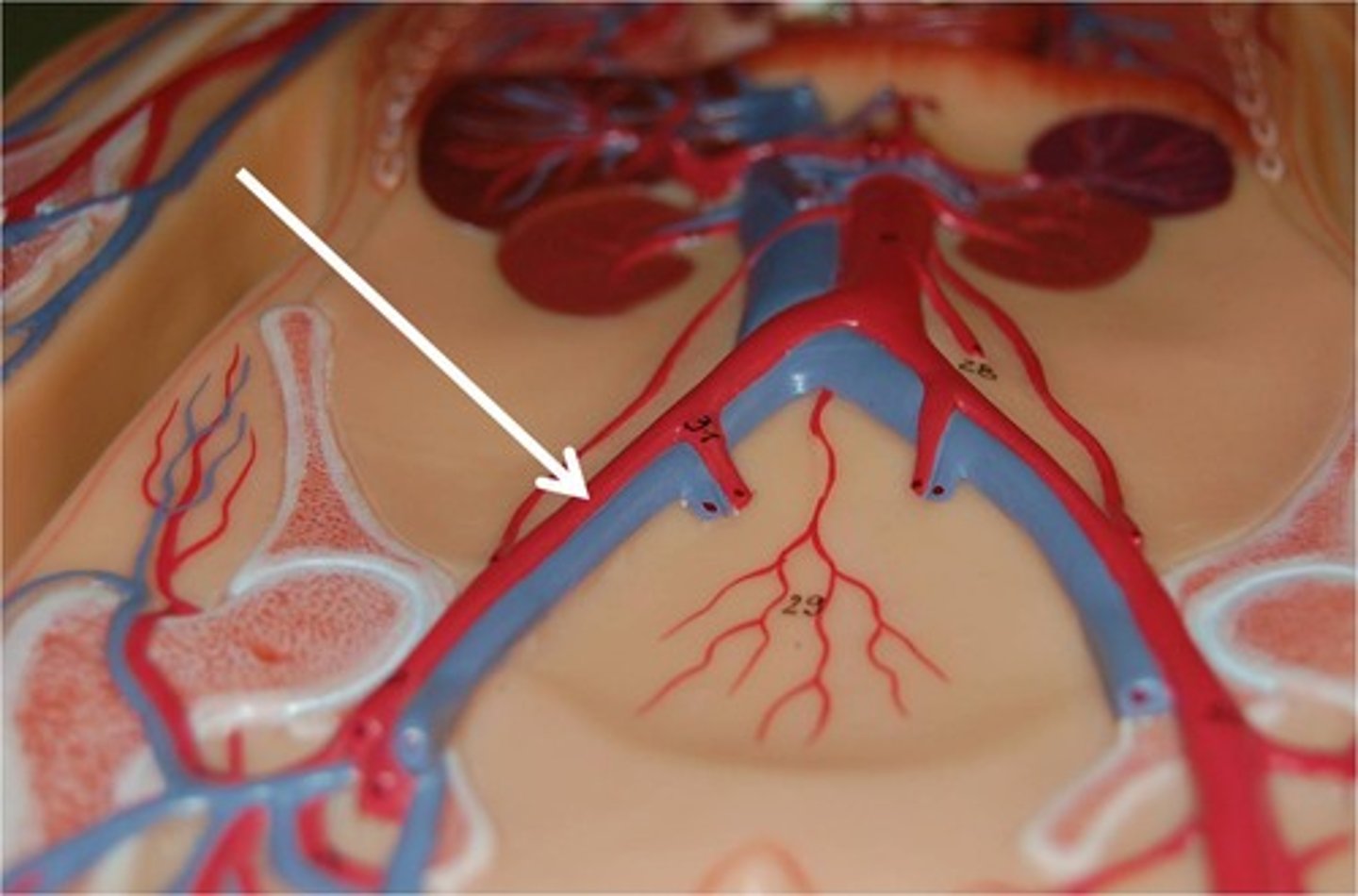
External Iliac Vein
A vein that drains blood from the lower limb.
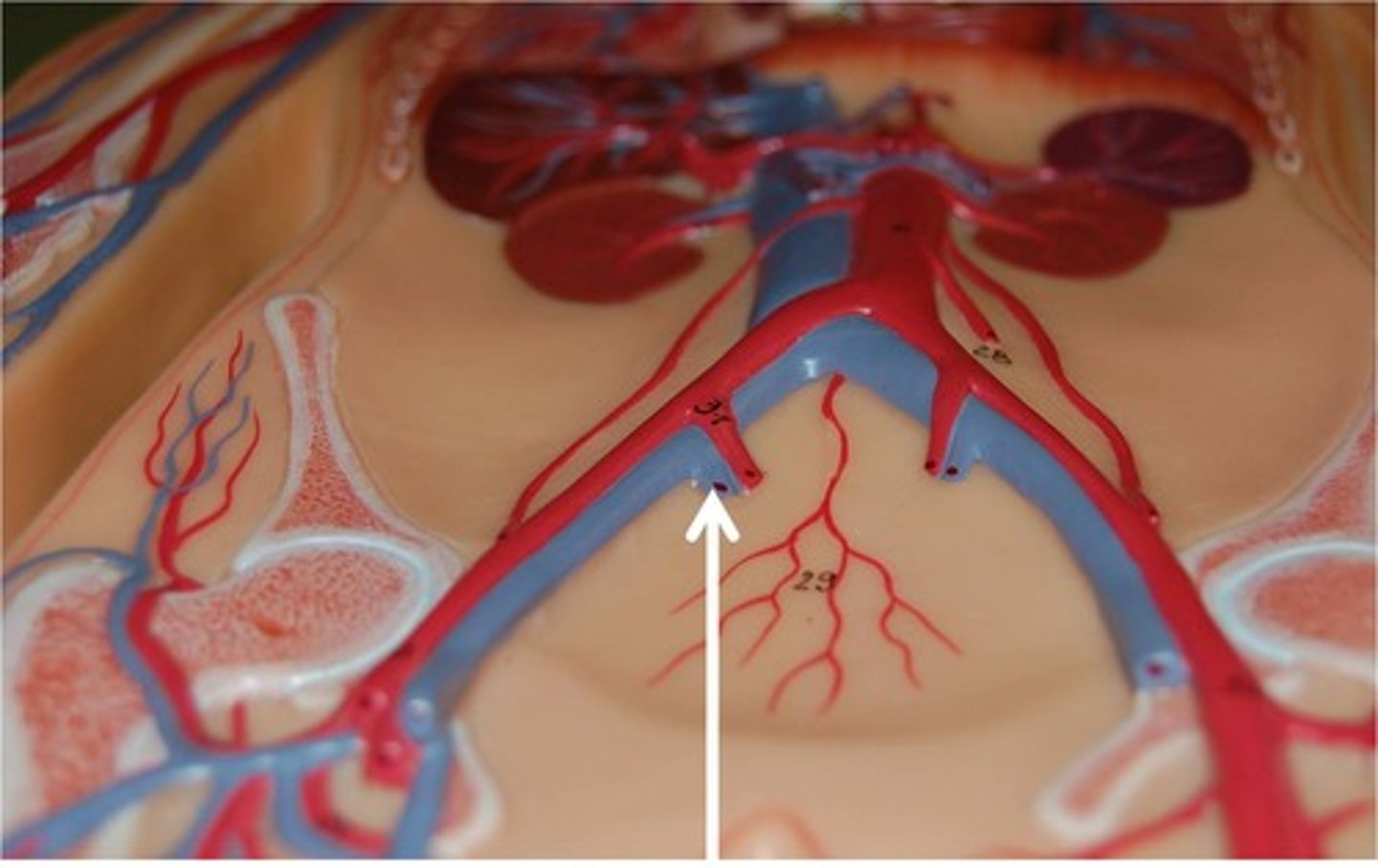
Internal Iliac Vein
A vein that drains blood from the pelvic organs.
Femoral Vein
A deep vein that drains blood from the thigh.
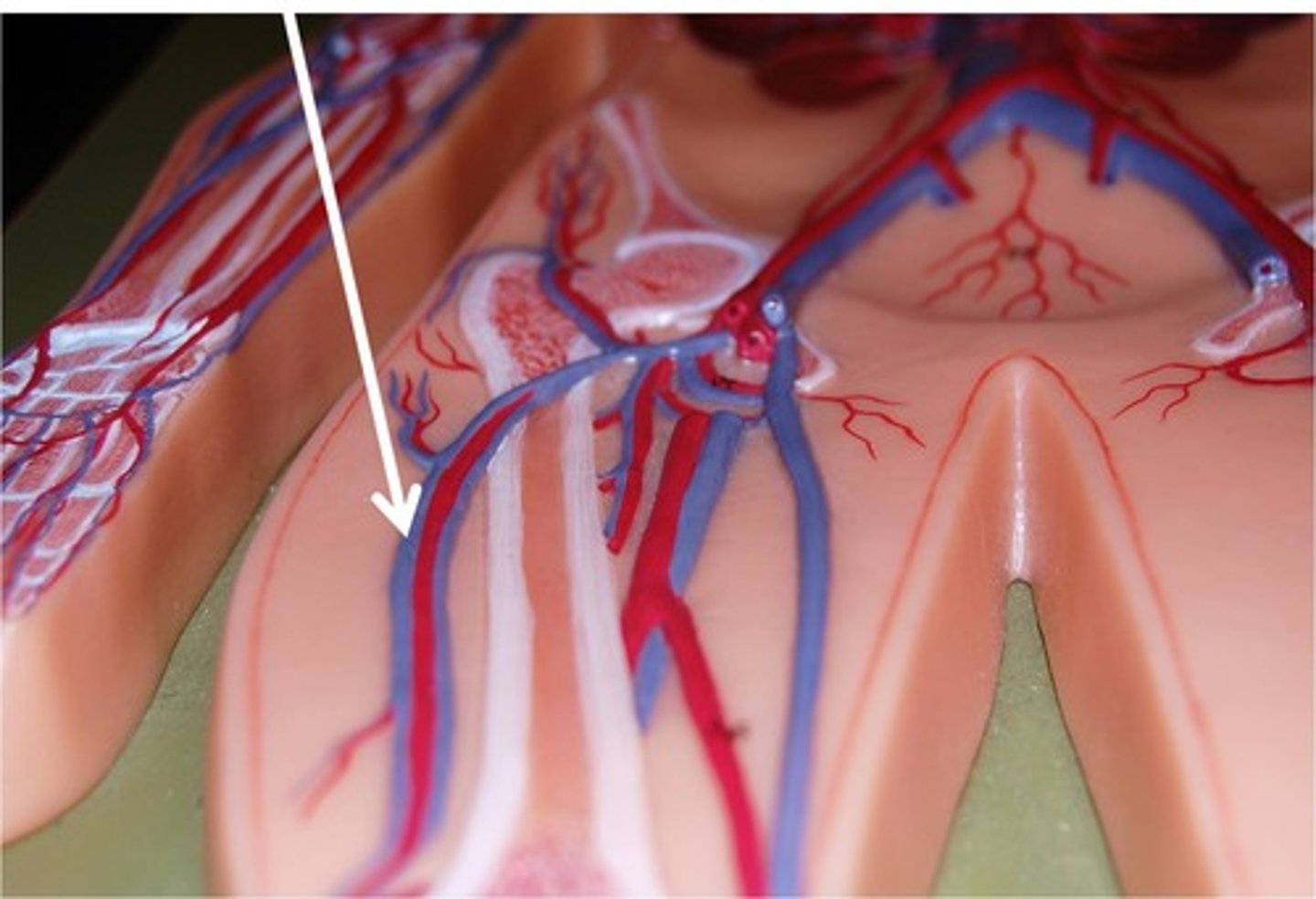
Great Saphenous Vein
The longest vein in the body, draining blood from the superficial tissues of the leg.
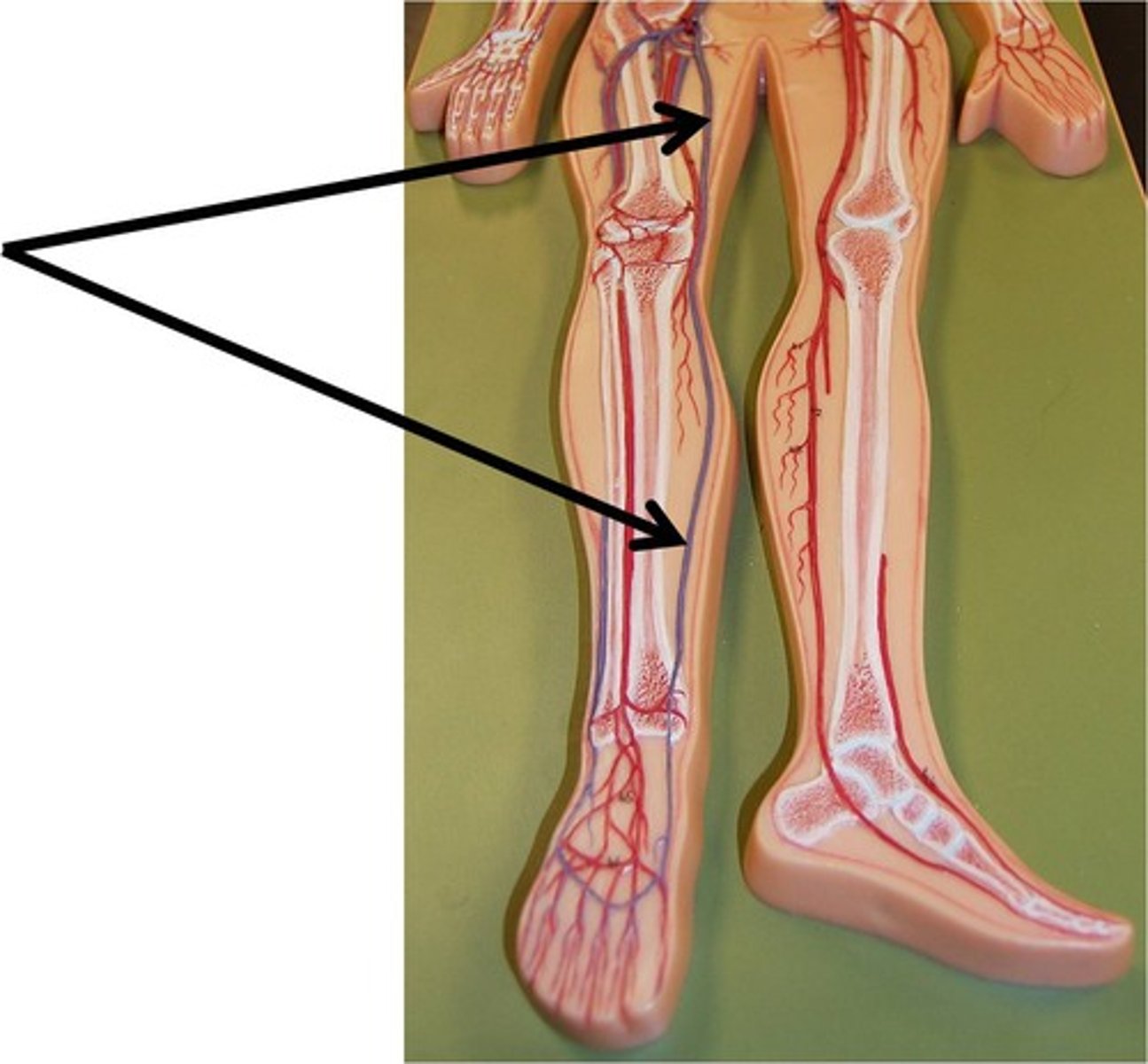
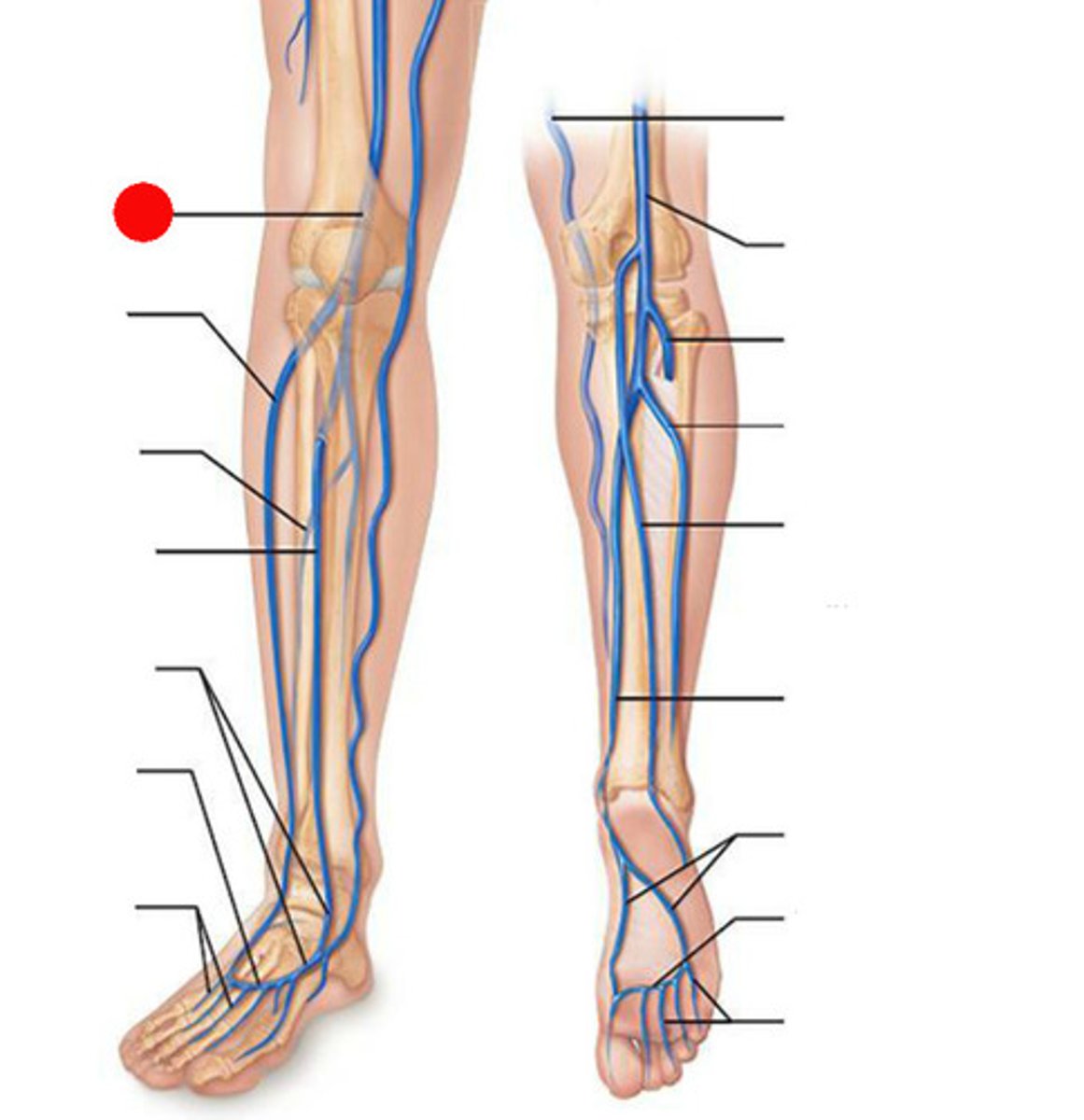
Popliteal Vein
A vein located behind the knee that drains blood from the lower leg.
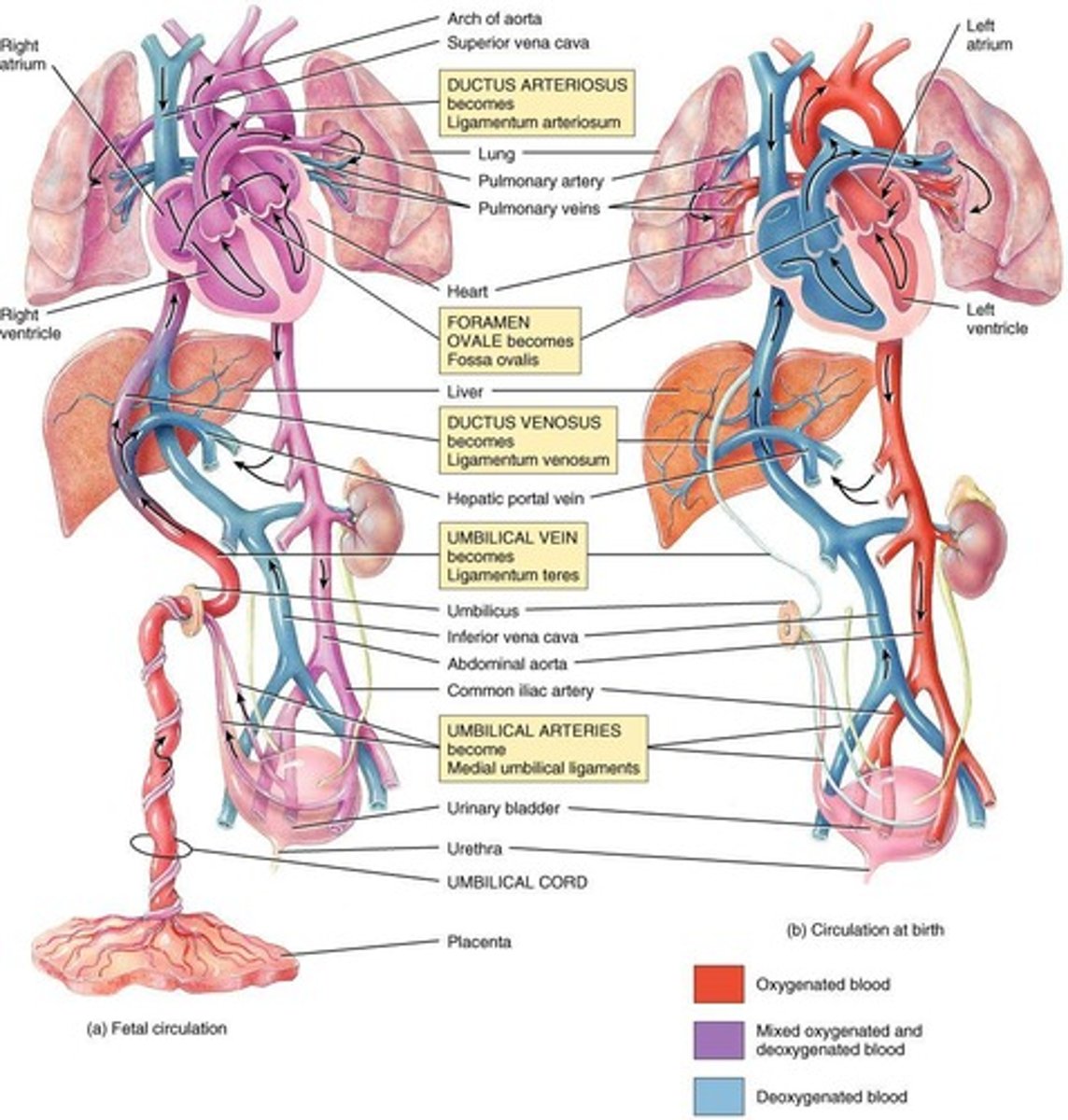
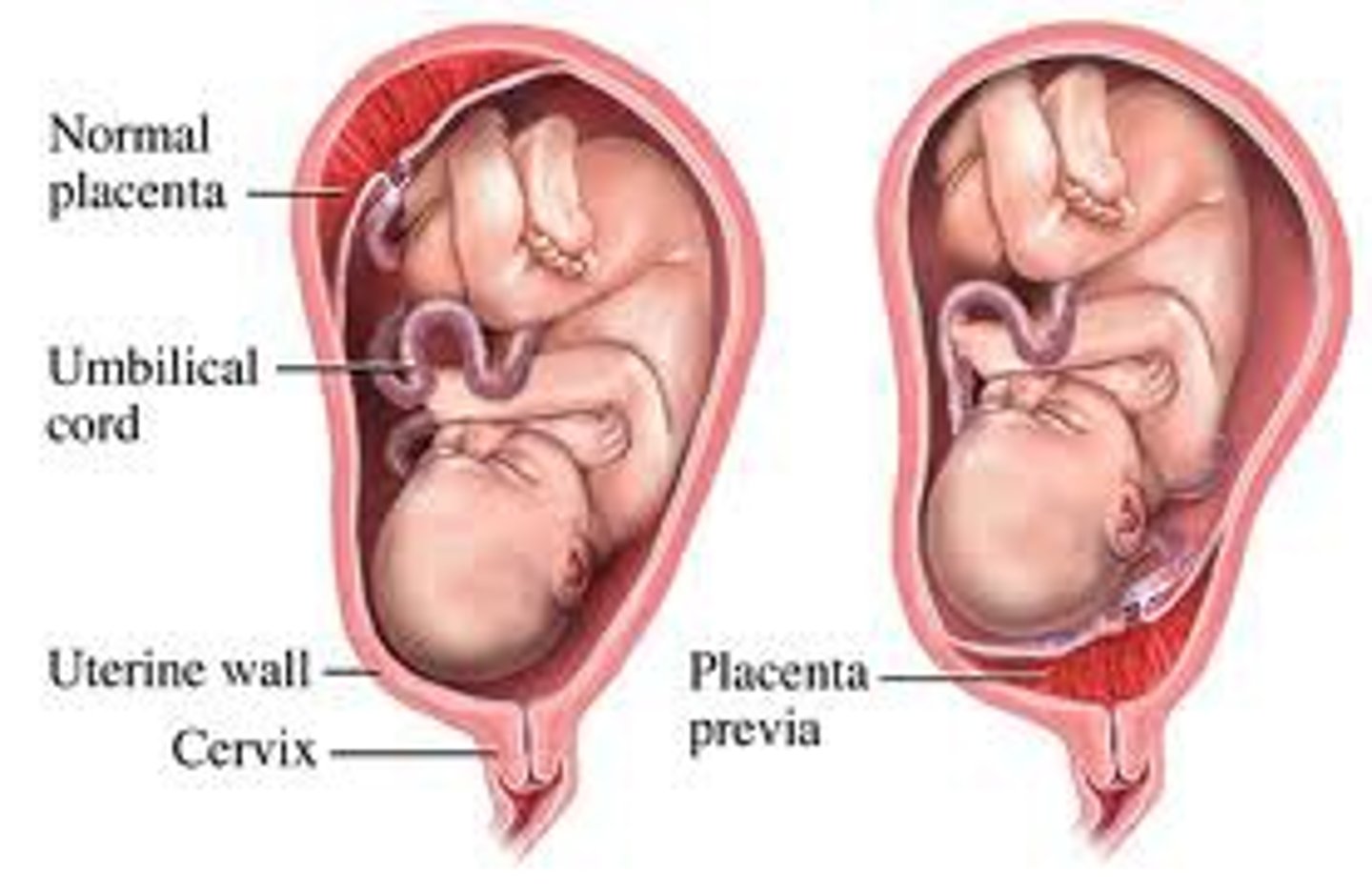
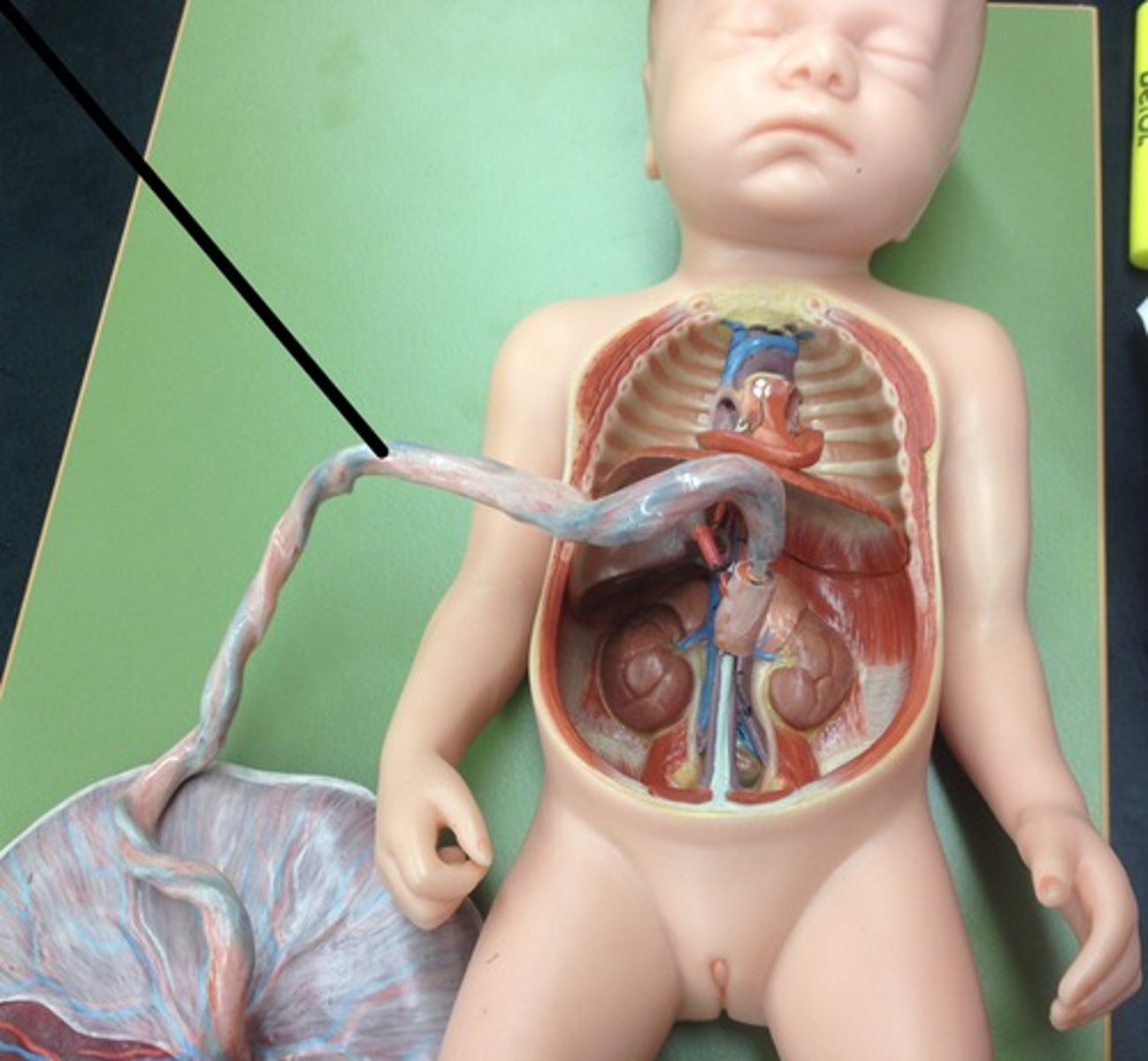
Placenta
An organ that develops in the uterus during pregnancy, providing oxygen and nutrients to the fetus while removing waste products.
Umbilical arteries
Blood vessels that carry deoxygenated blood from the fetus to the placenta.
Turns into medial umbilical ligaments
Umbilical vein
A blood vessel that carries oxygenated blood from the placenta to the fetus
Turns into Ligamentum Teres
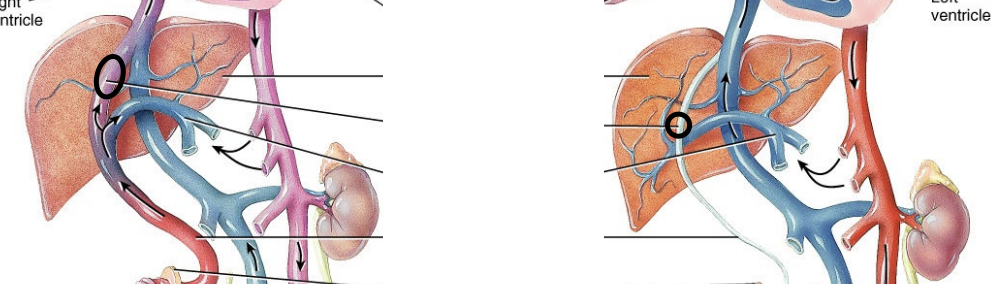
Ductus venosus
allows blood to bypass the liver and flow directly into the inferior vena cava.
Turns into Ligamentum Venosum
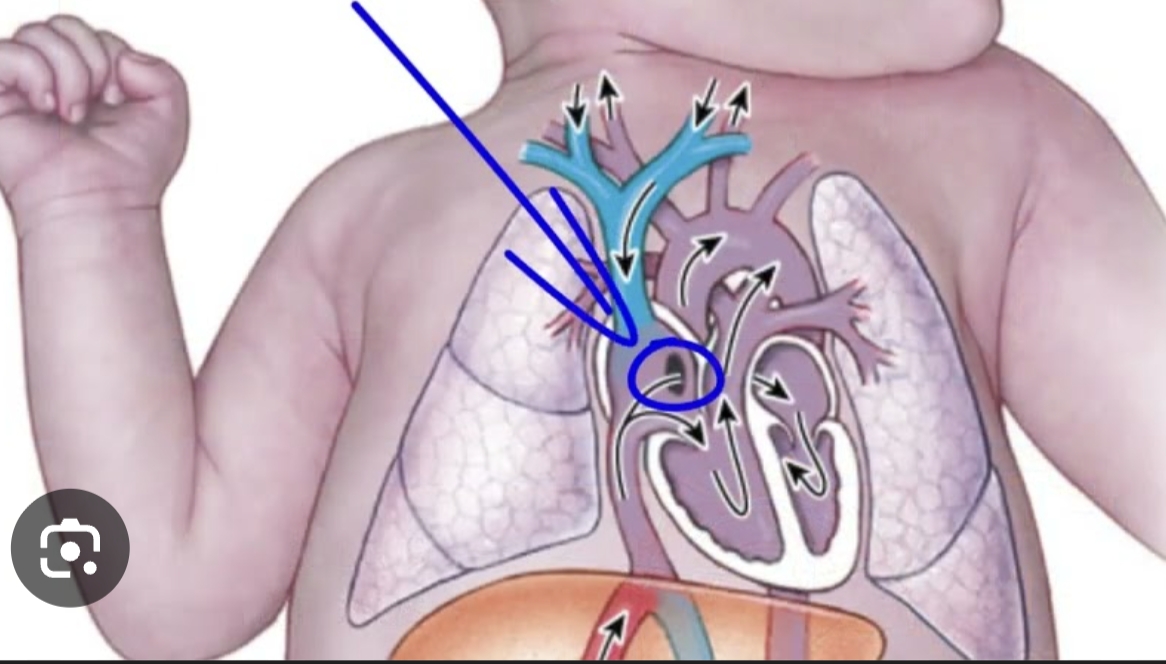
Foramen ovale
An opening in the fetal heart that allows blood to flow from the right atrium to the left atrium, bypassing the lungs
Turns into Fossa Ovalis
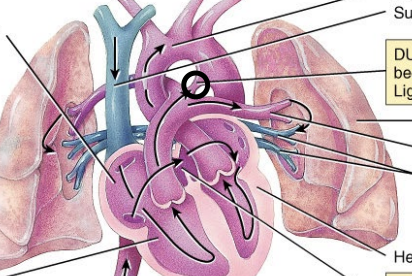
Ductus arteriosus
connects the pulmonary artery to the aorta, allowing blood to bypass the non-functioning fetal lungs.
Turns into Ligamentum Arteriosum
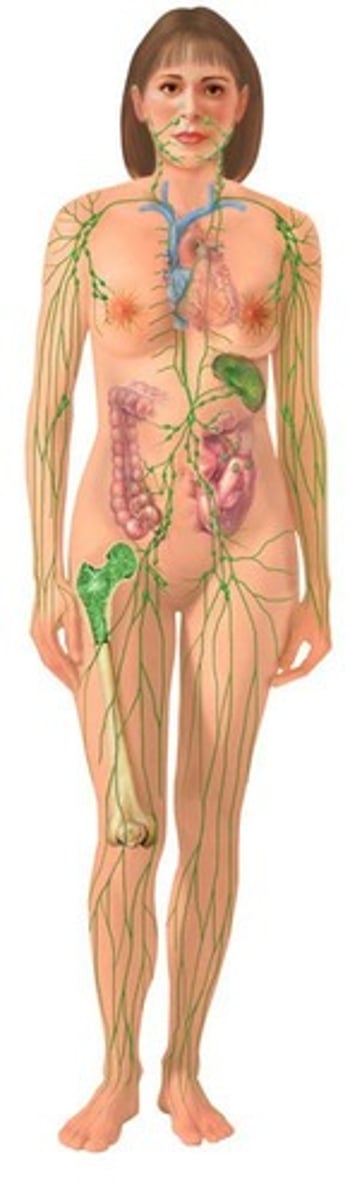
Lymphatic vessels
Thin-walled vessels that transport lymph fluid back to the bloodstream.
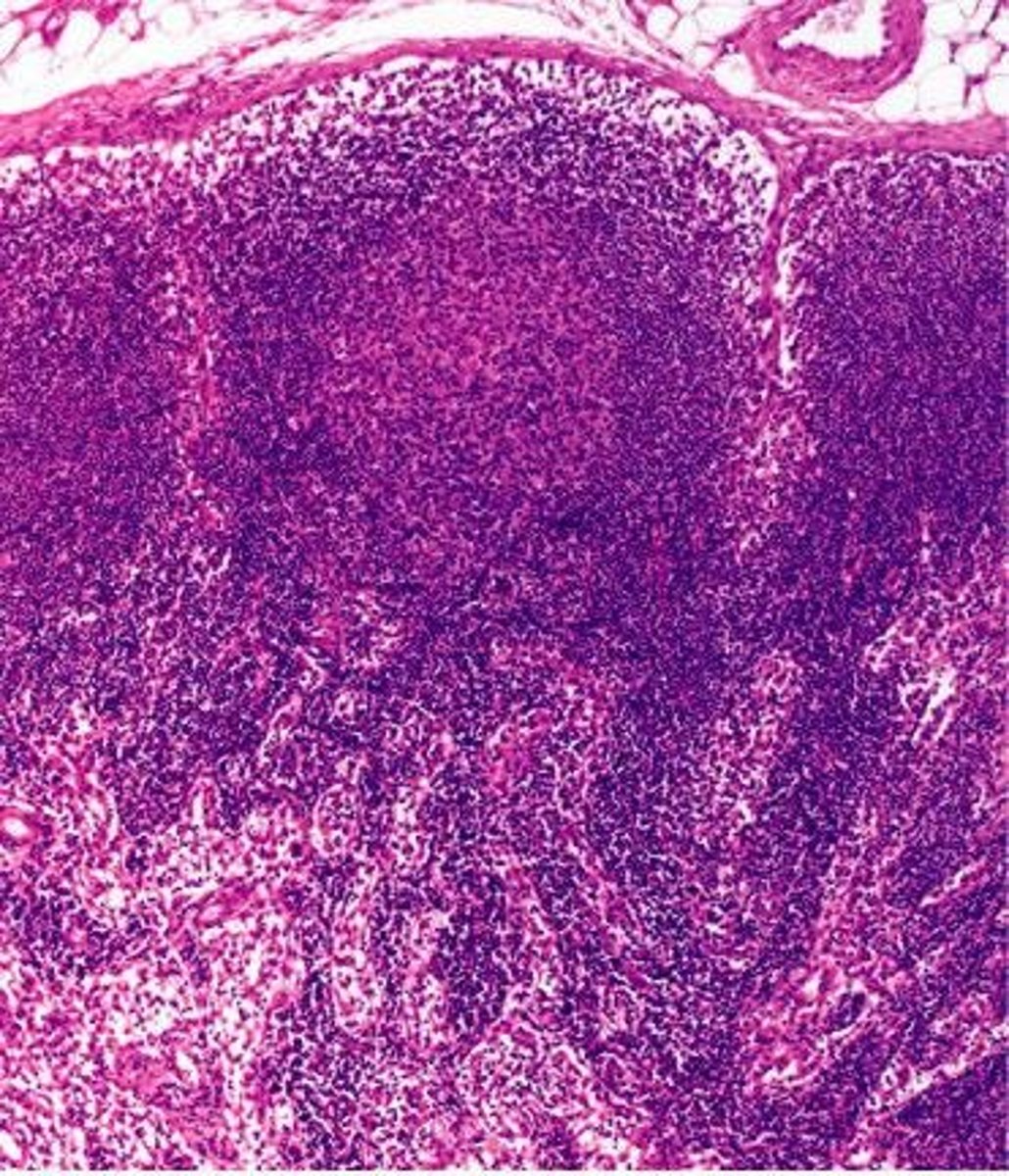
Lymph nodes
Small, bean-shaped structures that filter lymph and contain immune cells to help fight infection.
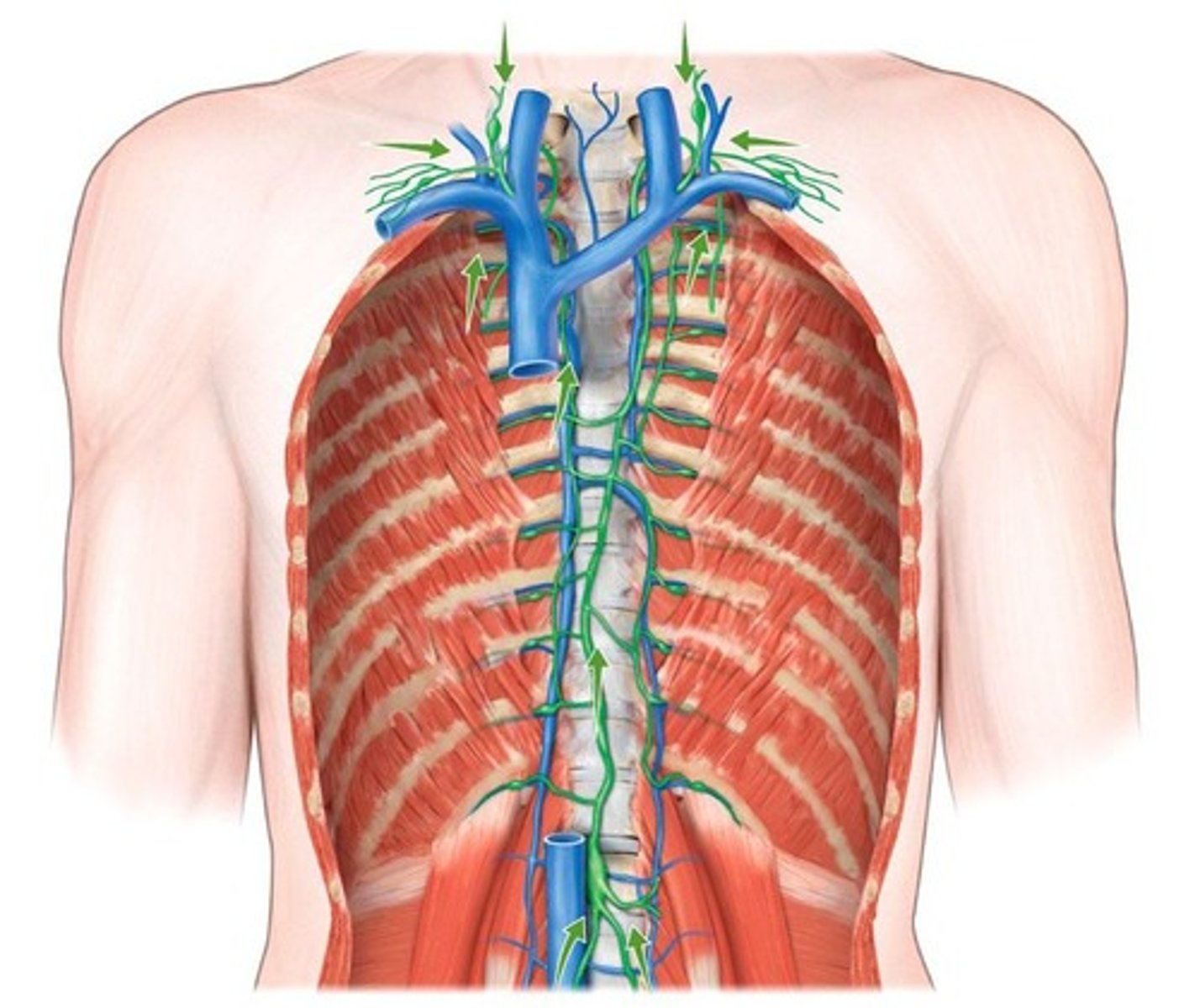
Lymphatic capillaries
Small, thin-walled vessels that begin the lymphatic system and absorb interstitial fluid.
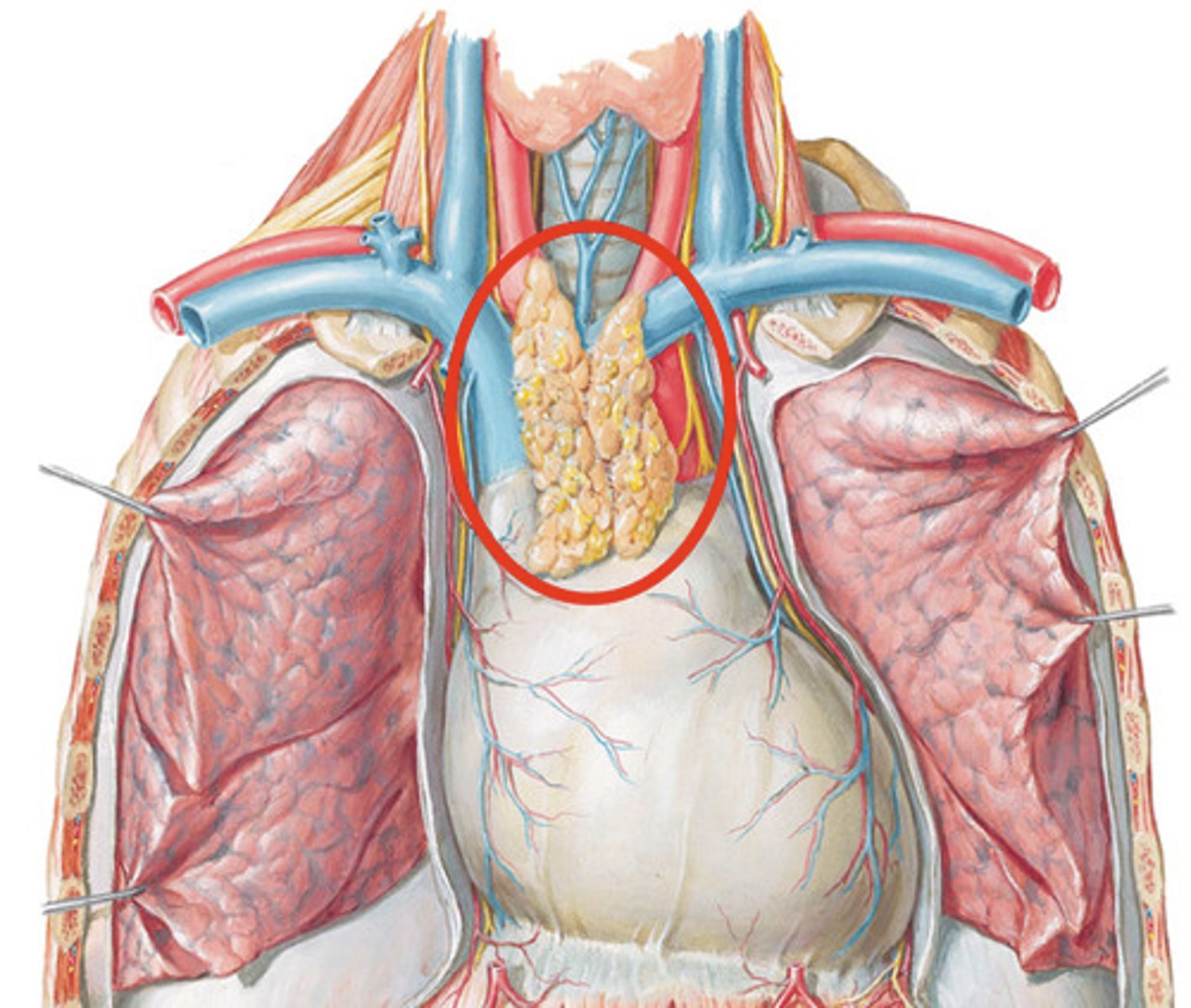
Thymus
An organ where T cells mature, playing a crucial role in the immune response.
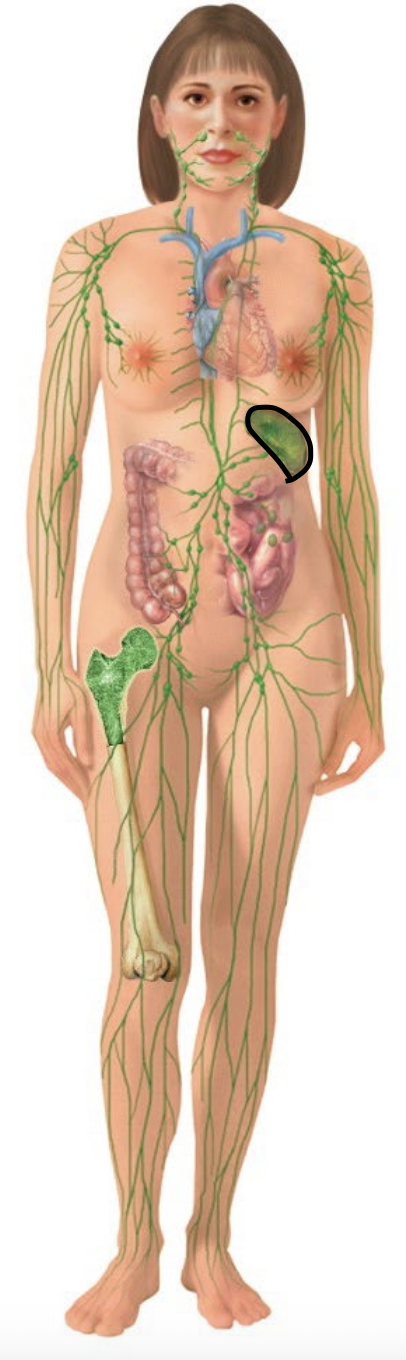
Spleen
An organ that filters blood, removes old red blood cells, and helps produce immune responses.
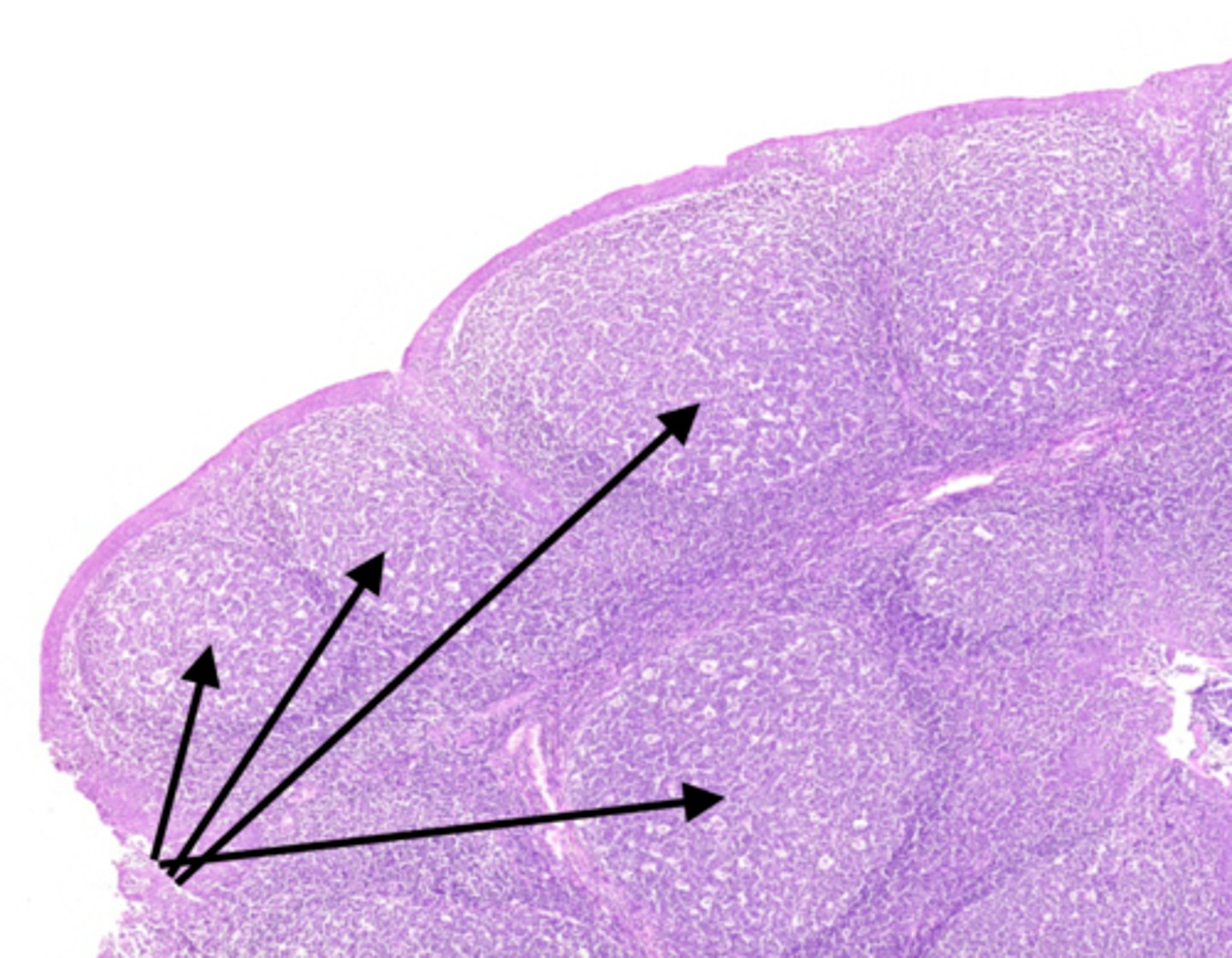
Lymphatic nodules
Aggregations of lymphoid tissue that help protect mucosal surfaces from pathogens.
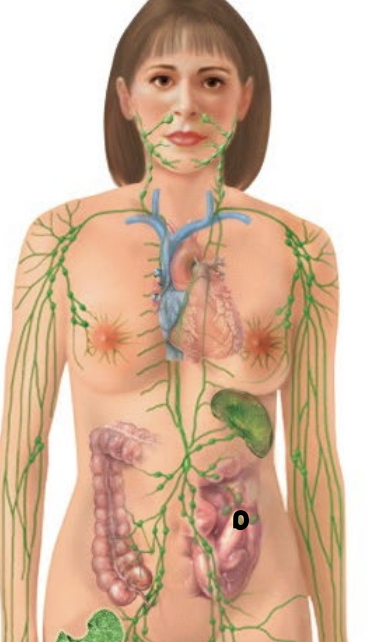
Aggregated lymphatic follicles
Clusters of lymphoid tissue found in the intestines that help in immune response.
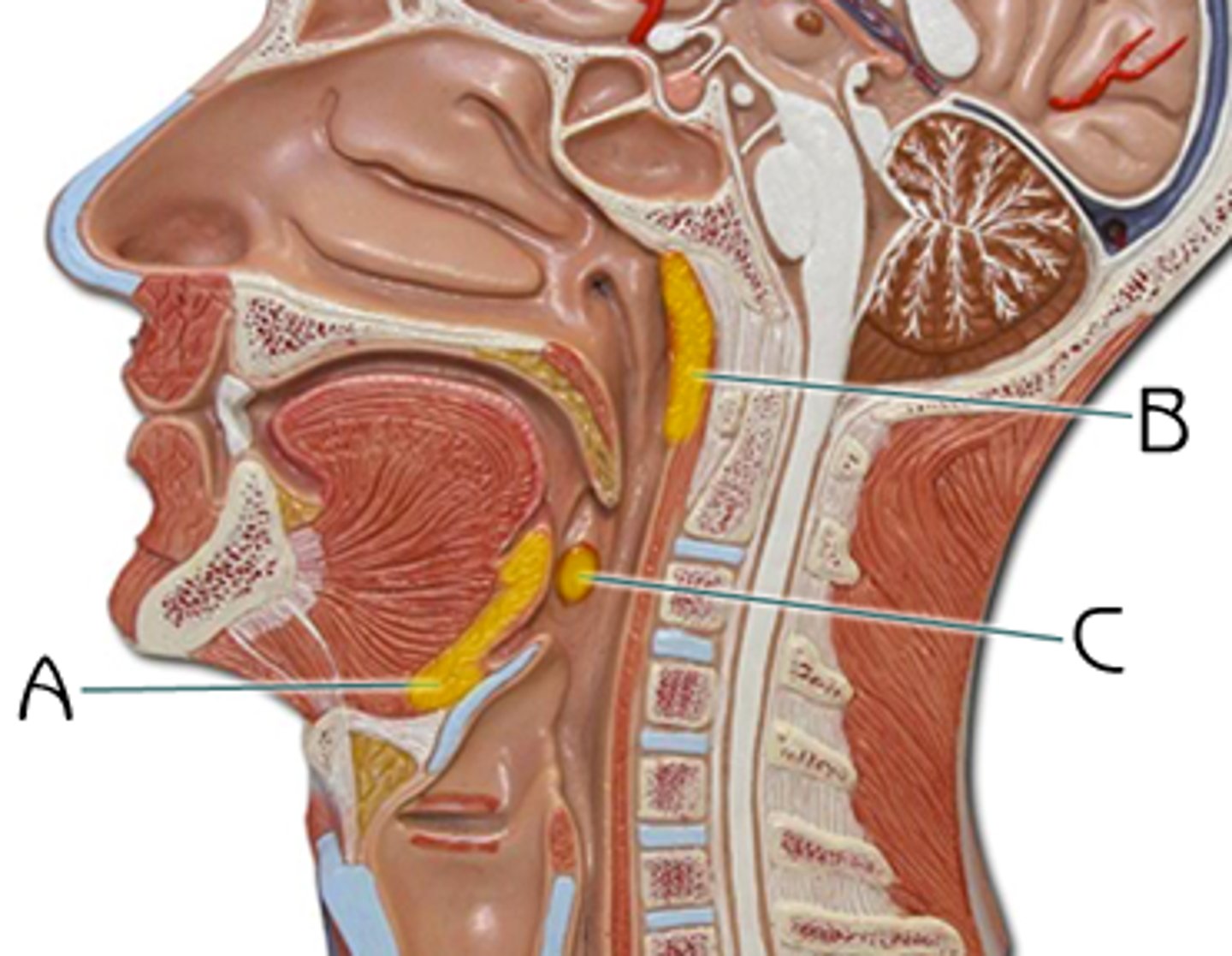
Tonsils
Lymphoid tissues located in the throat that help trap pathogens entering through the mouth or nose.
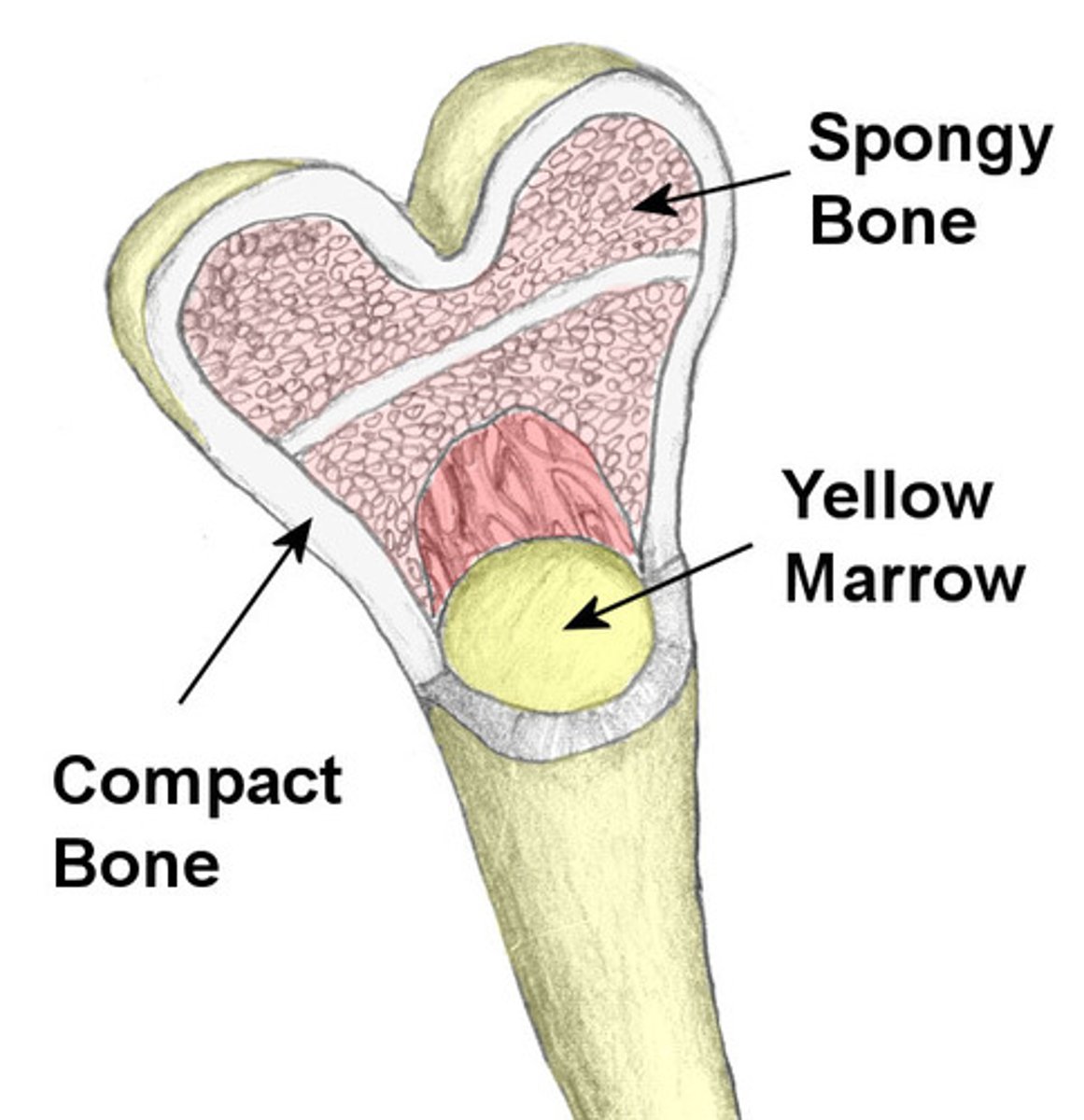
Bone marrow
The tissue where blood cells are produced, including lymphocytes.
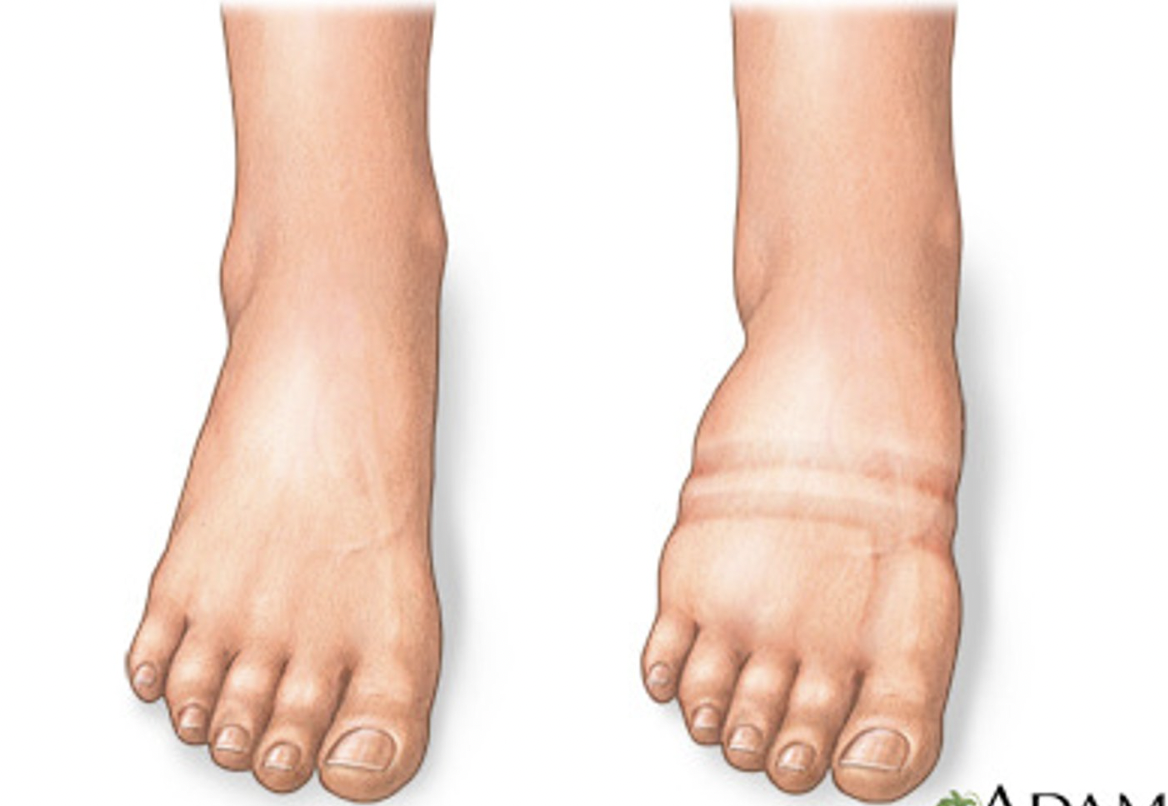
Edema
Swelling caused by excess fluid trapped in the body's tissues.
Hemopoiesis
The process of blood cell formation, occurring in the bone marrow in adults and in the liver and spleen during fetal development.

