Types of Wound Contamination and Minimising Surgical Infections
 Studied by 0 people
 Call Kai
 Learn
Learn Practice Test
 Spaced Repetition
 Match
Match Flashcards
 Knowt Play
1/27

There's no tags or description
Looks like no tags are added yet.
Name | Mastery | Learn | Test | Matching | Spaced | Call with Kai |
|---|
No analytics yet
Send a link to your students to track their progress
28 Terms
define bacterial infection
ore than 10^5 bacteria per gram of tissue
what is surgical site infection (SSI)
-infections of tissues, organs, or spaces exposed by surgeons during performance of an invasive procedure
what are SSIs classified into
-incisional infections (superficial and deep incisional)
-organ/space infections
SSIs result in
increased morbidity and mortality in surgical patients
surgical wounds classified by
degree of contam to help predict likelihood that infection will develop
-clean
-clean contaminated
-contaminated
-dirty
clean wounds
-non traumatic, non inflamed operative wounds in which respiratory, GI and oro-pharyngeal tracts are not entered
examples of clean wounds
•exploratory coeliotomy
•elective neuter
•total hip replacement
infection rate of clean wound
0-4.4%
clean contaminated wounds
-operative wounds in which resp, GI or genitourinary tract are entered under controlled conditions without unusual contam
-otherwise clean wound where drain placed
examples of clean contaminated wounds
•bronchoscopy
•cholecystectomy
•enterotomy
infection rate of contaminated clean wound
4.5-9.3%
contaminated wounds
-open, fresh, accidental wounds; procedures in which GI contents or infected urine spilled or major break in aseptic technique
examples of contaminated wounds
•cystotomy with spillage of infected urine
•open cardiac massage for CPR
infection rate of contaminated wound
5.8-28.6%
dirty wounds
-old traumatic wounds with purulent discharge, devitalised tissue or foreign bodies
-procedures in which viscus perforated or faecal contam occurs
examples of dirty wounds
•Examples:
•excision or drainage of an abscess
•bullae osteotomy for otitis media
•perforated intestinal tract
what is present in dirty wounds
gross infection present
host factors affecting infection rate
-age
-physical condition
-nutritional status
-diagnostic procedures
-concurrent metabolic disorders
-current meds
operating room practice to reduce infection
-aseptic technique
-sterilisation
-disinfection
-anaesthesia
-atraumatic technique
what methods are there for reducing infections
•Primary objective of aseptic surgery
•Host factors
•Operating room practice
•Characteristics of bacterial contaminants
how can patient prep reduce infections
•Clipping
•Scrubbing
•Draping
how can surgeon prep reduce infections
•Scrubbing
•Gowning
•Gloving
•Hats and masks
how can theatre behaviour reduce infections
•Etiquette
•Talking
•Flow etc
rationale use of antibiotics
-surgery time longer than 90 mins
-prosthesis implantation (mesh, pacemaker)
-pre existing prosthesis (hip replacement)
-severely infected or traumatised wounds
-rational selection for prophylactic use
-choice based on culture and sensitivity results
small animal antibiotics used i/v
-zinacef and augmentin pre surgery for gram pos
-surgery on LI needs metronidazole as anaerobic bacteria as well
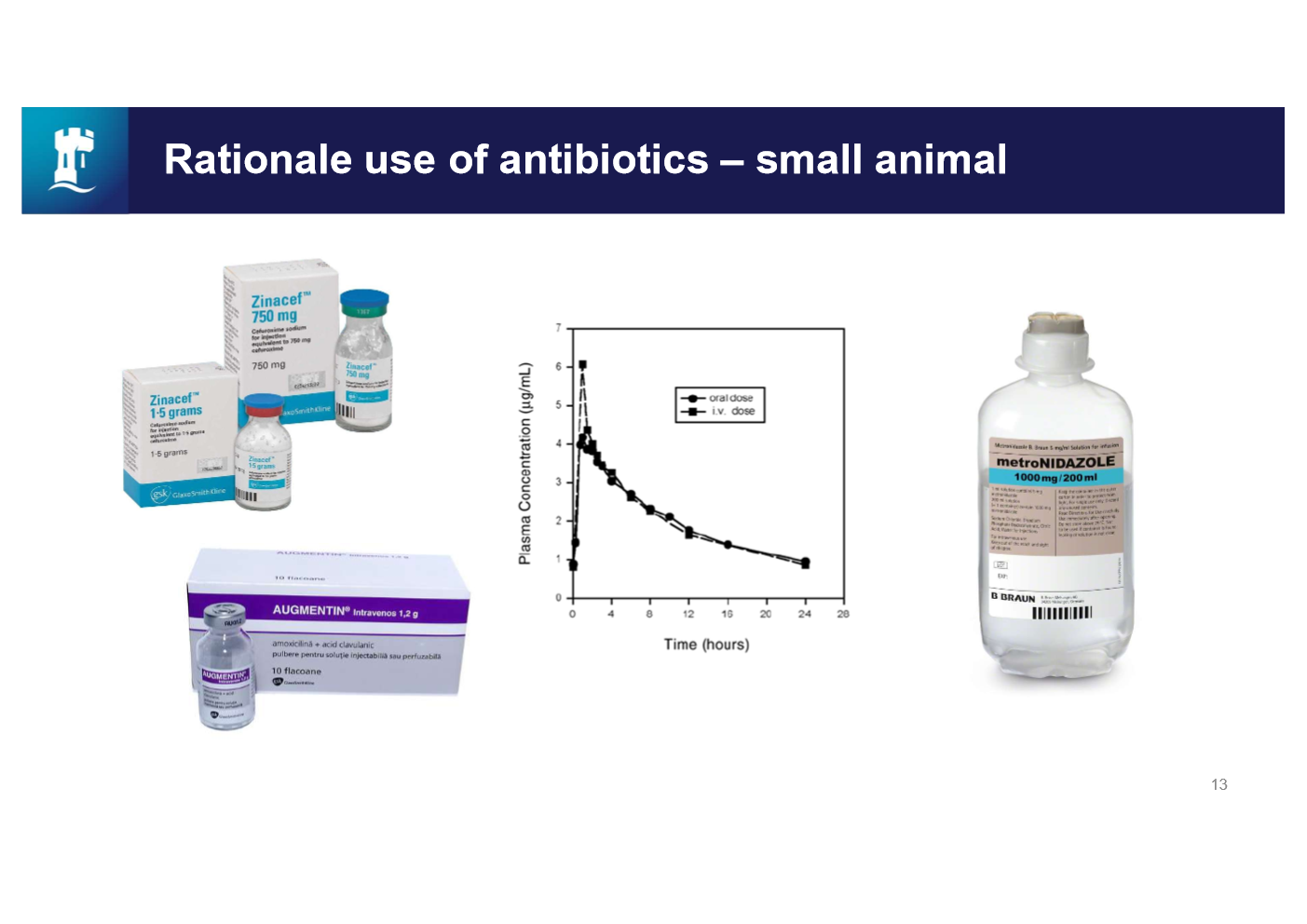
why do you want to give antibiotics iv
gives highest circulating conc of antibiotic at time of contamination
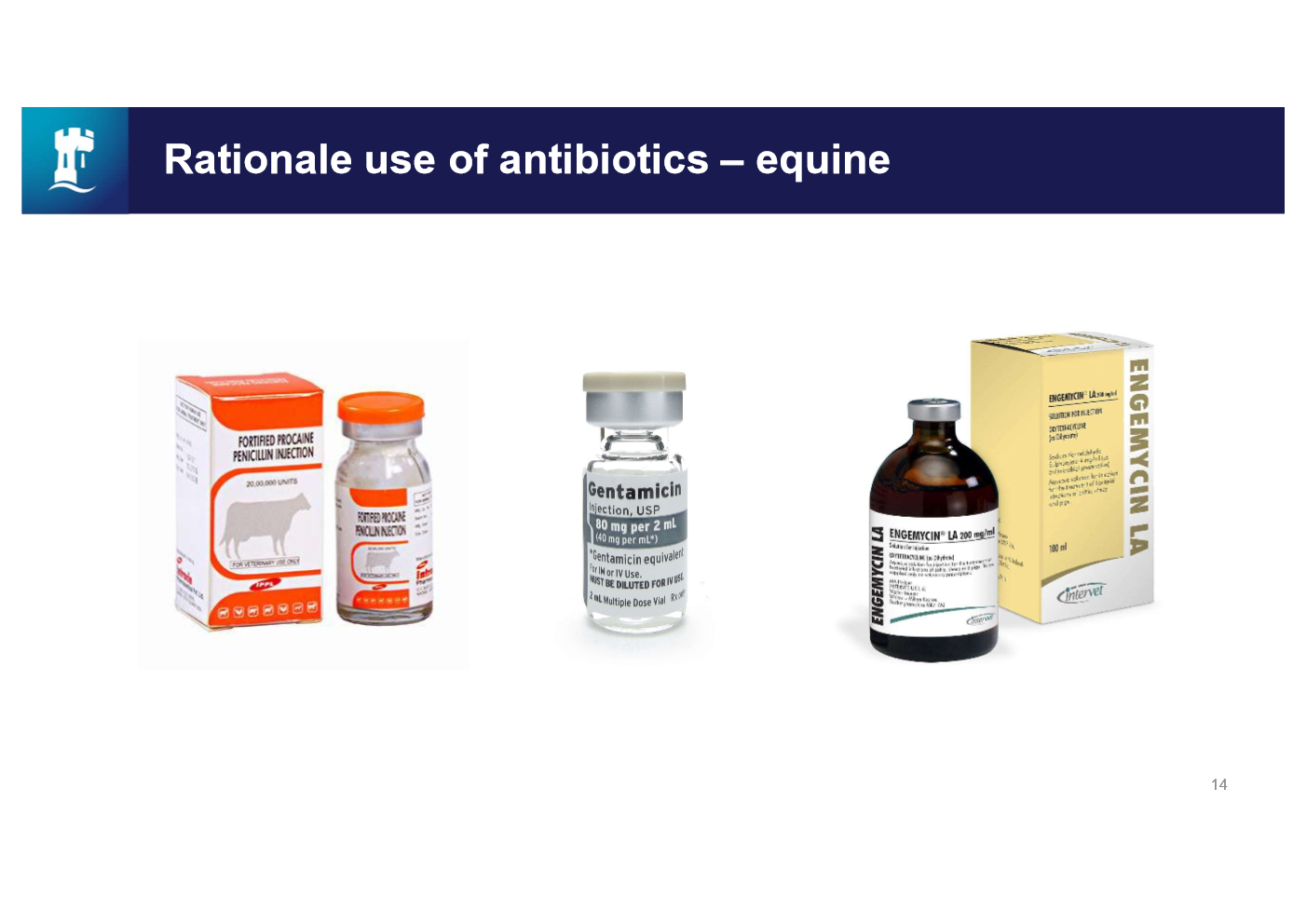
i/v antibiotics horse
-fortified procane penicillin
-gentamicin

non i/v antibiotics in horses
engemycin LA
 Note
Note  Flashcards (25)