Theme 2 Composition
 Call Kai
 Learn
Learn Practice Test
 Spaced Repetition
 Match
Match Flashcards
 Knowt Play
1/31

There's no tags or description
Looks like no tags are added yet.
Name | Mastery | Learn | Test | Matching | Spaced | Call with Kai |
|---|
No analytics yet
Send a link to your students to track their progress
32 Terms
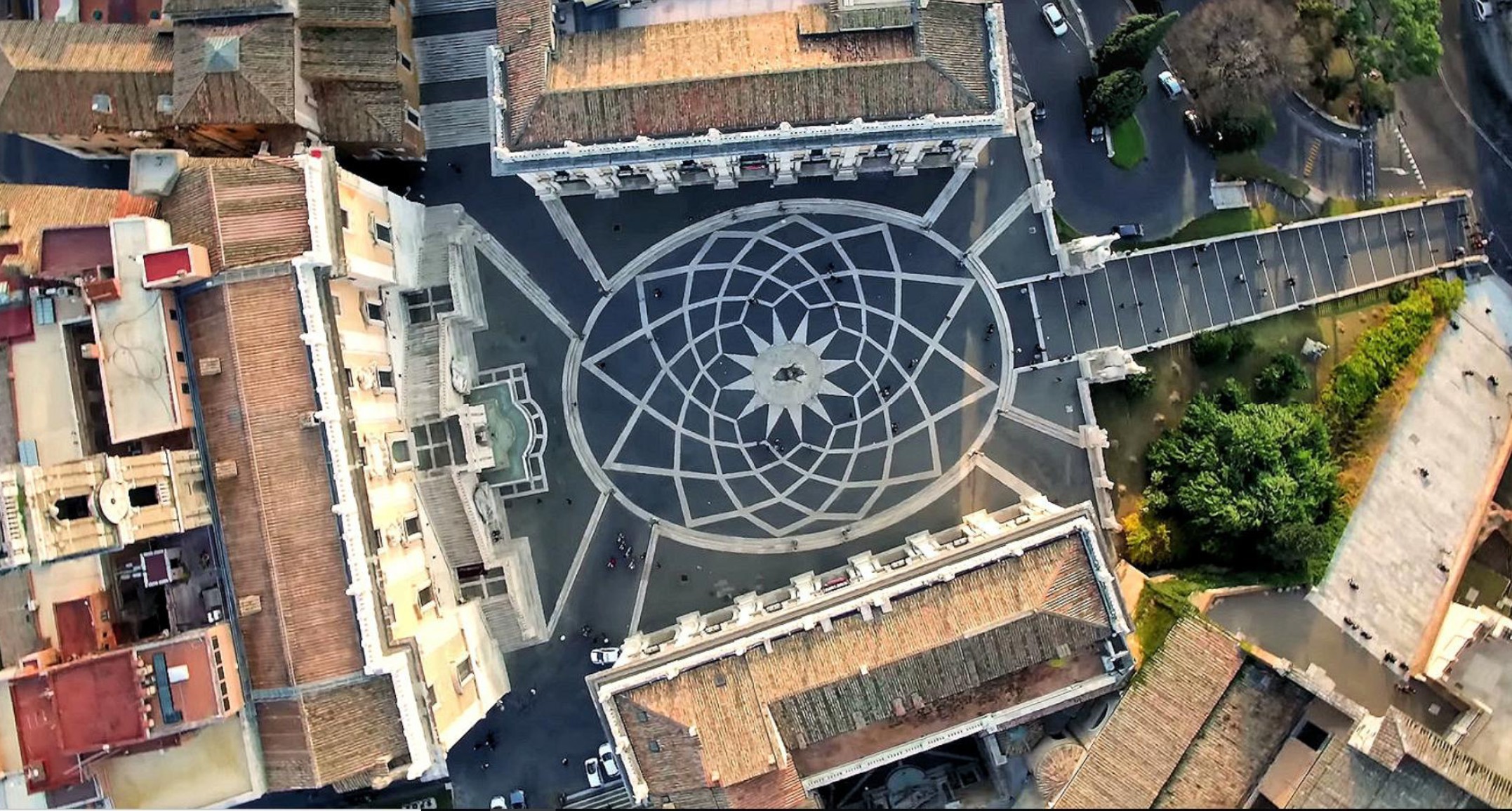
Piazza Campidoglio (Michelangelo): central point of the oval as an element of composition
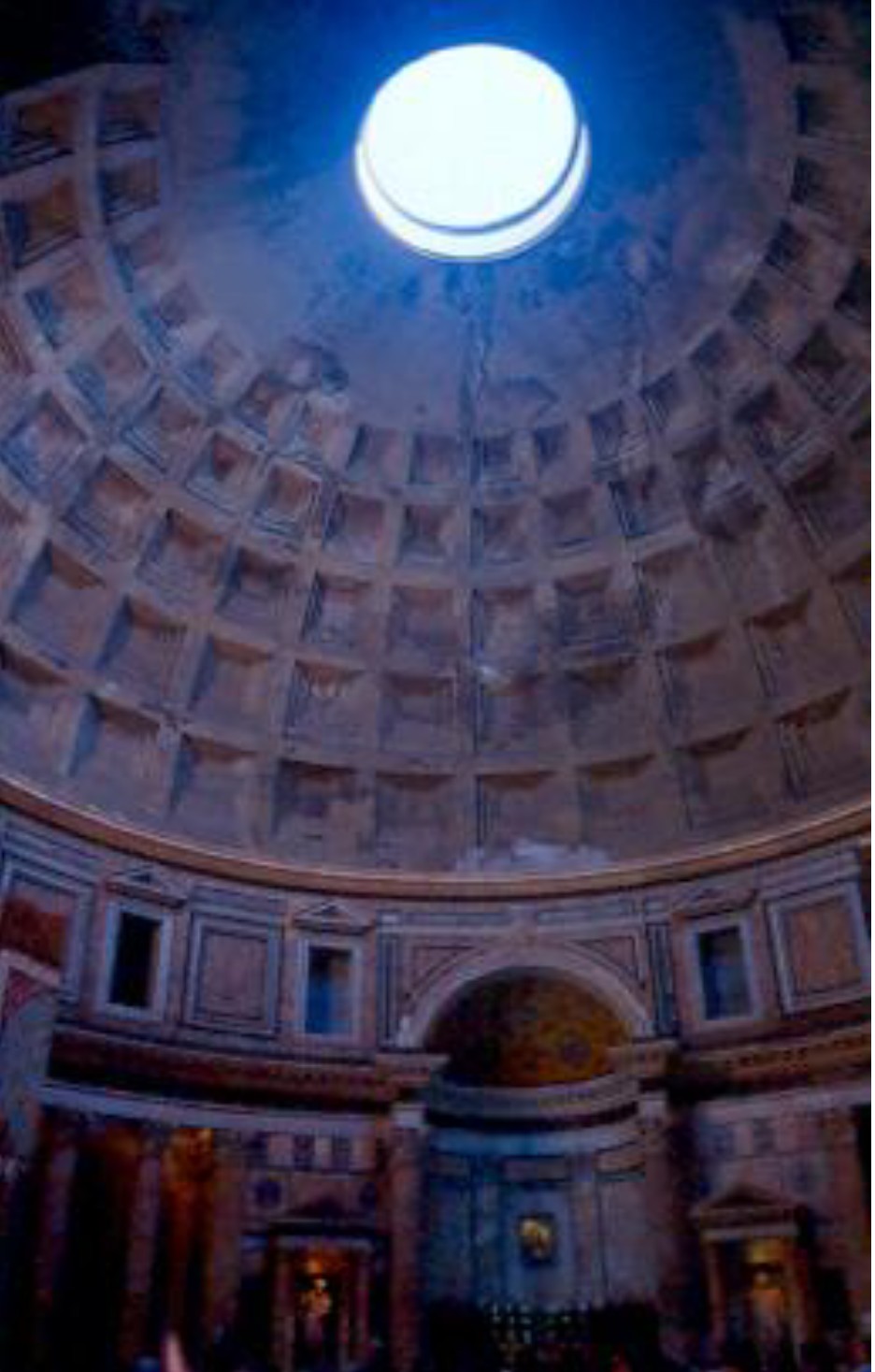
Pantheon of Rome (point as an isolated element of composition)
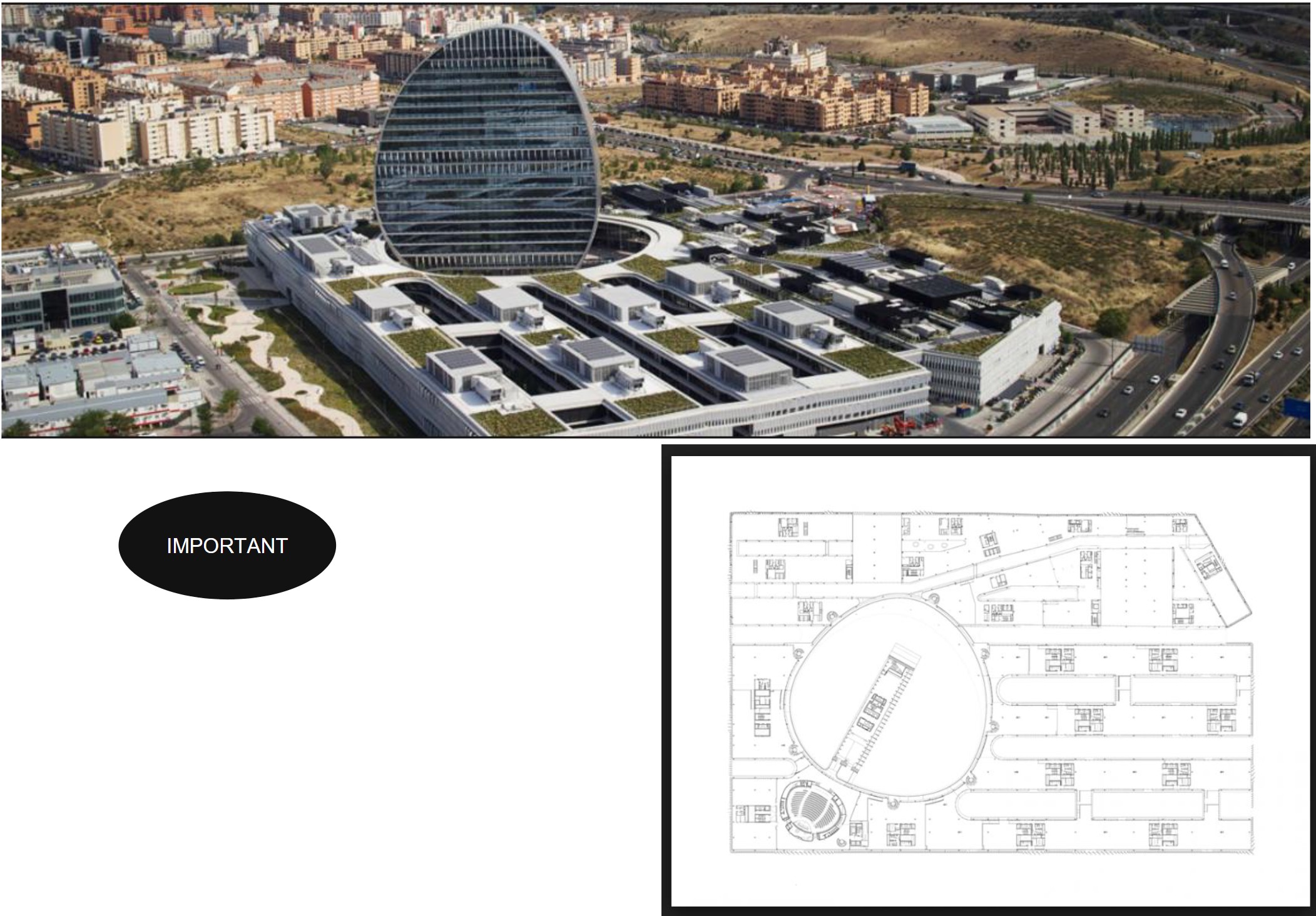
BBVA Building (Herzog & DeMeuron) Compositive combination of horizontal and vertical elements
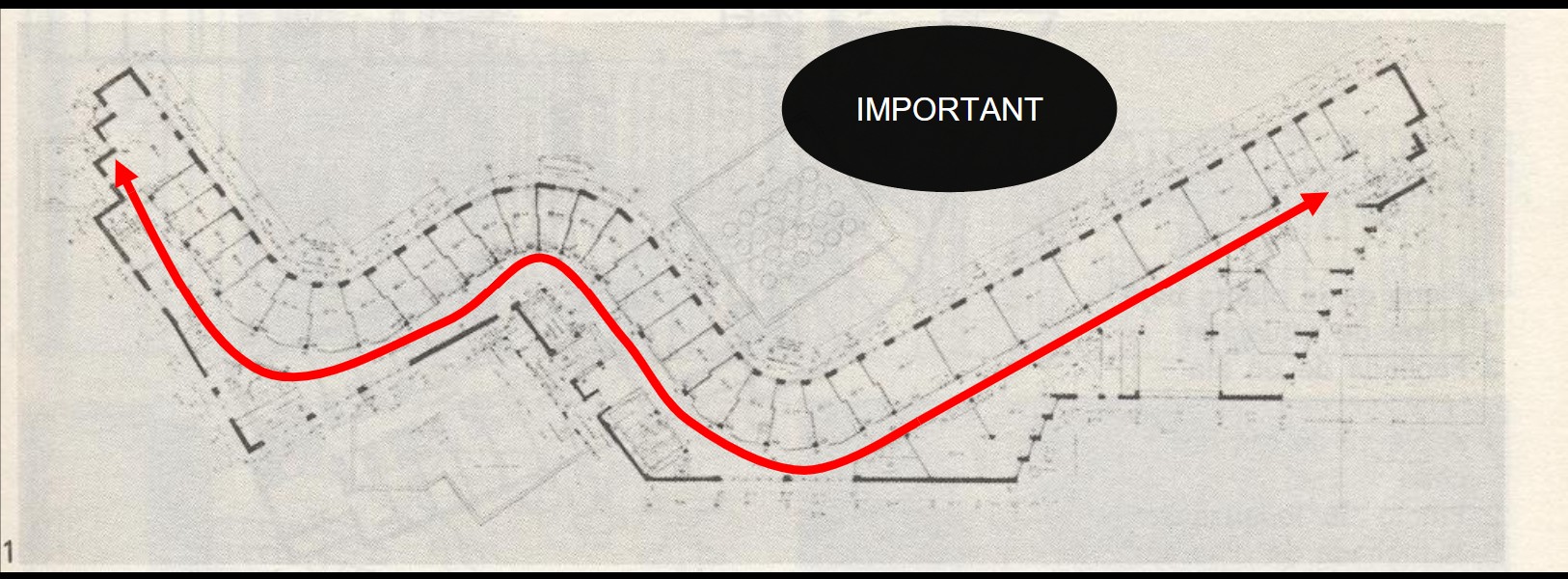
Baker House MIT (Alvar Aalto): Composition with curved line, diff shaped rooms to emphasize individuality
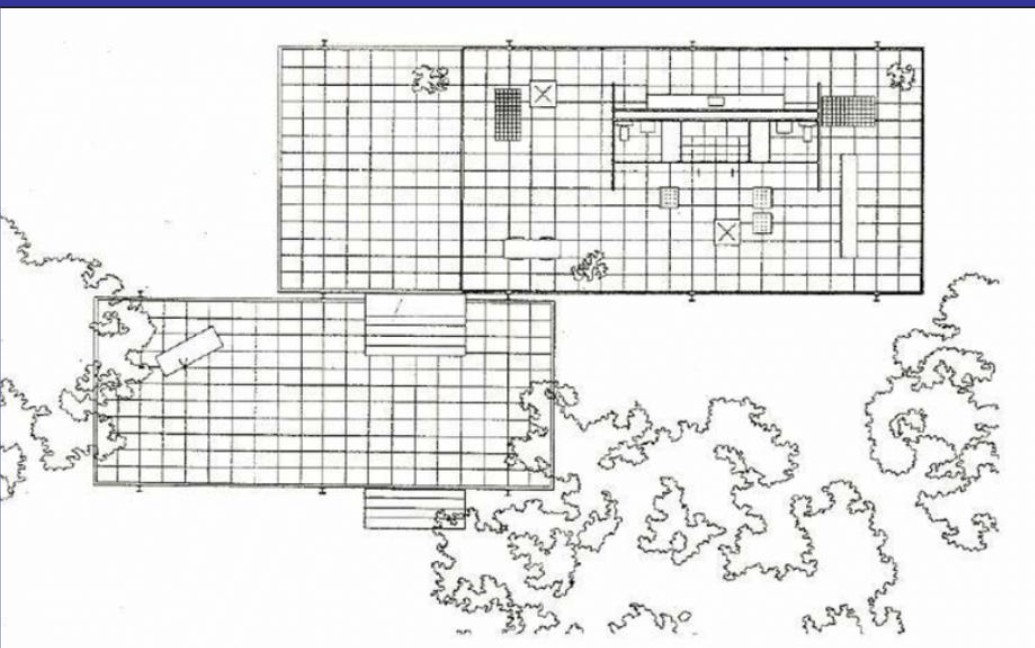
Farmsworth House (Mies Van Der Rohe): Horizontal planes shifted and decomposed into two levels
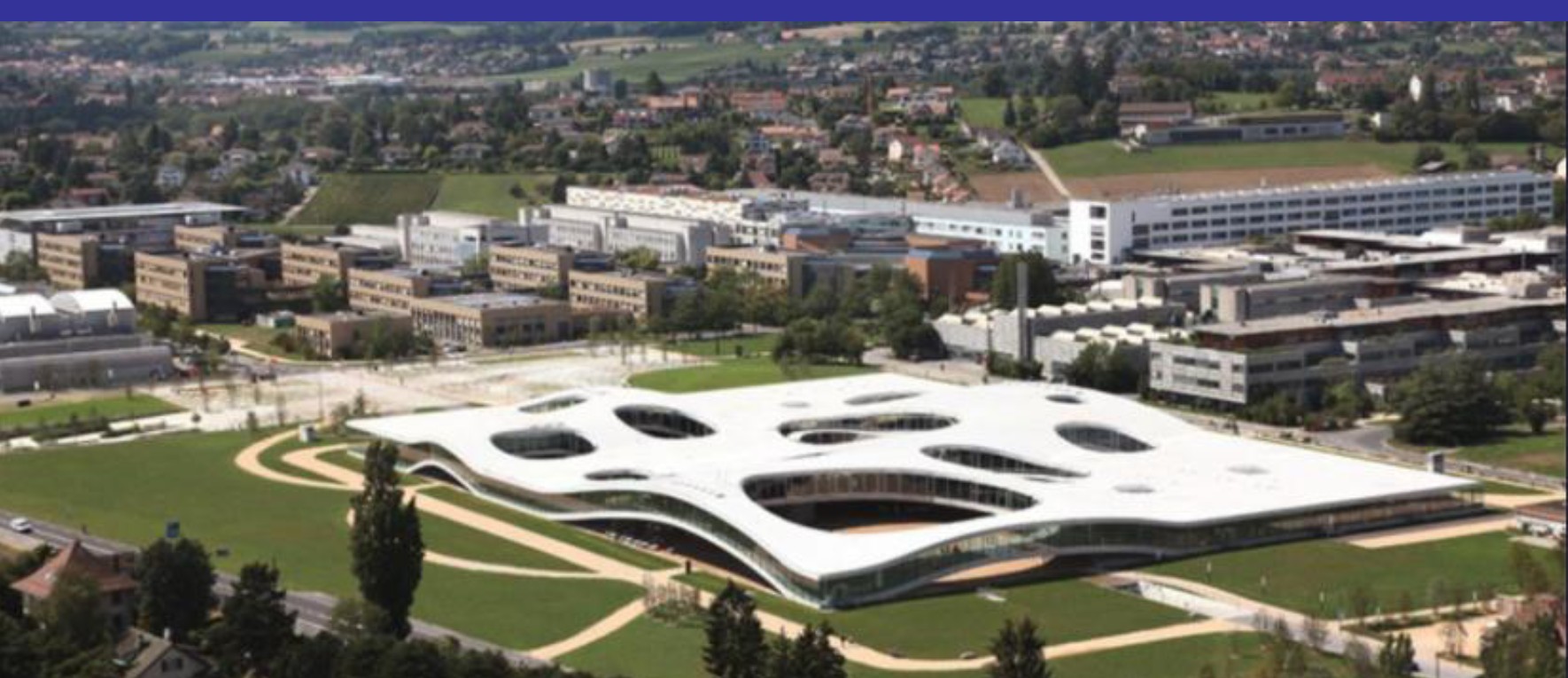
Rolex Learning Center (SANAA): Uses horizontal plane (BASE) in a vibrated wavy way for acoustic reasons
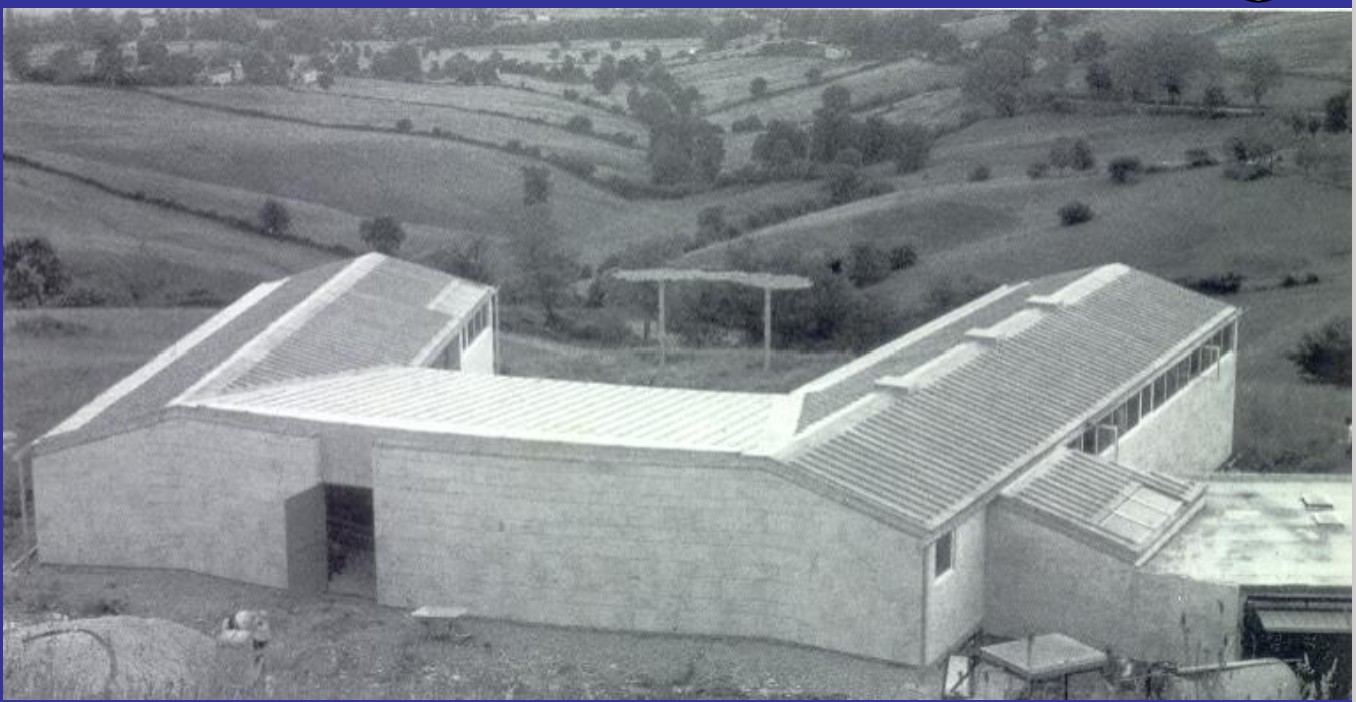
House of the Rain (Juan Navarro Baldeweg): Uses sloped roof (Horizontal plane roof) to adapt to rainy climate of that Spanish region and allow occupants to hear the raindrops
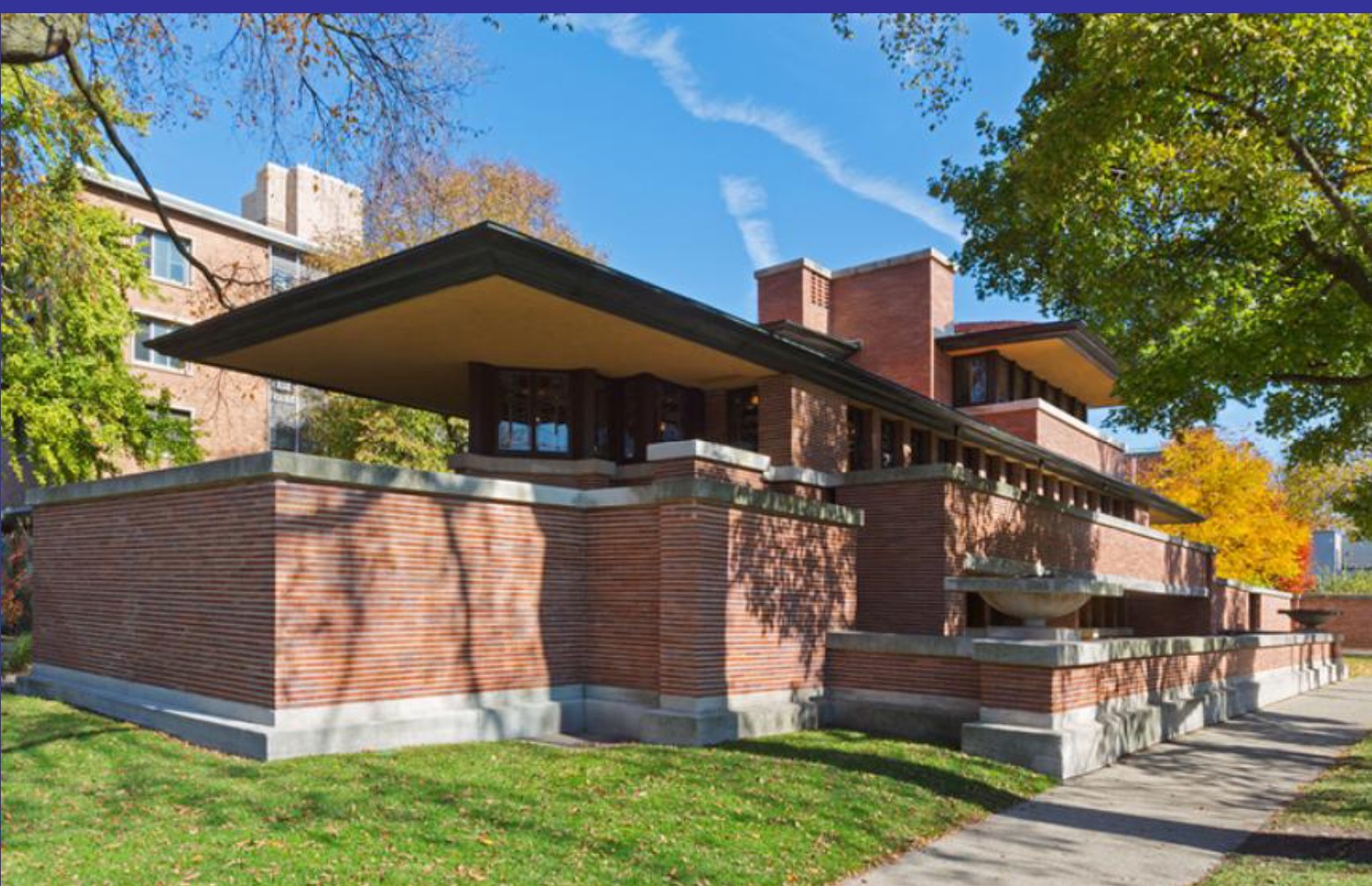
Robie House (FLW): Uses horizontal roof planes to emphasizes horizontality and nature
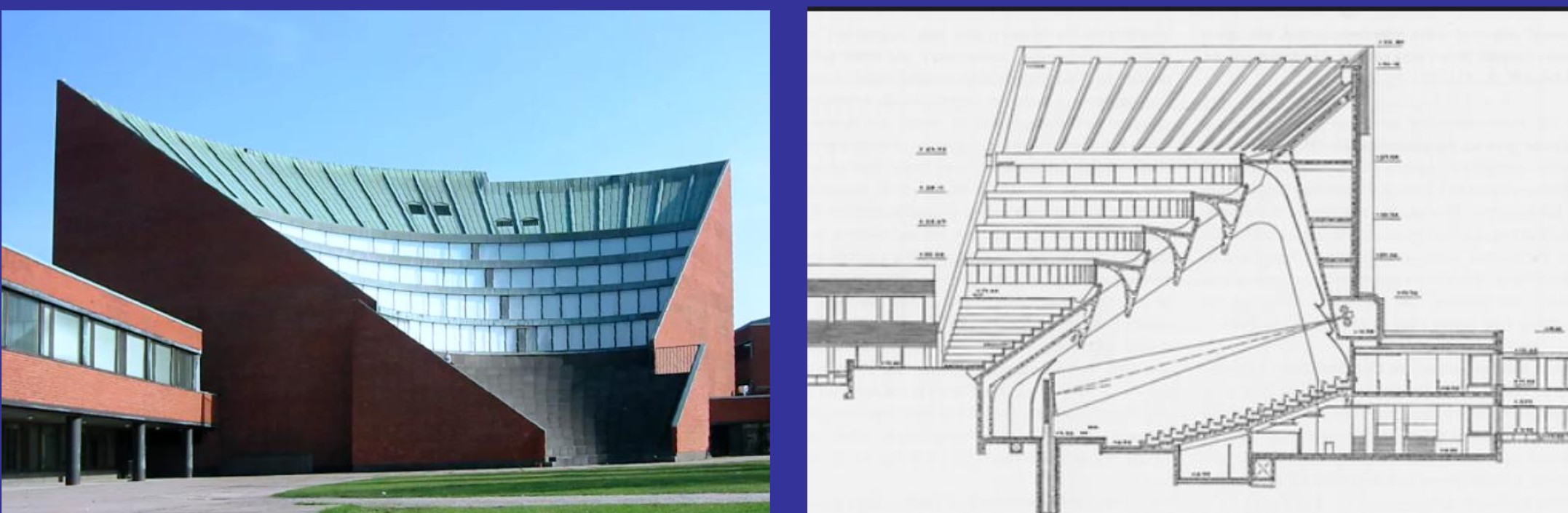
TKK Building in Otaniemi (Aalto): Expressive roof with 3 elements: Opaque (copper), translucent (skylights), and amphitheater
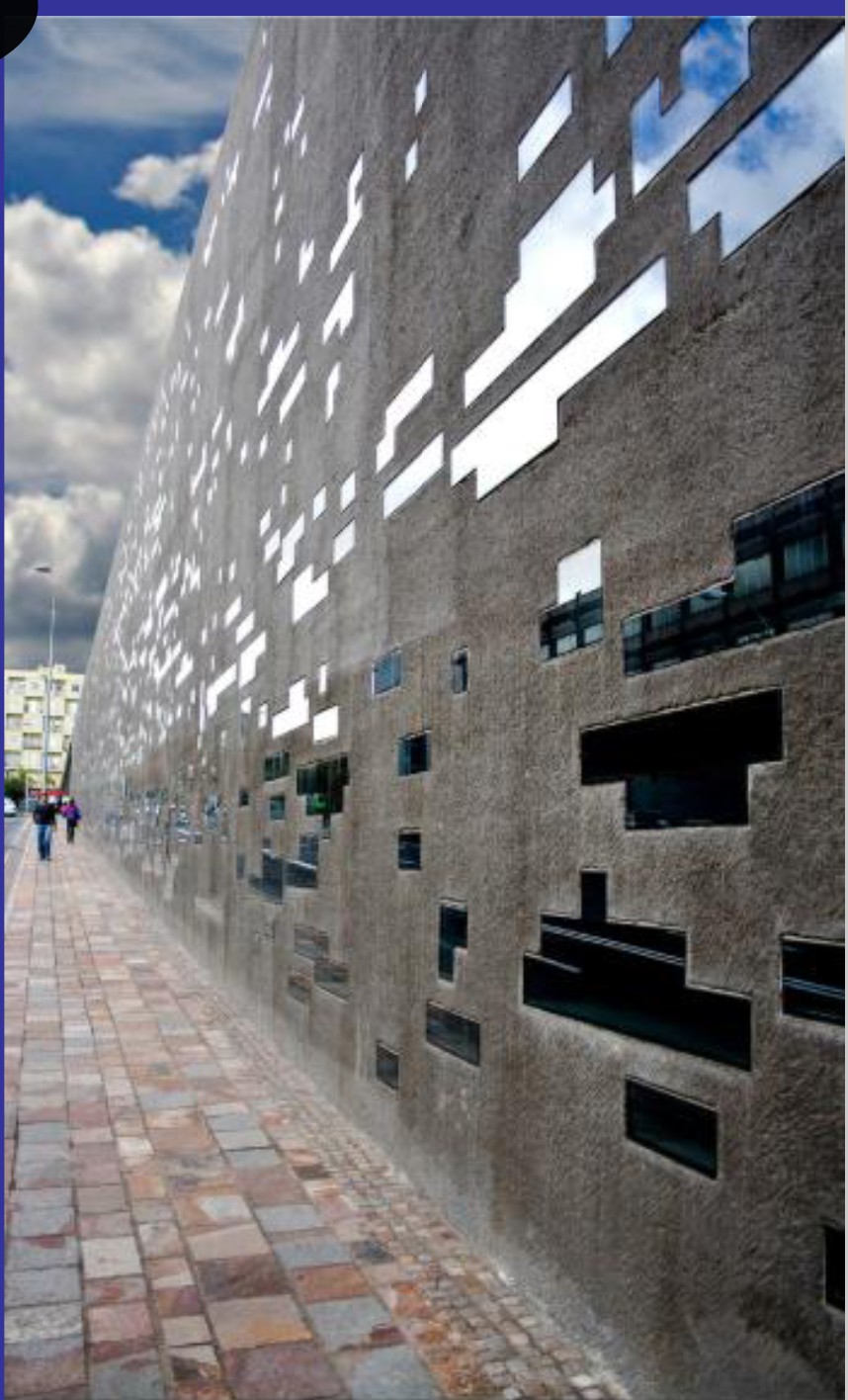
TEA in Tenerife (Herzog & DeMeuron): Example of perforated wall. Uses small holes in contrast to massive built facade
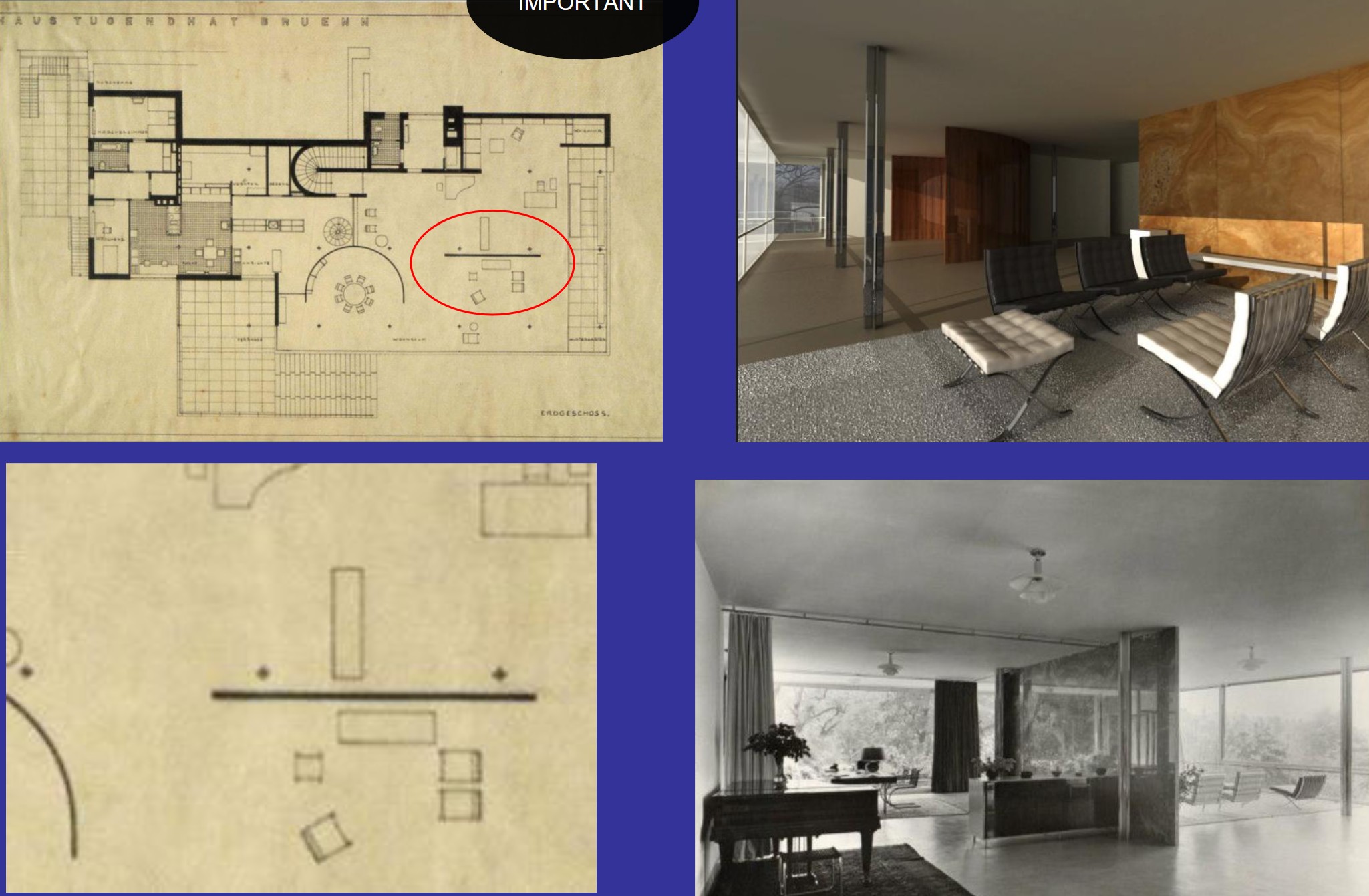
Tugendhat House (Mies): Example of delimiting wall, doesn’t physically split the space but splits it spatially between library and living room
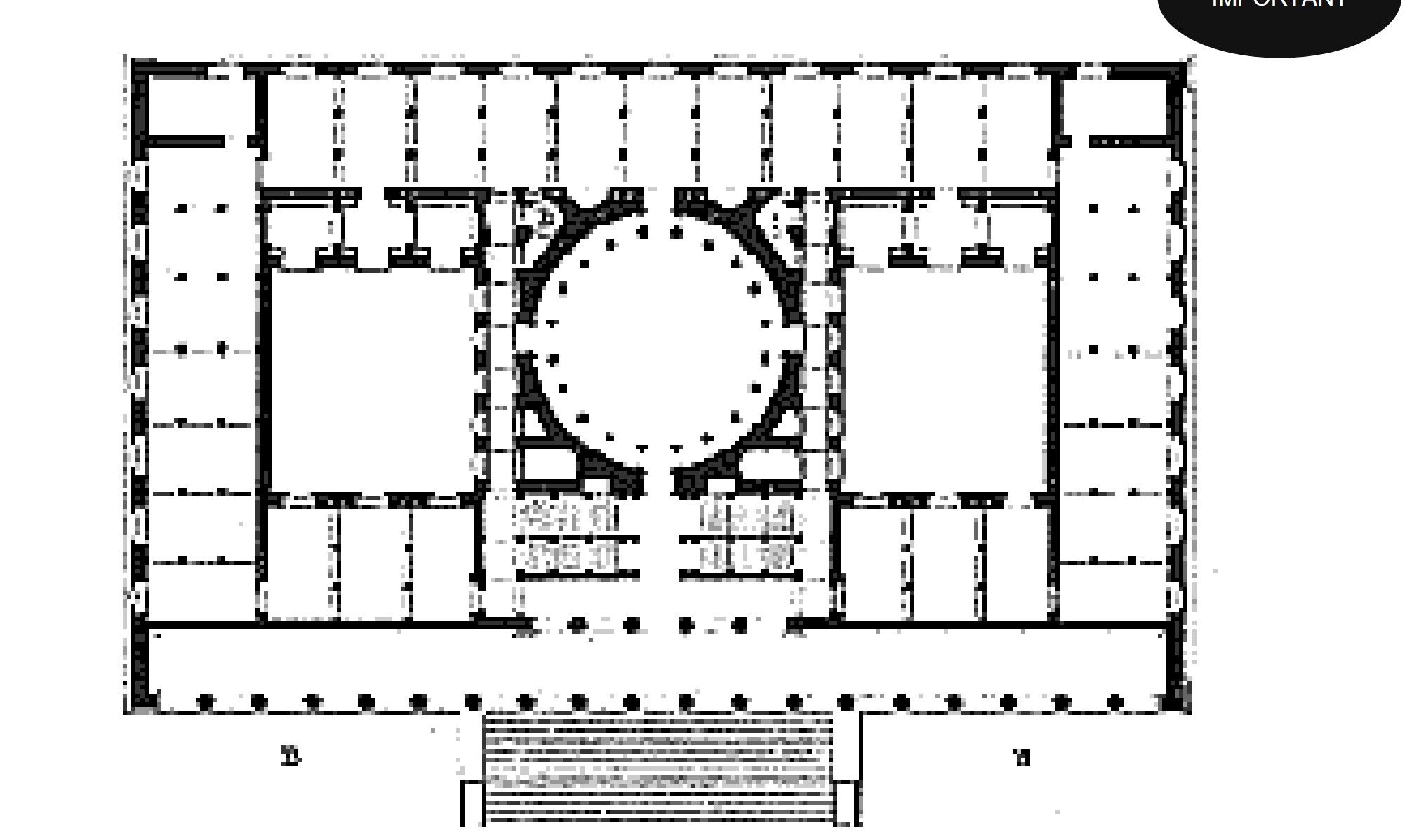
Altes Museum (Schinkel): Wall that interacts with the environment (urban-natural), collonaded facade wall acts as melting curtain that blends together the museum and the outside world
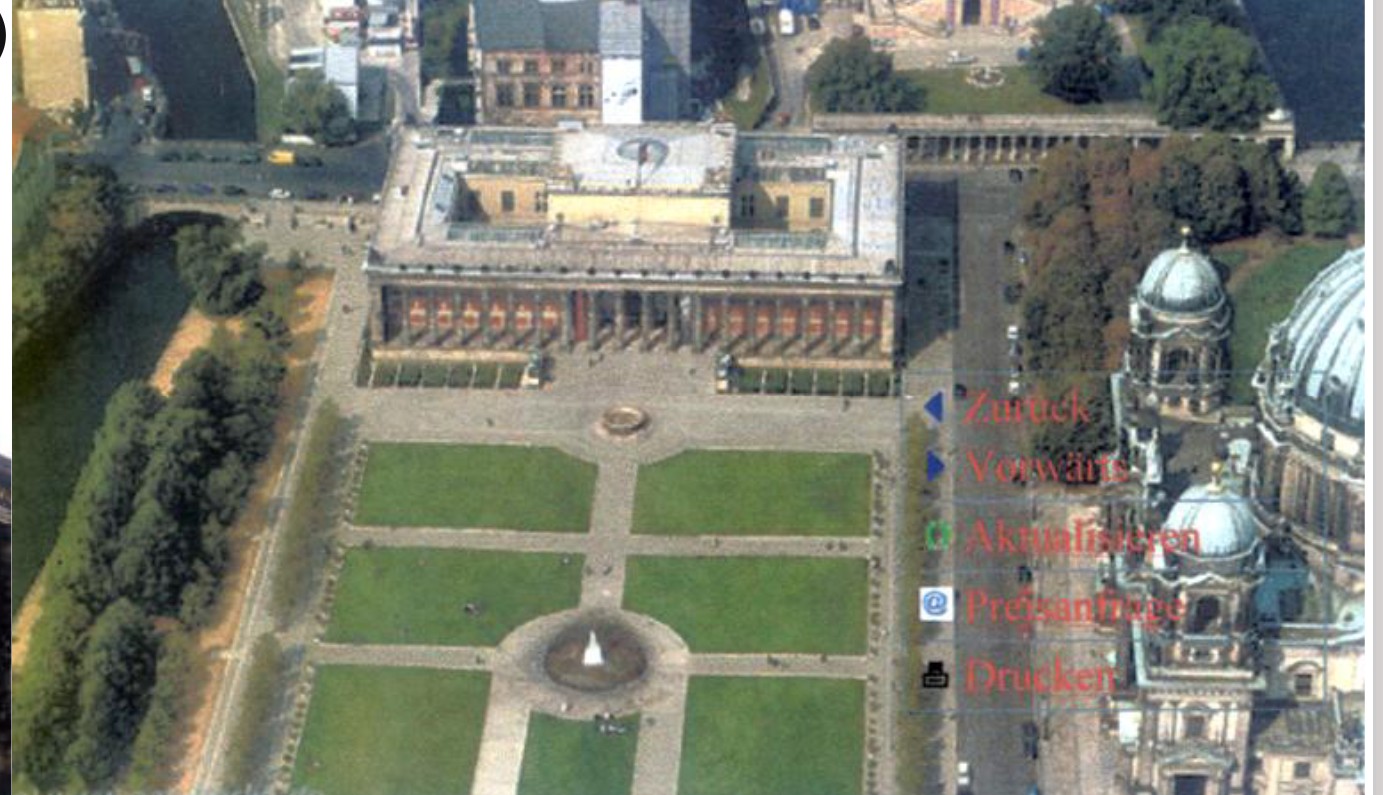
Altes Museum (Schinkel): Wall that interacts with the environment (urban-natural), collonaded facade wall acts as melting curtain that blends together the museum and the outside world
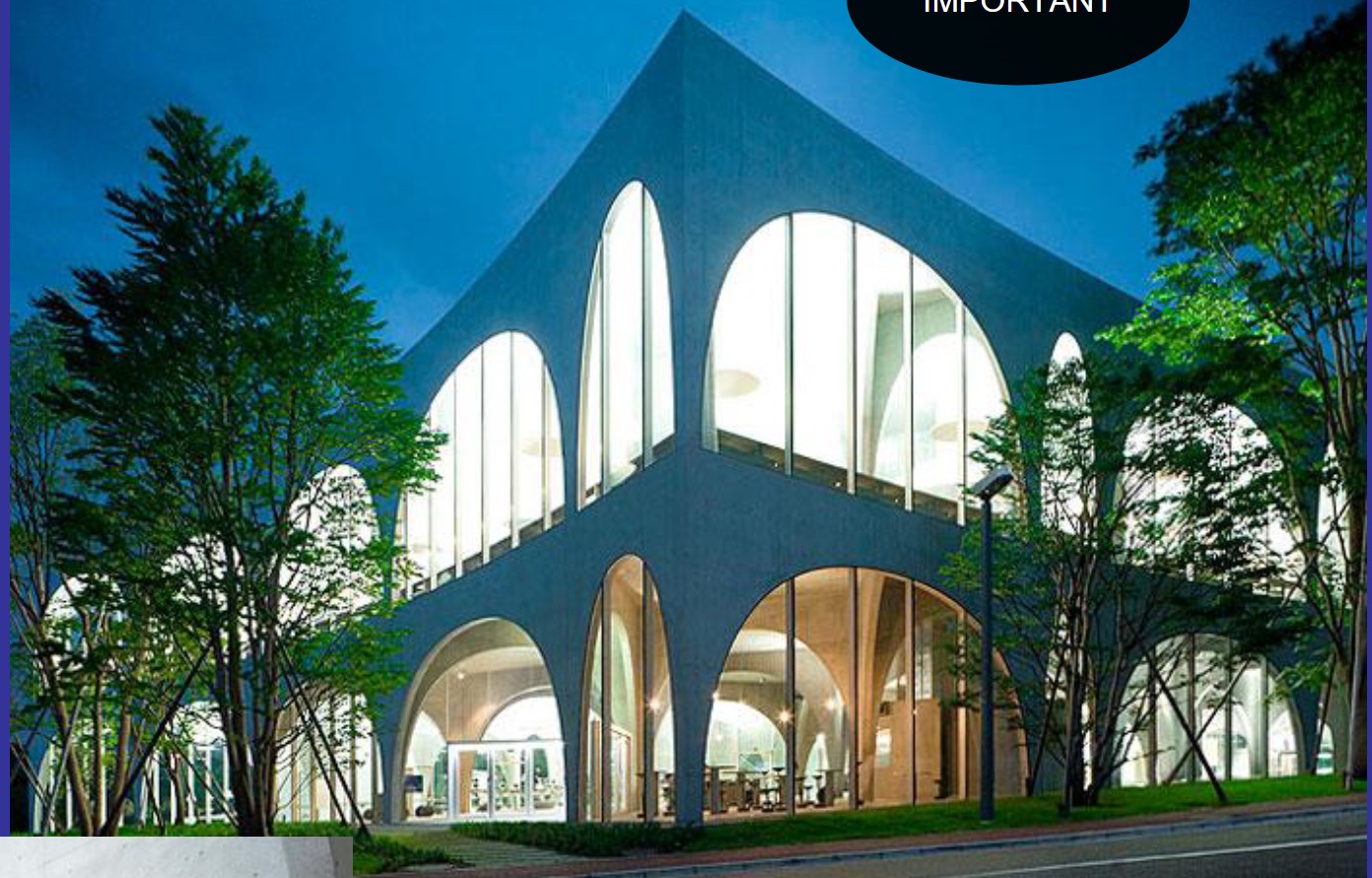
Tama Art University Library (Toyo Ito): Wall that interacts with the environment (urban-natural), facade designed to look like the trees on the outside, interaction with environment
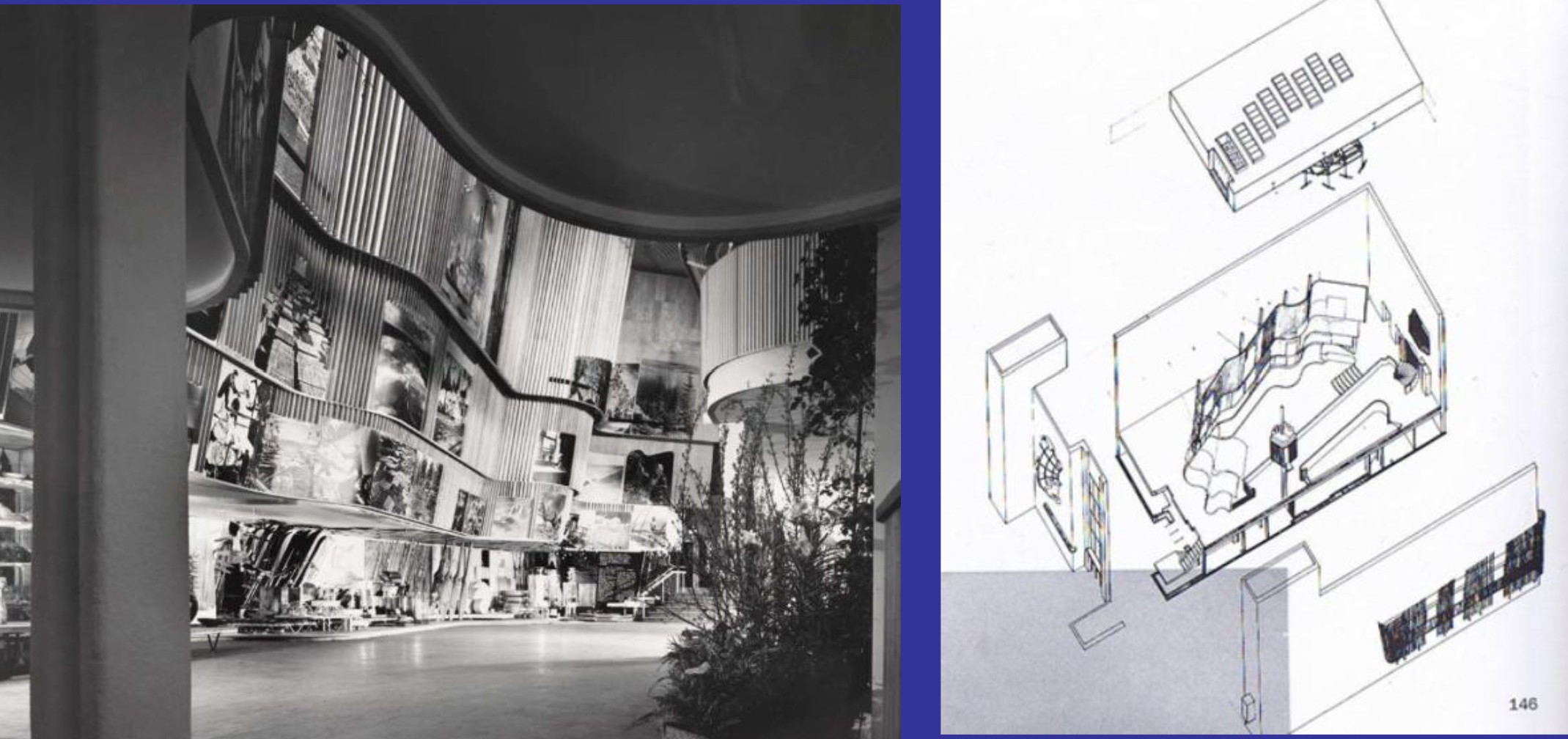
Finland Pavilion (Aalto): Wall that recreates the environment(urban-natural), wavy wall represents the Finnish terrain
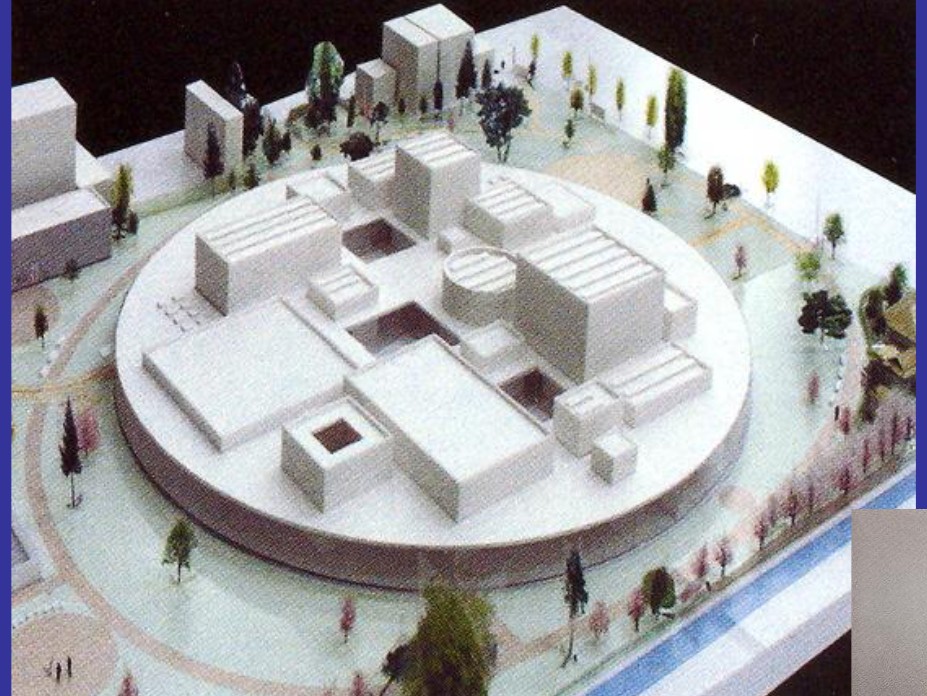
Museum of The 21st C (SANAA): Wall with Transparency and Mobility
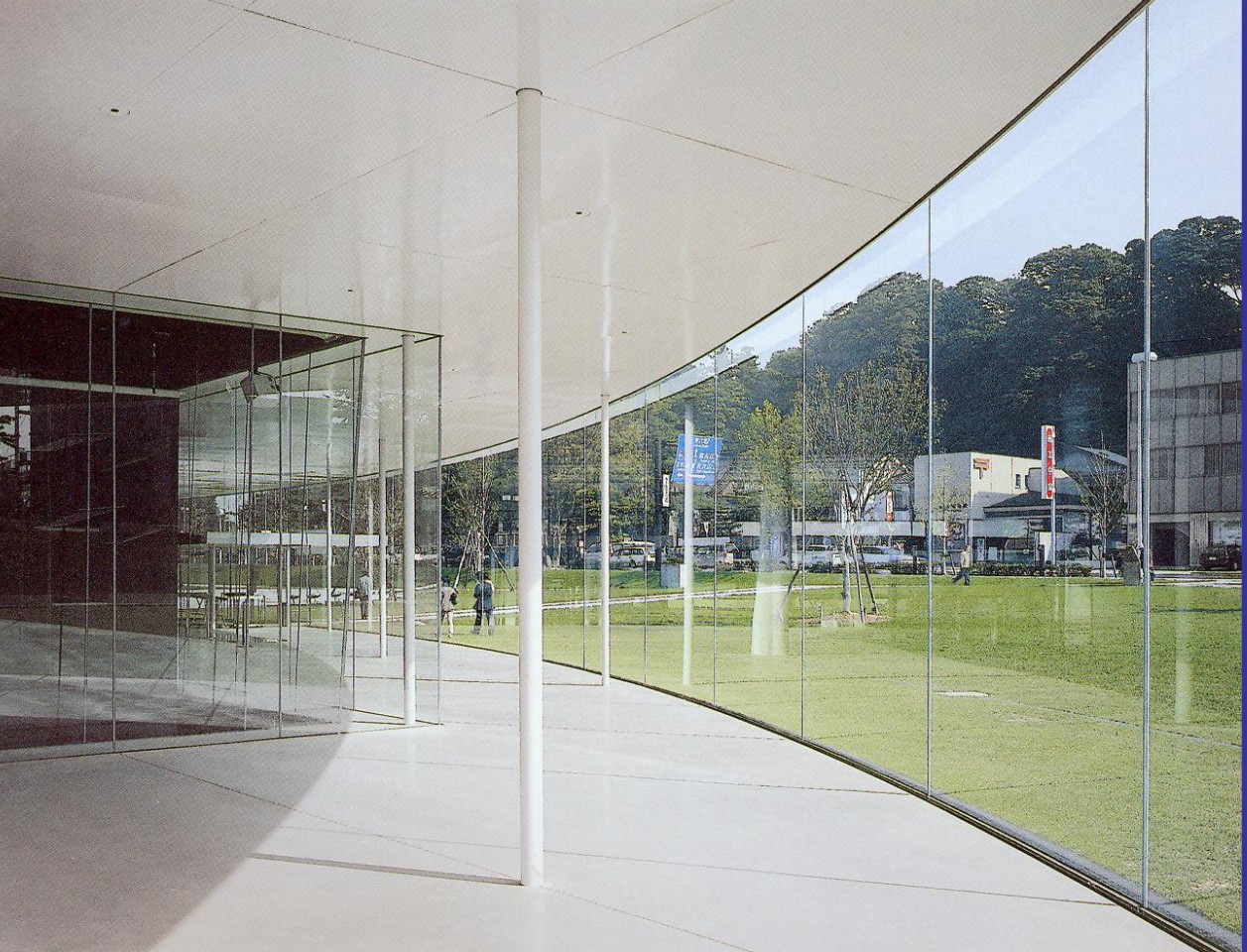
Museum of The 21st C (SANAA): Wall with Transparency and Mobility
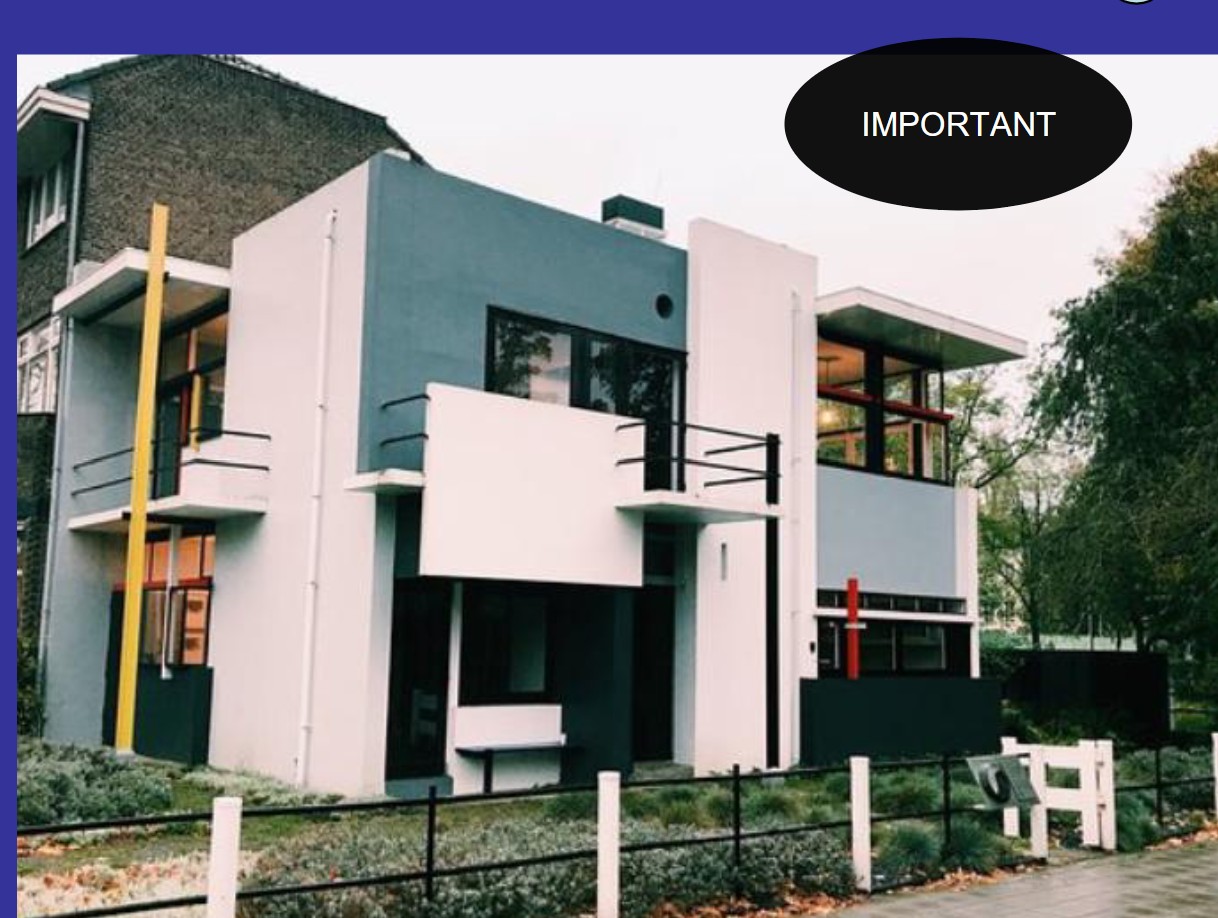
Schroder House (Rietveld): Wall with Transparency and Mobility, open, flexible interior layout featuring sliding and folding walls, rather than fixed, traditional rooms.
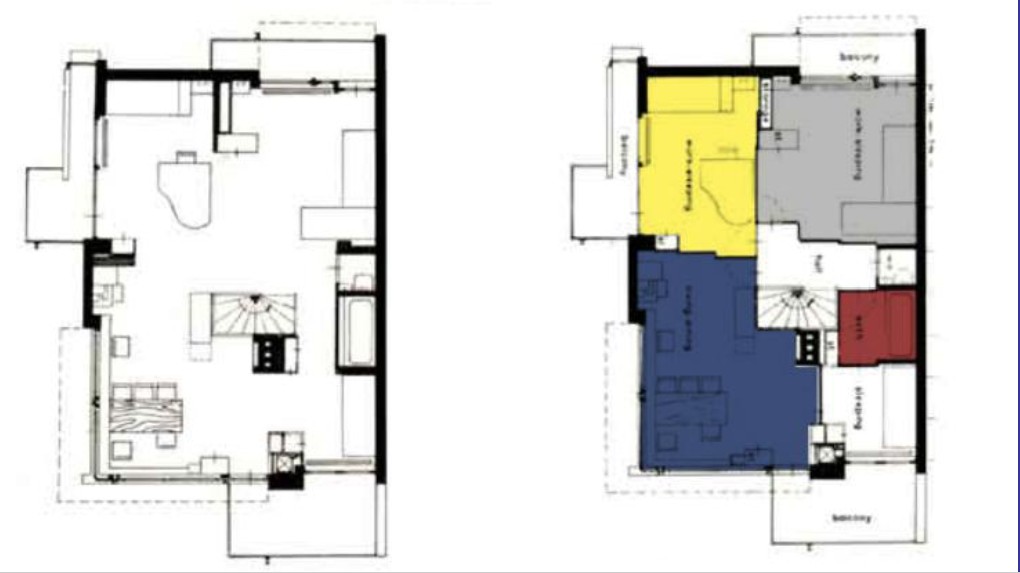
Schroder House (Rietveld): Wall with Transparency and Mobility, open, flexible interior layout featuring sliding and folding walls, rather than fixed, traditional rooms.
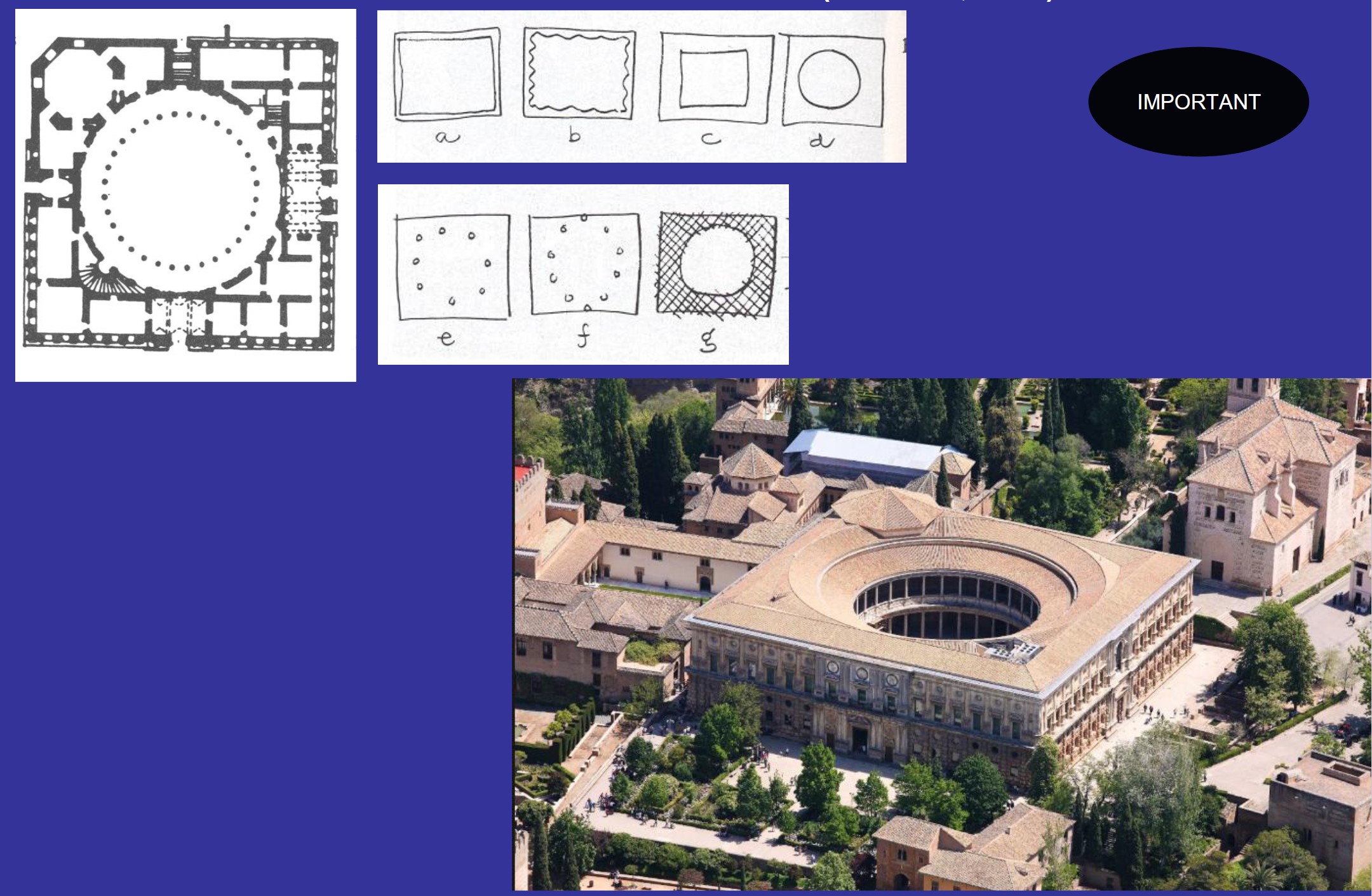
Palace of Charles V (Machuca): Wall with spatial content
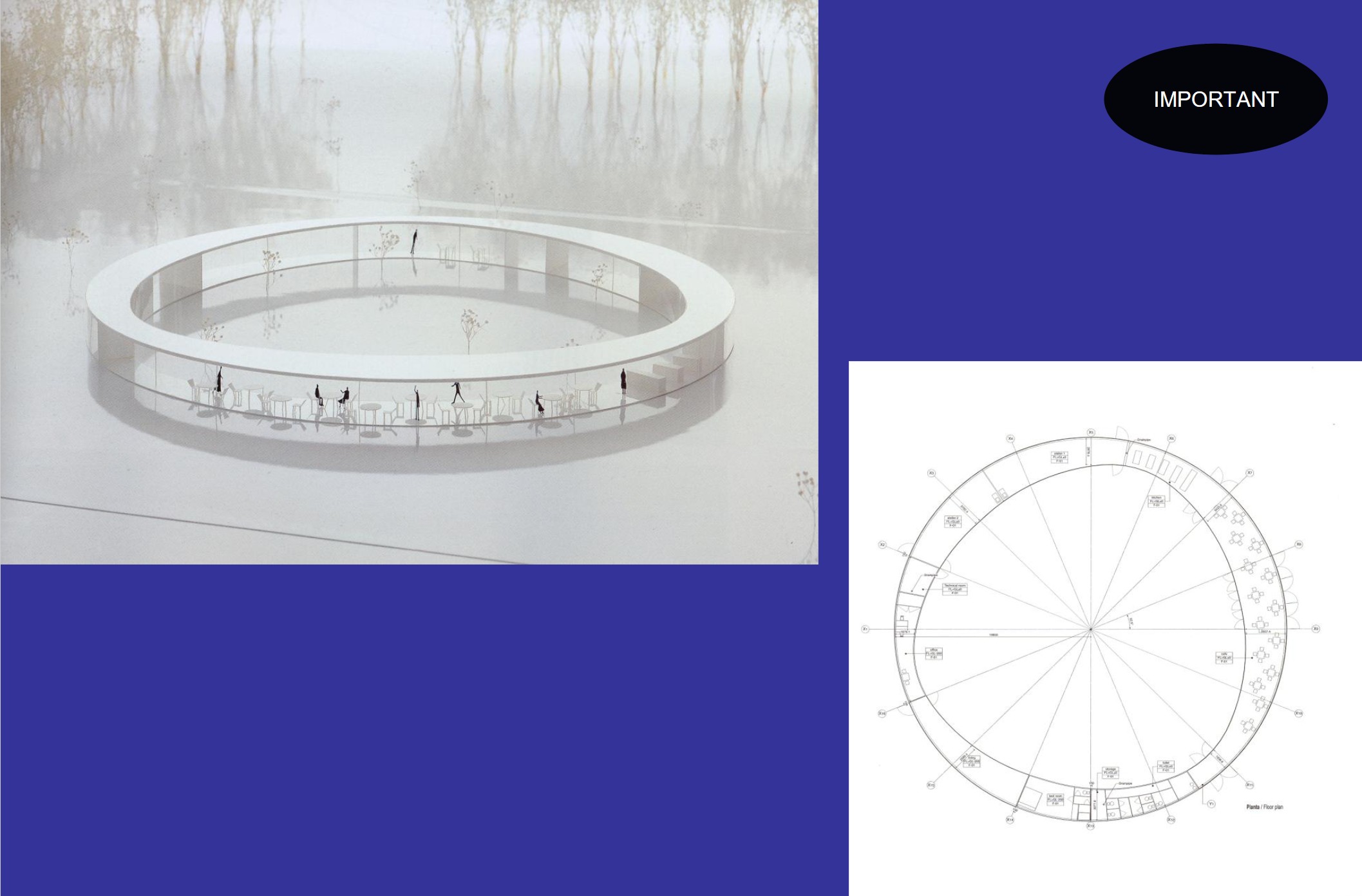
Lumiere park café (SANAA): Wall with spatial content, can walk within the wall, the inhabitable space is the wall
What is space?
Space is something that cannot be defined without time, as time is needed to experience space. Space doesn’t exist physically, but the energy within it does. We cannot experience space with a single picture, but rather need time within it to understand its properties.
What is space when compared to music?
A building is not architecture just as a guitar is not music. Architecture is a space for movement and inhabitation, just as a guitar is a resonance box through which notes and music can vibrate.
What is point?
A static element defining a position in space
What is line?
What is Plane?
Movement of a line
What is volume?
Combination of point, line, and plane. Can be void or full.
What are 4 ways point can be understood in archi?
Point as a center of composition (Piazza Campidoglio)
Projection of a building (FLW tower)
Building with a pronounced character (Toyo Ito Tower of winds)
Punctual opening in facade (Pantheon)
What are 3 types of plane?
Horizontal BASE, Horiz ROOF, Vert WALL
What do the 3 types of line indicate
Horiz: peace, tranquility, horizon
Vert: gravity, stability, balance
Inclined: transition, but also instability and unbalance
What are the 8 types of wall?
Perforated
Embracing
Delimiting
Channelizing
Wall interacting w environ
wall recreating environ
transparency and mobility
spatial content
What are the 3 ways a building provokes sensation?
1.-Treatment of the surface (proportions in windows, ornament, voids-mass, etc)
2D-THE PLANE, similar to how a painter works
2.-Treatment of the exterior as a whole (projections-hollows, roof,etc)
3D- THE VOLUME, the PLASTIC UNITY, similar to how an sculptor works
3.-Treatment of the interior (sequence of ambients, atmospheres, widening,
enlargement of the church naves, movement of a baroque staircase, etc)
3D-THE SPACE, what differentiates Architecture from painting and
sculpture, … how an architect works + 4-D --- time

