Pathogens: Healthy Populations Block 5 Exam
 Call Kai
 Learn
Learn Practice Test
 Spaced Repetition
 Match
Match Flashcards
 Knowt Play
1/26

There's no tags or description
Looks like no tags are added yet.
Name | Mastery | Learn | Test | Matching | Spaced | Call with Kai |
|---|
No analytics yet
Send a link to your students to track their progress
27 Terms
Virus characteristics
very small (0.25-0.35 um), round shape, protein capsule, enveloped or non-enveloped, needs host to replicate, infects every type of organism on Earth, few antiviral treatments
Canine Parvovirus type 2 (canine)
small, non-enveloped virus
highly contagious
spread by direct contact or contaminated feces and environments (environmentally stable for year in soil)
causes loss of appetite, vomiting, diarrhea, and dehydration
not zoonotic
Bovine Papillomavirus (bovine)
non-enveloped, circular double-stranded DNA virus in family Papillomaviridae
survive in environment for weeks or months if protected by tissue
growths resemble cauliflower
found on head, neck, and shoulders
can be zoonotic
Feline Leukemia Virus (feline)
oncogenic, enveloped, immunosuppressive lentivirus
most common infectious disease in cats (2-3% of cats in US)
virus shed in saliva, nasal secretions, urine, feces, and milk
transfer can occur from bite wound mostly and sometimes through shared litter and bowls
vertical transmission occurs
can’t survive long outside cat’s body
outcomes after exposure are immunity, transient viremia with latency and clearance, persistent viremia
Bovine Viral Diarrheal Virus (bovine)
single-stranded RNA enveloped virus
genome = single, linear, positive-sense, single-stranded RNA molecule 12.3kb
catalyzed by BVDV RNA-dependent RNA polymerase
most costly viral disease in US cattle (2 billion/year)
found everywhere in US (5% of herds)
immunosuppressive virus
syndromes = respiratory, digestive, reproductive
Bacteria Characteristics
single-cell organisms
10-100 times larger than viruses
sphere or rod shaped
reproduce in environment or in host
use flagella or glide to move
can double in number every 15 minutes or take weeks or months
gram + or gram -
Gram Positive Bacteria
thick peptidoglycan layer and no outer membrane
peptidoglycan in cell wall stain purple-blue with crystal violet dye
90% of gram + treated with penicillin, cloxacillin, and erythromycin
Streprococcus equi subspecies equi (equine)
gram positive, beta-hemolytic coccobacillus
highly contagious upper respiratory infection
bacterial shedding intermittently
subclinical carrier sheds bacteria for months to years
survive in environment for 4-6 weeks
rarely zoonotic
clinical signs = fever, lethargy/lack of interest, thick white to yellow nasal discharge, swelling under jaw, white to yellow drainage under jaw
Caseous Lymphadenitis (small ruminants)
cornebacterium pseudotuberculosis
gram-positive, facultative, intracellular coccobacillus
abscess formation near major peripheral lymph nodes (external form) or within internal organs and lymph nodes (internal form)
incubation period = 1-3 months
survive on fomites for 2 months or soil for 8 months
zoonotic
Erysipelothrix rhusiopathiae (swine)
Erysipelas
nonsporulating, gram-positive, rod-shaped bacterium
clinical signs = fever, anorexia, red diamond shaped patches, lameness
rout of transmission = direct contact (cuts in skin)
susceptible to penicillin, cephalosporins, erythromycin, and clindamycin
resistant to vancomycin
zoonotic
Gram Negative Bacteria
thin peptidoglycan layer and outer lipid membrane
stain red-pink
more resistant than gram positive
cause significant morbidity and mortality
Susceptible to fourth-gen cephalosporins (cefepime), extended-spectrum ß-lactamase inhibitor penicillin (piperacillin/tazobactam, ticarcillin/clavulanate), and most carbapenems (imipenem/cilastatin, meropenem, ertapenem)
Klebsiella mastitis (bovine)
K. oxytoca and K. pneumoniae responsible for causing clinical mastitis
gram-negative bacteria shed in manure
mild = abnormal milk, moderate = abnormal milk and swollen udders, and severe = systemic signs (fever, off feed, decreased production, shock, and recumbency)
chronic infections
no intramammary antimicrobials are labeled for treatment in US
zoonotic
Parasite Characteristics
eukaryote (have nucleus)
larger than bacteria
majority replicate in host
one cell or many cells
Ascaris Suum
large roundworm of pigs
survive in soil for 10 years
infected pigs may show no symptoms
heavily infected pigs show symptoms
difficulty breathing, thumps
weight loss
unthrifty
slow weight gain
whole worms in manure
zoonotic
Giardia
single celled parasite of dog intestine
results in diarrhea
extended giardiasis causes weight loss, poor condition, and death
many infected dogs don’t show disease
dogs infected with giardia cyst are swallowed from water
highly contagious
feces
contact
contaminated surfaces
survive several months in cold water or soil
zoonosis not likely
more likely from chinchillas, beavers, birds, opossums, and monkeys
Fungi Characteristics
eukaryotes (nuclei and vacuoles)
largest pathogen
many shapes
most common = environmentally resistant spores and molds
found in rotting vegetation or animal feces
cause skin infections and pneumonia
Dermatophytosis (canine, feline, and livestock)
trichophyton or mycosporum genera fungi
hair and wool loss occur at affected area
multiple areas affected
circular in outline and slightly raised
size is variably but extensive
clinical signs begin four to fourteen days after exposure
zoonotic
Aspergillus (canine and feline)
nasal aspergillus most common
most cases are invasive
deadliest form is systemic infection (from lungs to other organs)
chronic nasal discharge with strong odor lasts for weeks to months and does not respond to antibiotics
typically involves only one nostril
require extended treatment with toxic side effects
not zoonotic
Prion Characteristics
misfolded protein that triggers normal proteins in brain to fold abnormally
creates chain reaction resulting in large aggregates of abnormal proteins
lack genetic material
Chronic Wasting Disease (deer and cervids)
weight loss, stumbling, listlessness, lack of coordination, drooling, and excessive thirst
spread among cervids through environmental contamination
no vaccine or treatment available
found in 35 US states
CWD prions in raw, cooked, and cured meat
cooking temperatures are well known to be ineffective disabling CWD prions
zoonotic
Bovine spongiform encephalopathy BSE (bovine)
first case in mid 1980s
major outbreak in United Kingdom 1990s
by 2005 24 countries reported BSE in native cattle
caused from feeding cattle meat and bone meal with prions from infected cow or sheep
cause changes in temperament, abnormal posture, incoordination, decreased production, and loss of condition
2-8 yr incubation period
no vaccine or treatment
Creutzfeldt-Jakob Disease (humans)
classic or variant CJD
classic
older people
appear sporadically
brain breaks down or stops working normally
progresses quickly and is fatal within year
variant
tied to eating beef from cow with BSE
younger people
mental symptoms and behaviors and pain when touching things
Colibacillosis
caused by bacterial strains of Escherichia coli
gram negative
flagellated bacilli
rod shaped
virulence factors
encapsulated
fimbriae
easily adheres to mucosal enterocyte receptors within small intestines
rapid colonization
certain strains produce enterotoxins
local or systemic effects
fecal oral route
adheres and colonizes onto intestinal wall
resistant to widespread disinfectants and antibiotics
lack of effective vaccines due to constant mutation
occurs in all age groups of chickens but most common in adult layer hens
high mortality in neonatal piglets with severe watery diarrhea
shed by healthy pigs
swine clinical signs
anorexia, weight loss, asthenia, cyanosis, diarrhea, edema, fever, hemorrhage, paralysis, sudden death
poultry clinical signs
respiratory distress, anorexia, diarrhea, weight loss, sudden death
zoonotic - foodborne transmission
Cryptococcus neoformans
most common systemic fungal disease in cats
airborne pathogen caused by inhalation of fungi in environment
found in soil, decaying wood, and bird poop
clinical signs
cutaneous lesions of nose, mucous nasal discharge, weight loss, lethargy, joint inflammation, and neurologic symptoms
not zoonotic
Porcine Epidemic Diarrhea virus
enveloped virus
95-190 nm single stranded positive sense RNA genome
spread via
fecal oral route
fecal nasal route
fomites
vertical transmission
sexual intercourse
high mortality in neonatal pig, low mortality in post weaned
only in swine and not zoonotic
Tritrichomonas foetus
parasite
causes venereal disease in cattle
transmission increased by
not testing before breeding
breeding naturally
not treating infected cattle
lack of biosecurity
commingling breeding groups
most common sign in cow is reproductive failure due to early embryonic death
vaccination!
not zoonotic
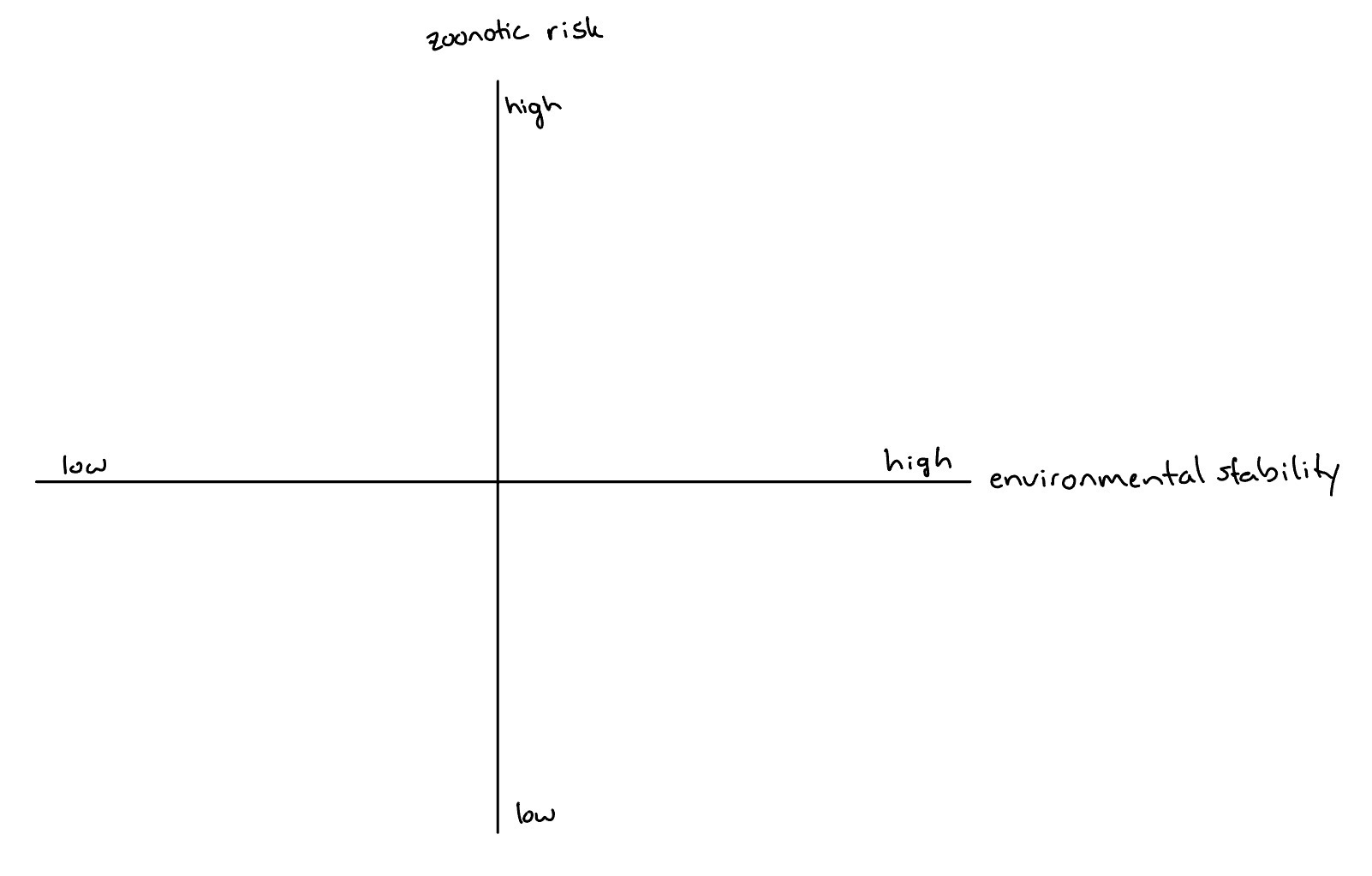
Hot Spot Matrix
Explore top notes

