AP Psychology Unit 1
 Studied by 4 people
 Call Kai
 Learn
Learn Practice Test
 Spaced Repetition
 Match
Match Flashcards
 Knowt Play
1/205

Earn XP
Description and Tags
based on Myers' Psychology 4th edition and Mr. Sinn's review videos
Name | Mastery | Learn | Test | Matching | Spaced | Call with Kai |
|---|
No analytics yet
Send a link to your students to track their progress
206 Terms
heredity
Passing of traits from parents to offspring
nature
the influence of our inherited characteristics on our personality, physical growth, intellectual growth, and social interactions
nurture
external factors that one experiences, such as family interactions or education.
evolutionary psychology
the study of the evolution of behavior and the mind, using principles of natural selection
behavior genetics
the study of the relative power and limits of genetic and environmental influences on behavior
natural selection
A process in which individuals that have certain inherited traits tend to survive and reproduce at higher rates than other individuals because of those traits.
epigenetics
“above” or “in addition to” (epi) genetics; the study of the molecular mechanisms by which environments can influence genetic expression (without a DNA change).
how a person’s body reads a DNA sequence
genes are basically turned on/off depending on the environment
eugenics
study of factors that influence the hereditary qualities of the human race and ways to improve those qualities
twin studies
a common method of investigating whether nature or nurture affects behavior
family studies
researchers assess hereditary influence by examining blood relatives to see how much they resemble one another on a specific trait
adoption studies
assess hereditary influence by examining the resemblance between adopted children and both their biological and their adoptive parents
Nerves
bundled axons that form neural cables connecting the central nervous system with muscles, glands, and sensory organs
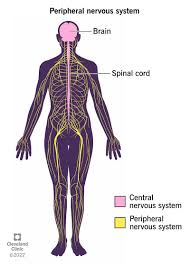
central nervous system
brain and spinal cord; interacts with all processes in the body.
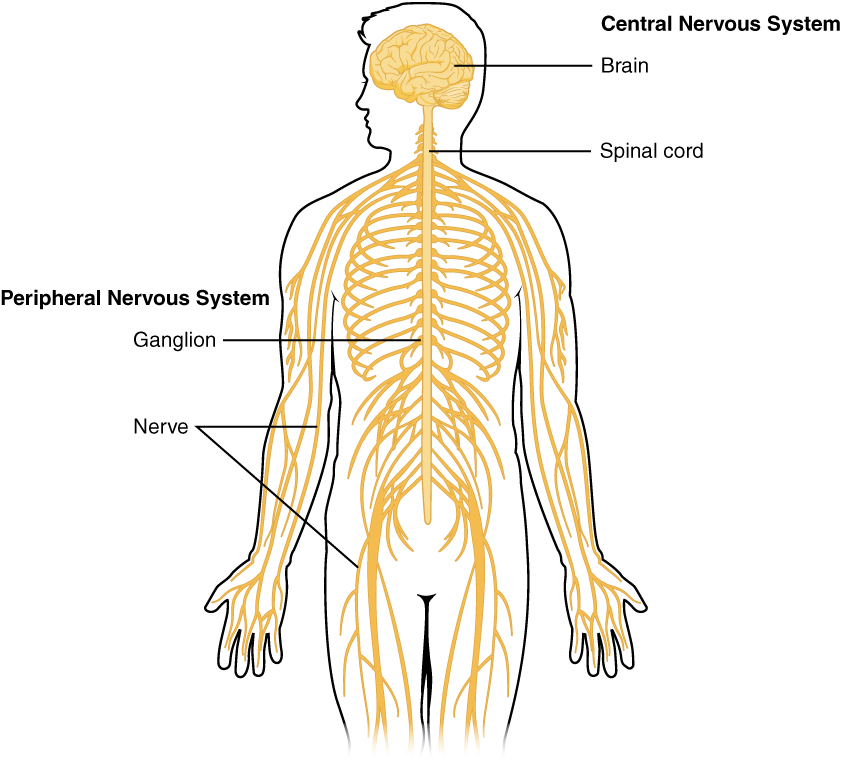
peripheral nervous system
relays messages from the central nervous system
to the rest of the body and includes the autonomic and somatic nervous systems.
Autonomic nervous system
governs processes that are involuntary and includes
the parasympathetic and sympathetic nervous systems.
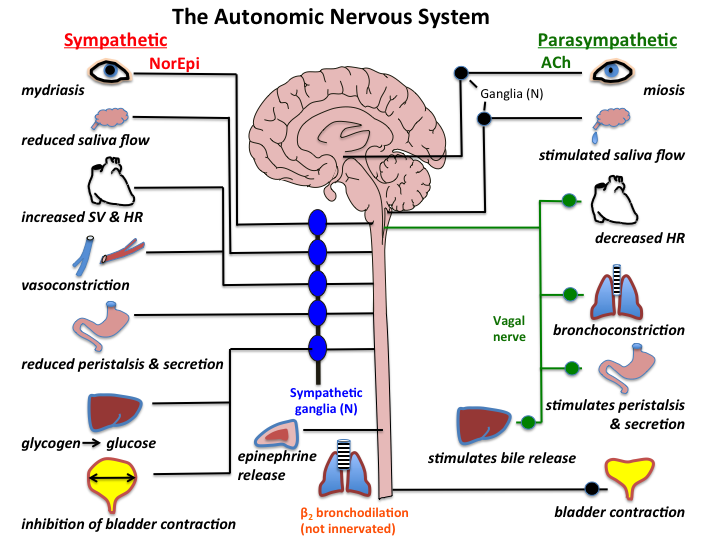
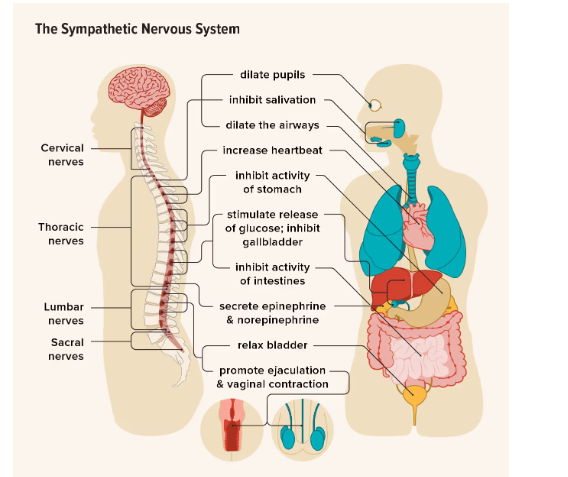
sympathetic nervous system
the division of the autonomic nervous system that arouses the body, mobilizing its energy in stressful situations
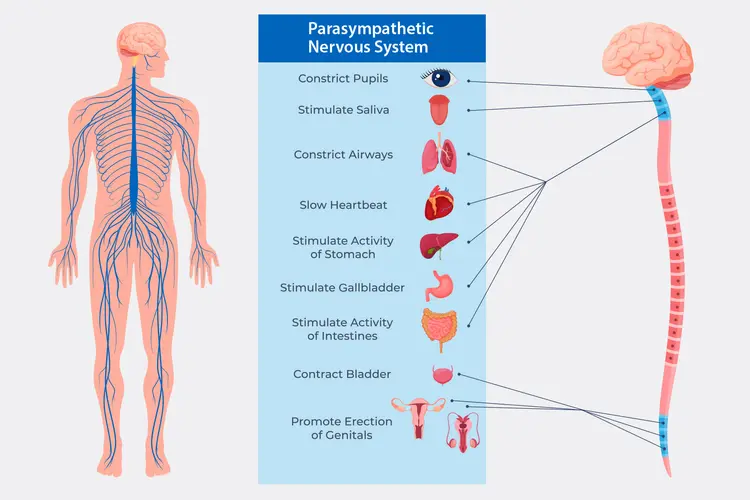
parasympathetic nervous system
the division of the autonomic nervous system that calms the body, conserving its energy
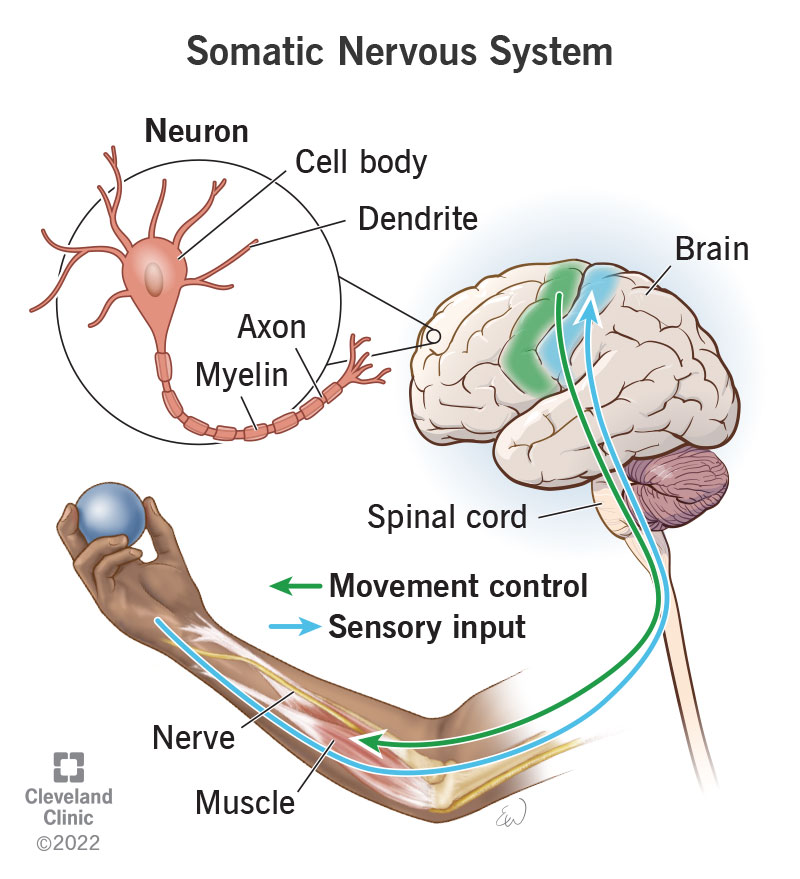
somatic nervous system
the division of the peripheral nervous system that controls the body's skeletal muscles; governs processes that are voluntary.
neurons
a nerve cell; the basic building block of the nervous system
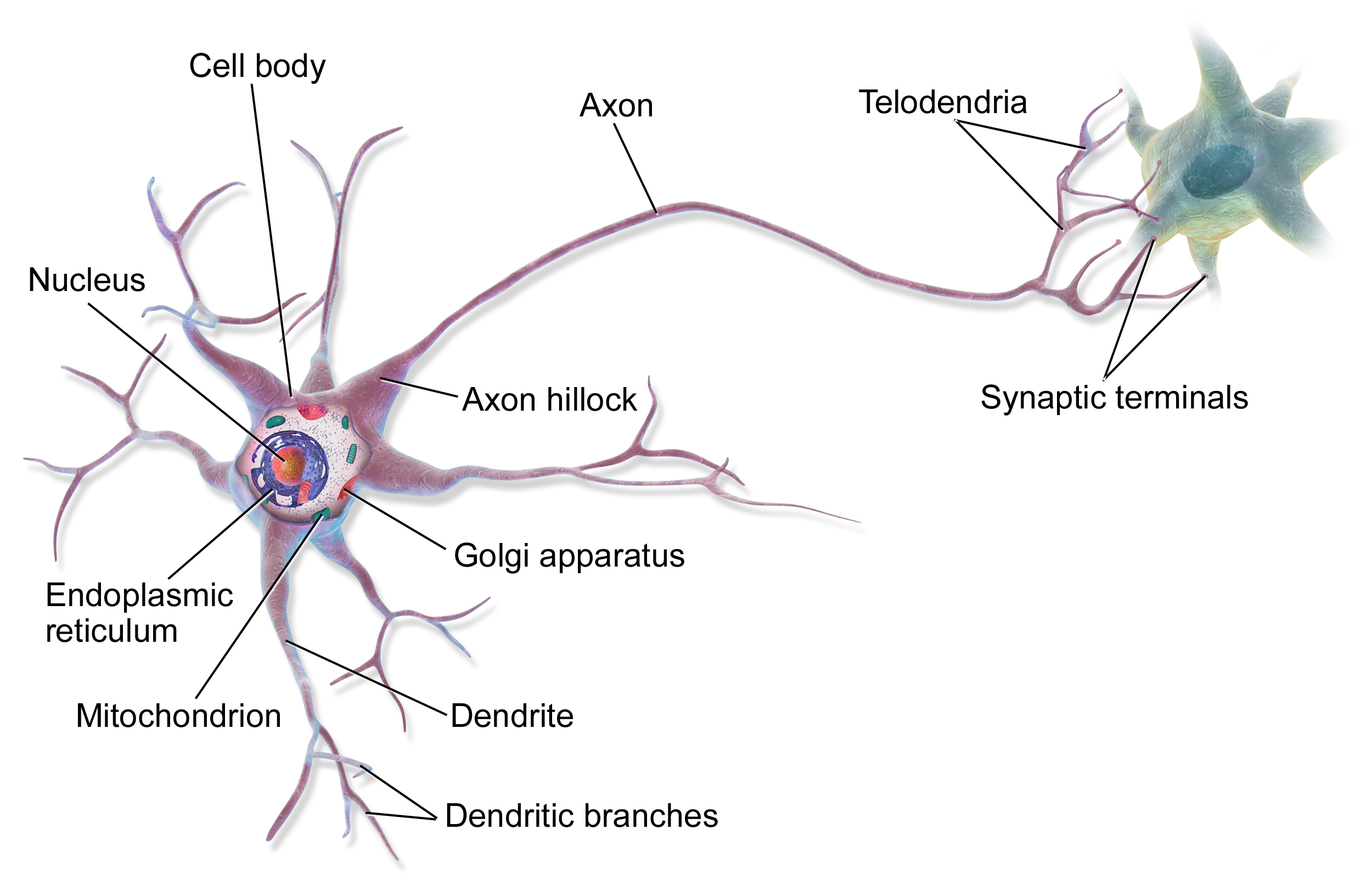
Cell body
the part of a neuron that contains the nucleus; the cell’s life-support center
Dendrites
a neuron’s often bushy, branching extensions that receive and integrate messages, conducting impulses toward the cell body
Axon
the segmented neuron extension that passes messages through its branches to other neurons or to muscles or glands
Myelin sheath
a fatty tissue layer segmentally encasing the axons of some neurons; it enables vastly greater transmission speed as neural impulses hop from one node to the next
Glial cells
cells in the nervous system that support, nourish, and protect neurons
reflex arc
in the spinal cord; demonstrates how neurons within the central and peripheral nervous systems work together to respond to stimuli. Three types of neurons work together: sensory, motor, and interneurons.
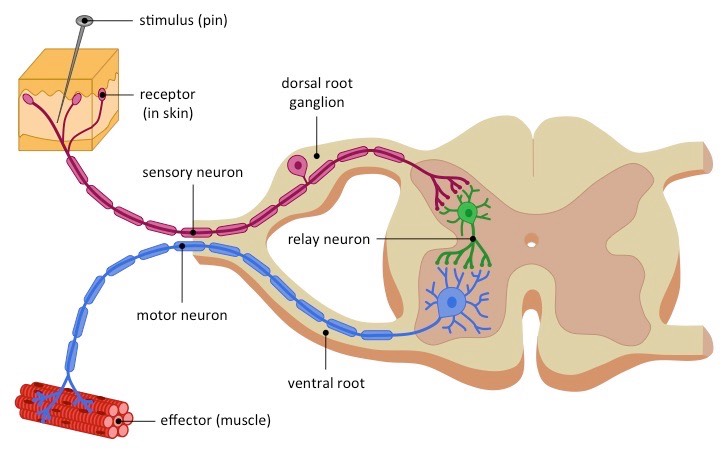
sensory (afferent) neurons
neurons that carry incoming information from the body’s tissues and sensory receptors to the brain and spinal cord
motor (efferent) neurons
neurons that carry outgoing information from the brain and spinal cord to the muscles and glands
interneurons
neurons within the brain and spinal cord; they communicate internally and process information between the sensory inputs and motor outputs
neural transmission
electrochemical communication within and between neurons and the final destination
action potential
a neural impulse; a brief electrical charge that travels down an axon
all-or-none response
a neuron’s reaction of either firing (with a full-strength response) or not firing.
Synapse
the junction between the axon tip of the sending neuron and the dendrite or cell body of the receiving neuron. The tiny gap at this junction is called the synaptic gap or synaptic cleft
refractory period
the time following an action potential during which a new action potential cannot be initiated reuptake
reuptake
a neurotransmitter's reabsorption by the sending neuron
absolute threshold
the minimum stimulus energy needed to detect a particular stimulus 50 percent of the time
multiple sclerosis
A chronic disease of the central nervous system marked by damage to the myelin sheath. Plaques occur in the brain and spinal cord causing tremor, weakness, incoordination, paresthesia, and disturbances in vision and speech
excitatory neurotransmitters
chemicals released from the terminal buttons of a neuron that provoke the next neuron into firing
inhibitory neurotransmitters
chemicals released from the terminal buttons of a neuron that prevent the next neuron from firing
dopamine
Influences movement, learning, attention, and emotions
Examples of malfunction: Oversupply linked to schizophrenia. Undersupply linked to tremors and decreased mobility in Parkinson’s disease.
Serotonin
Affects mood, hunger, sleep and arousal.
Examples of malfunction: Undersupply linked to depression. Some drugs that raise serotonin levels are used to treat depression
Norepinephrine
Helps control alertness and arousal
Examples of malfunction: Undersupply can depress mood.
Glutamate
A major excitatory neurotransmitter; involved in memory
Examples of malfunction: Oversupply can overstimulate the brain, producing migraines or seizures.
GABA
natural, opiatelike neurotransmitters linked to pain control and to pleasure; a major inhibitory neurotransmitter
Examples of malfunction: Undersupply linked to seizures, tremors, and insomnia.
Endorphins
Neurotransmitters that influence the perception of pain or pleasure
Examples of malfunction: Oversupply with opioid drugs can suppress the body’s natural endorphin supply.
Substance P
Involved in pain perception and immune response
Examples of malfunction: Oversupply can lead to chronic pain.
Acetylcholine
enables muscle action, learning, and memory
examples of malfunction: With Alzheimer’s disease, ACh-producing neurons deteriorate.
Hormones
chemical messengers that are manufactured by the endocrine glands, travel through the bloodstream, and affect other tissues
Adrenaline
a hormone secreted by the adrenal glands, especially in conditions of stress, increasing rates of blood circulation, breathing, and carbohydrate metabolism and preparing muscles for exertion.
Leptin
A hormone produced by adipose (fat) cells that acts as a satiety factor in regulating appetite.
Ghrelin
A hunger-arousing hormone secreted by an empty stomach
Melatonin
A hormone manufactured by the pineal gland that produces sleepiness.
Oxytocin
A hormone released by the posterior pituitary that stimulates uterine contractions during childbirth and milk ejection during breastfeeding.
Psychoactive Drugs
Chemicals that affect the nervous system and result in altered consciousness
Substance use disorder
a disorder characterized by continued substance use despite resulting life disruption
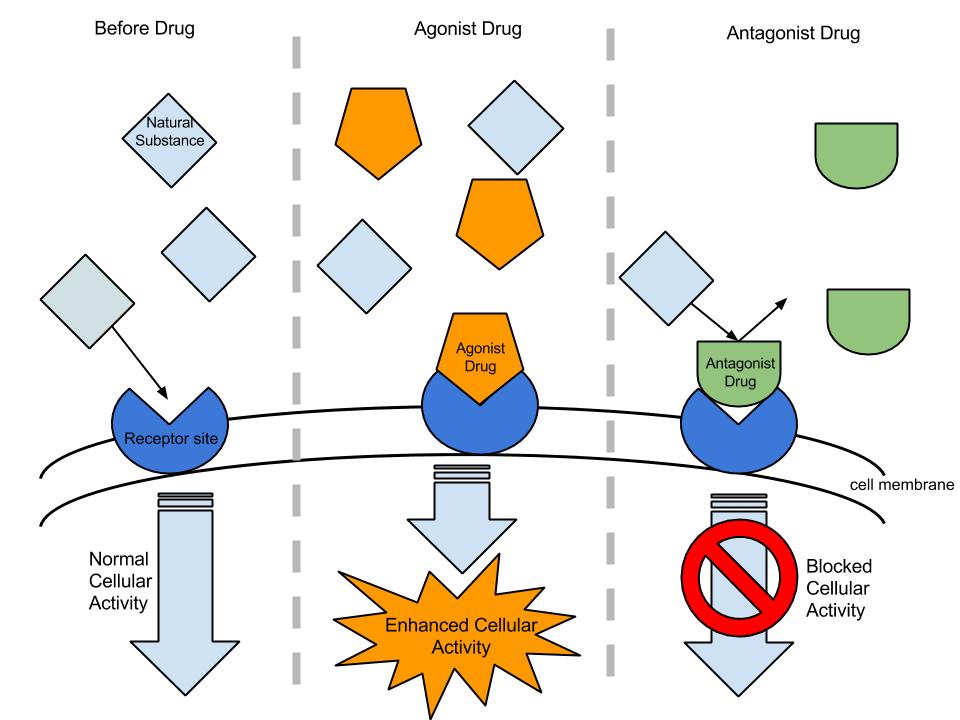
Agonist
a molecule that, by binding to a receptor site, stimulates a response
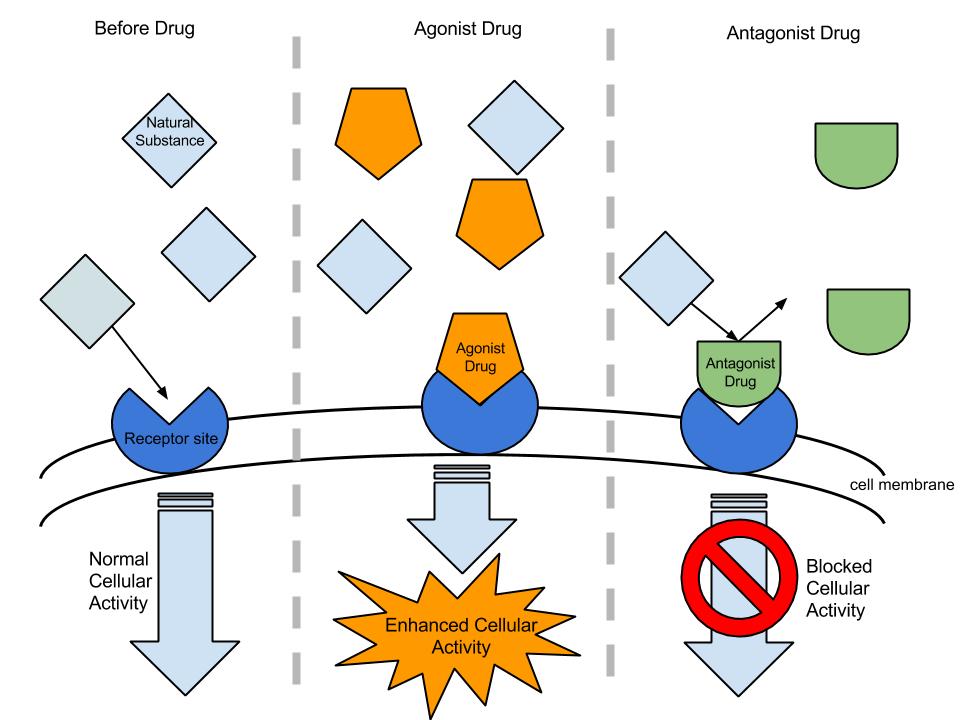
Antagonists
These drugs block the actions of neurotransmitters
Endocrine systen
the body’s “slow” chemical communication system; a set of glands and fat tissue that secrete hormones into the bloodstream
Reuptake inhibitors
Drugs that interfere with the reuptake of neurotransmitters in the synapse so that a greater amount remains in the synapse
Stimulants
Drugs (such as caffeine, nicotine, and the more powerful amphetamines, cocaine, and Ecstasy) that excite neural activity and speed up body functions.
Cocaine
a powerful and addictive stimulant, derived from the coca plant, producing temporarily increased alertness and euphoria
Depressants
drugs that reduce neural activity and slow body functions
barbiturates
drugs that depress central nervous system activity, reducing anxiety but impairing memory and judgment
Hallucinogens
psychedelic drugs, such as LSD, that distort perceptions and evoke sensory images in the absence of sensory input
Marijuana
a drug, often smoked, whose effects include euphoria, impairment of judgment and concentration and occasionally hallucinations; rarely reported as addictive
Opioids
opium and its derivatives; they depress neural activity, temporarily lessening pain and anxiety
Heroin
narcotic drug derived from opium that is extremely addictive
Tolerance
the diminishing effect with regular use of the same dose of a drug, requiring the user to take larger and larger doses before experiencing the drug's effect
Addiction
an everyday term for compulsive substance use (and sometimes for dysfunctional behavior patterns, such as out-of-control gambling) that continue despite harmful consequences
withdrawal
the discomfort and distress that follow discontinuing the use of an addictive drug
biological psychology
the scientific study of the links between biological (genetic, neural, hormonal) and psychological processes. Some biological psychologists call themselves behavioral neuroscientists, neuropsychologists, behavior geneticists, physiological psychologists, or biopsychologists
biopsychosocial approach
an integrated approach that incorporates biological, psychological, and social-cultural levels of analysis
levels of analysis
the differing complementary views, from biological to psychological to social-cultural, for analyzing any given phenomenon
hindbrain
consists of the medulla, pons, and cerebellum; directs essential survival functions, such as breathing, sleeping, and wakefulness, as well as coordination and balance
midbrain
found atop the brainstem; connects the hindbrain with the forebrain, controls some motor movement, and transmits auditory and visual information
forebrain
consists of the cerebral cortex, thalamus, and hypothalamus; manages complex cognitive activities, sensory and associative functions, and voluntary motor activities.
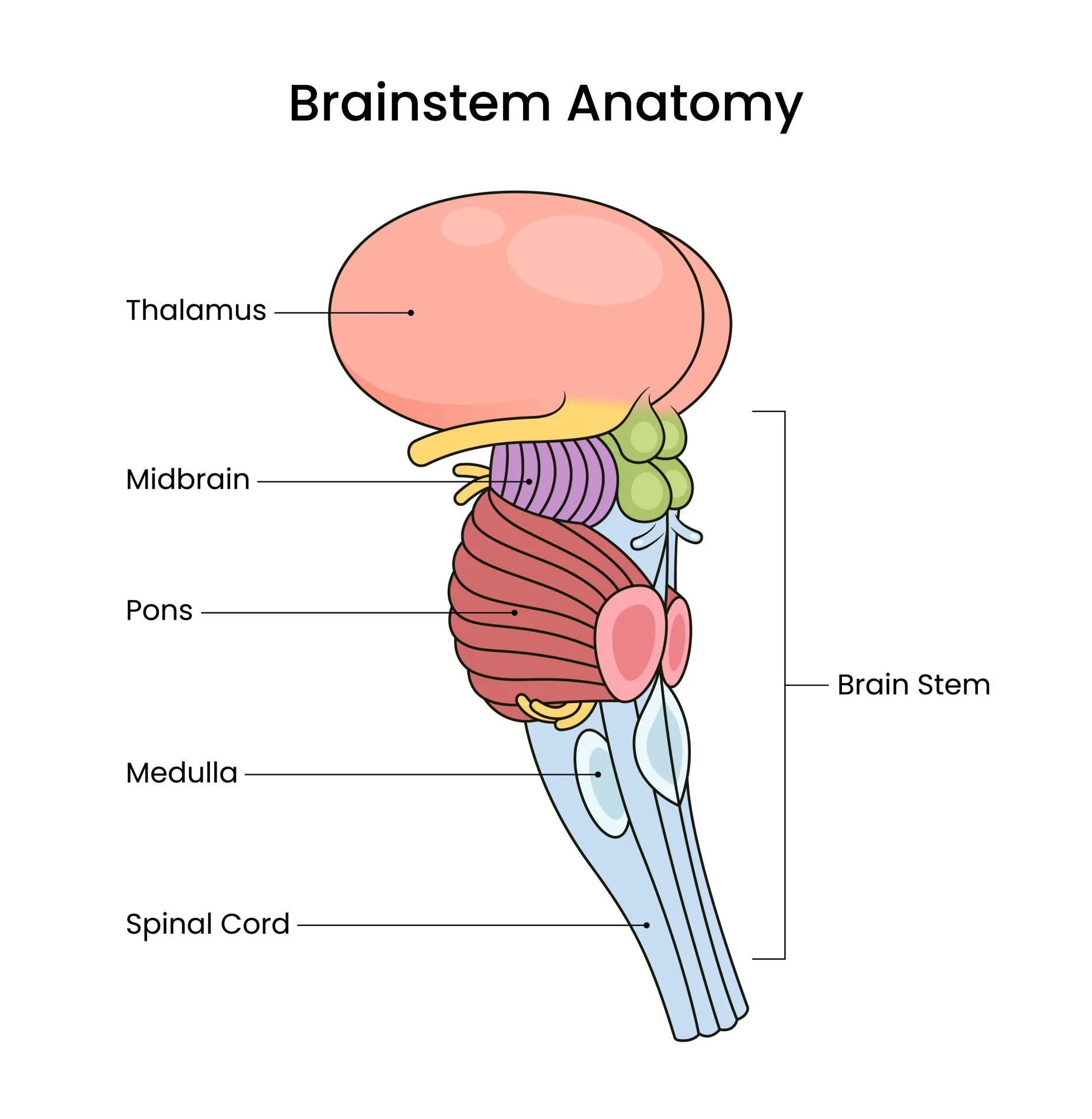
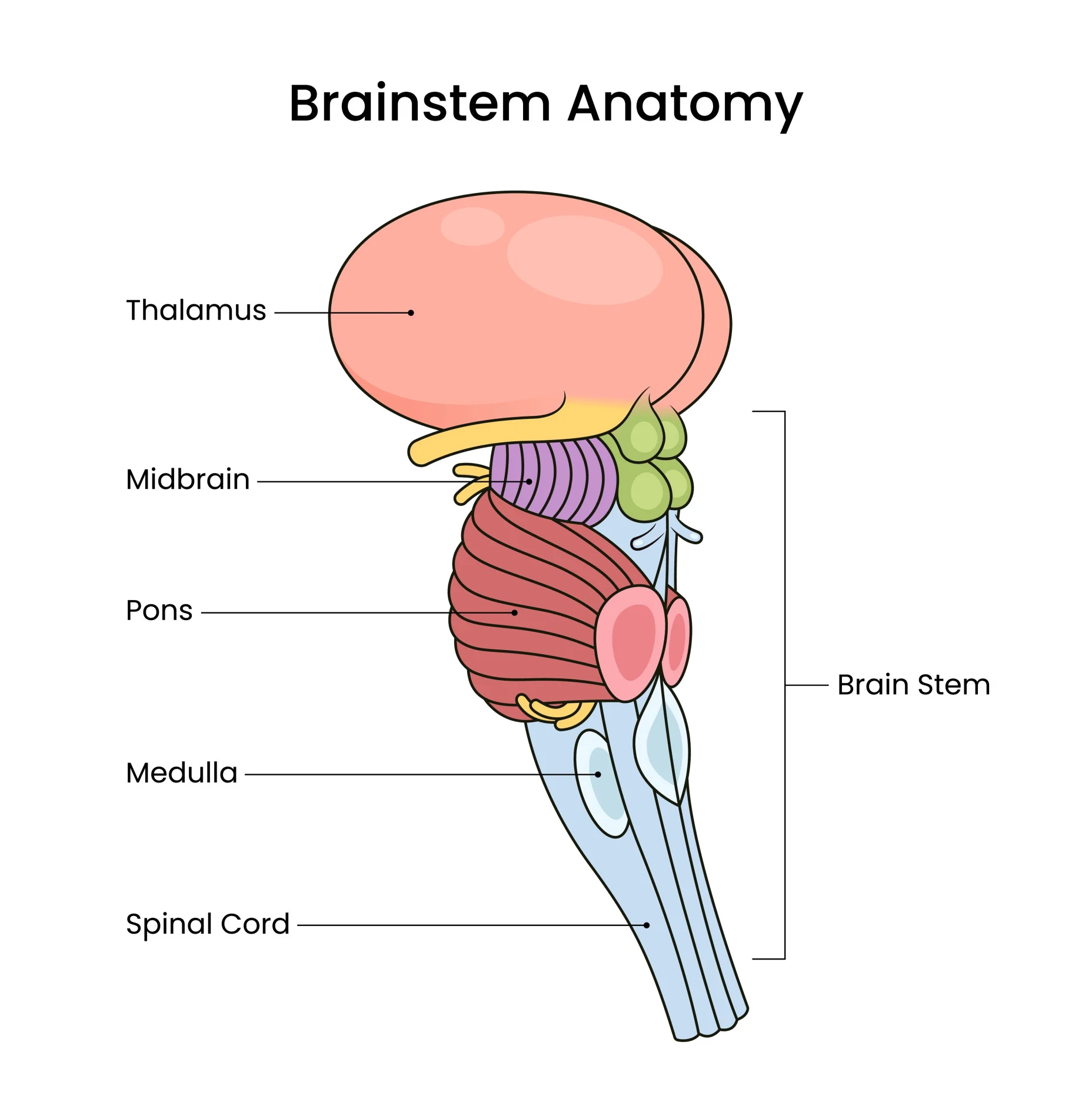
Brainstem
Connection to spinal cord. Filters information flow between peripheral nervous system and the rest of the brain.
the central core of the brain, beginning where the spinal cord swells as it enters the skull; the brainstem is responsible for automatic survival functions
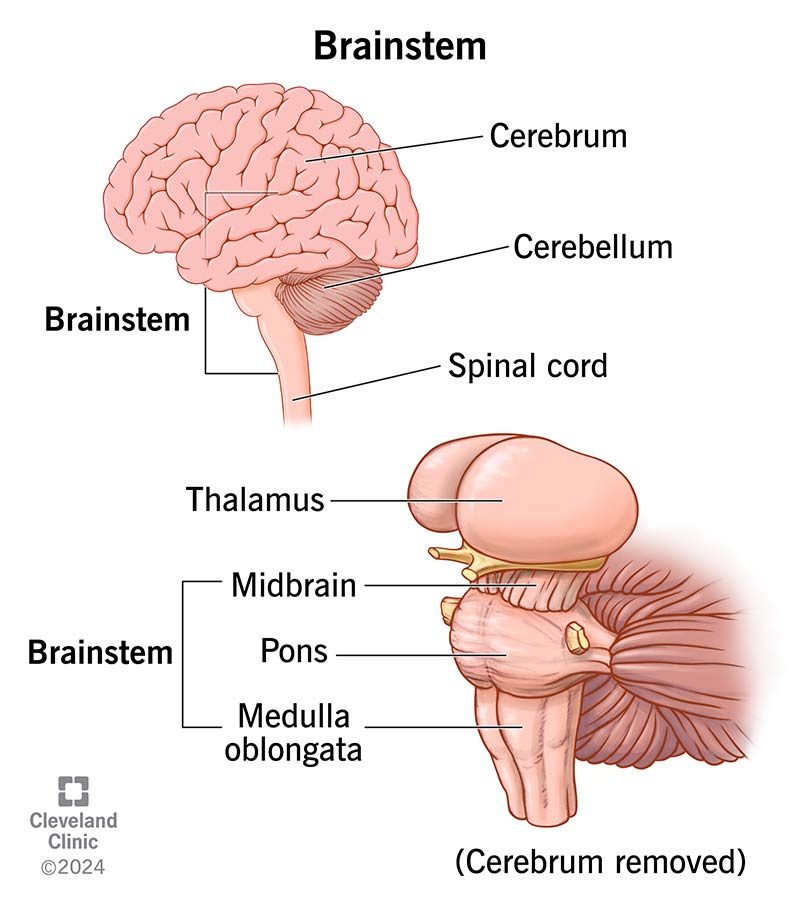
Medulla
the hindbrain structure that is the brainstem’s base; controls heartbeat and breathing
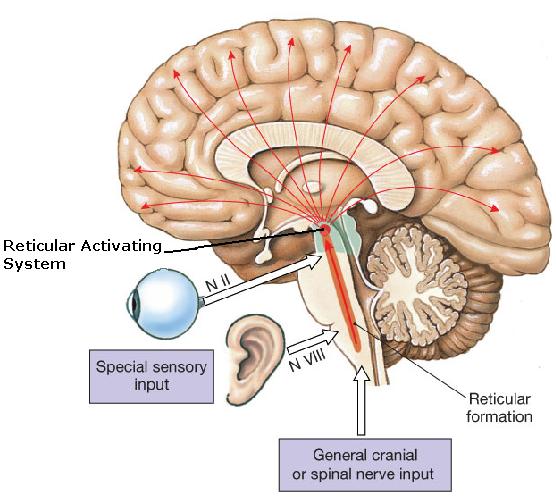
reticular formation
a nerve network that travels through the brainstem into the thalamus; it filters information and plays an important role in controlling arousal
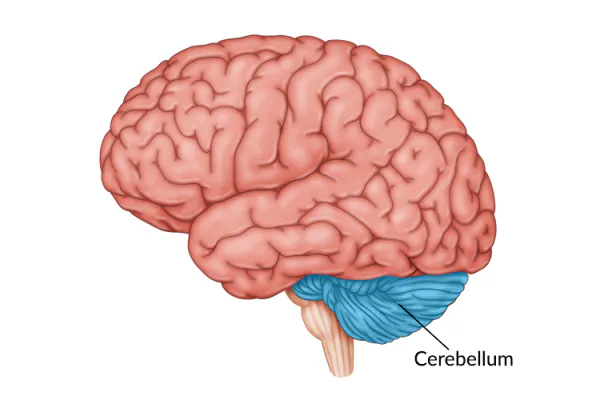
Cerebellum
the hindbrain’s “little brain” at the rear of the brainstem; its functions include processing sensory input, coordinating movement output and balance, and enabling nonverbal learning and memory
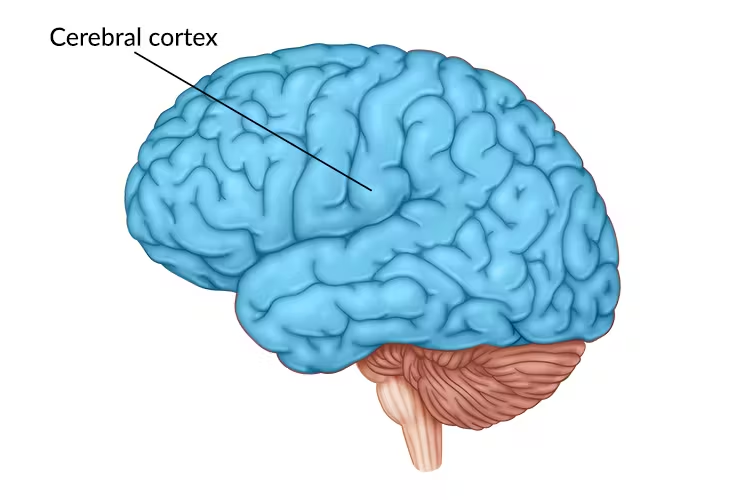
Cerebral Cortex
The intricate fabric of interconnected neural cells covering the cerebral hemispheres; the body's ultimate control and information-processing center.
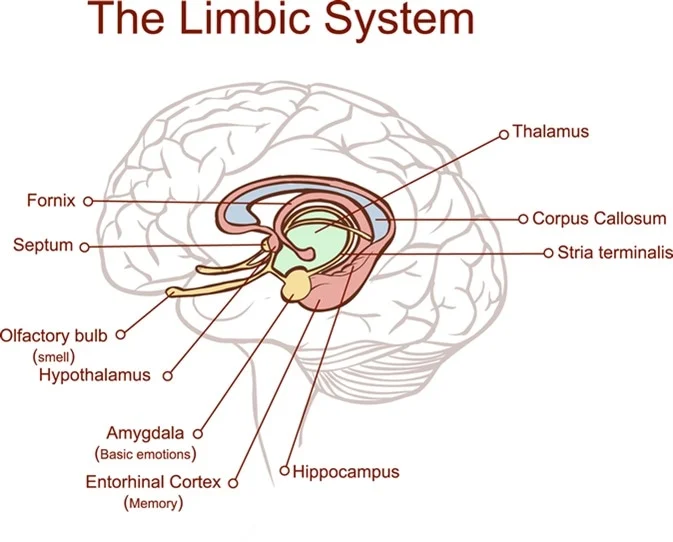
Limbic System
neural system located mostly in the forebrain — below the cerebral hemispheres — that includes the amygdala, hypothalamus, hippocampus, thalamus, and pituitary gland; associated with emotions and drives
Thalamus
the forebrain’s sensory control center, located on top of the brainstem; it directs messages to the sensory receiving areas in the cortex and transmits replies to the cerebellum and medulla
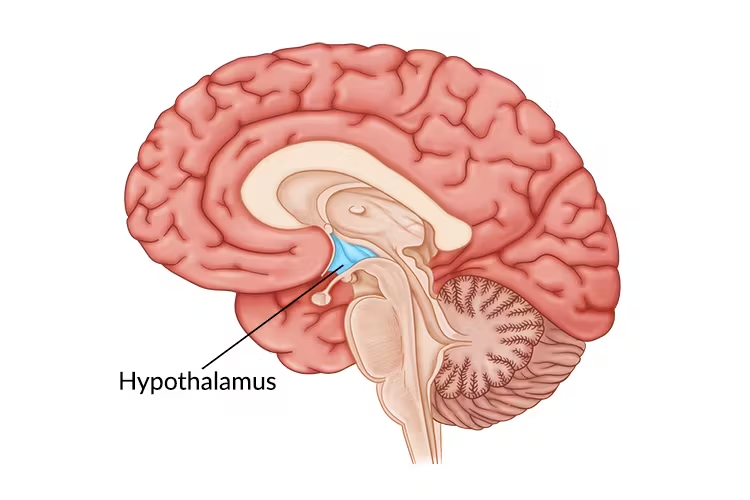
Hypothalamus
A neural structure lying below the thalamus; it directs several maintenance activities (eating, drinking, body temperature), helps govern the endocrine system via the pituitary gland, and is linked to emotion and reward.
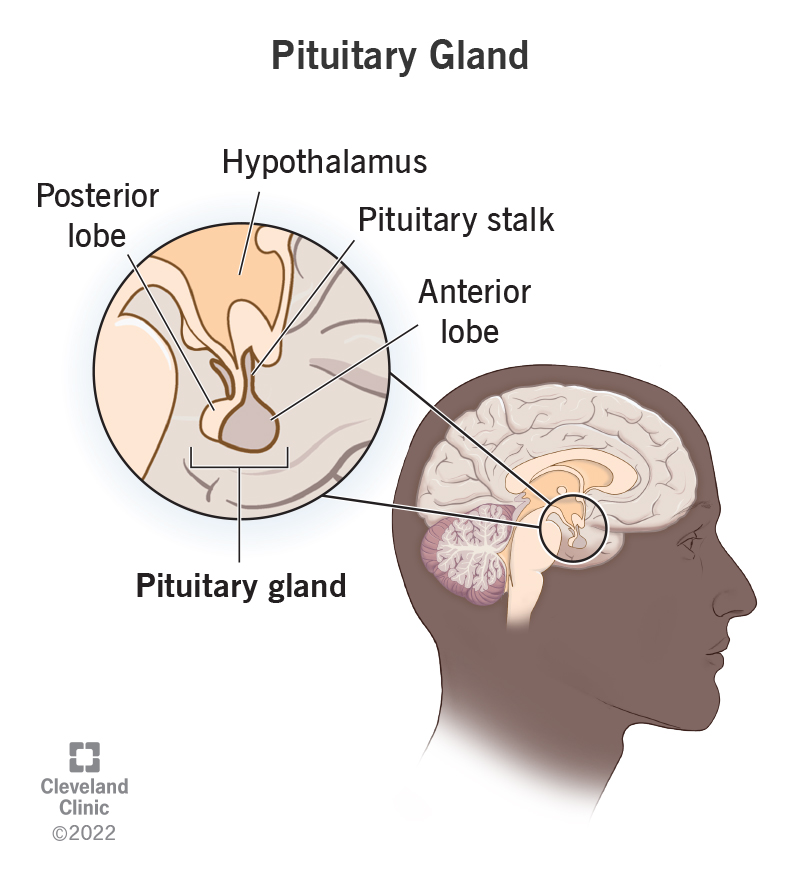
Pituitary Gland
The endocrine system's most influential gland. Under the influence of the hypothalamus, the pituitary regulates growth and controls other endocrine glands.
Hippocampus
a neural center in the limbic system that helps process explicit (conscious) memories — of facts and events — for storage
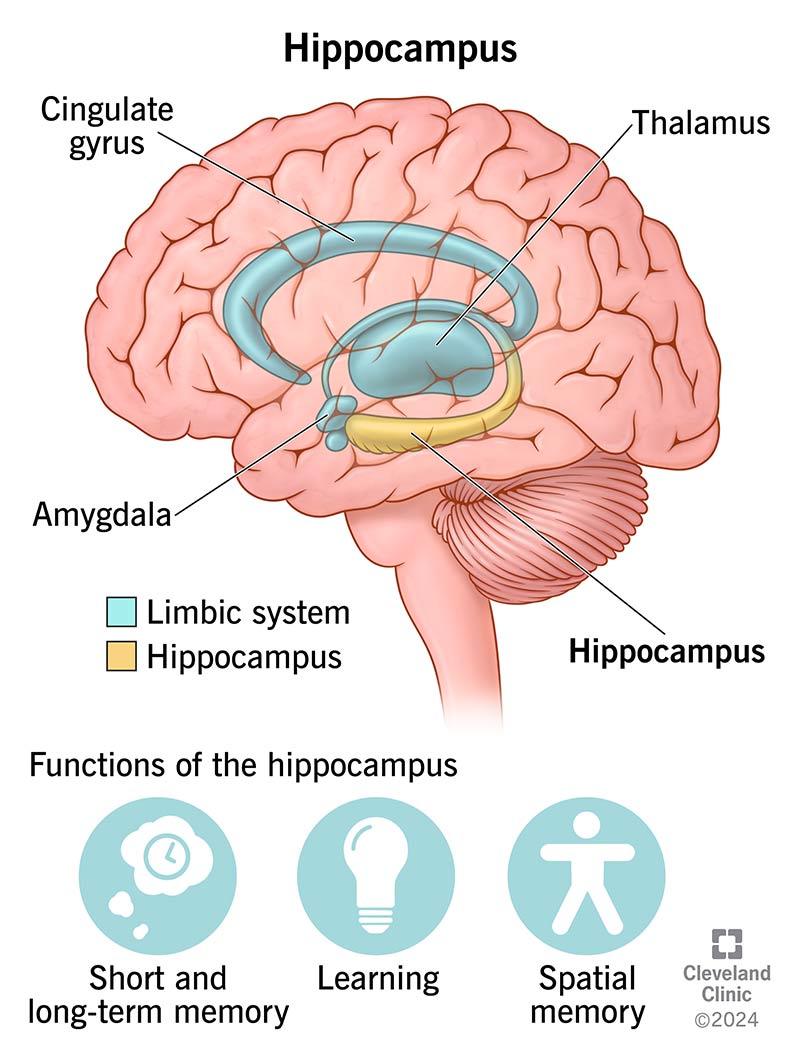
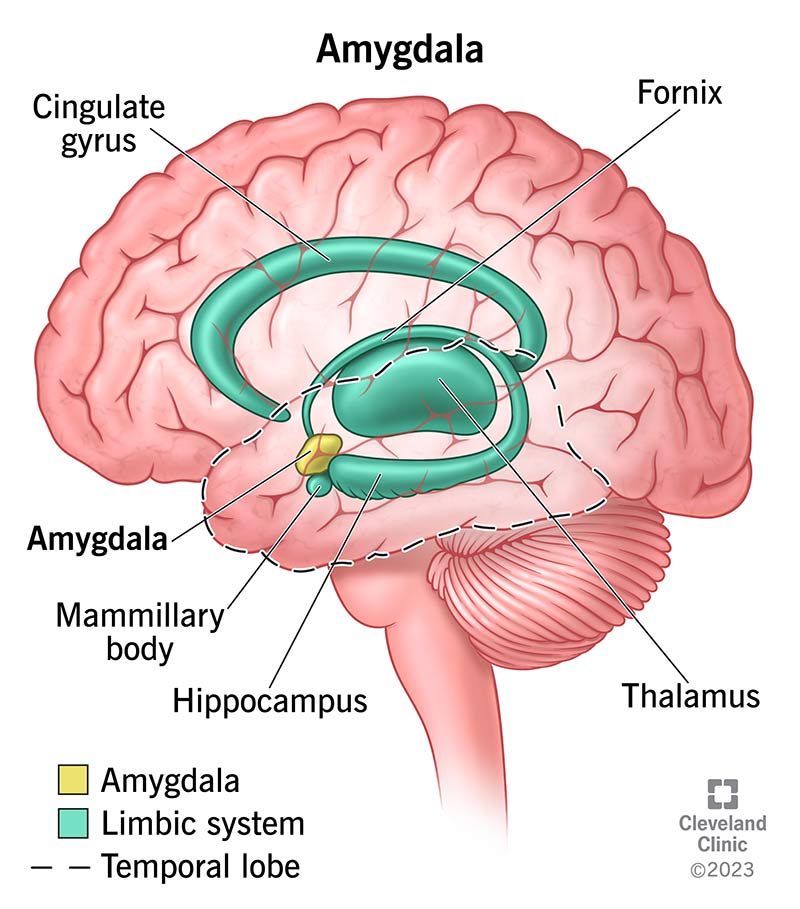
Amygdala
A limbic system structure involved in memory and emotion, particularly fear and aggression.
two lima-bean–sized neural clusters in the limbic system; linked to emotion.
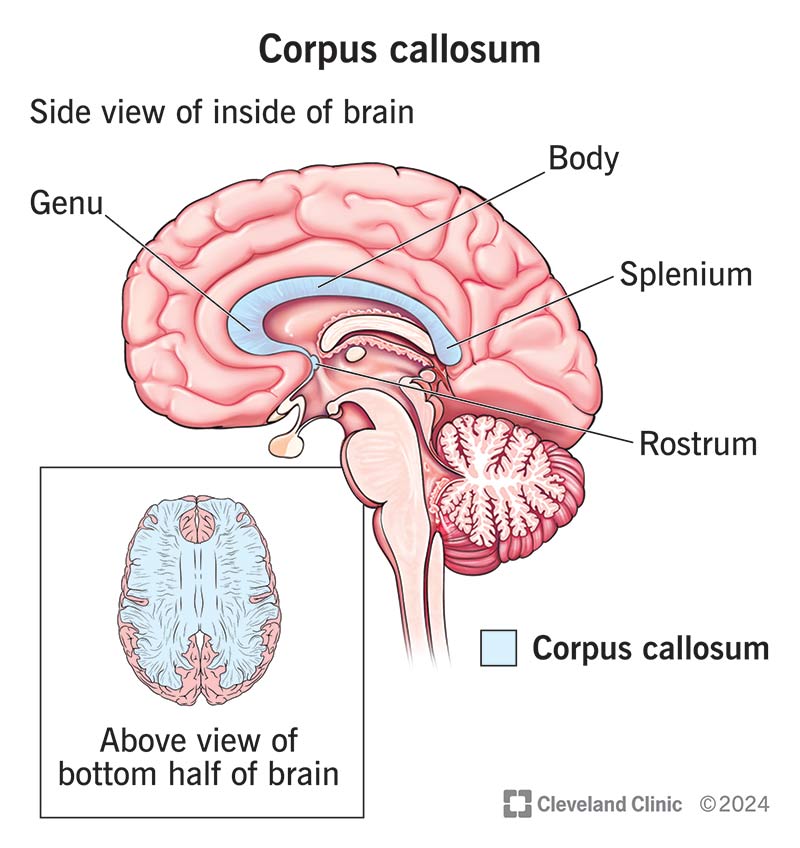
Corpus callosum
the large band of neural fibers connecting the two brain hemispheres and carrying messages between them
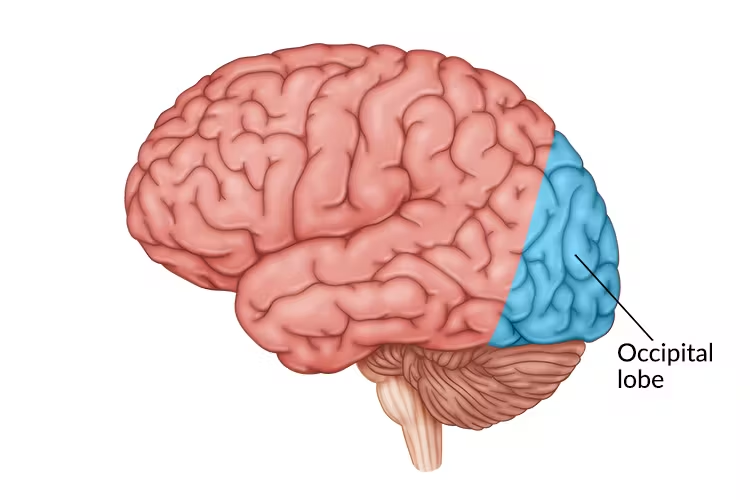
Occipital lobes
regions of the cerebral cortex - at the back of the brain - important for vision
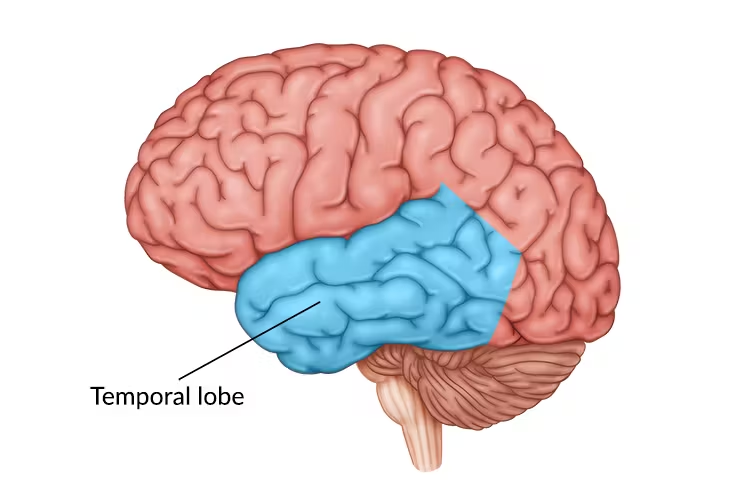
temporal lobes
portion of the cerebral cortex lying roughly above the ears; includes the auditory areas, each receiving information primarily from the opposite ear
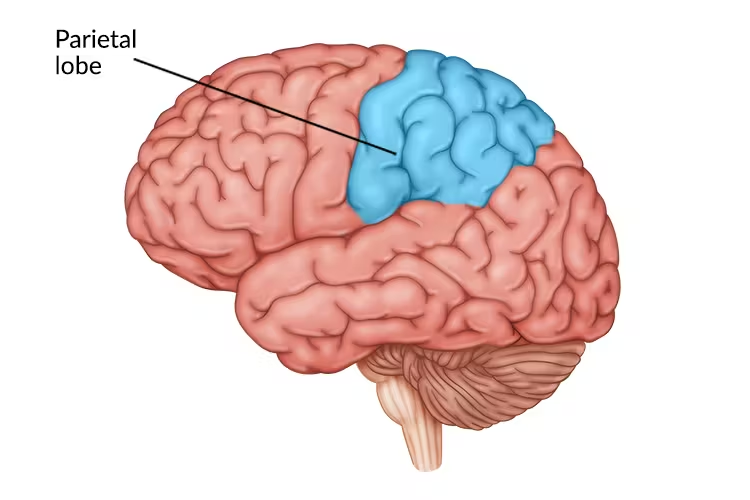
parietal lobes
portion of the cerebral cortex lying at the top of the head and toward the rear; receives sensory input for touch and body position
association areas
areas of the cerebral cortex that are not involved in primary motor or sensory functions; rather, they are involved in higher mental functions such as learning, remembering, thinking, and speaking
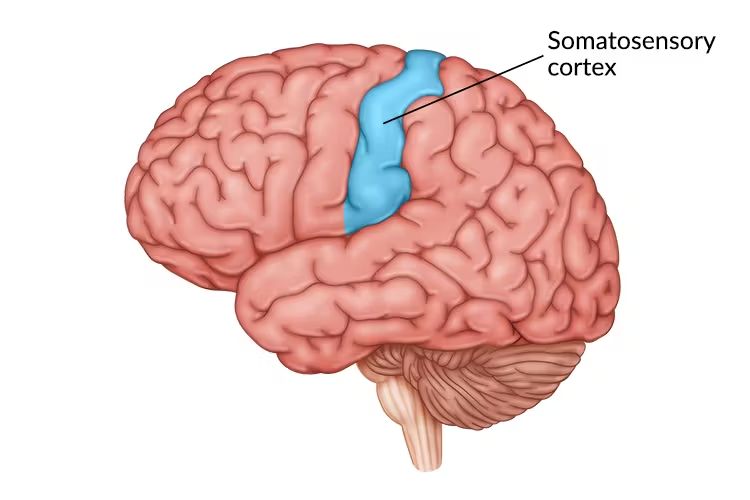
somatosensory cortex
area at the front of the parietal lobes that registers and processes body touch and movement sensations
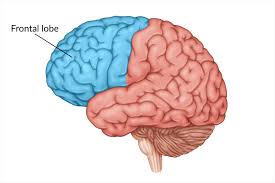
frontal lobes
the portion of the cerebral cortex lying just behind the forehead; involved in speaking and muscle movements and in making plans and judgments
higher-order thinking
A level of thinking that requires the student to think critically. These levels would be at the application, analysis, synthesis and evaluation levels on the Bloom's taxonomy scale.
executive functioning
the cognitive abilities and processes that allow humans to plan or inhibit their actions
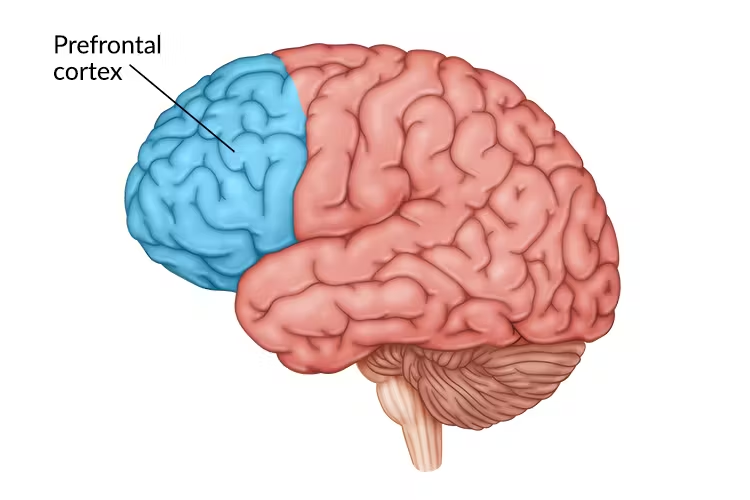
prefrontal cortex
part of frontal lobe responsible for thinking, planning, and language
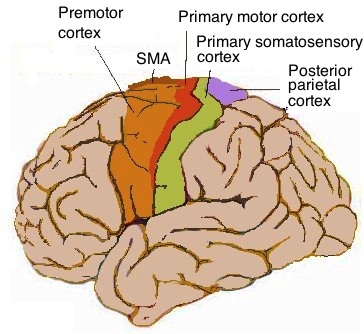
motor cortex
an area at the rear of the frontal lobes that controls voluntary movements
split brain research
-study of patients with severed corpus callosum
-involves sending messages to only one side of the brain
-demonstrates right and left brain specialization
hemispheric specialization
The control of distinct neurological functions by the right and left hemispheres of the brain.
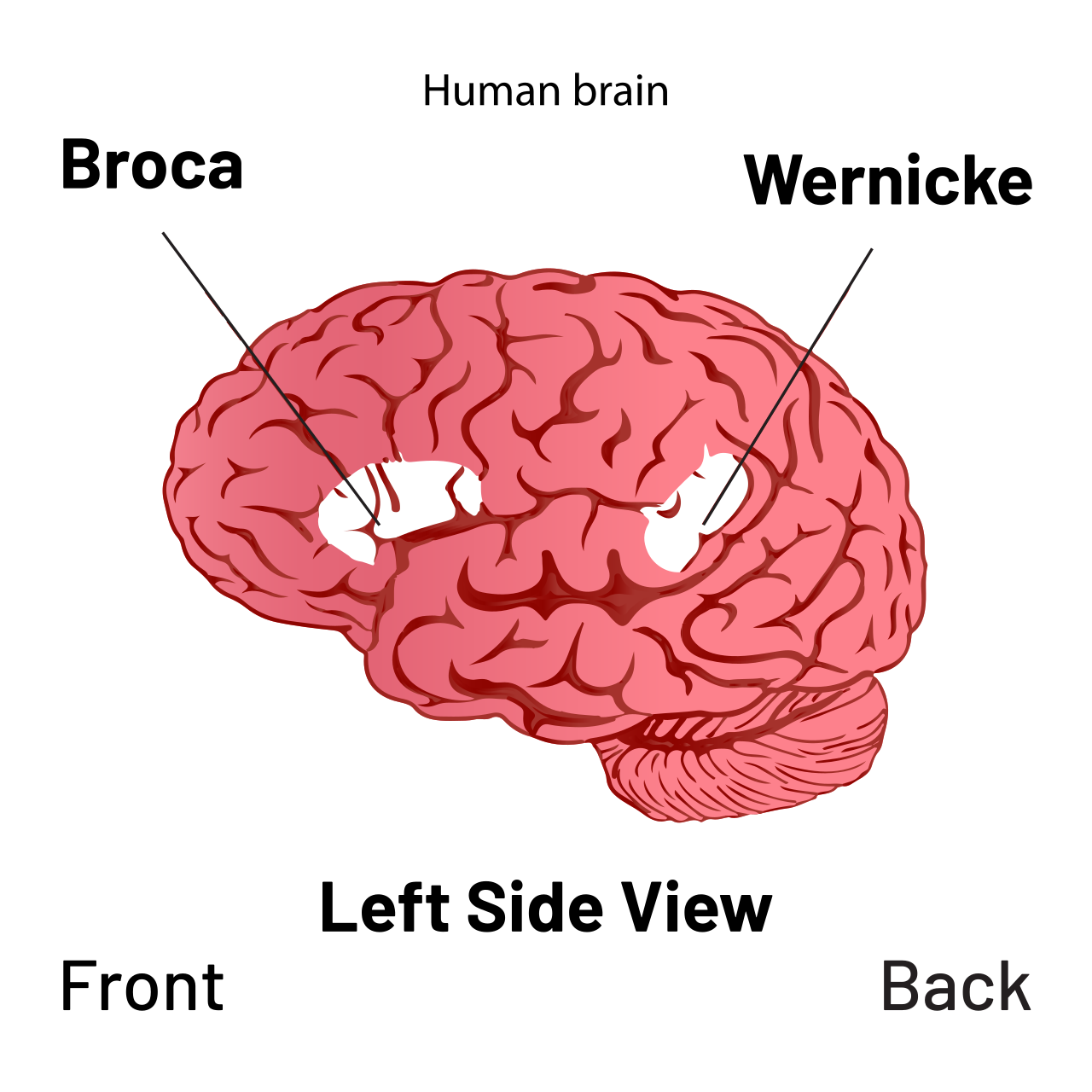
Broca's area
Controls language expression - an area of the frontal lobe, usually in the left hemisphere, that directs the muscle movements involved in speech.