HP 1420 Lab: Exam 2
 Call Kai
 Learn
Learn Practice Test
 Spaced Repetition
 Match
Match Flashcards
 Knowt Play
1/245

There's no tags or description
Looks like no tags are added yet.
Name | Mastery | Learn | Test | Matching | Spaced | Call with Kai |
|---|
No analytics yet
Send a link to your students to track their progress
246 Terms
Flexion
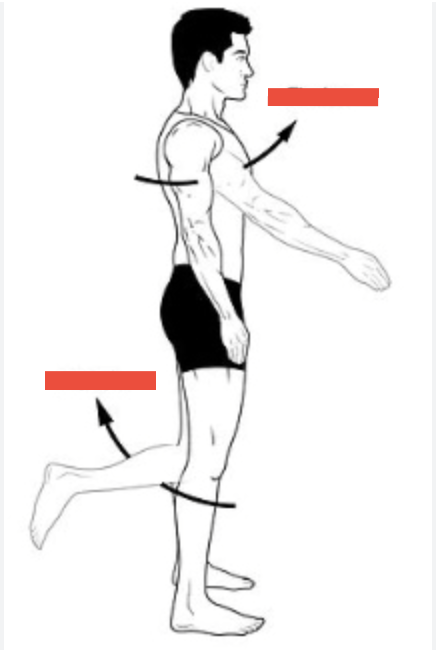
Name the angular movements
Flexion, extension, abduction, adduction, dorsiflexion and plantar flexion
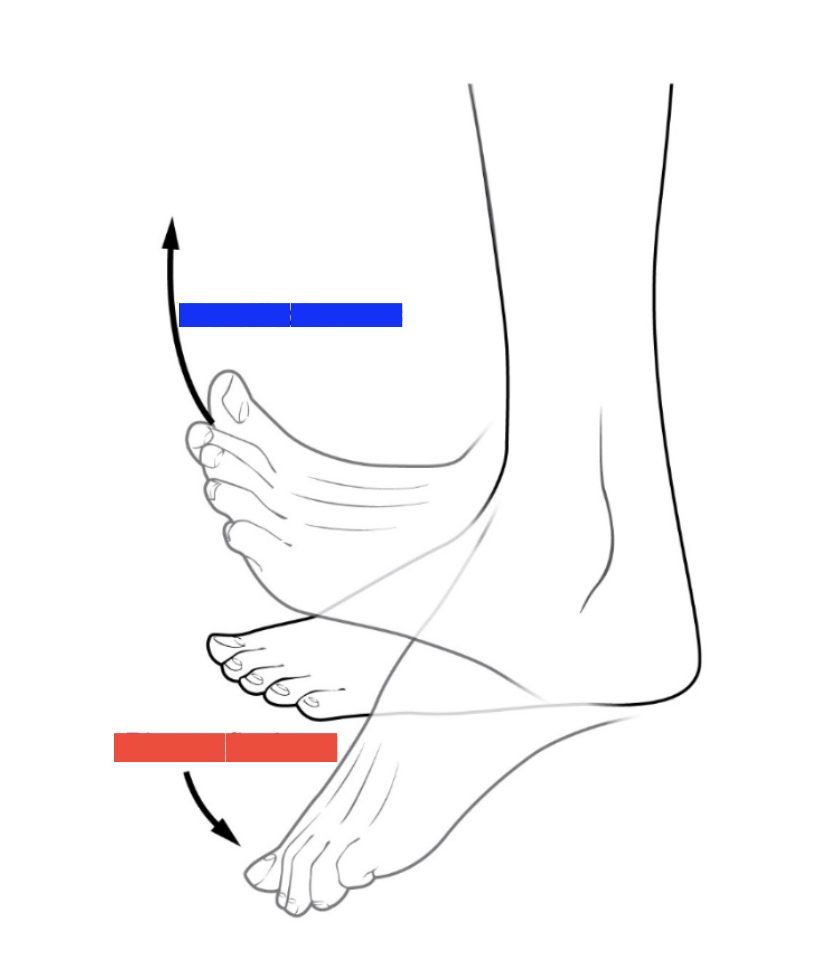
What is the blue?
Dorsiflexion
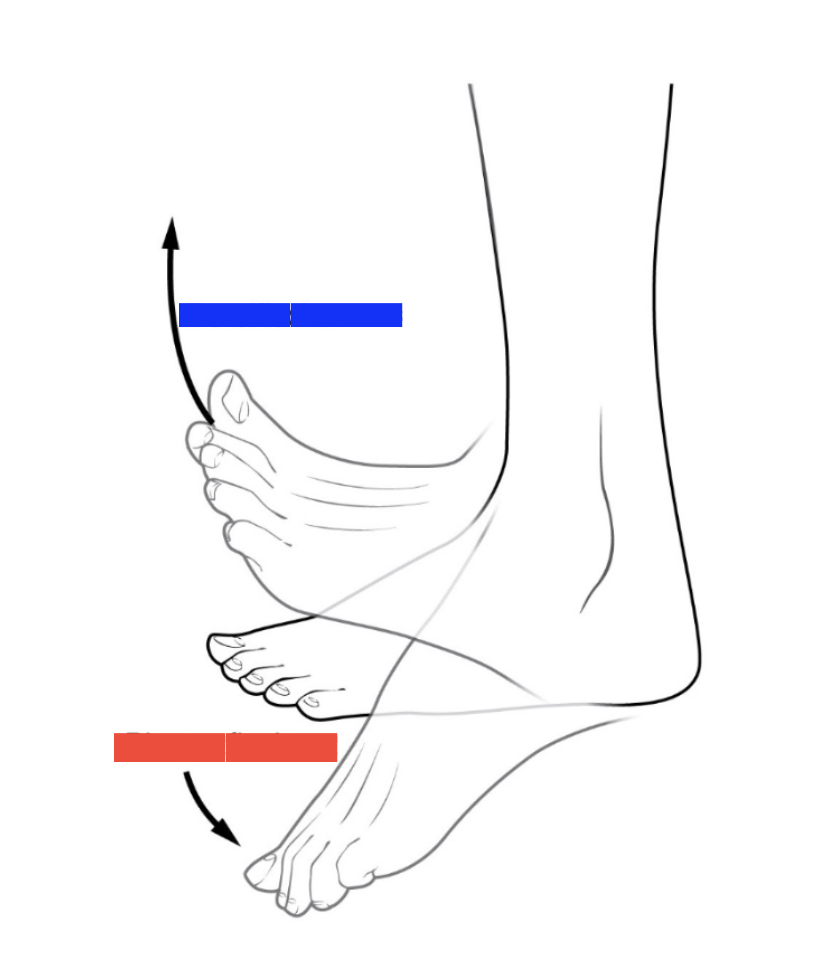
What is the red?
Plantar flexion
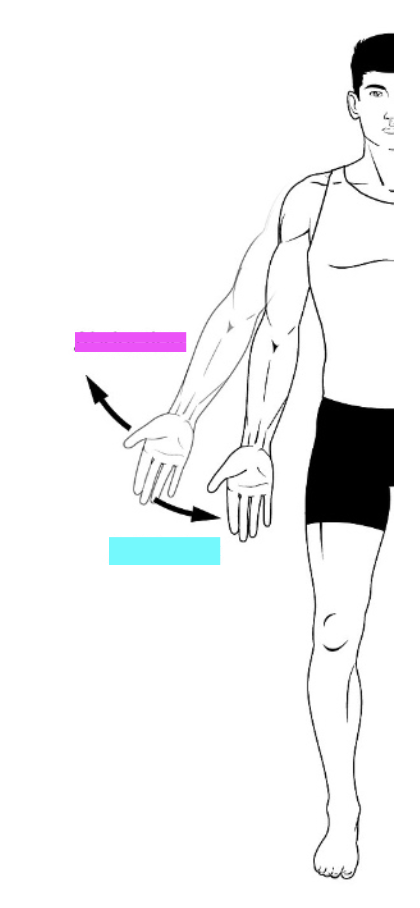
What is the pink?
Abduction
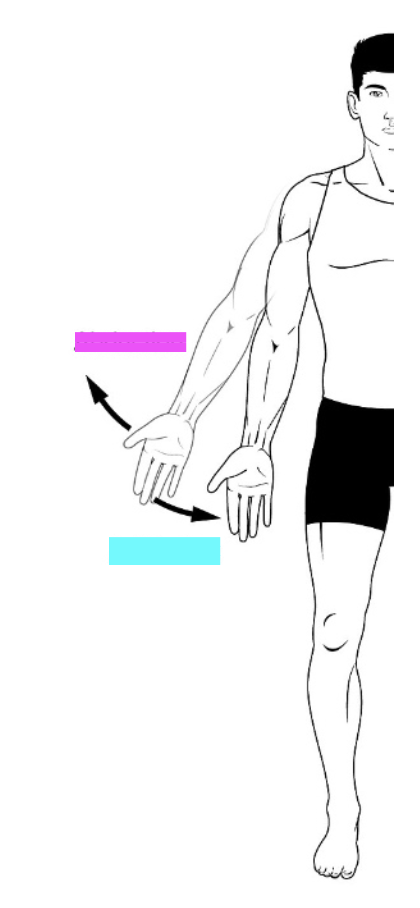
What is the light blue?
Adduction
Supination
face/palm up
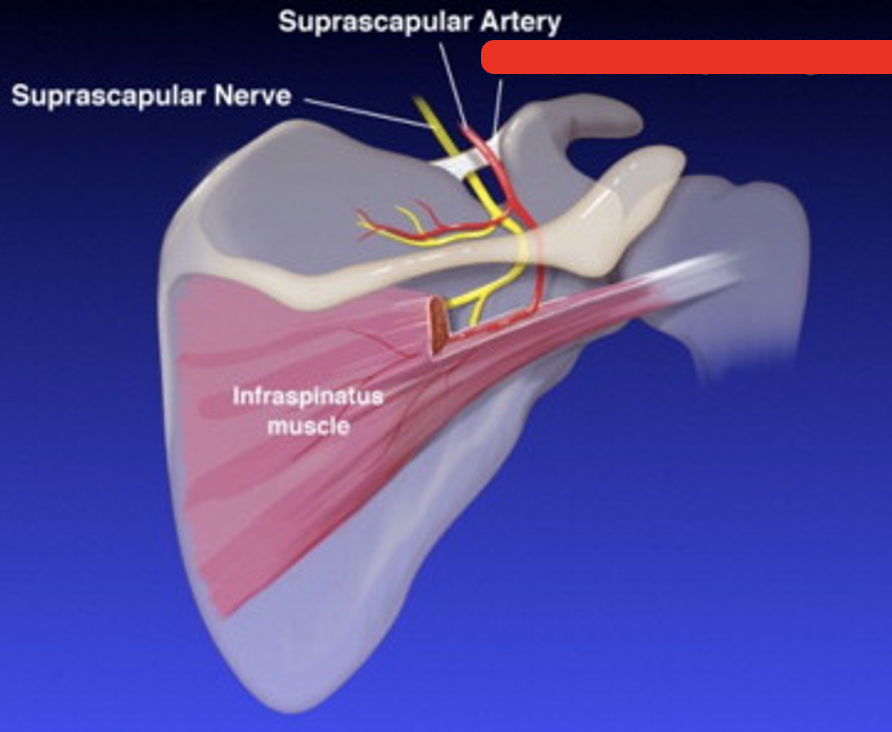
Transverse Scapular Ligament
pronation
face/palm down
What are circular movements?
Supination, pronation, rotation and circumduction
Rotation
turning along long axis
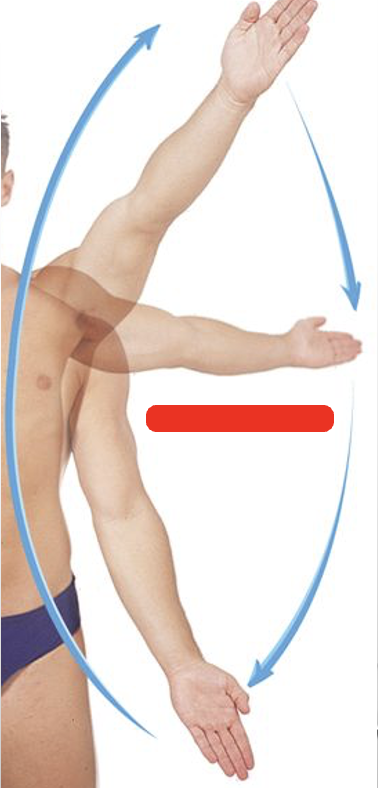
Circumduction
Combination of flexion, extension, abduction and adduction
Inversion
turning plantar surface of foot medially
Circumdiction
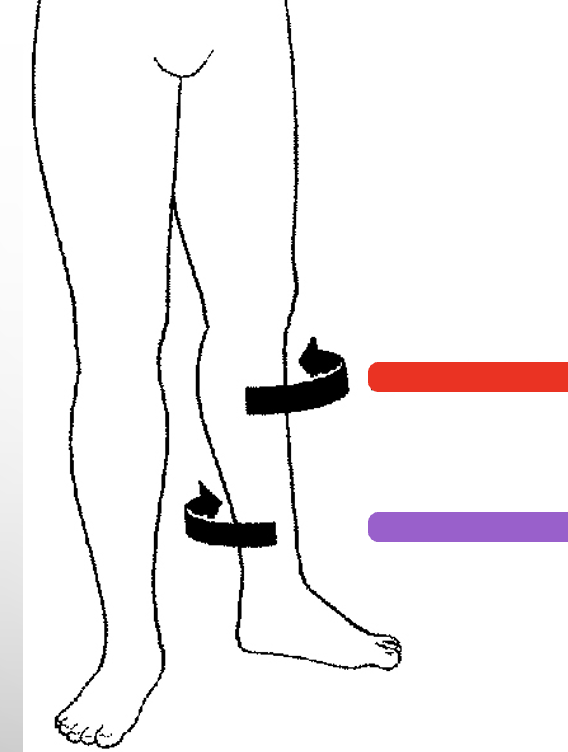
What is the red?
lateral rotation
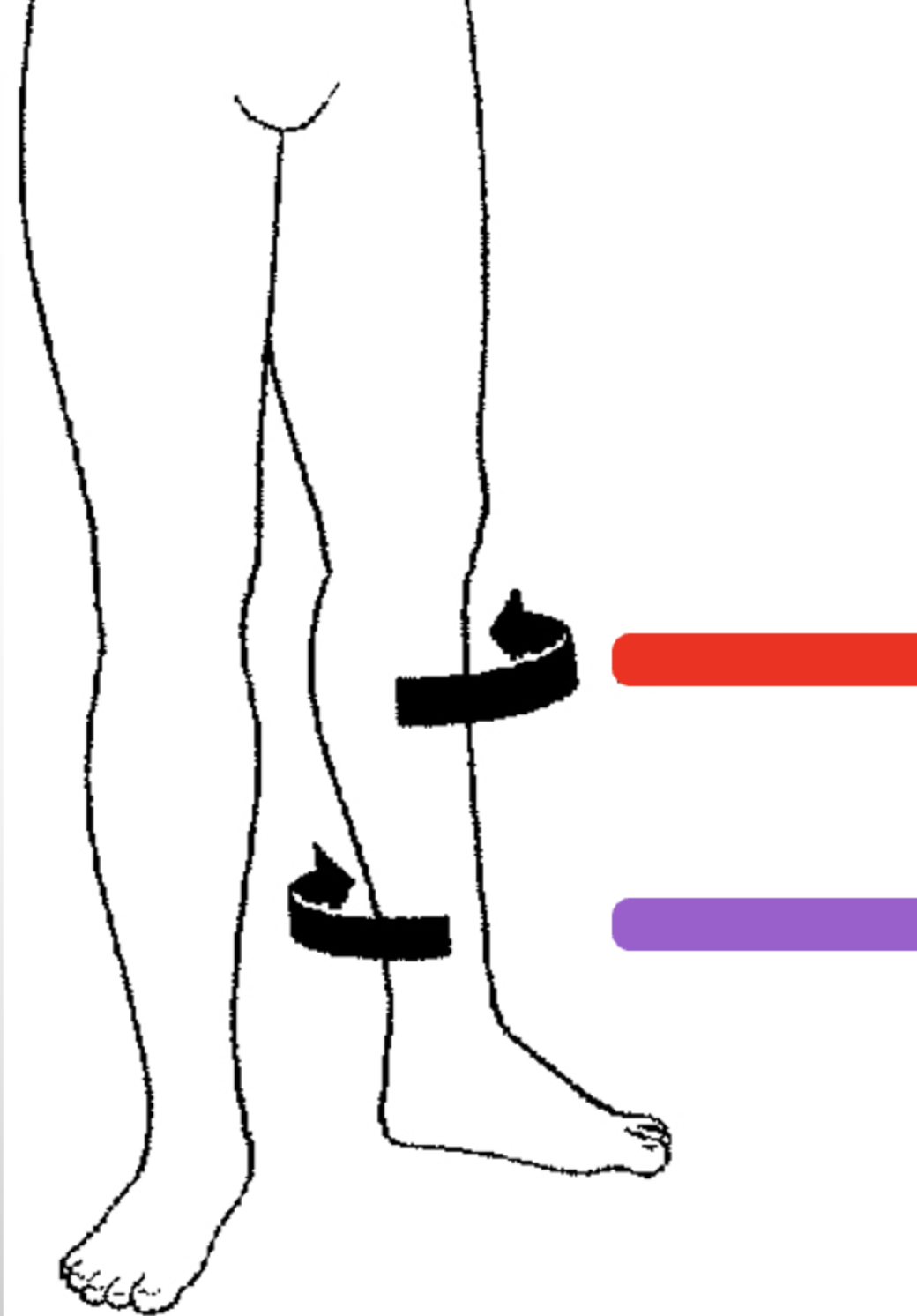
What is the purple?
Medial Rotation
Supination
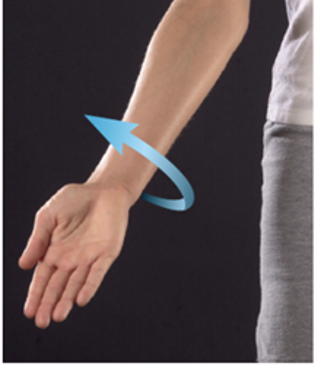
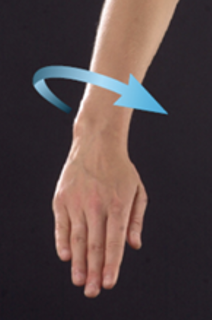
pronation
Inversion
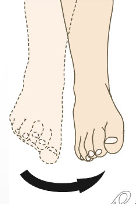
eversion
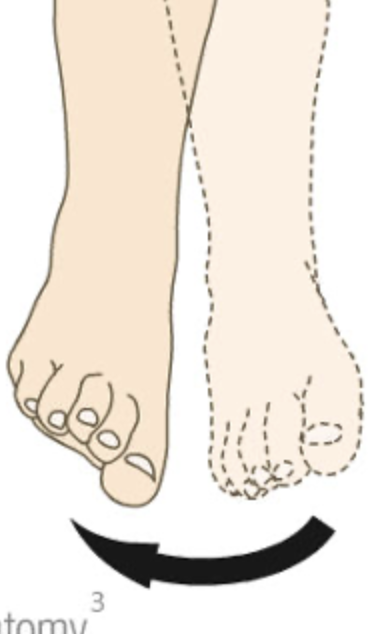
Eversion
turning plantar surface of foot laterally
Protraction
moving a structure anteriorly
Retraction
moving a structure posteriorly
Protraction
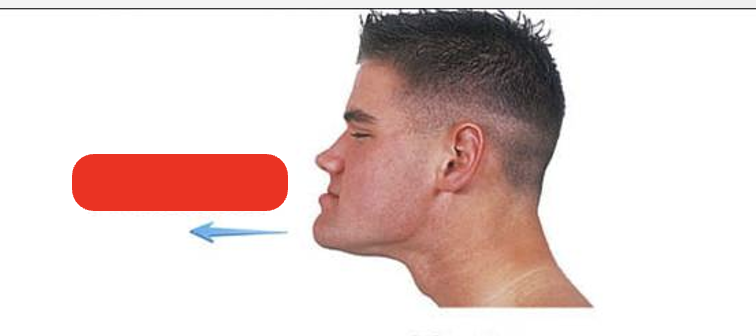
Retraction
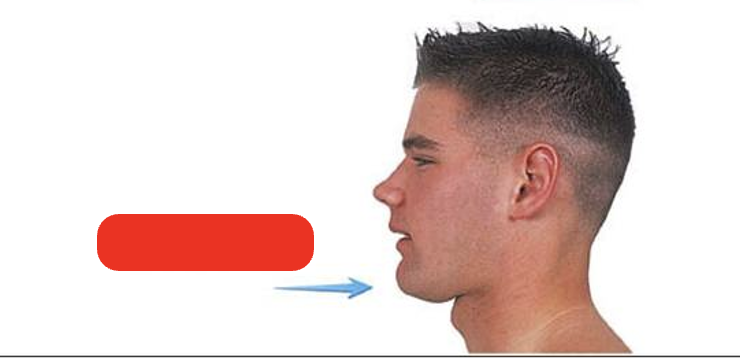
Protraction
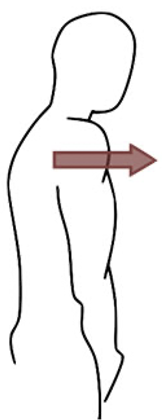
Retraction
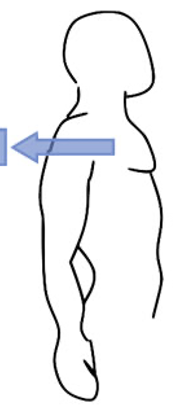
Elevation (shoulders)
moving a structure superiorly
Depression (shoulders)
moving a structure inferiorly
Excursion
moving (the mandible) away from midline [lateral excursion] or back towards midline [medial excursion]
Name the two types of fibrous joints.
Sutures and Syndesmosis
Sutures
seams between bones of skull; non-movable
Syndesmosis
bones attached via fibrous tissue; partially movable
What is an example of syndesmosis?
interosseous membranes in forearm/leg
Name the cartilaginous joints
Epiphyseal plate, costal cartilage and symphysis
Epiphyseal Plate
location of long bone growth
Costal Cartilage
between ribs and sternum
Symphysis
fibrocartilage unites two bones
Example of symphysis
in the pelvis
Synovial Joint
allow considerable movement; contain synovial fluid
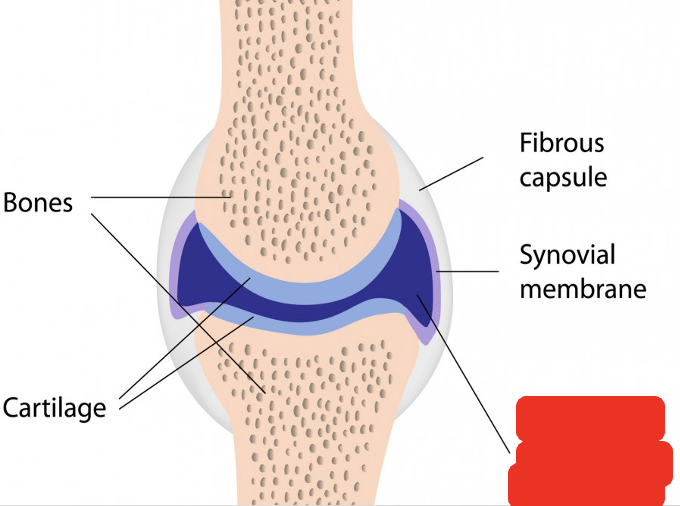
Name the characteristics of Synovial Joints
Joint capsule, fibrous capsule, synovial membrane, synovial fluid and articular cartilage
Fibrous Capsule
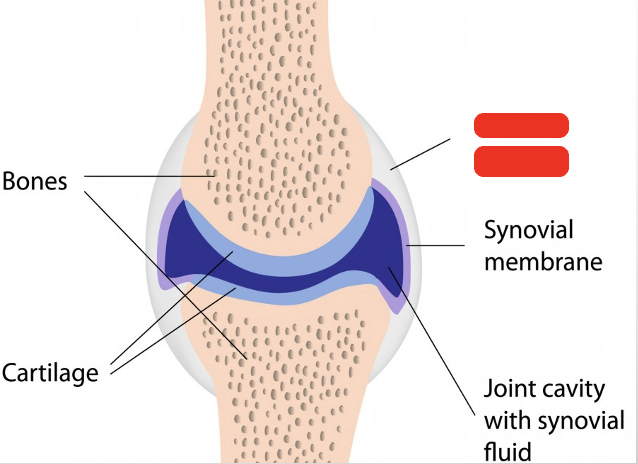
Synovial Membrane
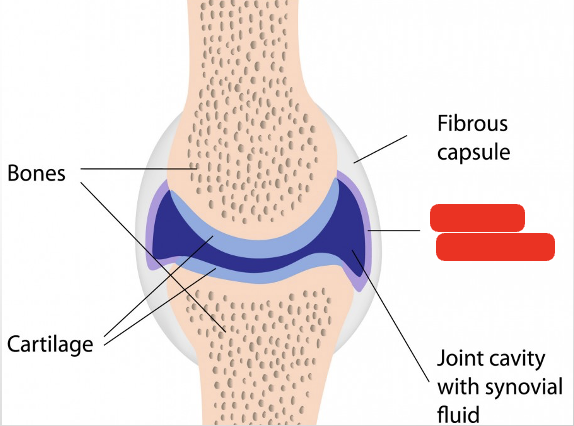
Bone
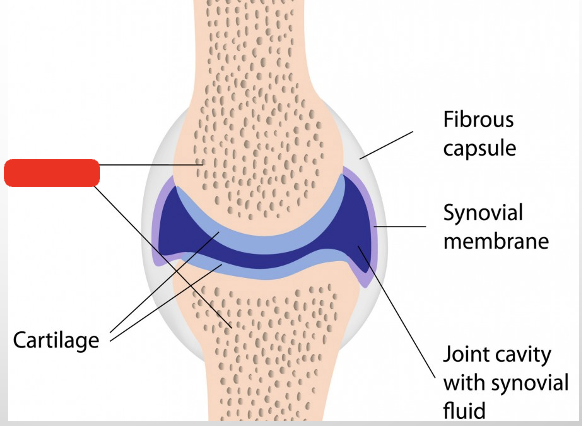
Cartilage
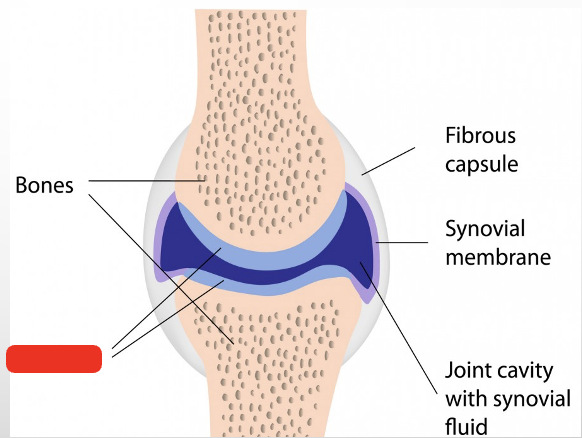
Joint cavity with synovial fluid
Name the types of synovial joints.
Hinge, pivot, ball and socket, condyloid/ellipsoid, saddle and plane
Hinge Joint
Flexion and extension only
Example of Hinge Joint
elbow
Example of Pivot Joint
Ulna and radius
Pivot Joint
permits rotation
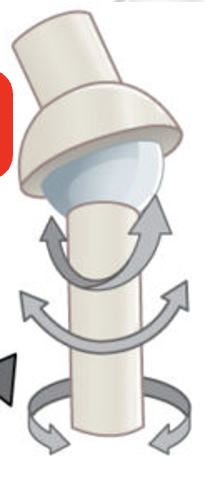
Ball and Socket Joint
many motions possible
Example of bone and socket joint
shoulder, hip
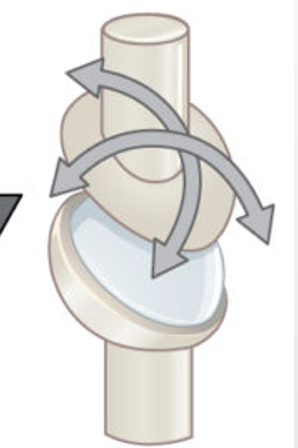
Condyloid/Ellipsoid
almost all movements, no rotation
Example of condyloid/ellipsoid joint
wrist
Saddle Joint
All movements and no rotation
Example of Saddle Joint
Carpometacarpal/thumb
Plane Joint
Permits gliding
Example of Plane Joint
Carpals, Tarsals
Ball and Socket Joint
Condyloid Joint
Plane Joint
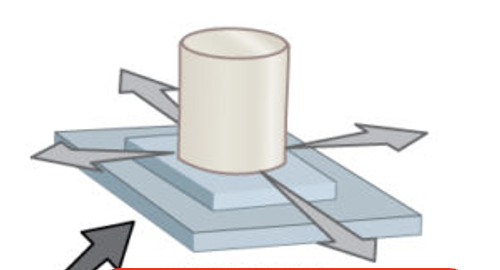
Saddle Joint
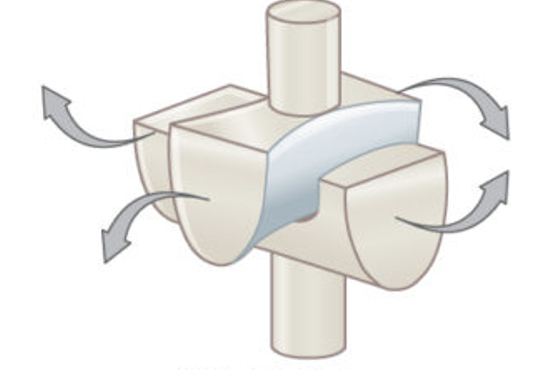
Hinge Joint
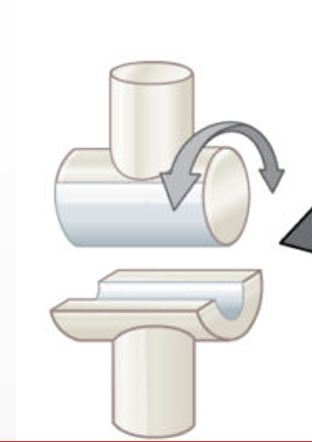
Pivot Joint
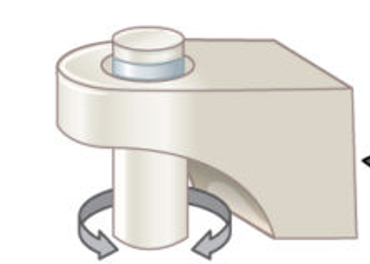
Name all bone articulations
Synarthrosis, Amphiarthrotic and diarthrotic
Synarthrosis
non movable joint
Example of synarthrosis
skull
Amphiarthrotic
slightly movable
Example of Amphiarthrotic articulation
between vertebrae
Example of diarthrotic/synovial
shoulder joint
Diarthrotic/synovial
freely moveable joint
Origin
proximal/more stationary end of a muscle
Insertion
distal/more moveable end of a muscle
Action
the movement accomplished by the muscle when it contracts
Name categories of muscles
prime mover, antagonist, synergist
Synergist
a muscle that assists the agonist in a movement
Antagonist
A muscle that opposes the agonist
Prime Mover/Agonist
a muscle that plays the largest role in a movement
Which muscle tissue has voluntary contraction and is multinucleated?
skeletal
Skeletal Muscle Tissue
involved in movement (eg: posture, facial expression and breathing movements)
Smooth muscle tissue has __________ contraction.
involuntary
What type of contraction is the cardiac muscle tissue?
involuntary contraction
What is the smooth muscle tissue controlled by?
endocrine and autonomic nervous system
Examples of smooth muscle tissue
autorhythmic walls of organs, blood vessels, etc.
Cardiac muscle is ___________ and found only in the __________.
Autorhythmic, heart
Tendons
connect muscle to bone, usually named for the muscle to which they attach
Example of tendon
Biceps Brachii tendon
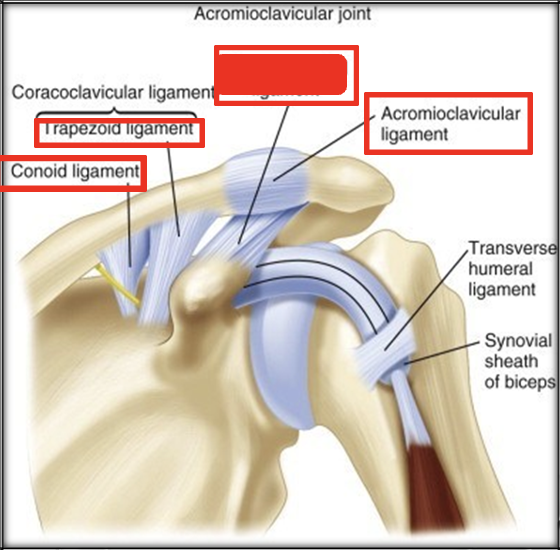
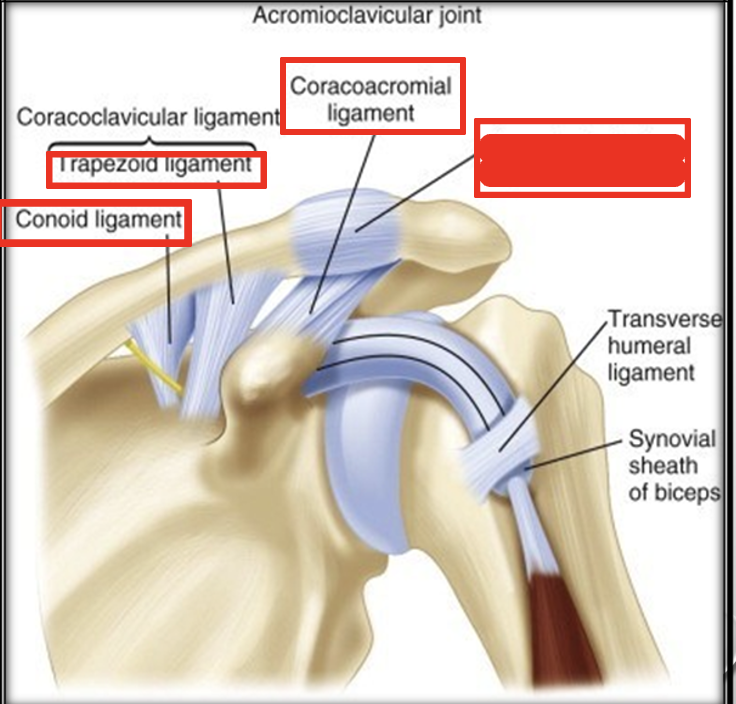
Coracoacromial ligament
Ligaments
connect bone to bone, usually named for the structures they run between
Trapezoid ligament
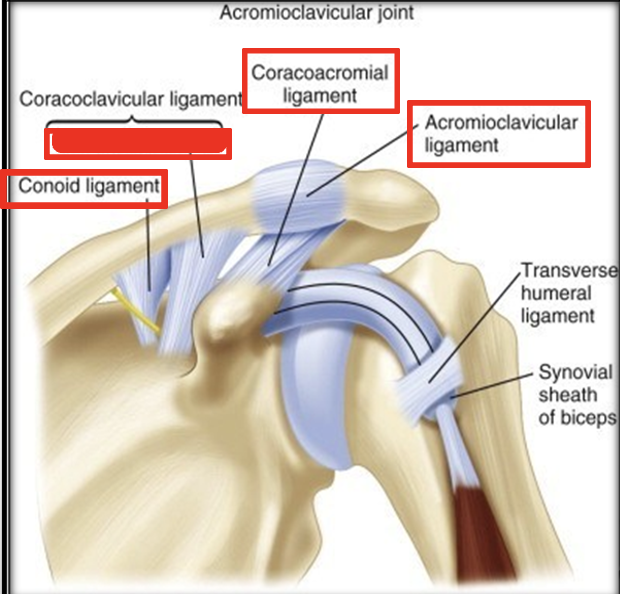
Conoid Ligament
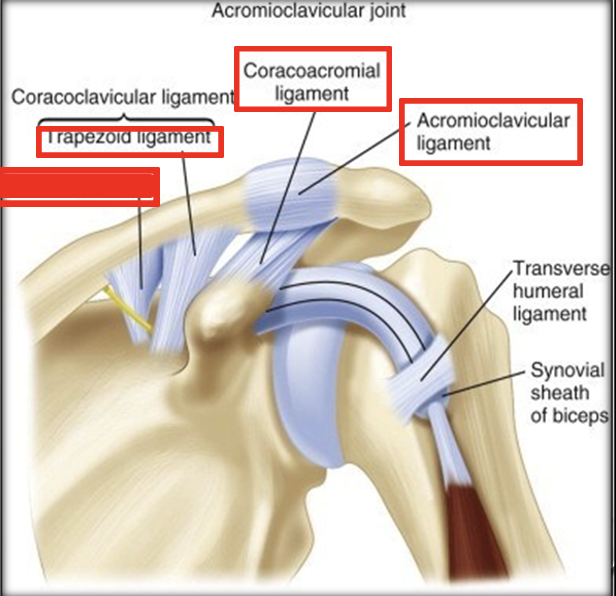
Acromioclavicular ligament
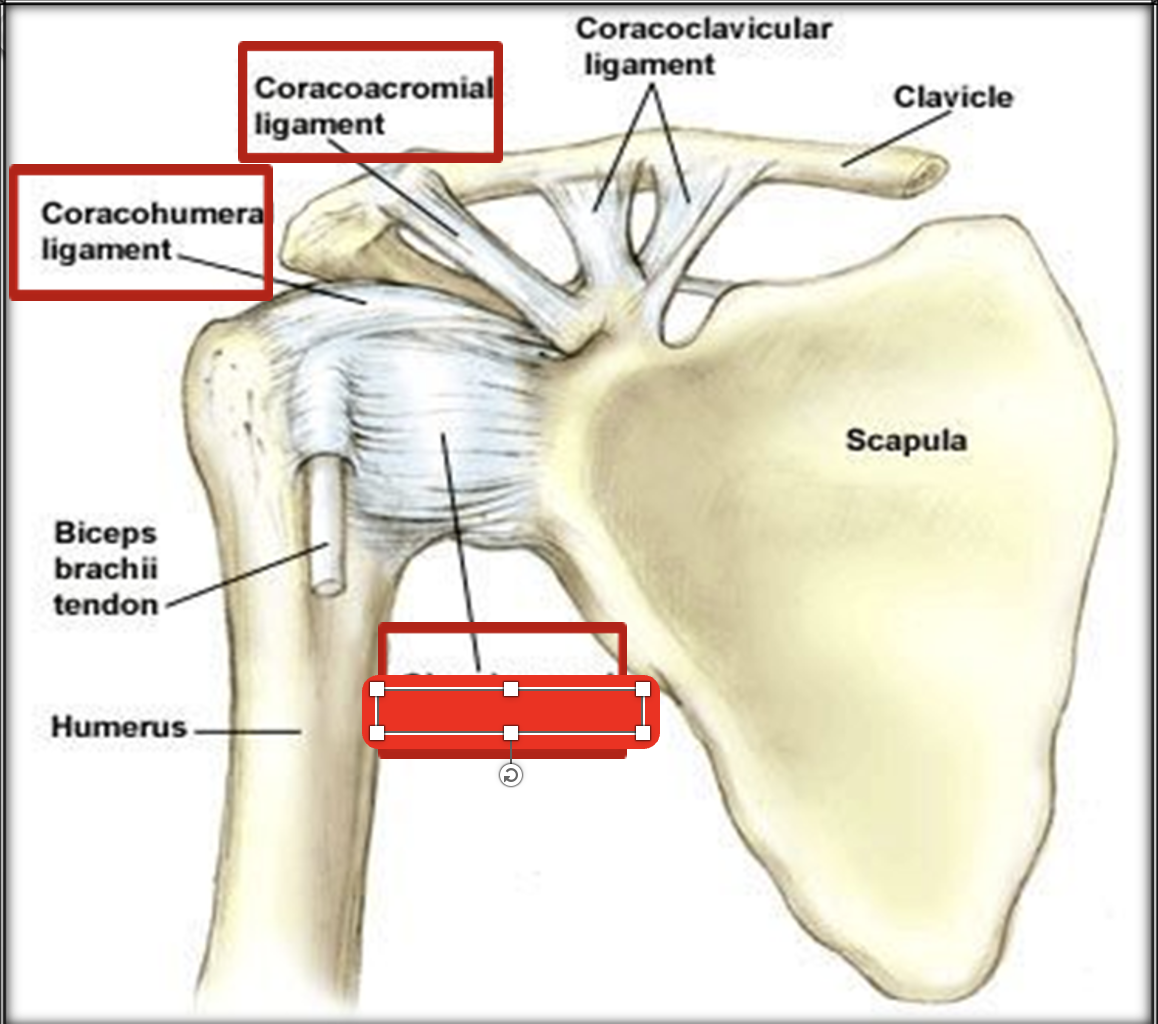
Coracoacromial Ligament
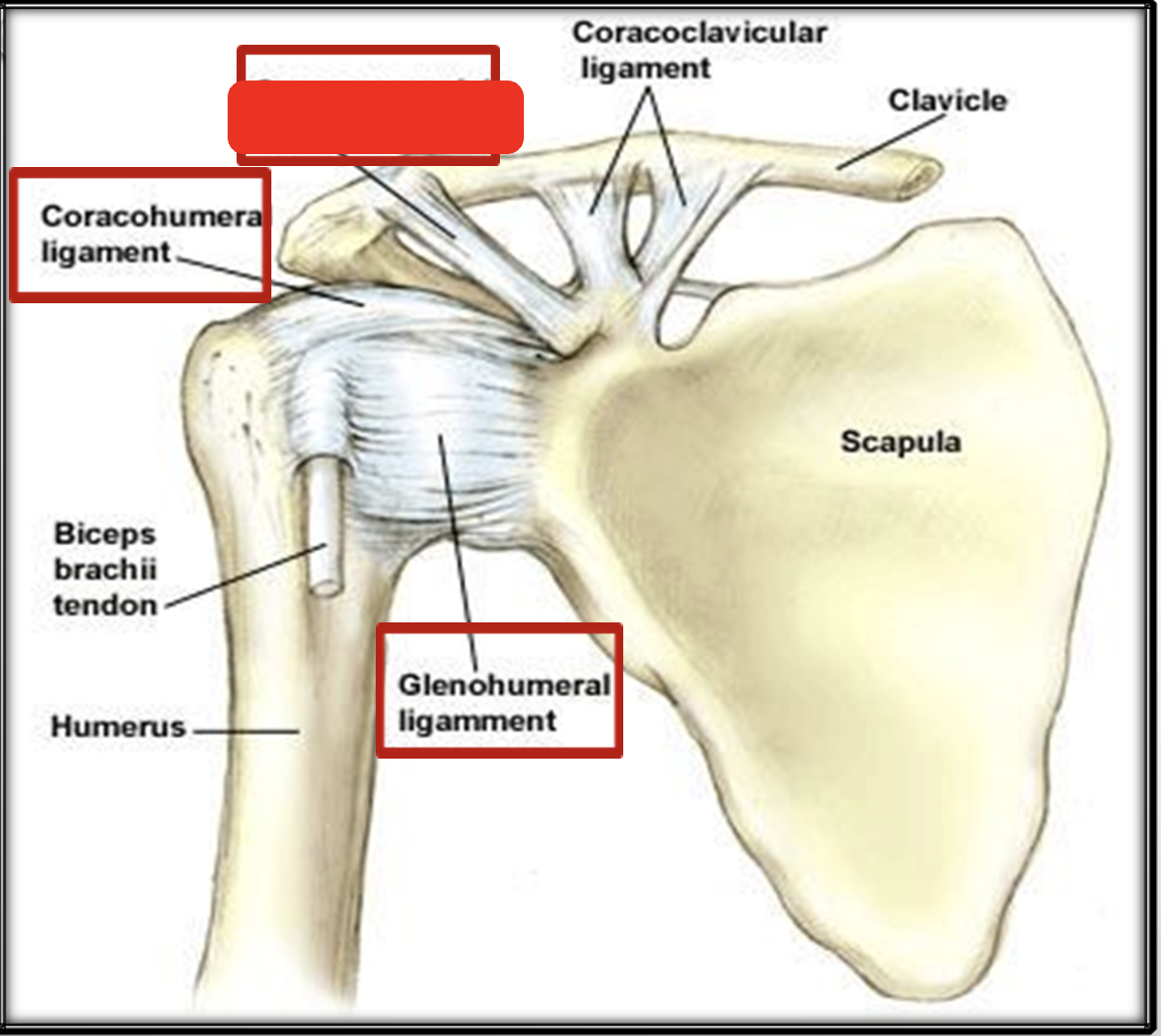
Coracohumeral ligament
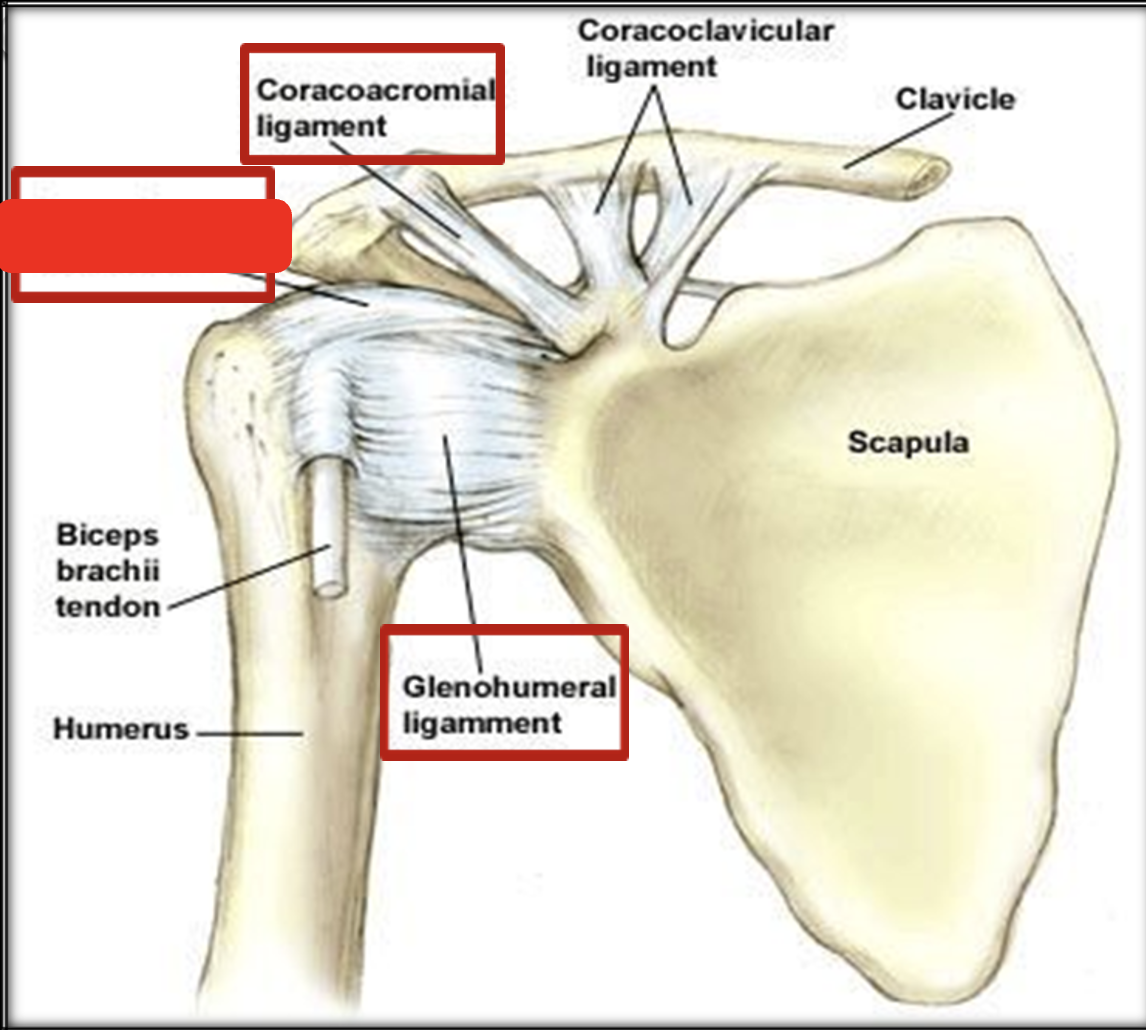
Glenohumeral ligament
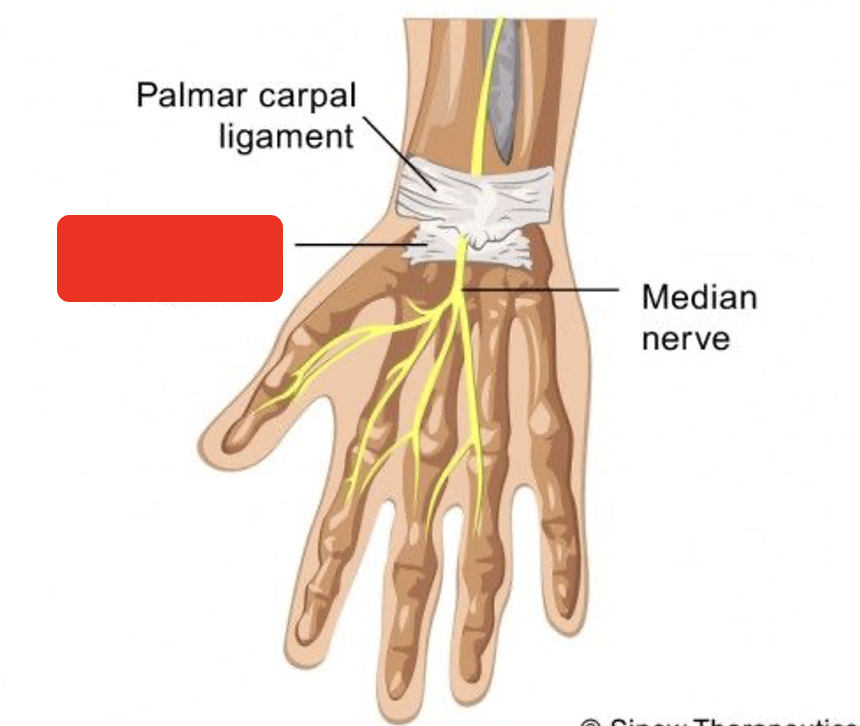
Median Nerve
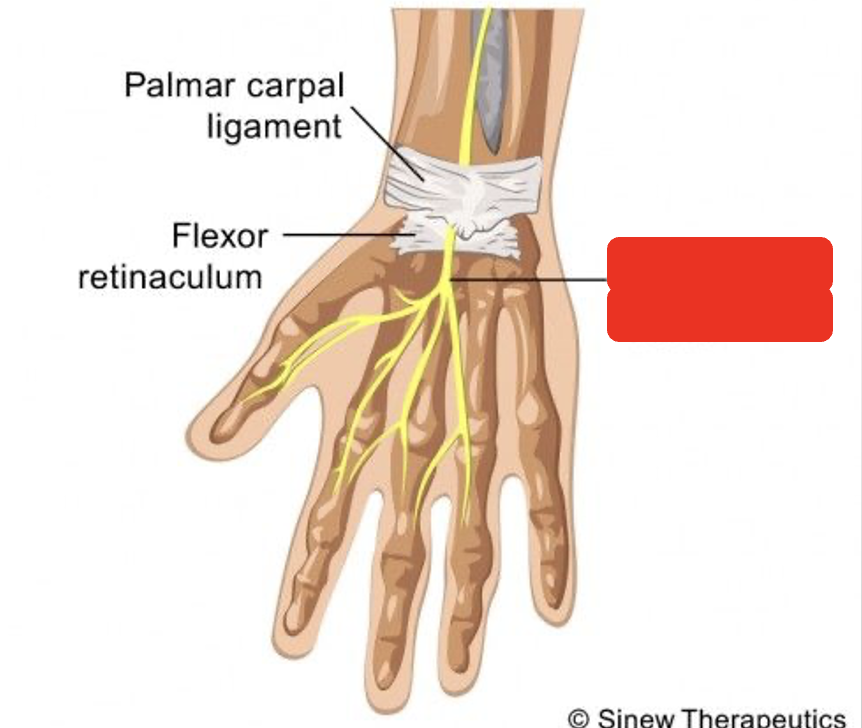
Palmar carpal ligament
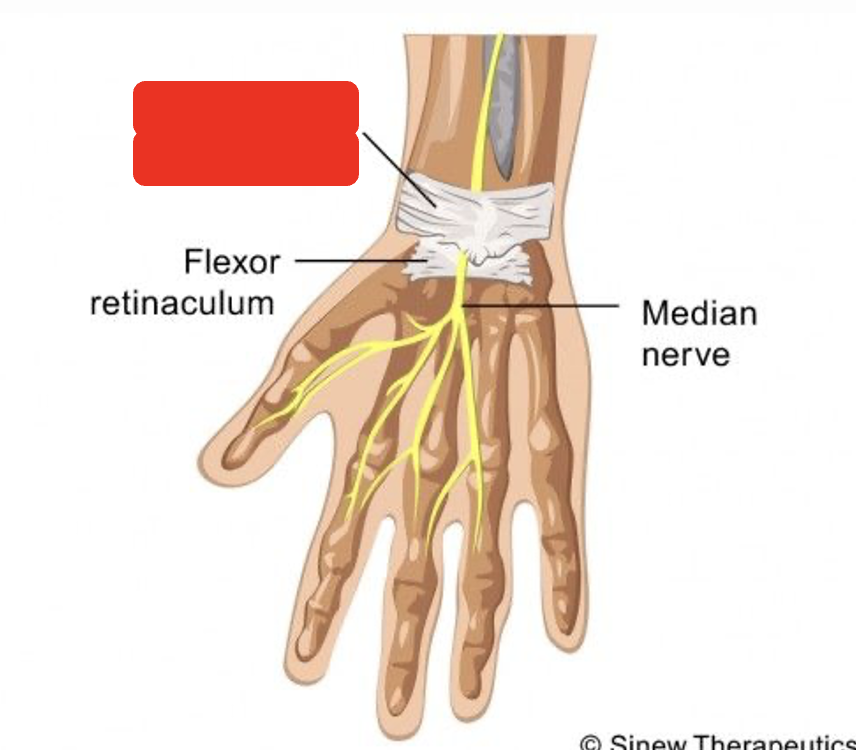
Flexor Retinaculum
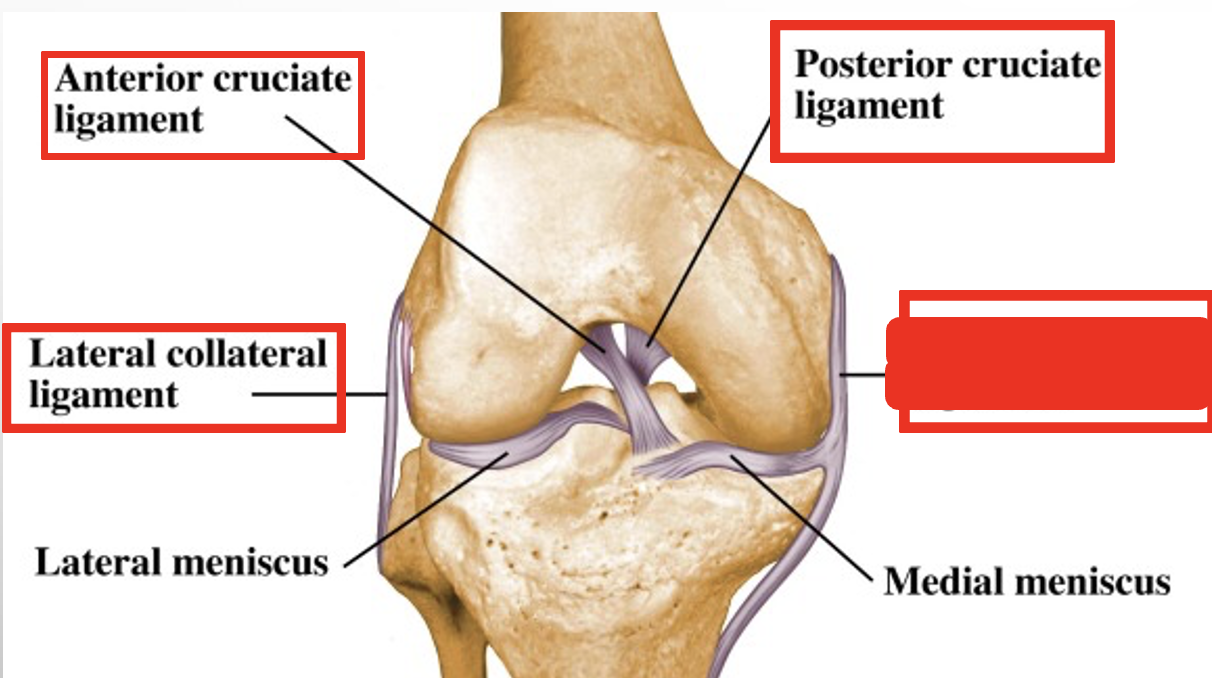
Medial Collateral Ligament
Explore top notes

