Cell Membranes
 Studied by 0 people
 Call Kai
 Learn
Learn Practice Test
 Spaced Repetition
 Match
Match Flashcards
 Knowt Play
1/26

There's no tags or description
Looks like no tags are added yet.
Name | Mastery | Learn | Test | Matching | Spaced | Call with Kai |
|---|
No analytics yet
Send a link to your students to track their progress
27 Terms
Carbohydrates
Monosaccharides
Disaccharides (oligosaccharides)
Glycogen polysaccharides)
Monosaccharides
Monosaccharides are hydroxylated aldehydes and ketones
Building blocks of other sugars
Often exist in ring closed form
Glucose and galactose are what?
epimers
Disaccharides (oligosaccharides)
Formed by linking monosaccharides together with a glycosidic bond
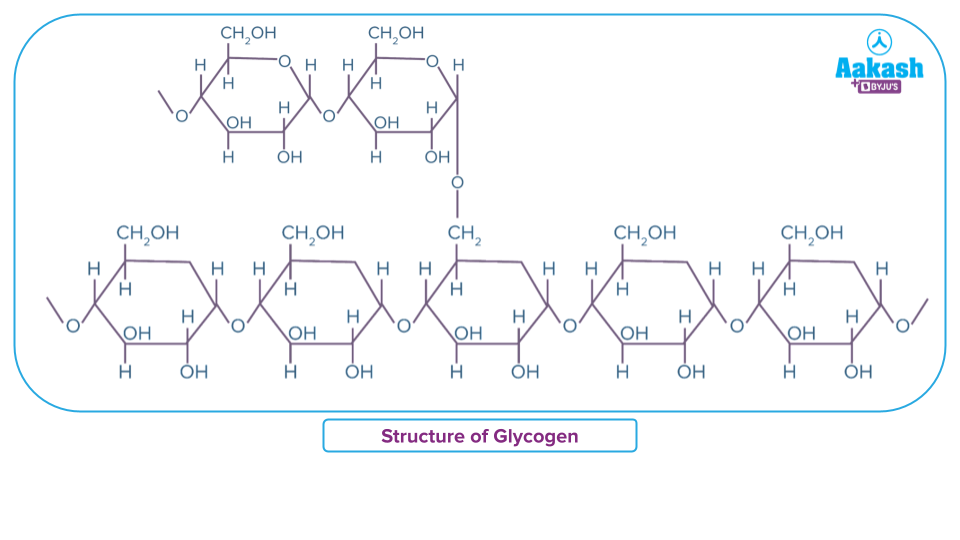
Glycogen (polysaccharides)
Glycogen can contain up to 100,000 glucose molecules
It is highly branched = α-1,4 and α-1,6 glycosidic bonds
How does the body use sugars?
Glycogen exists in the body as a reservoir of available energy that is stored in the chemical bonds within individual glucose monomers
The hydrolysis of glycogen (which occurs during times like fasting) leads to the releasing of glucose monomers into the blood
How do cells use sugars?
Extracellular matrix: Sugars help form a scaffold for cell attachment and help transmit signals that control cell growth, differentiation, and migration.
Glycosylation: Sugars are added to proteins and lipids to form glycoproteins and glycolipids, which are important for cell recognition and signalling.
What are lipids?
They are molecules composed mainly of H and C atoms linked by non polar covalent bonds.
Structures are very diverse
What are the roles of lipids in the body?
Lipids are a major component of cell membranes
They provide a valuable source of energy
They are important signalling molecule
Name the 4 types of lipids:
Steroid
Fatty acid
Triglyceride
Phospholipid
Steroids
What’s their structure?
Why do different steroids arise?
What are some examples of steroids?
Steroids have a basic 4 ring structure with side chains
Different steroids arise due to the functions of the rings and changing side chains
Examples: cholesterol, oestrogen, testosterone
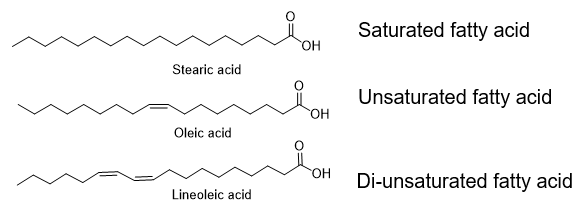
Fatty acids
What’s their structure?
Fatty acids are carboxylic acids with long alkyl side chains (lipophilic). Chain lengths can vary, but 14, 16, and 18 carbons are common
Triglycerides
What’s the importance of triglycerides?
Where are triglycerides held?
How are triglycerides formed?
What mechanisms interconverts triglycerides?
Triglycerides (fats) are important energy stores
Held in adipose tissues
Glycerol (alcohol) is esterified with three carboxylic (fatty) acids, which can be the same or different
Interconverted by hydration/dehydration
Phospholipids
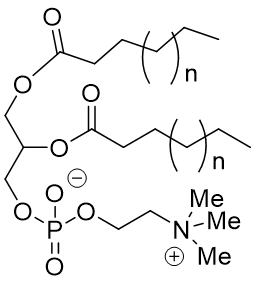
Are phospholipids amphipathic?
What does ‘n’ mean?
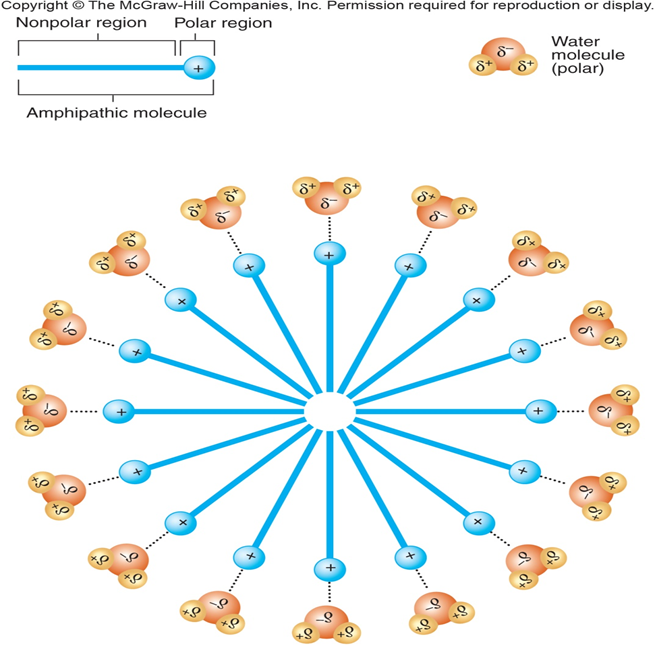
Phospholipids are amphipathic (has both hydrophilic and hydrophobic parts)
n = number of repeating CH2 groups
What’s the structure of a cell membrane?
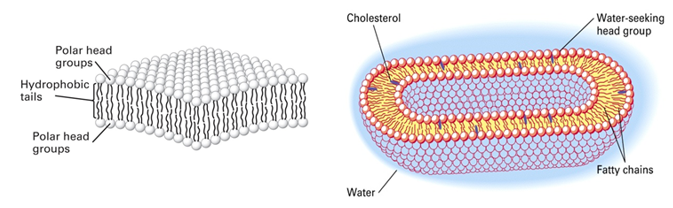
Cell membrane is a lipid bilayer
Polar head groups face water
Lipophilic side chains face each other
Cell membranes contains cholesterol and proteins (important for function)
Fluid structure
What’s the point of membranes?
They create boundaries between cells and the environment. They are a selective barrier to the passage of molecules.
Name the roles of the cell membranes?
Detects chemical signals from other cells
Anchors cells to adjacent cells and to the extracellular matrix
What is the selective permeability of membranes?
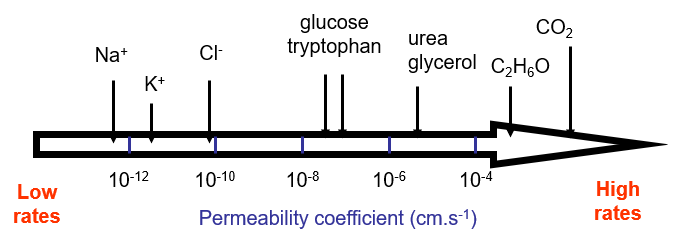
Well, diffusion rates depend on ionic charge and size.
Membranes favour small, uncharged molecules, making diffusion selective.
Why does diffusion depend on ionic charge?
Charged particles (ions) cannot easily pass through the hydrophobic lipid bilayer because they are attracted to water and repelled by the non-polar membrane core. They usually require channels or transporters.
Why does diffusion depend on size?
Smaller molecules diffuse more easily than larger ones because they can pass between lipid molecules more readily, while large molecules are physically restricted.
Definition of Diffusion
Movement influenced by electrochemical gradient
Definition of Osmosis
Water molecules diffuse down concentration gradient until equilibrium is reached
What are protein transporters / carriers?
Membrane proteins can perform both passive and active transport of selected molecules
What is endocytosis / exocytosis?
Vesicular bulk transport into/out of the cell, often receptor mediated
Passive diffusion
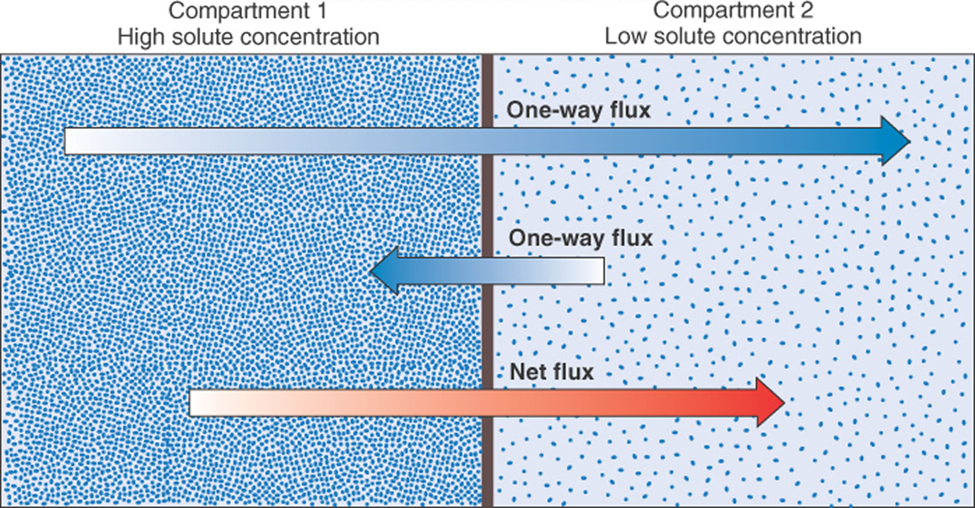
Passive diffusion occurs down a concentration gradient, and net flux takes into account diffusion in both directions
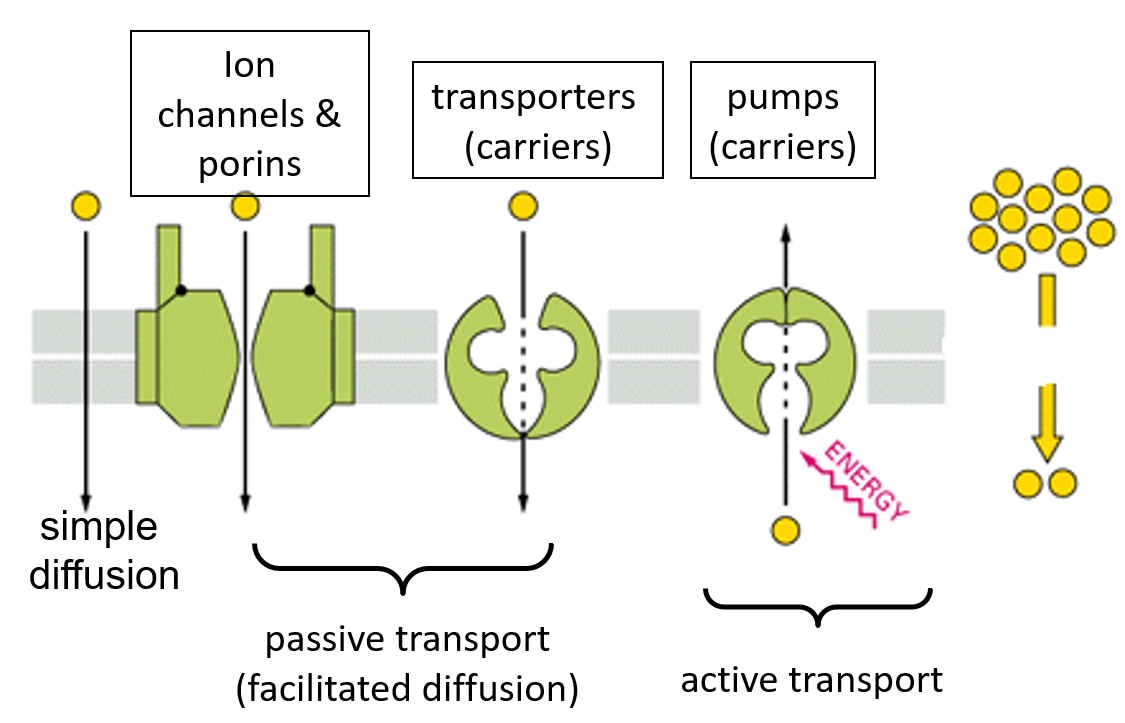
Name the protein transport/carriers mechanisms:
Simple diffusion
Ion channels & porins, transport carriers (passive transport/facilitated diffusion)
Pumps (active transport)
Protein transporters often undergo a conformational change.
Sodium/Potassium pump
is this, simple diffusion, facilitated diffusion, or active transport?
How does it work?
Active transport
Powered by ATP, the pump moves sodium and potassium ions in opposite directions, each against its concentration gradient
 Note
Note  Flashcards (45)