EXAM #1 (Ch. 1, 5, 7)
 Studied by 0 people
 Call with Kai
 Learn
Learn Practice Test
 Spaced Repetition
 Match
Match Flashcards
 Knowt Play
1/477

Earn XP
Name | Mastery | Learn | Test | Matching | Spaced | Call with Kai |
|---|
No analytics yet
Send a link to your students to track their progress
478 Terms
organisms that are too small to be seen with the unaided eye
microorganisms (“microbes”)
the study of microscopic organisms, such as bacteria, viruses, archaea, fungi, and protozoa
microbiology
what fundamental research is included in microbiology
biochemistry, physiology, cell biology, ecology, evolution & clinical aspects & host response of microorganisms
the foundation of all life on earth (still critical for environmental maintenance)
microbes
pathogen definition
cause infection & disease w/in a host
a few microbes can act as ____, but most are harmless or even beneficial
pathogens
scientists believe we have yet to discover _____ of all species of microbes, and most of the study thus far has been related to _____.
99.999%
human life
3 general types of microbes
prokaryotes
eukaryotes
noncellular (or acellular) agents
key difference b/t prokaryote and eukaryote?
prokaryote has no true nucleus or nuclear membrane, and a eukaryote has a membrane-bound nucleus
2 types of prokaryotes
bacteria and archaea
4 types of eukaryotes
protozoa
algae
fungi
helminths
single/unicellular microbes
bacteria
archaea
protozoa
single and multicellular microbes
algae
fungi
microbes with organics only food source
fungi
helminths
microbe with photosynthesis as an only food source
algae
microbes w/ photosynthesis as part (or only) food source
algae
bacteria
protozoa (a few)
microbes with inorganic food sources
bacteria
archaea
microbes with organic food sources
bacteria
archaea
protozoa
fungi
helminths
microbes w/ cell walls (typically)
bacteria
archaea
algae
fungi
microbes w/ no cell walls
protozoa
helminths
microbes that can (sometimes or always) act as a pathogen
bacteria (some)
protozoa (some)
fungi (some)
helminths
viruses, viroids, prions
microbes w/ single cell motility
bacteria (often)
archaea (often)
protozoa (often)
algae (some)
fungi (a few)
an organism, typically a microorganism, that thrives in physically or geochemically extreme conditions that are detrimental to most life
extremophile
microbes that can be extremophiles
bacteria
archaea (most are)
protozoa, algae, fungi, and helminths (very rarely, only a few)
microbes w/ DNA
bacteria
archaea
protozoa
algae
fungi
helminths
viruses, viroids, prions (have a mixture, but yes)
microbes w/ RNA
viruses, viroids, and prions (DNA, RNA, or none)
what are the cell walls of bacteria made of
peptidoglycan
these things help with motility
flagella
cilia
pseudopods
pili
many protozoa are ___ living
free
some protozoa’s are _____ (benefit from, but cause harm to, host)
parasitic
algae are sometimes ____ w/ aquatic invertebrae
symbiotic
although algae are not pathogens, they can _____ in environments.
release toxins
what are some commons ways that fungi are used
yeasts in bread and beer brewing
mycology is the study of
fungi biology
helminths constitute _____ w/ some being macroscopic or visible by the human eye
highly infectious flatworms and roundworms
some microbial infectious agents are ___ and ____; they cannot replicate outside a living host.
noncellular
nonmetabolic
virus is a DNA or RNA genome surrounded by a ____
protein capsid
the protein capsid of a virus may be enclosed in a _____.
lipid envelope
virology is the study of what
viruses
viruses are _____ outside a living host
inert
viroids definition
not a true “virus”, but an infectious RNA (only, no proteins)
prions definition
not a virus, but an infectious protein (no RNA, DNA, genome)
food and drink are produced by _____ as far back as 10,000 BCE
microbial fermentation
_________ such as TB, polio, smallpox, and leprosy profoundly affected human demographics and cultural practices
microbial diseases
by 1100 CE, some diseases were understood to be _____, but disease was often attributed to bad air _____, supernatural forces or bodily imbalances.
contagious
“miasma”
_____ build the first compound microscope and coined the term “cells”.
robert hook
_______ observed smaller organisms and bacteria with a stronger, single-lens microscope.
anton van leeuwenhoek
who is the “father of microbiology”
Anton van Leeuwenhoek
____ the idea that things or cells just appeared out of nothing
spontaneous generation
who showed bacteria were living things capable of reproducing and potentially as a cause of disease
Louis Pasteur
with his S-flask experiment, Louis Pasteur proved biogenesis, which is _______
the idea that biological growth comes from microbes or other biological organisms
major discoveries during the Golden Age of Microbiology
microbial causes behind fermentation & infectious diseases
staining technique
lithotrophy and nitrogen fixation
germ theory of disease
specific diseases are caused by specific microscopic “germs”/microbes
epidemiology
meticulous record keeping and stats to uncover how diseases were spreading
____ common in overcrowded areas like cities and during warfare
disease
____, not poor nutrition, was the leading cause of soldier death
infection
koch’s postulates
scientific method/criteria developed by Robert Koch used to determine if a specific microorganism/pathogen causes a specific disease
pure colony
grown from a single colony of bacteria and were crucial for Robert Koch to establish his postulates (isolated strains)
germ theory led to breakthroughs in disease prevention, such as,
handwashing, antiseptics, disinfection, sanitation, sewage and water treatment
antimicrobial drug Salvarsan
first chemical developed to treat bacterial infections such as syphilis
antibiotic penicillin
first natural antimicrobial drug used to treat bacterial infections
What was variolation?
Early smallpox prevention (≥1000 BCE) involving exposure to material from smallpox lesions.
What did Edward Jenner demonstrate in 1796?
Cowpox exposure protected against smallpox with much lower risk than variolation.
Who coined the term “vaccination”?
Louis Pasteur.
What was Pasteur’s key contribution to vaccination?
Use of attenuated (weakened) bacteria to induce immunity without severe disease (1870s–1880s).
What was the Theory of Immunity (1910s)?
The idea that humans produce specific compounds, called antibodies, to fight pathogens.
What major vaccination developments occurred in the mid–late 1900s?
Widespread public vaccination programs (influenza, polio, MMR) and global smallpox eradication.
What are still some limitations of vaccines and antibiotics today?
diseases can become resistant to treatment
not possible to get everyone vaccinated
distribution issues
always new diseases popping up
What advance in the 1880s allowed selective growth of microbes?
Use of culture media to grow specific microbes while excluding others.
What are lithotrophs?
Bacteria that obtain energy from inorganic molecules.
Why are microbes ecologically important?
nutrient cycling (N, S, P, etc.)
C-fixation
O-generation
primary producers
water filtration (in aquatic food webs)
What major ecological roles do microbes play w/in nutrient cycles?
drive cycling of inorganic & organic N, S, P, & other elements.
Why are microbes foundational to ecosystems?
They perform most carbon fixation and oxygen generation, act as primary producers, and filter water in aquatic food webs.
What role do bacteria play as digestive endosymbionts?
They help animals digest plant polymers (e.g., cattle, termites).
What is the human microbiota?
The community of microorganisms living in and on the human body.
How does the human microbiota benefit the host?
Aids digestion, trains the immune system, produces vitamins (B, K), and provides colonization-resistance against pathogens.
What is colonization resistance?
Prevention of pathogen growth through competition by resident microbes.
What is still unknown about the human microbiota?
Many functions and interactions remain poorly understood.
Why are microbes important as model systems in molecular biology?
They are used to answer fundamental molecular biology questions due to their simplicity and genetic accessibility.
How did understanding DNA structure influence molecular biology?
DNA structure discovery (1950s) enabled development of DNA sequencing (1970s).
What was Carl Woese’s major contribution to biology?
Discovery of archaea and proposal of the three-domain system based on rRNA sequences (1970s).
What was the first cellular genome sequenced?
A bacterial genome (1995).
What is metagenomics?
High-throughput sequencing of entire microbial communities.
Which modern molecular tools originated from microbiology research?
Viral vectors for gene therapy and CRISPR genome editing.
In how many domains of life do microbes exist?
All three domains: Bacteria, Archaea, and Eukarya.
Who proposed the three-domain system of life and when?
Carl Woese, 1977.
What do scientists compare today to study organisms and their relationships?
Genomes—the complete DNA content of each organism.
What is a species in microbiology?
A type of organism (or group of strains) defined by a shared set of genes and traits.
What is binomial naming?
The two-part scientific name of an organism: Genus + species.
What is a strain?
A genetic variant within a species.
What do microbiologists do today?
They study microbes using genomic, molecular, and ecological approaches to understand health, disease, biotechnology, and environmental processes.
Are there exceptions to prokaryote and eukaryote “rules”?
Yes. Biological classifications have exceptions; traits vary across organisms, and rules describe general trends, not absolutes.
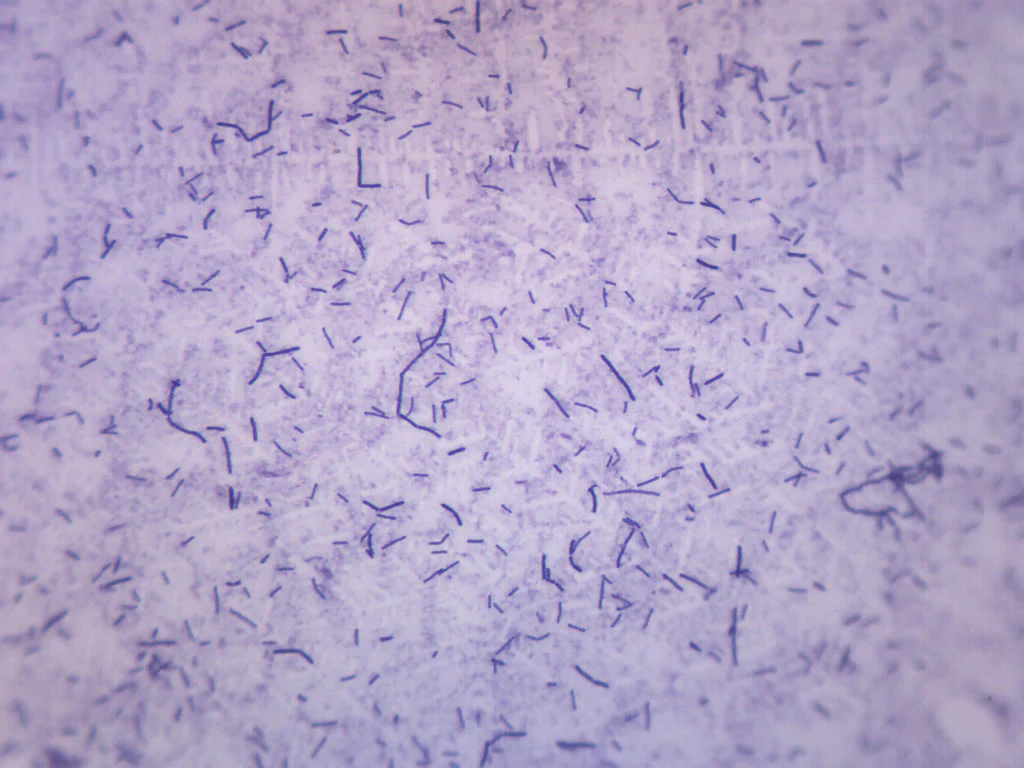
ID this cellular morphology
Bacilli — rods
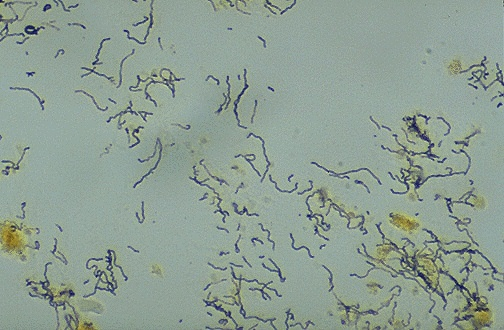
ID this cellular morphology
spirochetes — long corkscrew
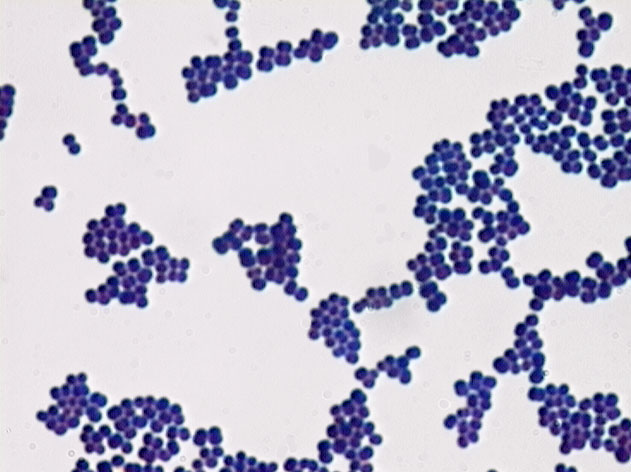
ID this cellular morphology
cocci — spheres
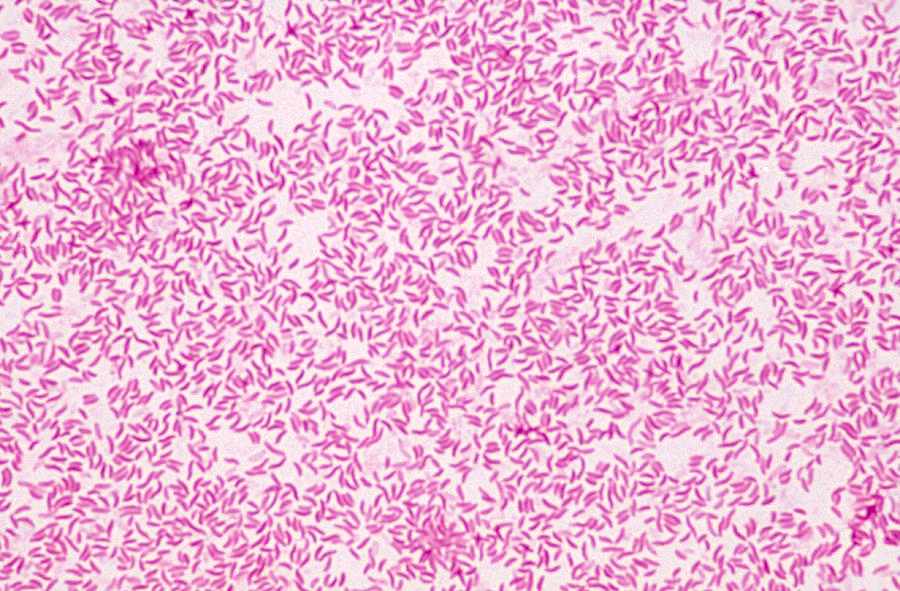
ID this cellular morphology
vibrio — commas
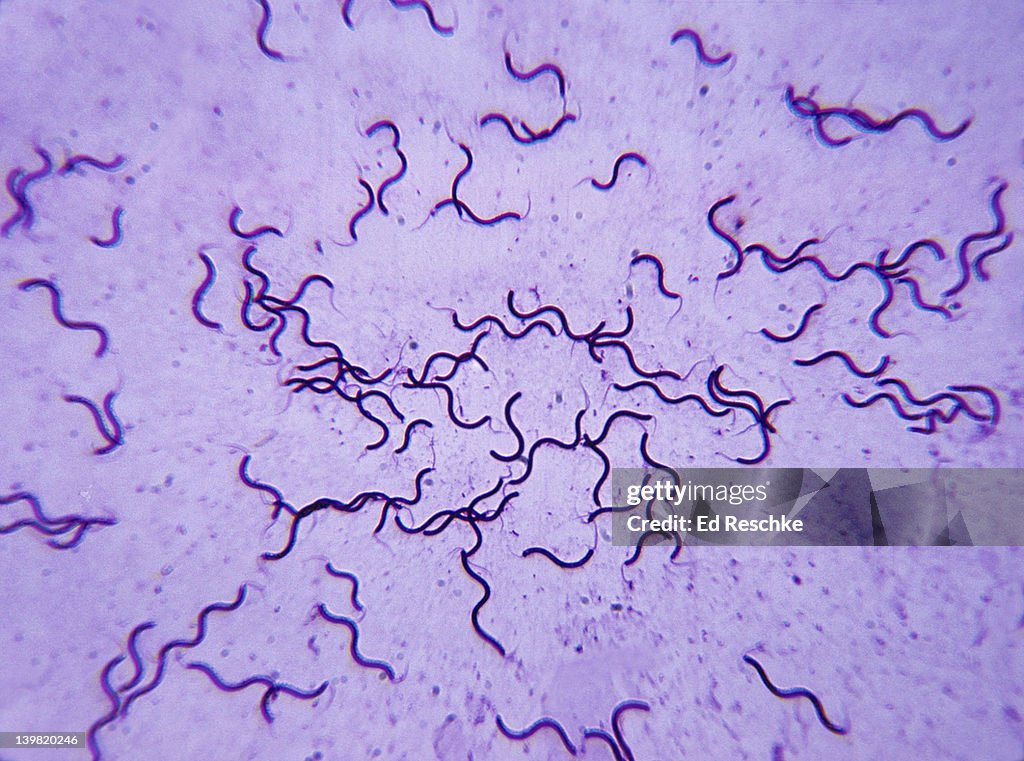
ID this cellular morphology
spirilla — short spirals or helical
spirilla vs. spirochete
spirilla: shorter, rigid, external, flagella
spirochete: longer, flexible, axial filament
What determines bacterial cell arrangements?
The plane of cell division.
What are bacterial arrangements based on observationally?
What scientists see under the microscope.
 Note
Note  Flashcards (265)