Herps Labs
 Studied by 0 people
 Call with Kai
 Learn
Learn Practice Test
 Spaced Repetition
 Match
Match Flashcards
 Knowt Play
1/174

There's no tags or description
Looks like no tags are added yet.
Name | Mastery | Learn | Test | Matching | Spaced | Call with Kai |
|---|
No study sessions yet.
175 Terms
Define herpetology
The study of amphibians and reptiles.
What are the 3 clades of herps?
-Lissamphibia
-Lepidosauria
-Archosauromorpha
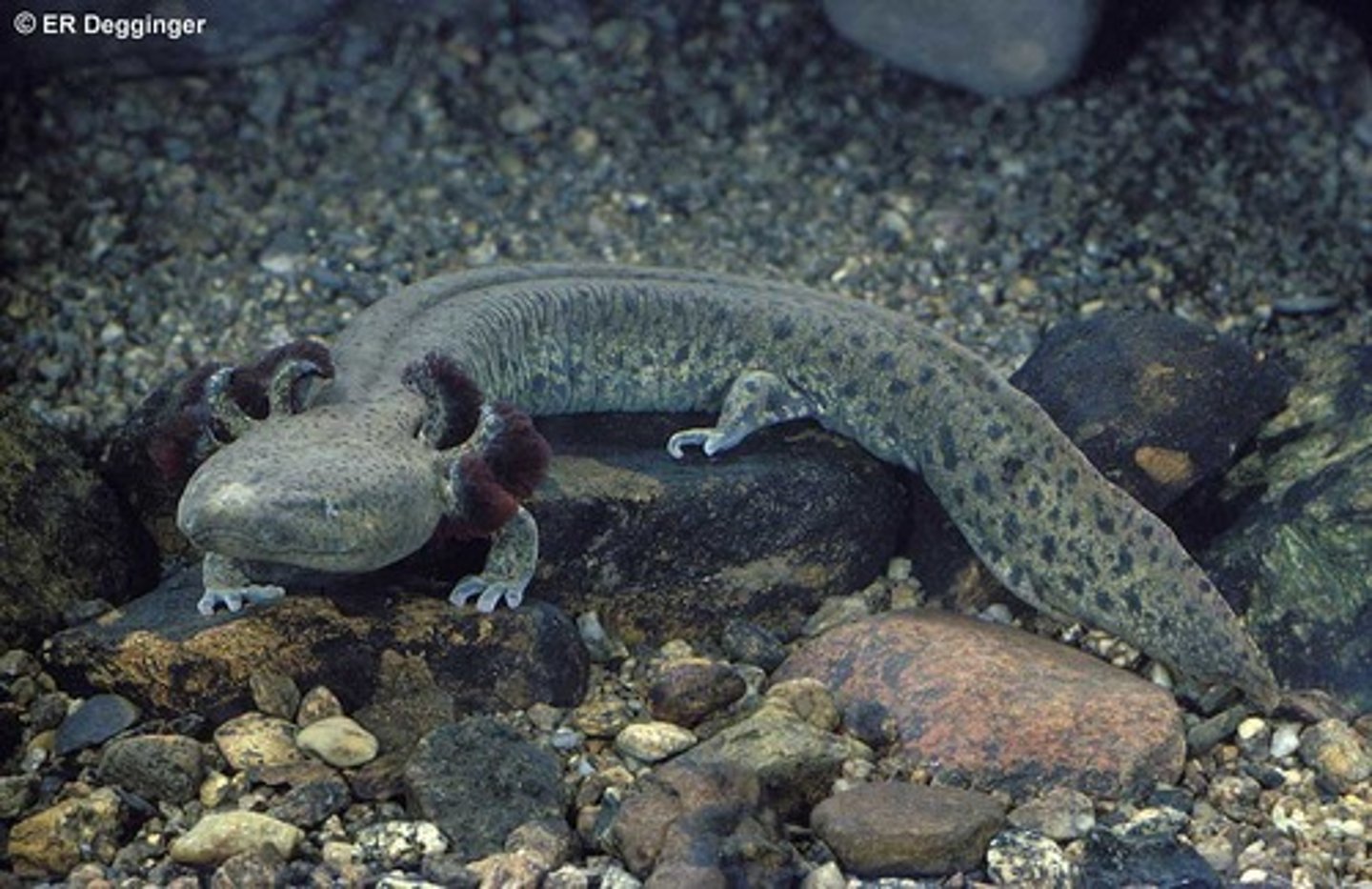
Describe the Necturus/salamander skeleton
-Fore and hind limbs similar in length, small
-Limbs splayed outward from body
-Zygopophyses are smaller for some support and flexibility
-Body slightly elevated off ground during movement
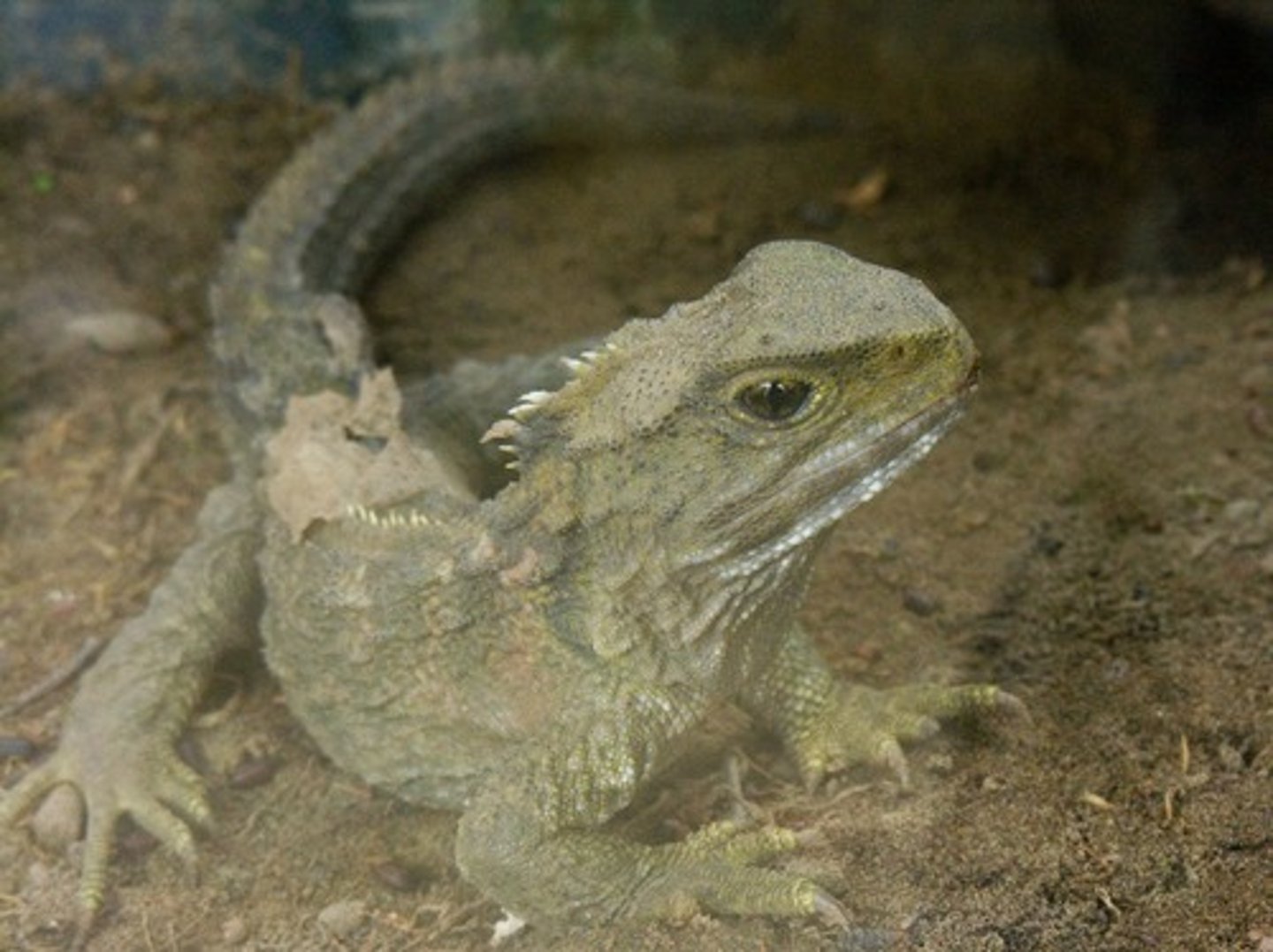
Describe the Tuatara skeleton
-Fore and hind limbs similar in length, larger than salamander limbs
-Limbs splayed outward from body
-Zygopophyses proportionally larger than salamanders
-Body fully elevated off ground during movement
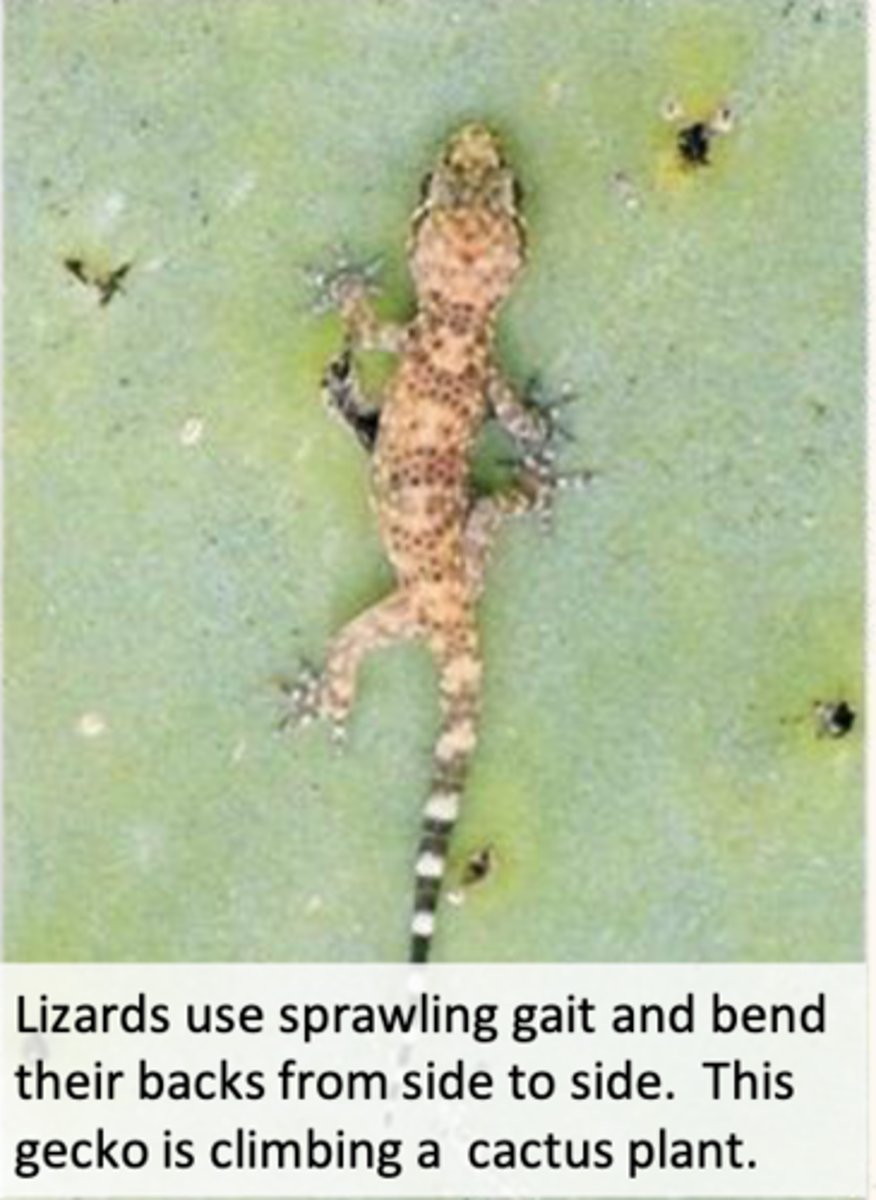
How do Nectarus and Tuatara locomote (ie. generalized tetrapod locomotion)?
Flexible vertebral column undulated side to side. Opposing fore and hind limbs are lifted and placed. The limbs act as anchors and the lateral movement of the vertebral column moves the body forward.
What about the skeletons of the Tuatara and Necturus suggests that the Tuatara has a more terrestrial lifestyle?
-Limbs are longer
-Zygopophyses are more robust/larger
Why don't fish have zygopophyses?
They do not need a robust vertebral column since water provides support for the body.
Is limb loss unique to snakes?
No, many species within Squamata (lizards and snakes) have lost limbs as well in amphibians, mammals, and birds.
What are the advantages to snake locomotion?
-Ability to move in dense vegetation or tight spaces/burrows
-Quiet movement
-Works well in water (similar to anguilliform swimming)
What adaptations to the snake skeleton help it locomote?
-Complete loss of pectoral and pelvic girdle and limbs
-Elongation of thoracic region of vertebral column
-Loss of sternum
-Elongate ribs in contact with substrate
-Scutes (ventral scales)
Name the 5 types of snake locomotion
-Serpentine
-Rectilinear
-Concertina
-Sidewinding
-Lasso locomotion
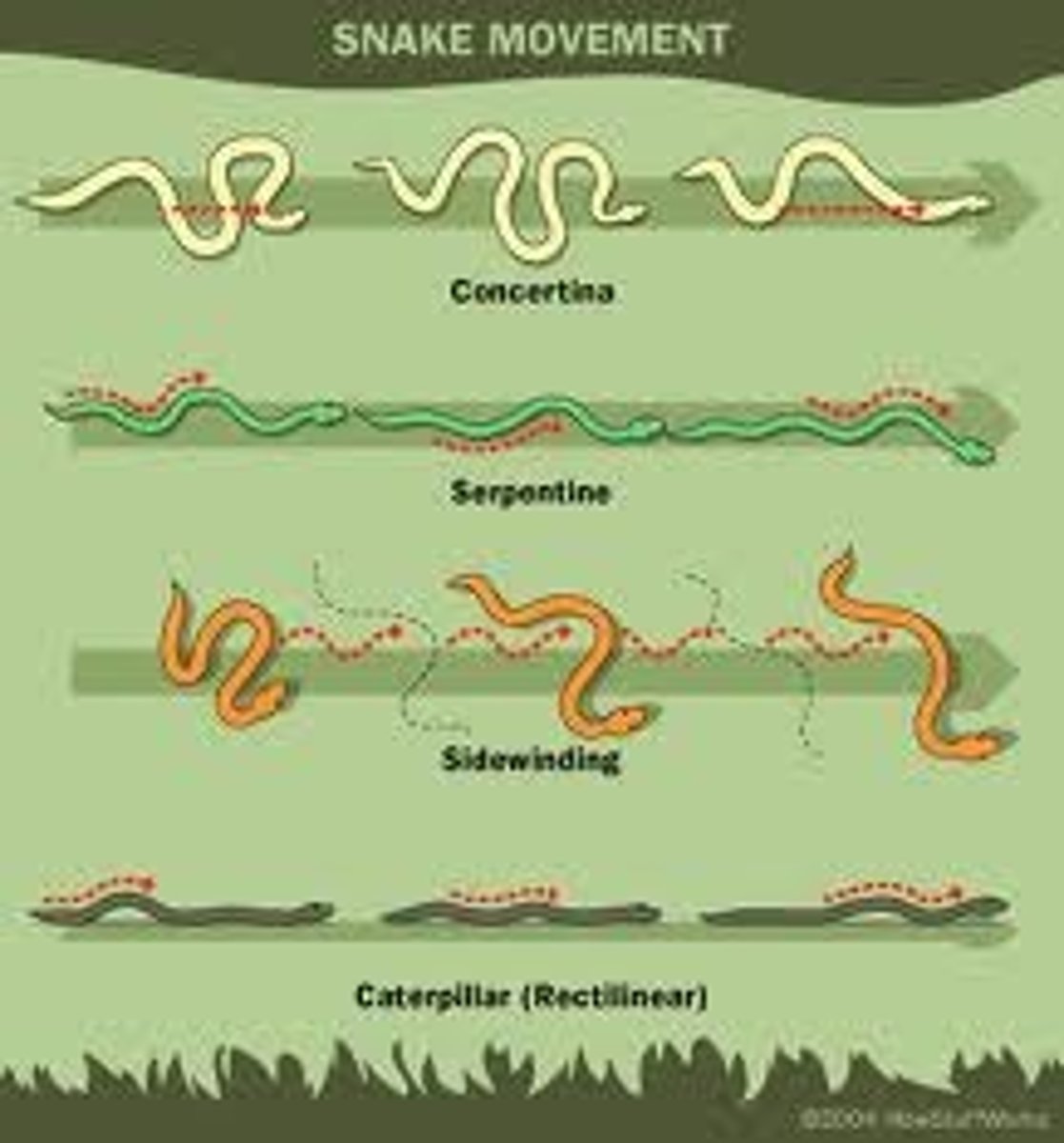
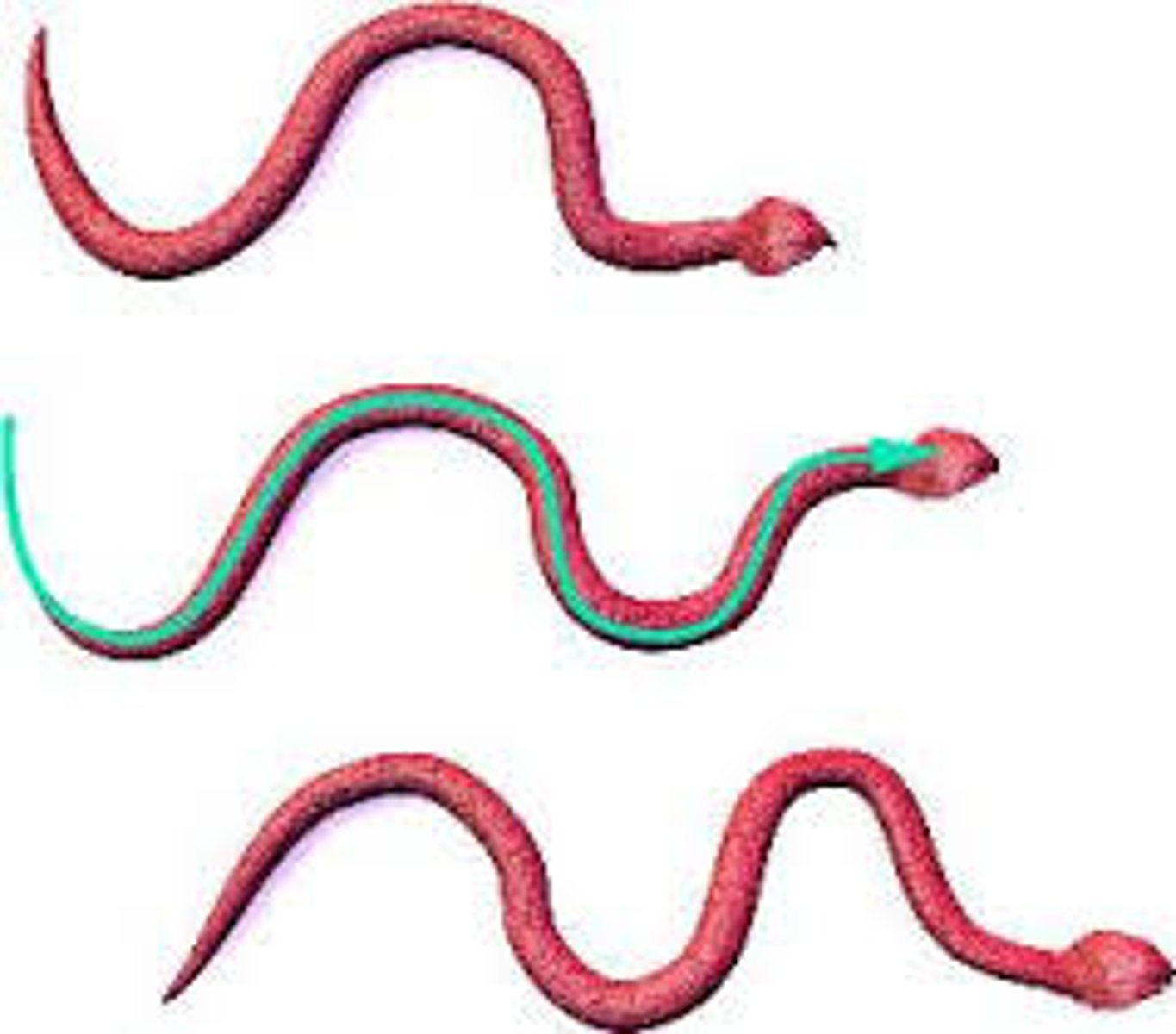
Describe serpentine locomotion
-Similar to anguilliform swimming, body moves in s-shaped curve
-Posterior facing surfaces of the bends push against substrate
-FASTEST
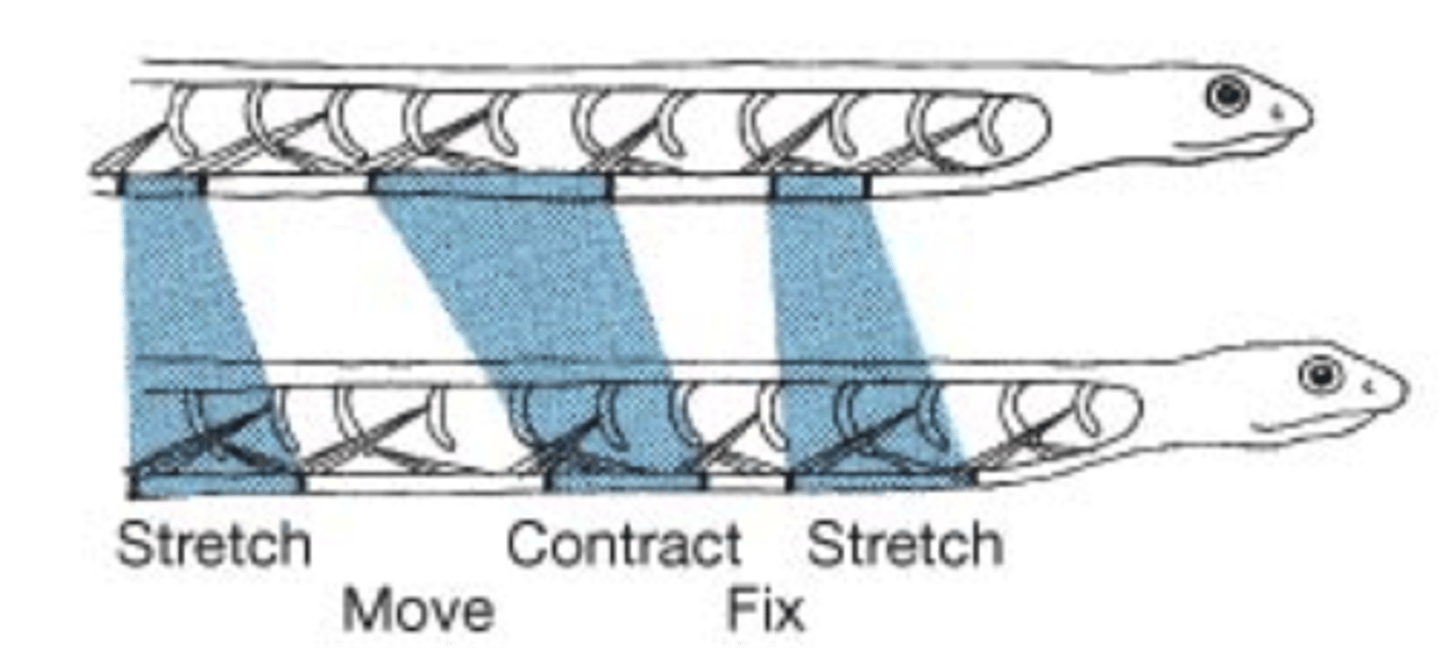
Describe rectilinear locomotion
-Uses bands of muscles that attach the scutes to ribs
-Each scute is inched forward and pases it down the substrate while lifting up and advancing the next scute
-Repeated along entire thoracic region
-Used when lateral undulations are restricted
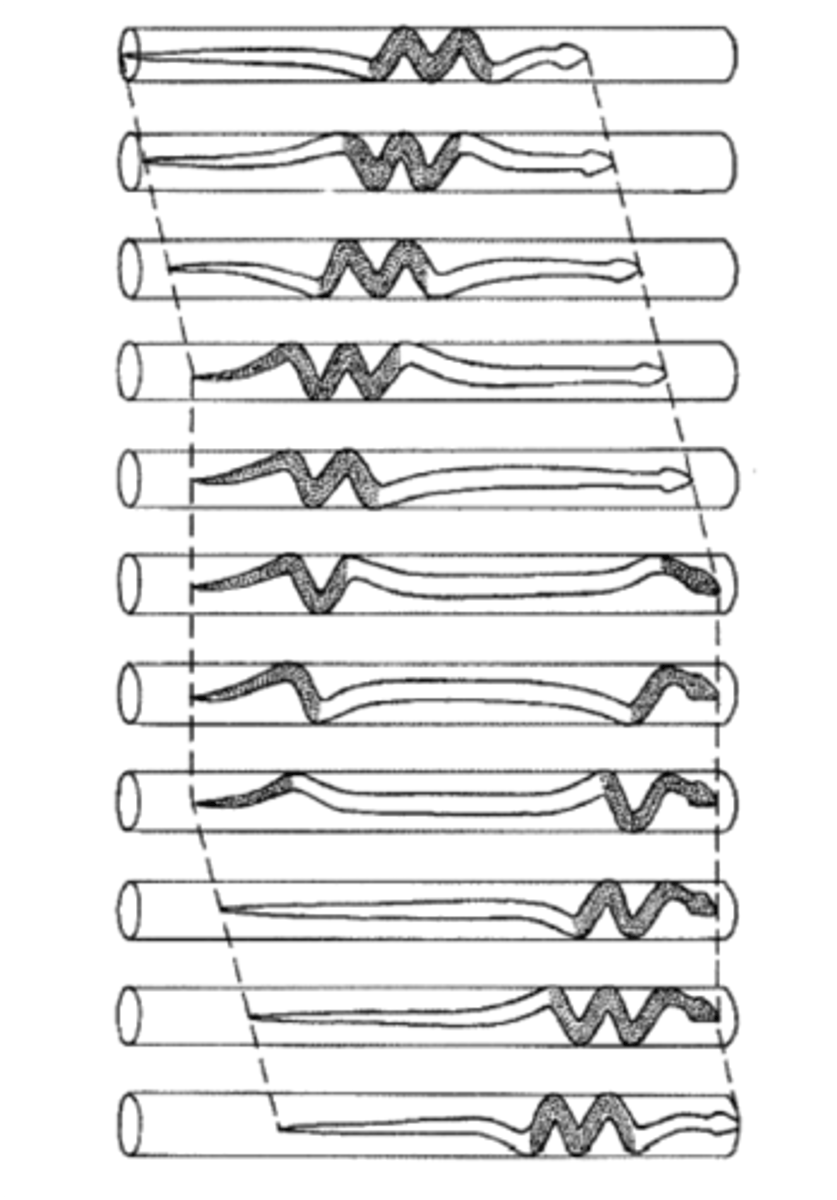
Describe concertina locomotion
-Posterior part of body forms curve that press laterally, anchoring the back of the snake against a wall
-Anterior portion extends forward
-Anterior portion forms lateral curve and anchors the anterior end of the snake, while the posterior end is released and drawn forward
-Used when in tight spaces with a little bit of lateral movement
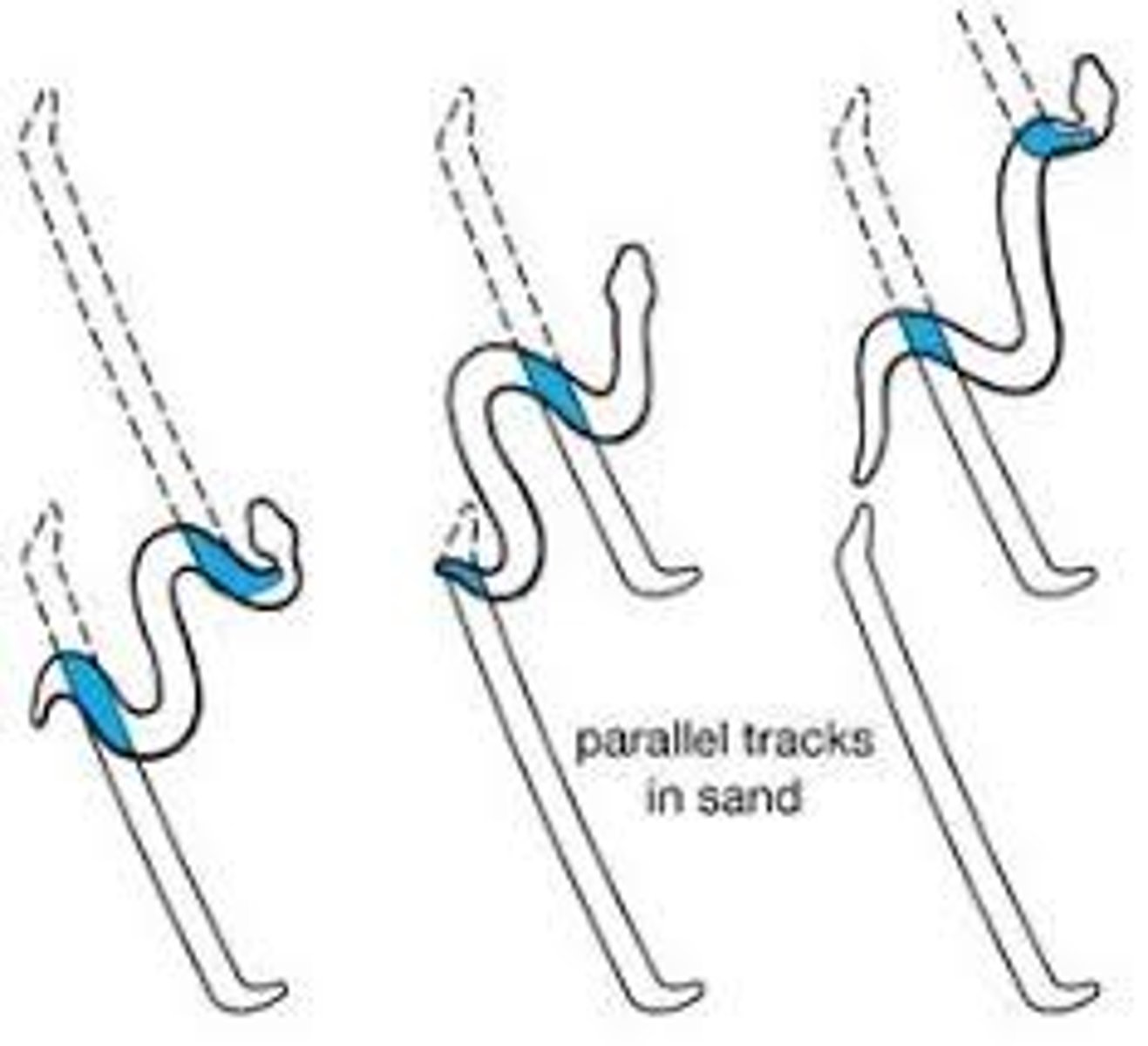
Describe sidewinding locomotion
-Used on sandy/loose soils
-Raise body off of substrate leaving 2-3 points of contact on group
-Loops of the body held off the ground move forward along successive points of contact
-Helps maintain body temperature (reducing contact with hot sand)
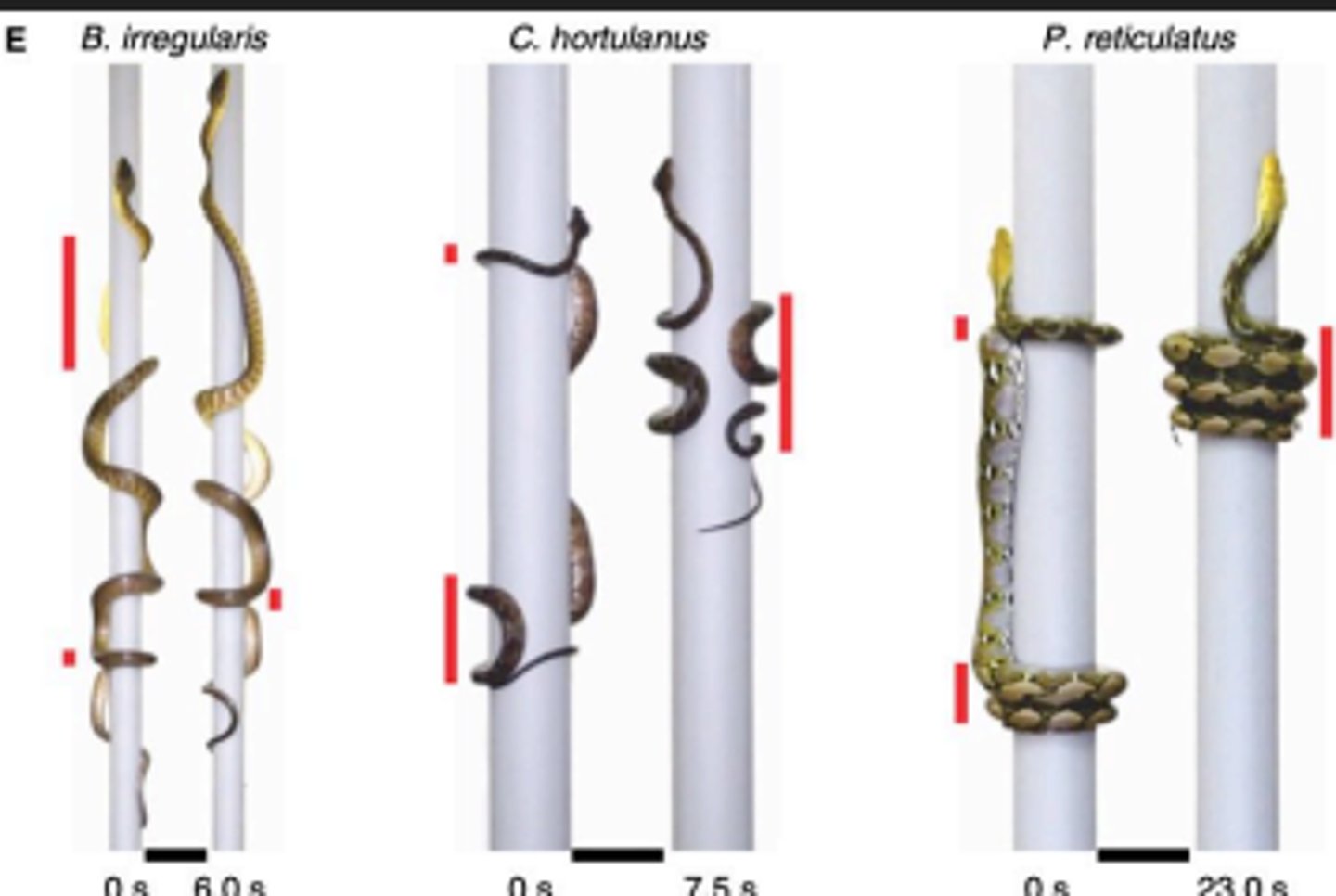
Describe lasso locomotion
-Snake creates a lasso like loop around tree
-Snake grips and slowly inches upward
-Can be used on smooth surfaces
-High energy expenditure
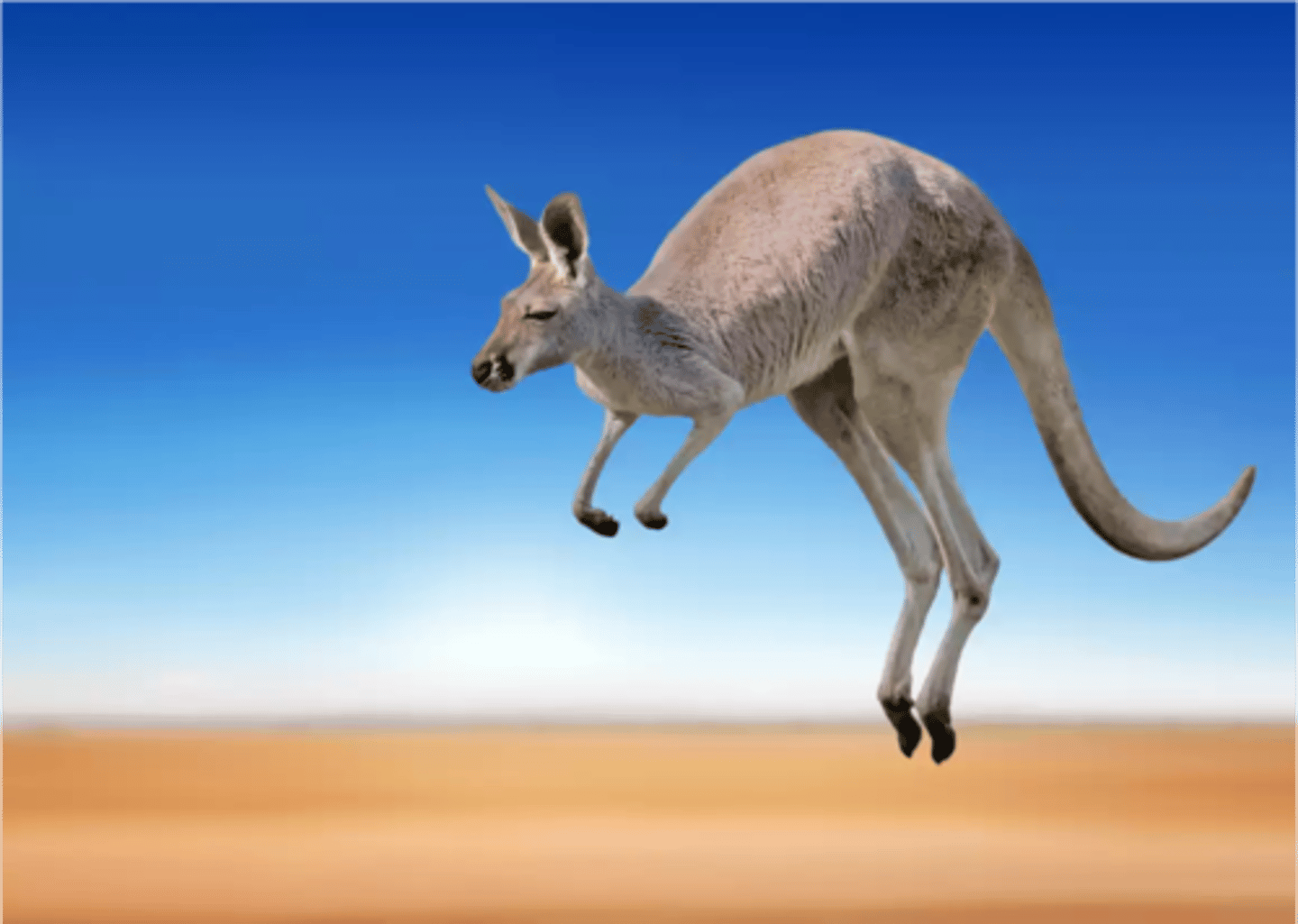
Define saltatory locomotion
Jumping/hopping
What features of frog skeletons allow for saltation?
-Hind limb greatly enlarged
-Forelimb normal or reduced, longer lower leg and foot
-Loss of tail
-Pelvic girdle elongate and robust
-Fusion of caudal vertebrae into urostyle (unique to anurans)
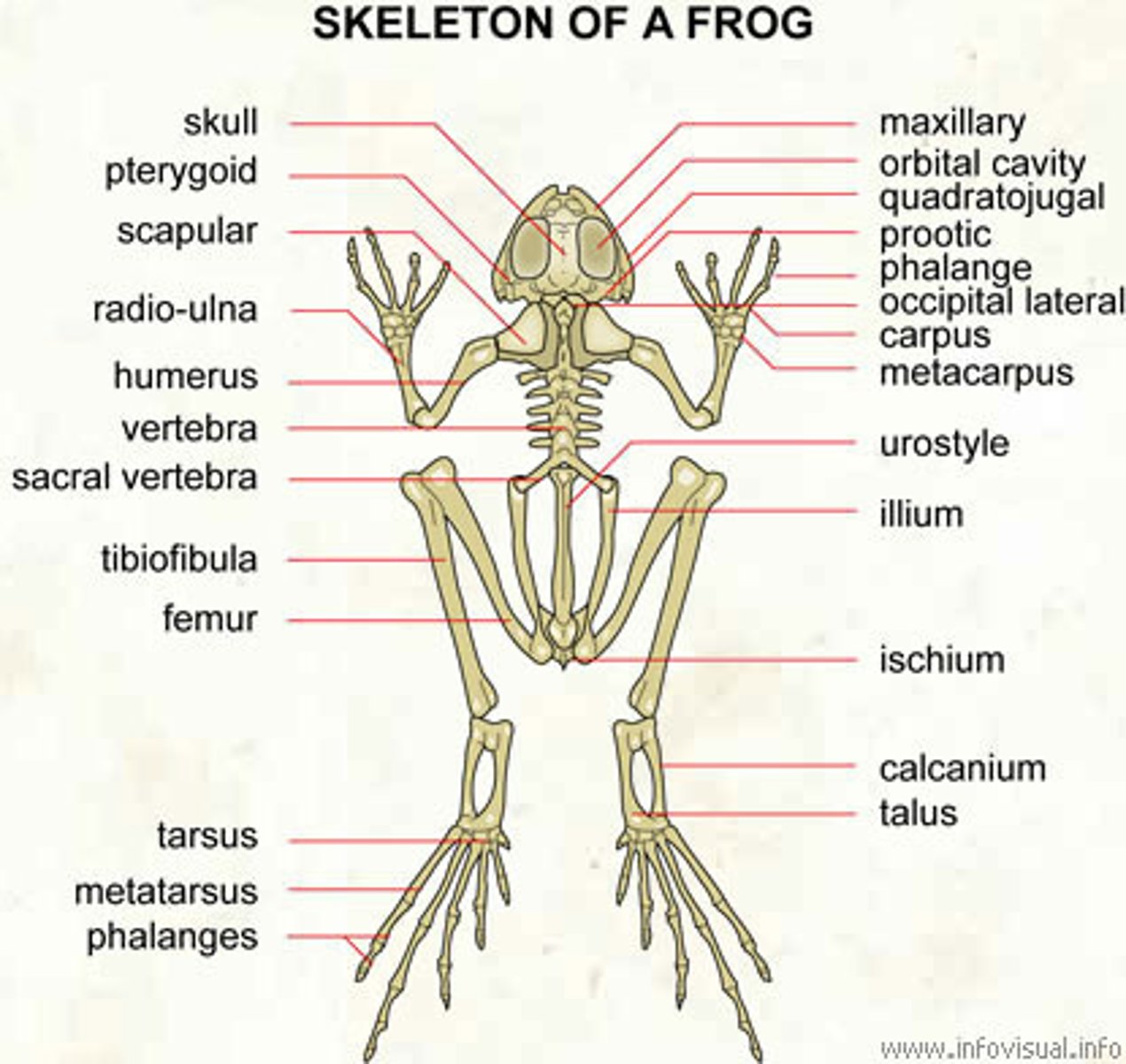
Are urostyles found in all amphibians?
No. They are unique to anurans.
List the 5 feeding adaptations found in amphibians
-Eyes placed high on head
-Pedicellate teeth
-Muscular tongue
-No secondary/bony palate
-Tadpoles
How do having eyes placed high on the head help with amphibian feeding?
Allows for ambush predation. They can hide under water and still watch for prey above the water.
How do pedicellate teeth help with amphibian feeding?
-Unique to lissamphibia
-Small for grip, not for injuring
Are pedicellate teeth unique to lissamphibia?
Yes
Are amphibians polyphyodonts?
Yes
Which groups of lissamphibia have muscular tongues?
-Most anurans
-Some urodeles
How does having no secondary palate help with amphibian feeding?
-Allows muscles to draw eyes downward into oral cavity
-Helps with swallowing
How do tadpoles feed differently from mature amphibians?
They have a visible, long, spiral gut that allows for them to be herbivorous. Most larval amphibians are herbivorous.
Describe the 3 types of skulls found in amniotes
-Anapsid (no temporal openings/fenestra)
-Synapsid (1 temporal opening)
-Diapsid (2 temporal openings)
Describe 3 traits of the turtle skull that facilitates their feeding
-Anapsid skull
-Keratinized beaks
-Muscular tongue
How do anapsid skulls relate to turtle feeding?
Turtles eat mostly soft foods that are swallowed whole or are sliced into chunks by their beaks. As a result, they don't need temporal fenestrae since they do not need significant bite strength.
How do keratinized beaks help turtles feed?
Turtles lack teeth and have beaks to slice/crush food.
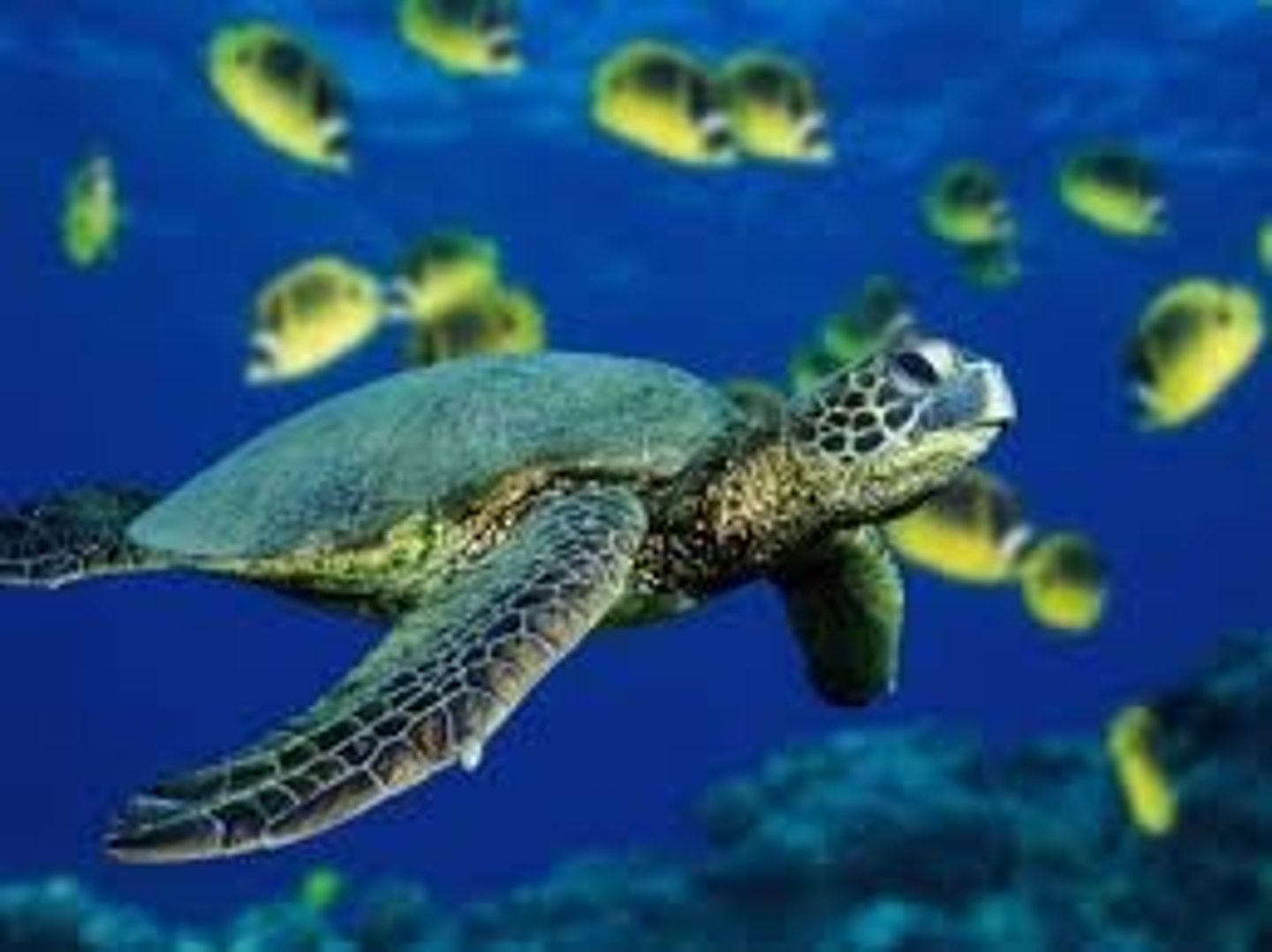
What mouth structure do many turtles have in addition to beaks to help feeding?
Plates or spines
How does the muscular tongue help turtles feed?
-Non protrusible
-Used to transport food toward the esophagus
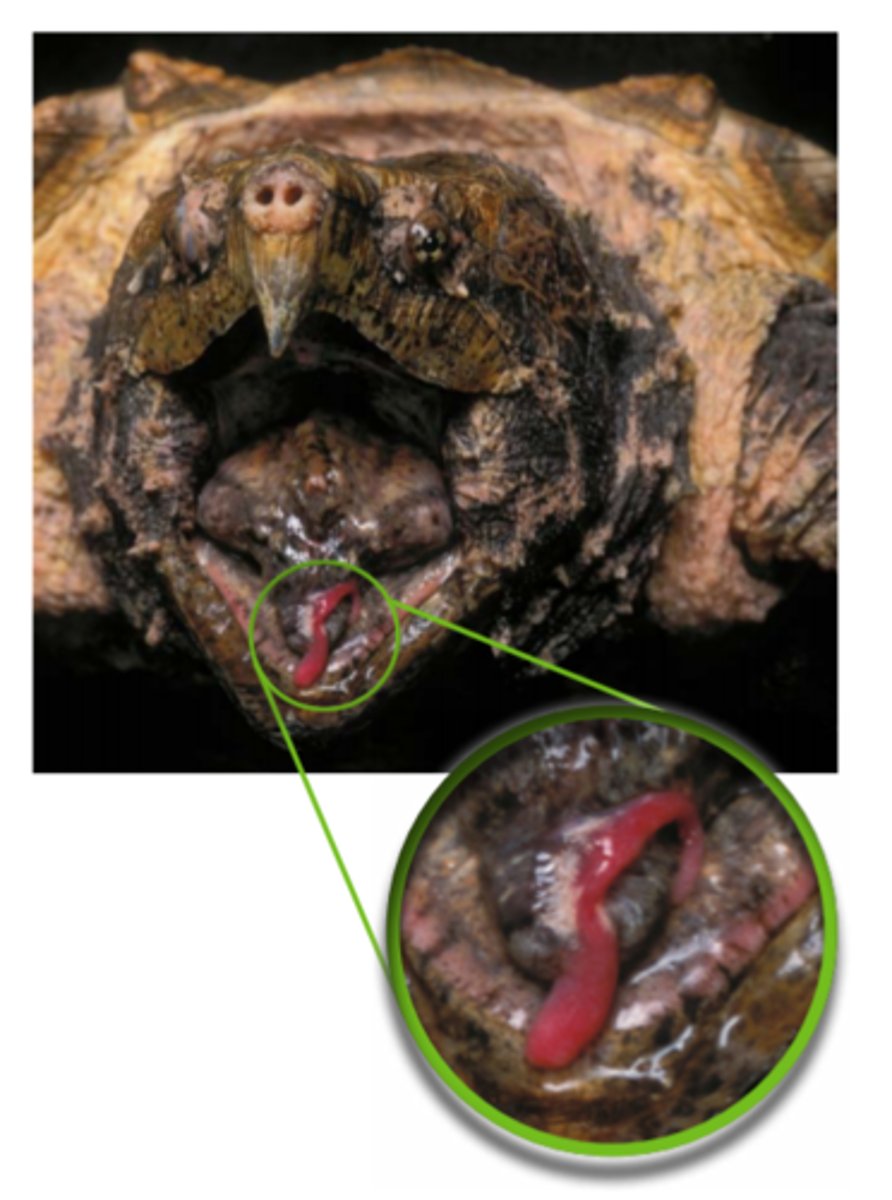
What structure do some turtles have on the tongue to attract prey?
A lure-like structure on the tongue.
What 5 features of lizard skulls help with feeding?
-Diapsid skull
-Cranial kinesis
-Well developed teeth
-Protrusible tongues
-Jacobsen's organ
How do diapsid skulls help lizards feed?
2 temporal fenestrae allow for greater muscle attachment. Allows for increased bite force. In lepidosaurs (lizards and snakes), the lower temporal bar is lost for flexibility.
Define cranial kinesis
The independent movements of parts of the cranium
How does cranial kinesis help lizards feed?
Enables a larger mouth opening and absorbs forces from rapid jaw closure.
How do well developed teeth help lizards feed?
Usually pointed and curved, though sometimes molariform. Used to catch prey.
How do protrusible tongues help lizards feed?
Common in lepidosaurs. Used to catch prey or for olfaction (smelling, seen in monitor lizards).
How does the Jacobsen's organ help lizards feed?
Pocket of nasal sensory tissue. In many lepidosaurs, a forked tongue picks up scent molecules and brings them directly to the Jacobsen's organ.
Are Jacobsen's organs found in only lepidosaurs?
No. Also found in mammals
List the features of snakes that help feeding
-Highly modified diapsid skull
-Extreme cranial kinesis
-Constriction
-Venom
Describe the snake skull and how it is adapted for feeding
Loss of upper and lower temporal bars for increased cranial kinesis
How does cranial kinesis help with snake feeding?
Extreme flexibility allows for complex movements to swallow large prey whole. There is a lack of contact between the left and right halves of the lower jaw.
What is one drawback to the flexible snake skull?
Increased skull fragility.
How do snakes deal with a fragile skull?
By immobilizing prey (venom or constriction), there is less risk to the skull while swallowing prey.
List the features of the crocodylian skull that help feeding
-Diapsid skull
-Dorsal eyes
-Strongly socketed teeth
-Rostrum shape
-Secondary palate
How do strongly socketed teeth help with crocodylian feeding?
While crocodylians are polyphyodonts, their teeth are deep rooted and sharp and conical.
Describe the varying rostrum shapes of crocodylians
Correlated to the type of prey they feed on. Broad snouts prey on large vertebrates and maximize gape size and structural strength. Narrow snouts are made for eating fish and rapid closure.
Describe how the secondary palate helps crocodylians feed
Allows them to continue breathing underwater while having the mouth open. Also protects the brain from large/hard prey in the mouth.
What are some advantages of auditory communication in amphibians?
-Sound passes around objects, vegetation
-Allows more complexity than chemical communication
-Can be precisely timed
-Effective at night
-Can travel long distances
What are some disadvantages of auditory communication in amphibians?
-Sound may alert predators
-Can be energetically expensive
Describe the types of colouration in amphibians
-Cryptic colouring (camouflage and countershading)
-Aposematic colouration
-Minicry (aposematic and threat mimicry)
List the 7 integumentary adaptations in amphibians
-Highly glandular skin
-Dorsolateral ridges
-Parotoid glands
-Estivation
-Pelvic patches
-Vascularized skin folds
-Epidermal claws
Describe highly glandular skin in amphibians
Can contains poison and mucous glands. Protect against predation and keeps skin moist.
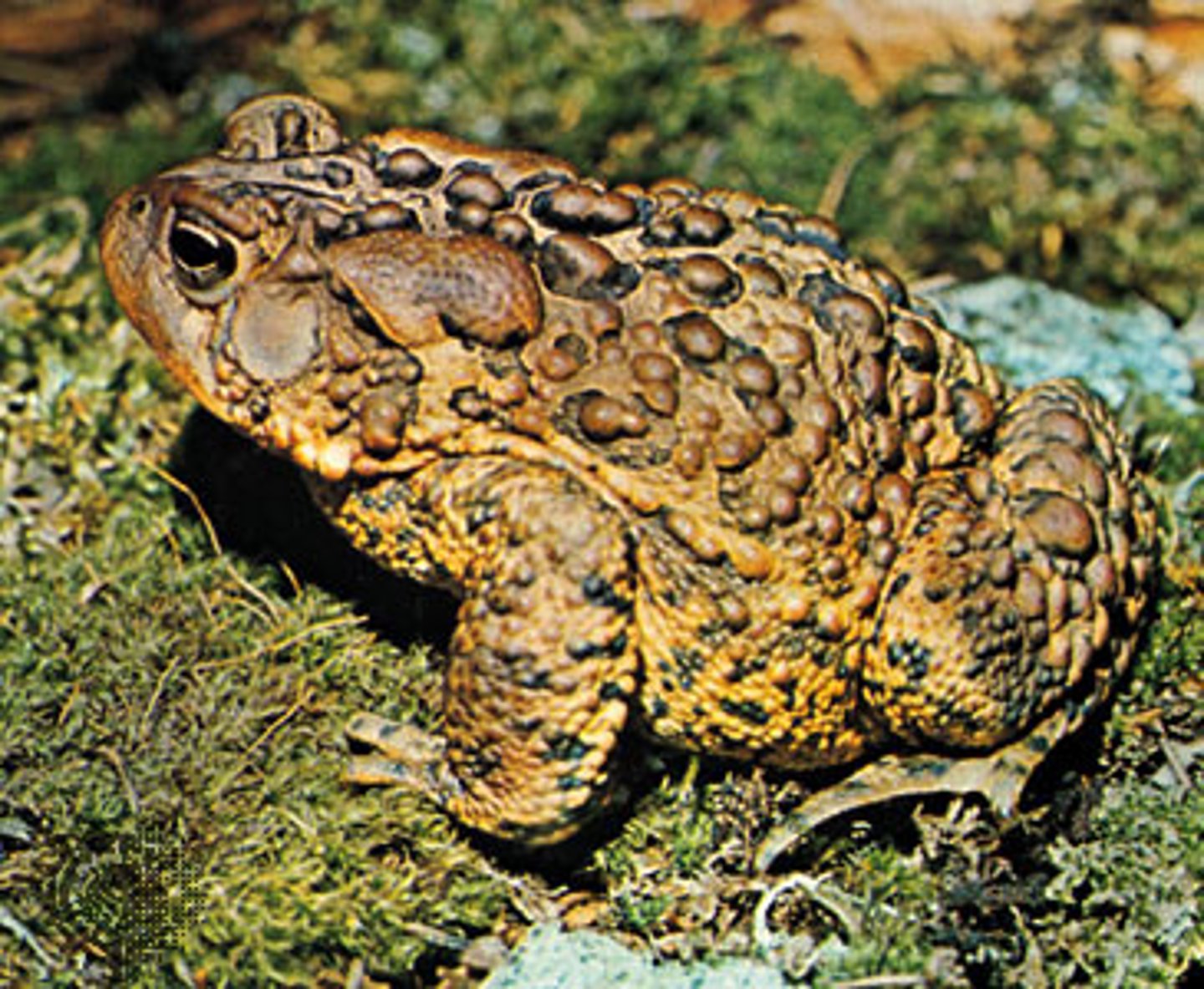
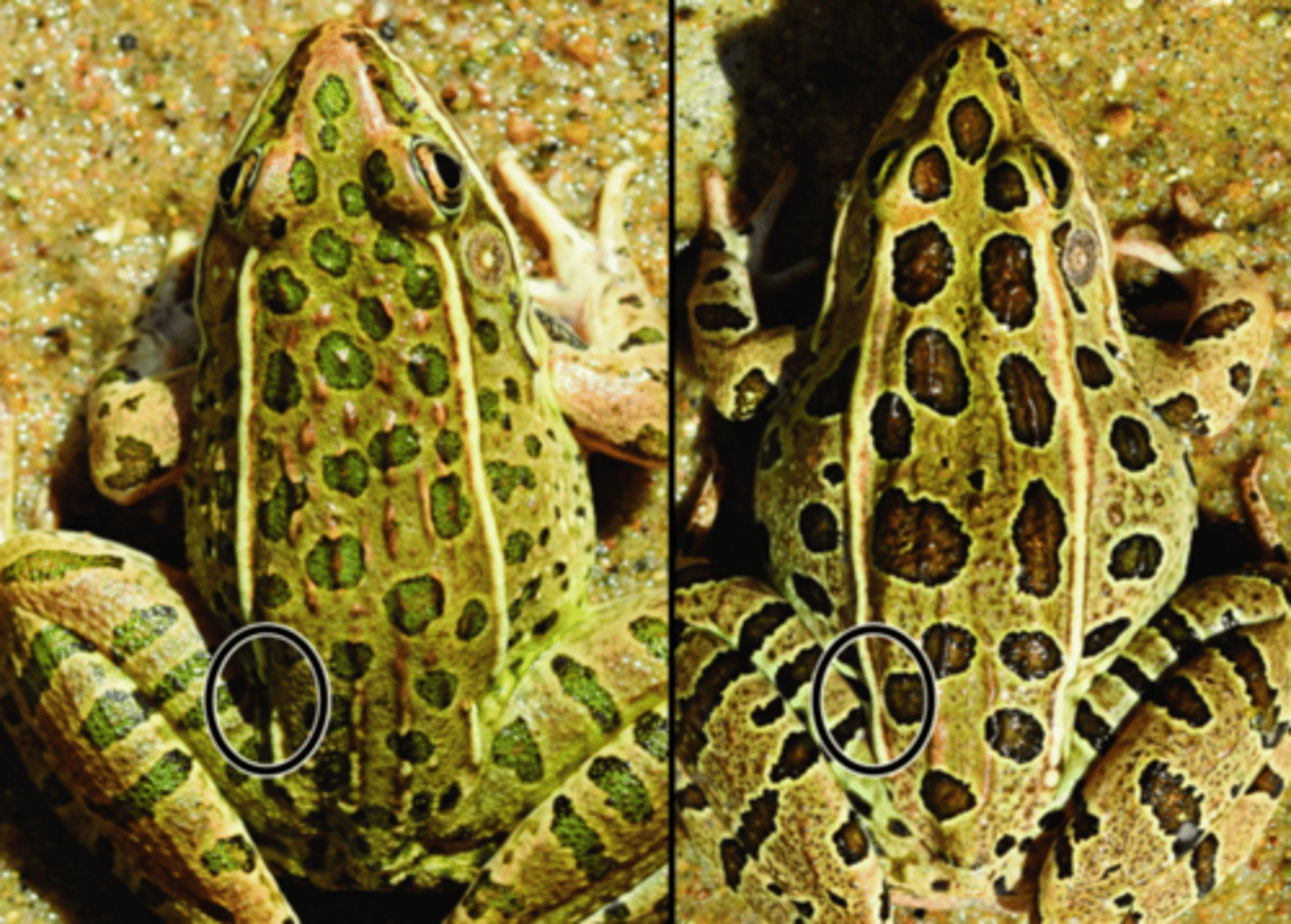
What are the dorsolateral ridges?
Ridges that run from the eyes to posterior tip of the body.
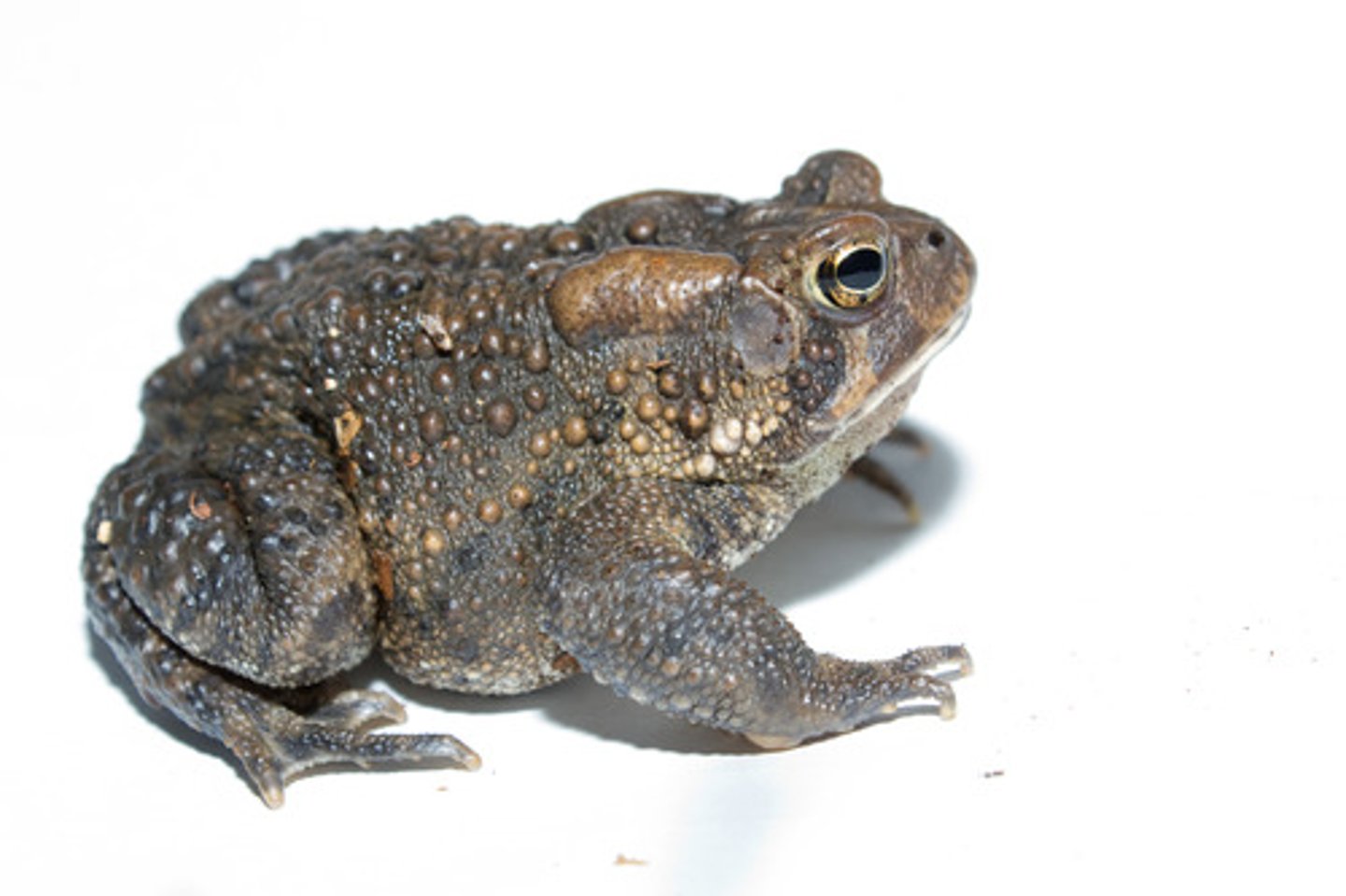
What are parotoid glands?
Typical of toads. Lie behind the head on either side of the body.
Describe estivation in amphibians
Some species retain successive molts of outer layer of skin that forms a temporary cocoon during dormancy.
Describe pelvic patches
Seen in many toads. Zones on increased surface area that resks on the moist substrate to increase uptake of moisture.
Describe vascularized skin folds
Conspicuous folds of excess skin increasing surface area for respiration.
Describe epidermal claws
Keratinized epidermal claws. Convergent with claws of amniotes.
How does the epidermis of reptiles, birds, and mammals differ from amphibians?
The epidermis is highly keratinized. They are dead cells wtih no nuclei and are filled with keratin (protein). Allows for terrestrial lifestyle and prevents water loss.
What are some integumentary adaptations in non-avian reptiles
-Scales
-Spines
-Rattle
-Scutes
-Bony plates
-Osteiderms
-Carapace/plastron
-Claws
-Beaks
Describe osteoderms
Lie underneath scales and are produced by the dermis. Characteristic of crocodylians and some lizard famililes.
Describe the carapace/plastron
Carapase=upper turtle shell
Plastron=lower turtle shell
What are the carapace/plastron made of?
Endochondral bone, dermal bone, and scales.
What are the 2 parts of claws?
Upper unguis and lower subunguis. Used for traction, prey catching, protection, or manipulation of objects.
What 3 distinct clades make up herptiles?
-Lissamphibia
-Lepidosauria
-Archosauromorpha
What 3 orders make up lissamphibia?
-Gymnophiona (caecilians)
-Caudata (salamanders)
-Anura (anura)
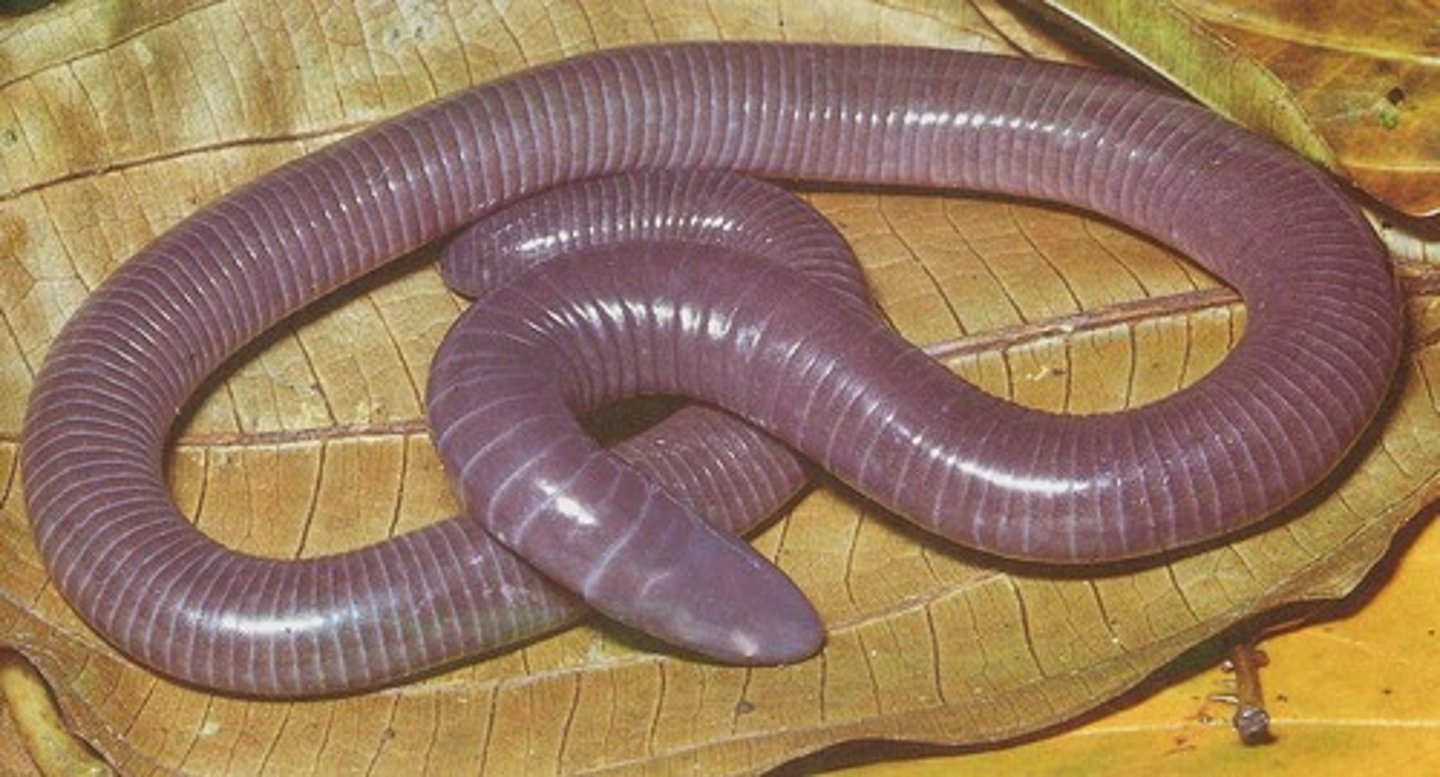
What is the common name for gymnophiona?
Caecilians
How can you identify gymnophiona?
-Smooth skin
-No fins/limbs
-Uniform elongate body
-No neck
-Reduced eyes
-Annuli creating segmented apperance
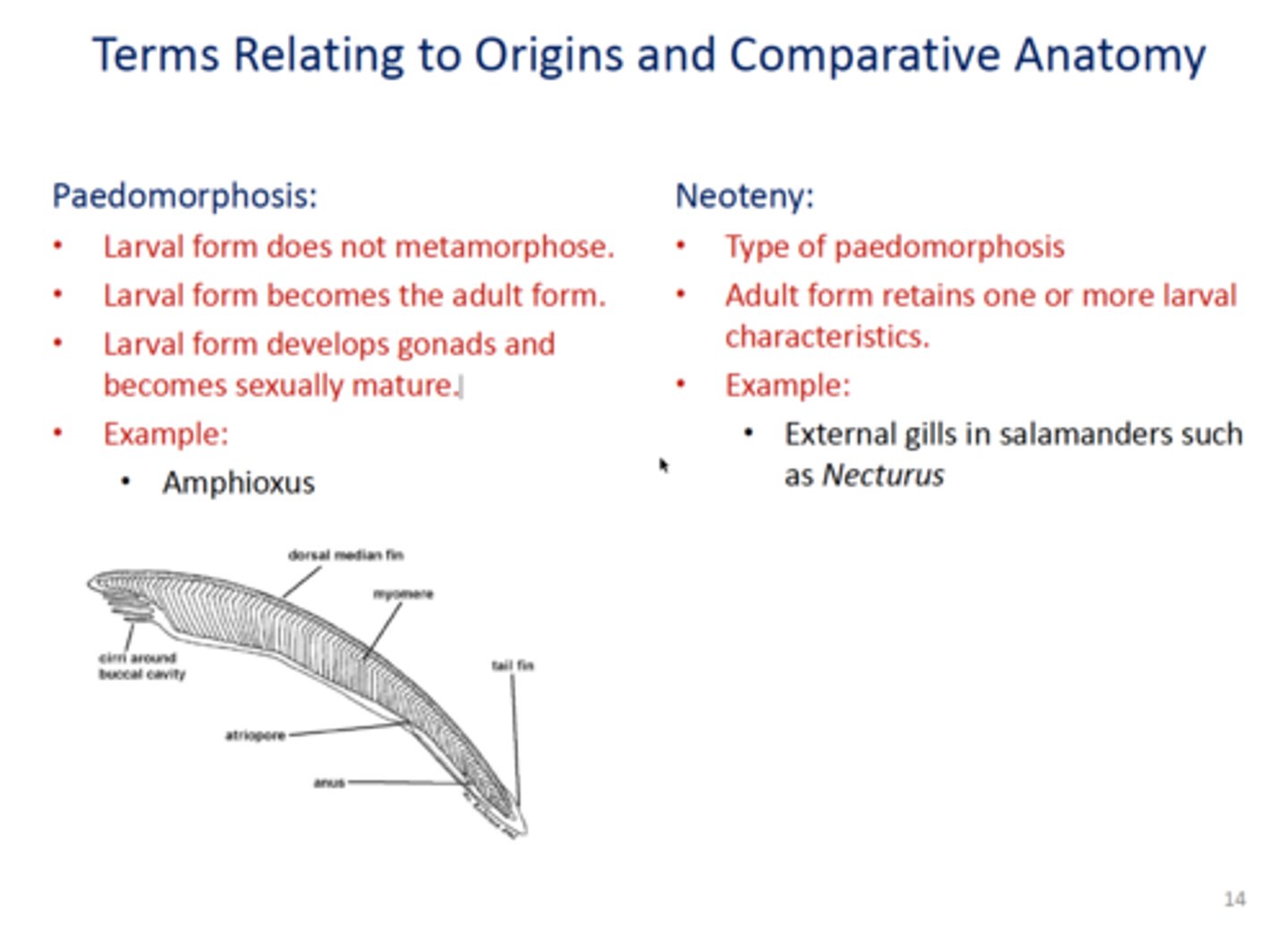
Define paedomorphosis
The retention of larval characteristics in a sexually mature individual
What are the 2 types of paedomorphosis?
-Neoteny
-Progenesis
Define neoteny
-Paedomorphosis
-Retention of one or more larval traits in an otherwise metamorphosed adult
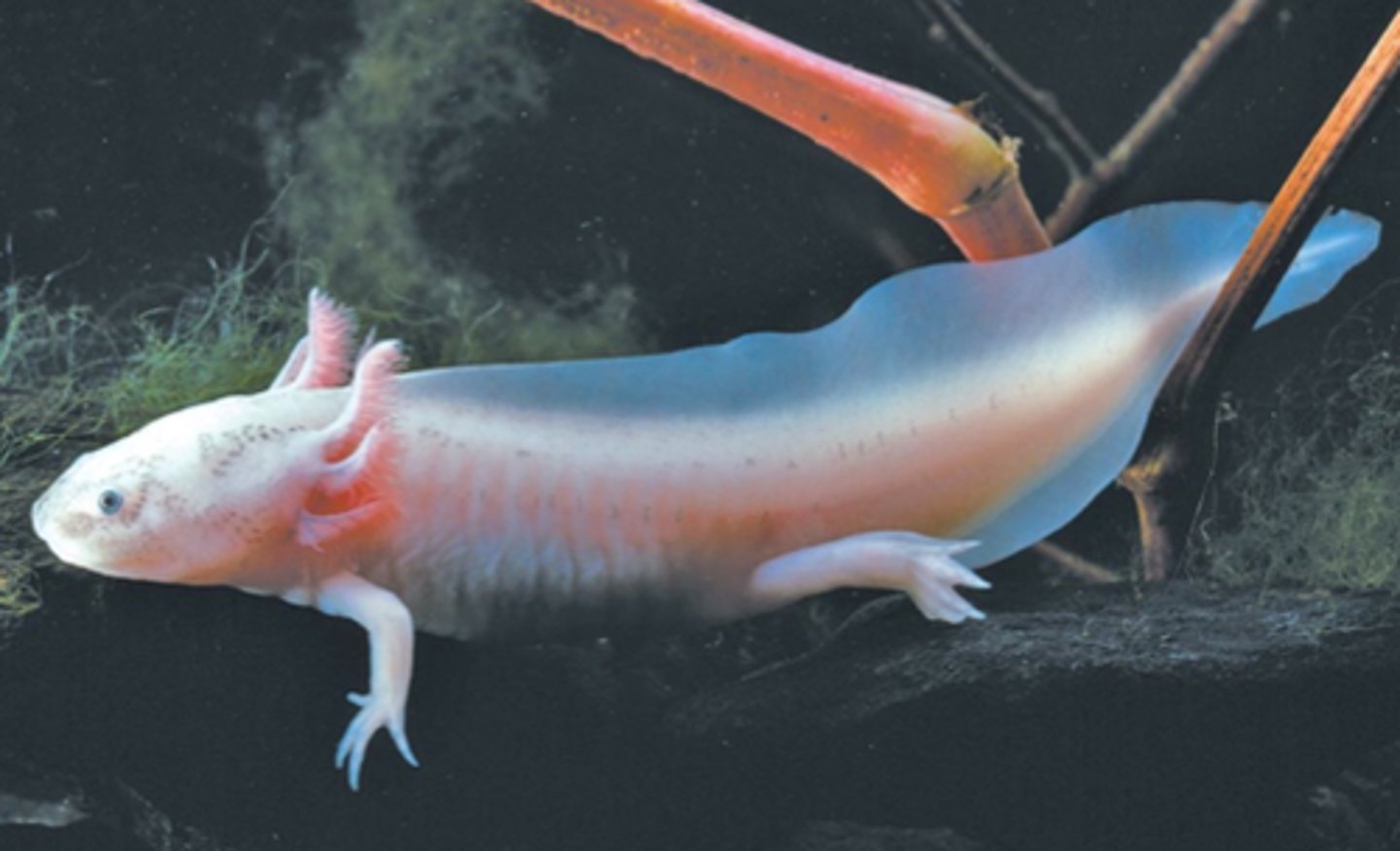
Define progenesis
-Paedomorphosis
-Full development of sexual organs in an otherwise juvenile stage
-Speeding up of reproductive development
What larval features can help identify paedomorphosis?
-External gills
-Prominent dorsal fin fold confluent with tail
-Laterally compressed tail with fin
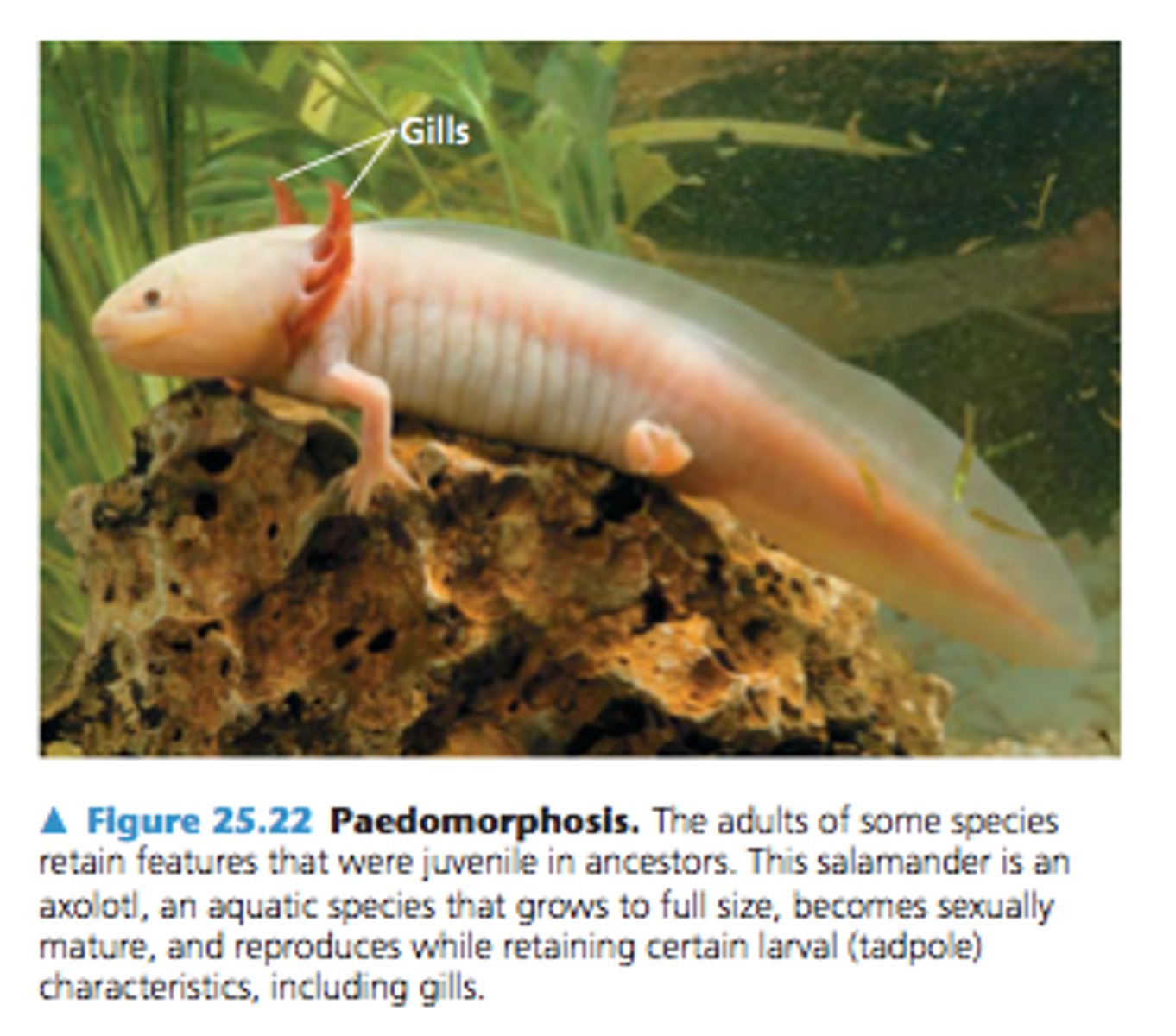
What 5 families are within Caudata/Urodela?
-Cryptobranchidae
-Sirenidae
-Ambystomatidae
-Proteidae
-Amphiumidae
What is the common name for Cryptobranchidae?
Giant salamanders
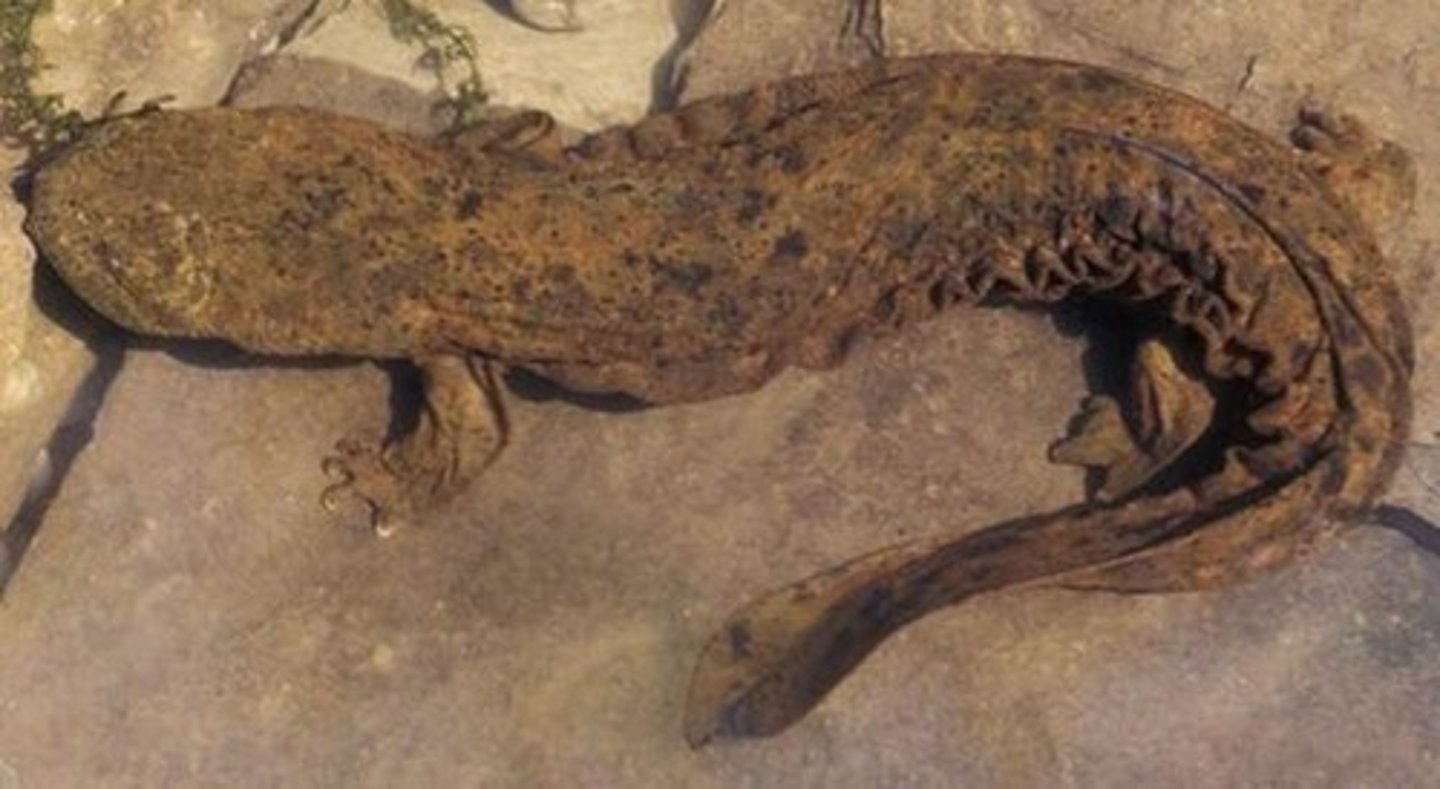
Describe some traits of Cryptobranchidae
-Up to 1.5m
-Largest living amphibians
-Respiration is almost exclusively through the skin
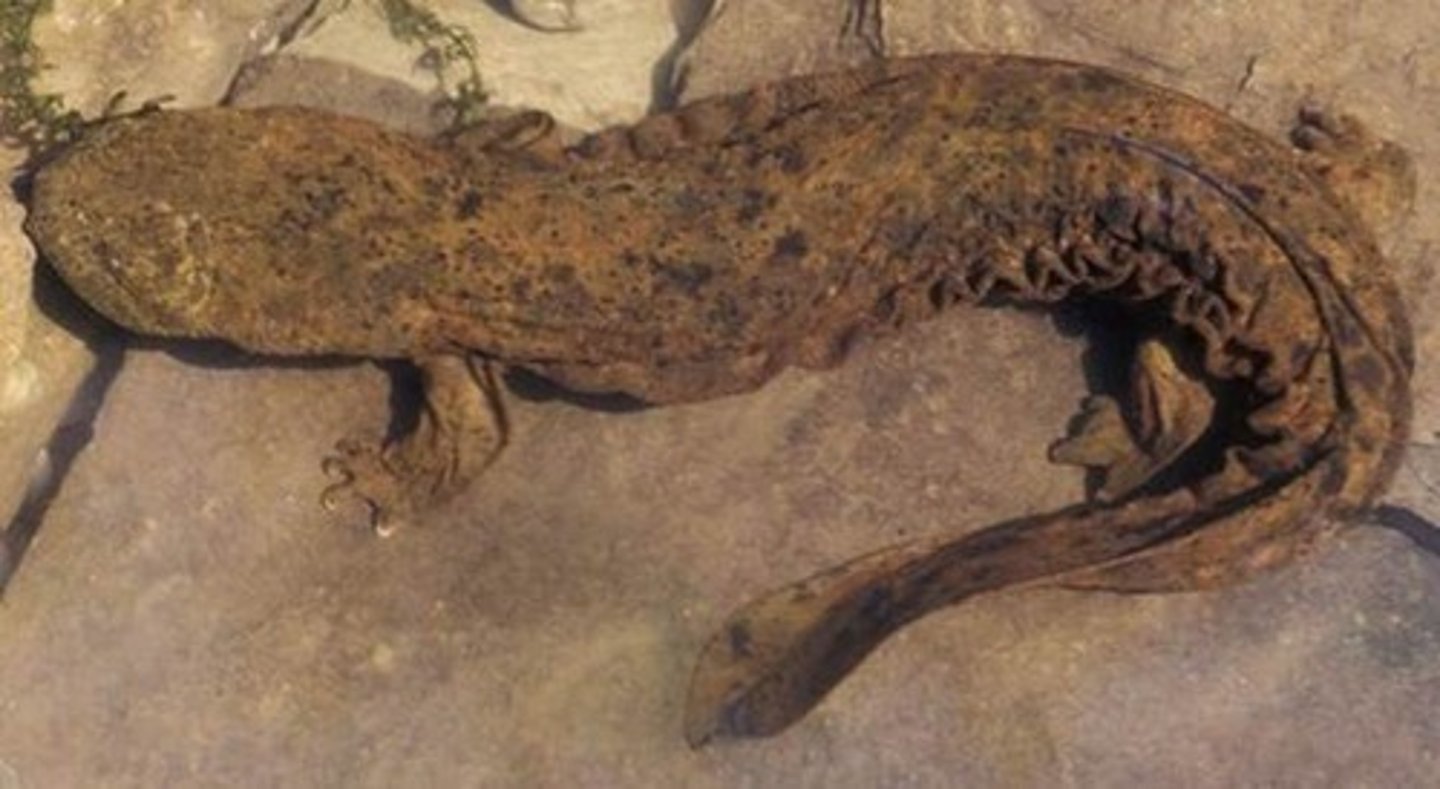
How can you identify Cryptobranchidae?
-Large dorso-ventrally flattened body
-Laterally compressed tail with fin
-Priminent skin folds along side of body
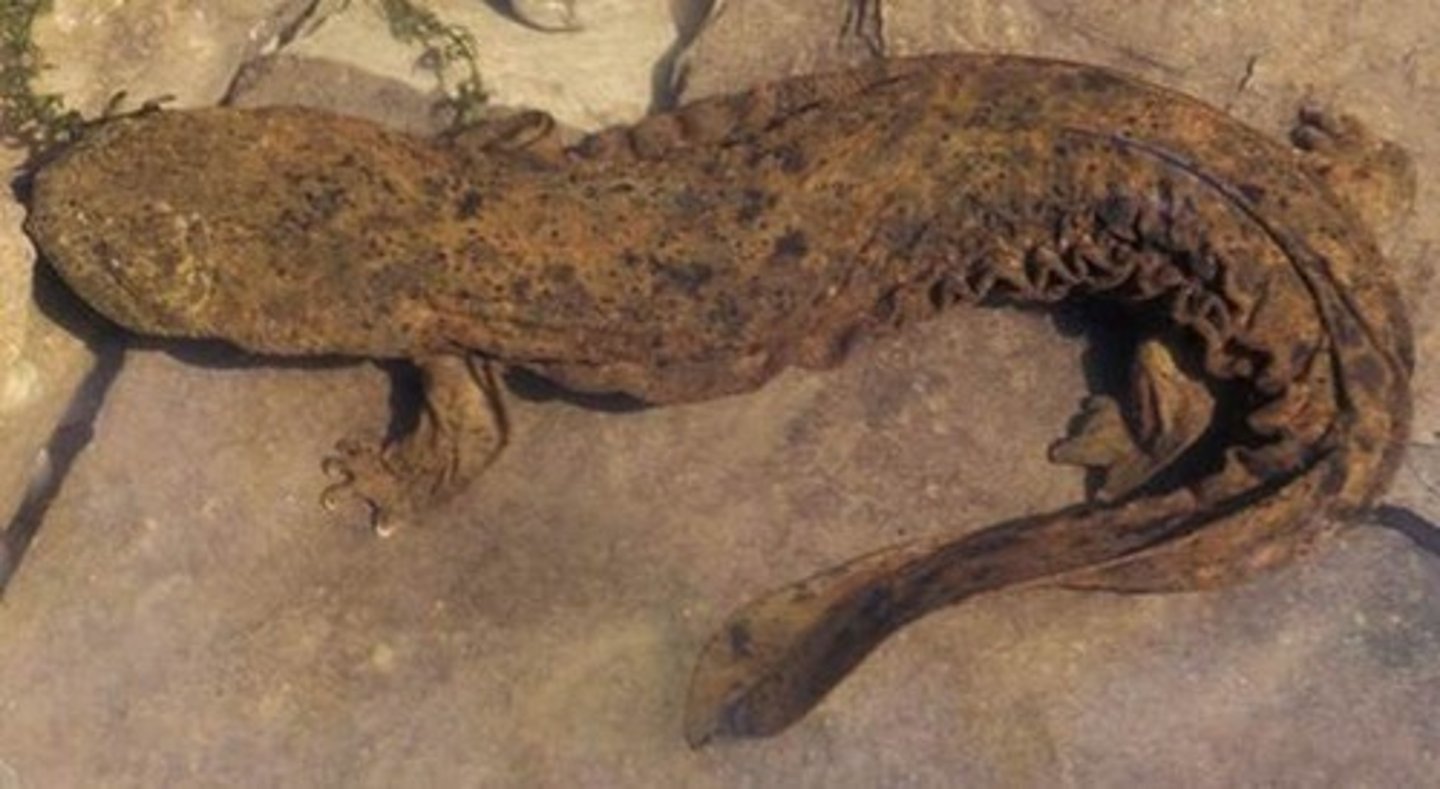
What is the common name of Sirenidae?
Sirens
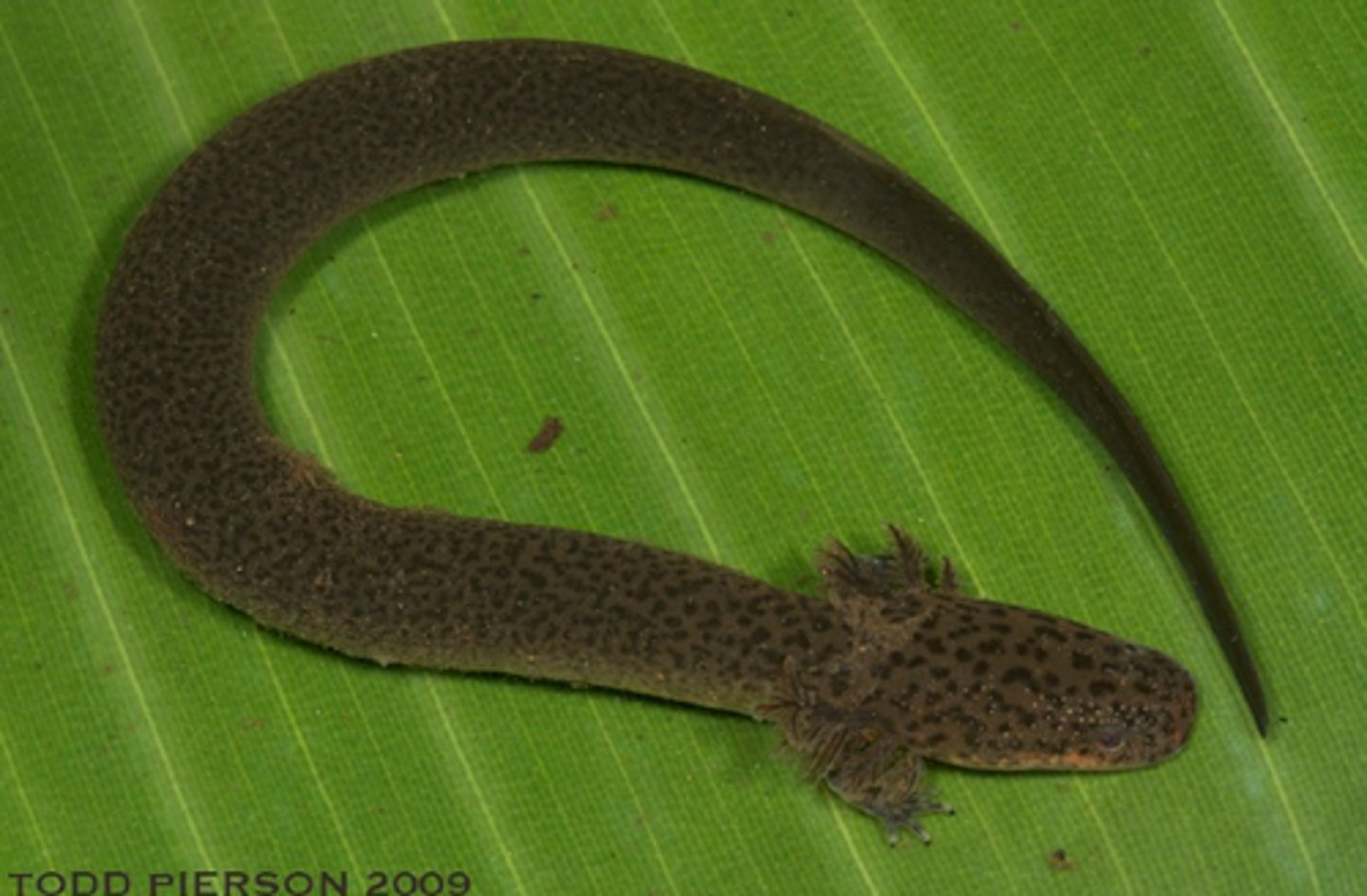
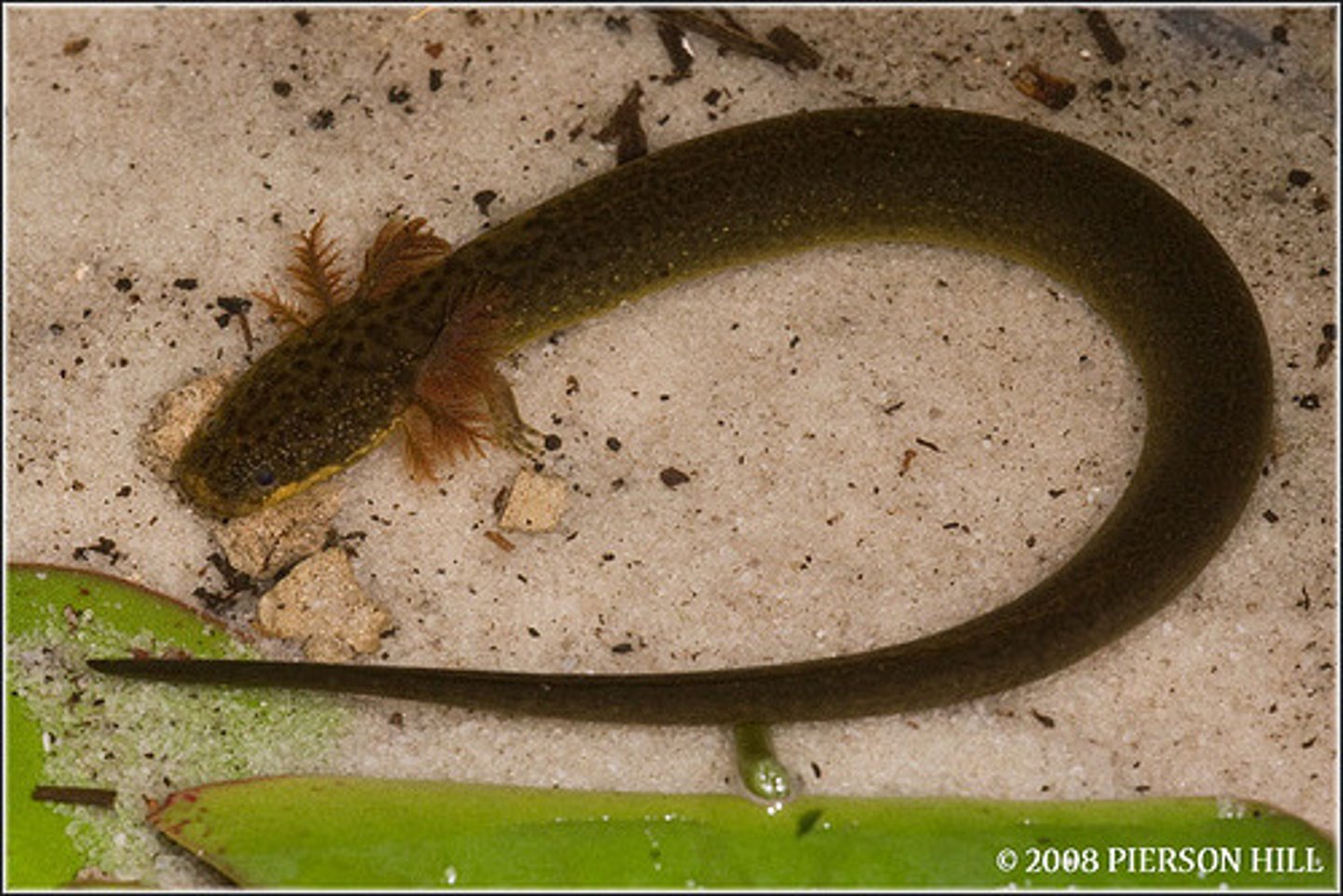
How can you identify Sirenidae?
-Elongate eel-like body
-Laterally compressed tail with fin
-External gills
-Small front limbs
-No hind limbs
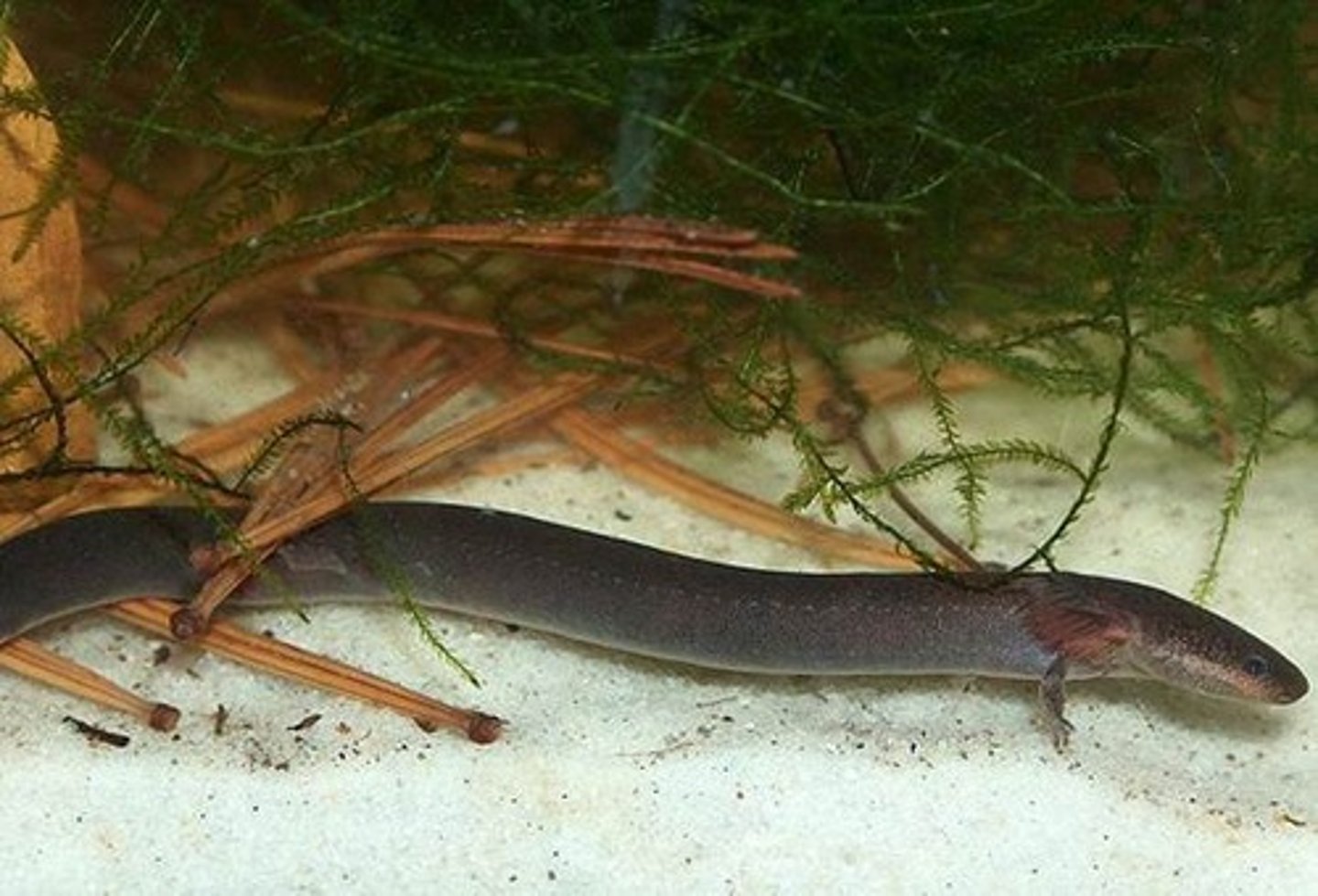
Are Sirenidae fully aquatic?
Yes, they have external gills for respiration.
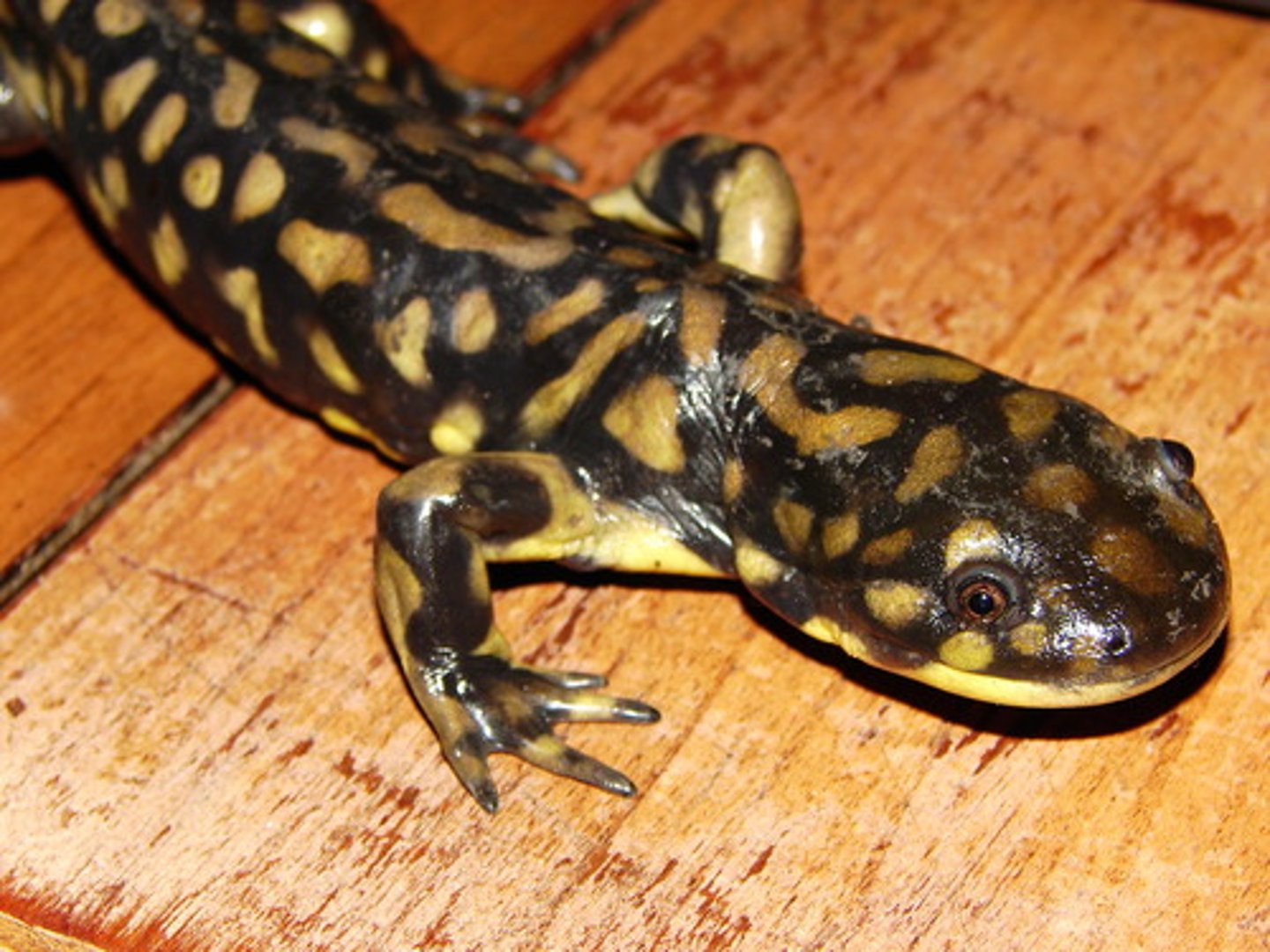
What is the common name of Ambystomatidae?
Mole Salamanders. Includes Tiger and Long-Toed Salamanders.
Which of the Caudata families is found in Alberta?
Ambystomatidae
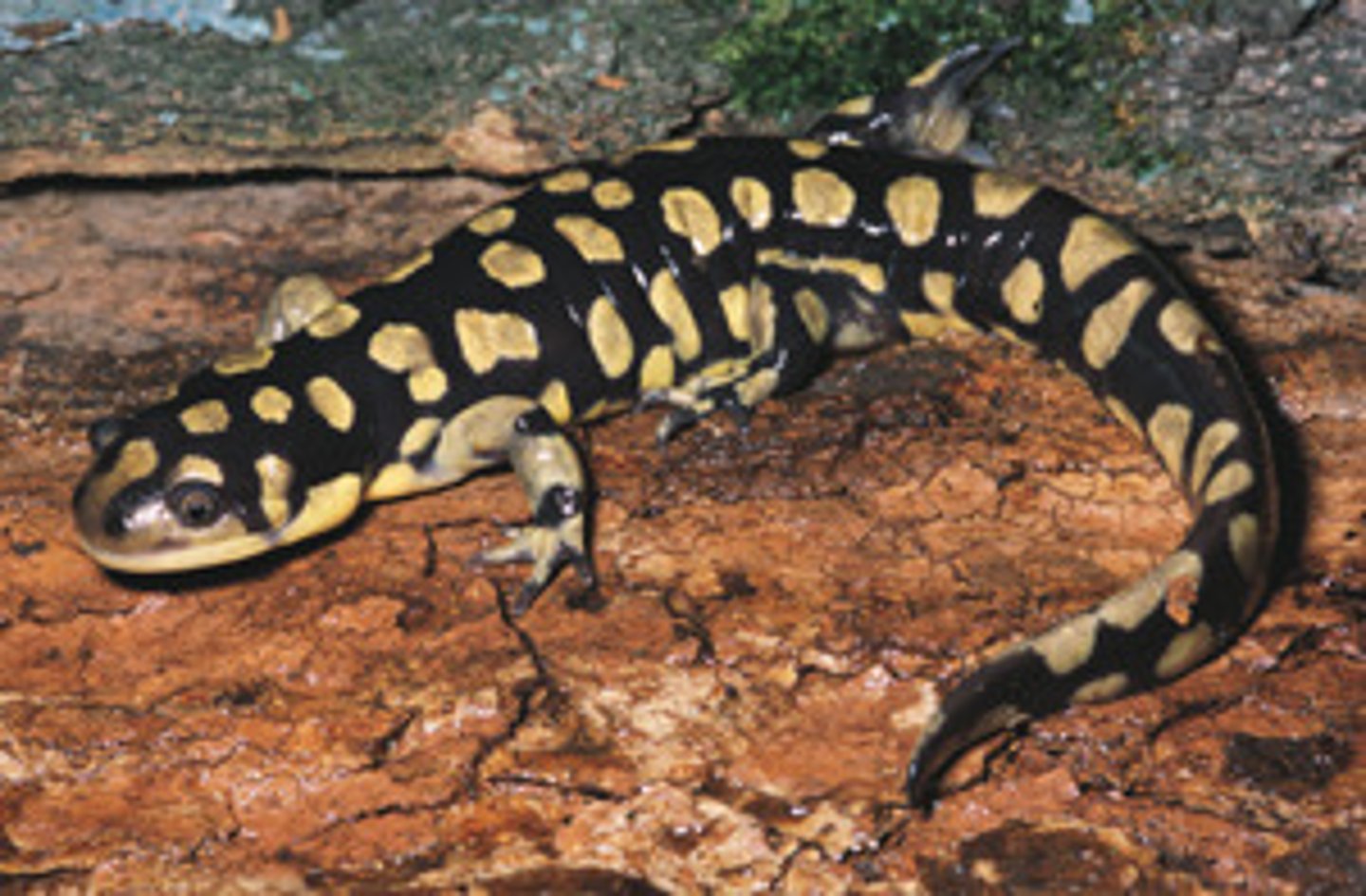
How can you identify Ambystomatidae?
-Stout bodies
-Robust limbs
-Blunt head
-Blotchy pattern
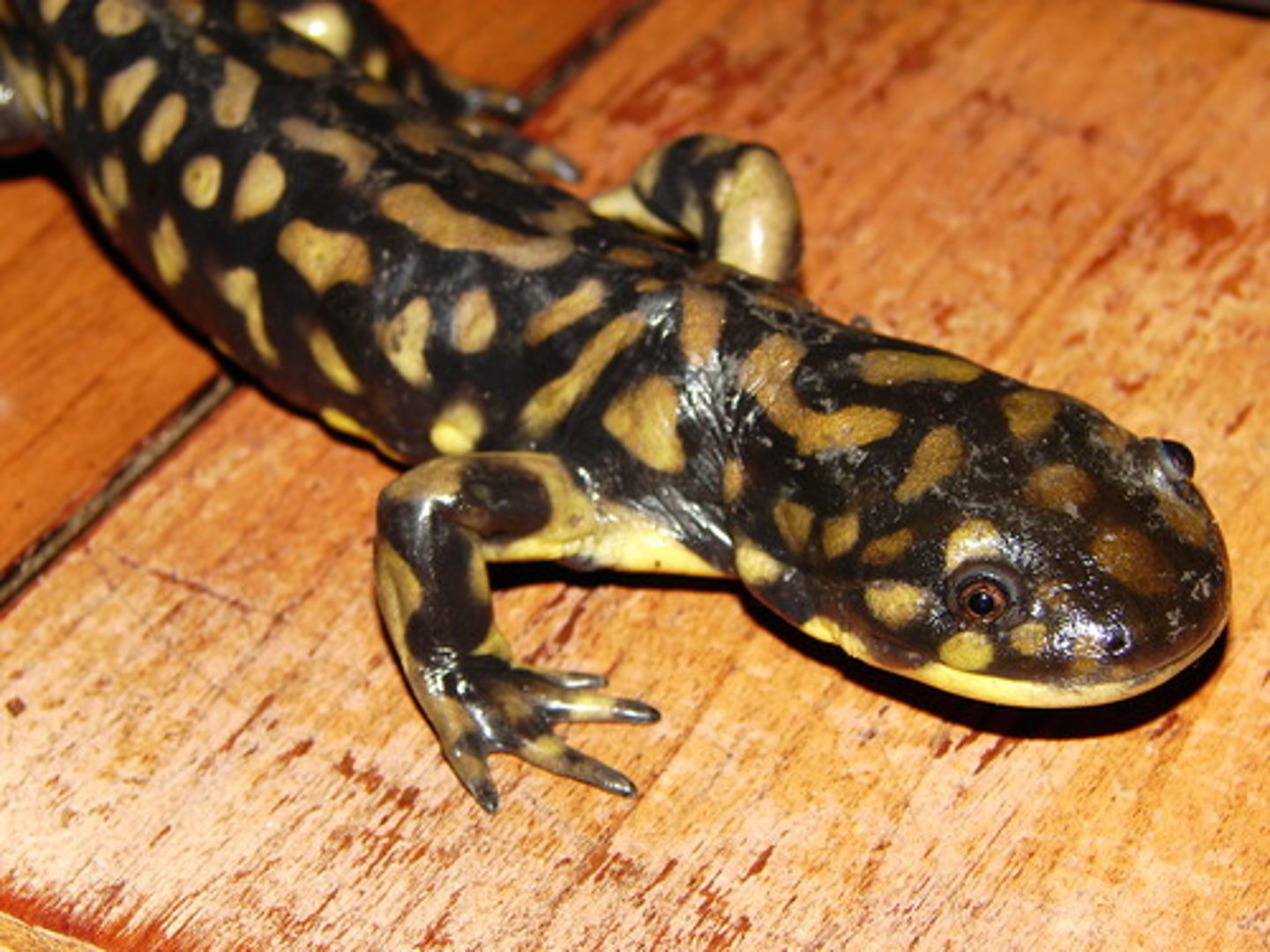
Are Ambystomatidae entirely terrestrial?
Mostly terrestrial when fully metamorphosed. Some paedomorphic populations occur in aquatic habitats to escape predation.
What is the common name for Proteidae?
Mudpuppies
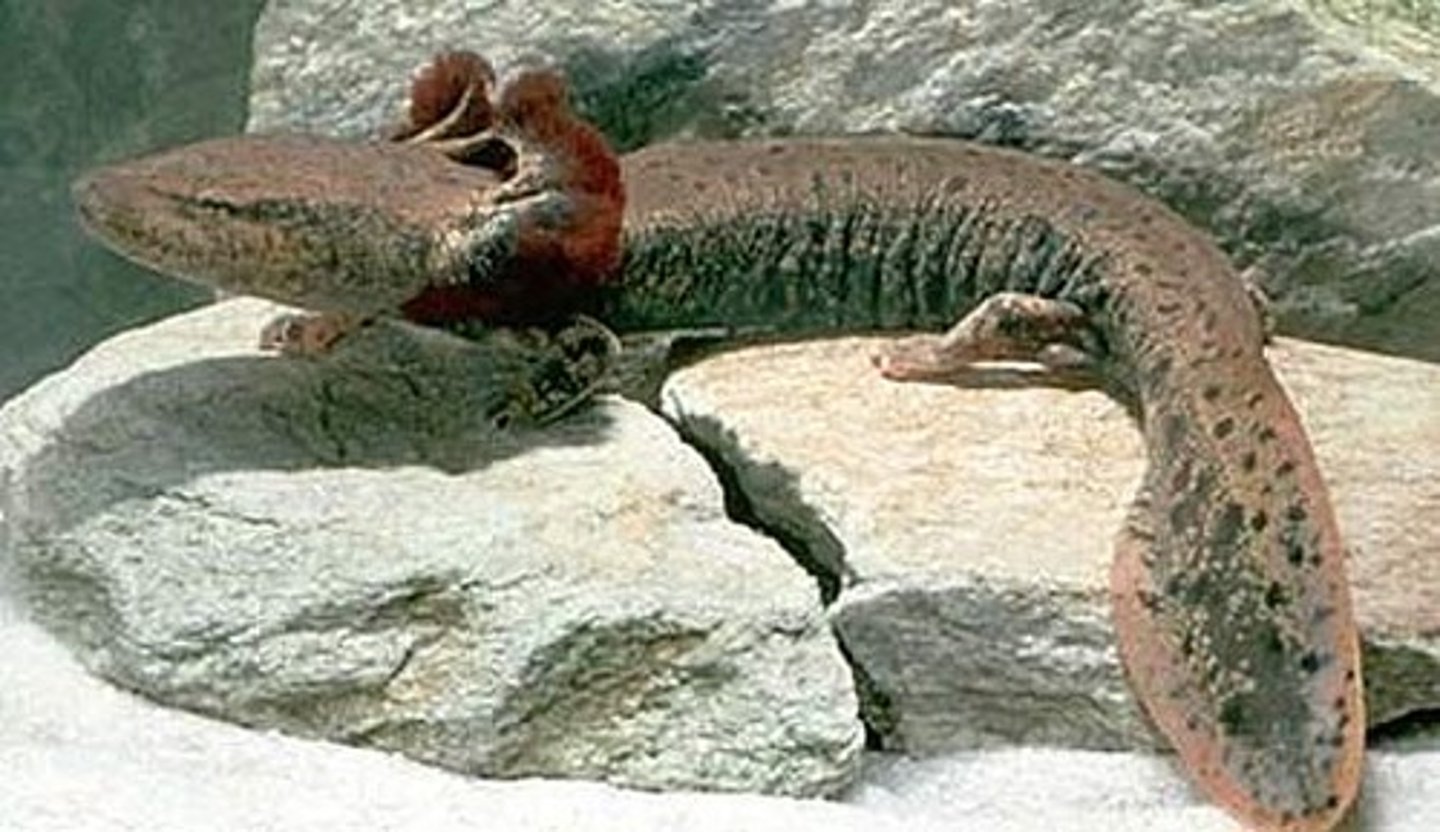
How can you identify Proteidae?
-Medium to large dorso-ventrally flattened body (up to 30cm)
-Laterally compressed tail with fin
-External gills
-Some skin folding
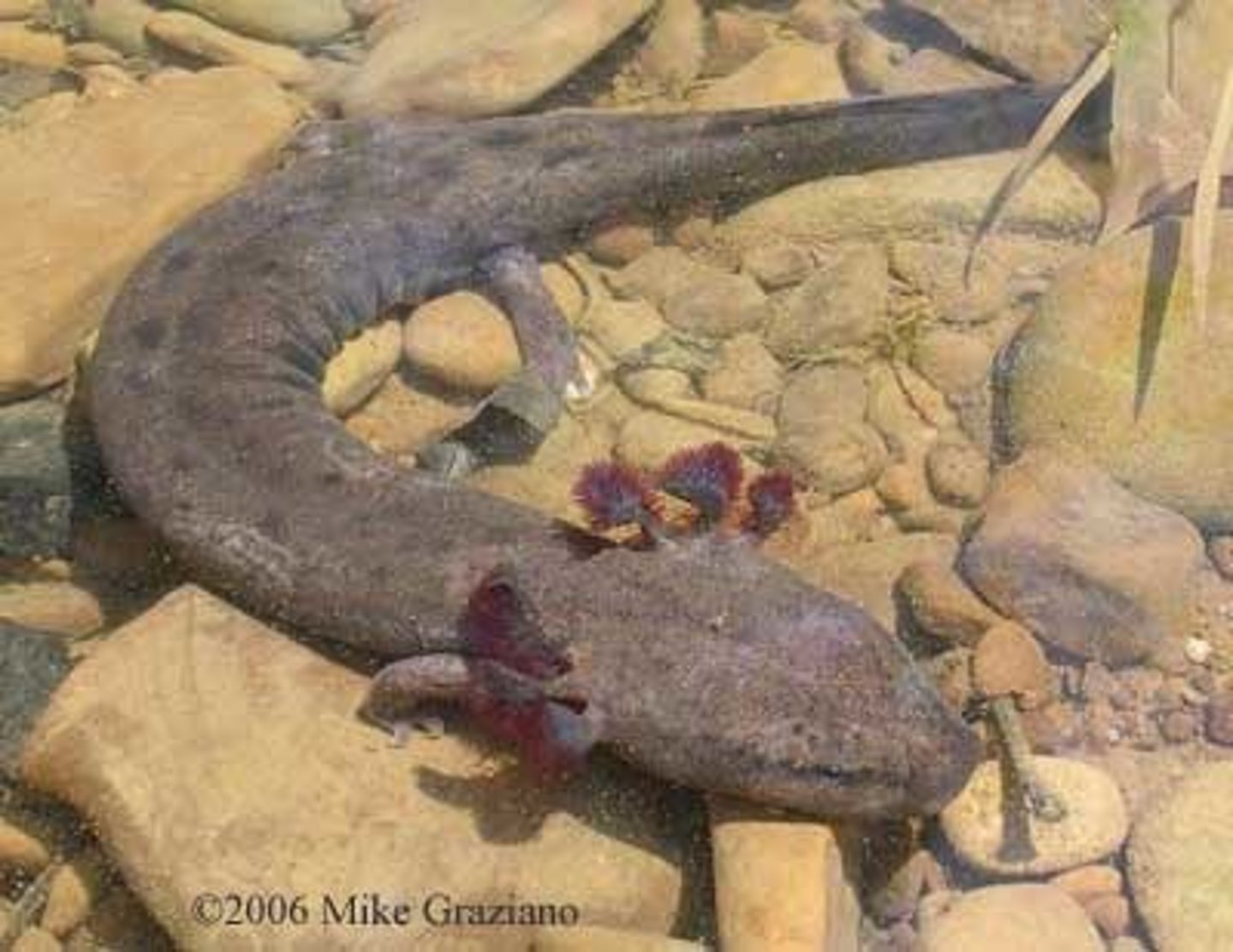
Are Proteidae terrestrial?
No. Fully aquatic.
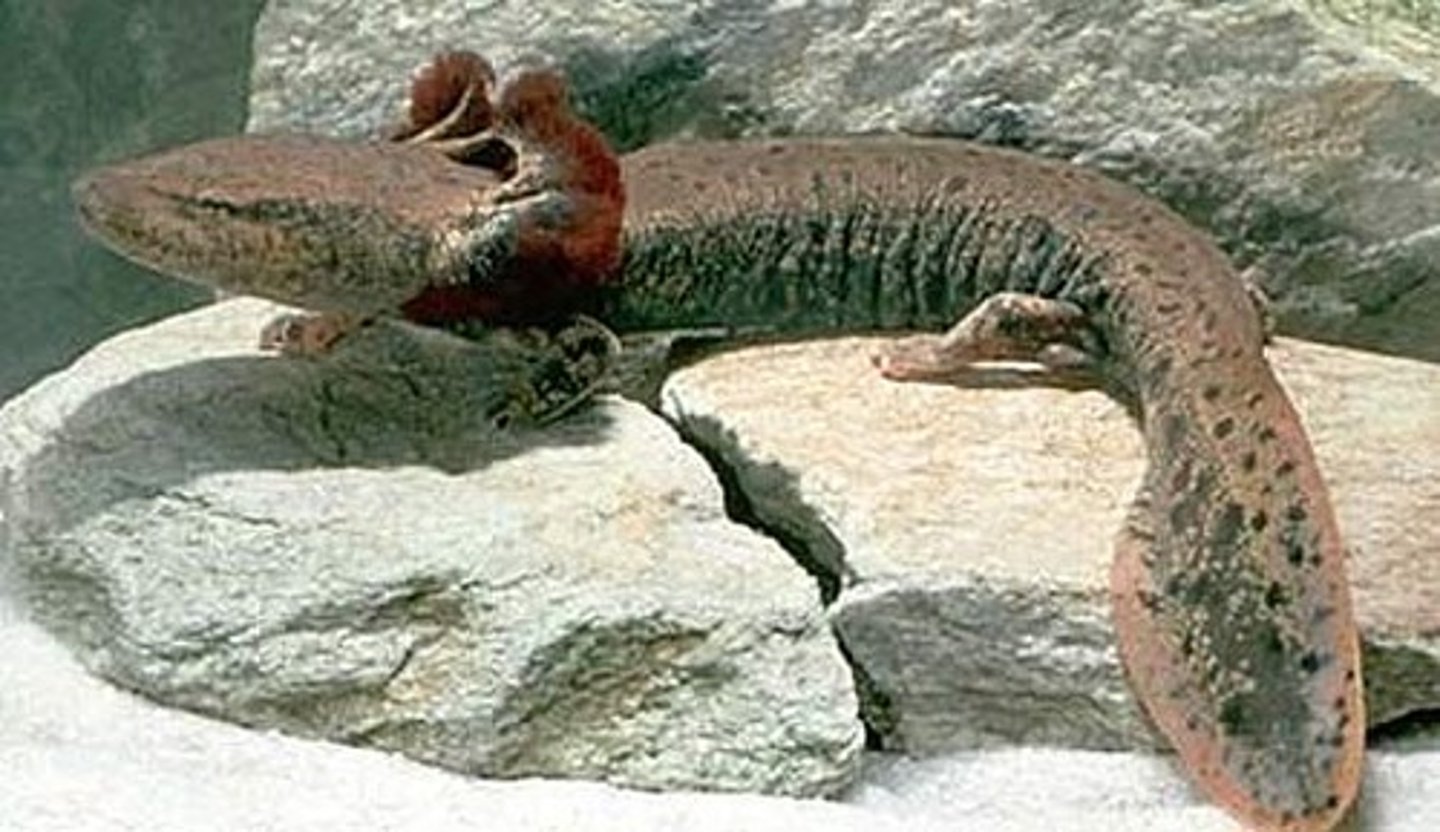
What is the common name for Amphiumidae?
Amphiumas
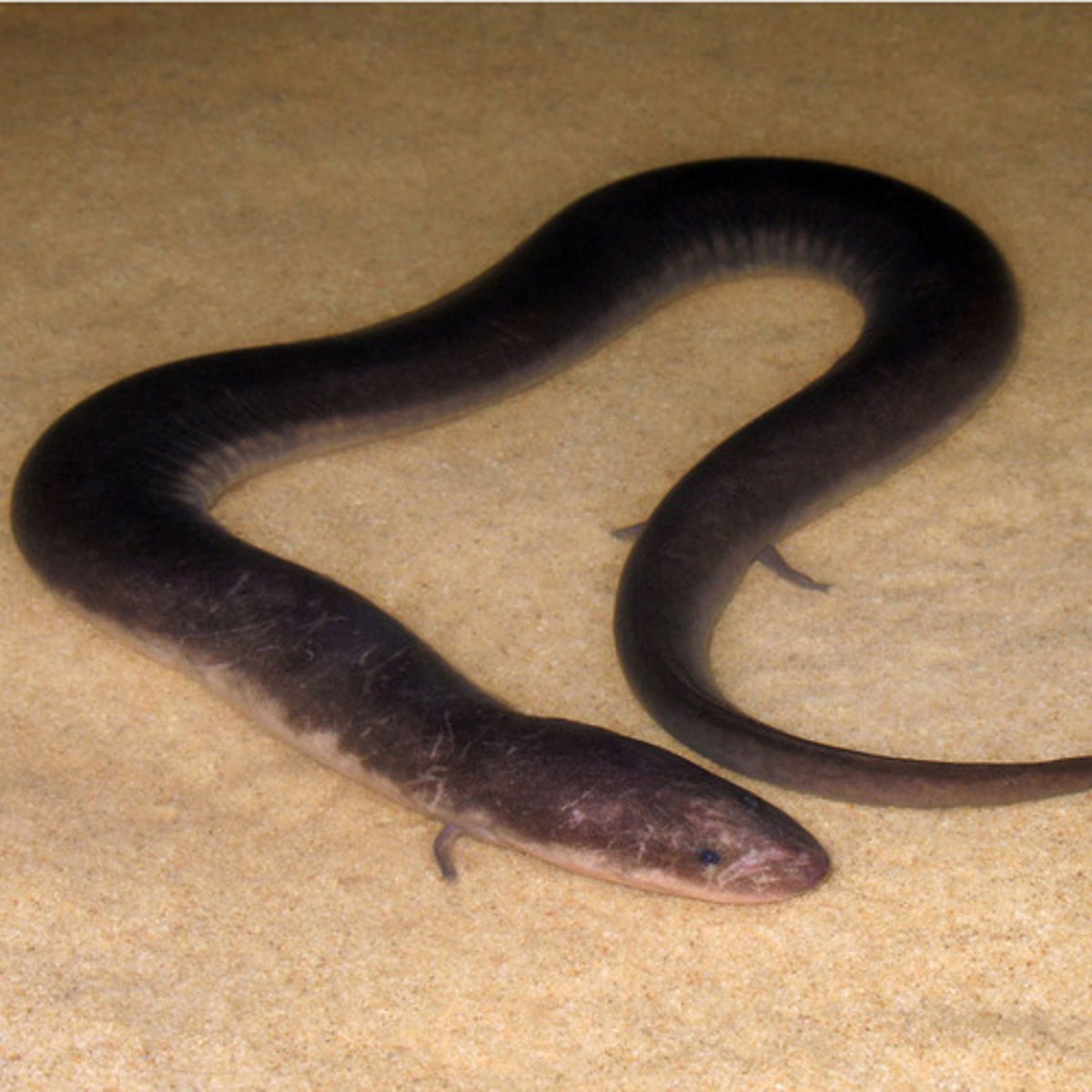
How can you identify Amphiumidae?
-Long body with compressed tail and fin
-No external gills
-Fore and hind limbs present but greatly reduced
-Fully aquatic eel like up to 1m
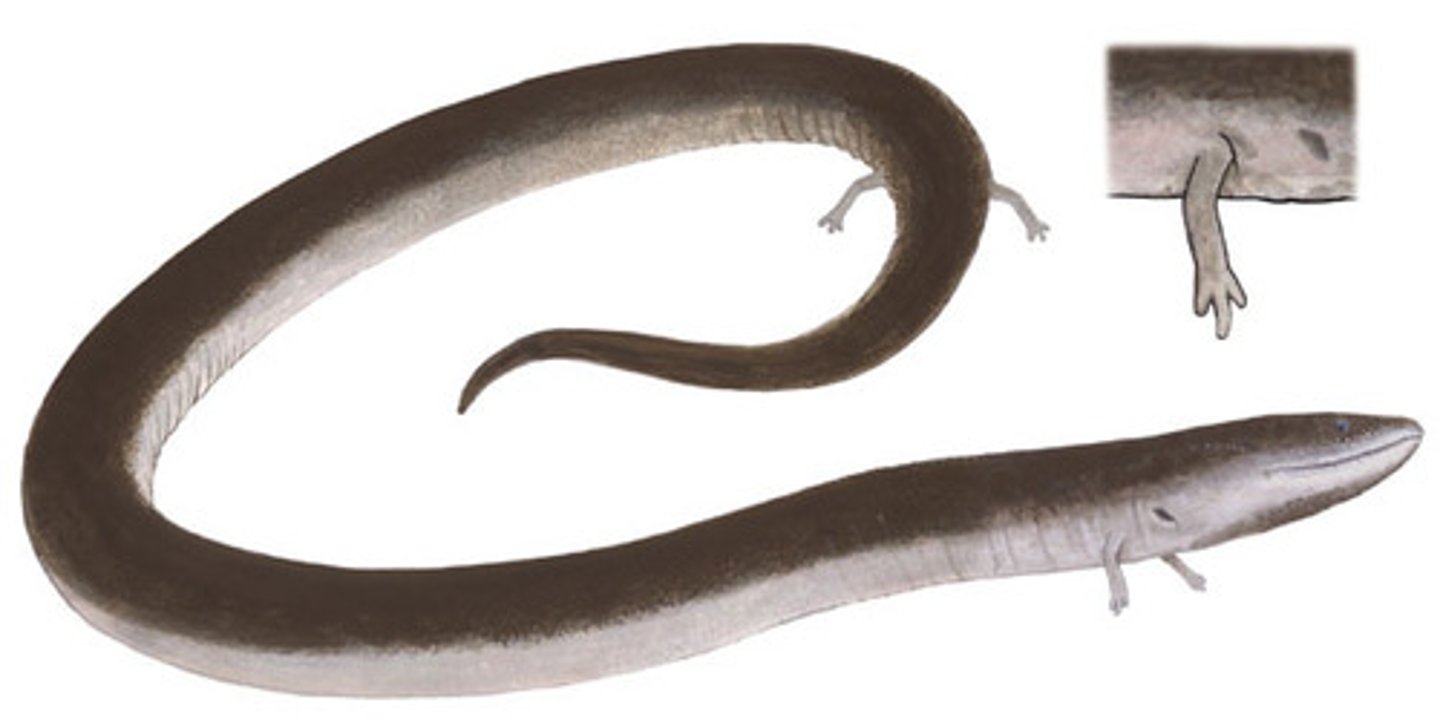
Are Amphiumidae fully aquatic?
Yes
What are the 6 families within Anura?
-Pipidae
-Scaphiopodidae
-Hylidae
-Dendrobatidae
-Ranidae
-Bufonidae
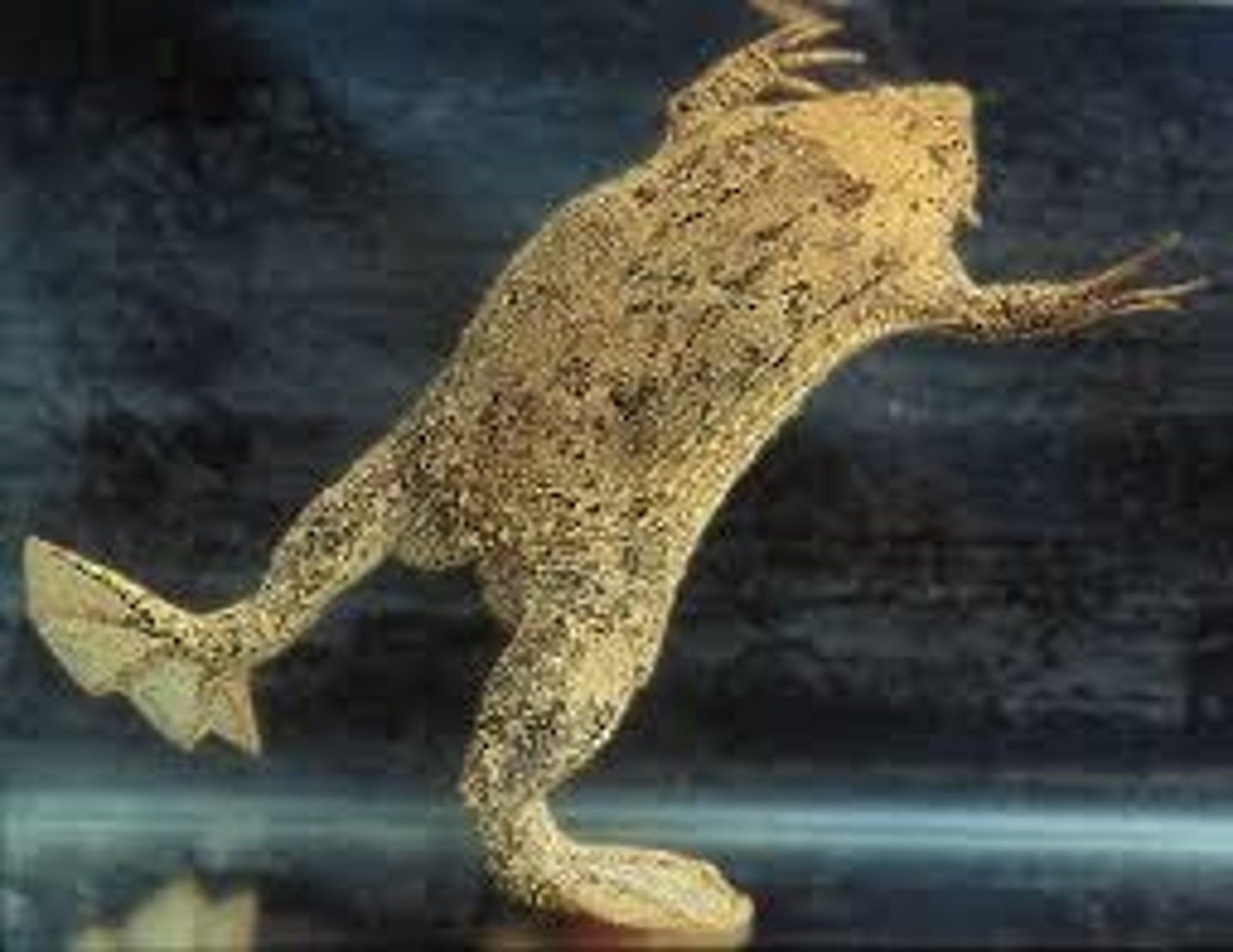
What is the common name of Pipidae?
Clawed frogs
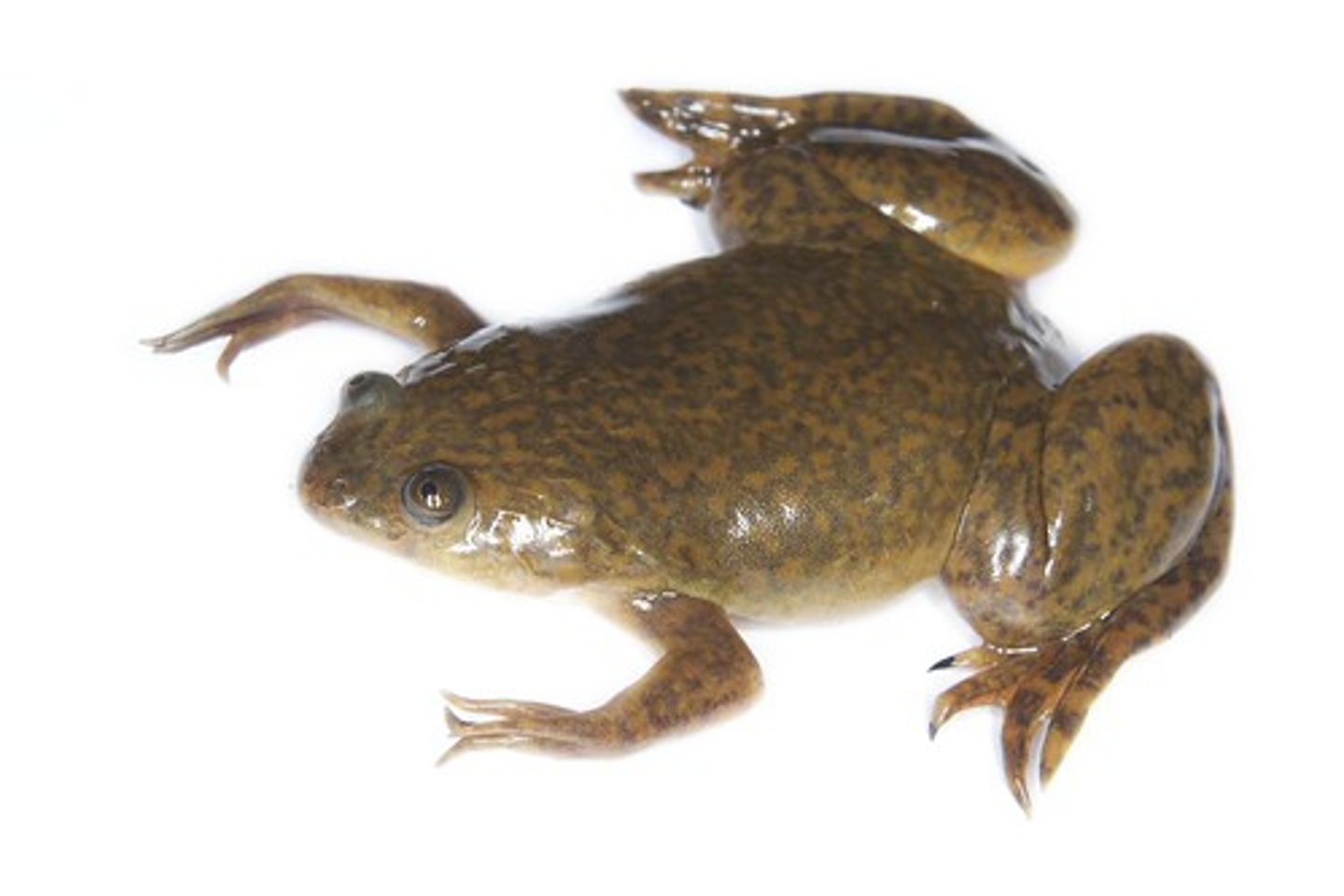
How can you identify Pipidae?
-Flattened body
-Dorsally directed eyes
-Small forelimb/large hindlimb (powerful hindlimb)
-Webbed toes
-Claws on hindfoot
What is the common name of Scaphiopodidae?
Spadefoot toads
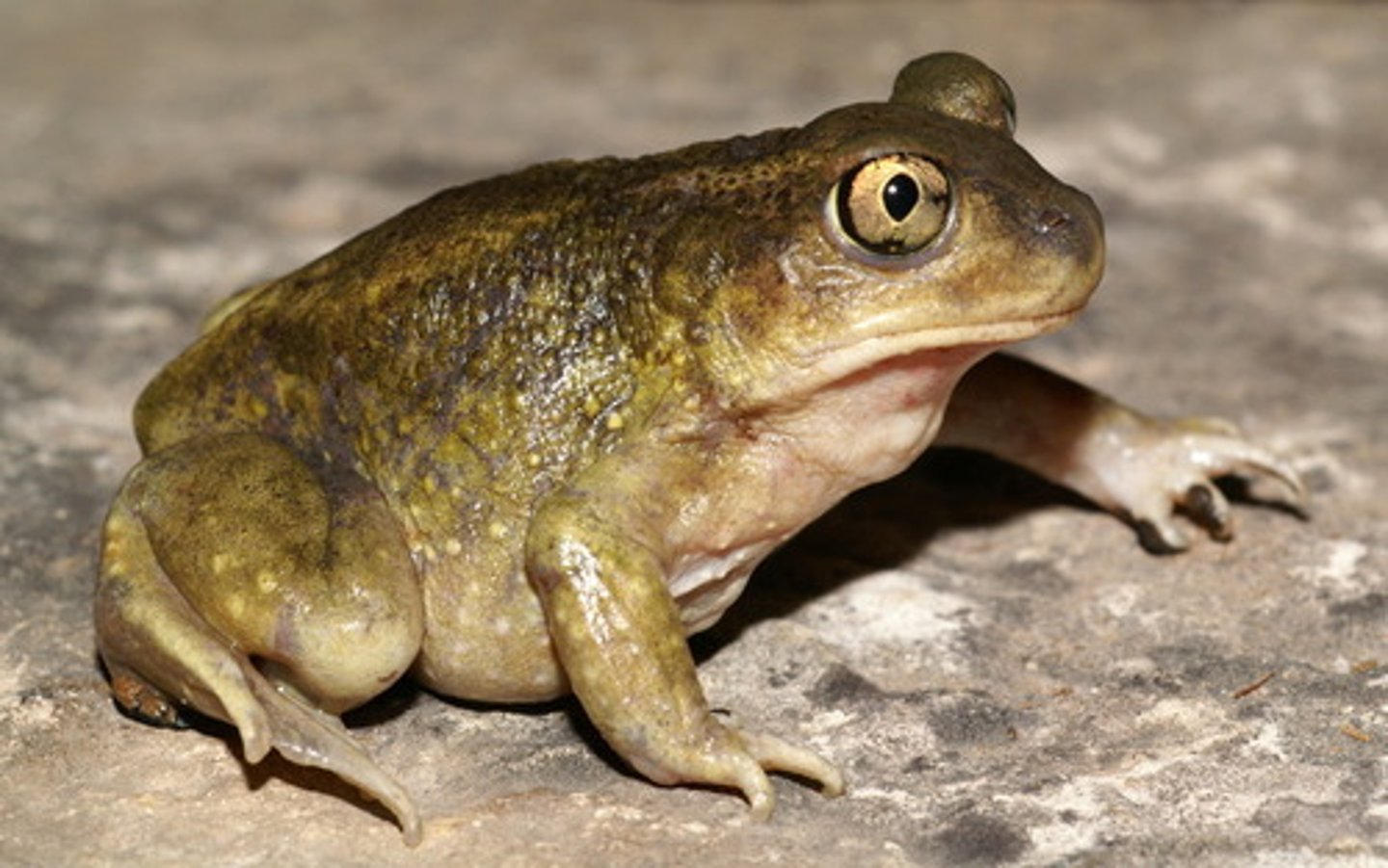
How can you identify Scaphiopodidae?
-Warty but smooth skin
-Vertically oriented pupil
-Crescent shaped claws on hindfeet (burrowing)
Which anurans are found in Alberta?
-Scaphiopodidae
-Hylidae
-Ranidae
-Bufonidae
 Note
Note  Flashcards (91)