Microbiology Final
 Studied by 0 people
 Call Kai
 Learn
Learn Practice Test
 Spaced Repetition
 Match
Match Flashcards
 Knowt Play
1/196

There's no tags or description
Looks like no tags are added yet.
Name | Mastery | Learn | Test | Matching | Spaced | Call with Kai |
|---|
No analytics yet
Send a link to your students to track their progress
197 Terms
Known for disproving spontaneous generation. His work on fermentation and pasteurization revolutionized the understanding of microbial processes.
Louis Pasteur
Introduced aseptic techniques in surgery, significantly reducing infections
Joseph Lister
Established a method to link specific microbes to specific diseases.
Robert Koch
Discovered penicillin, the first true antibiotic, which transformed medical treatment of bacterial infections.
Alexander Fleming
DNA is typically a single, circular chromosome that is not enclosed within a nuclear membrane. ells are typically 0.2 to 2.0 micrometers in diameter, much smaller than eukaryotic cells.
Prokaryotes
Generally lack membrane-bound organelles such as nuclei, mitochondria, and chloroplasts. Some bacteria have microcompartments, but these are not enclosed by a phospholipid bilayer.
Prokaryotes (4)
Cell walls contain peptidoglycan, a complex polysaccharide, which provides structural support.
Prokaryotes (2)
Usually reproduce by binary fission, a simpler process than eukaryotic mitosis.
Prokaryotes
Cells are typically 0.2 to 2.0 micrometers in diameter, much smaller than eukaryotic cells.
Prokaryotes (3)
Have a true nucleus enclosed by a nuclear membrane, containing multiple linear chromosomes associated with histones.
Eukaryotes (2)
They possess membrane-bound organelles such as mitochondria, endoplasmic reticulum, Golgi complex, lysosomes, and sometimes chloroplasts, which perform specific functions within the cell.
Eukaryotes
Cell walls are chemically simple, often composed of cellulose or chitin.
Eukaryotes (3)
Cells divide by mitosis, ensuring that each daughter cell receives an identical set of chromosomes.
Eukaryotes
Cells range from 10 to 100 micrometers in diameter.
Eukaryotes (4)
Differences between Prokaryotes and Eukaryotes
1. Prokaryotes do not have a nucleus.
2. Prokaryotes are much less complex.
3. Prokaryotes are generally smaller.
What are the 3 domains?
Bacteria, Archaea, Eukarya
What are the 5 kingdoms?
Monera, Protista, Fungi, Plantae, Animalia
The highest level of taxonomy hierarchy, which groups organisms based on fundamental differences in their cell structure.
Domain
Within each domain, organisms are further divided into_________.
Kingdom
List the taxonomic hierarchies...
Domain, Kingdom, Phylum, Class, Order, Family, Genus, Species
In Binomial nomenclature, each organism is assigned a ________name and a specific _________ name.
genus, species
In Binomial nomenclature, both names are ________ or. For instance, Escherichia coli
italicized, underlined
In Binomial nomenclature the genus name is __________ , while the species name is ____________ .
capitalized, lowercase
What is total magnification using a Compound Light Microscope?
the ocular lens (10x) times objective lens
What are the elements of good microscopy?
resolution, magnification, contrast, illumination
What does TEM stand for?
transmission electron microscope
When would you use a TEM?
small samples at near-atomic resolution
What does SEM stand for?
scanning electron microscope
When would you use a SEM?
if you need to look at a relatively large area and only need surface details
What is the purpose of staining?
Increase Contrast, Highlight Structures, Differentiation
What is gram staining?
Gram staining is a procedure by which bacteria can be classified by the ability of the cell wall to absorb a crystal violet dye, followed by a red safranin counterstain.
What color is gram positive bacteria?
purple
What color is gram negative bacteria?
Turns pink, can't be stained, THIN cell wall
What is purpose of capsule staining?
to reveal the presence of the bacterial capsule
What is the purpose of acid-fast staining?
To differentiate cells that contain mycolic acid from those that don't
What is the initial stain in the Schaeffer-Fulton endospore staining method?
Malachite green
What is the counterstain in the Schaeffer-Fulton endospore staining method?
Safranin
In the Schaeffer-Fulton endospore staining method, endospores appear _______, while the rest of the cell is_____.
green, pink
What kind of cell walls do gram positive (purple) bacteria have?
thick peptidoglycan and teichoic acids
What kind of cell wall do gram negative (pink) bacteria have?
Thin Peptidoglycan Layer with an outer lipopolysaccharides (LPS) membrane
What makes gram negative bacteria more virulent?
the LPS outer layer more resistant to antibiotics, have porins restrict entry of harmful substances and they produce endotoxins
Coccus (cocci)
spherical
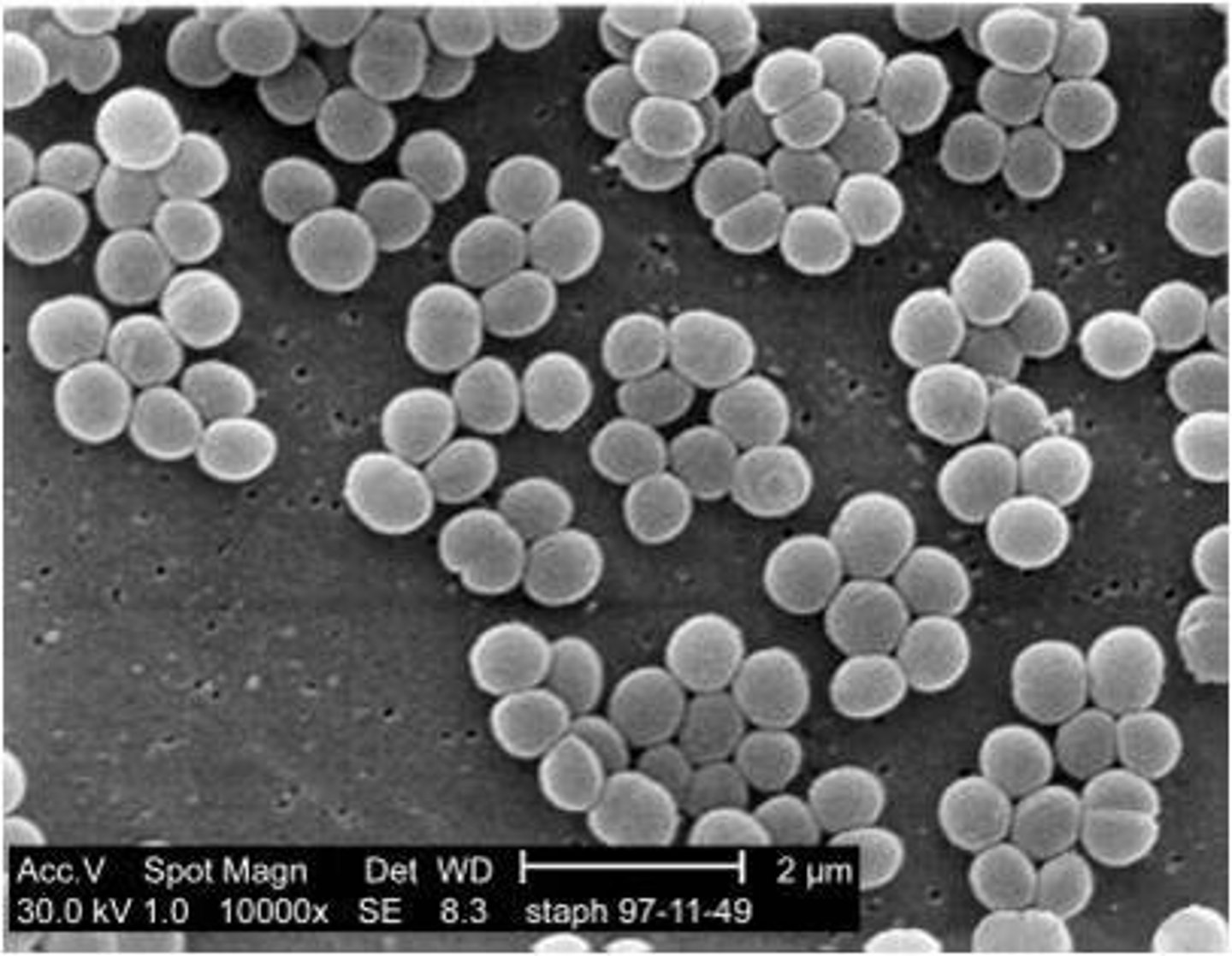
diplococci
cocci growing in pairs
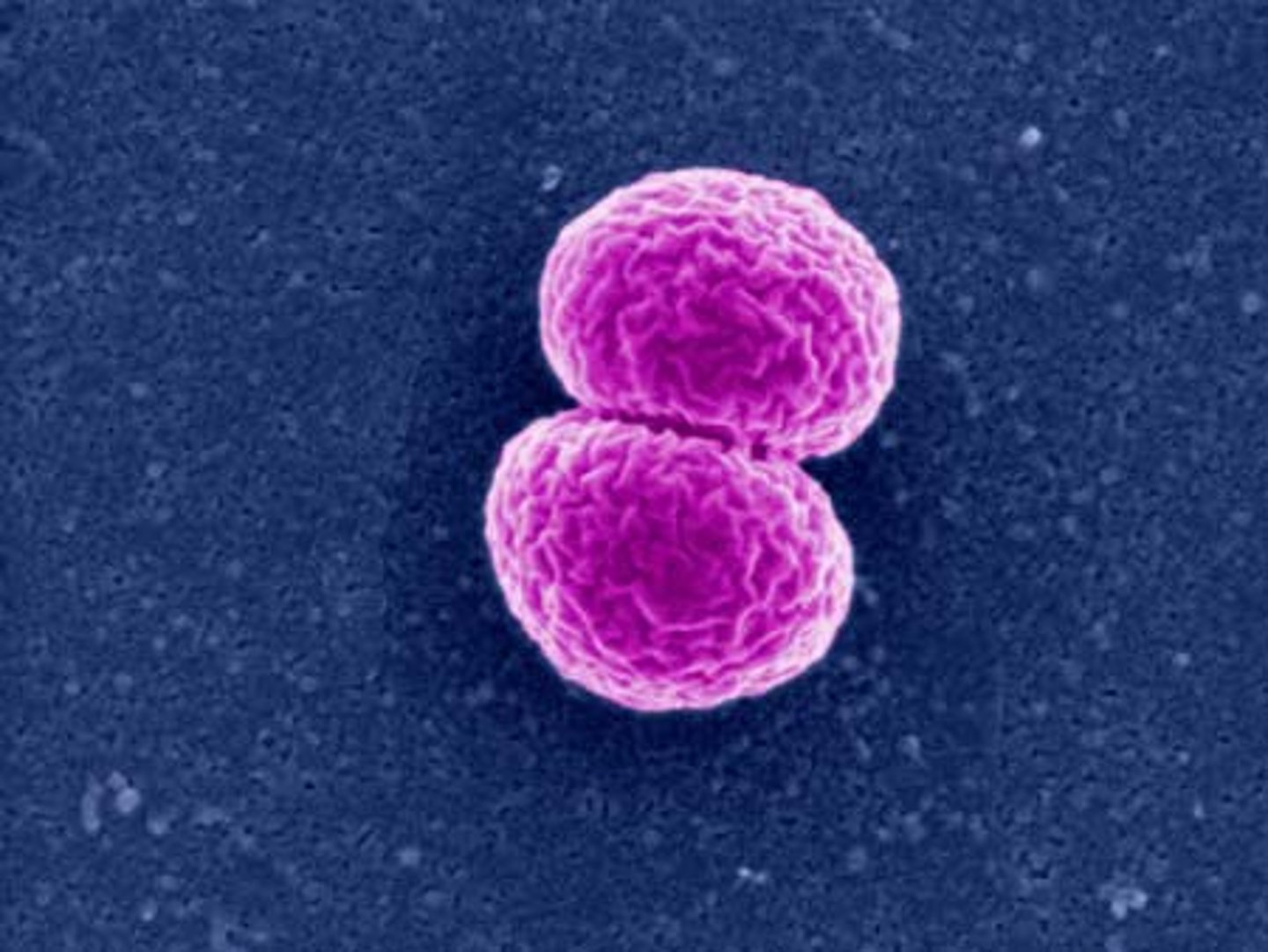
streptococci
bacteria that form a chain
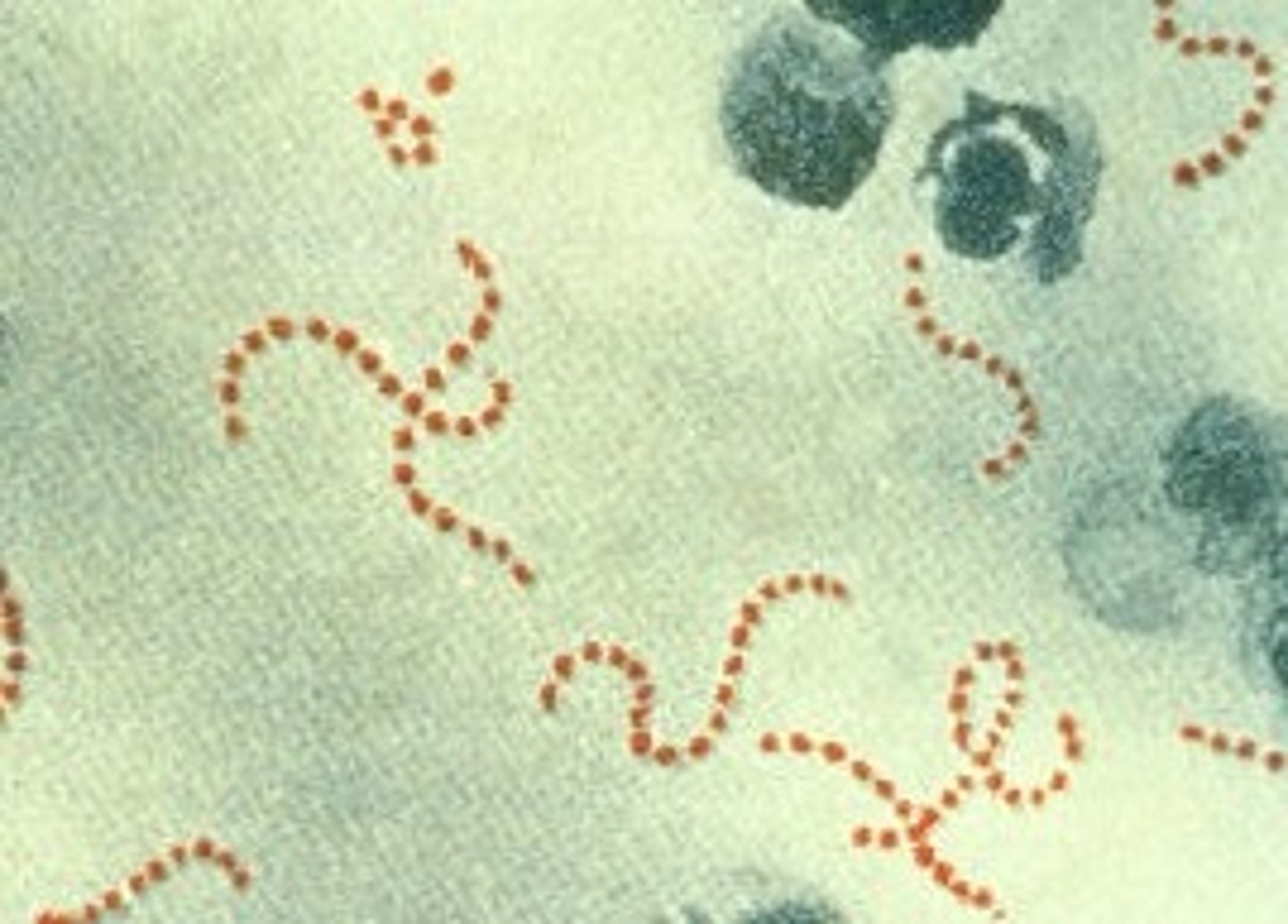
staphylococci
grape-like clusters
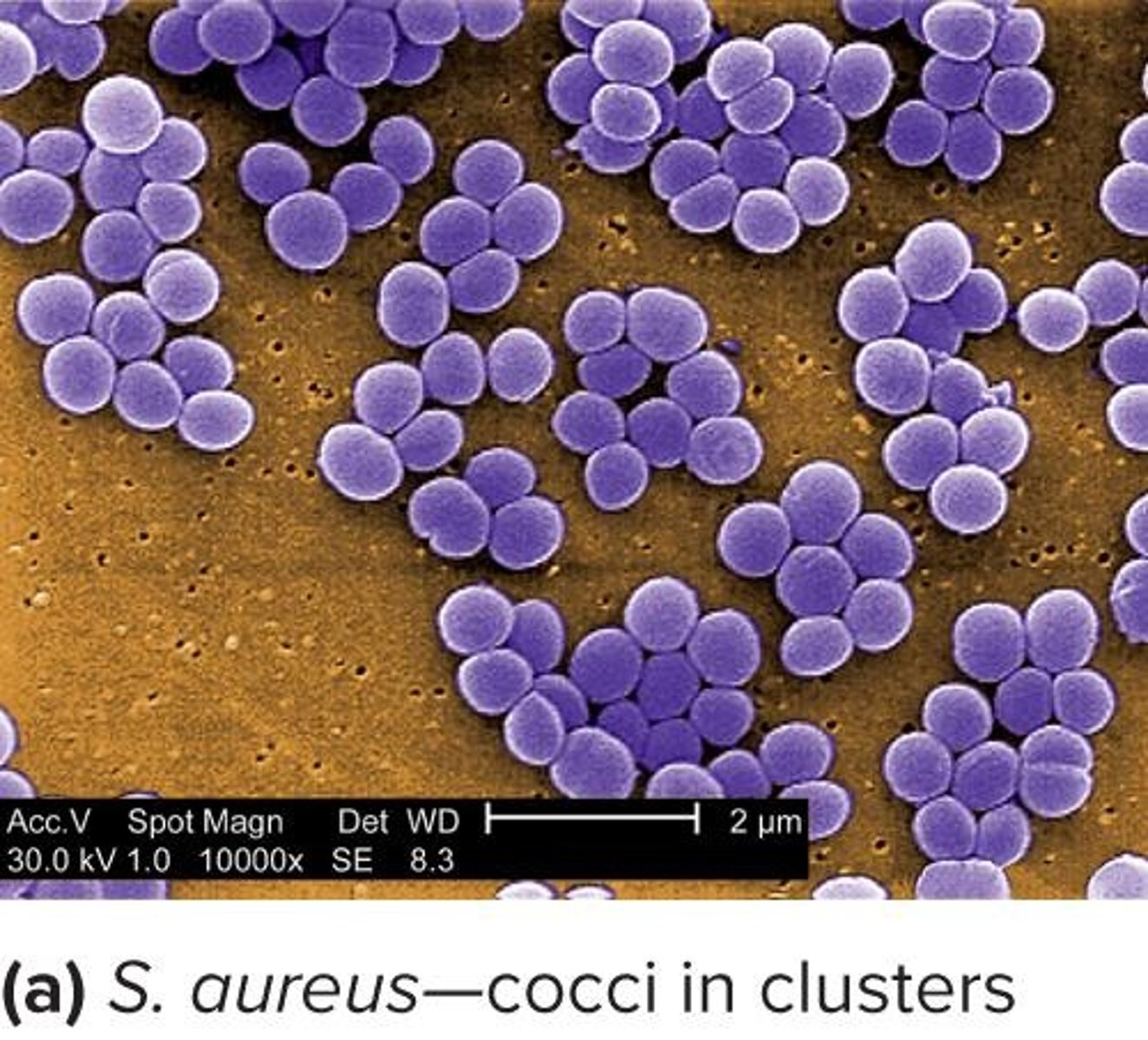
Bacillus (Bacilli)
rod shaped
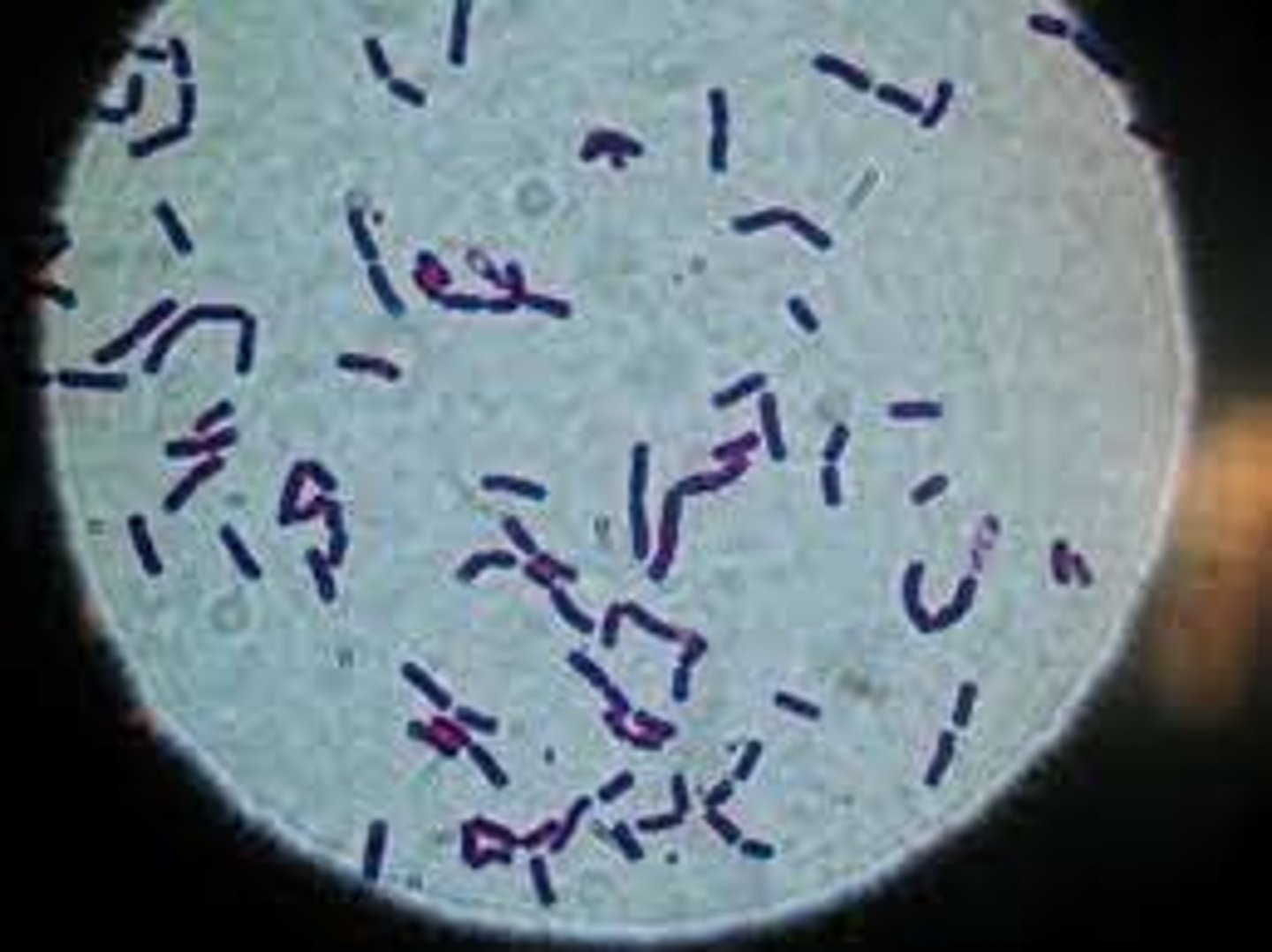
diplobacilli
pairs of bacilli
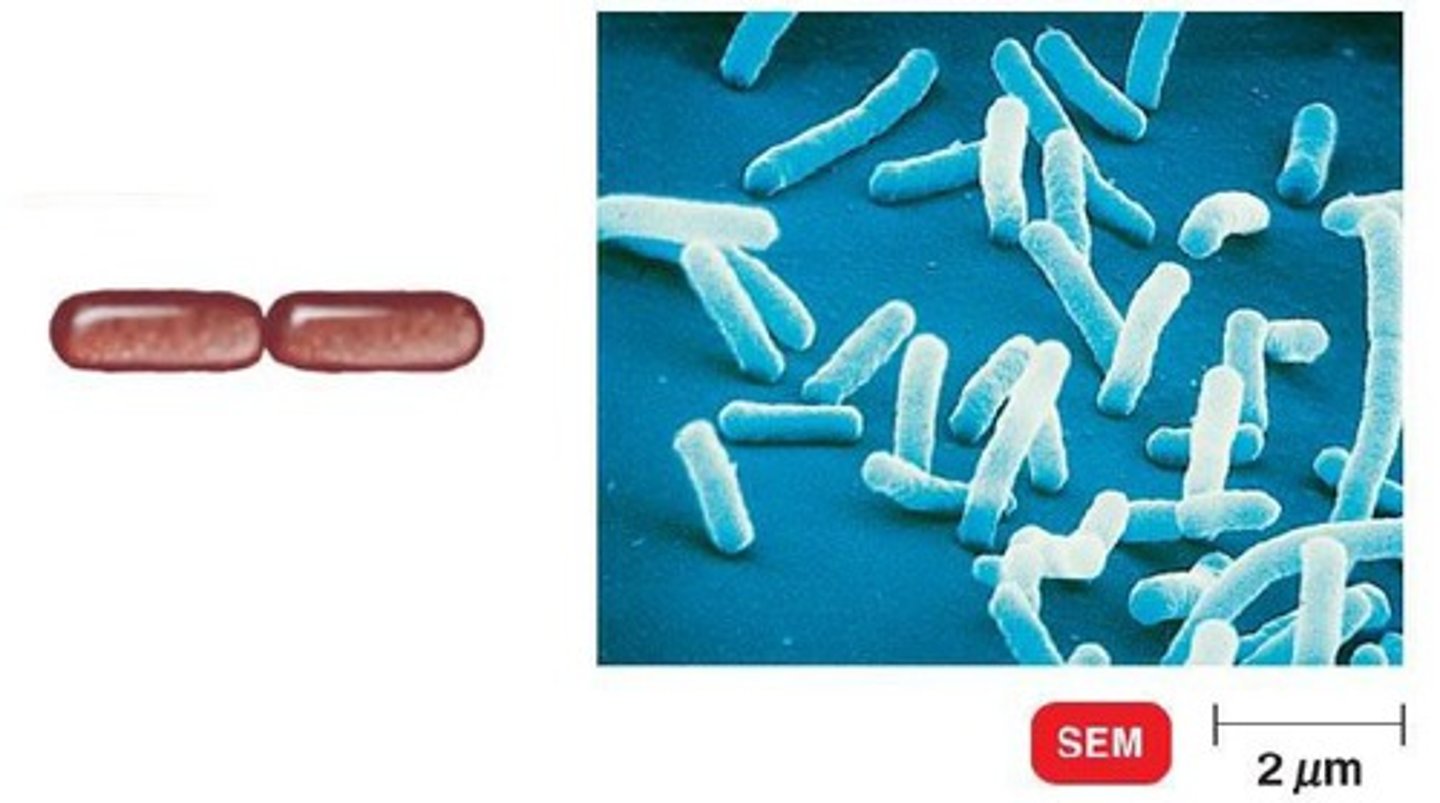
streptobacilli
chains of bacilli
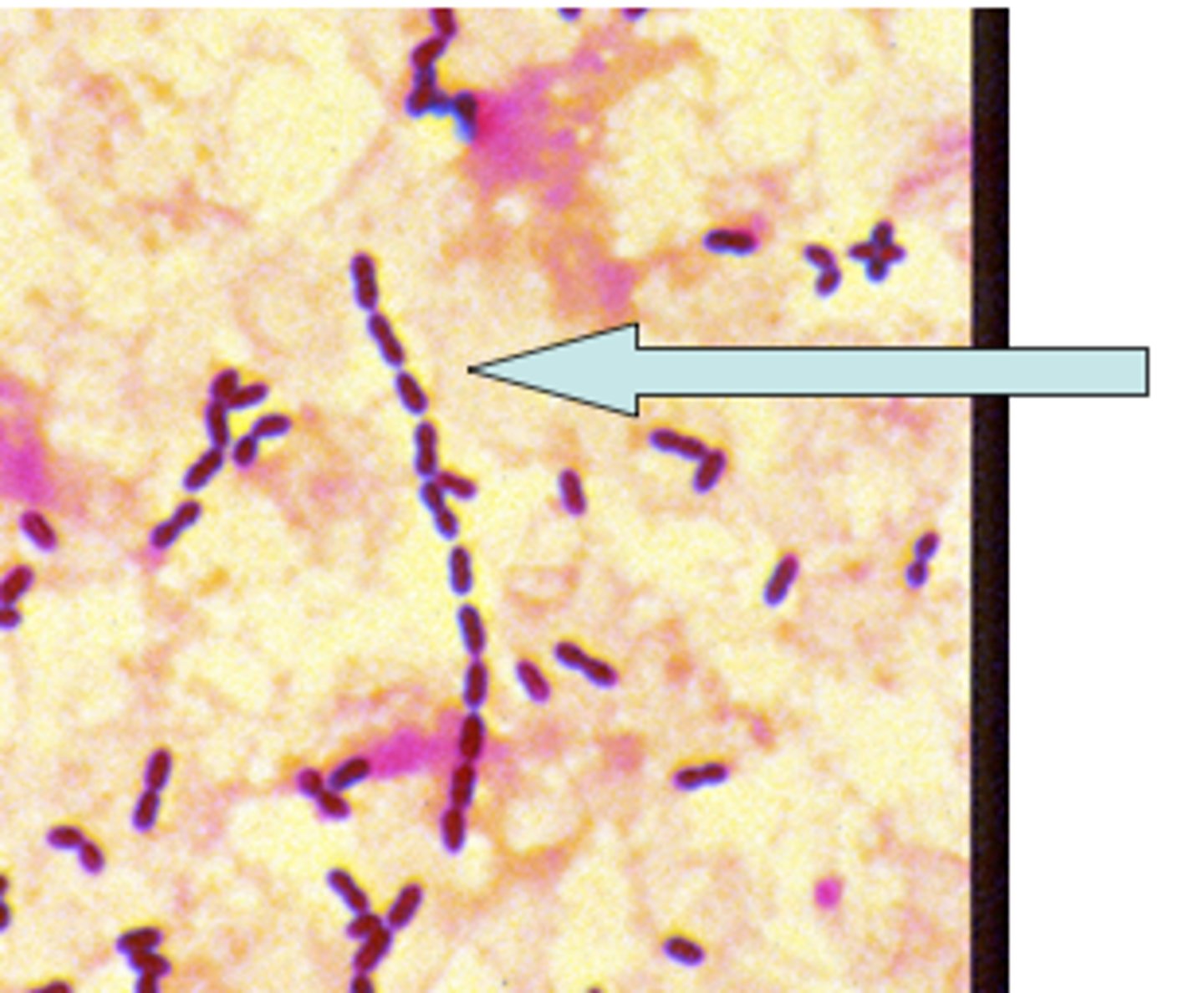
Spirillum
spiral shape
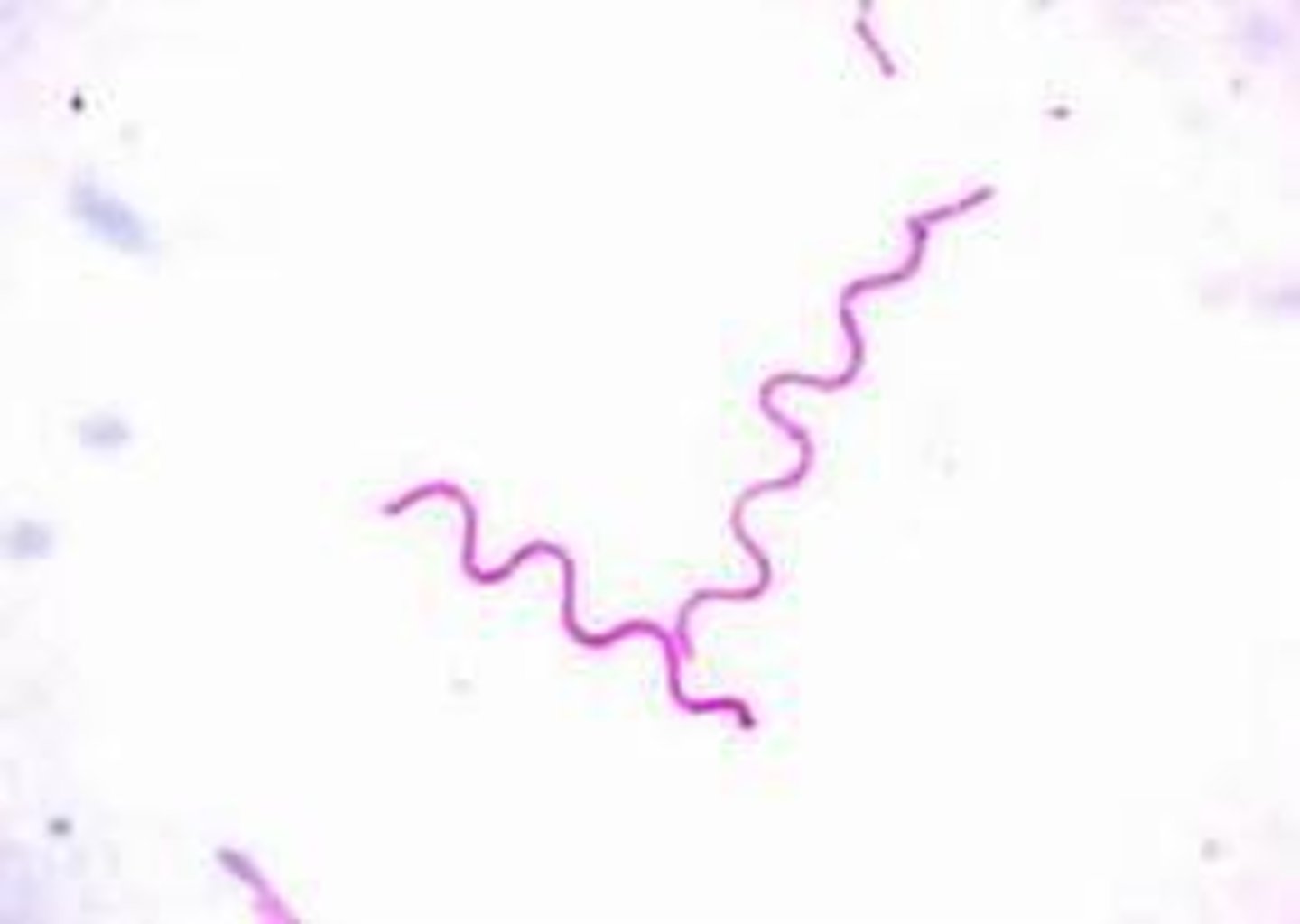
Vibrio
comma shaped
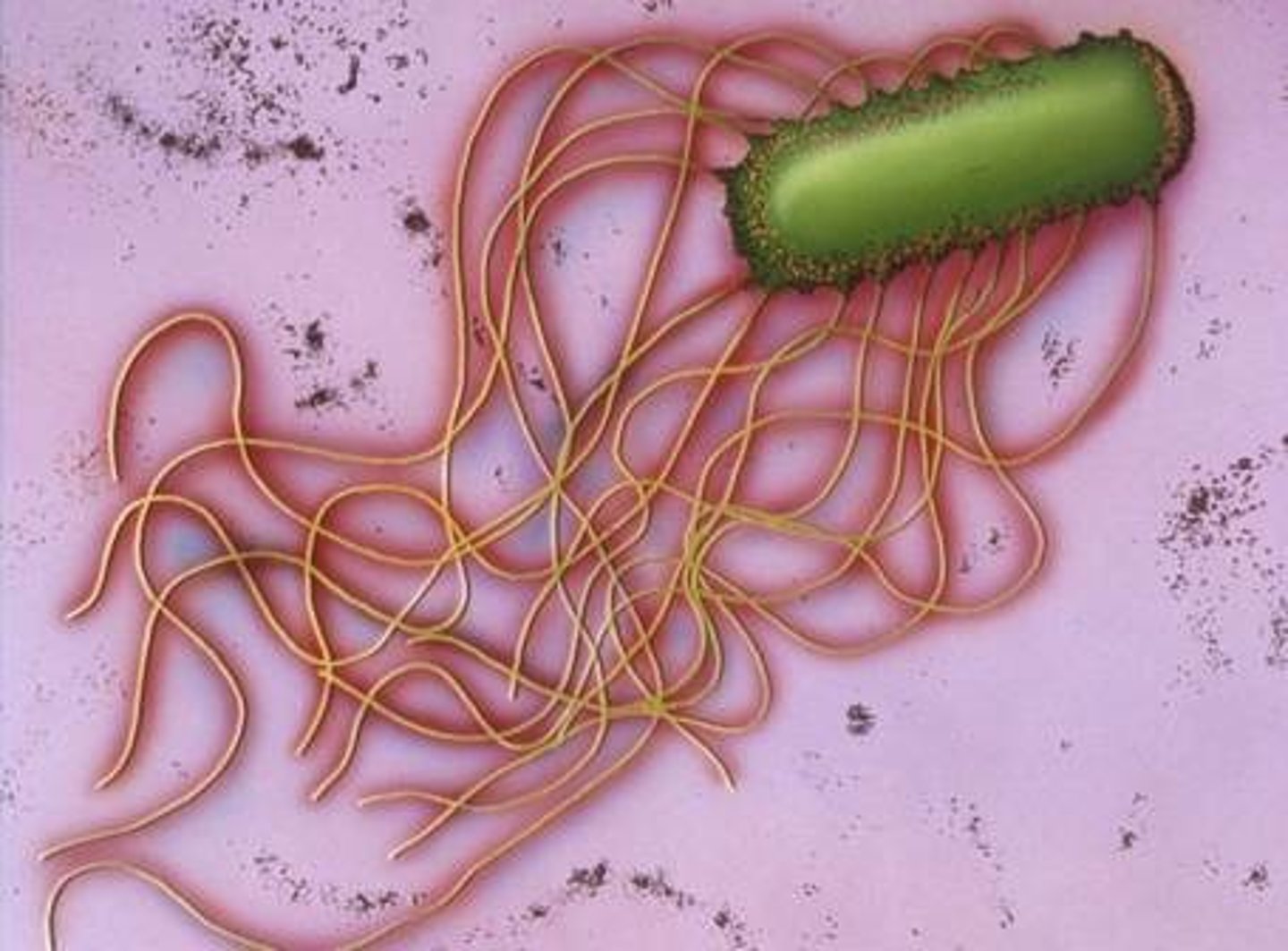
peritricious
flagella all around
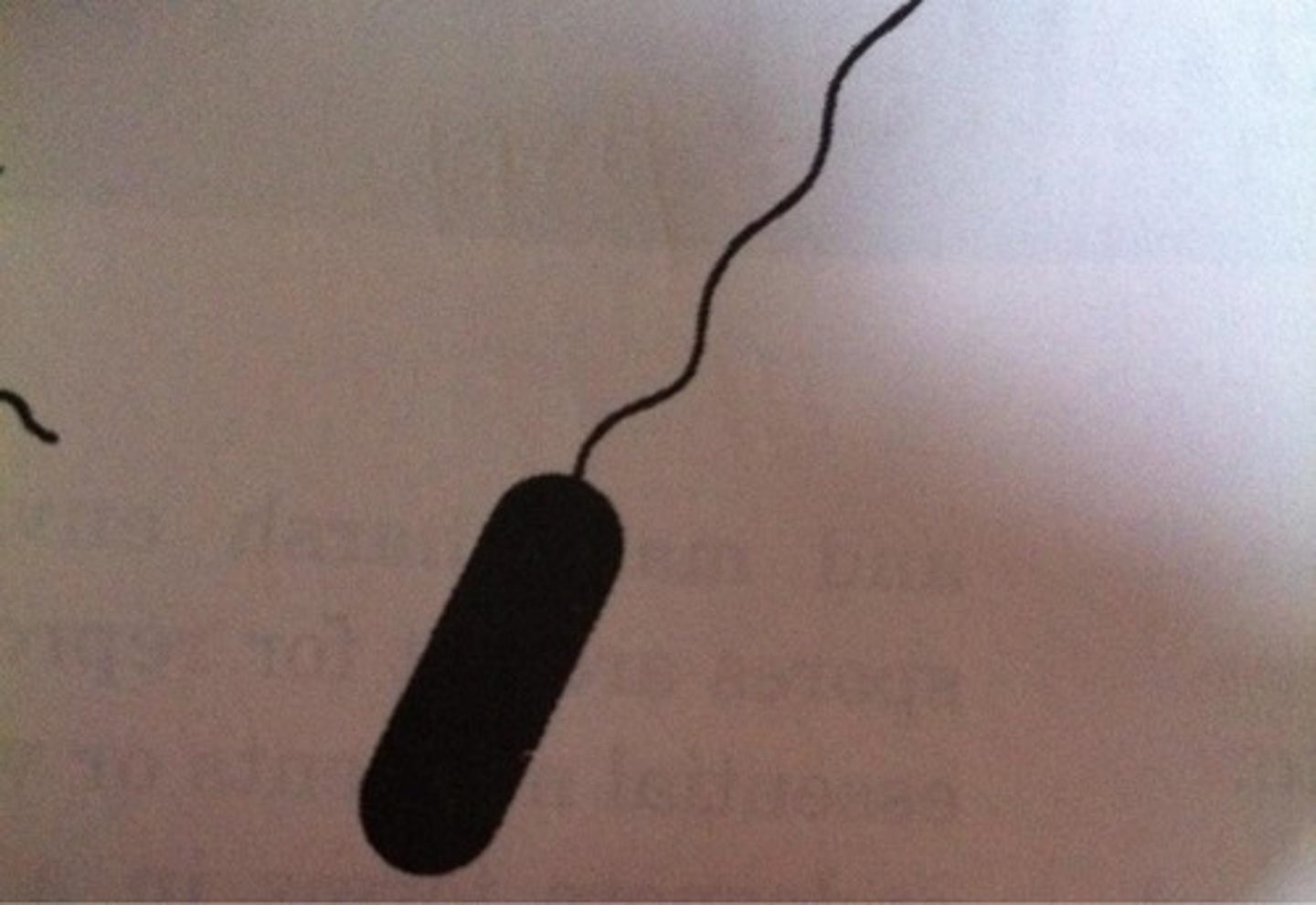
Monotricious
one flagellum
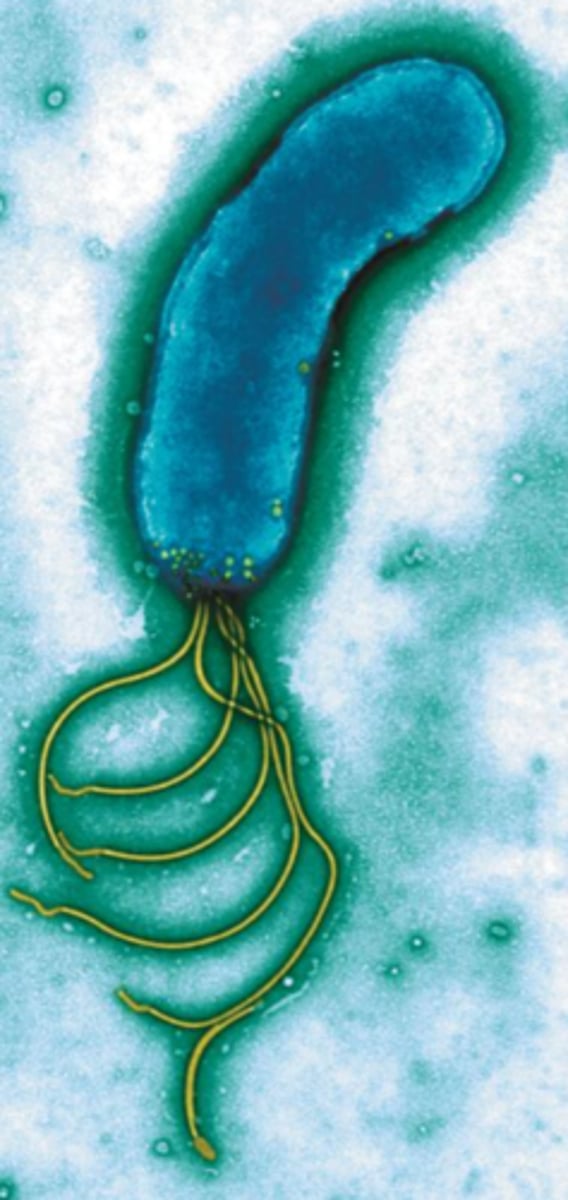
lopotricious
several flagellum on one side
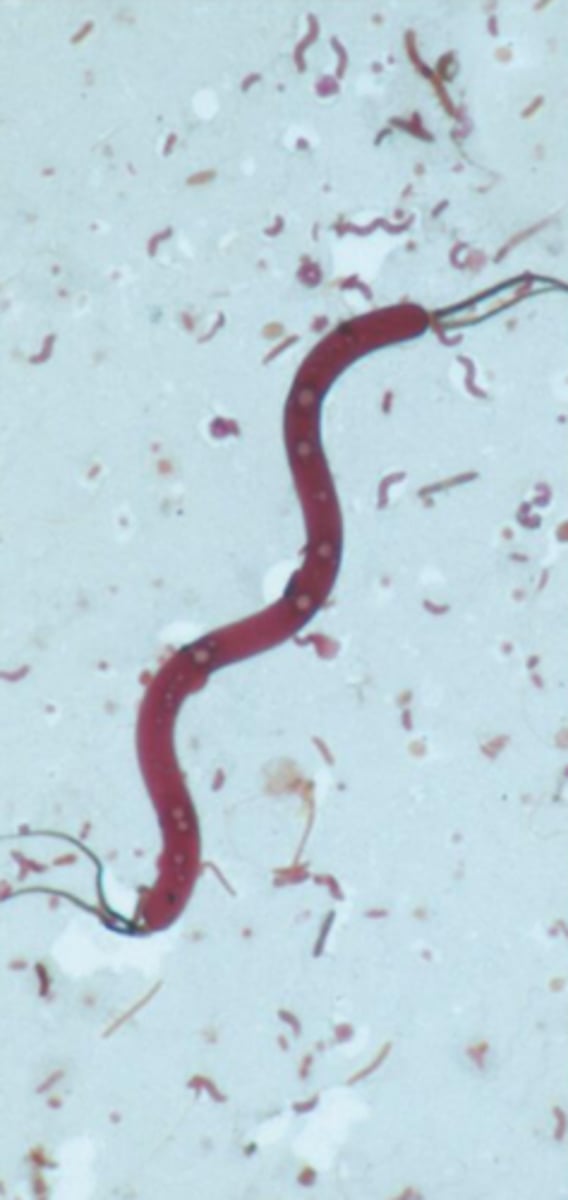
amphitricious
flagellum on both ends
What are mycobacterium?
have cell walls containing lipids constructed from mycolic acids- prevents dyes from binding to cells
What is another name for mycobacterium?
acid-fast bacterium
Acid fast bacteria
Contains mycolic acid, making it resistant to chemicals and dehydration.
What are mycoplasma?
bacteria that lack cell walls
What are archaea?
Primitive bacteria usually living in extreme environments
What bacteria have atypical cell walls?
Mycobacterium, Mycoplasma and Archae
gram positive
purple, thick peptidoglycan cell wall, techoic acids
gram negative
pink, thin peptidoglycan, LPS lipid layer
What is importance of bacterial cell walls?
prevents osmotic lysis, made of rigid peptidoglycan
How do capsules help protect bacteria?
Prevent phagocytosis by white blood cells
How do fimbrae help bacteria?
attachment
What is function of pili?
facilitate transfer of DNA from one cell to another
Plasma membrane of bacteria.
phospholipid bilayer, selectively permeable
How does the outer LPS layer affect bacteria?
protect from antimicrobial chemicals, more difficult to kill than gram-positive bacteria, Infections treated differently than with gram-negative bacteria
Characteristics of bacterial chromosome
-Single circular strand of DNA
-in area called nucleoid
-DNA tightly coiled around basic protein molecules to fit
Characteristics of Ribosomes
made of RNA and protein
Importance of inclusions
nutrient and energy reserves,
What are endospores?
cells in dormant stage
What are the characteristics of endospores?
dehydrated, resistant to, heat, chemicals
What is the stimulus for endospore formation?
depletion of nutrients, especially carbon and nitrogen
The cell _____ can be composed of three layers: the cell membrane, the cell wall, and the outer membrane.
envelope
Enzymes are
biological catalysts
What is a substrate?
any substance with which an enzyme react
What is competitive inhibition?
the shape of the inhibitor is similar to that of the substrate that usually binds with the enzyme and can block the active site preventing a reaction
What is non-competitive inhibition?
this is where an inhibitor binds to an enzyme site other then the active sight and changes the shape of the active site meaning the substrate can no longer bind to the active site and no reaction can occur
What is the active site?
Region on enzyme where substrate binds
What are allosteric sites?
specific location on an enzyme where a noncompetitive inhibitor can bind changing the enzyme's shape and function
What is a cofactor?
nonprotein components that assist enzymes in catalyzing reactions
What is a coenzyme?
a cofactor that is an organic molecule
What are the three basic catabolic pathways?
1. aerobic respiration
2. anaerobic respiration
3. fermentation
How many ATPs produced in Glycolosis?
2 ATPs
Glycolosis is part of which metabolic pathway?
aerobic respiration, anaerobic respiration, fermentation
Krebs cycle produces how many ATPs?
2 ATPs
Krebs cycle is part of which metabolic pathway?
aerobic respiration, anaerobic respiration
How many ATPs produced in Electron transport chain (ETC)?
about 34
How many ATPs produced in aerobic respiration?
36-38
What is the electron receptor of anaerobic fermentation?
Non O2 not oxygen
What is electron acceptor of fermentation?
organic compound
What is difference between fermentation and respiration?
both start with glycolysis but fermentation does not go through Krebs cycle or the electron transport chain thus yielding a lot less ATPs.
What is the electron acceptor of aerobic respiration?
Oxygen
What are the pathways of respiration
Glycolosis, Krebs cycle, Electron transport chain
What is the biproduct of aerobic respiration?
CO2
Does fermentation require oxygen?
No, anaerobic
What is the energy and carbon source of photoautotrophs?
energy source is light, carbon source is CO2
What is the energy and carbon source of Photoheterotrophs
Energy from light, carbon from organic compounds
What is the energy and carbon source of chemoautotrophs?
energy by oxidizing inorganic substances, needs only carbon dioxide as a carbon source
 Note
Note  Flashcards (92)