Queen Seven Seas of Rhye Study Piece 4
 Call Kai
 Learn
Learn Practice Test
 Spaced Repetition
 Match
Match Flashcards
 Podcast
1/47

Earn XP
Description and Tags
Name | Mastery | Learn | Test | Matching | Spaced | Call with Kai | Chat |
|---|

48 Terms
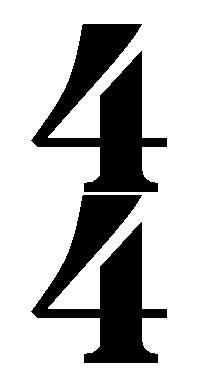
Introduction metre
4/4
Most of the song tempo
♩ = 127
Lively and fast
Introduction rhythm
Piano plays semiquavers for 8 bars.
Syncopation.
Drum fill with triplets.

Introduction dynamics
Begins mezzo forte.
The bass and lead guitars enter fortissimo.

Introduction melody
Riff - arpeggiated / broken chords.
Guitar pitch bend.
Introduction harmony
2 chords (D & G major) - arpeggiated.
Power chords.
Final chords: D, Em (Em9) and A7 (dominant 7th).

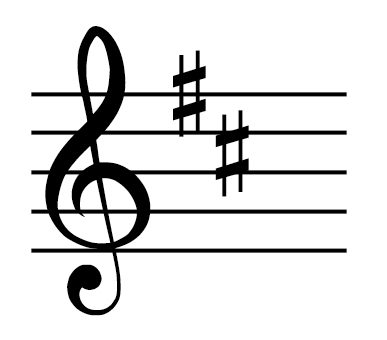
Introduction, verses, bridge 1, final instrumental and outro tonality
D major.
Introduction texture
The opening two-bar riff is a piano solo, played in octave unison.
Introduction technology
Reverb & stereo panning.
Introduction timbre / sonority
Piano.
Drums.
Electric guitars.
Bass guitar.
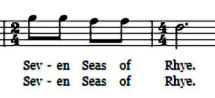
Verses and bridge 1 metre
Mostly 4/4.
One bar of 2/4 at the end.
Verses rhythm
Syncopation.
Dotted rhythms.
Drumbeat has a strong backbeat.

Verses dynamics
Loud.
Slightly quieter when instruments drop out leaving vocals solo.
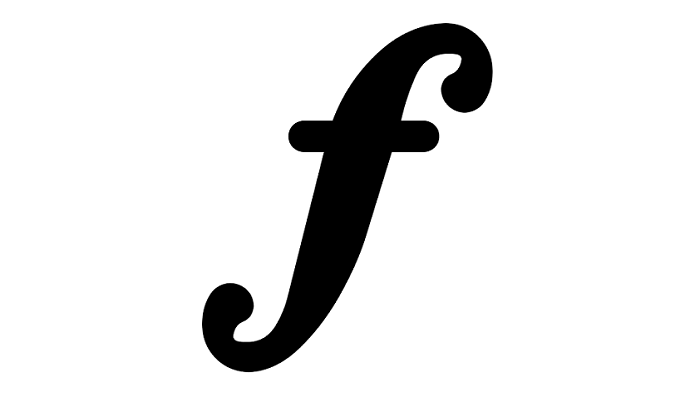
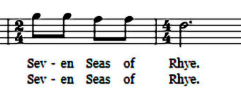
Verses melody
‘The seven seas of Rhye’ - hook with a descending shape.
Lead vocal range - 1 octave.
Leaps are heard before each vocal hook.
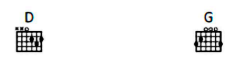
Verses harmony
Chords are mostly tonic (D) & subdominant (G).
Verses texture
Melody & accompaniment.
Guitar layers add polyphony.
Verses technology
Reverb & stereo panning are added to the vocal lines.
The lead vocal part is double-tracked in verse 3.
Verses timbre
Piano less prominent.
Backing vocals in verse 3.
Bridges rhythm
Syncopation.
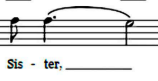
Bridge 1 dynamics.
Loud.
Slightly quieter on “forever” but with a slight crescendo as the pitch lifts higher.
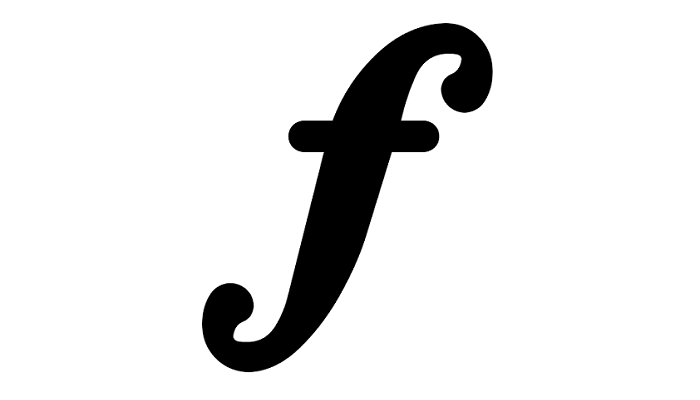
Bridge 1 melody
Blues notes (F♮) are sung & played by guitar in bridge 1.
Freddie Mercury ends with high D, showing off wide vocal range.

Bridge 1 harmony
Four chords ascend by step - D major, E minor, F# minor and G major.
C major chord - bVII.

Bridge 2 tonality
G major (subdominant) then back to D major at the end.
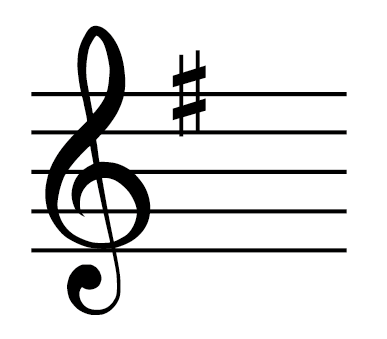
Bridges texture
Melody & accompaniment.
Backing vocals are homophonic.
Bridges technology
Overdubbing is used for four part vocals and multiple guitars.
Bridges timbre
Backing vocals added in the bridges - high pitched, close harmony.
Instrumental solo rhythm
Syncopation.
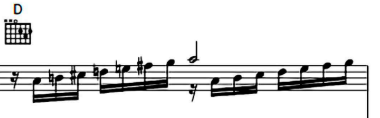
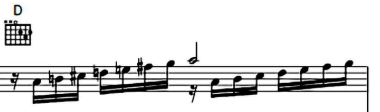
Semiquaver runs at the end.
Instrumental solo dynamics
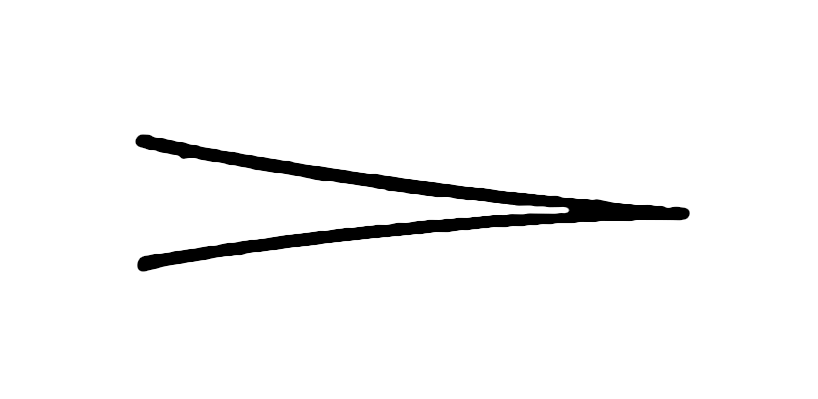
A diminuendo is heard on the lead guitar at the end of the solo section and verse 3.
Instrumental solo melody
Lead guitar plays short descending scalic passage before solo & ascending scalic passages at end of solo.
Instrumental solo harmony
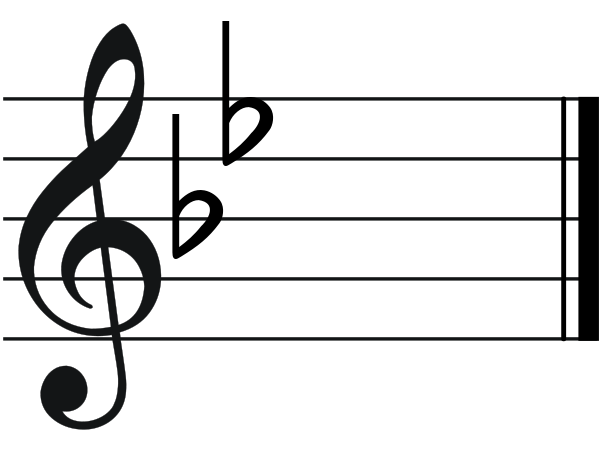
Bb major (the tonic - chord I) and Eb major (the subdominant - chord IV) alternate throughout.

Instrumental solo tonality
Unusual modulation to the key of Bb major, the flattened submediant (6th note).
Returns to D major at the end.
Instrumental solo texture
Melody and accompaniment.
Instrumental solo technology
Light distortion on the guitars.
Echoes are heard at the end of the solo, followed by feedback created by the electric guitar.
Instrumental solo timbre
Guitar more prominent.
Techniques:
portamento
palm muting
vibrato
power chords
Final instrumental rhythm
Syncopation.
Lots of drum fills at the end.
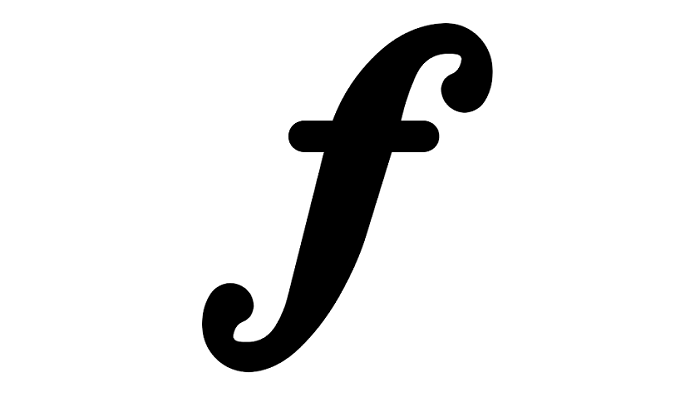
Fina instrumental dynamics
Loud.
Final instrumental melody
Electric guitar ad libs in an improvisational style.
Final instrumental harmony
Tonic pedal.
Final instrumental texture
Polyphonic - many different layers at once.
With an accompaniment.
Final instrumental and outro technology
The song ends with a cross fade.
Instruments blend into the band singing ‘Oh! I do like to be beside the seaside’
Final instrumental timbre
Piano, drums, electric guitar, bass guitar.
Vocals near the end.
Outro rhythm
Swung rhythms.
Outro tempo
Slightly slower than before.
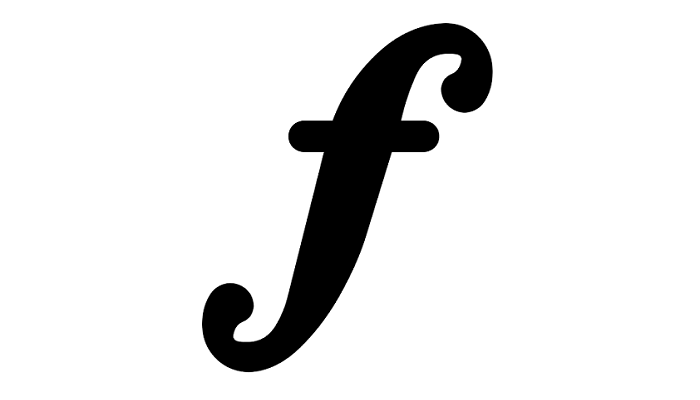
Outro dynamics
Loud vocals.
Quickly fades out at the end.
Outro melody
The nursery rhyme / traditional song ‘Oh! I do like to be beside the seaside’ is sung during the outro.
Outro harmony
Diatonic.
Outro texture
Octave unison.
Outro timre
Instruments quickly fade out.
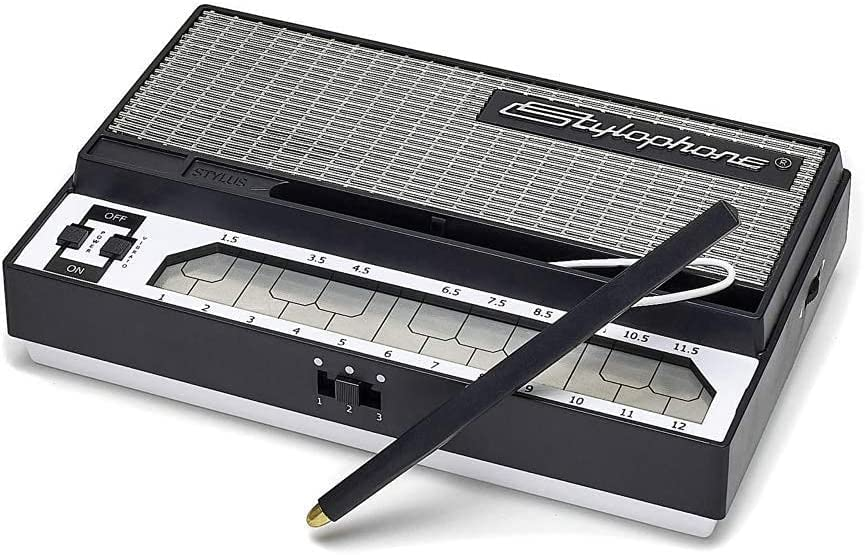
Vocals and stylophone.